Family Puzzles
Looking to spend quality time with your loved ones while challenging your minds? Dive into the world of family puzzles where fun and bonding come together piece by piece. Whether you're a puzzle enthusiast or just starting out, our diverse selection of puzzles offers something for everyone in the family. From captivating images to varying levels of difficulty, these puzzles are perfect for cozy nights in, rainy days, or anytime you want to unplug and enjoy some screen-free entertainment together. Get ready to create lasting memories and unlock the joy of solving puzzles as a family.
Sort

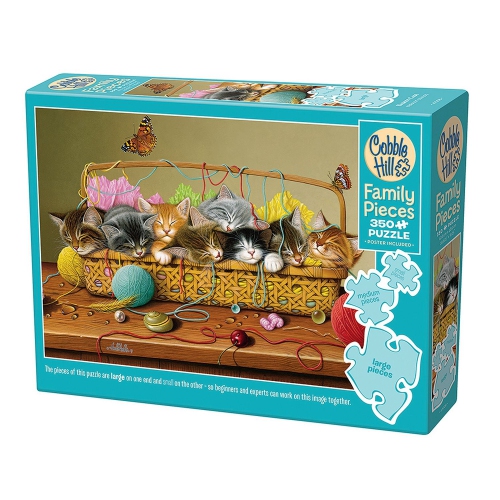

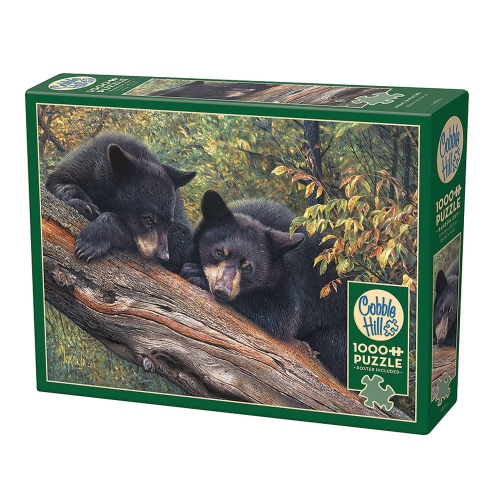


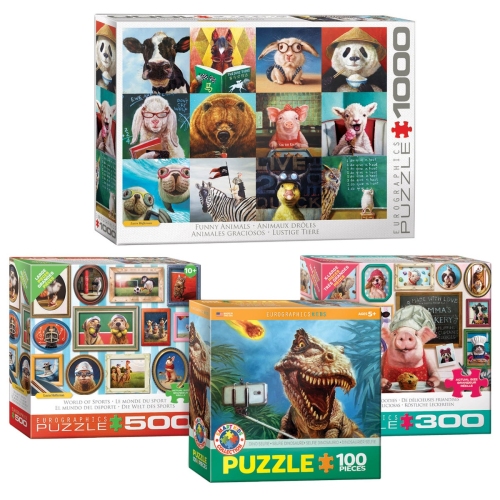


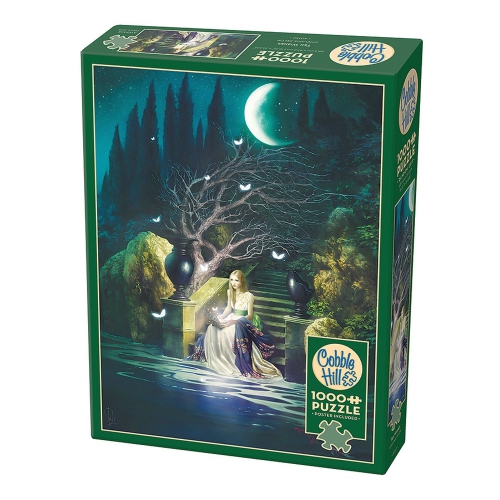


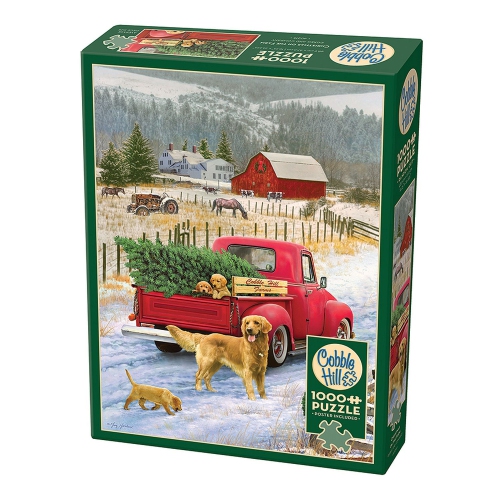

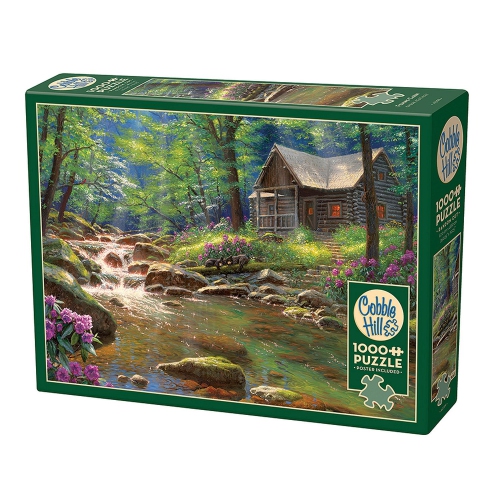


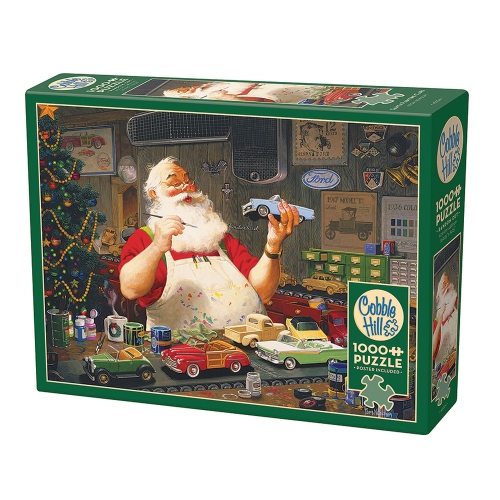
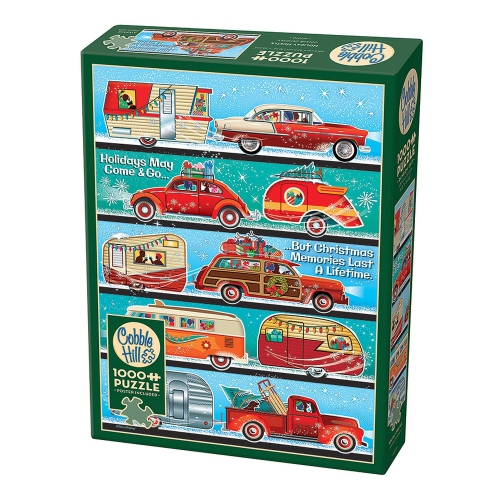

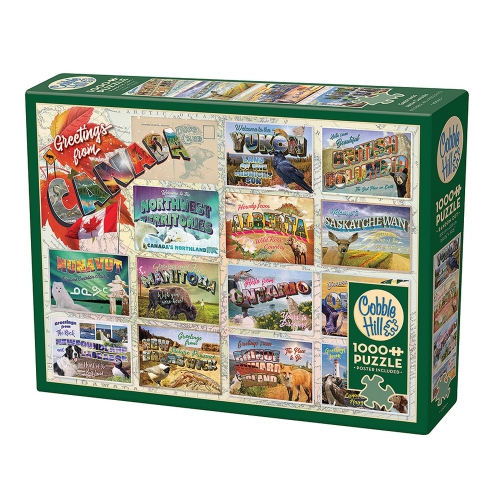

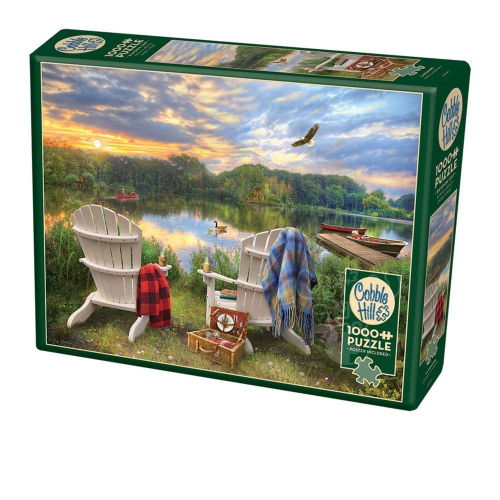

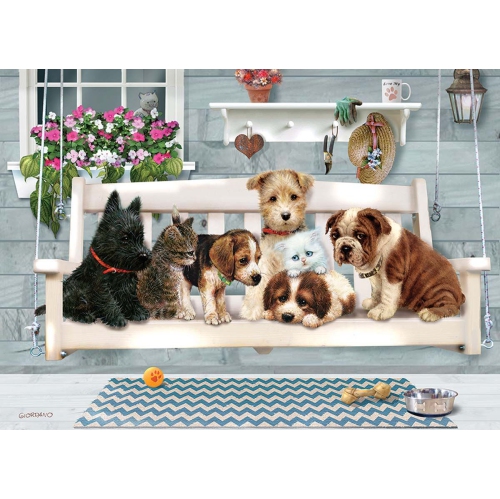

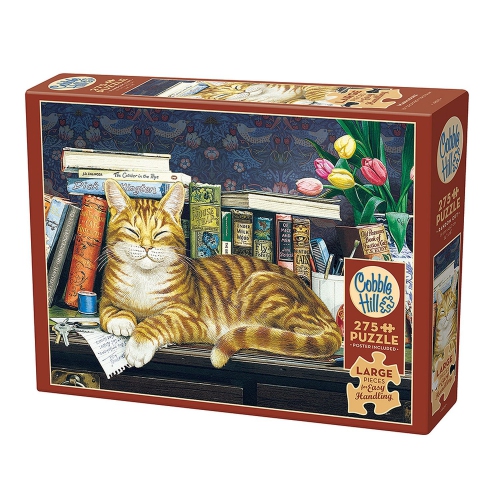


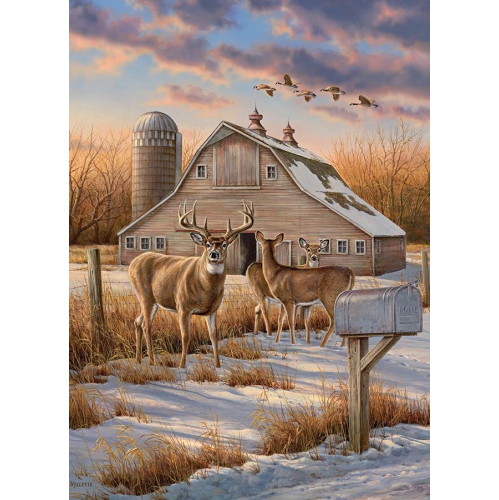

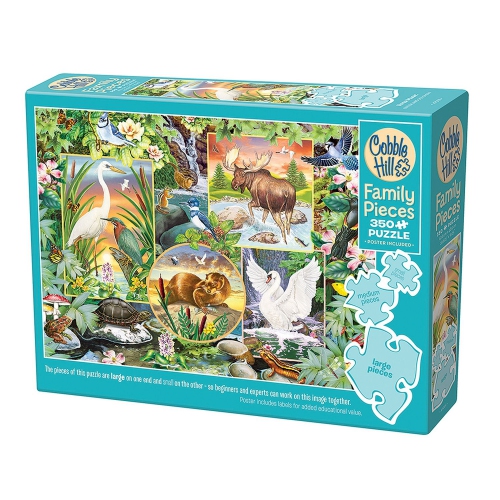


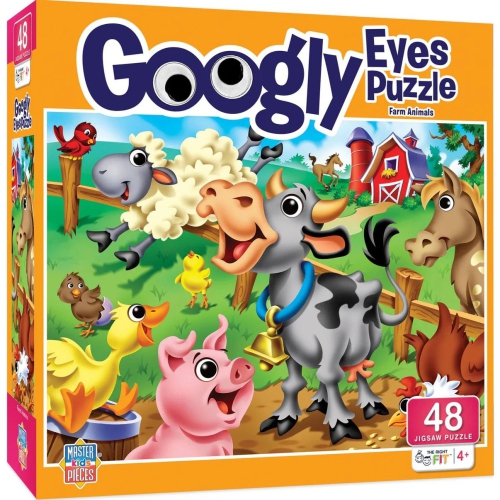

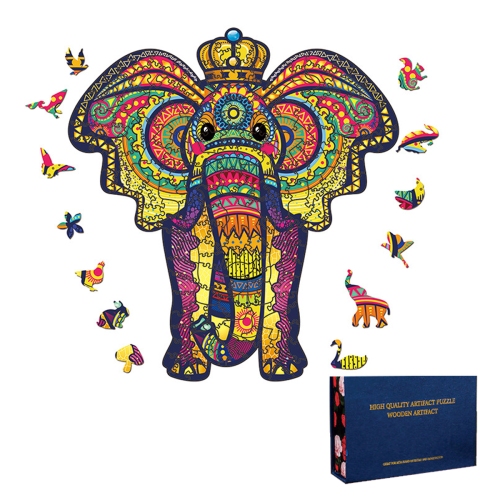
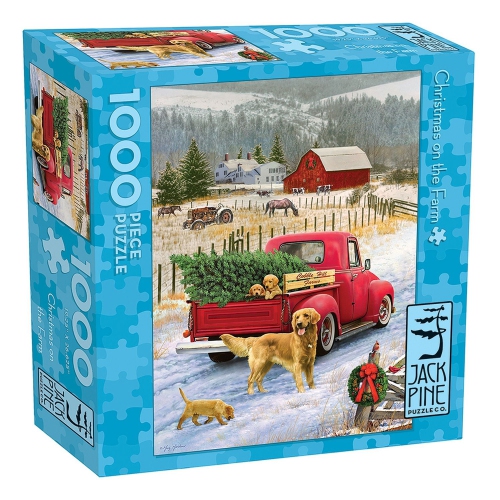
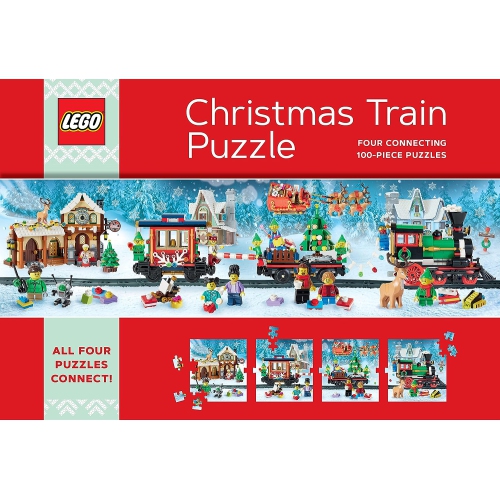


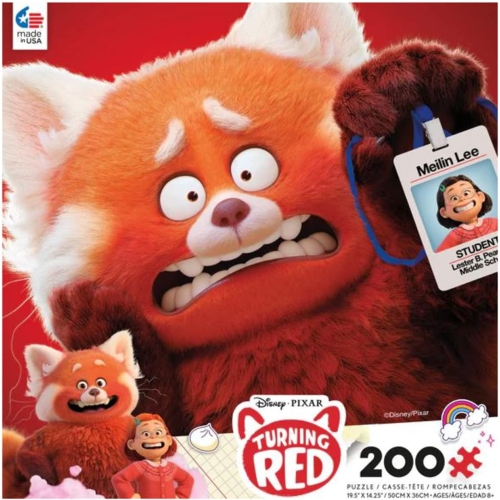
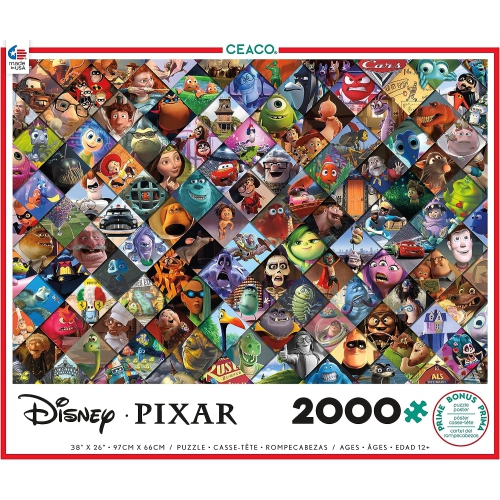
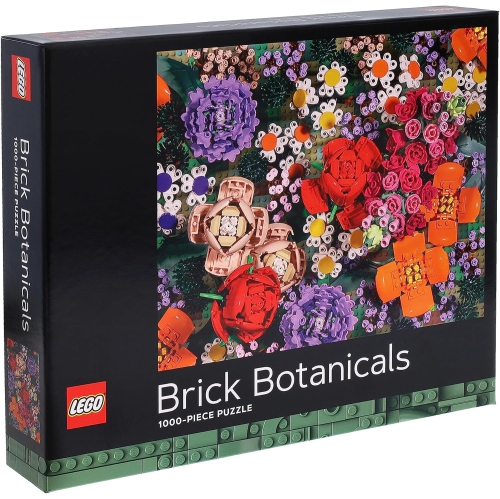

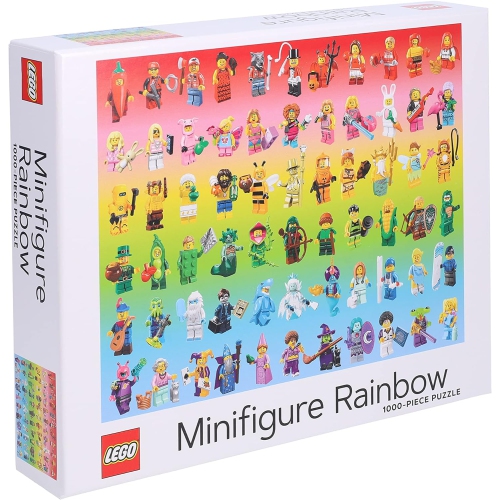
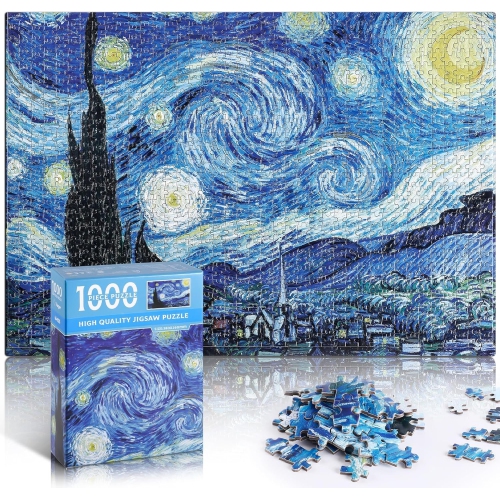
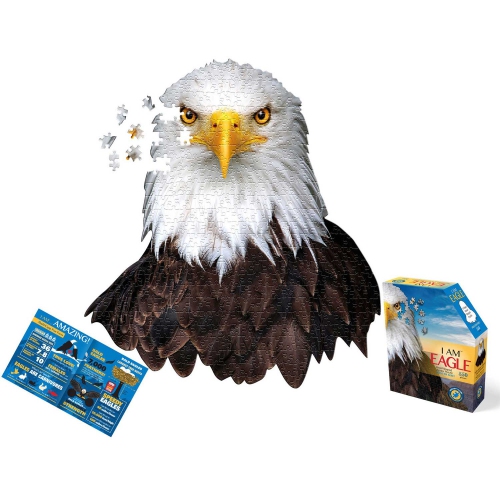
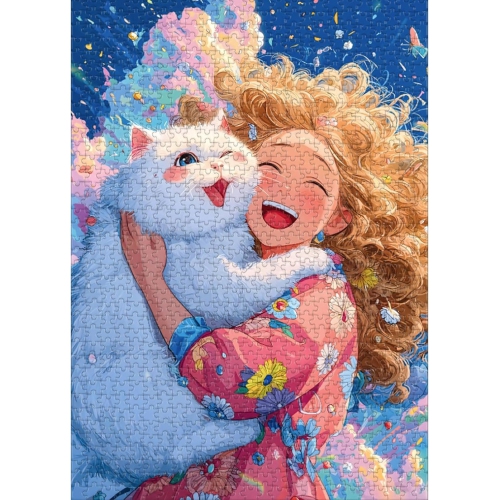
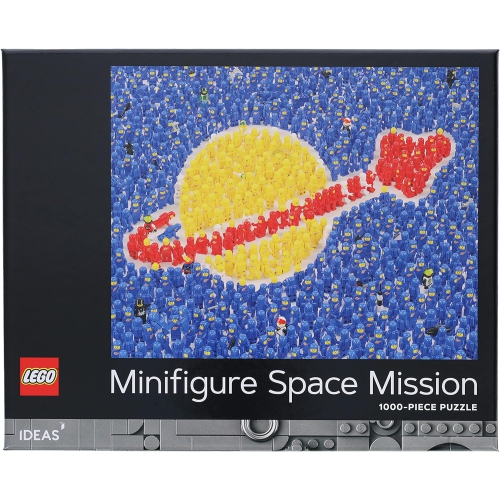
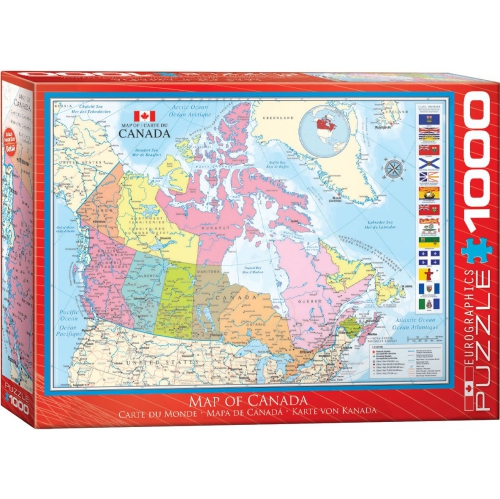
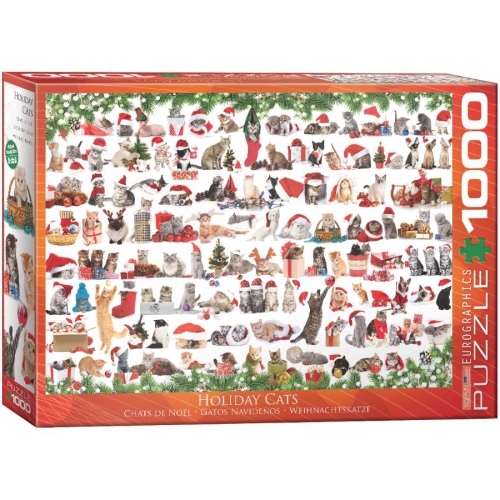
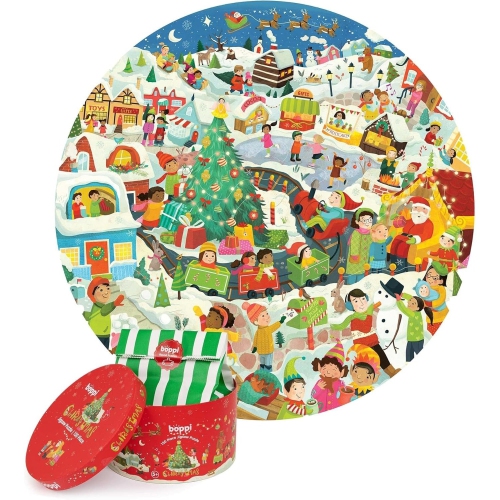


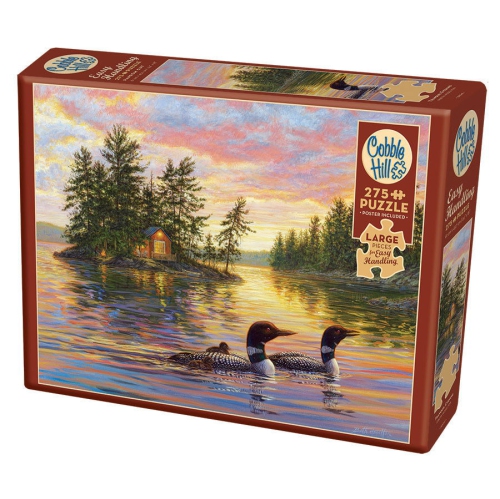

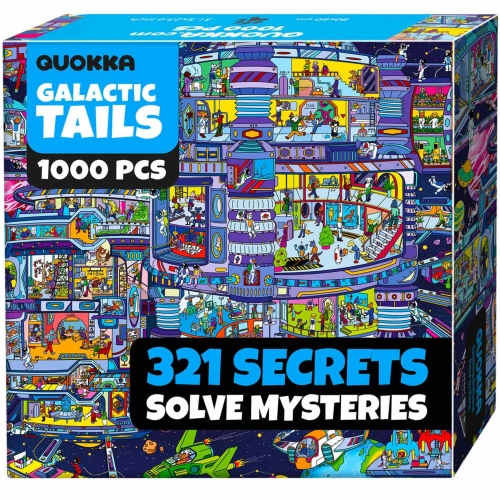
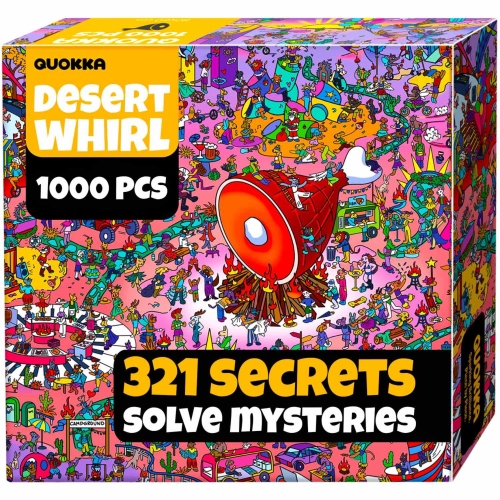
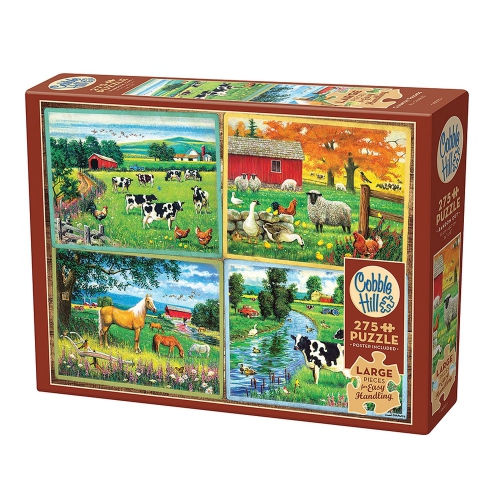
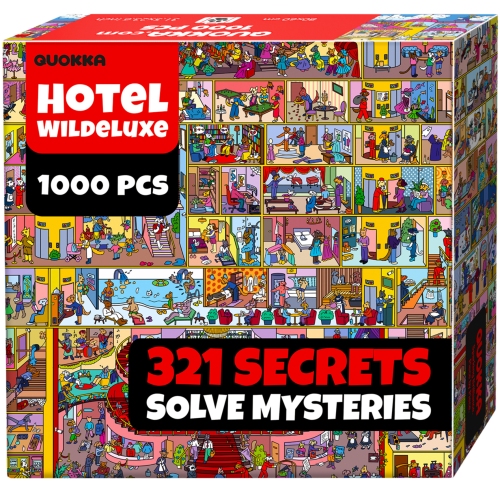
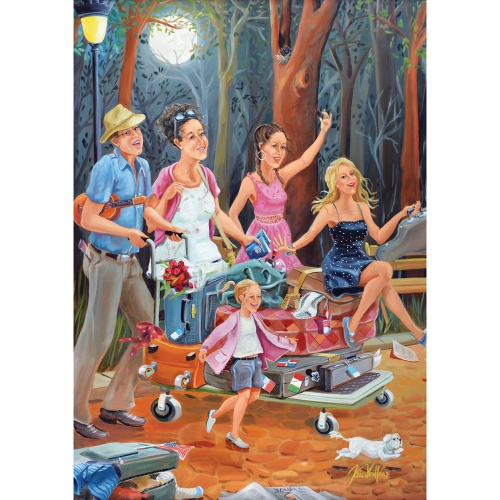



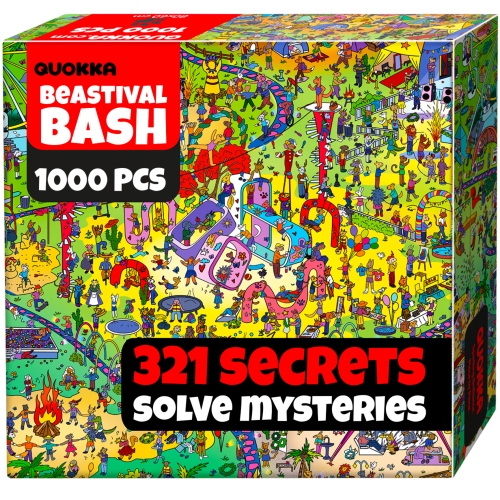
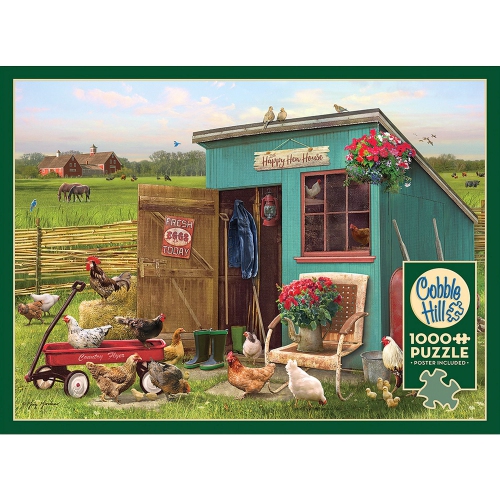
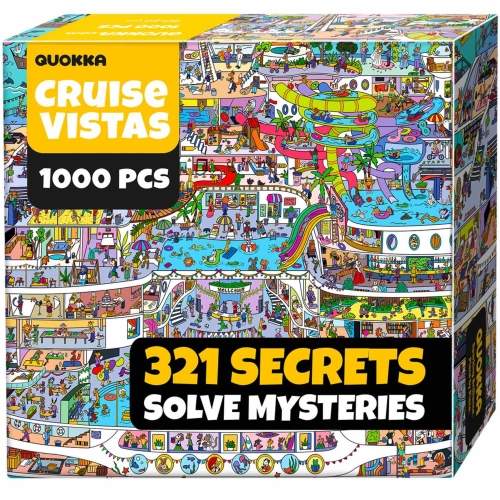
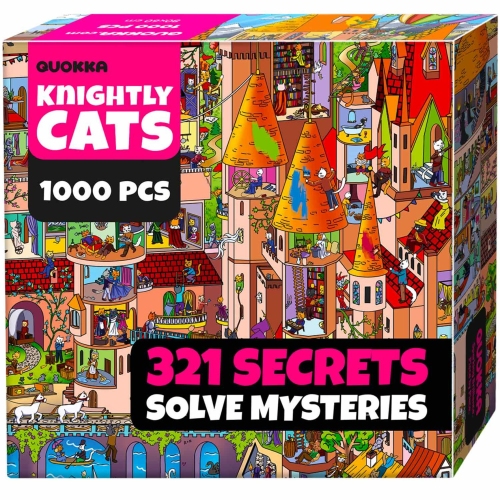


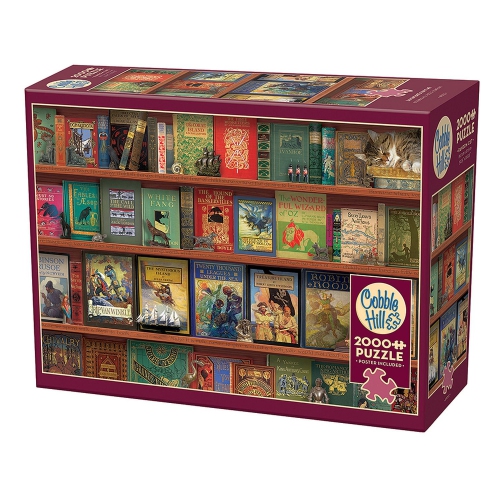

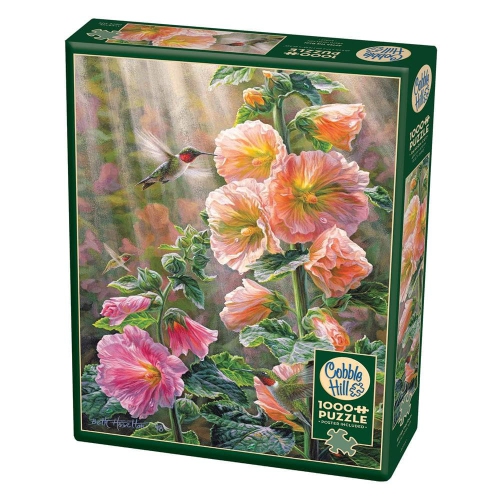
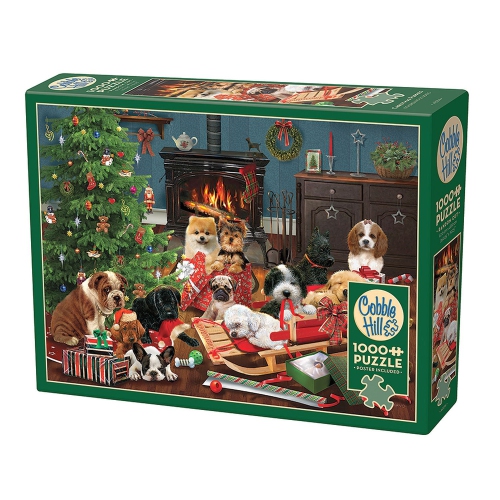
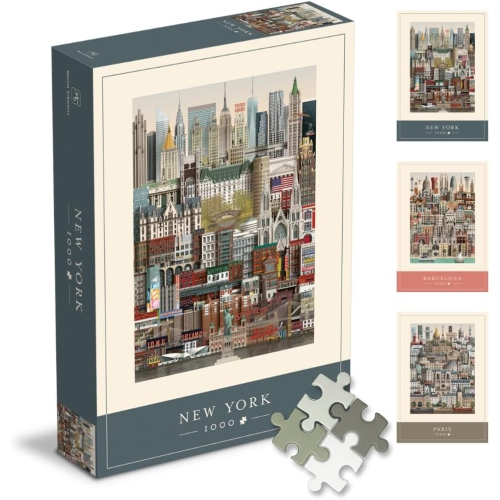


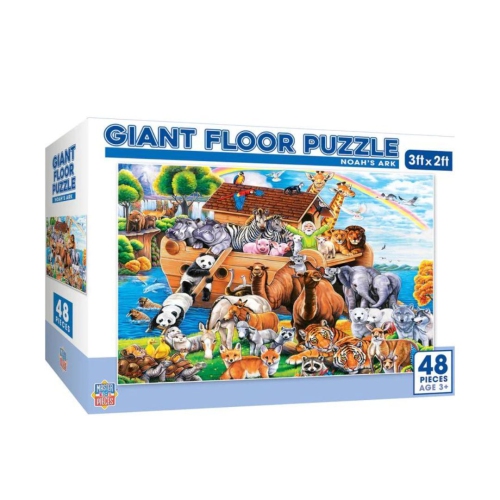
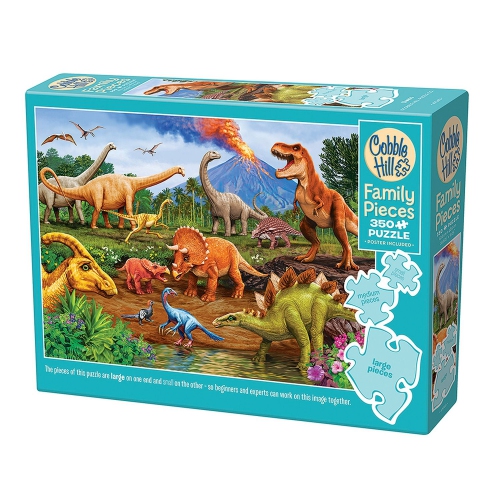
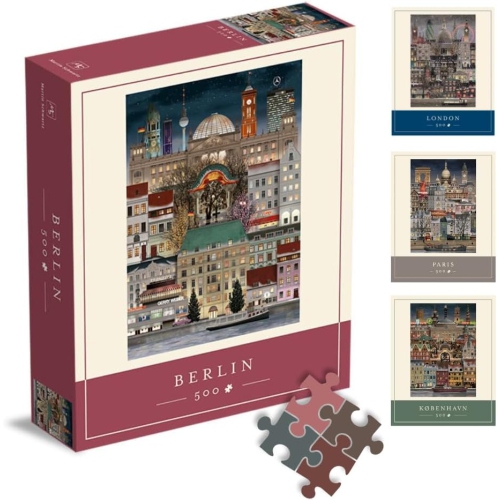
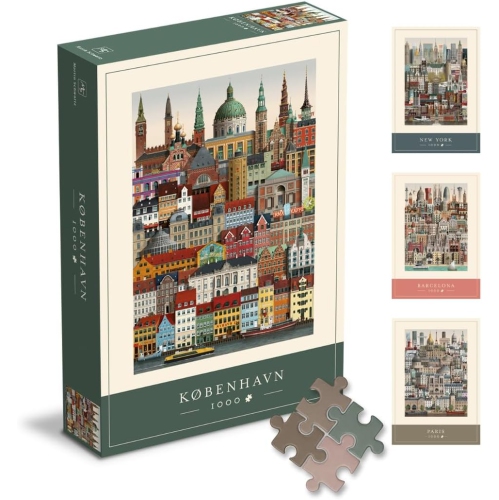
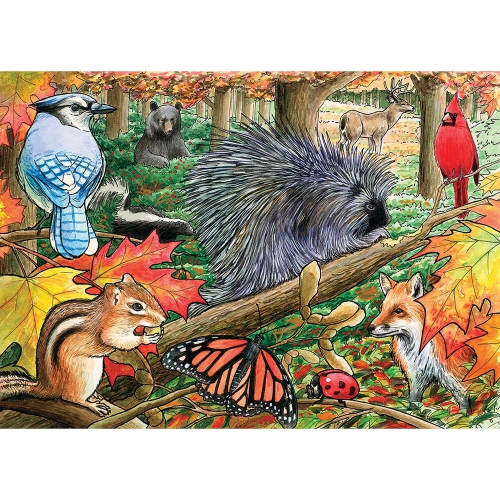
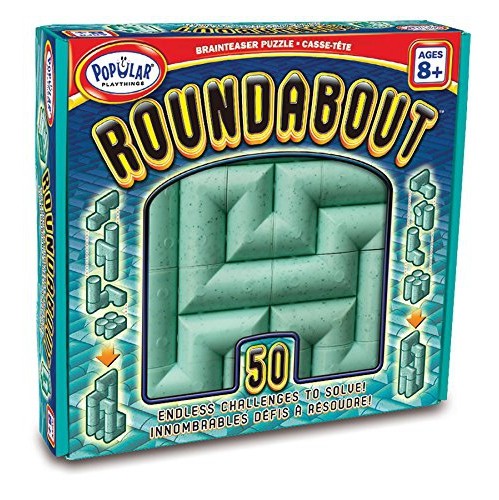
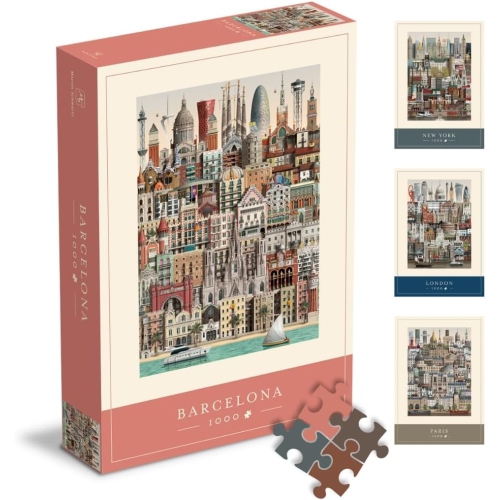
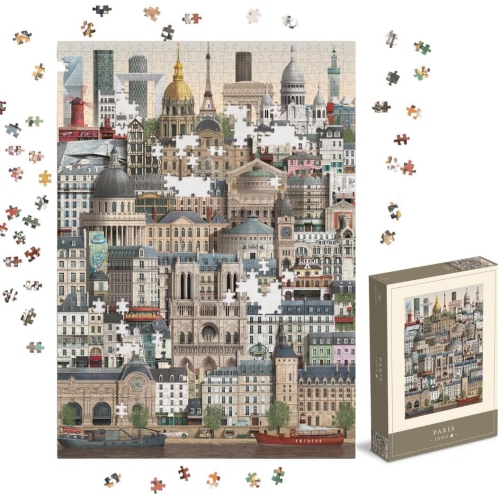
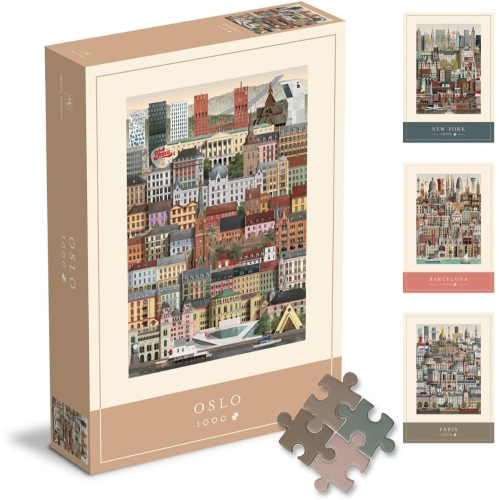
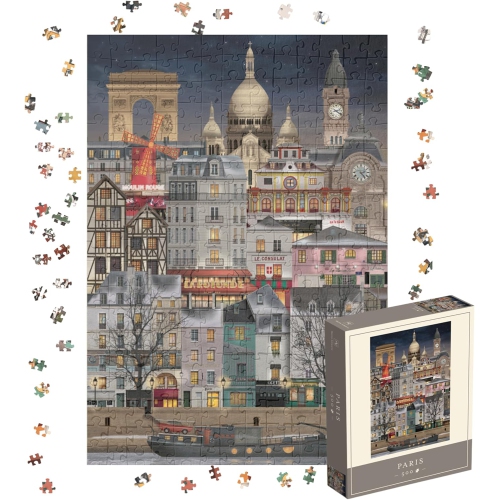
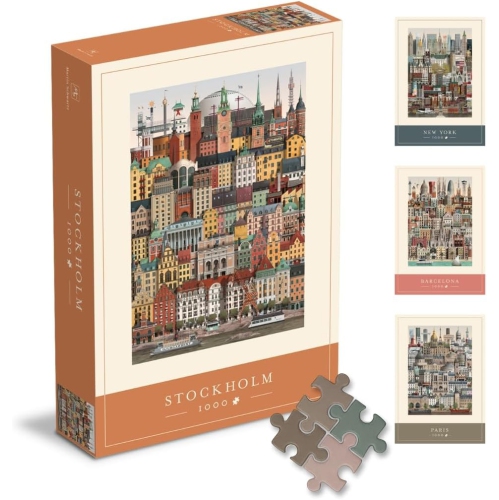

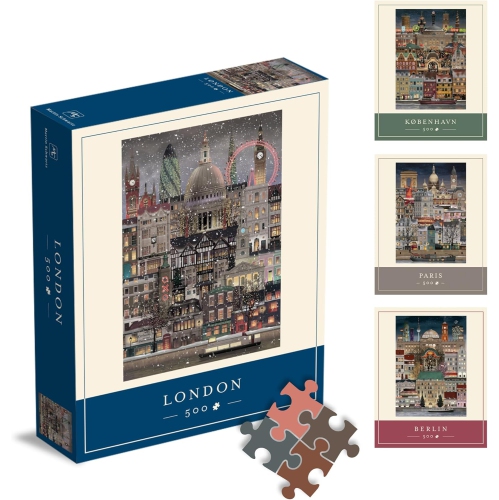
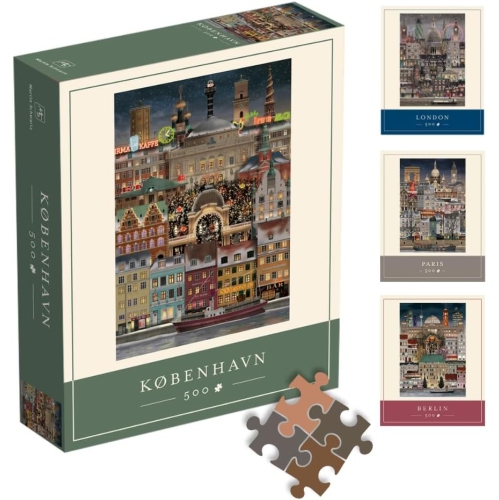
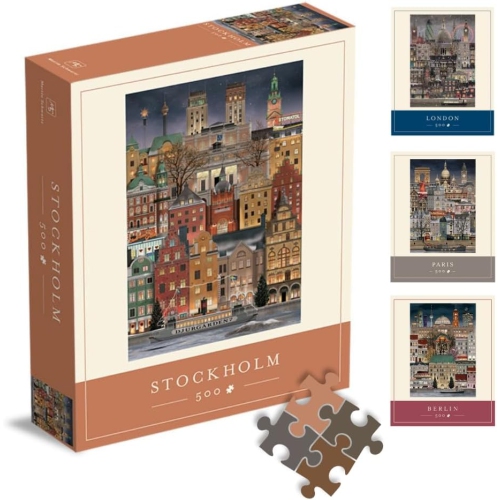
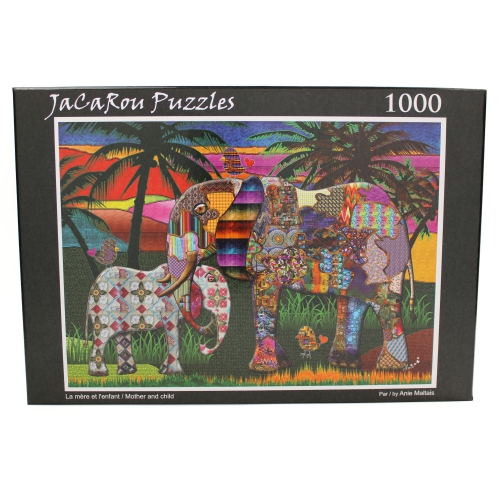
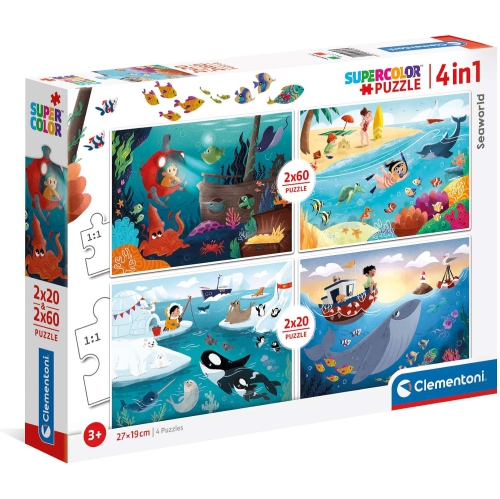
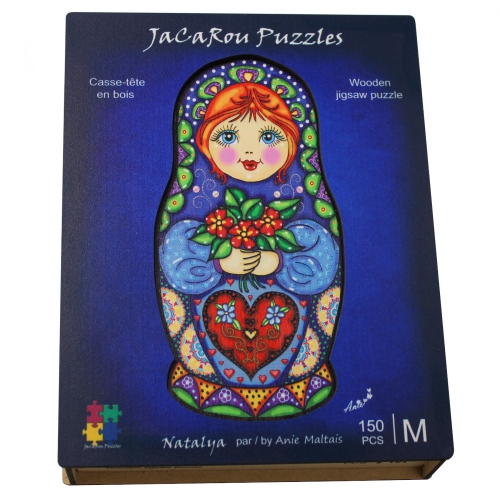
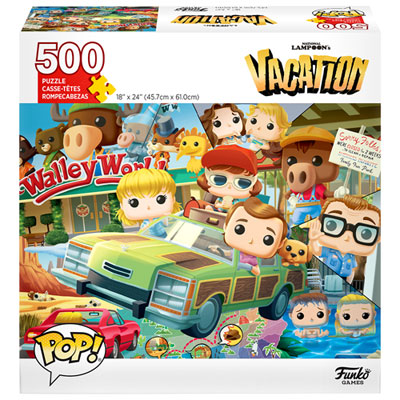
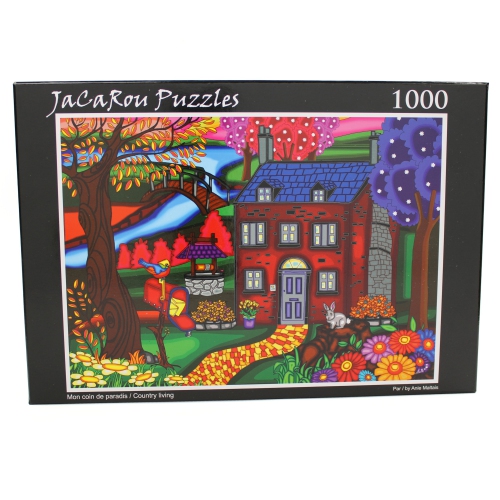
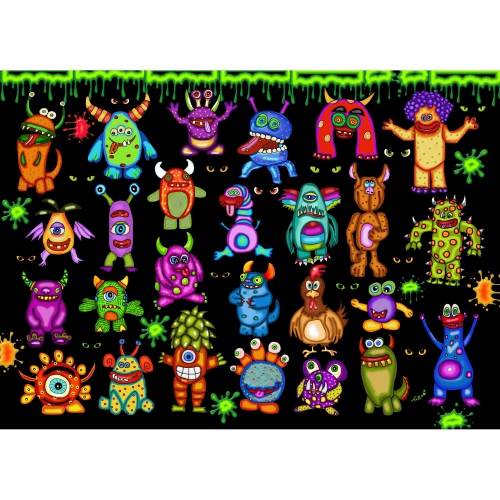

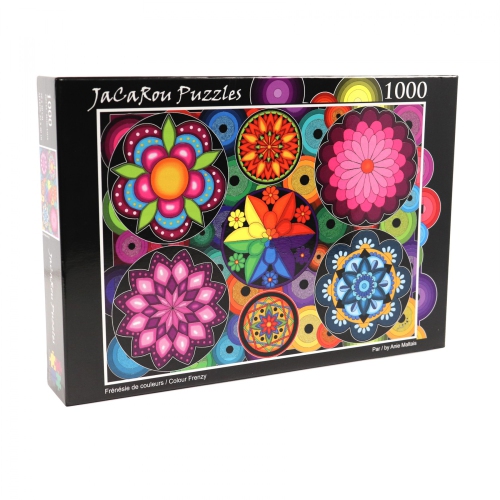
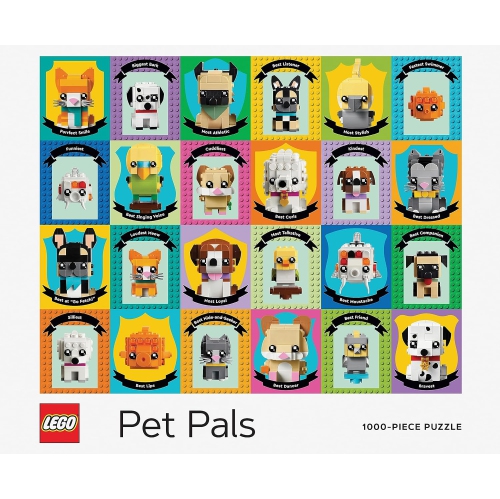

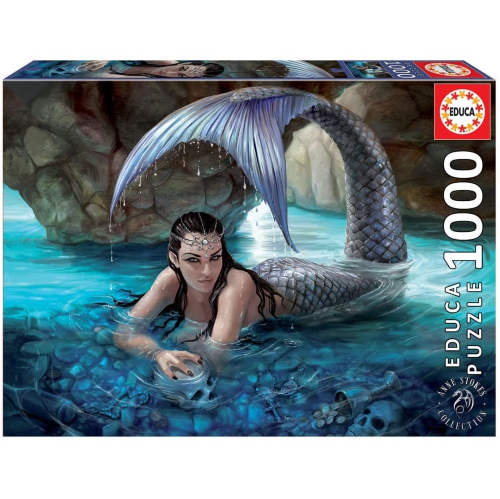

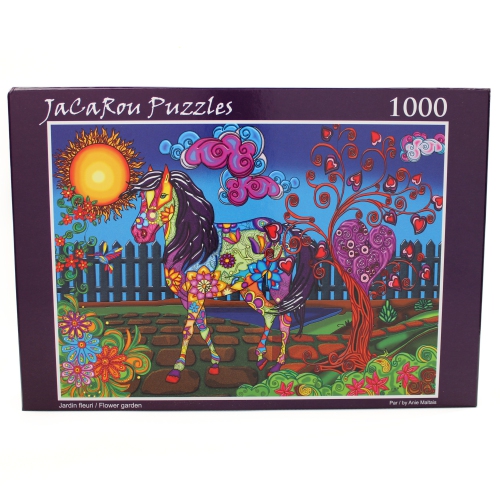

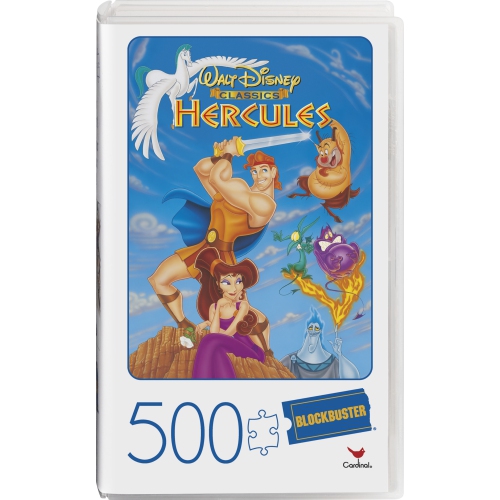
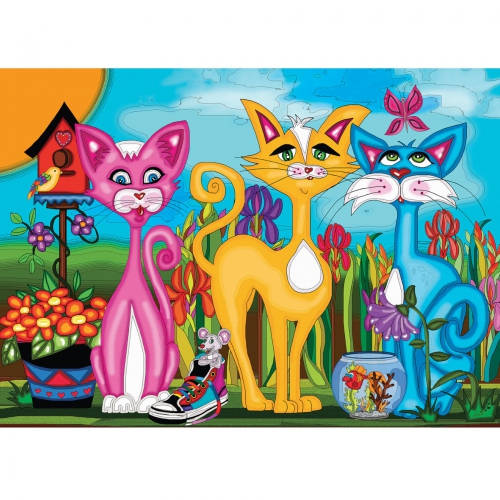
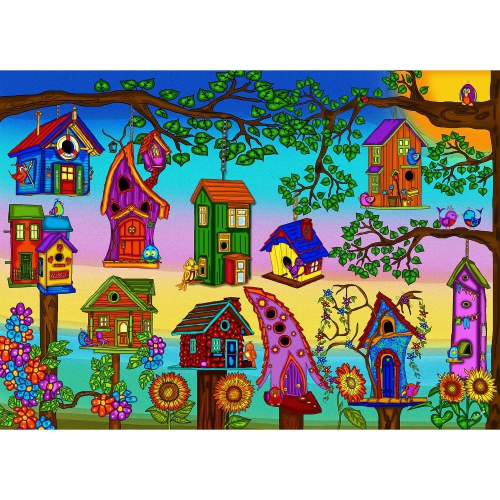
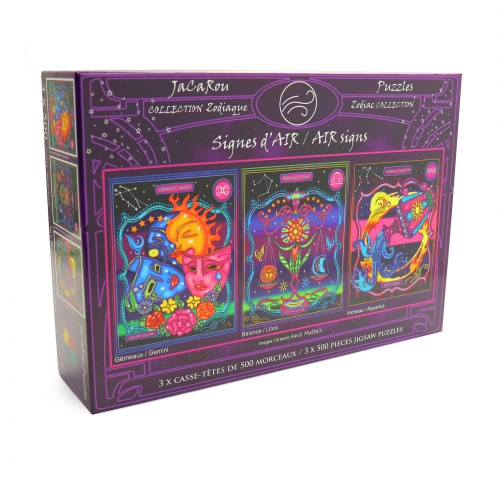

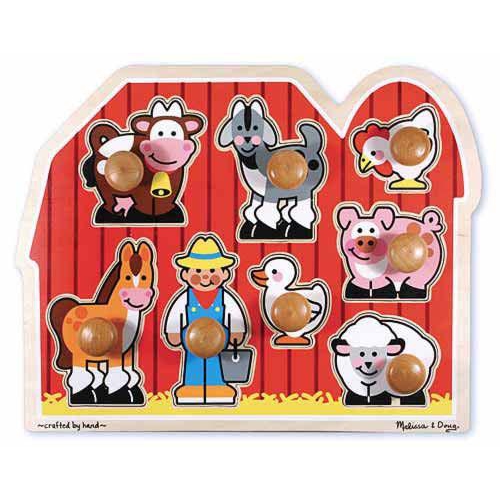
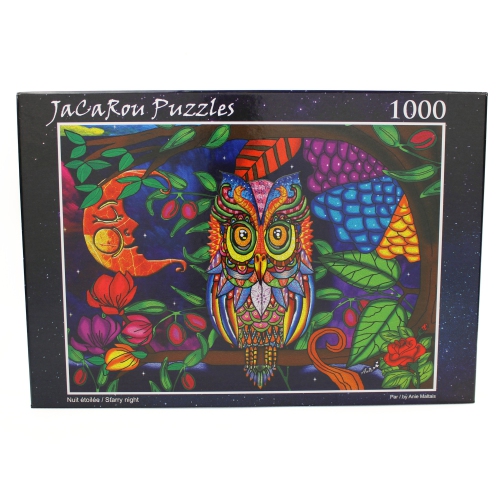
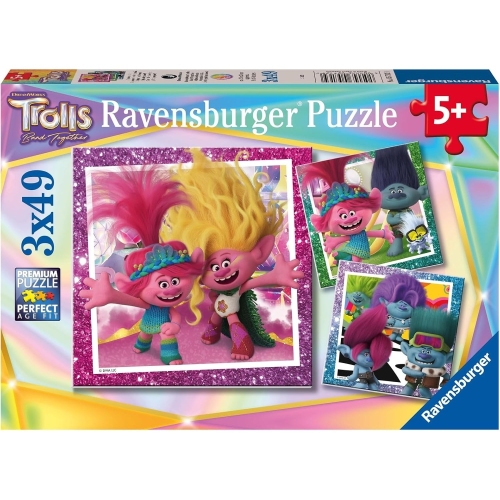
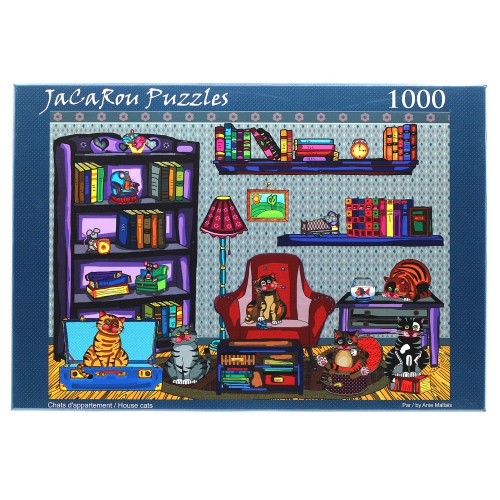
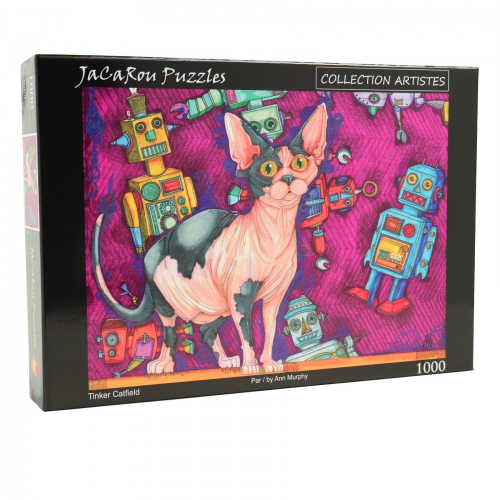
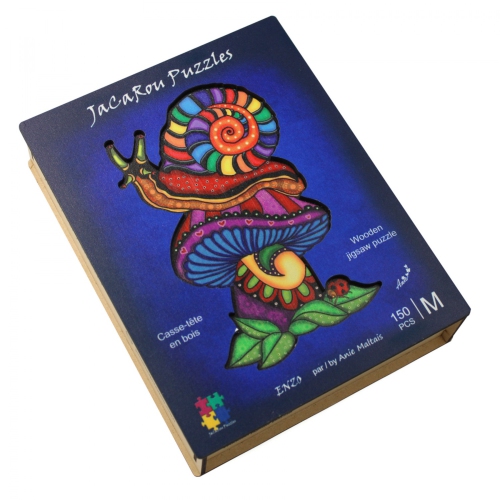

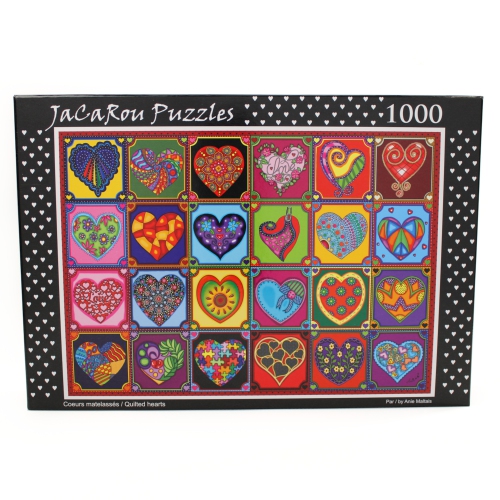
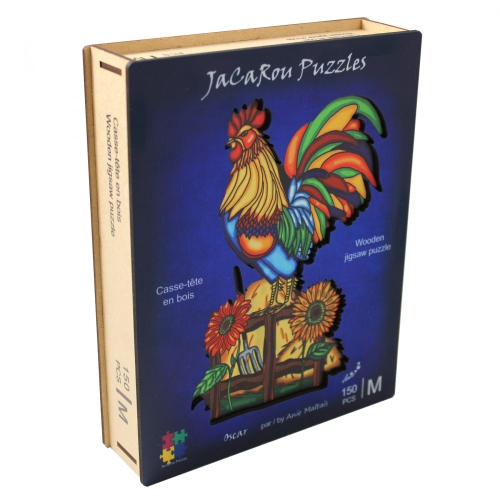





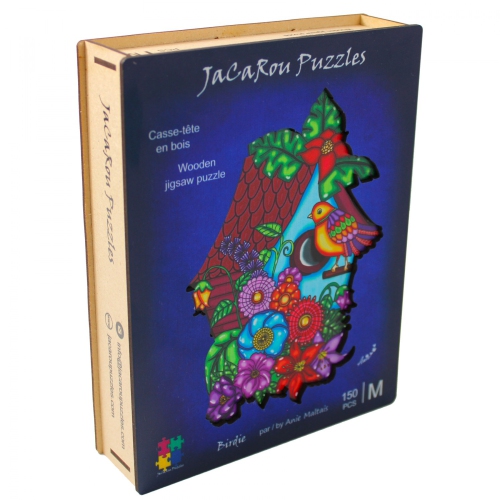
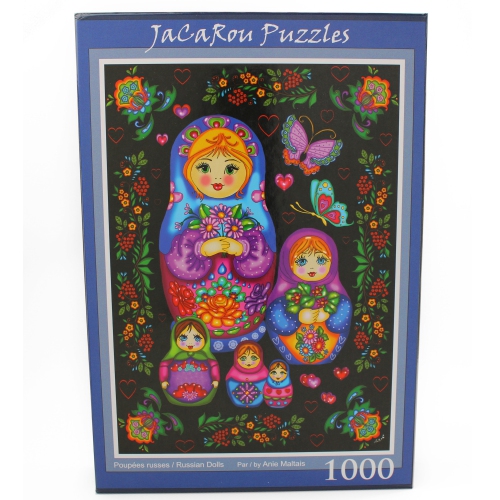
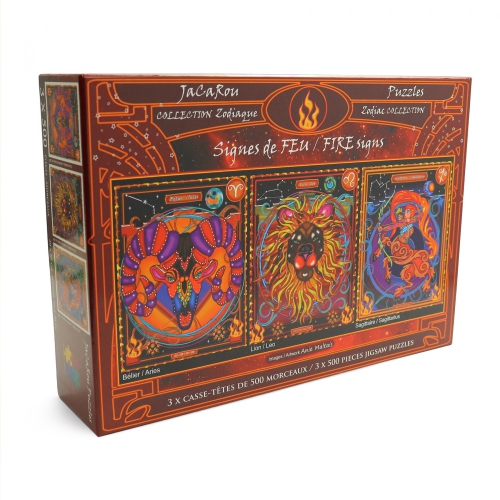
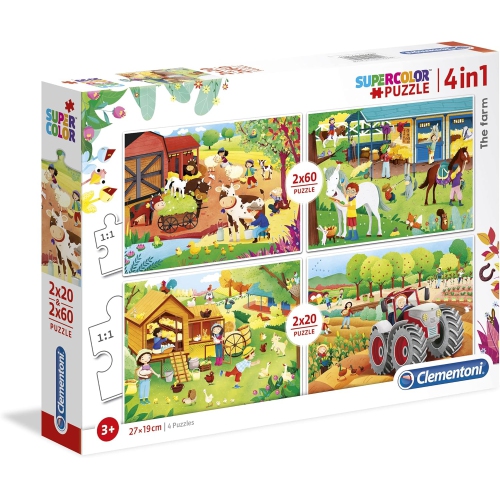
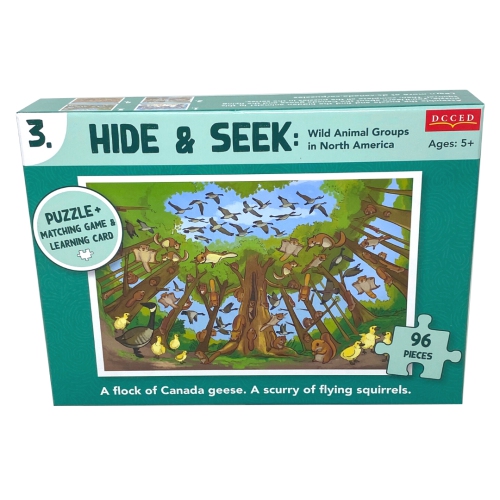
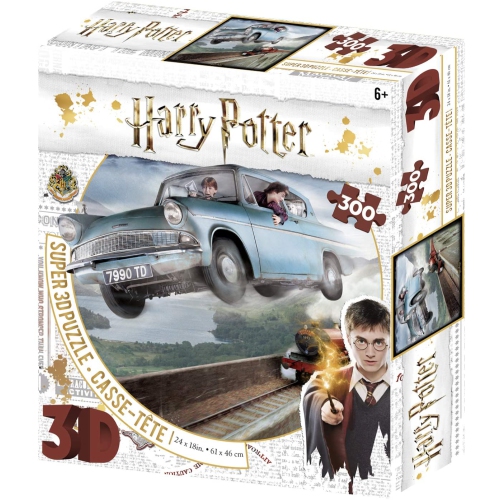

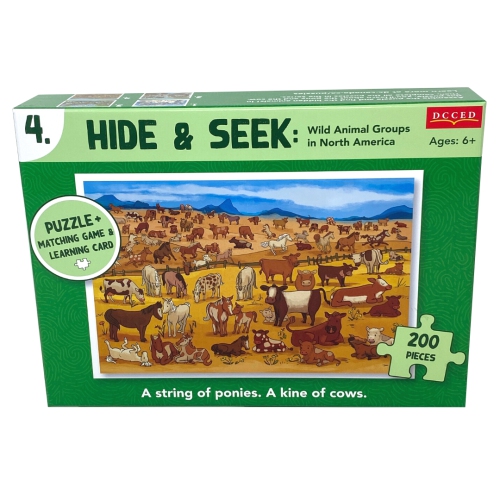

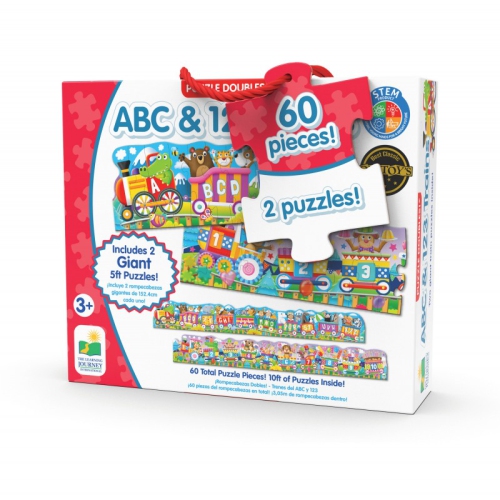
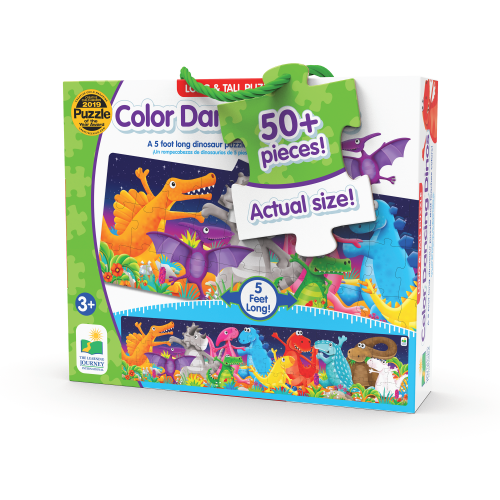
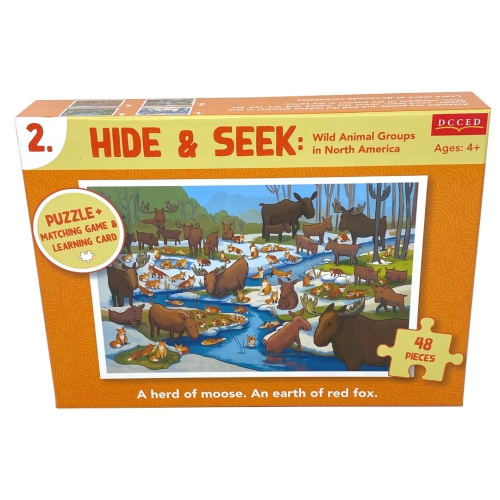
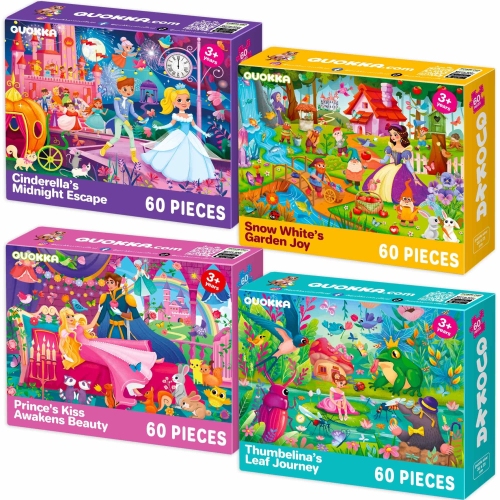
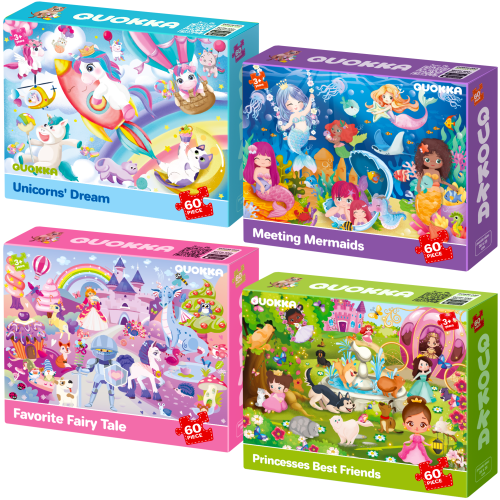
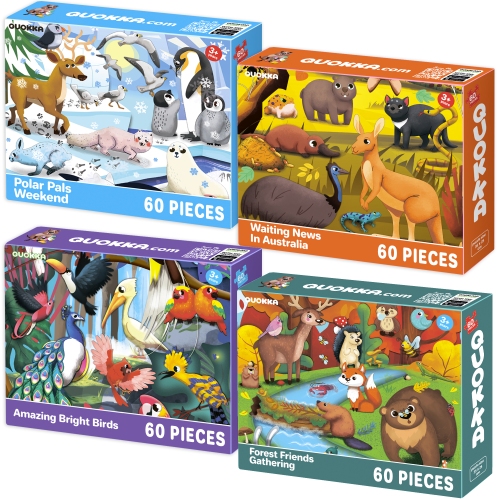
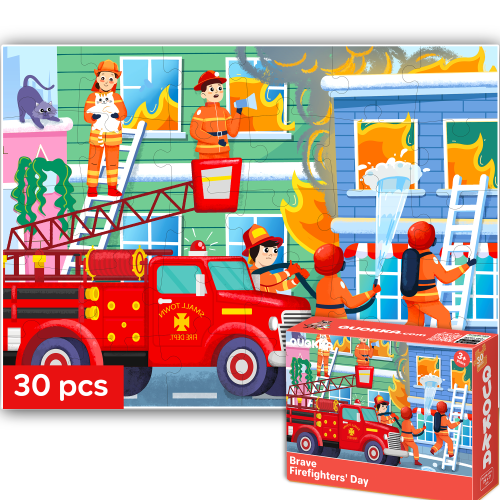
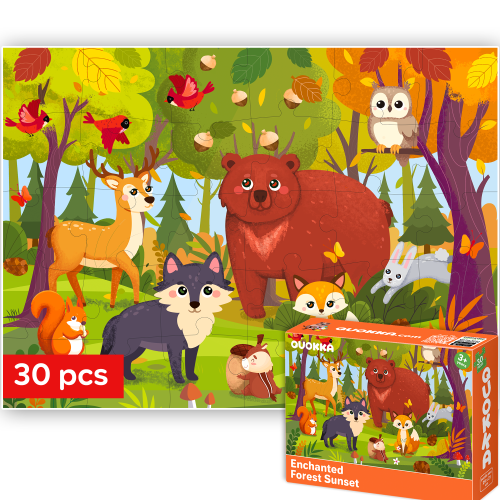
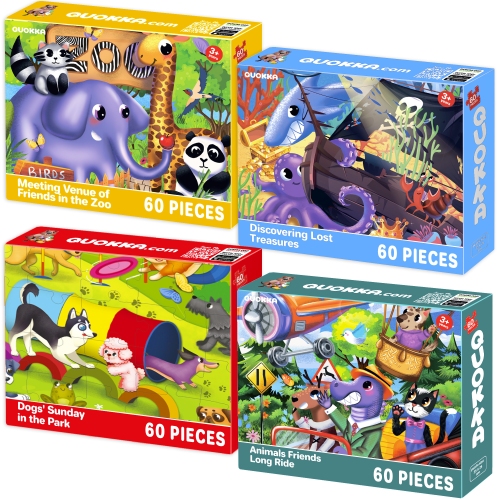
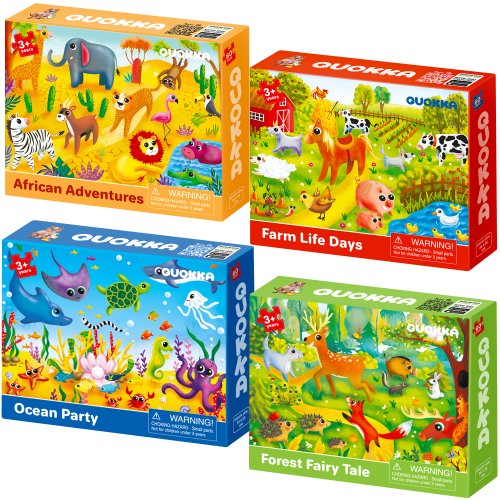
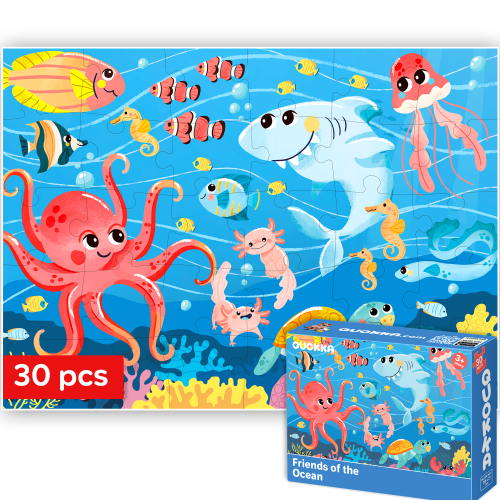
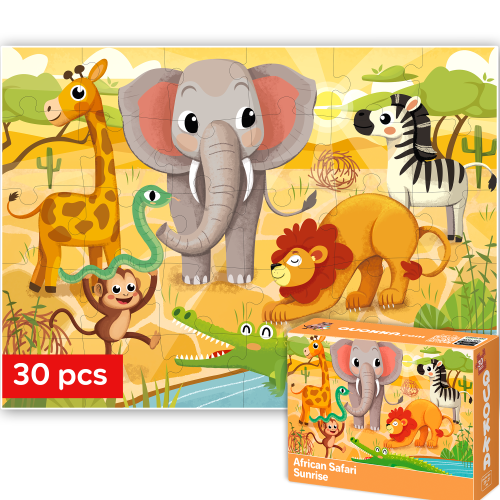
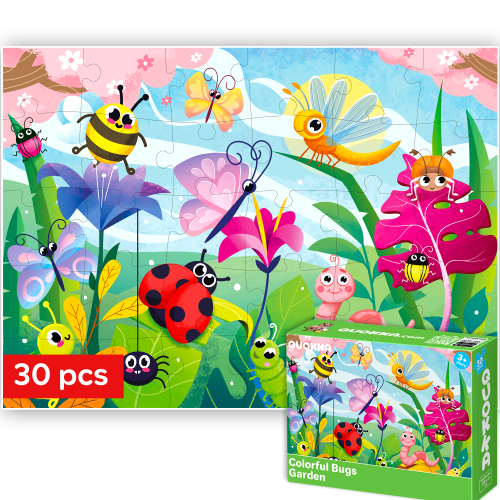
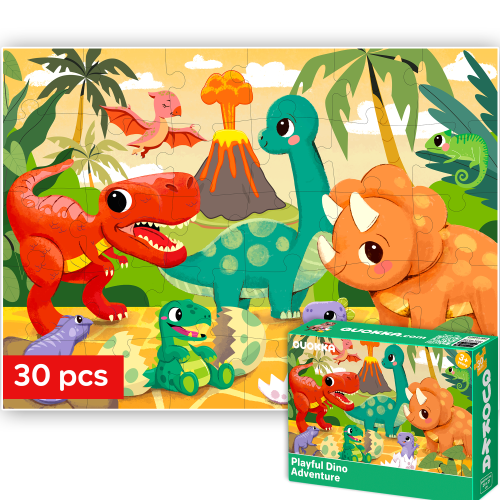
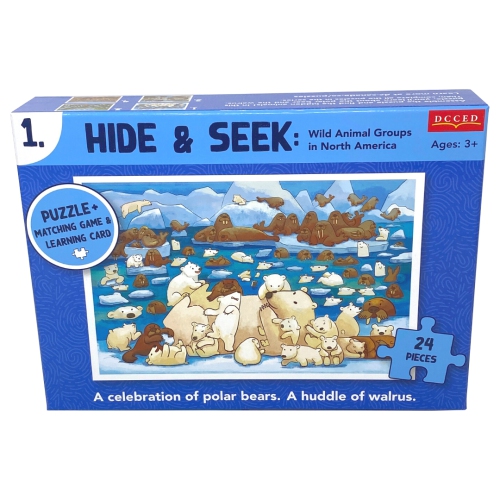
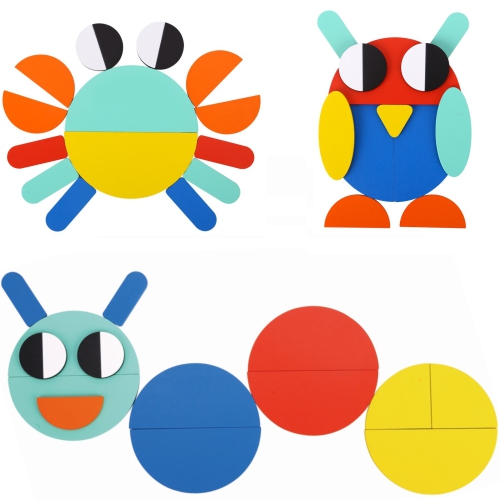
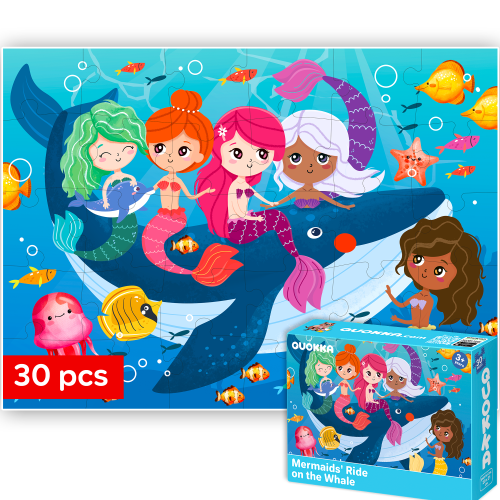
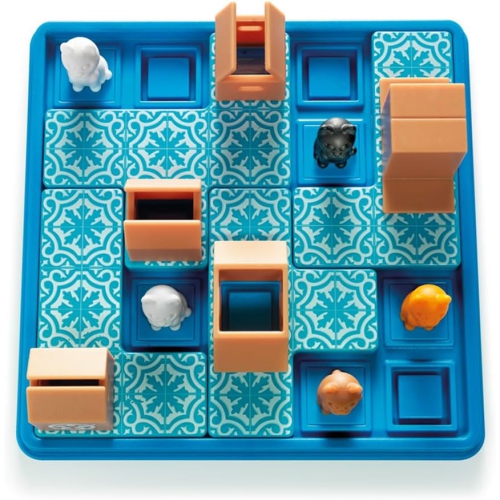
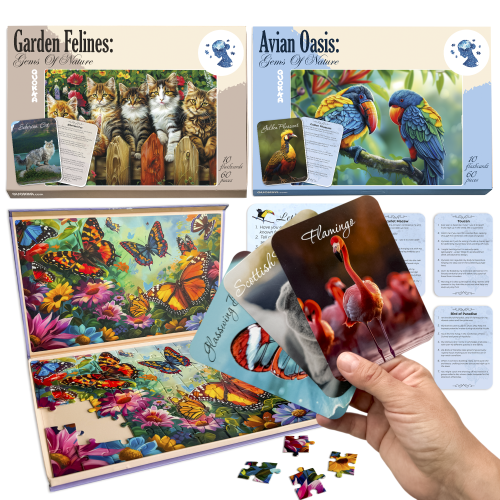
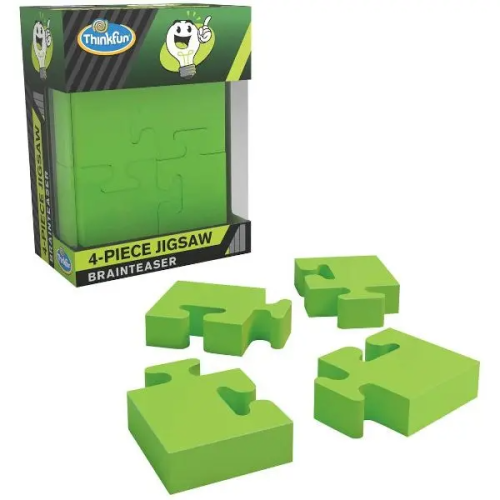
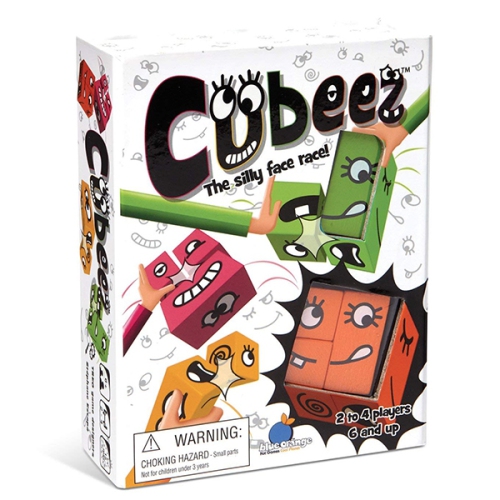
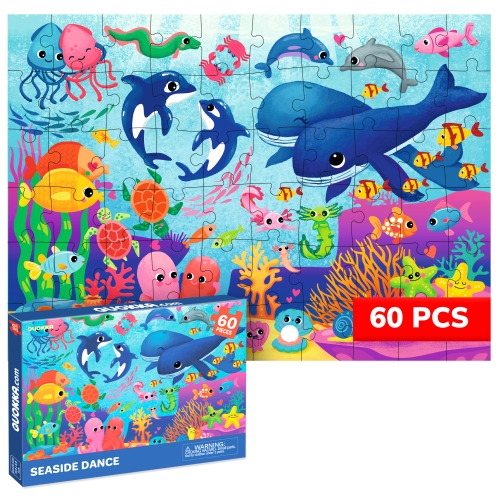
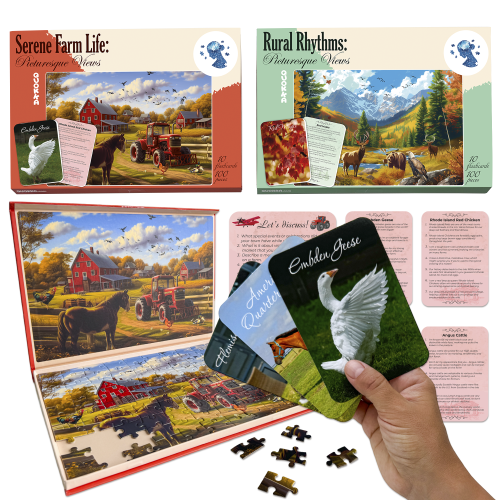
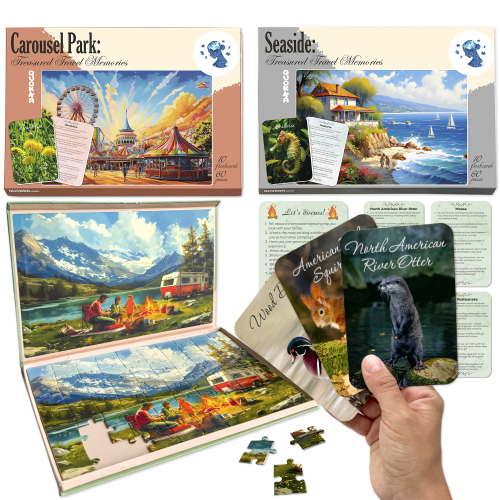
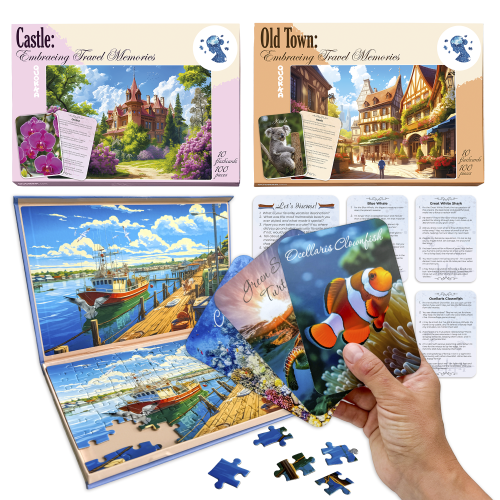
One shared picture with challenges for different ages
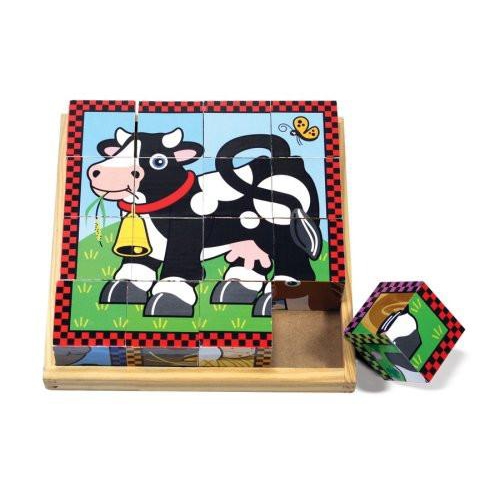
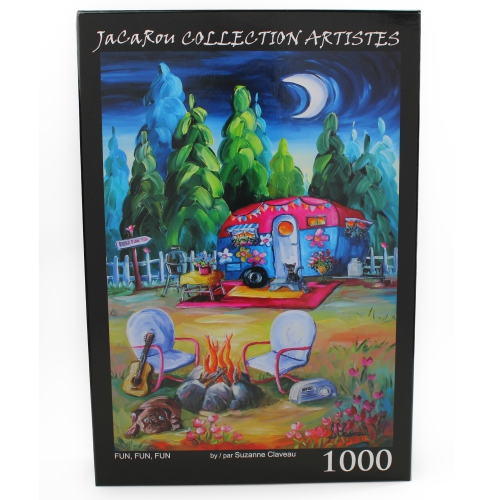
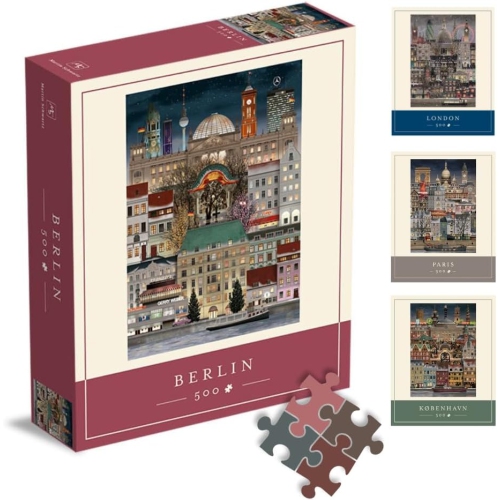
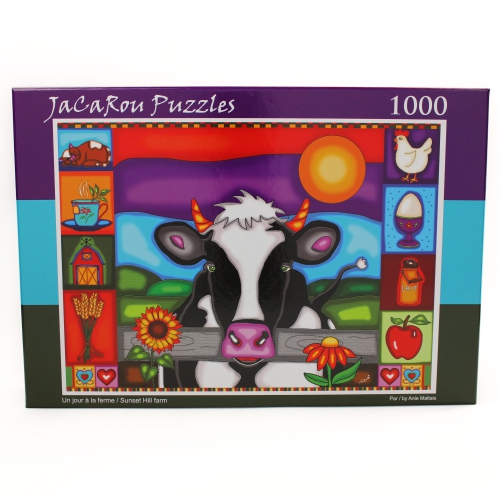
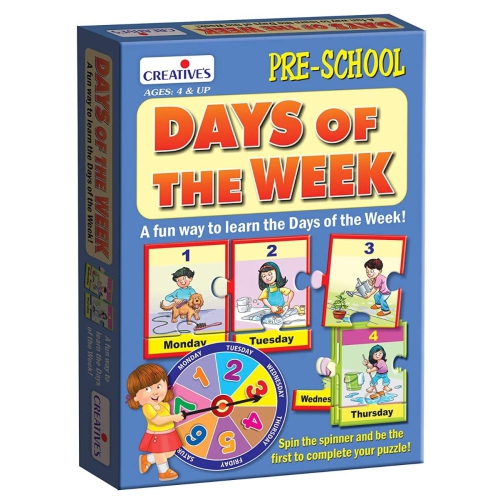
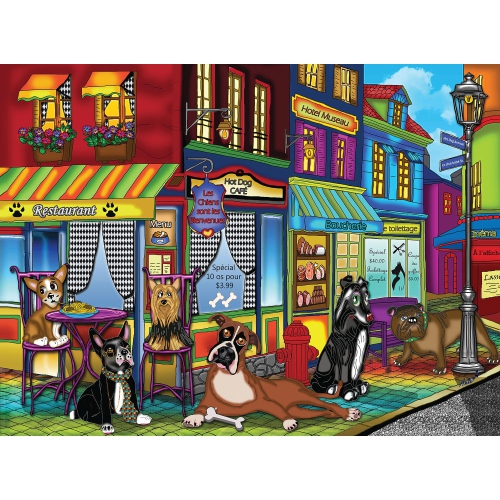
Family puzzles are jigsaw puzzles designed for shared play, with images, piece counts, and layouts that can bring different ages and abilities to the same table. Some feature mixed-size pieces: larger pieces offer an easier starting point for younger or less experienced puzzlers, while smaller pieces provide a more detailed challenge for confident children and adults. Other family jigsaw puzzles use one consistent piece size but have clear illustrations and distinct sections that make dividing up the picture feel natural. A child might assemble a brightly coloured animal while an older sibling tackles a building and a grandparent works along the border. That flexibility is what makes a puzzle suitable for family use; the most satisfying choice gives each person something manageable to contribute without requiring everyone to work at the same pace. Piece count is useful context, but it does not tell the whole story. A smaller puzzle filled with similar shades can be trickier than a larger puzzle showing clearly separated objects. Busy town scenes, animal illustrations, maps, and familiar storybook-style settings offer recognizable details to search for and talk about together. Broad stretches of sky, water, or repeating patterns tend to ask for more patience and closer attention to shape. Families with younger children may prefer bold colours and distinct outlines, while groups with experienced puzzlers may enjoy a picture that rewards careful observation. Mixed-size designs can be especially useful when the goal is participation rather than a uniform level of difficulty, although the arrangement of those sizes varies between puzzles. Some place larger pieces in particular areas of the image rather than spreading them throughout. The finished picture matters, too: a theme that captures several family members’ interests can keep the activity engaging from the first handful of edge pieces to the last small gap.
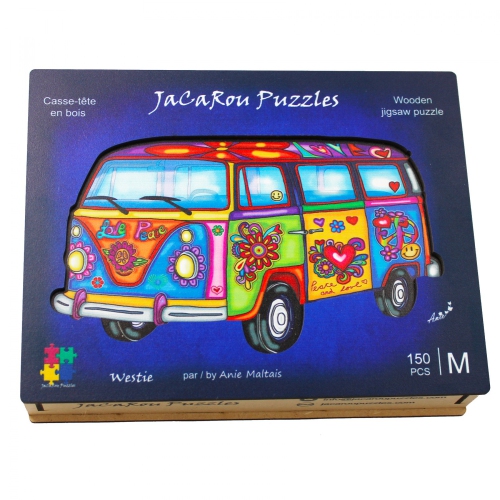
The physical details of a family puzzle affect how comfortable it is to handle and how well it stands up to repeated assembly. Cardboard jigsaw pieces are common, and their thickness, surface finish, and quality of cut all influence the experience. Pieces with a firm backing and neatly cut edges are easier to move around without bending or peeling, particularly when several hands are sorting and testing connections. A well-defined fit helps puzzlers distinguish a true match from two pieces that merely look close, though even securely fitting sections are best supported from underneath when moved. Wooden puzzles offer a different feel, with rigid pieces that may suit repeated handling; the recommended age and construction remain important because wooden pieces are not automatically suitable for very young children. Larger pieces can be easier to grasp and inspect, but piece size alone is not an age or safety rating. Small puzzle pieces can pose a choking hazard, so the manufacturer’s age guidance and warnings should govern use, especially in households with younger siblings. For families seeking simpler, age-focused activities, Puzzles for Kids offers a related category to explore alongside shared family formats. Finished dimensions also deserve attention. A puzzle with fewer, larger pieces may occupy more table space than expected, leaving little room for loose pieces or the reference image. Comfortable use means having space for the assembled picture, some sorting room, and a clear view from more than one seat. A readable reference image is helpful when participants are working on different sections, and a low-glare surface may make fine details easier to distinguish under overhead lighting. Strong contrast and recognizable shapes can also matter more than a low piece count for someone who finds tiny details difficult to see. These features help distinguish a puzzle that simply fits on the table from one that feels comfortable for everyone gathered around it.
Family puzzles suit a range of everyday occasions, from an unhurried afternoon with grandparents to a screen-free activity during a visit with cousins. Unlike games built around turns or scores, a shared jigsaw allows people to contribute at different times. One person can stay with a challenging section while another joins briefly to find a few matching colours, and the picture remains a common project rather than a contest. For children, assembling pieces provides opportunities to practise observing details, rotating shapes, comparing possibilities, and persisting when an early guess does not fit. Adults can enjoy the same satisfying task without having to direct every step. A puzzle showing animals, vehicles, or places can also invite conversation as details emerge, making the image part of the activity rather than just its final result. As a gift, a family puzzle works best when its subject and difficulty reflect the recipients rather than an assumed ability based only on age. A household with young children may appreciate a mixed-size format with approachable sections, while a family that already puzzles together may enjoy a more intricate illustration. The practicalities of keeping an unfinished project matter just as much. A dedicated board or suitable puzzle mat can help preserve table space between sessions, provided it accommodates the finished dimensions and supports the type of puzzle being used. Sorting trays can keep small groups of pieces together and make it easier for several people to work without reaching across one another. For care, most cardboard puzzles benefit from clean, dry hands and protection from drinks, food residue, and damp surfaces. Wooden versions should be cleaned according to their care instructions rather than soaked. Taking connected pieces apart gently helps protect tabs and edges, while returning loose pieces to a closed bag or secure box reduces the chance of losing one between uses. With thoughtful handling and a difficulty level that welcomes everyone involved, a family jigsaw can become a familiar activity to revisit, share with guests, or pass along to another household.
Top selling and popular products
-
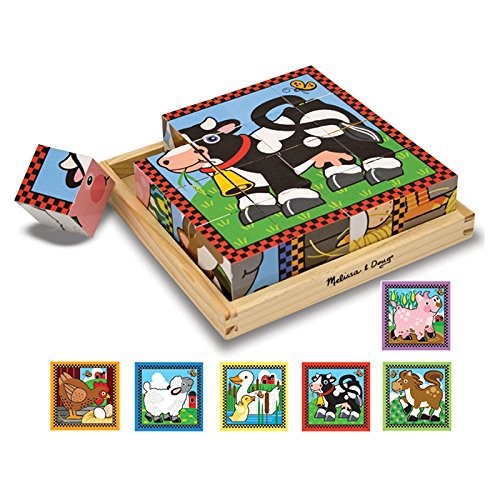 Your price for this item is $32.99
-
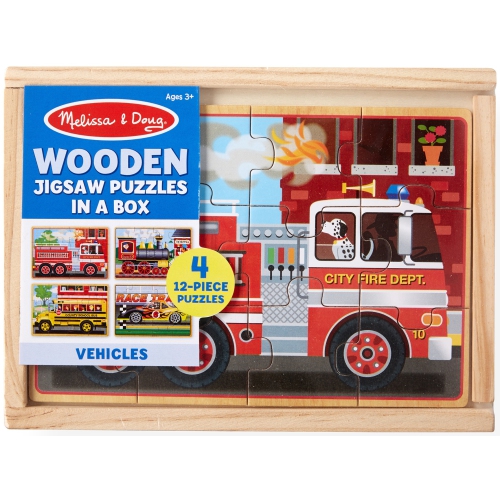 Your price for this item is $35.99
-
 Your price for this item is $30.99
-
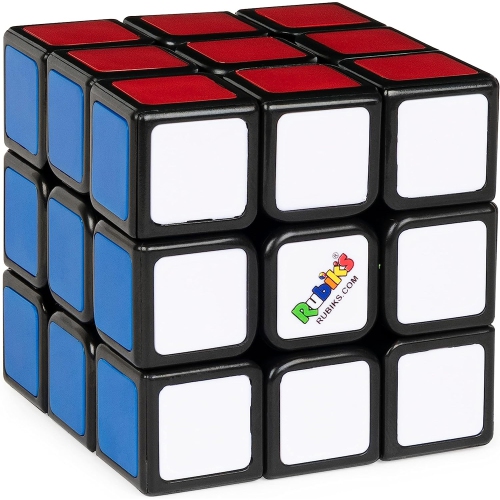 Your price for this item is $26.93
-
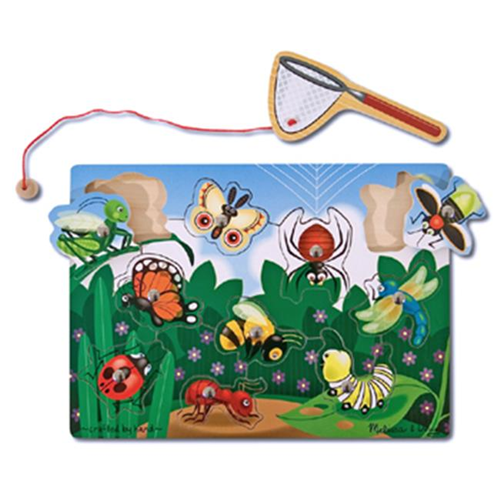 Your price for this item is $29.99
-
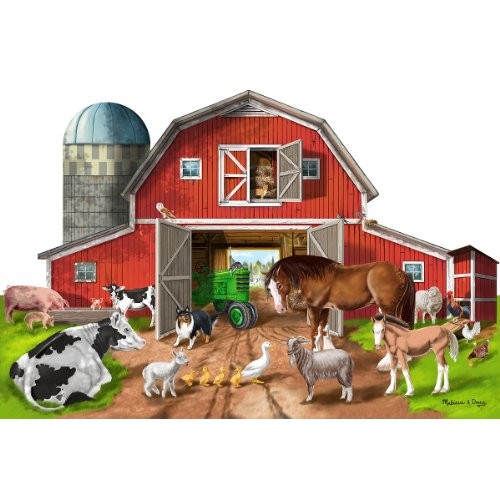 Your price for this item is $36.99
-
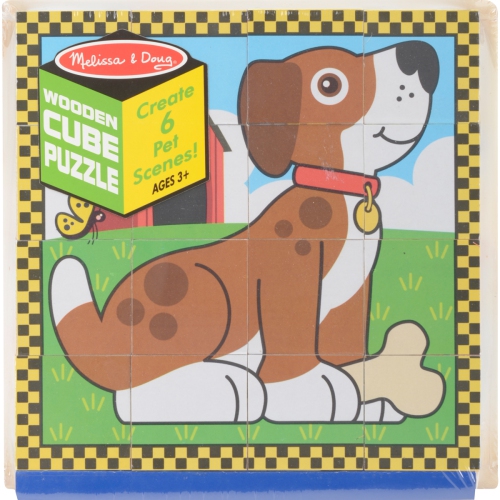 Your price for this item is $32.99
-
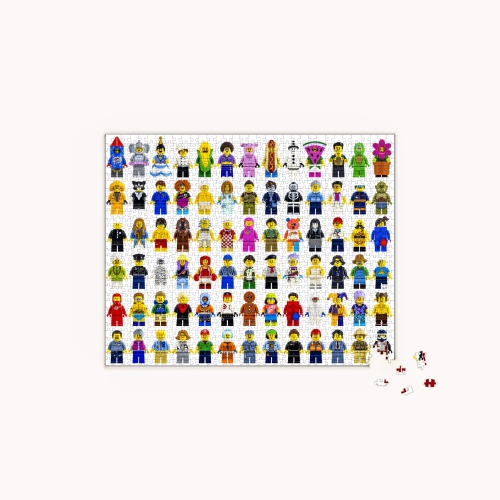 Your price for this item is $34.9
Discover more categories related to Family Puzzles
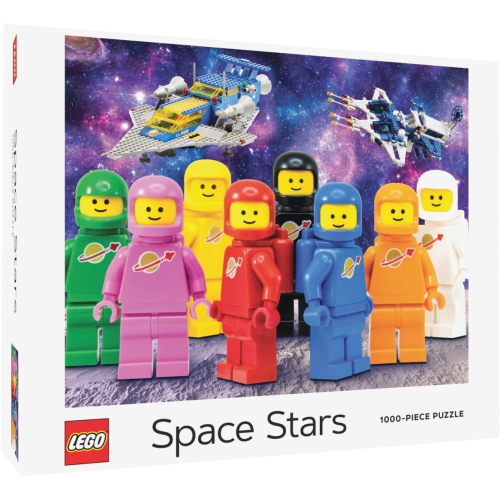
Top Collections:
Pokemon Centers, Best Cameras for Sports Photography, Kindle Devices, Samsung Galaxy Phones, Canon G7X Cameras, Pokémon 30th Celebration Cards, Refurbished Apple Laptops, iPhone 15 Apple, Laptops for Students, Budget Smartphones
Some products may be subject to Environmental Handling Fees
(EHF) depending on your province.
Learn more about EHFs.