Fighter Plane Models
Discover the thrilling world of fighter plane models and bring the excitement of aerial battles right into your own home. Whether you're a history buff, an aviation enthusiast, or simply looking for a unique collectible, our wide selection of meticulously crafted fighter plane models is sure to impress. From iconic World War II fighters to modern-day marvels, each model captures the intricate details and sleek design of these powerful machines. Dive into the rich history of aviation and let your imagination take flight with our exceptional collection of fighter plane models.
Sort
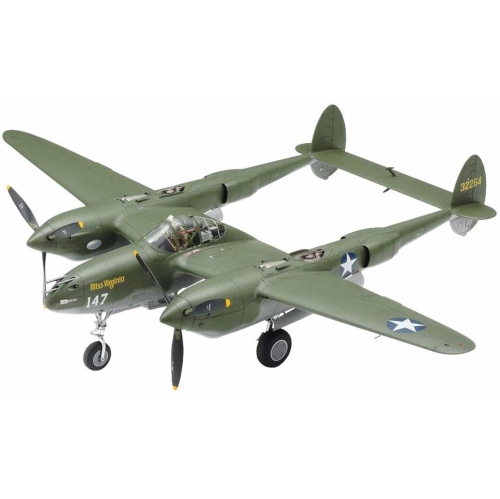
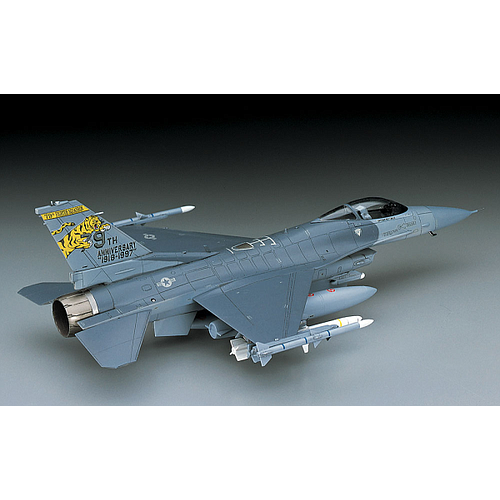
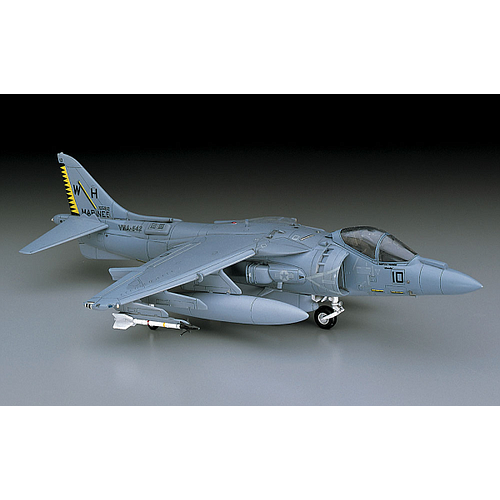
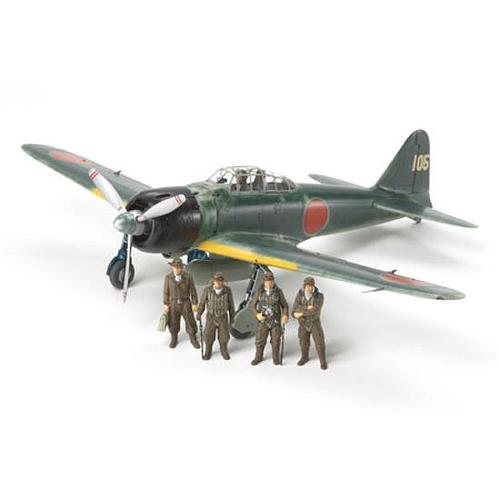
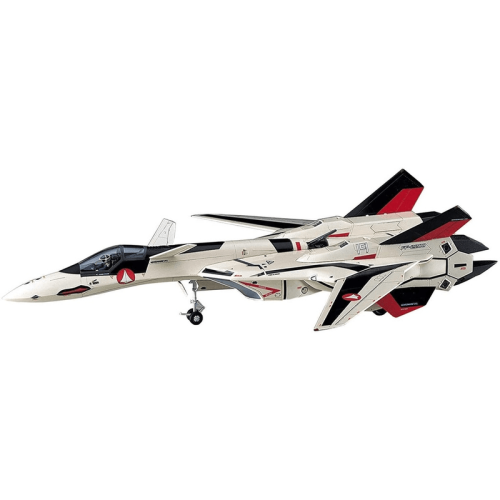
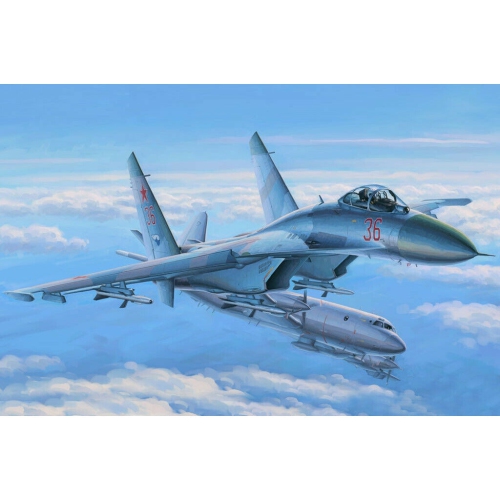
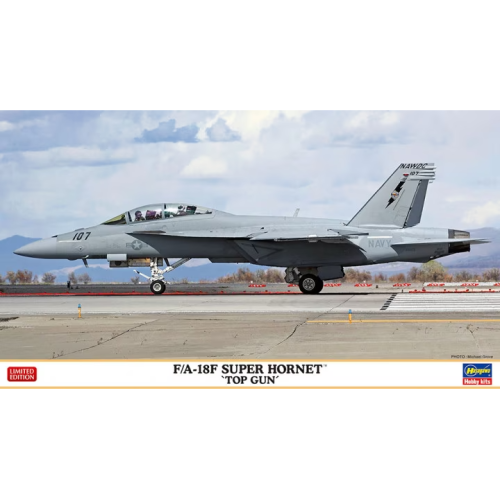
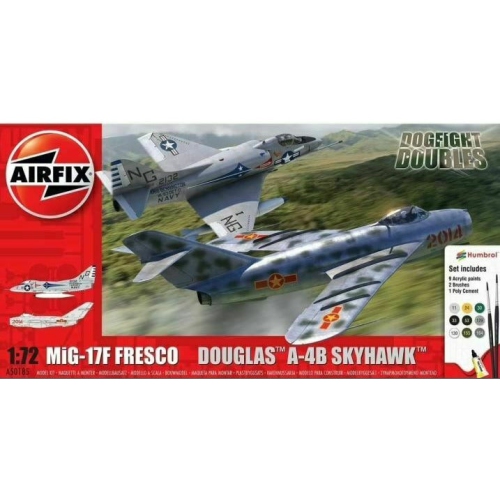
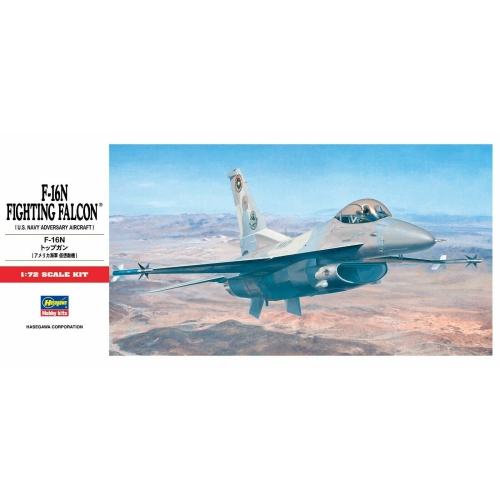
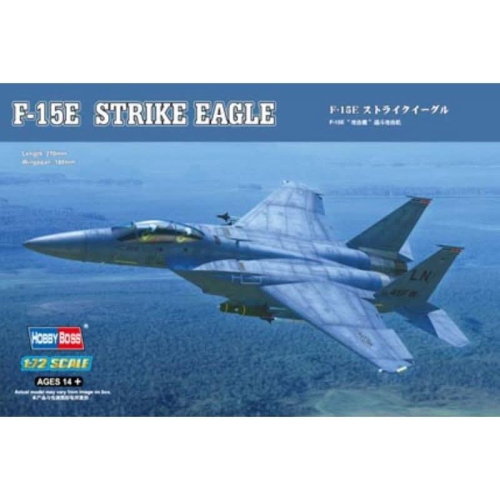
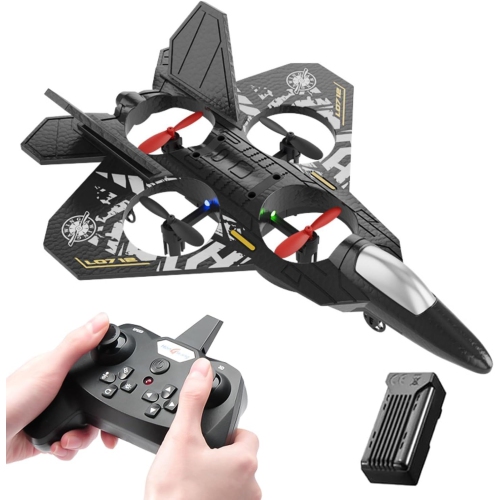
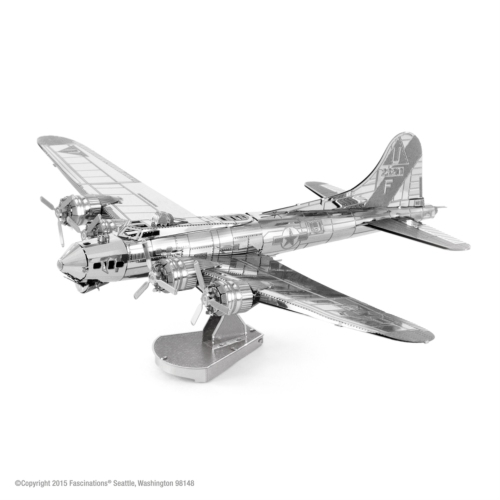
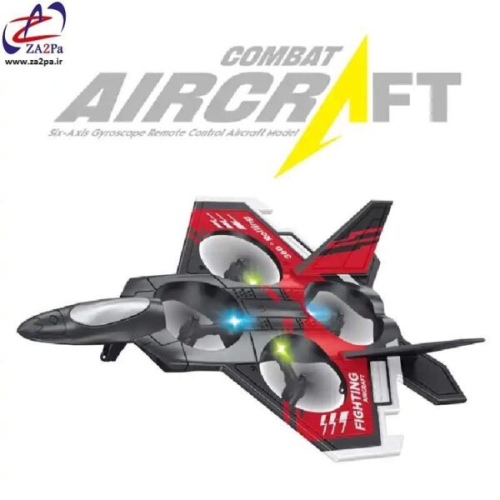
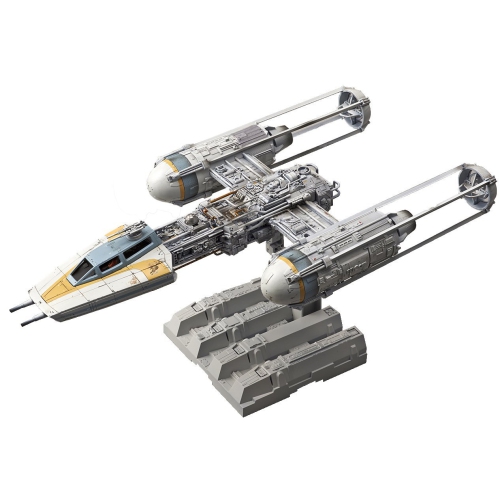
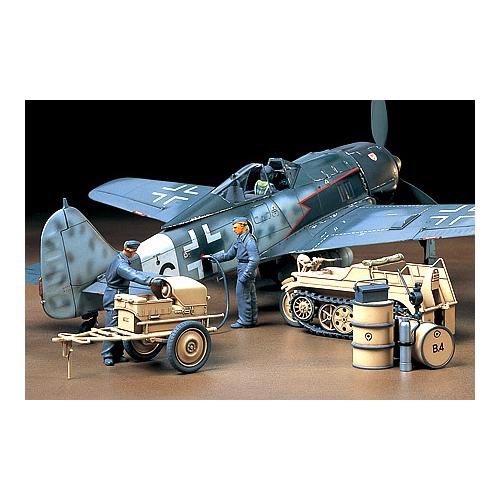
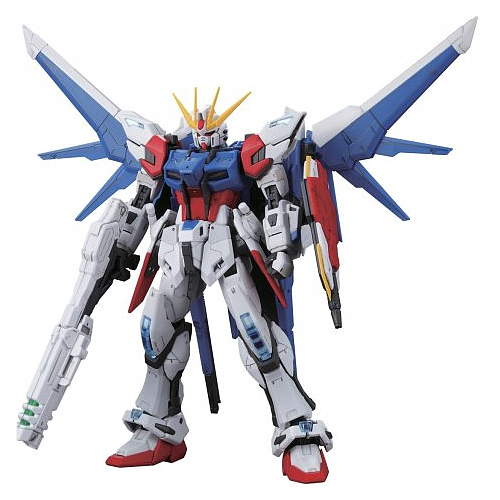

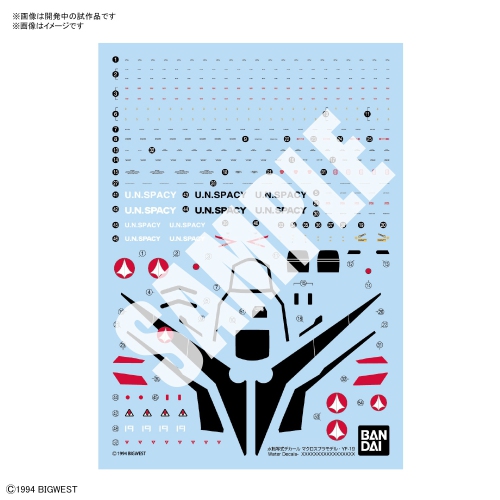
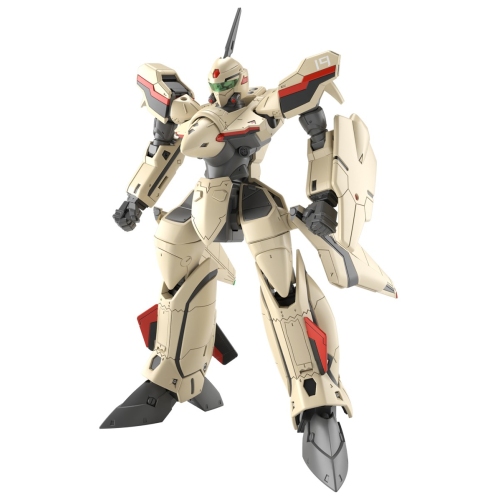
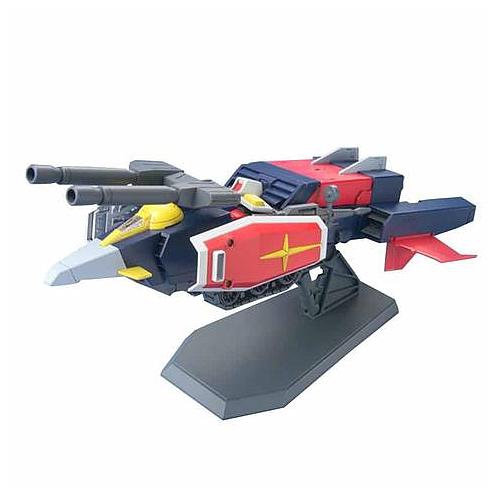
Small-scale aircraft with big differences in design and detail
Fighter plane models bring the distinctive shapes and engineering of military aviation into a format suited to building, collecting, and display. The category spans propeller-driven fighters, early jet aircraft, and modern jets, with subjects distinguished by their wing shapes, cockpit layouts, engine arrangements, and markings. For an aviation enthusiast, those differences are often the appeal: a narrow fuselage and straight wings tell a different design story from swept wings, twin tail fins, or angular surfaces. Scale model kits offer the experience of assembling and finishing an aircraft, while preassembled display models suit collectors who prefer to focus on the finished shape and presentation. Common fighter aircraft model scales include 1:72, 1:48, and 1:32. A 1:72 model represents the real aircraft at one seventy-second of its dimensions, making it a practical choice for a collection sharing a bookshelf or cabinet. A 1:48 model gives small features more room to stand out without requiring the footprint of a larger build, while 1:32 allows for a more substantial display and potentially finer cockpit and surface detail. Scale alone does not determine complexity, however; part count, engineering, and the intended age or skill level matter just as much. Actual length and wingspan also vary with the aircraft represented, so two models in the same scale may occupy very different amounts of shelf space. Keeping a collection at a consistent scale makes those size differences easier to appreciate. Collectors interested in earlier aviation can also explore World War Airplane Models for subjects connected to the world wars. Within a fighter collection, an aircraft’s era, service markings, and role can provide a clear focus, whether the display traces the transition from propellers to jets or centres on Canadian military aviation. Historical accuracy depends on the particular representation, including its paint scheme, insignia, and configuration, rather than simply the level of detail moulded into its surface.
Materials and construction have a considerable influence on how a fighter plane model feels to build and how it holds up once displayed. Injection-moulded plastic is common in assembly kits because it can reproduce panel lines, cockpit components, landing gear, and other small features while remaining relatively light. Die-cast metal display models tend to feel heavier and may combine a metal body with plastic components for finer details. Resin can capture intricate shapes, but thin resin parts can be brittle and may require different adhesives and preparation methods from those used with conventional plastic kits. Some advanced kits include thin metal detail parts that demand careful handling and precise placement. For a first project, clear assembly instructions, fewer tiny components, and straightforward colour schemes can make the experience more manageable. Snap-fit construction may reduce the need for adhesive, although painting or applying markings can still involve extra steps. More involved builds may require trimming attachment points, checking the fit of fuselage halves, and aligning wings before the adhesive sets. A dry fit—placing parts together without glue—helps reveal gaps or interference before the join becomes permanent. The cockpit deserves particular attention because some of its details become difficult to reach once the fuselage and clear canopy are attached. Using an adhesive specified as suitable for clear plastic can help prevent marks or fogging on transparent parts. Paint compatibility also matters: a finish intended for the model’s material is less likely to cause unwanted reactions, and thin coats generally preserve delicate surface detail better than heavy applications. Decals supply insignia, identification markings, and fine lettering, but their condition and application method affect the final appearance. A smooth surface can help water-slide decals sit neatly, while patience around curved panels reduces folds and trapped air. Depending on the kit, open or closed canopies, alternative landing gear positions, and display stands may allow different presentations. These features should be checked individually rather than assumed from the scale or aircraft type.
The best match between a fighter plane model and its owner often comes down to intended use. A static scale model is usually designed for display, not flight or repeated play, and delicate antennas, landing gear, and wing-mounted details can break under handling. A model intended for a child should have an appropriate age rating and construction suited to the way it will be used; a detailed adult hobby kit is not interchangeable with a sturdy toy aircraft. Small parts, sharp tools, paints, and adhesives also make supervision and a suitable work area important for younger builders. For someone who enjoys practical projects, an assembly kit offers a sequence of satisfying tasks, from fitting the wings evenly to applying the final markings. A preassembled model may be a better gift for an aviation history enthusiast who wants a display piece without taking on a build. Familiarity with the recipient’s preferred era, scale, or aviation interest helps make a gift feel considered, particularly when it complements an existing collection. Display space deserves equal thought. A jet posed on an angled stand may need more vertical clearance than one resting on its landing gear, and broad wings can extend beyond a narrow shelf even when the fuselage fits comfortably. A stable surface away from busy edges reduces the chance of accidental knocks. Enclosed cabinets help limit dust, while a soft brush used with a light touch can remove dust from accessible surfaces without catching small projections. Lifting a model by a solid section of the body, rather than the canopy, tail, or landing gear, helps protect fragile joints. Direct sunlight can fade markings and finishes over time, so a shaded display position is preferable. Cleaning liquids and solvents should only be used when suitable for the material and finish. With thoughtful handling and a well-proportioned display, fighter plane models can retain the crisp silhouettes, subtle panel detail, and carefully applied markings that make them rewarding to examine long after assembly is complete.
Materials and construction have a considerable influence on how a fighter plane model feels to build and how it holds up once displayed. Injection-moulded plastic is common in assembly kits because it can reproduce panel lines, cockpit components, landing gear, and other small features while remaining relatively light. Die-cast metal display models tend to feel heavier and may combine a metal body with plastic components for finer details. Resin can capture intricate shapes, but thin resin parts can be brittle and may require different adhesives and preparation methods from those used with conventional plastic kits. Some advanced kits include thin metal detail parts that demand careful handling and precise placement. For a first project, clear assembly instructions, fewer tiny components, and straightforward colour schemes can make the experience more manageable. Snap-fit construction may reduce the need for adhesive, although painting or applying markings can still involve extra steps. More involved builds may require trimming attachment points, checking the fit of fuselage halves, and aligning wings before the adhesive sets. A dry fit—placing parts together without glue—helps reveal gaps or interference before the join becomes permanent. The cockpit deserves particular attention because some of its details become difficult to reach once the fuselage and clear canopy are attached. Using an adhesive specified as suitable for clear plastic can help prevent marks or fogging on transparent parts. Paint compatibility also matters: a finish intended for the model’s material is less likely to cause unwanted reactions, and thin coats generally preserve delicate surface detail better than heavy applications. Decals supply insignia, identification markings, and fine lettering, but their condition and application method affect the final appearance. A smooth surface can help water-slide decals sit neatly, while patience around curved panels reduces folds and trapped air. Depending on the kit, open or closed canopies, alternative landing gear positions, and display stands may allow different presentations. These features should be checked individually rather than assumed from the scale or aircraft type.
The best match between a fighter plane model and its owner often comes down to intended use. A static scale model is usually designed for display, not flight or repeated play, and delicate antennas, landing gear, and wing-mounted details can break under handling. A model intended for a child should have an appropriate age rating and construction suited to the way it will be used; a detailed adult hobby kit is not interchangeable with a sturdy toy aircraft. Small parts, sharp tools, paints, and adhesives also make supervision and a suitable work area important for younger builders. For someone who enjoys practical projects, an assembly kit offers a sequence of satisfying tasks, from fitting the wings evenly to applying the final markings. A preassembled model may be a better gift for an aviation history enthusiast who wants a display piece without taking on a build. Familiarity with the recipient’s preferred era, scale, or aviation interest helps make a gift feel considered, particularly when it complements an existing collection. Display space deserves equal thought. A jet posed on an angled stand may need more vertical clearance than one resting on its landing gear, and broad wings can extend beyond a narrow shelf even when the fuselage fits comfortably. A stable surface away from busy edges reduces the chance of accidental knocks. Enclosed cabinets help limit dust, while a soft brush used with a light touch can remove dust from accessible surfaces without catching small projections. Lifting a model by a solid section of the body, rather than the canopy, tail, or landing gear, helps protect fragile joints. Direct sunlight can fade markings and finishes over time, so a shaded display position is preferable. Cleaning liquids and solvents should only be used when suitable for the material and finish. With thoughtful handling and a well-proportioned display, fighter plane models can retain the crisp silhouettes, subtle panel detail, and carefully applied markings that make them rewarding to examine long after assembly is complete.
Top selling and popular products
-
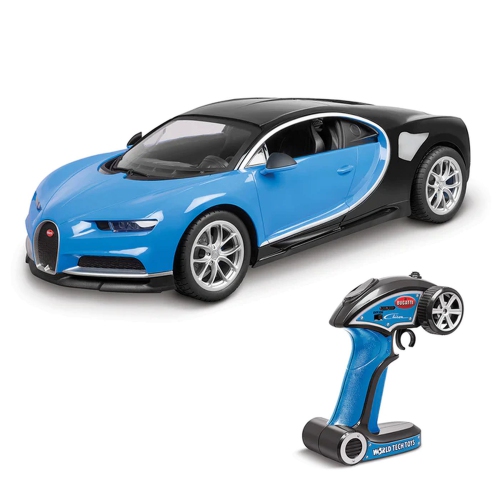 Your price for this item is $119.99
 -
 Your price for this item is $103.49
 -
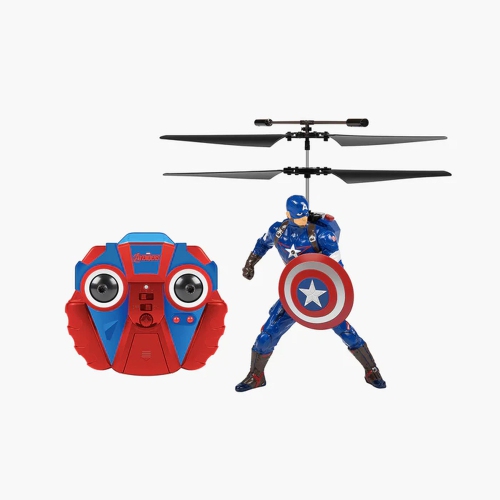 Your price for this item is $59.99
 -
 Your price for this item is $6
 -
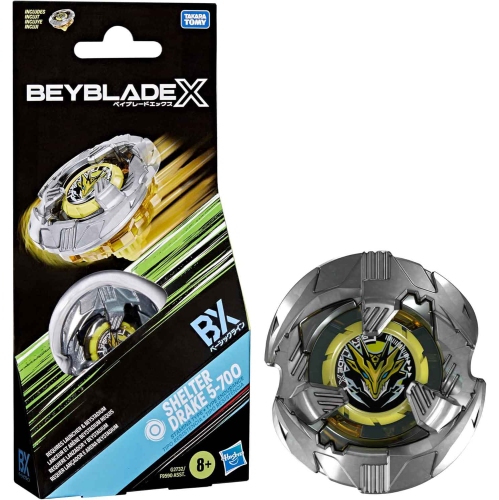 Your price for this item is $13.79
 -
 Your price for this item is $16
 -
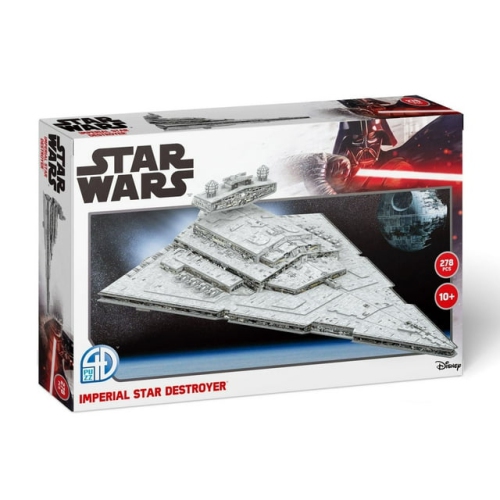 Your price for this item is $69.99
 -
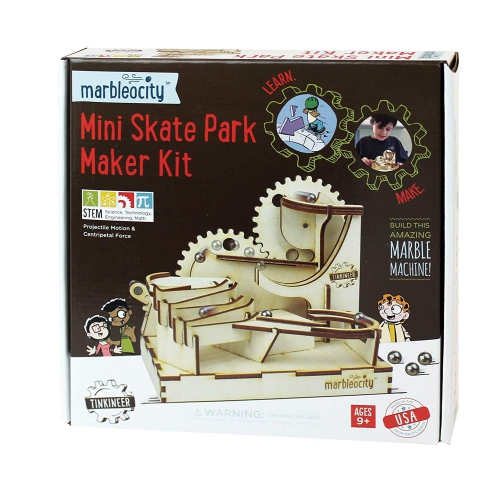 Your price for this item is $38.21
Discover more categories related to Fighter Plane Models
Top Collections:
Pokemon Centers, Kindle Devices, Best Budget Office Chairs, Apple iPhones 16, Best Laptops for Writers, iPhone 15 Apple, Canon G7X Cameras, Refurbished Apple Laptops, Alarm Clock, Motorola Razr Phones
Some products may be subject to Environmental Handling Fees
(EHF) depending on your province.
Learn more about EHFs.