World War Airplane Models
Step into history with our collection of World War airplane models. Relive the thrilling moments of aerial combat and marvel at the intricate details of these iconic aircraft. From the legendary fighters that dominated the skies to the sturdy bombers that played a crucial role in strategic missions, our selection offers a wide range of meticulously crafted replicas. Whether you're an aviation enthusiast or a history buff, these airplane models are sure to captivate your imagination and bring the spirit of past battles right into your home. Get ready to embark on a journey through time as you explore our World War airplane models collection.
Sort
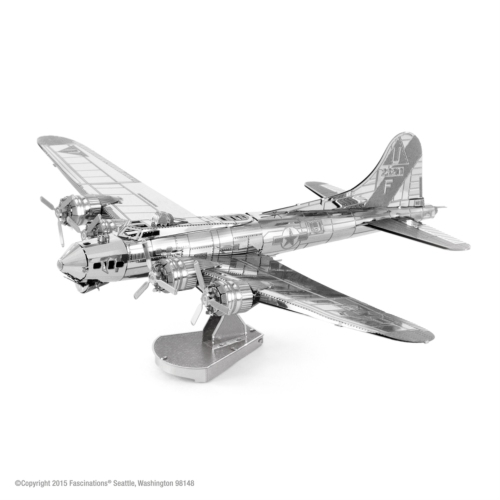
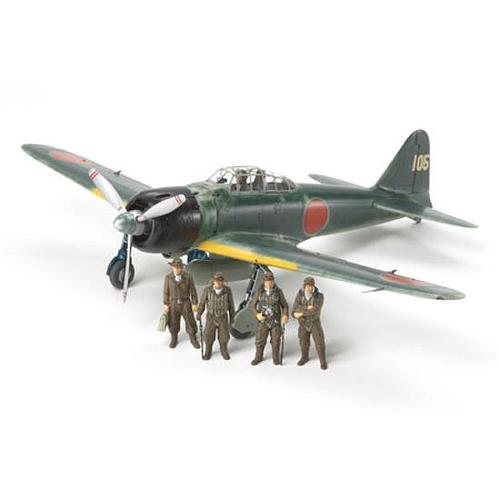
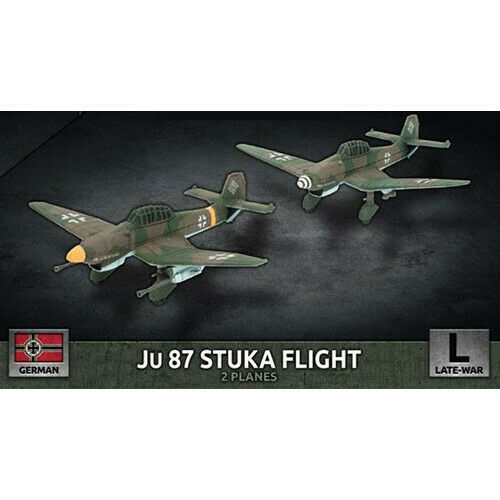
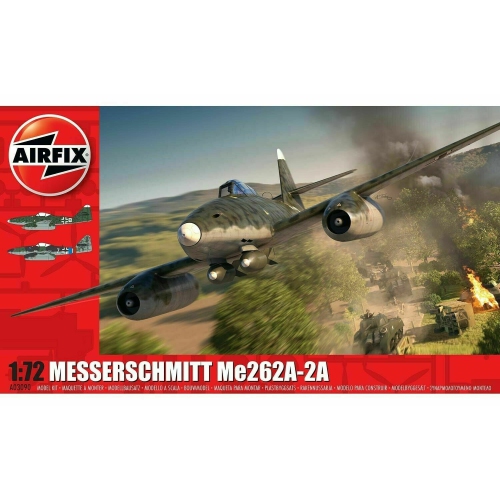
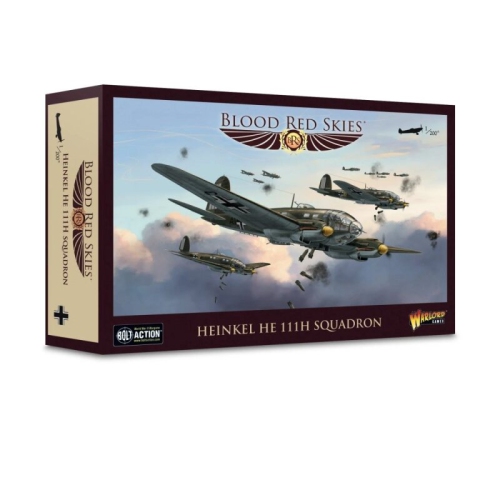
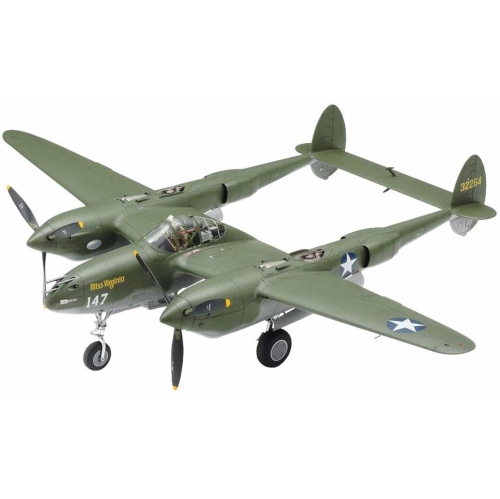
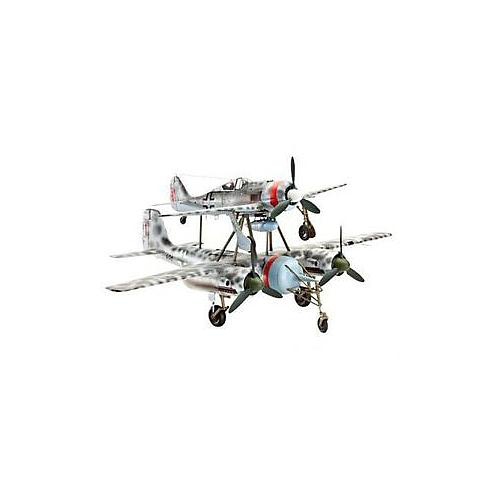
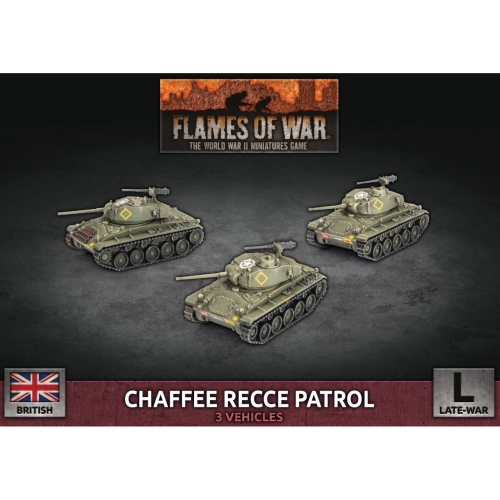
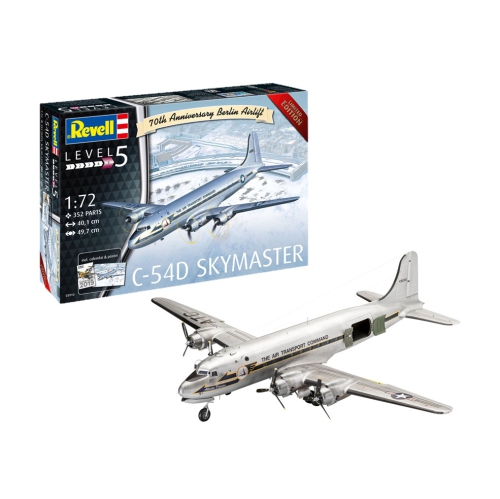
A hands-on journey through aviation history and detailed craftsmanship
World War airplane models bring the design, engineering, and history of early military aviation into a hands-on hobby that can be enjoyed at many experience levels. These scale replicas represent aircraft developed during the First and Second World Wars, from fabric-covered biplanes with exposed struts and wire rigging to streamlined single-engine fighters, twin-engine bombers, transport aircraft, and reconnaissance planes. Some are sold as buildable kits that invite careful assembly, painting, and decal application, while others are ready for display with the major construction already complete. The range of sizes makes it easier to find a suitable option for a shelf, desk, display cabinet, classroom, or larger collection. Smaller 1:72 scale models are often a practical starting point because they require less display space and can also be used to create an airfield, hangar, or historical diorama with several aircraft. A 1:48 scale model offers a popular balance between manageable size and visible detail, allowing enthusiasts to appreciate cockpit interiors, landing gear, engine sections, and surface markings without needing an especially large work area. Larger 1:32 and 1:24 scale models can make striking centrepieces, with room for more intricate components and weathering effects, although they generally demand more time, patience, and modelling experience. When comparing World War Airplane Models, consider whether the intended use is building, collecting, teaching, or display, as well as the available space and the level of detail that will be most enjoyable to handle.
Choosing a model often begins with deciding between a subject from the First World War and one from the Second World War. Early biplane designs have a distinctive open-cockpit appearance and may include delicate wing supports, external bracing, and fine rigging that reward a slow, steady approach. Models from the later conflict frequently feature enclosed cockpits, retractable landing gear, more complex engine housings, and varied camouflage schemes, creating opportunities for detailed painting and finishing. Scale is only one part of the decision; the kit’s recommended skill level, number of parts, assembly method, and included instructions can be just as important. Beginners may appreciate straightforward snap-together construction or a smaller kit with fewer components, while experienced modellers may prefer a project with a detailed cockpit, separate control surfaces, optional parts, clear sections, and challenging decal work. It is also useful to check whether paint, adhesive, brushes, and other tools are included or need to be purchased separately. A well-lit table, a cutting mat, fine tweezers, small files, and a set of precision brushes can make assembly more comfortable and help protect delicate pieces. For a historically informed finish, enthusiasts may research squadron markings, national insignia, period colour schemes, and the conditions in which a particular aircraft operated. Subtle panel variation, exhaust staining, dust, and carefully applied wear can add realism, but a clean presentation may be preferable for a formal display. Anyone looking to explore a broader range of aviation subjects can also browse Military Aircraft Models for related styles and scales.
These models can appeal to history enthusiasts, aviation fans, hobby builders, students, and collectors who enjoy learning through making. They can also be thoughtful gifts for someone who remembers building models as a child, follows military history, studies aircraft design, or appreciates miniature craftsmanship. For a younger builder, look for a sturdy design, clear instructions, larger parts, and a skill level that matches their patience and coordination; an adult’s supervision may be helpful when cutting parts or using adhesive and paint. Older children and teens may enjoy creating a small scene around the finished aircraft, adding a runway, grass airfield, hangar, or display base to provide context without overwhelming the main subject. Adults often value the quiet concentration involved in sorting parts, smoothing seams, applying markings, and watching a recognisable aircraft take shape over several evenings. A model can be displayed on its landing gear, mounted on a stand to suggest flight, or placed alongside reference books, photographs, medals, or other historical memorabilia. During the cooler months, a detailed kit can offer a rewarding indoor project, while a completed model can remain on display as a conversation piece throughout the year. Before purchasing, measure the intended display area, account for the model’s wingspan and height, and consider how it will be protected from dust, curious pets, and accidental knocks. With the right combination of scale, subject, construction style, and available time, a World War airplane model can become more than a miniature aircraft: it can be a personal connection to aviation history, a creative project shared across generations, and a carefully finished piece that continues to invite closer inspection.
Choosing a model often begins with deciding between a subject from the First World War and one from the Second World War. Early biplane designs have a distinctive open-cockpit appearance and may include delicate wing supports, external bracing, and fine rigging that reward a slow, steady approach. Models from the later conflict frequently feature enclosed cockpits, retractable landing gear, more complex engine housings, and varied camouflage schemes, creating opportunities for detailed painting and finishing. Scale is only one part of the decision; the kit’s recommended skill level, number of parts, assembly method, and included instructions can be just as important. Beginners may appreciate straightforward snap-together construction or a smaller kit with fewer components, while experienced modellers may prefer a project with a detailed cockpit, separate control surfaces, optional parts, clear sections, and challenging decal work. It is also useful to check whether paint, adhesive, brushes, and other tools are included or need to be purchased separately. A well-lit table, a cutting mat, fine tweezers, small files, and a set of precision brushes can make assembly more comfortable and help protect delicate pieces. For a historically informed finish, enthusiasts may research squadron markings, national insignia, period colour schemes, and the conditions in which a particular aircraft operated. Subtle panel variation, exhaust staining, dust, and carefully applied wear can add realism, but a clean presentation may be preferable for a formal display. Anyone looking to explore a broader range of aviation subjects can also browse Military Aircraft Models for related styles and scales.
These models can appeal to history enthusiasts, aviation fans, hobby builders, students, and collectors who enjoy learning through making. They can also be thoughtful gifts for someone who remembers building models as a child, follows military history, studies aircraft design, or appreciates miniature craftsmanship. For a younger builder, look for a sturdy design, clear instructions, larger parts, and a skill level that matches their patience and coordination; an adult’s supervision may be helpful when cutting parts or using adhesive and paint. Older children and teens may enjoy creating a small scene around the finished aircraft, adding a runway, grass airfield, hangar, or display base to provide context without overwhelming the main subject. Adults often value the quiet concentration involved in sorting parts, smoothing seams, applying markings, and watching a recognisable aircraft take shape over several evenings. A model can be displayed on its landing gear, mounted on a stand to suggest flight, or placed alongside reference books, photographs, medals, or other historical memorabilia. During the cooler months, a detailed kit can offer a rewarding indoor project, while a completed model can remain on display as a conversation piece throughout the year. Before purchasing, measure the intended display area, account for the model’s wingspan and height, and consider how it will be protected from dust, curious pets, and accidental knocks. With the right combination of scale, subject, construction style, and available time, a World War airplane model can become more than a miniature aircraft: it can be a personal connection to aviation history, a creative project shared across generations, and a carefully finished piece that continues to invite closer inspection.
Top selling and popular products
-
 Your price for this item is $119.99
 -
 Your price for this item is $103.49
 -
 Your price for this item is $59.99
 -
 Your price for this item is $6
 -
 Your price for this item is $13.79
 -
 Your price for this item is $16
 -
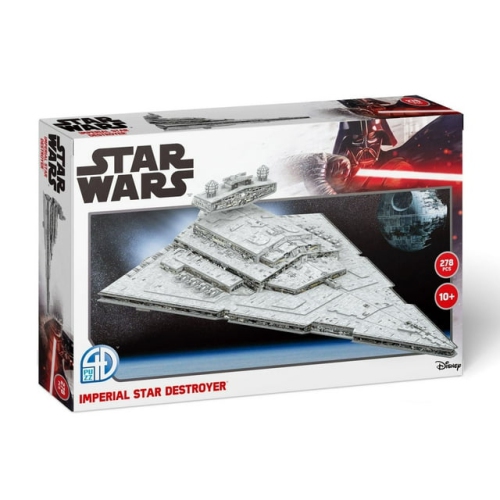 Your price for this item is $69.99
 -
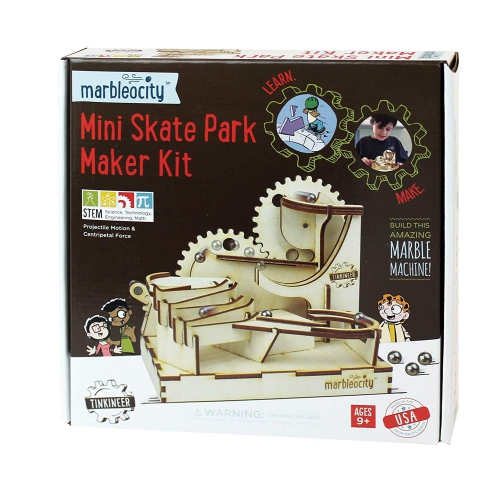 Your price for this item is $38.21
Discover more categories related to World War Airplane Models
Top Collections:
Pokemon Centers, Kindle Devices, Best Budget Office Chairs, Apple iPhones 16, Best Laptops for Writers, iPhone 15 Apple, Canon G7X Cameras, Refurbished Apple Laptops, Alarm Clock, Motorola Razr Phones
Some products may be subject to Environmental Handling Fees
(EHF) depending on your province.
Learn more about EHFs.