Foam Construction Blocks
Foam construction blocks are a versatile and imaginative way to spark creativity and enhance developmental skills for children of all ages. Perfect for playrooms, classrooms, or outdoor adventures, these lightweight and durable blocks offer endless opportunities for building, stacking, and designing. They encourage problem-solving, teamwork, and fine motor skill development in a fun and engaging manner. With a variety of shapes and vibrant colors to choose from, foam construction blocks provide a safe and stimulating environment where young minds can explore their architectural dreams and bring their wildest imaginations to life.
Sort
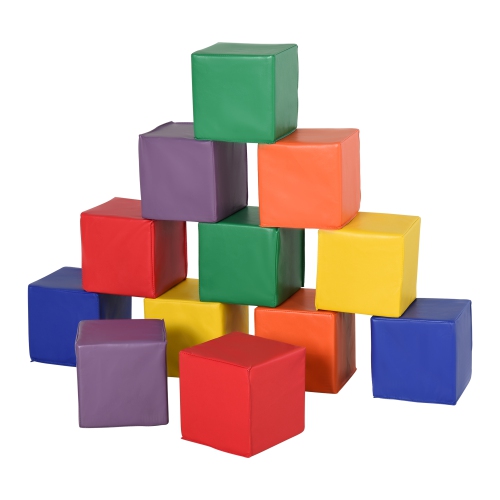
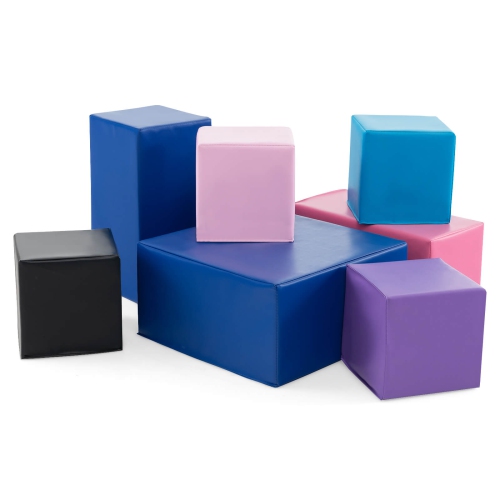
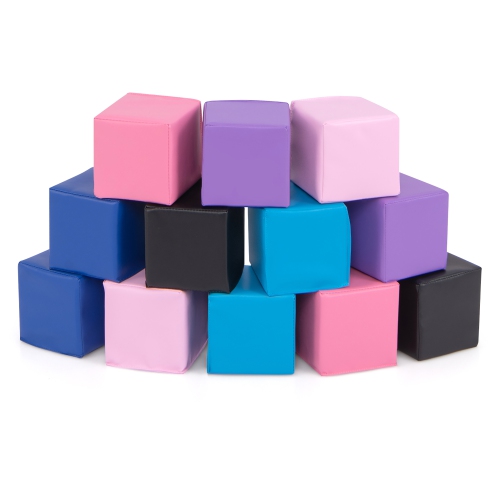
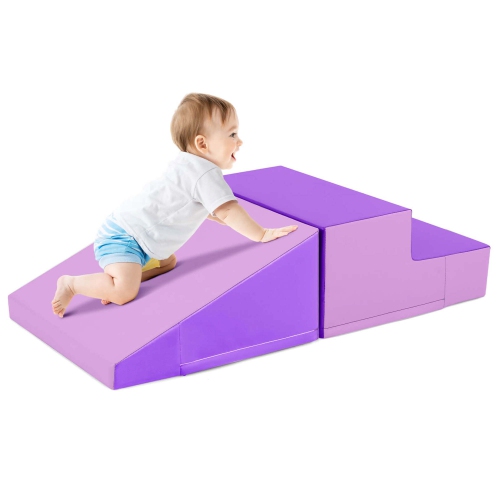
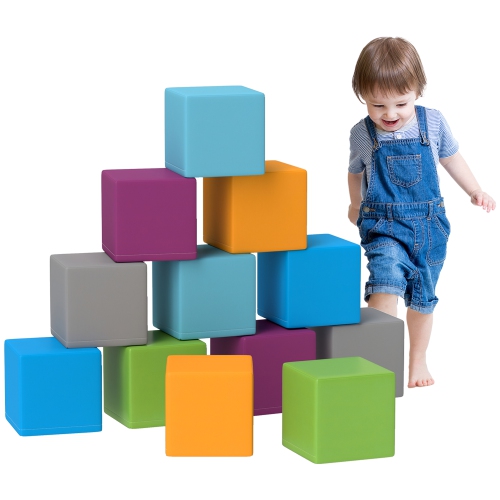
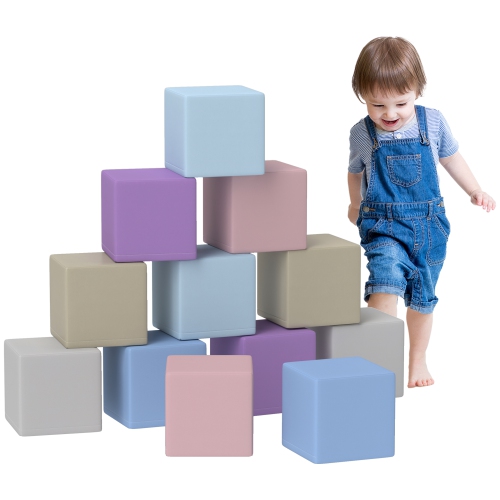
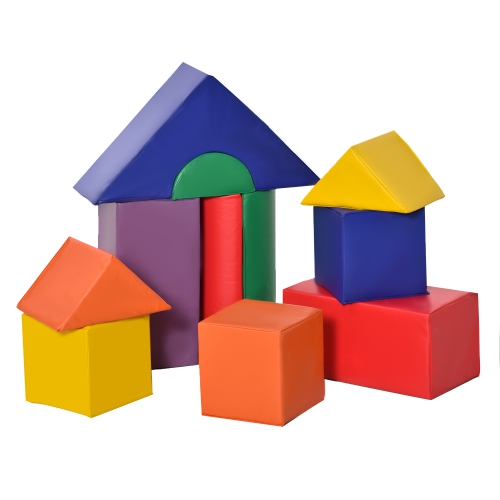
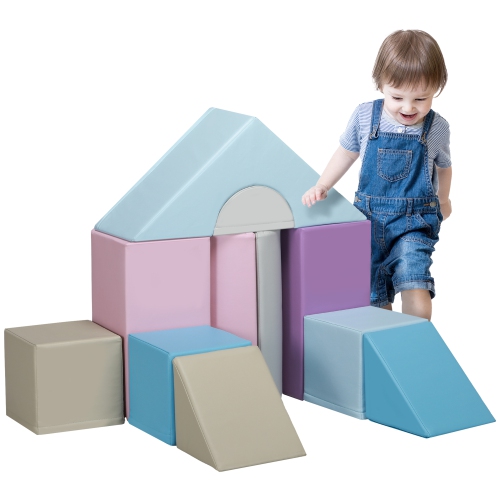

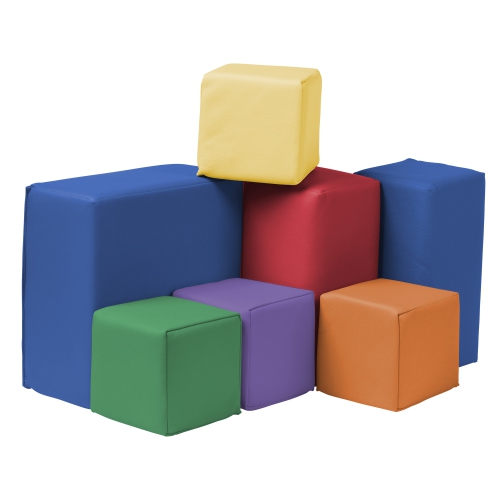

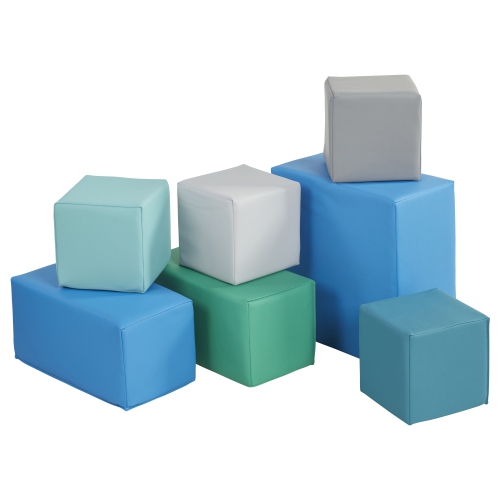
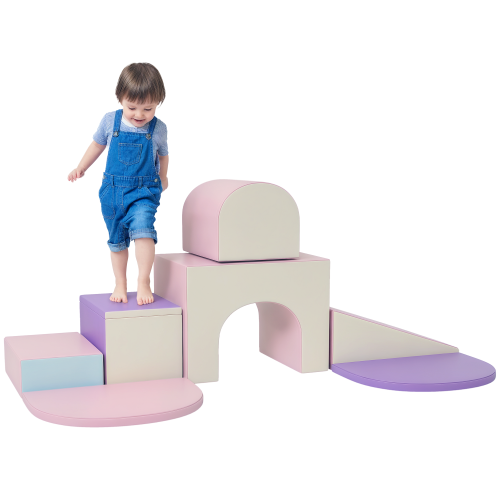
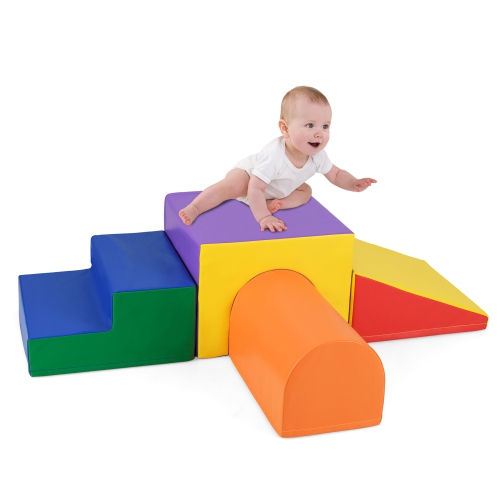
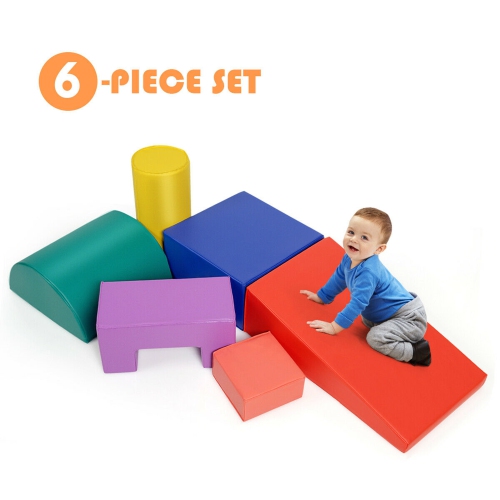
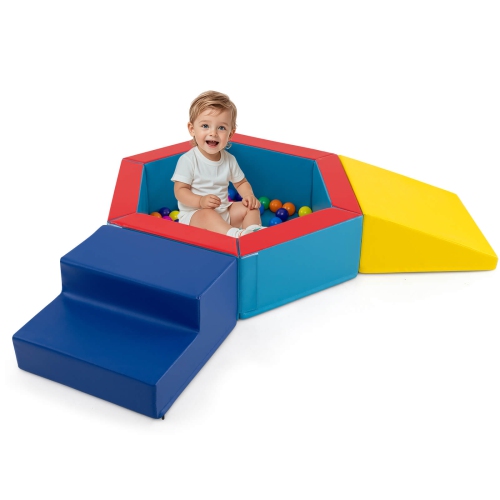
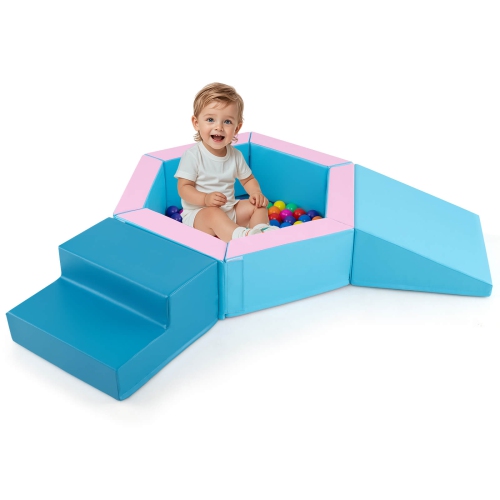
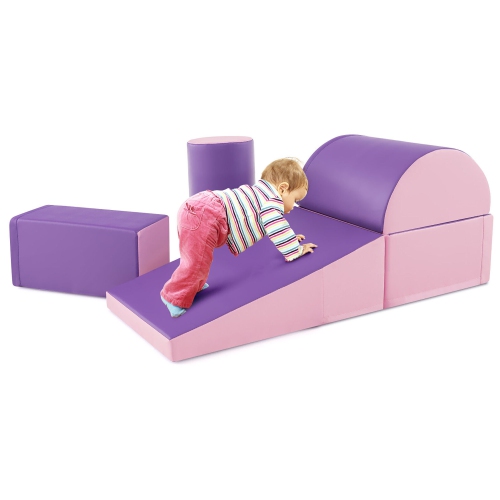
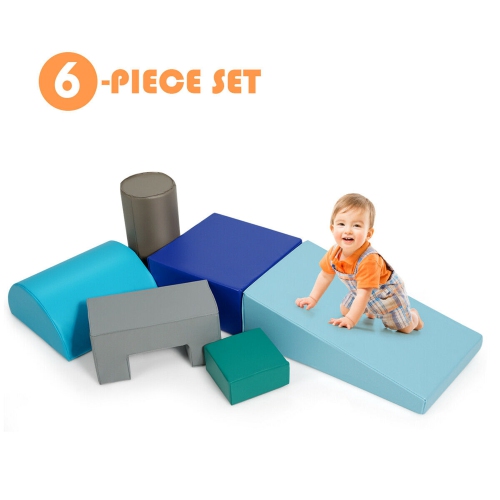

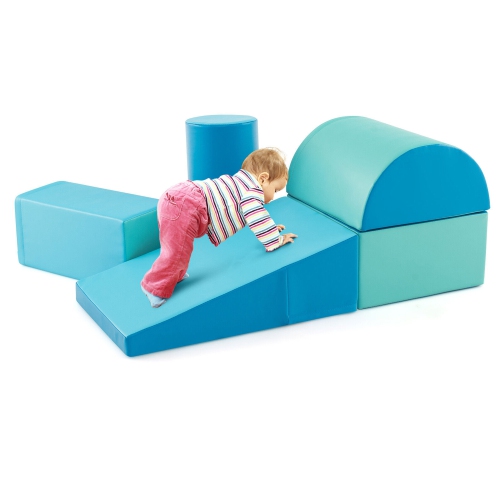
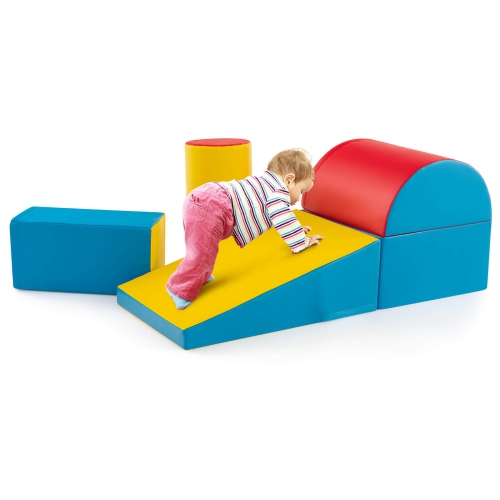

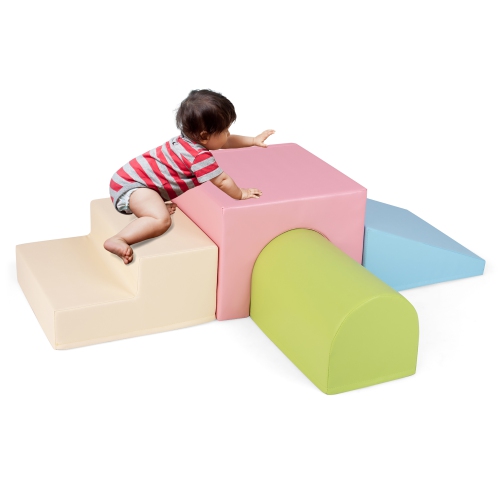

Soft shapes for tall towers and quieter tumbles
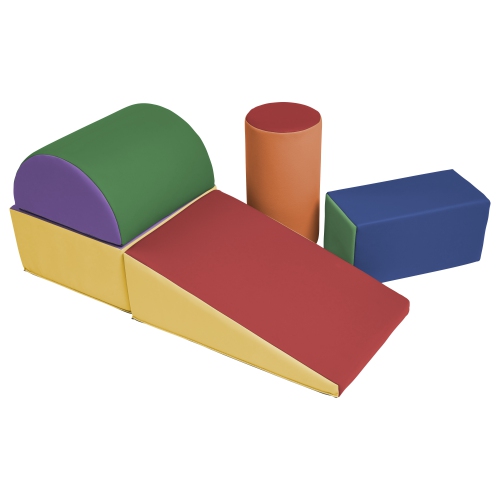
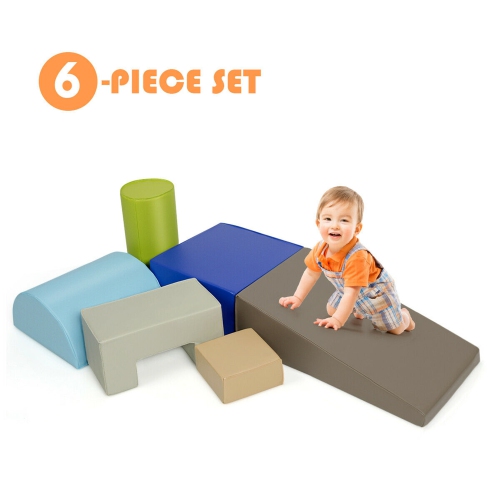
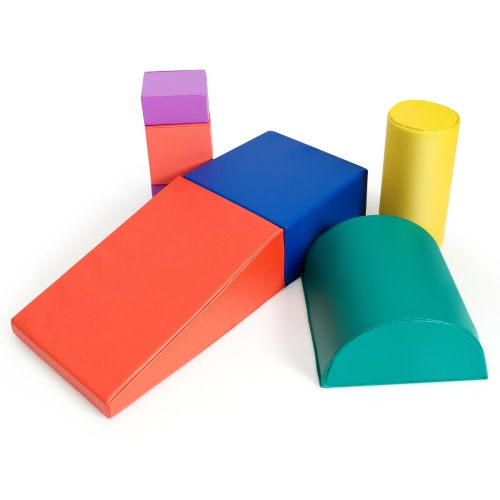
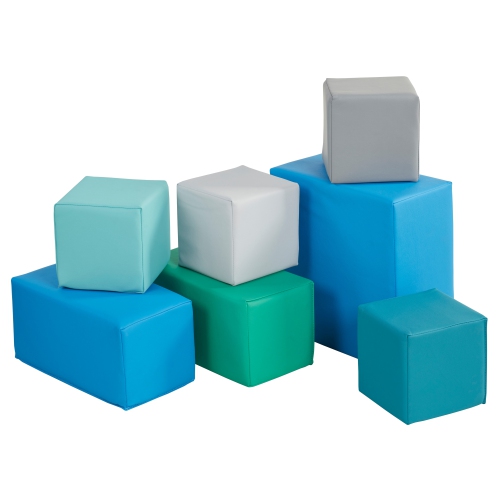
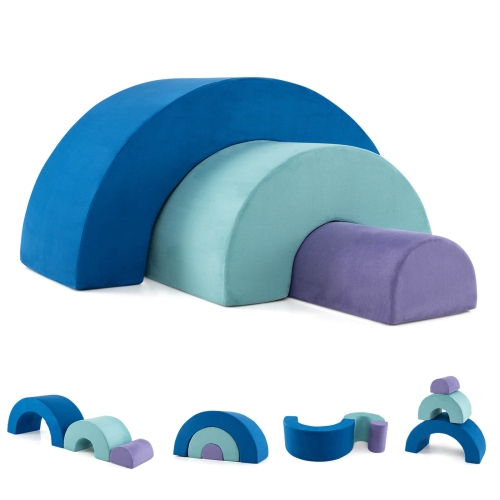
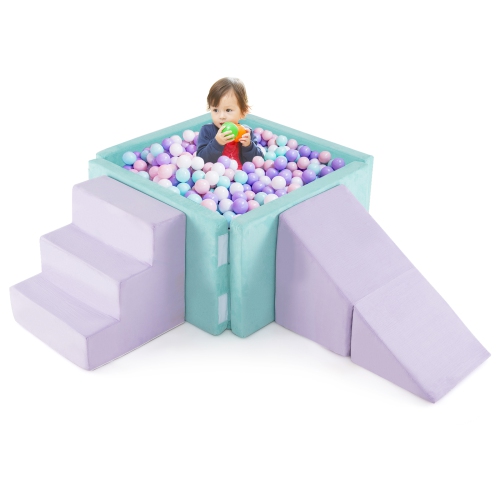
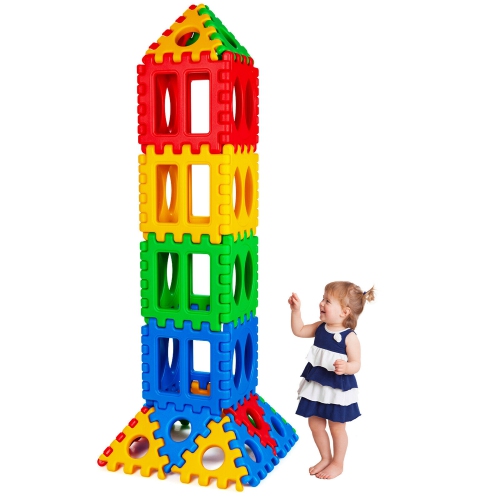
Foam construction blocks are soft, lightweight building toys that children can stack, arrange, and combine into towers, bridges, pretend buildings, and other imaginative creations. Unlike hard wooden or plastic blocks, foam pieces generally make less noise when they tumble and feel softer against hands and indoor floors. That makes them a practical choice for playrooms, shared living spaces, and early learning settings where building and rebuilding happen throughout the day. Their appeal lies in their simplicity: a rectangle can become a road, an arch can frame a doorway, and a few cubes can form a pretend shop counter. Small foam building blocks suit floor or tabletop activities, while oversized pieces give children room to work on larger structures with a sibling, friend, or caregiver. Some shapes stack freely, encouraging children to experiment with balance; others connect through interlocking edges or pegs that help hold a creation together. These different formats offer distinct play experiences, so the right choice depends on a child’s age, interests, and preferred way of building. A toddler may enjoy carrying a block across a mat and placing it beside another, while an older preschooler may spend time working out how to support a bridge without closing the passage underneath. Reaching, grasping, turning, and positioning pieces provide opportunities to practise fine motor control and hand-eye coordination. Sorting by colour or shape, comparing heights, and counting pieces can also bring early maths concepts into ordinary play. Building together adds another layer, as children take turns choosing shapes, explain what they are making, and find ways to join their ideas. Foam construction blocks are part of the broader range of Foam Toys, but their particular strength is open-ended construction: the same shapes can support a different activity each time they come out. Softness does not remove every play risk, however, and age suitability, piece size, and adult supervision remain important considerations.
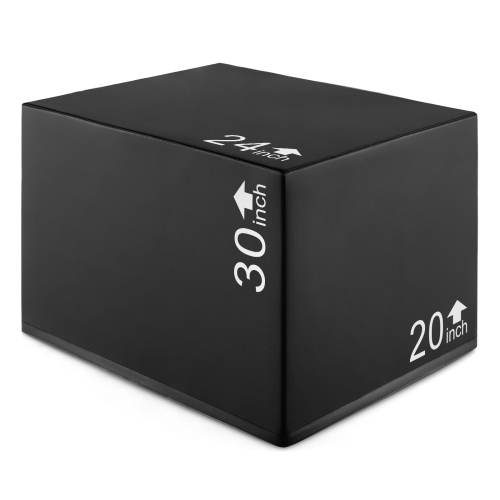
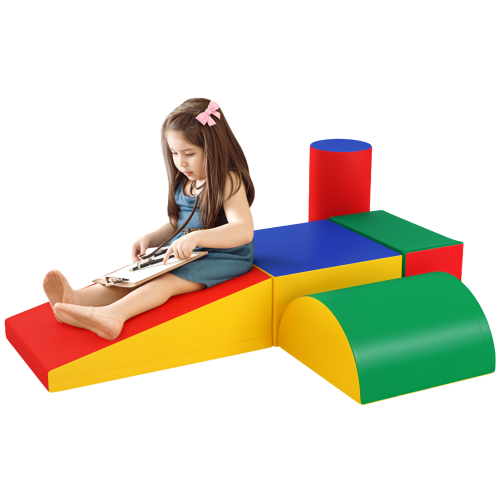
The feel and performance of foam building blocks depend on their materials, shape, and construction. Some are made from exposed foam, while larger soft-play shapes may have a foam core inside a fabric or wipe-clean covering. Firmer foam can provide a steadier base for stacking, whereas more yielding foam compresses more easily when squeezed or pressed. Neither feel is automatically better; the useful balance depends on whether the pieces are intended for small-scale building, large floor structures, or a separately specified soft-play activity. Flat faces, even edges, and consistent dimensions help pieces sit together predictably, making it easier for children to see why a structure stays upright or falls over. A mix of cubes, rectangular blocks, wedges, cylinders, and arches can broaden building possibilities, although a manageable collection of simple shapes may be easier for a younger child to explore. Size matters in relation to both the child and the room. Blocks should be manageable for the intended user to lift and carry, and pieces for younger children must meet the stated age requirements rather than simply looking large or soft enough. Compact shapes can fit on a low table or a clear patch of floor, while giant foam blocks need enough space for the finished structure and for children to move around it without bumping into furniture. Storage deserves similar attention: oversized pieces can occupy considerable space even after a tower has been taken apart. For families hoping to create forts or pretend obstacle layouts, it is important to distinguish building toys from equipment designed to support a child’s weight. Large dimensions alone do not mean a block is suitable for sitting, standing, jumping, or climbing. Only shapes explicitly intended for those activities should be used that way, within the manufacturer’s age, weight, and setup limits. A level play surface, space away from stairs and sharp furniture edges, and clear walking routes help keep a busy building session more controlled.
Everyday care helps foam construction blocks remain pleasant to handle and useful through repeated play. Cleaning methods vary, so the manufacturer’s instructions should determine whether a surface can be wiped with a damp cloth, washed, or cleaned only in certain ways. A removable cover is not necessarily machine washable, and uncovered foam should not be soaked unless its care directions allow it. After cleaning, pieces need to dry fully before being returned to a bin or stacked closely together. For shared play areas, choosing surfaces that can tolerate the required cleaning routine may matter as much as choosing appealing colours. Durability is best judged through details such as how well the foam returns to shape, whether covered pieces have secure seams, and whether edges resist crumbling or tearing during normal use. Regular checks can catch split covers, loose stitching, exposed filling, or small detached fragments; damaged pieces should be removed from play. Foam blocks are not teething toys, and chewing can damage material even when it feels firm. Keeping them away from pets, sharp objects, heaters, and prolonged direct sunlight can also help protect their condition. Between play sessions, a roomy basket, accessible shelf, or dedicated floor-storage area can make tidying part of the activity rather than a separate chore. Children might group matching shapes, line up rectangles, or count cubes as they put them away. For parents, grandparents, and other gift-givers, a child’s interests offer a useful starting point: a keen storyteller may build pretend homes and animal shelters, while a child who enjoys patterns may spend longer arranging rows and balancing shapes. Foam construction blocks can also suit supervised childcare and preschool play where several children contribute to one shared creation. During the cooler months, they offer a flexible indoor activity that can shift from quiet individual stacking to collaborative floor play. The most useful match brings together appropriate age guidance, comfortable handling, practical care, and enough space for a child’s ideas to take shape.
The feel and performance of foam building blocks depend on their materials, shape, and construction. Some are made from exposed foam, while larger soft-play shapes may have a foam core inside a fabric or wipe-clean covering. Firmer foam can provide a steadier base for stacking, whereas more yielding foam compresses more easily when squeezed or pressed. Neither feel is automatically better; the useful balance depends on whether the pieces are intended for small-scale building, large floor structures, or a separately specified soft-play activity. Flat faces, even edges, and consistent dimensions help pieces sit together predictably, making it easier for children to see why a structure stays upright or falls over. A mix of cubes, rectangular blocks, wedges, cylinders, and arches can broaden building possibilities, although a manageable collection of simple shapes may be easier for a younger child to explore. Size matters in relation to both the child and the room. Blocks should be manageable for the intended user to lift and carry, and pieces for younger children must meet the stated age requirements rather than simply looking large or soft enough. Compact shapes can fit on a low table or a clear patch of floor, while giant foam blocks need enough space for the finished structure and for children to move around it without bumping into furniture. Storage deserves similar attention: oversized pieces can occupy considerable space even after a tower has been taken apart. For families hoping to create forts or pretend obstacle layouts, it is important to distinguish building toys from equipment designed to support a child’s weight. Large dimensions alone do not mean a block is suitable for sitting, standing, jumping, or climbing. Only shapes explicitly intended for those activities should be used that way, within the manufacturer’s age, weight, and setup limits. A level play surface, space away from stairs and sharp furniture edges, and clear walking routes help keep a busy building session more controlled.
Everyday care helps foam construction blocks remain pleasant to handle and useful through repeated play. Cleaning methods vary, so the manufacturer’s instructions should determine whether a surface can be wiped with a damp cloth, washed, or cleaned only in certain ways. A removable cover is not necessarily machine washable, and uncovered foam should not be soaked unless its care directions allow it. After cleaning, pieces need to dry fully before being returned to a bin or stacked closely together. For shared play areas, choosing surfaces that can tolerate the required cleaning routine may matter as much as choosing appealing colours. Durability is best judged through details such as how well the foam returns to shape, whether covered pieces have secure seams, and whether edges resist crumbling or tearing during normal use. Regular checks can catch split covers, loose stitching, exposed filling, or small detached fragments; damaged pieces should be removed from play. Foam blocks are not teething toys, and chewing can damage material even when it feels firm. Keeping them away from pets, sharp objects, heaters, and prolonged direct sunlight can also help protect their condition. Between play sessions, a roomy basket, accessible shelf, or dedicated floor-storage area can make tidying part of the activity rather than a separate chore. Children might group matching shapes, line up rectangles, or count cubes as they put them away. For parents, grandparents, and other gift-givers, a child’s interests offer a useful starting point: a keen storyteller may build pretend homes and animal shelters, while a child who enjoys patterns may spend longer arranging rows and balancing shapes. Foam construction blocks can also suit supervised childcare and preschool play where several children contribute to one shared creation. During the cooler months, they offer a flexible indoor activity that can shift from quiet individual stacking to collaborative floor play. The most useful match brings together appropriate age guidance, comfortable handling, practical care, and enough space for a child’s ideas to take shape.
Top selling and popular products
-
 Your price for this item is $57.99
 -
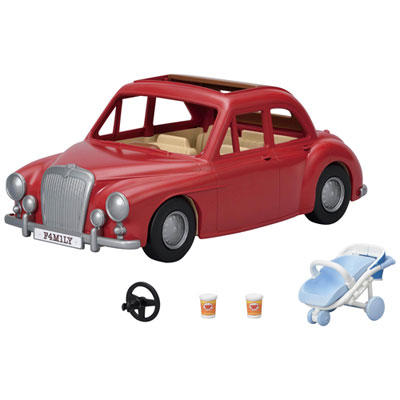 Your price for this item is $28.98
 -
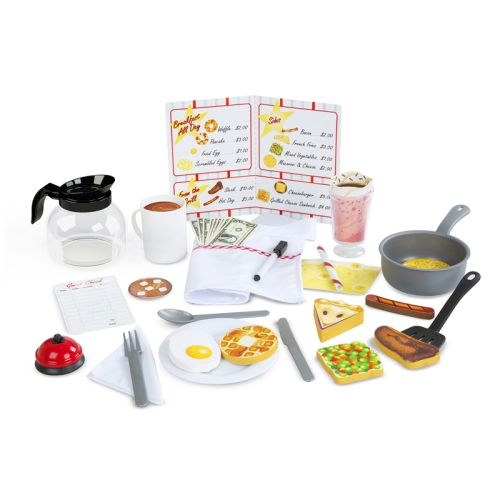 Your price for this item is $57.99
 -
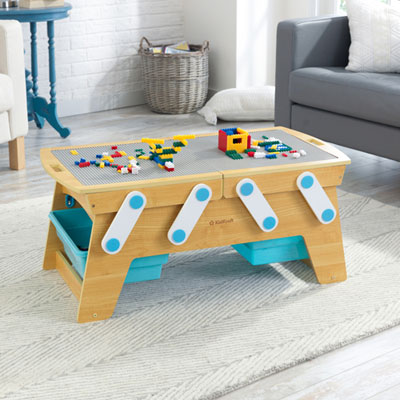 Your price for this item is $152.98
 -
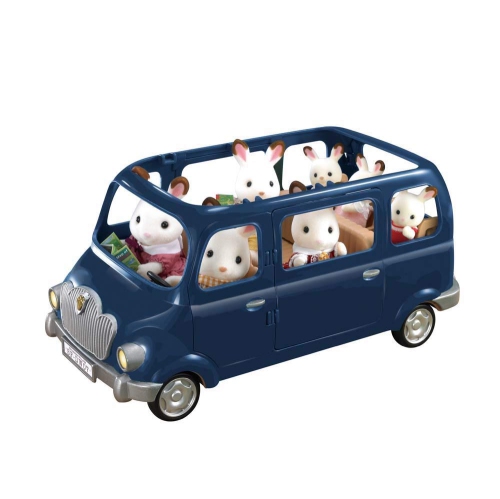 Your price for this item is $95.19
 -
 Your price for this item is $85.99
 -
 Your price for this item is $32.99
 -
 Your price for this item is $47.99
Discover more categories related to Foam Construction Blocks
Top Collections:
Pokemon Centers, Budget 4K TVs, Kindle Devices, Canon G7X Cameras, Apple iPhones 16, iPhone 15 Apple, Laptops for Business Work, Flip Phones, Xiaomi Phones, Refurbished Apple Laptops
Some products may be subject to Environmental Handling Fees
(EHF) depending on your province.
Learn more about EHFs.