Foam Floor Tiles
Transform any space into a versatile and comfortable area with foam floor tiles, the perfect solution for creating a safe and cushioned environment. Ideal for playrooms, home gyms, or even cozy reading nooks, these tiles offer an easy-to-install, customizable flooring option that suits various needs. With their lightweight design and interlocking edges, foam floor tiles provide a seamless fit that can be effortlessly rearranged or expanded as your space evolves. Whether you're looking to enhance safety, add a splash of color, or simply make a room more inviting, foam floor tiles deliver both practicality and style.
Sort
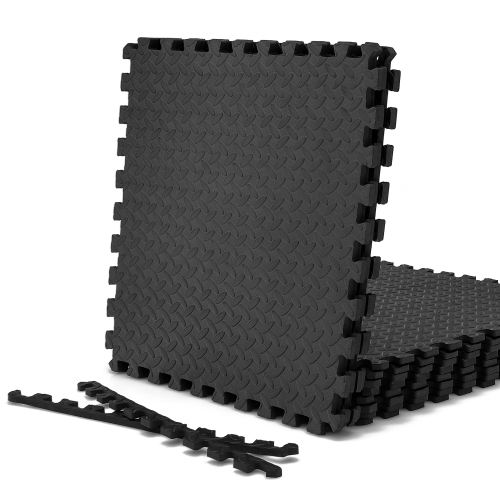
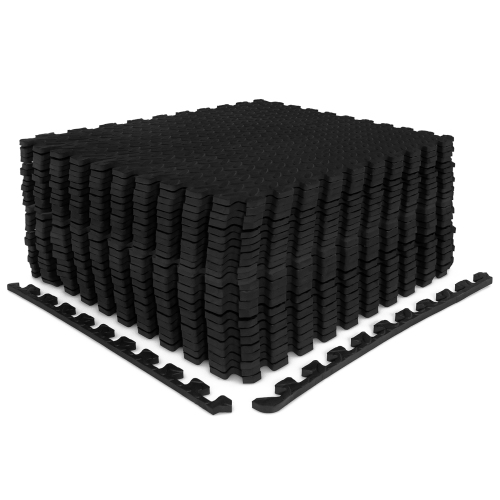
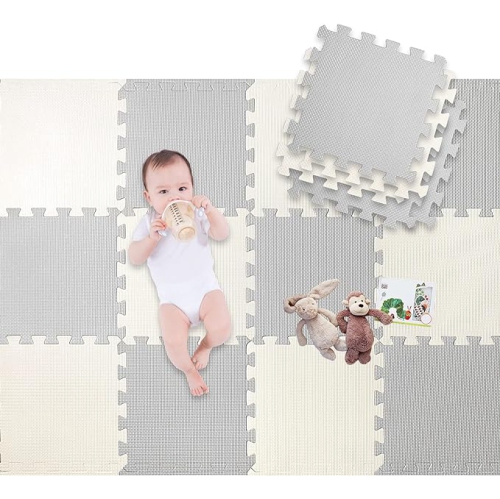
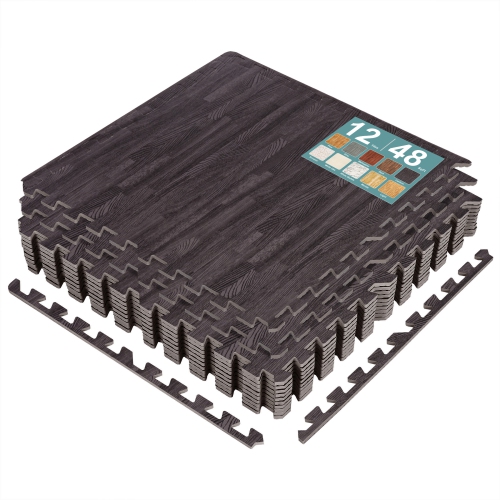

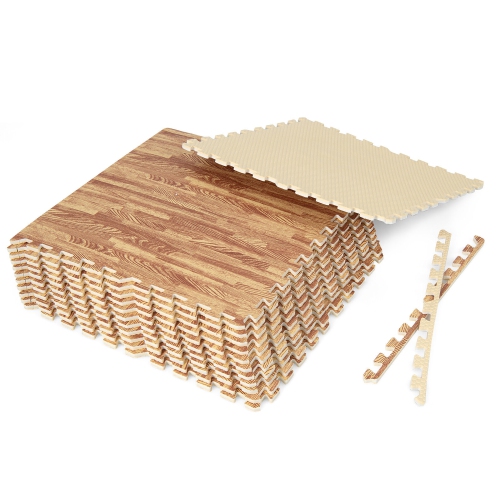
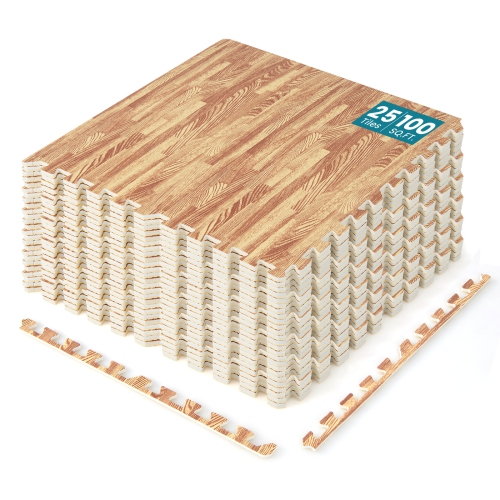
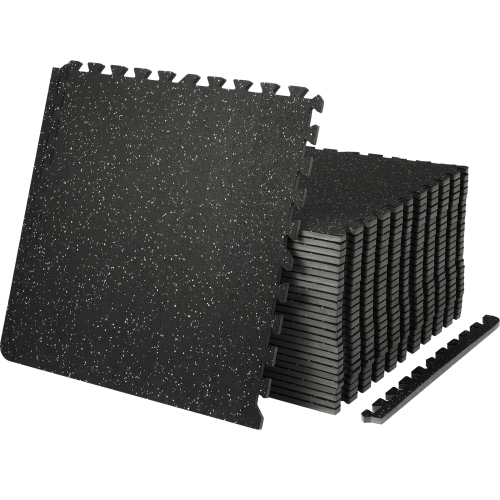
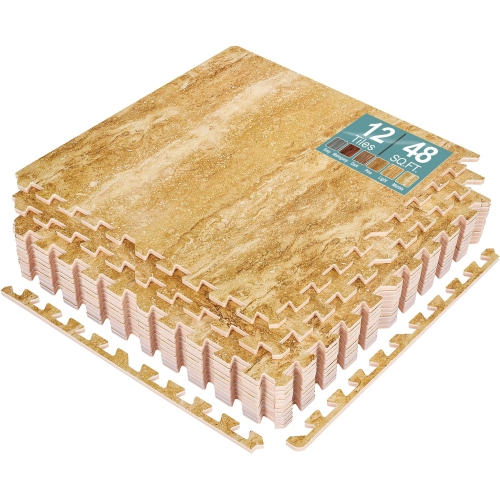
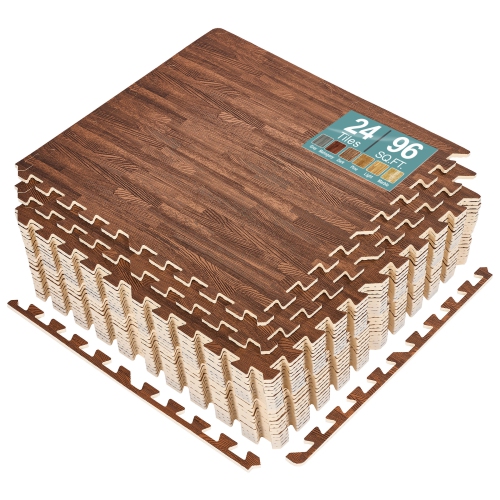
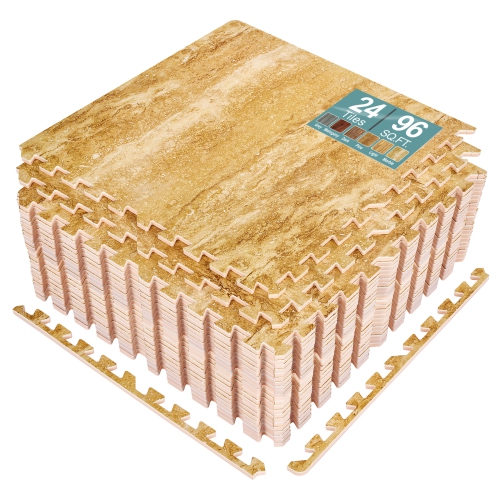
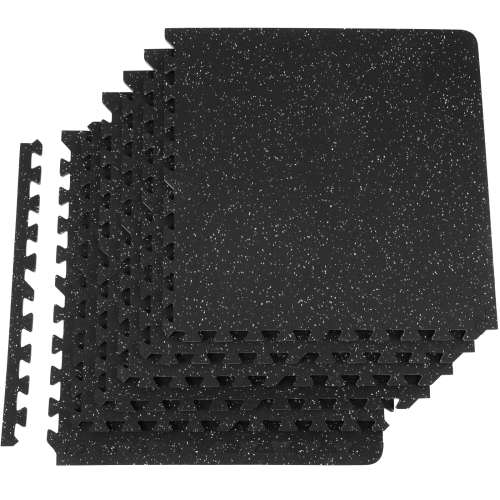
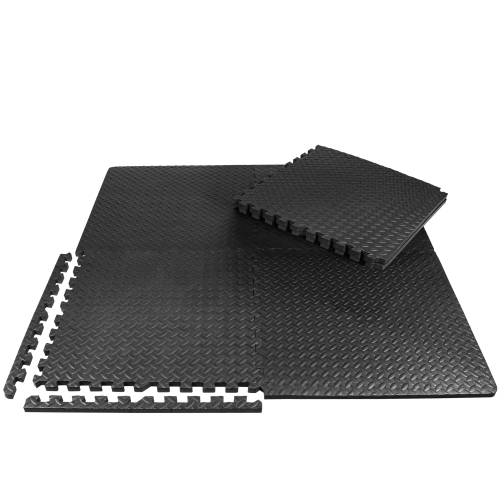
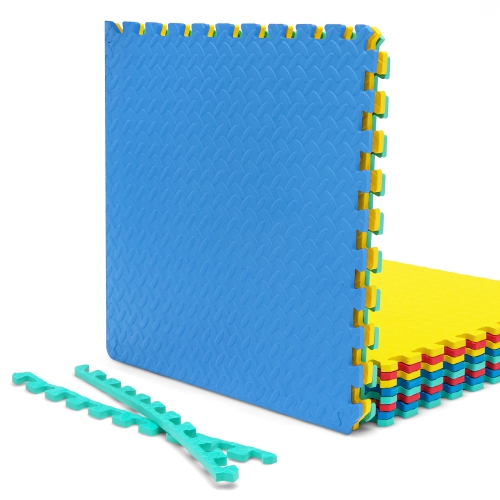
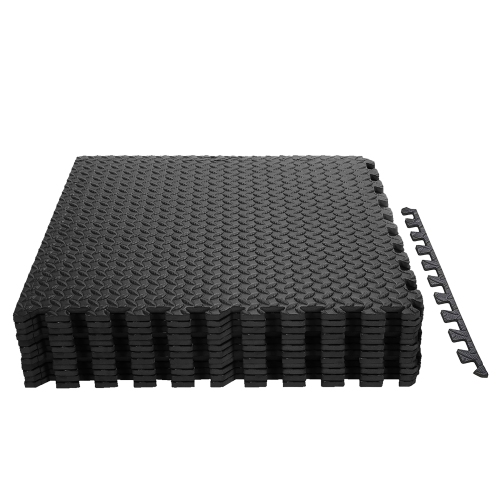
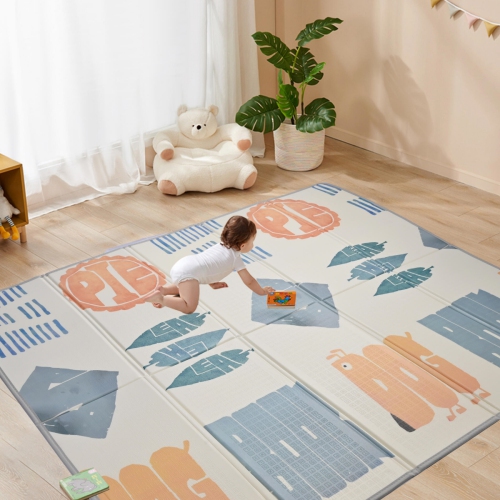
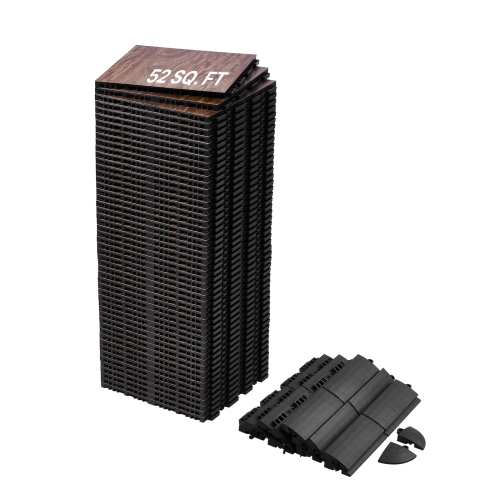
A softer surface for play and floor exercises
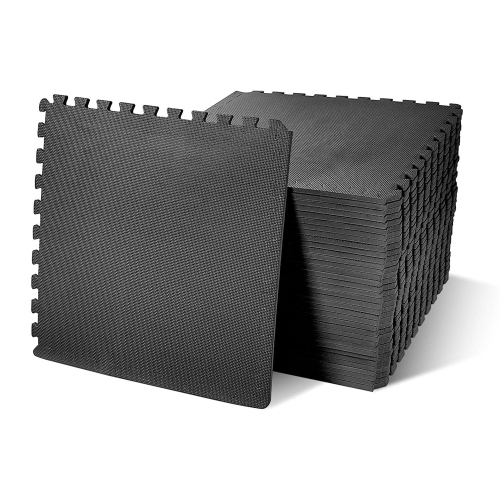
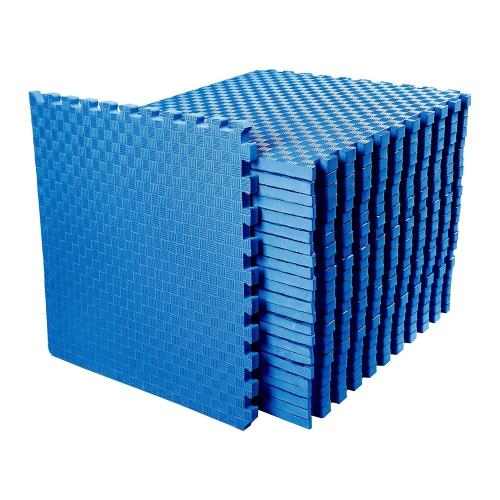
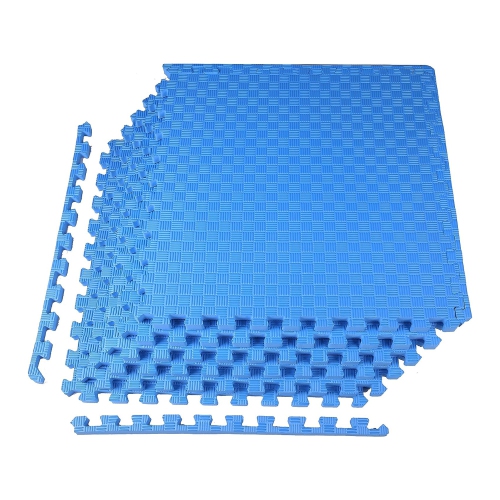
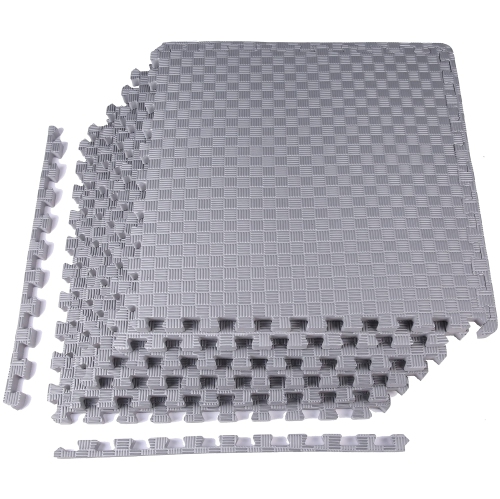
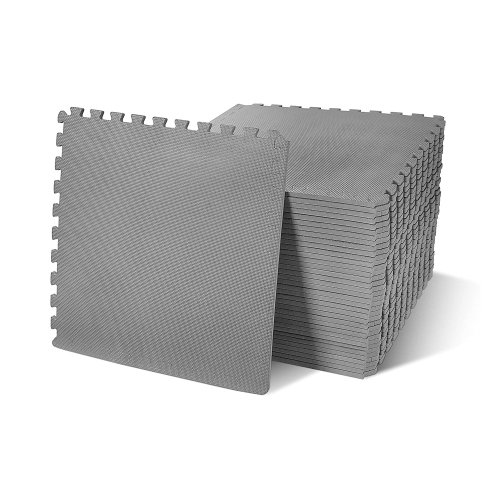
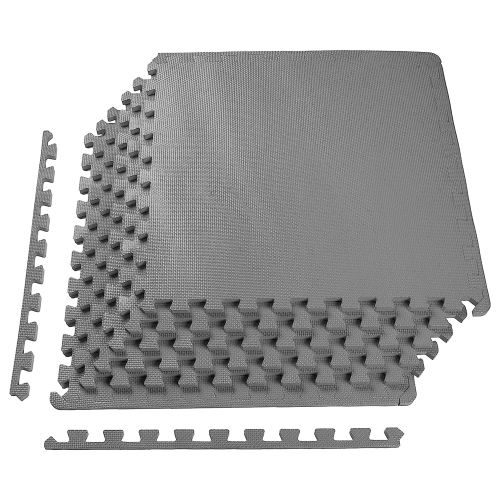
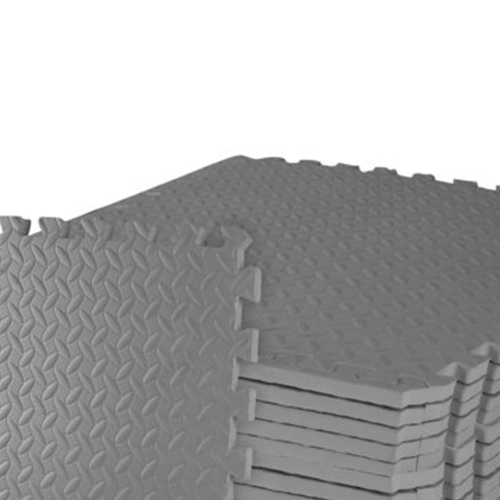
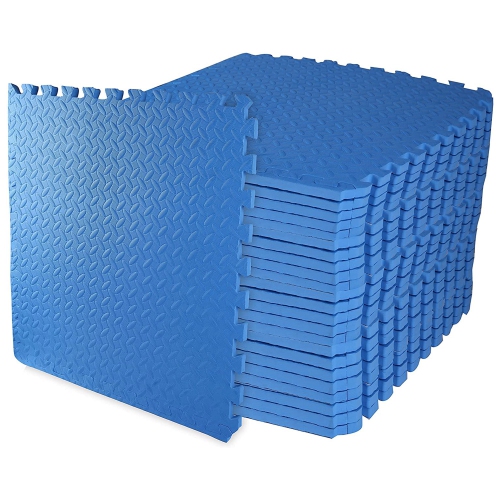
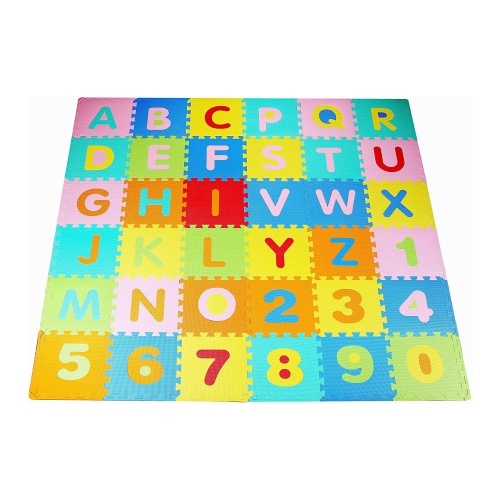
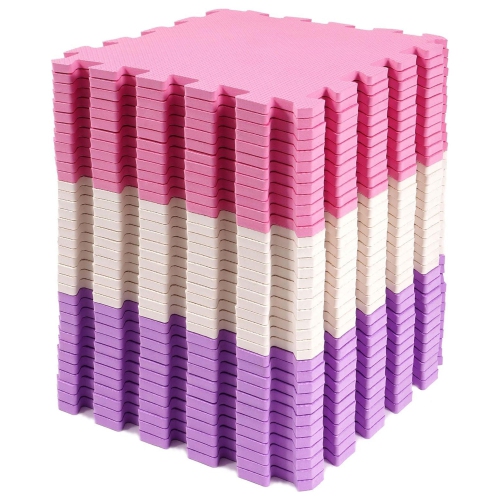
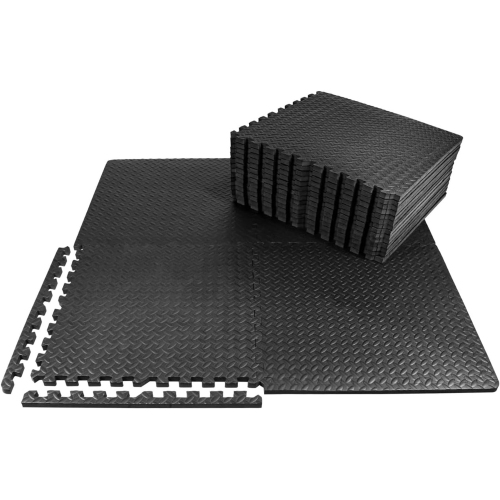
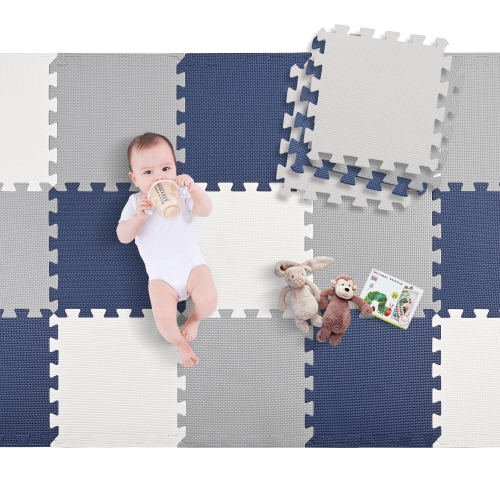
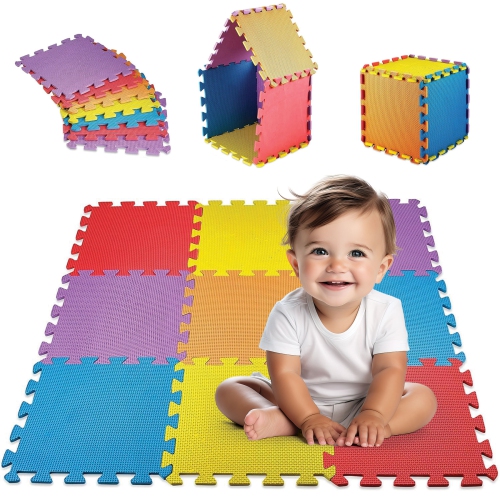
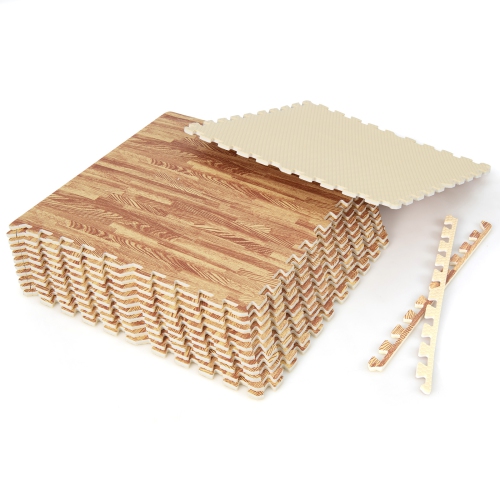
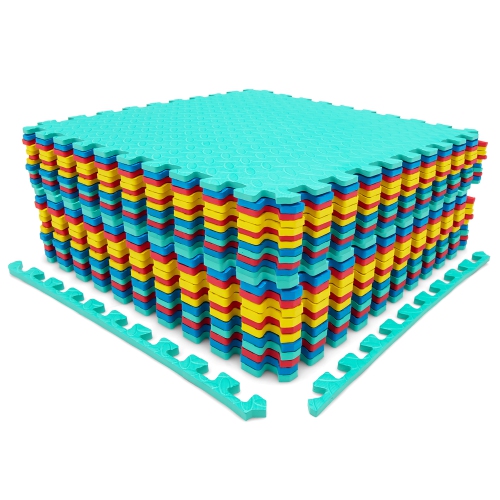
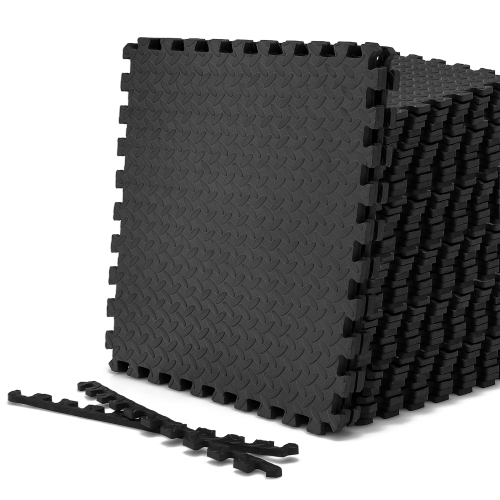
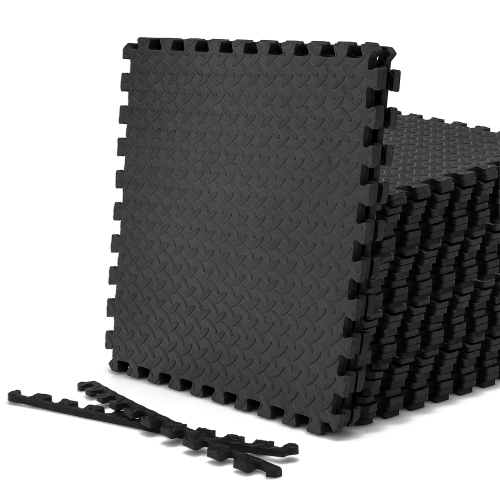
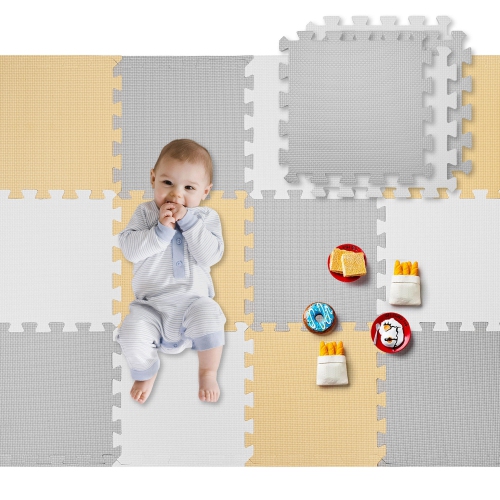
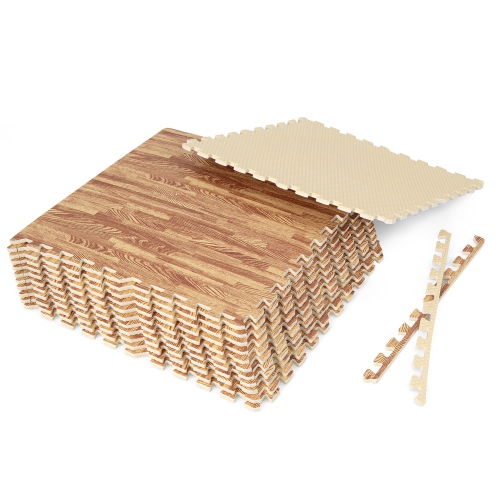
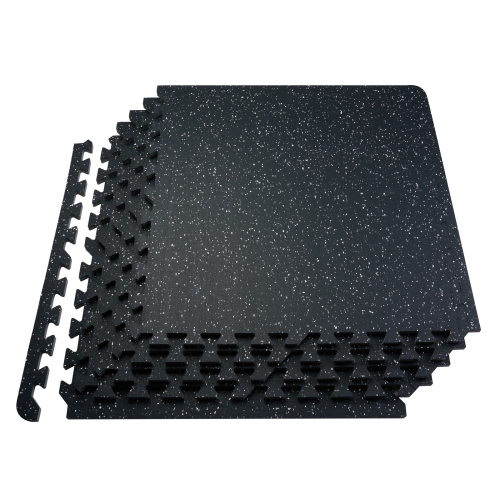
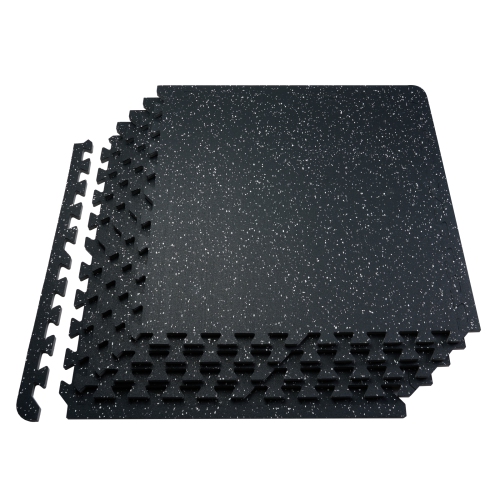
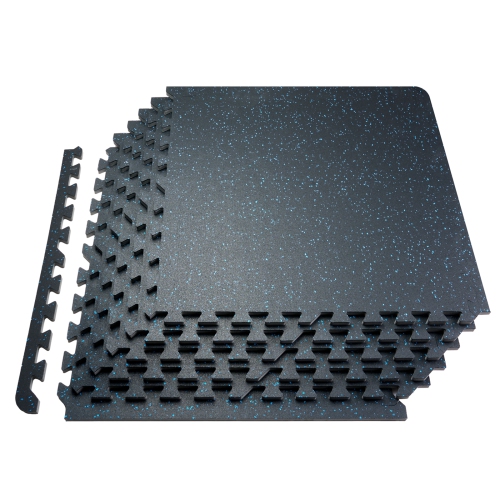
Foam floor tiles are modular floor coverings that add a cushioned layer over a suitable existing floor. Their interlocking edges fit together like puzzle pieces, making it possible to cover a small exercise corner, define a children’s play area, or create a larger padded surface in a multipurpose room. Many are made from ethylene-vinyl acetate, commonly called EVA, a lightweight foam that combines flexibility with a gently supportive feel. Closed-cell foam generally resists water absorption, although that does not make an assembled floor waterproof: spills can still pass through the seams and collect underneath. The appeal is practical as well as tactile. A padded surface can make sitting with building blocks, kneeling during stretches, or standing at a hobby table more comfortable than working directly on a hard floor. It may also soften the sound of footsteps and small objects landing, but it should not be treated as a substitute for dedicated soundproofing. Foam tiles come in different densities, thicknesses, textures, and finishes, so their feel and performance vary. A firm tile offers a different footing from one that compresses easily, even when both have the same stated thickness. Textured surfaces can provide grip, while smooth finishes may be easier to wipe clean; neither feature guarantees slip resistance when the surface is wet. Solid colours can create a quiet backdrop for fitness equipment, bright colours can mark out a play corner, and wood-look patterns offer a more understated appearance in shared living spaces. Reversible designs may provide another colour or finish option, depending on their construction. For households that need one room to serve several purposes, the modular format is especially useful. A rectangle of tiles can establish a place for floor exercises beside a desk, while a larger layout can give children room to spread out toys without covering the entire room. The result is a flexible surface suited to everyday activities rather than a permanent replacement for structural flooring.
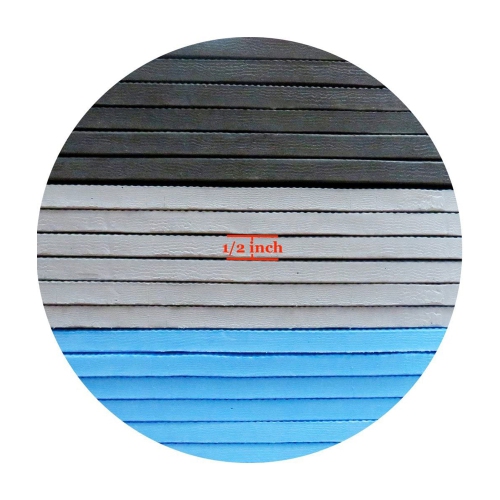
The best fit depends on how the surface will be used, not simply on choosing the thickest foam. Thicknesses around 3/8 inch to 1/2 inch are common for general cushioning and light floor exercises, while thicker options can provide additional padding for activities that involve kneeling or sitting. Density matters just as much: soft, thick foam may feel comfortable under a seated child yet compress too much beneath someone performing balance exercises. For a home gym, stable footing and the manufacturer’s stated activity rating deserve close attention. Foam tiles intended for stretching, mobility work, or bodyweight movements are not automatically suitable for dropped weights, heavy machines, or repeated jumping. Concentrated loads can leave dents, and equipment feet may press deeply into the surface. Heavy lifting areas often call for purpose-built rubber flooring instead. In play spaces, age suitability, surface texture, and the design of removable pieces are important considerations. Small pop-out shapes and detachable borders may be unsuitable for children who put objects in their mouths, and a padded floor does not replace supervision or make climbing furniture safe. For hobby areas, a cushioned standing surface can be useful, but rolling chairs, sharp tools, and narrow furniture legs may damage it. Planning the layout starts with the usable floor area and the coverage stated for each set, allowing extra material for trimming and awkward corners. Tiles that look alike are not necessarily compatible; connector shape, thickness, and dimensions must match for a level, secure join. Many interlocking foam tiles fit together without adhesive and can be trimmed with a sharp utility knife and straightedge, following the manufacturer’s directions. Door clearance, nearby stairs, and transitions to uncovered flooring also affect the fit. Border pieces give exposed edges a more finished appearance, while compatible bevelled edges can ease the transition where offered. A flat, clean, dry base helps the tiles sit evenly; foam cannot correct a damaged or uneven subfloor, and a loose or thick carpet underneath may allow the joins to shift.
Day-to-day care has a noticeable effect on how foam floor tiles look and feel over time. Fine grit caught underneath can rub against the original flooring, while crumbs and dust can settle along the interlocking seams. Regular sweeping or vacuuming with a suitable hard-floor attachment helps remove loose debris without scraping the surface. For routine cleaning, a soft cloth or mop with a mild cleaning solution approved by the manufacturer is usually preferable to abrasive pads, harsh solvents, or steam cleaning, which may damage some foams and printed finishes. A lightly damp clean is different from soaking the area: liquid left around the joins can reach the floor below. After a spill, lifting the affected tiles and drying both sides, along with the underlying floor, helps prevent trapped moisture. Tiles used in a basement or utility space still need a dry, suitable base; they do not address leaks or ongoing dampness. Compatibility with the existing floor is also worth checking, particularly where a flooring manufacturer places restrictions on coverings or backing materials. Durability depends on use as much as construction. Pet claws, dragging furniture, and repeated pressure in one spot can leave marks, while heavily travelled sections may show wear sooner than tiles around the perimeter. The interlocking format makes it possible to lift individual sections for cleaning or replace a damaged tile when a matching piece is on hand. Keeping unused tiles flat and storing border pieces together makes later layout changes easier. Foam floor tiles are particularly useful when cushioning needs to extend across a defined area, rather than remain in one small spot. For a separate cushioned mat beside a sink or at another standing station, Memory Foam Mats offer a different format, with backing and care requirements that should suit the location. Across either format, a secure position, manageable cleaning routine, and level of support matched to the activity matter more than softness alone. Thoughtfully matched foam tiles can make a workout corner, play space, or creative workspace more comfortable while preserving the flexibility to rearrange the room.
The best fit depends on how the surface will be used, not simply on choosing the thickest foam. Thicknesses around 3/8 inch to 1/2 inch are common for general cushioning and light floor exercises, while thicker options can provide additional padding for activities that involve kneeling or sitting. Density matters just as much: soft, thick foam may feel comfortable under a seated child yet compress too much beneath someone performing balance exercises. For a home gym, stable footing and the manufacturer’s stated activity rating deserve close attention. Foam tiles intended for stretching, mobility work, or bodyweight movements are not automatically suitable for dropped weights, heavy machines, or repeated jumping. Concentrated loads can leave dents, and equipment feet may press deeply into the surface. Heavy lifting areas often call for purpose-built rubber flooring instead. In play spaces, age suitability, surface texture, and the design of removable pieces are important considerations. Small pop-out shapes and detachable borders may be unsuitable for children who put objects in their mouths, and a padded floor does not replace supervision or make climbing furniture safe. For hobby areas, a cushioned standing surface can be useful, but rolling chairs, sharp tools, and narrow furniture legs may damage it. Planning the layout starts with the usable floor area and the coverage stated for each set, allowing extra material for trimming and awkward corners. Tiles that look alike are not necessarily compatible; connector shape, thickness, and dimensions must match for a level, secure join. Many interlocking foam tiles fit together without adhesive and can be trimmed with a sharp utility knife and straightedge, following the manufacturer’s directions. Door clearance, nearby stairs, and transitions to uncovered flooring also affect the fit. Border pieces give exposed edges a more finished appearance, while compatible bevelled edges can ease the transition where offered. A flat, clean, dry base helps the tiles sit evenly; foam cannot correct a damaged or uneven subfloor, and a loose or thick carpet underneath may allow the joins to shift.
Day-to-day care has a noticeable effect on how foam floor tiles look and feel over time. Fine grit caught underneath can rub against the original flooring, while crumbs and dust can settle along the interlocking seams. Regular sweeping or vacuuming with a suitable hard-floor attachment helps remove loose debris without scraping the surface. For routine cleaning, a soft cloth or mop with a mild cleaning solution approved by the manufacturer is usually preferable to abrasive pads, harsh solvents, or steam cleaning, which may damage some foams and printed finishes. A lightly damp clean is different from soaking the area: liquid left around the joins can reach the floor below. After a spill, lifting the affected tiles and drying both sides, along with the underlying floor, helps prevent trapped moisture. Tiles used in a basement or utility space still need a dry, suitable base; they do not address leaks or ongoing dampness. Compatibility with the existing floor is also worth checking, particularly where a flooring manufacturer places restrictions on coverings or backing materials. Durability depends on use as much as construction. Pet claws, dragging furniture, and repeated pressure in one spot can leave marks, while heavily travelled sections may show wear sooner than tiles around the perimeter. The interlocking format makes it possible to lift individual sections for cleaning or replace a damaged tile when a matching piece is on hand. Keeping unused tiles flat and storing border pieces together makes later layout changes easier. Foam floor tiles are particularly useful when cushioning needs to extend across a defined area, rather than remain in one small spot. For a separate cushioned mat beside a sink or at another standing station, Memory Foam Mats offer a different format, with backing and care requirements that should suit the location. Across either format, a secure position, manageable cleaning routine, and level of support matched to the activity matter more than softness alone. Thoughtfully matched foam tiles can make a workout corner, play space, or creative workspace more comfortable while preserving the flexibility to rearrange the room.
Top selling and popular products
-
 Your price for this item is $221.99
 -
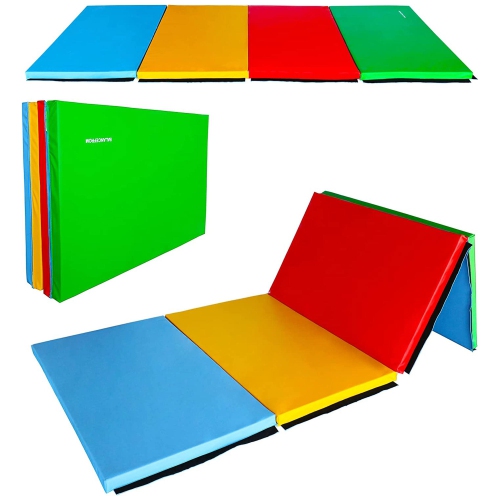 Your price for this item is $218.99
 -
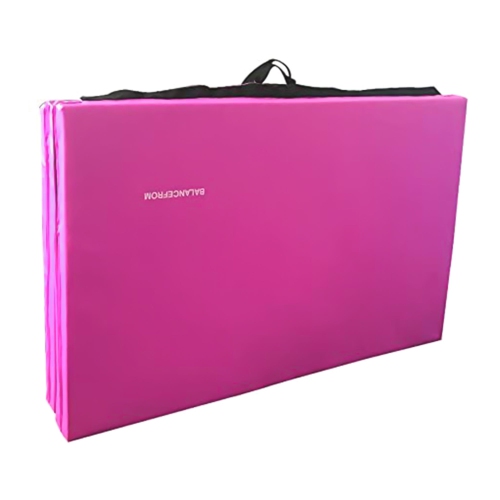 Your price for this item is $224.99
 -
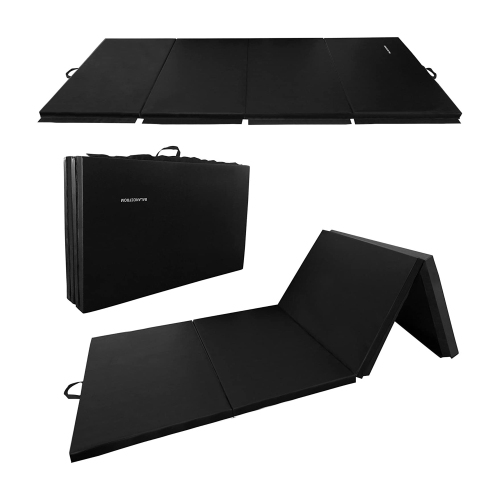 Your price for this item is $251.99
 -
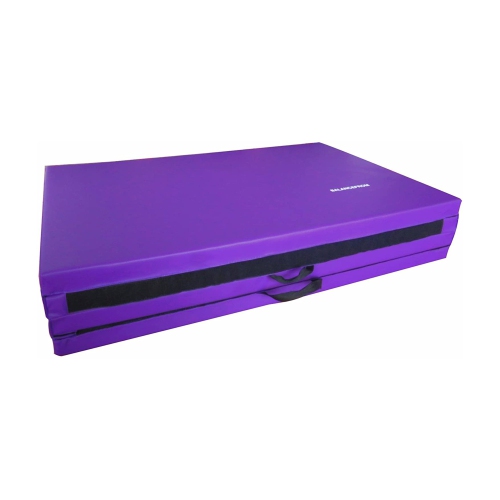 Your price for this item is $221.99
 -
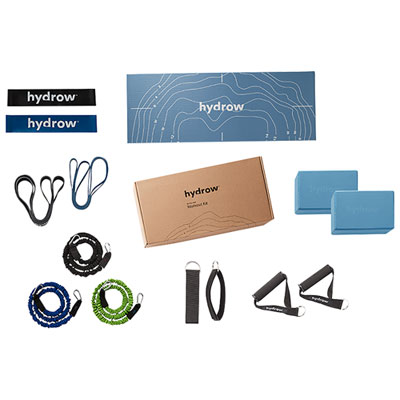 Your price for this item is $229.99
 -
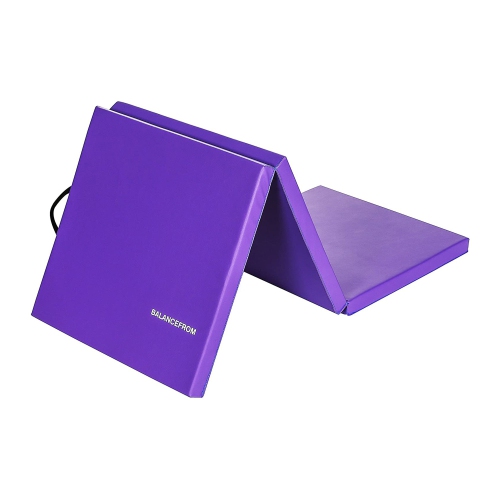 Your price for this item is $79.99
 -
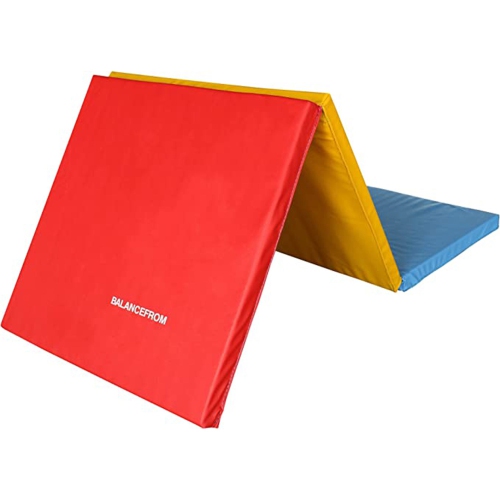 Your price for this item is $79.99
Discover more categories related to Foam Floor Tiles
Top Collections:
Pokemon Centers, Kindle Devices, Best Budget Office Chairs, Apple iPhones 16, Canon G7X Cameras, iPhone 15 Apple, Alarm Clock, Refurbished Apple Laptops, Flip Phones, Best Laptops for Writers
Some products may be subject to Environmental Handling Fees
(EHF) depending on your province.
Learn more about EHFs.