Memory Foam Mats
Transform your living spaces with the luxurious comfort of memory foam mats. Perfect for any room in your home, these mats offer an inviting touch underfoot, enhancing both style and coziness. Whether you're stepping out of the shower or adding a plush layer to your kitchen floor, memory foam mats provide a versatile solution that blends seamlessly with your decor. Discover the perfect balance of softness and support, making every step a delight as you elevate your home environment with these must-have additions.
Sort
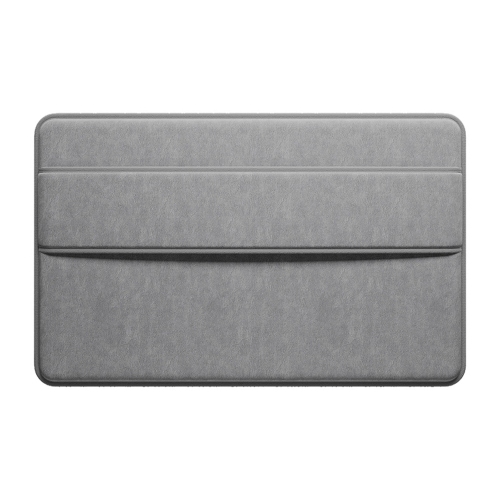
Comfort underfoot depends on more than soft foam
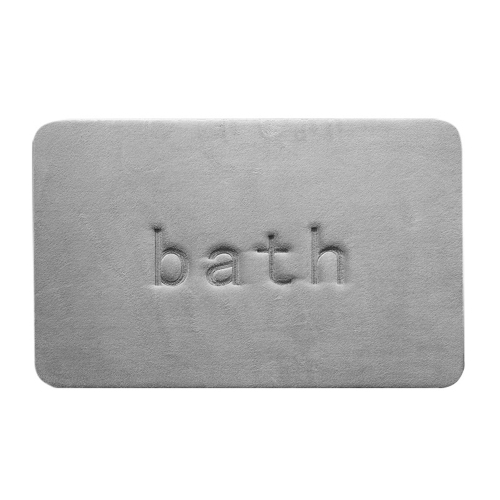
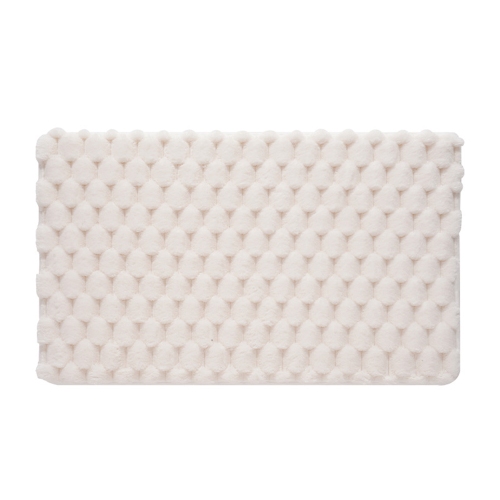
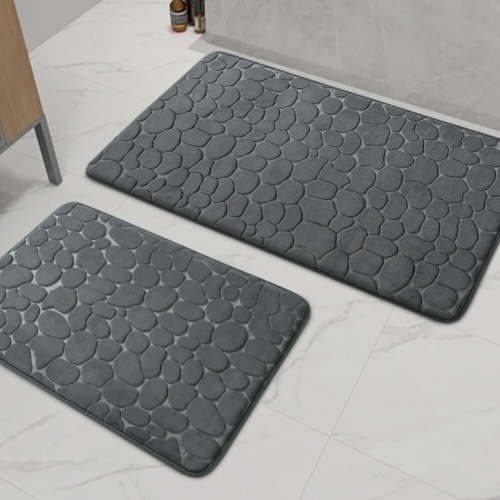
Memory foam mats are cushioned floor coverings with a foam layer that compresses under pressure, conforms to the shape of feet or other points of contact, and gradually returns to its original shape when the pressure is removed. That slow-rebound feel distinguishes memory foam from firmer rubber mats and many conventional foam pads. Depending on their construction, memory foam mats may be intended for bathroom floors, kitchen work areas, standing desks, or other places where a softer surface makes everyday activities more comfortable. The intended use matters as much as the cushioning: a plush bath mat and a wipe-clean standing mat have different surfaces, backing materials, and care requirements, even when both contain memory foam. In a bathroom, a soft textile surface can provide a comfortable landing for bare feet after a shower or while brushing teeth at the vanity. Polyester microfibre is a common surface material, offering a smooth or velvety feel, while textured fabric can add visual interest. Moisture absorption depends on the cover and overall construction, and absorbency does not necessarily mean the mat will dry quickly. A damp mat needs enough airflow to dry thoroughly between uses rather than remaining pressed against the floor. Size and placement also shape how well a bath mat works. A compact rectangle may fit neatly beside a shower, while a longer shape can suit a double vanity, provided it does not overlap doorways or crowd the room. Measuring the usable floor space, including the swing of the bathroom door, helps avoid a mat that bunches or catches at the edge. A slip-resistant backing can help limit movement on a compatible, clean, dry floor, but it does not make a mat slip-proof. Water beneath the backing, soap residue, or curled corners can compromise stability. Most fabric-covered memory foam bath mats belong outside the tub or shower, not inside it, unless they are explicitly designed for that placement.
For kitchens and workspaces, memory foam standing mats bring cushioning to spots where people tend to stay in one place, such as the sink, a food-preparation counter, or a standing desk. Their appeal is easy to picture: washing a stack of dishes or reviewing a document while standing on a slightly yielding surface instead of a hard floor. Some mats are designed for anti-fatigue use, although memory foam construction alone does not establish that suitability. Comfort depends on the balance between softness, support, thickness, and the way the mat responds as weight shifts. A very soft surface may feel inviting at first but allow the feet to sink too deeply, while a firmer mat can offer a more stable base. Thickness is useful only when it works with the foam’s support and the mat’s placement; a thicker edge can also become an obstacle in a busy walkway. Bevelled edges and a low-profile design can make transitions easier, particularly where someone regularly steps on and off the mat. At a desk, the dimensions should accommodate a natural standing position without forcing both feet into a narrow space. Clearance matters around chair legs, desk supports, and nearby furniture, and a mat should not obstruct rolling equipment or a frequently used route through the room. Kitchen surfaces have their own demands. A sealed, wipe-clean cover is generally more practical around splashes and crumbs than a plush textile finish, provided the mat is intended for that setting. Textured surfaces may improve the feel underfoot but can also collect debris in grooves. Backing compatibility is another consideration, since some materials may mark or react with certain floor finishes. Standing mats can make a workstation more comfortable, but they do not replace supportive footwear, changes in position, or regular movement. Their role is to cushion a suitable standing area, not to treat pain or guarantee relief from physical strain.
Memory foam mats can also suit selected floor-level activities when their construction is designed for that purpose. Kneeling beside a low shelf, sitting on the floor for a craft project, or doing gentle stretches calls for different support than stepping out of a shower. A small bath mat is not a substitute for an exercise mat, and a soft household mat should not be assumed suitable for children’s play simply because it feels cushioned. For a play area, purpose-designed construction, age suitability, a secure surface, and clear care information are more important than the foam description alone. Floor cushioning does not prevent every bump or fall, and a mat is not an infant sleep surface. Across these uses, durability depends on more than initial softness. A well-finished cover, intact backing, and foam that recovers after ordinary use help a mat maintain its shape and function. Persistent flattened areas, crumbling backing, loose seams, or edges that no longer lie flat can signal that it is time for replacement. Care varies by material: some textile-covered mats can be machine washed, while others require spot cleaning, and wipe-clean covers may have limits on suitable cleaning products. Following the stated washing and drying directions helps protect the foam, cover, and backing. Thorough drying is particularly important after cleaning, and folding or wringing a mat may damage constructions that are meant to stay flat. Appearance also affects how naturally a mat fits into a room. Neutral colours can blend with tile or cabinetry, while a patterned surface can add definition to an otherwise simple space. For a home office that alternates between seated and standing tasks, Memory Foam Chairs offer a related seating option, while a suitable floor mat serves the standing area. As a housewarming gift, a memory foam mat can be a thoughtful everyday comfort, especially when the recipient’s room dimensions, preferred colours, and cleaning habits are known. The most useful choice brings together a comfortable feel, a practical size, and materials suited to the place it will be used.
Top selling and popular products
-
 Your price for this item is $90
-
 Your price for this item is $100
-
 Your price for this item is $100
-
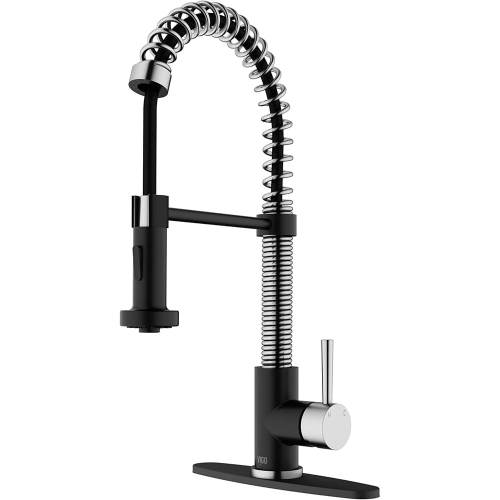 Your price for this item is $426.55
-
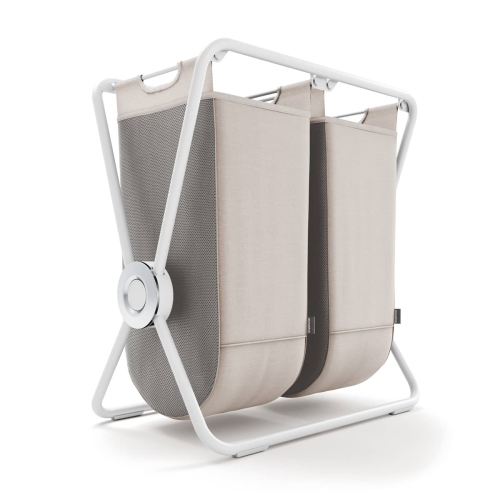 Your price for this item is $300
-
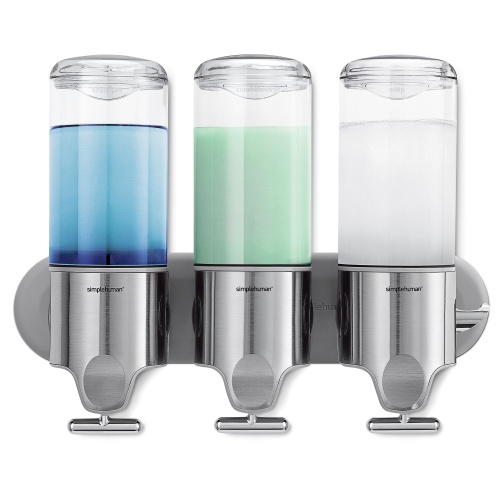 Your price for this item is $120
-
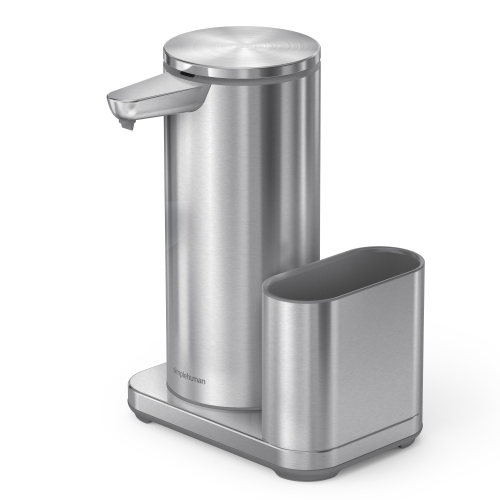 Your price for this item is $160
-
 Your price for this item is $180
Discover more categories related to Memory Foam Mats


Top Collections:
Best Black Friday Deals This Year, Best Black Friday Deals On Electronics, Kindle Devices, Pokemon Centers, Best Black Friday Deals On Apple Products, Best Cameras for Sports Photography, Dyson Airwrap, Pokémon 30th Celebration Cards, Apple iPhone 17 Pro, Canon G7X Cameras
Some products may be subject to Environmental Handling Fees
(EHF) depending on your province.
Learn more about EHFs.