Games for 12 Year Olds
Finding the perfect game for a 12-year-old can be an exciting adventure, as this age is all about exploring new interests and developing skills. Whether it's sparking creativity, encouraging strategic thinking, or simply providing hours of fun, games designed for this age group offer a wide range of engaging experiences. From action-packed adventures to brain-teasing puzzles, there's something to capture every young gamer's imagination. Discover the diverse selection of games that cater to different preferences and help nurture a child's curiosity and enthusiasm for learning through play.
Sort
The right balance of challenge, players and play time
Games for 12 year olds can open the door to imaginative play, friendly competition, problem-solving and shared time with family or friends. At this age, many children are ready for games with more layered rules and meaningful choices, while still appreciating humour, bright themes and a satisfying sense of progress. The best fit may be a strategy game that rewards planning several turns ahead, a word or deduction game that encourages clever clues and teamwork, a fast-paced card game that is easy to bring out after dinner, or a video game built around exploration, creativity and discovery. Some games are designed for solo play, giving a child something absorbing to enjoy independently, while others are at their best with two or more players gathered around the table. For families, game nights can become a comfortable cooler-month tradition, with snacks on the table and everyone taking a turn. For friends, a quick party game or competitive multiplayer experience can add energy to a sleepover, weekend visit or after-school gathering. When choosing a game, consider the child’s personality as much as the recommended age. A patient planner may enjoy tactical decisions and resource management, while an imaginative player may prefer open-ended building, storytelling or role-play. Children who enjoy jokes and conversation may gravitate toward guessing, drawing or wordplay games, and those who like a challenge may appreciate logic puzzles, mysteries and games with multiple paths to victory.
Player count is one of the most useful details to check before buying. A game intended for one player can be a thoughtful gift for a child who enjoys quiet concentration, while a two-player option works well for siblings, a parent and child, or a friend visiting for the afternoon. Games that support larger groups are useful for families and parties, particularly when turns move along at a steady pace and players remain involved between rounds. It is also worth considering the expected play time. Short games can fit naturally into a busy evening and are easier for younger siblings or new players to join, while longer games may appeal to experienced players who enjoy settling in for a deeper challenge. For tabletop games, look for clear instructions, durable pieces, easy-to-organize components and a play surface that suits the available space. Games with modular boards, changing objectives or several difficulty levels can remain interesting as a child becomes more confident. For video games, check the age rating, content descriptors, platform compatibility, number of players, online features and whether an internet connection or additional accessories are required. Local multiplayer can make a screen-based game more social, while creative or sandbox-style play can encourage building, exploration and self-directed storytelling. Parents and gift-givers may also wish to review privacy settings, chat functions and parental controls before a child begins playing online. These practical details help match the game to the household, whether it will be played at a kitchen table, in a family room or during travel.
A game can make a memorable birthday present, holiday gift or surprise for a child who has outgrown very simple activities but is not looking for an adult-level challenge. It can also be a useful choice for cousins, classmates and siblings because many games provide a shared activity rather than another object that is used once and set aside. If the game is intended as a gift, consider whether the recipient usually plays alone, with one close friend or as part of a larger group, and think about the interests that naturally hold their attention. A child fascinated by animals, fantasy, vehicles, sports, puzzles or storytelling may connect more quickly with a matching theme, while an abstract strategy game may suit someone who enjoys patterns, numbers and careful decisions. During the cooler months, games that can be stored neatly and brought out whenever friends visit are especially convenient, while compact card games and travel-friendly puzzles are handy for car rides, family visits and waiting periods. Choosing games for 12 year olds with the right balance of challenge, social interaction and replay value can help create those familiar moments that linger: a dramatic last turn, a burst of laughter after an unexpected clue, or a carefully built world that grows a little each time it is revisited. As interests develop, families can also explore age-appropriate options for the next stage, including Games for 13-Year Olds. With attention to age suitability, player count, play time, theme and technical requirements, it becomes easier to find a game that feels welcoming on the first play and rewarding long afterwards.
Player count is one of the most useful details to check before buying. A game intended for one player can be a thoughtful gift for a child who enjoys quiet concentration, while a two-player option works well for siblings, a parent and child, or a friend visiting for the afternoon. Games that support larger groups are useful for families and parties, particularly when turns move along at a steady pace and players remain involved between rounds. It is also worth considering the expected play time. Short games can fit naturally into a busy evening and are easier for younger siblings or new players to join, while longer games may appeal to experienced players who enjoy settling in for a deeper challenge. For tabletop games, look for clear instructions, durable pieces, easy-to-organize components and a play surface that suits the available space. Games with modular boards, changing objectives or several difficulty levels can remain interesting as a child becomes more confident. For video games, check the age rating, content descriptors, platform compatibility, number of players, online features and whether an internet connection or additional accessories are required. Local multiplayer can make a screen-based game more social, while creative or sandbox-style play can encourage building, exploration and self-directed storytelling. Parents and gift-givers may also wish to review privacy settings, chat functions and parental controls before a child begins playing online. These practical details help match the game to the household, whether it will be played at a kitchen table, in a family room or during travel.
A game can make a memorable birthday present, holiday gift or surprise for a child who has outgrown very simple activities but is not looking for an adult-level challenge. It can also be a useful choice for cousins, classmates and siblings because many games provide a shared activity rather than another object that is used once and set aside. If the game is intended as a gift, consider whether the recipient usually plays alone, with one close friend or as part of a larger group, and think about the interests that naturally hold their attention. A child fascinated by animals, fantasy, vehicles, sports, puzzles or storytelling may connect more quickly with a matching theme, while an abstract strategy game may suit someone who enjoys patterns, numbers and careful decisions. During the cooler months, games that can be stored neatly and brought out whenever friends visit are especially convenient, while compact card games and travel-friendly puzzles are handy for car rides, family visits and waiting periods. Choosing games for 12 year olds with the right balance of challenge, social interaction and replay value can help create those familiar moments that linger: a dramatic last turn, a burst of laughter after an unexpected clue, or a carefully built world that grows a little each time it is revisited. As interests develop, families can also explore age-appropriate options for the next stage, including Games for 13-Year Olds. With attention to age suitability, player count, play time, theme and technical requirements, it becomes easier to find a game that feels welcoming on the first play and rewarding long afterwards.
Top selling and popular products
-
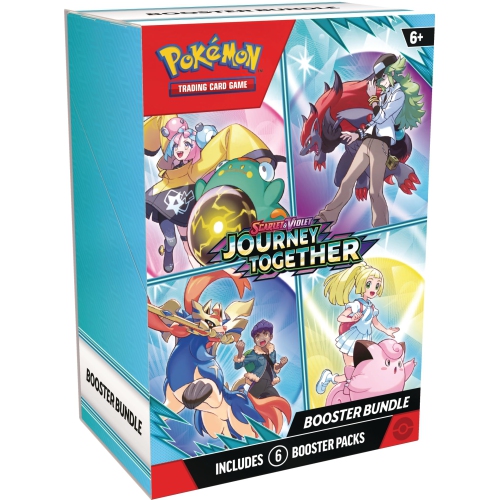 Your price for this item is $92
 -
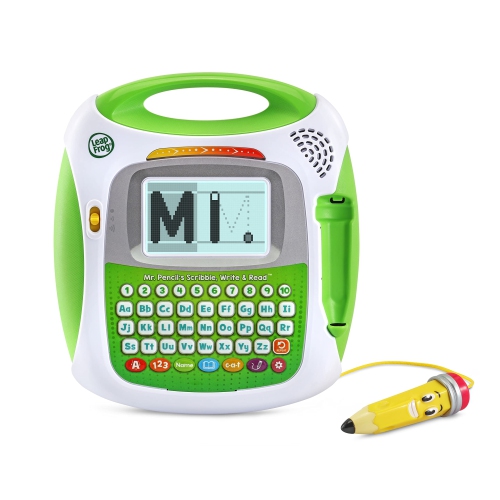 Your price for this item is $99.84
 -
 Your price for this item is $150
 -
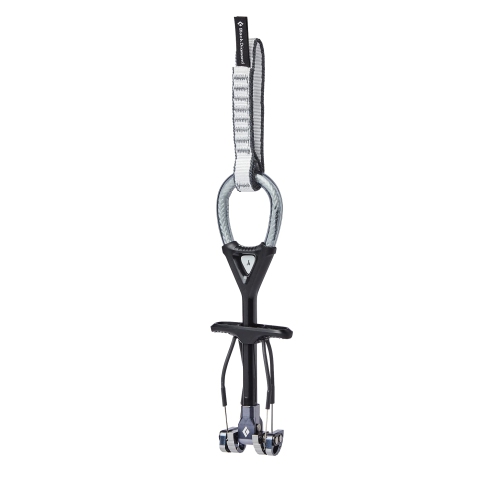 Your price for this item is $151.05
 -
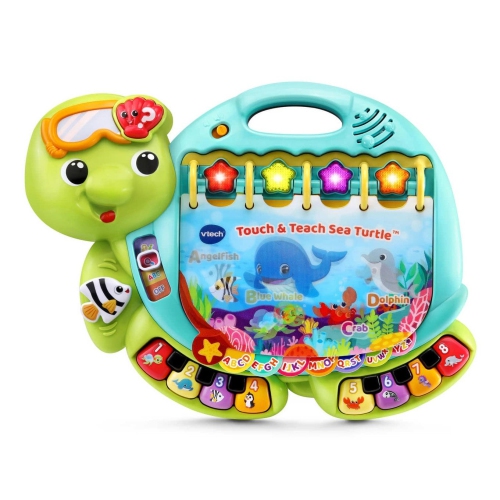 Your price for this item is $44.31
 -
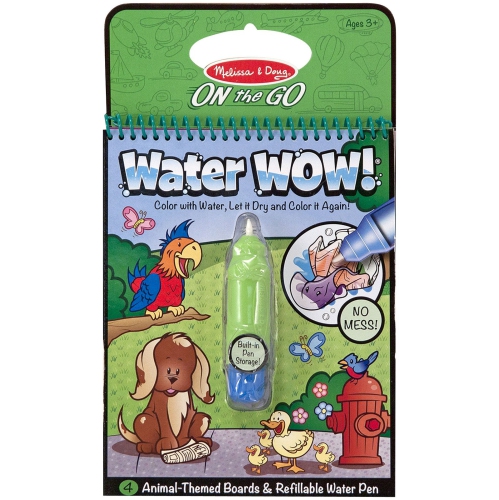 Your price for this item is $24.99
 -
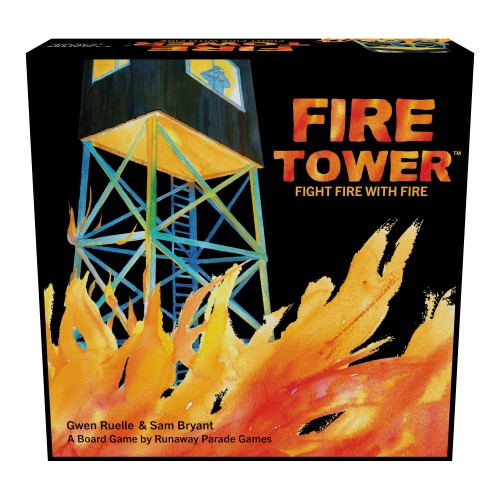 Your price for this item is $43.95
 -
![BIOWORLD Animal Crossing Isabelle, Tom Nook & Kk Slider Crew Socks 3 Pack [] In Multicolor](https://multimedia.bbycastatic.ca/multimedia/products/500x500/174/17406/17406340.jpeg) Your price for this item is $23.15
Your price for this item is $23.15
Discover more categories related to Games for 12 Year Olds
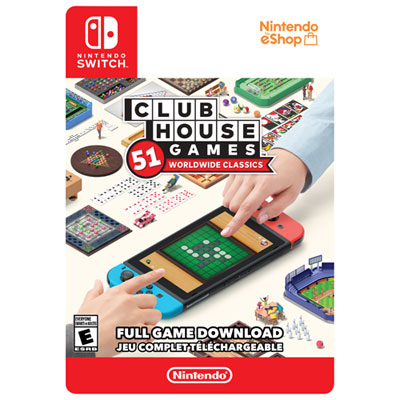
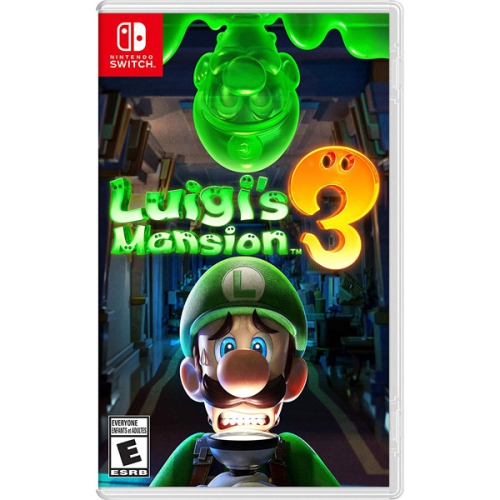
Top Collections:
Pokemon Centers, Best Cameras for Sports Photography, Kindle Devices, Samsung Galaxy Phones, Canon G7X Cameras, Pokémon 30th Celebration Cards, Refurbished Apple Laptops, iPhone 15 Apple, Laptops for Students, Budget Smartphones
Some products may be subject to Environmental Handling Fees
(EHF) depending on your province.
Learn more about EHFs.