Gaming Collectibles
Sort
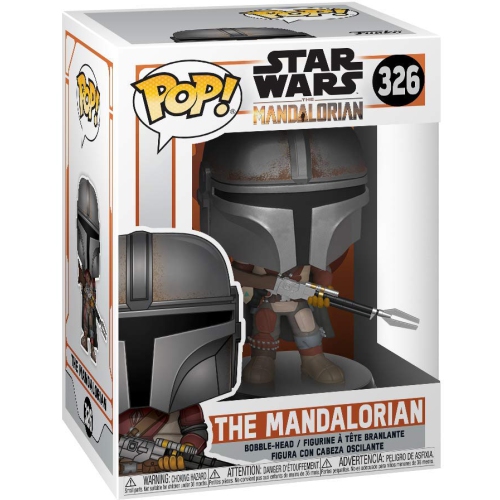
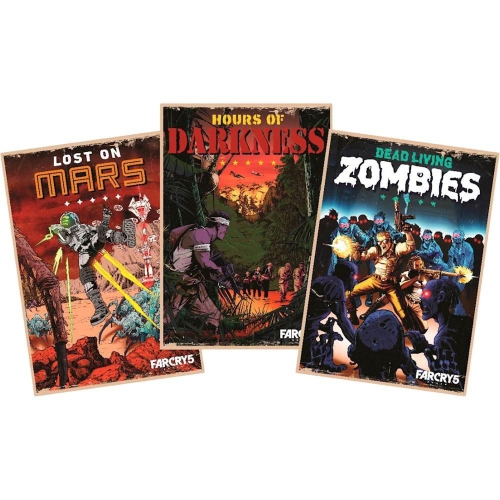
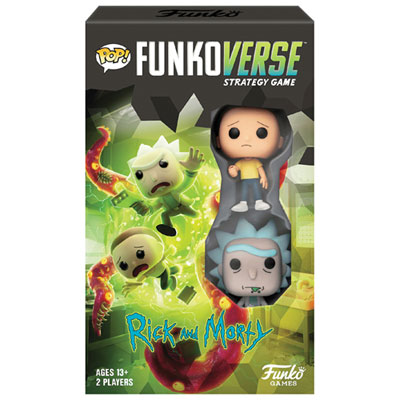
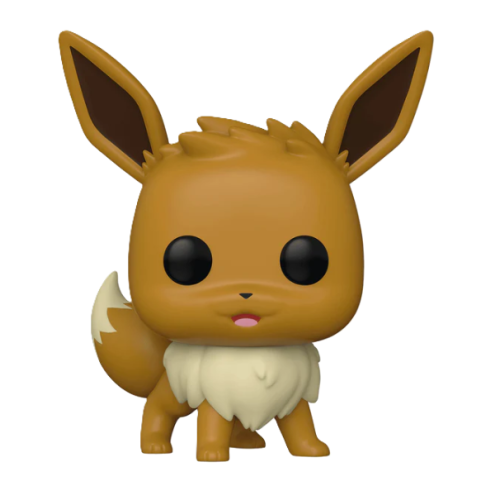
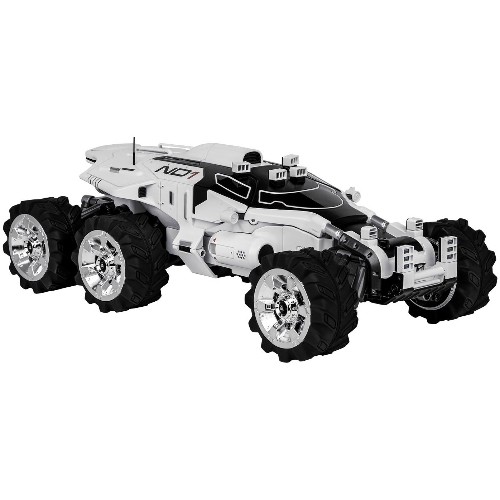
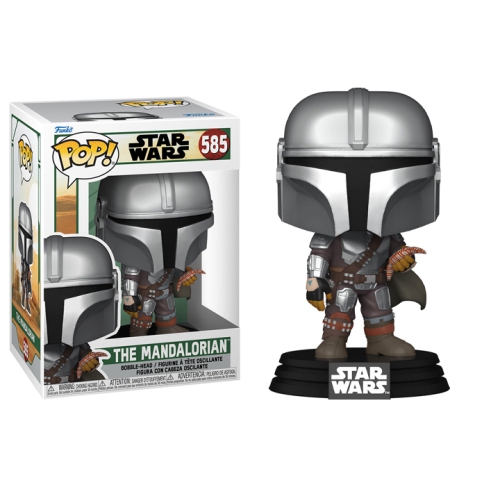
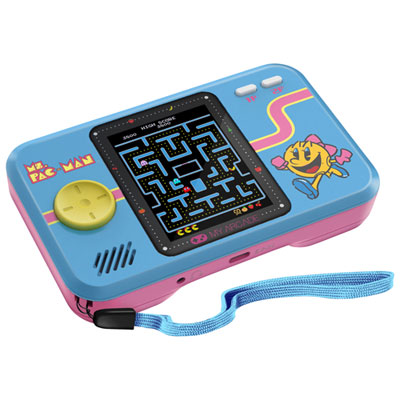
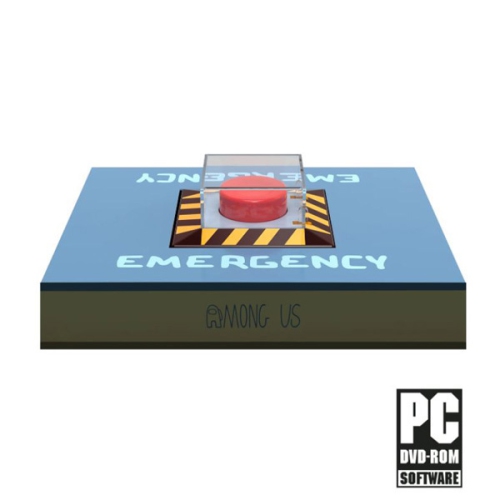
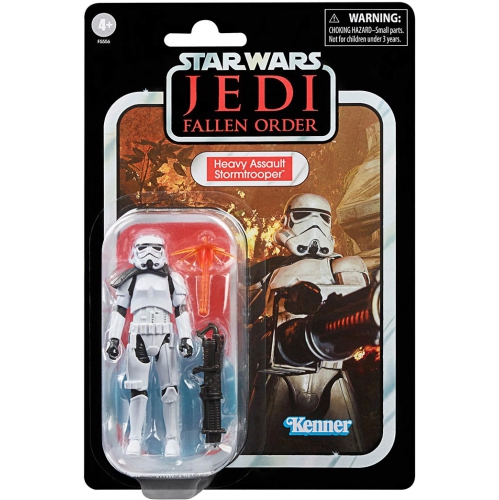
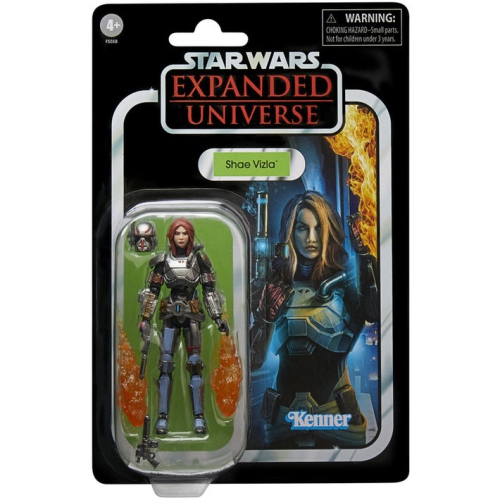
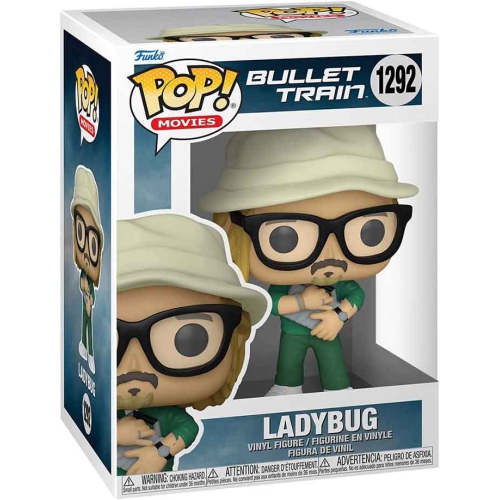
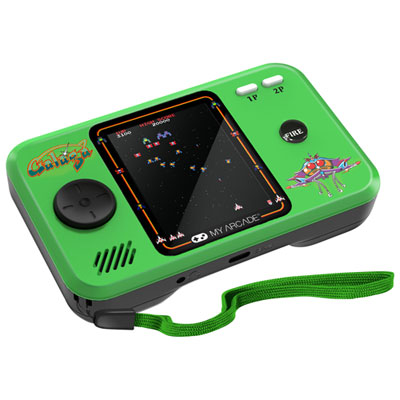
![STRICTLY LIMITED Wonder Boy: Anniversary Collection - Ultra Collector's Edition [Playstation 5]](https://multimedia.bbycastatic.ca/multimedia/products/500x500/193/19382/19382738.jpeg)
![STRICTLY LIMITED Wonder Boy: Anniversary Collection - Ultra Collector's Edition [Playstation 4]](https://multimedia.bbycastatic.ca/multimedia/products/500x500/193/19382/19382779.jpeg)
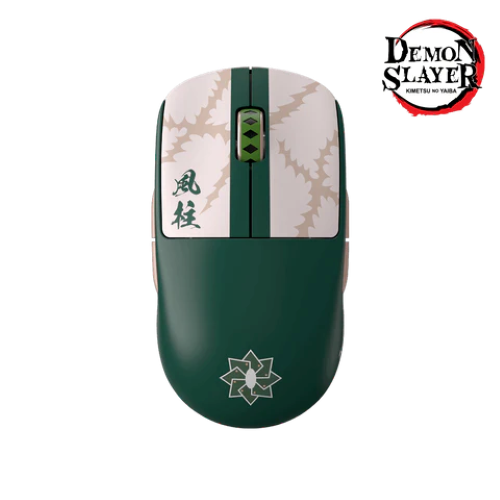
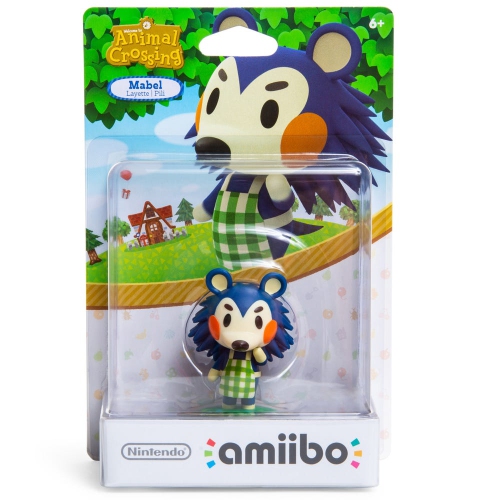
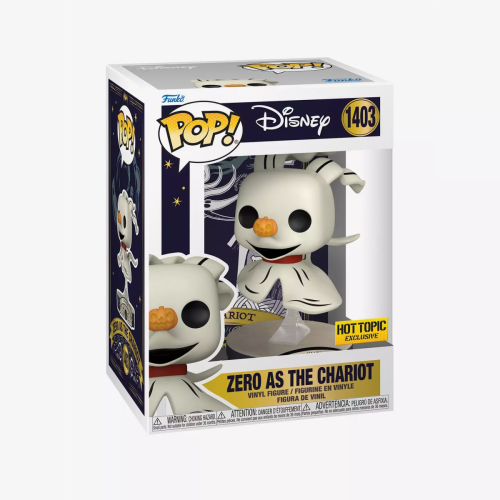
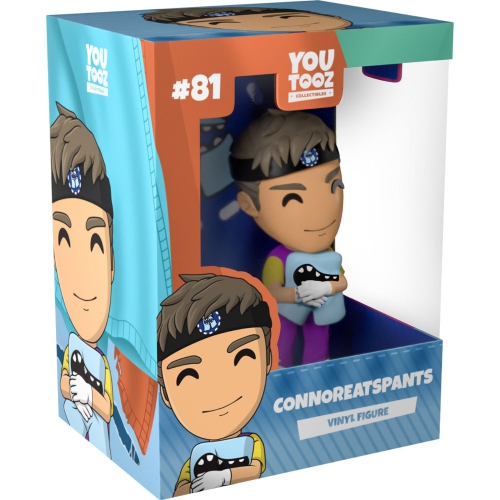


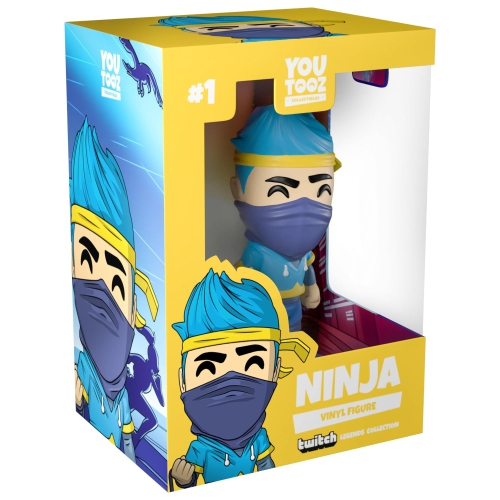
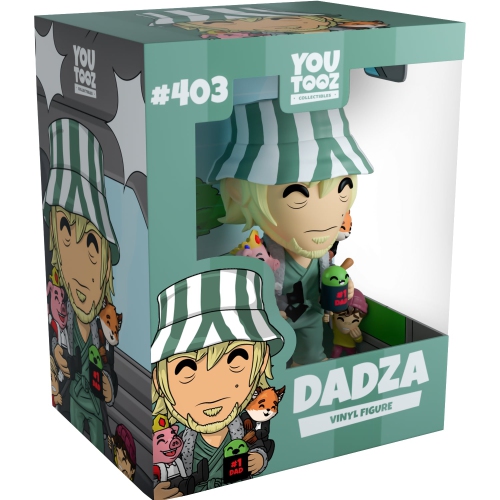


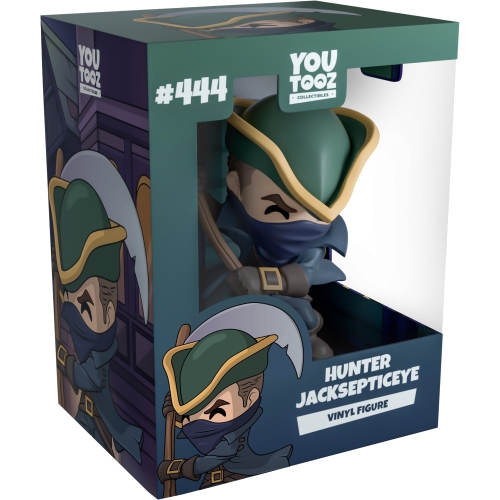
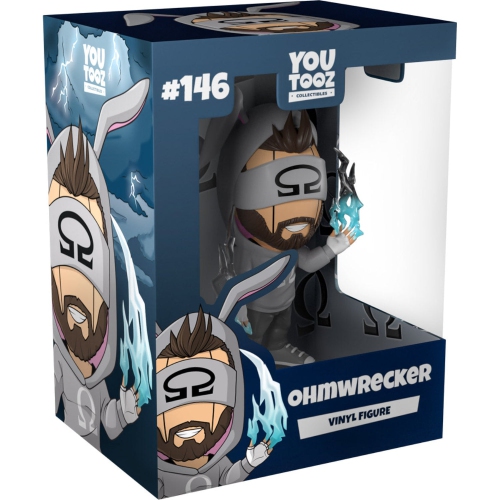
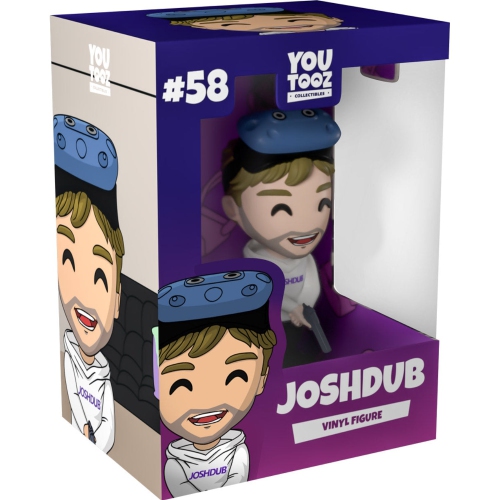
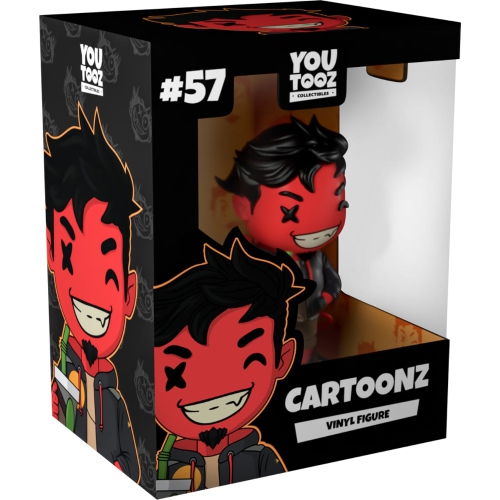
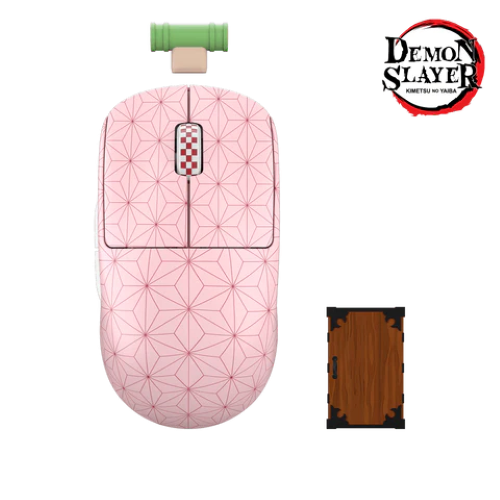
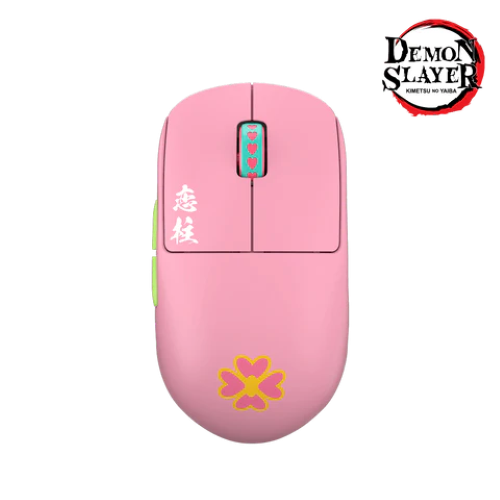
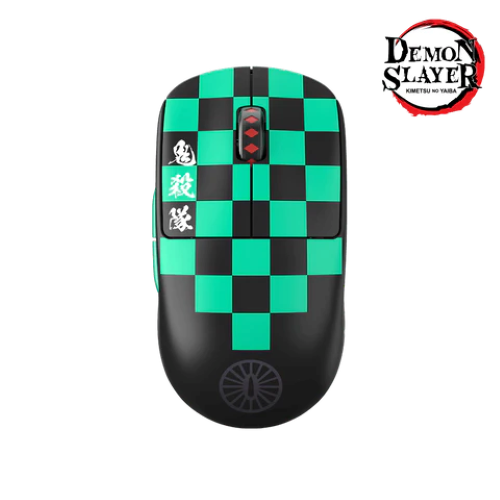
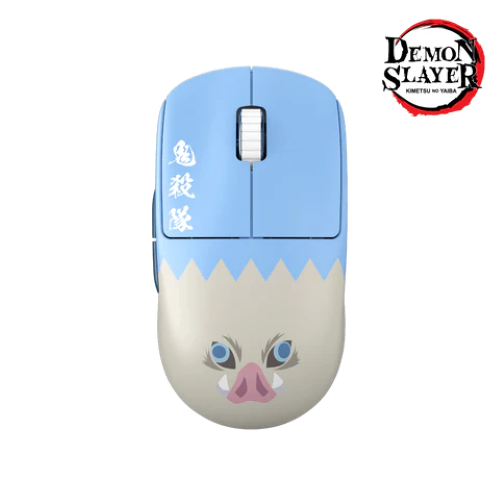
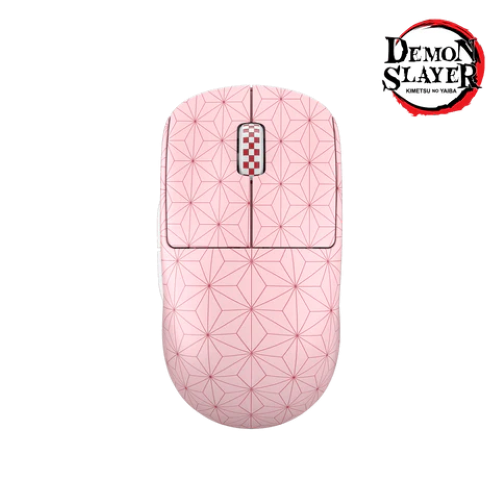
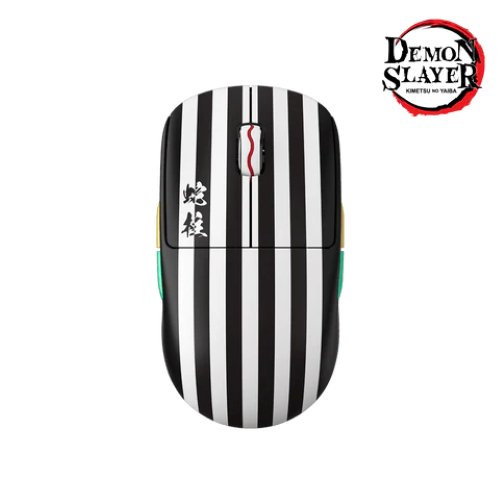
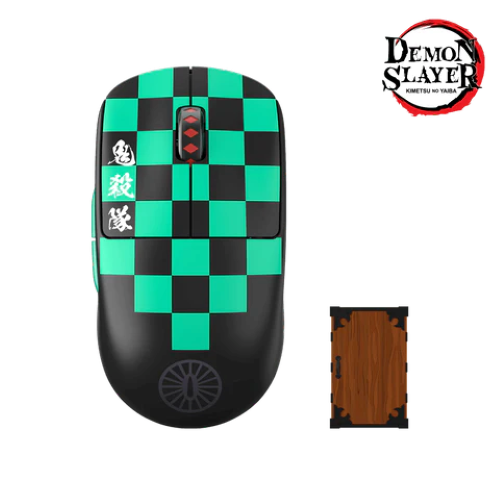
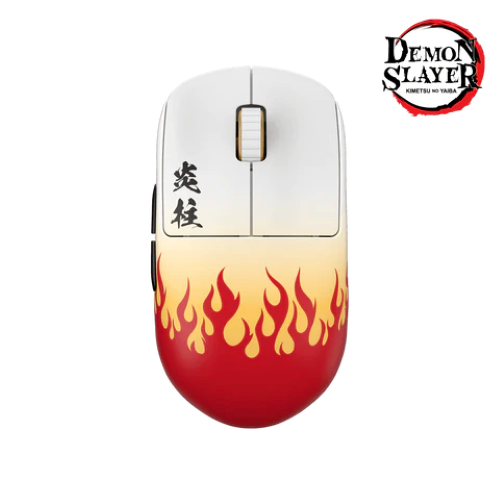
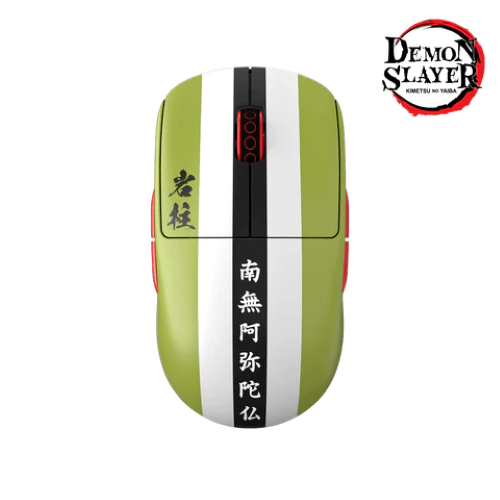
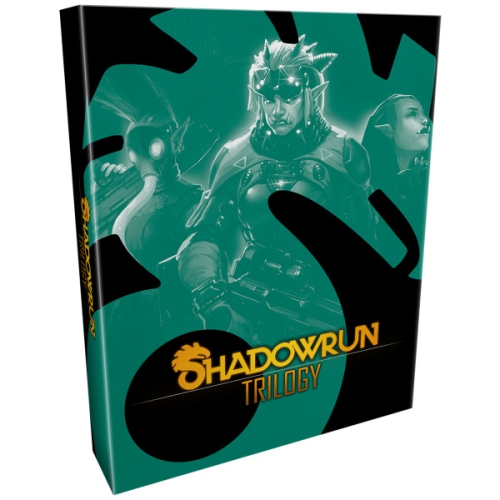
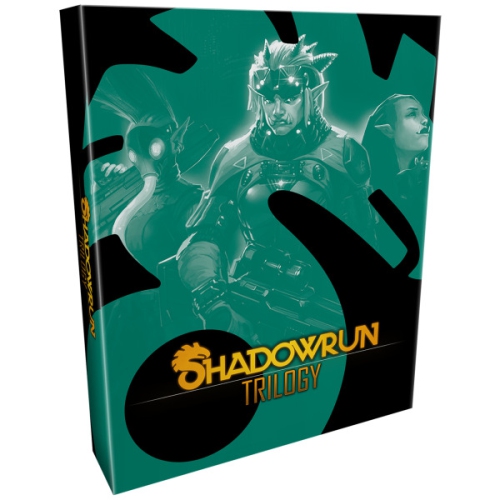
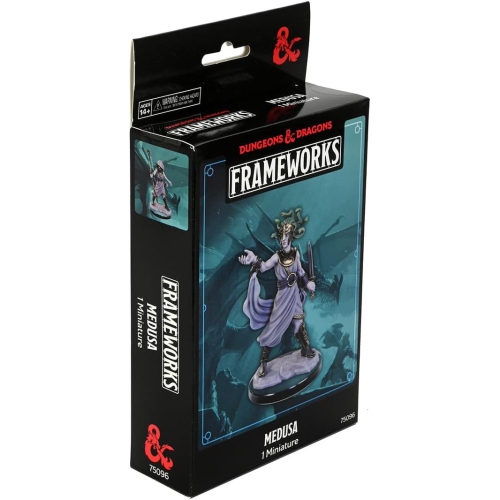
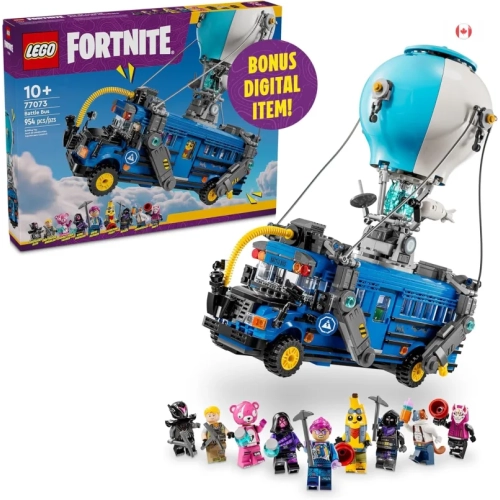
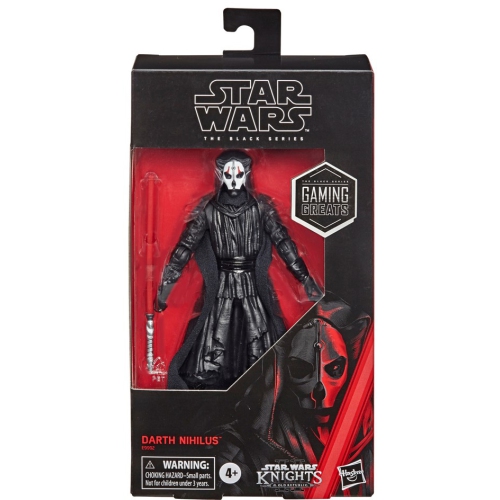
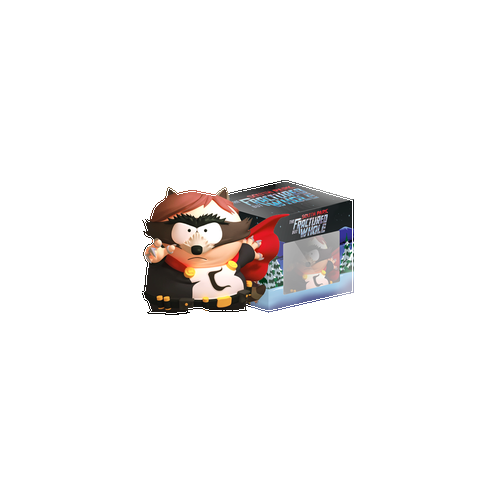
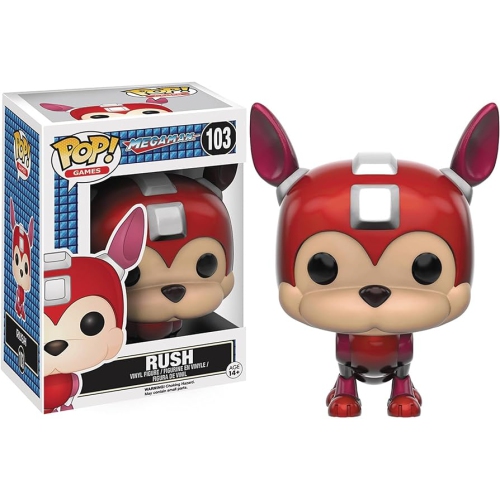
![CEPHALOFAIR GAMES Gloom Haven: Challenge Coin [Board Games]](https://multimedia.bbycastatic.ca/multimedia/products/500x500/193/19383/19383502.jpeg)
![STRICTLY LIMITED Wonder Boy: Anniversary Collection - Collector's Edition [Playstation 5]](https://multimedia.bbycastatic.ca/multimedia/products/500x500/193/19382/19382714.jpeg)
![YOUTOOZ : Gaming Collection [Kryozgaming] Vinyl Figure #28](https://multimedia.bbycastatic.ca/multimedia/products/500x500/193/19383/19383391.jpeg)
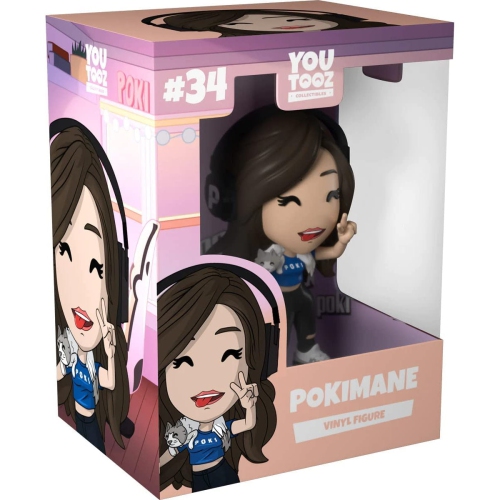
![YOUTOOZ : Gaming Collection [Mr. Sark Vinyl Figure #107]](https://multimedia.bbycastatic.ca/multimedia/products/500x500/193/19383/19383385.jpeg)
![YOUTOOZ : Gaming Collection [Tubbo Vinyl Figure #212]](https://multimedia.bbycastatic.ca/multimedia/products/500x500/193/19383/19383387.jpeg)
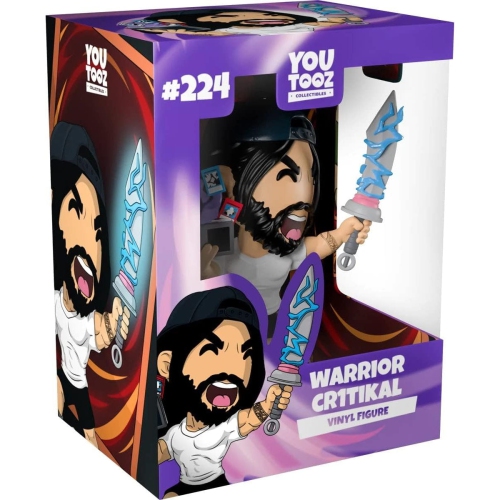
![STRICTLY LIMITED Wonder Boy: Anniversary Collection - Ultra Collector's Edition [Nintendo Switch]](https://multimedia.bbycastatic.ca/multimedia/products/500x500/193/19382/19382675.jpeg)
![YOUTOOZ : Gaming Collection [Wildcat] Vinyl Figure #73](https://multimedia.bbycastatic.ca/multimedia/products/500x500/193/19383/19383433.jpeg)
![BANDAI NAMCO Soul Calibur 5: Bobble Budds - Limited Edition [Memorabilia]](https://multimedia.bbycastatic.ca/multimedia/products/500x500/193/19384/19384301.jpeg)
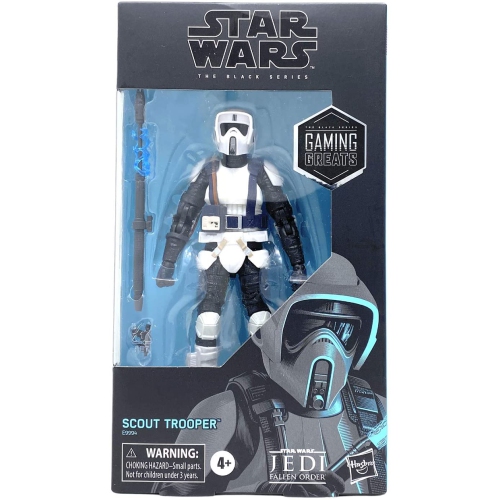
![LIMITED RUN Huntdown - Collector's Edition [Playstation 4]](https://multimedia.bbycastatic.ca/multimedia/products/500x500/161/16176/16176994.jpeg)
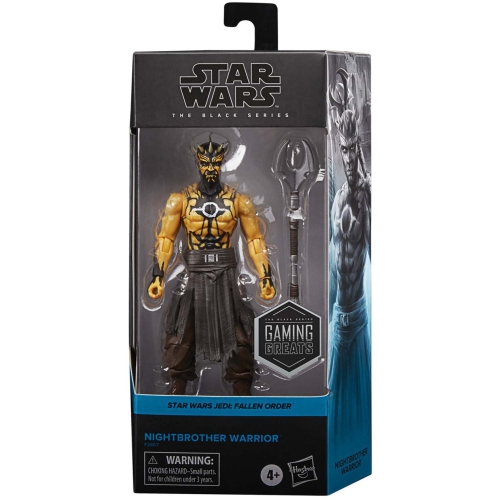

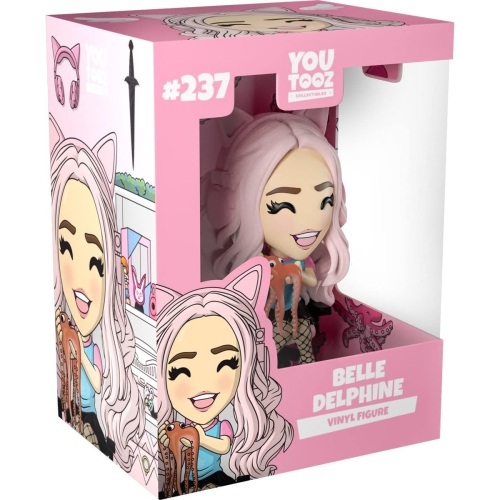
![LIMITED RUN GAMES Gunvolt Chronicles: Luminous Avenger Ix 2 - Collector's Edition [Playstation 4]](https://multimedia.bbycastatic.ca/multimedia/products/500x500/171/17150/17150179.jpeg)
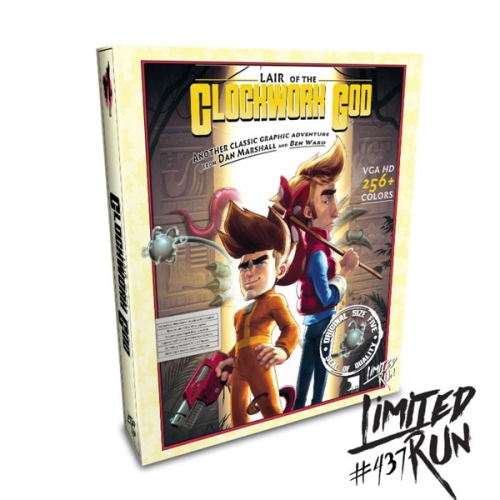

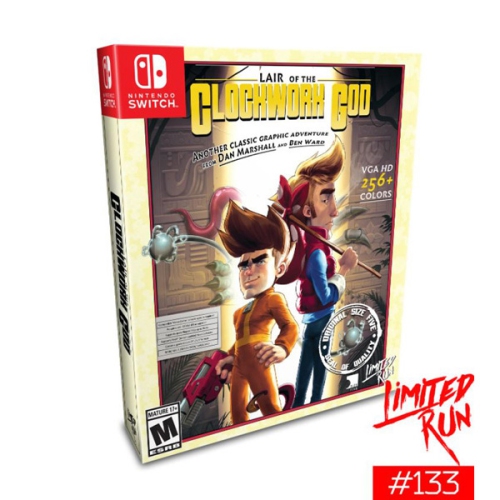
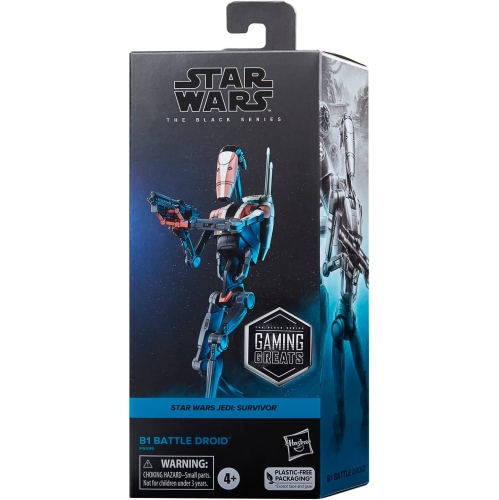
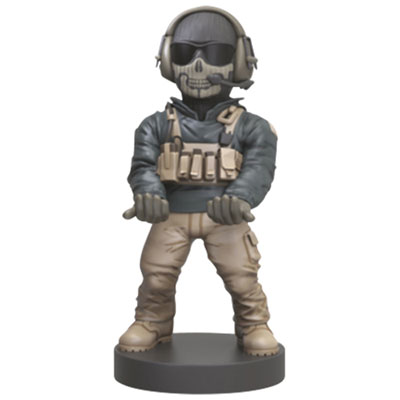
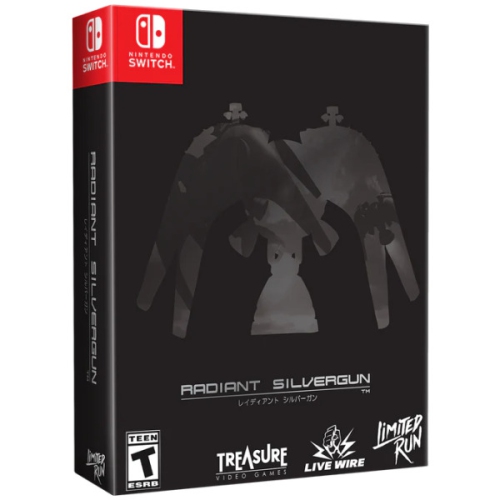
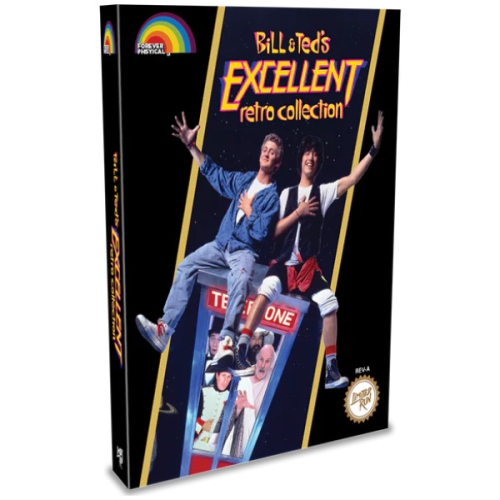

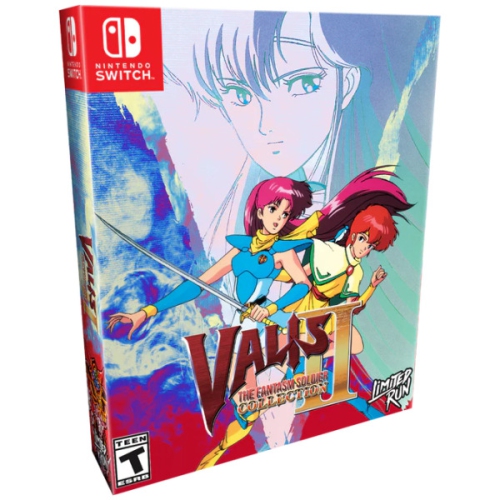
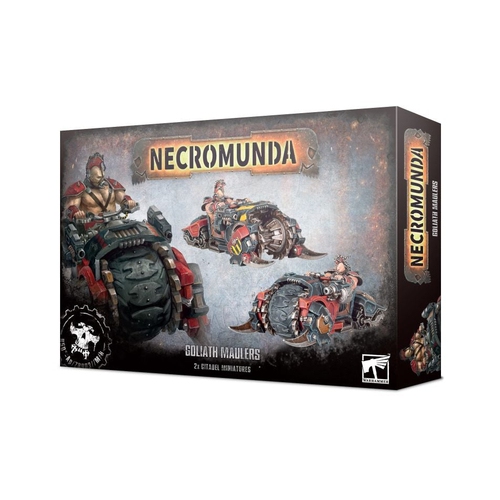
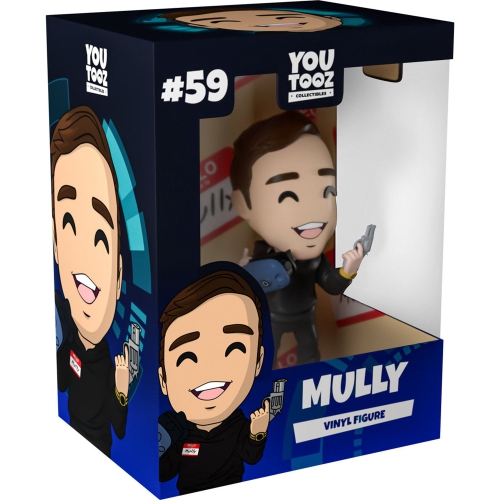
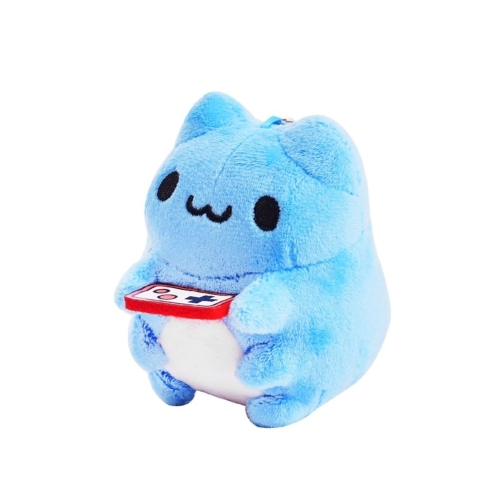
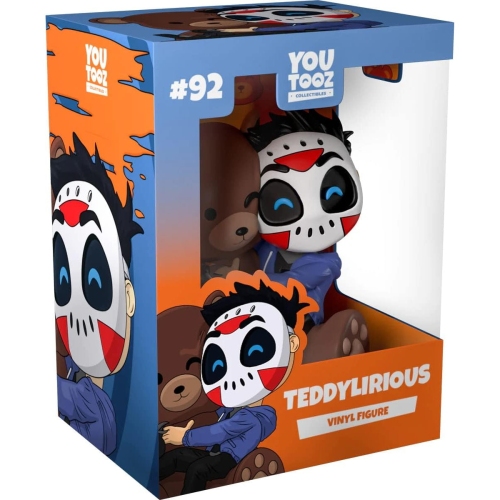
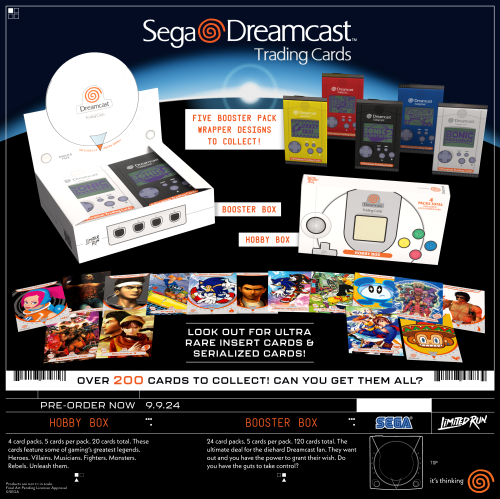
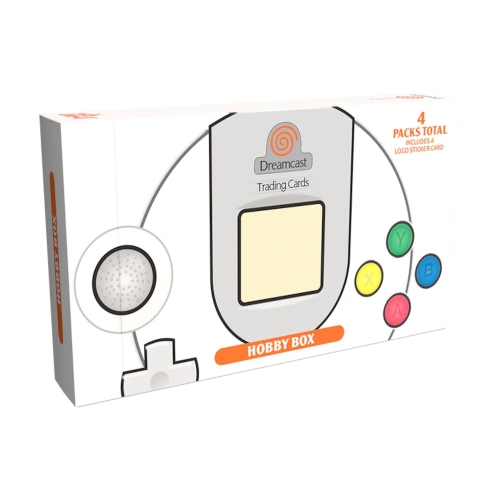
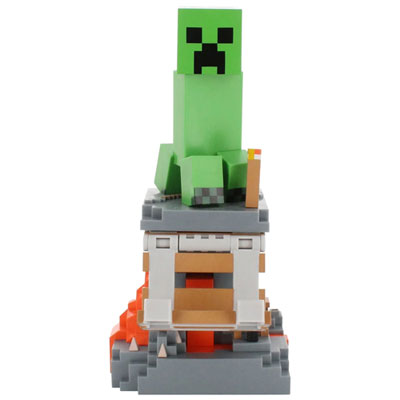
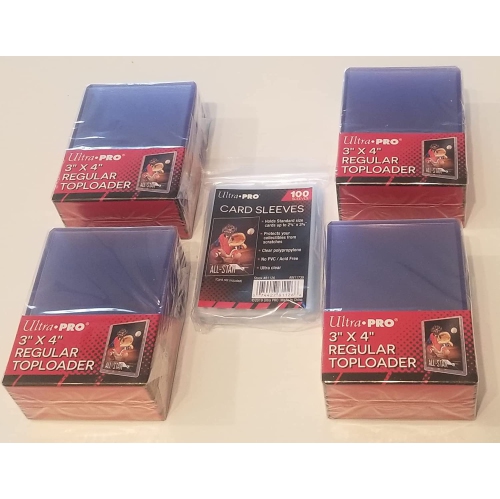
![ELECTRONIC ARTS Mass Effect - Legendary Edition - Remastered Trilogy [Xbox One & Xbox Series X] What a great game!](https://multimedia.bbycastatic.ca/multimedia/products/500x500/192/19284/19284640.jpeg)
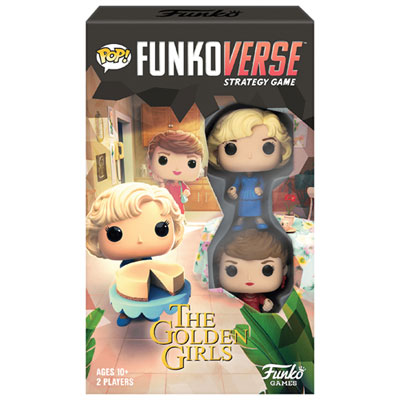

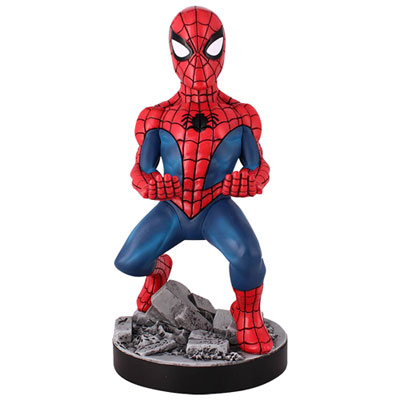
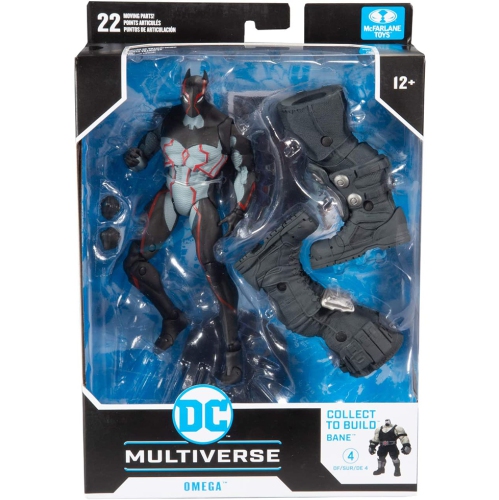
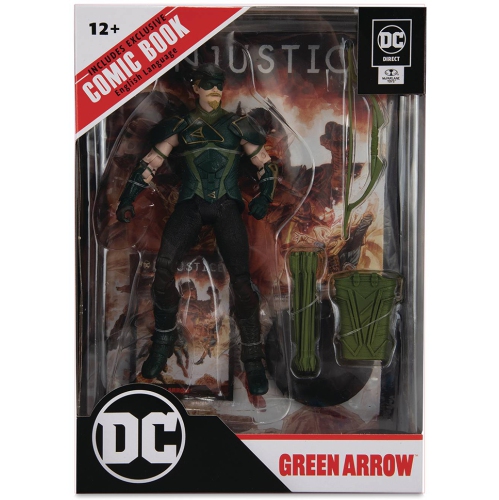
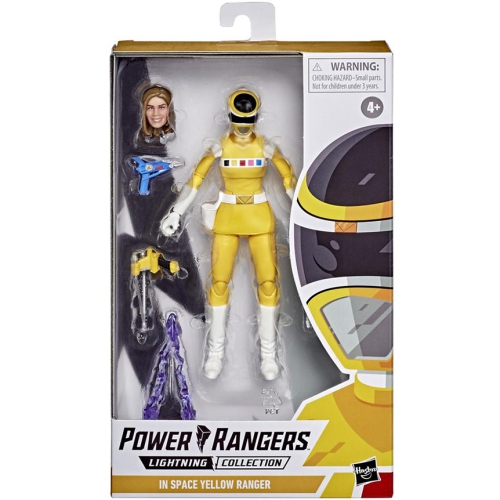
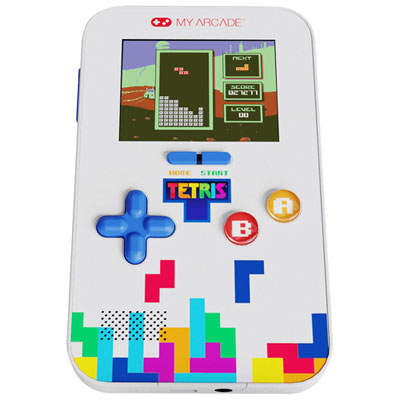

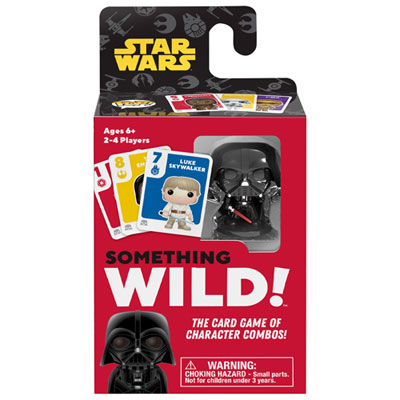
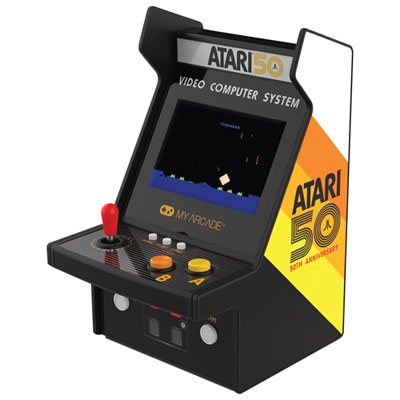

![JUST4GAMES Far Cry 4 Steelbook Collector Case [Video Game]](https://multimedia.bbycastatic.ca/multimedia/products/500x500/152/15253/15253008.jpg)
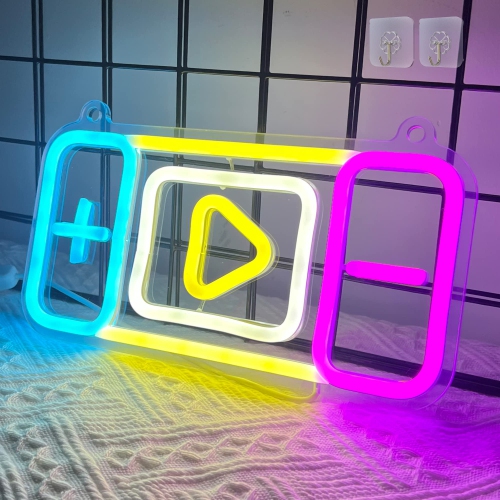
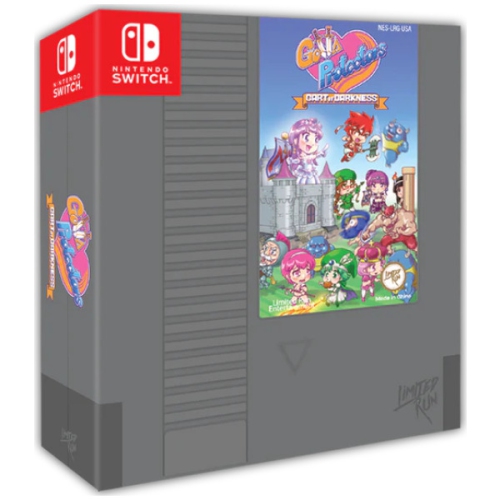
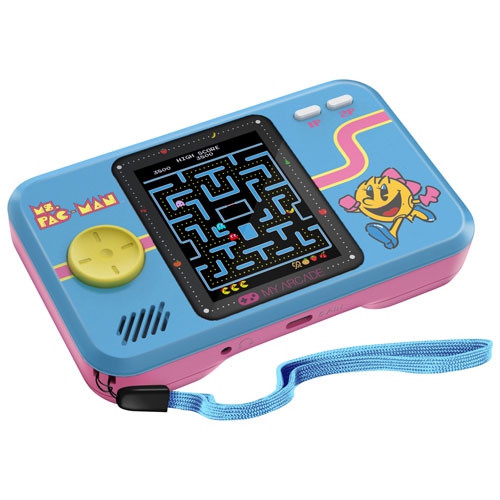
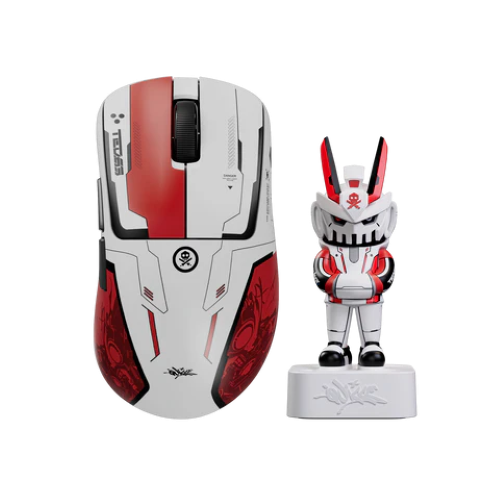
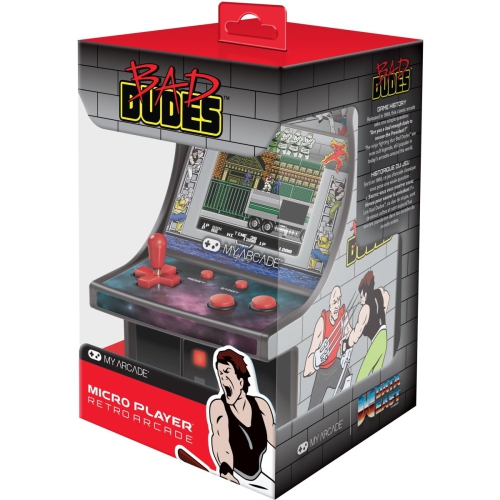
![AT GAMES Legends Gamer Mini Tabletop Arcade Plug/play HDMI Console [Atgames]](https://multimedia.bbycastatic.ca/multimedia/products/500x500/174/17406/17406457.jpeg)
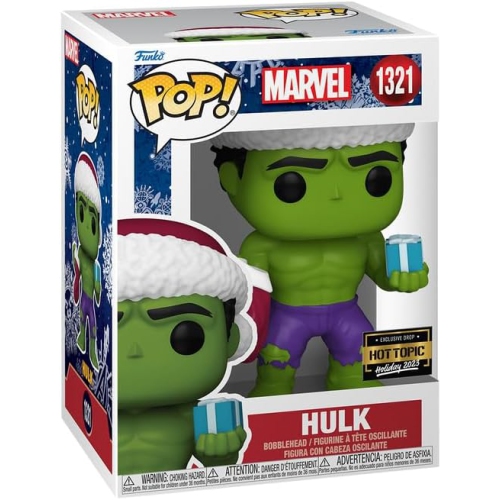
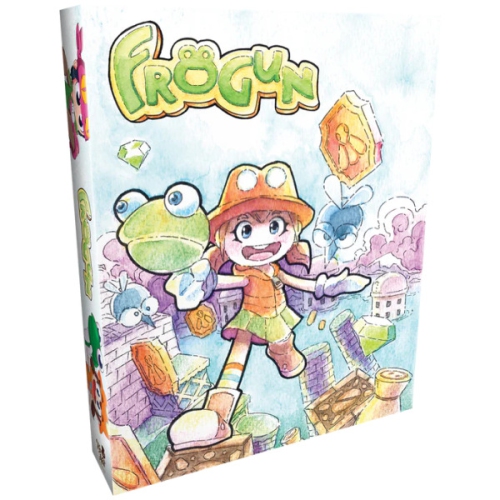


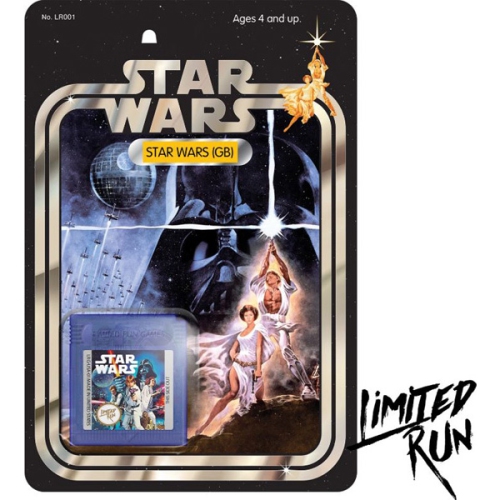
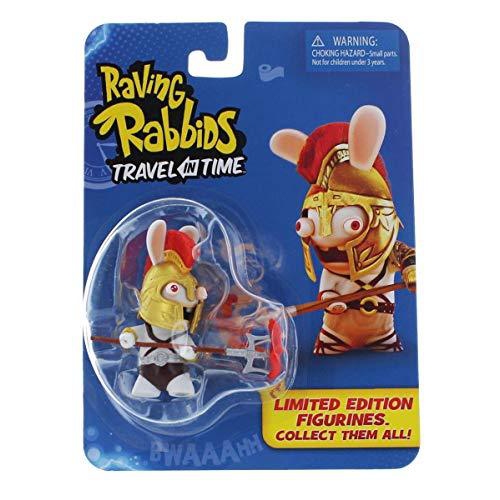
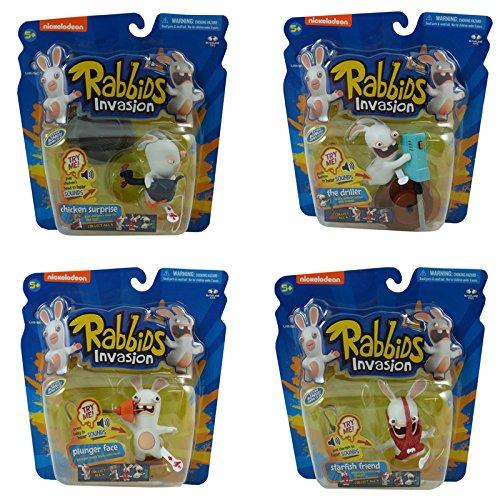
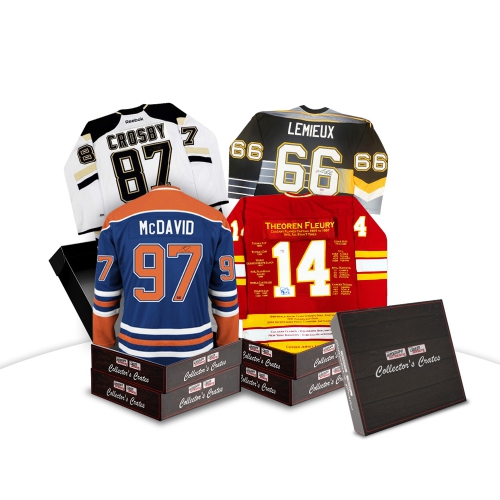
![STRICTLY LIMITED Breakers Collection [Playstation 4]](https://multimedia.bbycastatic.ca/multimedia/products/500x500/193/19382/19382891.jpeg)
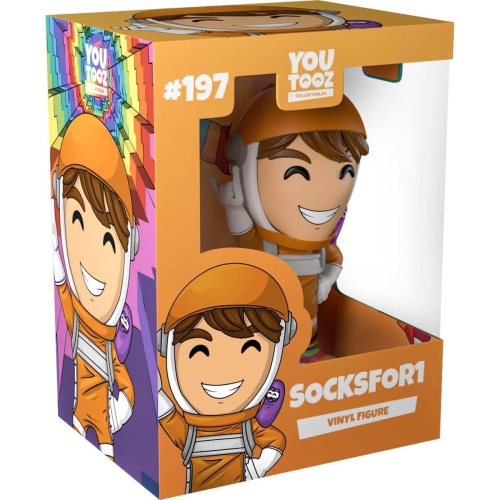
![STRICTLY LIMITED Breaker's Collection [Playstation 5]](https://multimedia.bbycastatic.ca/multimedia/products/500x500/193/19384/19384332.jpeg)
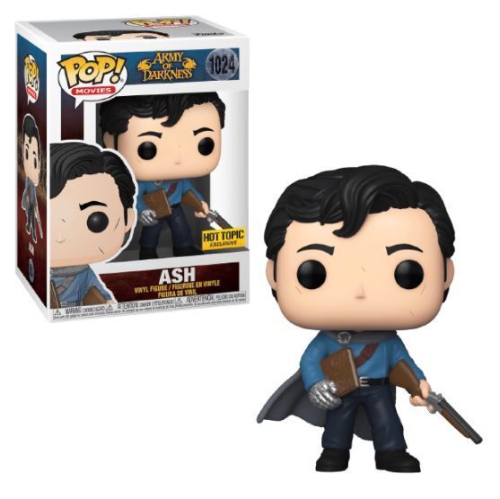
![LIMITED RUN Gearshifters - Collector's Edition [Playstation 4]](https://multimedia.bbycastatic.ca/multimedia/products/500x500/161/16176/16176995.jpeg)
![LIMITED RUN Huntdown - Collector's Edition [Nintendo Switch]](https://multimedia.bbycastatic.ca/multimedia/products/500x500/161/16177/16177013.jpeg)
![LIMITED RUN GAMES Axiom Verge 2 - Limited Run #430 [Playstation 4]](https://multimedia.bbycastatic.ca/multimedia/products/500x500/169/16982/16982345.jpeg)
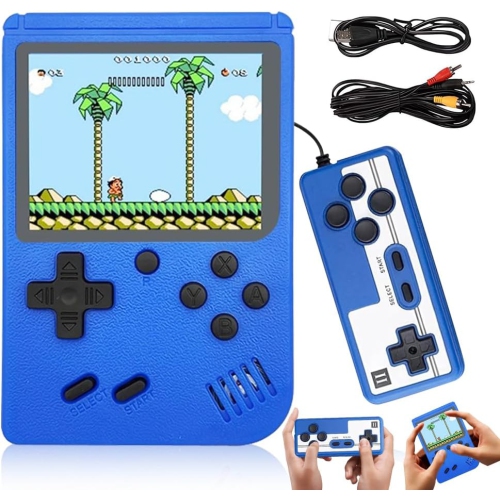
![LIMITED RUN GAMES Narita Boy - Collector's Edition - Limited Run #436 [Playstation 4]](https://multimedia.bbycastatic.ca/multimedia/products/500x500/165/16590/16590884.jpeg)
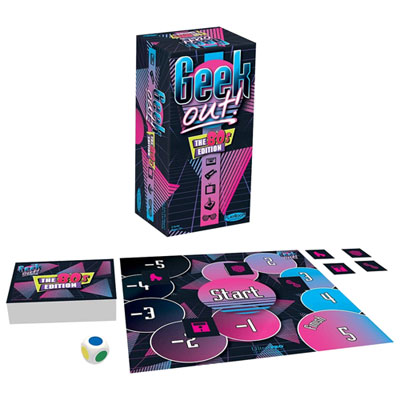
![TESURA GAMES Yuppie Psycho - Collector's Edition [Playstation 4]](https://multimedia.bbycastatic.ca/multimedia/products/500x500/170/17082/17082909.jpeg)
![LIMITED RUN GAMES Mushihimesama - Collector's Edition - Limited Run #125 [Nintendo Switch]](https://multimedia.bbycastatic.ca/multimedia/products/500x500/171/17150/17150159.jpeg)

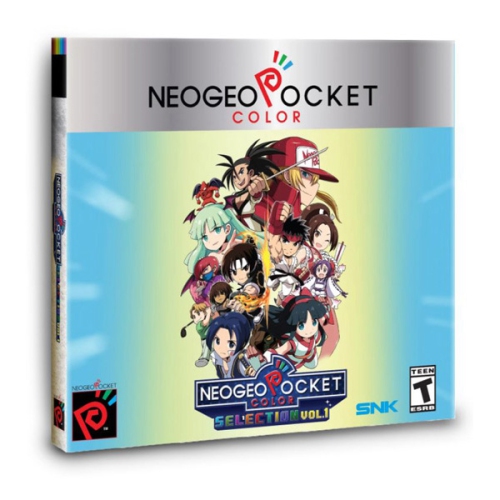
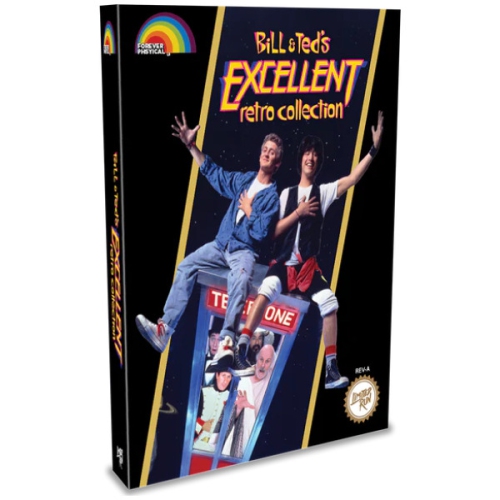
![LIMITED RUN GAMES Bill & Ted's Excellent Retro Collection [Nintendo Switch]](https://multimedia.bbycastatic.ca/multimedia/products/500x500/174/17406/17406281.jpeg)
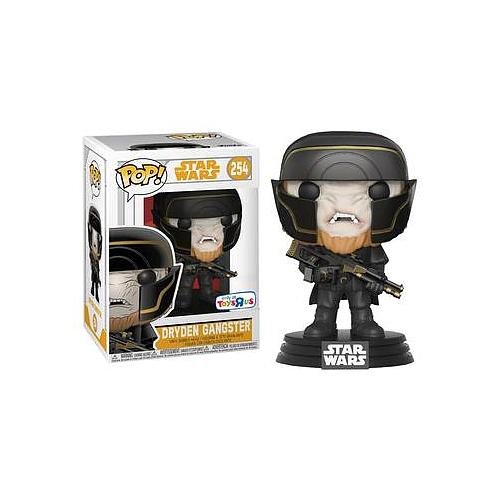
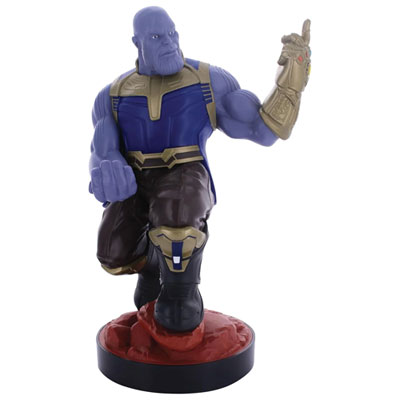
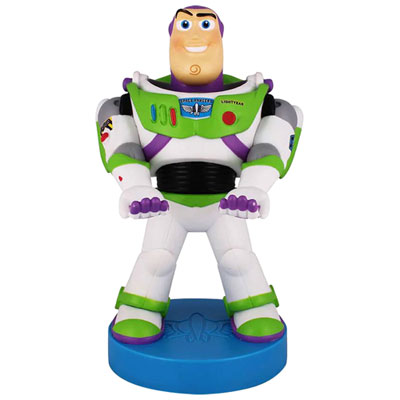
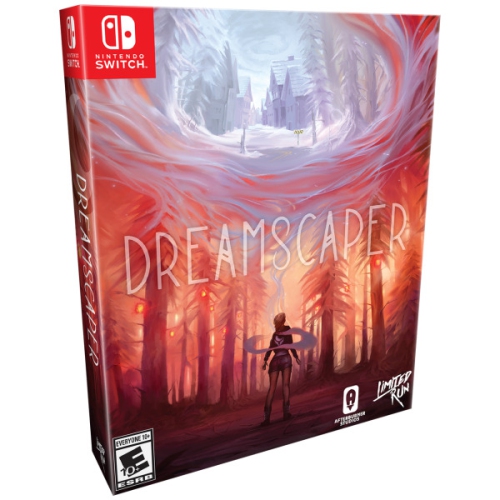
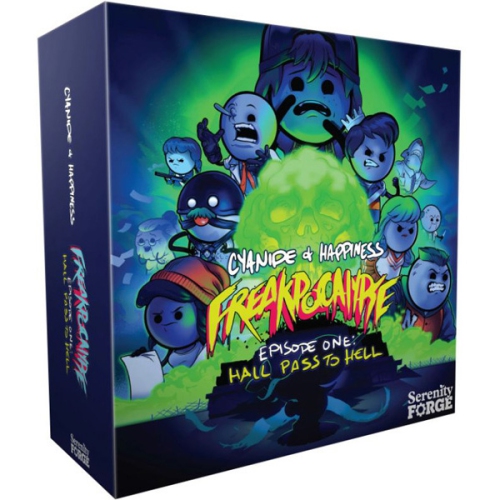

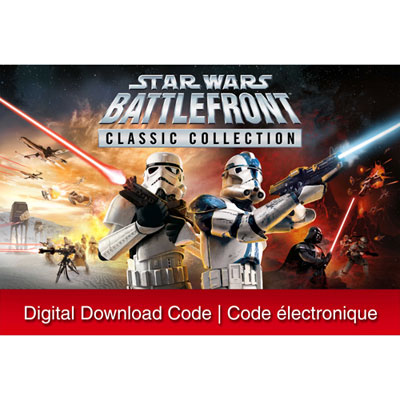
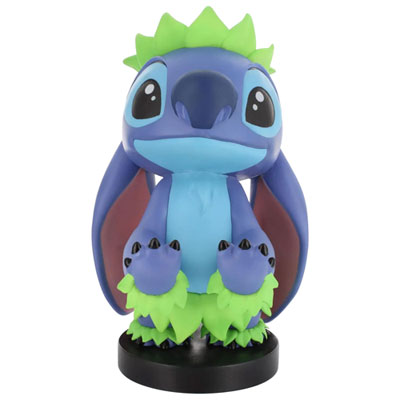
Favourite game characters with a place on your shelf
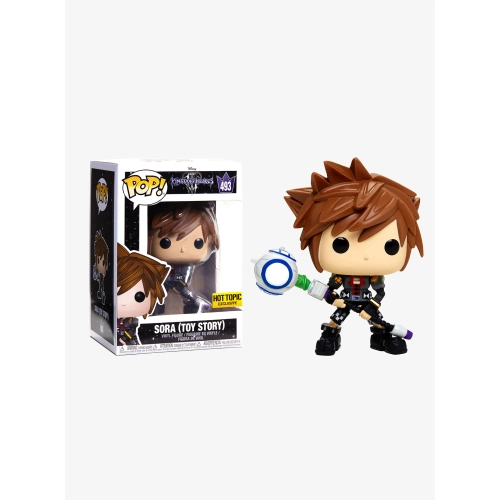
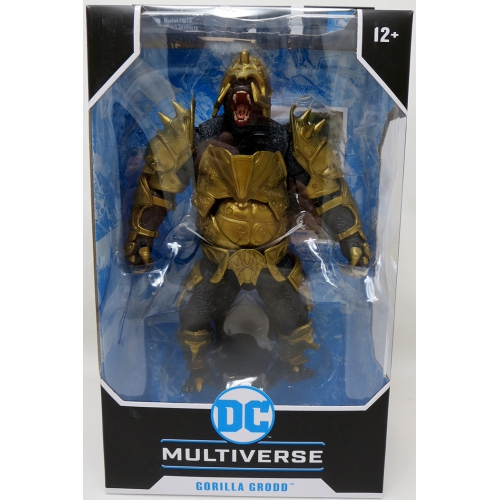
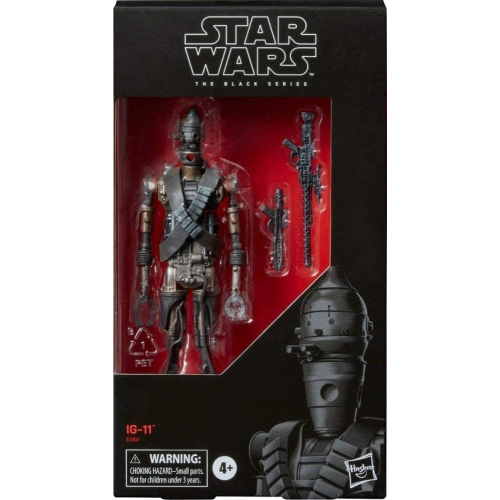
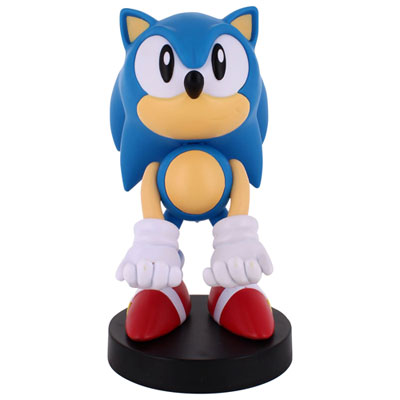
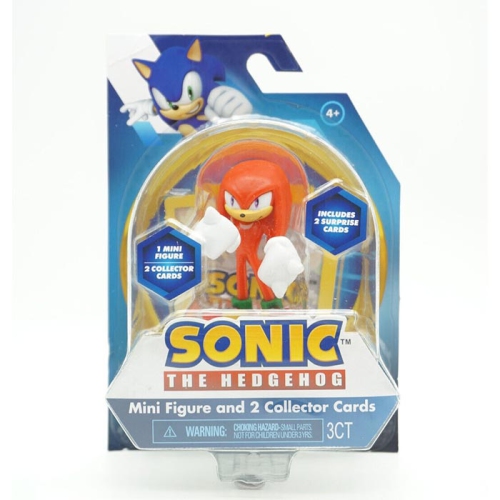
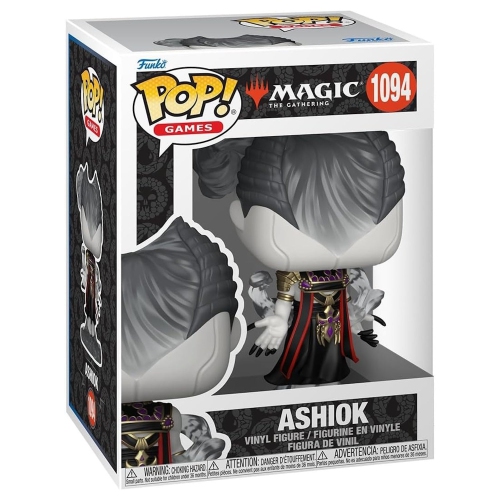
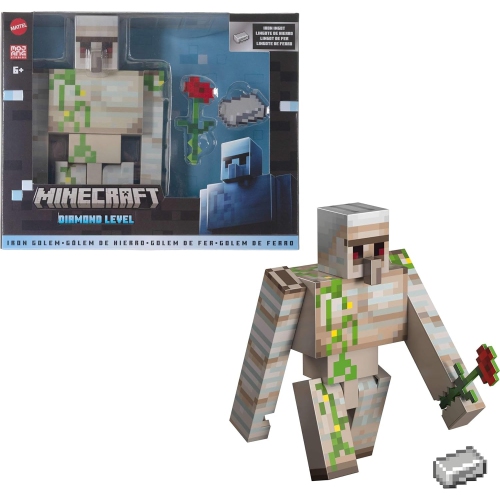
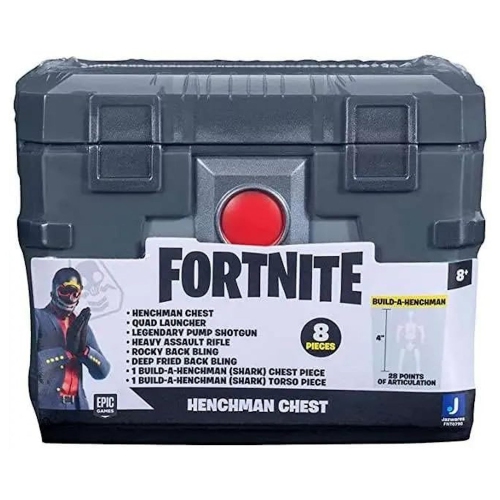
Gaming collectibles bring the characters, settings, and visual details of video games into the spaces where fans play, work, and relax. A familiar silhouette on a bookshelf or a carefully sculpted figure beside a monitor can recall a memorable story, a hard-earned victory, or years of playing with friends. These pieces appeal to different kinds of collectors: some build a display around a favourite fictional world, while others enjoy the artistry of character design, miniature props, or stylized interpretations of familiar heroes and villains. Collectibles can range from compact figures and wearable pins to larger statues and display replicas, with each format offering a different way to express that connection. An articulated figure allows for changing poses, while a fixed sculpture puts the emphasis on composition, movement, and fine surface detail. Stylized pieces often use exaggerated proportions and bold colours; more realistic designs may focus on facial expressions, layered clothing, weathered armour, and textured bases. Neither approach is inherently better for a collection. The right fit depends on whether the appeal lies in a playful desk companion, a centrepiece for a cabinet, or a coordinated group arranged across a shelf. Collections also do not have to be large to feel personal. A few thoughtfully chosen pieces can tell a clear story without competing with the rest of a room. For fans whose interest extends from character displays to the games themselves, Collectible Video Games offers a related way to explore the hobby. Together, physical games and display pieces can reflect different sides of the same enthusiasm, from the experience of playing to the artwork and storytelling surrounding it. Gaming collectibles can also make meaningful gifts when they connect with the recipient’s actual interests, whether that means a beloved character, a distinctive art style, or a game shared with someone close to them. That personal connection often matters more than the size or complexity of the piece.
Materials and construction shape how a gaming collectible looks, feels, and holds up to handling. Vinyl commonly supports smooth surfaces and rounded, stylized forms, while moulded plastics can accommodate small accessories, detailed components, and movable joints. Resin can capture intricate sculpting, but thin sections may be vulnerable to chips or breaks if knocked or dropped. Metal elements add weight and a different surface finish, although their presence does not automatically make every part of a piece more durable. Fabric clothing and soft accessories introduce another layer of texture, with seams, folds, and fastening details affecting the overall appearance. For any material, clean paint boundaries, consistent finishes, well-aligned parts, and a stable base contribute to a satisfying display. Close-up images and listed dimensions are useful for understanding details that can be difficult to judge from a single photograph. A dramatic pose may need considerably more shelf space than its stated height suggests, especially when a cape, weapon, or extended arm reaches beyond the base. Fit matters just as much as appearance: a collectible should sit securely without hanging over an edge, blocking a screen, or crowding the controls used every day. A larger piece may suit a dedicated cabinet, while a compact design can sit comfortably near books or beside a keyboard, provided it stays clear of spills and moving equipment. Intended use is equally important. Some figures are made for posing and occasional handling, whereas others are intended primarily for static display. Age ratings, small-parts warnings, and care information help distinguish a display collectible from a toy suitable for regular play. Articulation also calls for a gentle touch; joints should move within their intended range rather than being forced into a pose. In a shared household, secure placement is particularly valuable for pieces with narrow supports or removable accessories. A level shelf, sufficient depth, and room between objects make a display easier to enjoy and less likely to suffer accidental damage during everyday activity.
Care and arrangement help keep a gaming collection looking its best without turning it into a demanding project. Dust can settle in sculpted hair, textured clothing, and detailed bases, so a soft, clean brush is often useful for reaching small recesses. A dry microfibre cloth may suit smooth surfaces, but the manufacturer’s care directions should take priority, particularly for delicate paint, printed graphics, fabric, or mixed materials. Abrasive cleaners and unnecessary moisture can damage finishes, and a collectible should not be assumed washable simply because its main body is plastic. Handling a piece by its sturdy base or main body is generally safer than lifting it by a thin limb, accessory, or decorative extension. Direct sunlight can fade colours over time, while placement near vents or electronics that release heat may affect certain materials. Shelving should also leave console and computer ventilation unobstructed. Closed cabinets can reduce dust exposure, and open shelves offer easy access for collectors who enjoy rearranging their displays. Grouping pieces by visual style, scale, or colour can create a cohesive arrangement without requiring every collectible to come from the same fictional setting. Leaving a little space around a detailed sculpture makes its shape easier to appreciate, while stepped display stands can keep smaller figures visible behind taller ones when the supports are stable and appropriately sized. Original packaging may be worth retaining for protection during a move or for keeping removable parts together; labelled storage containers can also help prevent small accessories from becoming separated from their figures. For gifts, knowing whether the recipient displays pieces loose or prefers to keep them boxed can make the choice more thoughtful. Available display space, comfort with delicate materials, and interest in posing or rearranging figures are useful considerations alongside character preference. A child’s play area, a busy home office, and a dedicated collector’s cabinet each call for different levels of sturdiness and accessibility. The most enjoyable gaming collectibles suit both the fan and the setting, adding personality while remaining practical to display, handle, and care for over time.
Materials and construction shape how a gaming collectible looks, feels, and holds up to handling. Vinyl commonly supports smooth surfaces and rounded, stylized forms, while moulded plastics can accommodate small accessories, detailed components, and movable joints. Resin can capture intricate sculpting, but thin sections may be vulnerable to chips or breaks if knocked or dropped. Metal elements add weight and a different surface finish, although their presence does not automatically make every part of a piece more durable. Fabric clothing and soft accessories introduce another layer of texture, with seams, folds, and fastening details affecting the overall appearance. For any material, clean paint boundaries, consistent finishes, well-aligned parts, and a stable base contribute to a satisfying display. Close-up images and listed dimensions are useful for understanding details that can be difficult to judge from a single photograph. A dramatic pose may need considerably more shelf space than its stated height suggests, especially when a cape, weapon, or extended arm reaches beyond the base. Fit matters just as much as appearance: a collectible should sit securely without hanging over an edge, blocking a screen, or crowding the controls used every day. A larger piece may suit a dedicated cabinet, while a compact design can sit comfortably near books or beside a keyboard, provided it stays clear of spills and moving equipment. Intended use is equally important. Some figures are made for posing and occasional handling, whereas others are intended primarily for static display. Age ratings, small-parts warnings, and care information help distinguish a display collectible from a toy suitable for regular play. Articulation also calls for a gentle touch; joints should move within their intended range rather than being forced into a pose. In a shared household, secure placement is particularly valuable for pieces with narrow supports or removable accessories. A level shelf, sufficient depth, and room between objects make a display easier to enjoy and less likely to suffer accidental damage during everyday activity.
Care and arrangement help keep a gaming collection looking its best without turning it into a demanding project. Dust can settle in sculpted hair, textured clothing, and detailed bases, so a soft, clean brush is often useful for reaching small recesses. A dry microfibre cloth may suit smooth surfaces, but the manufacturer’s care directions should take priority, particularly for delicate paint, printed graphics, fabric, or mixed materials. Abrasive cleaners and unnecessary moisture can damage finishes, and a collectible should not be assumed washable simply because its main body is plastic. Handling a piece by its sturdy base or main body is generally safer than lifting it by a thin limb, accessory, or decorative extension. Direct sunlight can fade colours over time, while placement near vents or electronics that release heat may affect certain materials. Shelving should also leave console and computer ventilation unobstructed. Closed cabinets can reduce dust exposure, and open shelves offer easy access for collectors who enjoy rearranging their displays. Grouping pieces by visual style, scale, or colour can create a cohesive arrangement without requiring every collectible to come from the same fictional setting. Leaving a little space around a detailed sculpture makes its shape easier to appreciate, while stepped display stands can keep smaller figures visible behind taller ones when the supports are stable and appropriately sized. Original packaging may be worth retaining for protection during a move or for keeping removable parts together; labelled storage containers can also help prevent small accessories from becoming separated from their figures. For gifts, knowing whether the recipient displays pieces loose or prefers to keep them boxed can make the choice more thoughtful. Available display space, comfort with delicate materials, and interest in posing or rearranging figures are useful considerations alongside character preference. A child’s play area, a busy home office, and a dedicated collector’s cabinet each call for different levels of sturdiness and accessibility. The most enjoyable gaming collectibles suit both the fan and the setting, adding personality while remaining practical to display, handle, and care for over time.
Top selling and popular products
-
 Your price for this item is $19.99
 -
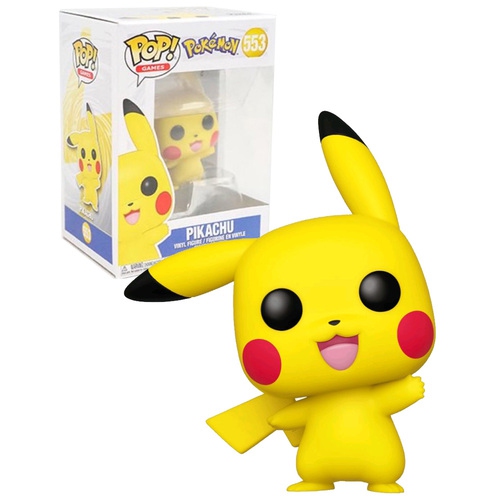 Your price for this item is $17.25
 -
![MATTEL Jurassic World: Roarin' Super Colossal Tyrannosaurus Rex [Toys, Ages 4+]](https://multimedia.bbycastatic.ca/multimedia/products/500x500/151/15136/15136683.jpg) Your price for this item is $189.99
Your price for this item is $189.99 -
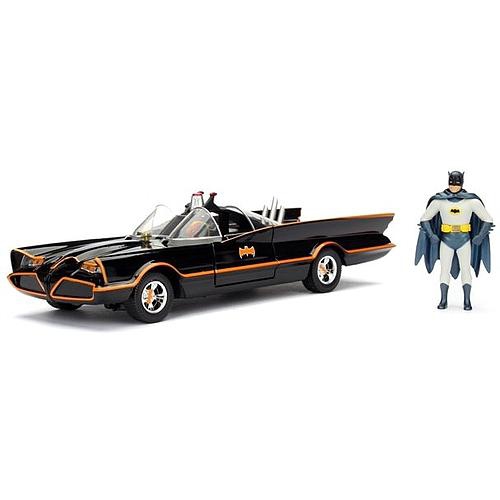 Your price for this item is $59.95
 -
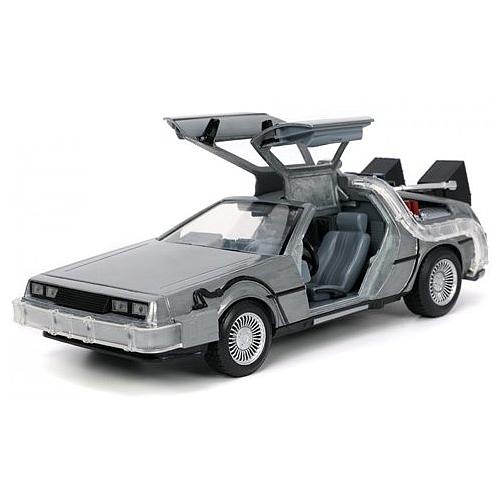 Your price for this item is $59.95
 -
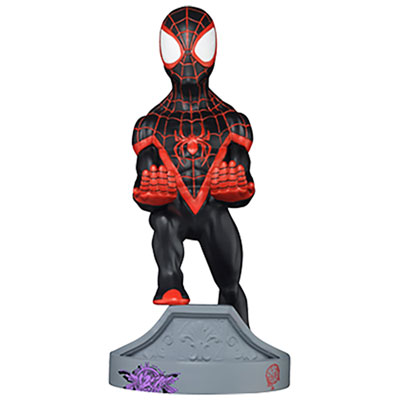 Your price for this item is $39.99
 -
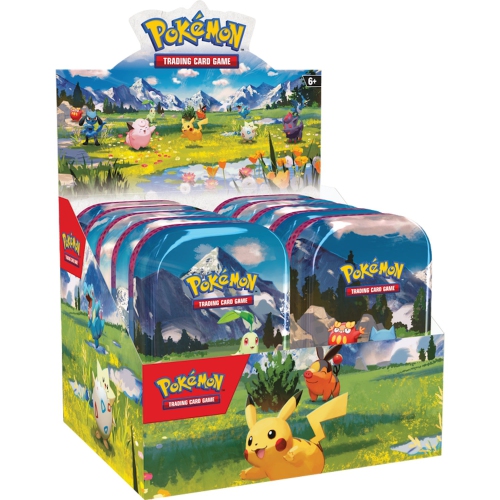 Your price for this item is $517.44
 -
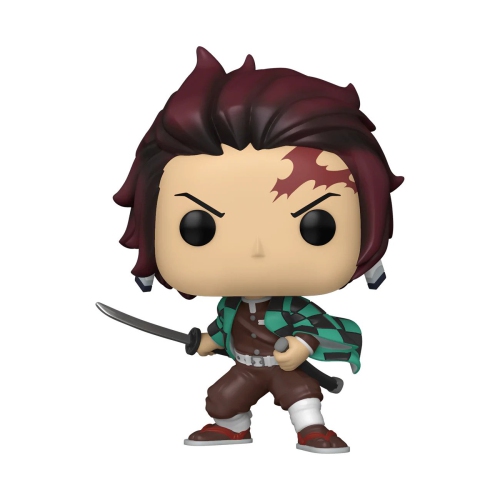 Your price for this item is $34.55
Discover more categories related to Gaming Collectibles
Top Collections:
Pokemon Centers, Kindle Devices, Best Budget Office Chairs, Apple iPhones 16, Best Laptops for Writers, iPhone 15 Apple, Canon G7X Cameras, Refurbished Apple Laptops, Alarm Clock, Motorola Razr Phones
Some products may be subject to Environmental Handling Fees
(EHF) depending on your province.
Learn more about EHFs.