Guessing Games
Dive into the world of guessing games, where fun meets intrigue and every moment is filled with anticipation. Perfect for family gatherings, parties, or cozy nights in, these games offer endless entertainment and a chance to test your wits. Whether you're deciphering clues or taking a wild guess, each game promises laughter and excitement for players of all ages. Explore a variety of options that challenge your intuition and bring out your competitive spirit. Get ready to engage in playful banter and friendly competition as you embark on a guessing adventure like no other!
Sort









![BRAIN GAMES Deductio [Board Game, 2-4 Players]](https://multimedia.bbycastatic.ca/multimedia/products/500x500/198/19814/19814650.jpeg)
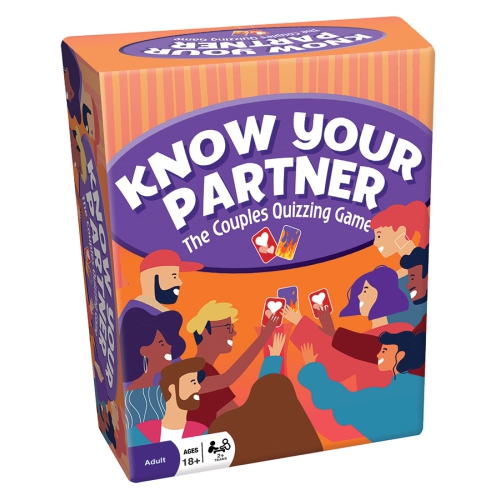

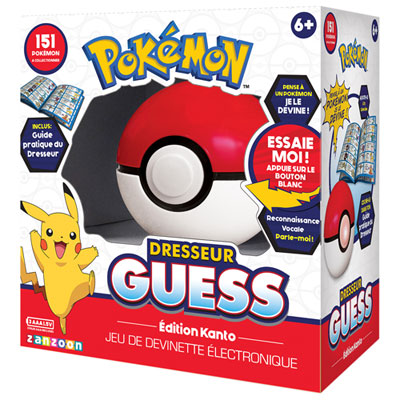

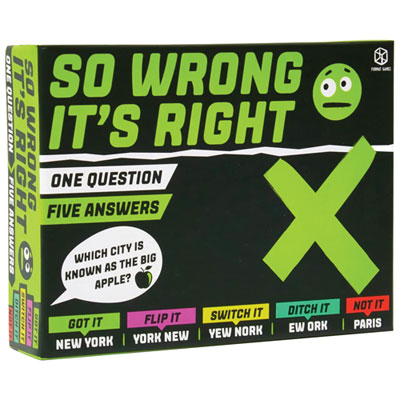
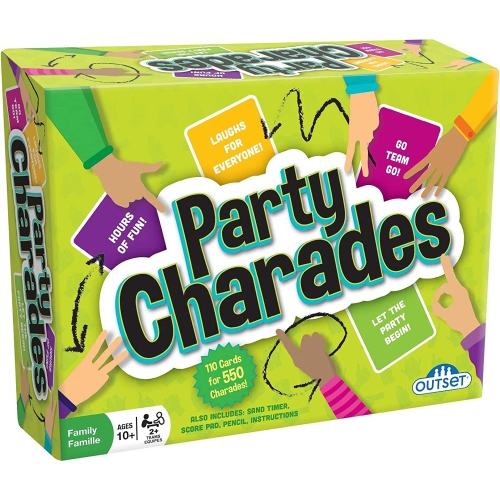
From quiet deduction to lively group play
Guessing games turn simple clues, questions, gestures, pictures, or patterns into lively challenges that invite everyone to take part. At their core, these games ask players to discover a hidden answer, word, person, object, place, or idea by using deduction, memory, observation, creativity, or a well-timed guess. Some formats rely on yes-or-no questions that gradually narrow down the possibilities, while others use one-word hints, visual clues, acting, sounds, or written prompts. The result can be a thoughtful head-to-head challenge, a fast-paced group activity, or a relaxed conversation starter around the kitchen table. Guessing games are a natural fit for family game nights, playdates, sleepovers, classrooms, cottage weekends, and casual gatherings with friends. They can also make thoughtful gifts for children developing communication and reasoning skills, teens looking for a screen-free activity, or adults who enjoy social games with plenty of room for humour. During the warmer seasons, a compact guessing game can travel easily to a backyard gathering, picnic, or holiday weekend, while during the cooler months it can bring energy to an evening indoors. For households with players of different ages, look for games with straightforward rules, flexible difficulty, and enough variety to stay engaging after several rounds. A game that supports teamwork can help younger players participate alongside older children and adults, while competitive formats may appeal to groups that enjoy strategy, quick thinking, and friendly suspense.
When choosing a guessing game, begin with the intended players and the setting where it will be used. Check the recommended age range, number of players, estimated play time, and level of reading required, since these details can make a noticeable difference once the game is on the table. Younger children may enjoy large illustrations, familiar categories, simple clues, and short rounds that keep the action moving. Older children and adults may prefer layered clues, more unusual subjects, wordplay, geography, trivia, or challenges that reward careful deduction rather than the first answer that comes to mind. If the game is intended for a party, consider whether players can join or leave between rounds and whether everyone gets a regular turn. A format that divides people into teams can help a larger group stay involved, whereas a two-player structure may be better for a quiet afternoon or a focused challenge. Some guessing games are primarily verbal, making them easy to learn and play with minimal setup. Others include cards, boards, tokens, timers, drawing components, or visual references that create a more hands-on experience. Storage is another practical consideration, especially for families that move games between rooms or take them on trips; a well-organized set with durable components and clear instructions is easier to bring out repeatedly. It is also worth considering the atmosphere you want to create. Games based on clues and deduction can feel calm and thoughtful, games involving acting or sound can encourage laughter and movement, and word-based challenges can spark surprising conversations when players explain how they reached an answer.
Guessing games can support more than entertainment because they give players a reason to listen carefully, communicate clearly, and think from another person’s point of view. A child might practise describing an object without naming it, recognize how a clue can have more than one interpretation, or learn to wait patiently while another player works through the possibilities. Families can make the experience more welcoming by allowing extra time for younger players, offering hints when appropriate, or playing in teams rather than focusing only on who wins. Adults can also adjust the tone by choosing themes that match the group, from everyday objects and animals to films, food, travel, language, or general knowledge. For anyone who enjoys clues that lead to a hidden answer, exploring related Riddle Games can add another style of wordplay to a collection. A guessing game makes a versatile present because it does not depend on a single interest or require a large space, and many formats can be enjoyed soon after opening with friends or family. It can become part of a weekly game night, a low-key activity after dinner, or a lively way to break the ice when guests do not know one another well. Whether the appeal is the satisfaction of solving a difficult clue, the laughter that follows an unexpected answer, or the anticipation before the final guess, the right game creates shared moments that are easy to revisit throughout the year.
When choosing a guessing game, begin with the intended players and the setting where it will be used. Check the recommended age range, number of players, estimated play time, and level of reading required, since these details can make a noticeable difference once the game is on the table. Younger children may enjoy large illustrations, familiar categories, simple clues, and short rounds that keep the action moving. Older children and adults may prefer layered clues, more unusual subjects, wordplay, geography, trivia, or challenges that reward careful deduction rather than the first answer that comes to mind. If the game is intended for a party, consider whether players can join or leave between rounds and whether everyone gets a regular turn. A format that divides people into teams can help a larger group stay involved, whereas a two-player structure may be better for a quiet afternoon or a focused challenge. Some guessing games are primarily verbal, making them easy to learn and play with minimal setup. Others include cards, boards, tokens, timers, drawing components, or visual references that create a more hands-on experience. Storage is another practical consideration, especially for families that move games between rooms or take them on trips; a well-organized set with durable components and clear instructions is easier to bring out repeatedly. It is also worth considering the atmosphere you want to create. Games based on clues and deduction can feel calm and thoughtful, games involving acting or sound can encourage laughter and movement, and word-based challenges can spark surprising conversations when players explain how they reached an answer.
Guessing games can support more than entertainment because they give players a reason to listen carefully, communicate clearly, and think from another person’s point of view. A child might practise describing an object without naming it, recognize how a clue can have more than one interpretation, or learn to wait patiently while another player works through the possibilities. Families can make the experience more welcoming by allowing extra time for younger players, offering hints when appropriate, or playing in teams rather than focusing only on who wins. Adults can also adjust the tone by choosing themes that match the group, from everyday objects and animals to films, food, travel, language, or general knowledge. For anyone who enjoys clues that lead to a hidden answer, exploring related Riddle Games can add another style of wordplay to a collection. A guessing game makes a versatile present because it does not depend on a single interest or require a large space, and many formats can be enjoyed soon after opening with friends or family. It can become part of a weekly game night, a low-key activity after dinner, or a lively way to break the ice when guests do not know one another well. Whether the appeal is the satisfaction of solving a difficult clue, the laughter that follows an unexpected answer, or the anticipation before the final guess, the right game creates shared moments that are easy to revisit throughout the year.
Top selling and popular products
-
 Your price for this item is $14.99
 -
 Your price for this item is $34.99
 -
 Your price for this item is $15
 -
 Your price for this item is $21.99
 -
 Your price for this item is $34.99
 -
 Your price for this item is $35.59
 -
 Your price for this item is $20.93
 -
 Your price for this item is $31.99
Discover more categories related to Guessing Games

Top Collections:
Pokemon Centers, Kindle Devices, Best Budget Office Chairs, Apple iPhones 16, Best Laptops for Writers, iPhone 15 Apple, Canon G7X Cameras, Refurbished Apple Laptops, Alarm Clock, Motorola Razr Phones
Some products may be subject to Environmental Handling Fees
(EHF) depending on your province.
Learn more about EHFs.