Learning Games
Enhance your child's learning experience with our wide selection of educational and entertaining learning games. Designed to make learning fun and engaging, these games cover a variety of subjects and skills to help children develop essential cognitive abilities while having a great time. From interactive puzzles to stimulating brain teasers, our collection of learning games offers something for every young learner. Explore our range of options to find the perfect game that will inspire curiosity, critical thinking, and a love for learning in your child.
Sort
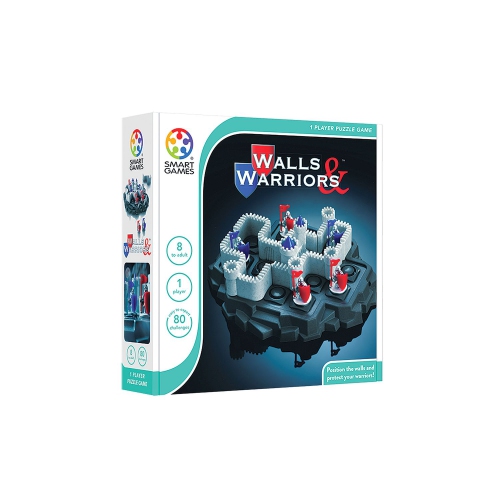
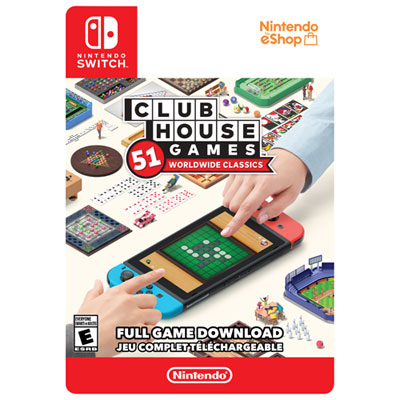
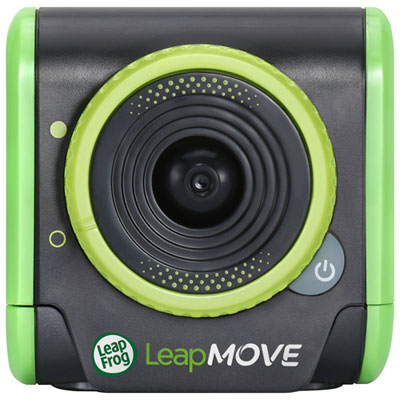
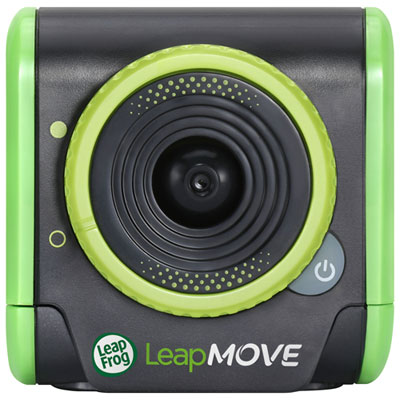
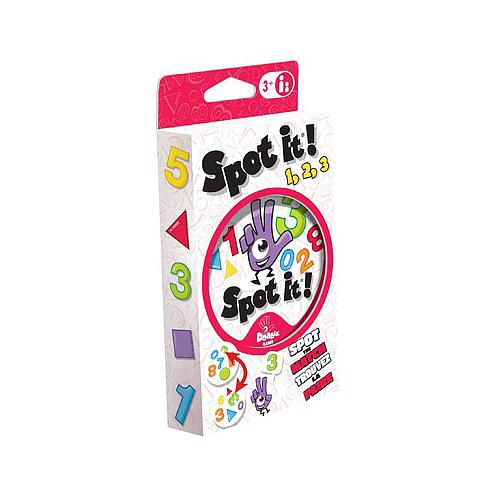

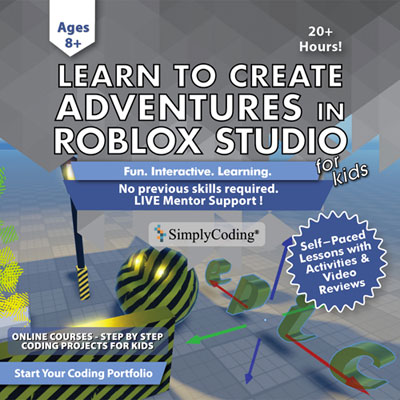
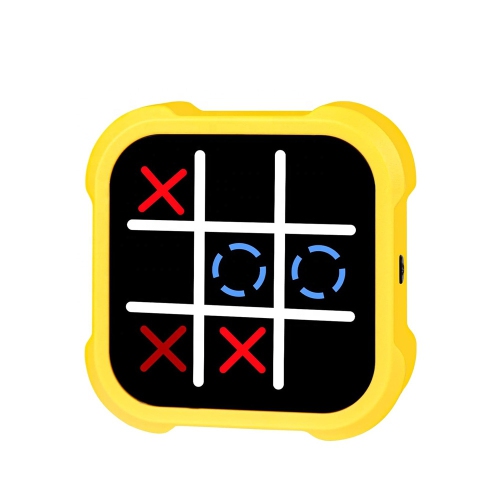
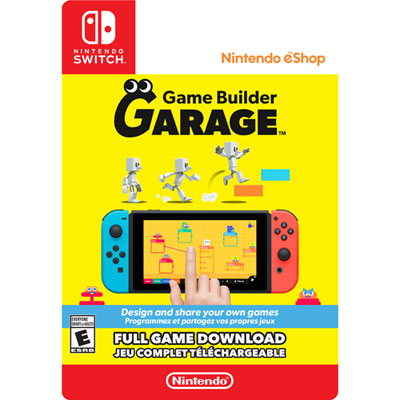
![GS2 GAMES Math Masters [Board Game, 2-4 Players]](https://multimedia.bbycastatic.ca/multimedia/products/500x500/198/19839/19839386.jpeg)
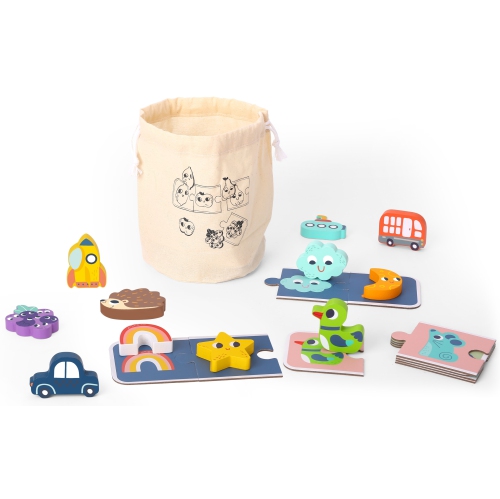
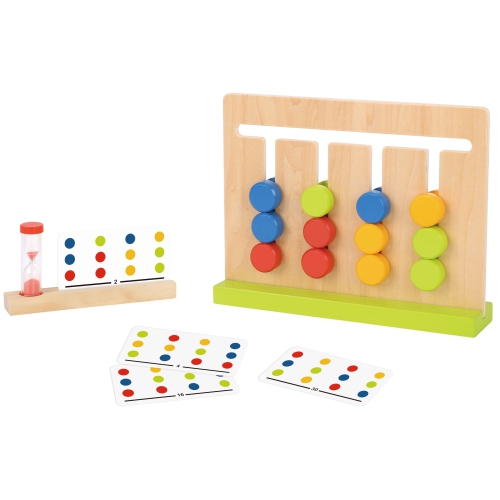
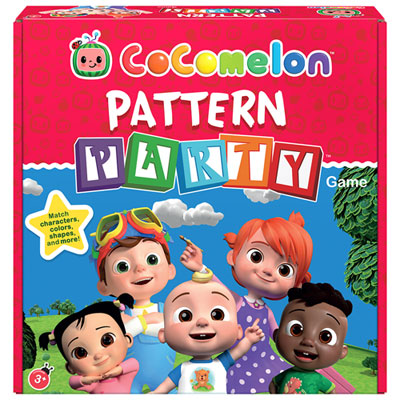
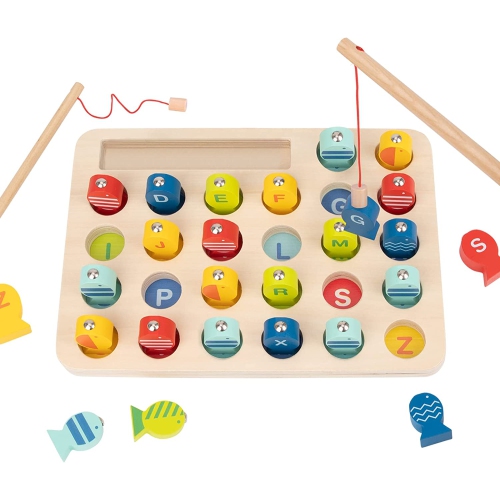
![NINTENDO Learn With Pokemon: Typing Adventure [ Ds Dsi]](https://multimedia.bbycastatic.ca/multimedia/products/500x500/169/16982/16982351.jpeg)
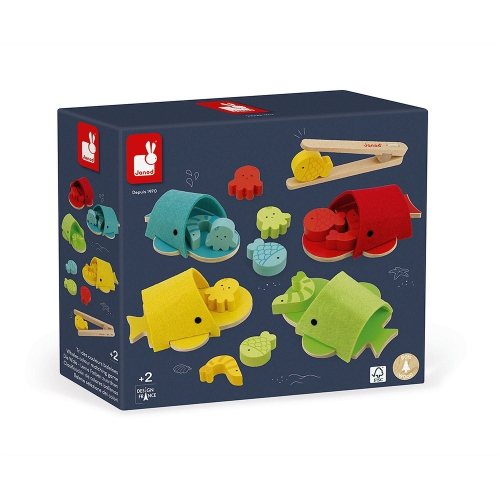
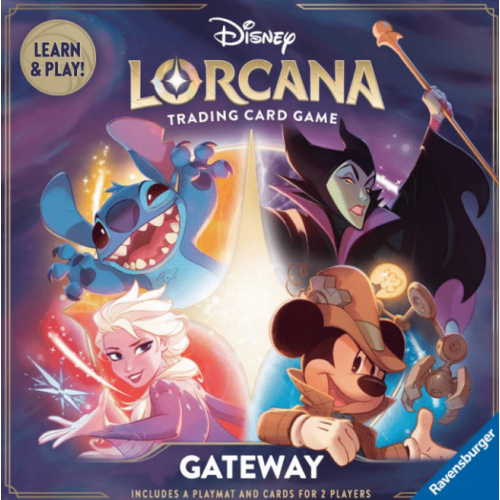
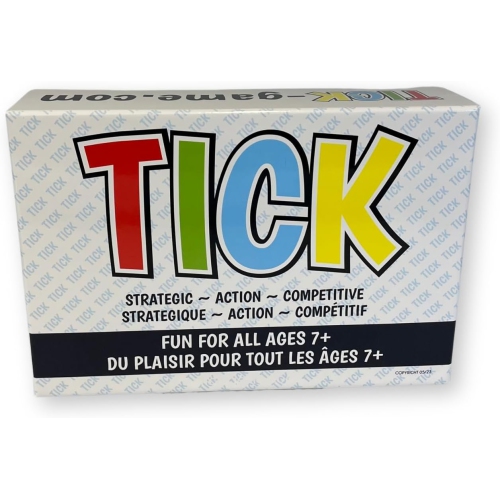
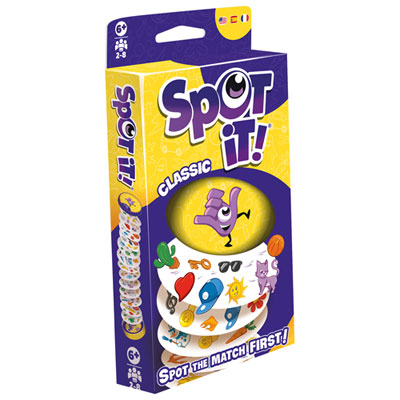
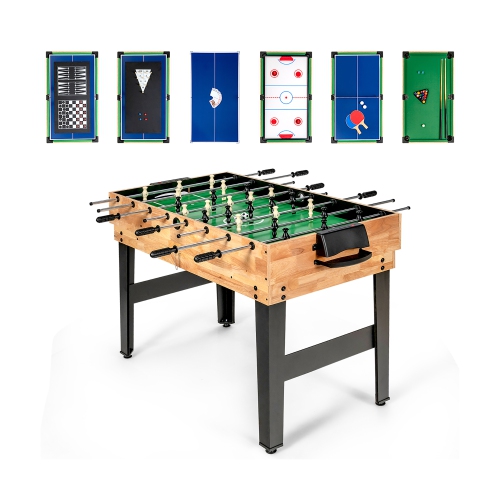
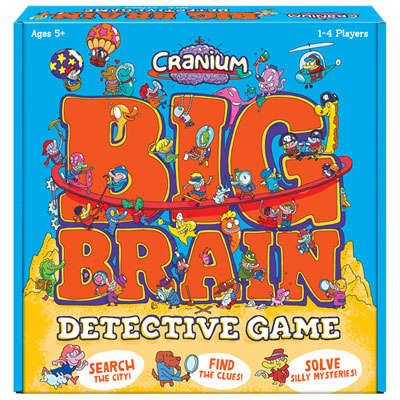


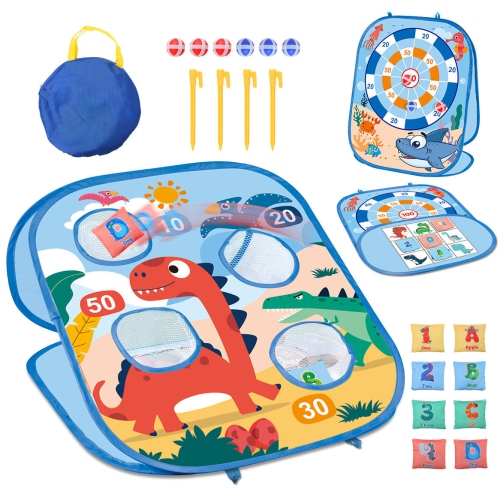
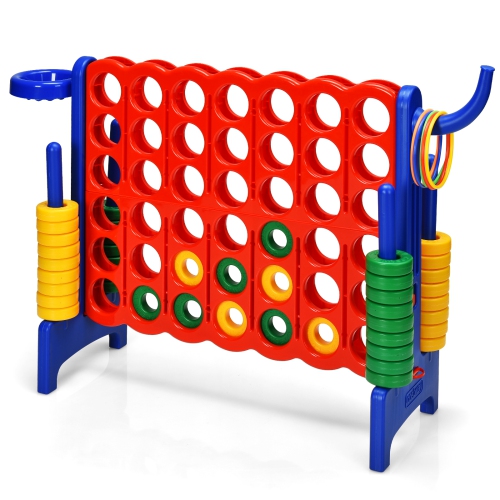

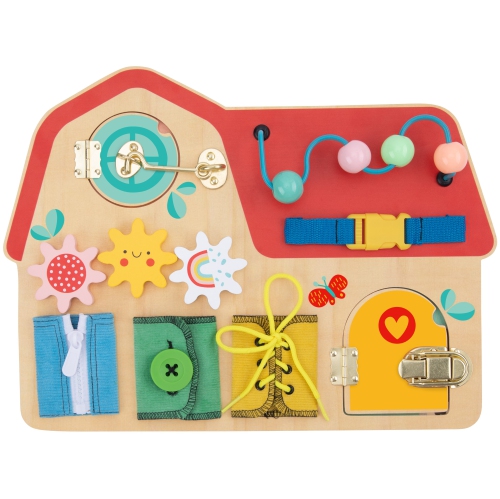

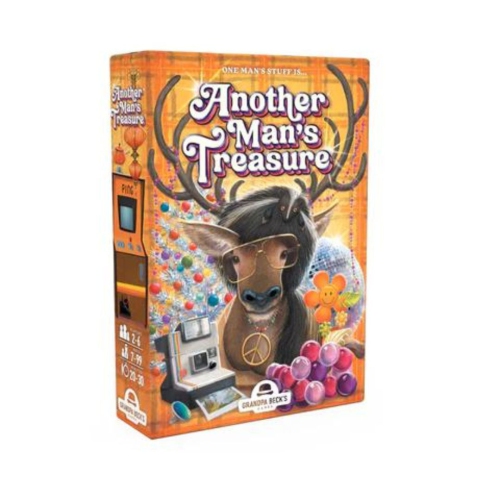
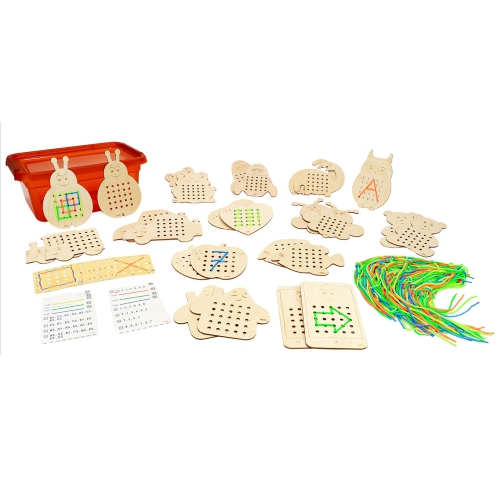
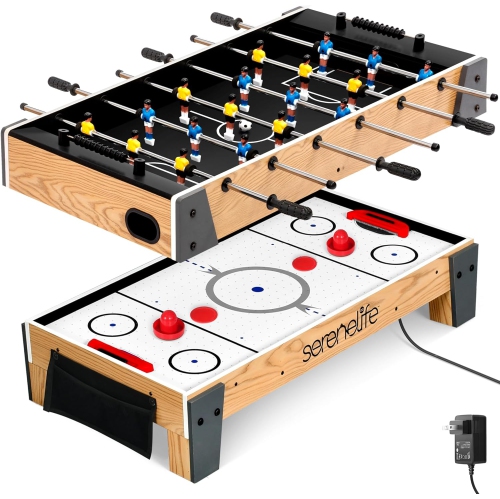
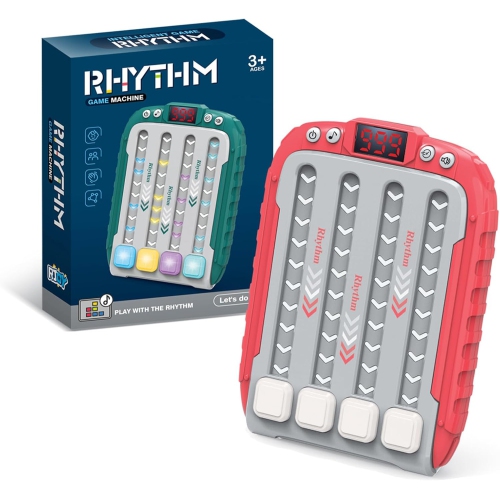
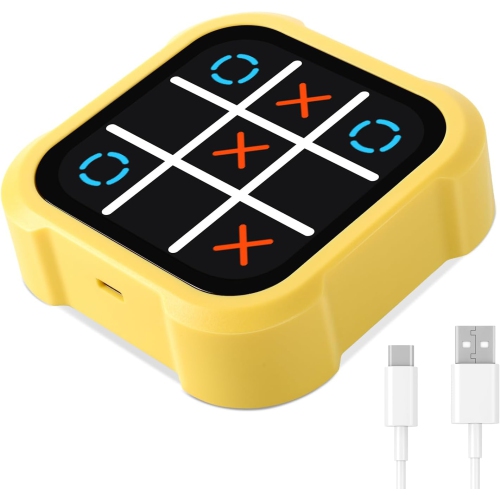
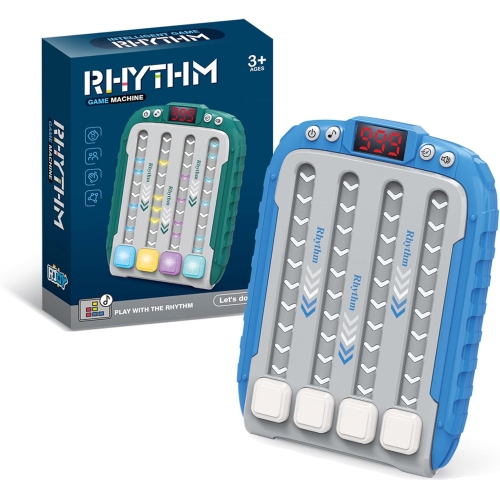
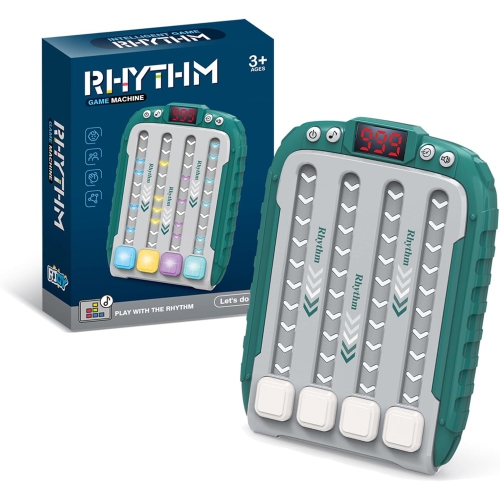
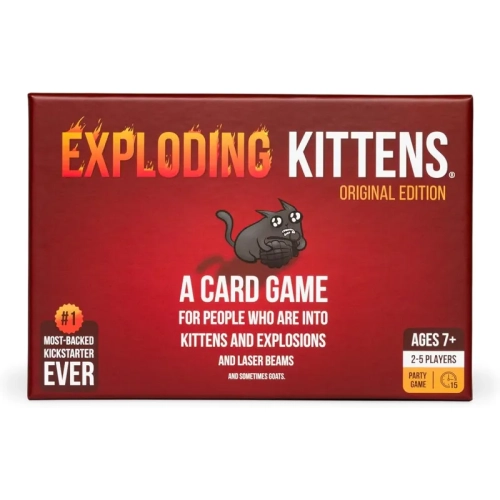
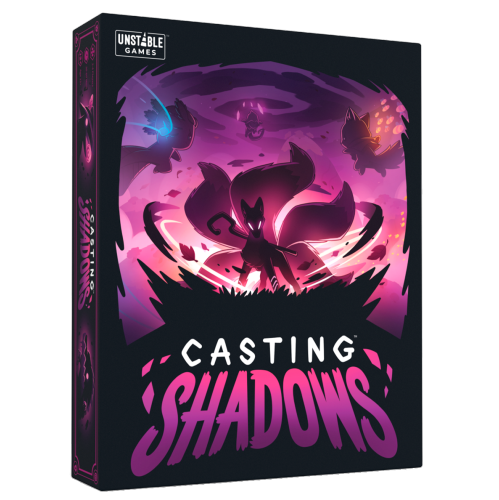
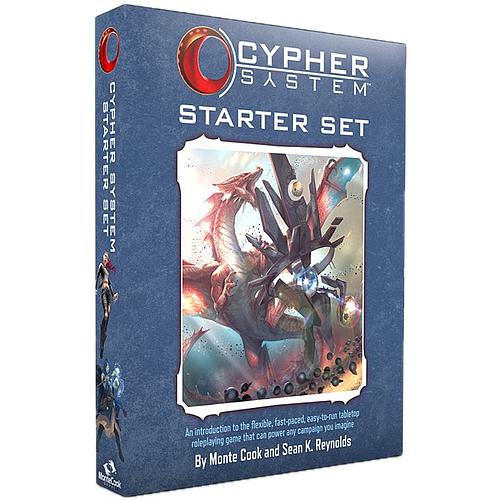
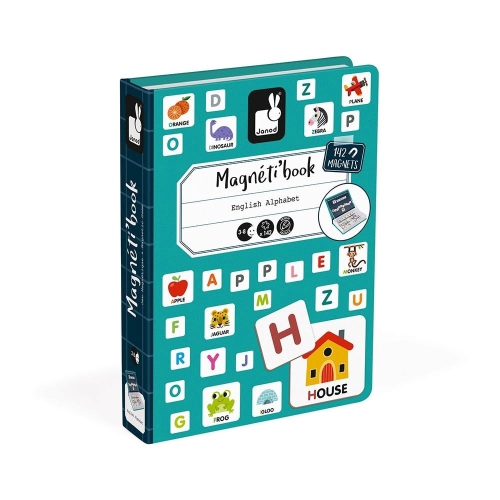
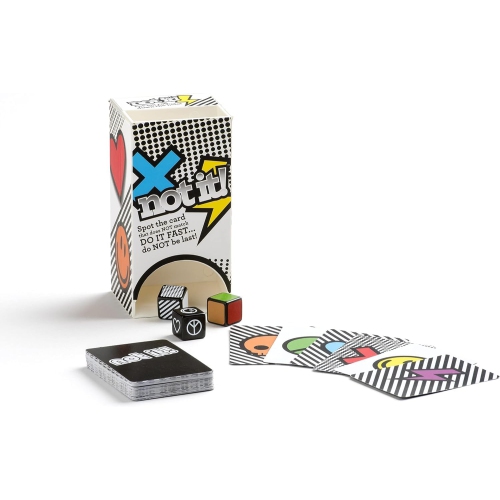

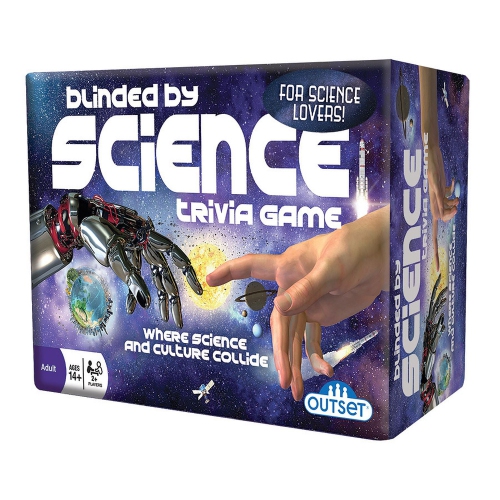
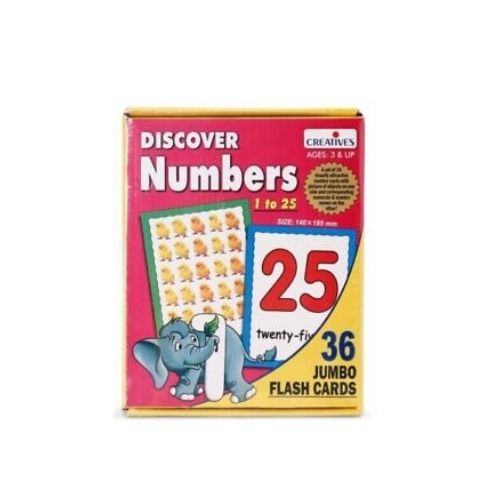
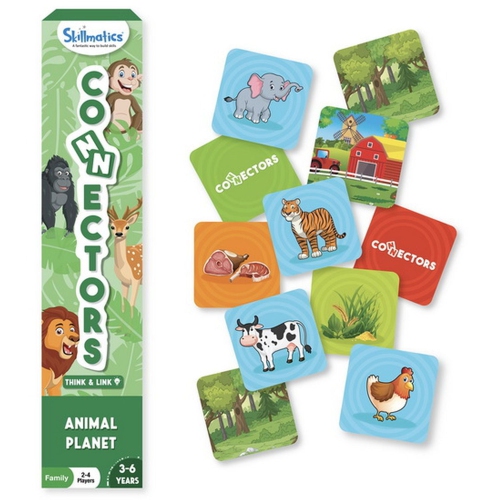
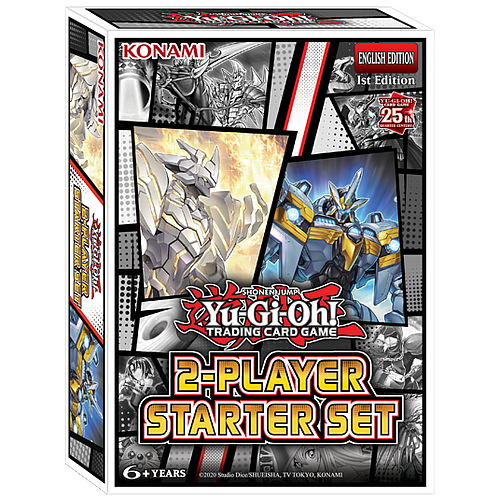
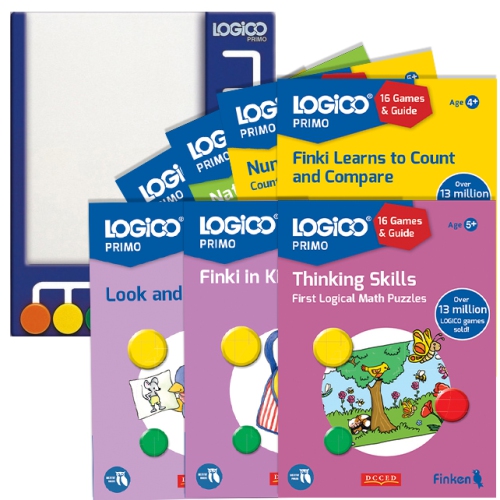
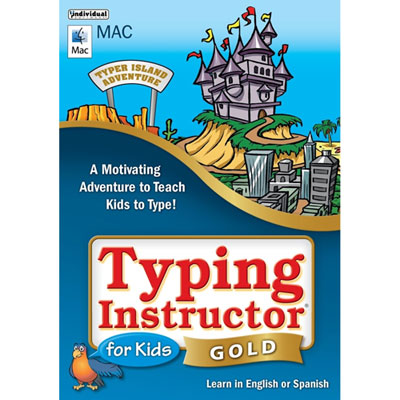
Play-based practice for reading, math, logic and more
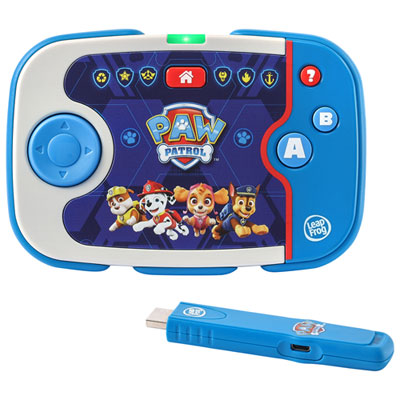
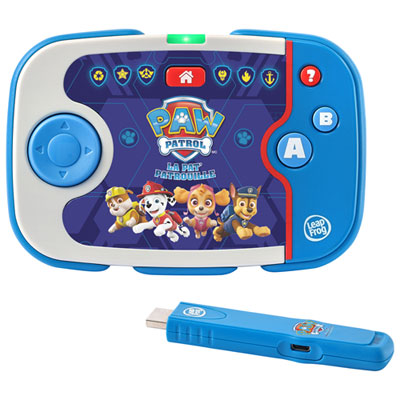
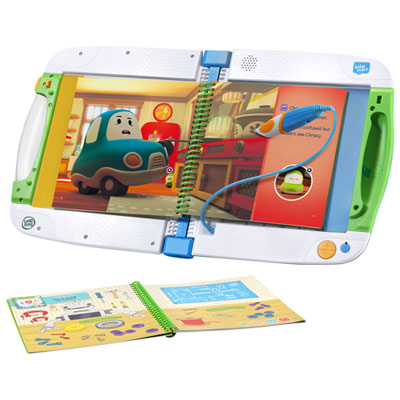
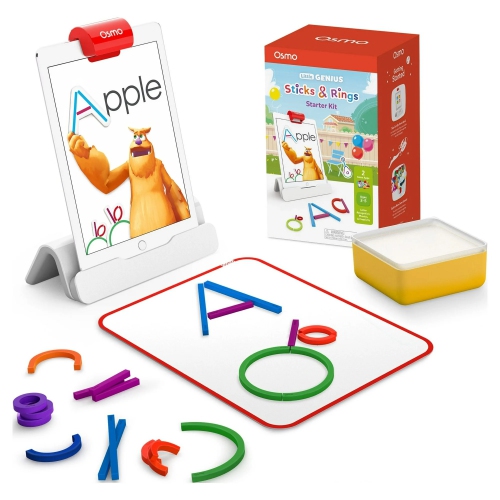
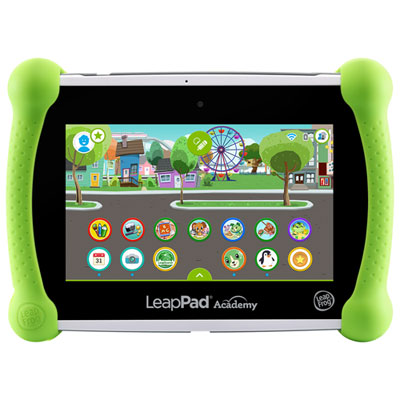
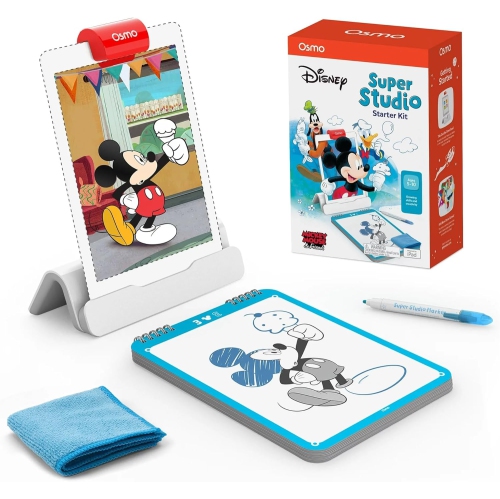
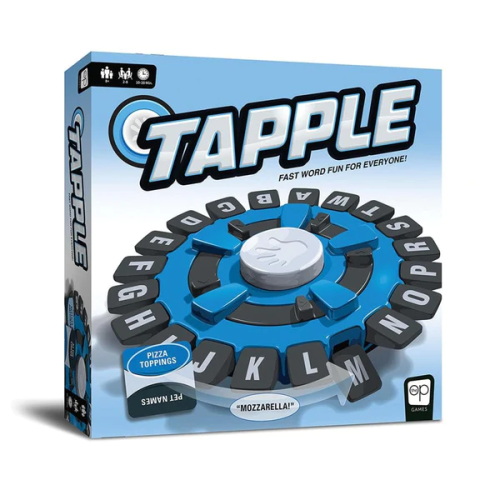
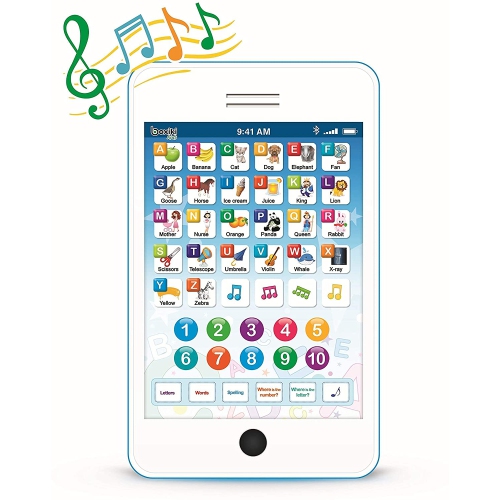
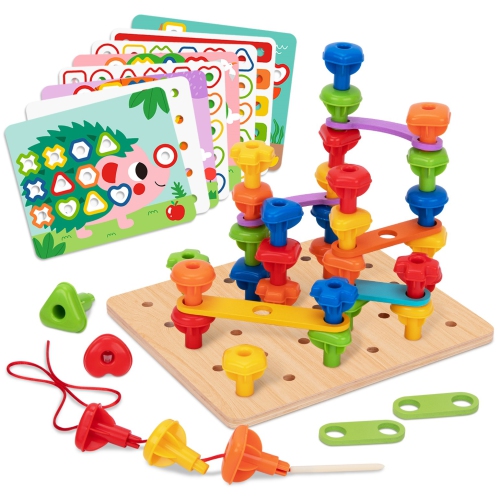
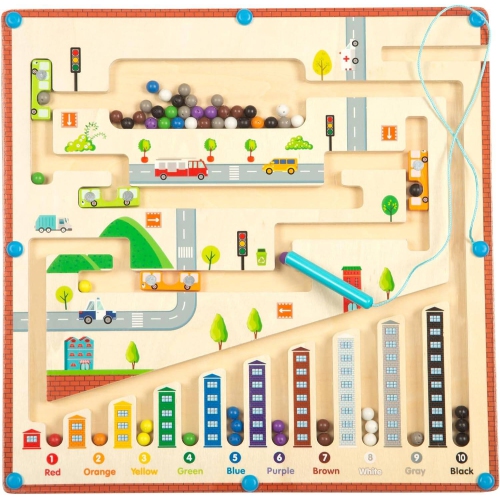
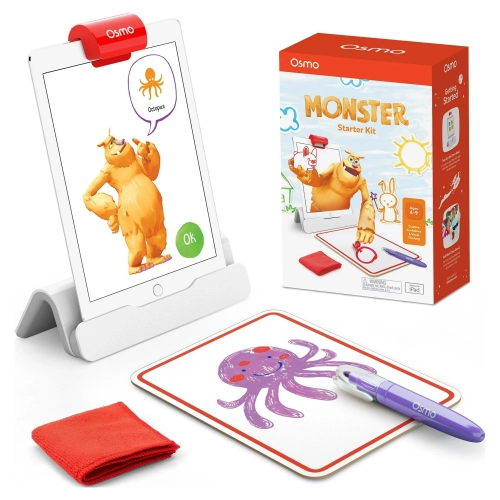
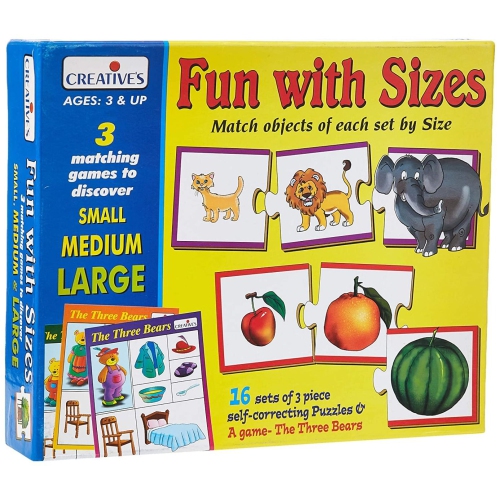
Learning games bring together the satisfaction of play and the steady development of useful skills, making them a practical choice for home learning, classroom activities, family game nights and thoughtful gifts. Depending on the format, they can support early letter recognition, phonics, reading, spelling, counting, arithmetic, memory, logic, typing, coding and problem-solving. Some are designed for independent play, while others encourage children to work with a parent, sibling, teacher or friend. Digital learning games often use bright visuals, sound, stories, rewards and interactive challenges to make practice feel engaging, with activities organized by age, grade level or subject. Physical learning games can add a hands-on element through cards, boards, tiles, puzzles, sorting pieces or timed challenges. Both formats can be valuable: a child may practise number facts through a quick interactive activity, then reinforce the same ideas by moving pieces, matching answers or explaining a strategy during a tabletop game. When choosing learning games, start with the child’s age, interests and current abilities rather than selecting only by the highest level they may eventually reach. A game that is too easy can lose its appeal, while one that is too advanced may feel frustrating. Look for clear instructions, adjustable difficulty and activities that provide enough variety for repeated play. It can also help to consider whether the game focuses on one skill or combines several, such as reading comprehension with memory, or mathematics with logic and planning. For preschool learners, look for simple rules, larger components and activities that build recognition, vocabulary, counting and hand-eye coordination. Early elementary learners may enjoy games that practise spelling, sentence building, addition, subtraction and pattern recognition. Older children may be drawn to strategy, coding concepts, wordplay, geography, science or increasingly complex puzzles. Families seeking digital options can explore Interactive Games for activities that turn learning goals into responsive, play-based experiences.
Learning games are especially useful because they can fit naturally into everyday routines instead of feeling like another formal lesson. A short game at the kitchen table can give a child an opportunity to practise mental math while dinner is being prepared, and a quiet reading or vocabulary activity can make a calm afternoon feel purposeful without adding pressure. During the warmer part of the year, portable games can be packed for visits with family, road trips or relaxed time at the cottage, while during the cooler months they can provide an inviting indoor activity when everyone is spending more time at home. Adults do not need to take over the experience; a few encouraging prompts can be enough to help a child explain how they reached an answer, try a different approach or celebrate a small improvement. Cooperative games are a good choice for children who enjoy shared goals, since players can practise communication and decision-making without concentrating only on winning. Competitive games may appeal to children who like a challenge, particularly when the rules encourage taking turns, handling setbacks and planning ahead. For independent learners, a self-guided digital activity or puzzle can offer a sense of accomplishment and allow them to work at their own pace. Parents and caregivers can make the experience more meaningful by connecting the game to familiar situations, such as counting change, spotting words on a sign, following a recipe, organizing objects by size or planning the steps needed to complete a task. These small connections help children understand that the skills developed through play have a place beyond the game itself. Teachers, tutors and childcare providers may also use learning games as warm-up activities, centres, rewards or a change of pace between lessons. In a group setting, consider the number of players, the length of each round and whether the activity is easy to reset for the next group. For home use, storage, setup time and the amount of adult assistance can make a noticeable difference to how often a game is played.
Learning games can make enjoyable gifts for birthdays, family celebrations, classroom exchanges or children who are eager to explore a new interest. They are also useful when choosing a gift for a child whose favourite subject is not yet clear, since there are options built around stories, numbers, art, puzzles, science, language and technology. A child who loves building may enjoy a game centred on spatial reasoning and design, while a keen reader may prefer word challenges, storytelling or vocabulary activities. For a gift shared by siblings, choose an activity with flexible difficulty or multiple ways to play so that different ages can take part without one child being left behind. If the game is intended for travel or visits, a compact format with self-contained pieces may be more convenient than a larger set requiring a dedicated play surface. For a family game night, check the recommended player count and average playing time, keeping in mind that younger children often respond best to shorter rounds and simple turn-taking. Digital games deserve a few additional checks, including compatible devices, required internet access, account settings, audio controls and whether progress can be managed by a parent or educator. It is also worth considering how much reading is required, whether instructions are available in the preferred language and whether the game can be played with sound turned down. For physical games, review the recommended age, piece size, storage method and any small components that may not be suitable around younger children. The best choice is one that matches the learner’s stage, holds their attention and leaves room for encouragement, discovery and repeat play. With the right learning game, a few minutes of focused activity can become a familiar ritual: a child testing a new strategy, sounding out an unfamiliar word, spotting a pattern or proudly explaining a solution they found independently.
Learning games are especially useful because they can fit naturally into everyday routines instead of feeling like another formal lesson. A short game at the kitchen table can give a child an opportunity to practise mental math while dinner is being prepared, and a quiet reading or vocabulary activity can make a calm afternoon feel purposeful without adding pressure. During the warmer part of the year, portable games can be packed for visits with family, road trips or relaxed time at the cottage, while during the cooler months they can provide an inviting indoor activity when everyone is spending more time at home. Adults do not need to take over the experience; a few encouraging prompts can be enough to help a child explain how they reached an answer, try a different approach or celebrate a small improvement. Cooperative games are a good choice for children who enjoy shared goals, since players can practise communication and decision-making without concentrating only on winning. Competitive games may appeal to children who like a challenge, particularly when the rules encourage taking turns, handling setbacks and planning ahead. For independent learners, a self-guided digital activity or puzzle can offer a sense of accomplishment and allow them to work at their own pace. Parents and caregivers can make the experience more meaningful by connecting the game to familiar situations, such as counting change, spotting words on a sign, following a recipe, organizing objects by size or planning the steps needed to complete a task. These small connections help children understand that the skills developed through play have a place beyond the game itself. Teachers, tutors and childcare providers may also use learning games as warm-up activities, centres, rewards or a change of pace between lessons. In a group setting, consider the number of players, the length of each round and whether the activity is easy to reset for the next group. For home use, storage, setup time and the amount of adult assistance can make a noticeable difference to how often a game is played.
Learning games can make enjoyable gifts for birthdays, family celebrations, classroom exchanges or children who are eager to explore a new interest. They are also useful when choosing a gift for a child whose favourite subject is not yet clear, since there are options built around stories, numbers, art, puzzles, science, language and technology. A child who loves building may enjoy a game centred on spatial reasoning and design, while a keen reader may prefer word challenges, storytelling or vocabulary activities. For a gift shared by siblings, choose an activity with flexible difficulty or multiple ways to play so that different ages can take part without one child being left behind. If the game is intended for travel or visits, a compact format with self-contained pieces may be more convenient than a larger set requiring a dedicated play surface. For a family game night, check the recommended player count and average playing time, keeping in mind that younger children often respond best to shorter rounds and simple turn-taking. Digital games deserve a few additional checks, including compatible devices, required internet access, account settings, audio controls and whether progress can be managed by a parent or educator. It is also worth considering how much reading is required, whether instructions are available in the preferred language and whether the game can be played with sound turned down. For physical games, review the recommended age, piece size, storage method and any small components that may not be suitable around younger children. The best choice is one that matches the learner’s stage, holds their attention and leaves room for encouragement, discovery and repeat play. With the right learning game, a few minutes of focused activity can become a familiar ritual: a child testing a new strategy, sounding out an unfamiliar word, spotting a pattern or proudly explaining a solution they found independently.
Top selling and popular products
-
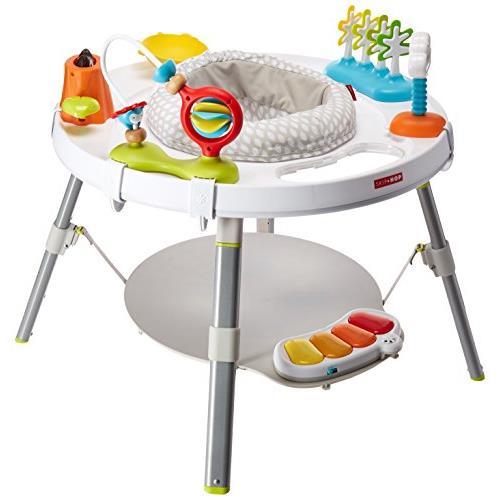 Your price for this item is $299.13
 -
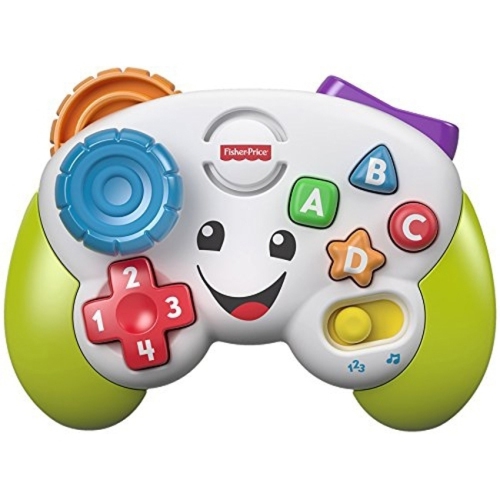 Your price for this item is $24.28
 -
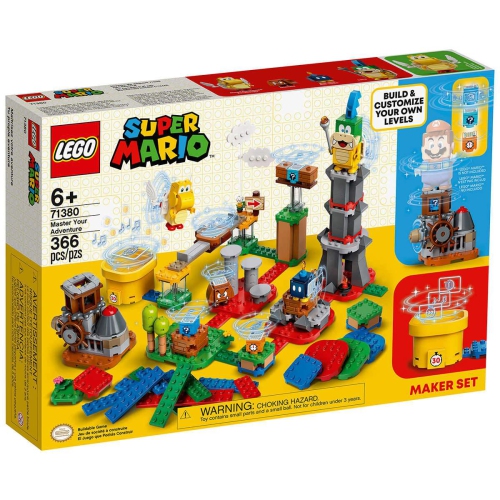 Your price for this item is $103.27
 -
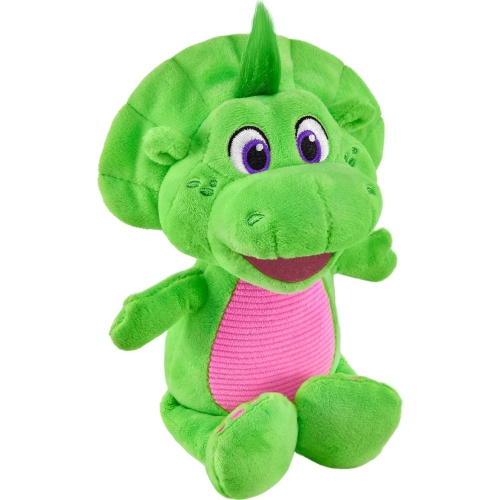 Your price for this item is $17.24
 -
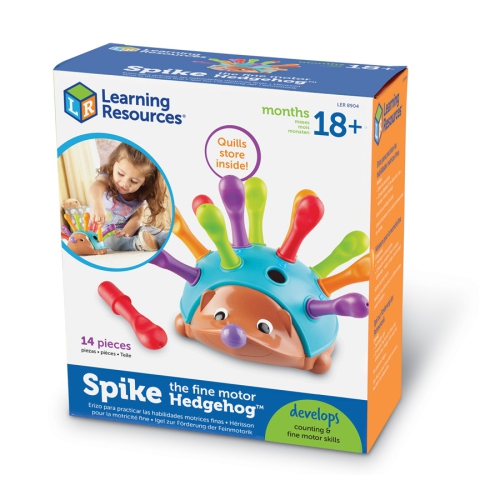 Your price for this item is $56.13
 -
 Your price for this item is $29.99
 -
 Your price for this item is $19.99
 -
 Your price for this item is $39.99
Discover more categories related to Learning Games
Top Collections:
Pokemon Centers, Kindle Devices, Best Budget Office Chairs, Apple iPhones 16, Best Laptops for Writers, iPhone 15 Apple, Canon G7X Cameras, Refurbished Apple Laptops, Alarm Clock, Motorola Razr Phones
Some products may be subject to Environmental Handling Fees
(EHF) depending on your province.
Learn more about EHFs.