Horror Action Figures
Explore a spine-chilling collection of Horror Action Figures that are sure to send shivers down your spine. From iconic characters to terrifying monsters, these figures are perfect for horror enthusiasts and collectors alike. Whether you're looking to add a touch of macabre to your shelf or recreate scenes from your favorite horror movies, these action figures offer detailed craftsmanship and eerie realism. Embrace the darkness and bring home your favorite nightmares with our selection of Horror Action Figures.
Sort


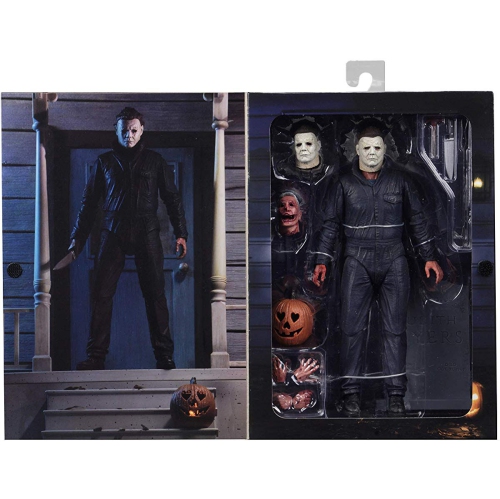


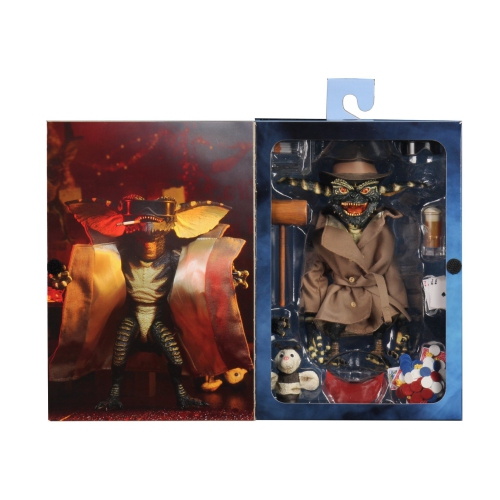


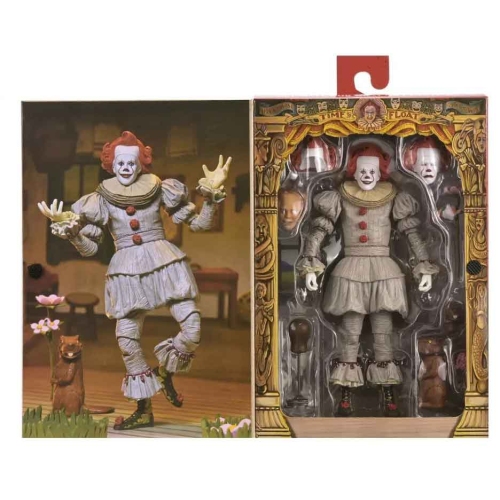

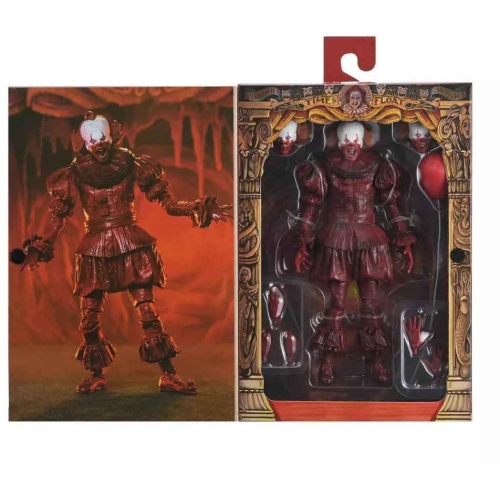


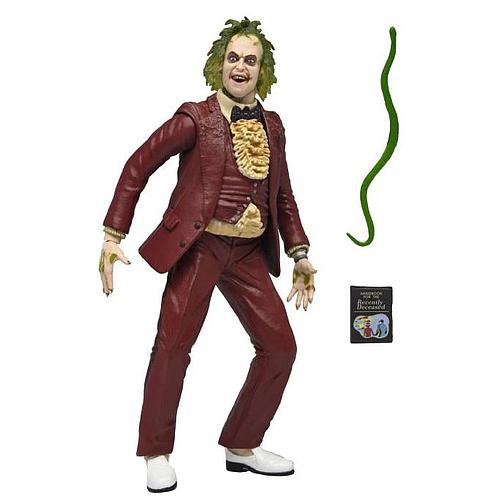


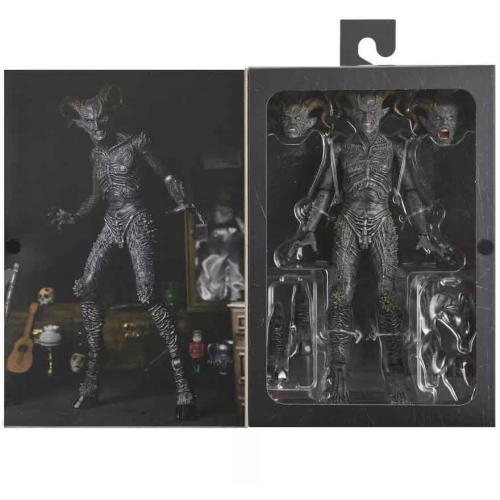

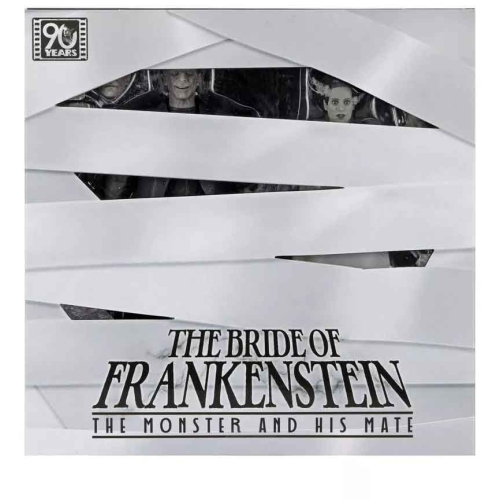


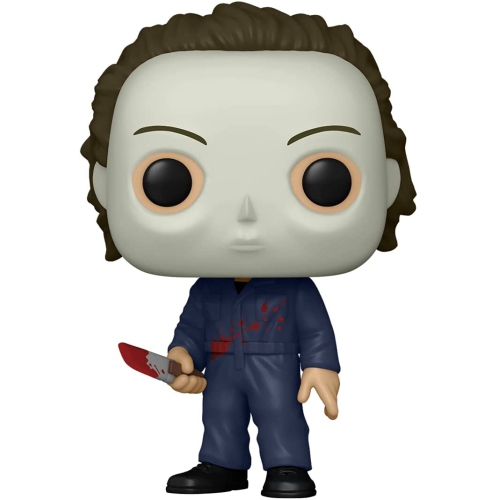


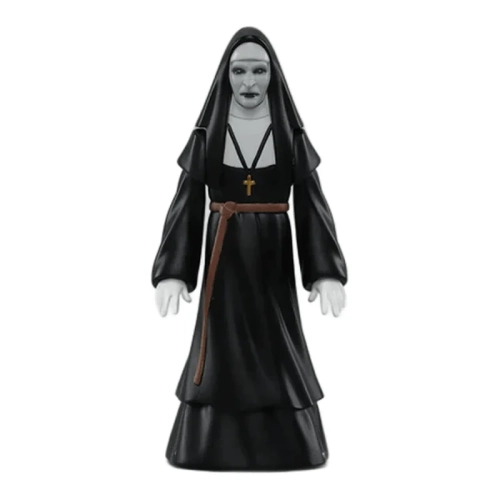


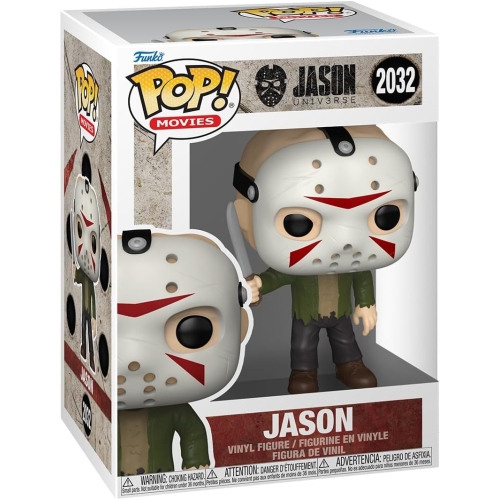
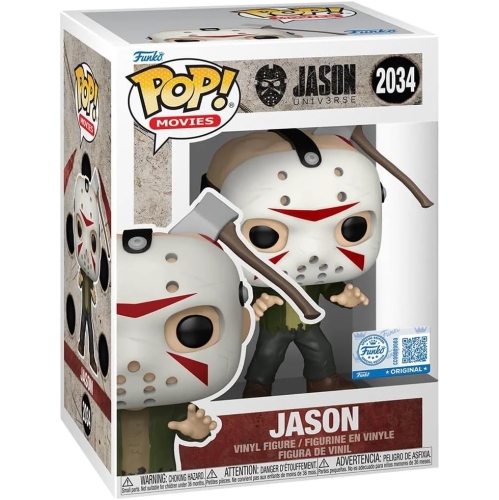


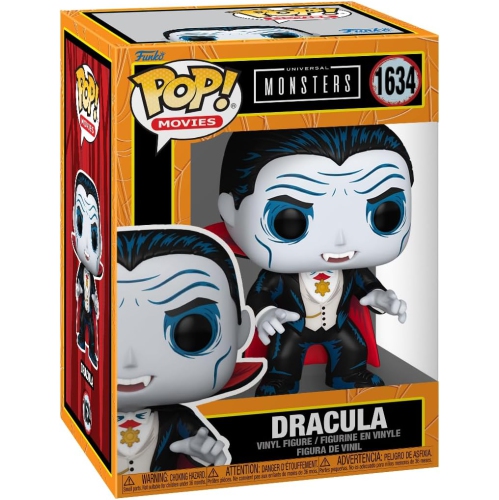
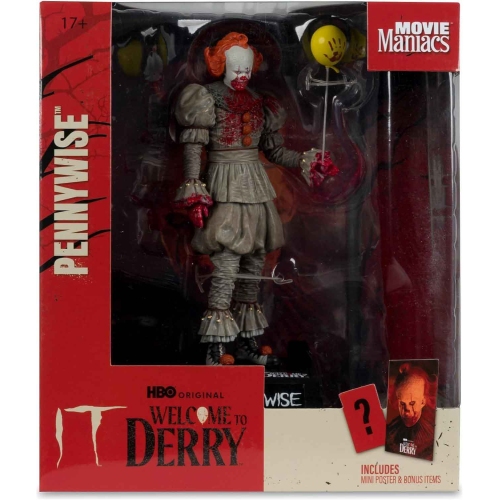


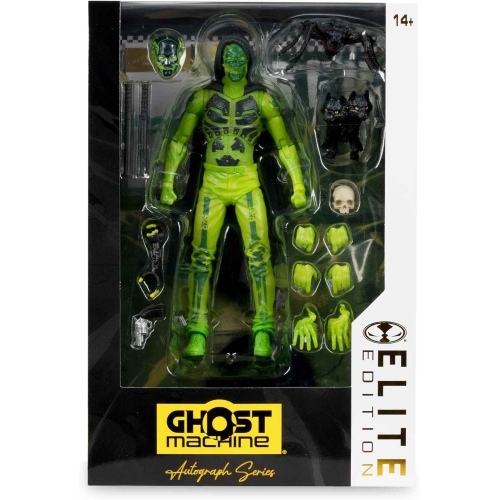


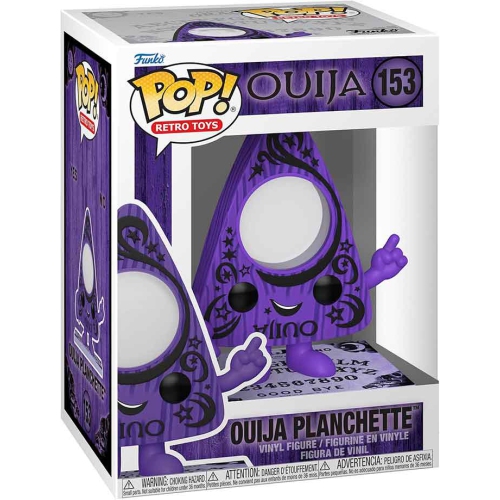


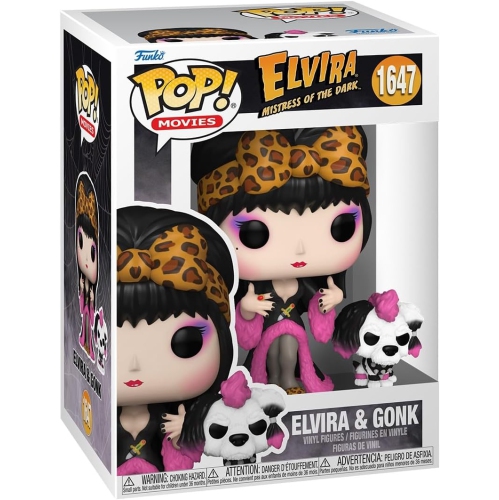








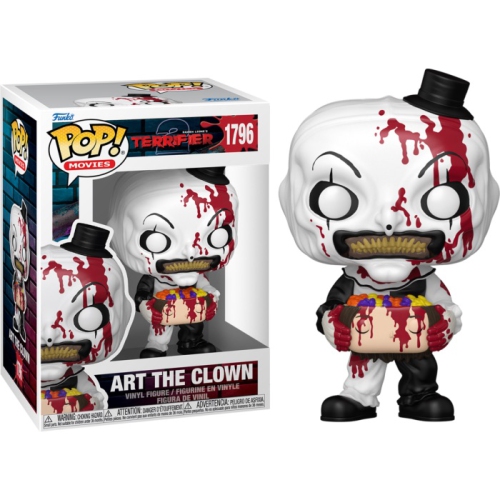

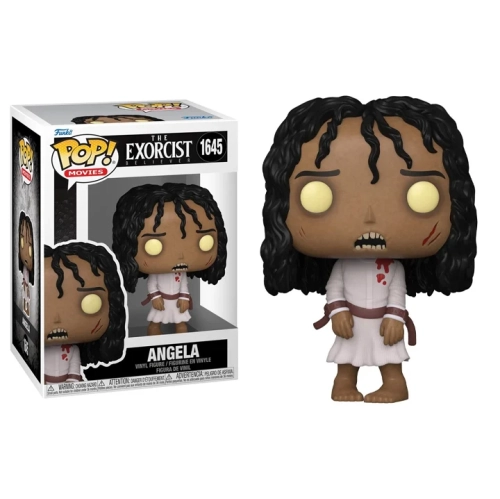


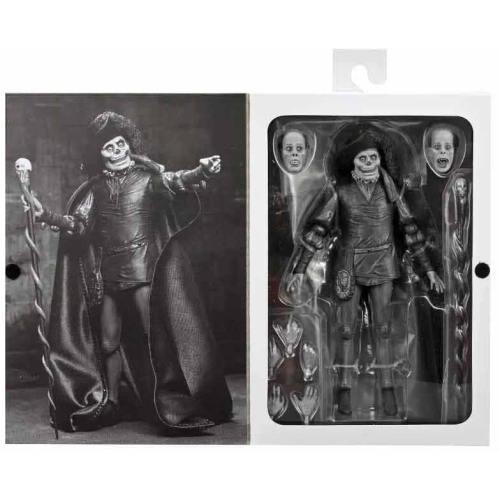

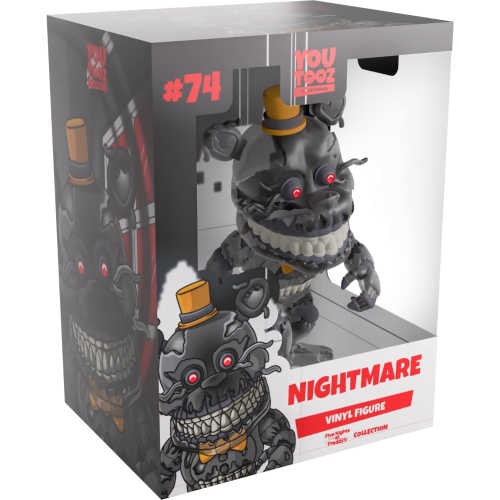
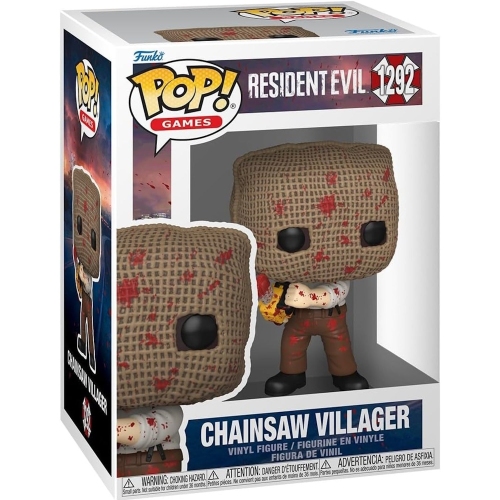


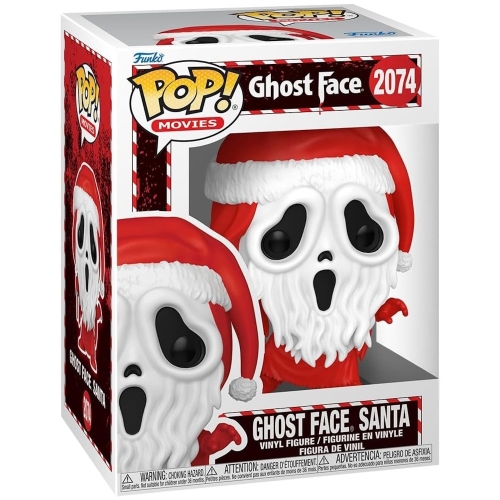

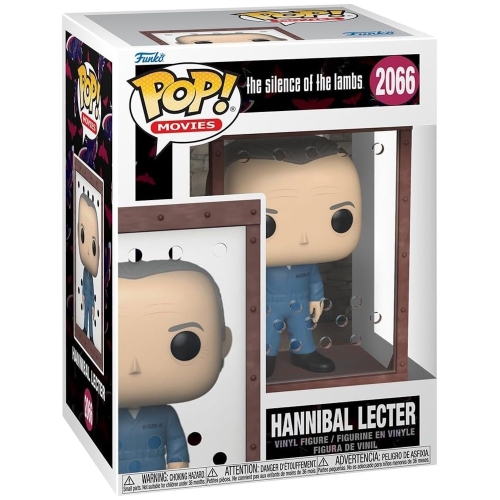


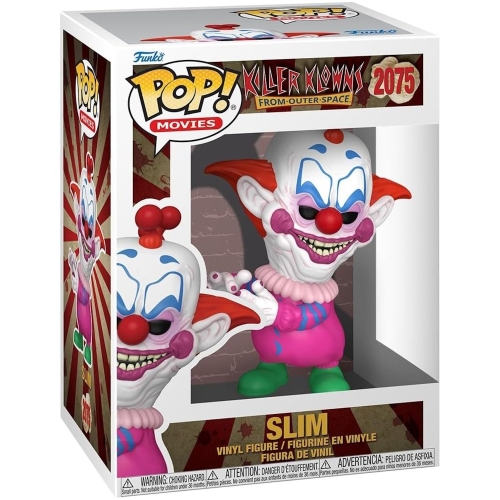

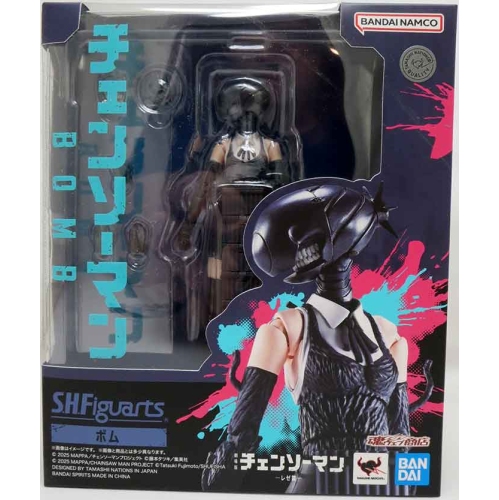


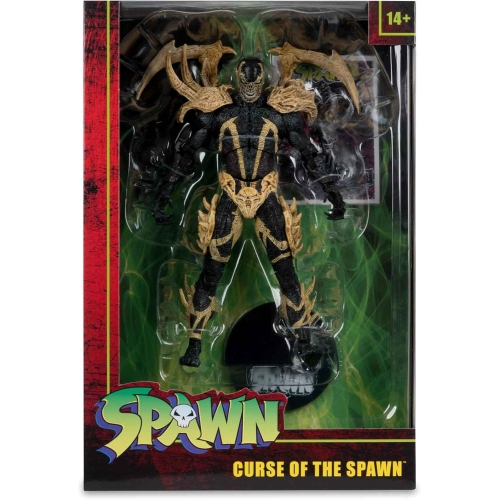


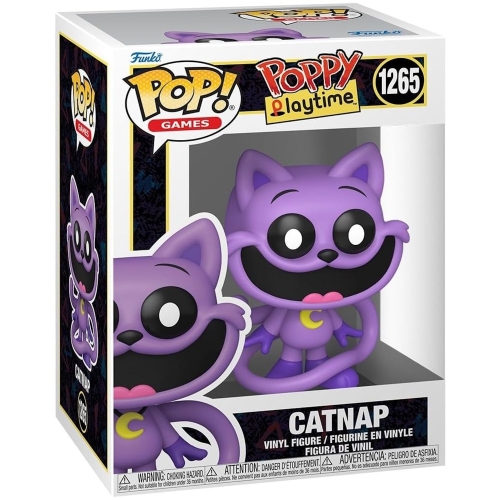

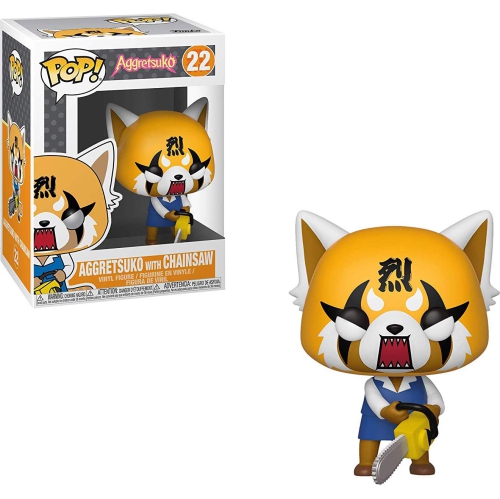












How sculpted details give horror characters shelf presence
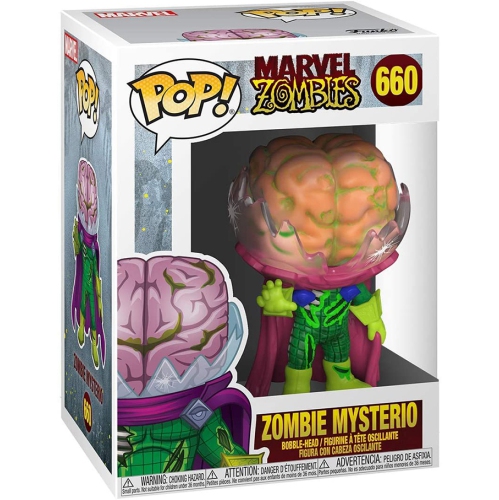
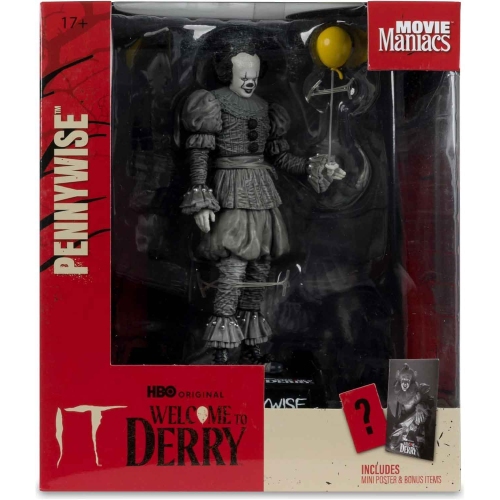
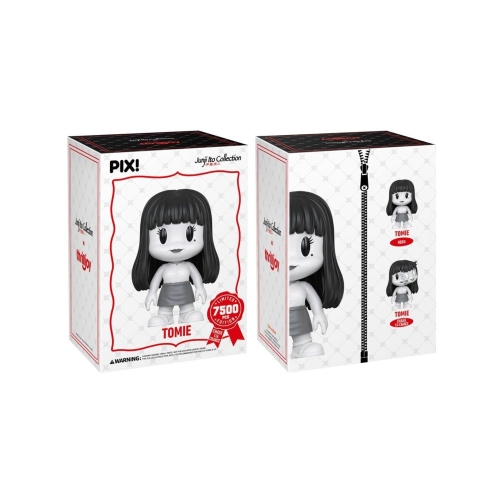
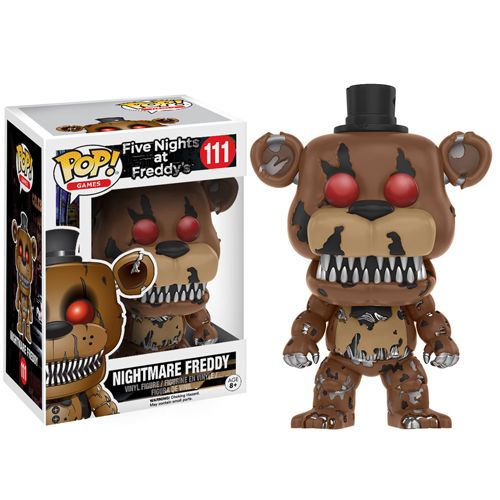
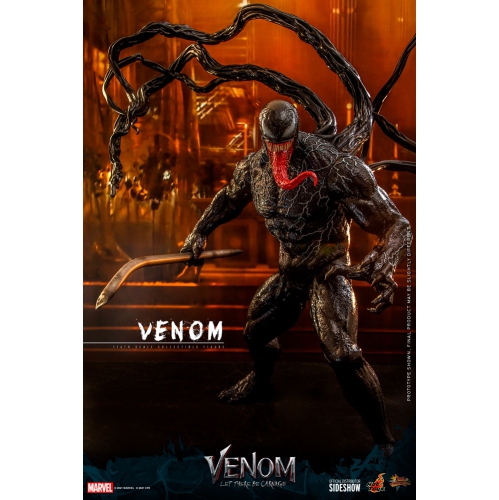
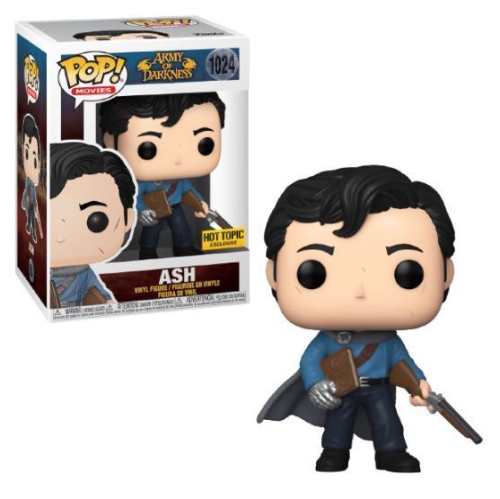
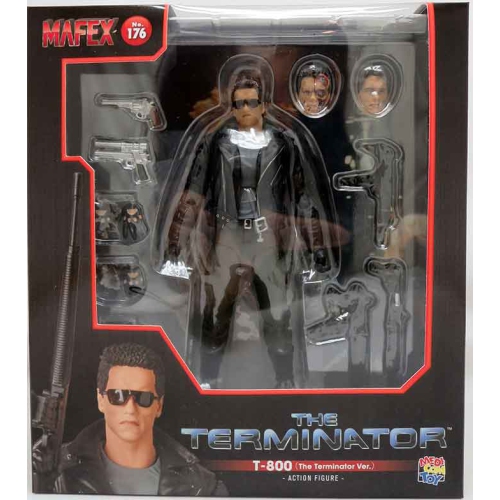
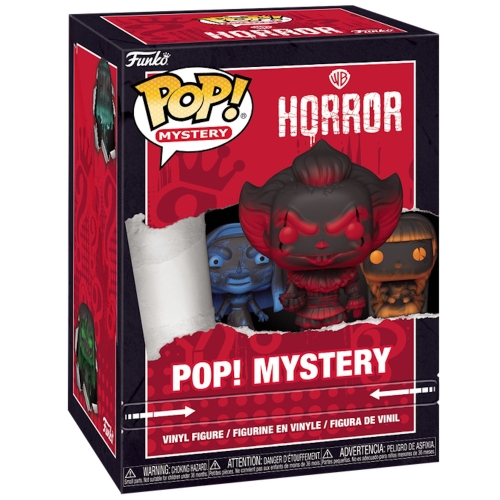
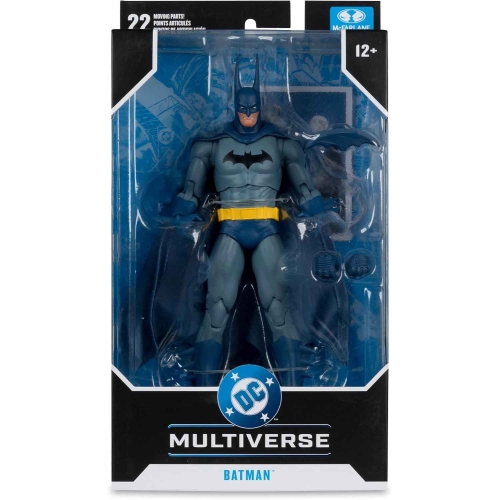
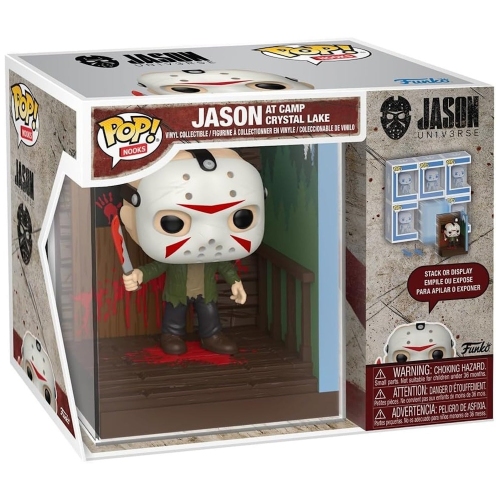
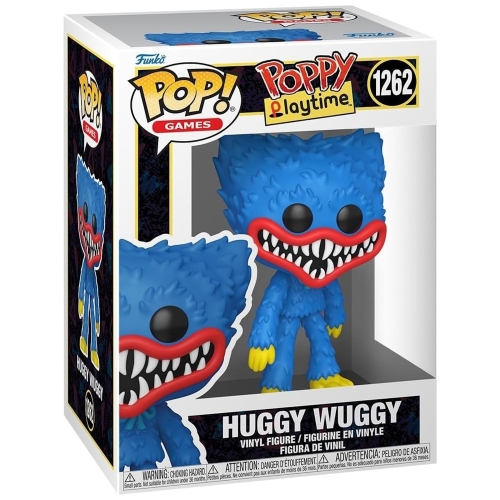
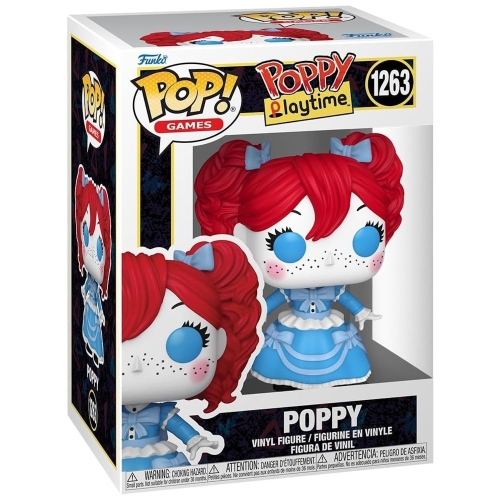
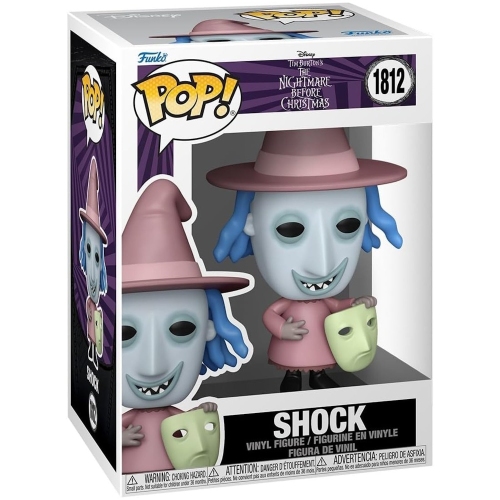
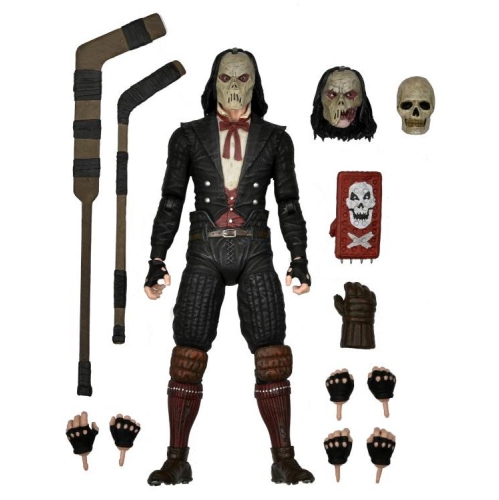
Horror action figures are poseable collectibles inspired by the monsters, villains, and eerie characters of horror films, television, games, and other storytelling traditions. Their appeal lies in translating a memorable screen presence into a three-dimensional object: the silhouette of a long coat, a strangely still expression, or the rough texture of a creature’s skin. Unlike fixed-pose statues, action figures typically have movable joints that allow different stances, gestures, and arrangements, although the amount of movement varies by design. Some favour lifelike proportions and finely layered paint, while others use simplified shapes and nostalgic styling reminiscent of earlier toy designs. Sculpted folds, textured hair, aged-looking clothing, and carefully painted eyes all contribute to the finished impression. For collectors, those details can make a figure feel closely connected to a favourite story without needing an elaborate backdrop. A single character beside a film collection can create a focal point, while several figures arranged with space between them let each sculpt stand out. Shoppers drawn specifically to cinema-inspired designs can also explore Horror Movie Character Figures for a film-focused take on the theme. Across the broader category, different interpretations of the same type of character can produce very different displays. A stylized monster may suit a colourful collection of pop-culture toys, whereas a realistically proportioned figure can sit naturally beside film books and framed artwork. Costume design matters as much as facial detail: a crisp, newly depicted outfit tells a different visual story from one finished with painted wear and frayed-looking edges. Horror collectibles also reflect the genre’s wide range, from fantastical creatures and gothic imagery to mysterious masked characters. That variety gives collectors room to focus on a particular visual style, storytelling tradition, or era of filmmaking rather than assembling figures that all look alike. The strongest displays often share one clear connection, whether that is scale, sculpting style, or the mood of the characters themselves.
Size, construction, and articulation shape how horror action figures look and how comfortably they fit into a collection. Height measurements and scale ratios describe different things: a 7-inch figure has a stated physical height, while a 1:12 scale figure represents its subject at one-twelfth of the subject’s full size. Characters of different fictional heights can therefore belong to the same scale without standing equally tall. A consistent scale helps a group look proportionate, but actual dimensions remain important for narrow shelves, enclosed cabinets, and spaces beneath a monitor. Outstretched arms, flowing clothing, and display bases can take up considerably more room than the figure’s standing height suggests. Materials also influence appearance and handling. Many figures combine rigid plastics for structural parts with more flexible plastics for details that need some give. Fabric clothing can create natural folds and soften the outline of a pose, while sculpted clothing holds a particular shape and allows fine texture to be built directly into the surface. Neither approach is automatically more detailed; the result depends on the design and finish. Articulation may include rotating shoulders, bending elbows and knees, and movable necks, wrists, or ankles. More joints can offer greater posing freedom, although visible joint lines may interrupt the sculpt. A figure with fewer joints may favour a cleaner silhouette over a wide range of movement. Balance is another practical distinction. Broad foot placement and supportive ankle joints can help with standing poses, while an extended arm or bulky accessory may shift the centre of gravity enough to require a compatible stand. Where included, interchangeable hands, alternate expressions, and removable accessories offer ways to vary a display without adding another figure. Connection points should be handled according to the manufacturer’s directions, since a small peg can be more delicate than the surrounding part. For a shelf viewed from across a room, a strong outline and clear colour contrast may matter most; for close-up photography, subtle paint transitions, tidy edges, and convincing textures become easier to appreciate.
Intended use is an important part of choosing horror action figures, especially when the figure will be a gift. A collector who enjoys arranging scenes may value flexible posing and interchangeable parts, while someone who keeps collectibles in their packaging may care more about the presentation and how the box fits alongside an existing collection. A recipient’s preferred visual style, display space, and interest in a particular part of the genre can be more useful starting points than size alone. Age recommendations deserve close attention: a toy-like appearance does not mean a figure is suitable for young children, and small accessories or detachable pieces can present choking hazards. Horror imagery also varies in intensity, making the recipient’s comfort with the theme relevant. For figures intended for handling, sturdy construction and straightforward joints may be more practical than thin decorative details. Display-focused designs often reward gentler treatment, particularly around narrow fingers, delicate costume edges, and painted contact points. Routine care is usually simple, but it makes a difference to the finish over time. A clean, soft brush can lift loose dust from textured surfaces, and gentle wiping may be appropriate where the manufacturer permits it. Solvents, abrasive cleaners, and vigorous rubbing can damage paint or plastic, while fabric elements may need separate care. Direct sunlight can fade colours, and heat sources can affect some materials, so a shaded shelf away from radiators is a sensible display location. Figures stand more securely on level surfaces, with suitable supports where needed and enough clearance that opening a cabinet door will not catch an accessory. Spare parts are easier to keep together in labelled compartments that prevent painted surfaces from rubbing against one another. Original packaging can also be useful for moving or storing a figure when space permits. Whether arranged beside a screen, displayed in a cabinet, or used for carefully staged photographs, horror action figures bring character design into everyday view. Their lasting appeal comes from the combination of expressive sculpting, tactile detail, and the freedom to give a familiar fictional presence a place in a personal collection.
Top selling and popular products
-
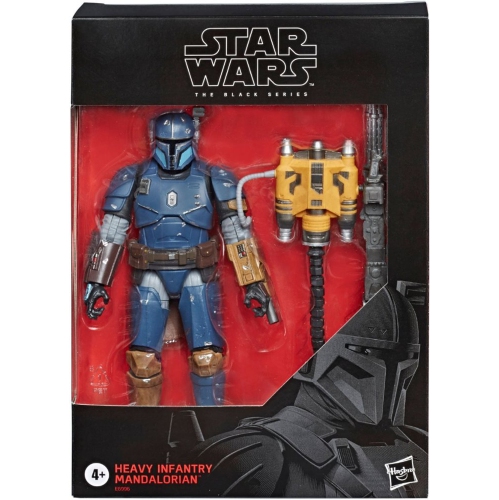 Your price for this item is $35.64
-
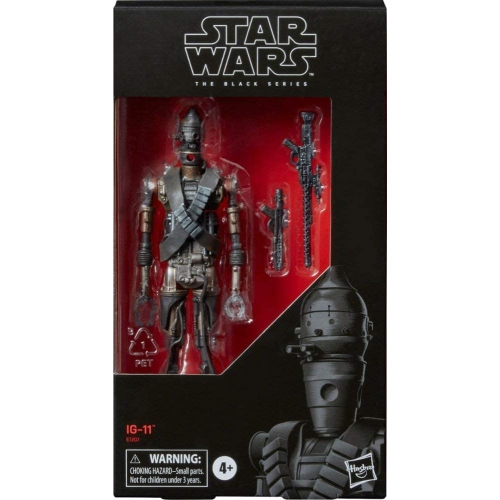 Your price for this item is $42
-
 Your price for this item is $92
-
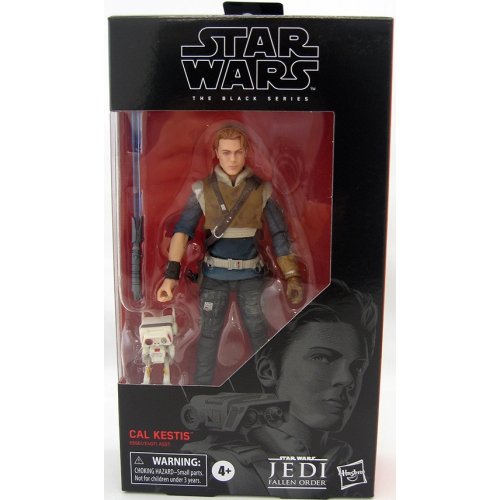 Your price for this item is $41.39
-
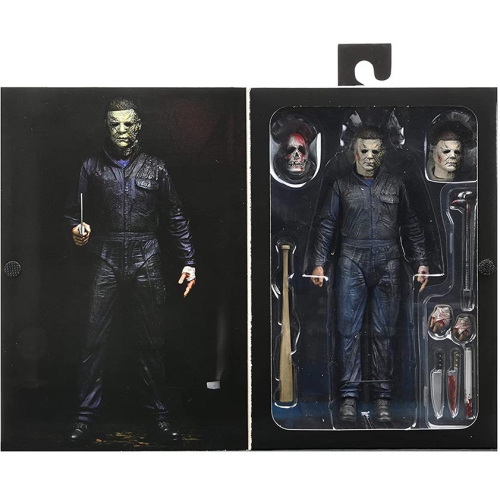 Your price for this item is $81
-
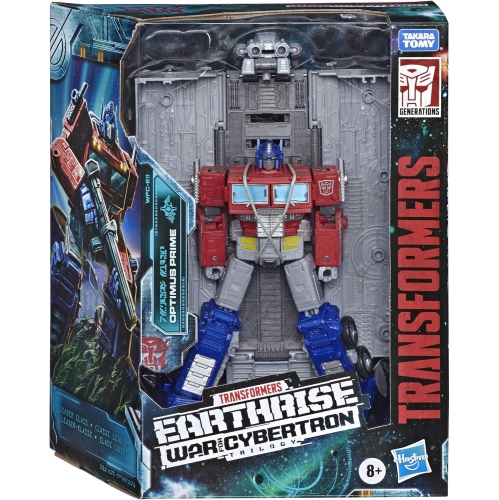 Your price for this item is $79.97
-
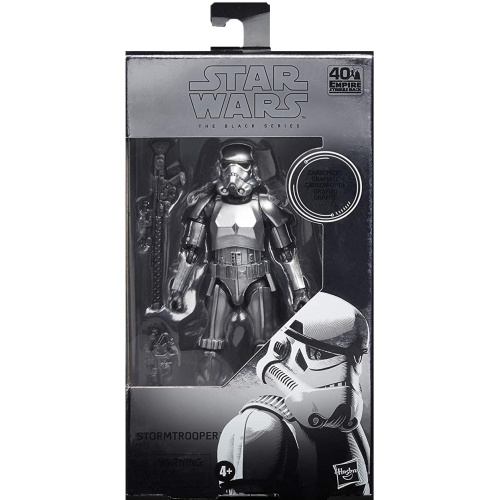 Your price for this item is $46
-
 Your price for this item is $73.59
Discover more categories related to Horror Action Figures


Top Collections:
Pokemon Centers, Best Cameras for Sports Photography, Kindle Devices, Samsung Galaxy Phones, Canon G7X Cameras, Pokémon 30th Celebration Cards, Refurbished Apple Laptops, iPhone 15 Apple, Laptops for Students, Budget Smartphones
Some products may be subject to Environmental Handling Fees
(EHF) depending on your province.
Learn more about EHFs.