Human Anatomy Models
Explore the intricate complexities of the human body with our diverse selection of human anatomy models. Perfect for medical students, educators, or anyone fascinated by the inner workings of the human form, these detailed and lifelike models provide a hands-on learning experience like no other. From skeletal structures to organ systems, each model is designed to enhance understanding and appreciation for the marvels of human biology. Dive into the world of anatomy and physiology with our range of high-quality models that are both educational and visually engaging.
Sort
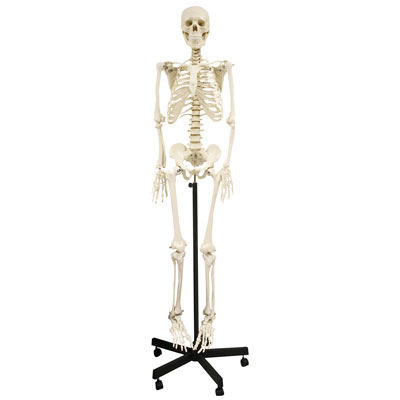
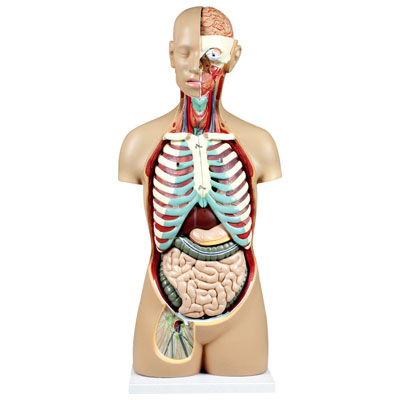
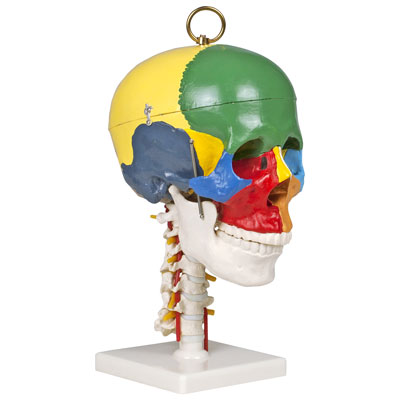
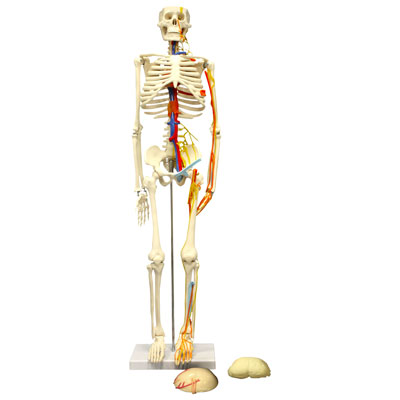
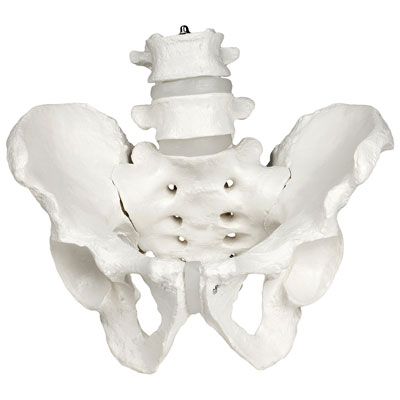
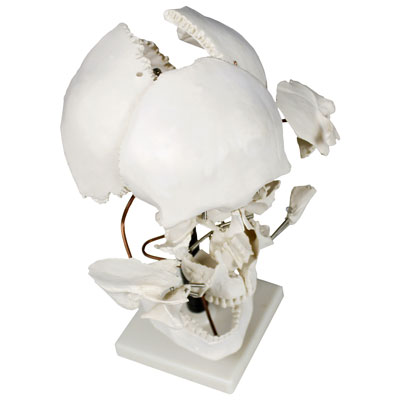
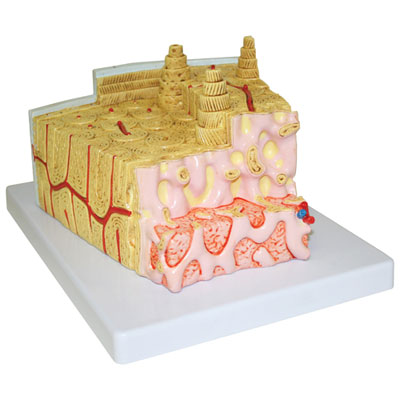
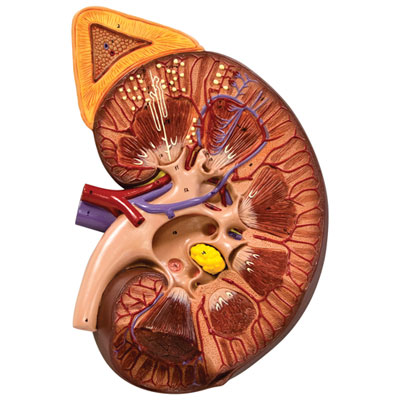
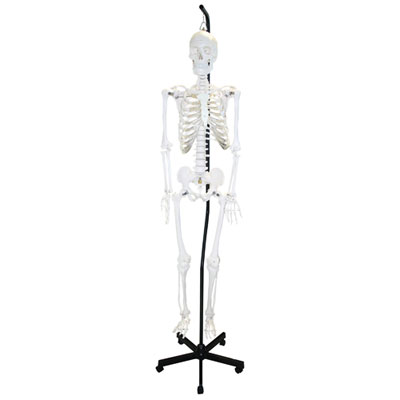
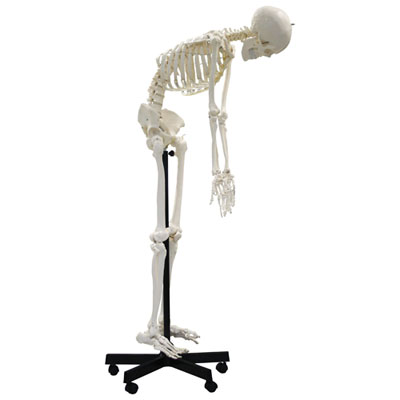
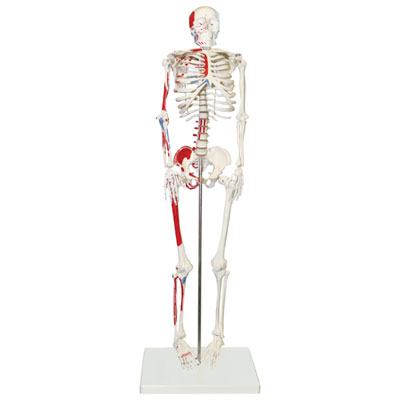
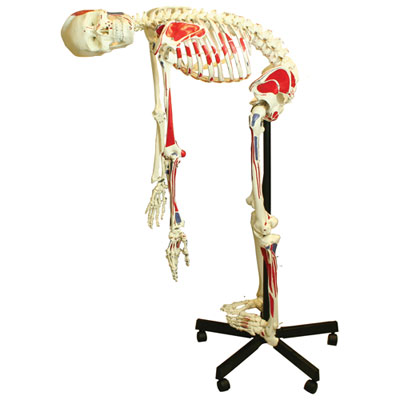
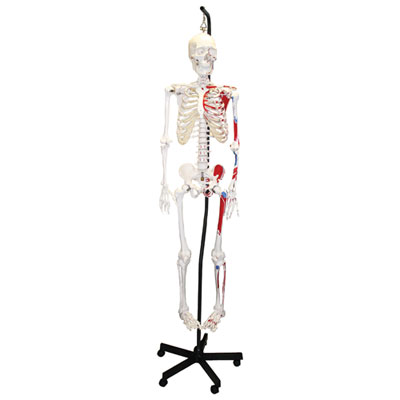
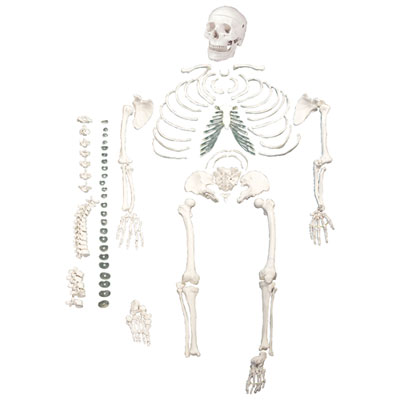
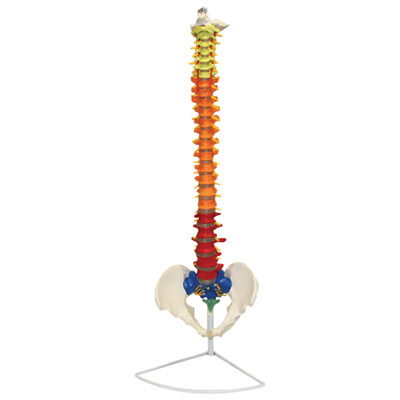
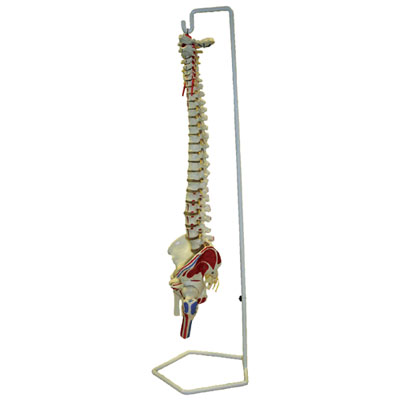
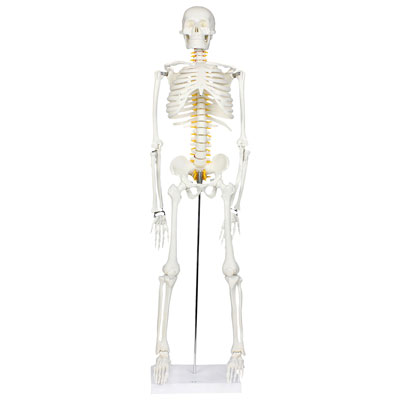
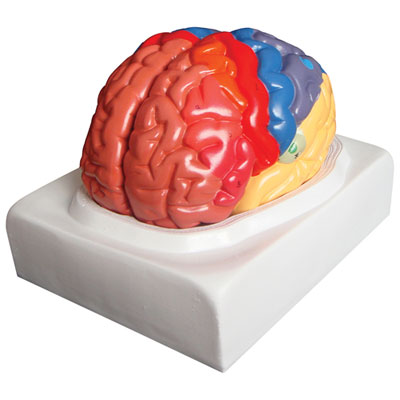
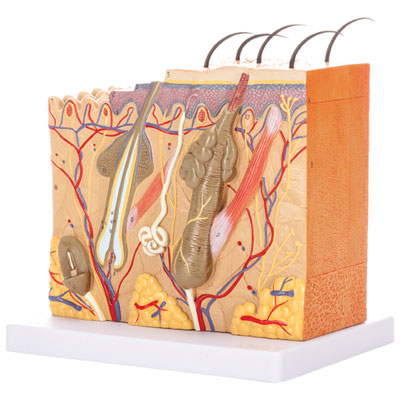
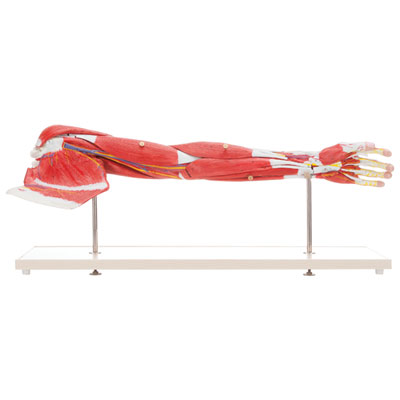

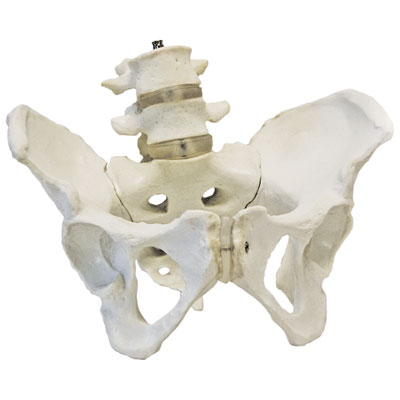
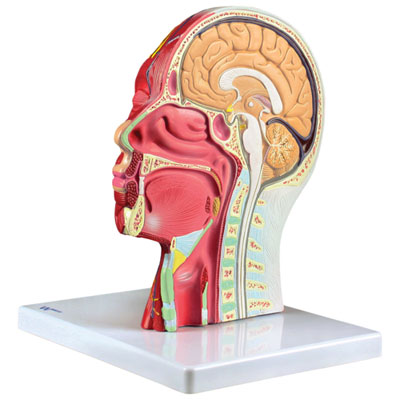
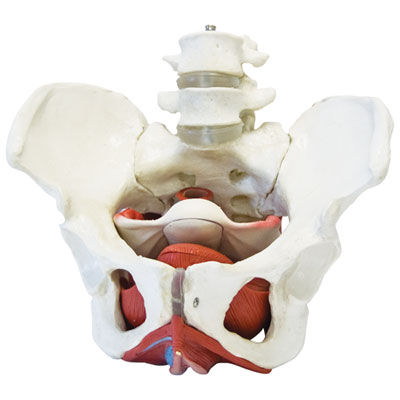
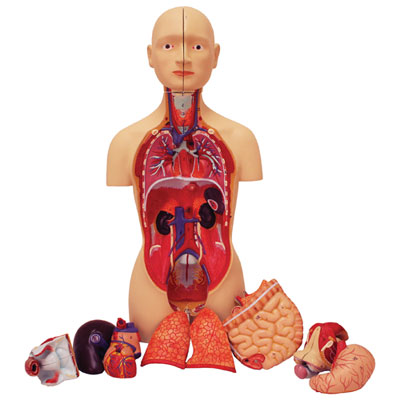
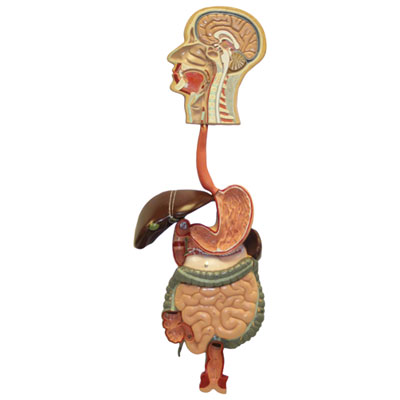
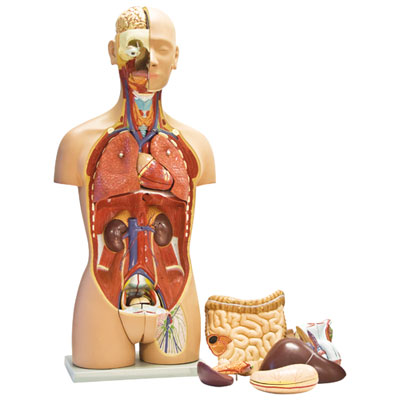
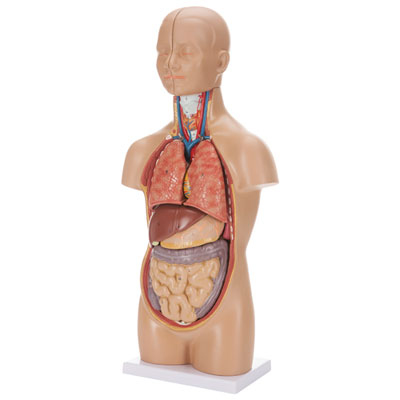
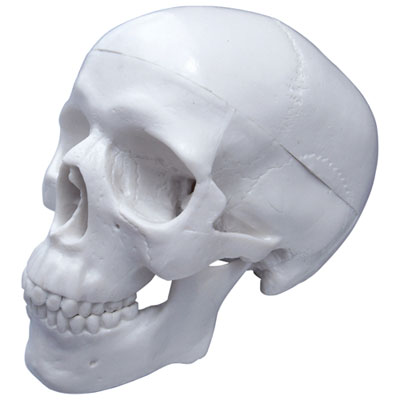

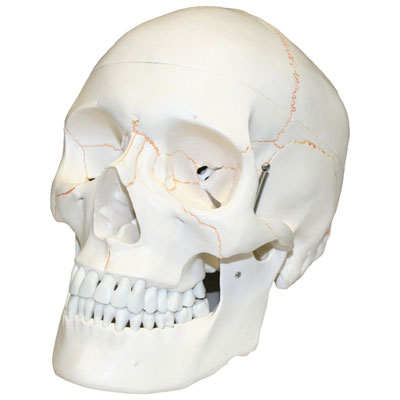
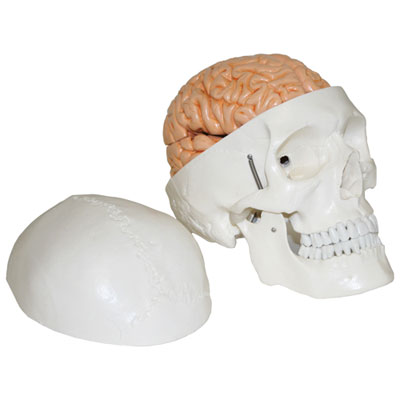
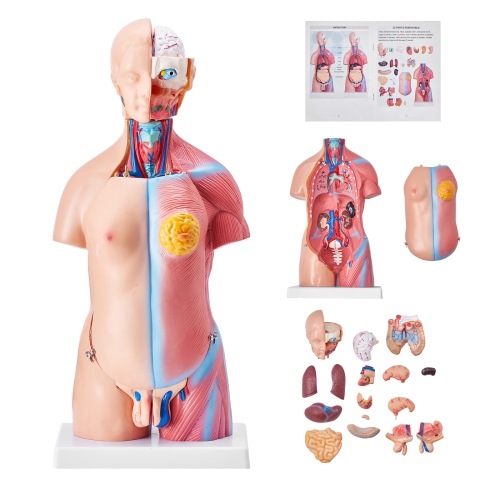
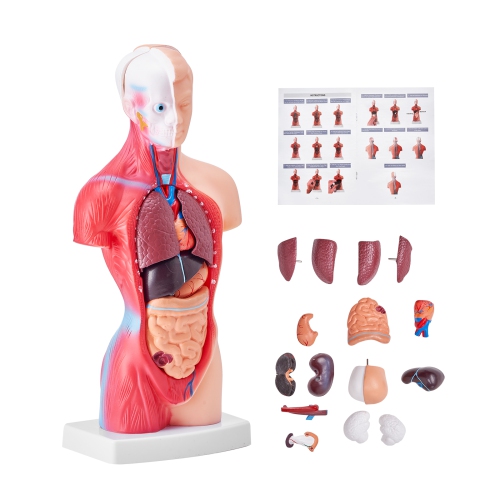
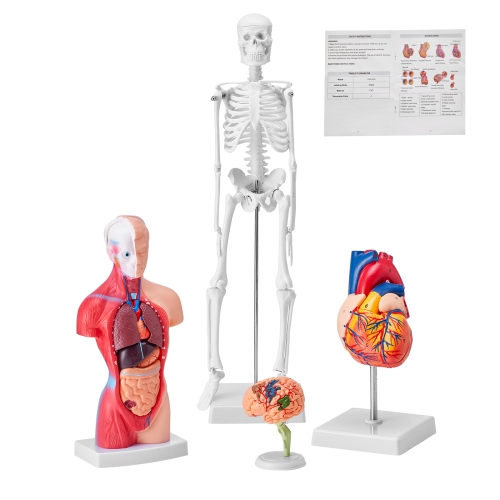
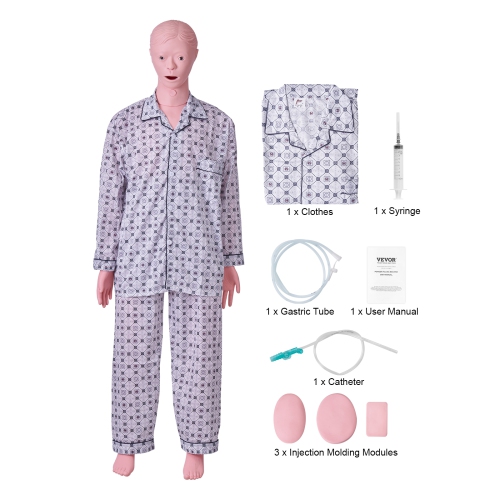
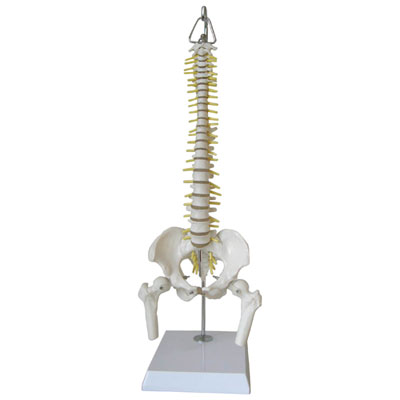
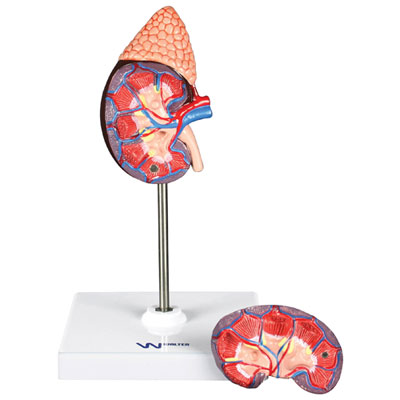
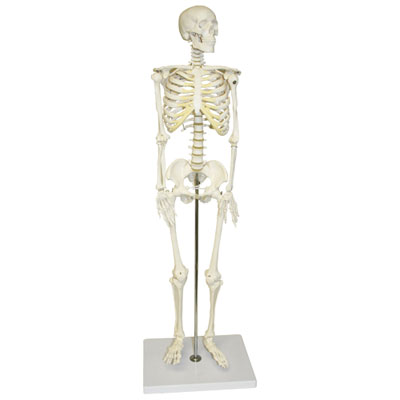
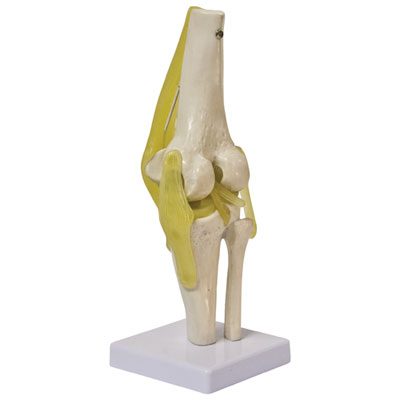
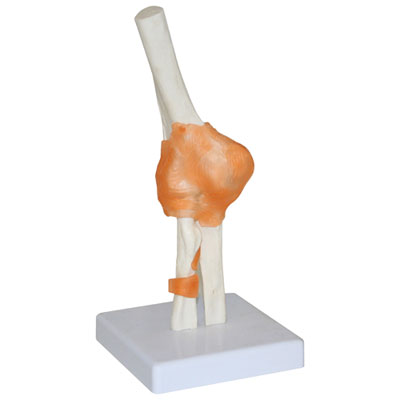
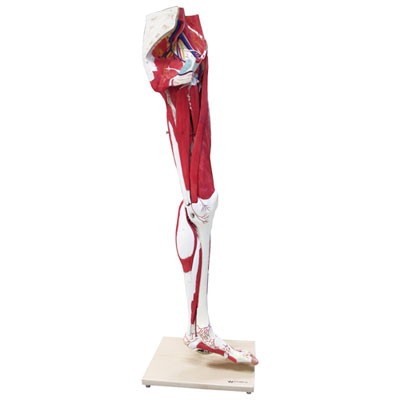
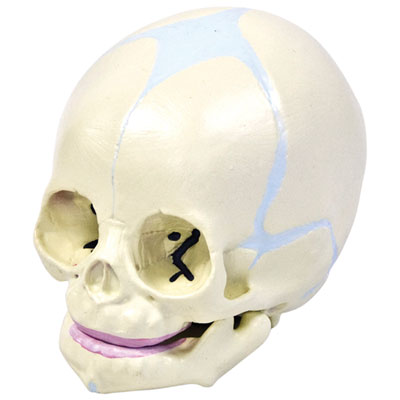
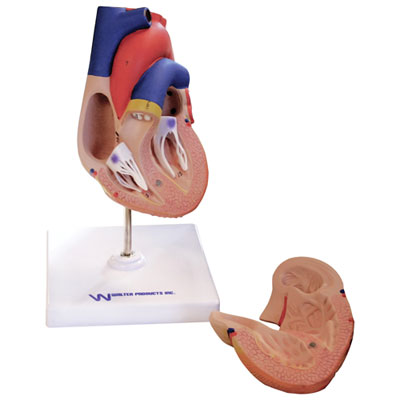
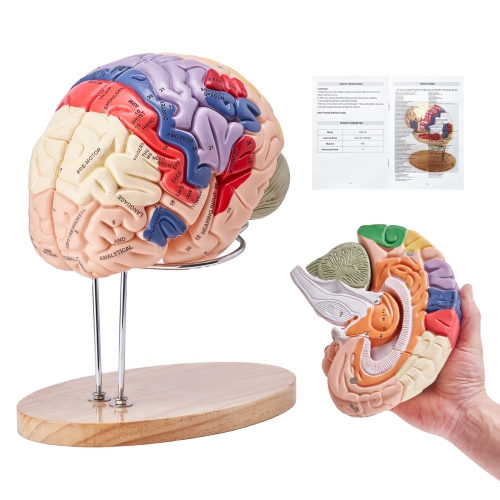
Hands-on models make body systems easier to understand
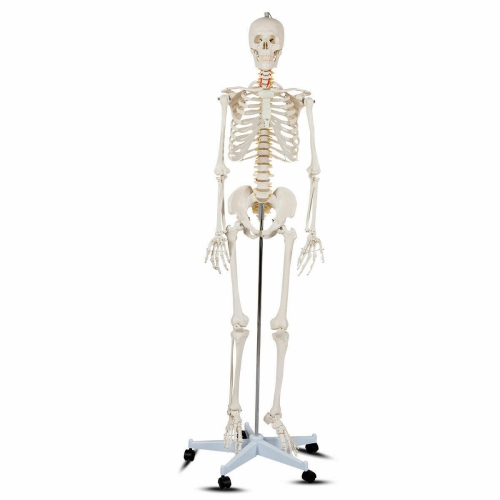
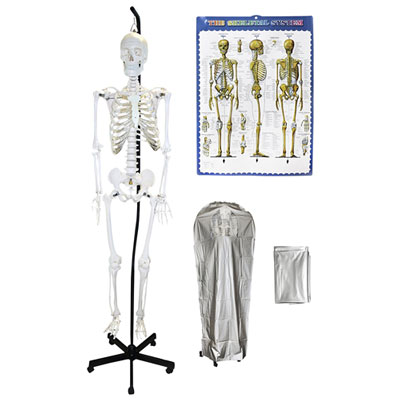
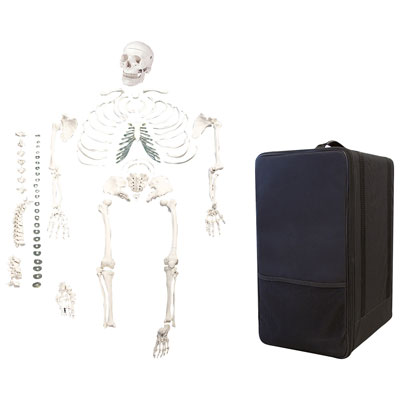
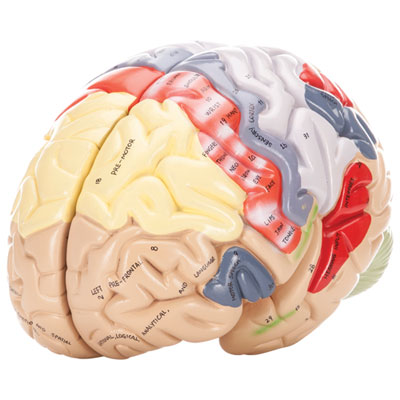
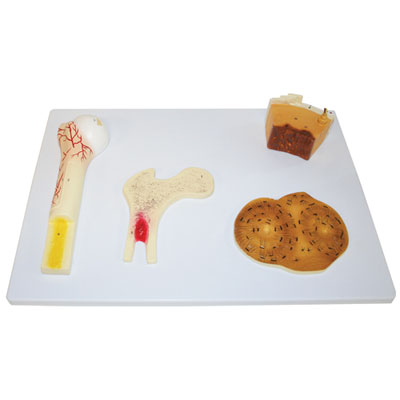
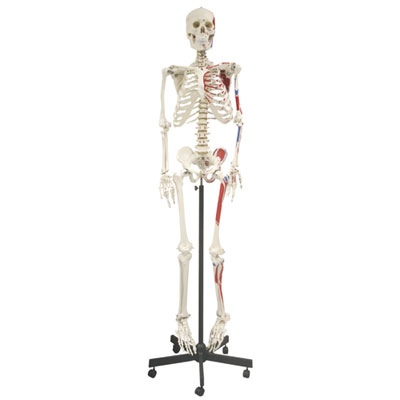
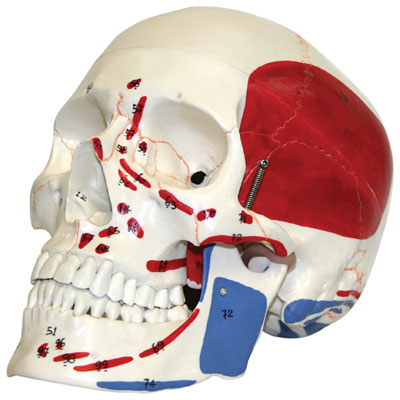
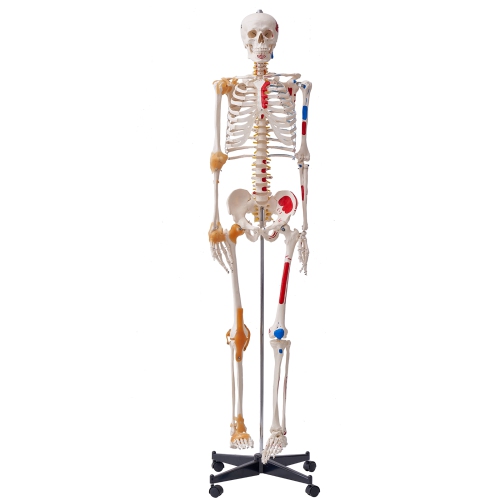
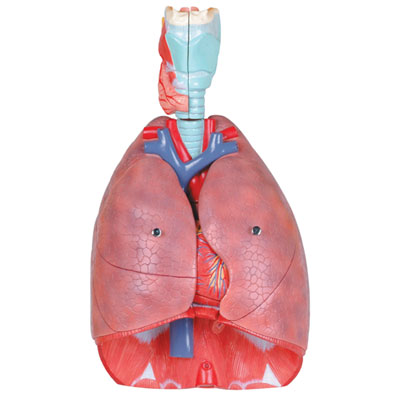
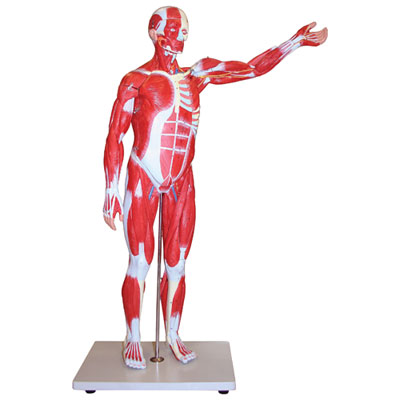
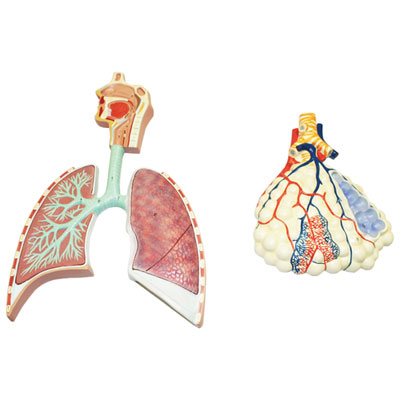
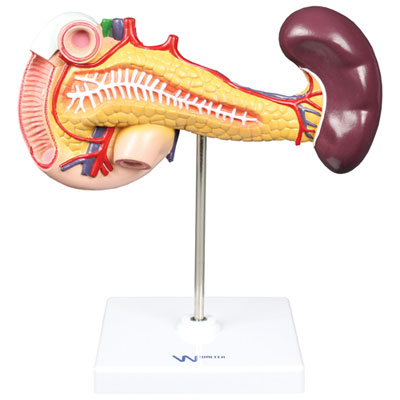
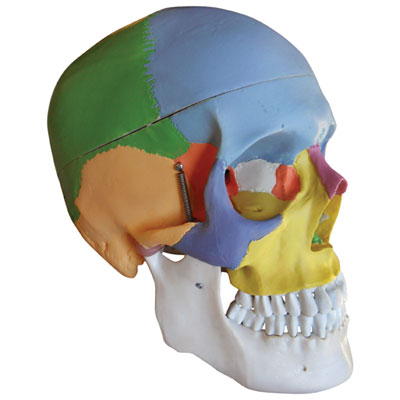
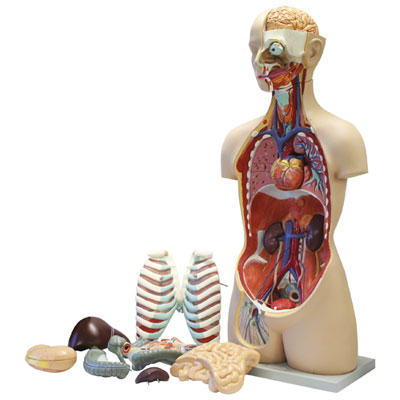
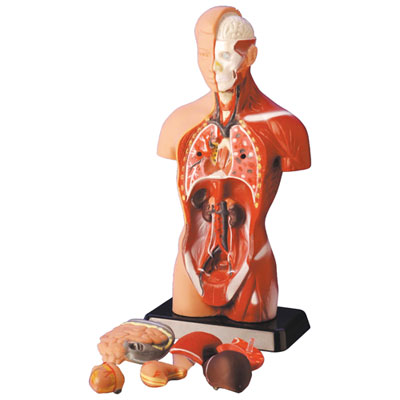
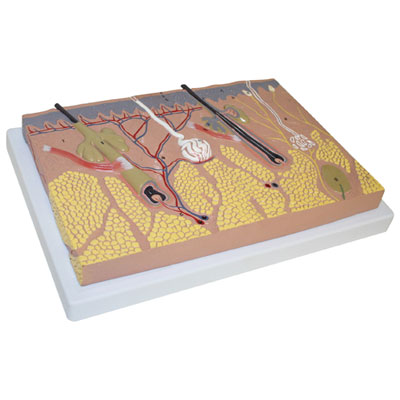
Human anatomy models bring the structure of the body into view in a way that diagrams and digital images cannot always match. A three-dimensional model can show how organs sit within the torso, how bones support movement, how muscles connect across joints, or how the brain, eye, ear, and other body systems are arranged in relation to one another. This makes anatomy models useful for students, educators, healthcare learners, tutors, and curious families who want a more hands-on way to explore biology. They can support lessons at home, in a classroom, study area, clinic, or science room, giving learners something they can rotate, examine, and refer to as they work through a topic. When comparing options, consider the subject being studied first. A full-body model offers a broad overview of the skeletal and muscular systems, while a focused model can make a particular area easier to understand in greater detail. Removable or separated components may help demonstrate how parts fit together, whereas a solid display model can be convenient for quick reference or decoration. Clear labelling is especially helpful for beginners, while more detailed models may suit advanced students who are learning terminology, connections, and functions. Scale also matters: a larger model can make small features easier to see during a presentation, while a compact design may fit more comfortably on a desk, shelf, or bedside table. Look for sturdy construction, a stable base when included, and parts that are easy to handle without losing their position. The best choice is one that matches the learner’s age, level of study, available space, and preferred learning style.
For children, anatomy models can turn a science lesson into an inviting activity rather than a page of unfamiliar words. A young learner might begin by identifying the skull, rib cage, spine, and limbs, then gradually build an understanding of how bones protect organs and help the body move. Older students may use models to review muscles, joints, organs, or the circulatory and respiratory systems while preparing assignments and exams. In a family setting, a model can sit on a kitchen table during a homework session, with conversation moving naturally from the names of body parts to questions about breathing, digestion, balance, and movement. Teachers and tutors can use these displays for demonstrations, small-group instruction, or revision stations, allowing learners to view the same structure from different angles. They can also help people who learn best through touch and spatial relationships, since handling a model creates a stronger sense of proportion and placement than reading a label alone. For art students, anatomy models can provide a useful reference when practising the shape and movement of the human form. For fitness learners, they can help illustrate the muscles and joints involved in common exercises, while healthcare students may use more specialized models to reinforce classroom instruction. These products can also make thoughtful gifts for aspiring doctors, nurses, physiotherapists, science enthusiasts, and children who enjoy building, observing, and asking detailed questions. A model does not need to be put away after a lesson; displayed on a shelf or desk, it can become a visual reminder of a subject that grows more interesting as the learner’s knowledge develops. During the cooler months, when indoor projects and study routines often take up more time, an anatomy model can add a tactile, focused element to learning without relying entirely on a screen.
When choosing among human anatomy models, think about how the item will be used from day to day. A student who needs to carry it between rooms may benefit from a lighter design with parts that stay securely in place, while a classroom may call for a larger model that several learners can view at once. If the model will be handled frequently, check that its components are clearly distinguished and that removable pieces are straightforward to reassemble. For display, consider the available surface and whether the model can stand independently; a stable base can be valuable when the item is used during explanations or left out between study sessions. Labels, colour coding, and accompanying information can make a model more approachable, but uncluttered shapes may be preferable for learners who want to focus on form and position. It is also worth considering whether the model is intended for introductory learning, detailed study, or general visual reference, since the level of detail can vary considerably. A well-selected model can complement textbooks, flashcards, classroom demonstrations, and online resources, giving learners a physical point of reference when a diagram feels abstract. Those looking for a broader exploration of the skeletal system may also wish to browse Anatomical Skeletons for related options. Whether placed in a child’s study nook, a student’s workspace, a teaching environment, or a home science collection, human anatomy models offer a lasting way to observe the body’s structure. They invite careful looking, repeated practice, and the kind of discovery that often begins with identifying one small feature and ends with a much clearer picture of how the whole body works together.
For children, anatomy models can turn a science lesson into an inviting activity rather than a page of unfamiliar words. A young learner might begin by identifying the skull, rib cage, spine, and limbs, then gradually build an understanding of how bones protect organs and help the body move. Older students may use models to review muscles, joints, organs, or the circulatory and respiratory systems while preparing assignments and exams. In a family setting, a model can sit on a kitchen table during a homework session, with conversation moving naturally from the names of body parts to questions about breathing, digestion, balance, and movement. Teachers and tutors can use these displays for demonstrations, small-group instruction, or revision stations, allowing learners to view the same structure from different angles. They can also help people who learn best through touch and spatial relationships, since handling a model creates a stronger sense of proportion and placement than reading a label alone. For art students, anatomy models can provide a useful reference when practising the shape and movement of the human form. For fitness learners, they can help illustrate the muscles and joints involved in common exercises, while healthcare students may use more specialized models to reinforce classroom instruction. These products can also make thoughtful gifts for aspiring doctors, nurses, physiotherapists, science enthusiasts, and children who enjoy building, observing, and asking detailed questions. A model does not need to be put away after a lesson; displayed on a shelf or desk, it can become a visual reminder of a subject that grows more interesting as the learner’s knowledge develops. During the cooler months, when indoor projects and study routines often take up more time, an anatomy model can add a tactile, focused element to learning without relying entirely on a screen.
When choosing among human anatomy models, think about how the item will be used from day to day. A student who needs to carry it between rooms may benefit from a lighter design with parts that stay securely in place, while a classroom may call for a larger model that several learners can view at once. If the model will be handled frequently, check that its components are clearly distinguished and that removable pieces are straightforward to reassemble. For display, consider the available surface and whether the model can stand independently; a stable base can be valuable when the item is used during explanations or left out between study sessions. Labels, colour coding, and accompanying information can make a model more approachable, but uncluttered shapes may be preferable for learners who want to focus on form and position. It is also worth considering whether the model is intended for introductory learning, detailed study, or general visual reference, since the level of detail can vary considerably. A well-selected model can complement textbooks, flashcards, classroom demonstrations, and online resources, giving learners a physical point of reference when a diagram feels abstract. Those looking for a broader exploration of the skeletal system may also wish to browse Anatomical Skeletons for related options. Whether placed in a child’s study nook, a student’s workspace, a teaching environment, or a home science collection, human anatomy models offer a lasting way to observe the body’s structure. They invite careful looking, repeated practice, and the kind of discovery that often begins with identifying one small feature and ends with a much clearer picture of how the whole body works together.
Top selling and popular products
-
 Your price for this item is $123.95
 -
 Your price for this item is $51.99
 -
 Your price for this item is $31.94
 -
 Your price for this item is $82.13
 -
 Your price for this item is $250
 -
 Your price for this item is $149
 -
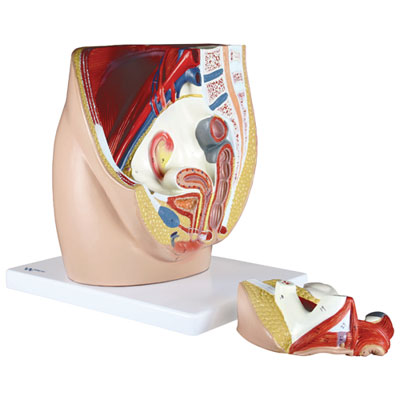 Your price for this item is $225
 -
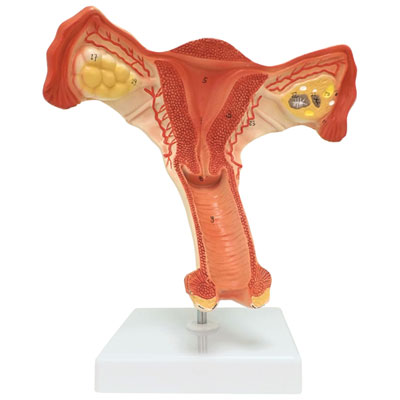 Your price for this item is $150
Discover more categories related to Human Anatomy Models
Top Collections:
Pokemon Centers, Kindle Devices, Best Budget Office Chairs, Apple iPhones 16, Best Laptops for Writers, iPhone 15 Apple, Canon G7X Cameras, Refurbished Apple Laptops, Alarm Clock, Motorola Razr Phones
Some products may be subject to Environmental Handling Fees
(EHF) depending on your province.
Learn more about EHFs.