Human Skeleton Models
Explore our collection of human skeleton models designed to provide a detailed and accurate representation of the human skeletal system. Perfect for educational purposes, medical professionals, or anyone with an interest in anatomy, these models are crafted with precision and attention to detail. Whether you are studying bone structure, teaching a biology class, or enhancing your medical practice, our range of human skeleton models offers a comprehensive visual aid to better understand the complexity of the human body.
Sort
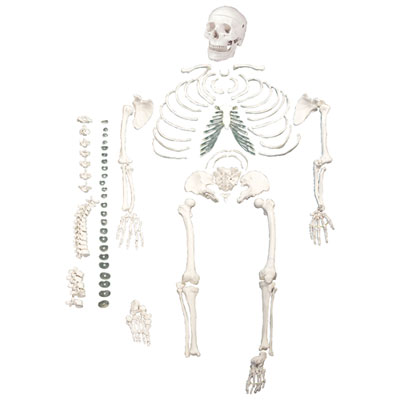
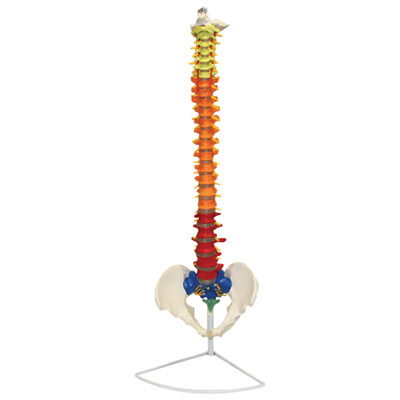
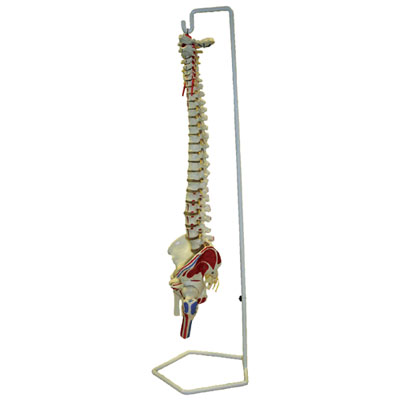
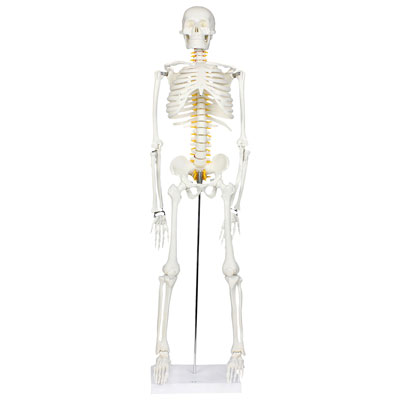
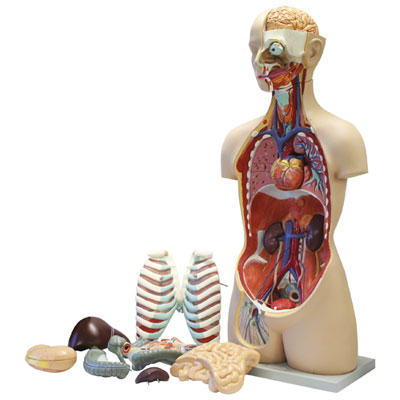

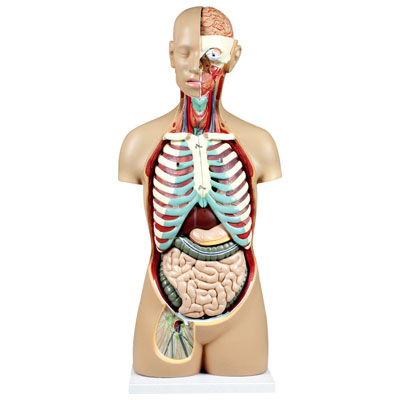
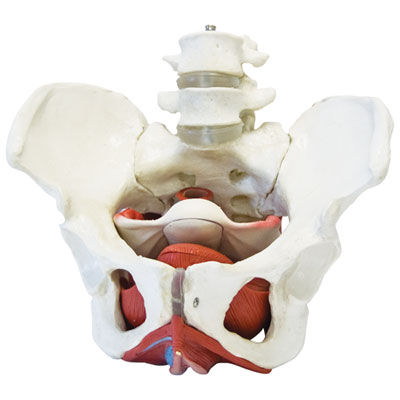
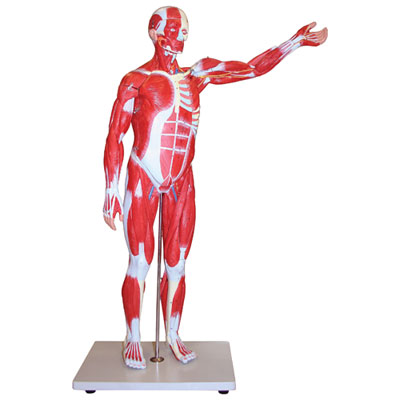
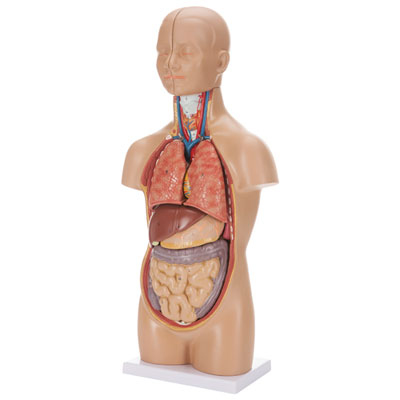
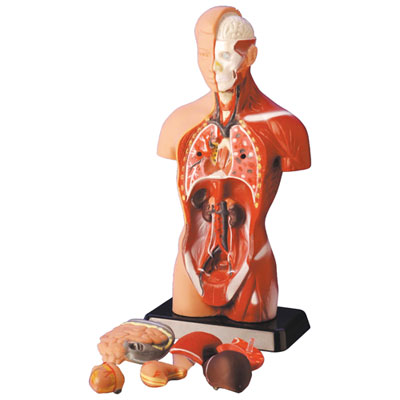
See how three-dimensional models bring human anatomy to life
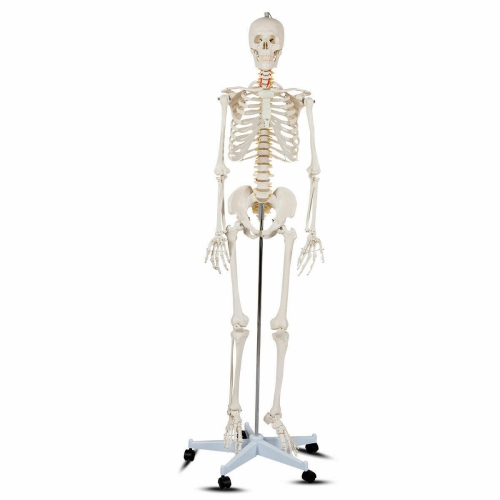
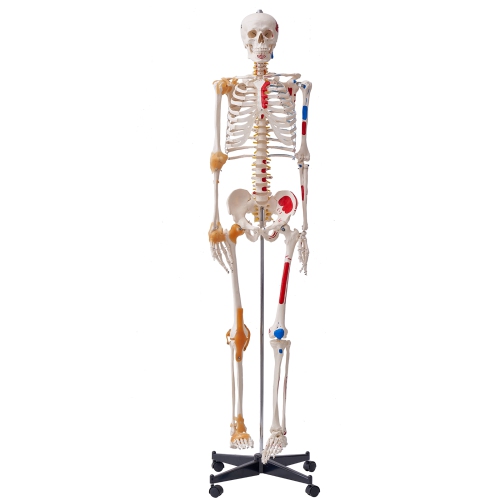
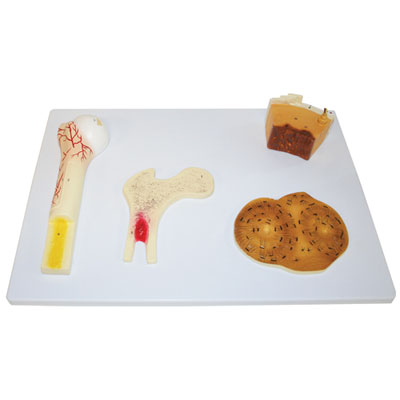
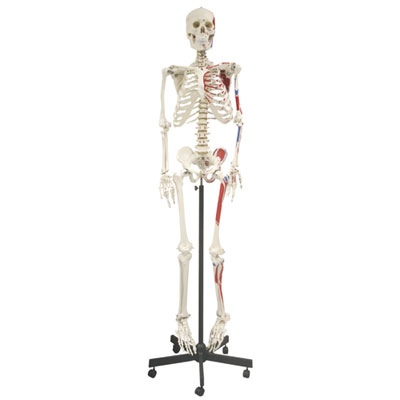
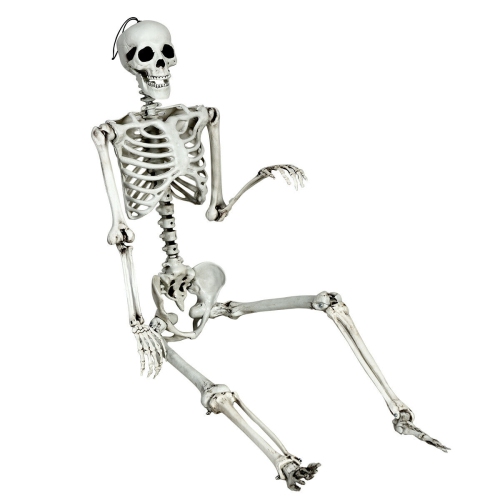
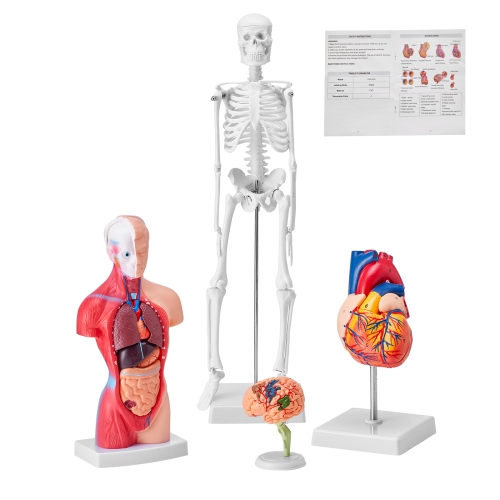
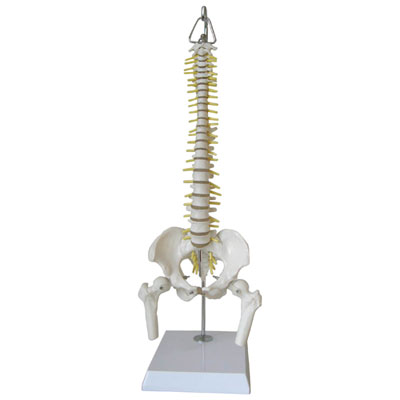
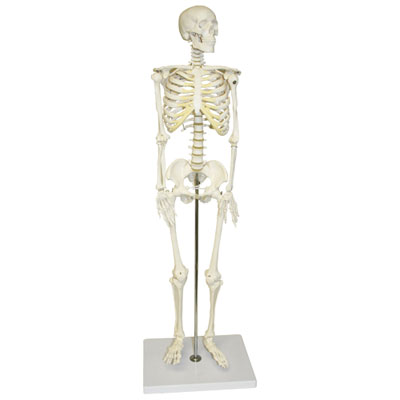
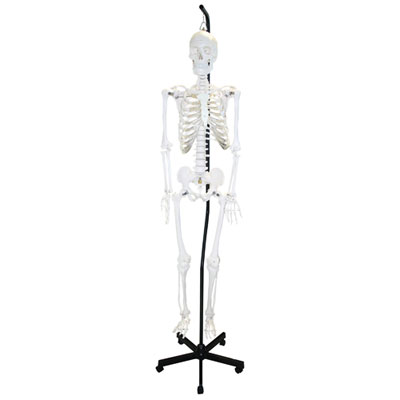
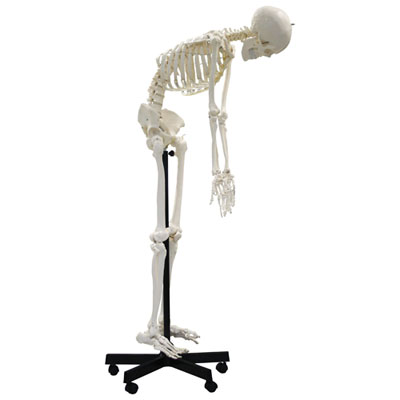
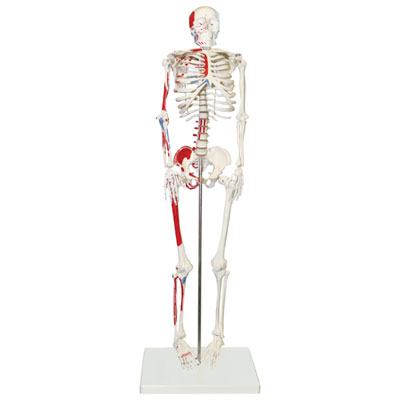
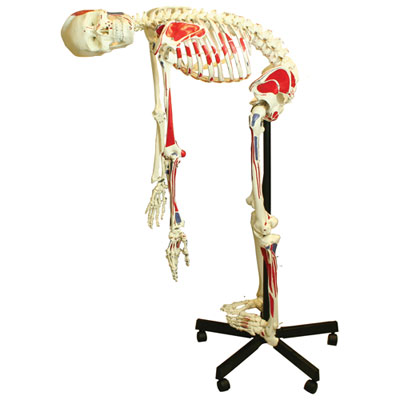
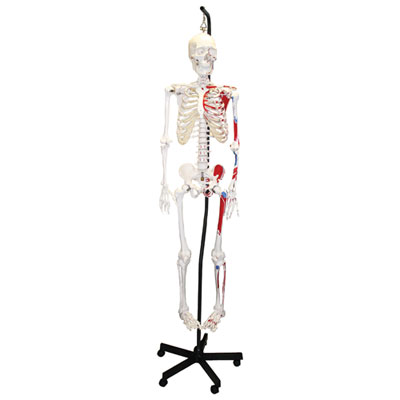
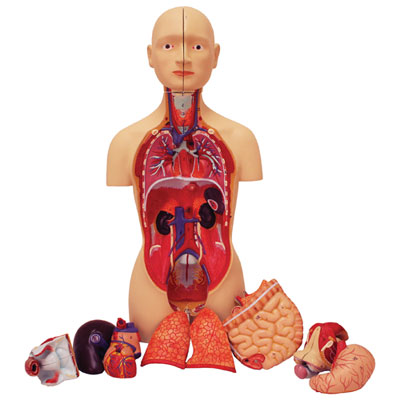
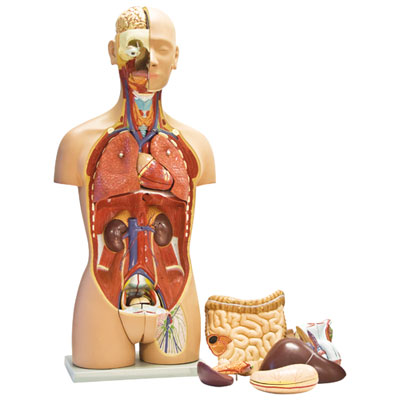
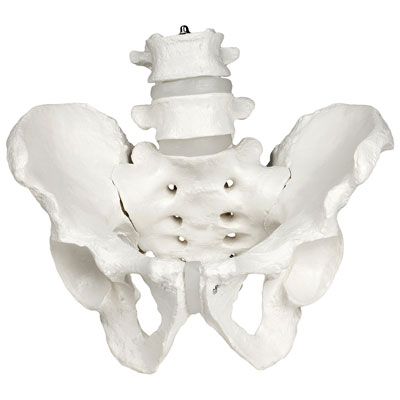
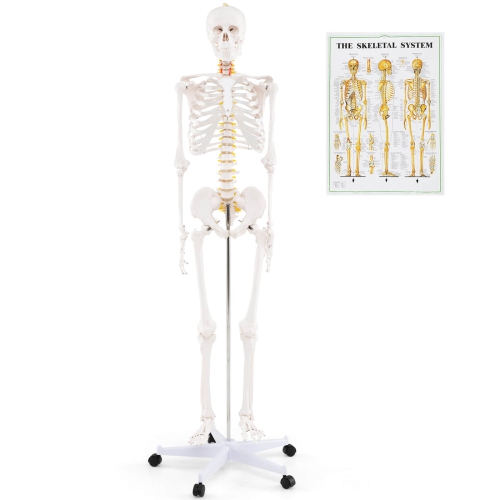
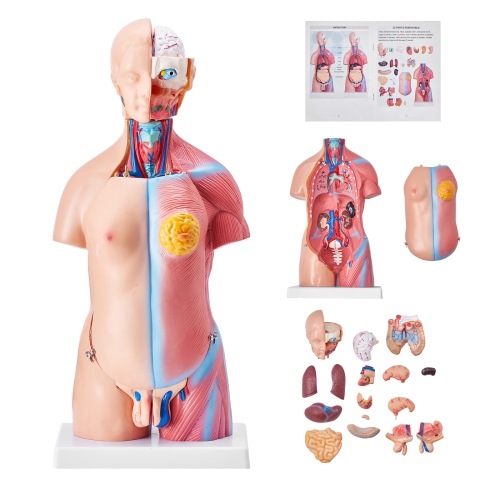
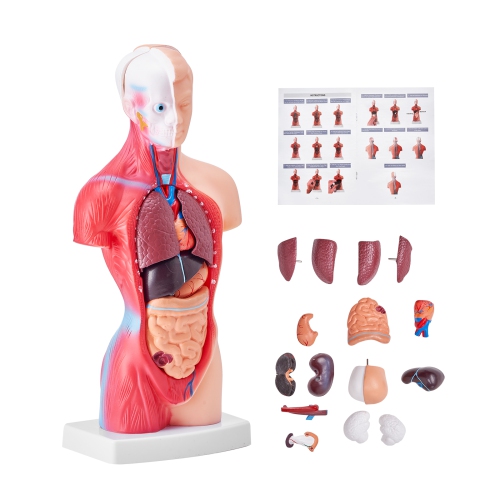
Human skeleton models provide a clear, hands-on way to explore the structure of the human body. Unlike diagrams or textbook illustrations, a three-dimensional model shows how the skull, spine, ribs, pelvis, arms and legs relate to one another in space. This makes anatomy easier to understand for students, educators, healthcare professionals, artists and anyone with a lasting interest in the way the body is built. In a classroom, a model can turn an abstract lesson into something tangible, with students following the curve of the spine, identifying the different sections of the rib cage or observing how the bones of the forearm meet the hand. At home, a compact model can sit on a desk or shelf as a study aid, conversation piece or unusual educational gift. It may also appeal to aspiring medical students, physiotherapy learners, fitness professionals, massage therapy students and artists who want a dependable reference for proportions and skeletal landmarks. For a broader selection of educational anatomy displays, explore Human Anatomy Models. Whether the intended setting is a school, clinic, laboratory, studio or home study space, the right model can make complex information feel more approachable and memorable.
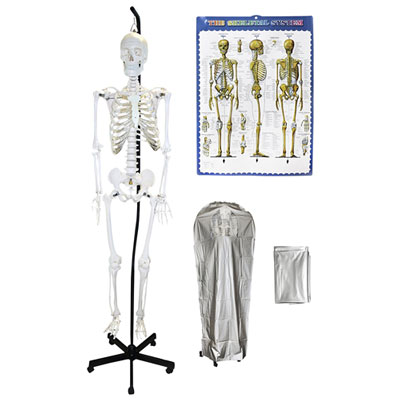
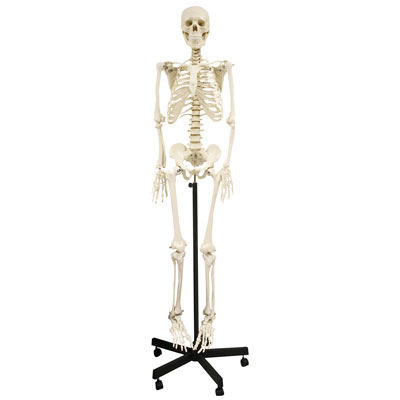
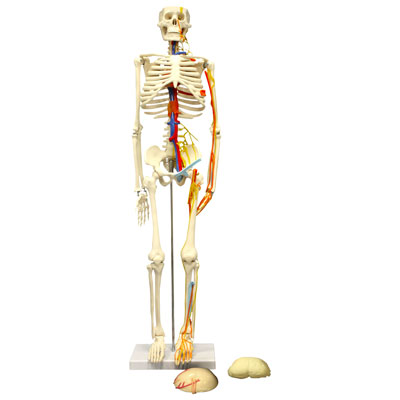
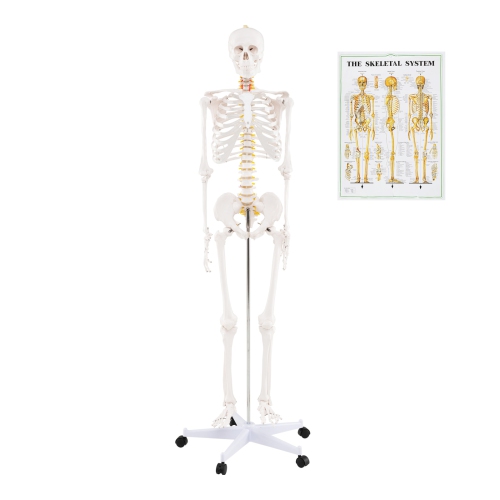
Size is one of the first details to consider when comparing human skeleton models. Life-size versions, generally representing an adult at approximately 5 feet 5 inches to 5 feet 9 inches, offer a full-scale view that is useful for lectures, demonstrations and detailed study. Their height makes it easier to show relationships between major bones, joint positions and the overall alignment of the body, although they typically require more floor or storage space. Some are designed to stand on a base or rolling caster stand, allowing an instructor or clinician to move the model between rooms without lifting it. Tabletop and miniature models, often measuring roughly 31 inches to 35 inches, are easier to place beside a computer, notebook or treatment table. They can be especially practical for younger learners, small classrooms, home offices and anyone who needs a portable reference. When choosing between the two, consider who will handle the model, where it will be stored and whether it needs to be seen by a group or used for individual study. A model that is too large for the available room may spend more time in a cupboard than in use, while a compact version may be ideal for close examination at a desk. Look for durable, washable PVC construction when regular handling is expected, and check that the base, stand and connecting points feel secure enough for repeated demonstrations.
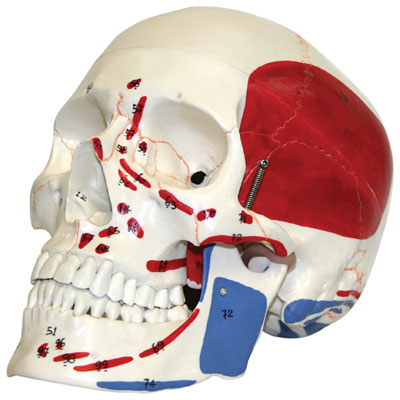
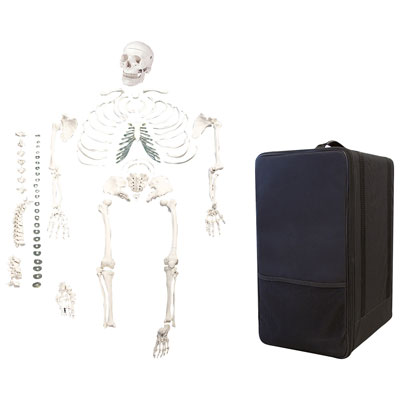
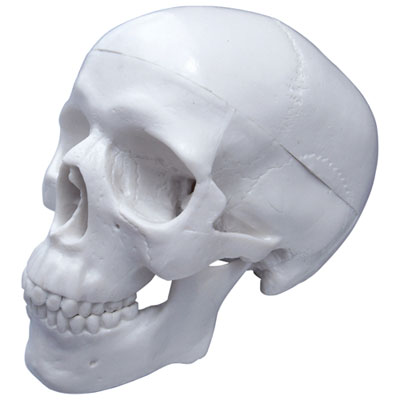
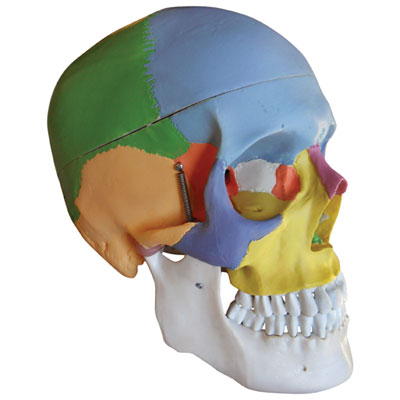
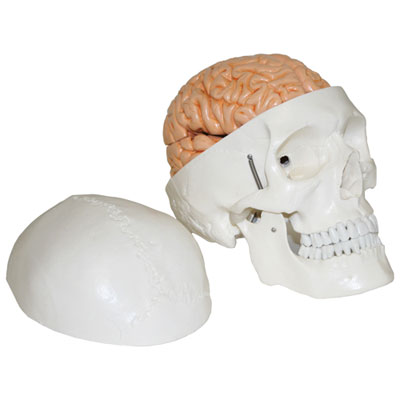
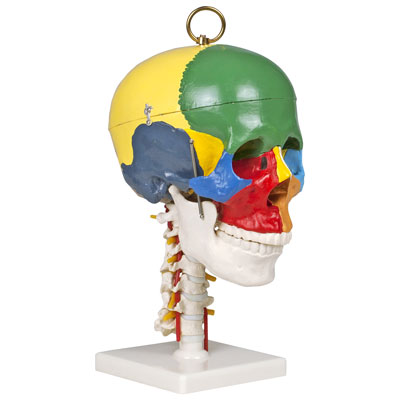
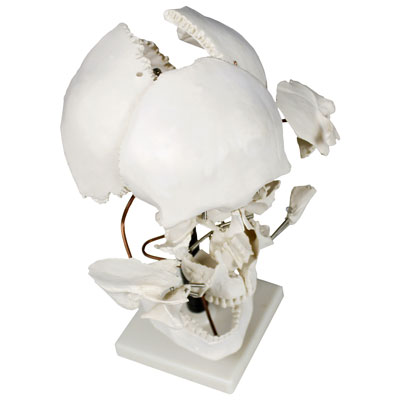
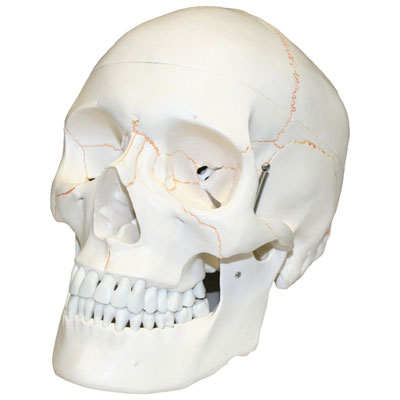
The level of articulation can make a meaningful difference in how a human skeleton model is used. Movable shoulders, elbows, wrists, hips, knees and ankles can help demonstrate natural body movement, while a flexible spine can show how the vertebrae align and curve as the body bends. A movable jaw is useful when discussing the skull and facial structure, and removable limbs can support closer examination of individual bones and joints. Models with numbered or labelled bones may be helpful for introductory study, revision sessions and classroom activities, while more advanced designs may include painted muscle origins and insertions, detailed bone markings, nerve pathways or vascular overlays. A multi-part skull with a removable cap can provide a closer look at the cranial cavity, facial bones and jaw structure, although smaller detachable components should be handled carefully and stored together. For medical offices and teaching labs, a full-scale, highly articulated model may support patient explanations by making unfamiliar terms easier to visualize. In a fitness or rehabilitation setting, it can help illustrate posture, joint alignment and the skeletal foundations of movement without relying solely on a screen. Digital three-dimensional anatomy tools can offer rotation, zooming and layered views for users working in virtual learning, design or VR environments, while a physical model provides a constant reference that can be touched, repositioned and viewed from any angle. Prices can range from about $60 for basic tabletop versions to $1,000 or more for highly detailed, medical-grade models, so the best choice depends on the required scale, articulation, materials, labels and intended frequency of use.
Size is one of the first details to consider when comparing human skeleton models. Life-size versions, generally representing an adult at approximately 5 feet 5 inches to 5 feet 9 inches, offer a full-scale view that is useful for lectures, demonstrations and detailed study. Their height makes it easier to show relationships between major bones, joint positions and the overall alignment of the body, although they typically require more floor or storage space. Some are designed to stand on a base or rolling caster stand, allowing an instructor or clinician to move the model between rooms without lifting it. Tabletop and miniature models, often measuring roughly 31 inches to 35 inches, are easier to place beside a computer, notebook or treatment table. They can be especially practical for younger learners, small classrooms, home offices and anyone who needs a portable reference. When choosing between the two, consider who will handle the model, where it will be stored and whether it needs to be seen by a group or used for individual study. A model that is too large for the available room may spend more time in a cupboard than in use, while a compact version may be ideal for close examination at a desk. Look for durable, washable PVC construction when regular handling is expected, and check that the base, stand and connecting points feel secure enough for repeated demonstrations.
The level of articulation can make a meaningful difference in how a human skeleton model is used. Movable shoulders, elbows, wrists, hips, knees and ankles can help demonstrate natural body movement, while a flexible spine can show how the vertebrae align and curve as the body bends. A movable jaw is useful when discussing the skull and facial structure, and removable limbs can support closer examination of individual bones and joints. Models with numbered or labelled bones may be helpful for introductory study, revision sessions and classroom activities, while more advanced designs may include painted muscle origins and insertions, detailed bone markings, nerve pathways or vascular overlays. A multi-part skull with a removable cap can provide a closer look at the cranial cavity, facial bones and jaw structure, although smaller detachable components should be handled carefully and stored together. For medical offices and teaching labs, a full-scale, highly articulated model may support patient explanations by making unfamiliar terms easier to visualize. In a fitness or rehabilitation setting, it can help illustrate posture, joint alignment and the skeletal foundations of movement without relying solely on a screen. Digital three-dimensional anatomy tools can offer rotation, zooming and layered views for users working in virtual learning, design or VR environments, while a physical model provides a constant reference that can be touched, repositioned and viewed from any angle. Prices can range from about $60 for basic tabletop versions to $1,000 or more for highly detailed, medical-grade models, so the best choice depends on the required scale, articulation, materials, labels and intended frequency of use.
Top selling and popular products
-
 Your price for this item is $123.95
 -
 Your price for this item is $51.99
 -
 Your price for this item is $31.94
 -
 Your price for this item is $82.13
 -
 Your price for this item is $250
 -
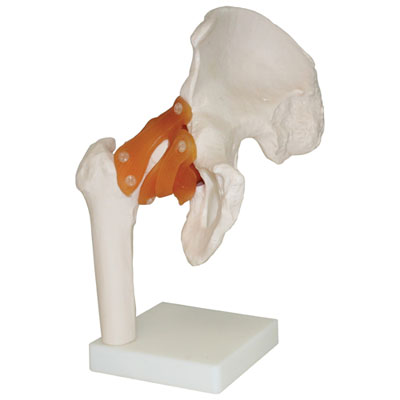 Your price for this item is $149
 -
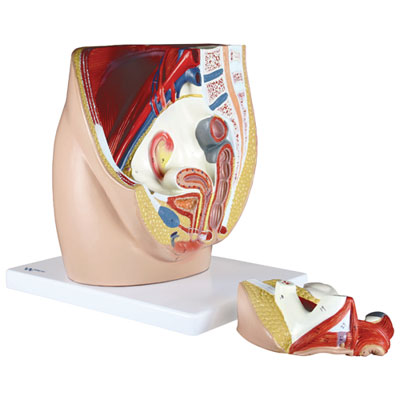 Your price for this item is $225
 -
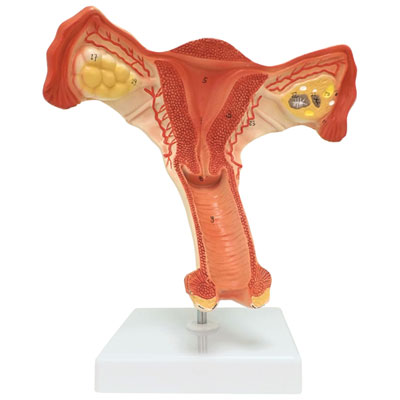 Your price for this item is $150
Discover more categories related to Human Skeleton Models

Top Collections:
Pokemon Centers, Kindle Devices, Best Budget Office Chairs, Apple iPhones 16, Best Laptops for Writers, iPhone 15 Apple, Canon G7X Cameras, Refurbished Apple Laptops, Alarm Clock, Motorola Razr Phones
Some products may be subject to Environmental Handling Fees
(EHF) depending on your province.
Learn more about EHFs.