Infant Stacking Rings
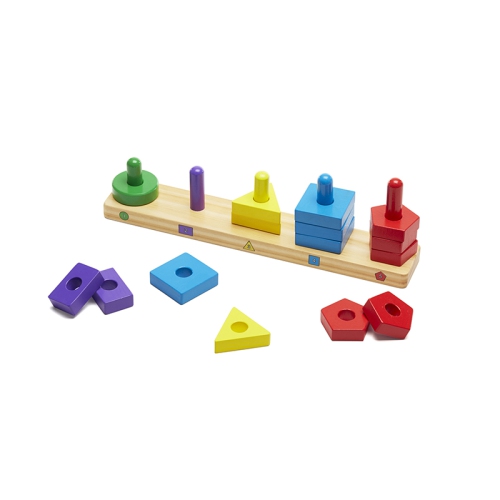
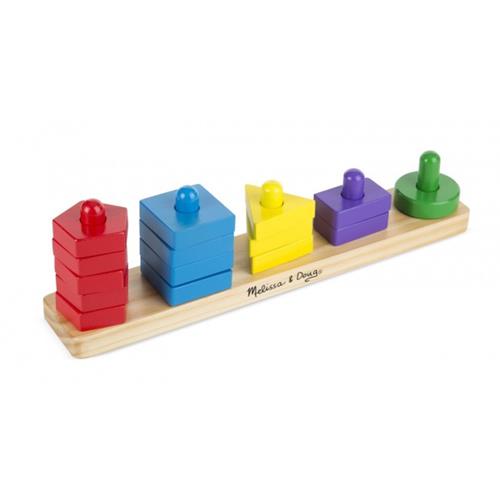
Infant stacking rings are a timeless classic that captivate the curiosity and imagination of little ones. Designed to enhance fine motor skills, hand-eye coordination, and cognitive development, these colorful rings offer endless opportunities for creative play. Whether your baby is just beginning to explore or is ready to tackle more complex challenges, stacking rings provide a versatile and engaging experience. With their vibrant colors and safe materials, they are an essential addition to any nursery or playroom, promising hours of educational fun for both infants and parents alike. Discover how this simple yet effective toy can support your child's growth and development in delightful ways.
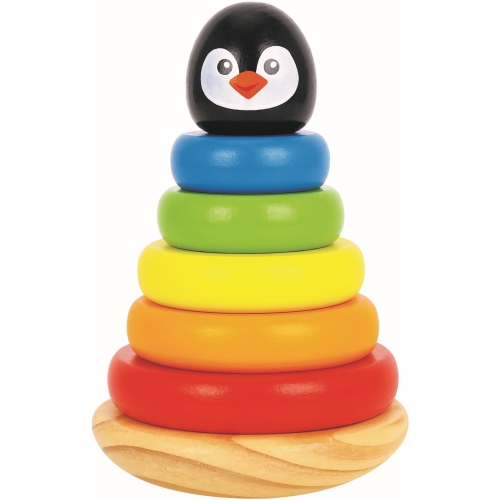
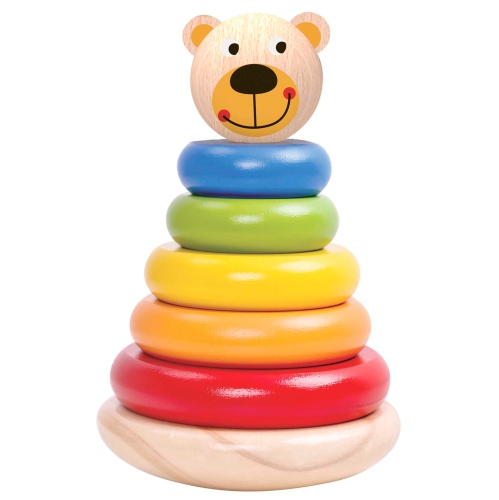
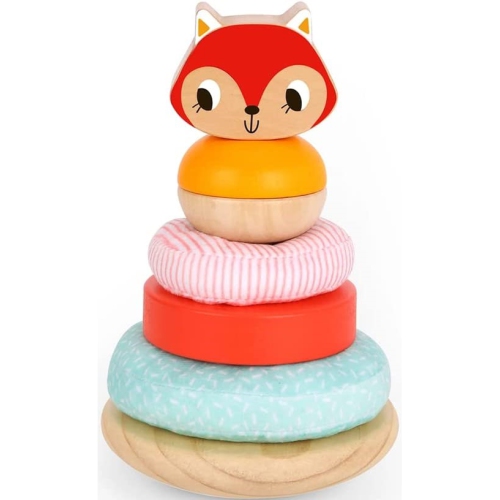
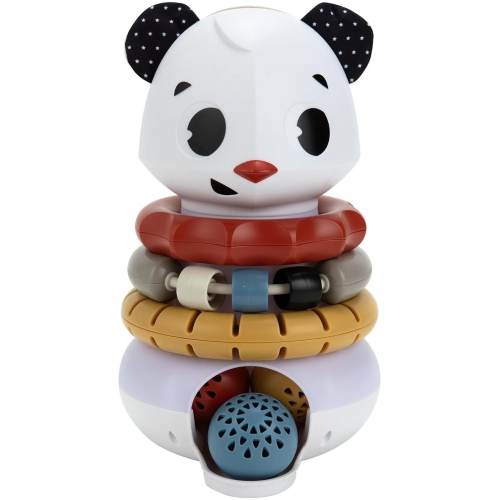
Little hands learn before the first ring is stacked
Materials, proportions, and construction influence how infant stacking rings feel in the hand and how easily they fit into an everyday play routine. Plastic rings can offer a smooth, lightweight surface, while silicone designs may have a softer, more flexible feel. Wooden stacking rings have a firm texture and a different weight, with finishes and cleaning requirements that deserve attention. Material alone does not establish whether a toy is suitable for mouthing, chewing, or use in water; those uses need to be expressly supported by the manufacturer. A ring that a baby naturally brings towards their mouth is not automatically a teething toy. For comfortable handling, the outer shape, thickness, and opening all matter. Rounded rings with manageable proportions can be easier for small hands to hold, while ridges or gently varied surfaces offer additional points of contact. The relationship between the rings and the post also changes the challenge: a generous opening may be more forgiving during early attempts, whereas a closer fit can require more precise alignment. A broad base can help keep the stacker upright on a firm, level play surface, though babies will still knock it over as part of experimenting. Short, rounded, or flexible supports are design details worth considering alongside the stated age range. Durability matters because rings are likely to be dropped, knocked together, and handled repeatedly. Secure construction, smooth edges, and intact surfaces are important, and any cracked ring, loose component, splintered area, or damaged finish calls for removing the toy from use. Cleaning should follow the instructions for the particular material and construction. Some designs can be washed more thoroughly, while others require wiping rather than soaking. Dishwasher cleaning, boiling, or sterilizing should only be used when specifically permitted. Hollow pieces and textured grooves may need extra attention after cleaning, with all parts allowed to dry fully before storage. A stacker that is straightforward to clean and inspect is easier to keep ready for regular supervised play.
Stacking ring toys suit the everyday spaces where babies spend time exploring with a parent or caregiver, whether that is a clear section of the living room floor or a play area at a grandparent’s home. A firm, stable surface gives the base a better chance of staying upright than a deep rug or a soft cushion, and enough clear space lets a baby reach for a fallen ring without other toys crowding the activity. Keeping the pieces together in a small basket or designated toy-storage space makes it easier to bring out the complete set and notice if anything is missing or damaged. For families who prefer a small selection of frequently used toys, a ring stacker can offer several kinds of play without requiring a complicated setup. One day the interest may be taking rings off; another day it may be placing two rings together or trying the largest one at the top. Adults can respond to that interest with a few words and a demonstration, then leave room for another attempt. Related toys such as Stacking Cups offer a different way to explore size, nesting, and building, while rings place particular emphasis on grasping around an opening and aligning a piece with a support. Infant stacking rings can also make a thoughtful baby-shower or first-birthday gift when the age label matches the child’s stage or clearly indicates later use. For a gift, practical details such as washable surfaces, simple storage, and pieces that are comfortable to handle can matter as much as colour or appearance. Families may appreciate a toy that leaves room for the child to set the pace, with no expectation that every ring needs to be stacked correctly. Familiar shapes, repeated movements, and shared moments of discovery are what give these simple toys their lasting place in early play.
Top selling and popular products
-
 Your price for this item is $362.03
-
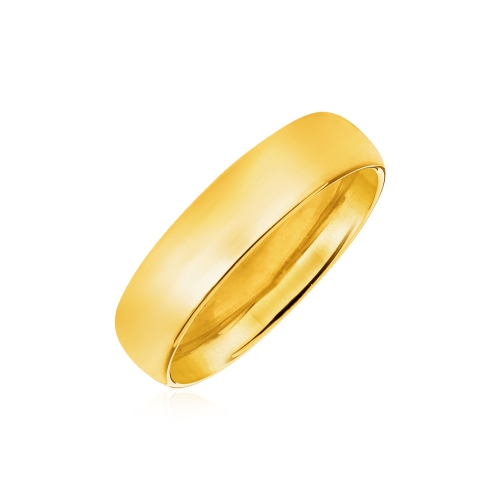 Your price for this item is $486.49
-
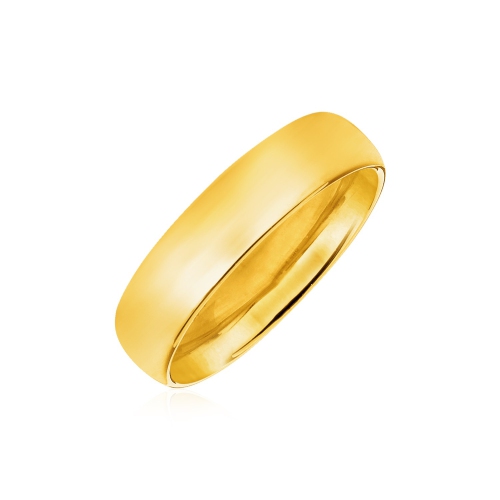 Your price for this item is $386.63
-
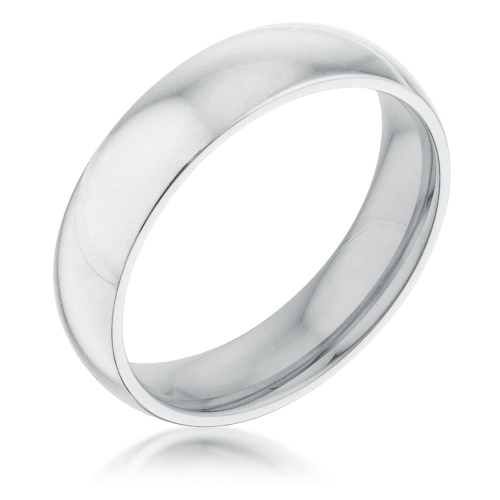 Your price for this item is $105.15
-
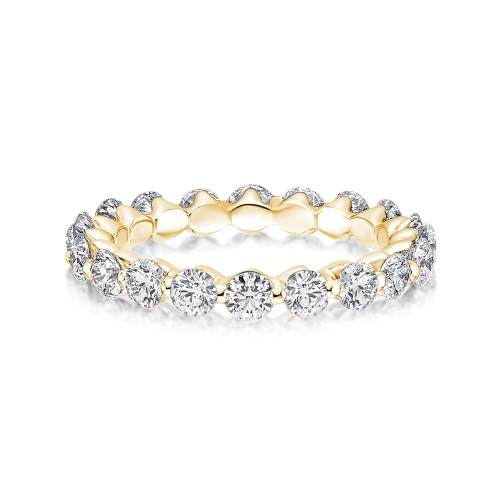 Your price for this item is $367.95
-
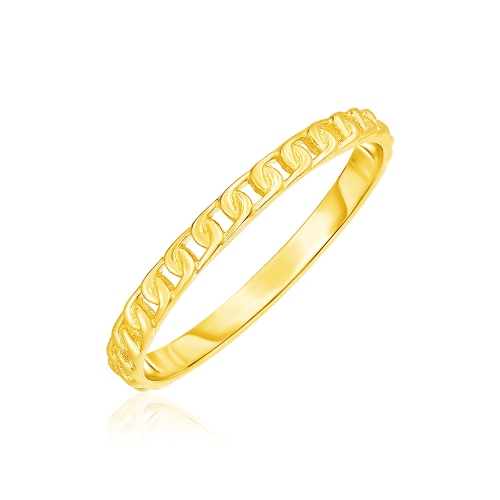 Your price for this item is $1025.06
-
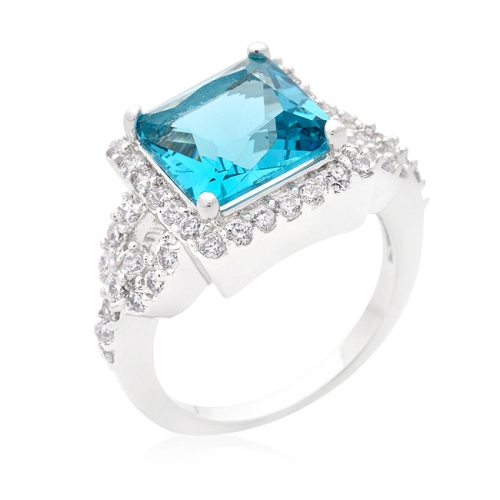 Your price for this item is $156.15
-
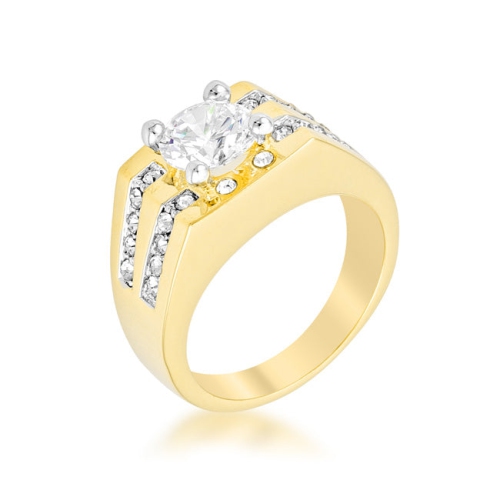 Your price for this item is $153.6