Inflatable Water Parks
Transform your backyard into an oasis of fun and adventure with our selection of inflatable water parks. Whether you're hosting a summer party or looking to keep your little ones entertained for hours on end, these inflatable wonders are sure to make a splash. With their thrilling slides, splash pools, and exciting water features, these water parks offer endless opportunities for laughter and excitement.
Sort
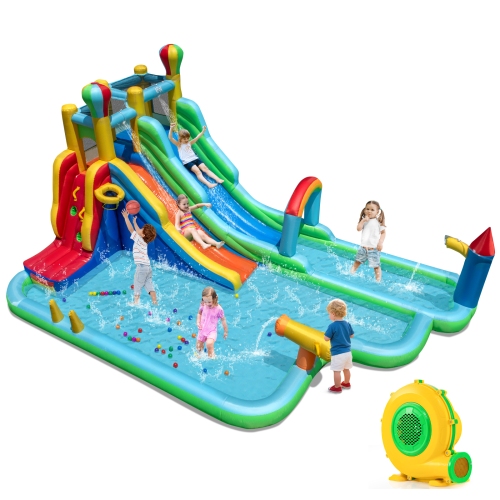
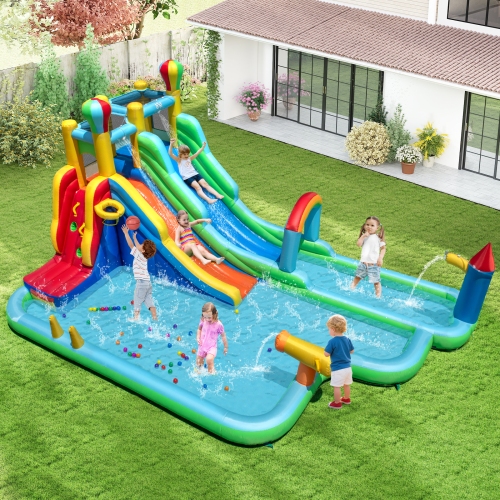
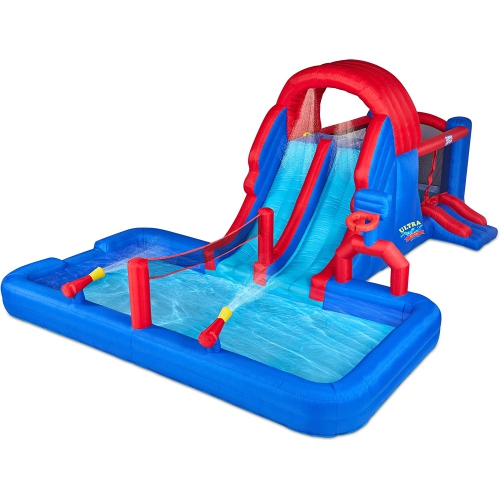
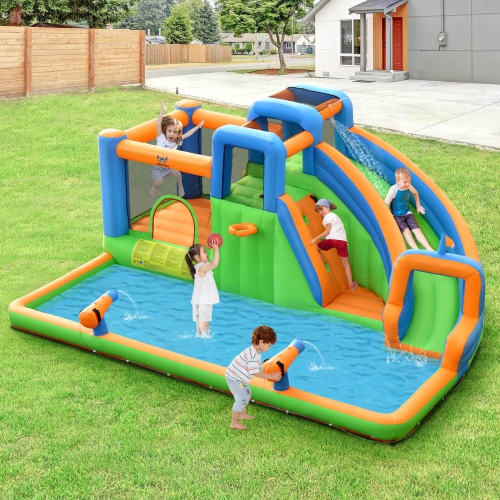
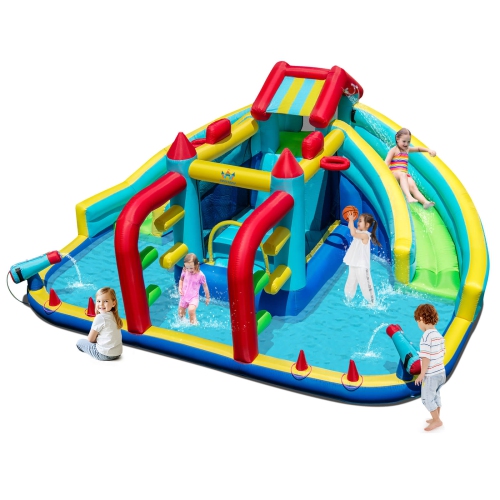
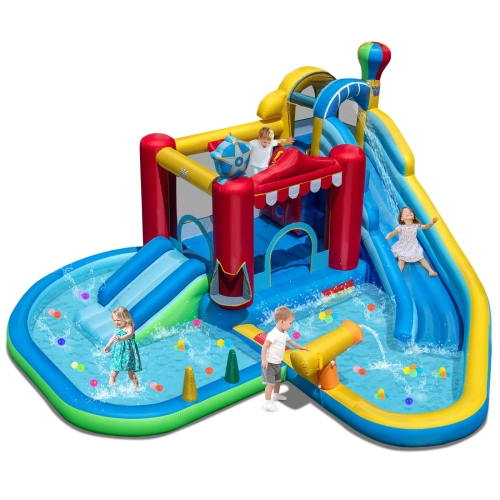
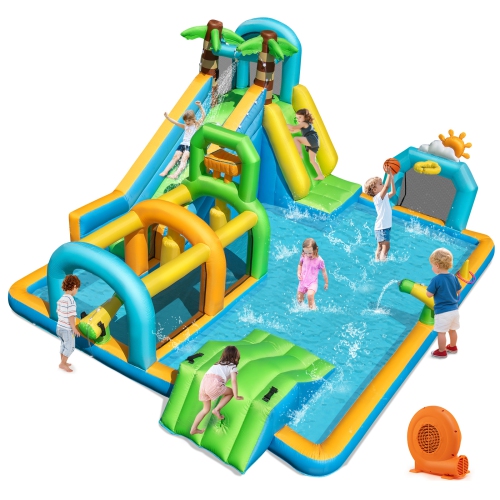
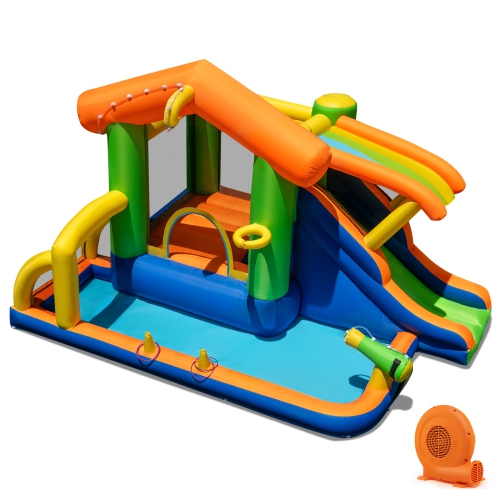

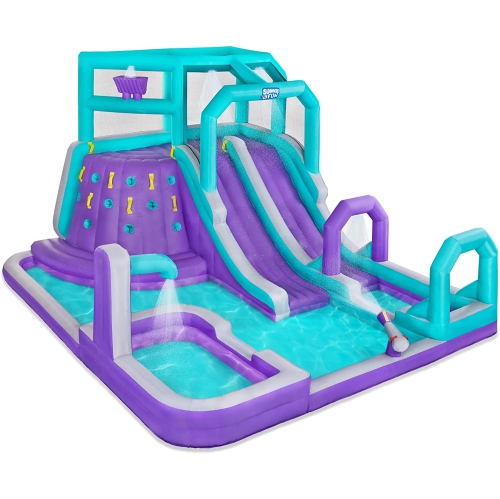
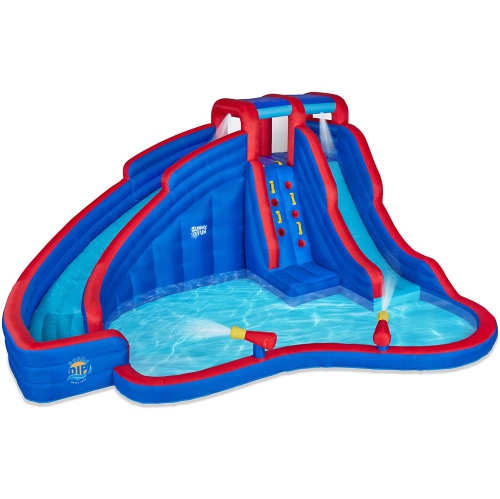
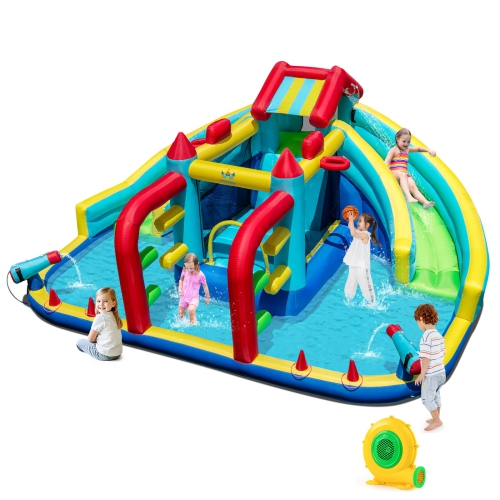
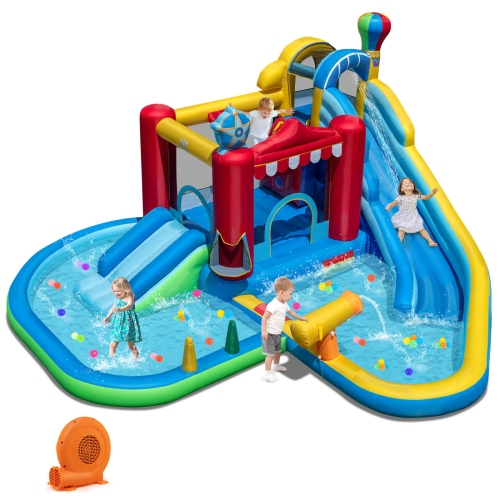
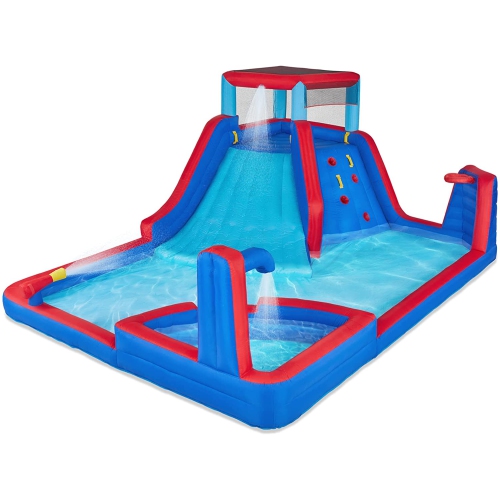
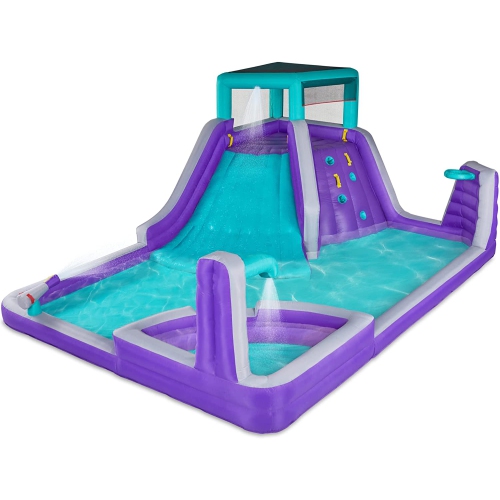

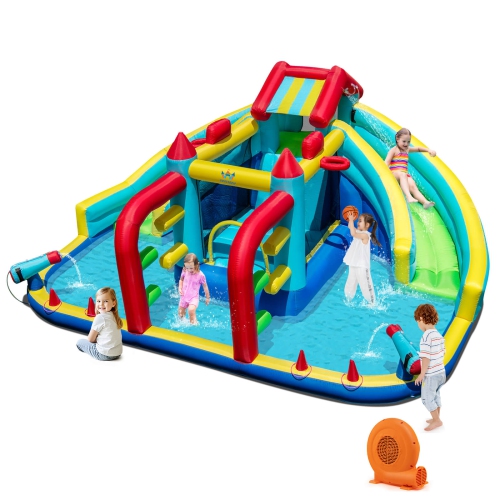
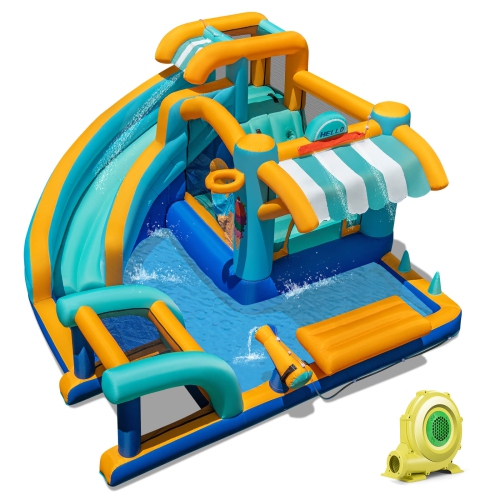
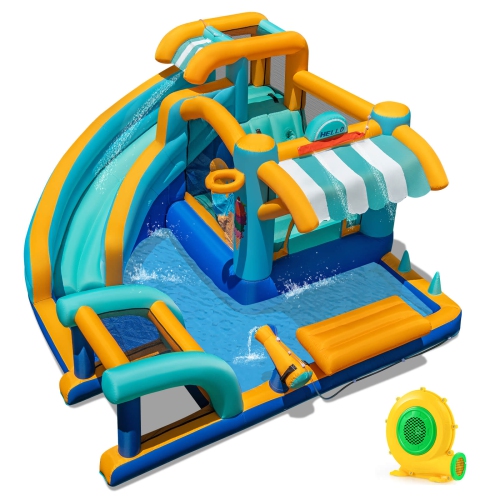
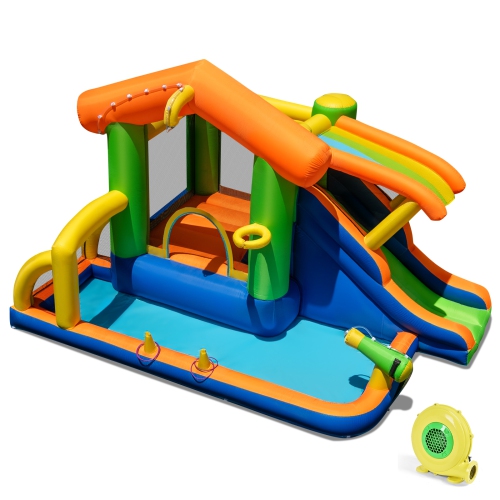
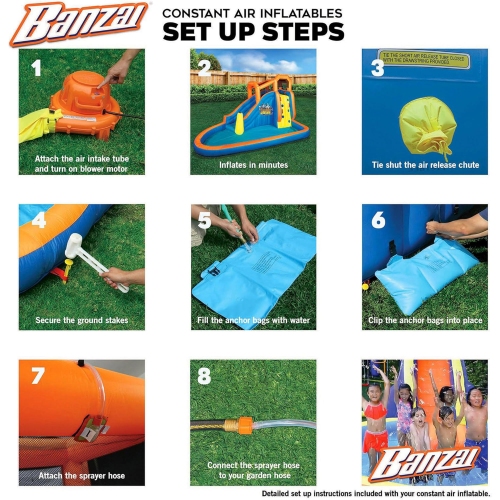
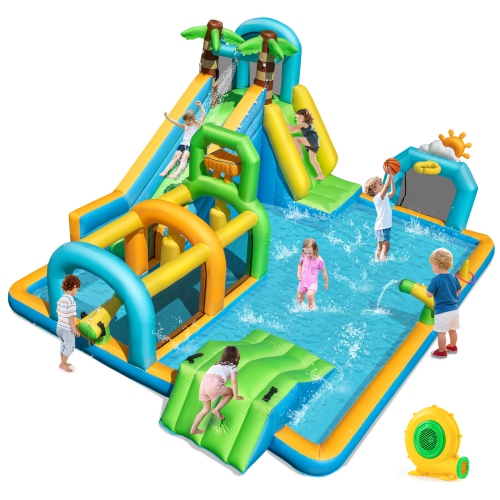
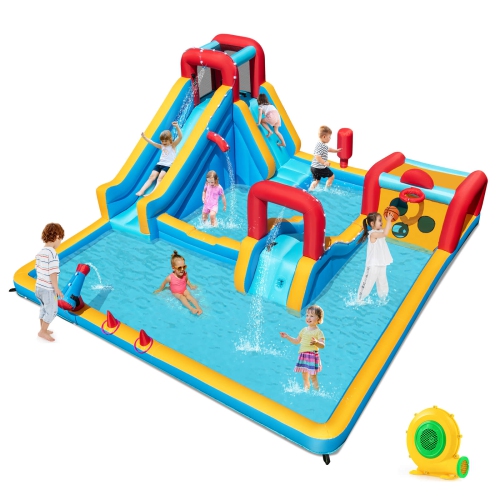
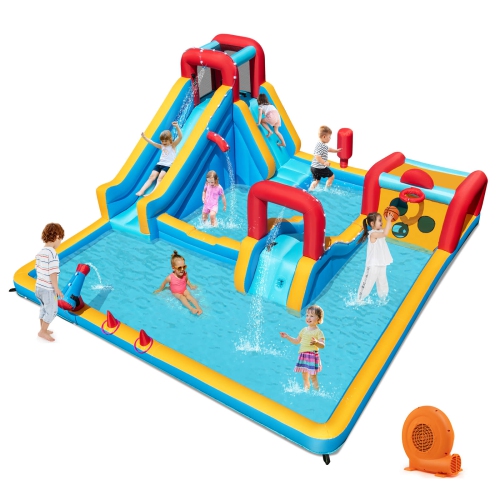
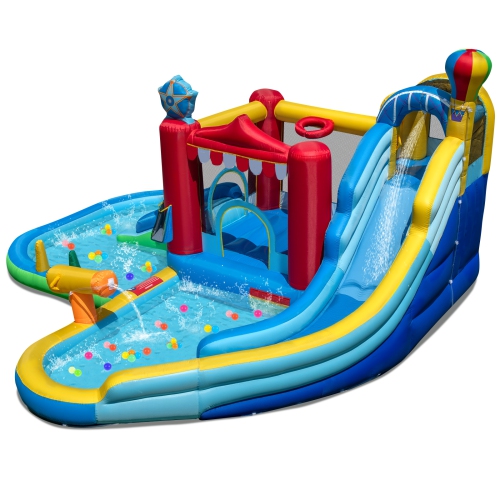
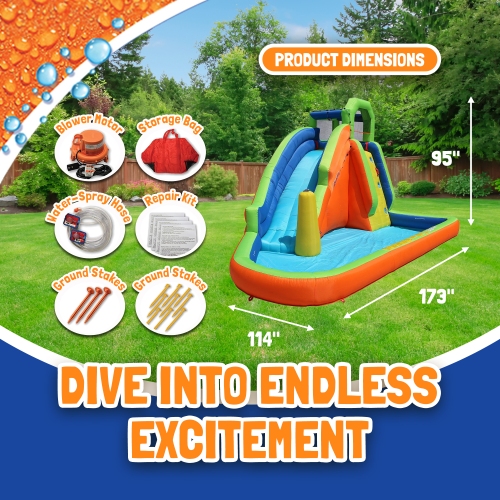
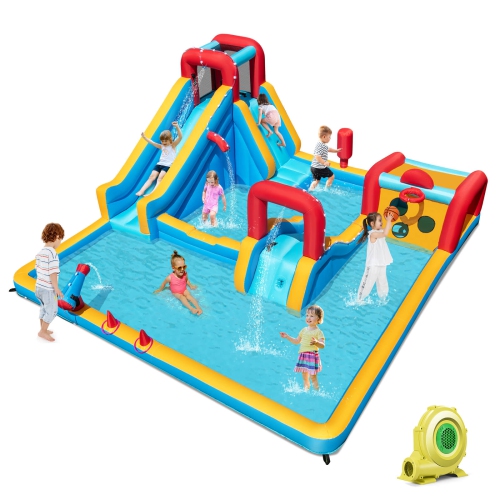
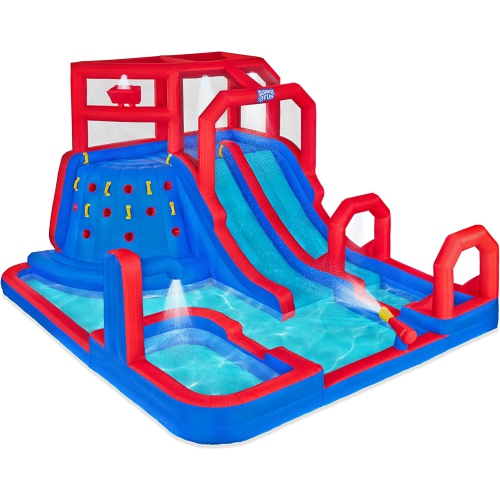
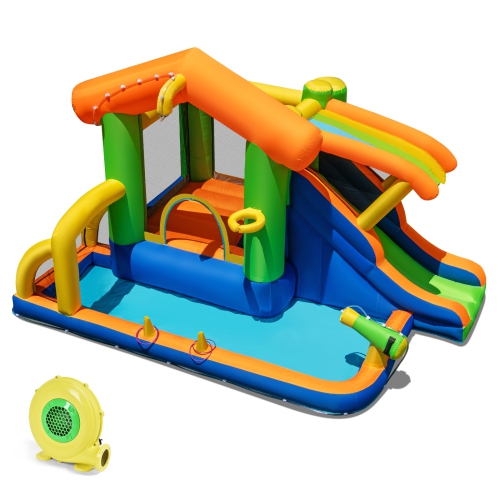
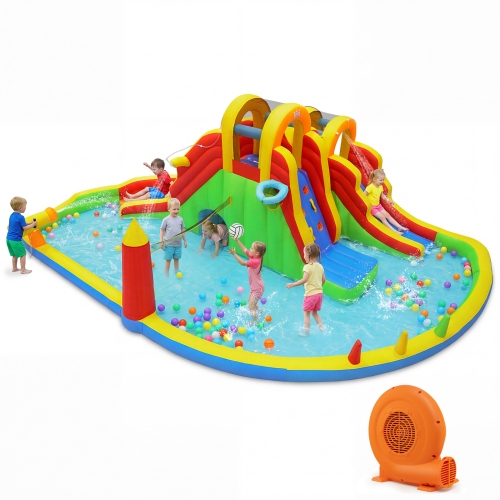
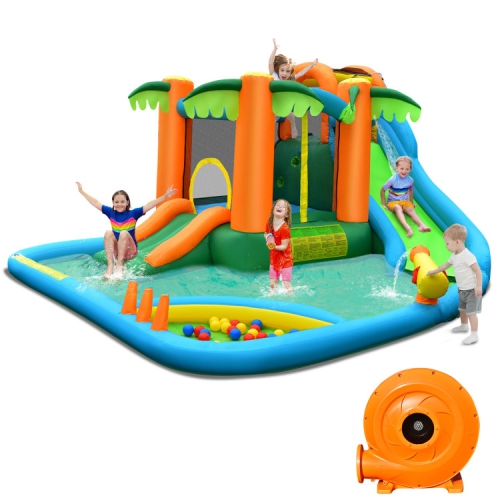
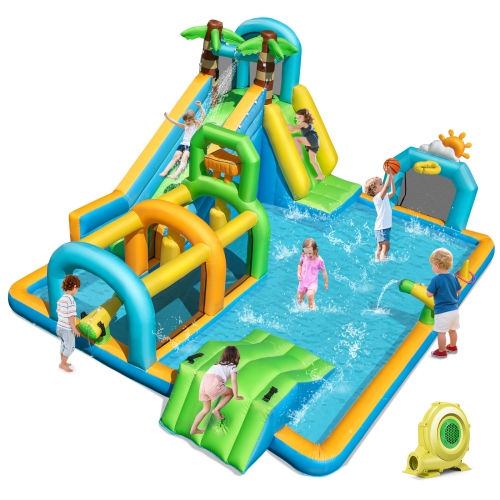
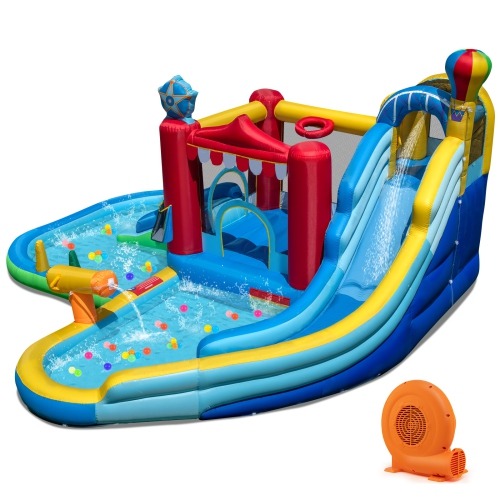
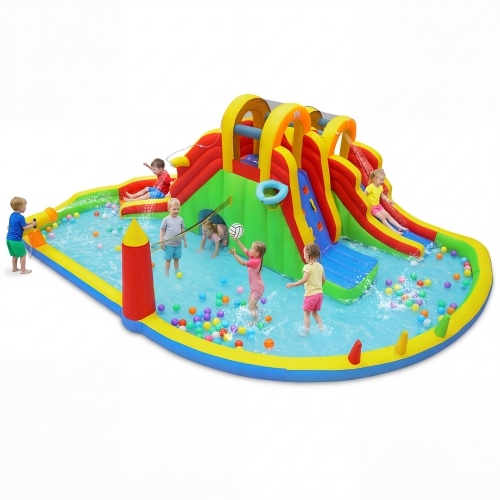
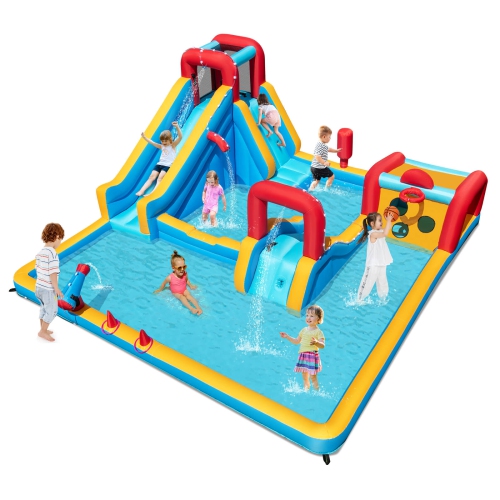
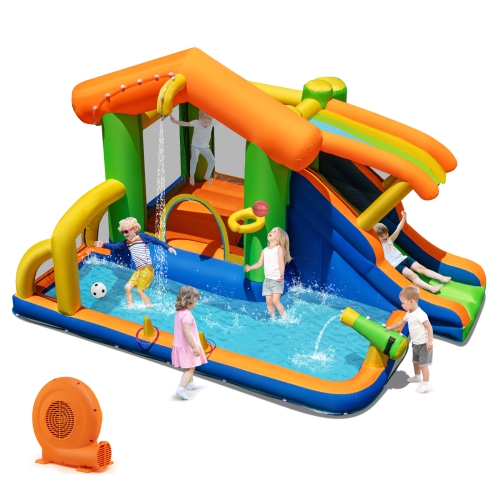
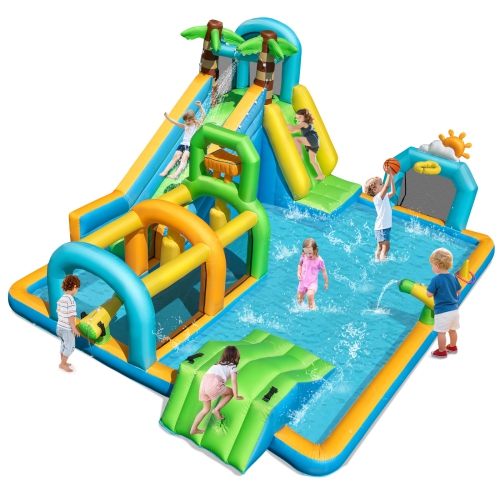
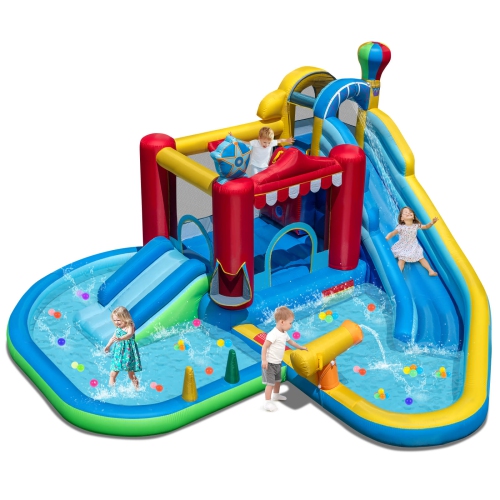
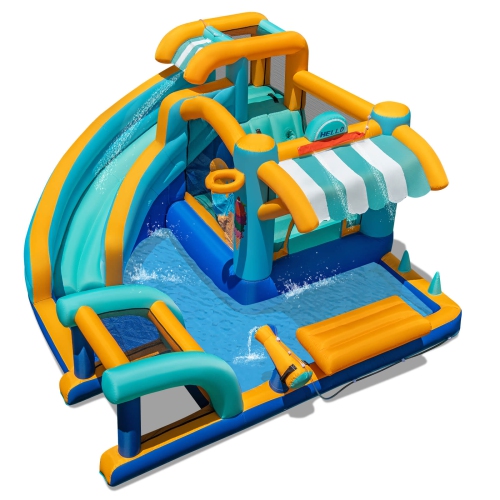
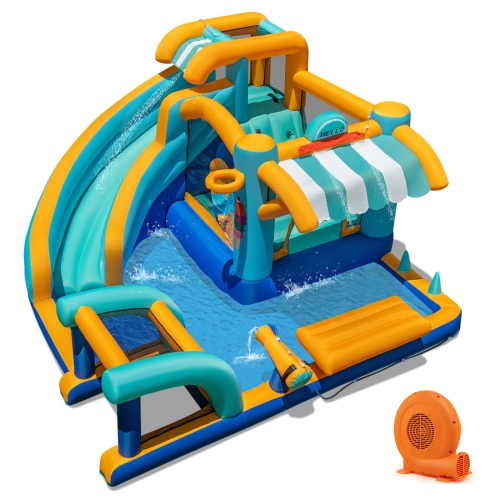
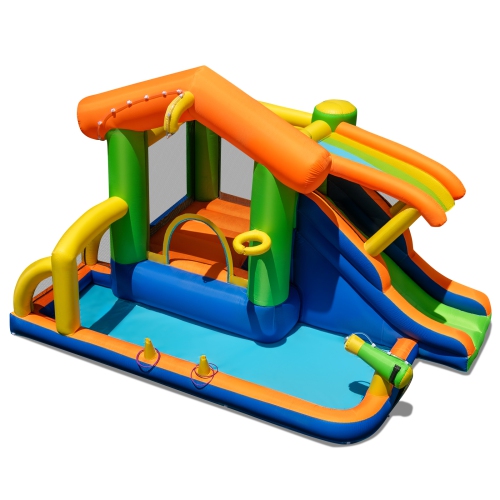
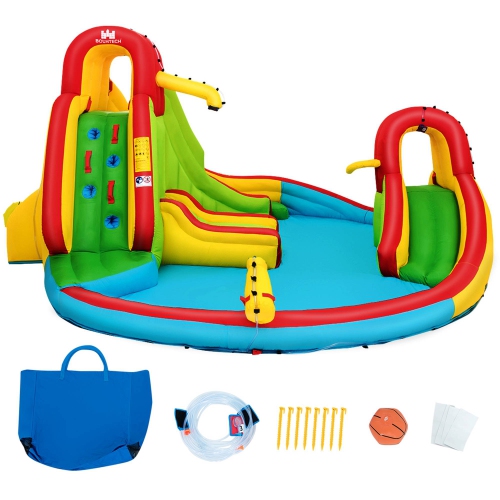
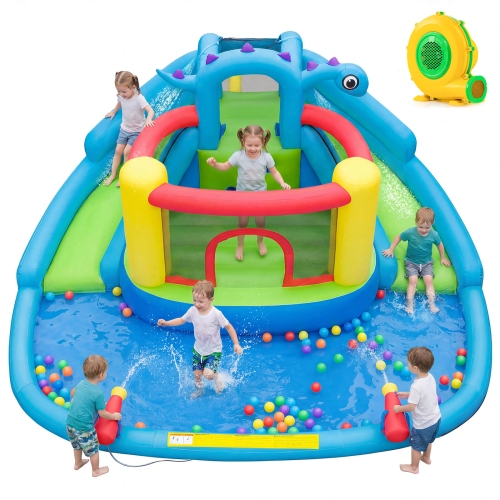
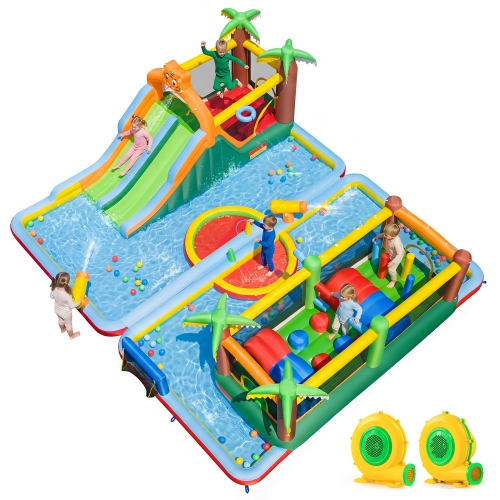
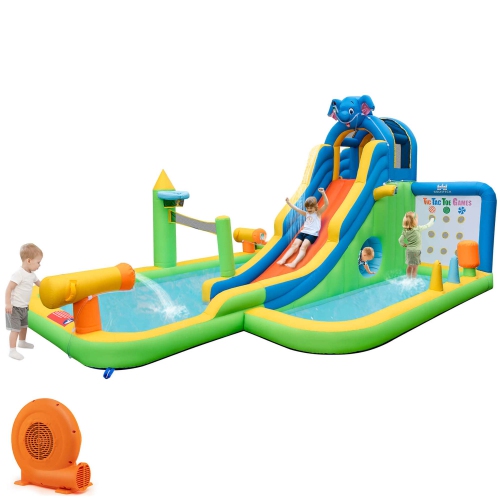
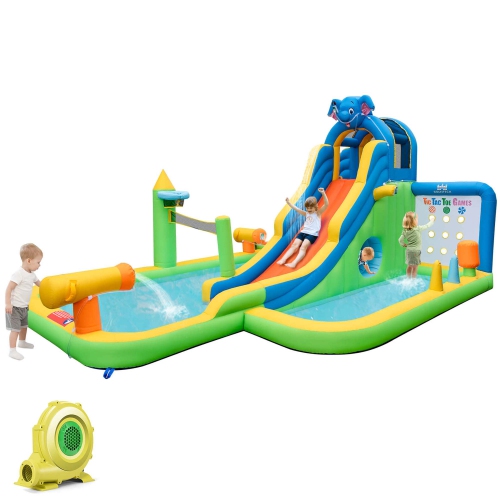
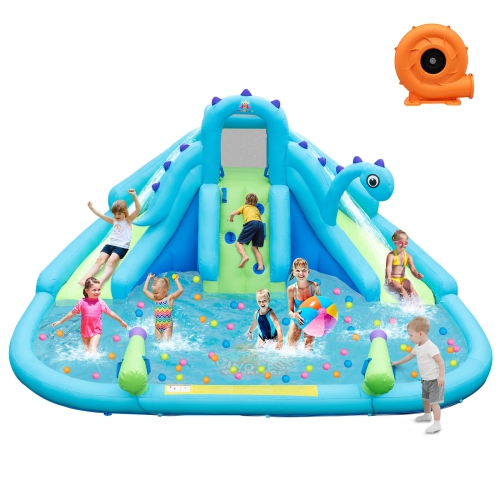
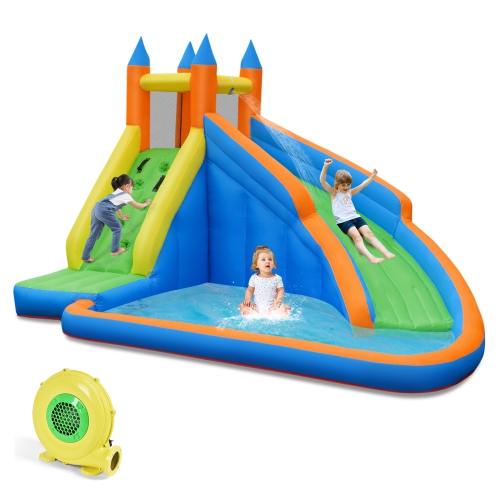
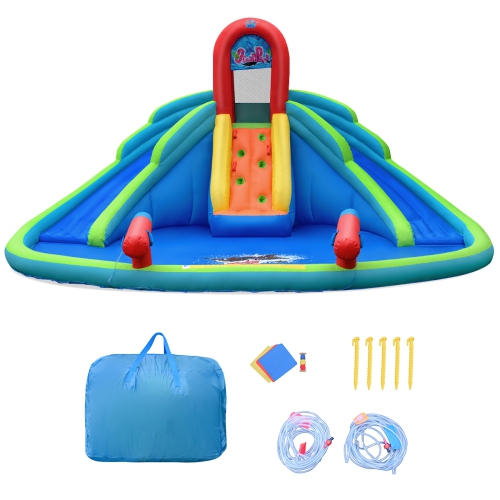
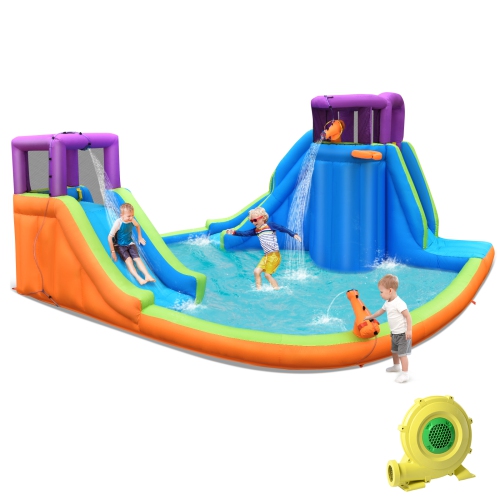
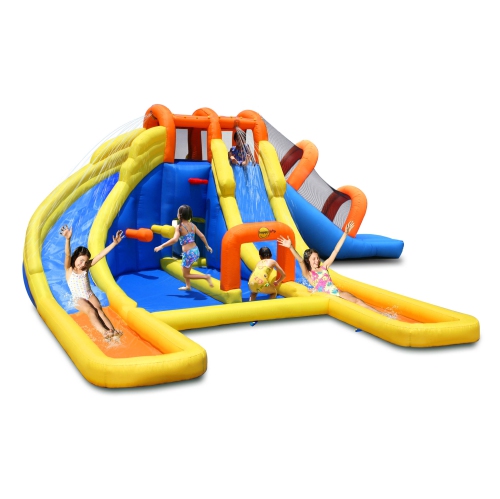
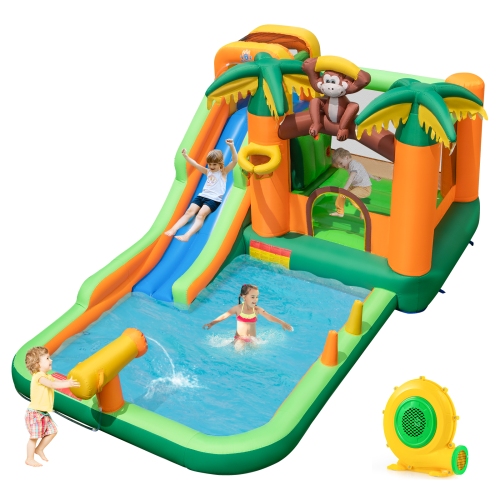
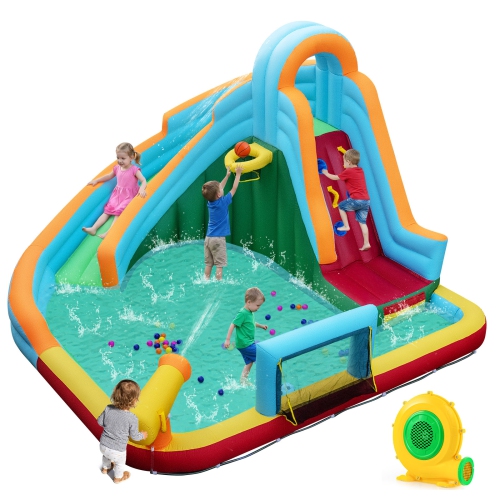
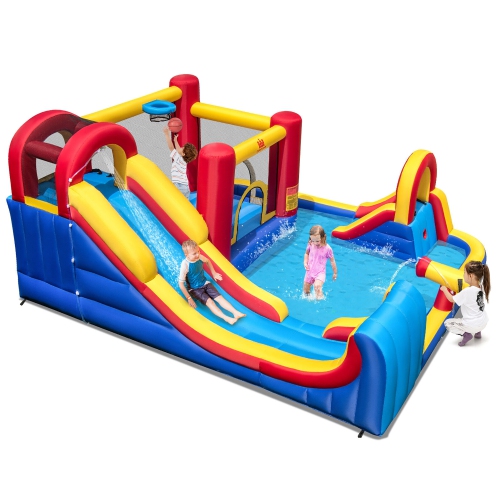
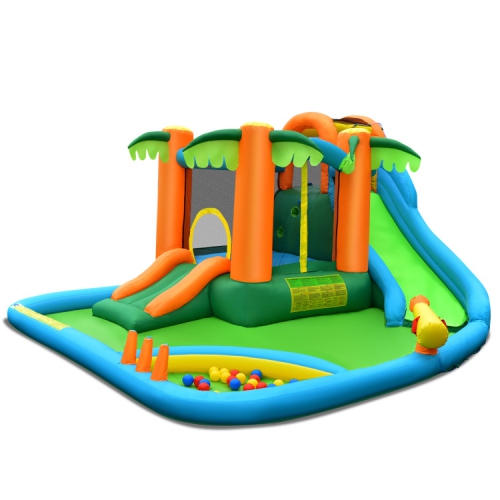
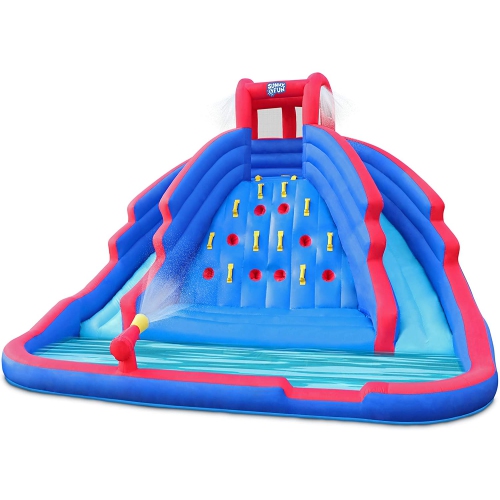
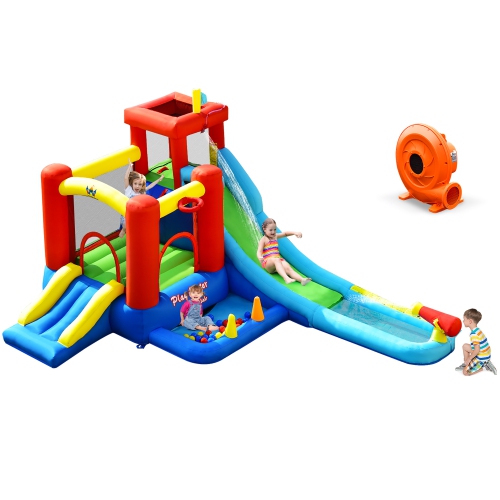
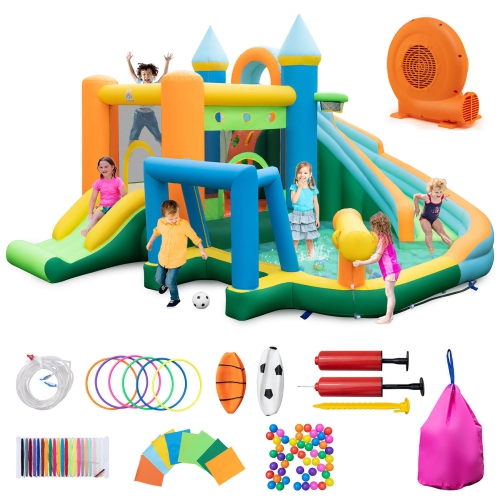
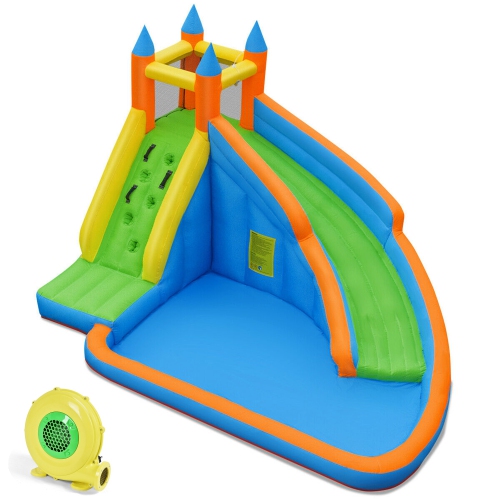
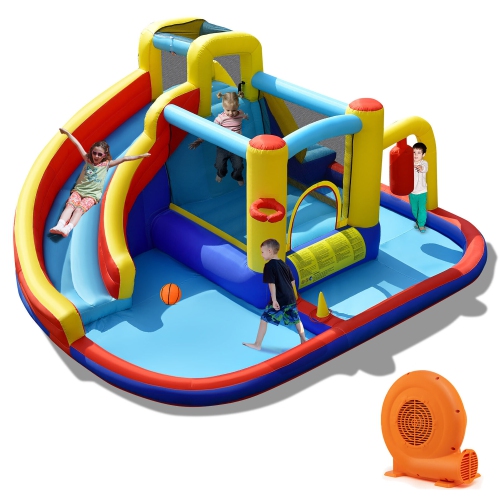
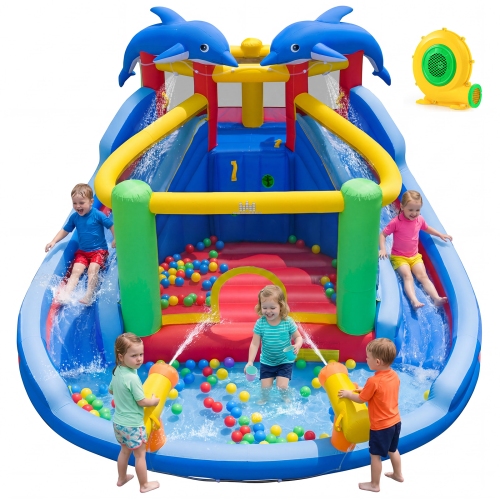
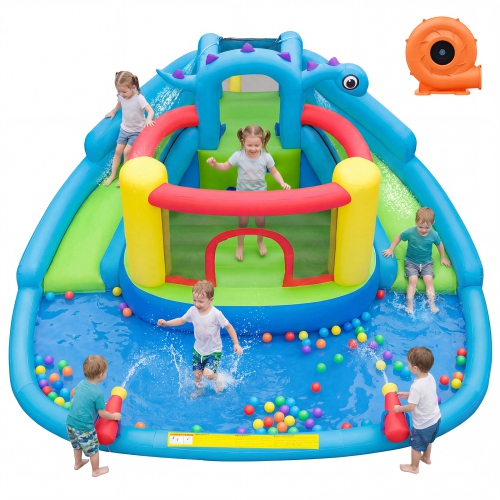
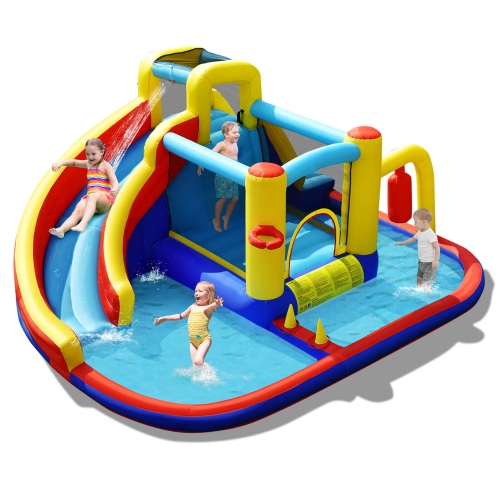
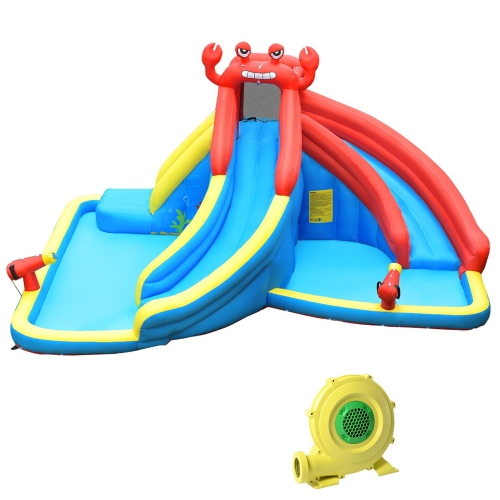
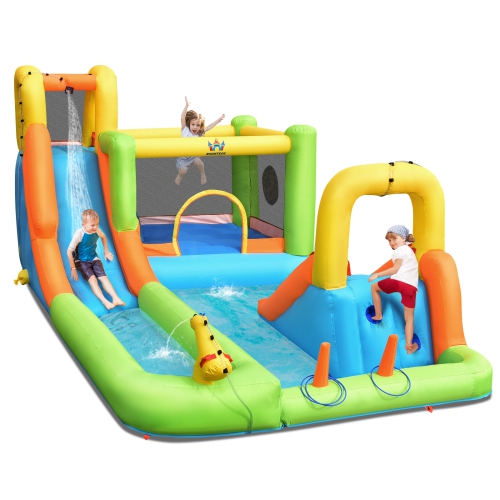
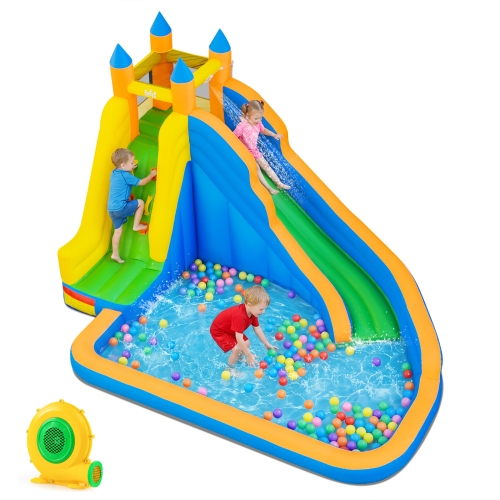
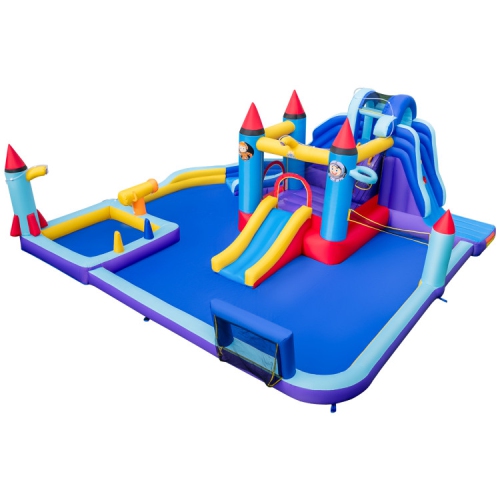
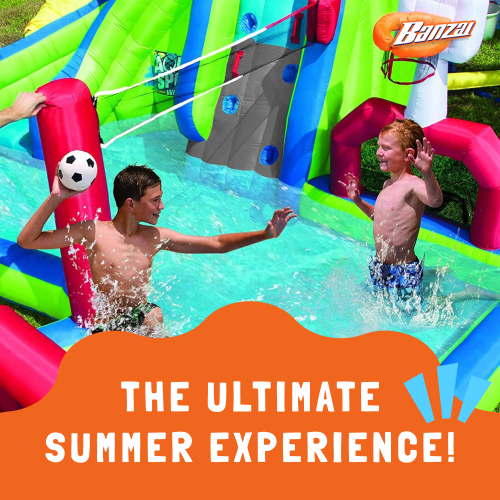
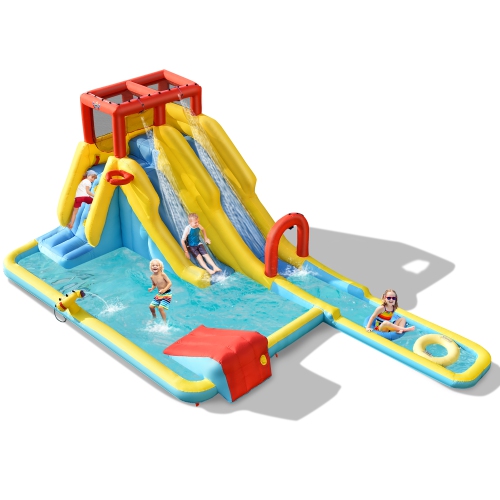
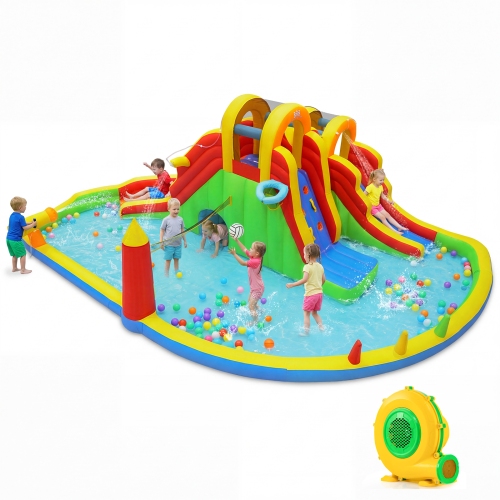
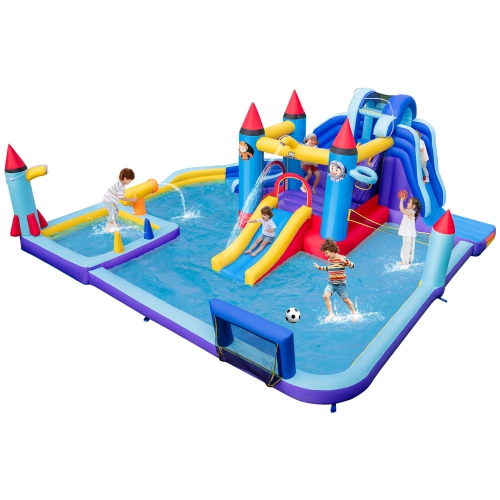
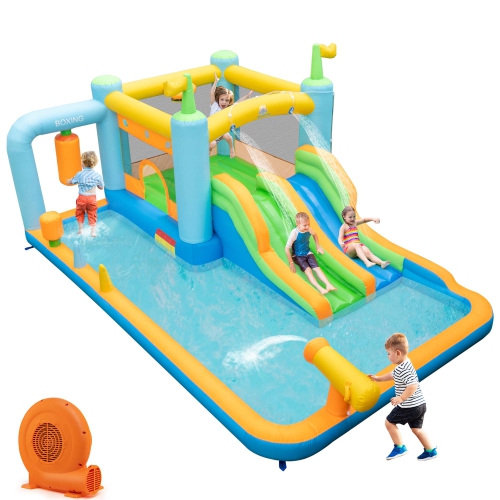
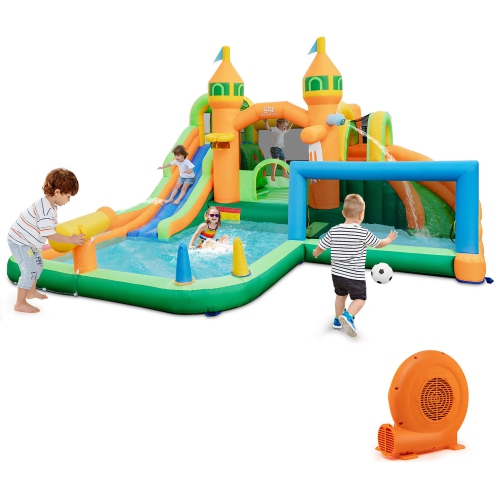
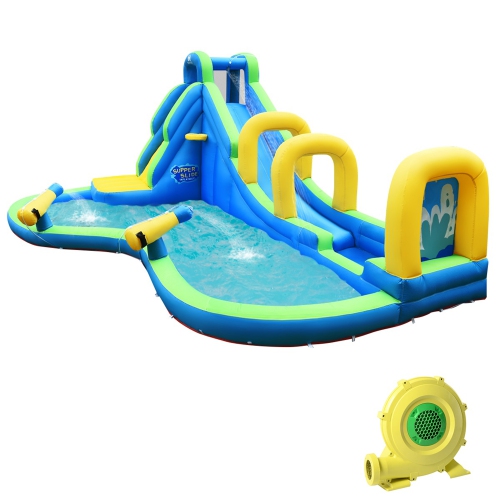
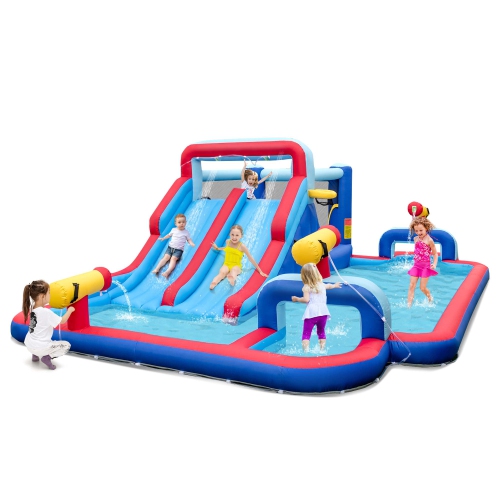
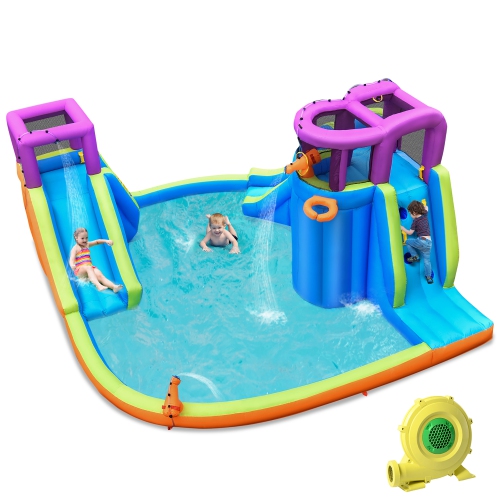
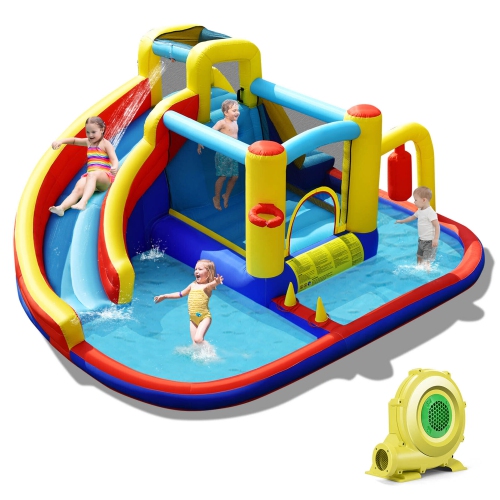
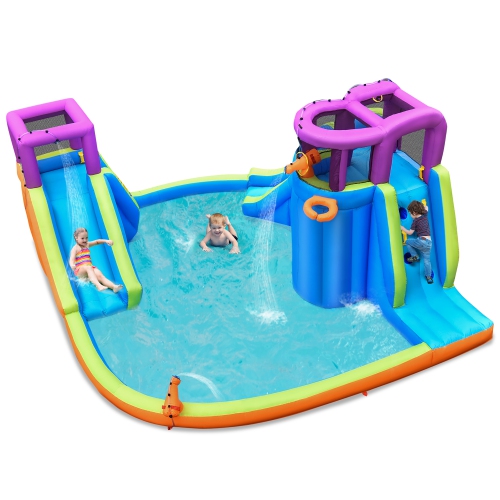
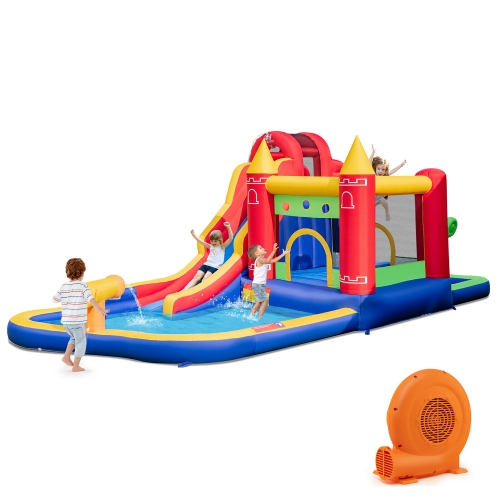
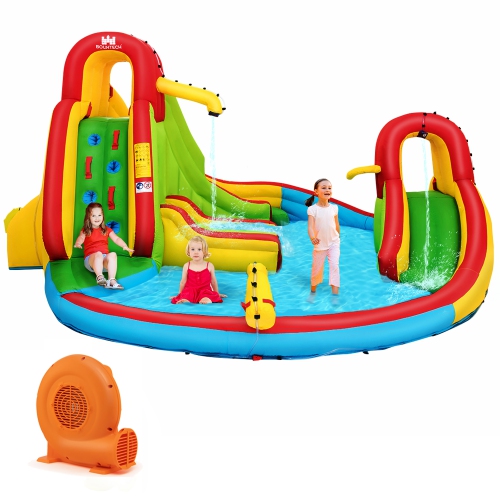
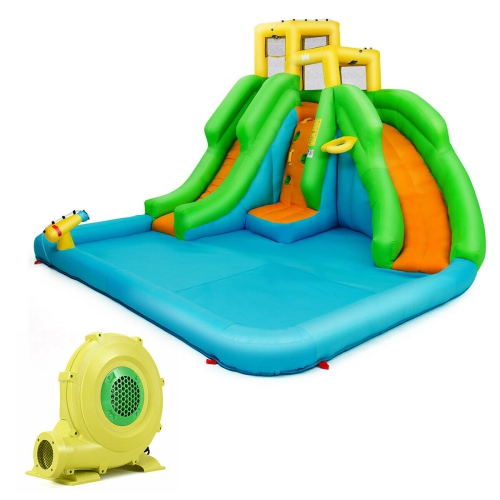
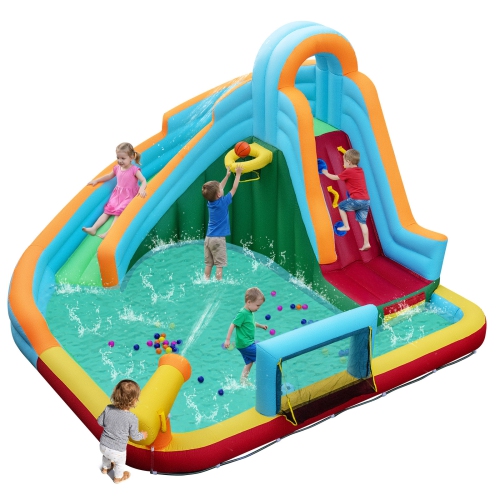

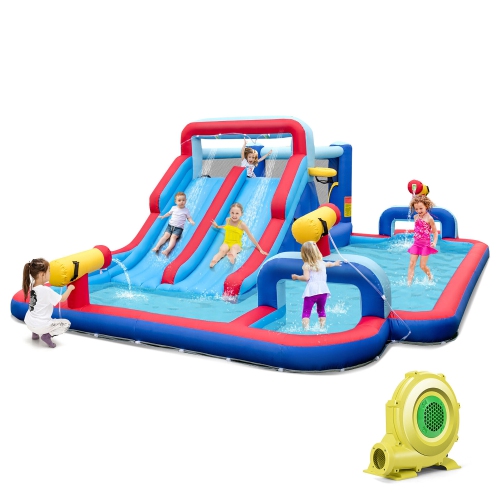
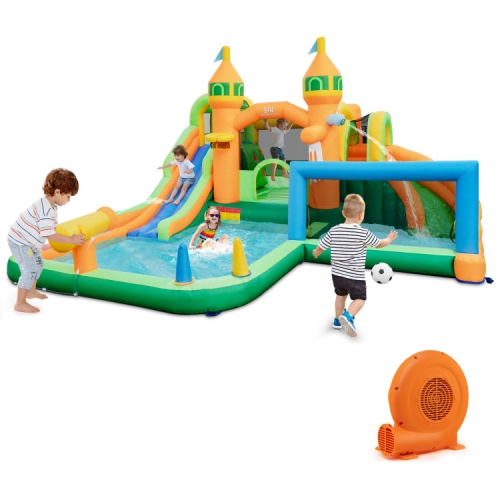
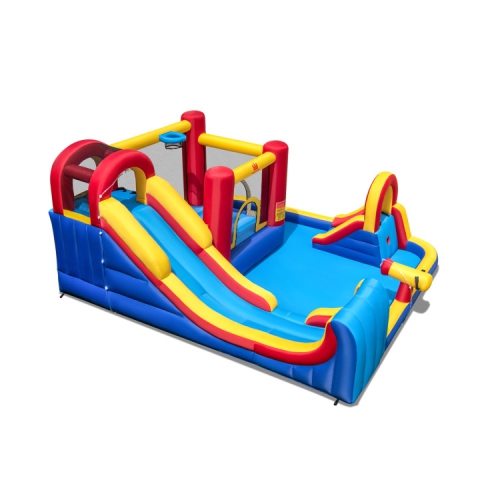
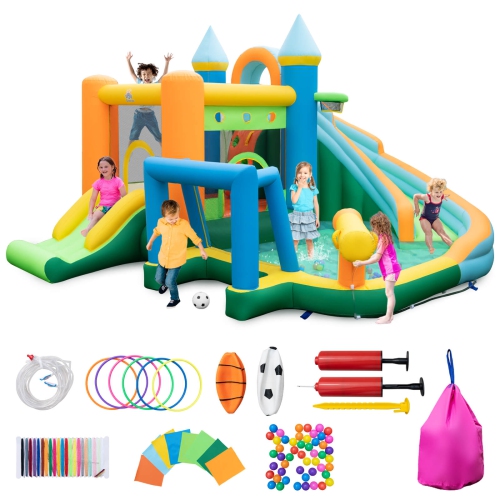
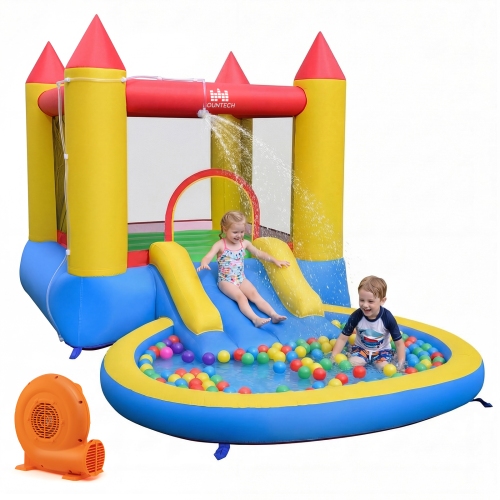
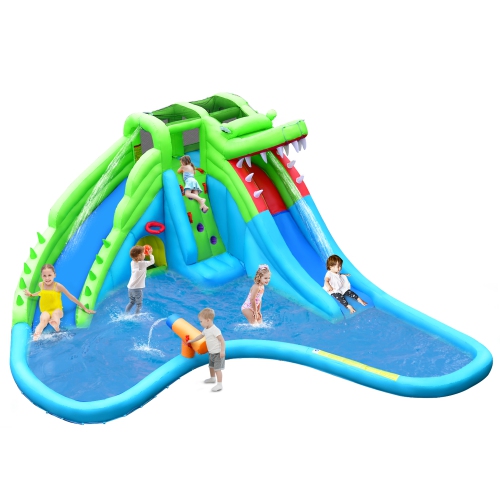
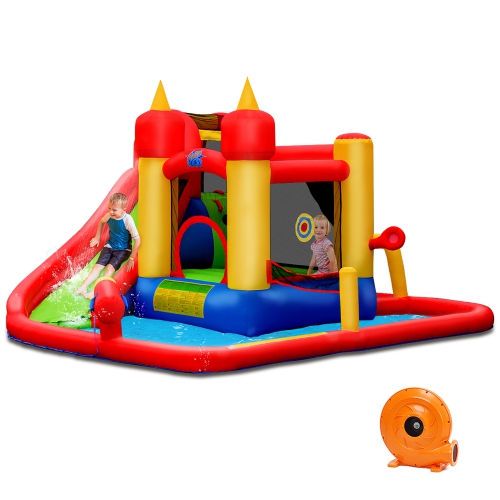
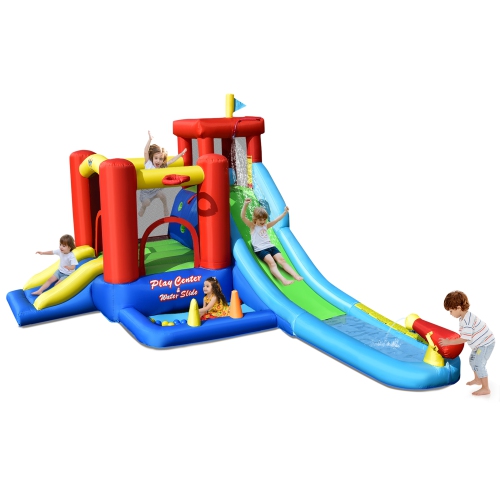
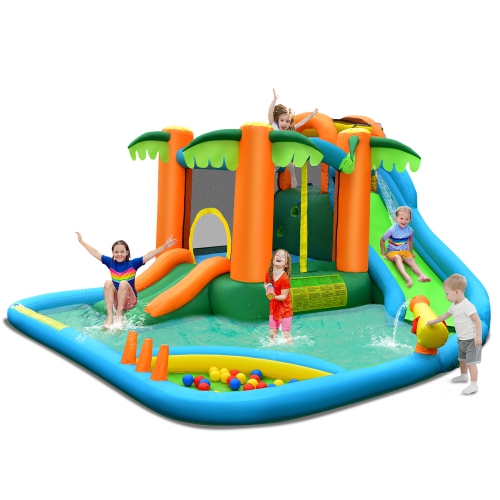
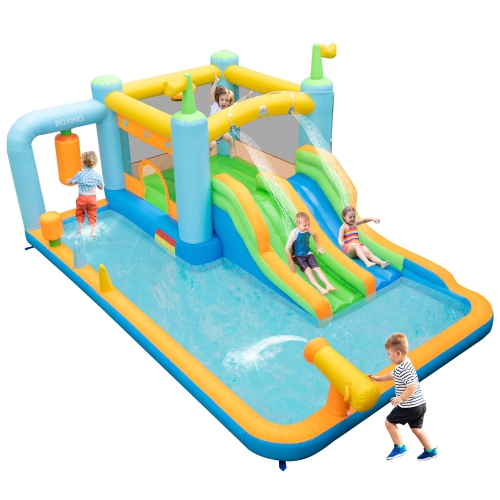
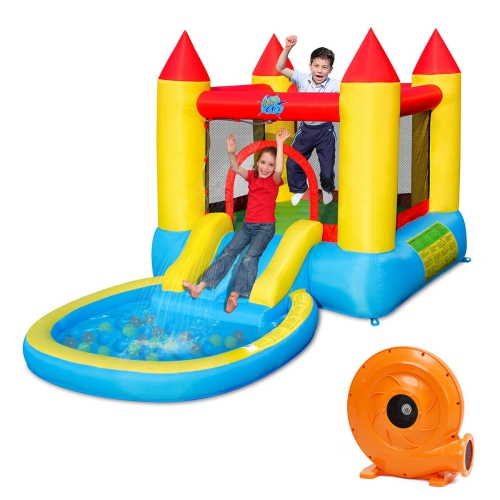
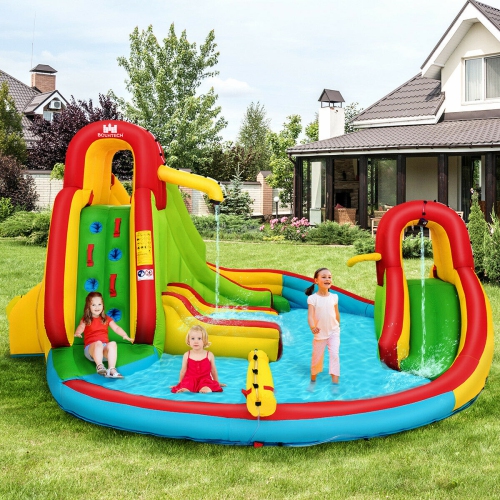
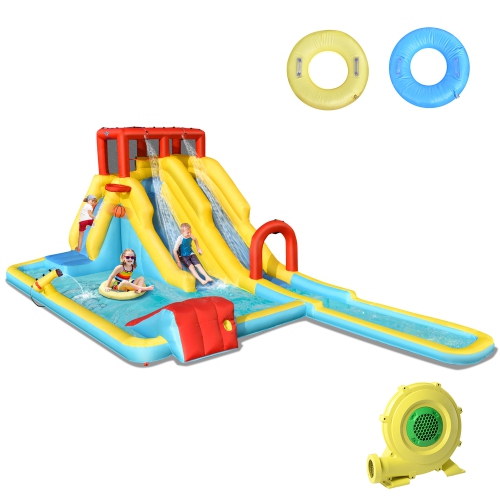
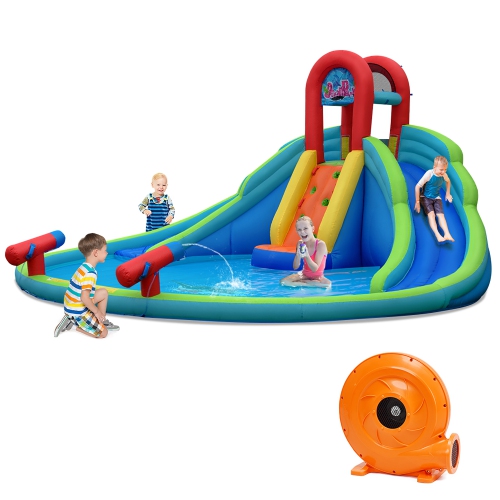
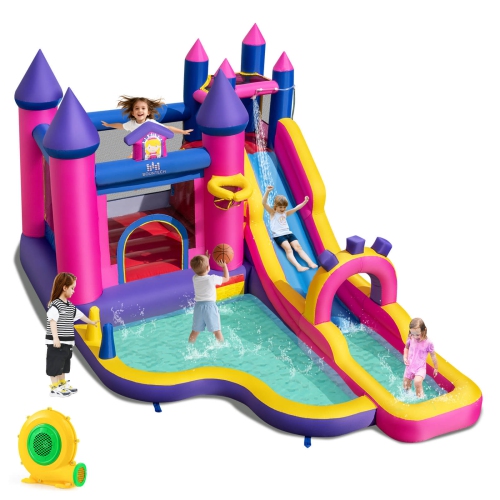
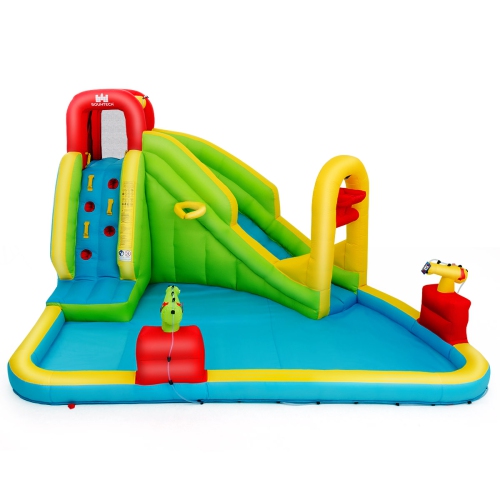
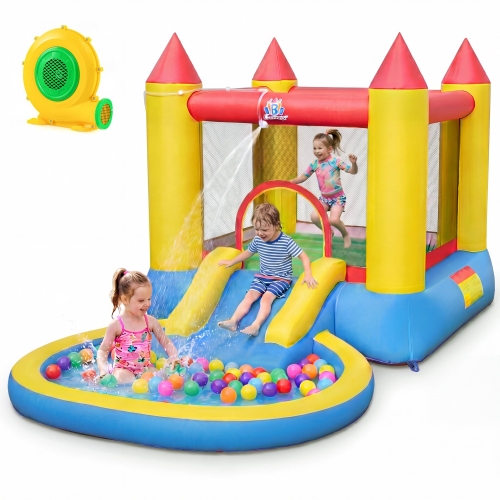
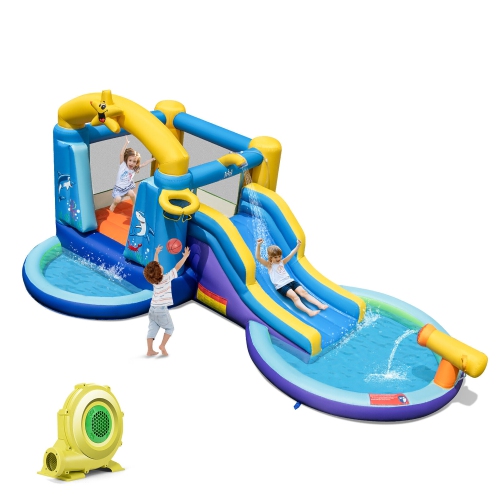
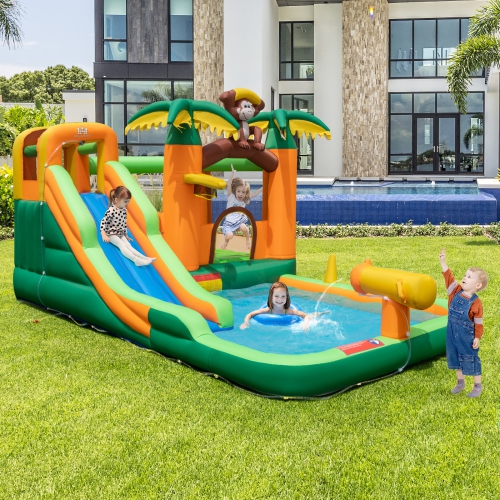
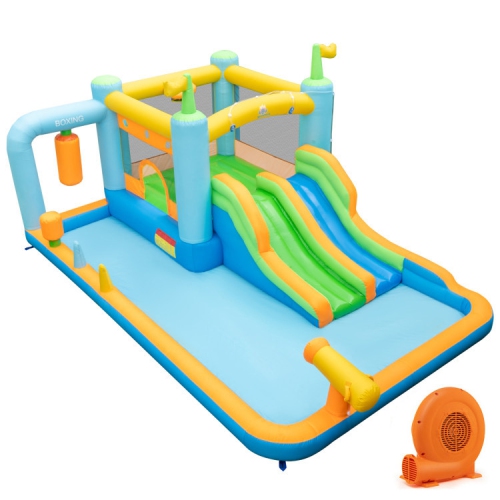
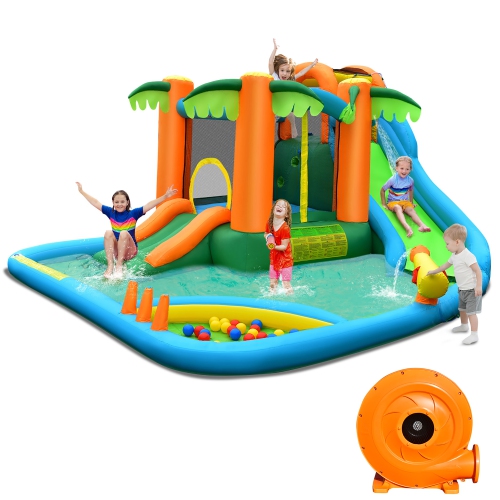
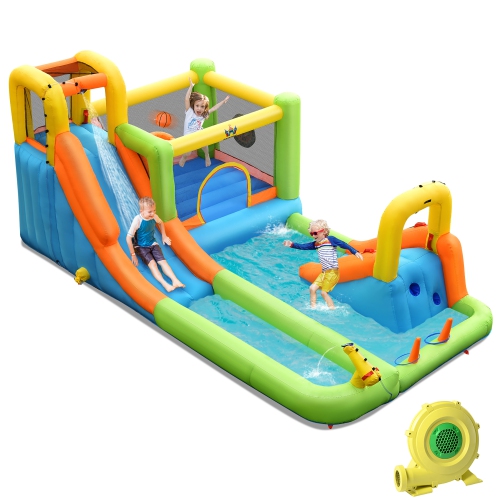
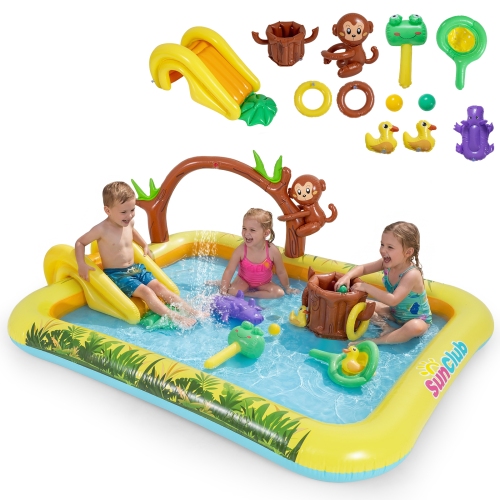
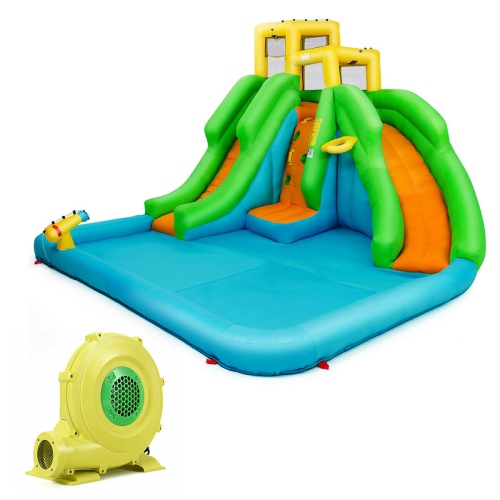
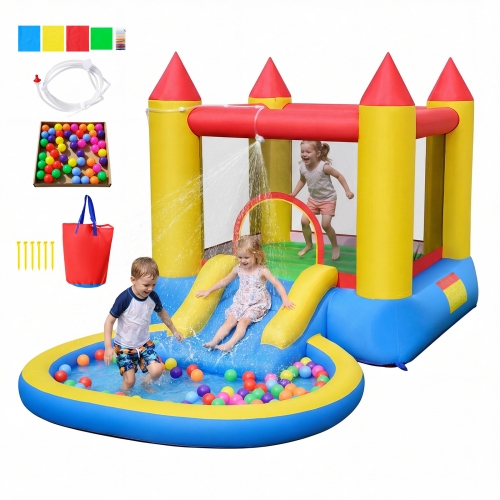
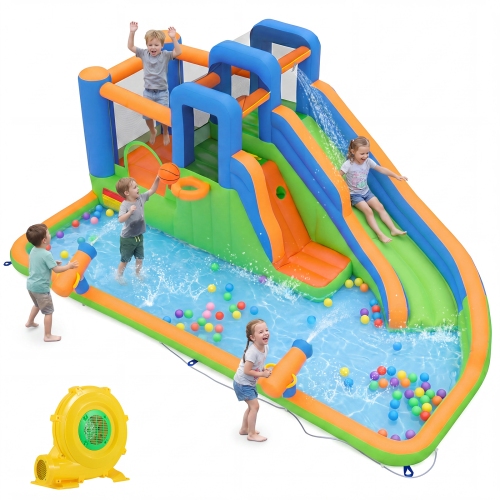
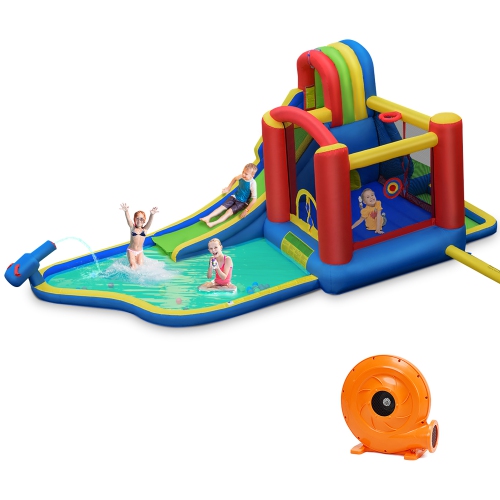
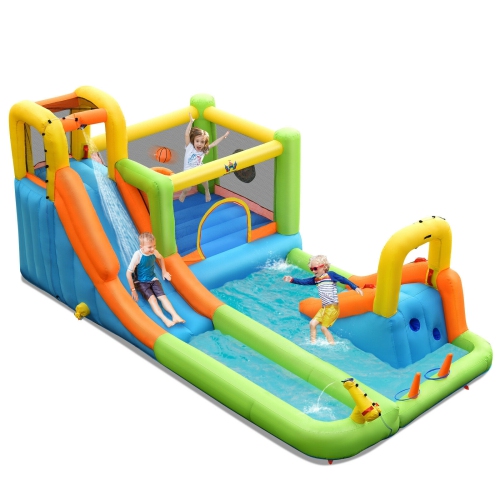
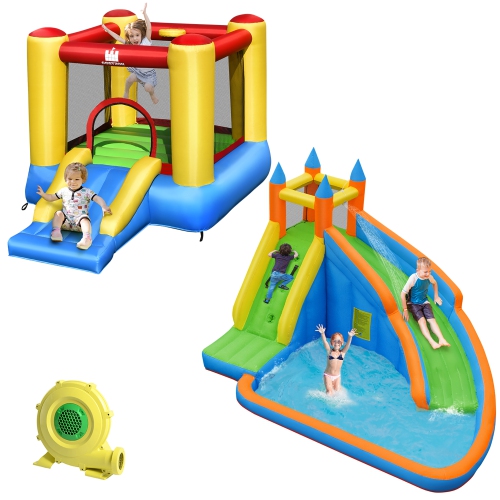
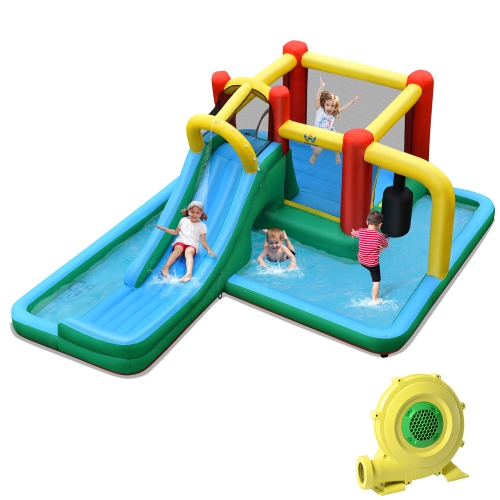
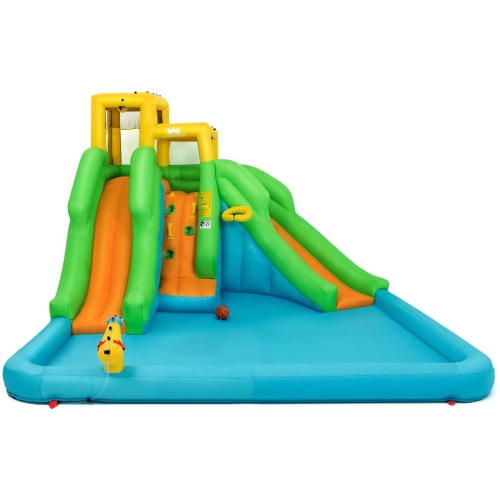
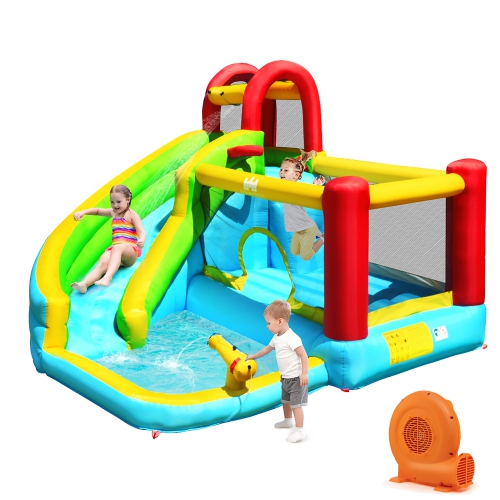
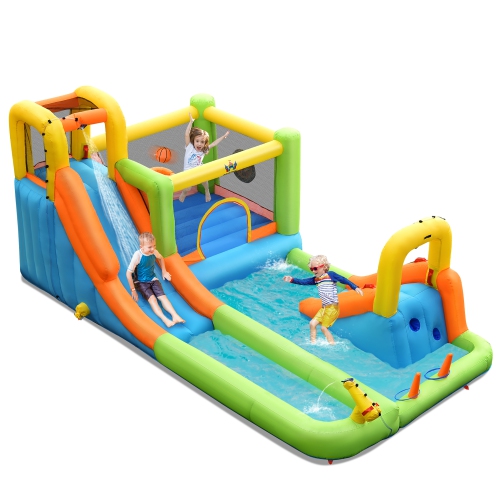
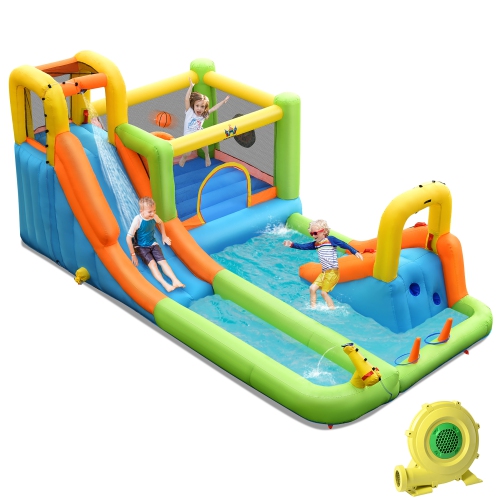
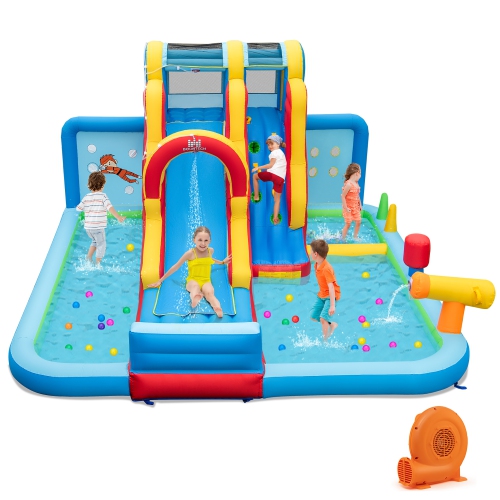
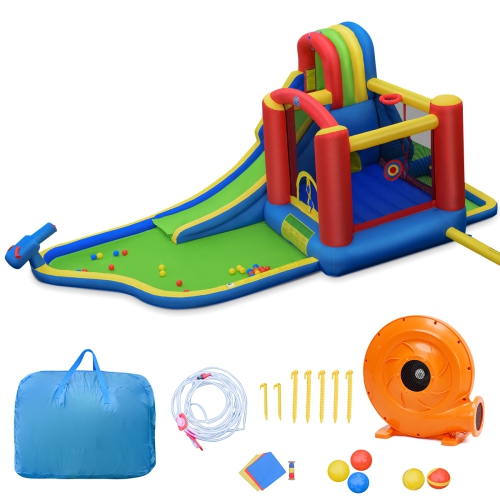
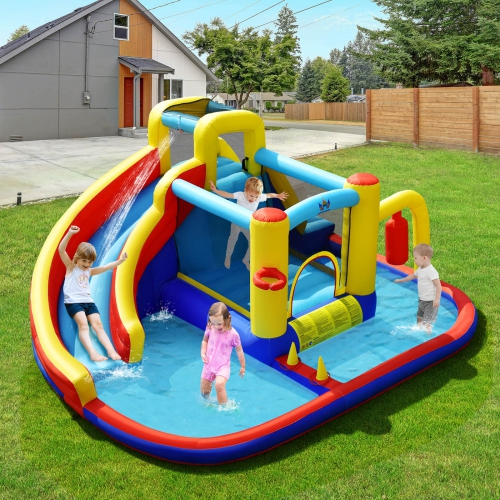
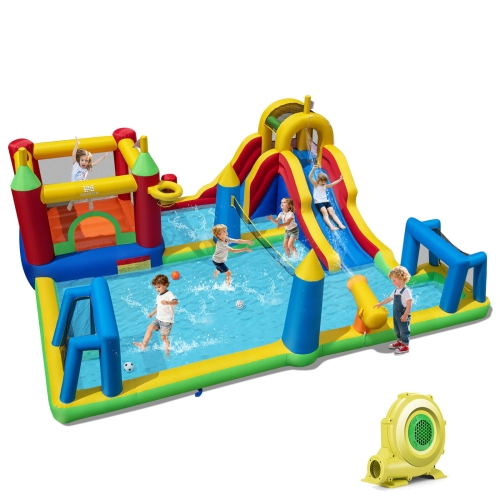
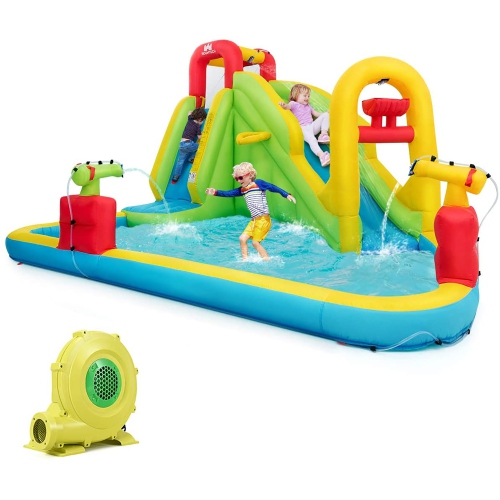
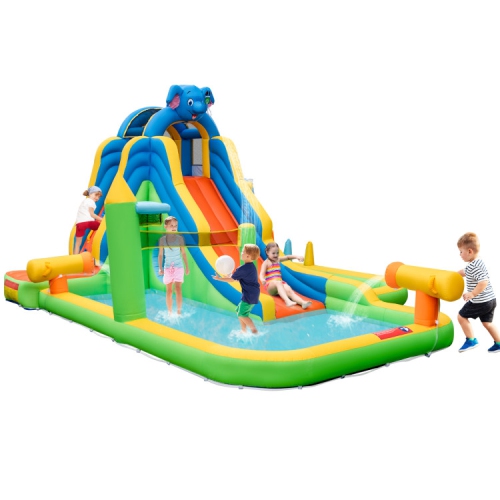
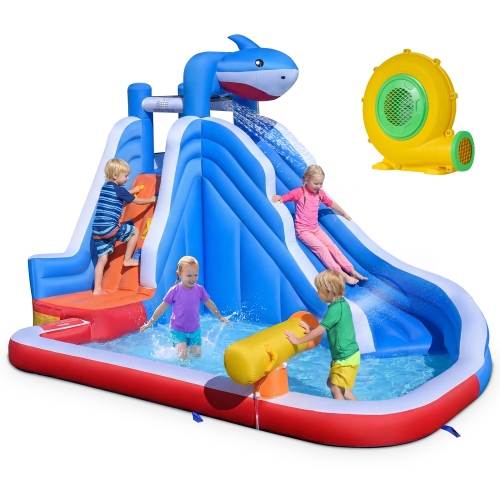
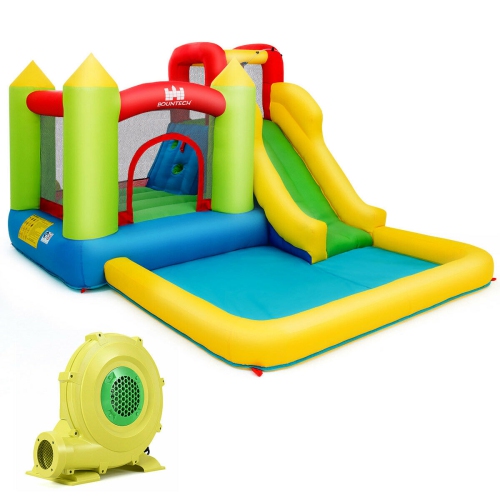
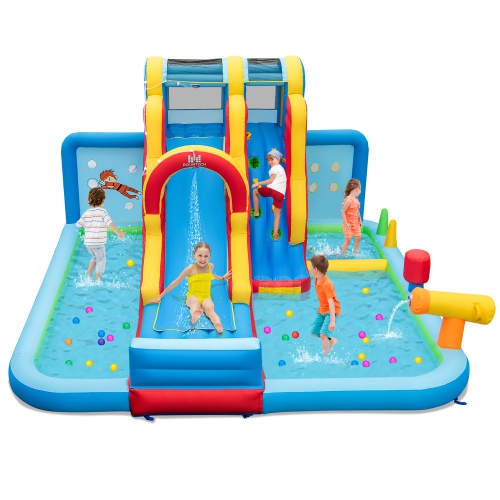
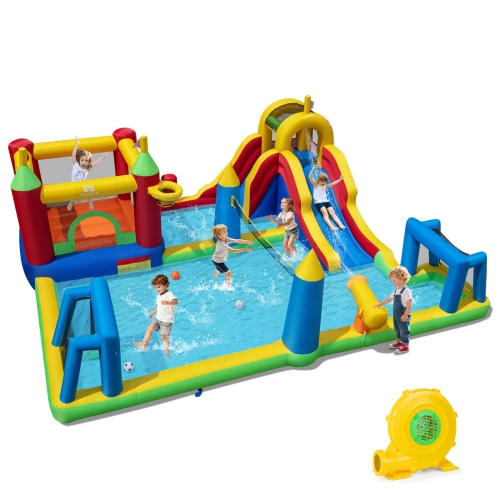
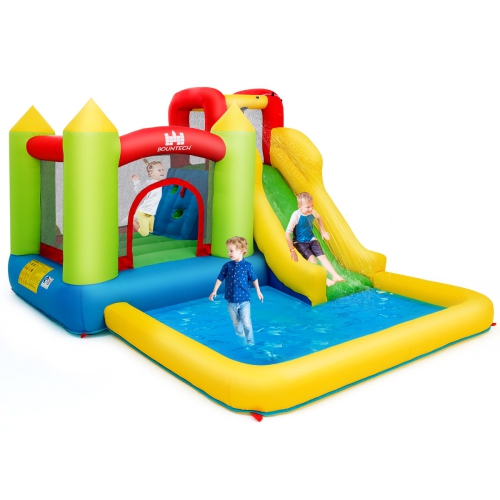
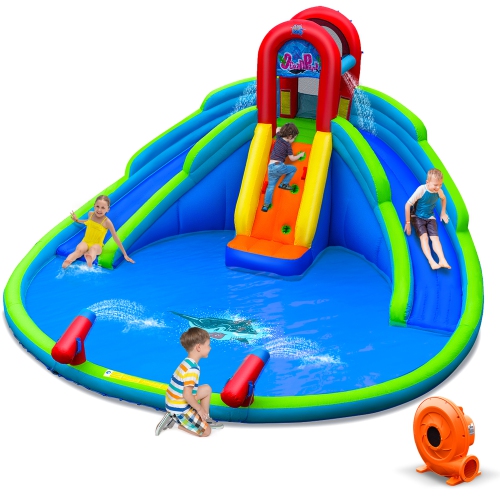
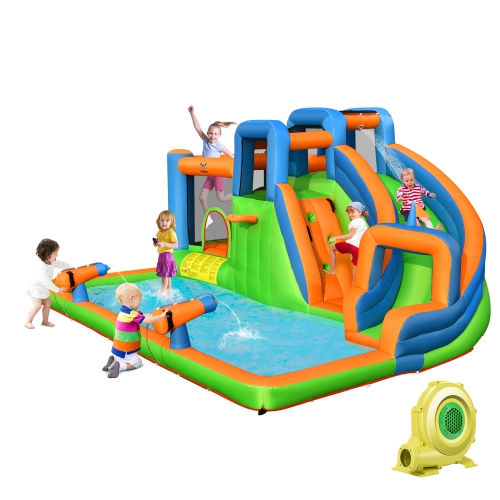

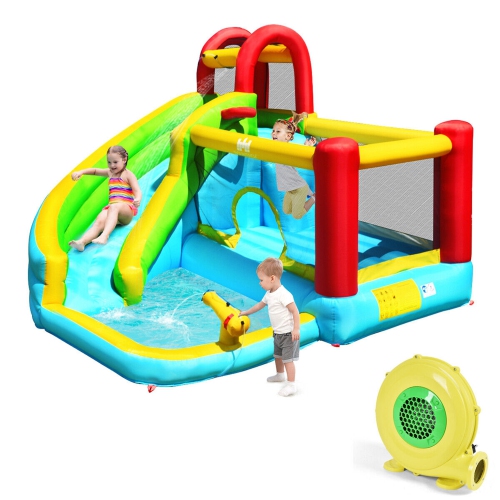


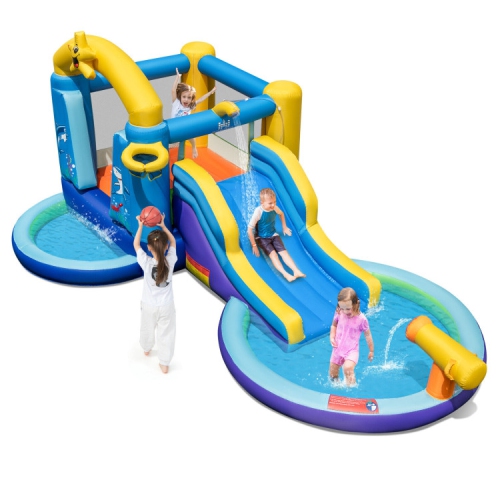

Backyard splashes and floating adventures need different setups
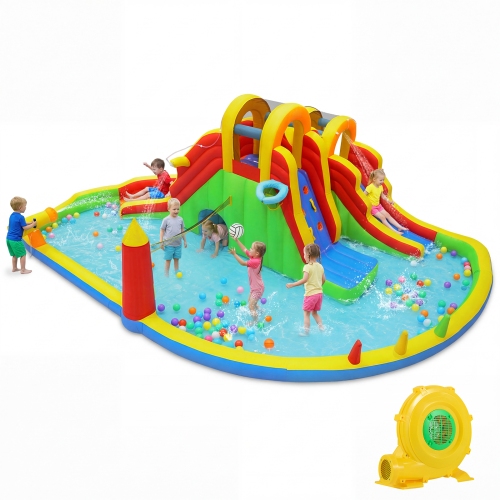
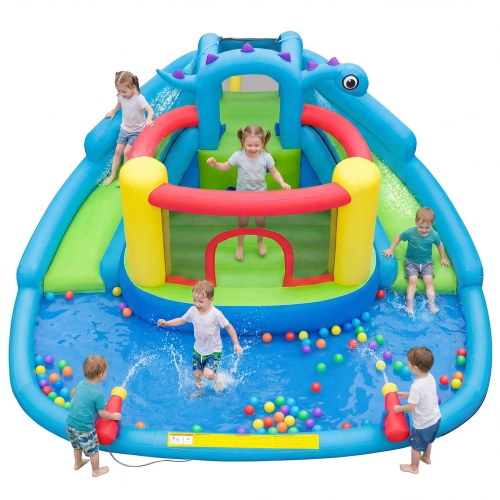
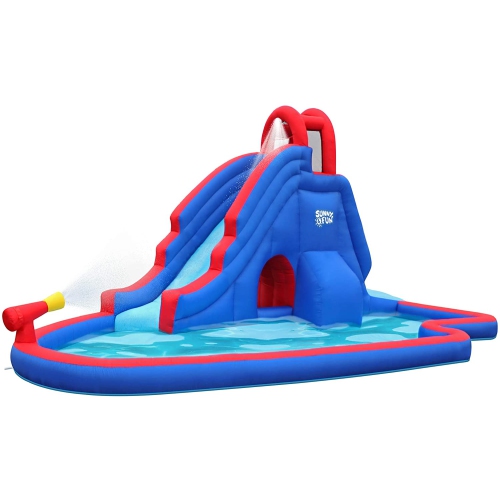
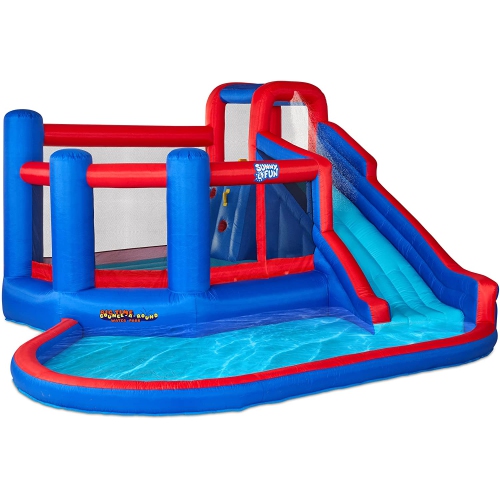
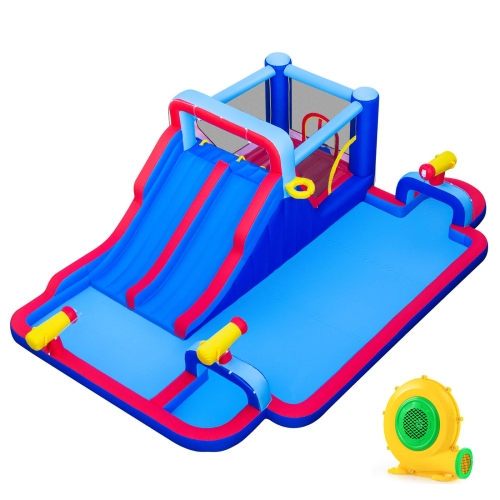
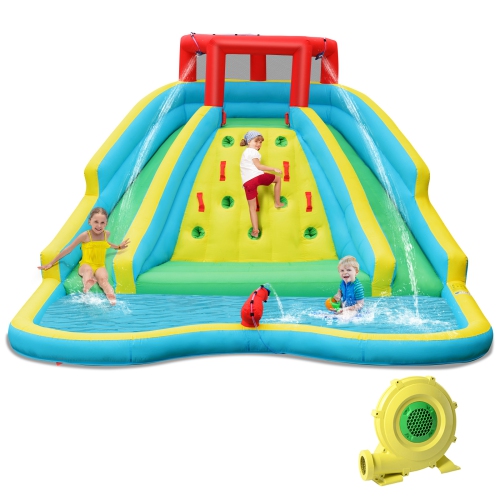
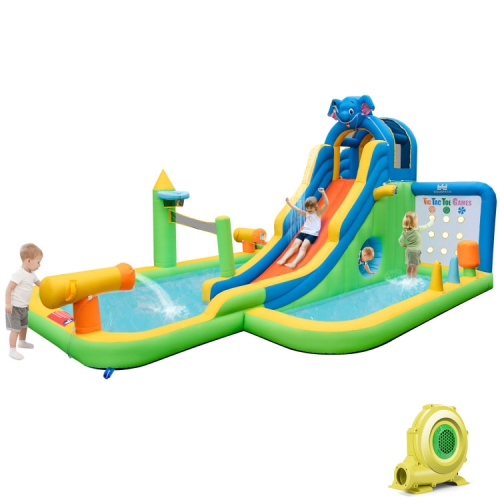
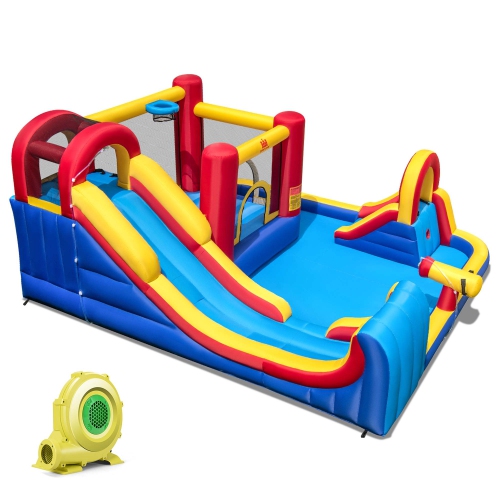
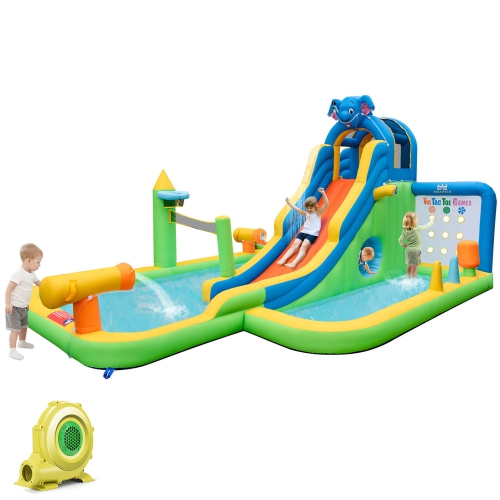
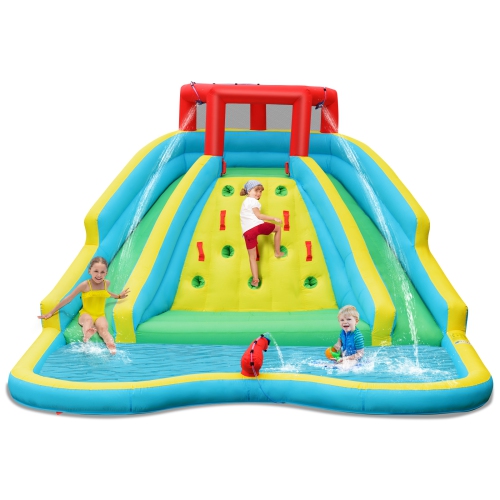
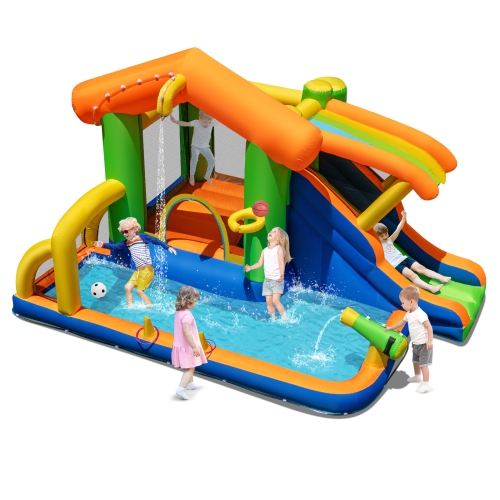
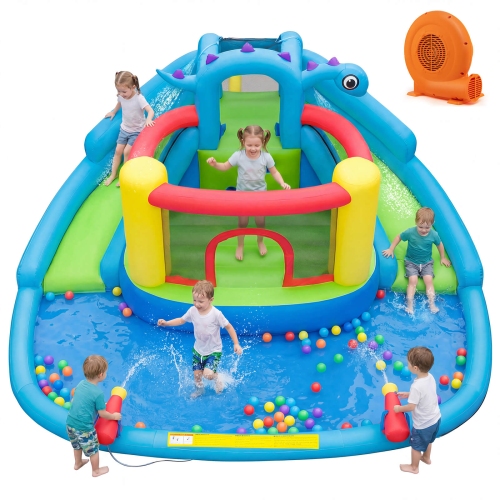
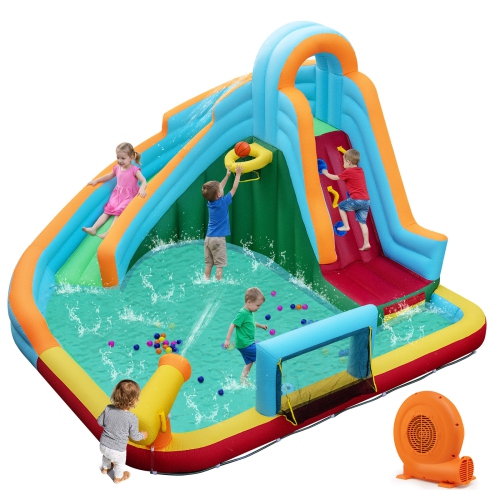
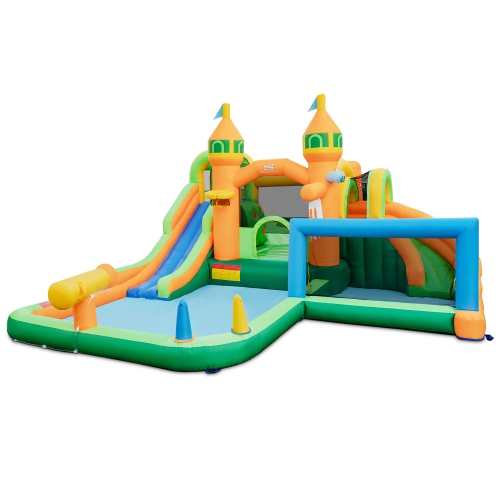
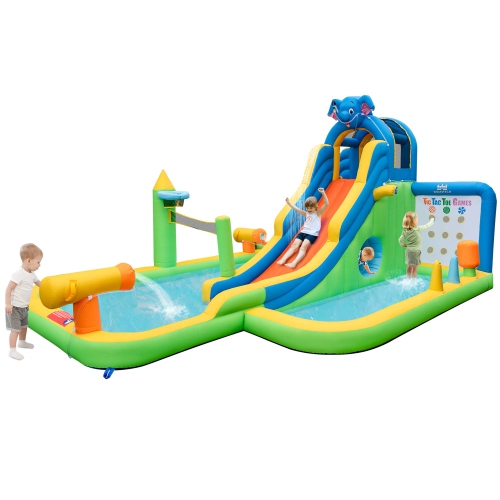
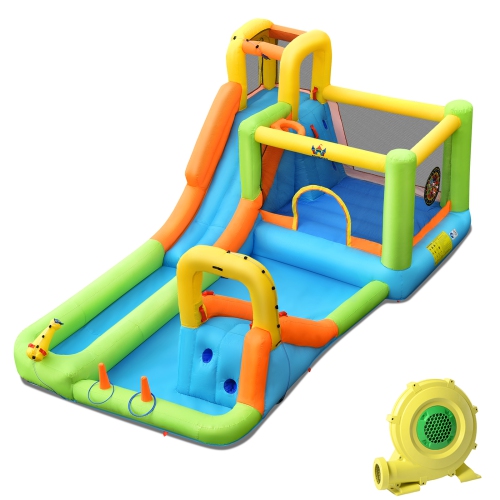
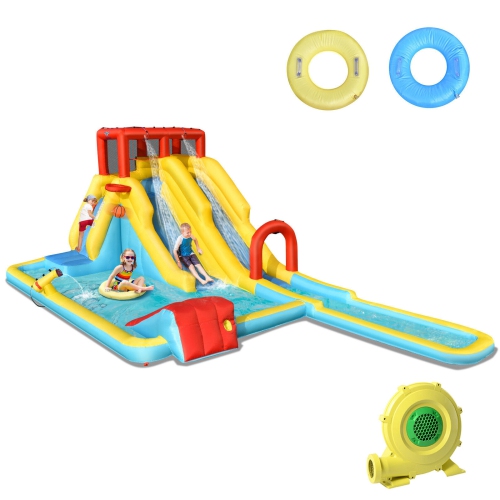
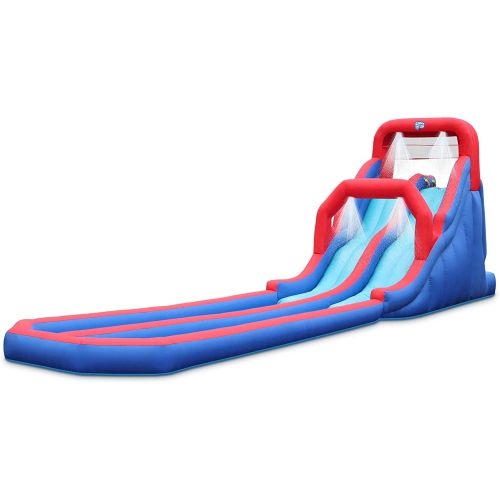
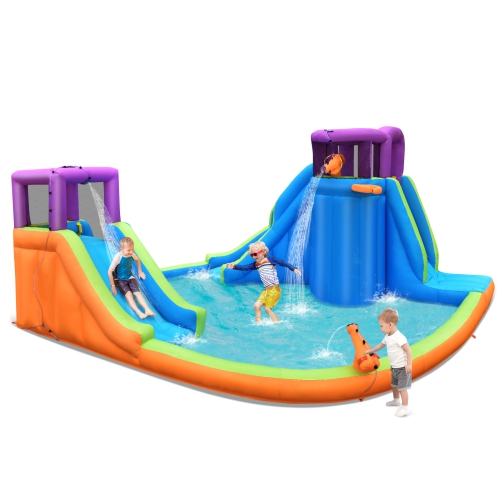
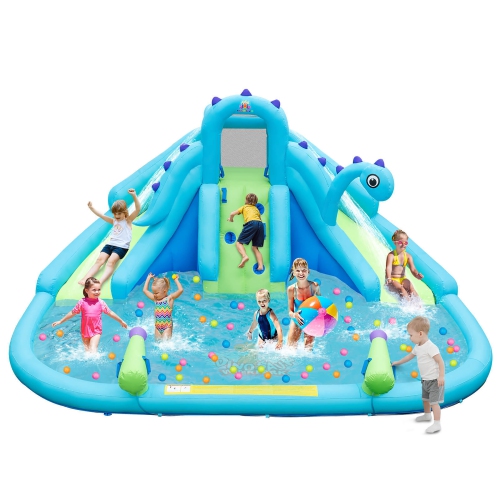
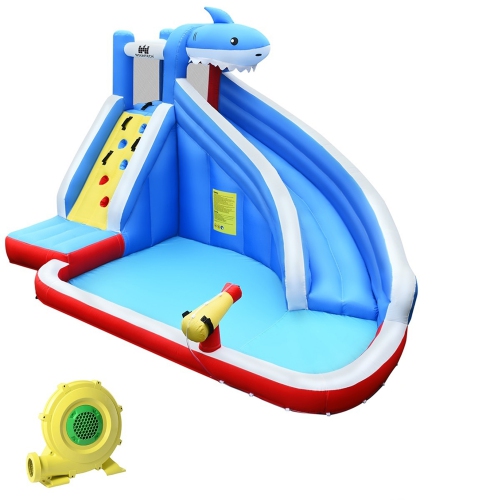
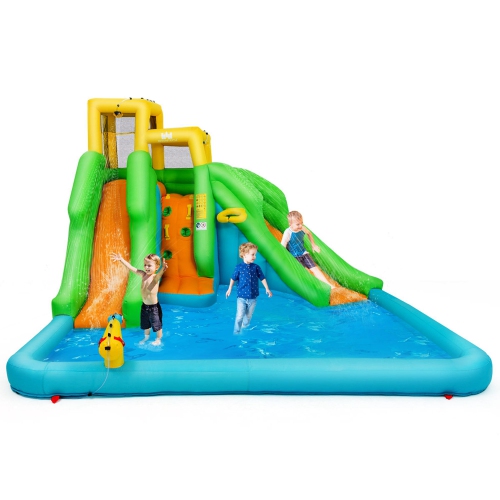
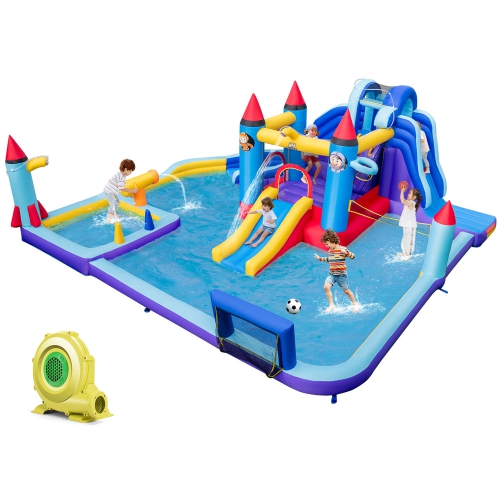
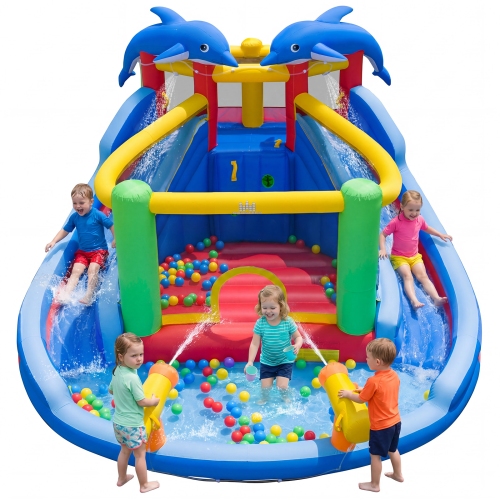
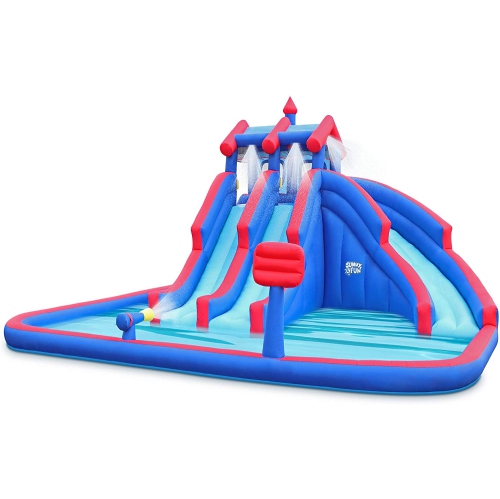
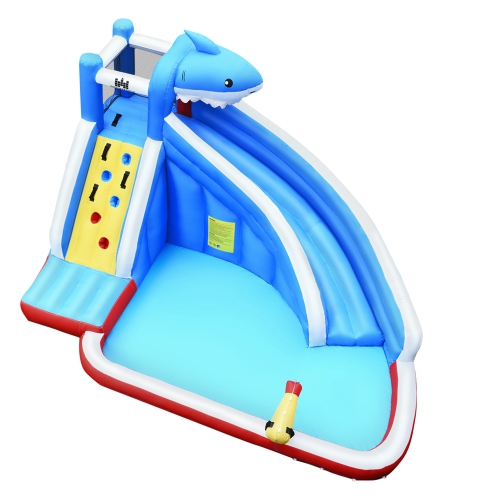
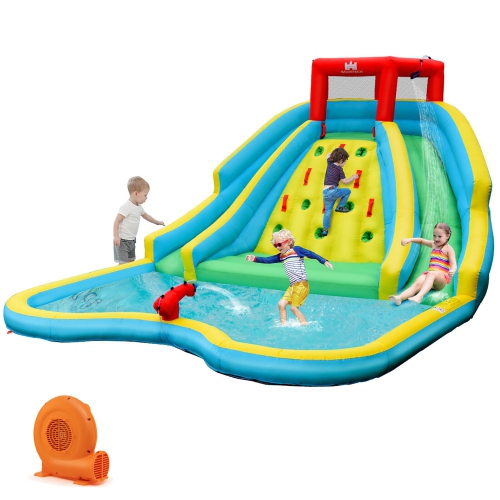
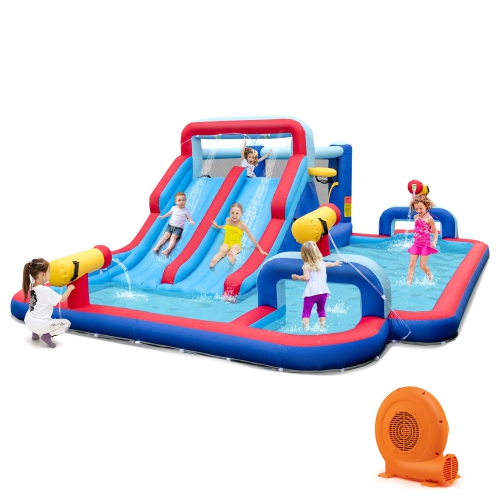
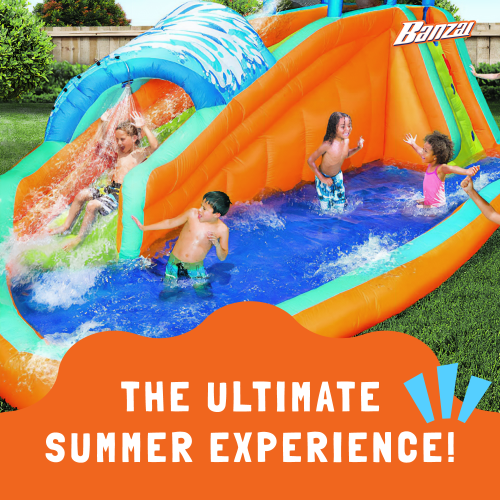
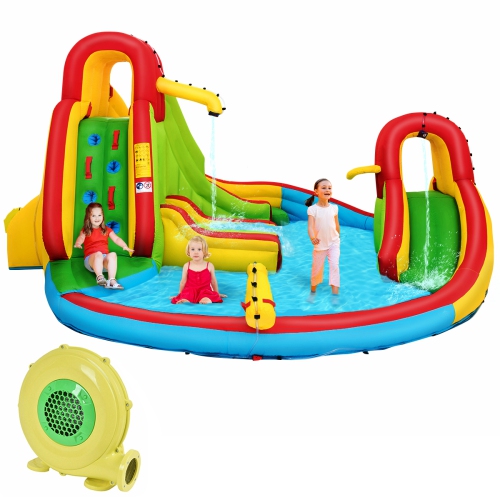
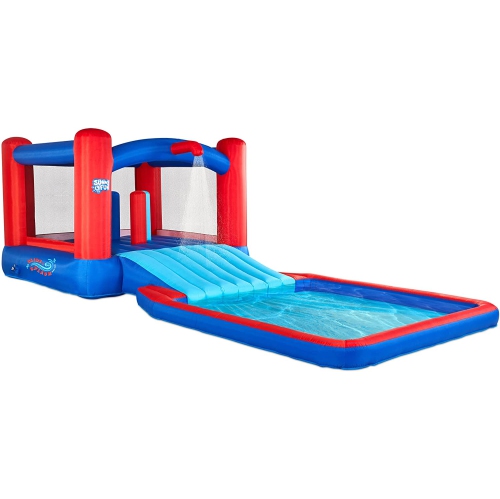
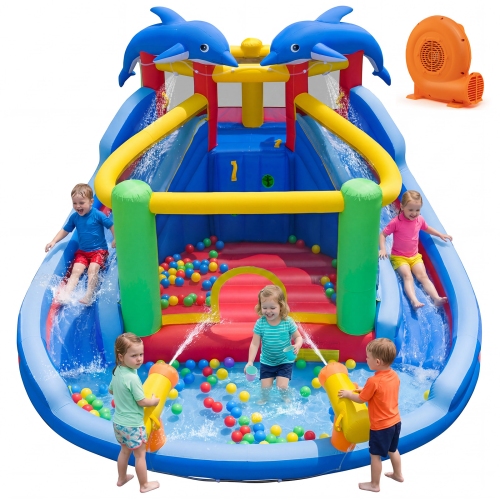
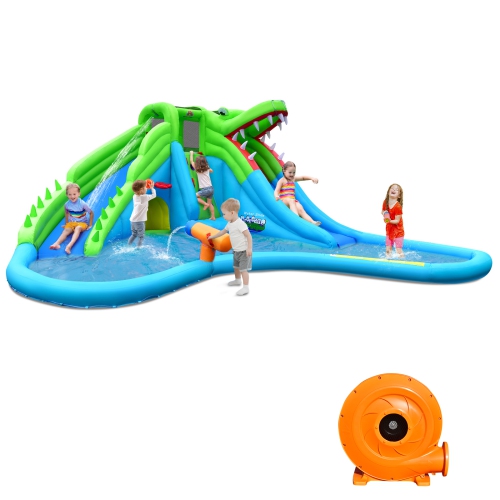
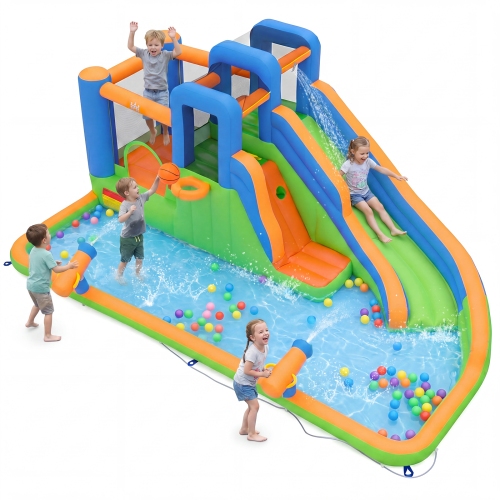
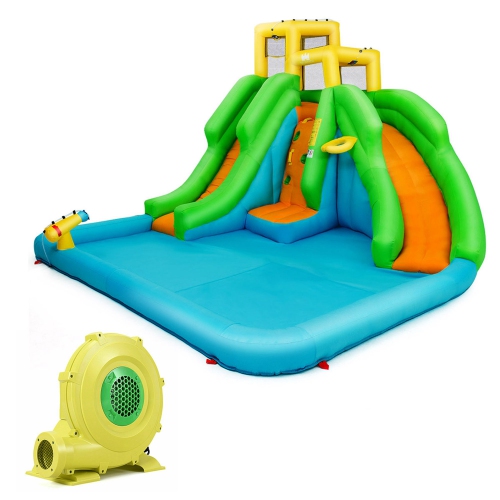
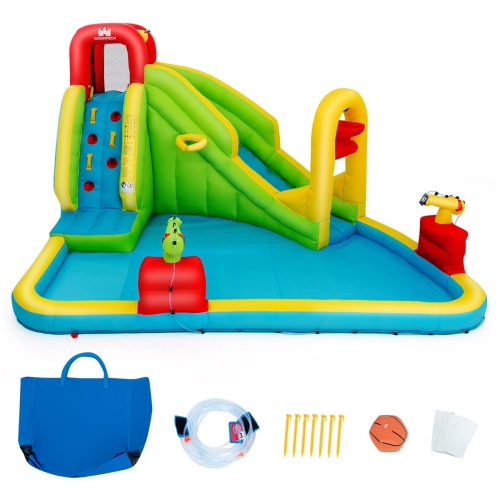
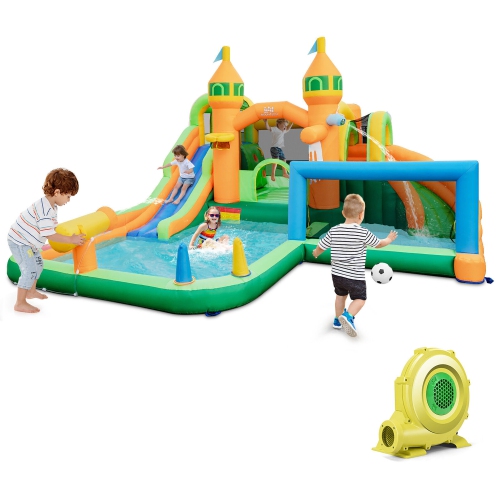
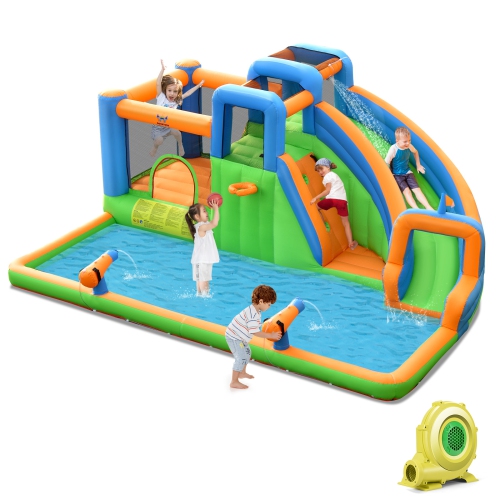
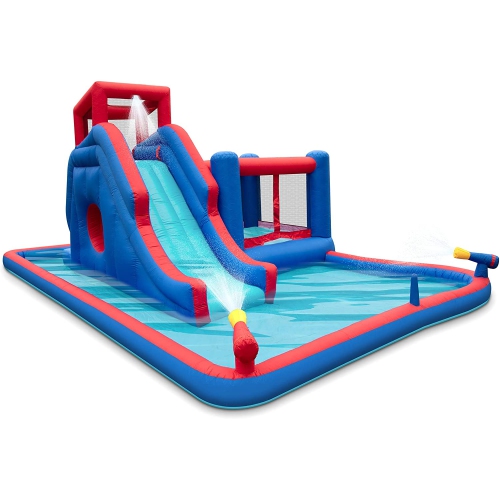
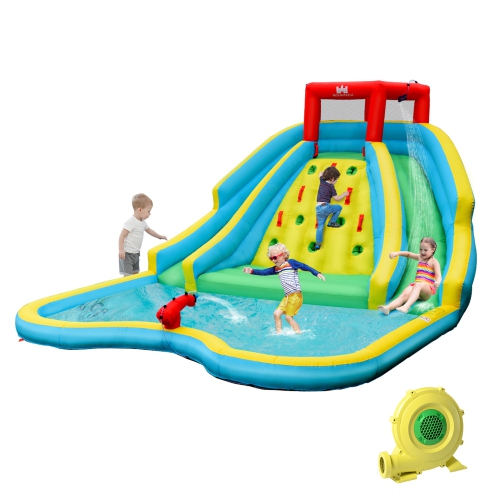
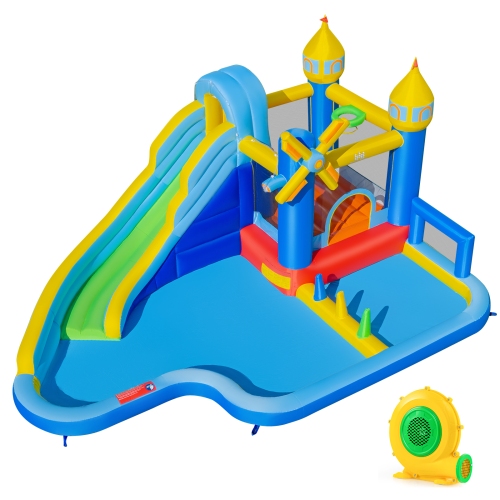
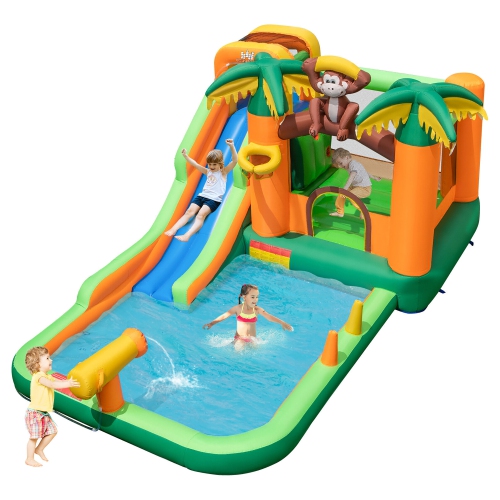
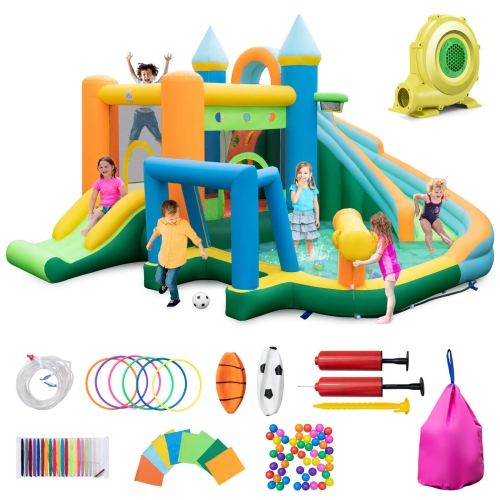
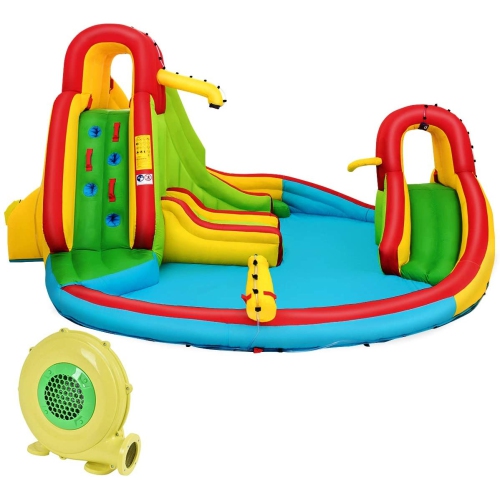
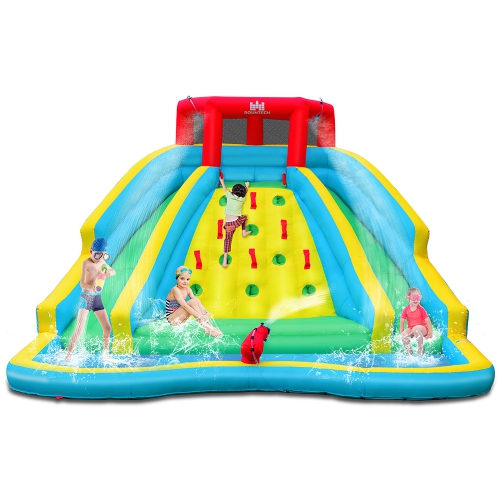
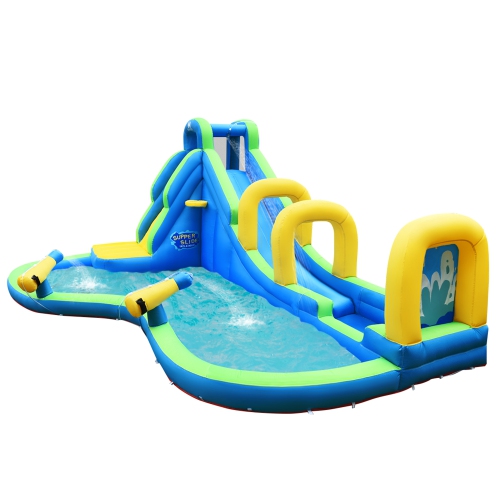
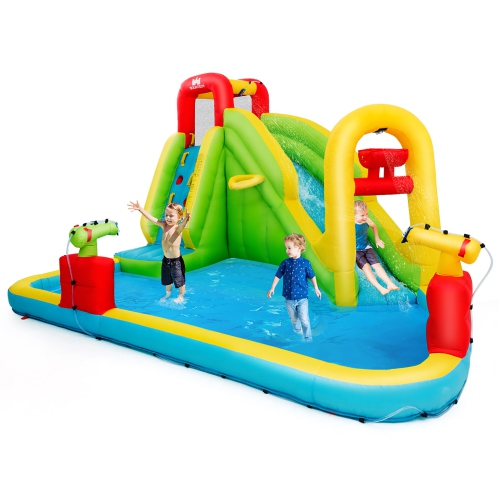
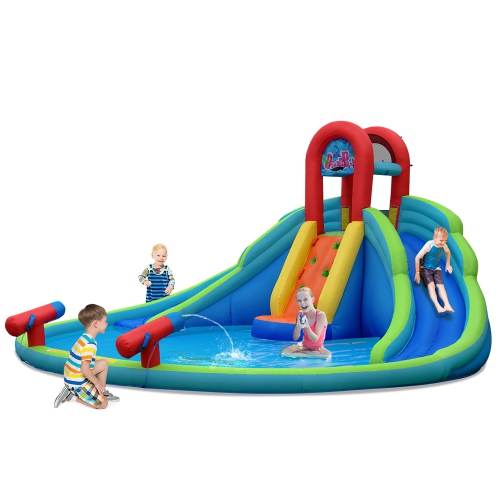
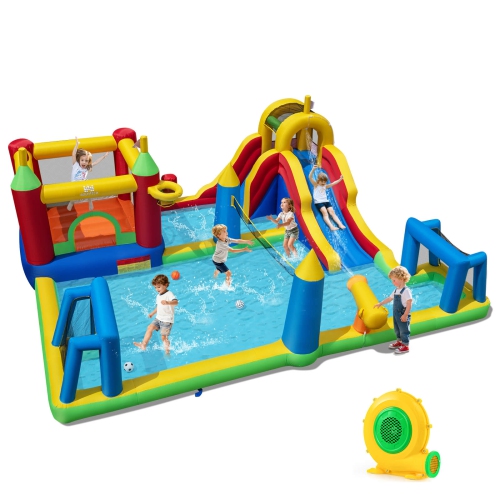
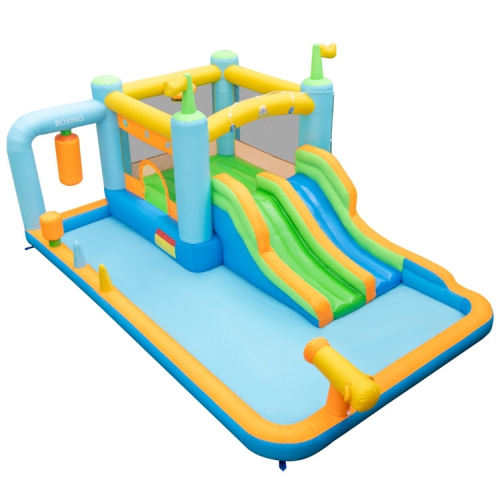
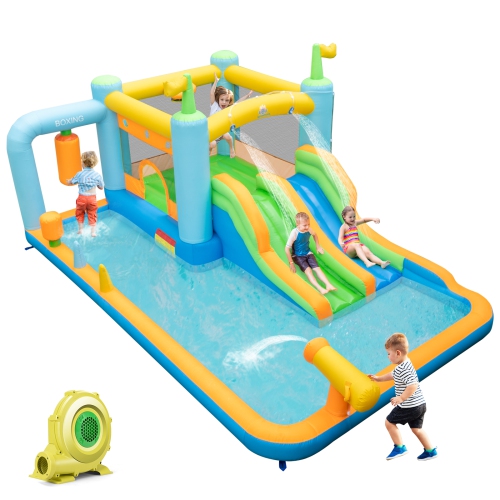
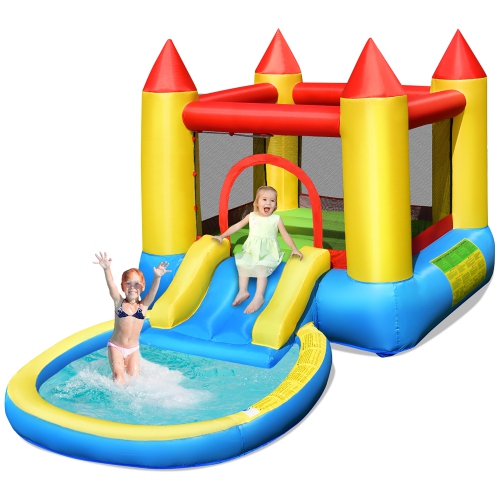
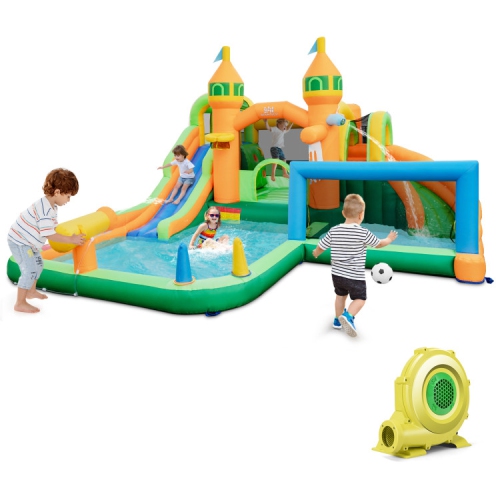
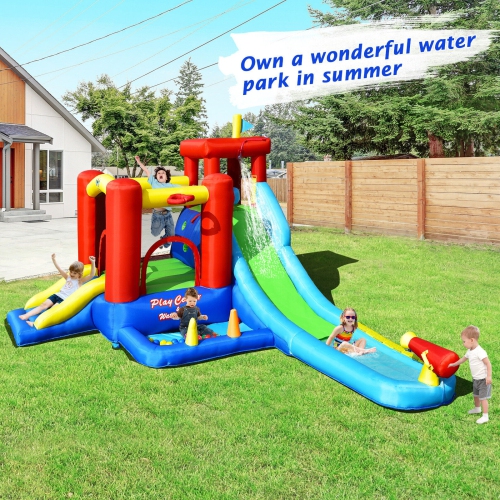
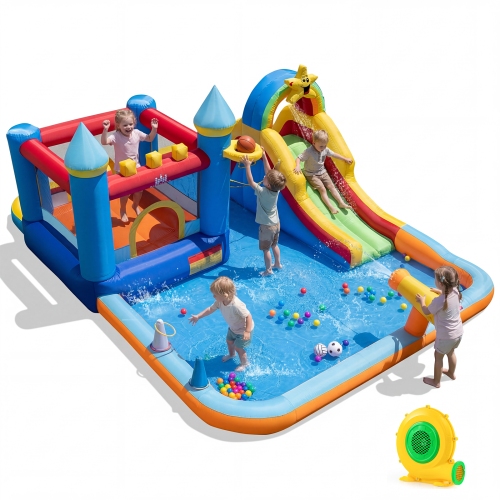
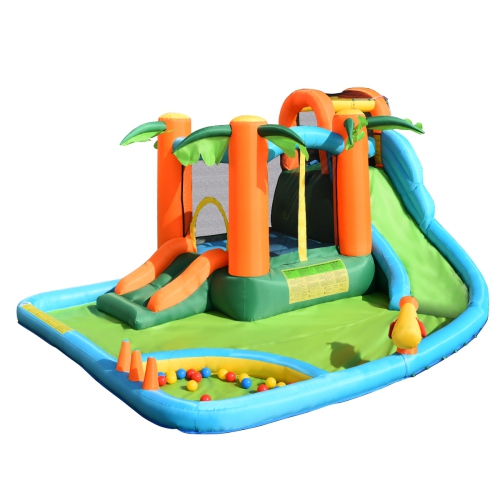
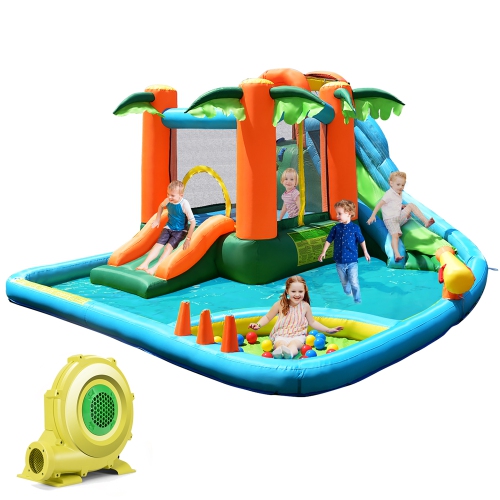
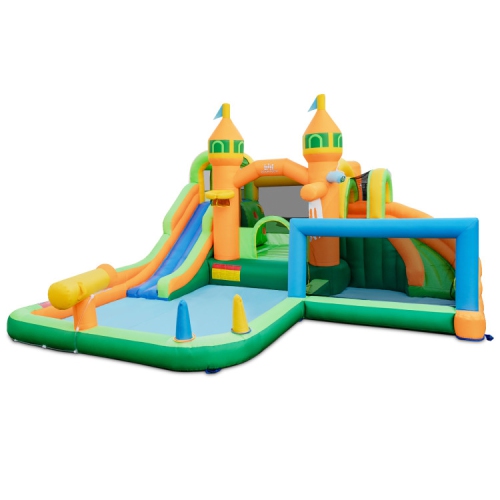
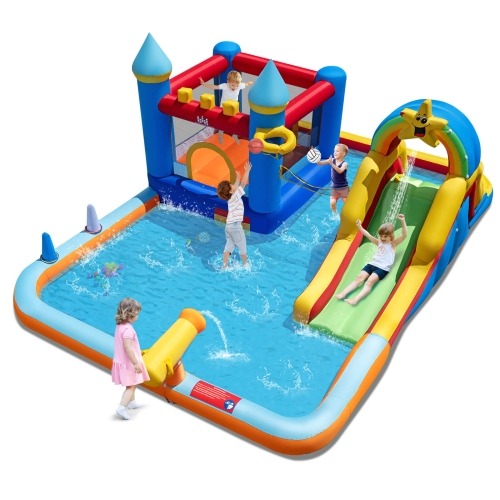
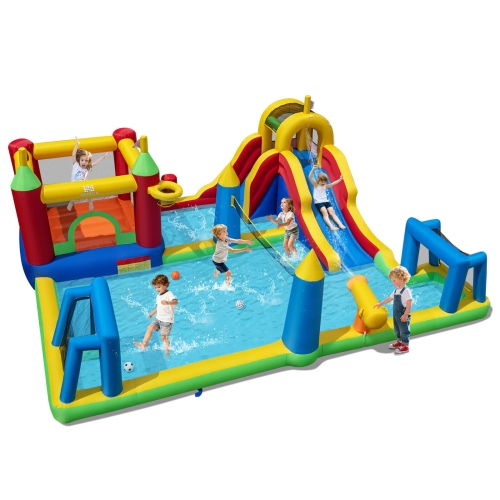
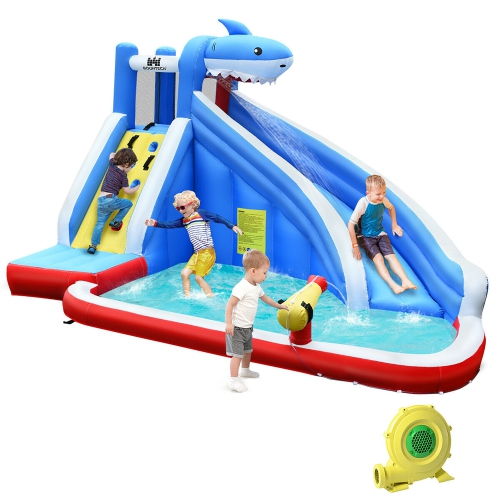
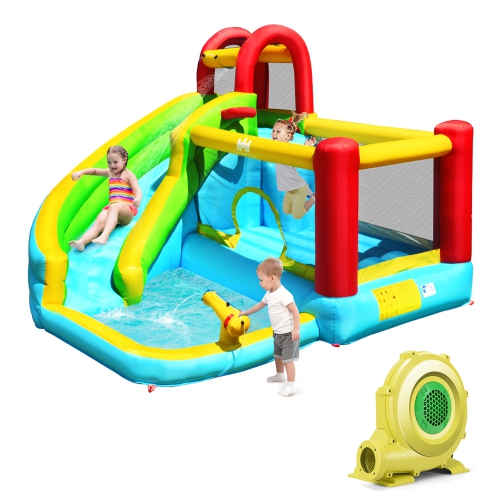
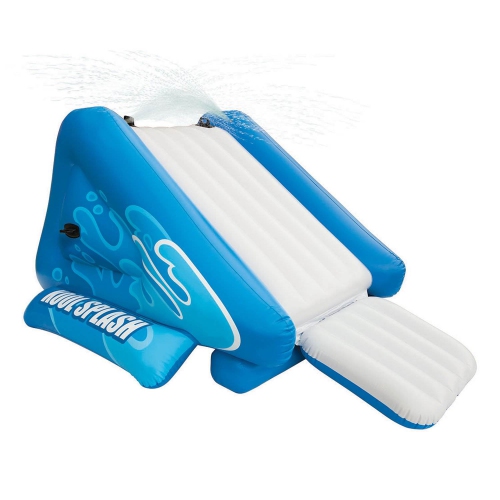
Inflatable water parks bring several kinds of water play together in one inflatable structure, from climbing and sliding to splashing and balancing. The term covers two distinct product types: backyard water parks that sit on land and floating systems designed for use on suitable bodies of water. Backyard versions often combine an inflatable slide, a climbing section, water sprayers, and a shallow splash area, creating a compact play space for children. Floating water parks use buoyant platforms and connected obstacles, which may include balance beams, climbing towers, slides, and jumping sections. These larger systems have different installation, anchoring, and supervision requirements and should not be confused with garden water toys. For home use, the appeal is often the variety of activities within a single setup. One child can practise climbing moulded footholds while another waits for a turn down the slide, with a splash area providing a lower-level activity where the design permits. Some layouts focus on a single wide slide; others create a small circuit with separate climbing and sliding routes. The right arrangement depends on the intended users rather than the number of features alone. Younger children need equipment specifically rated for their age and development, while taller slides and more demanding climbing sections may suit older children within the stated limits. Adult participation is appropriate only where the manufacturer expressly permits it. Water parks can make memorable gifts for families who have a suitable outdoor space, but their size, setup needs, and ongoing care make them worth discussing with the household beforehand. For families also interested in smaller activity-focused inflatables, inflatable play centres offer a related category to explore, with intended ages and permitted uses varying by design. Whether the goal is a simple slide-and-splash setup or a more involved play circuit, a useful starting point is a clear picture of who will use it, where it will sit, and how an adult will supervise every play area.
Materials and construction influence how an inflatable water park feels, how it is set up, and how well it stands up to repeated use. Depending on the design, backyard models may use coated woven fabric, PVC, or a combination of materials, with reinforced sections around climbing surfaces, slide lanes, and other high-contact areas. Floating systems commonly use heavy-duty airtight materials with welded seams, although construction varies. Material thickness alone does not tell the whole durability story: seam quality, attachment points, surface reinforcement, and following the stated user limits also matter. Some backyard parks rely on a blower that runs continuously during play; others have sealed air chambers inflated before use. A continuous-air design is not intended to hold its shape after the blower is switched off, and a small amount of air escaping through its seams can be normal when described by the manufacturer. The inflation method affects both placement and preparation, so it is important to check the required blower or pump, its compatibility, and the electrical supply requirements. Water features may connect to a garden hose, while splash areas may need filling separately. Fit means more than finding enough room for the inflated footprint. The surrounding clearance, slide exit, blower position, hose route, and space for adult access all need to fit comfortably within the site. A level surface free of stones, sharp twigs, and other debris helps protect the underside, but the permitted ground surface and any protective groundsheet should follow the product instructions. Overhead branches, fences, steps, and nearby hard surfaces can make an otherwise roomy location unsuitable. A long, narrow garden may accommodate a straight slide layout more naturally than a broad obstacle-style arrangement, provided all required clearances remain open. Equally important are the maximum individual user weight, combined user weight, height restrictions, and number of simultaneous participants. These limits work together; a generous overall weight allowance does not mean extra children can join beyond the stated capacity.
Day-to-day use is most enjoyable when setup, supervision, and care are treated as part of the product’s routine. Children need active adult supervision throughout water play, including in shallow splash areas, and an inflatable water park is not a flotation device or a substitute for swimming ability. Keeping the slide landing clear, allowing turns on climbing sections, and following the specified sliding position help prevent collisions during busy play sessions. Shoes, jewellery, and sharp accessories should be handled according to the manufacturer’s rules before anyone enters. For floating equipment, water depth, anchoring, access, rescue arrangements, and any required properly fitted lifejackets are separate considerations that call for a site-specific plan. A backyard inflatable should never be placed on a lake or in a pool unless it is expressly designed for that use. Outdoor operation also depends on the stated wind and weather restrictions; anchoring does not make an inflatable suitable for use beyond those limits. Blowers and electrical connections need placement and protection exactly as instructed, with appropriate ground-fault protection and no improvised power arrangements near water. Before each session, checking seams, anchor points, handles, footholds, and the slide surface can reveal wear before it interrupts play. A loose attachment, damaged cord, or area that is losing its intended shape is a reason to stop and address the problem rather than continue using the structure. Afterwards, draining standing water and removing grass, grit, and other debris makes cleaning more manageable. Use only cleaning products and methods approved for the material, and let all surfaces, folds, and seams dry thoroughly before packing to reduce mould and unpleasant odours. Repairs should use compatible materials and follow the manufacturer’s directions; damage to structural seams or load-bearing parts may require professional assessment or replacement. Storage space deserves attention too, since the folded inflatable, blower, hoses, and anchoring accessories all need a dry, protected home. Keeping the instructions and repair supplies together makes future setup simpler. With a suitable layout and consistent care, an inflatable water park can provide a varied space for active water play without overlooking the practical demands of owning one.
Materials and construction influence how an inflatable water park feels, how it is set up, and how well it stands up to repeated use. Depending on the design, backyard models may use coated woven fabric, PVC, or a combination of materials, with reinforced sections around climbing surfaces, slide lanes, and other high-contact areas. Floating systems commonly use heavy-duty airtight materials with welded seams, although construction varies. Material thickness alone does not tell the whole durability story: seam quality, attachment points, surface reinforcement, and following the stated user limits also matter. Some backyard parks rely on a blower that runs continuously during play; others have sealed air chambers inflated before use. A continuous-air design is not intended to hold its shape after the blower is switched off, and a small amount of air escaping through its seams can be normal when described by the manufacturer. The inflation method affects both placement and preparation, so it is important to check the required blower or pump, its compatibility, and the electrical supply requirements. Water features may connect to a garden hose, while splash areas may need filling separately. Fit means more than finding enough room for the inflated footprint. The surrounding clearance, slide exit, blower position, hose route, and space for adult access all need to fit comfortably within the site. A level surface free of stones, sharp twigs, and other debris helps protect the underside, but the permitted ground surface and any protective groundsheet should follow the product instructions. Overhead branches, fences, steps, and nearby hard surfaces can make an otherwise roomy location unsuitable. A long, narrow garden may accommodate a straight slide layout more naturally than a broad obstacle-style arrangement, provided all required clearances remain open. Equally important are the maximum individual user weight, combined user weight, height restrictions, and number of simultaneous participants. These limits work together; a generous overall weight allowance does not mean extra children can join beyond the stated capacity.
Day-to-day use is most enjoyable when setup, supervision, and care are treated as part of the product’s routine. Children need active adult supervision throughout water play, including in shallow splash areas, and an inflatable water park is not a flotation device or a substitute for swimming ability. Keeping the slide landing clear, allowing turns on climbing sections, and following the specified sliding position help prevent collisions during busy play sessions. Shoes, jewellery, and sharp accessories should be handled according to the manufacturer’s rules before anyone enters. For floating equipment, water depth, anchoring, access, rescue arrangements, and any required properly fitted lifejackets are separate considerations that call for a site-specific plan. A backyard inflatable should never be placed on a lake or in a pool unless it is expressly designed for that use. Outdoor operation also depends on the stated wind and weather restrictions; anchoring does not make an inflatable suitable for use beyond those limits. Blowers and electrical connections need placement and protection exactly as instructed, with appropriate ground-fault protection and no improvised power arrangements near water. Before each session, checking seams, anchor points, handles, footholds, and the slide surface can reveal wear before it interrupts play. A loose attachment, damaged cord, or area that is losing its intended shape is a reason to stop and address the problem rather than continue using the structure. Afterwards, draining standing water and removing grass, grit, and other debris makes cleaning more manageable. Use only cleaning products and methods approved for the material, and let all surfaces, folds, and seams dry thoroughly before packing to reduce mould and unpleasant odours. Repairs should use compatible materials and follow the manufacturer’s directions; damage to structural seams or load-bearing parts may require professional assessment or replacement. Storage space deserves attention too, since the folded inflatable, blower, hoses, and anchoring accessories all need a dry, protected home. Keeping the instructions and repair supplies together makes future setup simpler. With a suitable layout and consistent care, an inflatable water park can provide a varied space for active water play without overlooking the practical demands of owning one.
Top selling and popular products
-
 Your price for this item is $398.95
 -
 Your price for this item is $245.99
 -
 Your price for this item is $44.99
 -
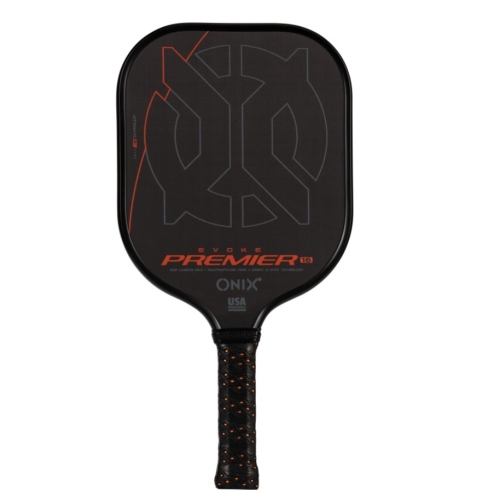 Your price for this item is $139.99
 -
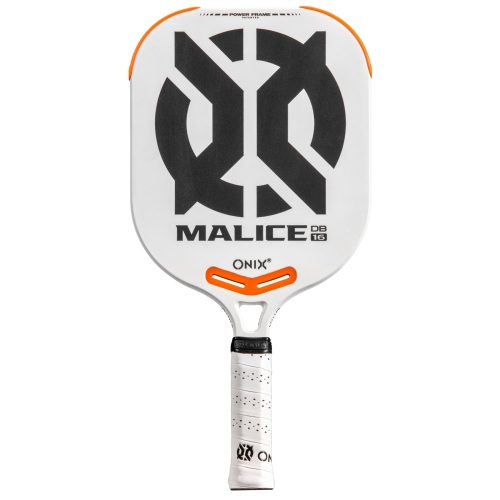 Your price for this item is $359.99
 -
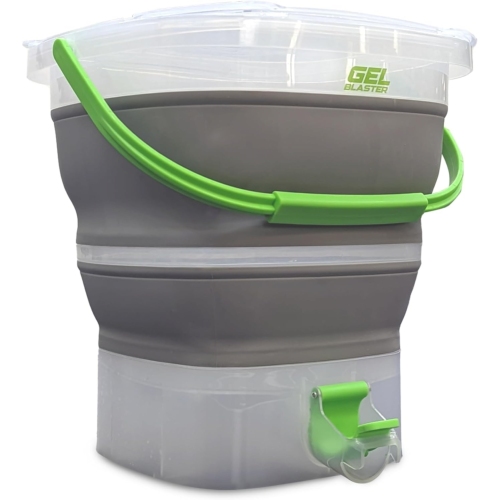 Your price for this item is $34.99
 -
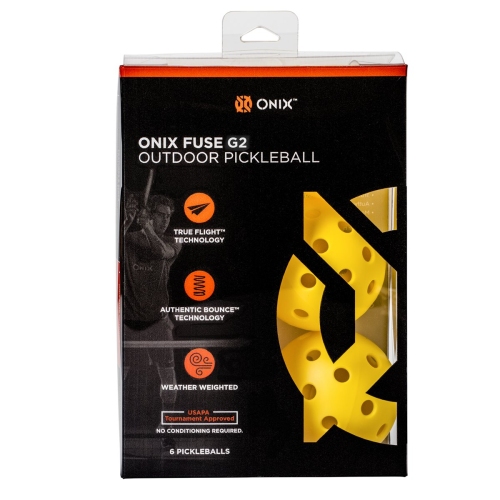 Your price for this item is $28.99
 -
 Your price for this item is $349.99
Discover more categories related to Inflatable Water Parks
Top Collections:
Pokemon Centers, Kindle Devices, Apple iPhones 16, Samsung Galaxy Phones, Canon G7X Cameras, iPhone 15 Apple, Flip Phones, Apple Wired Earphones, Best Budget Office Chairs, Refurbished Apple Laptops
Some products may be subject to Environmental Handling Fees
(EHF) depending on your province.
Learn more about EHFs.