Interactive Math Games
Looking for a fun and engaging way to help your child improve their math skills? Look no further than our collection of interactive math games. Designed to make learning math enjoyable, these games combine educational content with interactive elements to keep your child entertained while they practice key math concepts. Whether your child is just starting out or needs some extra practice, these interactive math games are sure to make learning math a breeze. Explore our wide selection today and watch your child's confidence in math soar!
Sort

![OSMO - Genius Starter Kit: Family Game Night - Ipad [Electronics]](https://multimedia.bbycastatic.ca/multimedia/products/500x500/188/18884/18884551.jpeg)
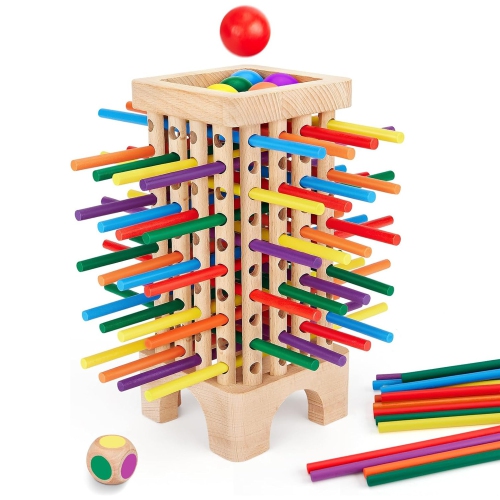
![BYJU'S Byju’s Learning Kits: Disney 2Nd Grade Premium Edition [Electronics]](https://multimedia.bbycastatic.ca/multimedia/products/500x500/193/19384/19384273.jpeg)
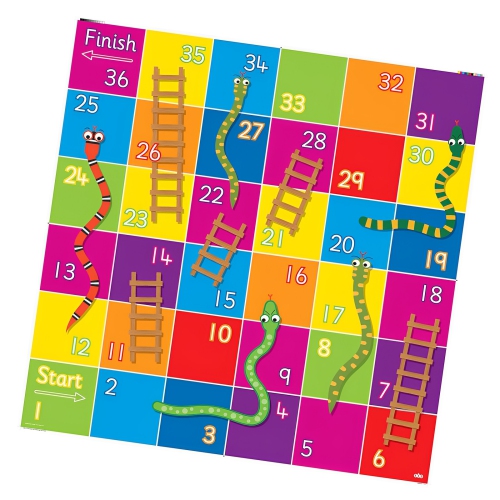
![OSMO - Little Genius Starter Kit: Plus Early Math Adventure - Ipad [Electronics]](https://multimedia.bbycastatic.ca/multimedia/products/500x500/193/19384/19384299.jpeg)
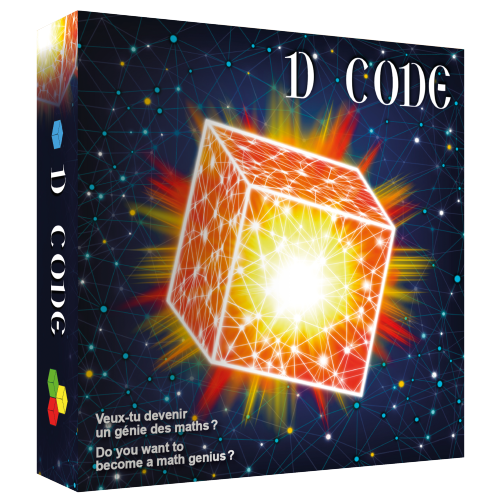
![GS2 GAMES Math Masters [Board Game, 2-4 Players]](https://multimedia.bbycastatic.ca/multimedia/products/500x500/198/19839/19839386.jpeg)
![OSMO - Genius Starter Kit - for Ipad [Electronics] The best toy I could ever imagine getting my 4 and 6 year old](https://multimedia.bbycastatic.ca/multimedia/products/500x500/188/18884/18884576.jpeg)
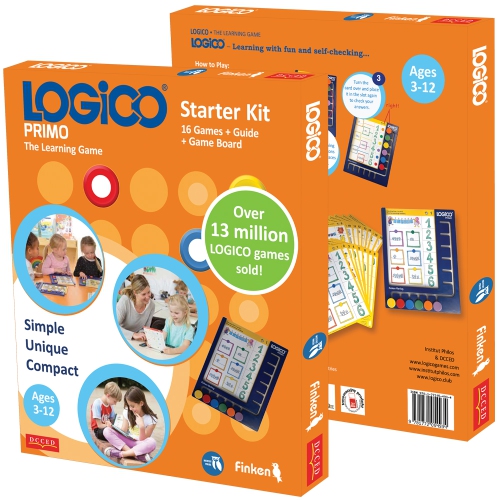
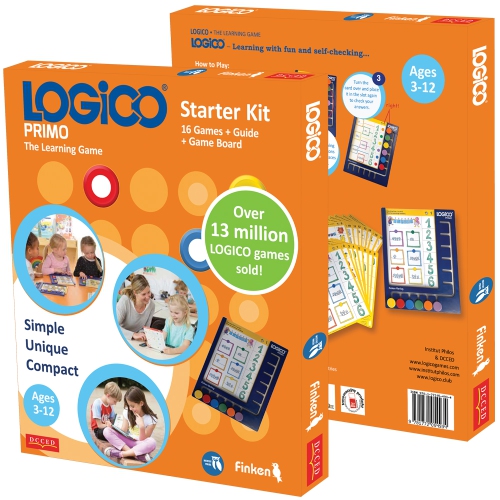
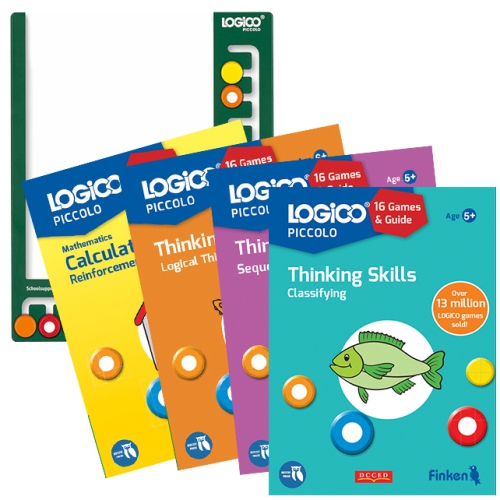

![OSMO - Little Genius Starter Kit: Plus Early Math Adventure - Amazon Fire [Electronics]](https://multimedia.bbycastatic.ca/multimedia/products/500x500/188/18884/18884535.jpeg)
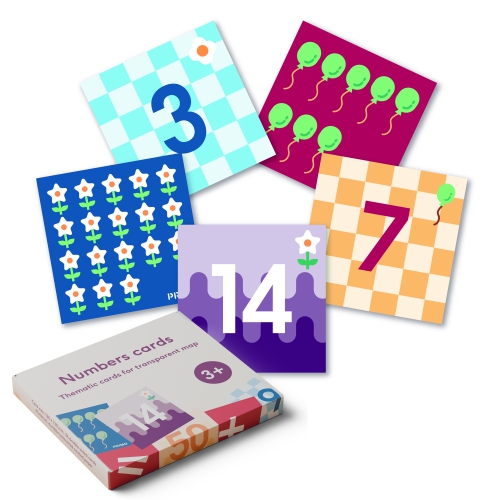
![LIONSGATE Leapfrog: Math Adventure to The Moon [With Flashcards] - [DVD]](https://multimedia.bbycastatic.ca/multimedia/products/500x500/155/15588/15588383.jpeg)
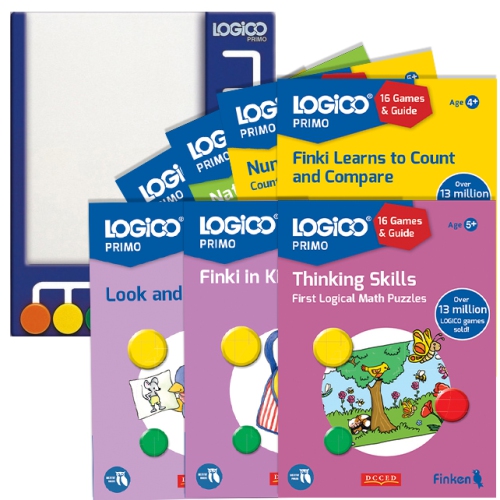
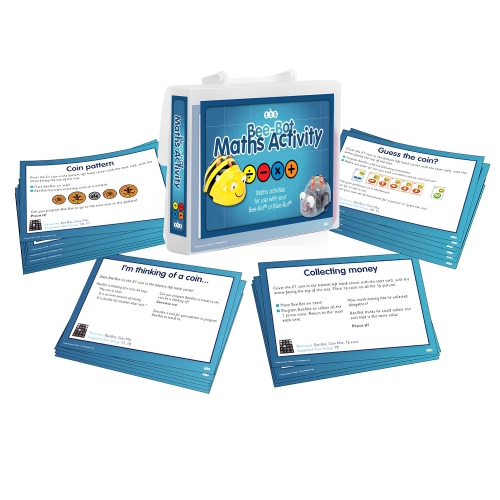
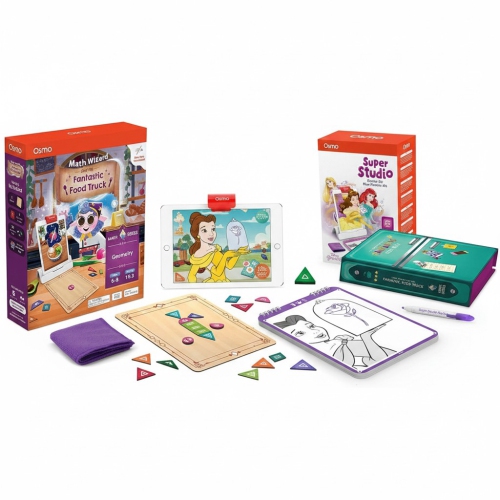

Hands-on play makes mathematical ideas easier to approach
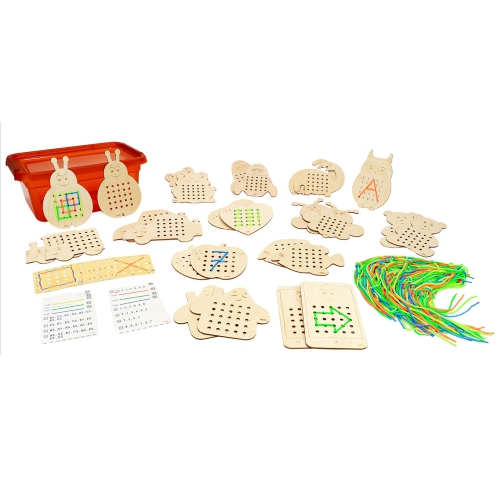
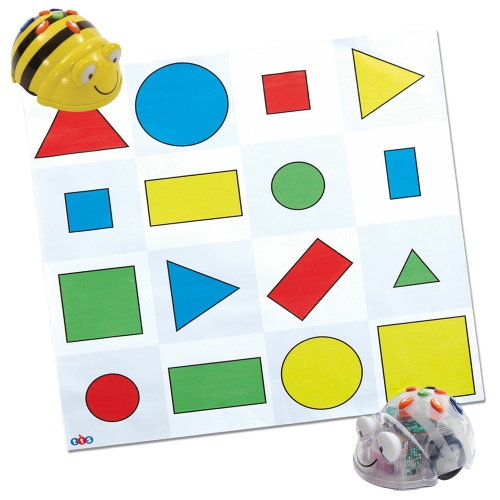
Interactive math games turn practice into an activity children can see, touch, and enjoy. Instead of completing a long page of equations, players may count pieces, move along a numbered path, match an equation with its answer, build groups of ten, compare quantities, or solve a puzzle to reach the next level. This combination of play and learning can help make mathematical ideas feel more approachable, particularly for children who become discouraged by repetitive worksheets. Interactive math games may support early skills such as counting, number recognition, sorting, patterns, and simple addition, as well as more advanced practice with subtraction, multiplication, division, fractions, decimals, money, measurement, geometry, and logic. Some options are designed for solo play, while others encourage children to take turns, explain their thinking, and make decisions together. A game involving dice and counters can introduce place value by having players collect ones and trade groups of ten, while a bingo-style activity can reinforce addition or multiplication facts through quick, repeated rounds. Memory games that pair equations with matching answers can build calculation fluency, and race or strategy formats can add excitement to skills that benefit from regular practice. Digital games may include visual models, animations, instant feedback, adjustable difficulty, and short challenges that suit independent practice. Physical games offer a screen-free alternative with cards, boards, tiles, spinners, and manipulatives that children can arrange on a table or classroom floor. When browsing interactive math games, consider the learner’s age, grade level, current confidence, and the specific skill they are practising. A child working on counting will benefit from clear numerals, colourful pieces, and simple rules, while an older student may prefer multi-step challenges, fractions, probability, or strategic play. Instructions should be easy for an adult or older child to understand, especially when a game is intended for family use. It is also helpful to check whether the game supports one player, two players, or a larger group, since the right format can make a difference during homework time, a classroom activity, or a quiet afternoon at home.
The best interactive math games fit naturally into the way a child already likes to learn. Some children enjoy the immediate response of a digital challenge, where they can select an answer, watch a visual model change, and try again without feeling that a mistake has stopped the activity. Others learn more comfortably with physical pieces they can line up, sort, move, and count with their hands. Younger learners may benefit from bright, uncluttered layouts and short turns, while older children may stay engaged with games that involve planning, competition, collaboration, or increasingly difficult levels. For a family, a simple number game can become part of an evening routine: a few minutes at the kitchen table after school, with tokens spread beside a mug of tea and everyone taking turns explaining how they reached an answer. That kind of relaxed repetition can help facts become more familiar without making practice feel like extra classwork. Parents, grandparents, caregivers, and educators can also use these products to observe how a child approaches a problem. A player who counts each object carefully may be strengthening one-to-one correspondence; a child who groups pieces into tens is developing place-value understanding; and a player who explains why one fraction is larger than another is practising mathematical reasoning and communication. Look for games that allow children to make meaningful choices rather than simply tap through answers. Visual number lines, fraction pieces, pattern blocks, clocks, play money, and measurement tools can connect an abstract idea to something a child can see and handle. For children who are learning at different levels within the same household, games with multiple difficulty settings or flexible rules can keep everyone involved. An adult can begin with smaller numbers, fewer pieces, or open-ended counting, then add a time limit, a larger number range, or a more advanced operation as confidence grows. A well-chosen activity may also make a thoughtful gift for a child who enjoys puzzles, building, collecting, friendly competition, or imaginative play. It can be used at home, packed for a visit with family, added to a classroom activity shelf, or brought out during indoor play when cooler weather keeps everyone inside.
When comparing interactive math games, consider the balance between learning goals and lasting play value. Check the recommended age range, number of players, estimated play time, language of the instructions, and whether the pieces are suitable for the intended user. For digital formats, review device compatibility, required internet access, screen controls, audio settings, and whether progress can be adjusted for different abilities. A game that works in short sessions may be easier to use before school or between activities, while a longer tabletop game can suit a family game night or small-group learning. Durability and storage also matter: sturdy cards, easy-to-handle pieces, and a box that keeps components together can make an activity more likely to return to the table. For younger children, larger pieces may be easier to grasp, while older players may appreciate compact cards or a more detailed board that can be set up quickly. The visual style should be engaging without making the rules difficult to follow, and the challenge should feel achievable with room to grow. When a child is practising multiplication, look for opportunities to connect repeated addition, arrays, and fact families. For fractions, games that use shaded shapes, number lines, or equally divided pieces can make comparison and equivalence more concrete. Money-based activities can combine counting with decision-making, while measurement and geometry games can encourage children to identify shapes, estimate distances, and notice how objects fit together. Logic and pattern games add another dimension by helping players organize information, recognize relationships, and plan several moves ahead. Families seeking a hands-on way to practise number skills can also explore Math Board Games for tabletop activities that bring mathematical thinking into shared play. Whether used for independent practice, family time, tutoring, or a classroom station, interactive math games can give children repeated chances to try, adjust, explain, and succeed. The most useful choice is one that matches the player’s interests and skill level closely enough to feel inviting, while still providing enough variety and challenge to keep mathematical thinking active through the seasons.
The best interactive math games fit naturally into the way a child already likes to learn. Some children enjoy the immediate response of a digital challenge, where they can select an answer, watch a visual model change, and try again without feeling that a mistake has stopped the activity. Others learn more comfortably with physical pieces they can line up, sort, move, and count with their hands. Younger learners may benefit from bright, uncluttered layouts and short turns, while older children may stay engaged with games that involve planning, competition, collaboration, or increasingly difficult levels. For a family, a simple number game can become part of an evening routine: a few minutes at the kitchen table after school, with tokens spread beside a mug of tea and everyone taking turns explaining how they reached an answer. That kind of relaxed repetition can help facts become more familiar without making practice feel like extra classwork. Parents, grandparents, caregivers, and educators can also use these products to observe how a child approaches a problem. A player who counts each object carefully may be strengthening one-to-one correspondence; a child who groups pieces into tens is developing place-value understanding; and a player who explains why one fraction is larger than another is practising mathematical reasoning and communication. Look for games that allow children to make meaningful choices rather than simply tap through answers. Visual number lines, fraction pieces, pattern blocks, clocks, play money, and measurement tools can connect an abstract idea to something a child can see and handle. For children who are learning at different levels within the same household, games with multiple difficulty settings or flexible rules can keep everyone involved. An adult can begin with smaller numbers, fewer pieces, or open-ended counting, then add a time limit, a larger number range, or a more advanced operation as confidence grows. A well-chosen activity may also make a thoughtful gift for a child who enjoys puzzles, building, collecting, friendly competition, or imaginative play. It can be used at home, packed for a visit with family, added to a classroom activity shelf, or brought out during indoor play when cooler weather keeps everyone inside.
When comparing interactive math games, consider the balance between learning goals and lasting play value. Check the recommended age range, number of players, estimated play time, language of the instructions, and whether the pieces are suitable for the intended user. For digital formats, review device compatibility, required internet access, screen controls, audio settings, and whether progress can be adjusted for different abilities. A game that works in short sessions may be easier to use before school or between activities, while a longer tabletop game can suit a family game night or small-group learning. Durability and storage also matter: sturdy cards, easy-to-handle pieces, and a box that keeps components together can make an activity more likely to return to the table. For younger children, larger pieces may be easier to grasp, while older players may appreciate compact cards or a more detailed board that can be set up quickly. The visual style should be engaging without making the rules difficult to follow, and the challenge should feel achievable with room to grow. When a child is practising multiplication, look for opportunities to connect repeated addition, arrays, and fact families. For fractions, games that use shaded shapes, number lines, or equally divided pieces can make comparison and equivalence more concrete. Money-based activities can combine counting with decision-making, while measurement and geometry games can encourage children to identify shapes, estimate distances, and notice how objects fit together. Logic and pattern games add another dimension by helping players organize information, recognize relationships, and plan several moves ahead. Families seeking a hands-on way to practise number skills can also explore Math Board Games for tabletop activities that bring mathematical thinking into shared play. Whether used for independent practice, family time, tutoring, or a classroom station, interactive math games can give children repeated chances to try, adjust, explain, and succeed. The most useful choice is one that matches the player’s interests and skill level closely enough to feel inviting, while still providing enough variety and challenge to keep mathematical thinking active through the seasons.
Top selling and popular products
-
 Your price for this item is $299.13
 -
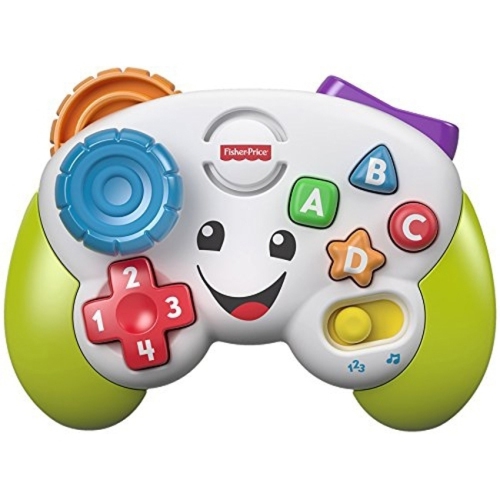 Your price for this item is $24.28
 -
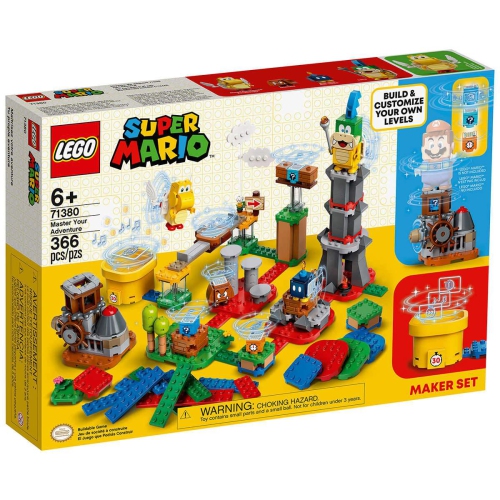 Your price for this item is $103.27
 -
 Your price for this item is $17.24
 -
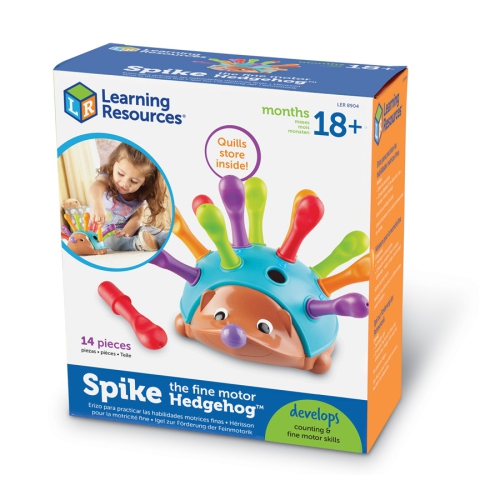 Your price for this item is $56.13
 -
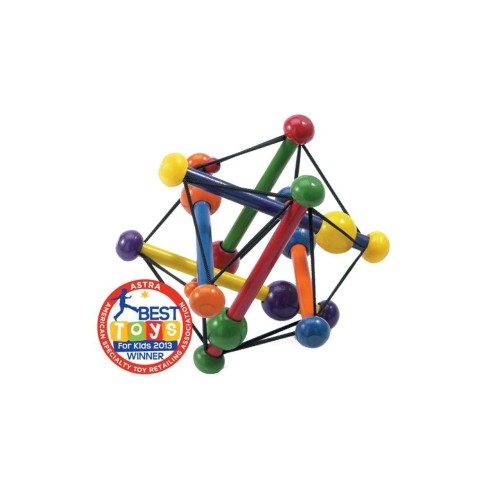 Your price for this item is $29.99
 -
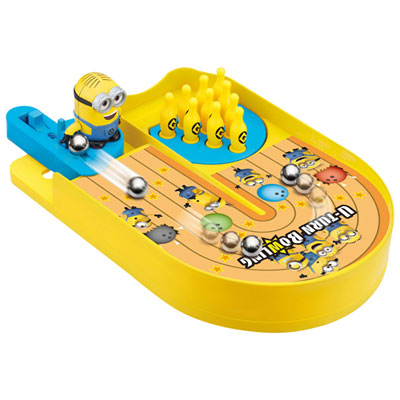 Your price for this item is $19.99
 -
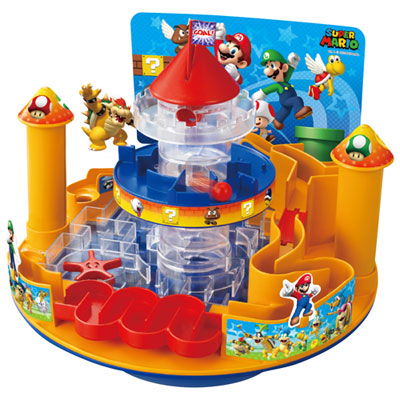 Your price for this item is $39.99
Discover more categories related to Interactive Math Games
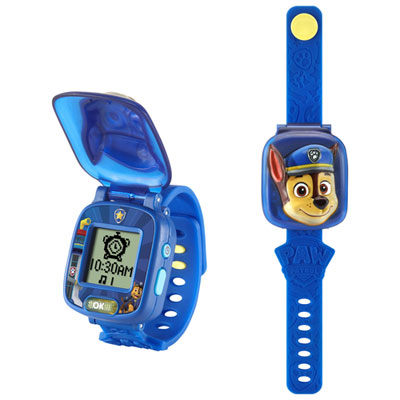
Top Collections:
Pokemon Centers, Kindle Devices, Best Budget Office Chairs, Apple iPhones 16, Best Laptops for Writers, iPhone 15 Apple, Canon G7X Cameras, Refurbished Apple Laptops, Alarm Clock, Motorola Razr Phones
Some products may be subject to Environmental Handling Fees
(EHF) depending on your province.
Learn more about EHFs.