Japanese Toys
Dive into the enchanting world of Japanese toys, where innovation meets tradition to create a captivating collection for all ages. Known for their unique designs and meticulous craftsmanship, these toys offer a delightful blend of fun and culture that can spark imagination and bring joy to playtime. From whimsical characters to intricate puzzles, Japanese toys provide endless possibilities for entertainment and learning. Explore our selection and discover the charm and creativity that make these toys a beloved choice for collectors, children, and enthusiasts alike.
Sort
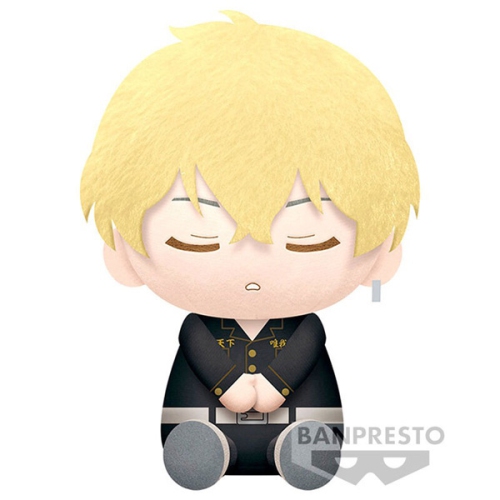
![BANPRESTO JAPAN Tokyo Revengers Takemichi Hanagaki Big Plush [Banpresto]](https://multimedia.bbycastatic.ca/multimedia/products/500x500/174/17449/17449139.jpeg)

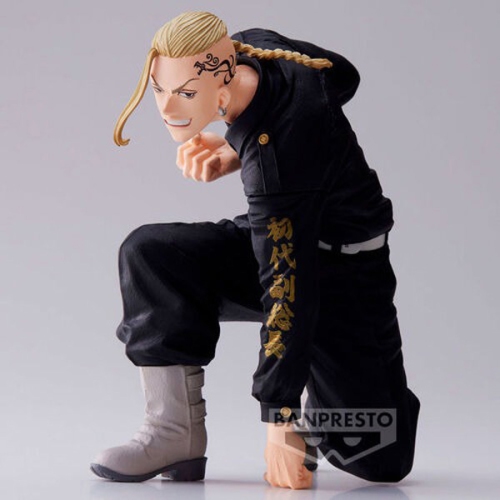

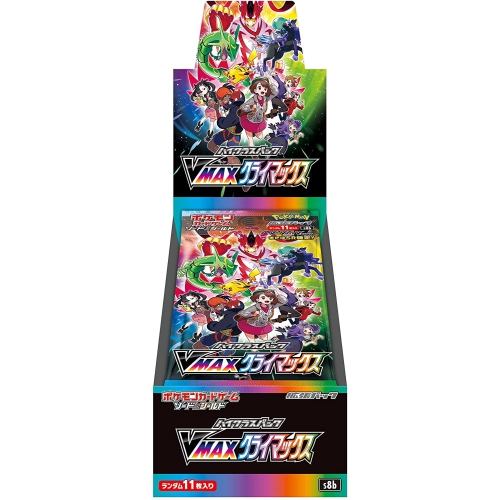
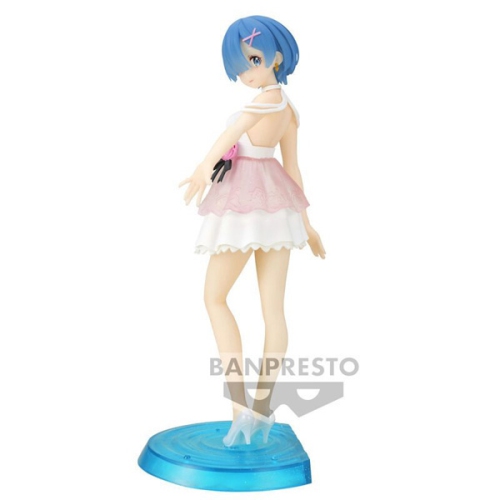
![HASEGAWA [Fa05] 1:12 Capsule Toy Machine (Gashapon Dispensers) Model Kit Building Set With 12 Clear Miniature Capsules And 100 Colorful Plastic Balls](https://multimedia.bbycastatic.ca/multimedia/products/500x500/199/19971/19971463.png)
![POKEMON Tcg: Sword & Shield - High Class Pack Vstar Universe Booster Box [Jpn] - 10 Packs](https://multimedia.bbycastatic.ca/multimedia/products/500x500/169/16982/16982496.jpeg)
![POKEMON Tcg: Sword & Shield High Class Pack Shiny Star V Booster Box [Jpn] - 10 Packs](https://multimedia.bbycastatic.ca/multimedia/products/500x500/153/15396/15396151.jpeg)
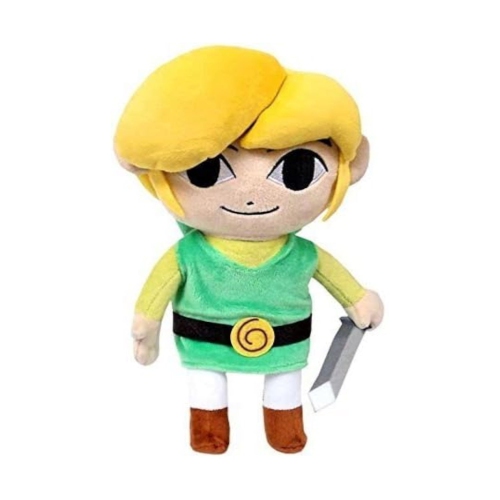
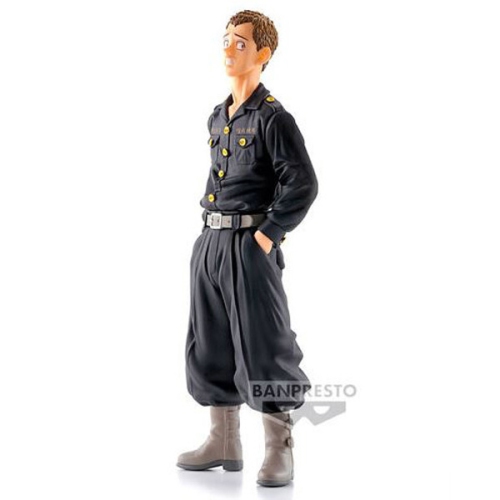
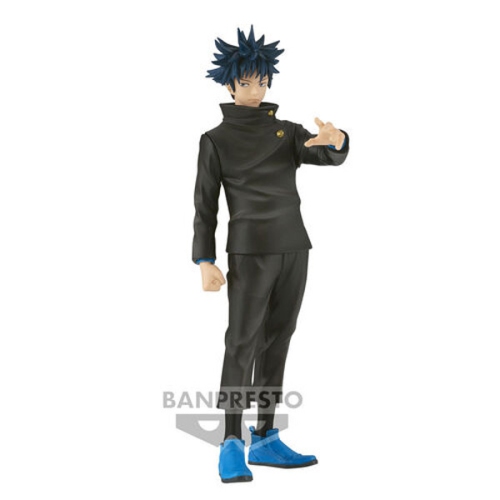
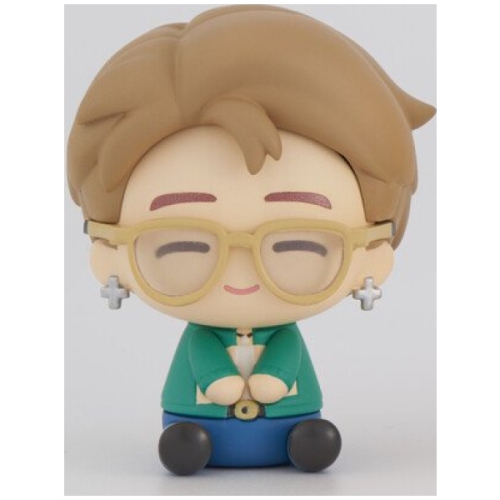
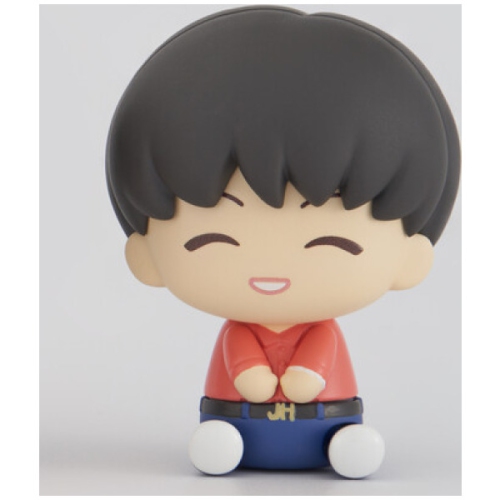
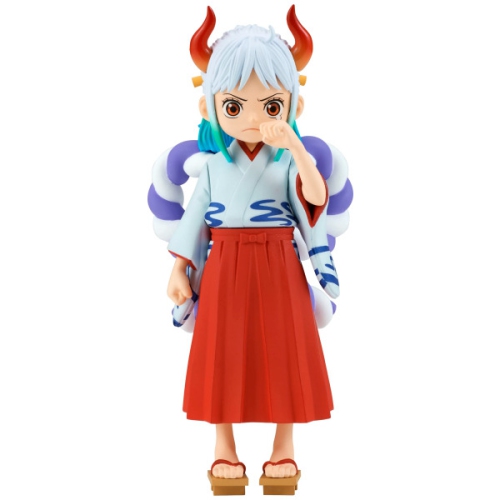
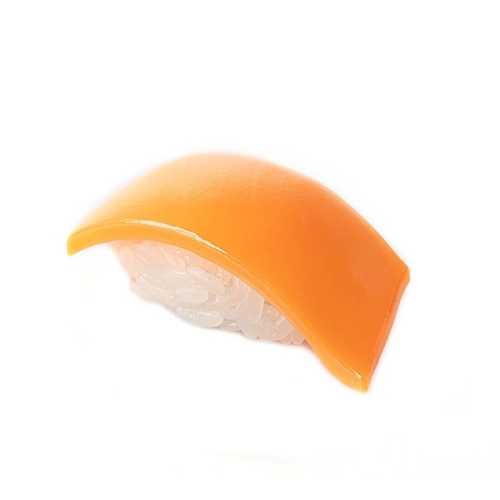
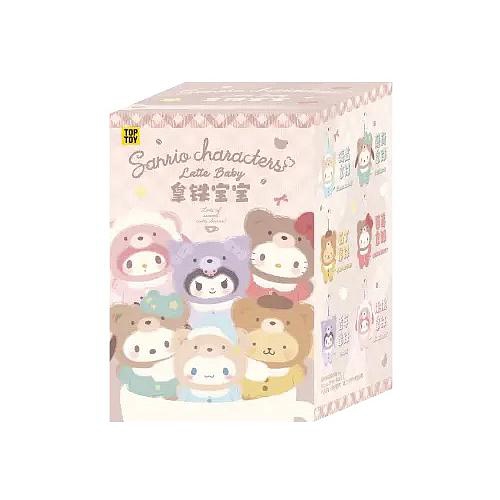
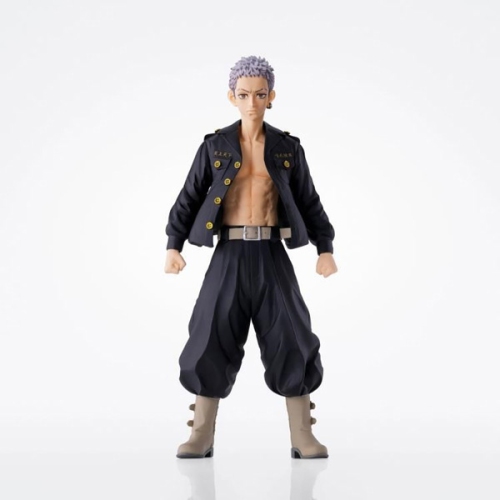
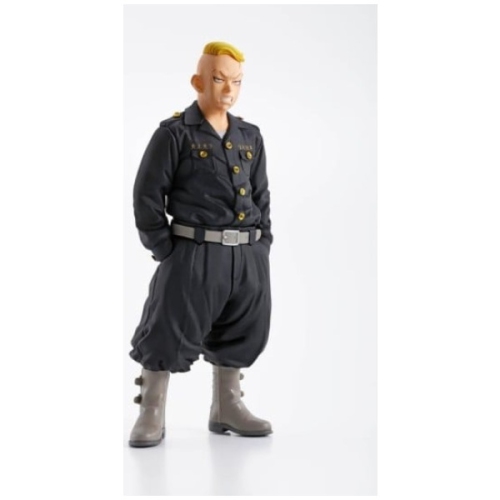
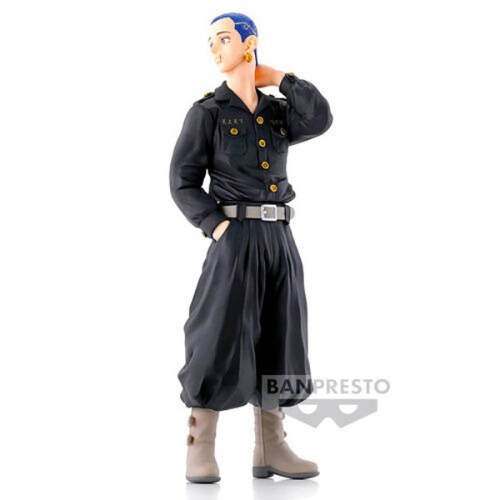
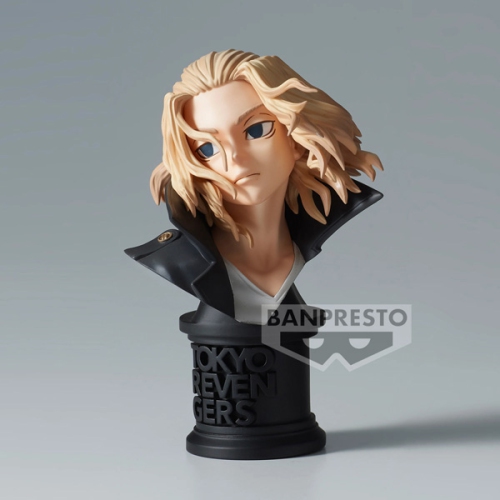
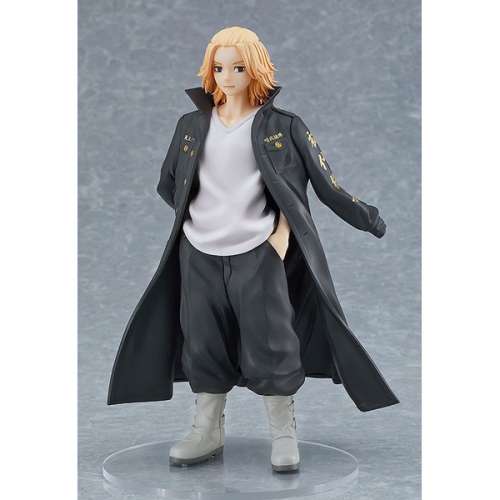
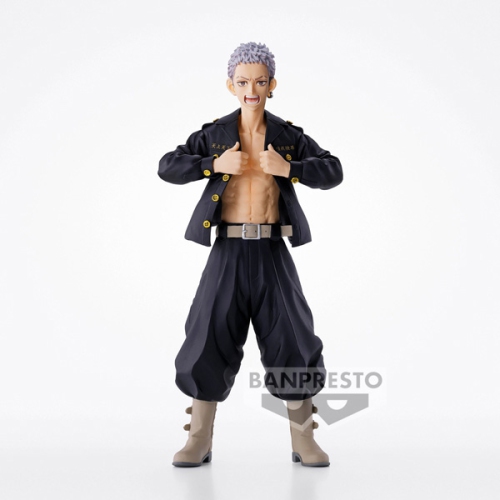
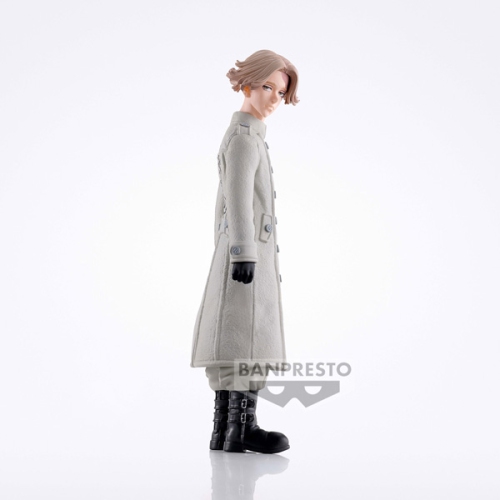
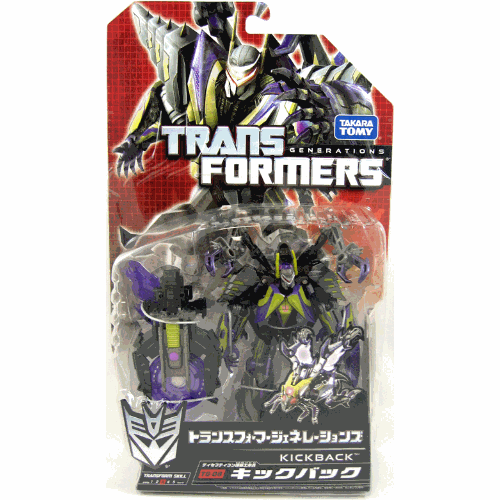
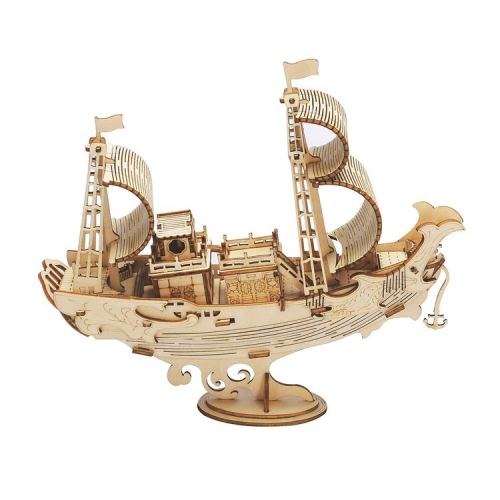
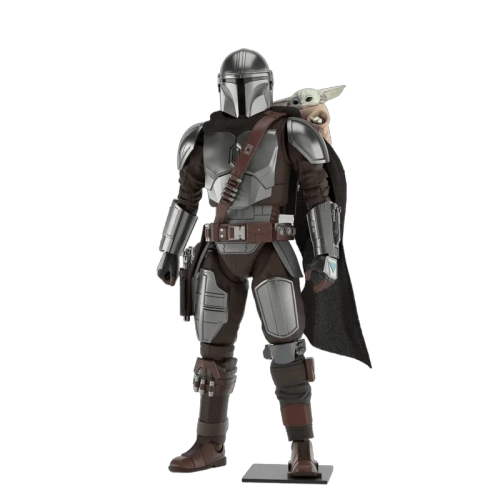
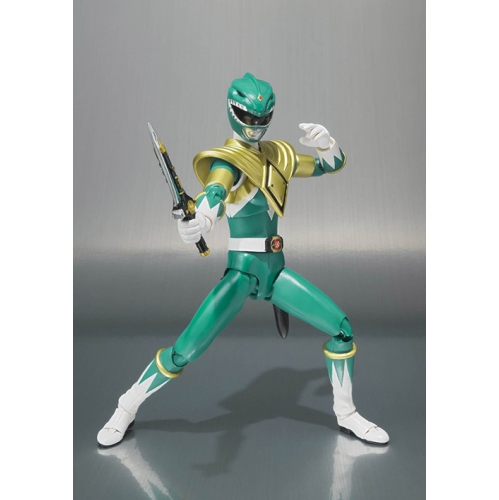
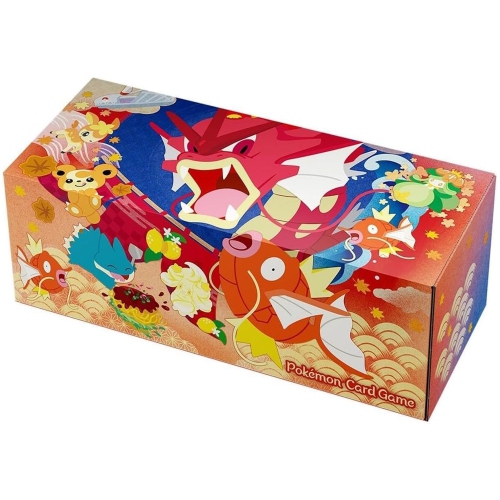
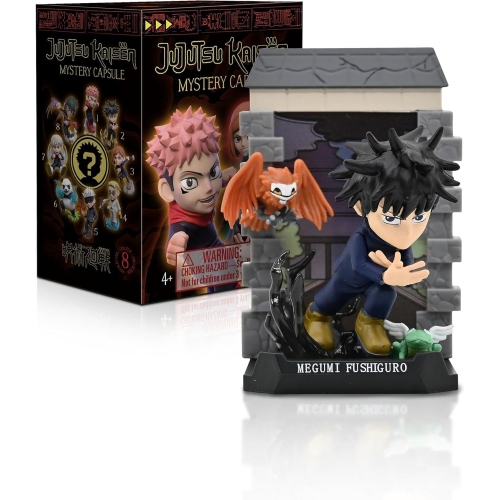
From traditional wooden playthings to character-inspired collectibles
Japanese toys span traditional wooden playthings, character-inspired plush toys, detailed collectibles, construction kits, and electronic games. The category brings together different approaches to play: the balance and timing of a simple skill toy, the storytelling possibilities of an articulated figure, and the patient concentration involved in assembling a miniature scene. Some designs draw on Japanese folk crafts, while others take their shapes, colours, and expressions from animation, comics, video games, or everyday life. Rounded animals, expressive faces, tiny food replicas, and mechanical forms can all fit within this broad theme. Japanese toys may be designed in Japan, made in Japan, or inspired by Japanese characters and visual styles; those descriptions are not interchangeable, so country-of-origin details and licensing information matter when a particular connection is important. Traditional forms often make their appeal clear through movement and touch, with smooth wood, balanced shapes, or parts that spin and turn. Modern character toys may place more emphasis on recognisable silhouettes, poseable joints, interchangeable accessories, or fine painted details. Neither approach belongs exclusively to children or adults. A straightforward stacking or matching activity can suit a younger child when the age rating permits, while a finely finished miniature may be intended for an older collector rather than hands-on play. For families, the appeal often lies in how a toy fits an ordinary afternoon: a small scene becomes the setting for an invented story, a building activity gives siblings something to complete together, or a skill-based challenge invites another attempt after a near miss. For collectors, the attraction may be a consistent scale, a distinctive illustration style, or the pleasure of arranging several pieces into a display. Understanding whether the main purpose is active play, assembly, comfort, or display helps distinguish toys that look similar in photographs but offer very different experiences once they are unboxed.
Materials and construction influence how Japanese toys feel, how they hold up to handling, and where they work best. Wooden toys can offer a satisfying weight and a smooth grip, but finishes, edges, and any cords or attached parts deserve attention, particularly for younger users. Moulded plastic allows for crisp shapes, bright colours, and moving components, though durability depends on the design as much as the material. A broad, sturdy joint handles repeated posing differently from a slender connector or a delicate decorative tip. Soft vinyl figures may have some flexibility, while rigid display pieces can be less forgiving of drops. Plush toys introduce another set of considerations: fabric texture, seam strength, filling, and the way eyes or other features are attached. For shoppers drawn to soft character designs, Japanese Plushies offer a related focus, with size and care requirements helping distinguish a cuddly companion from a decorative accent. Across toy types, dimensions are worth checking beyond the main height measurement. A figure with extended arms needs more shelf space than its standing height suggests, and a construction project may require room to spread out parts while it is underway. Hand size matters too; small accessories and tightly fitted pieces can be frustrating for a child who is still developing finger control. Age labels, small-parts warnings, and the intended level of supervision take priority over visual appeal. Cute styling does not necessarily mean a toy is suitable for toddlers, and collectible pieces may include components that are unsuitable for young children. Electronic toys need further attention to battery requirements, secure battery compartments, sound controls, and any language-dependent features. For imported toys, Japanese-language packaging or spoken prompts may be part of the experience, but a language-heavy activity can be difficult to use without suitable instructions. Assembly requirements also vary: some kits fit together by hand, while others call for tools, adhesives, or finishing materials and are better suited to experienced builders with an appropriate workspace.
The best fit often comes down to the recipient’s interests and habits rather than the theme alone. A child who invents conversations between characters may enjoy toys that can be handled, positioned, and moved through a story, while someone who likes careful, methodical tasks may be more interested in an assembly activity with a clear finished result. Collectors tend to have more specific preferences, including character design, pose, scale, and whether a piece complements an existing display. For a birthday or another gift-giving occasion, familiarity with a favourite style can be more useful than choosing the most intricate option. A compact toy may suit someone with limited shelf space, but tiny components are not a good match for every household, especially where younger children share the play area. Gifts that require batteries, tools, or adult assembly also involve a different commitment from toys that are ready for supervised play straight from the box. Once in use, care should follow the material and the manufacturer’s directions. Many hard surfaces can be gently wiped with a soft cloth, while painted details, electronic components, unfinished wood, and fabric trims may need more cautious handling. Plush toys should only be machine washed when their care labels allow it; filling, surface fabrics, and attached decorations can respond differently to soaking and agitation. Allow cleaned pieces to dry fully before putting them away, and keep loose accessories together in an age-appropriate storage container. Display pieces benefit from stable shelving, enough clearance around fragile parts, and placement away from direct sunlight that can affect colours over time. For toys used regularly, occasional checks of seams, joints, fasteners, and battery compartments help identify wear before another play session. Keeping instructions can also make later assembly, battery changes, or accessory matching easier. These practical details support what makes Japanese toys appealing in the first place: expressive design, engaging movement, satisfying textures, and the opportunity to build a personal connection through play or collecting. Whether the attraction is a traditional form or a contemporary character style, a toy’s everyday usefulness rests on how comfortably its design, complexity, and care needs fit the person enjoying it.
Materials and construction influence how Japanese toys feel, how they hold up to handling, and where they work best. Wooden toys can offer a satisfying weight and a smooth grip, but finishes, edges, and any cords or attached parts deserve attention, particularly for younger users. Moulded plastic allows for crisp shapes, bright colours, and moving components, though durability depends on the design as much as the material. A broad, sturdy joint handles repeated posing differently from a slender connector or a delicate decorative tip. Soft vinyl figures may have some flexibility, while rigid display pieces can be less forgiving of drops. Plush toys introduce another set of considerations: fabric texture, seam strength, filling, and the way eyes or other features are attached. For shoppers drawn to soft character designs, Japanese Plushies offer a related focus, with size and care requirements helping distinguish a cuddly companion from a decorative accent. Across toy types, dimensions are worth checking beyond the main height measurement. A figure with extended arms needs more shelf space than its standing height suggests, and a construction project may require room to spread out parts while it is underway. Hand size matters too; small accessories and tightly fitted pieces can be frustrating for a child who is still developing finger control. Age labels, small-parts warnings, and the intended level of supervision take priority over visual appeal. Cute styling does not necessarily mean a toy is suitable for toddlers, and collectible pieces may include components that are unsuitable for young children. Electronic toys need further attention to battery requirements, secure battery compartments, sound controls, and any language-dependent features. For imported toys, Japanese-language packaging or spoken prompts may be part of the experience, but a language-heavy activity can be difficult to use without suitable instructions. Assembly requirements also vary: some kits fit together by hand, while others call for tools, adhesives, or finishing materials and are better suited to experienced builders with an appropriate workspace.
The best fit often comes down to the recipient’s interests and habits rather than the theme alone. A child who invents conversations between characters may enjoy toys that can be handled, positioned, and moved through a story, while someone who likes careful, methodical tasks may be more interested in an assembly activity with a clear finished result. Collectors tend to have more specific preferences, including character design, pose, scale, and whether a piece complements an existing display. For a birthday or another gift-giving occasion, familiarity with a favourite style can be more useful than choosing the most intricate option. A compact toy may suit someone with limited shelf space, but tiny components are not a good match for every household, especially where younger children share the play area. Gifts that require batteries, tools, or adult assembly also involve a different commitment from toys that are ready for supervised play straight from the box. Once in use, care should follow the material and the manufacturer’s directions. Many hard surfaces can be gently wiped with a soft cloth, while painted details, electronic components, unfinished wood, and fabric trims may need more cautious handling. Plush toys should only be machine washed when their care labels allow it; filling, surface fabrics, and attached decorations can respond differently to soaking and agitation. Allow cleaned pieces to dry fully before putting them away, and keep loose accessories together in an age-appropriate storage container. Display pieces benefit from stable shelving, enough clearance around fragile parts, and placement away from direct sunlight that can affect colours over time. For toys used regularly, occasional checks of seams, joints, fasteners, and battery compartments help identify wear before another play session. Keeping instructions can also make later assembly, battery changes, or accessory matching easier. These practical details support what makes Japanese toys appealing in the first place: expressive design, engaging movement, satisfying textures, and the opportunity to build a personal connection through play or collecting. Whether the attraction is a traditional form or a contemporary character style, a toy’s everyday usefulness rests on how comfortably its design, complexity, and care needs fit the person enjoying it.
Top selling and popular products
-
 Your price for this item is $19.99
 -
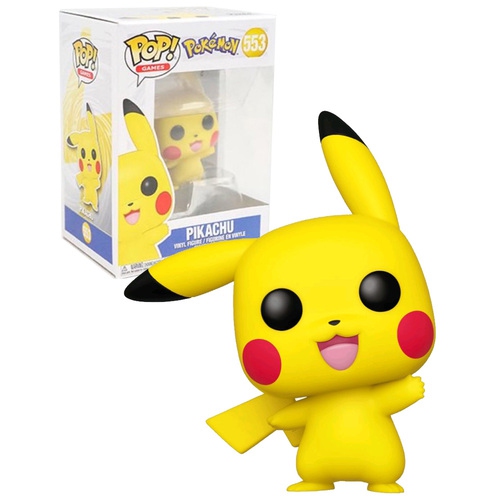 Your price for this item is $17.25
 -
![MATTEL Jurassic World: Roarin' Super Colossal Tyrannosaurus Rex [Toys, Ages 4+]](https://multimedia.bbycastatic.ca/multimedia/products/500x500/151/15136/15136683.jpg) Your price for this item is $189.99
Your price for this item is $189.99 -
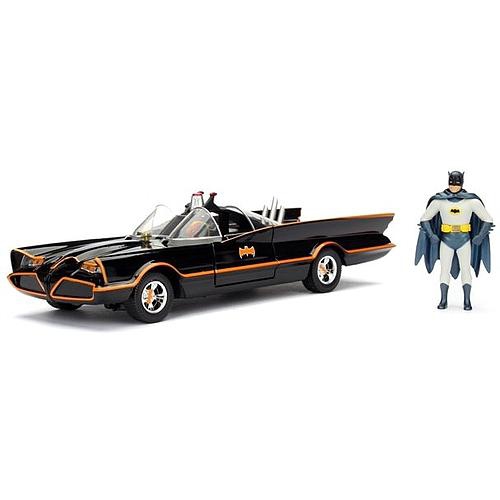 Your price for this item is $59.95
 -
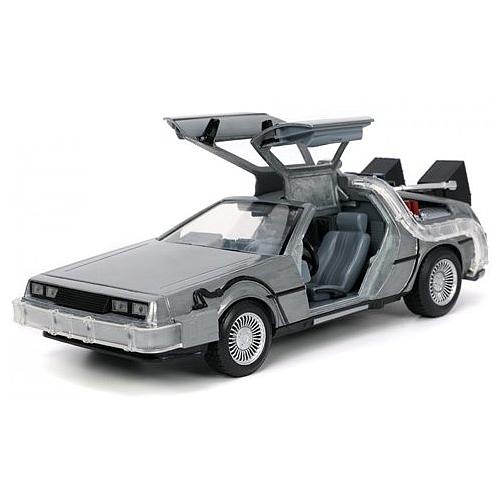 Your price for this item is $59.95
 -
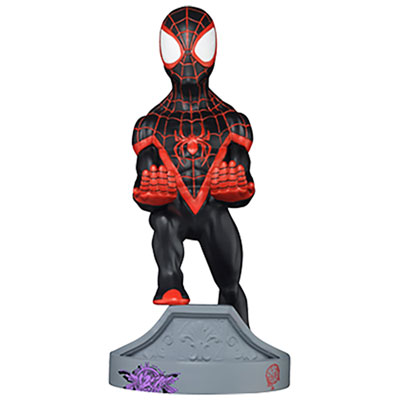 Your price for this item is $39.99
 -
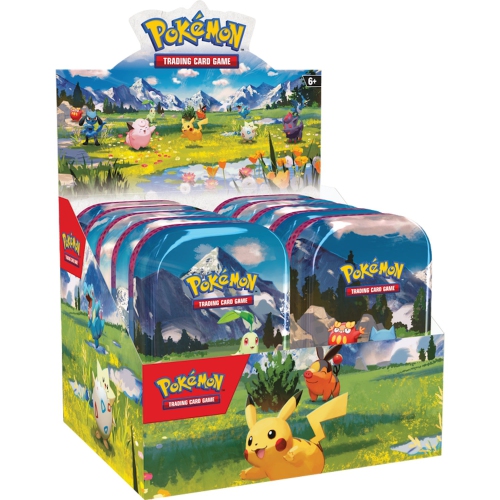 Your price for this item is $517.44
 -
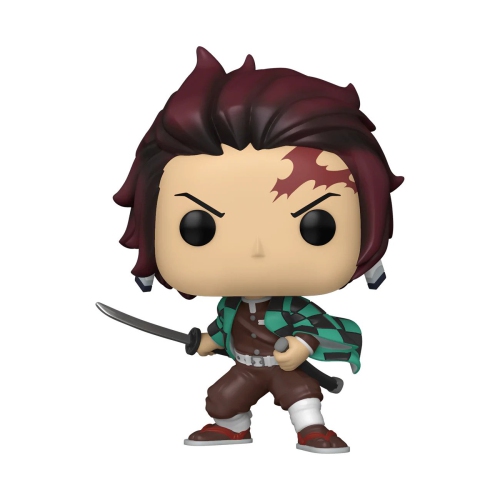 Your price for this item is $34.55
Discover more categories related to Japanese Toys
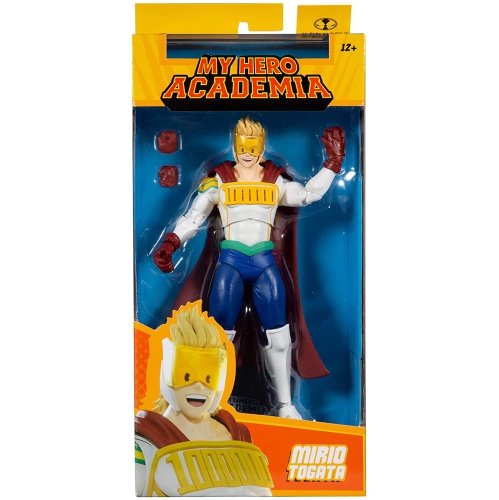
Top Collections:
Pokemon Centers, Kindle Devices, Best Budget Office Chairs, Apple iPhones 16, Canon G7X Cameras, iPhone 15 Apple, Alarm Clock, Refurbished Apple Laptops, Flip Phones, Best Laptops for Writers
Some products may be subject to Environmental Handling Fees
(EHF) depending on your province.
Learn more about EHFs.