Japanese Gifts
Discover a world of elegance and tradition with our curated selection of Japanese gifts. Whether you're looking to celebrate a special occasion, express gratitude, or simply share the beauty of Japanese culture, our diverse range of items offers something for everyone. From intricate craftsmanship to timeless designs, these gifts embody the essence of Japan's rich heritage. Explore unique finds that are sure to delight and inspire, making your gift-giving experience truly memorable.
Sort
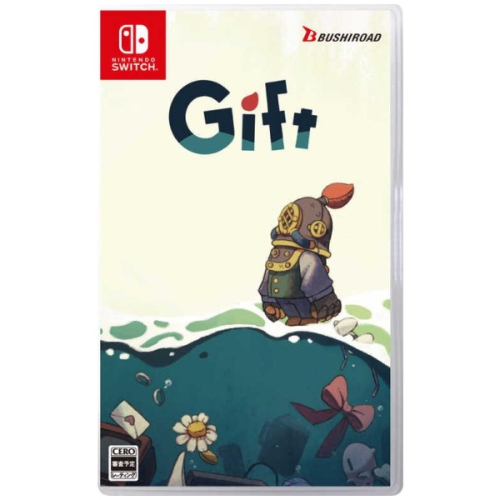
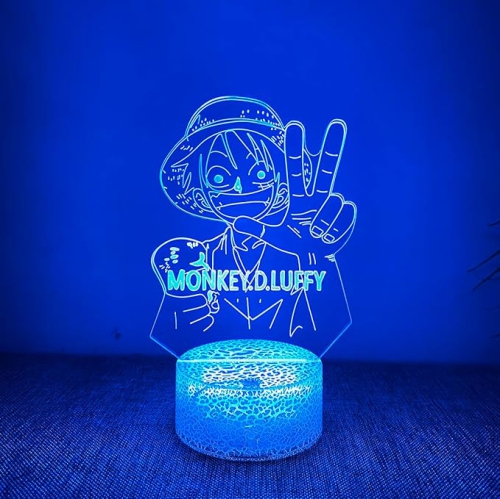
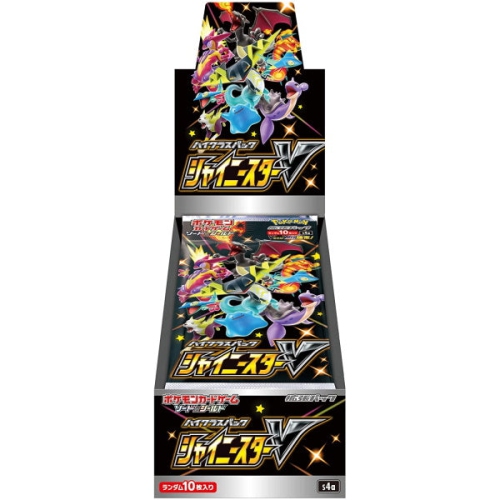
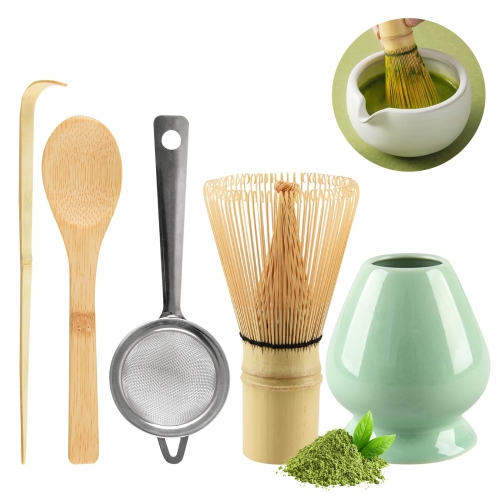
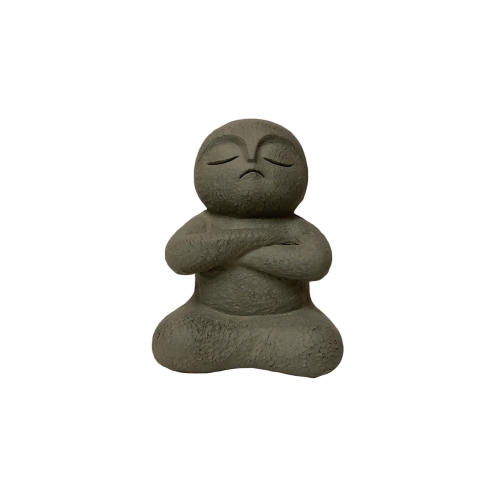
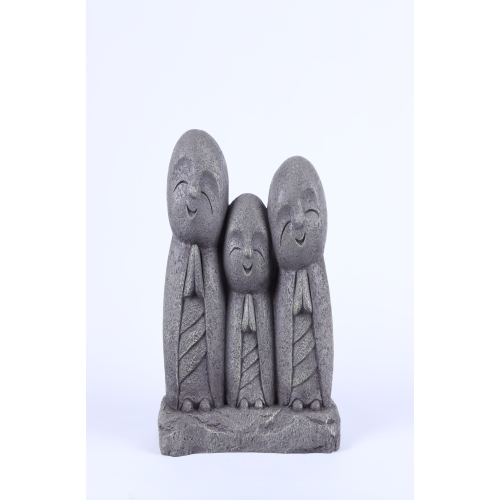
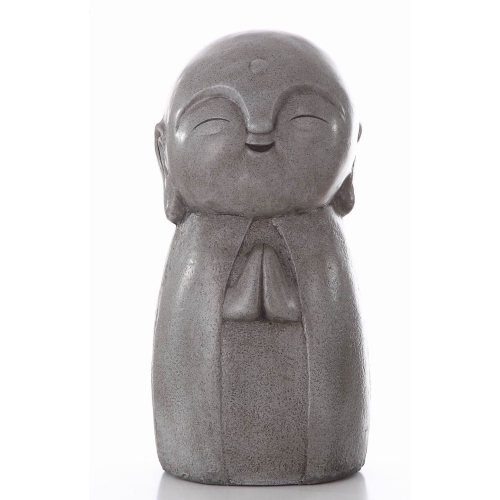
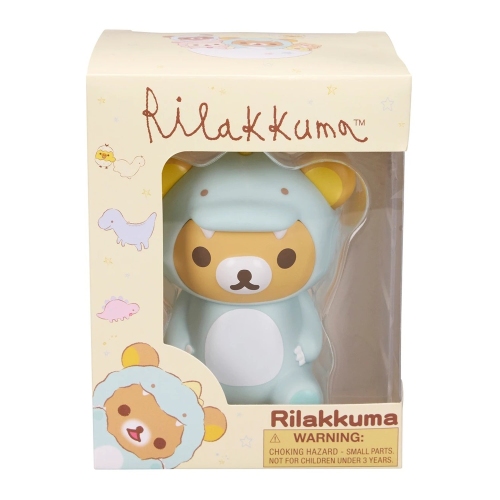
Patterns and textures that make a gift feel personal
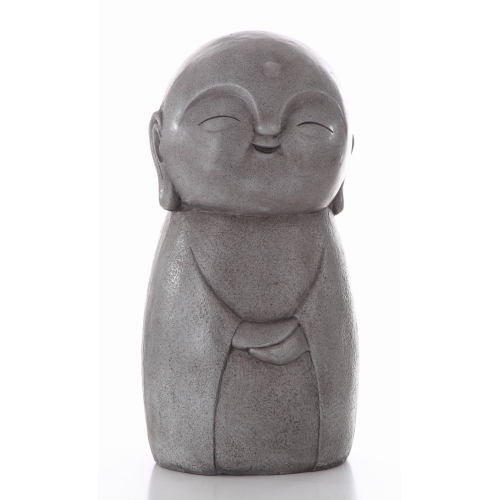
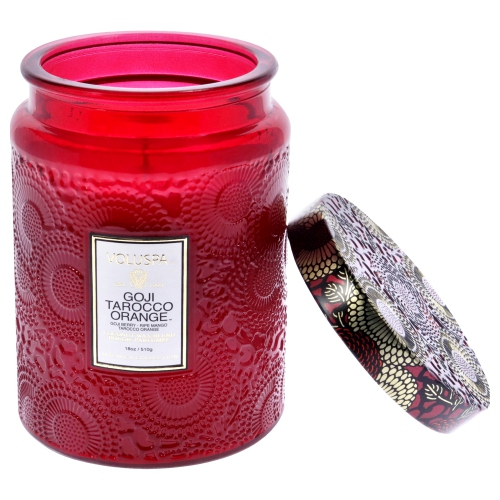
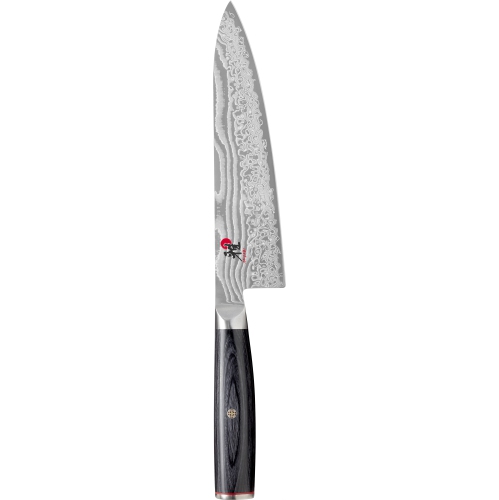
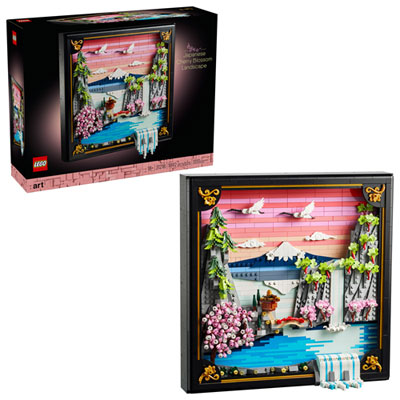
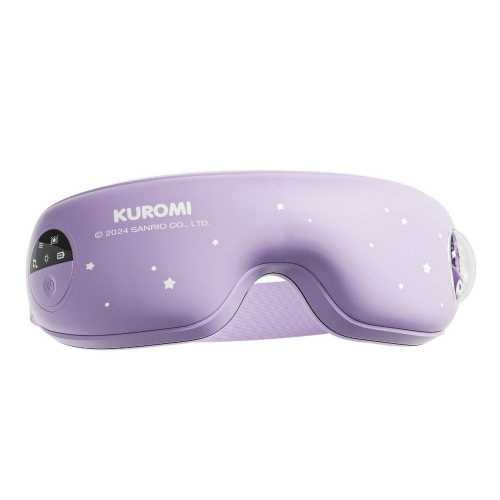
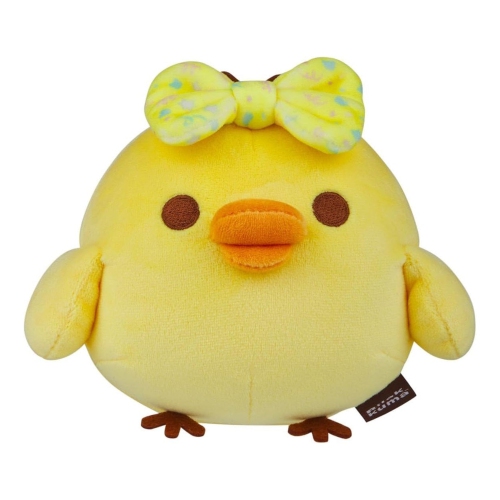
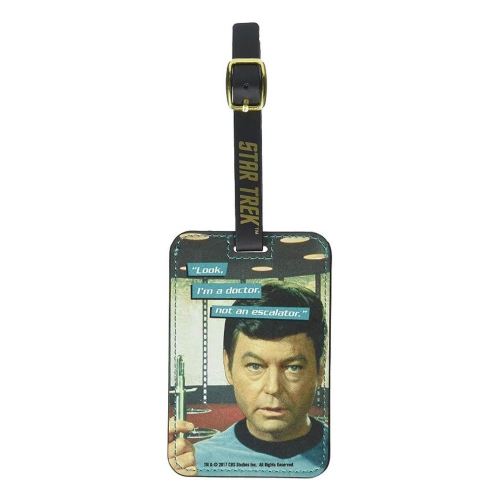
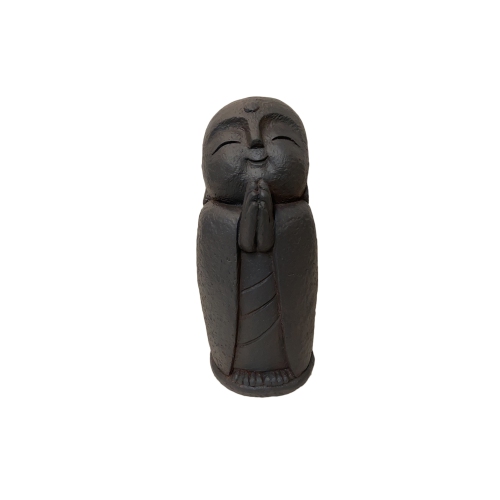
Japanese gifts span homewares, textiles, stationery, decorative accents, and designs influenced by Japanese popular culture. Their appeal can come from a distinctive pattern, a pleasing texture, a playful character, or the way an everyday object feels in use. The theme includes both goods made in Japan and goods inspired by Japanese aesthetics; those descriptions are not interchangeable. Country-of-origin information identifies where something was manufactured, while design details help explain its visual influences. Japanese design is also broader than a single minimalist look. Quiet colours and clean lines sit alongside vivid illustrations, intricate patterns, expressive characters, and richly textured surfaces. Flowing waves, botanical forms, and geometric repeats can bring a recognizable visual rhythm to a room without requiring an entirely coordinated interior. For someone who enjoys cooking, writing, collecting, or arranging a comfortable living space, the strongest connection is often between that existing interest and a detail that feels personal. A softly textured finish might appeal to someone who notices how objects feel, while crisp graphics may suit a recipient drawn to illustration. Materials contribute just as much as appearance: ceramic can feel substantial and cool, woven fibres introduce softness, and wood can reveal variations in grain. These qualities should be understood through the product description rather than assumed from a Japanese-inspired appearance. A handmade look does not establish that something was handcrafted, and a traditional motif does not establish its place of manufacture. That distinction leaves room to appreciate both traditional influences and contemporary interpretations on their own terms. As gifts, these designs can acknowledge an interest in Japan, recall a meaningful trip, or simply complement the recipient’s taste. No specialist knowledge is needed to enjoy a well-proportioned shape or an appealing pattern. The most personal choices usually feel connected to a real habit or preference, rather than relying on the idea that every Japanese gift should look alike.
For functional Japanese gifts, comfort, dimensions, and care requirements matter as much as the design. Something intended for daily use should suit the recipient’s space and routines, whether that means fitting comfortably into a compact work area or being easy to clean after frequent use. Measurements provide a more reliable sense of scale than photography alone, particularly when a decorative arrangement makes an object appear larger or smaller than it is. Weight and surface texture also affect everyday handling: a substantial ceramic form may feel reassuring on a table but less convenient for someone who prefers lighter belongings. Ceramic finishes vary from smooth and glossy to matte or deliberately textured, and those differences can influence cleaning and the visibility of marks. Decorative detailing does not establish suitability for food contact, microwave heating, or dishwasher cleaning; those uses depend on the manufacturer’s stated specifications. For wood and bamboo, prolonged soaking and harsh cleaning can affect the finish, while care requirements for coated or composite materials may differ. Textiles deserve similar attention. Fibre composition, weave, stitching, and washing instructions all help explain how a fabric will feel and hold up to repeated use. A loosely woven texture may have a relaxed appearance, whereas a denser weave can feel more structured. Printed and embroidered details create different surface effects, and either may require particular washing or drying methods. Where a gift is worn, size charts and actual measurements are more useful than a broad size label, especially when the recipient prefers a loose or close fit. Durability is not simply a matter of choosing the heaviest material. Secure construction, an appropriate finish, and care that fits the recipient’s habits are often more meaningful. Someone who enjoys careful handwashing may welcome a delicate finish; someone with a busy shared household may appreciate straightforward maintenance. The intended setting matters, too. Display-focused designs and everyday essentials serve different purposes, even when they share similar colours or motifs, and neither needs to fulfil the other’s role.
Personality often provides the clearest connection between Japanese gifts and their recipients. A person drawn to understated interiors may enjoy balanced proportions and a restrained palette, while someone who fills a workspace with colour may prefer expressive faces, rounded shapes, and lively illustration. For that playful side of Japanese-inspired design, Kawaii Gifts explores a closely related theme. Kawaii is commonly associated with cuteness and charm, but its visual language can range from gentle, simple expressions to energetic character artwork. It is one strand of Japanese popular culture rather than a description of all Japanese design. Character-based gifts are most personal when they reflect a recipient’s established interests, since affection for one story or visual style does not necessarily extend to another. For collectors, dimensions, display space, material, and any stated licensing information can matter alongside the artwork itself. For children, the intended age range and safety information take precedence over appearance; a charming decorative design is not automatically a toy. Gifts for adults can be playful without feeling childish, particularly when the colours and scale work naturally with the recipient’s surroundings. A small shared living area may call for something visually quiet, while a dedicated display area can support a bolder focal point. Birthdays, housewarmings, graduations, and expressions of thanks all provide room for this kind of personal connection, without needing a formal cultural occasion. Presentation can reinforce that thoughtfulness through neat wrapping and a short message explaining the connection, such as a shared memory or a familiar interest. There is no need to suggest that a recipient must follow unfamiliar customs to appreciate the gift. Whether the emphasis is on practical use, tactile materials, detailed artwork, or a sense of fun, Japanese gifts are most meaningful when their design fits comfortably into the recipient’s life and gives them a reason to enjoy the gesture beyond the moment of opening it.
Top selling and popular products
-
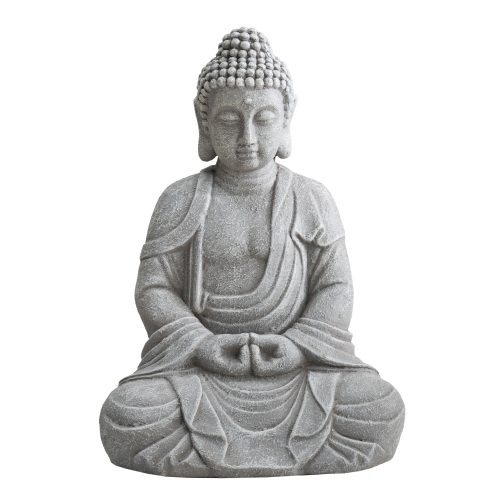 Your price for this item is $77.99
-
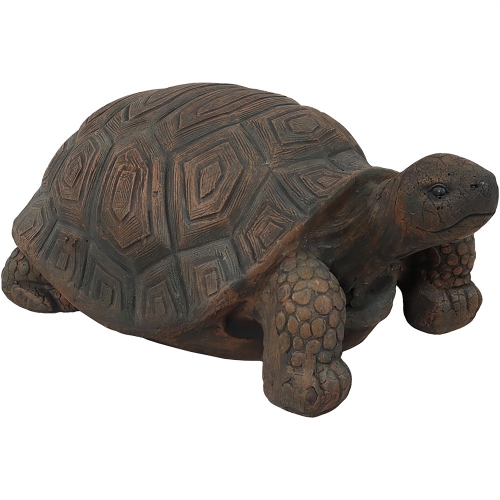 Your price for this item is $217.05
-
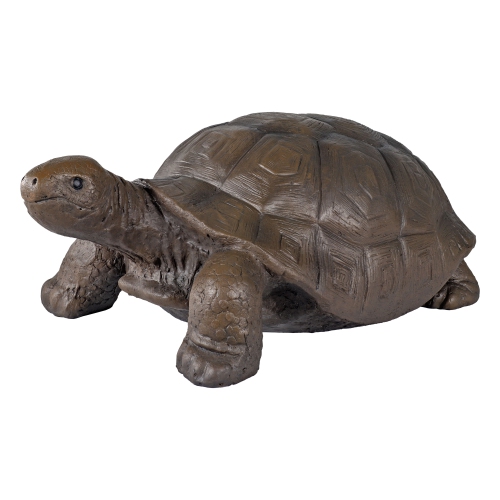 Your price for this item is $340.25
-
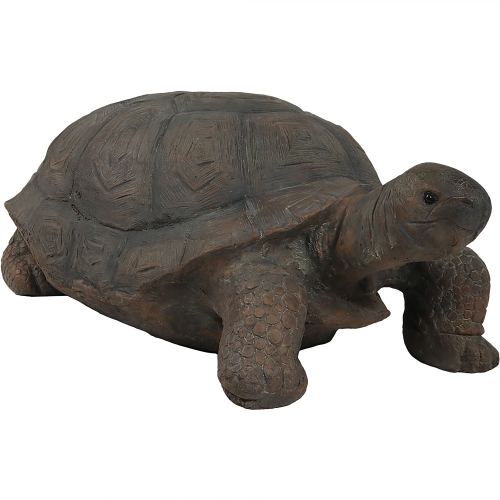 Your price for this item is $340.25
-
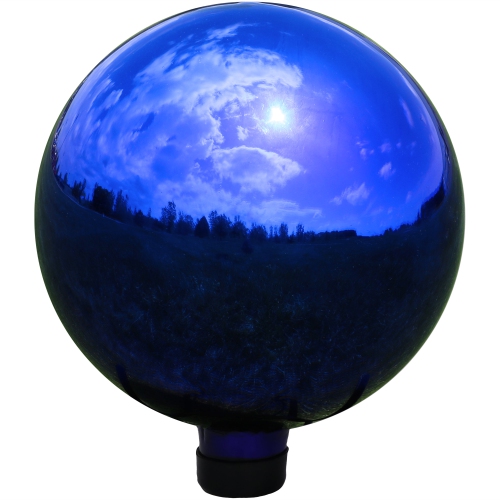 Your price for this item is $90.65
-
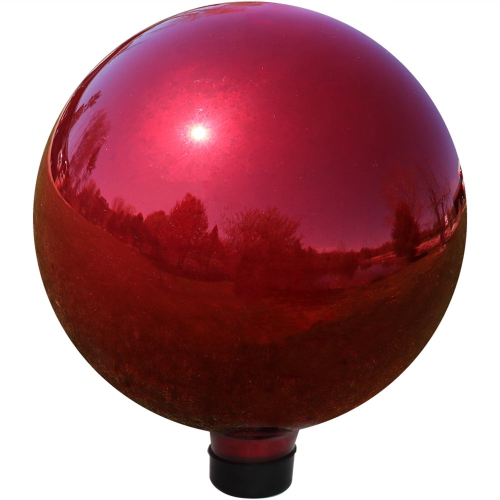 Your price for this item is $90.65
-
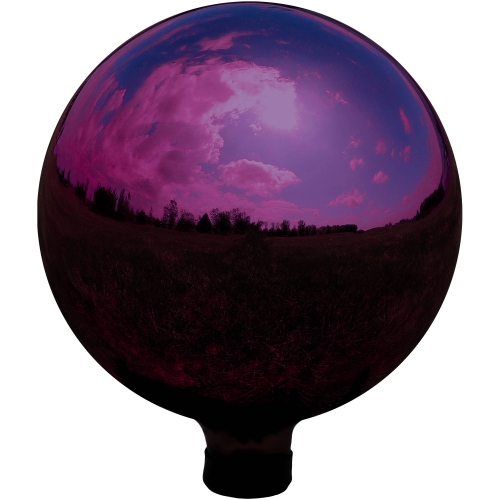 Your price for this item is $90.65
-
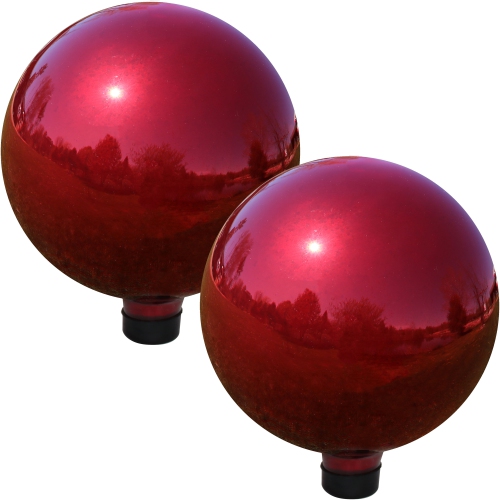 Your price for this item is $124.25
Discover more categories related to Japanese Gifts
Top Collections:
Best Black Friday Deals This Year, Best Black Friday Deals On Electronics, Kindle Devices, Dyson Airwrap, Best Cameras for Sports Photography, Best Black Friday Deals On Apple Products, PS5 Pro Consoles, Portable Snow Blowers, Canon G7X Cameras, Pokémon 30th Celebration Cards
Some products may be subject to Environmental Handling Fees
(EHF) depending on your province.
Learn more about EHFs.