Journaling Supplies
Explore a world of creativity and self-expression with our curated selection of journaling supplies. Whether you're a seasoned writer looking to capture your thoughts on paper or a beginner eager to start your journaling journey, we have almost everything you need to bring your ideas to life. Embrace the art of journaling with high-quality supplies that will elevate your writing experience and help you create beautiful keepsakes to cherish for years to come.
Sort
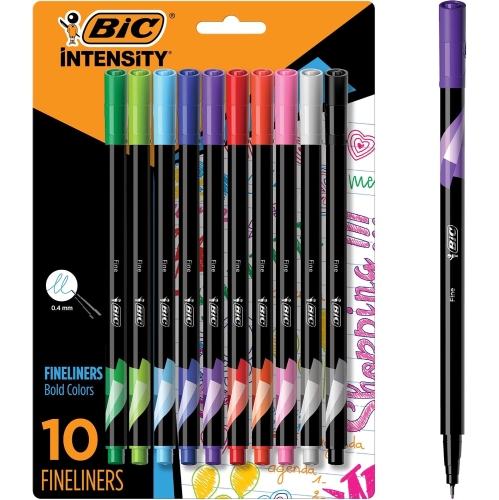


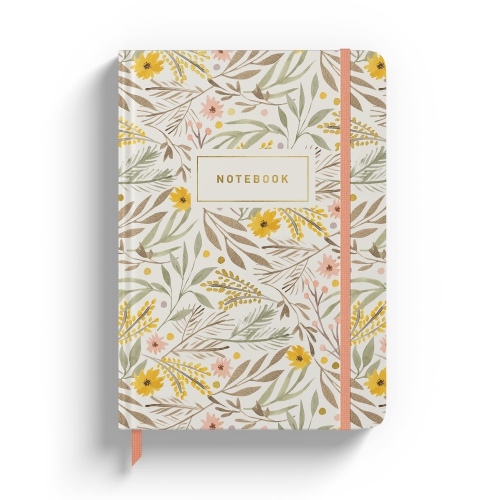


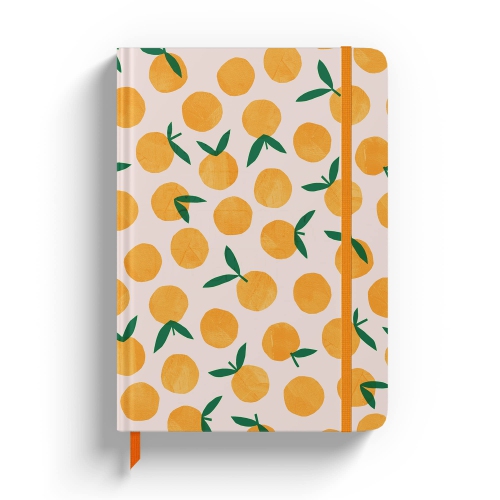


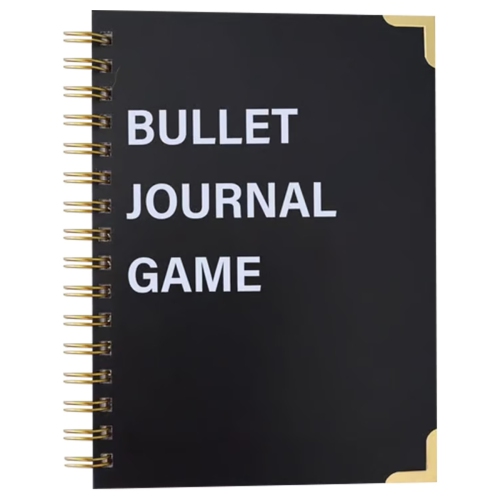
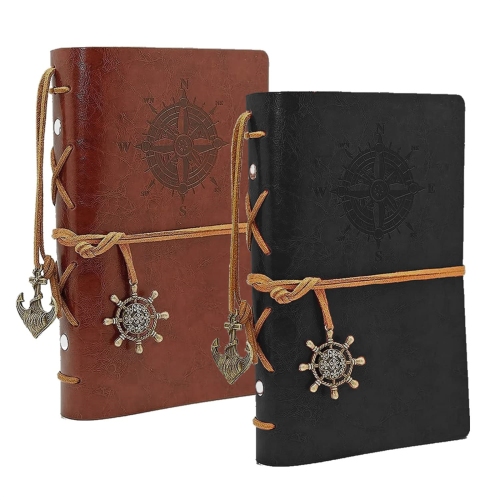
How paper and pens shape your journaling routine
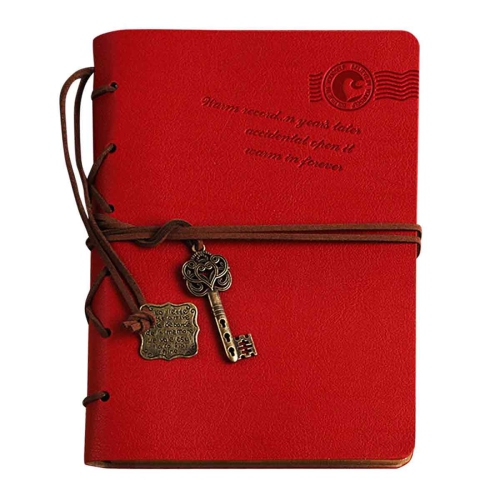
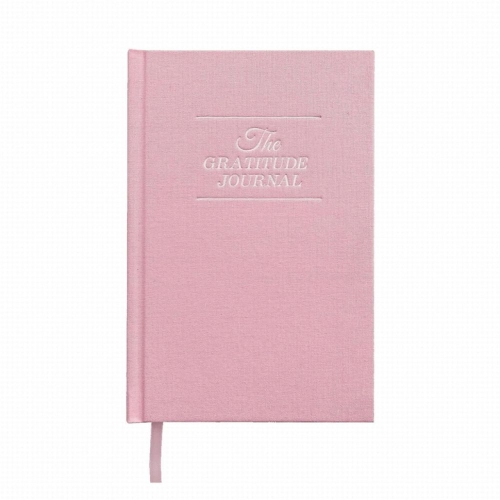
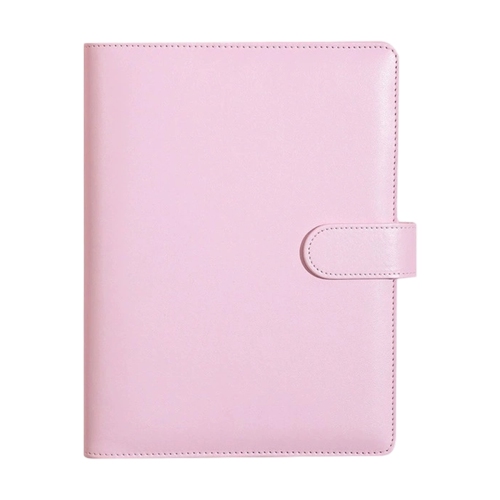
Journaling supplies include notebooks, pens, highlighters, and decorative materials that support everything from daily writing to illustrated memory keeping. The most useful combination depends on what fills the pages: a few lines about the day, detailed study notes, sketches, travel memories, or an organized record of goals and appointments. A notebook’s page layout gives that routine its starting point. Ruled pages provide a familiar structure for longer entries, dotted pages offer subtle reference points for lettering and layouts, and grid pages suit charts, tables, and precise spacing. Blank paper leaves room for drawing, collage, and writing that does not need to follow a straight line. Paper weight and surface texture also shape the experience. Smooth sheets allow many pen tips to glide easily, while lightly textured paper can provide more grip for pencil work. Heavier paper often handles layered decoration better, although thickness alone does not guarantee that ink will stay on one side; paper sizing, coating, and the type of ink all matter. A compact notebook fits more comfortably in a small bag, while a larger format provides space for longer entries and spreads with several sections. Binding affects how that space feels in use. A lay-flat design makes writing across a spread easier, spiral binding allows pages to fold back, and a stitched binding can offer a sturdy structure for frequent handling. Hard covers provide a firm writing surface away from a desk, while flexible covers can feel less bulky when carried. Cloth, paperboard, leather, and synthetic cover materials each have a different texture and level of resistance to everyday wear. Details such as an elastic closure, ribbon marker, pen loop, or interior pocket can make a journal easier to use throughout the day. A pocket is especially handy for holding a ticket or photograph until there is time to attach it, while a bookmark keeps the next blank page easy to find. The right format makes room for the way someone actually writes, rather than requiring every entry to look the same.
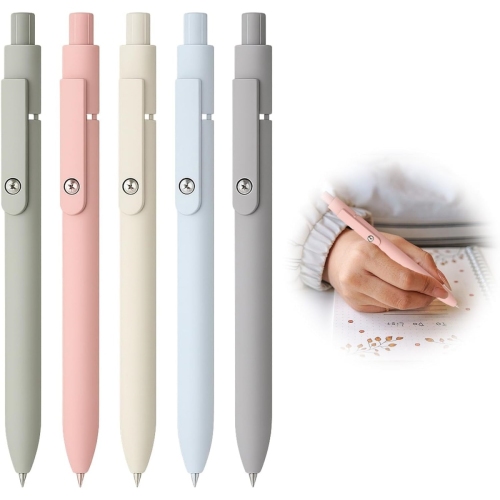
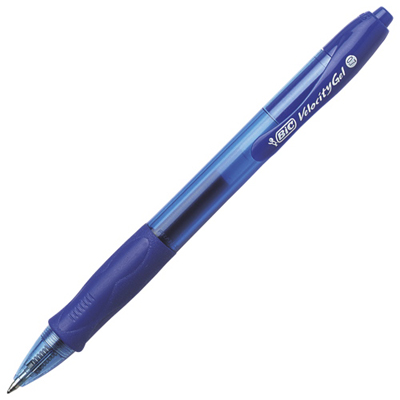
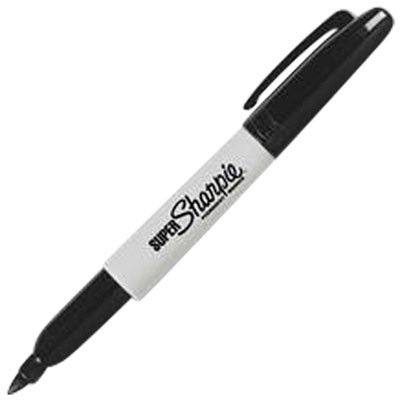
Pens and marking tools influence both the appearance of a journal and how comfortable it is to fill. Ballpoint pens are practical for everyday notes, gel pens can produce rich, clearly defined lines, and fineliners offer controlled strokes for small handwriting, outlines, and lettering. Nib size makes a noticeable difference: a finer point leaves more breathing room in compact layouts, while a broader tip creates a stronger line for headings. Grip shape and barrel thickness matter during longer writing sessions, particularly when several pages are filled at once. Drying time also deserves attention, especially for left-handed writers or anyone who closes a notebook soon after writing. No ink behaves identically on every paper, so a small test on a back page helps reveal smudging, feathering, or bleed-through before a full spread is filled. Highlighters can separate appointments from notes or draw attention to a short passage, while coloured pencils offer a softer option for shading and illustration. Some marker inks may spread when another medium is layered over them; allowing ink to dry and checking compatibility helps preserve crisp lettering. Structured layouts for task lists, habit trackers, and monthly spreads are a natural match for Bullet Journal Supplies. Decorative materials bring another layer of expression without needing elaborate drawing skills. Washi tape can frame a photograph, divide sections, or create a narrow border along a page edge. Stickers add small illustrations and labels, while patterned paper, translucent sheets, and textured scraps give collage pages depth. Adhesives vary in strength and repositionability, and repeated layers can make a notebook noticeably thicker near the spine. Flat paper accents generally keep a journal easier to close than bulky embellishments. For memory keeping, acid-free paper and adhesives intended for photographs are worth considering, particularly when attaching keepsakes meant to last. A dated caption beside a ticket, a small map fragment, or a handwritten note can give an ordinary page a clear connection to the moment it records.
A journaling setup can be simple enough to carry every day or varied enough to support a dedicated creative space. Students may use a notebook and a few contrasting pens to separate subjects, deadlines, and personal notes. Someone recording family memories might prefer more room for photographs and captions, while a frequent traveller may value a secure closure and a cover that tolerates handling inside a bag. For people who enjoy drawing as much as writing, paper compatibility with their preferred pencils, pens, or light washes becomes especially important. Not every journal is suitable for wet media, and pages intended mainly for writing can buckle when too much moisture is added. Supplies also make thoughtful gifts when they reflect the recipient’s habits: a portable format for someone who writes on the go, a spacious notebook for an enthusiastic storyteller, or coordinated colours for someone who enjoys decorative layouts. Undated pages leave room for an irregular routine without making missed days conspicuous. Keeping tools organized helps that routine remain easy to return to. A pencil case protects pen tips during transport, shallow compartments keep small paper pieces visible, and a desk tray can hold the materials used most often. Pens and markers generally benefit from secure caps and storage according to their care instructions, since the recommended position can vary by ink and design. Clean, dry hands help prevent marks on pale covers and unfinished pages, and storing journals away from moisture and prolonged direct sunlight helps protect paper and colour. Extra space around a filled journal can prevent folded corners or pressure on attached keepsakes. A manageable assortment also leaves more room to write: one dependable pen, paper that feels pleasant under the hand, and a few accents can support a satisfying journal just as well as a larger collection. Whether the pages hold practical lists, candid reflections, or layered collages, the supplies work best when they suit the writer’s pace, preferred materials, and everyday surroundings.
Top selling and popular products
-
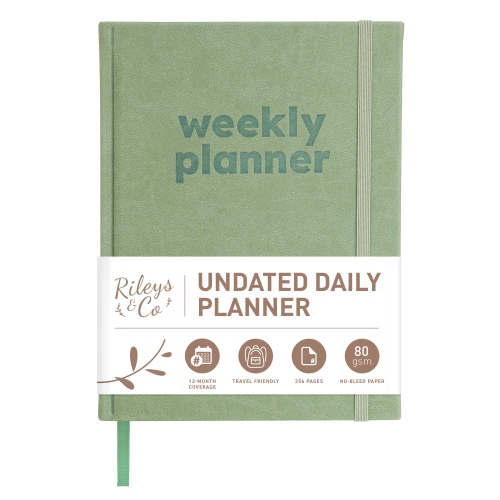 Your price for this item is $14.99
-
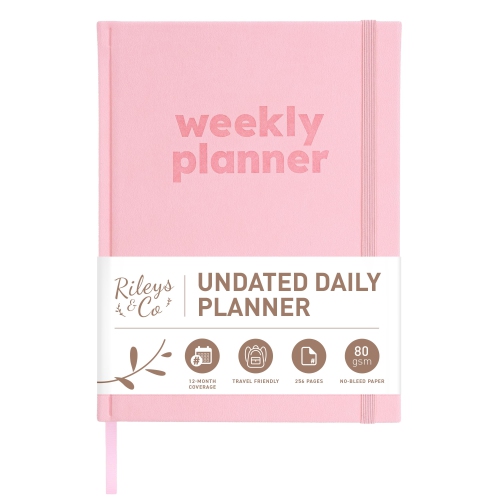 Your price for this item is $14.99
-
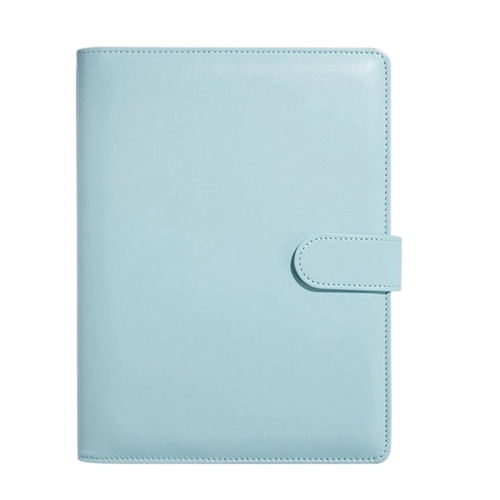 Your price for this item is $26.38
-
 Your price for this item is $92.62
-
 Your price for this item is $99.99
-
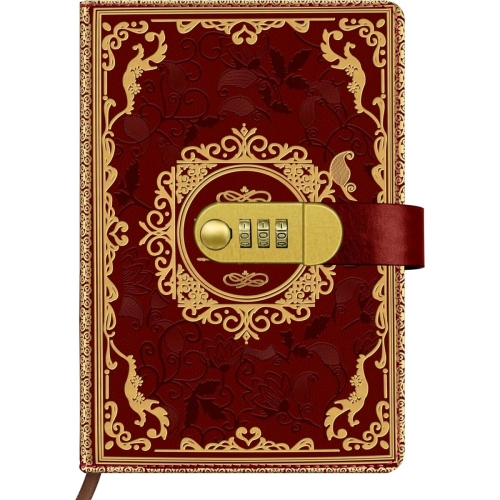 Your price for this item is $30.88
-
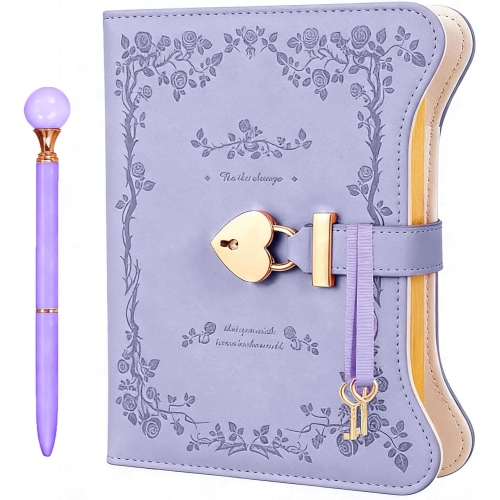 Your price for this item is $29.88
-
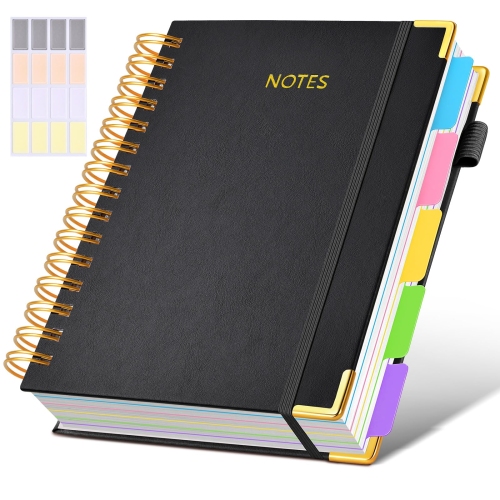 Your price for this item is $31.88
Discover more categories related to Journaling Supplies
Top Collections:
Best Black Friday Deals This Year, Best Black Friday Deals On Electronics, Kindle Devices, Best Black Friday Deals On Apple Products, Best Budget Office Chairs, Best Cameras for Sports Photography, Dyson Airwrap, Canon G7X Cameras, Best Laptops for Writers, Samsung Galaxy Phones
Some products may be subject to Environmental Handling Fees
(EHF) depending on your province.
Learn more about EHFs.