Lacquer Paint
Lacquer paint offers a sleek, polished finish that enhances the appearance of a wide range of surfaces. Known for its smooth application and vibrant color options, lacquer paint is a popular choice for those looking to achieve a professional look on furniture, crafts, automotive projects, and more. Explore the selection of lacquer paint to find the perfect match for your next project and bring your creative vision to life with ease.
Sort
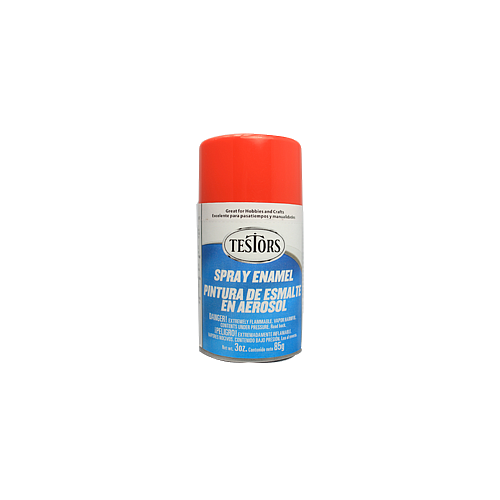
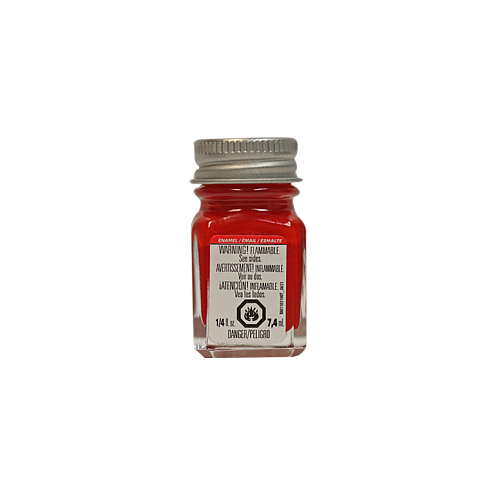
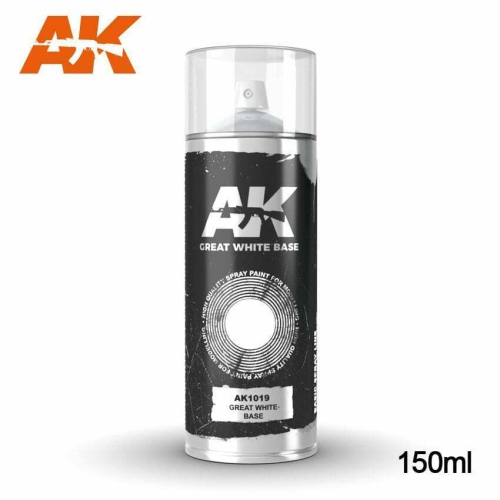
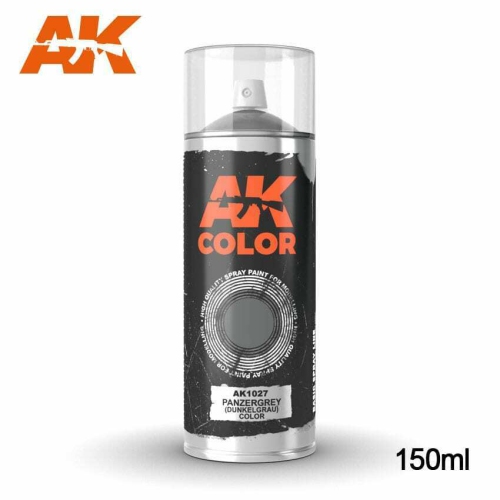
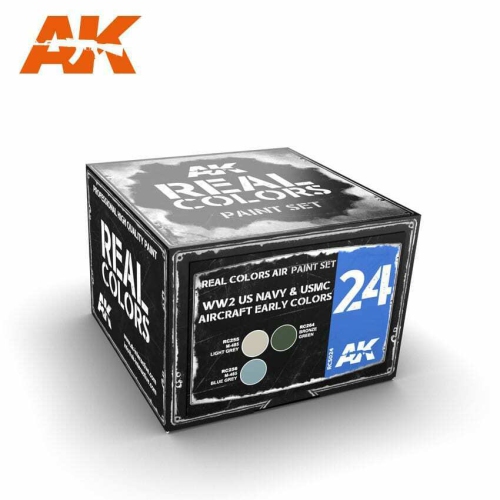
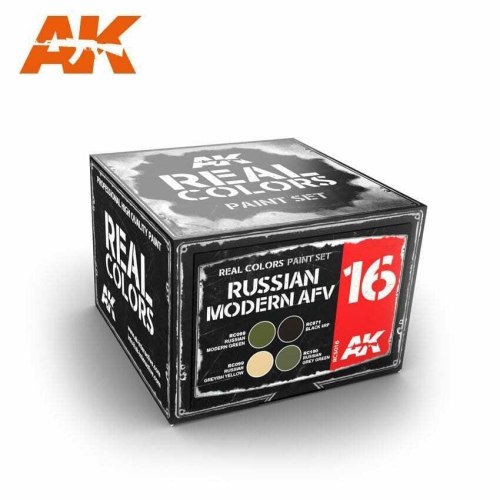
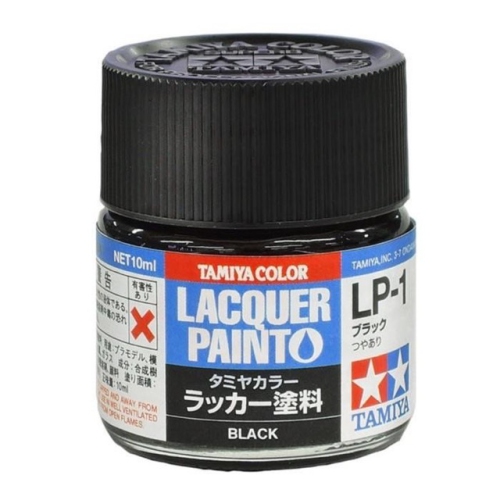
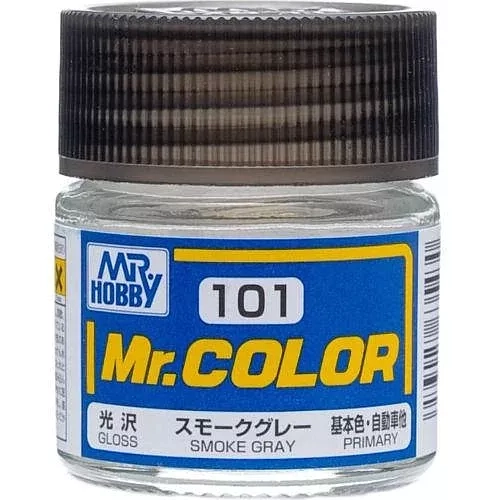
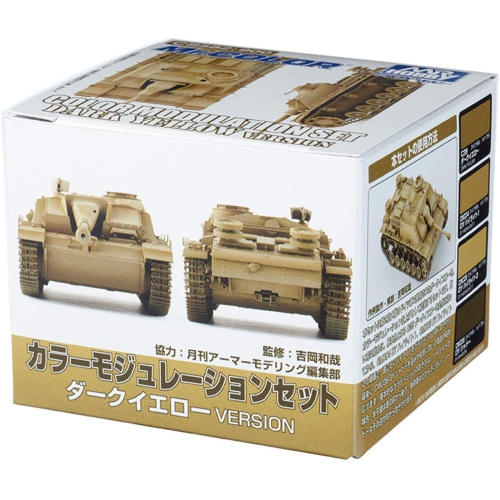
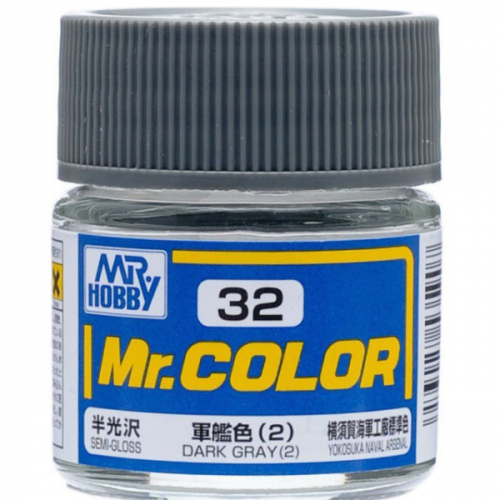
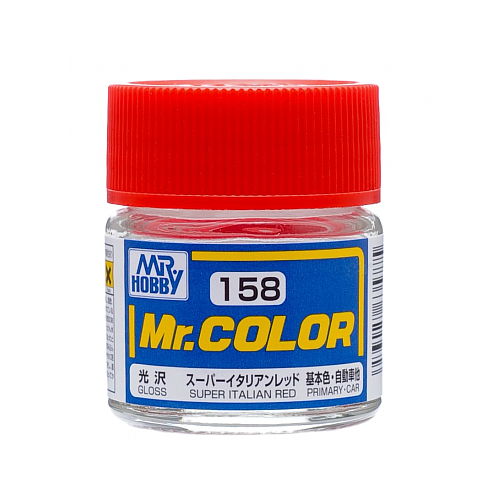
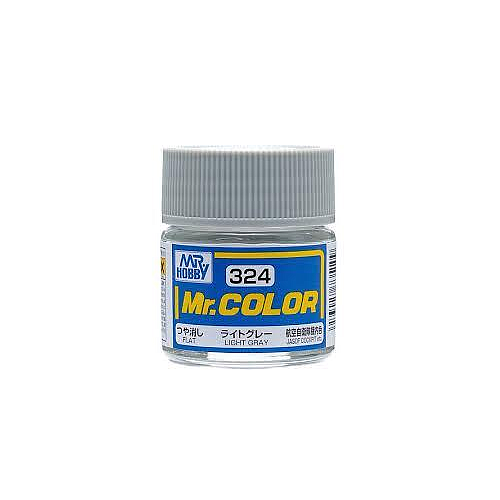
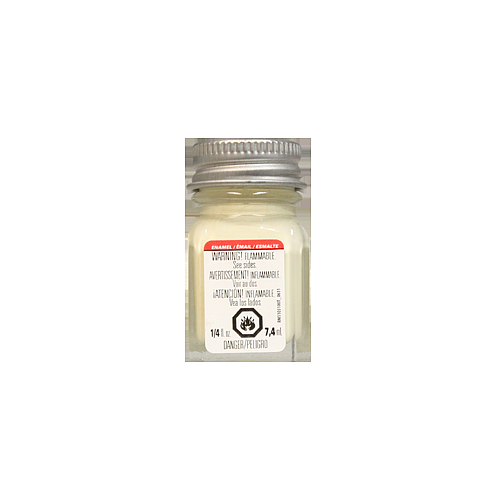
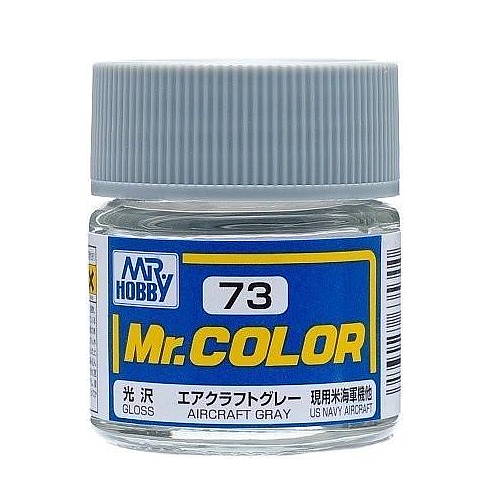
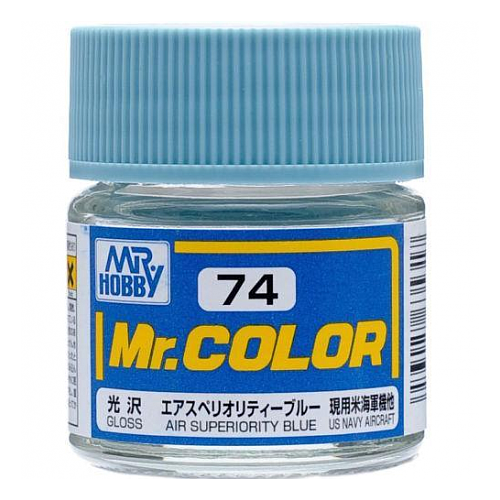
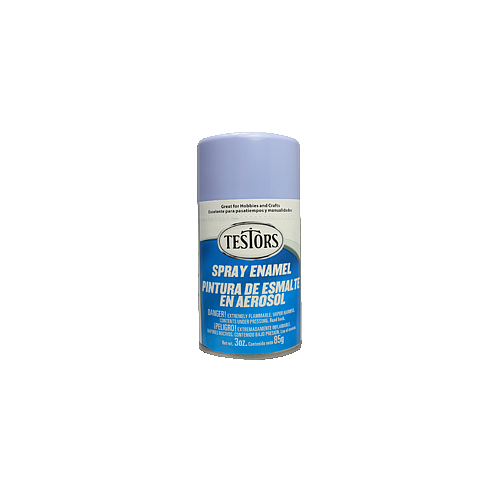

How thin coats and careful preparation shape the finish
Lacquer paint is a fast-drying, solvent-based coating valued for its hard, ultra-smooth finish and striking gloss. Once dry, it can create a deep, glass-like surface that brings out the character of prepared wood, sharpens the appearance of furniture, and adds a polished finish to suitable metal and decorative projects. It dries primarily as solvents evaporate, rather than through a long, slow curing process, which makes it useful when several thin coats are needed within a single working session. That quick drying time is also what makes application technique so important. Lacquer can begin to set before a brush has finished moving across a surface, leaving visible marks, ridges, or uneven areas. For that reason, many experienced users apply it with an aerosol can or spray gun, using light, even passes instead of trying to build coverage in one heavy coat. Lacquer paint may appeal to furniture refinishers, hobbyists, prop makers, instrument restorers, model builders, and anyone giving a tired cabinet door, wooden accessory, or decorative project a crisp new appearance. It can also be a thoughtful gift for a creative friend who enjoys hands-on projects, provided the recipient has a suitable workspace and the equipment needed for safe application. The finished look is especially impressive under good lighting, where a smooth surface can reflect a clean highlight rather than showing the texture of the material beneath it.
Surface preparation usually determines whether a lacquer finish looks professional or hurried. Start with a surface that is clean, dry, and free from wax, grease, dust, and loose old coating. Wood may need filling and sanding to smooth open grain, while metal should be free of rust and residue before receiving a compatible primer. A primer can help create a more uniform base, improve adhesion, and prevent the original colour or material from affecting the final shade. Sand gently between coats with fine-grit abrasive paper, then remove every trace of dust before applying more paint; even a few stray particles can feel like grains of sand beneath a glossy finish. Apply several thin coats rather than one thick coat, allowing each layer to dry according to the directions on the container. Thin passes help reduce runs, drips, cloudiness, and uneven sheen, while also making it easier to build the depth associated with lacquer. Work in a clean, dry, well-ventilated area away from flames, sparks, heaters, and other ignition sources. Strong fumes are common with solvent-based coatings, so use the protective equipment specified by the manufacturer, including suitable eye protection and a properly rated respirator when required. A basic dust mask is not a substitute for respiratory protection designed for vapours. Keep the work area clear, protect nearby surfaces from overspray, and follow all storage, disposal, and drying instructions. During the cooler months, indoor projects may seem convenient, but closed windows and heated rooms can make ventilation more difficult; plan ahead for safe airflow and adequate drying space rather than rushing the process.
Choosing lacquer paint begins with matching the coating to the material, colour, sheen, and application method. Check whether the formula is intended for wood, metal, plastic, or another surface, and confirm that it is compatible with the primer or existing finish. Gloss lacquer creates the brightest reflection and can make details stand out, while satin or lower-sheen options offer a softer appearance that may be more forgiving of small surface imperfections. Clear lacquer is useful when the goal is to protect or enhance an existing colour, stain, pattern, or natural grain, whereas coloured lacquer can provide a more dramatic transformation. Consider the size and shape of the project as well: a small decorative piece may be manageable with an aerosol application, while a larger panel or series of cabinet fronts may call for a spray gun, masking materials, and a dedicated workspace. Always test the coating on a hidden area or scrap piece first to check adhesion, colour, recoat timing, and the interaction with the underlying finish. Lacquer is hard and resistant to everyday wear once fully dry, but it can still react to certain strong solvents, excessive moisture, heat, or rough handling before it has finished curing. Allow extra time before assembling, stacking, polishing, or placing objects on the surface, even if the coating feels dry to the touch. For shoppers browsing related beauty finishes, the appearance of lacquer may also bring to mind Shellac Nail Polish, although nail products are formulated for a very different purpose and should not be substituted for coatings intended for furniture, craft, or household surfaces. With careful preparation, controlled application, good ventilation, and patience between coats, lacquer paint can help turn a plain project into one with a smooth, durable, high-lustre finish that feels remarkably refined by hand.
Surface preparation usually determines whether a lacquer finish looks professional or hurried. Start with a surface that is clean, dry, and free from wax, grease, dust, and loose old coating. Wood may need filling and sanding to smooth open grain, while metal should be free of rust and residue before receiving a compatible primer. A primer can help create a more uniform base, improve adhesion, and prevent the original colour or material from affecting the final shade. Sand gently between coats with fine-grit abrasive paper, then remove every trace of dust before applying more paint; even a few stray particles can feel like grains of sand beneath a glossy finish. Apply several thin coats rather than one thick coat, allowing each layer to dry according to the directions on the container. Thin passes help reduce runs, drips, cloudiness, and uneven sheen, while also making it easier to build the depth associated with lacquer. Work in a clean, dry, well-ventilated area away from flames, sparks, heaters, and other ignition sources. Strong fumes are common with solvent-based coatings, so use the protective equipment specified by the manufacturer, including suitable eye protection and a properly rated respirator when required. A basic dust mask is not a substitute for respiratory protection designed for vapours. Keep the work area clear, protect nearby surfaces from overspray, and follow all storage, disposal, and drying instructions. During the cooler months, indoor projects may seem convenient, but closed windows and heated rooms can make ventilation more difficult; plan ahead for safe airflow and adequate drying space rather than rushing the process.
Choosing lacquer paint begins with matching the coating to the material, colour, sheen, and application method. Check whether the formula is intended for wood, metal, plastic, or another surface, and confirm that it is compatible with the primer or existing finish. Gloss lacquer creates the brightest reflection and can make details stand out, while satin or lower-sheen options offer a softer appearance that may be more forgiving of small surface imperfections. Clear lacquer is useful when the goal is to protect or enhance an existing colour, stain, pattern, or natural grain, whereas coloured lacquer can provide a more dramatic transformation. Consider the size and shape of the project as well: a small decorative piece may be manageable with an aerosol application, while a larger panel or series of cabinet fronts may call for a spray gun, masking materials, and a dedicated workspace. Always test the coating on a hidden area or scrap piece first to check adhesion, colour, recoat timing, and the interaction with the underlying finish. Lacquer is hard and resistant to everyday wear once fully dry, but it can still react to certain strong solvents, excessive moisture, heat, or rough handling before it has finished curing. Allow extra time before assembling, stacking, polishing, or placing objects on the surface, even if the coating feels dry to the touch. For shoppers browsing related beauty finishes, the appearance of lacquer may also bring to mind Shellac Nail Polish, although nail products are formulated for a very different purpose and should not be substituted for coatings intended for furniture, craft, or household surfaces. With careful preparation, controlled application, good ventilation, and patience between coats, lacquer paint can help turn a plain project into one with a smooth, durable, high-lustre finish that feels remarkably refined by hand.
Top selling and popular products
-
 Your price for this item is $119.99
 -
 Your price for this item is $103.49
 -
 Your price for this item is $59.99
 -
 Your price for this item is $6
 -
 Your price for this item is $13.79
 -
 Your price for this item is $16
 -
 Your price for this item is $69.99
 -
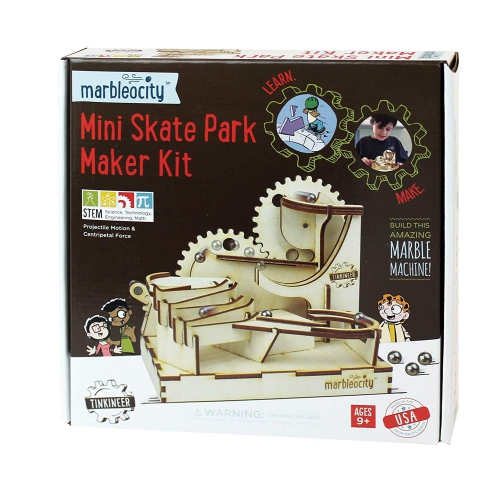 Your price for this item is $38.21
Discover more categories related to Lacquer Paint

Top Collections:
Pokemon Centers, Kindle Devices, Best Budget Office Chairs, Apple iPhones 16, Best Laptops for Writers, iPhone 15 Apple, Canon G7X Cameras, Refurbished Apple Laptops, Alarm Clock, Motorola Razr Phones
Some products may be subject to Environmental Handling Fees
(EHF) depending on your province.
Learn more about EHFs.