Learning Games for Kids
Looking for a fun and educational way to keep your little ones engaged? Our collection of learning games for kids is designed to ignite their curiosity and make learning an enjoyable experience. From interactive puzzles to engaging quizzes, these games are specifically crafted to help children develop essential skills while having a blast. Whether it's improving their problem-solving abilities or enhancing their knowledge in various subjects, our selection of learning games offers a wide range of options to cater to every child's interests and age group. Get ready to watch your child's confidence soar as they embark on an exciting journey of discovery with our top-notch learning games.
Sort
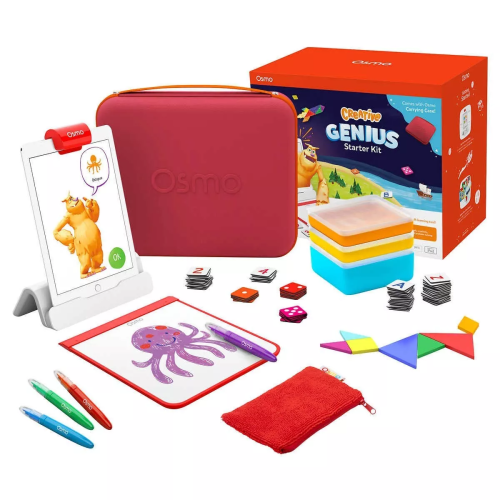
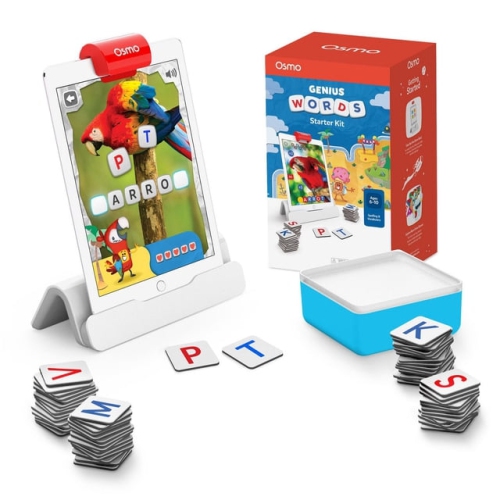
![OSMO - Genius Starter Kit - for Ipad [Electronics] The kids love it and it super easy to use](https://multimedia.bbycastatic.ca/multimedia/products/500x500/188/18884/18884576.jpeg)
![OSMO - Genius Starter Kit: Family Game Night - Ipad [Electronics]](https://multimedia.bbycastatic.ca/multimedia/products/500x500/188/18884/18884551.jpeg)


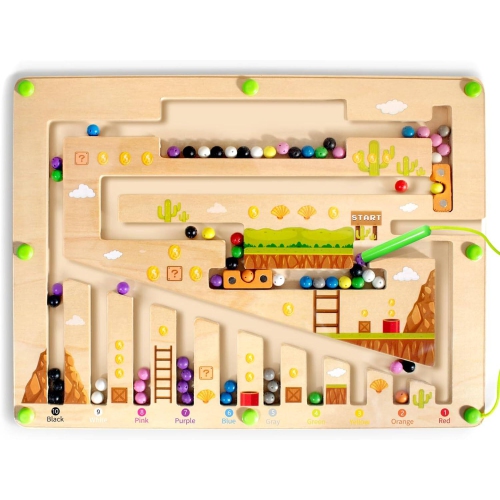
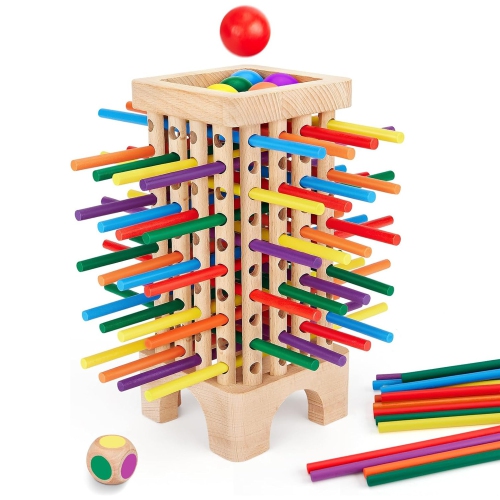

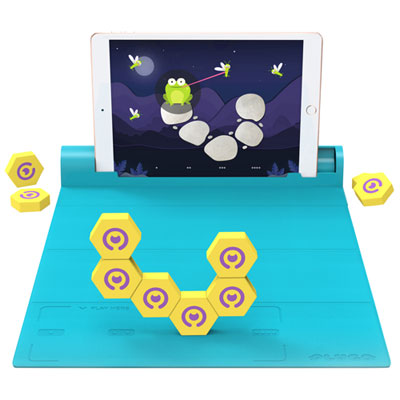

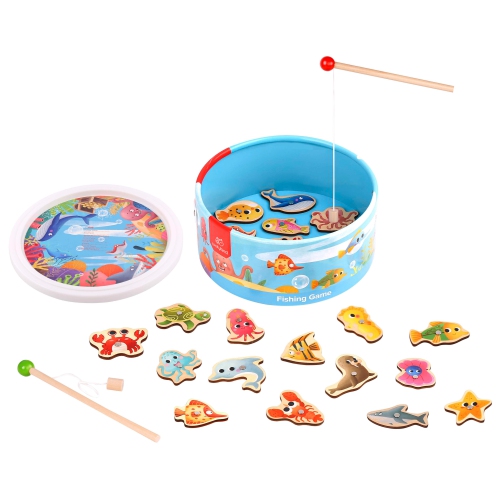
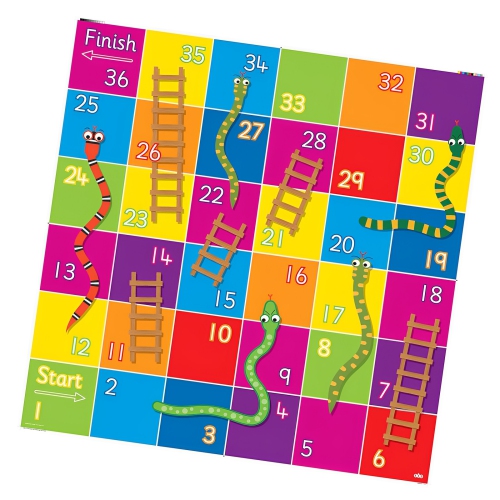
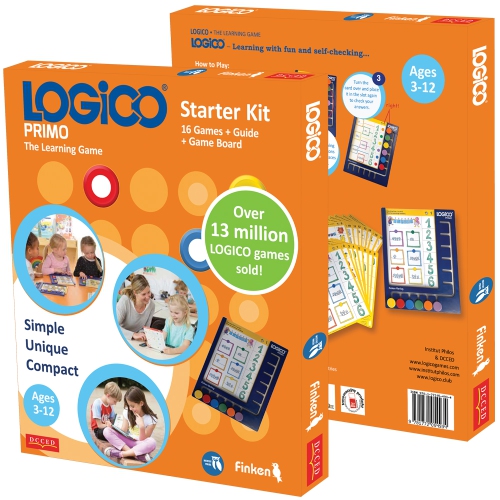
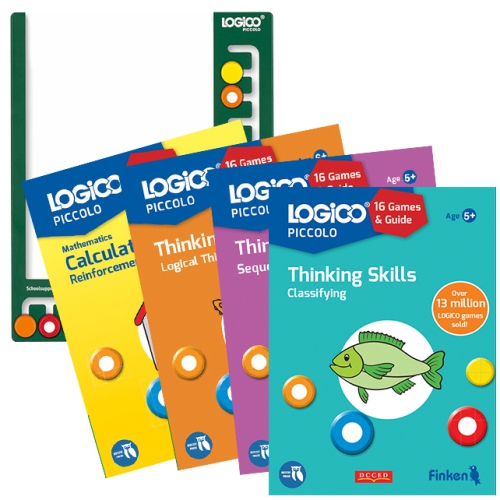
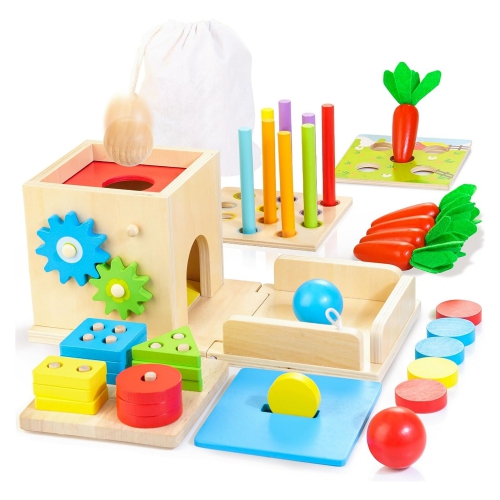
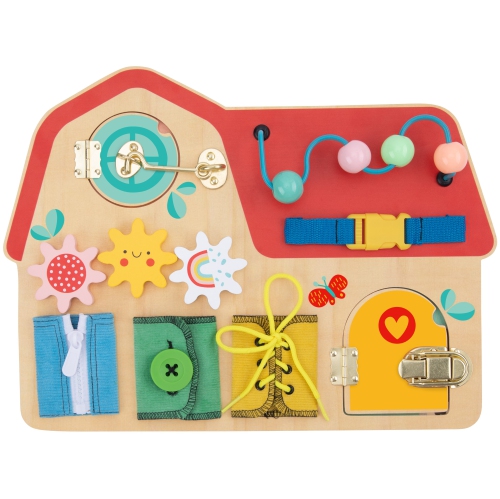
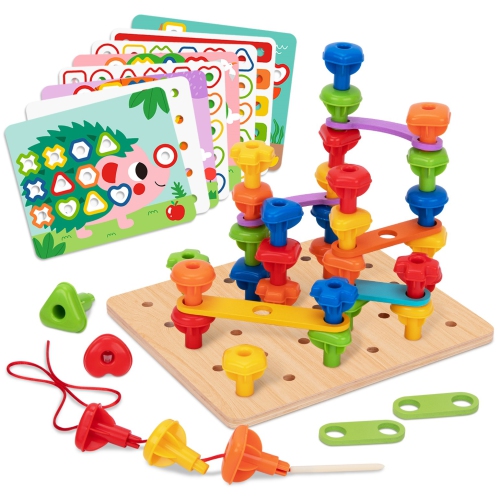
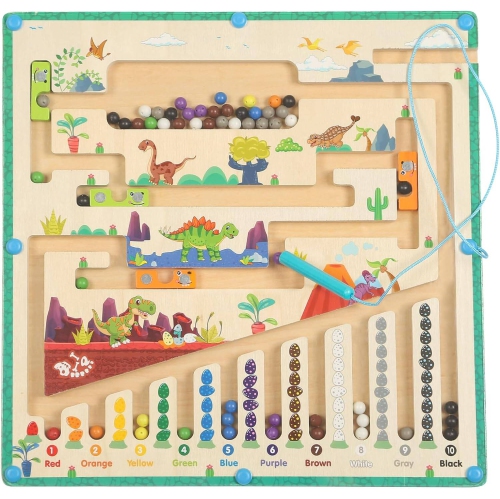
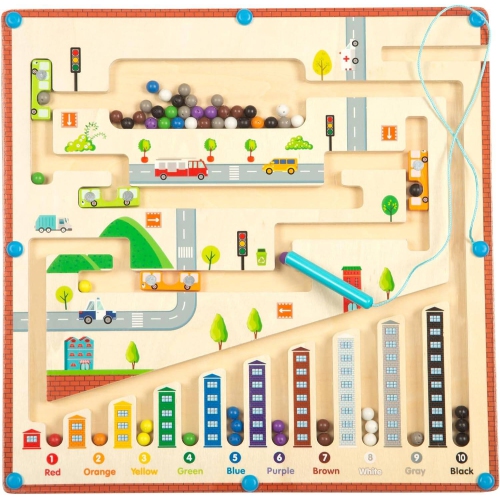
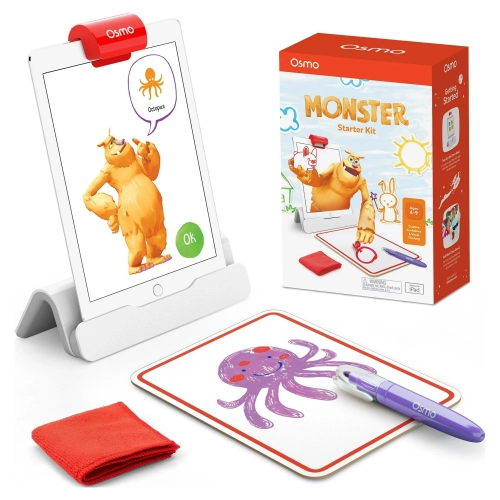
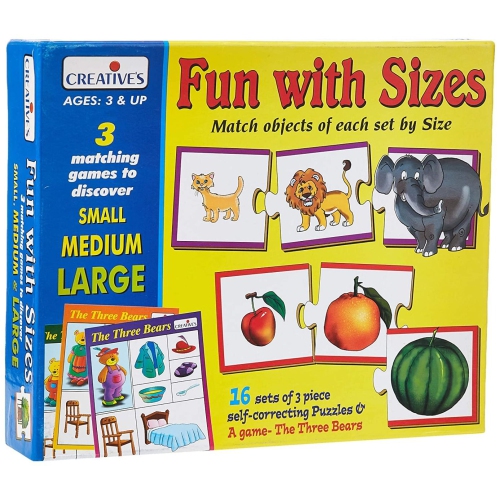
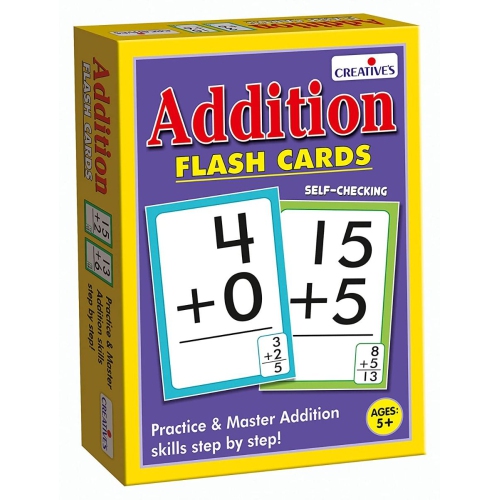
![OSMO - Little Genius Starter Kit: Plus Early Math Adventure - Amazon Fire [Electronics]](https://multimedia.bbycastatic.ca/multimedia/products/500x500/188/18884/18884535.jpeg)
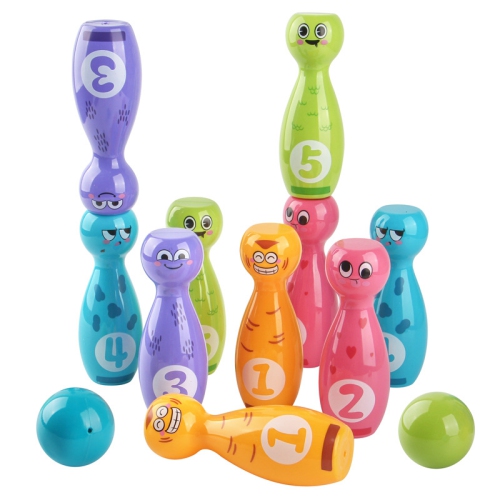

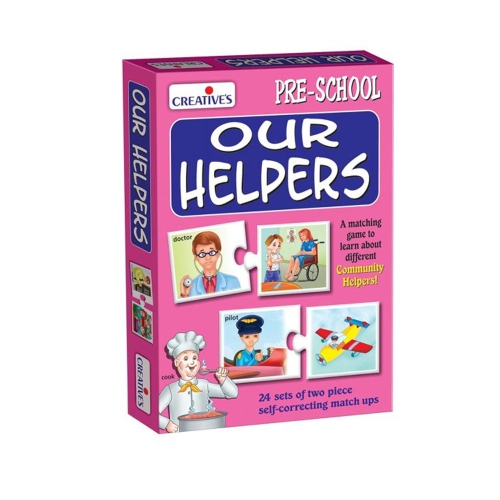
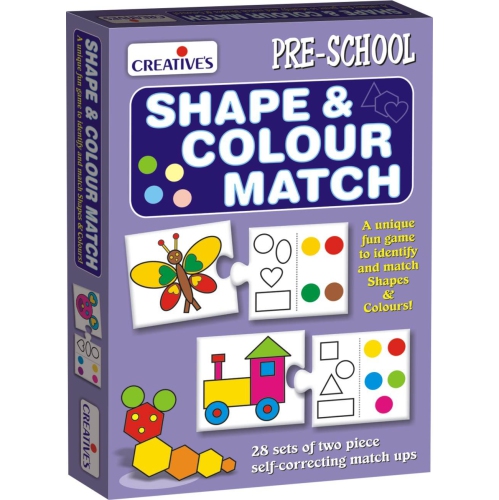
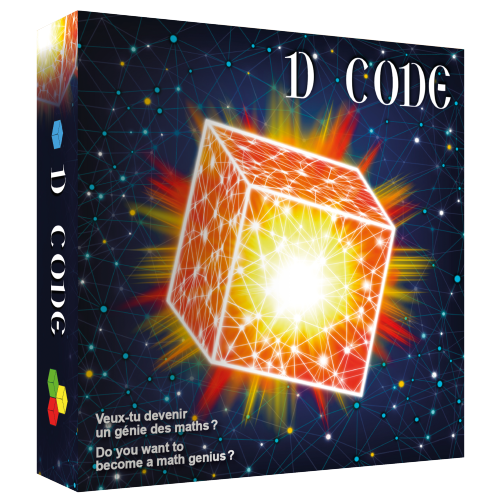
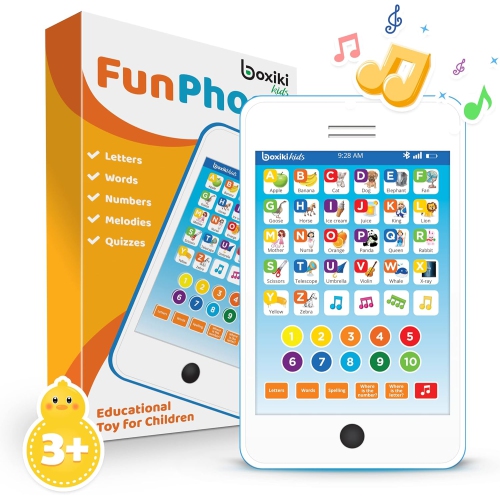
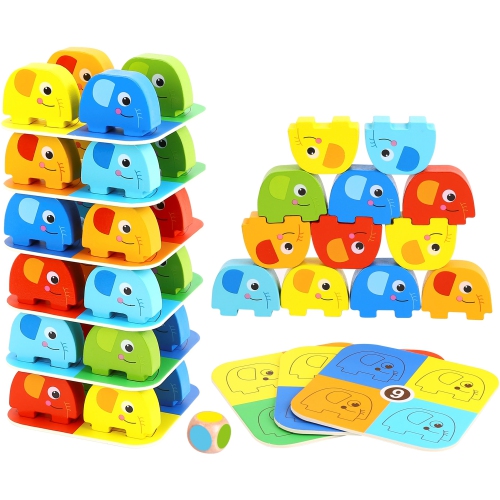
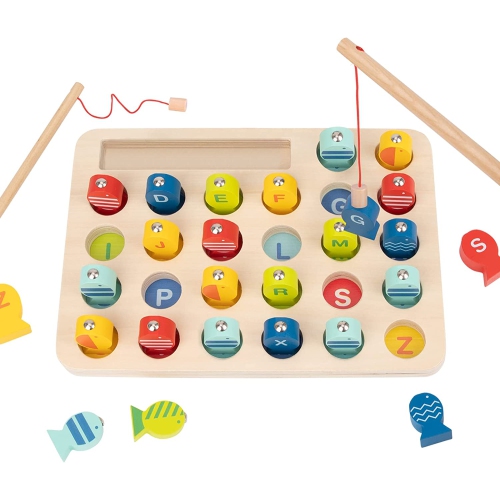
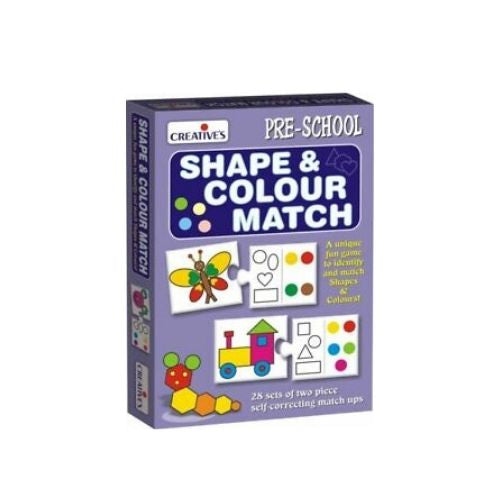
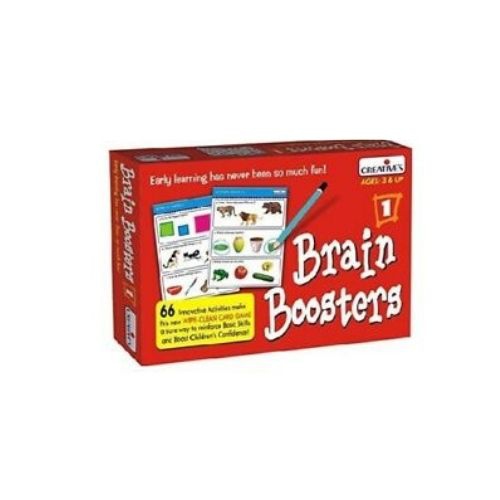
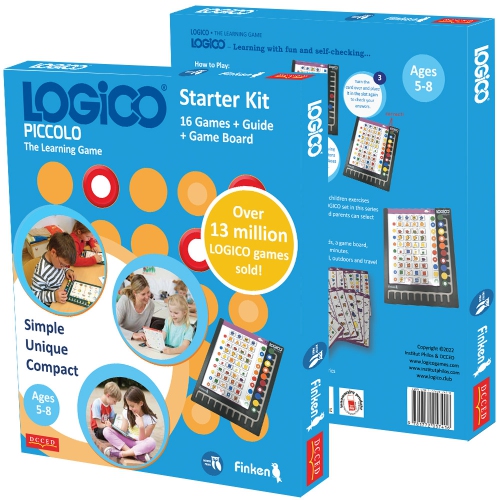
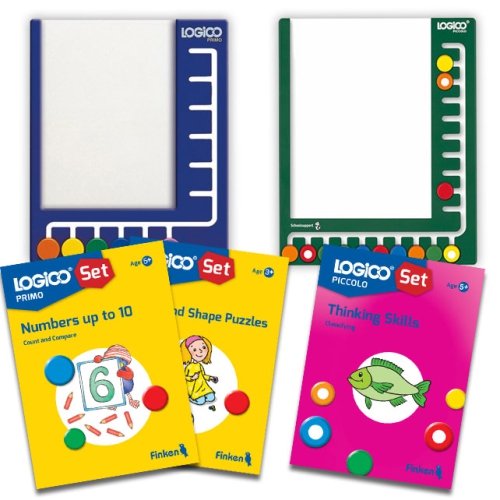
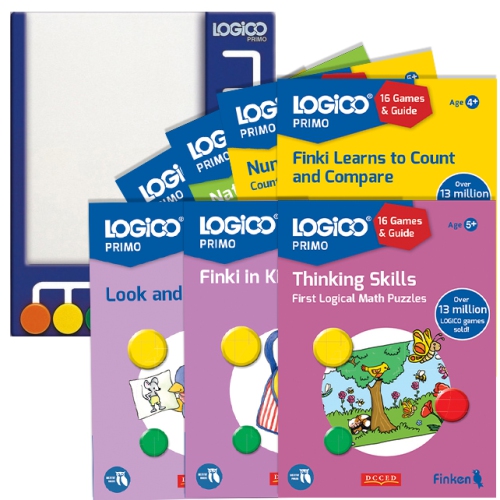
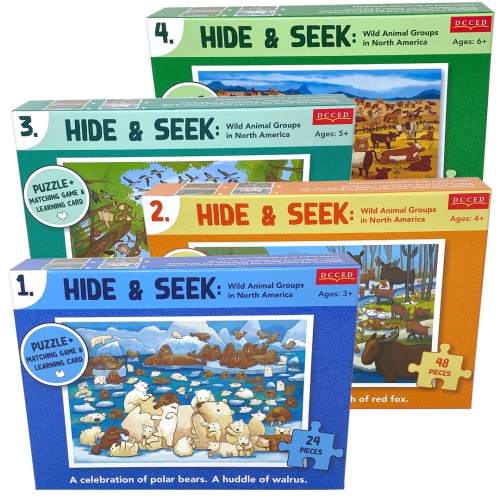
![NINTENDO Learn With Pokemon: Typing Adventure [ Ds Dsi]](https://multimedia.bbycastatic.ca/multimedia/products/500x500/169/16982/16982351.jpeg)

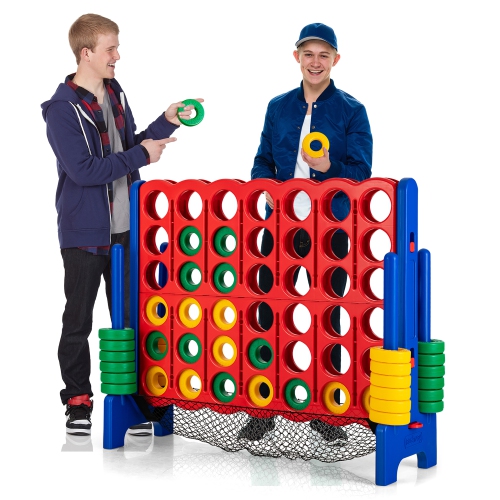
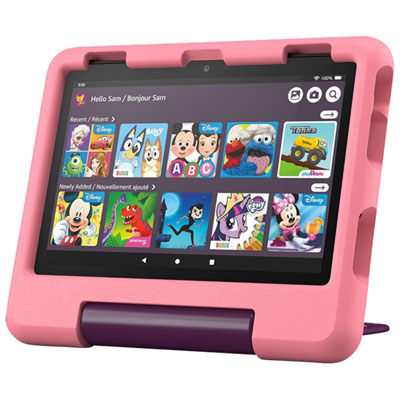
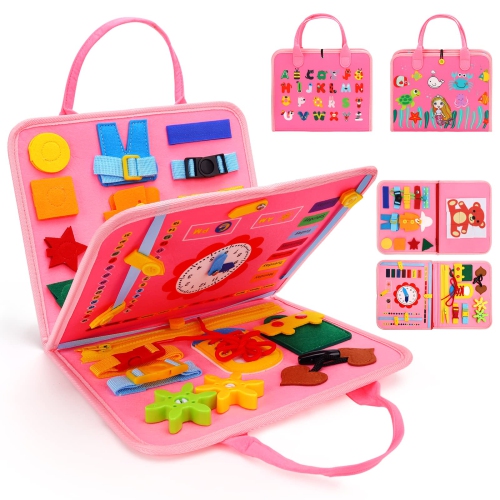
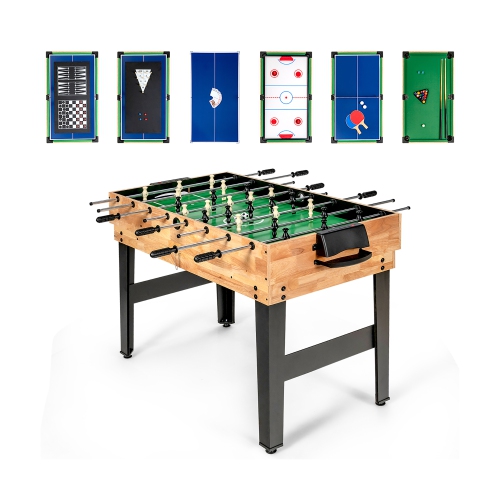

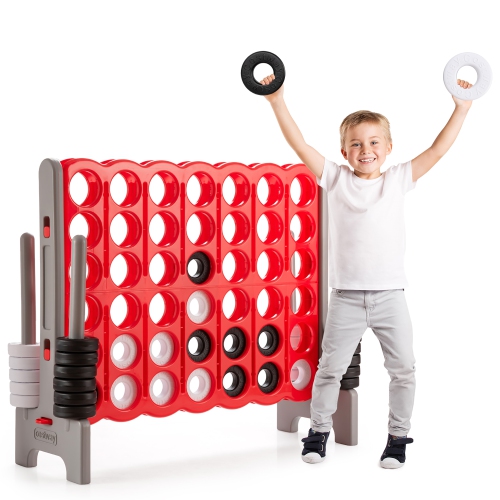
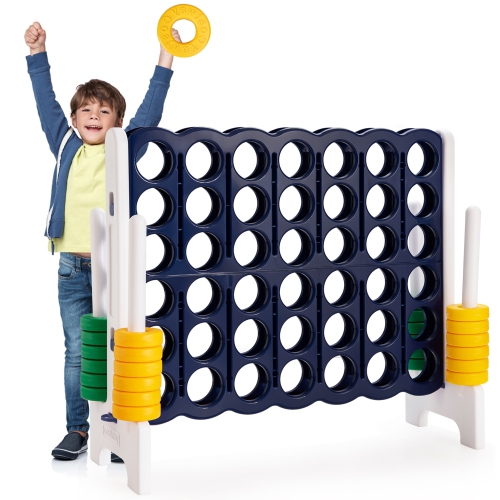
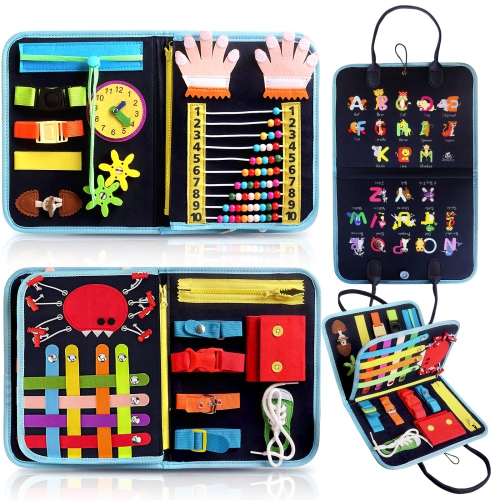
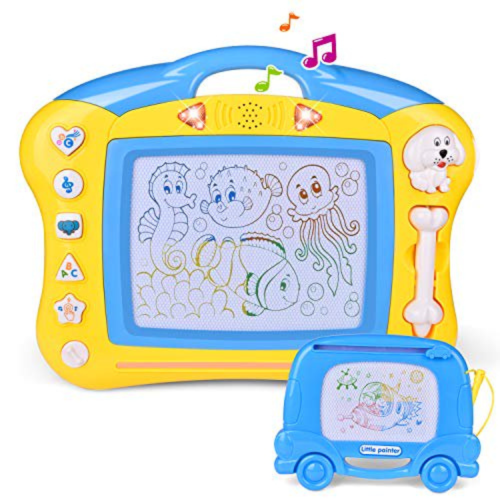
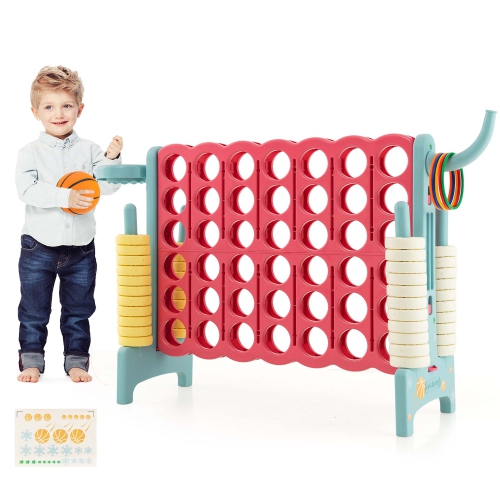

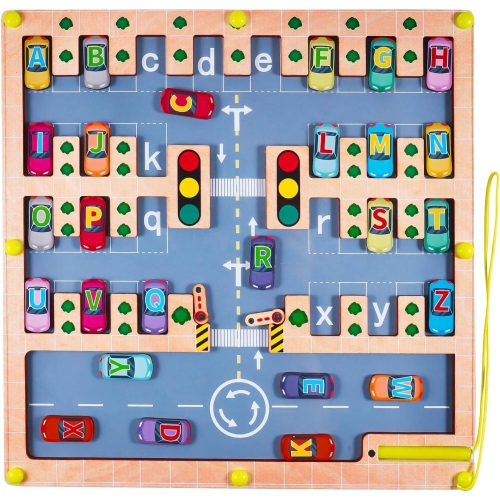
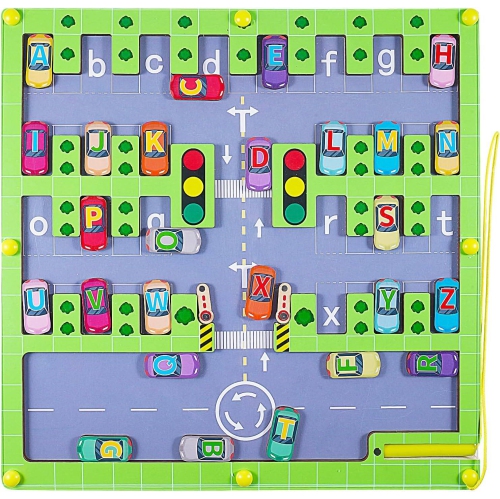

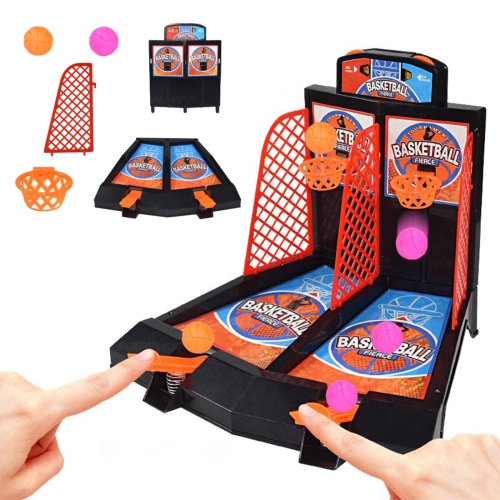
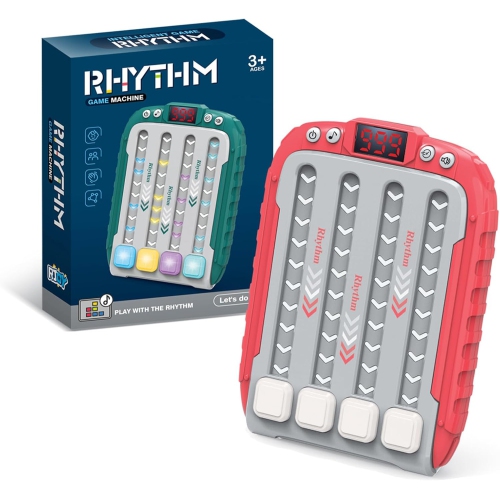

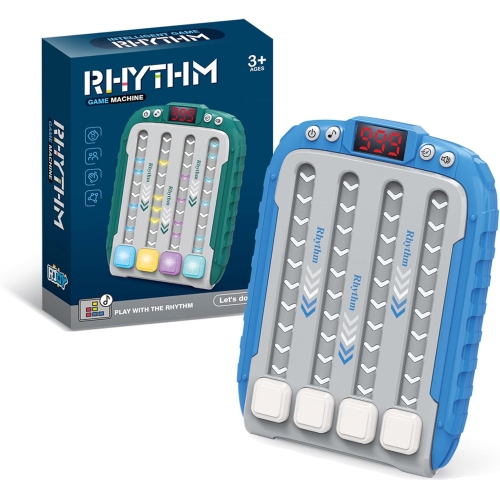
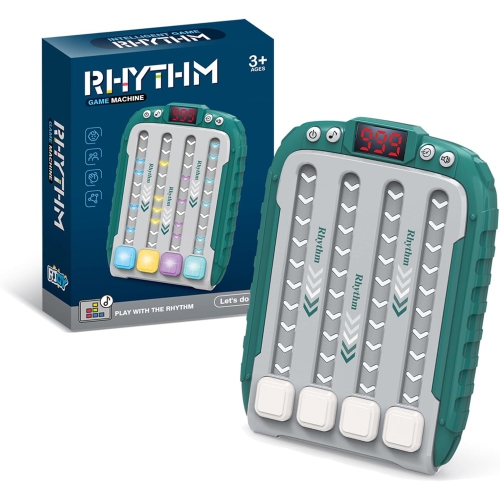
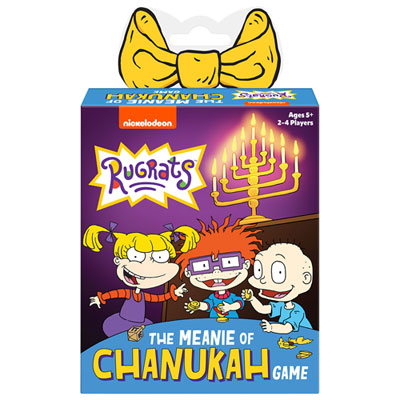
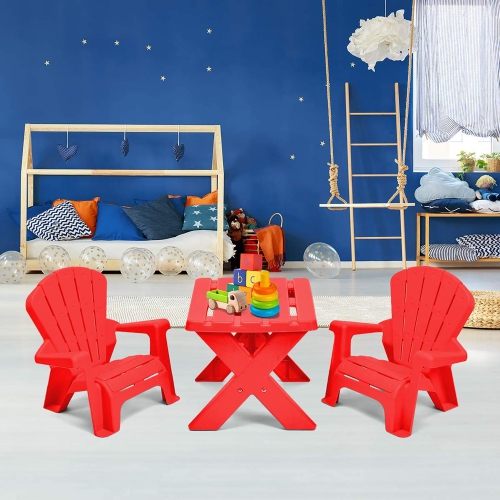
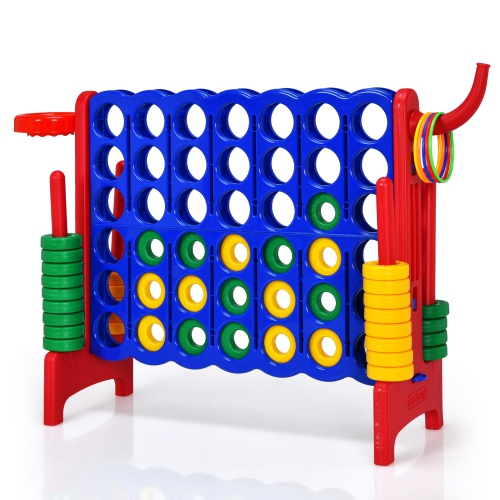
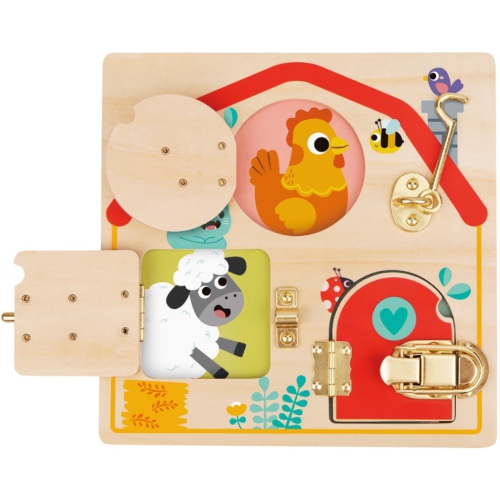
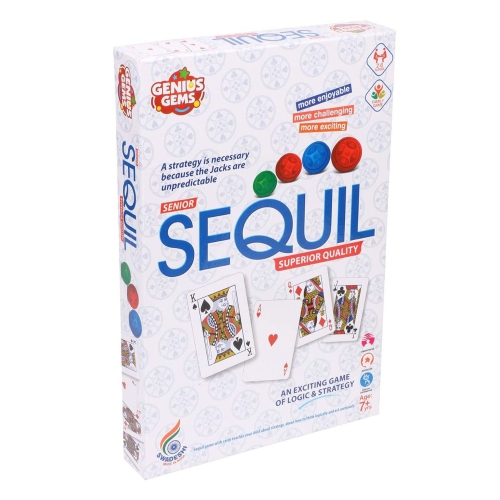


Playful practice for reading, maths, logic, and problem-solving
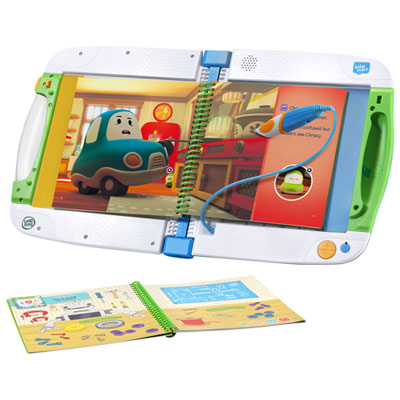
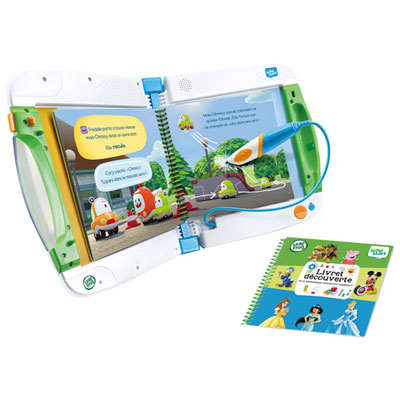
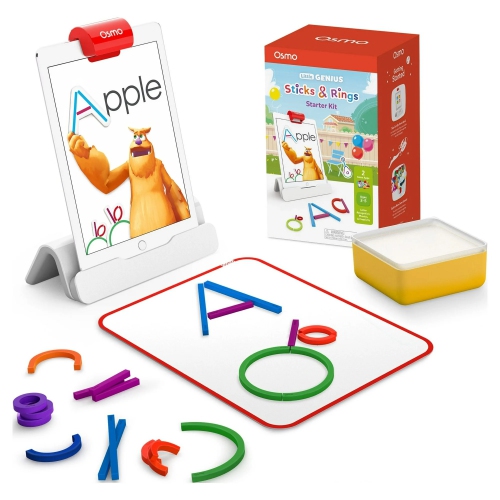
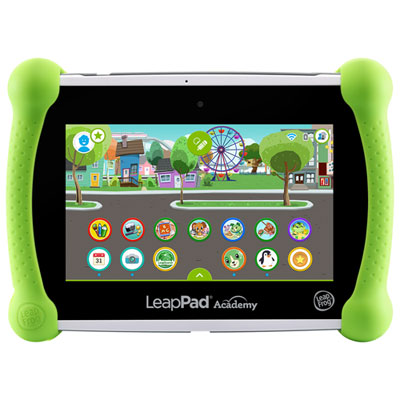
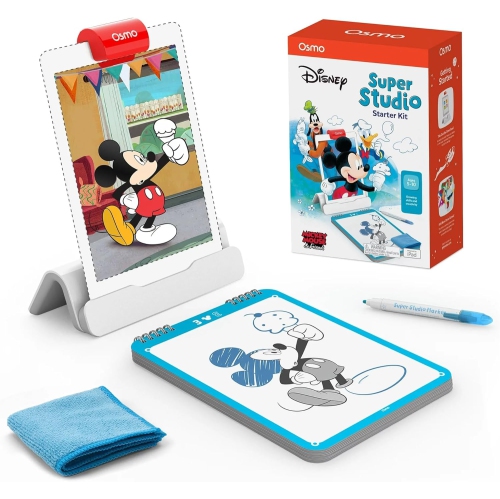
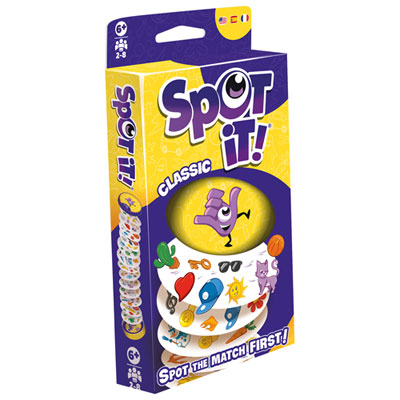
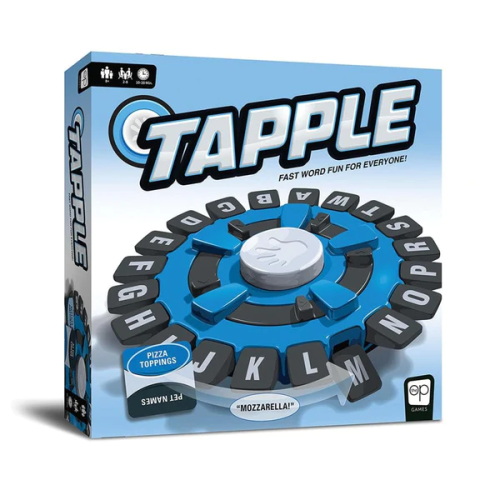
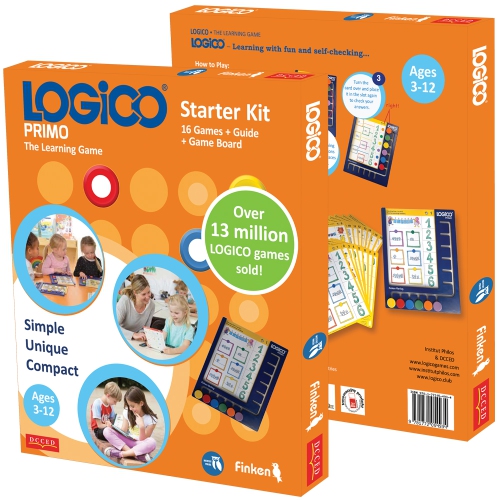
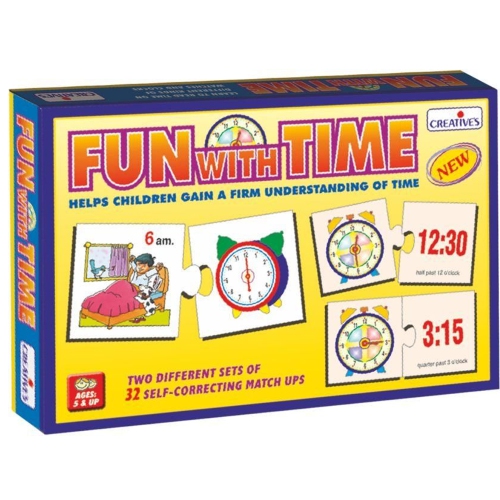
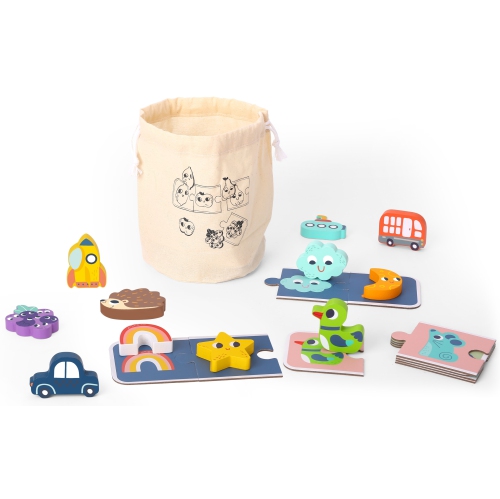
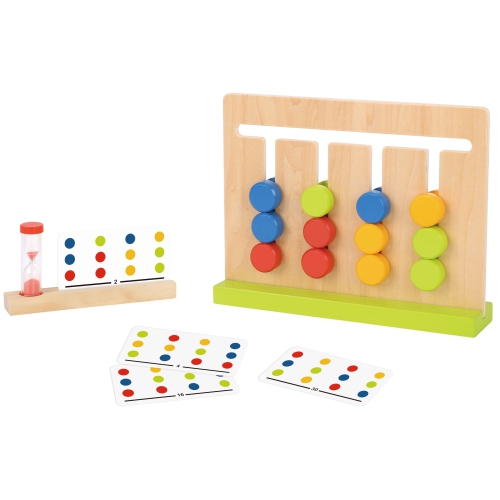
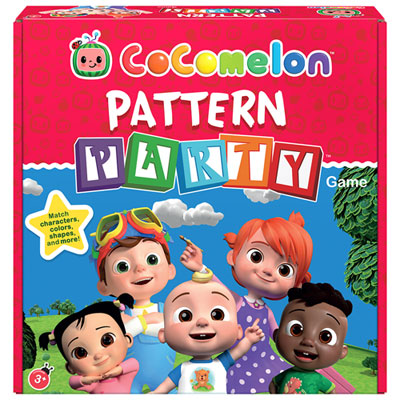
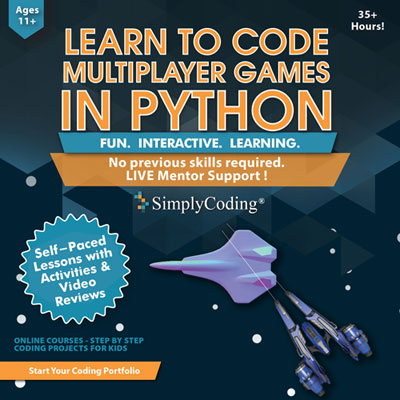
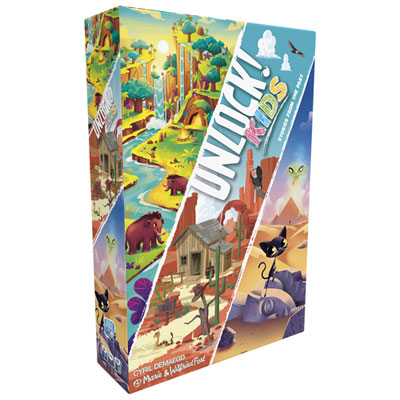
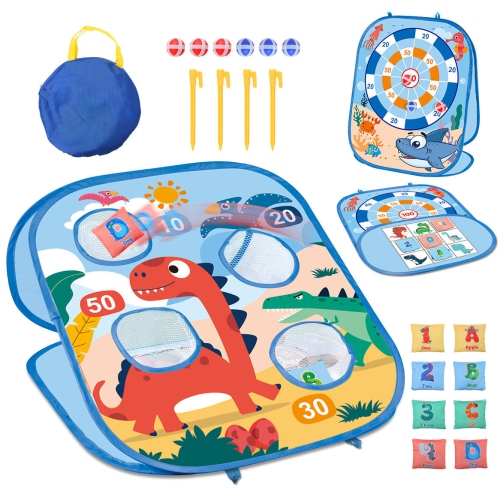
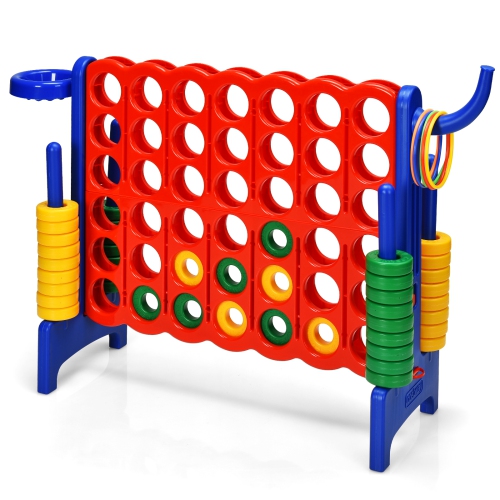
Learning games for kids turn practice into an inviting part of the day, whether a child is counting spaces on a game board, matching letters and pictures, building words, or solving a puzzle with a sibling. The best choice depends on the child’s age, current abilities, interests, and the skills they are ready to practise. Preschool games often focus on colour recognition, shapes, sorting, memory, counting, letter sounds, and taking turns, while games for early elementary learners may introduce addition, subtraction, spelling, reading comprehension, patterns, and simple strategy. Older children may enjoy activities that involve coding concepts, logic, geography, science, vocabulary, or multi-step problem-solving. Look for clear instructions, appropriately sized pieces, durable materials, and challenges that feel achievable without becoming repetitive. A game should offer enough structure for children to play independently as their confidence grows, while still leaving room for an adult or older sibling to join in. Some children learn best by moving pieces and talking through answers, while others prefer visual puzzles, timed challenges, touchscreen activities, or hands-on construction. Choosing a format that matches a child’s natural curiosity can make learning feel less like another assignment and more like the satisfying moment when a difficult puzzle finally clicks. For families looking to browse a range of playful options, Fun Learning Games can help bring together activities designed to entertain while reinforcing important skills.
Learning games can support many everyday learning goals without requiring a formal lesson. Number games help children recognize quantities, compare values, count forward and backward, and become more comfortable with basic operations. Reading and language games can encourage phonics, sight-word recognition, spelling, vocabulary, storytelling, and listening skills. Matching and memory activities help develop concentration and recall, while puzzles and logic challenges invite children to notice patterns, test ideas, and try another approach when the first one does not work. Games that involve sorting, sequencing, or following directions can also strengthen early organization and communication skills. For a child who finds pencil-and-paper practice tiring, moving counters or arranging tiles may offer a more comfortable way to reinforce the same concepts. Digital learning games can add animation, audio instructions, adjustable difficulty, and immediate feedback, making them useful for short practice sessions when an adult is nearby to help interpret instructions or celebrate progress. Families may wish to check the recommended age range, reading level, number of players, play length, and device requirements before making a selection. It is also worth considering whether the game can be played in brief rounds, since a ten-minute activity before dinner may be more successful than a long session after a busy school day. For younger children, simple rules and bright, easy-to-handle components can make the first experience more enjoyable; for older children, a meaningful challenge, a goal to work toward, or the opportunity to compete cooperatively may keep them engaged. Learning games can be especially useful during the transition between late-summer routines and the more structured pace of the school year, offering a relaxed way to refresh familiar skills at the kitchen table, in a playroom, or during a quiet afternoon indoors.
These games also make thoughtful gifts for birthdays, classroom celebrations, family visits, and children who enjoy discovering how things work. A game that matches a child’s interests can feel personal: a budding storyteller may appreciate word-building play, a child who loves numbers may gravitate toward arithmetic challenges, and an imaginative player may enjoy activities that place learning within a mystery, adventure, or make-believe setting. When shopping for siblings or a group of friends, consider games with flexible player counts and rules that can be adjusted for different ages. Cooperative play can help children practise communication, patience, and shared decision-making, while independent games give them space to focus, repeat a challenge, and experience the pride of solving something on their own. Adults can make the experience more rewarding by asking children to explain how they reached an answer, encouraging them to predict what might happen next, and treating mistakes as useful clues rather than failures. A quiet corner, a clear playing surface, and a small basket for storing pieces can make it easier for children to return to a favourite activity during the cooler months. It is also helpful to balance screen-based and hands-on options according to the child and the household routine, keeping digital play in a shared area when supervision or assistance is useful. The most valuable learning games are not necessarily the most complicated ones; they are the ones that invite children to keep trying, talk through ideas, and notice their own progress. Whether used for family game time, independent practice, after-school relaxation, or a carefully chosen gift, learning games can bring a warm, playful rhythm to skill-building and help children see reading, maths, logic, and problem-solving as activities they can enjoy.
Learning games can support many everyday learning goals without requiring a formal lesson. Number games help children recognize quantities, compare values, count forward and backward, and become more comfortable with basic operations. Reading and language games can encourage phonics, sight-word recognition, spelling, vocabulary, storytelling, and listening skills. Matching and memory activities help develop concentration and recall, while puzzles and logic challenges invite children to notice patterns, test ideas, and try another approach when the first one does not work. Games that involve sorting, sequencing, or following directions can also strengthen early organization and communication skills. For a child who finds pencil-and-paper practice tiring, moving counters or arranging tiles may offer a more comfortable way to reinforce the same concepts. Digital learning games can add animation, audio instructions, adjustable difficulty, and immediate feedback, making them useful for short practice sessions when an adult is nearby to help interpret instructions or celebrate progress. Families may wish to check the recommended age range, reading level, number of players, play length, and device requirements before making a selection. It is also worth considering whether the game can be played in brief rounds, since a ten-minute activity before dinner may be more successful than a long session after a busy school day. For younger children, simple rules and bright, easy-to-handle components can make the first experience more enjoyable; for older children, a meaningful challenge, a goal to work toward, or the opportunity to compete cooperatively may keep them engaged. Learning games can be especially useful during the transition between late-summer routines and the more structured pace of the school year, offering a relaxed way to refresh familiar skills at the kitchen table, in a playroom, or during a quiet afternoon indoors.
These games also make thoughtful gifts for birthdays, classroom celebrations, family visits, and children who enjoy discovering how things work. A game that matches a child’s interests can feel personal: a budding storyteller may appreciate word-building play, a child who loves numbers may gravitate toward arithmetic challenges, and an imaginative player may enjoy activities that place learning within a mystery, adventure, or make-believe setting. When shopping for siblings or a group of friends, consider games with flexible player counts and rules that can be adjusted for different ages. Cooperative play can help children practise communication, patience, and shared decision-making, while independent games give them space to focus, repeat a challenge, and experience the pride of solving something on their own. Adults can make the experience more rewarding by asking children to explain how they reached an answer, encouraging them to predict what might happen next, and treating mistakes as useful clues rather than failures. A quiet corner, a clear playing surface, and a small basket for storing pieces can make it easier for children to return to a favourite activity during the cooler months. It is also helpful to balance screen-based and hands-on options according to the child and the household routine, keeping digital play in a shared area when supervision or assistance is useful. The most valuable learning games are not necessarily the most complicated ones; they are the ones that invite children to keep trying, talk through ideas, and notice their own progress. Whether used for family game time, independent practice, after-school relaxation, or a carefully chosen gift, learning games can bring a warm, playful rhythm to skill-building and help children see reading, maths, logic, and problem-solving as activities they can enjoy.
Top selling and popular products
-
 Your price for this item is $299.13
 -
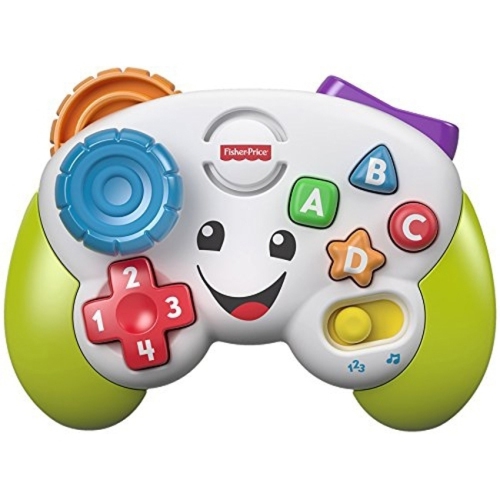 Your price for this item is $24.28
 -
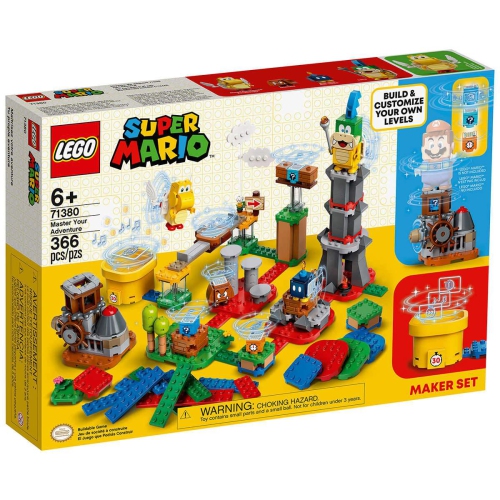 Your price for this item is $103.27
 -
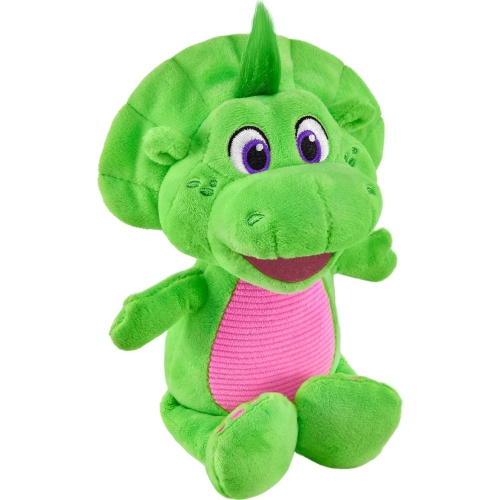 Your price for this item is $17.24
 -
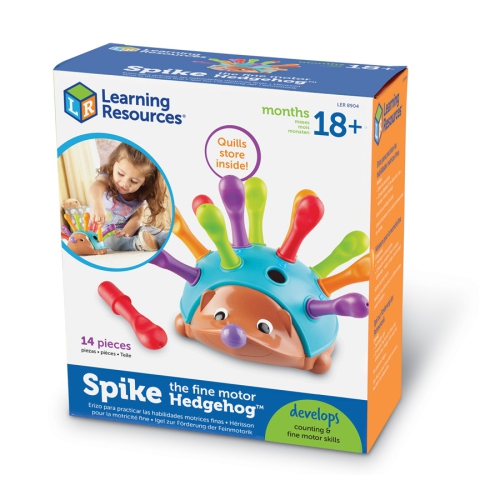 Your price for this item is $56.13
 -
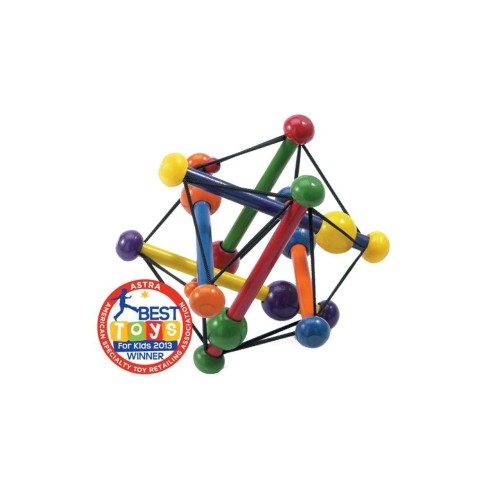 Your price for this item is $29.99
 -
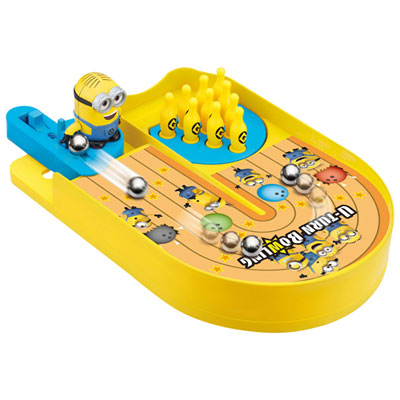 Your price for this item is $19.99
 -
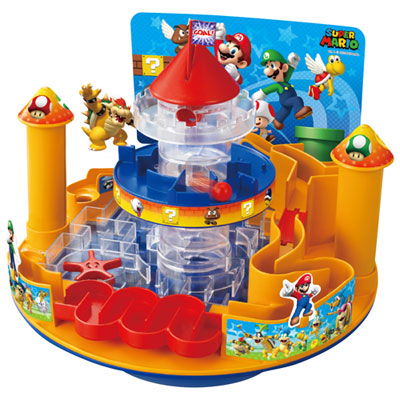 Your price for this item is $39.99
Discover more categories related to Learning Games for Kids
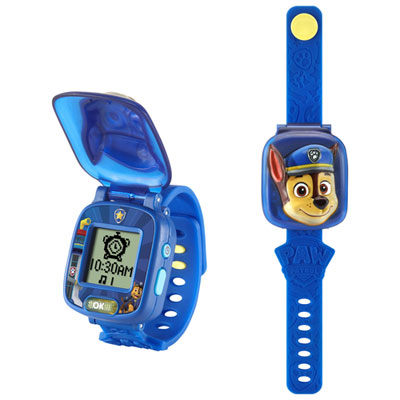
Top Collections:
Pokemon Centers, Kindle Devices, Best Budget Office Chairs, Apple iPhones 16, Best Laptops for Writers, iPhone 15 Apple, Canon G7X Cameras, Refurbished Apple Laptops, Alarm Clock, Motorola Razr Phones
Some products may be subject to Environmental Handling Fees
(EHF) depending on your province.
Learn more about EHFs.