Learning Robots
Discover the exciting world of learning robots. These innovative devices are designed to engage, educate, and entertain users of all ages. Whether you're a parent looking for an educational toy for your child or a tech enthusiast wanting to explore the latest advancements in robotics, our collection of learning robots offers something for everyone. From interactive programming kits to smart companion robots, these cutting-edge gadgets provide endless opportunities for learning, creativity, and fun.
Sort
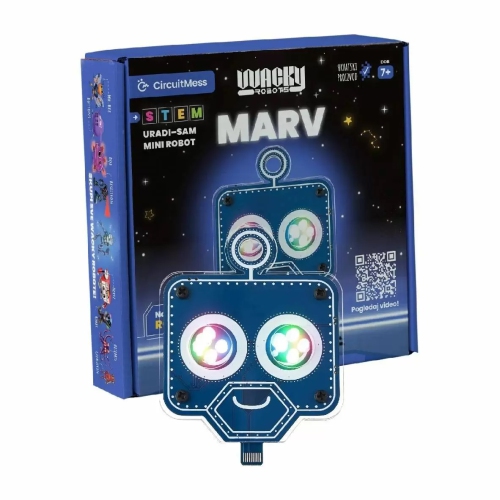
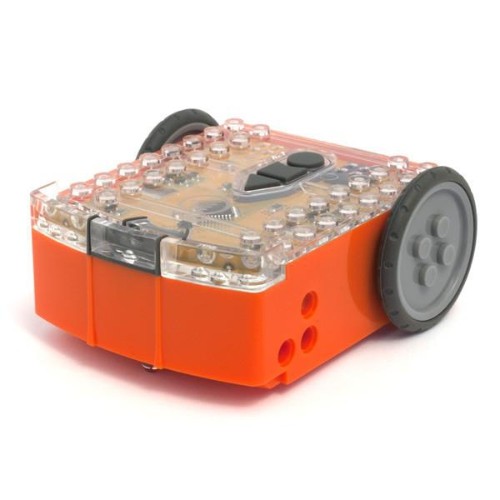


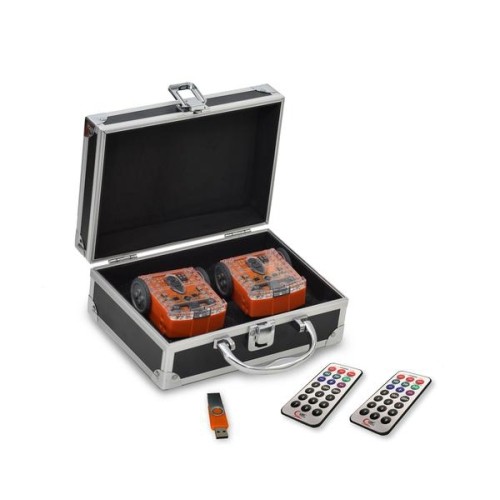
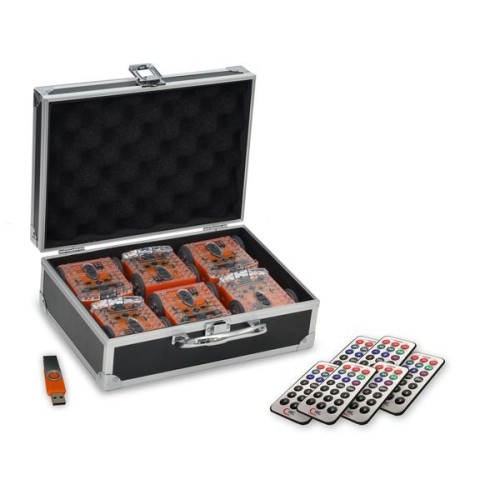
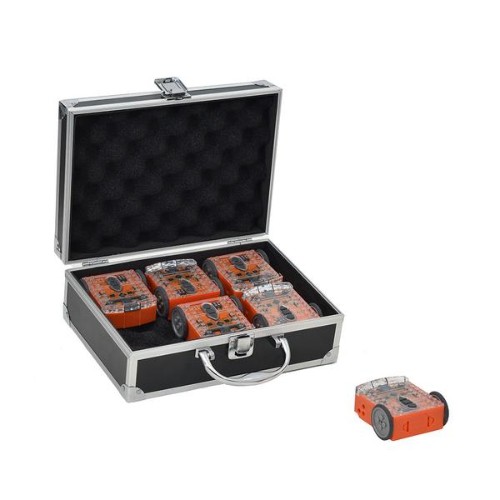
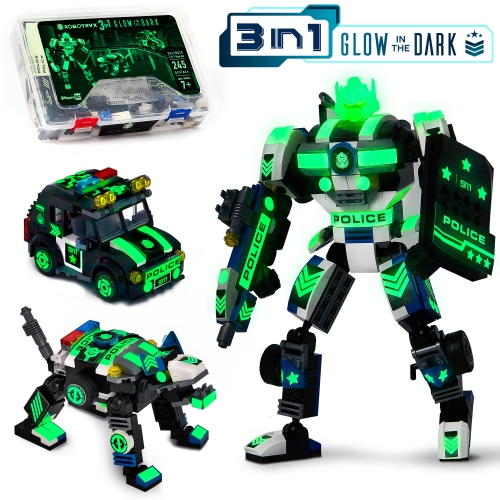

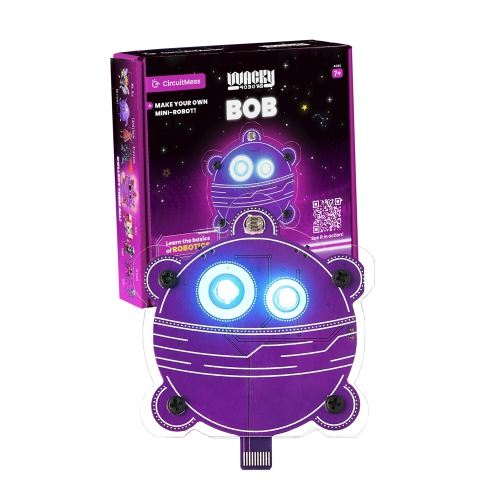
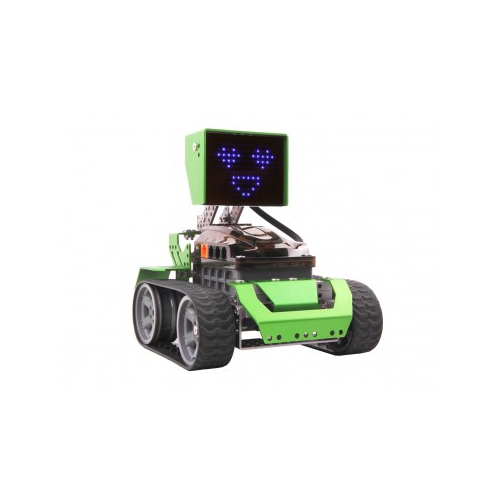
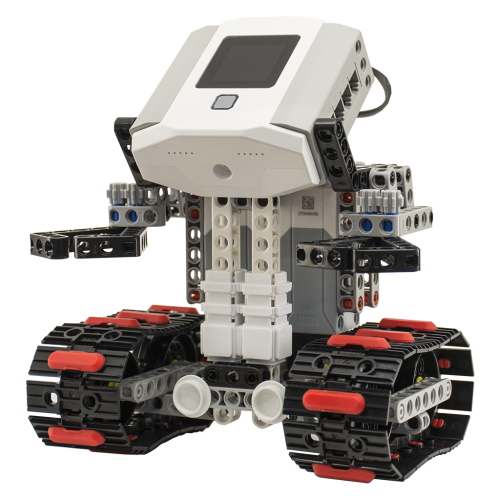
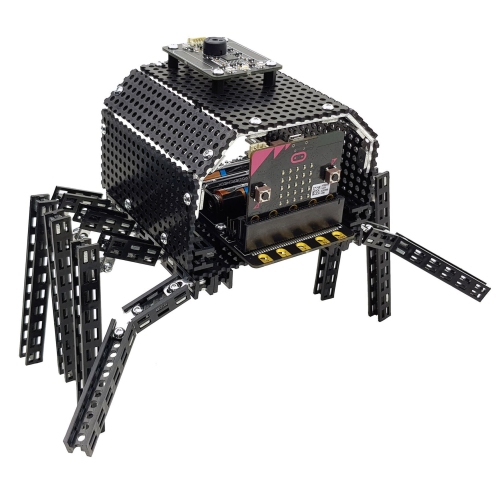
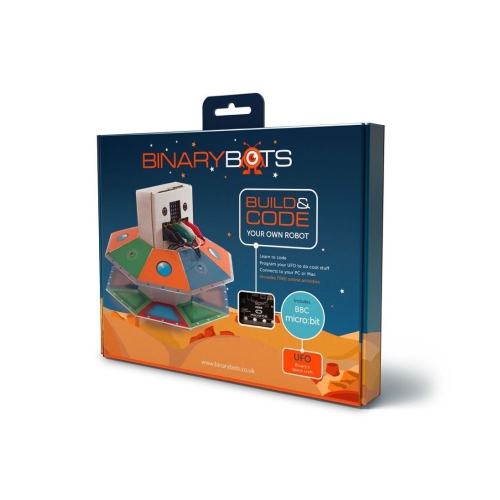
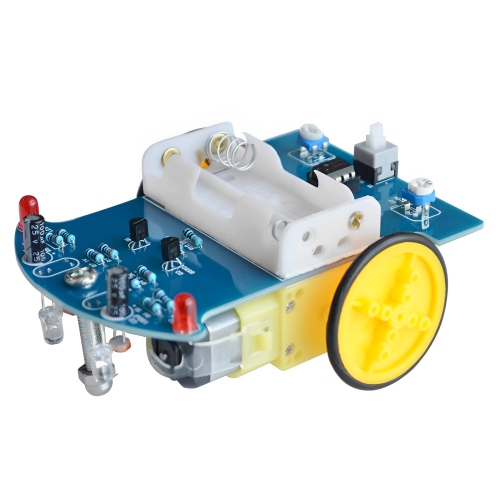

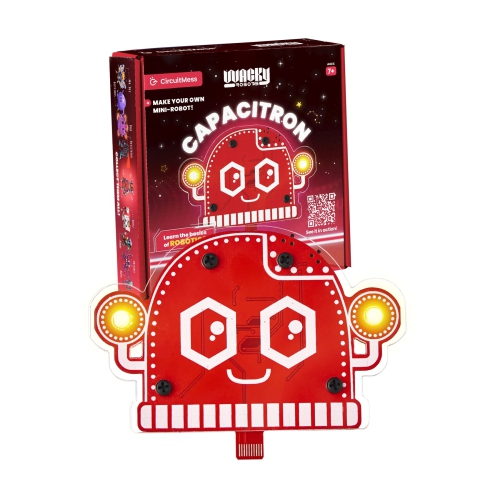
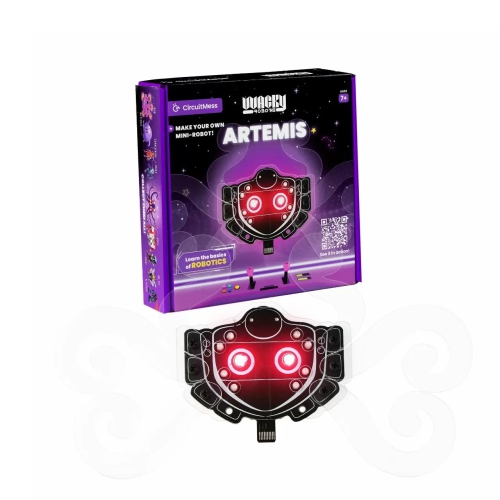
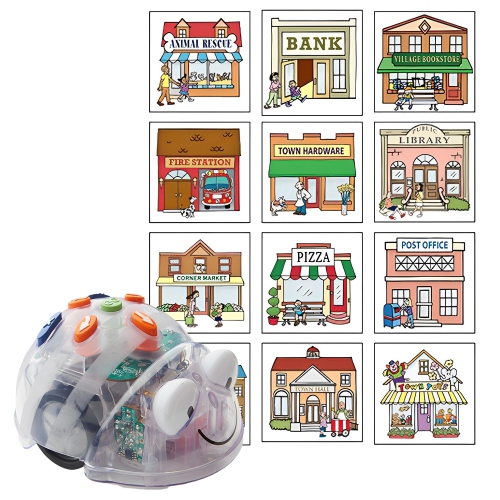
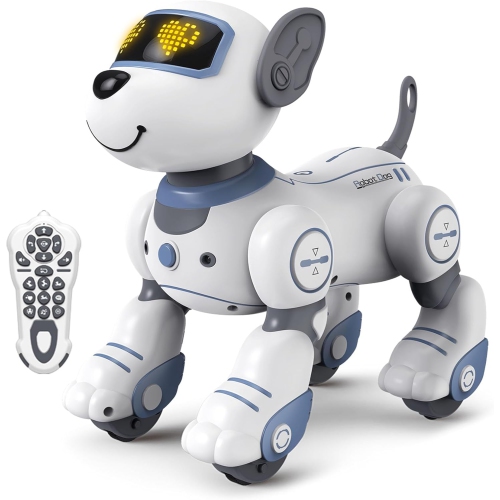

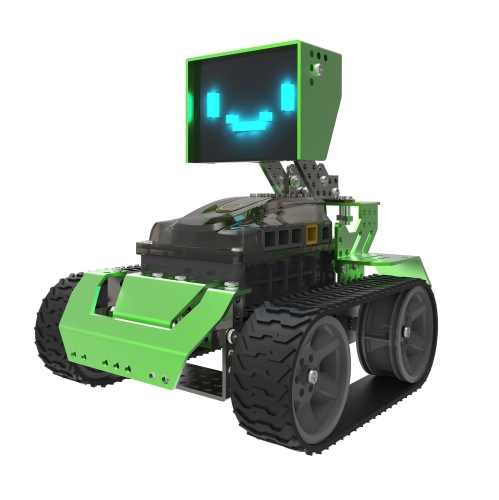
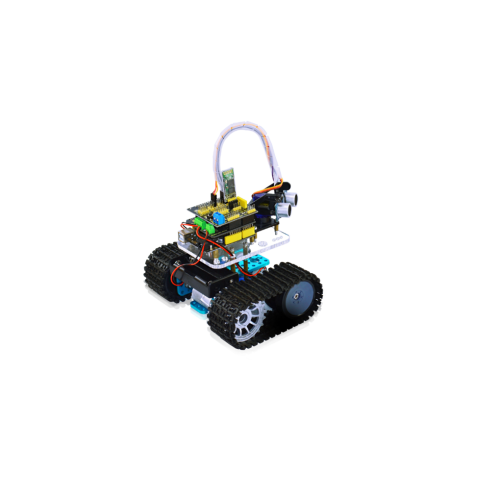
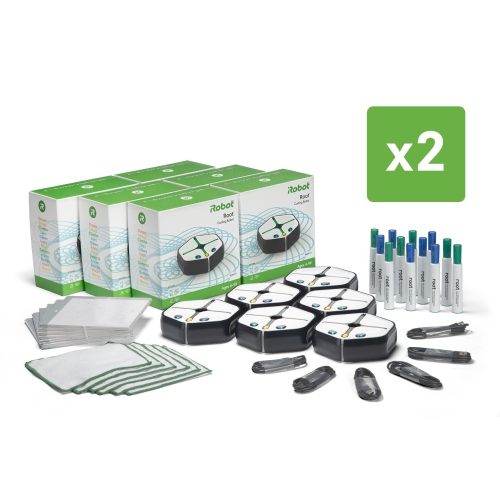
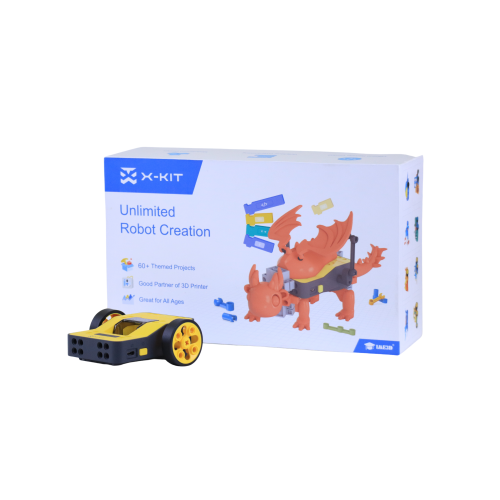

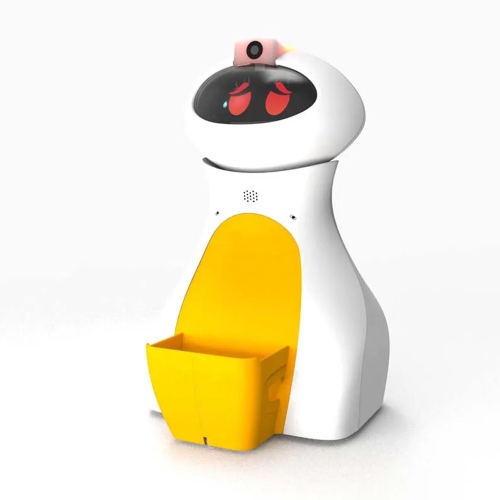
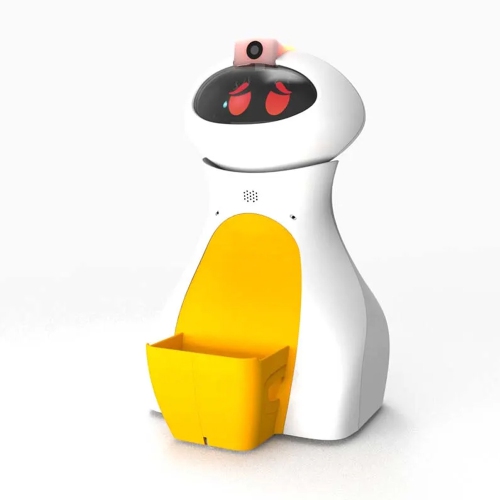
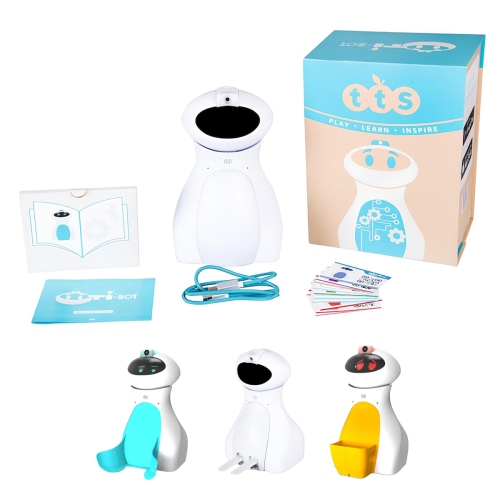
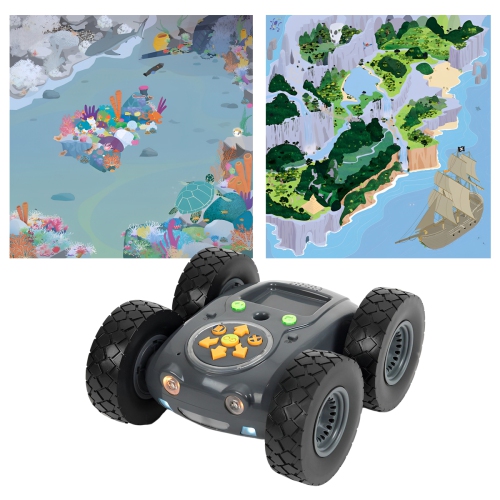
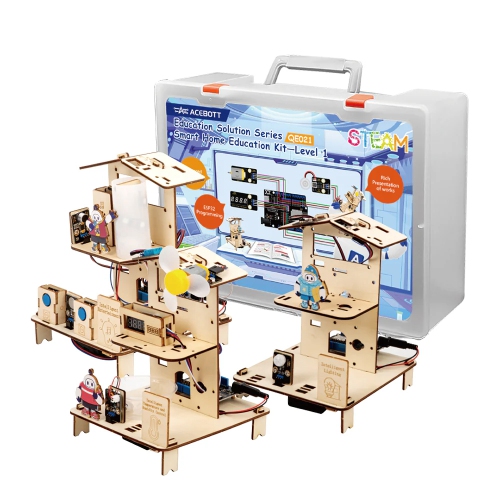
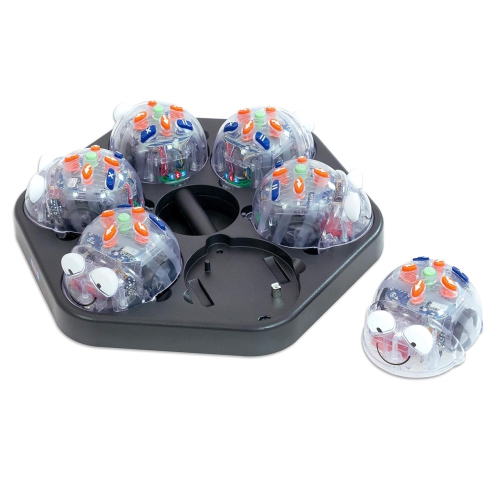

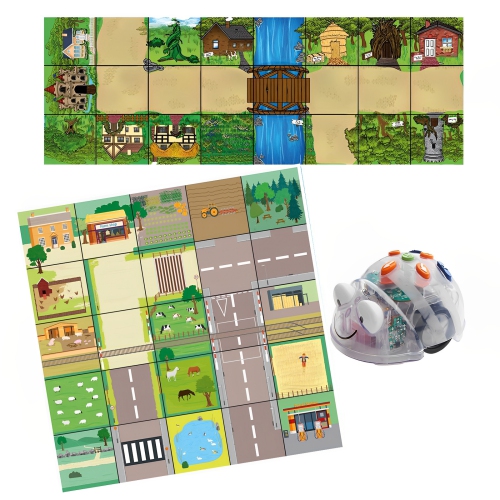
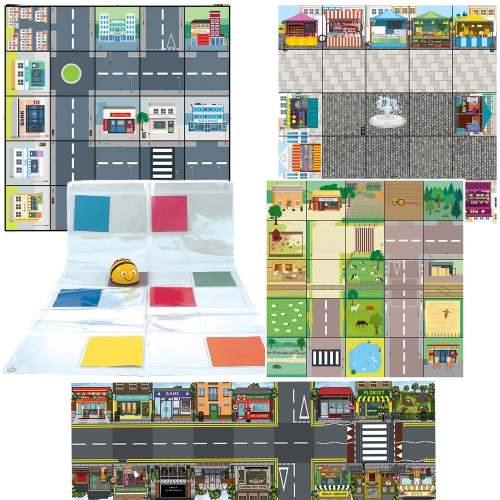
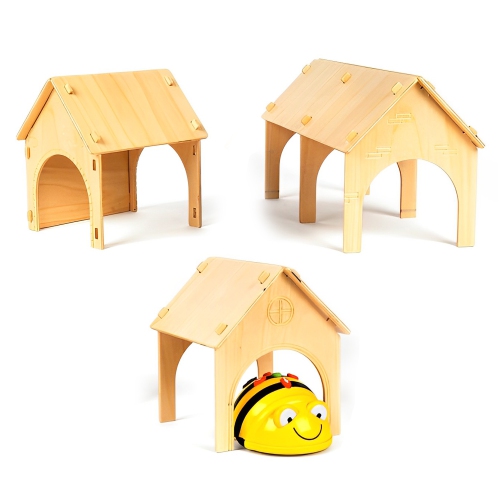
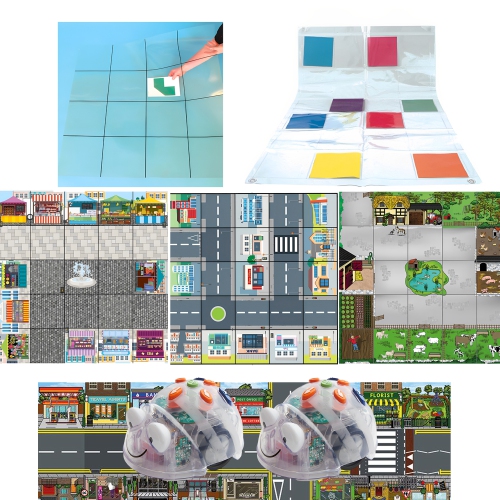


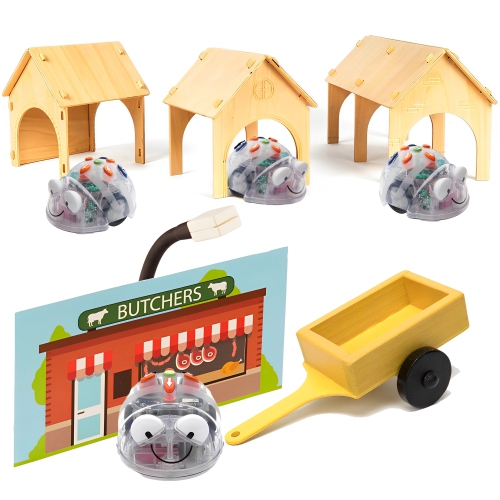
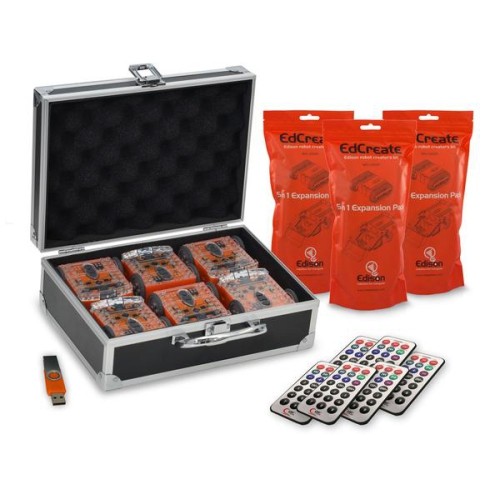
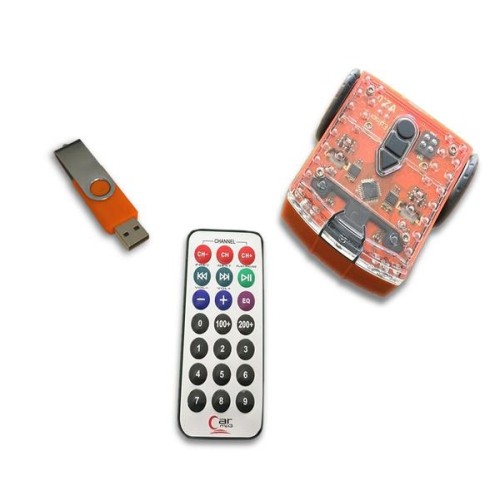
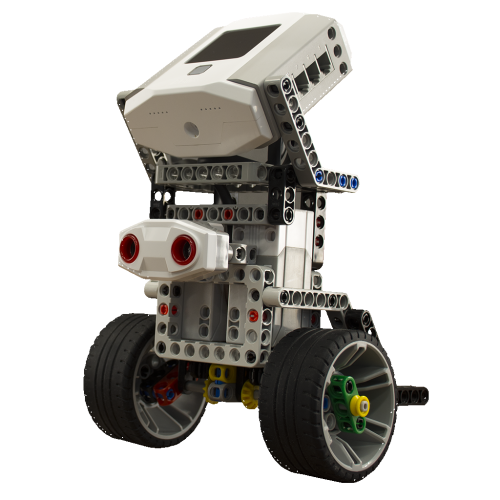
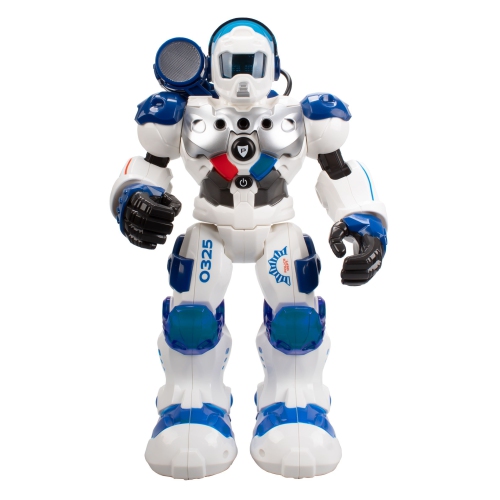
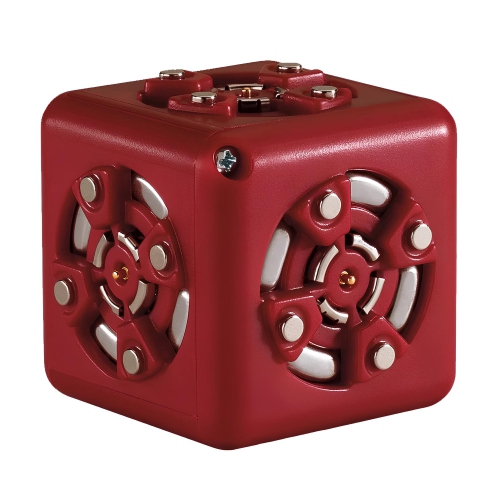

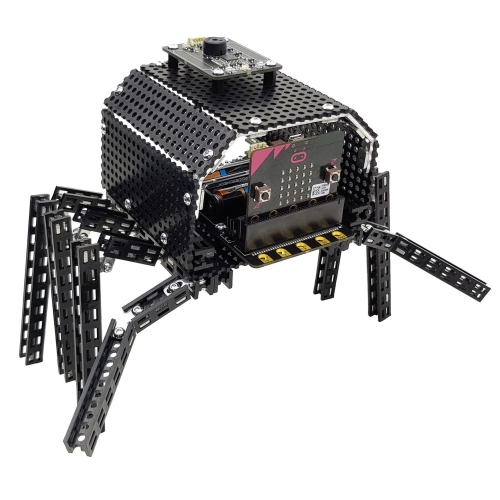
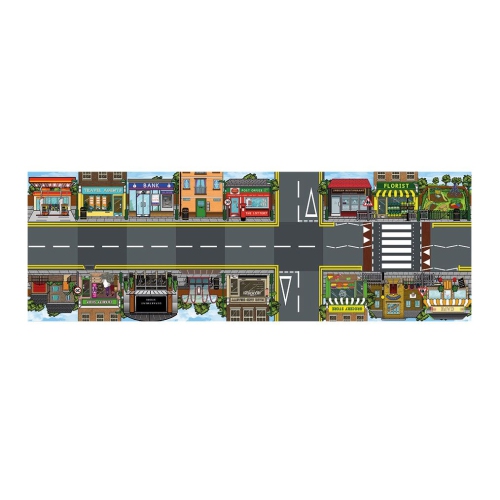
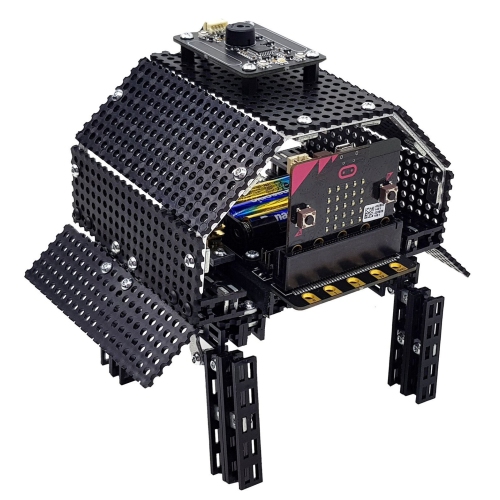
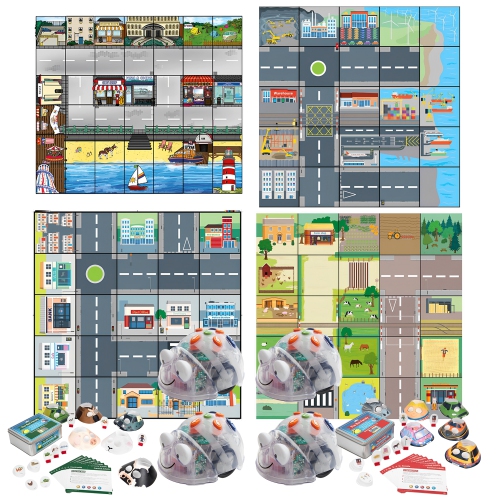
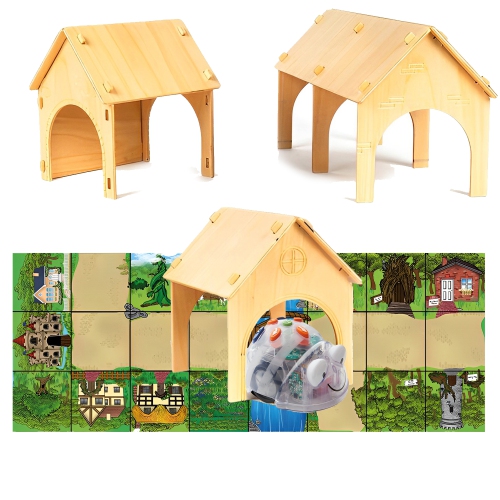
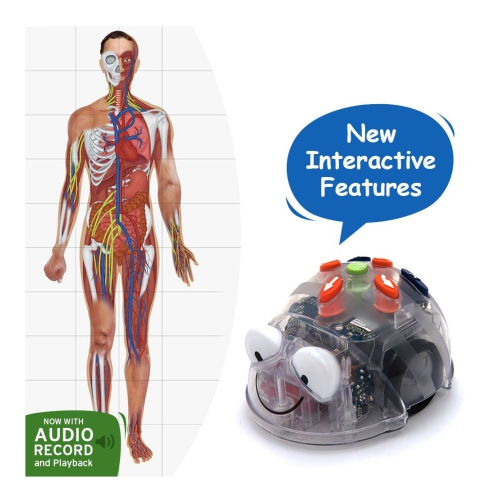
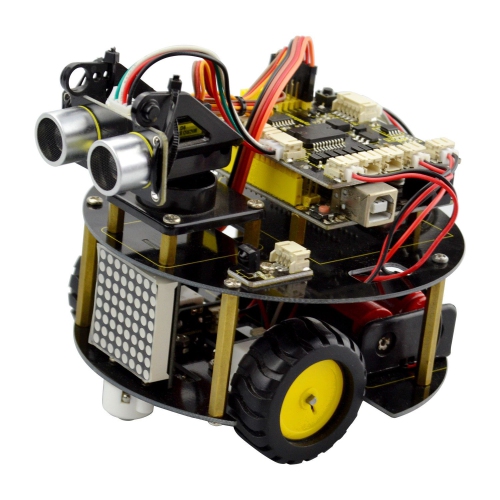
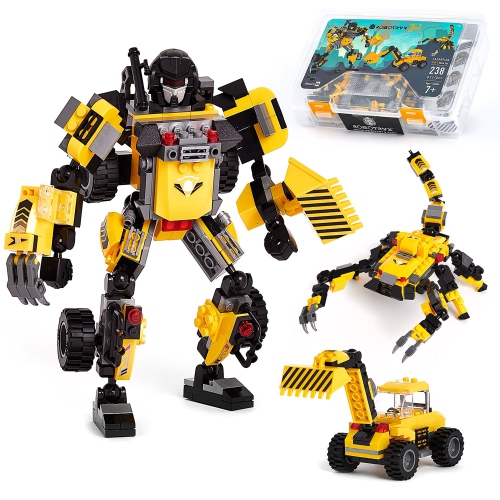
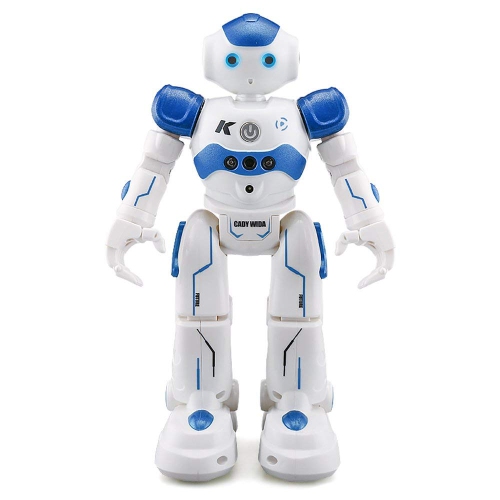
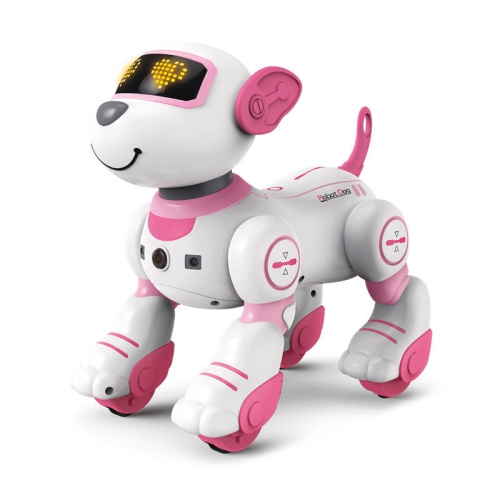
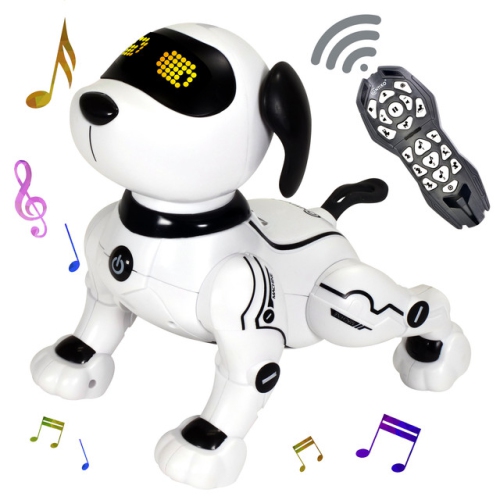
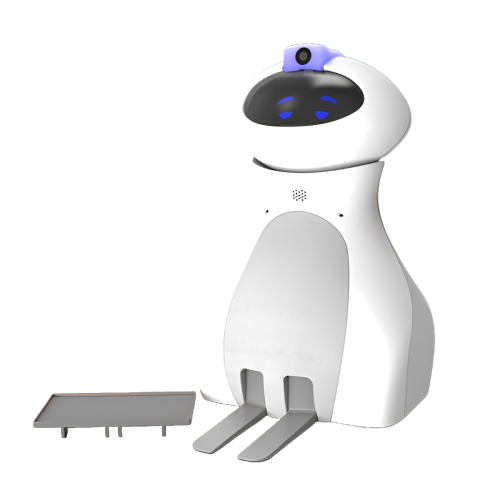
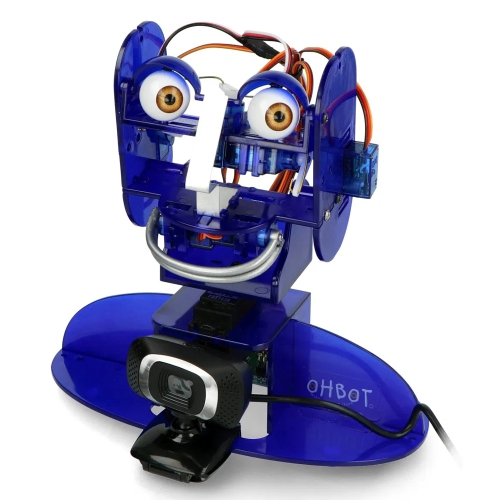
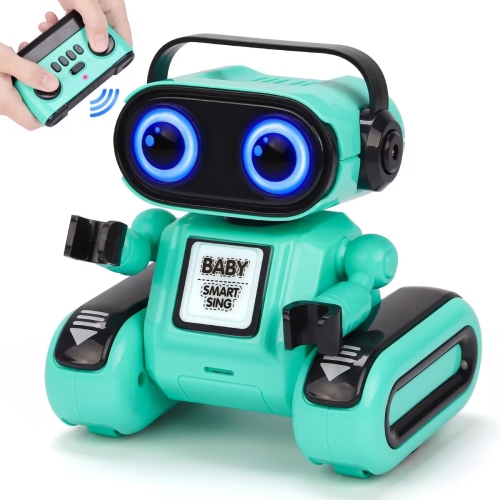


Hands-on coding activities that turn commands into discoveries
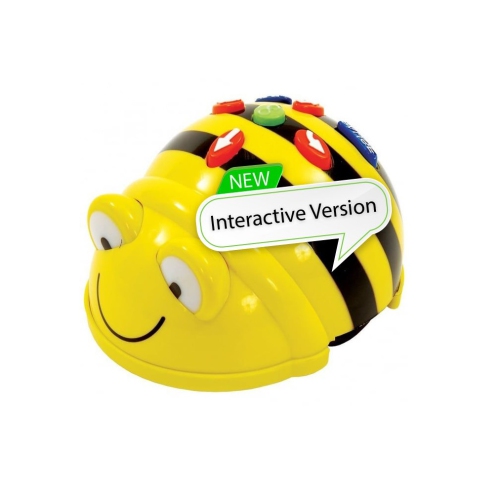
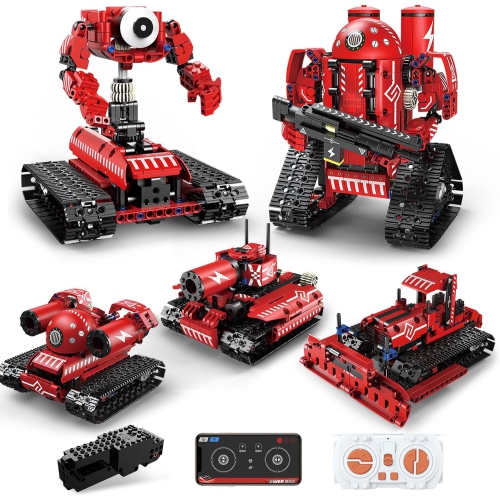
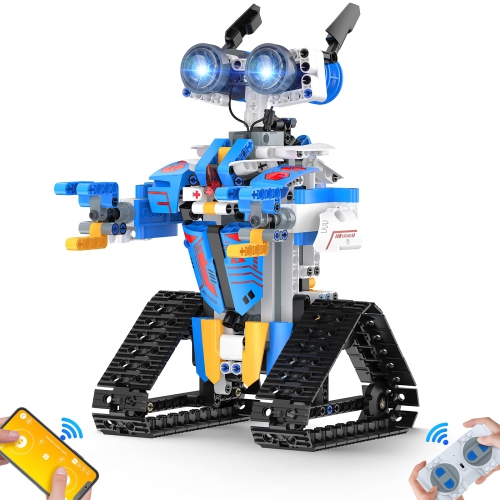
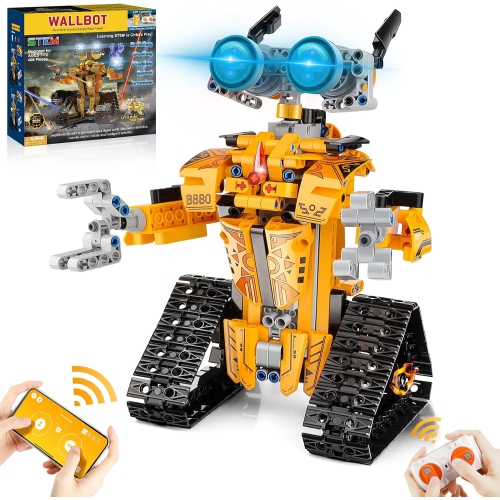
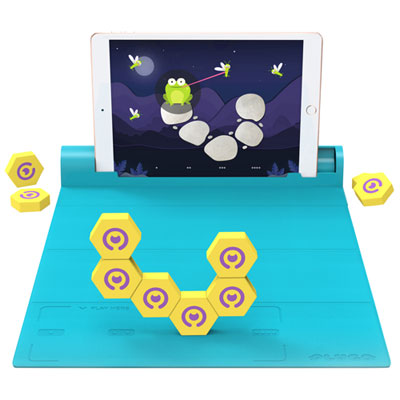
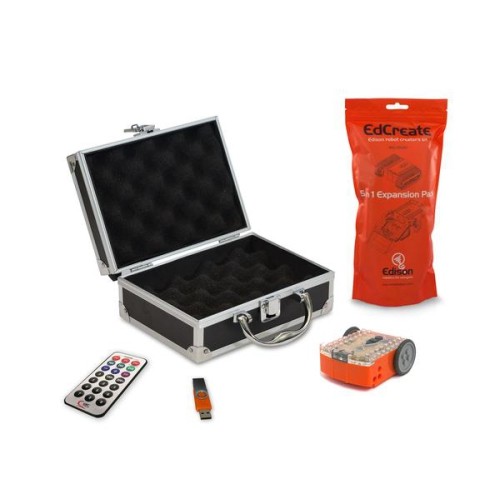
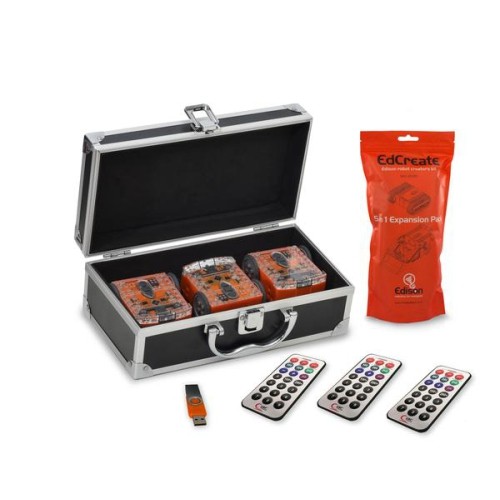
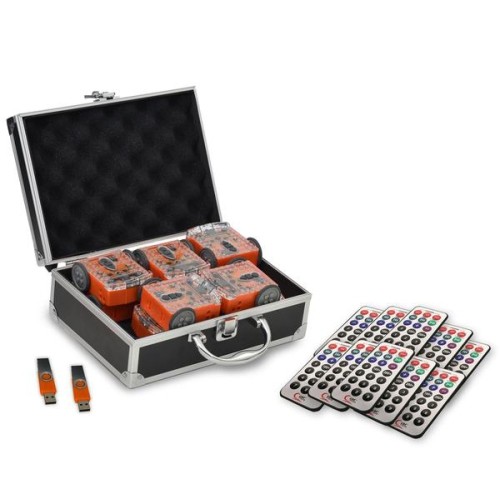
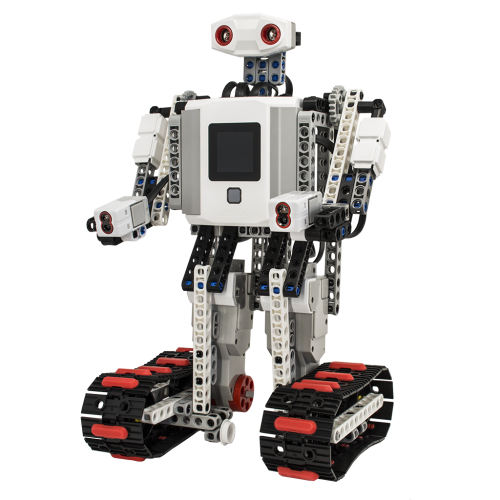
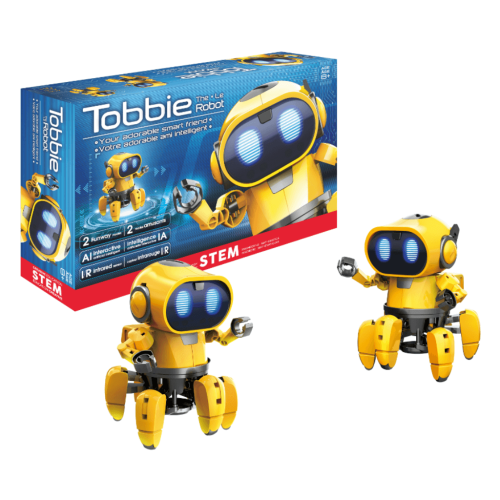
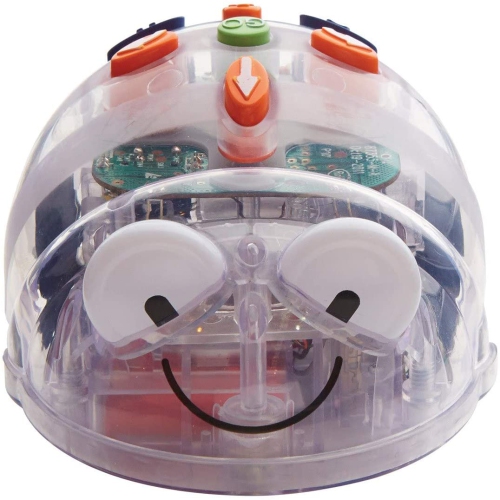
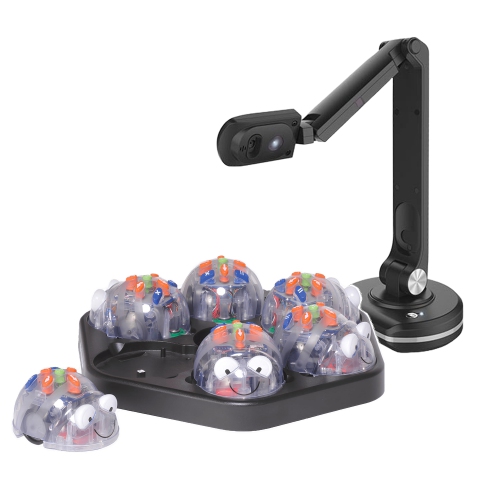
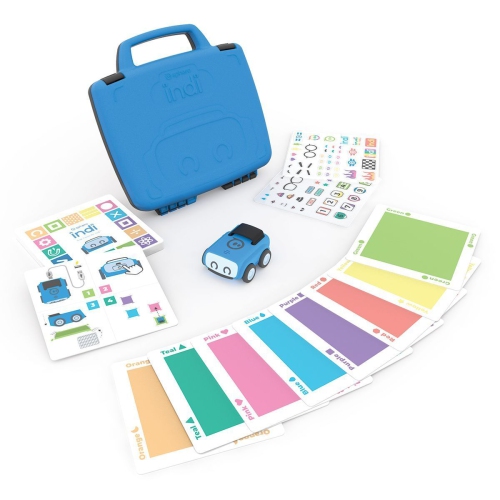
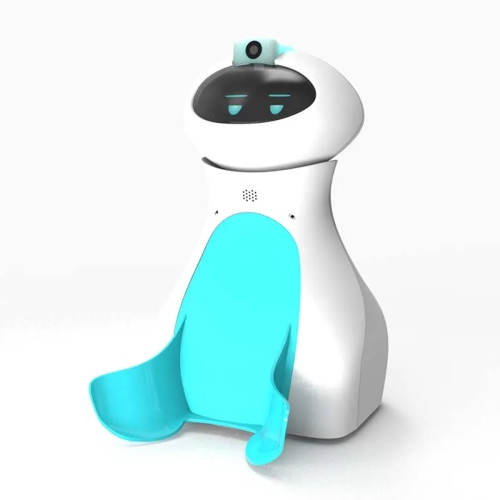
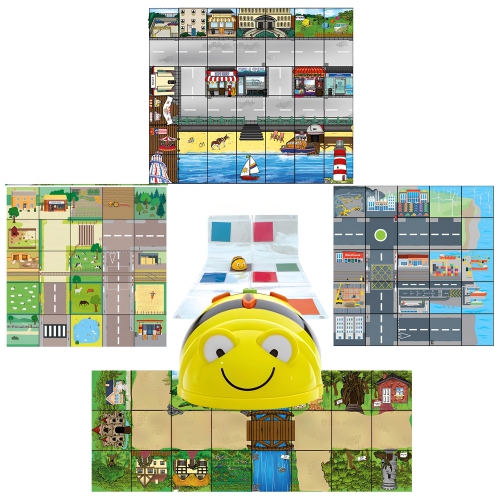
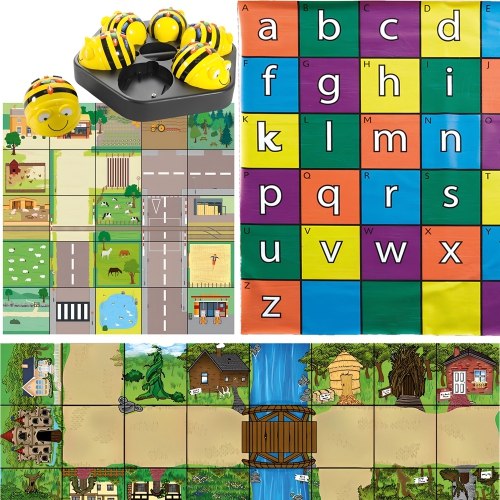
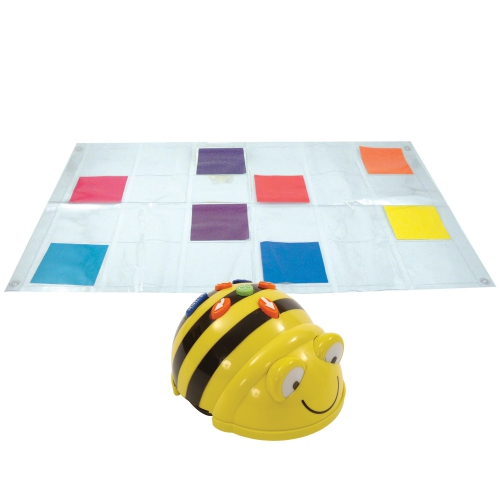
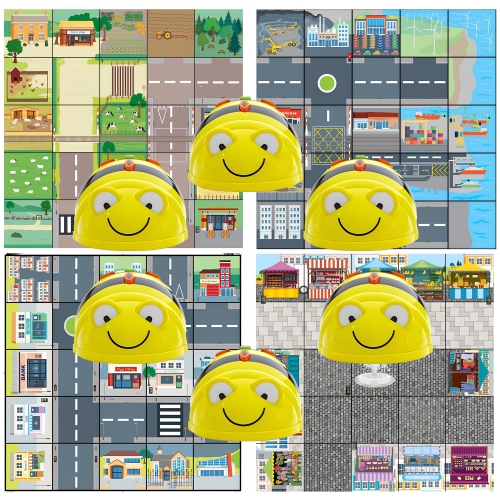
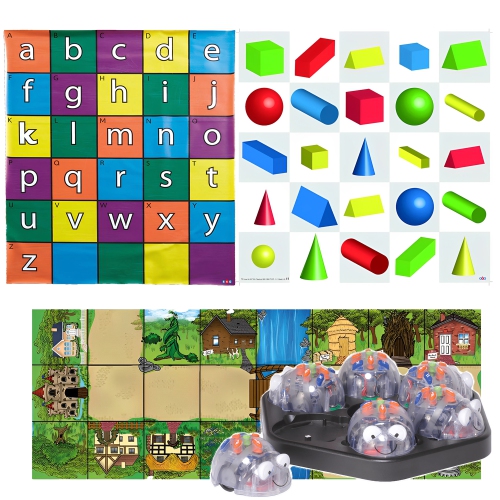
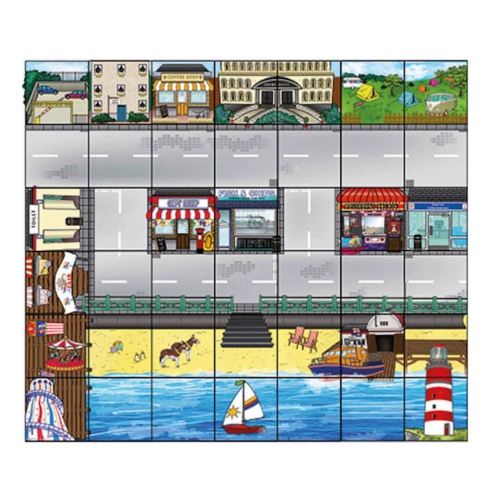
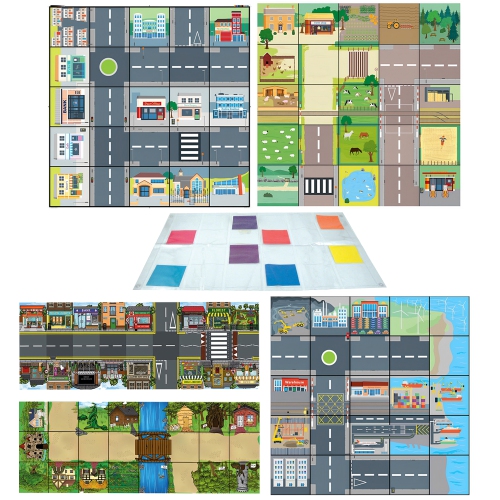
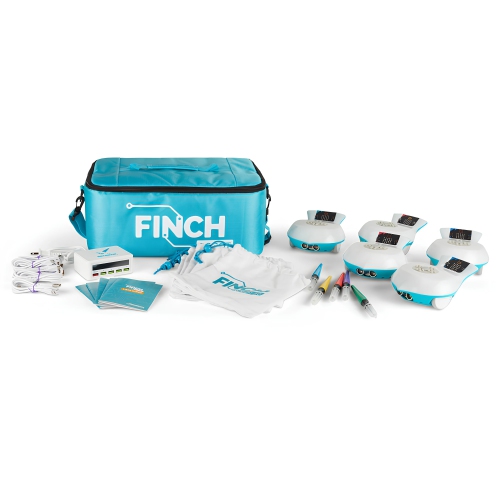
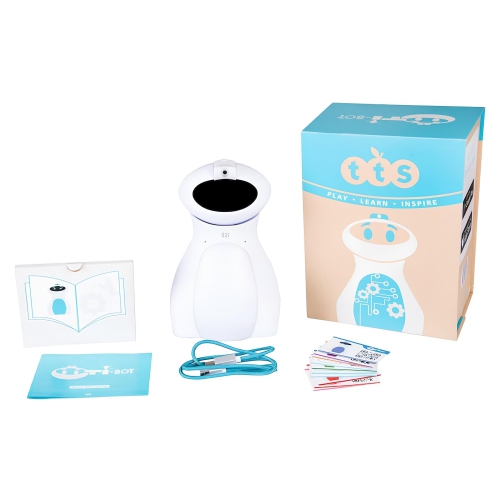
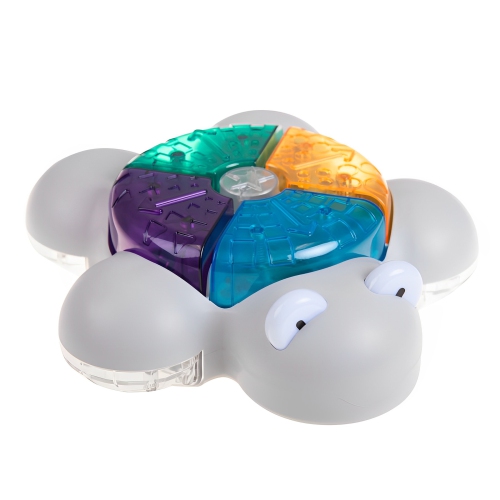
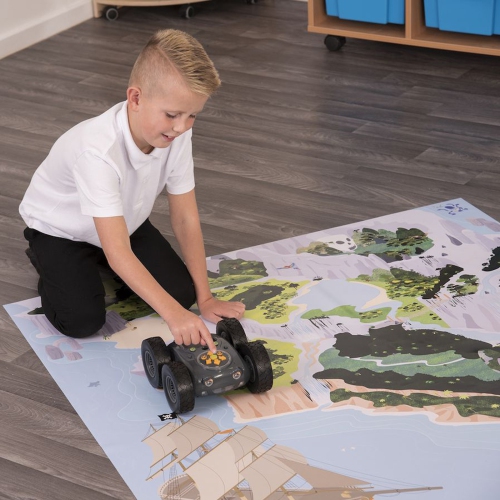
Learning robots bring hands-on discovery to coding, problem-solving, and creative play, giving children and beginners a way to see how instructions become movement, sound, light, or a response on screen. Rather than learning only through worksheets or demonstrations, users can build a sequence of commands, test it, notice what happened, and make changes until the result works as intended. That process can be especially rewarding for learners who enjoy puzzles, gadgets, construction, or experimenting with cause and effect. Some learning robots are designed for younger children with simple buttons, visual coding, or guided activities, while others offer more advanced programming through a tablet, computer, or mobile device. When comparing options, consider the intended age range, reading level, setup requirements, and the type of interaction involved. A robot that uses colourful blocks or directional controls may be a comfortable starting point for a child who is new to coding, while a programmable model with sensors, motors, and expandable features may suit an older child, teen, or adult learner looking for a deeper challenge. It is also worth checking whether the learning experience is primarily screen-free, app-based, or a combination of both. Families often appreciate products that can begin with simple activities and introduce new challenges over time, helping the experience remain engaging as confidence grows. For a broader look at connected and responsive household technology, explore Smart Robots, while keeping in mind that learning robots are selected mainly for education, experimentation, and interactive skill building.
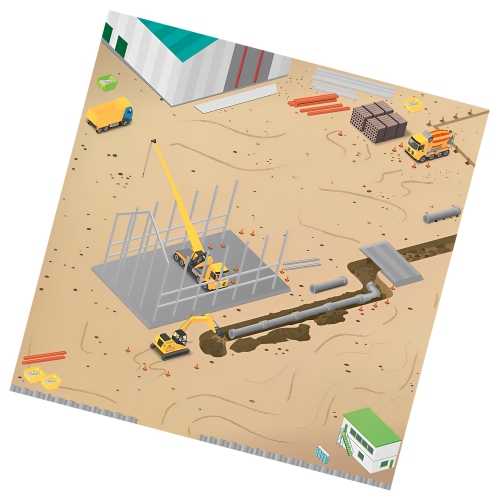
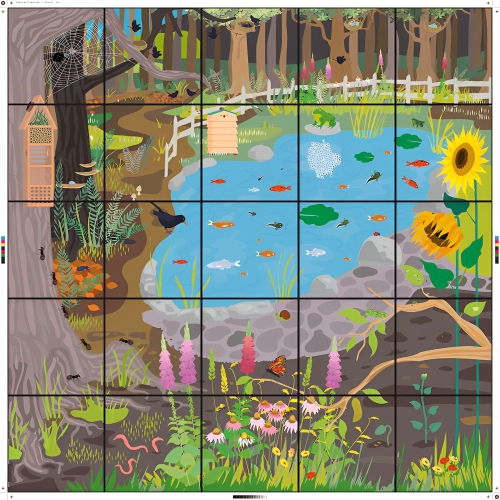
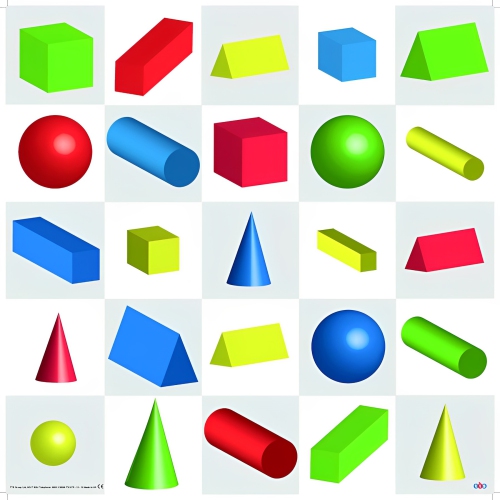
A learning robot can be used in many ways at home, in a classroom, or during supervised group activities. A child might start by programming a robot to travel from one side of a room to another, then add turns, pauses, sounds, or a destination marked with building blocks. Another learner may create a small obstacle course, map out a route, or use sensors to explore how the robot reacts when a hand, wall, or object is nearby. These activities develop more than basic coding knowledge. They encourage planning, patience, sequencing, spatial reasoning, and the ability to break a larger task into manageable steps. When a program does not work on the first attempt, learners get a natural opportunity to troubleshoot without treating mistakes as failure. They can check the order of commands, look for an incorrect setting, adjust the distance, and try again. Parents, grandparents, educators, and caregivers can support this process by allowing the learner to take the lead and offering prompts instead of immediately providing the answer. Short, regular sessions often work well, particularly for younger users who may enjoy completing one activity at a time. Older children and teens may prefer open-ended projects, such as designing a navigation challenge, creating a performance with programmed movements, or developing a series of commands that responds to different conditions. Before buying, review the available activities and supported devices, and confirm that the software is compatible with the tablet, phone, or computer the learner will use. Also consider the space required for movement, the size of the pieces, the charging method, and whether additional components are needed for the intended projects.
Learning robots can make thoughtful gifts for children who are curious about how things work, students beginning to explore technology, or families looking for an activity that brings people together around a table or open floor. They can be a memorable choice for a birthday, a special achievement, or the start of a new school term, especially when the recipient enjoys building, games, science, or creative challenges. For younger children, look for sturdy construction, straightforward controls, clear instructions, and activities that can be completed with an adult nearby. For school-aged learners, features such as visual programming, reusable challenges, movement controls, and interactive sensors can provide a satisfying balance between play and skill development. Teens and more experienced users may value greater control, expandable functions, and the ability to create original projects rather than follow only guided lessons. It is helpful to think about the recipient’s interests as well as their technical experience: someone who loves stories might enjoy programming a character through a scene, while a budding engineer may prefer testing speed, direction, or obstacle detection. Keep the learning environment comfortable and practical by choosing a clear surface, storing small accessories together, and setting aside time for charging and updates when required. Adults can also join in by setting a shared challenge, such as navigating around books or creating a simple delivery route across the room. During the warmer and cooler parts of the year alike, a learning robot can offer an engaging indoor activity that grows from guided play into independent exploration. With the right match of age level, programming style, durability, and available space, it can become a useful introduction to computational thinking and a source of satisfying discoveries long after the first project is complete.
A learning robot can be used in many ways at home, in a classroom, or during supervised group activities. A child might start by programming a robot to travel from one side of a room to another, then add turns, pauses, sounds, or a destination marked with building blocks. Another learner may create a small obstacle course, map out a route, or use sensors to explore how the robot reacts when a hand, wall, or object is nearby. These activities develop more than basic coding knowledge. They encourage planning, patience, sequencing, spatial reasoning, and the ability to break a larger task into manageable steps. When a program does not work on the first attempt, learners get a natural opportunity to troubleshoot without treating mistakes as failure. They can check the order of commands, look for an incorrect setting, adjust the distance, and try again. Parents, grandparents, educators, and caregivers can support this process by allowing the learner to take the lead and offering prompts instead of immediately providing the answer. Short, regular sessions often work well, particularly for younger users who may enjoy completing one activity at a time. Older children and teens may prefer open-ended projects, such as designing a navigation challenge, creating a performance with programmed movements, or developing a series of commands that responds to different conditions. Before buying, review the available activities and supported devices, and confirm that the software is compatible with the tablet, phone, or computer the learner will use. Also consider the space required for movement, the size of the pieces, the charging method, and whether additional components are needed for the intended projects.
Learning robots can make thoughtful gifts for children who are curious about how things work, students beginning to explore technology, or families looking for an activity that brings people together around a table or open floor. They can be a memorable choice for a birthday, a special achievement, or the start of a new school term, especially when the recipient enjoys building, games, science, or creative challenges. For younger children, look for sturdy construction, straightforward controls, clear instructions, and activities that can be completed with an adult nearby. For school-aged learners, features such as visual programming, reusable challenges, movement controls, and interactive sensors can provide a satisfying balance between play and skill development. Teens and more experienced users may value greater control, expandable functions, and the ability to create original projects rather than follow only guided lessons. It is helpful to think about the recipient’s interests as well as their technical experience: someone who loves stories might enjoy programming a character through a scene, while a budding engineer may prefer testing speed, direction, or obstacle detection. Keep the learning environment comfortable and practical by choosing a clear surface, storing small accessories together, and setting aside time for charging and updates when required. Adults can also join in by setting a shared challenge, such as navigating around books or creating a simple delivery route across the room. During the warmer and cooler parts of the year alike, a learning robot can offer an engaging indoor activity that grows from guided play into independent exploration. With the right match of age level, programming style, durability, and available space, it can become a useful introduction to computational thinking and a source of satisfying discoveries long after the first project is complete.
Top selling and popular products
-
 Your price for this item is $699.99
 -
 Your price for this item is $199.99
 -
 Your price for this item is $75.99
 -
 Your price for this item is $39.99
 -
 Your price for this item is $55.95
 -
 Your price for this item is $39.99
 -
 Your price for this item is $116.96
 -
 Your price for this item is $52.17
Discover more categories related to Learning Robots
Top Collections:
Pokemon Centers, Kindle Devices, Best Budget Office Chairs, Apple iPhones 16, Best Laptops for Writers, iPhone 15 Apple, Canon G7X Cameras, Refurbished Apple Laptops, Alarm Clock, Motorola Razr Phones
Some products may be subject to Environmental Handling Fees
(EHF) depending on your province.
Learn more about EHFs.