Lego Castle
If you're looking for a fun and creative way to entertain your children, consider building a Lego castle. With a few basic pieces, you can construct a castle that will provide hours of imaginative play. Building a Lego castle is an enjoyable and educational activity for both children and adults. Here are some of the best options available to choose from.
Sort
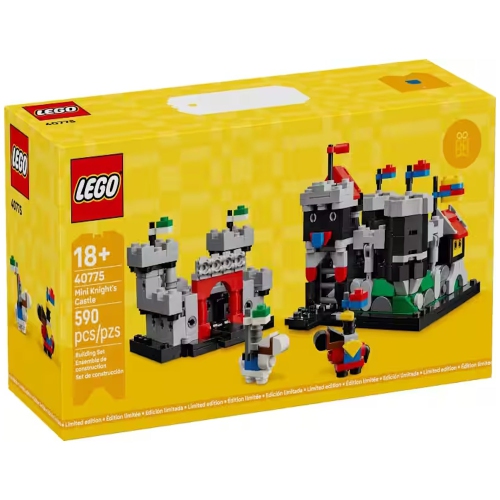
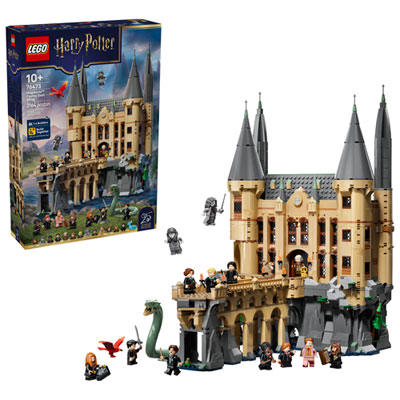
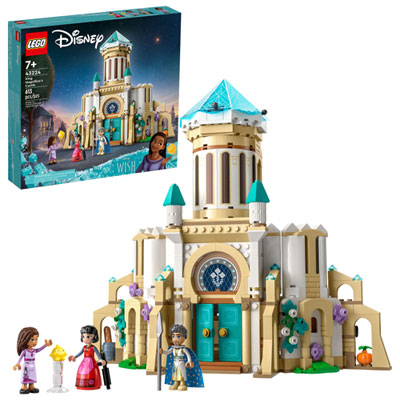

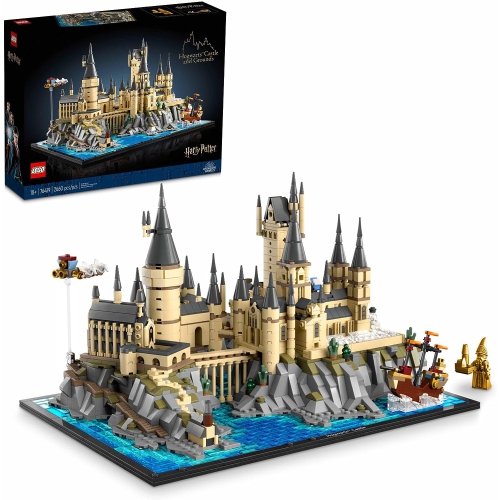
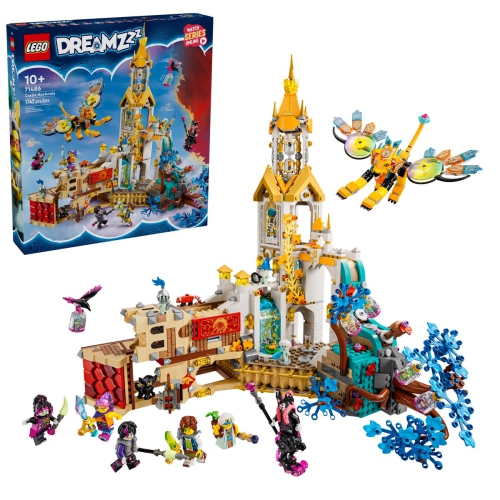
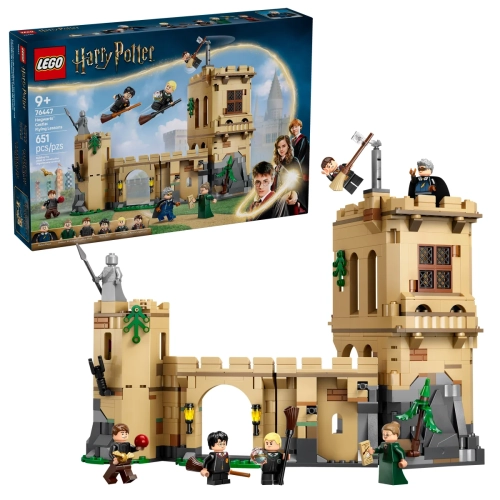
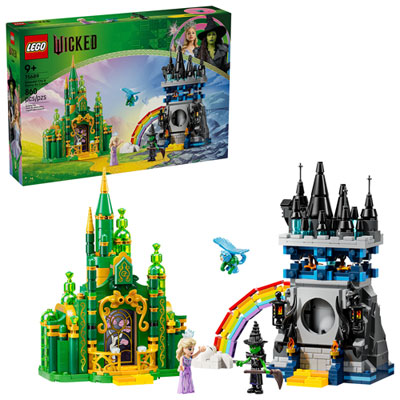
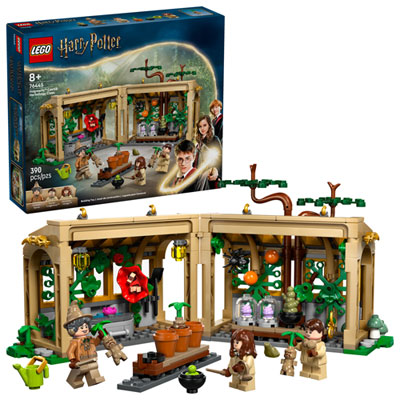
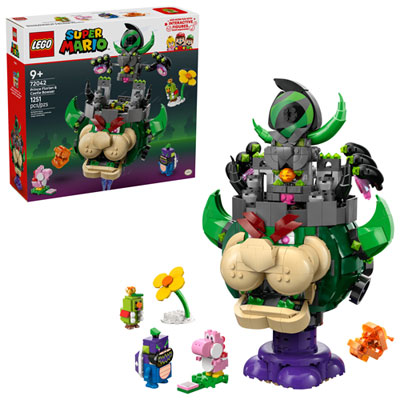
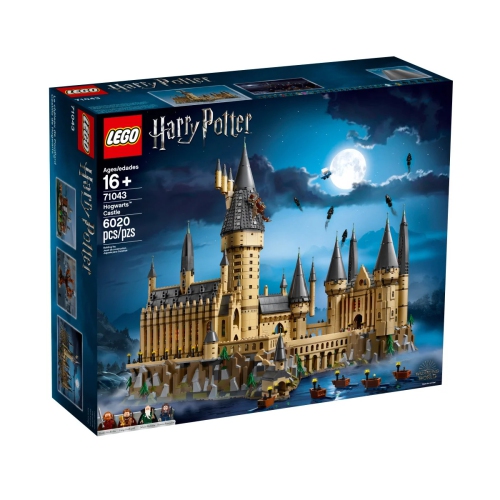
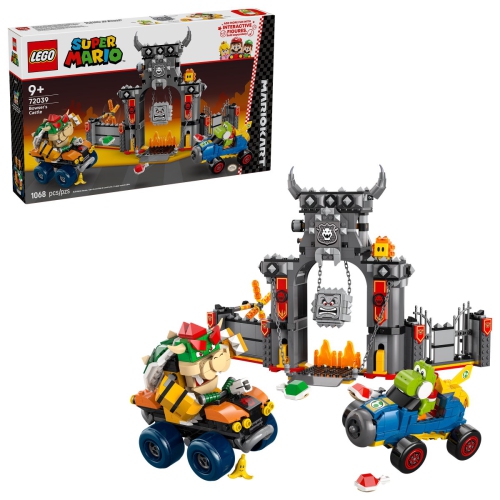
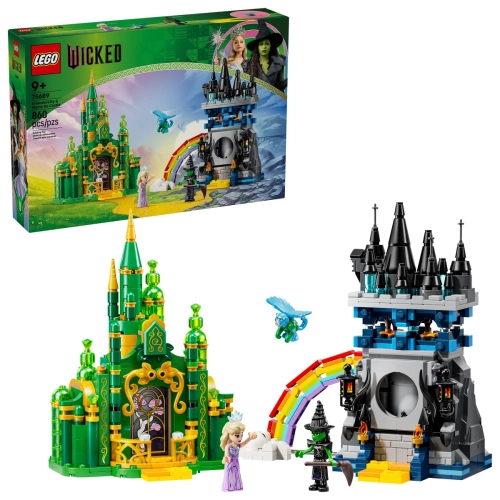
Hidden doorways and detailed towers leave room for stories
Castle building sets turn a collection of bricks into a miniature world of towers, courtyards, secret passages, and stories waiting to unfold. Their appeal lies in the balance between structure and imagination: a carefully built gatehouse gives a fortress its shape, while a hidden doorway or lookout tower suggests what might happen next. Medieval-inspired designs often draw on familiar architectural features such as battlements, arched entrances, stone-patterned walls, and timber-style details. Some emphasize the imposing outline of a stronghold; others make room for everyday scenes, with kitchens, workshops, stables, or gathering spaces tucked behind the outer walls. These different approaches suit different interests. A child who enjoys acting out adventures may be drawn to accessible rooms and moving features, while a patient builder might appreciate layered masonry, intricate rooflines, and a finished model that rewards a closer look. Castle themes also leave plenty of room for fantasy without requiring a particular storyline. Knights can guard a bridge, messengers can arrive at the gates, and a quiet courtyard can become the setting for a tournament or royal visit. Minifigures and accessories, when included, help establish the scale and give those scenes personality. Printed shields, flags, and distinctive colour combinations can make separate sections feel like parts of the same kingdom. For families, the building process can be as appealing as the finished castle: one person might assemble a tower while another works on a wagon or courtyard detail, provided the instructions allow sections to be built separately. As gifts, castle-themed sets can suit children interested in imaginative play, older builders who enjoy architectural detail, and adults who remember constructing fortresses from loose bricks. The most satisfying match depends less on the grandeur of the finished scene than on how its recipient likes to build, play, and display. A compact castle with an inviting interior may hold more appeal for an enthusiastic storyteller than a larger model designed mainly to be admired from the outside.
Materials, connections, and layout make a noticeable difference to the building experience and everyday use. Most interlocking building sets rely on moulded plastic pieces, with some designs also using fabric flags, flexible elements, cords, or other specialized components. Smooth surfaces and consistent connections help pieces fit together securely, but age recommendations remain important because small parts require appropriate handling. A higher piece count does not automatically mean a better fit for a particular builder. Numerous tiny elements can create convincing stonework and ornate furnishings, yet they can also demand more concentration than larger wall sections or straightforward tower assemblies. Younger builders may appreciate clear stages with recognizable results, such as completing a drawbridge before moving on to the main hall. More experienced builders may enjoy repeated patterns and subtle changes in colour that give a wall depth. Intended use matters just as much as complexity. For regular play, accessible interiors, stable foundations, and room for fingers to move figures through doorways can be more useful than delicate exterior ornament. Hinged walls or removable floors, where included, may open up otherwise enclosed rooms, although detachable sections need a safe place to rest during play. Display-focused builds benefit from checking the finished width, depth, and height against the intended shelf or cabinet, leaving enough clearance for flags and tall spires. The footprint can change when a model opens, so closed dimensions may not tell the whole story. Compatibility deserves attention when extending an existing collection, since brick systems and scales are not automatically interchangeable. For builders who enjoy adding their own walls, paths, and outbuildings, Classic Lego offers a related starting point for exploring open-ended brick building. Extra pieces can support personal touches such as a wider courtyard, a garden beside the hall, or a bridge over an imagined moat, with connections and scale checked before combining parts. These additions let a castle grow around the stories its builder wants to tell rather than simply increasing its size.
A little organization helps castle builds remain enjoyable long after the final instruction step. Sorting small pieces into shallow trays during assembly makes similar shades and shapes easier to distinguish, especially when a wall uses several tones to suggest weathered stone. Separating hinges, clips, and figure accessories from standard bricks can also reduce interruptions when a small but essential connection is needed. For shared builds, a clear table with space for the instructions and unfinished sections helps prevent towers from being nudged over or loose parts from disappearing beneath other materials. Once assembled, durability depends partly on the design and partly on how the model is handled. Broad bases and overlapping brick layers generally support sturdier structures, while tall spires, narrow bridges, and decorative trim may need a gentler touch. Moving a finished castle by supporting its base is safer than lifting it by a tower or an upper wall. Children who use their castles for frequent adventures may benefit from keeping spare pieces and detached accessories in a nearby container so repairs become part of the play rather than the end of it. Care is usually straightforward, but the maker’s directions should take priority, particularly for printed pieces, stickers, fabric components, or any electronic elements. A soft brush can lift dust from battlements and roof details without requiring the whole structure to be taken apart. Where washing is permitted, loose standard plastic bricks can be cleaned gently and dried thoroughly before rebuilding; decorated and non-plastic parts may need different treatment. A display spot away from direct sunlight can help preserve colours, and keeping small parts out of reach of younger children and pets remains important during both building and storage. Saving the instructions makes future repairs or complete rebuilds easier. Whether a castle stays assembled as a detailed centrepiece or is repeatedly transformed into new fortresses, its lasting appeal comes from the combination of recognizable architecture, hands-on construction, and room for a builder’s own ideas.
Materials, connections, and layout make a noticeable difference to the building experience and everyday use. Most interlocking building sets rely on moulded plastic pieces, with some designs also using fabric flags, flexible elements, cords, or other specialized components. Smooth surfaces and consistent connections help pieces fit together securely, but age recommendations remain important because small parts require appropriate handling. A higher piece count does not automatically mean a better fit for a particular builder. Numerous tiny elements can create convincing stonework and ornate furnishings, yet they can also demand more concentration than larger wall sections or straightforward tower assemblies. Younger builders may appreciate clear stages with recognizable results, such as completing a drawbridge before moving on to the main hall. More experienced builders may enjoy repeated patterns and subtle changes in colour that give a wall depth. Intended use matters just as much as complexity. For regular play, accessible interiors, stable foundations, and room for fingers to move figures through doorways can be more useful than delicate exterior ornament. Hinged walls or removable floors, where included, may open up otherwise enclosed rooms, although detachable sections need a safe place to rest during play. Display-focused builds benefit from checking the finished width, depth, and height against the intended shelf or cabinet, leaving enough clearance for flags and tall spires. The footprint can change when a model opens, so closed dimensions may not tell the whole story. Compatibility deserves attention when extending an existing collection, since brick systems and scales are not automatically interchangeable. For builders who enjoy adding their own walls, paths, and outbuildings, Classic Lego offers a related starting point for exploring open-ended brick building. Extra pieces can support personal touches such as a wider courtyard, a garden beside the hall, or a bridge over an imagined moat, with connections and scale checked before combining parts. These additions let a castle grow around the stories its builder wants to tell rather than simply increasing its size.
A little organization helps castle builds remain enjoyable long after the final instruction step. Sorting small pieces into shallow trays during assembly makes similar shades and shapes easier to distinguish, especially when a wall uses several tones to suggest weathered stone. Separating hinges, clips, and figure accessories from standard bricks can also reduce interruptions when a small but essential connection is needed. For shared builds, a clear table with space for the instructions and unfinished sections helps prevent towers from being nudged over or loose parts from disappearing beneath other materials. Once assembled, durability depends partly on the design and partly on how the model is handled. Broad bases and overlapping brick layers generally support sturdier structures, while tall spires, narrow bridges, and decorative trim may need a gentler touch. Moving a finished castle by supporting its base is safer than lifting it by a tower or an upper wall. Children who use their castles for frequent adventures may benefit from keeping spare pieces and detached accessories in a nearby container so repairs become part of the play rather than the end of it. Care is usually straightforward, but the maker’s directions should take priority, particularly for printed pieces, stickers, fabric components, or any electronic elements. A soft brush can lift dust from battlements and roof details without requiring the whole structure to be taken apart. Where washing is permitted, loose standard plastic bricks can be cleaned gently and dried thoroughly before rebuilding; decorated and non-plastic parts may need different treatment. A display spot away from direct sunlight can help preserve colours, and keeping small parts out of reach of younger children and pets remains important during both building and storage. Saving the instructions makes future repairs or complete rebuilds easier. Whether a castle stays assembled as a detailed centrepiece or is repeatedly transformed into new fortresses, its lasting appeal comes from the combination of recognizable architecture, hands-on construction, and room for a builder’s own ideas.
Top selling and popular products
-
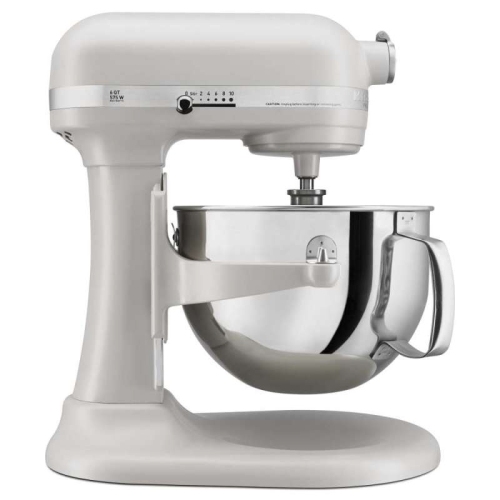 Your price for this item is $669.95
 -
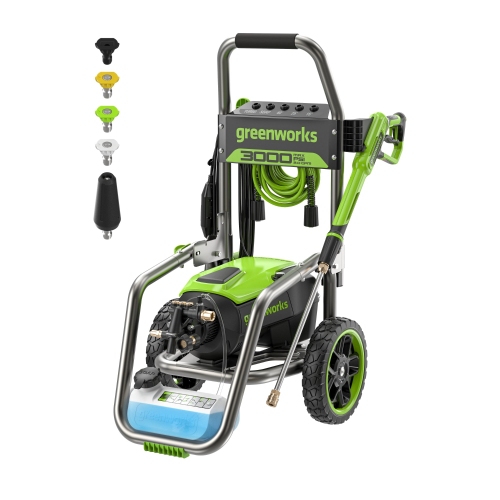 Your price for this item is $699.99
 -
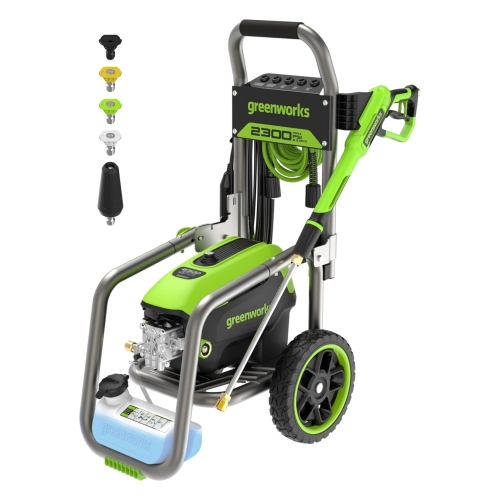 Your price for this item is $569.99
 -
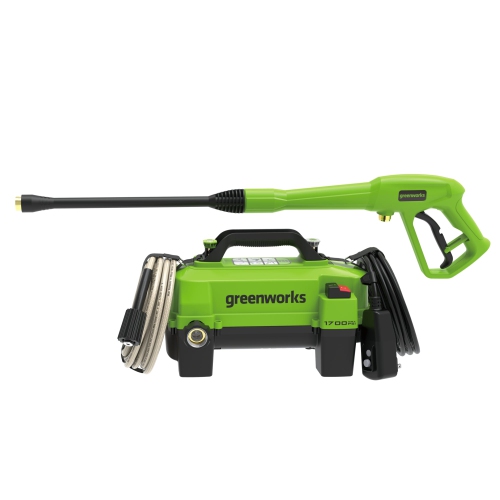 Your price for this item is $155.99
 -
 Your price for this item is $489
 -
 Your price for this item is $89.68
 -
 Your price for this item is $319.99
 -
 Your price for this item is $325
Discover more categories related to Lego Castle
Top Collections:
Pokemon Centers, Kindle Devices, Best Budget Office Chairs, Apple iPhones 16, Best Laptops for Writers, iPhone 15 Apple, Canon G7X Cameras, Refurbished Apple Laptops, Alarm Clock, Motorola Razr Phones
Some products may be subject to Environmental Handling Fees
(EHF) depending on your province.
Learn more about EHFs.