Lego Party
Lego Party brings endless fun and creativity to any celebration, making it easy to spark imagination for builders of all ages. Whether you're planning a birthday bash or a themed gathering, discover a wide selection of colorful sets, accessories, and party essentials designed to inspire hours of interactive play. With options perfect for group activities or solo adventures, Lego Party offers everything you need to create unforgettable memories and keep guests entertained from start to finish.
Sort








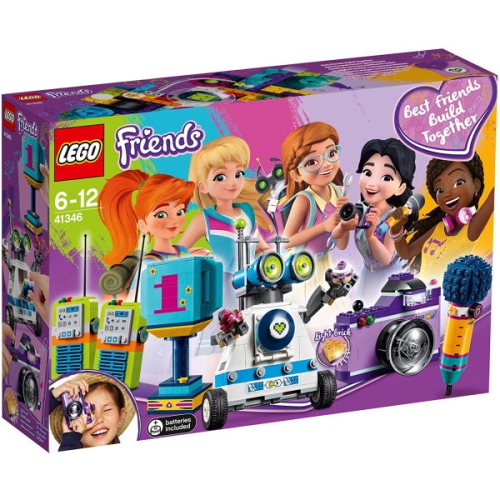
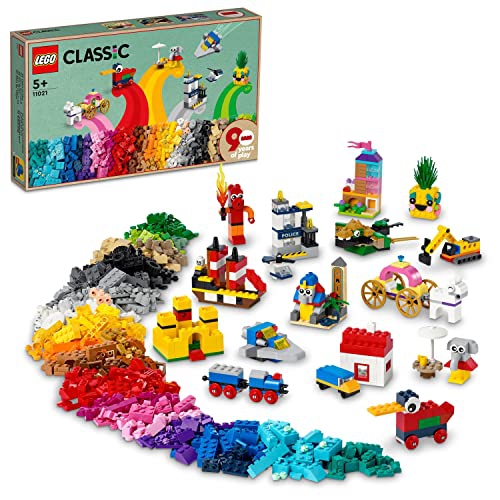
Brick-themed games turn quick challenges into shared laughs
Brick-themed party video games bring the bustle of a games night to the screen, with colourful characters, playful settings, and short challenges that give everyone something to react to. A close finish, an unexpected obstacle, or a last-second change in the standings can become the moment a group remembers long after the session ends. Although the look draws on familiar building bricks, the action is often about movement, timing, and friendly competition rather than assembling a model piece by piece. Racing, navigating hazards, and completing quick objectives offer different ways to participate, making this style of game appealing to siblings, friends, parents, and adults who enjoy light-hearted multiplayer entertainment. The rhythm suits birthday gatherings, family evenings, and casual visits where a lengthy story or complicated rule system would be harder to share. Short rounds can also make it easier for a newcomer to understand the action by watching before joining in. The experience still varies by game: some challenges reward quick reactions, while others place more emphasis on observation, positioning, or learning a pattern. That variety matters when a group includes both confident players and people who rarely pick up a controller. A playful visual style does not necessarily mean every activity is equally easy, so the age rating, control scheme, and reading demands help establish who will feel comfortable taking part. For younger players, clear objectives and an adult nearby can make an unfamiliar menu or challenge less frustrating. Older children and adults may enjoy the rivalry of repeated rounds and the satisfaction of improving at a particular activity. Local multiplayer brings those reactions into the same room, while supported online modes can connect friends playing from separate homes. These are distinct ways to play, and the supported player count and connection requirements help define whether a game suits a small household session or a planned gathering.
Compatibility is a practical consideration for party gaming, especially when a game is intended as a gift or as the centre of a shared evening. The platform and edition need to match the recipient’s hardware, and physical media requires a device with the appropriate disc drive or cartridge slot. A digital format instead depends on a compatible account, sufficient storage space, and the relevant download requirements. An internet connection may be needed for installation, updates, or online features even when some play takes place on one screen. Online multiplayer can also have account or membership requirements separate from the game itself. For same-room play, the number and type of supported controllers deserve attention; owning several controllers does not automatically mean that every game can use them in the same way. Controller size, button placement, and grip can affect comfort, particularly for smaller hands or longer sessions. Clear on-screen text is another useful consideration when several people are seated at different distances from a television. Supported languages, subtitle settings, adjustable audio, and accessibility options can influence how comfortably different players follow instructions, although the exact features vary by title. Physical care is straightforward but important for games that are passed between family members. Discs benefit from being handled by the edges and returned to their cases, while cartridges need clean, dry storage that protects their contacts. Cases also keep small media from disappearing between cushions or being mixed into a toy bin. Controllers see more handling during lively group play, so manufacturer-approved cleaning methods and careful storage help protect buttons, sticks, and charging connections. Drinks and snacks are easier to manage on a separate surface than beside a controller resting on a sofa arm. For digital games, access is tied to the relevant account and platform rules rather than a case on a shelf. The difference affects how a household organizes its game library, moves between devices, or shares play among family members. These details are less visible than the artwork, but they have a direct effect on everyday use.
As a gift, a party video game is especially well suited to someone who enjoys sharing an activity rather than playing alone throughout an entire session. It can give siblings a common game to return to, provide a focal point for a birthday visit, or offer a familiar starting point when friends have different gaming interests. The recipient’s preferred way to play matters more than the packaging alone: a household that gathers around one television has different needs from friends who usually connect online. Replay value often comes from the combination of varied challenges and changing company. An activity that feels straightforward with one group can become much more competitive with another, and learning the controls can turn an early stumble into a satisfying finish on a later attempt. Clear round boundaries also make party games adaptable to different amounts of free time, provided the game’s saving and session structure support that flexibility. In a mixed-age group, shared amusement may matter more than the final score. Watching a character narrowly miss a landing or celebrating an unlikely comeback can be as engaging as holding the controller. For children who enjoy carrying stories beyond the screen, hands-on building offers a different pace and a chance to invent the action themselves. The Lego Police collection connects that interest with imaginative scenes built around characters, vehicles, and make-believe adventures. Physical building and video gaming remain different activities, with their own age recommendations, space requirements, and ways of involving other people. Recognizing that distinction helps match a gift to the experience someone actually enjoys, whether that means concentrating on a model, competing in quick challenges, or moving between both kinds of play. For a party-focused game, the strongest fit is ultimately a compatible format, understandable controls, and a style of shared entertainment that the intended players will want to revisit.
Top selling and popular products
-
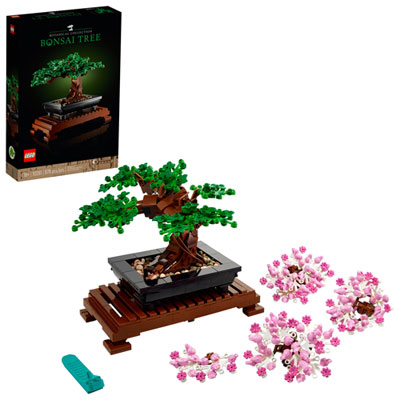 Your price for this item is $69.99
-
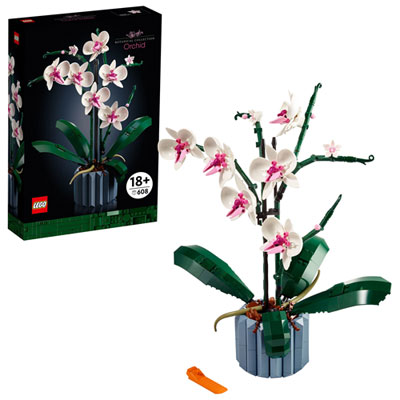 Your price for this item is $69.99
-
 Your price for this item is $79.99
-
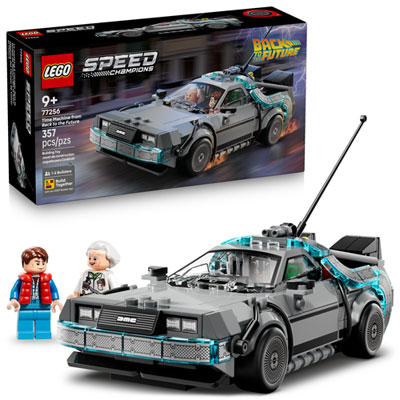 Your price for this item is $34.99
-
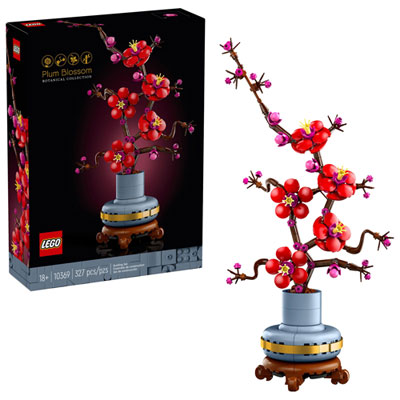 Your price for this item is $39.99
-
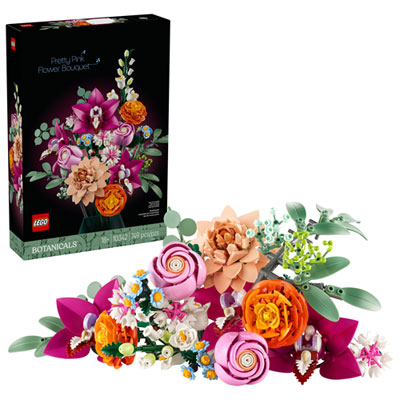 Your price for this item is $79.99
-
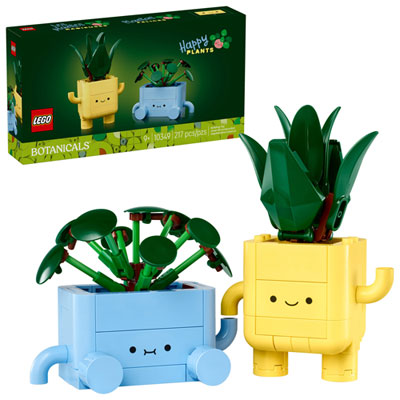 Your price for this item is $24.99
-
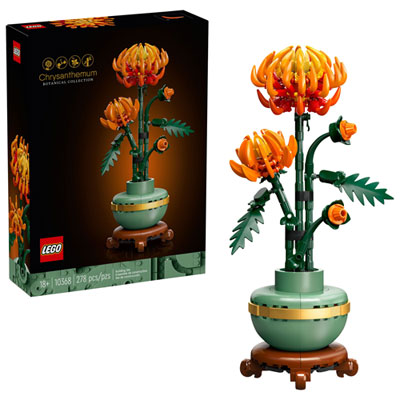 Your price for this item is $39.99
Discover more categories related to Lego Party
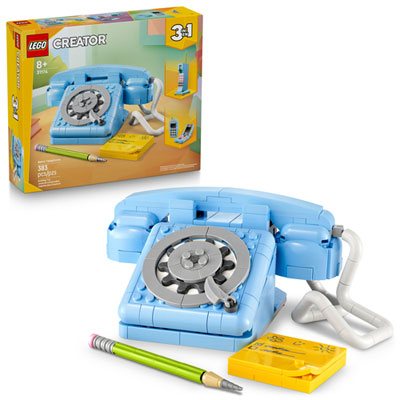
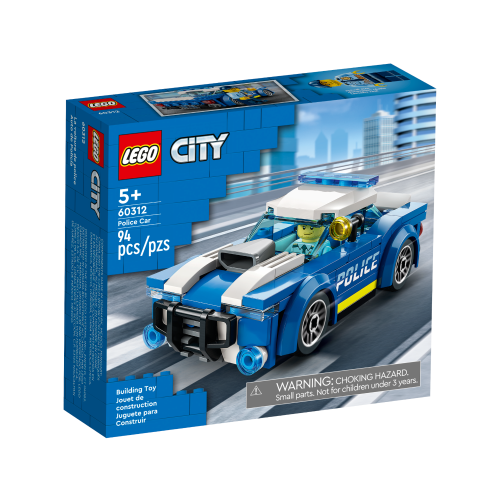


Top Collections:
Pokemon Centers, Best Budget Office Chairs, Kindle Devices, Best Cameras for Sports Photography, Pokémon 30th Celebration Cards, Best Laptops for Writers, Canon G7X Cameras, iPhone 15 Apple, Best Cell Phones Under $300, Apple iPhones 16
Some products may be subject to Environmental Handling Fees
(EHF) depending on your province.
Learn more about EHFs.