Math Kits
Unlock a world of learning and discovery with our diverse selection of math kits, designed to inspire curiosity and enhance mathematical skills for learners of all ages. Whether you're looking to boost problem-solving abilities or make math more engaging, these kits offer a hands-on approach to understanding numbers, shapes, and patterns. Perfect for at-home learning or classroom enrichment, our curated collection provides the tools needed to explore concepts from basic arithmetic to advanced geometry. Dive into the fun and educational journey that these math kits offer and watch as they transform abstract ideas into interactive experiences.
Sort
![OSMO - Genius Starter Kit - for Ipad [Electronics] The kids love it and it super easy to use](https://multimedia.bbycastatic.ca/multimedia/products/500x500/188/18884/18884576.jpeg)
![OSMO - Genius Starter Kit: Family Game Night - Ipad [Electronics]](https://multimedia.bbycastatic.ca/multimedia/products/500x500/188/18884/18884551.jpeg)
![OSMO - Little Genius Starter Kit: Plus Early Math Adventure - Amazon Fire [Electronics]](https://multimedia.bbycastatic.ca/multimedia/products/500x500/188/18884/18884535.jpeg)
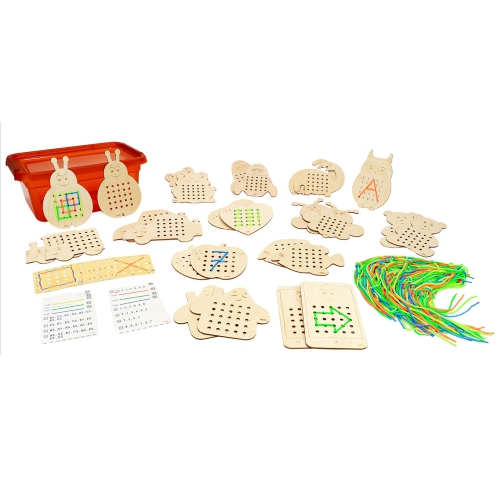
Hands-on tools for counting, geometry and growing confidence
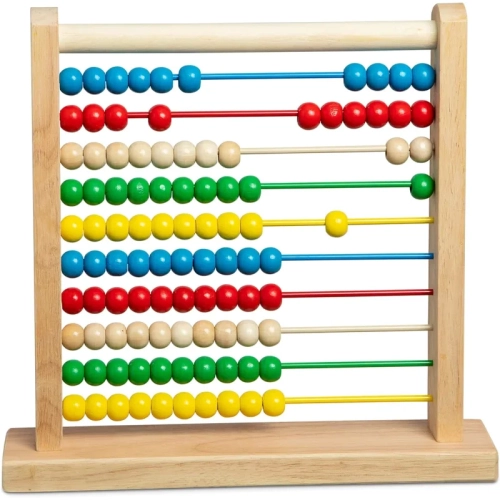
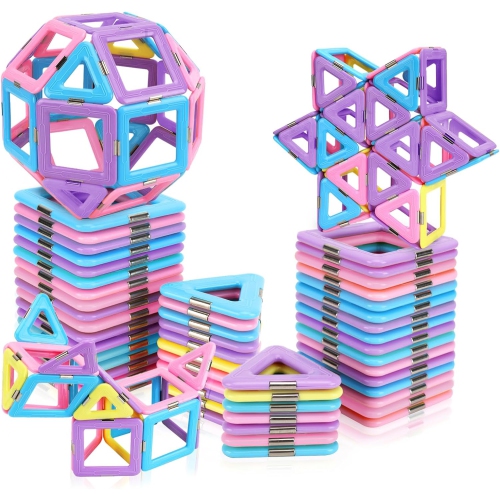
Math kits bring abstract ideas to life through tools children can handle, move, sort and see. For younger learners, a hands-on set may include counters, counting bears, connecting cubes, fraction tiles, magnetic pieces or base-ten blocks that make quantities easier to understand. A child can line up five counters, add three more and physically see the group become eight, or build a tower of tens before adding individual units to explore place value. These activities can make early addition, subtraction, counting, comparing and simple fractions feel less like memorization and more like discovery. For students moving into more advanced work, geometry-focused kits often include a ruler, protractor, compass, dividers, set squares and stencils, sometimes arranged in a compact metal case for a backpack, desk drawer or homework station. A well-organized set can support lessons in angles, measurement, symmetry, scale drawings and geometric construction while helping students become comfortable with the instruments they will use throughout school. Math kits may also appeal to homeschool families, tutors, teachers building a classroom resource collection and parents looking for an engaging learning gift during the cooler months. The best choice depends on the learner’s age, current level and preferred way of working: some children benefit from bright, tactile pieces they can rearrange on the floor, while older students may prefer precise drafting tools that turn a blank page into a carefully measured diagram.
When comparing math kits, start with the concepts the learner is practising rather than choosing by piece count alone. A set designed for addition and subtraction up to 20 should offer clear, easy-to-manipulate pieces and enough components for repeated practice without making the activity feel crowded. A broader manipulative collection may be more useful for a growing learner because base-ten blocks, counters, linking cubes and fraction pieces can be revisited as lessons progress from counting to place value, multiplication, division and early fractions. Look for sturdy construction, smooth edges, readable markings and pieces that are large enough for the intended age group to handle comfortably. Storage matters as well. A locking bin, divided tray or fitted tin helps keep small counters together and makes it easier to begin the next activity without searching under furniture for a missing cube. For geometry sets, check the ruler length, scale markings and the type of compass adjustment, particularly if the kit will be used for formal school assignments. A compact case is convenient for travel between home and school, while a larger classroom-style collection may be preferable when several children will work together. Price can vary considerably: basic geometry instrument tins may cost about $3 to $8 CAD, while larger manipulative sets with multiple learning components may range from approximately $32 to $120 CAD. The right value comes from versatility, durability and how naturally the pieces fit into the learner’s lessons, not simply from having the largest assortment.
Math kits are useful for structured practice, but they also fit naturally into everyday moments at home. During a quiet afternoon, a child can use counters to divide snacks into equal groups, arrange blocks into repeating patterns or measure the length of a favourite toy. An older student might use a protractor and set square to draw a neat floor plan, test the angles in a paper design or recreate the shapes seen in buildings, signs and furniture around the room. Adults can support learning by inviting children to explain what they are building, predict an answer before moving the pieces and describe how they know a solution is correct. There is no need to turn every activity into a formal lesson; a few minutes of sorting, measuring or comparing can build confidence when the learner is allowed to work at a comfortable pace. Math kits also make thoughtful gifts for birthdays, classroom celebrations or the start of a new school routine because they encourage active participation and can grow with a child’s skills. Families interested in extending hands-on learning beyond numbers and shapes may also explore Maker Kits for creative building and problem-solving activities. Whether used at a kitchen table covered with graph paper or in a classroom where several learners share a central supply bin, a well-matched math kit gives children practical tools for turning ideas into visible results.
When comparing math kits, start with the concepts the learner is practising rather than choosing by piece count alone. A set designed for addition and subtraction up to 20 should offer clear, easy-to-manipulate pieces and enough components for repeated practice without making the activity feel crowded. A broader manipulative collection may be more useful for a growing learner because base-ten blocks, counters, linking cubes and fraction pieces can be revisited as lessons progress from counting to place value, multiplication, division and early fractions. Look for sturdy construction, smooth edges, readable markings and pieces that are large enough for the intended age group to handle comfortably. Storage matters as well. A locking bin, divided tray or fitted tin helps keep small counters together and makes it easier to begin the next activity without searching under furniture for a missing cube. For geometry sets, check the ruler length, scale markings and the type of compass adjustment, particularly if the kit will be used for formal school assignments. A compact case is convenient for travel between home and school, while a larger classroom-style collection may be preferable when several children will work together. Price can vary considerably: basic geometry instrument tins may cost about $3 to $8 CAD, while larger manipulative sets with multiple learning components may range from approximately $32 to $120 CAD. The right value comes from versatility, durability and how naturally the pieces fit into the learner’s lessons, not simply from having the largest assortment.
Math kits are useful for structured practice, but they also fit naturally into everyday moments at home. During a quiet afternoon, a child can use counters to divide snacks into equal groups, arrange blocks into repeating patterns or measure the length of a favourite toy. An older student might use a protractor and set square to draw a neat floor plan, test the angles in a paper design or recreate the shapes seen in buildings, signs and furniture around the room. Adults can support learning by inviting children to explain what they are building, predict an answer before moving the pieces and describe how they know a solution is correct. There is no need to turn every activity into a formal lesson; a few minutes of sorting, measuring or comparing can build confidence when the learner is allowed to work at a comfortable pace. Math kits also make thoughtful gifts for birthdays, classroom celebrations or the start of a new school routine because they encourage active participation and can grow with a child’s skills. Families interested in extending hands-on learning beyond numbers and shapes may also explore Maker Kits for creative building and problem-solving activities. Whether used at a kitchen table covered with graph paper or in a classroom where several learners share a central supply bin, a well-matched math kit gives children practical tools for turning ideas into visible results.
Top selling and popular products
-
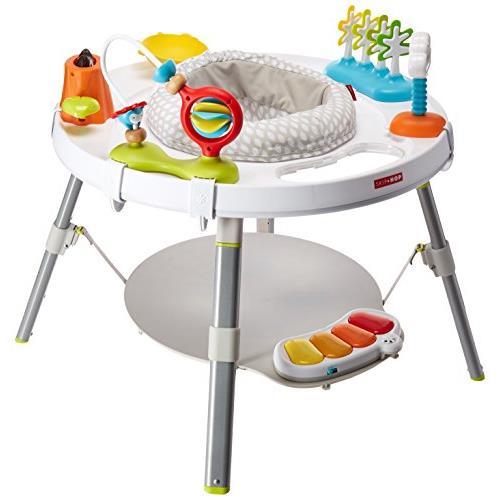 Your price for this item is $299.13
 -
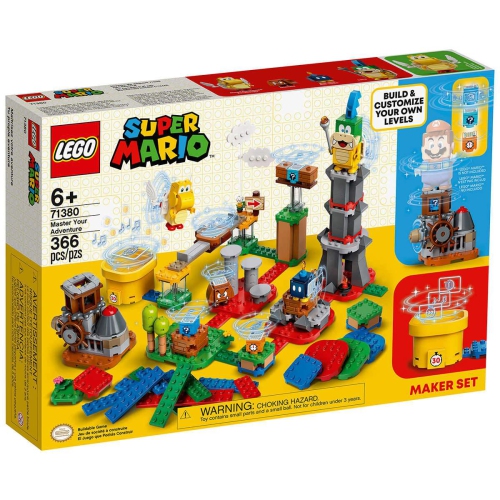 Your price for this item is $103.27
 -
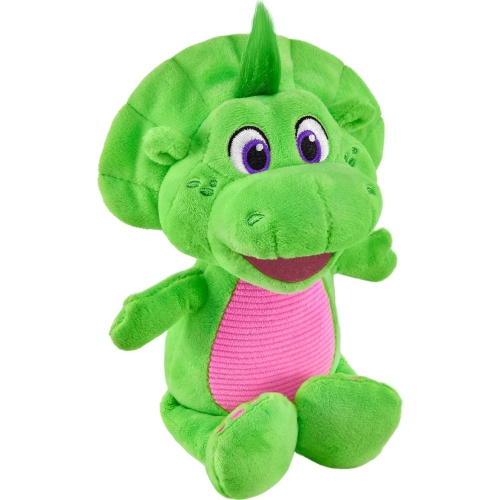 Your price for this item is $17.99
 -
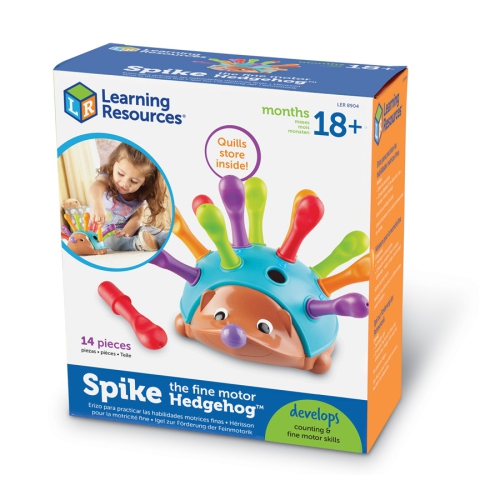 Your price for this item is $56.13
 -
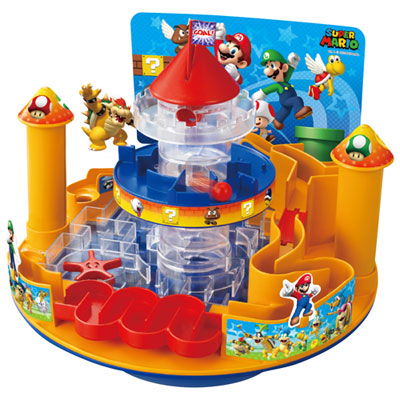 Your price for this item is $39.99
 -
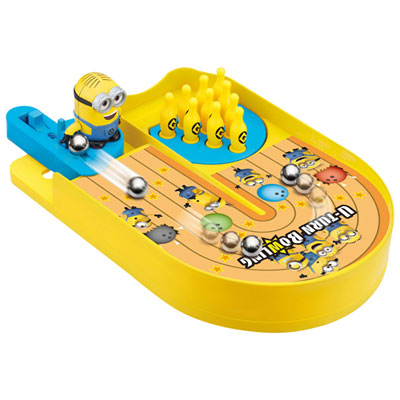 Your price for this item is $19.99
 -
 Your price for this item is $49.99
 -
 Your price for this item is $229.99
Discover more categories related to Math Kits

Top Collections:
Pokemon Centers, Kindle Devices, Best Cell Phones Under $500, Alarm Clock, Canon G7X Cameras, iPhone 15 Apple, Apple iPhones 16, Laptops for Students, iPhone 14 256GB, Budget Smartphones
Some products may be subject to Environmental Handling Fees
(EHF) depending on your province.
Learn more about EHFs.