Activity Kits
Dive into a world of creativity and learning with our diverse selection of activity kits, designed to inspire minds of all ages. Whether you're looking to spark the imagination of a budding artist, engage a curious scientist, or provide a fun-filled educational experience for little ones, our collection has something for everyone. These kits offer an exciting array of projects and activities that encourage hands-on exploration and skill-building in a playful way. Perfect for rainy days, family bonding, or simply expanding your horizons, each kit promises hours of entertainment and discovery. Explore the possibilities and find the perfect match for your interests today!
Sort
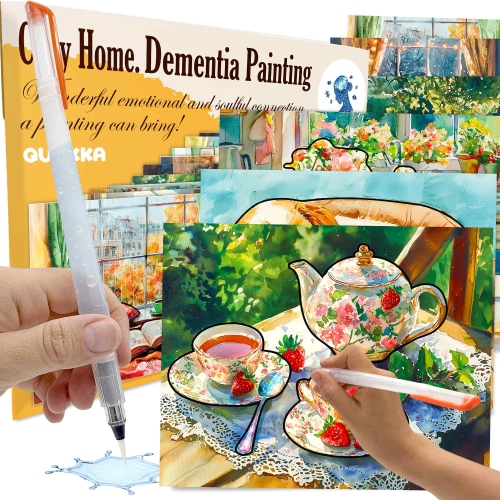

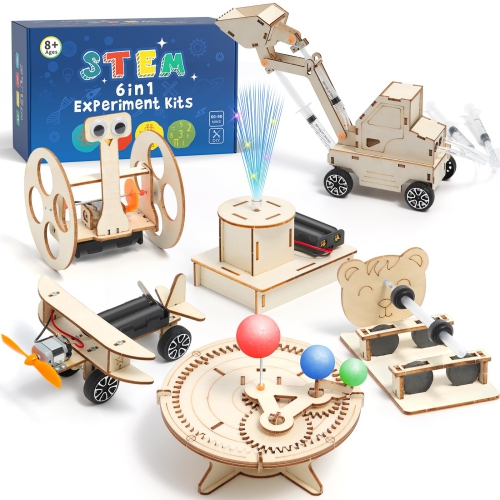
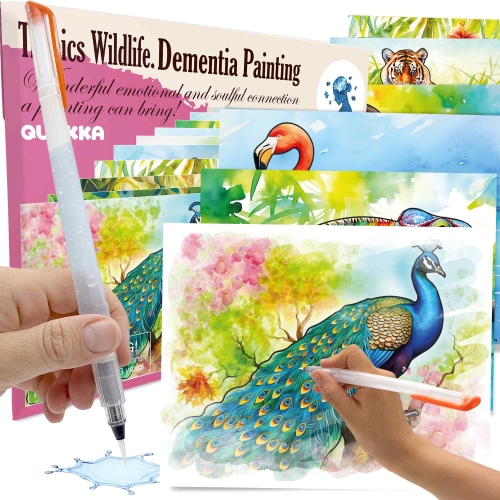
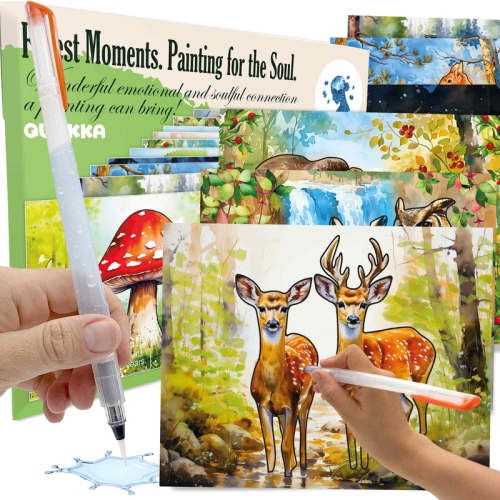




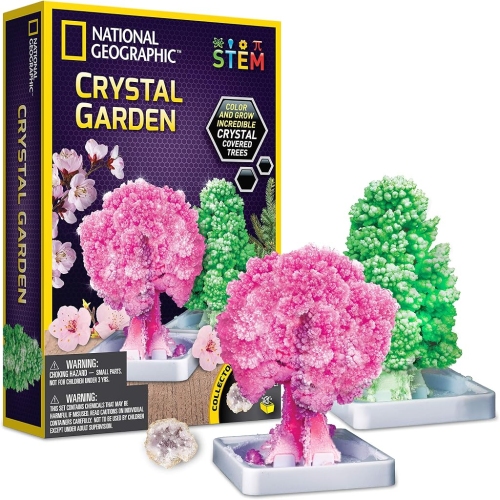
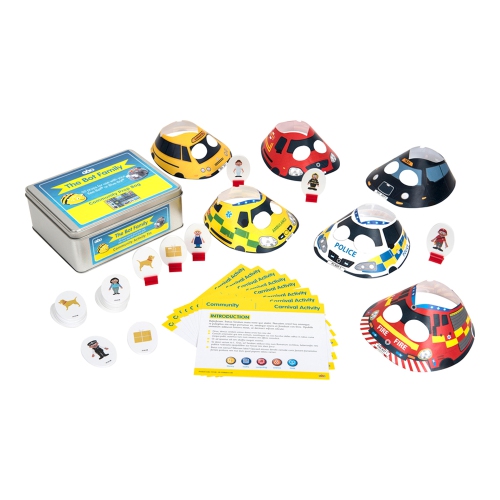
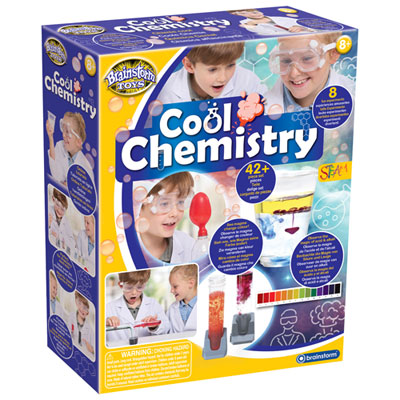
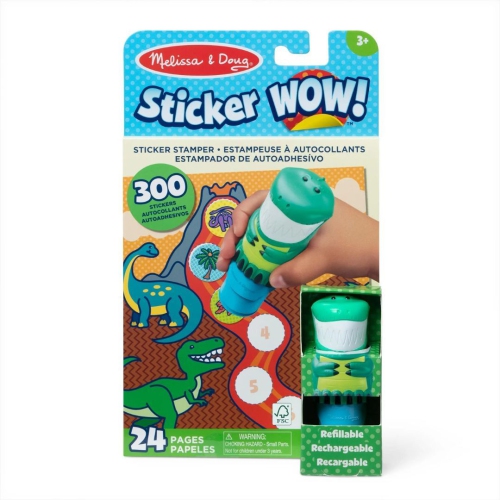
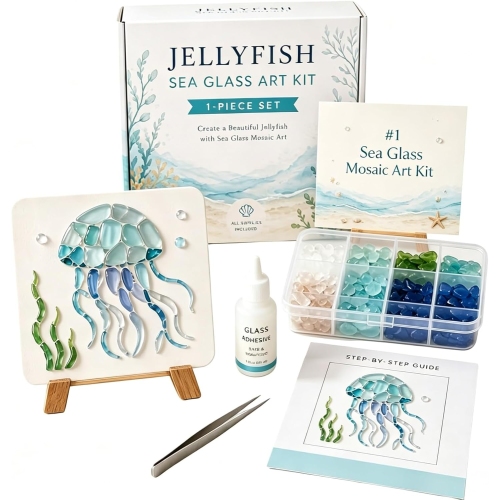
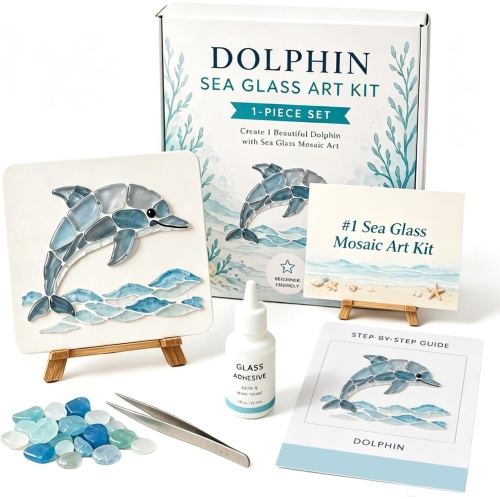
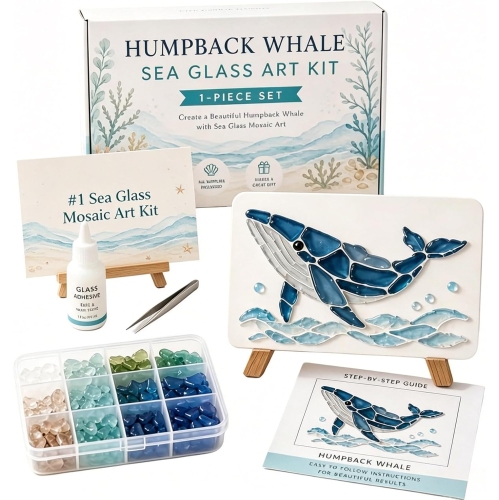
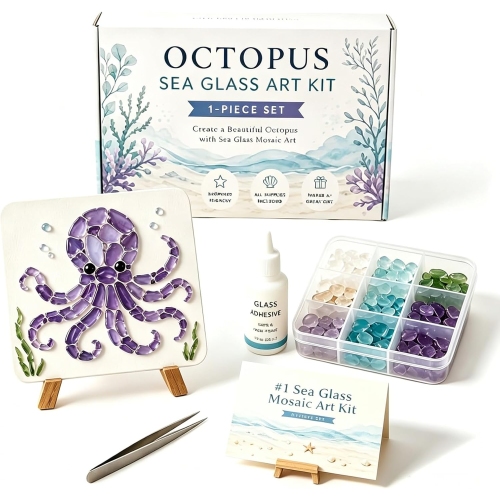
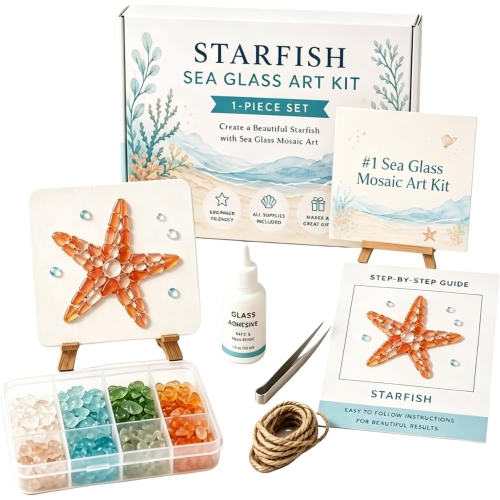
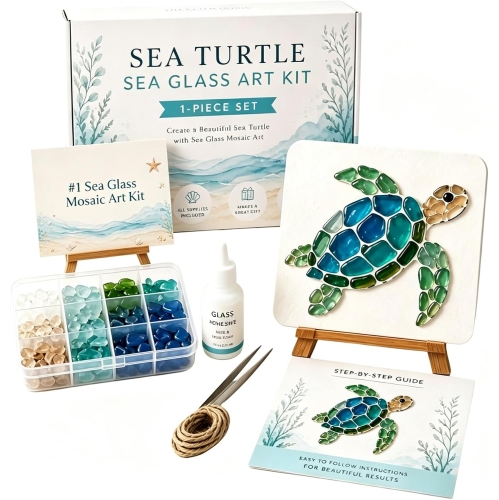


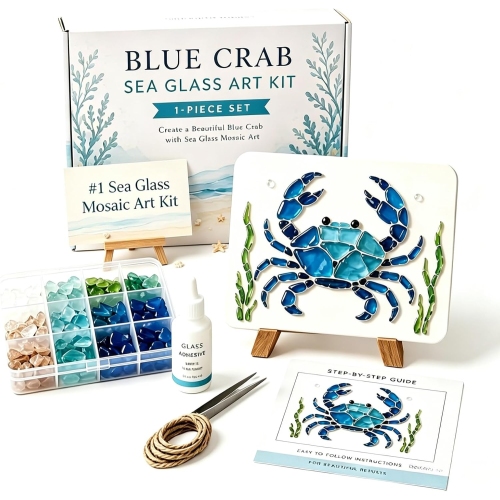
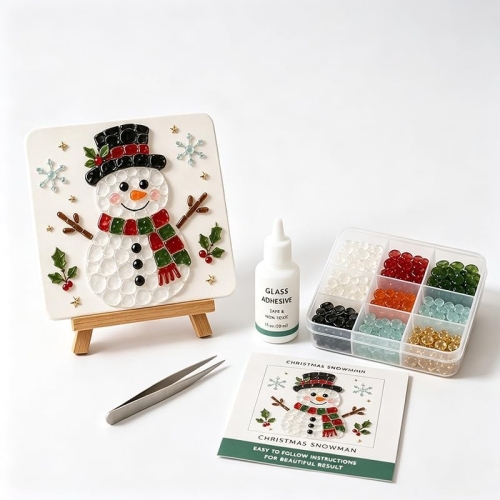
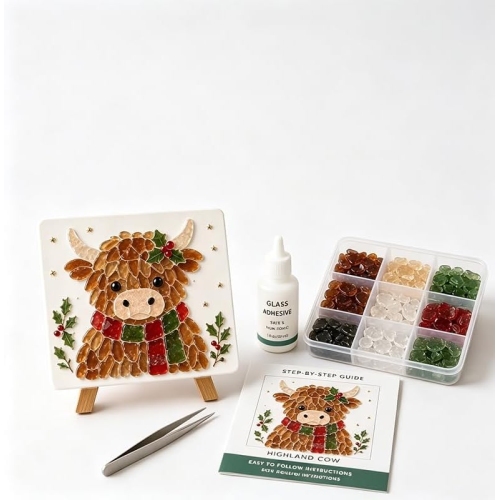
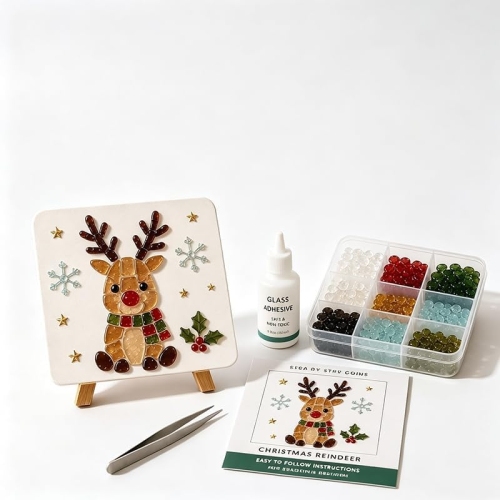
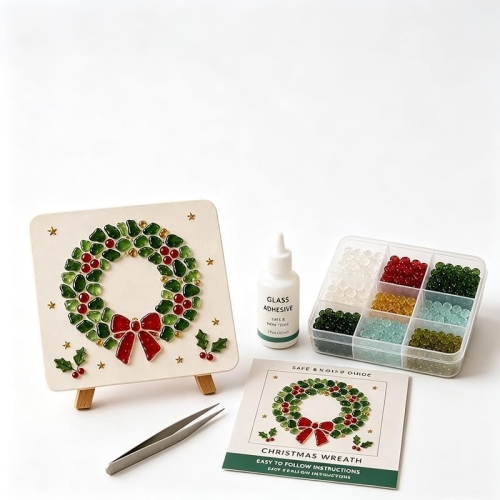
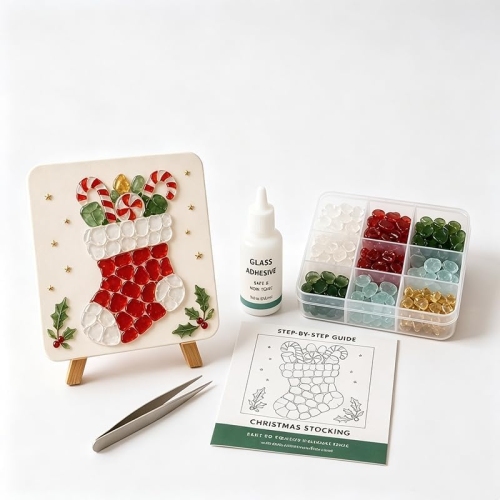
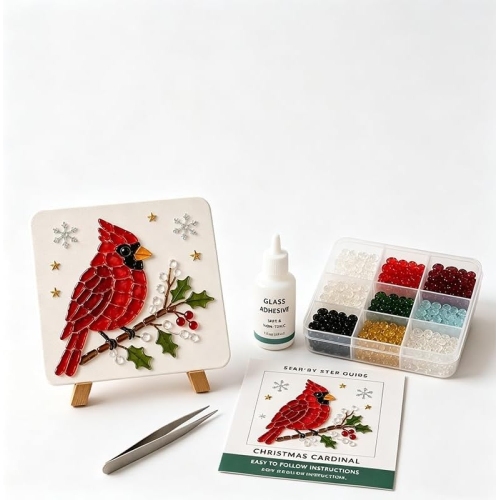
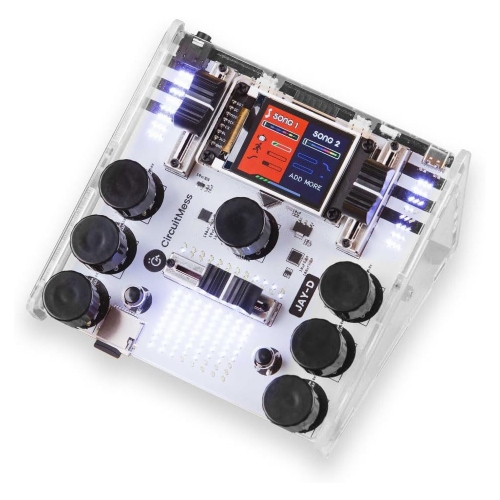
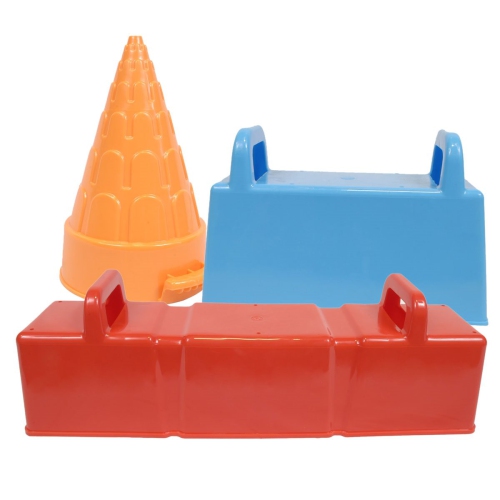
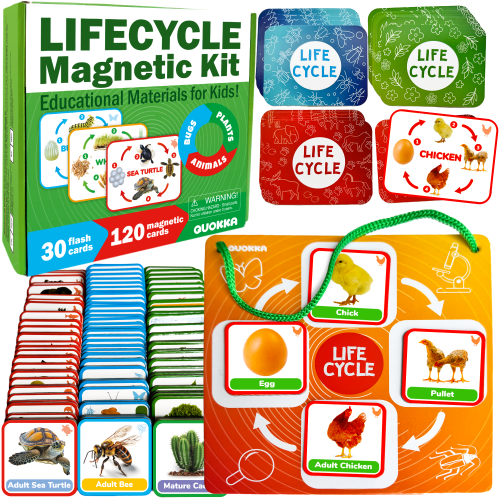
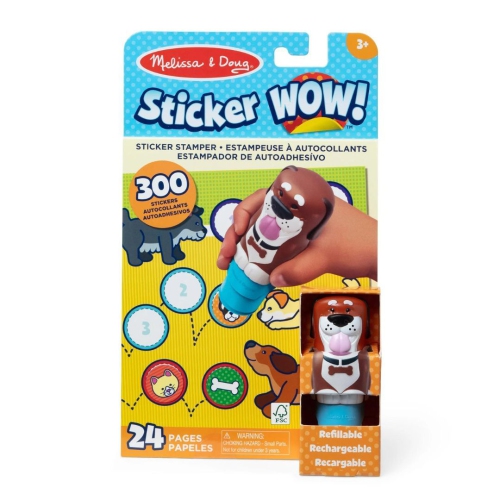
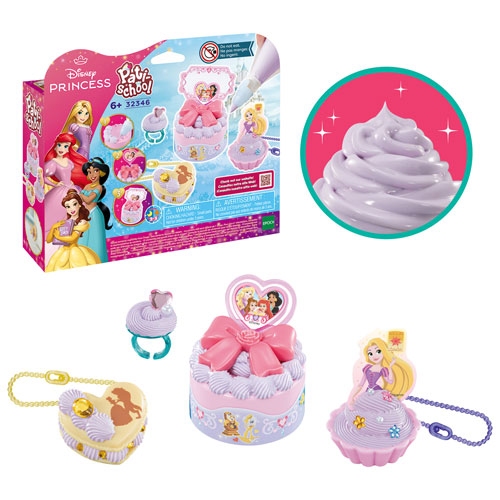
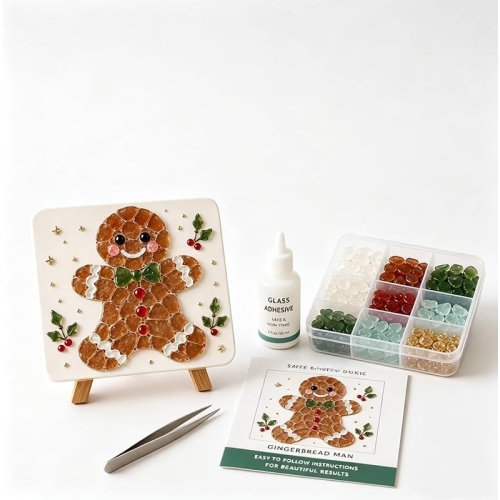
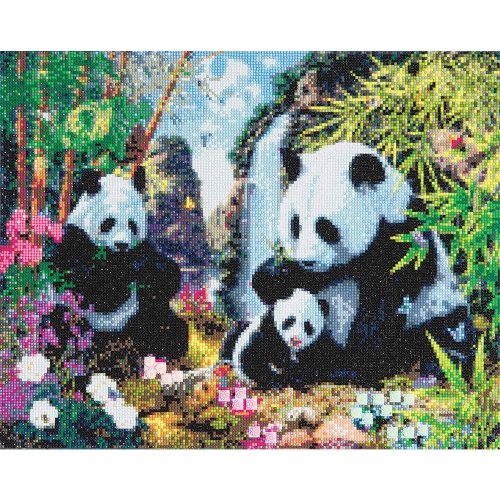


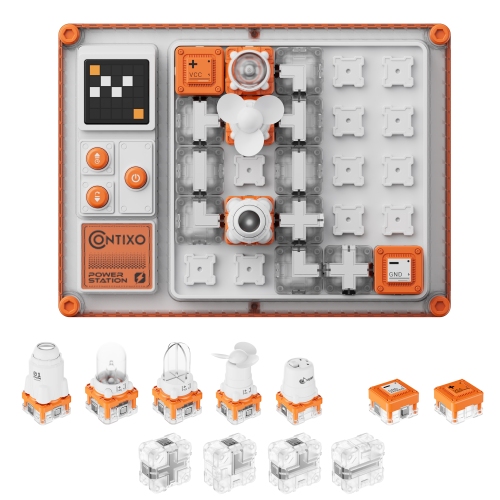

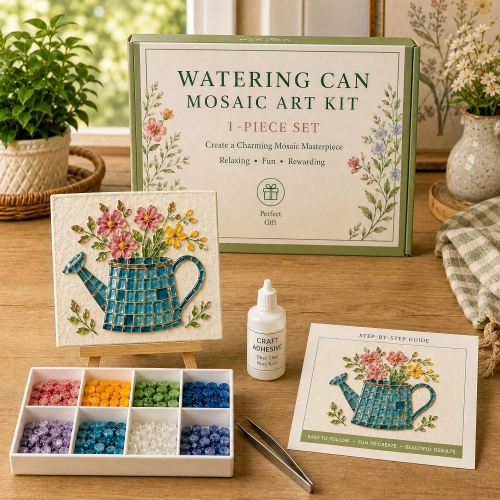


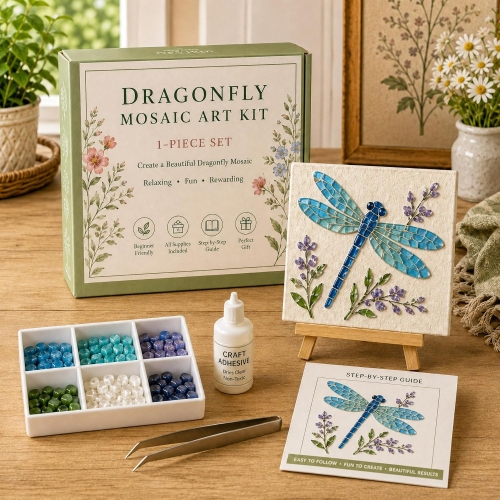
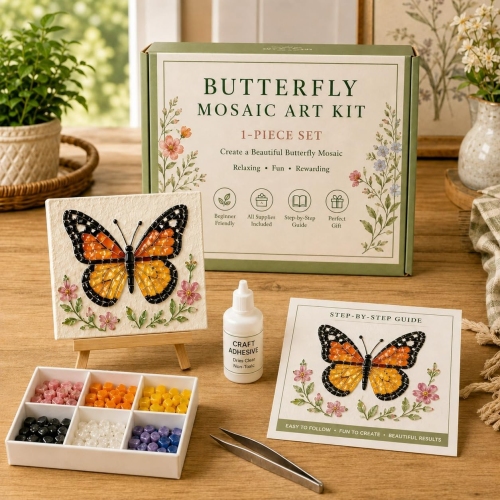
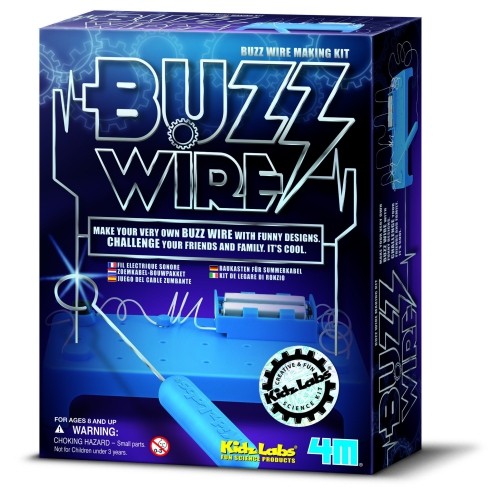
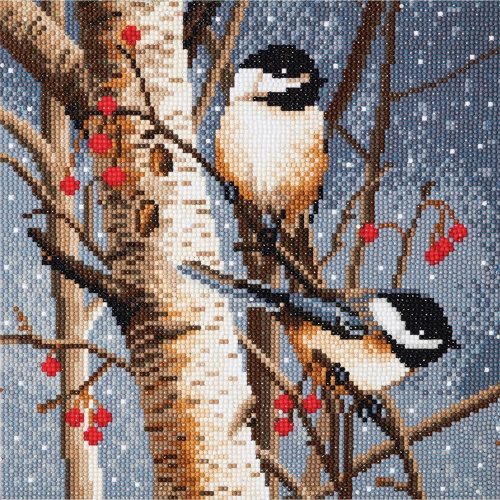
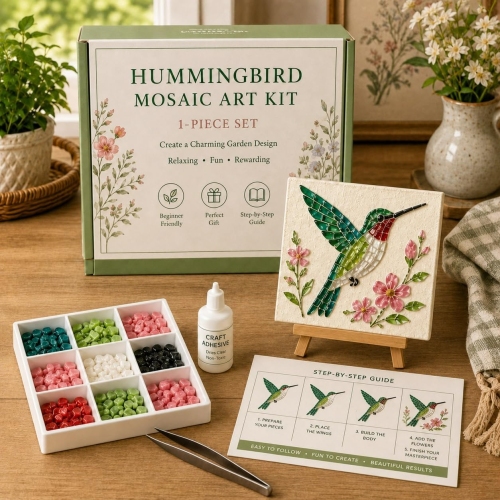
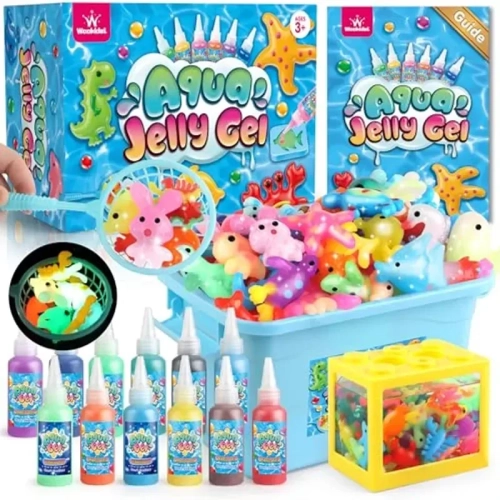



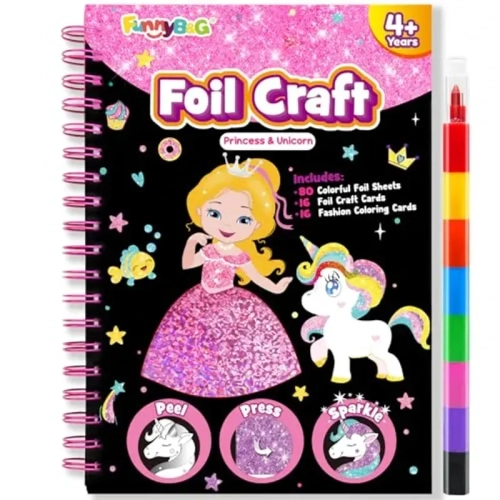

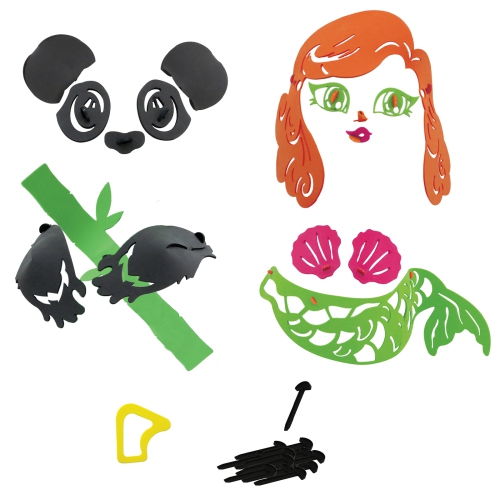
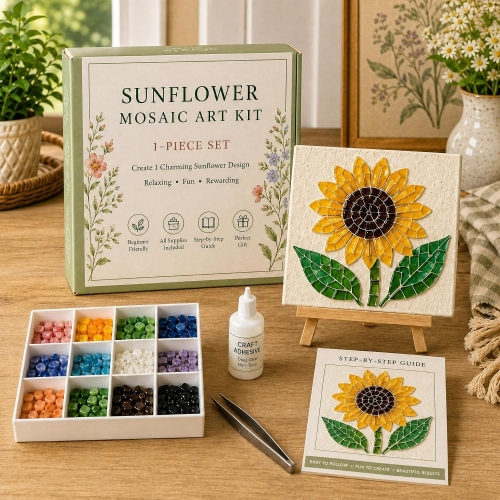
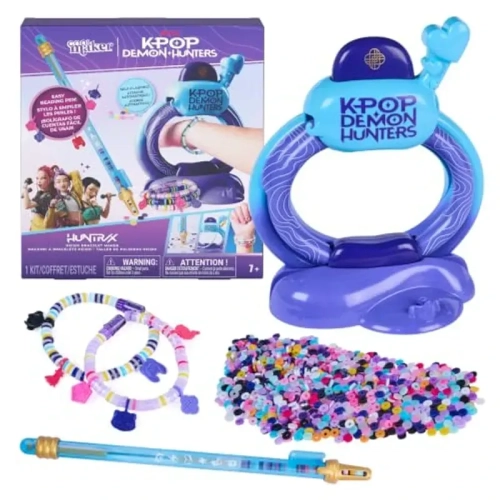
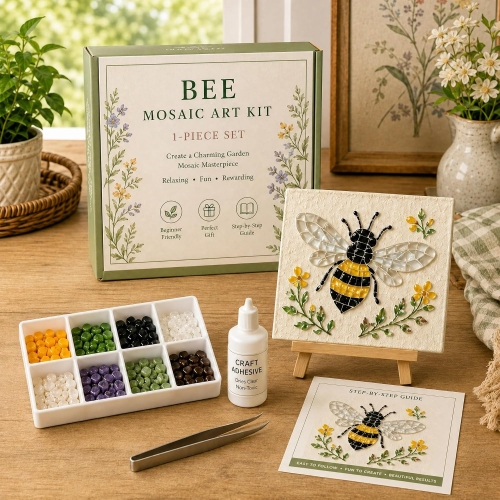


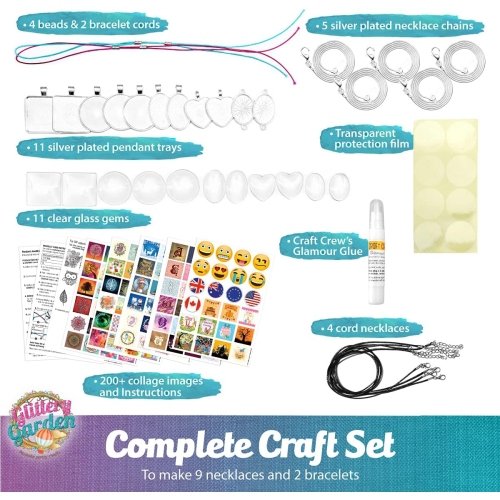
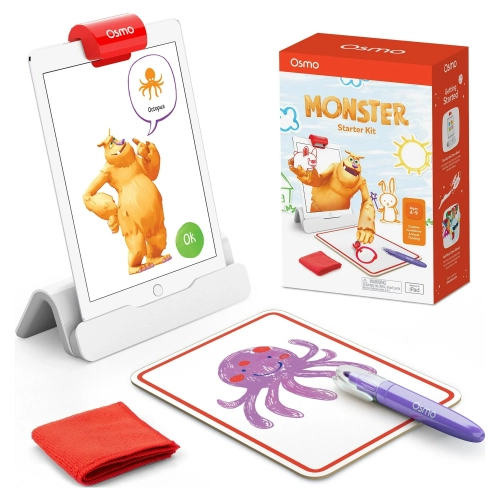
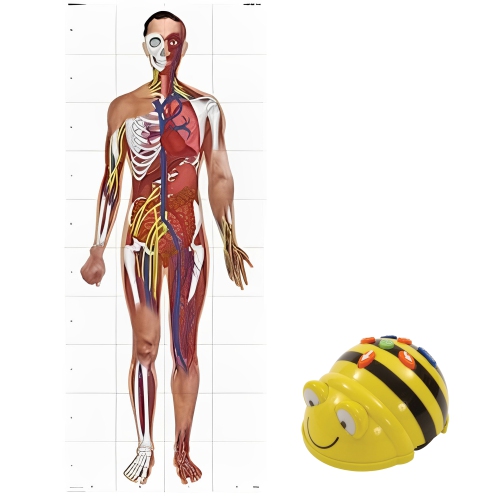





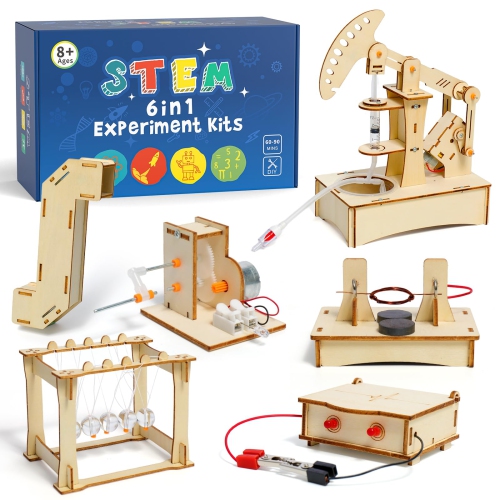


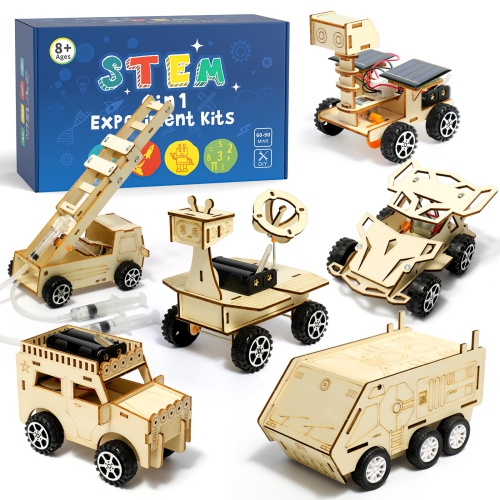

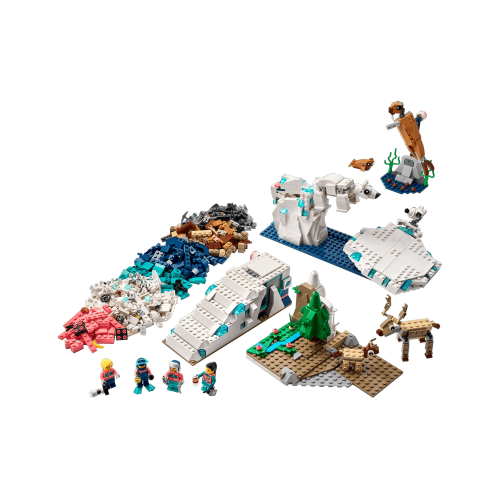
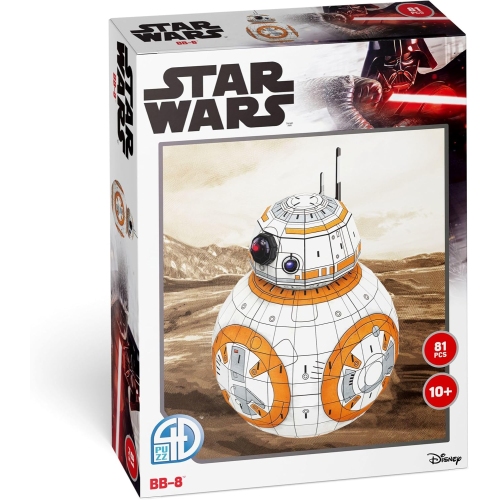
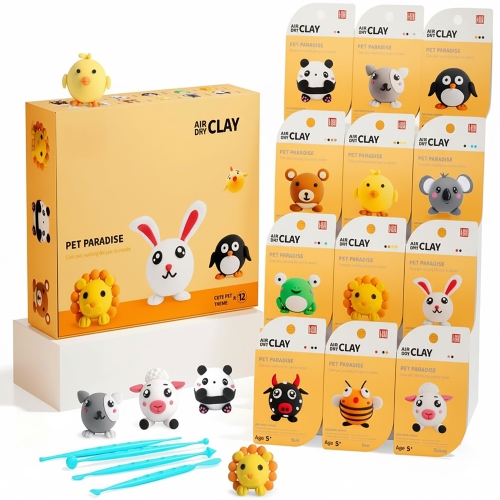



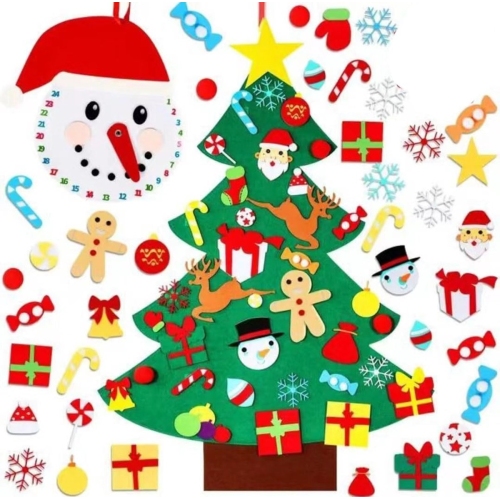
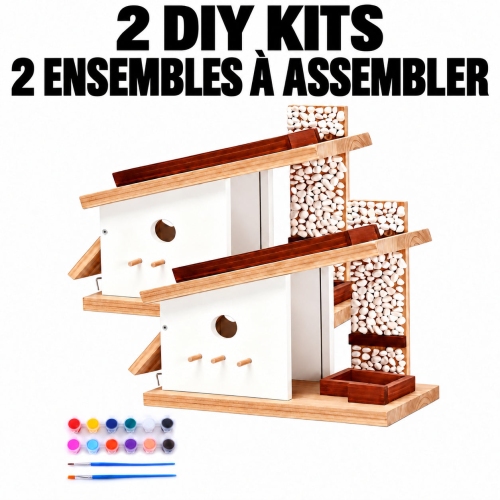






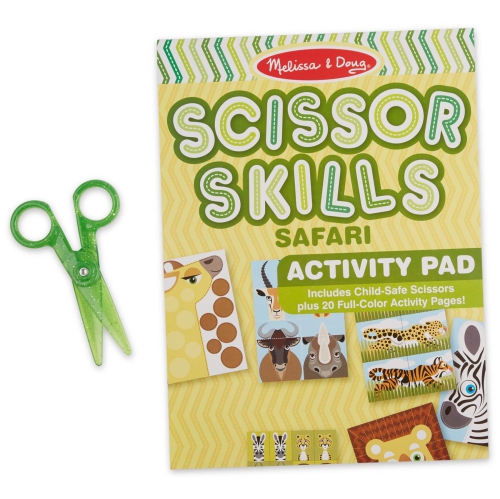
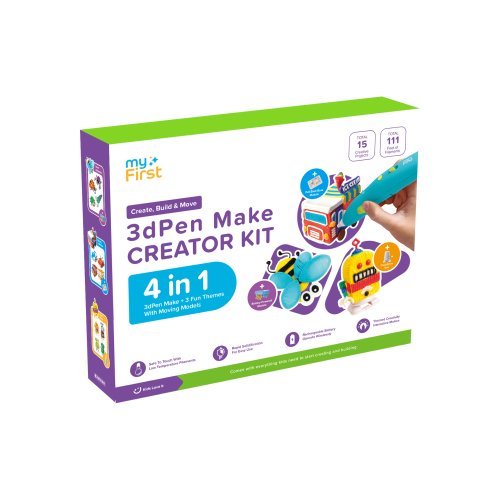
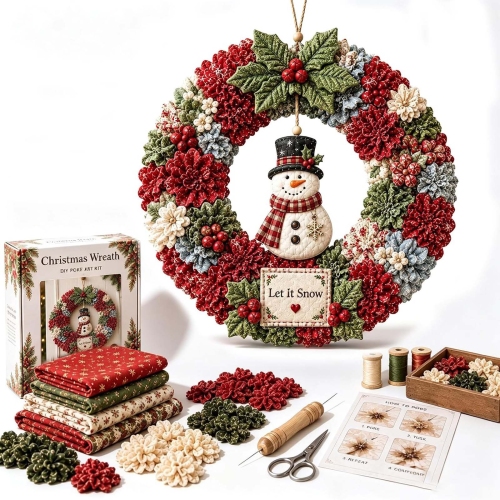
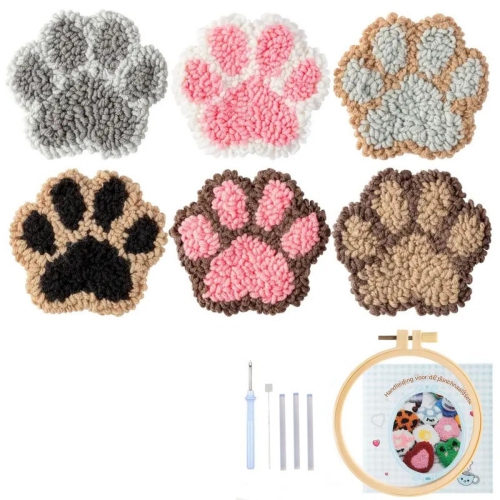









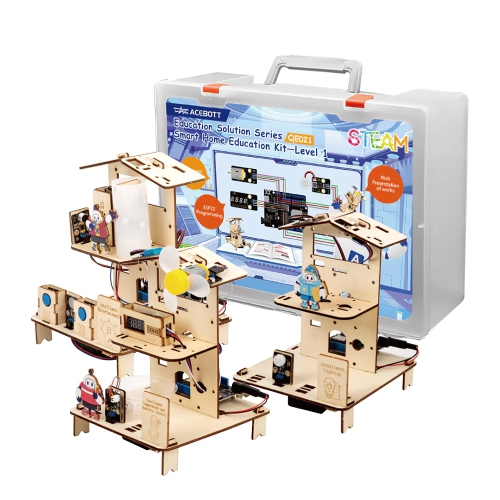

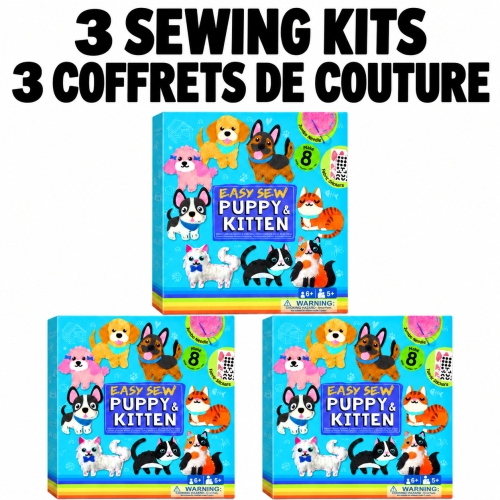

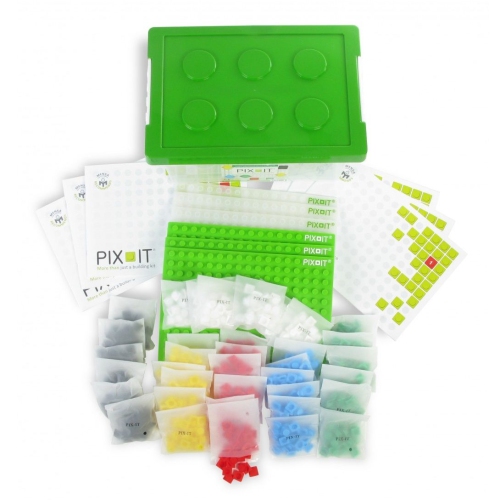
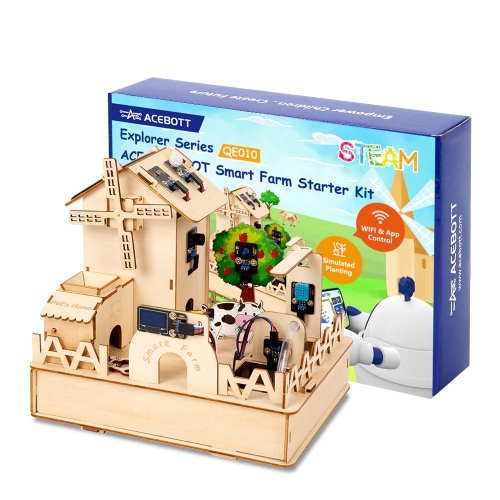


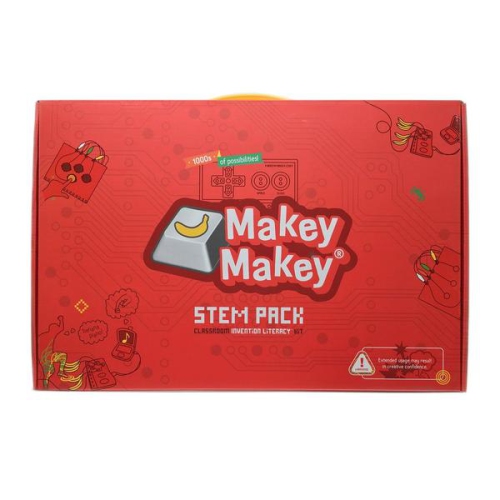
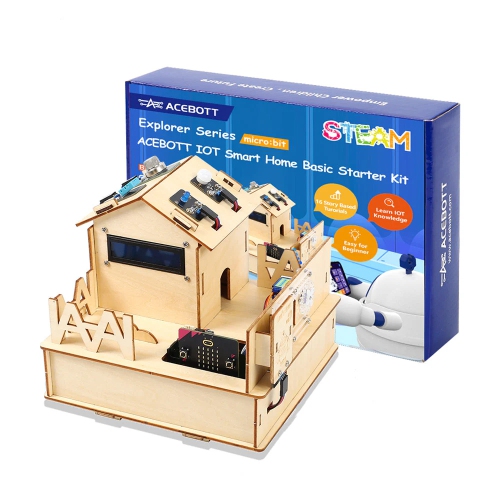

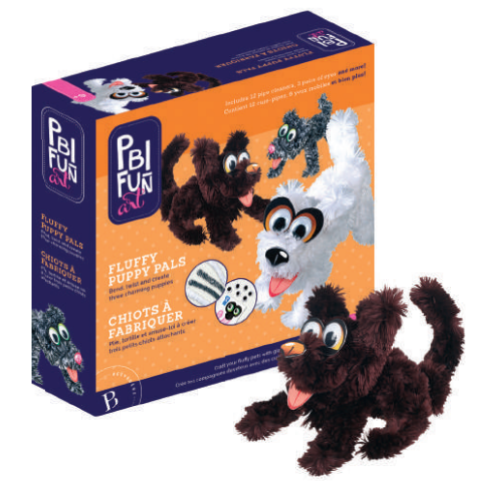
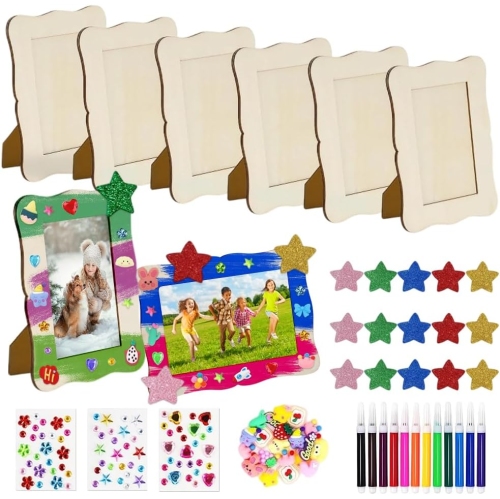



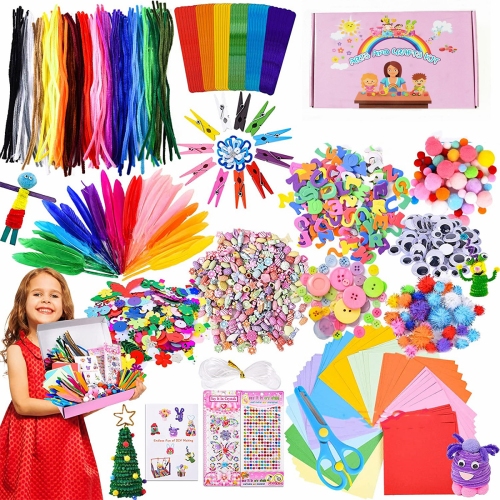

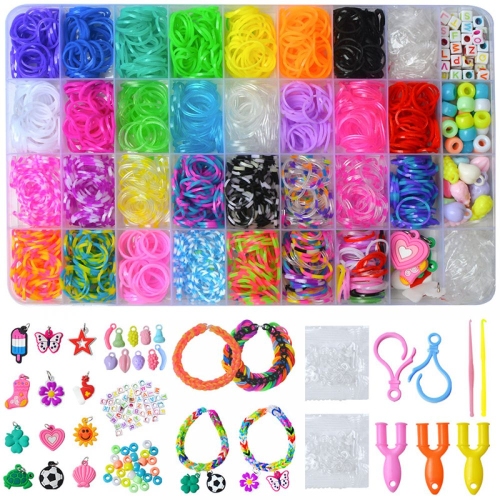

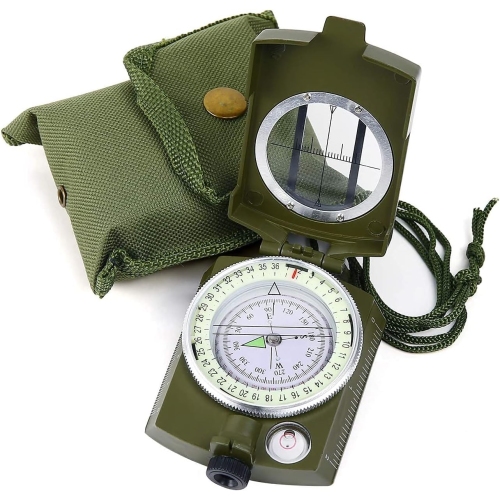
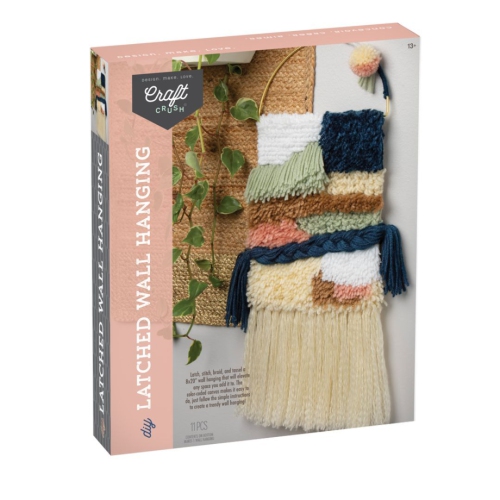
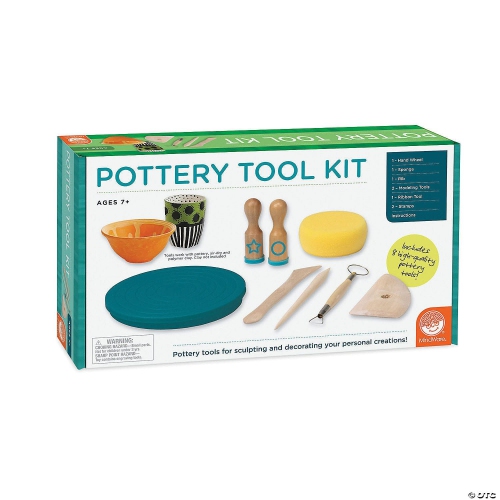
Why hands-on projects offer more than finished creations
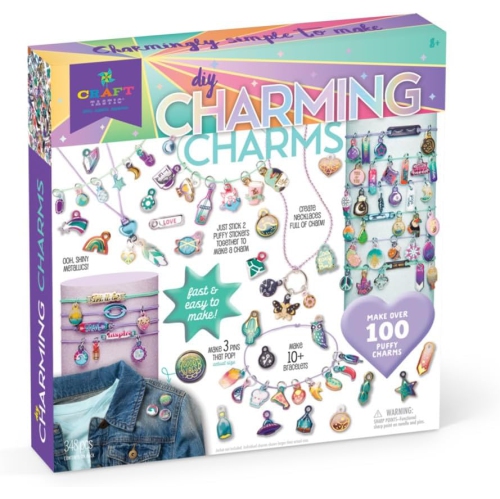
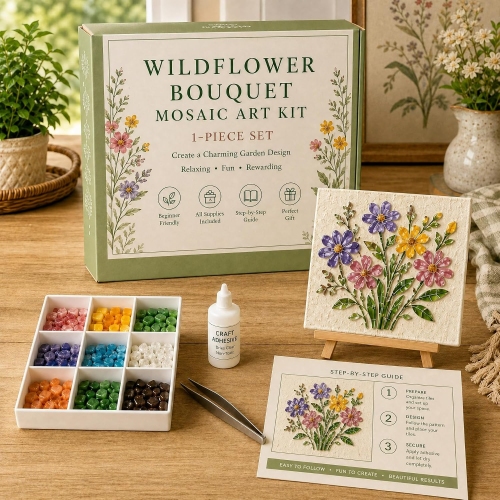
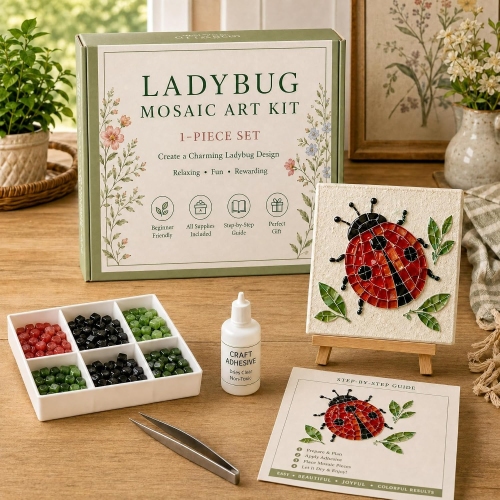
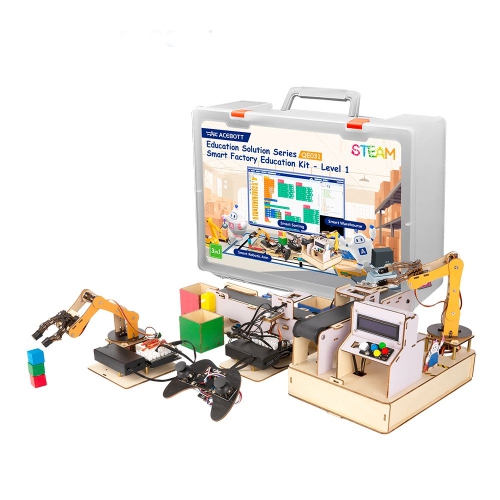
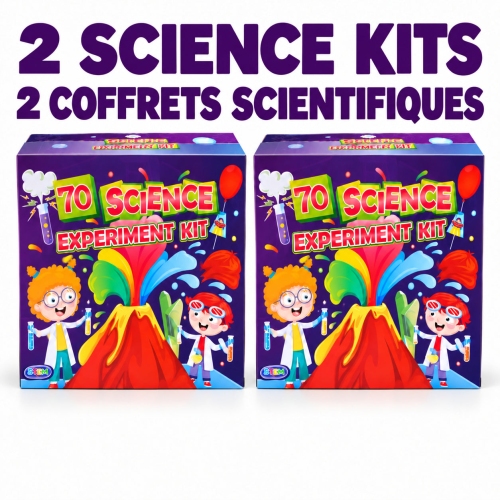
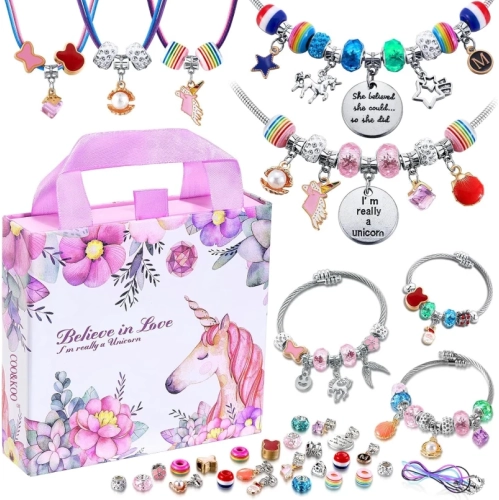
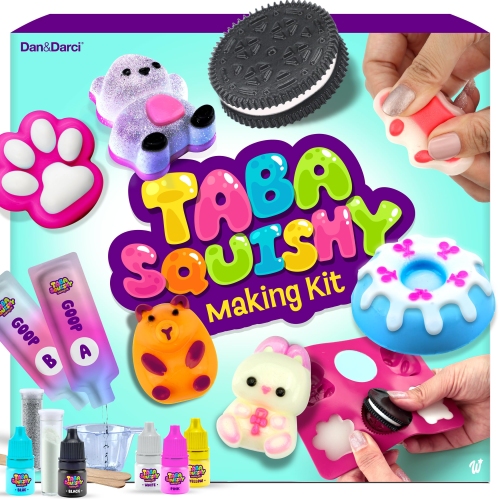
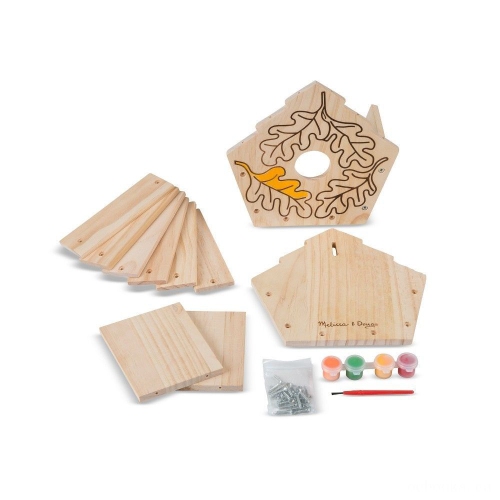
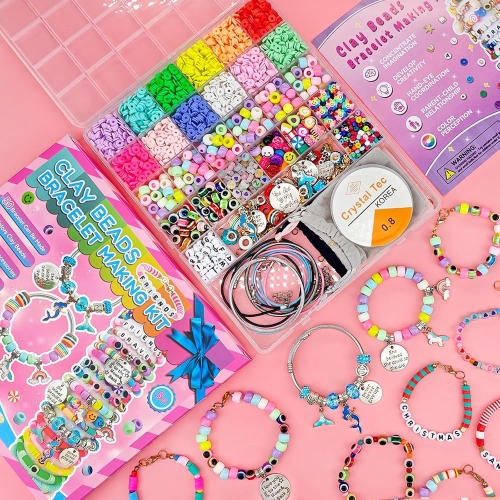
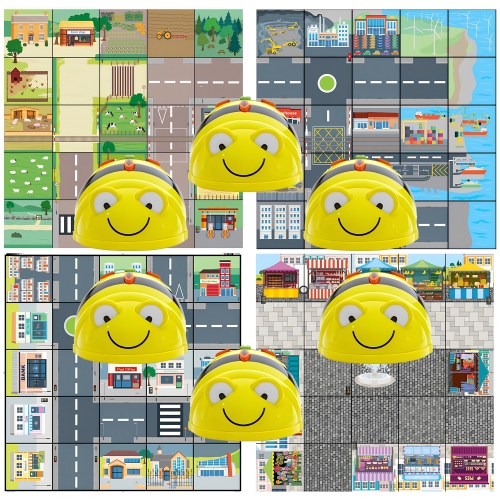
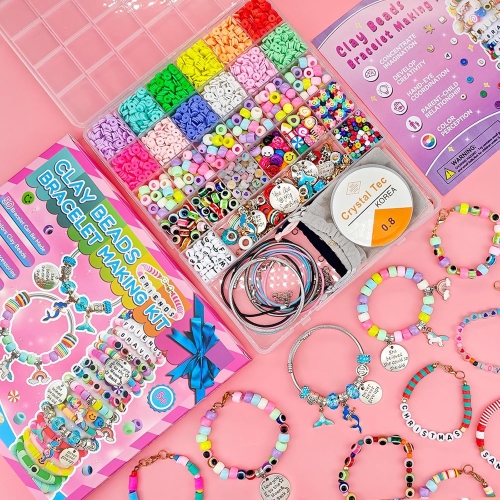
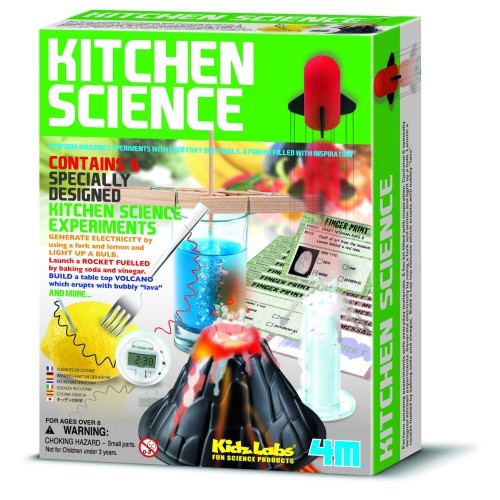
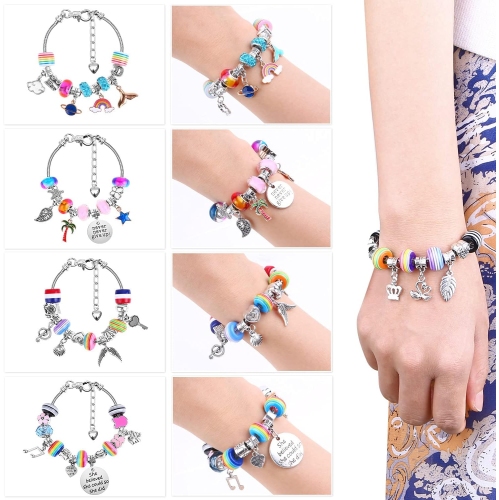
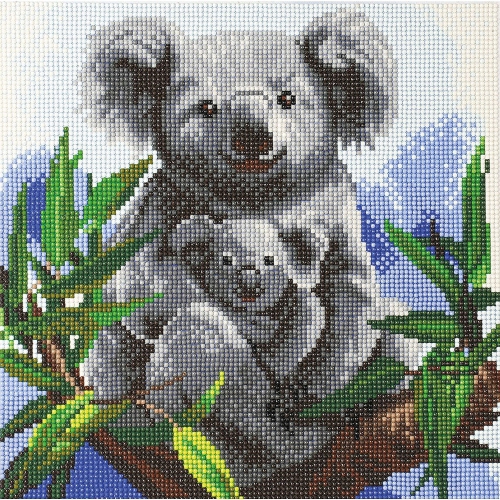
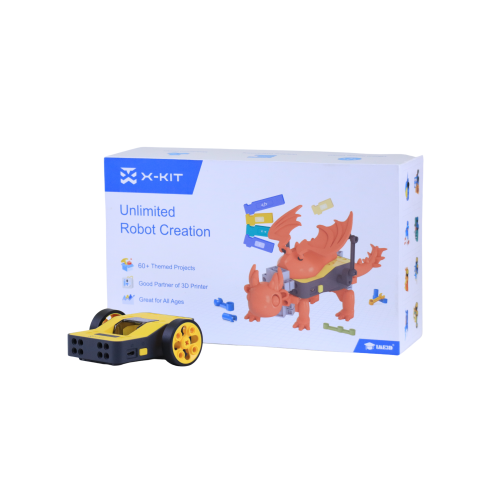
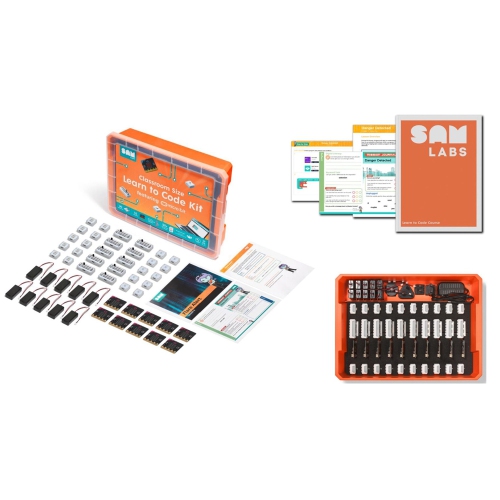
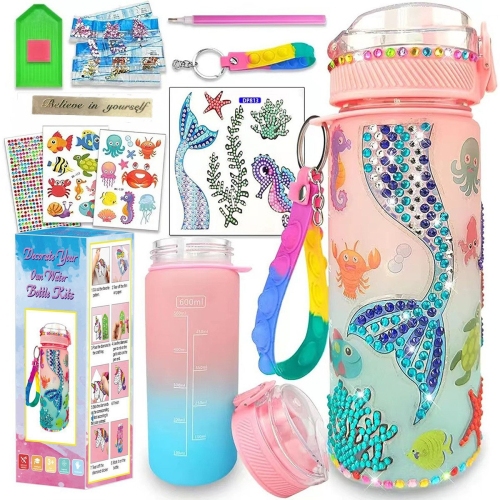
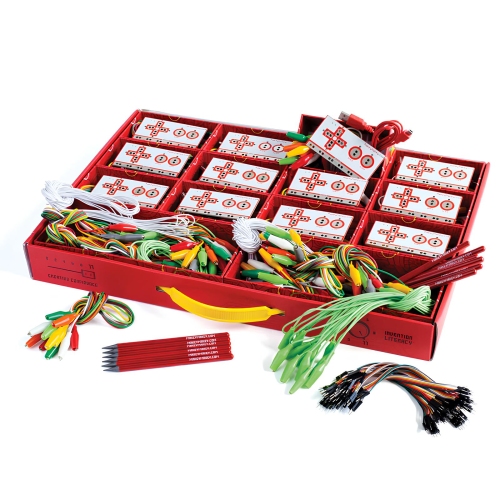
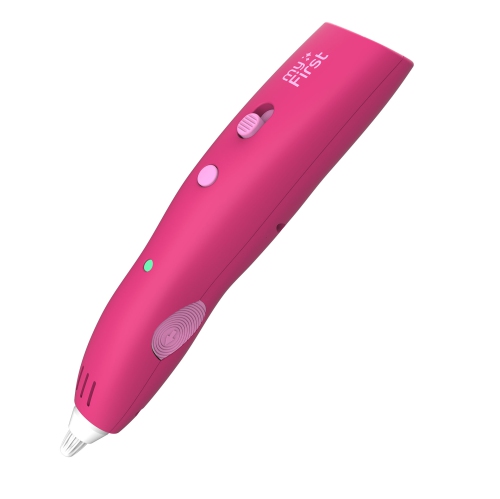
Activity kits bring together materials, instructions, and sometimes tools for a focused hands-on project or a series of related activities. Common types include creative craft kits, science experiment kits, construction sets, and sensory activities, with options suited to children, teens, and adult hobbyists. Their appeal is the connection between doing and understanding: a child can see how separate pieces form a sturdy structure, watch colours blend into a new shade, or notice how changing one step affects an experiment’s result. Some kits lead towards a finished creation, while others encourage repeated exploration without a single correct outcome. That difference matters for intended use. A project with a clear beginning and end can suit someone who enjoys following a sequence and displaying the result; an open-ended activity can leave more room for experimenting, rebuilding, and inventing. Creative sets may involve drawing, painting, modelling, or decorative work, while science-focused activities introduce concepts through observation, measurement, and comparison. Building activities can offer opportunities to practise spatial reasoning and solve practical problems, such as making a base wide enough to support a taller structure. For activities centred on visual expression, Art Kits bring the focus to techniques, colour, texture, and making something personal. Across these categories, the most suitable activity is often one that connects with an existing curiosity while leaving room for a manageable challenge. An enthusiastic builder may enjoy working through a sequence of connections, while someone drawn to textures might prefer shaping and arranging materials by hand. Many activity kits also provide a reason to step away from a screen and concentrate on a physical task. They can become an individual pastime, a shared family project, or a small-group activity in which participants compare approaches rather than compete for the same result. The experience may be as brief as one focused session or extend across several sittings, depending on the complexity, preparation, and drying or setting time involved.
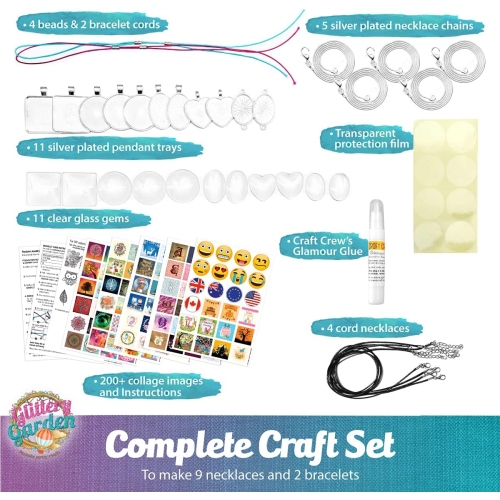
Materials and construction influence how an activity feels to use, how much preparation it needs, and whether its components can withstand repeated handling. Paper and cardstock are lightweight and easy to arrange, though folds, moisture, and frequent handling can affect their appearance. Wood can provide a firm surface for building or decorating, while plastic components may suit repeated assembly when their connections are designed for reuse. Modelling materials, paints, and adhesives each have their own handling and care requirements, so labels and instructions are important for understanding suitable surfaces, drying times, and cleanup. Washable materials can simplify tidying up, but that description does not necessarily mean every fabric or tabletop will be unaffected. A covered work surface and clothing suited to messy activities are practical companions to projects involving colour or wet ingredients. The amount of workspace matters, too: arranging small parts needs a clear surface, while painting or assembling a larger creation may require space that can remain undisturbed between sessions. Durable packaging or a divided storage container can help keep components organized and make it easier to pause without losing track of progress. For reusable activities, the quality of joining points, tools, and frequently handled pieces may matter more than decorative packaging. For single-project kits, the finished creation’s intended purpose helps set expectations; something made for display may not tolerate the handling expected of a plaything. Contents also vary, and a kit may require ordinary household supplies or tools that are not included. Clear information about preparation, adult assistance, and any additional materials helps distinguish an activity that can begin with minimal setup from one that needs planning. Care continues after the project is finished: following storage directions, closing containers securely, and keeping instructions with remaining components can preserve their usefulness. Wet work should dry or set as directed before being stored, and finished creations benefit from handling appropriate to their materials rather than being treated as equally sturdy.
Age recommendations are a useful starting point for choosing activity kits, but a comfortable fit also depends on reading ability, hand control, patience, and interest. Two children of the same age may approach an identical task very differently: one may enjoy sorting tiny pieces and following diagrams, while another prefers broad movements and a visible result after each step. Instructions with clear illustrations can make a process easier to follow, although some activities still call for an adult to read directions, handle particular tools, or supervise the work. Small parts, sharp points, and ingredients requiring careful handling make the stated age range and safety information especially important. Children who are still likely to put objects in their mouths need activities specifically suited to that stage. Sensory preferences deserve attention as well, since sticky textures, strong scents, or unexpected sounds can change how enjoyable a project feels. For shared use, enough working space and opportunities to participate can matter as much as the subject itself. A family project often runs more smoothly when one person can arrange materials while another assembles or decorates, rather than everyone waiting for a single tool. In a group setting, separate creations may give each participant more freedom, whereas a shared build can encourage discussion and planning. Activity kits can also make thoughtful gifts when they reflect the recipient’s interests and the kind of experience they enjoy. A patient hobbyist may welcome a detailed project completed over several evenings; a younger beginner may feel more confident with fewer steps and a clear result. Gifts for a household are easier to enjoy when the preparation and supervision involved suit the people using them. Beyond the finished creation, a well-matched activity offers something worth returning to: the satisfaction of mastering a technique, the pleasure of making a personal choice, or the chance to try a different approach. That balance of interest, challenge, and practical usability gives activity kits their lasting appeal.
Top selling and popular products
-
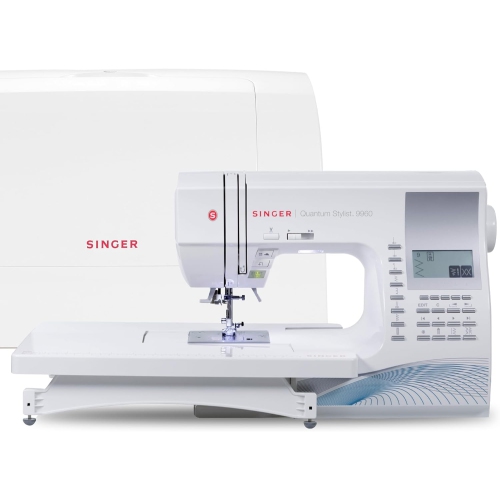 Your price for this item is $911.05
-
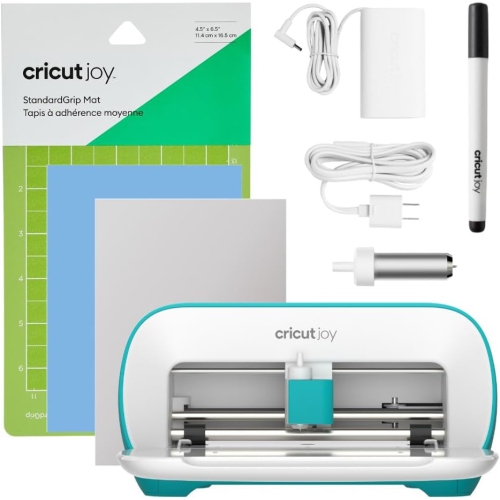 Your price for this item is $238.44
-
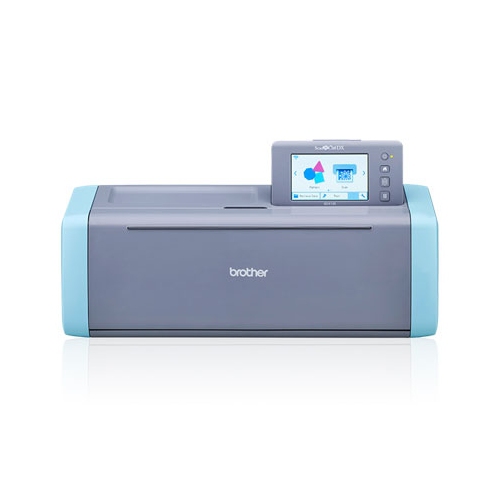 Your price for this item is $685.99
-
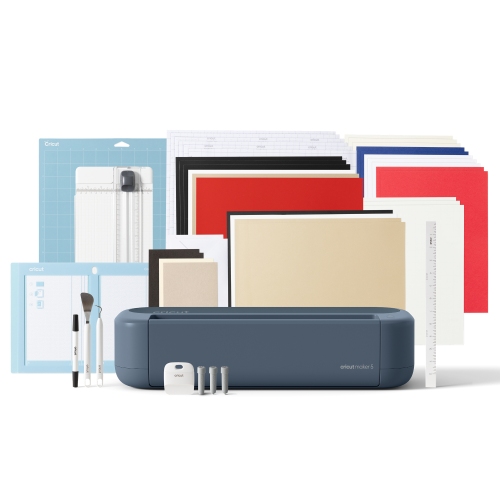 Your price for this item is $549
-
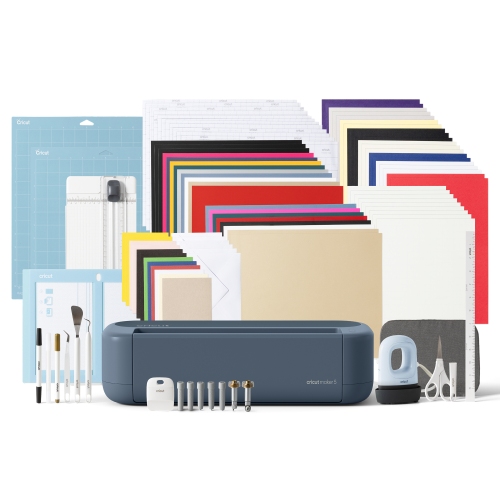 Your price for this item is $679
-
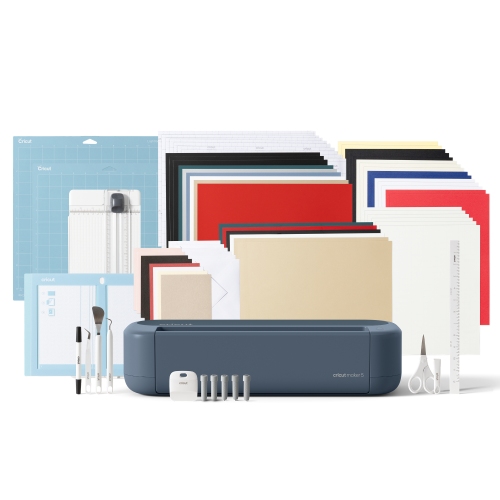 Your price for this item is $599
-
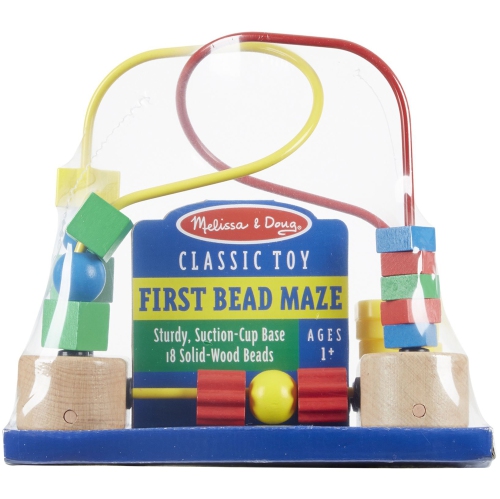 Your price for this item is $39.99
-
 Your price for this item is $429
Discover more categories related to Activity Kits

Top Collections:
Pokemon Centers, Pokémon 30th Celebration Cards, Best Budget Office Chairs, Kindle Devices, Best Cameras for Sports Photography, Canon G7X Cameras, Best Black Friday Deals On Electronics, Best Laptops for Writers, iPhone 15 Apple, Jackery Power Stations
Some products may be subject to Environmental Handling Fees
(EHF) depending on your province.
Learn more about EHFs.