Maker Kits
Unleash your creativity and dive into the world of innovation with our diverse selection of maker kits. Perfect for hobbyists, students, or anyone looking to explore the exciting realm of DIY projects, these kits provide everything you need to start building and experimenting. Whether you're interested in electronics, robotics, or crafting unique gadgets, you'll find a kit that sparks your imagination and enhances your skills. Designed to inspire and educate, our maker kits offer endless possibilities for learning and fun, making them an ideal choice for curious minds of all ages. Explore the potential of hands-on creation today and discover how rewarding bringing your ideas to life can be.
Sort
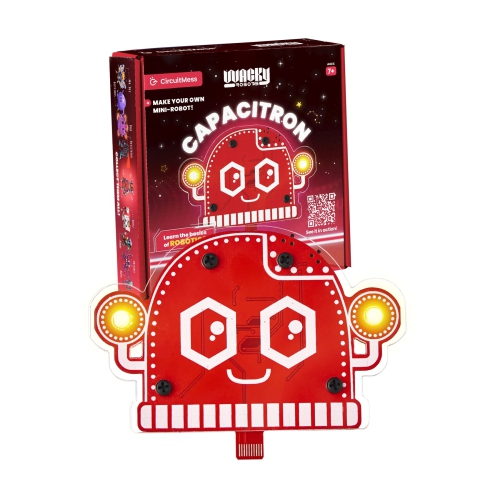

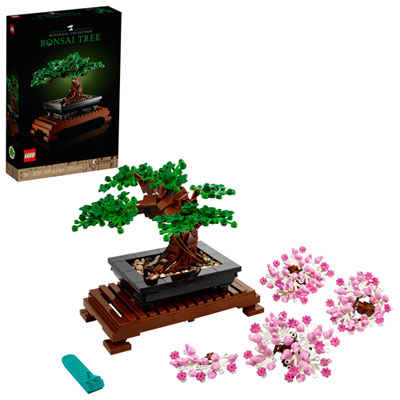
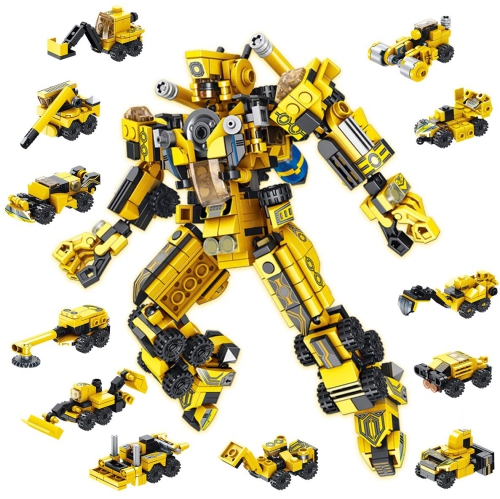
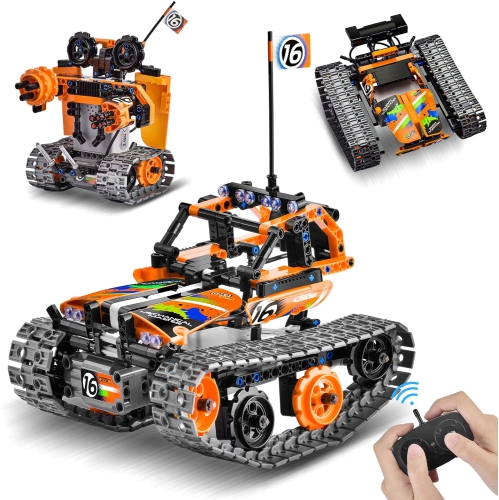



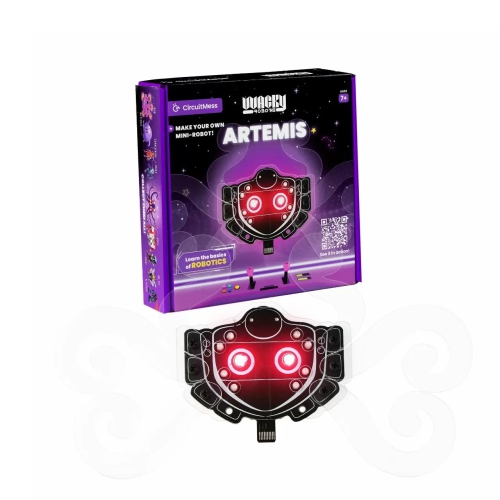
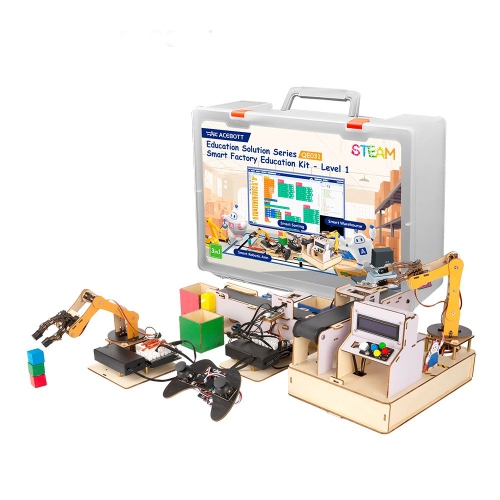
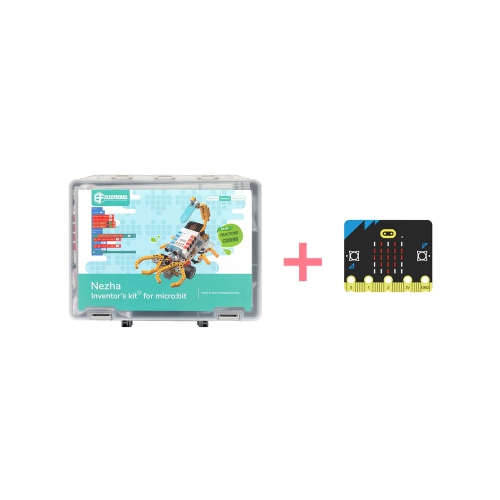
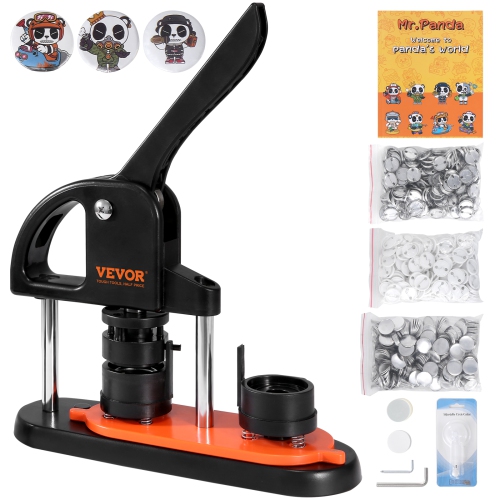
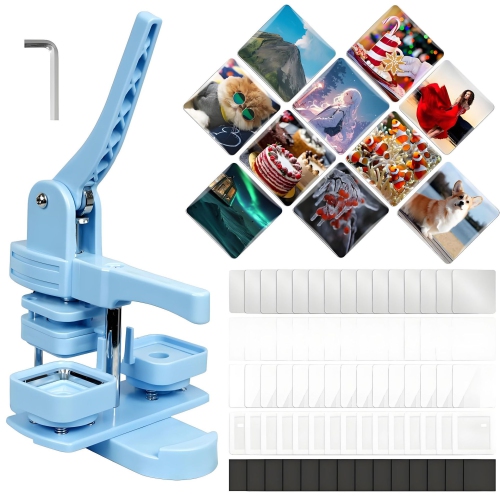
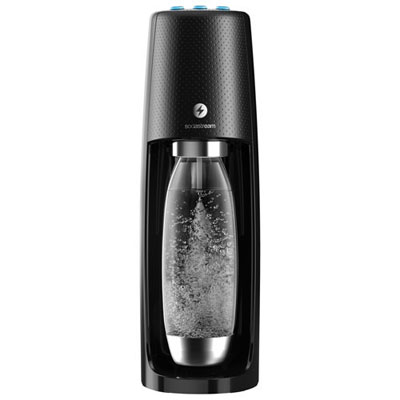
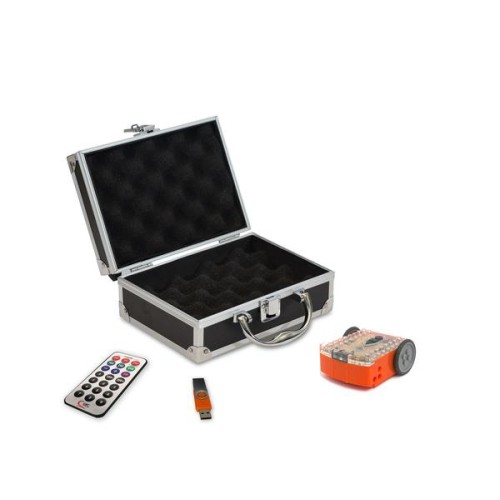

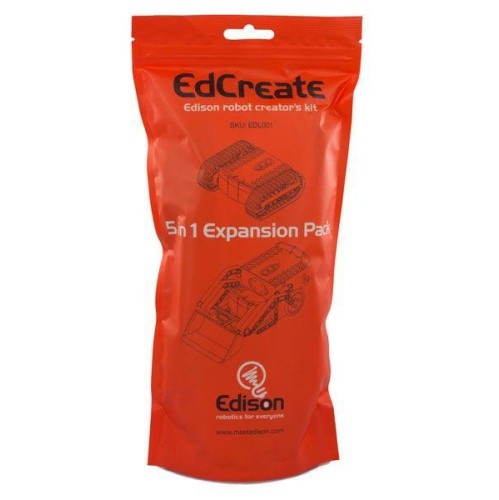

How hands-on projects turn parts into working creations
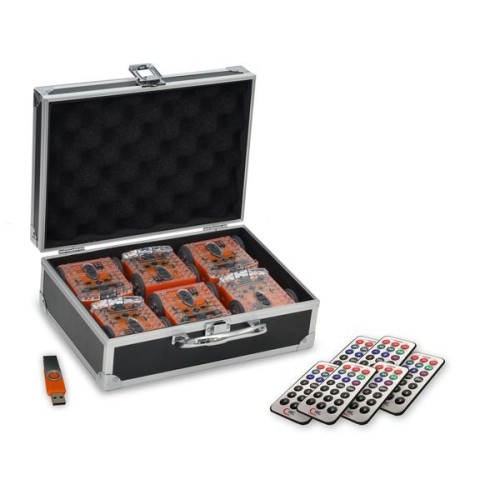
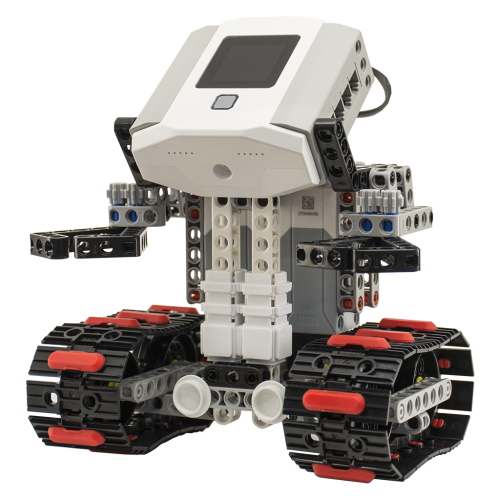
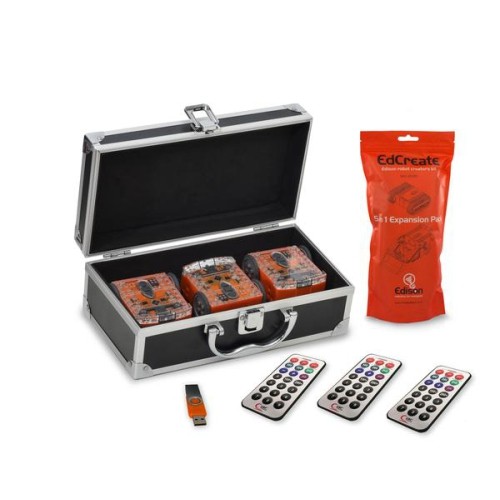
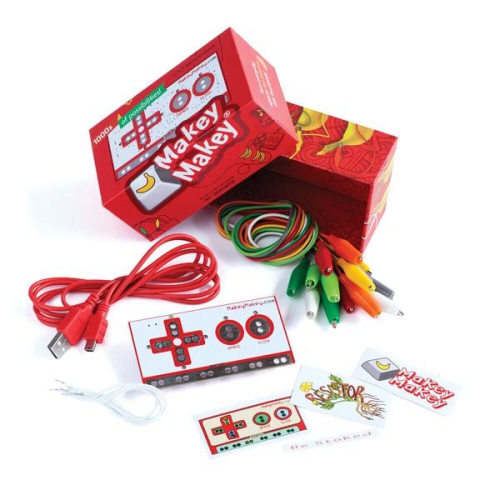
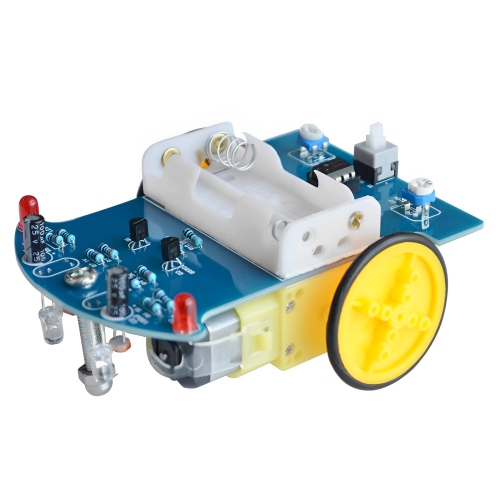
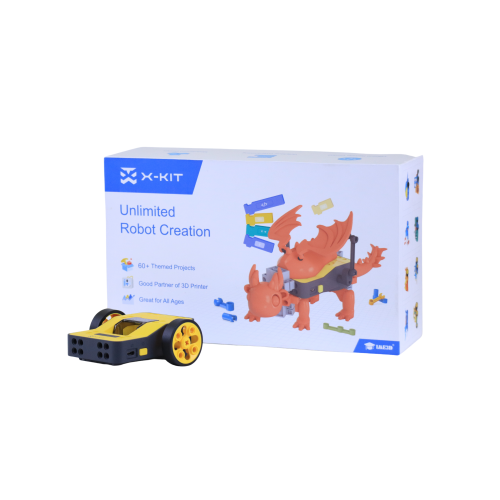
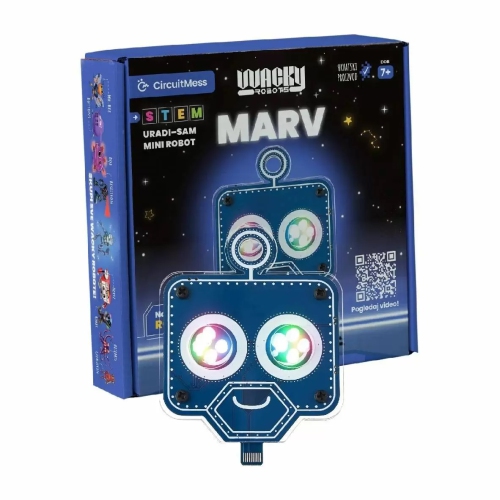
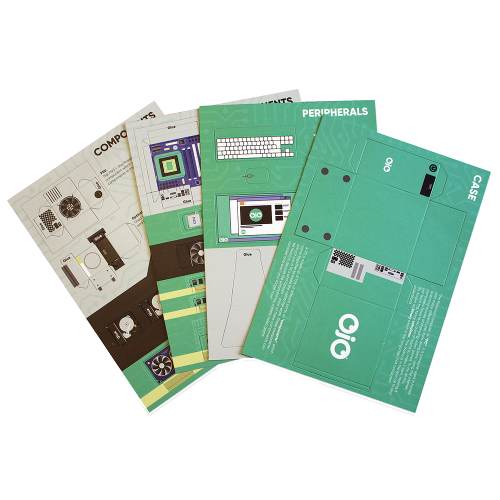
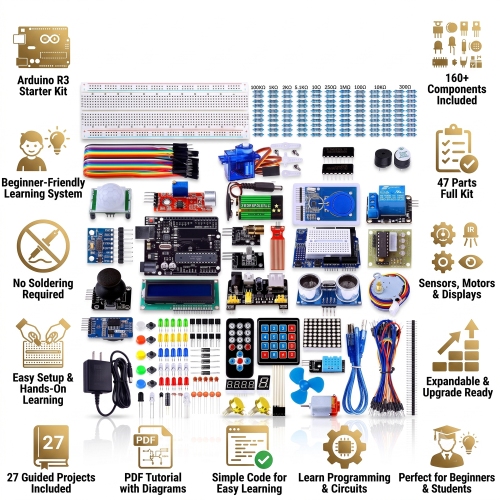
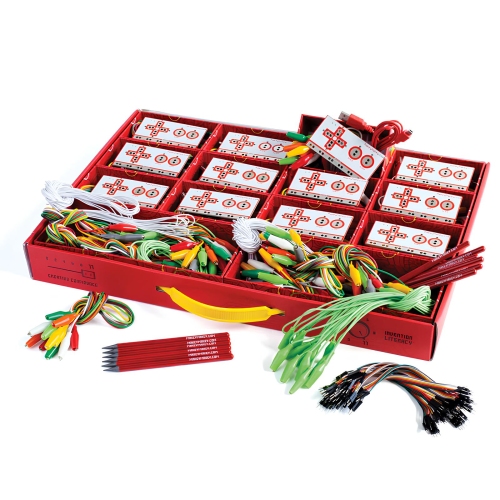
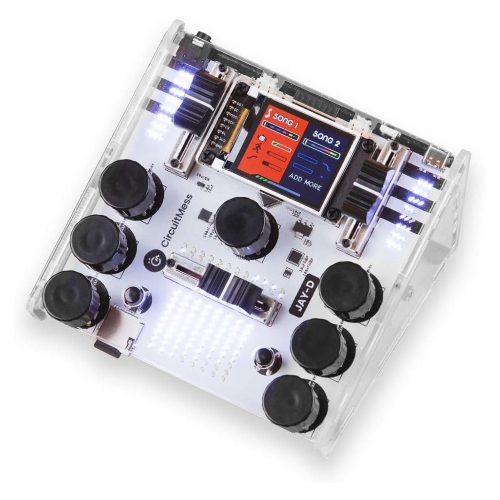
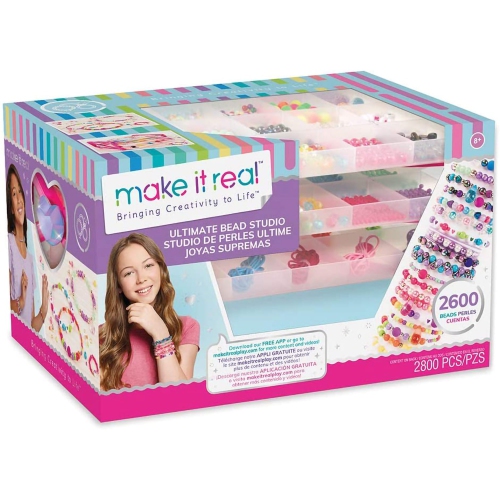
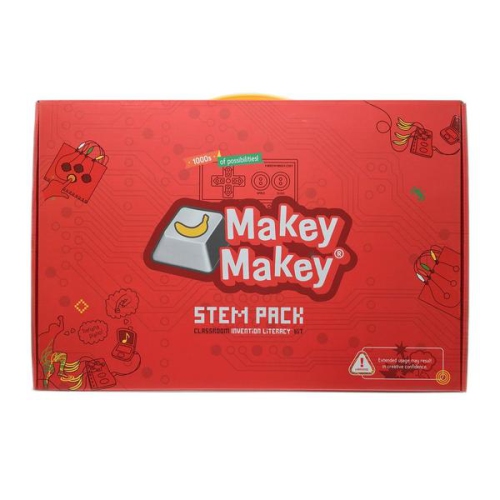
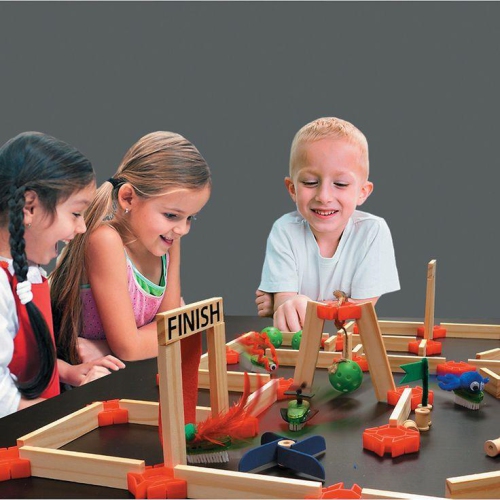
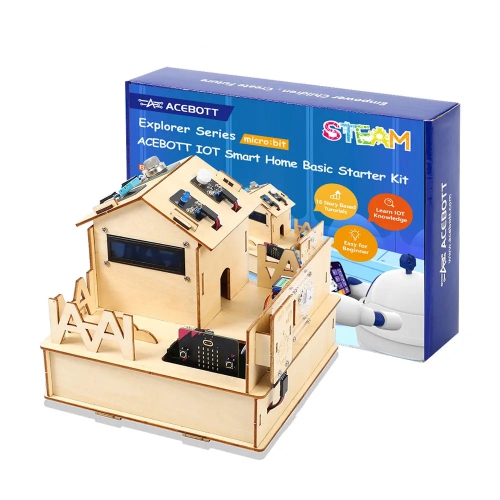
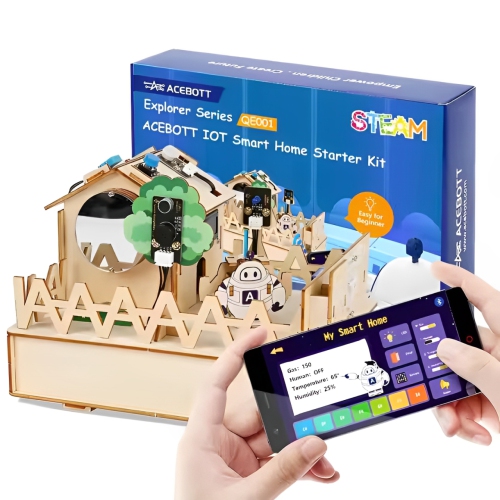
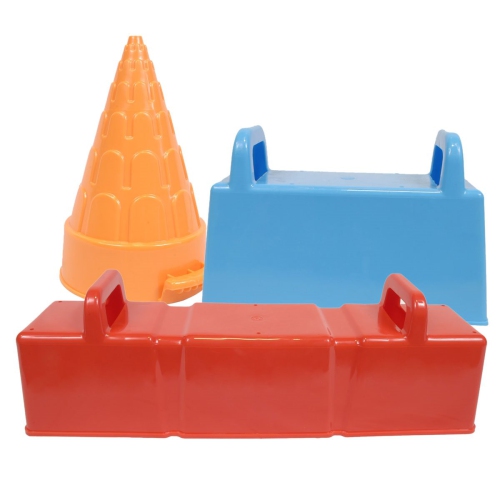
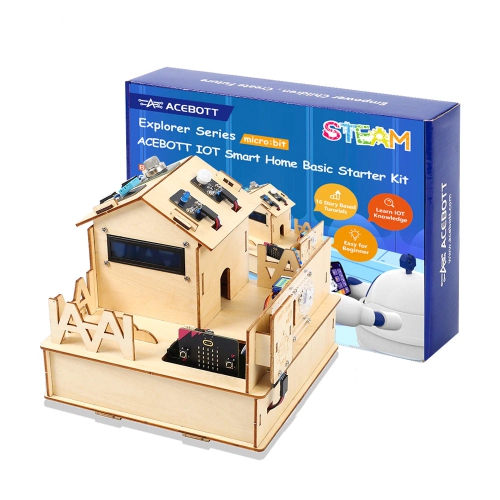
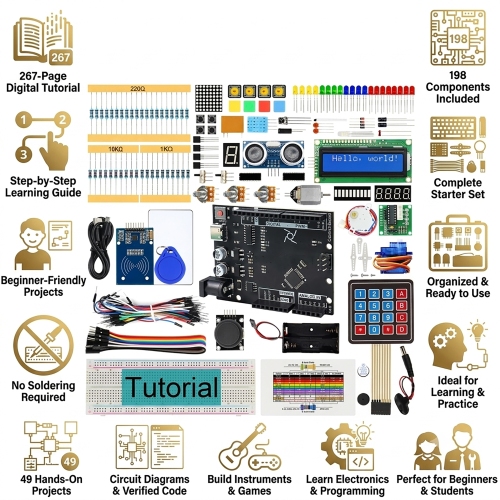
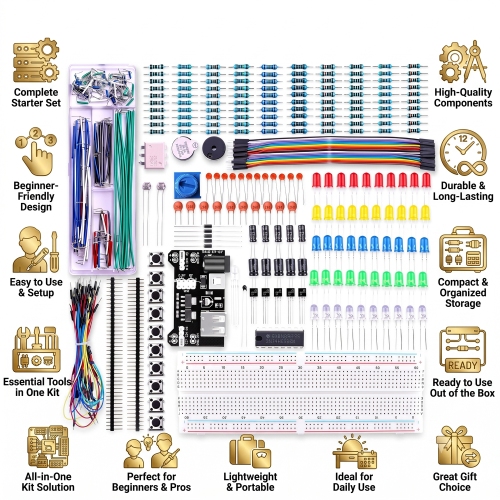
Maker kits are project-based DIY sets that bring together parts, materials, and instructions for building, assembling, or programming something hands-on. Depending on the project, a kit may support electronics, robotics, mechanical construction, 3D-printed builds, or creative crafts. The common thread is a tangible result: a circuit that lights up, a mechanism that transfers motion, or a handmade object that takes shape piece by piece. Many kits package the main components for a defined project, although tools, batteries, software, or additional materials may be required separately. Electronics maker kits can introduce connections, switches, sensors, and outputs through experiments that make abstract ideas visible. Robotics kits combine structures and moving parts with controls, sometimes adding coding so a builder can change how a creation responds. Mechanical kits focus more closely on gears, axles, linkages, and the relationship between force and movement. For people interested in 3D printing, hardware-based kits may supply the fasteners and moving components that work with printed parts, rather than including the printed pieces themselves. Craft-oriented versions put more emphasis on shaping, joining, decorating, and finishing materials. These different approaches suit different interests, but each gives the builder a reason to observe closely and make adjustments. A light that stays dark or a wheel that catches can turn into a useful moment of troubleshooting, with a clear connection between a small change and the result. Some projects follow a fixed sequence toward one finished build; others provide reusable components for repeated experiments and original designs. That distinction matters for anyone who enjoys the satisfaction of completing a display piece versus someone who would rather take a creation apart and try a new arrangement. Maker kits can offer an approachable starting point for curious beginners, while more involved sets give experienced hobbyists room to practise precise assembly, programming, or fabrication. Their appeal lies as much in the building process as in the finished object.
The experience of using a maker kit depends on its construction method, materials, and intended skill level. Snap-together connections and larger pieces can make early projects easier to handle, while small fasteners, fine wiring, and tightly fitted mechanisms call for greater dexterity and patience. Age recommendations, required supervision, and the complexity of the instructions are more useful indicators than the appearance of the finished project alone. A colourful robot can still involve detailed wiring, and a simple-looking wooden mechanism may need careful alignment to run smoothly. Plastic components vary in rigidity and flexibility, wooden parts may have unfinished surfaces or delicate cut-out sections, and metal hardware can provide firm attachment points where a project needs repeated movement. Durability depends on how those materials are used: a model meant for display has different demands from a build that will be handled and reconfigured often. Repeated assembly is easier when connectors are designed to be separated, fasteners remain accessible, and replacement components are clearly specified. Compatibility also matters within electronics and coding projects. Boards, motors, sensors, and power supplies need suitable electrical ratings and connections; parts that physically fit together are not necessarily designed to work together. App-based or programmable kits may require a compatible computer or mobile device, a supported operating system, an internet connection, or an account. With 3D-printing projects, printer build space, the specified printing material, access to model files, and assembly tolerances can all affect the final fit. A well-matched project also suits the space where it will be built. Sorting tiny screws into a shallow tray on a clear table is quite different from spreading larger construction pieces across a shared play surface. Projects involving soldering, cutting tools, heated equipment, or adhesives require the precautions and supervision specified by the manufacturer. Clear diagrams, readable part labels, and instructions that explain both assembly and testing can make a substantial difference, particularly when a project takes several sessions to complete.
Maker kits suit a wide range of people and settings, from a child exploring cause and effect with an adult to a teenager practising coding or an adult returning to a hands-on hobby. At home, a shared build can give each person a distinct role: one sorts parts, another follows the diagram, and another checks that the moving sections turn freely. In classrooms, clubs, and supervised group settings, suitable projects can support discussion about measurement, sequencing, design, and testing while producing something participants can demonstrate. The most satisfying match often reflects a builder’s existing curiosity. Someone fascinated by movement may enjoy mechanical construction, while someone who likes adjusting rules and behaviours may prefer a programmable project. For gifting, the intended recipient’s patience, working space, and access to any required equipment matter alongside age and interests. A project with a clear endpoint can feel manageable for a first-time builder; an open-ended set may better suit someone who likes experimenting beyond the supplied instructions. For a broader range of hands-on creative and learning projects, Activity Kits offer another way to explore making and discovery. Care and organization help preserve the usefulness of a maker kit after the first build. Labelled compartments can keep small fittings from getting mixed up, and retaining the instructions, wiring diagrams, and part list makes later repairs or rebuilding less frustrating. Finished projects benefit from storage appropriate to their materials, with delicate mechanisms protected from crushing and exposed electronics kept away from liquids. Cleaning should follow the manufacturer’s directions, especially where electrical parts, unfinished wood, or painted surfaces are involved. Power should be disconnected before adjustments where the instructions require it, and battery storage guidance should be followed between uses. Keeping unfinished work on a tray or in a dedicated container also makes it easier to return to a project without losing the assembly sequence. With a suitable level of challenge and practical care, maker kits can become more than a single afternoon’s activity: they provide a focused space to build skills, test ideas, and enjoy the details of making something work.
The experience of using a maker kit depends on its construction method, materials, and intended skill level. Snap-together connections and larger pieces can make early projects easier to handle, while small fasteners, fine wiring, and tightly fitted mechanisms call for greater dexterity and patience. Age recommendations, required supervision, and the complexity of the instructions are more useful indicators than the appearance of the finished project alone. A colourful robot can still involve detailed wiring, and a simple-looking wooden mechanism may need careful alignment to run smoothly. Plastic components vary in rigidity and flexibility, wooden parts may have unfinished surfaces or delicate cut-out sections, and metal hardware can provide firm attachment points where a project needs repeated movement. Durability depends on how those materials are used: a model meant for display has different demands from a build that will be handled and reconfigured often. Repeated assembly is easier when connectors are designed to be separated, fasteners remain accessible, and replacement components are clearly specified. Compatibility also matters within electronics and coding projects. Boards, motors, sensors, and power supplies need suitable electrical ratings and connections; parts that physically fit together are not necessarily designed to work together. App-based or programmable kits may require a compatible computer or mobile device, a supported operating system, an internet connection, or an account. With 3D-printing projects, printer build space, the specified printing material, access to model files, and assembly tolerances can all affect the final fit. A well-matched project also suits the space where it will be built. Sorting tiny screws into a shallow tray on a clear table is quite different from spreading larger construction pieces across a shared play surface. Projects involving soldering, cutting tools, heated equipment, or adhesives require the precautions and supervision specified by the manufacturer. Clear diagrams, readable part labels, and instructions that explain both assembly and testing can make a substantial difference, particularly when a project takes several sessions to complete.
Maker kits suit a wide range of people and settings, from a child exploring cause and effect with an adult to a teenager practising coding or an adult returning to a hands-on hobby. At home, a shared build can give each person a distinct role: one sorts parts, another follows the diagram, and another checks that the moving sections turn freely. In classrooms, clubs, and supervised group settings, suitable projects can support discussion about measurement, sequencing, design, and testing while producing something participants can demonstrate. The most satisfying match often reflects a builder’s existing curiosity. Someone fascinated by movement may enjoy mechanical construction, while someone who likes adjusting rules and behaviours may prefer a programmable project. For gifting, the intended recipient’s patience, working space, and access to any required equipment matter alongside age and interests. A project with a clear endpoint can feel manageable for a first-time builder; an open-ended set may better suit someone who likes experimenting beyond the supplied instructions. For a broader range of hands-on creative and learning projects, Activity Kits offer another way to explore making and discovery. Care and organization help preserve the usefulness of a maker kit after the first build. Labelled compartments can keep small fittings from getting mixed up, and retaining the instructions, wiring diagrams, and part list makes later repairs or rebuilding less frustrating. Finished projects benefit from storage appropriate to their materials, with delicate mechanisms protected from crushing and exposed electronics kept away from liquids. Cleaning should follow the manufacturer’s directions, especially where electrical parts, unfinished wood, or painted surfaces are involved. Power should be disconnected before adjustments where the instructions require it, and battery storage guidance should be followed between uses. Keeping unfinished work on a tray or in a dedicated container also makes it easier to return to a project without losing the assembly sequence. With a suitable level of challenge and practical care, maker kits can become more than a single afternoon’s activity: they provide a focused space to build skills, test ideas, and enjoy the details of making something work.
Top selling and popular products
-
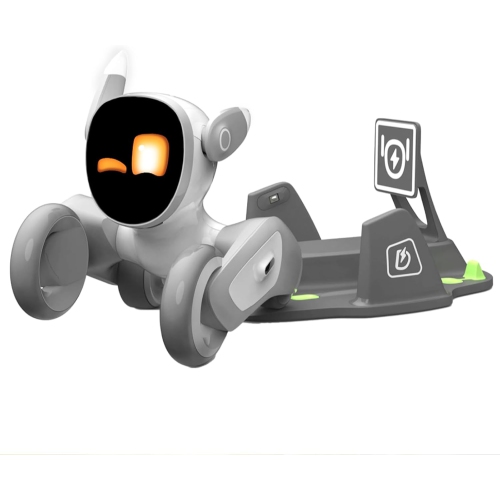 Your price for this item is $699.99
 -
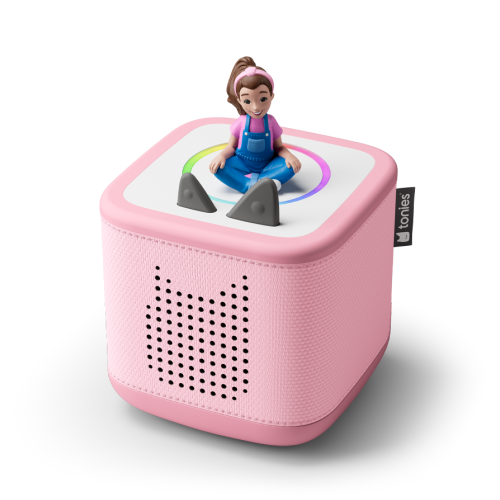 Your price for this item is $199.99
 -
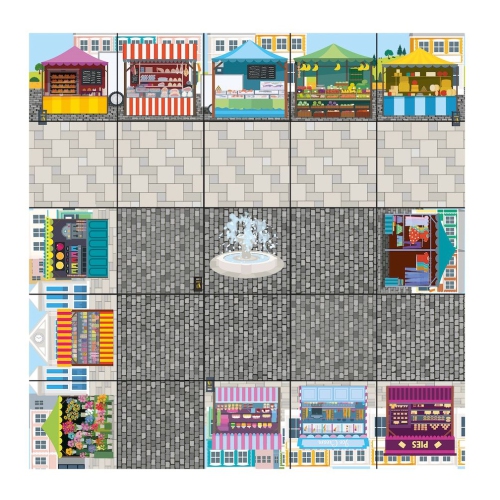 Your price for this item is $75.99
 -
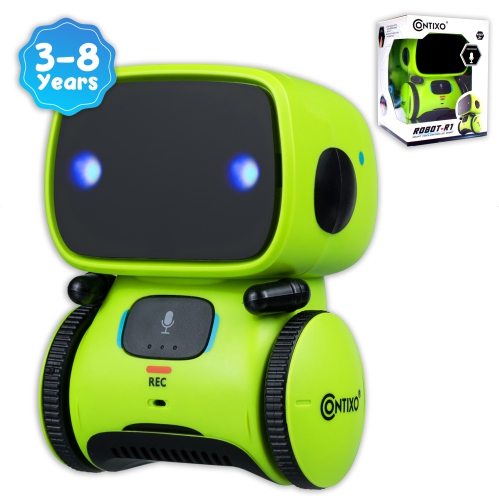 Your price for this item is $39.99
 -
 Your price for this item is $55.95
 -
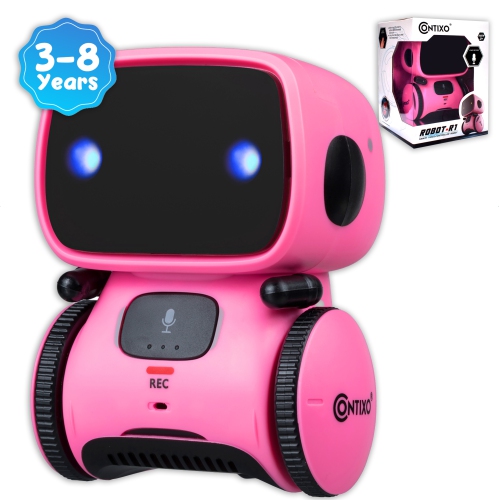 Your price for this item is $39.99
 -
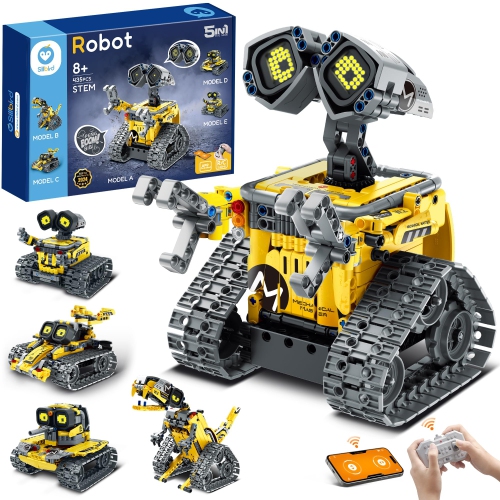 Your price for this item is $116.96
 -
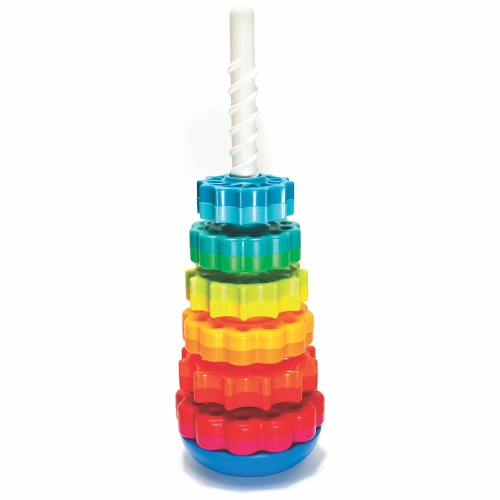 Your price for this item is $52.17
Discover more categories related to Maker Kits
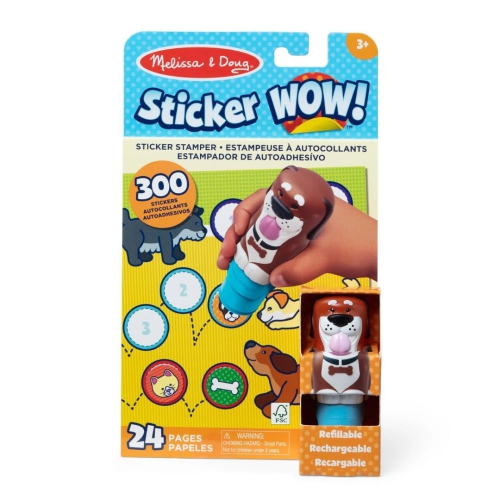
Top Collections:
Pokemon Centers, Budget 4K TVs, Best Budget Office Chairs, Kindle Devices, Canon G7X Cameras, Apple iPhones 16, iPhone 15 Apple, Laptops for Business Work, Xiaomi Phones, Flip Phones
Some products may be subject to Environmental Handling Fees
(EHF) depending on your province.
Learn more about EHFs.