Matte Finish Card Sleeves
Matte Finish Card Sleeves offer an ideal solution for keeping your trading cards, collectible cards, and game decks in top condition. Designed for easy handling and a refined appearance, these sleeves make organizing and displaying your collection effortless. Whether you’re preparing for game night or looking to protect valuable cards, Matte Finish Card Sleeves provide a practical option to help maintain the quality of your favorite cards while making each shuffle and draw smooth and enjoyable. Explore a variety of options to find the perfect fit for your card protection needs.
Sort


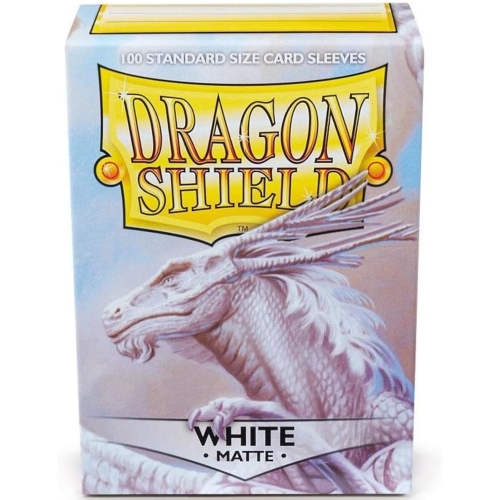


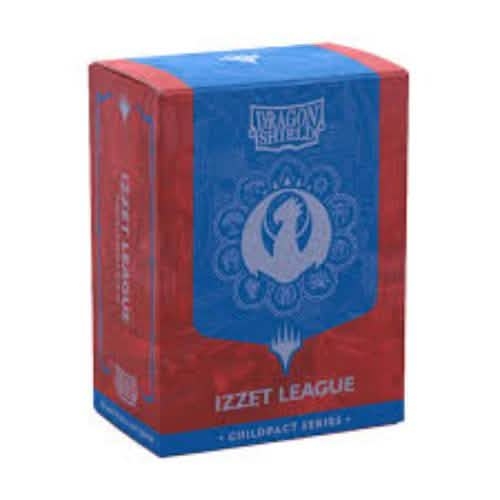

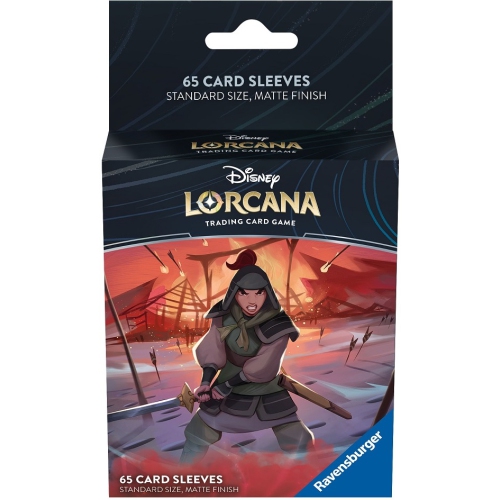


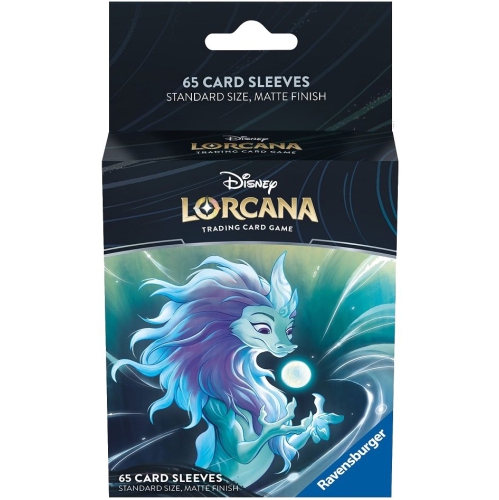




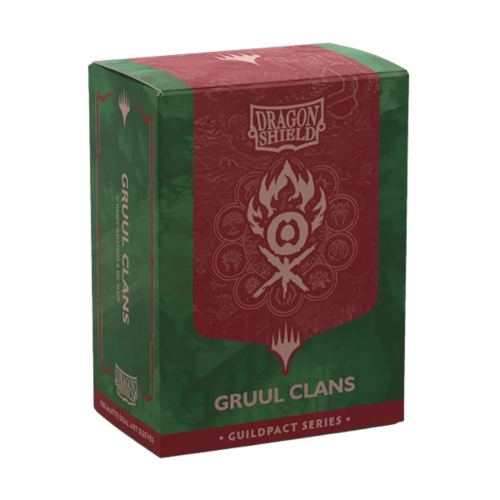


Why sleeve texture and front clarity matter
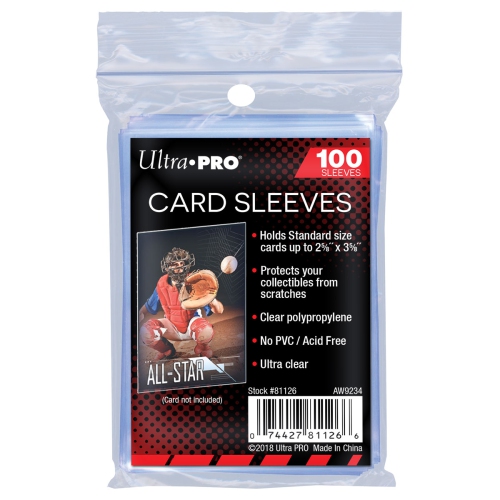
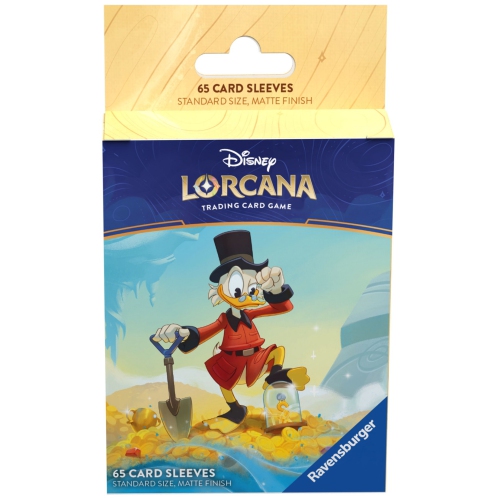
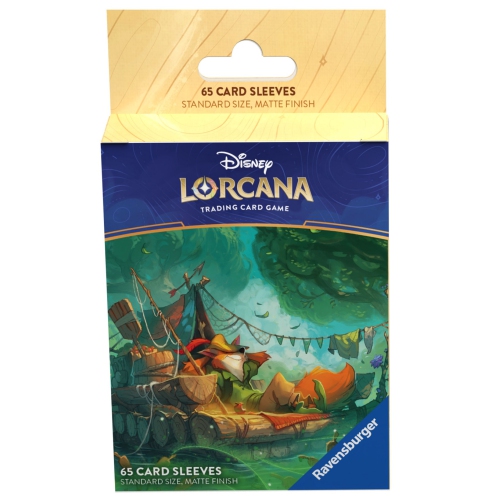
Matte finish card sleeves are protective covers for trading cards and game cards, typically featuring a textured back that improves grip and gives a deck a controlled shuffle feel. The texture can make individual cards easier to separate, especially when drawing from a neatly stacked deck or holding a wide fan of cards during play. A matte back is not necessarily the same as a matte front: some sleeves pair a textured reverse with a clear, glossy viewing surface, while others use a less reflective finish on the front as well. That distinction matters when comparing matte finish card sleeves with Anti-Glare Card Sleeves, because back texture affects handling, while the front finish affects reflections and the appearance of the card beneath it. Under bright overhead lighting, a reduced-glare front can make printed text easier to read from different seating positions, though it may also soften fine artwork or the shine of a foil card. A clear front generally preserves more of that visual detail. Many card sleeves are made from polypropylene, a flexible plastic that provides a thin barrier between the card and hands, tabletops, and neighbouring cards. For cards kept as part of a collection, acid-free and PVC-free material descriptions are useful details to check rather than qualities to assume from the word matte alone. The sleeve’s thickness, seams, clarity, and surface treatment all contribute to its feel and performance. A slightly firmer sleeve can give a deck a more substantial feel, while a thinner one adds less bulk to a storage box. Neither finish makes a card immune to bending, spills, or rough handling, but a well-fitting sleeve can help reduce everyday scuffs, fingerprints, and wear along the edges. The result is protection suited to cards that are handled repeatedly, with a tactile finish that supports comfortable play without hiding the card’s face.
Fit is one of the most important differences between card sleeves, since trading cards, compact game cards, and larger board game cards do not all share the same dimensions. The measurements on the packaging may describe the sleeve itself or the cards it is intended to hold, so a size label needs to be read alongside its stated use. A suitable fit leaves enough room to insert the card without force and enough coverage at the opening to protect its top edge. Too much space can let cards shift inside the sleeve, while an overly tight fit can make insertion difficult or place pressure on corners. Cards already enclosed in close-fitting inner sleeves need outer sleeves designed to accommodate that extra layer. Double-sleeving adds a further barrier, particularly around the opening when the inner and outer sleeves face opposite directions, but it also increases deck thickness and does not make the cards waterproof. That extra bulk affects more than storage: a tall deck can be harder to hold, shuffle, or keep stable on a narrow play area. Deck boxes, binder pockets, and game inserts also need sufficient clearance for sleeved cards rather than just bare cards. For a game with several separate decks, consistent sizing and finish help each stack handle predictably. Opaque backs are another useful consideration, especially when cards have different reverse designs or visible wear. A solid colour does not automatically guarantee complete opacity, and lighter colours can be worth checking for show-through. In organized play, uniform sleeve backs and condition may be required so that individual cards cannot be identified while face down; the event’s rules remain the deciding factor. Colour can also serve a practical purpose at a shared table, separating one player’s deck from another or distinguishing a main deck from reference cards. Matching sleeves within each playable deck keeps that organization clear without introducing unintended identifying marks.
Matte finish card sleeves suit frequent card-game players, board game households, collectors who handle their cards, and anyone who prefers a textured deck over a slick one. Their appeal becomes especially noticeable in familiar moments: lifting a single card from the top of a draw pile, gathering a hand without cards sliding against one another, or passing a shuffled deck across the table. Shuffle feel still varies with sleeve thickness, texture, card size, and technique. A textured back can help control, but it does not guarantee effortless shuffling, and pressing two stacks together too forcefully can damage corners or split seams. Gentle handling matters as much as the finish. For a heavily used deck, durability depends on how well the sleeve maintains its shape, whether its edges stay smooth, and how its welded seams hold up through repeated play. Dust and crumbs can collect near the opening, and oils from hands can gradually change the surface feel. Clean, dry hands and a tidy playing surface help keep both the sleeves and the cards in better condition. Any cleaning should follow the sleeve maker’s care directions, with cards removed before attempting to wipe the sleeves; moisture should never be trapped against the paper card. Sleeves that become torn, deeply scratched, sticky, or visibly different from the rest of a deck are better replaced than left in regular play. A deck box adds useful protection between sessions, particularly when cards travel in a bag alongside other belongings, while keeping unnecessary pressure off the stack helps prevent bending. As a gift, sleeves are a practical choice for someone who regularly brings a favourite deck to game night or wants to protect a well-used board game. Card dimensions, preferred front clarity, back colour, and the number of cards in the deck make that choice more personal and useful. Enough matching sleeves for the full deck, plus a few replacements, can keep its appearance consistent over time. The strongest match is one that balances protection, readable card faces, reliable fit, and a finish the player enjoys handling.
Top selling and popular products
-
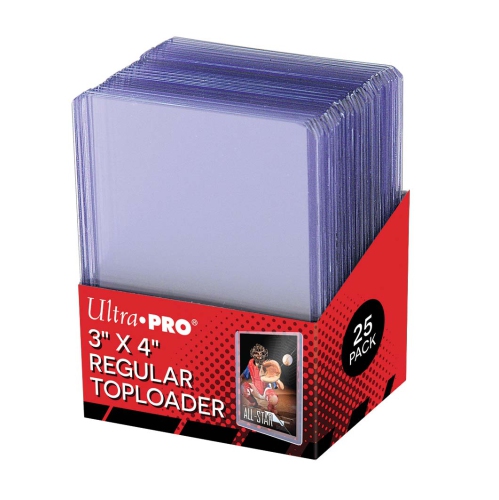 Your price for this item is $18
-
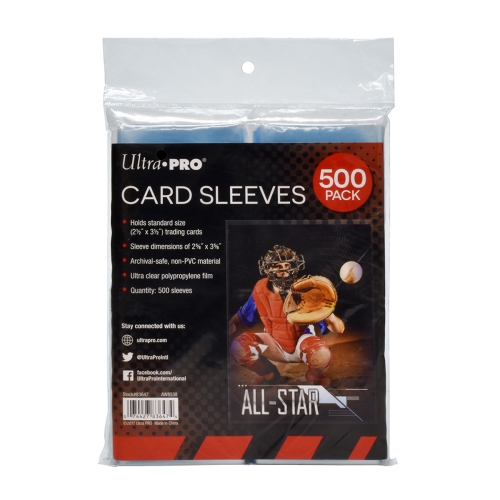 Your price for this item is $7.99
-
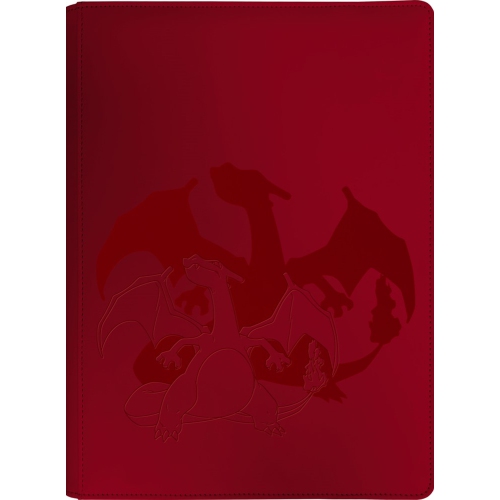 Your price for this item is $55
-
 Your price for this item is $3.39
-
 Your price for this item is $199.99
-
 Your price for this item is $35
-
 Your price for this item is $18.4
-
 Your price for this item is $13.8
Discover more categories related to Matte Finish Card Sleeves

Top Collections:
Pokemon Centers, Kindle Devices, Best Cameras for Sports Photography, Pokémon 30th Celebration Cards, Apple iPhones 16, Canon G7X Cameras, iPhone 15 Apple, Flip Phones, Samsung Galaxy Phones, Alarm Clock
Some products may be subject to Environmental Handling Fees
(EHF) depending on your province.
Learn more about EHFs.