Metal Scale Models
Discover the intricate craftsmanship and timeless appeal of metal scale models, perfect for collectors and enthusiasts alike. These detailed replicas capture the essence of iconic vehicles, aircraft, and more, making them a standout addition to any display or workspace. Whether you're expanding your collection or searching for a unique gift, metal scale models offer a blend of artistry and precision that’s sure to impress. Explore a wide selection and find the ideal piece to showcase your passion for miniature masterpieces.
Sort
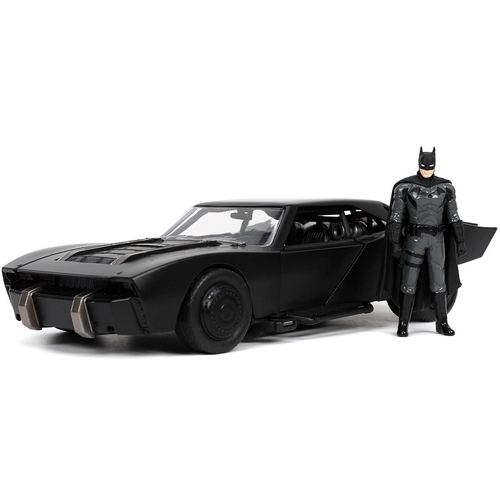
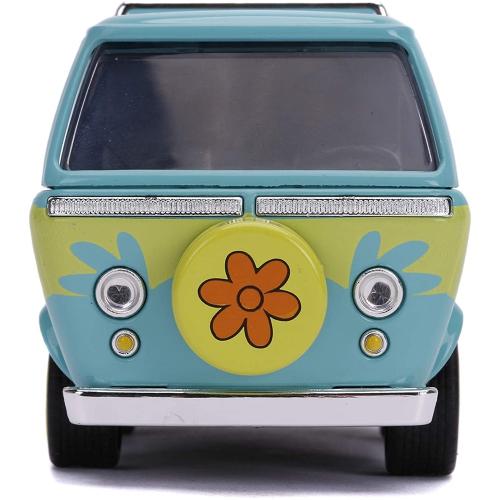
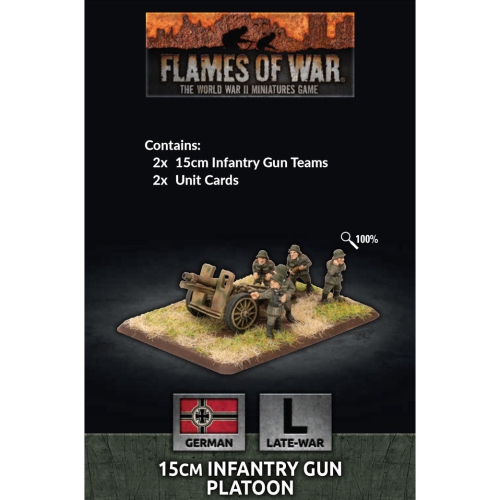
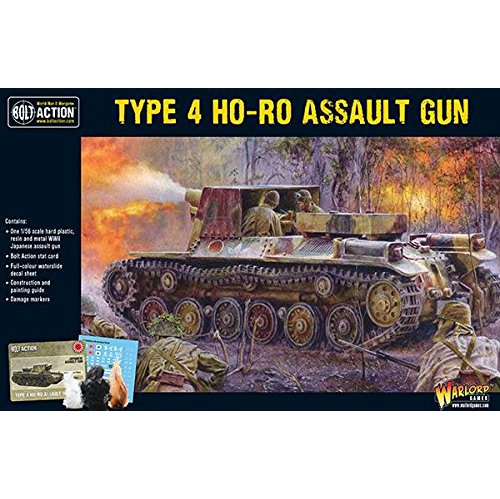
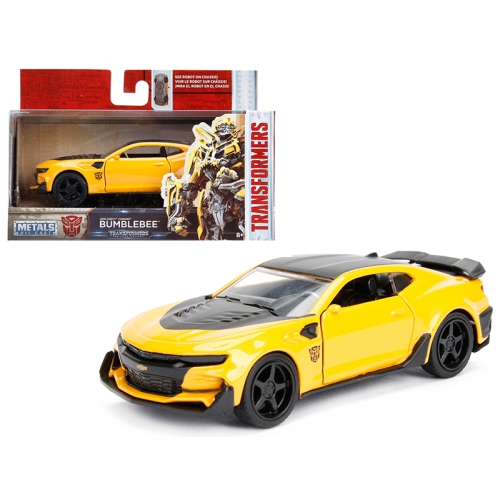
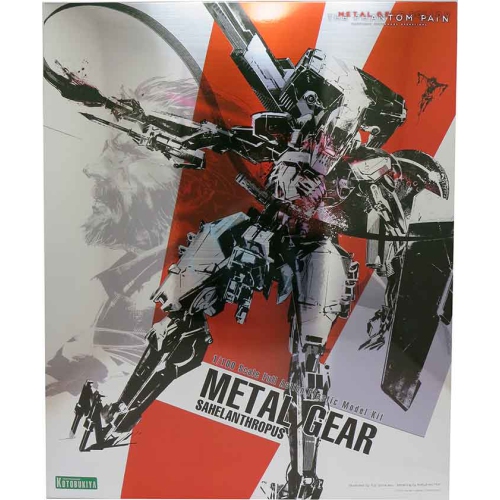
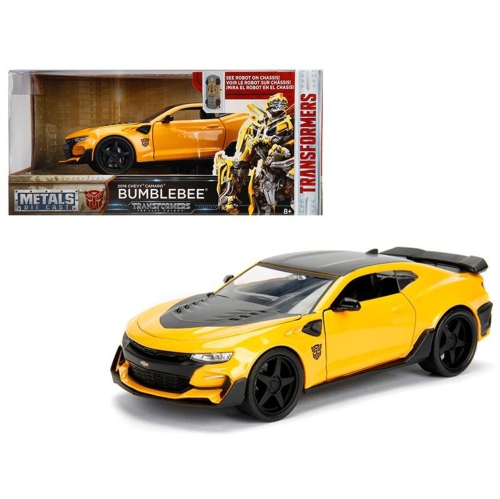
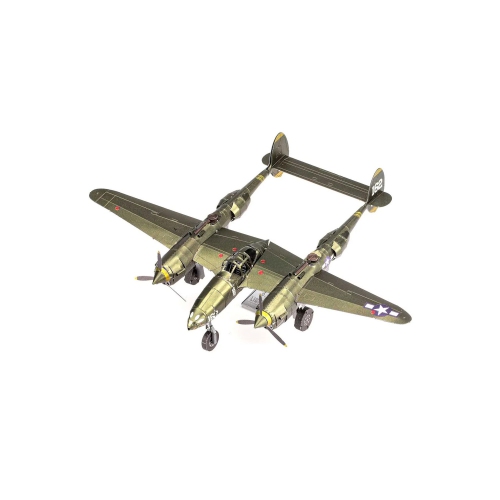
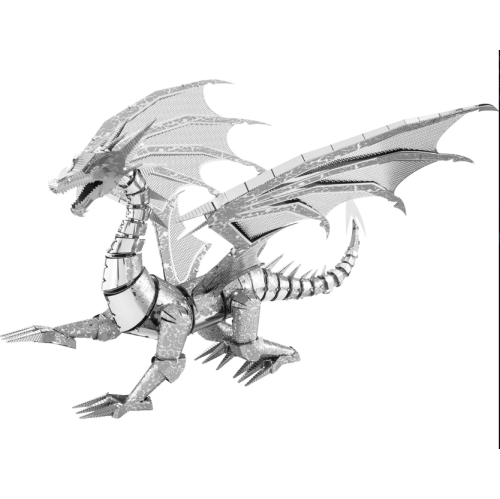

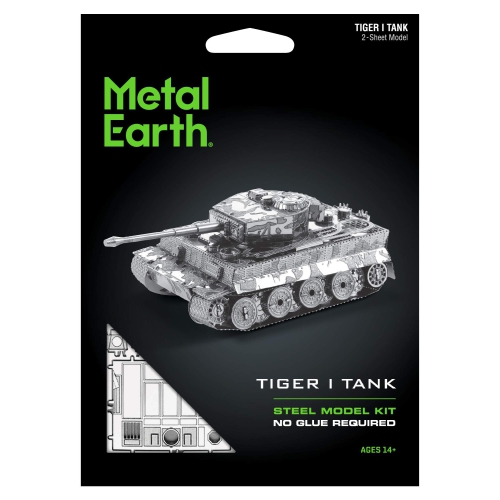
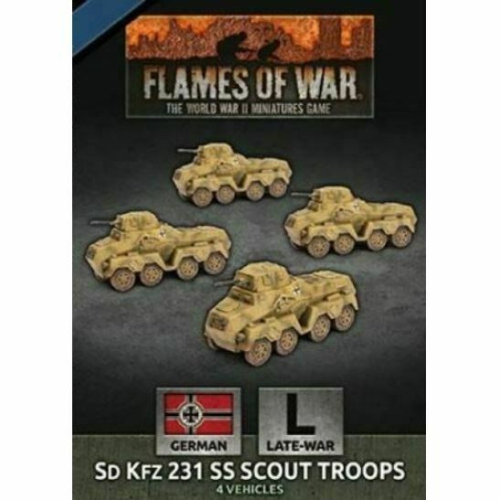
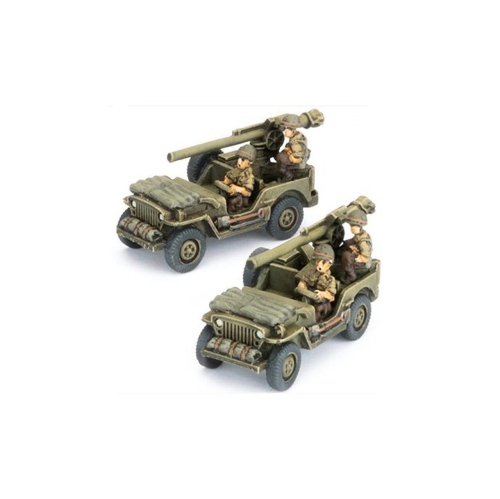
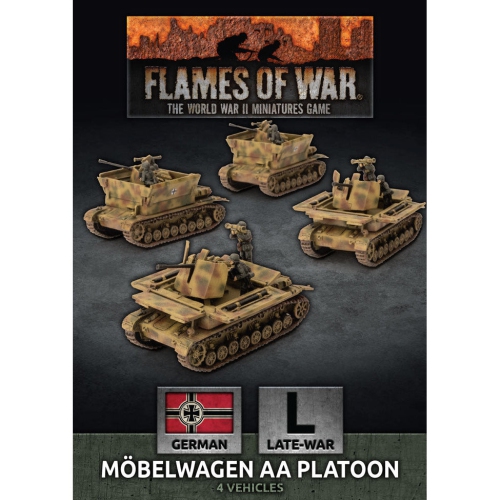
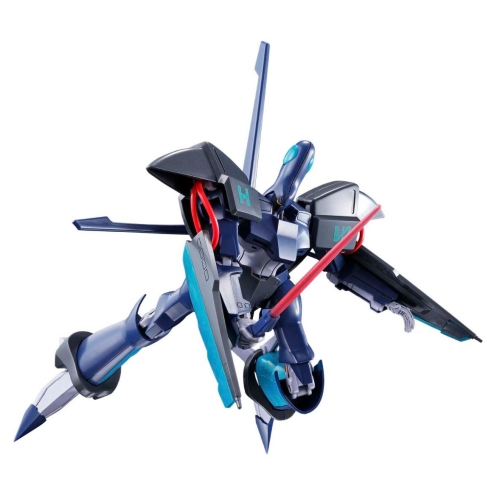
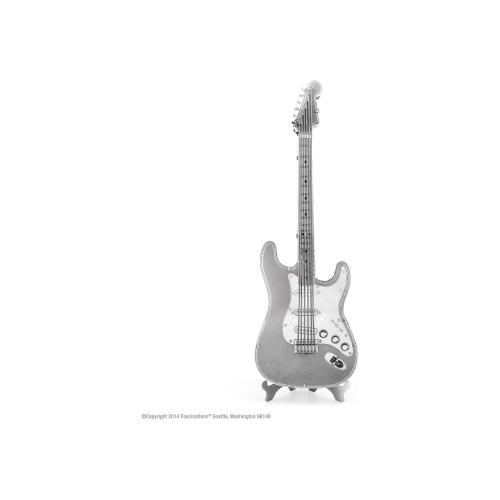
Intricate kits and diecast replicas reward a closer look
Metal scale models are miniature representations of vehicles, aircraft, ships, buildings, and other subjects, made primarily from metal and intended for assembly, display, or collecting. They range from flat-sheet kits with intricate etched details to ready-built diecast replicas with painted bodywork and fitted components. Common materials include stainless steel, brass, and diecast zinc alloys, each offering a different appearance and feel. Thin steel sheets can capture window frames, panel lines, and other fine features, while cast metal gives a miniature vehicle a solid body and noticeable weight. Some models combine metal with plastic, rubber, or clear components to represent tyres, interiors, glazing, and small fittings. The distinction between a kit and a finished replica matters: one offers the satisfaction of shaping and joining individual pieces, while the other puts the focus on the finished subject and its place in a collection. Scale describes the model’s size relative to the original. At 1:64, a measurement on the model represents 64 times that measurement on the full-size subject; at 1:18, the same subject produces a much larger miniature. Common automotive scales include 1:18, 1:24, and 1:64, while aircraft models often use ratios such as 1:72 or 1:100. These ratios help collectors compare proportions, but the finished dimensions still determine whether a model fits a particular shelf. A ship and a car at the same scale can occupy very different amounts of space, and some miniature subjects are sized for display rather than built to a stated scale. For collections centred on road vehicles, Scale Model Cars offer a closer focus on automotive shapes, body styles, and detailing. Across subjects, much of the appeal lies in familiar forms made small enough to study closely: the curve of a wing, the structure of a bridge, or the proportions of a classic car become details to appreciate from a new angle.
Construction style shapes the experience of owning metal model kits as much as the finished subject does. Many flat-sheet kits use laser-cut parts with etched surface detail, held together by tabs that pass through slots and are bent or twisted into position. These designs often require no glue, although the assembly method and tool requirements depend on the kit. Small cutters, fine-tipped pliers, and tweezers can help separate parts, form bends, and reach tight connections when specified by the manufacturer. A clear tabletop, good task lighting, and a shallow tray for loose pieces make detailed work easier to manage, particularly when several similar-looking parts are involved. Mechanical or bolt-together kits use metal plates, screws, nuts, and other fittings, giving the build a different rhythm from folding sheet metal. Some include moving mechanisms, but movement is a feature to verify rather than assume. Difficulty depends on more than the number of pieces. Tiny attachment points, curved panels, enclosed connections, and the order of assembly can make a compact model more demanding than a larger one. A beginner may find larger parts and straightforward folds more comfortable, while an experienced builder may enjoy forming compound curves or aligning multiple layers of detail. Fit matters throughout: properly seated connections help panels meet cleanly and keep the structure aligned, whereas forcing a part can distort a thin sheet or damage a tab. Repeated bending can weaken metal, so checking orientation before making a firm fold is especially useful. Pre-built diecast models suit collectors who prefer examining paintwork, proportions, and interior details without taking on an assembly project. Opening doors, rolling wheels, turning steering, and landing gear vary by design; many finely detailed replicas are intended to remain still. For a desk display viewed at arm’s length, the overall silhouette and finish may stand out most. In a cabinet where a model can be examined closely, neatly fitted glazing, crisp markings, and carefully represented mechanical details can make a greater difference.
Metal scale models suit a wide range of interests, from transport history and architecture to engineering and the simple pleasure of working with small, precise parts. A model can make a thoughtful gift when its subject connects with the recipient: an aviation enthusiast may appreciate an aircraft’s outline and livery, while someone interested in buildings may enjoy a miniature that reveals structural details from every side. The choice between an assembled model and a kit also reflects how that person likes to spend time. A finished replica can become a focal point on a bookcase, while a detailed kit offers a hands-on project to return to over several quiet evenings during the cooler months. Age ratings and intended use deserve close attention, since metal construction does not automatically make a model suitable for children or active play. Small parts, sharp sheet edges, delicate projections, and the tools needed for assembly can make some kits appropriate only for older builders or adults. Even a substantial diecast body may have fragile mirrors, antennas, propellers, or undercarriage parts. For display, the practical fit includes the model’s full width and height, any stand, and clearance around projecting details. A stable shelf keeps heavier pieces secure, and an enclosed case helps limit dust while allowing the model to remain visible. Care is usually gentle rather than intensive: a soft brush can lift dust from recesses, and a clean microfibre cloth can help maintain suitable smooth surfaces, following the manufacturer’s care directions. Abrasive cleaners and strong solvents can damage paint, printed markings, adhesives, or clear parts. Handling a model by its main body or supported base, rather than a wingtip or railing, reduces strain on small joints. Dry indoor storage is generally preferable, as moisture can affect certain metals and finishes, while prolonged direct sunlight may fade painted details. With thoughtful placement and careful handling, both assembled kits and finished replicas can retain their visual appeal, whether displayed as a single meaningful piece or arranged into a collection linked by subject, era, or scale.
Construction style shapes the experience of owning metal model kits as much as the finished subject does. Many flat-sheet kits use laser-cut parts with etched surface detail, held together by tabs that pass through slots and are bent or twisted into position. These designs often require no glue, although the assembly method and tool requirements depend on the kit. Small cutters, fine-tipped pliers, and tweezers can help separate parts, form bends, and reach tight connections when specified by the manufacturer. A clear tabletop, good task lighting, and a shallow tray for loose pieces make detailed work easier to manage, particularly when several similar-looking parts are involved. Mechanical or bolt-together kits use metal plates, screws, nuts, and other fittings, giving the build a different rhythm from folding sheet metal. Some include moving mechanisms, but movement is a feature to verify rather than assume. Difficulty depends on more than the number of pieces. Tiny attachment points, curved panels, enclosed connections, and the order of assembly can make a compact model more demanding than a larger one. A beginner may find larger parts and straightforward folds more comfortable, while an experienced builder may enjoy forming compound curves or aligning multiple layers of detail. Fit matters throughout: properly seated connections help panels meet cleanly and keep the structure aligned, whereas forcing a part can distort a thin sheet or damage a tab. Repeated bending can weaken metal, so checking orientation before making a firm fold is especially useful. Pre-built diecast models suit collectors who prefer examining paintwork, proportions, and interior details without taking on an assembly project. Opening doors, rolling wheels, turning steering, and landing gear vary by design; many finely detailed replicas are intended to remain still. For a desk display viewed at arm’s length, the overall silhouette and finish may stand out most. In a cabinet where a model can be examined closely, neatly fitted glazing, crisp markings, and carefully represented mechanical details can make a greater difference.
Metal scale models suit a wide range of interests, from transport history and architecture to engineering and the simple pleasure of working with small, precise parts. A model can make a thoughtful gift when its subject connects with the recipient: an aviation enthusiast may appreciate an aircraft’s outline and livery, while someone interested in buildings may enjoy a miniature that reveals structural details from every side. The choice between an assembled model and a kit also reflects how that person likes to spend time. A finished replica can become a focal point on a bookcase, while a detailed kit offers a hands-on project to return to over several quiet evenings during the cooler months. Age ratings and intended use deserve close attention, since metal construction does not automatically make a model suitable for children or active play. Small parts, sharp sheet edges, delicate projections, and the tools needed for assembly can make some kits appropriate only for older builders or adults. Even a substantial diecast body may have fragile mirrors, antennas, propellers, or undercarriage parts. For display, the practical fit includes the model’s full width and height, any stand, and clearance around projecting details. A stable shelf keeps heavier pieces secure, and an enclosed case helps limit dust while allowing the model to remain visible. Care is usually gentle rather than intensive: a soft brush can lift dust from recesses, and a clean microfibre cloth can help maintain suitable smooth surfaces, following the manufacturer’s care directions. Abrasive cleaners and strong solvents can damage paint, printed markings, adhesives, or clear parts. Handling a model by its main body or supported base, rather than a wingtip or railing, reduces strain on small joints. Dry indoor storage is generally preferable, as moisture can affect certain metals and finishes, while prolonged direct sunlight may fade painted details. With thoughtful placement and careful handling, both assembled kits and finished replicas can retain their visual appeal, whether displayed as a single meaningful piece or arranged into a collection linked by subject, era, or scale.
Top selling and popular products
-
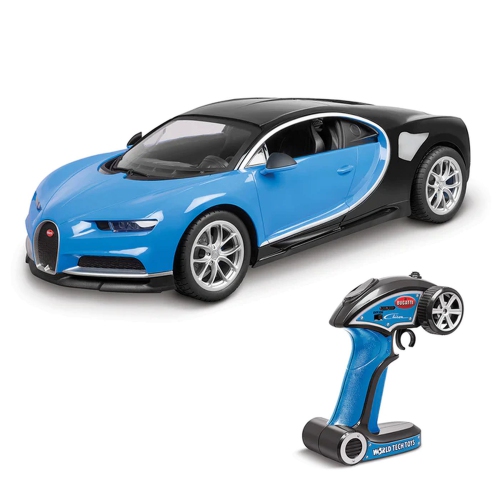 Your price for this item is $119.99
 -
 Your price for this item is $103.49
 -
 Your price for this item is $59.99
 -
 Your price for this item is $6
 -
 Your price for this item is $13.79
 -
 Your price for this item is $16
 -
 Your price for this item is $69.99
 -
 Your price for this item is $38.21
Discover more categories related to Metal Scale Models
Top Collections:
Pokemon Centers, Kindle Devices, Best Budget Office Chairs, Apple iPhones 16, Best Laptops for Writers, iPhone 15 Apple, Canon G7X Cameras, Refurbished Apple Laptops, Alarm Clock, Motorola Razr Phones
Some products may be subject to Environmental Handling Fees
(EHF) depending on your province.
Learn more about EHFs.