Microscopes With Light
Explore the fascinating world of microscopy with our selection of microscopes with built-in lights. Perfect for hobbyists, students, and professionals alike, these instruments offer high-quality optics and illumination to enhance your viewing experience. Whether you're examining tiny organisms, conducting scientific research, or simply satisfying your curiosity, our range of microscopes with lights provides the clarity and precision you need for detailed observations. Dive into the intricate details of the microcosm with ease and precision using these advanced tools designed to unlock a whole new realm of discovery.
Sort
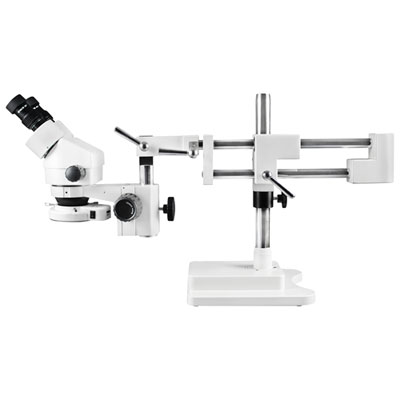
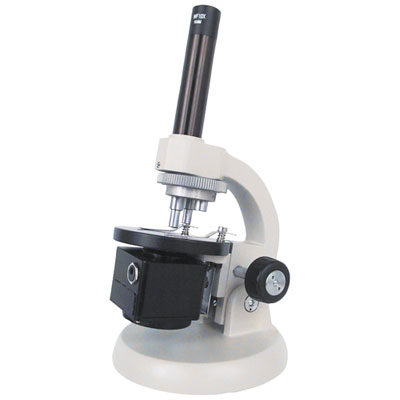
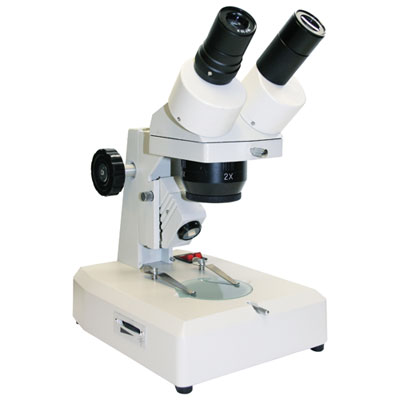
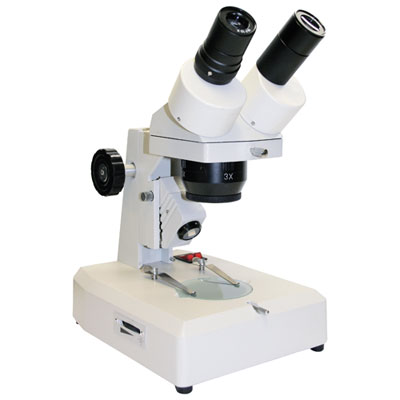

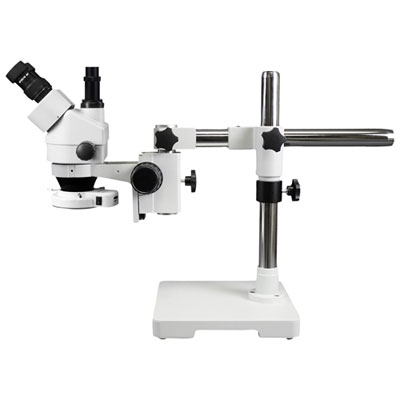
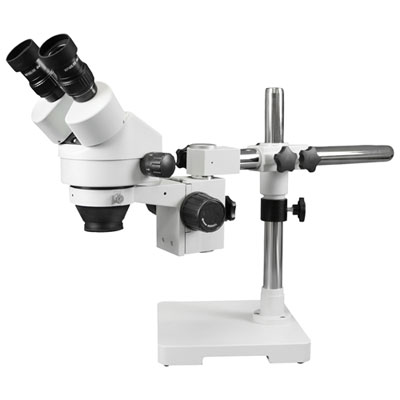
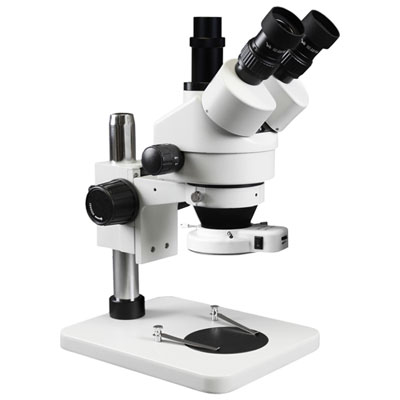
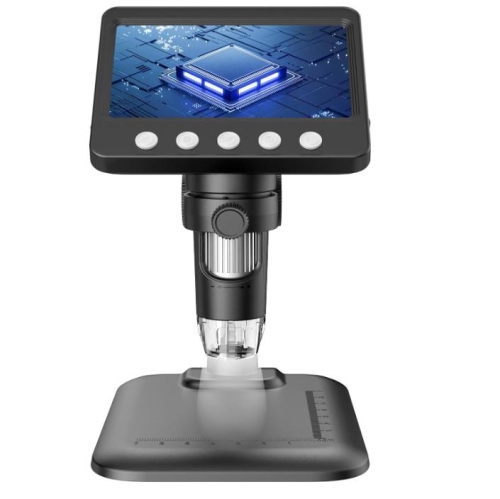
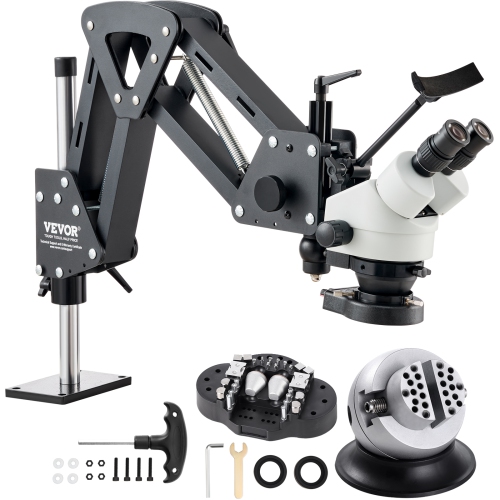
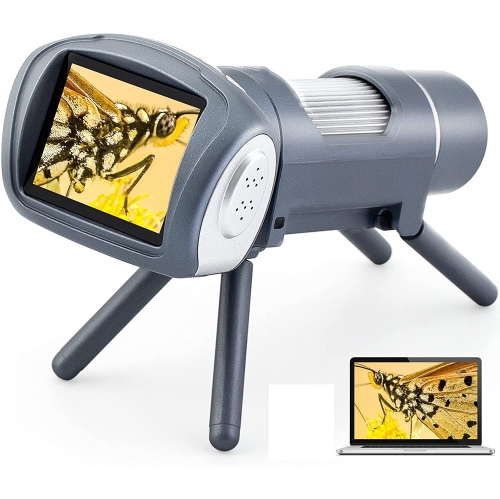
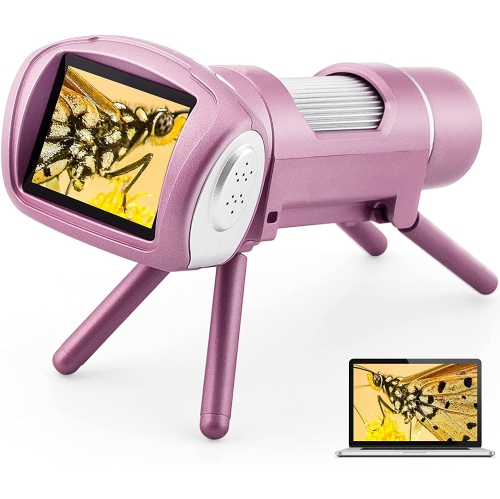
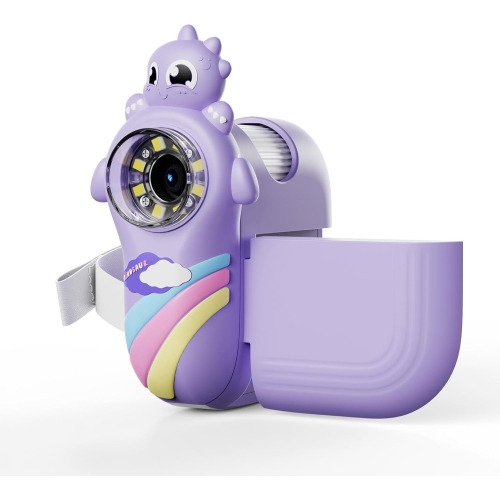
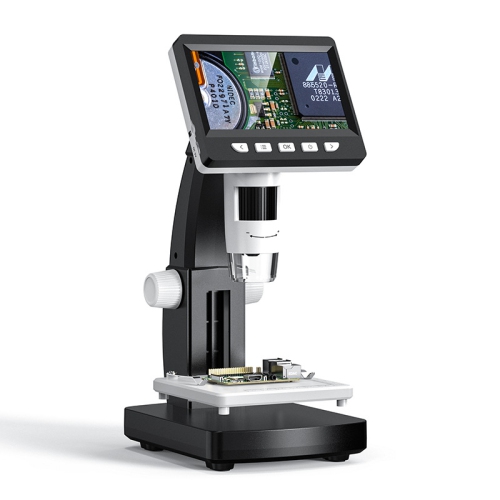
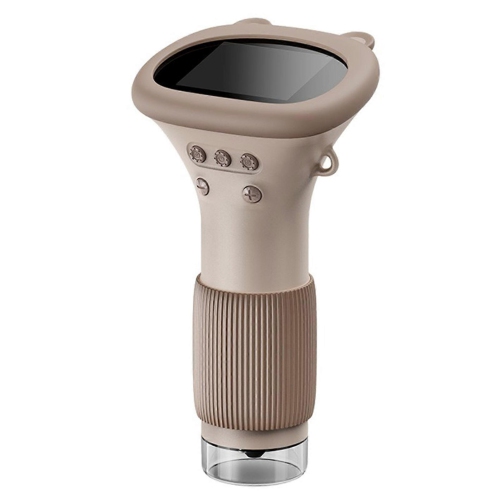
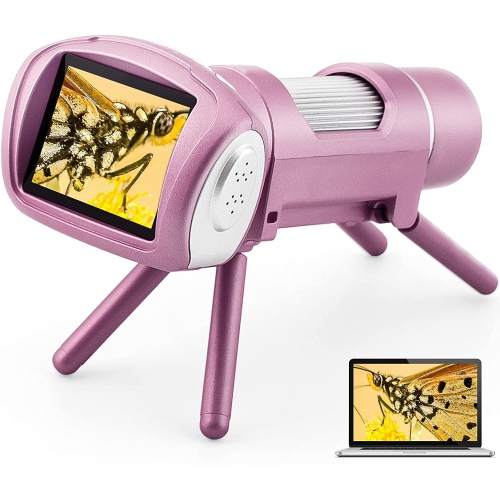
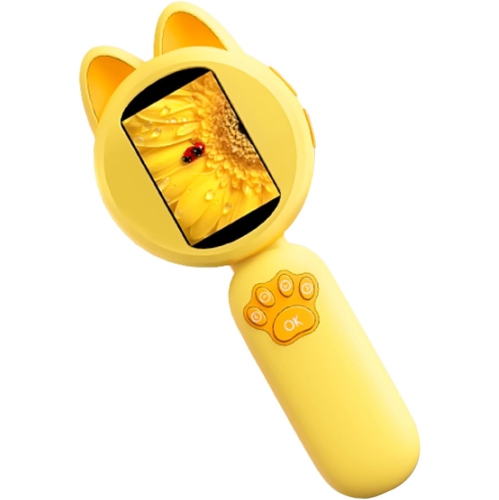
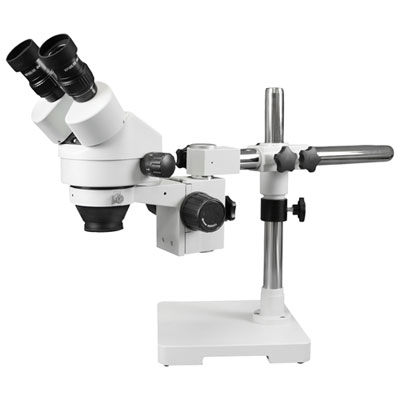
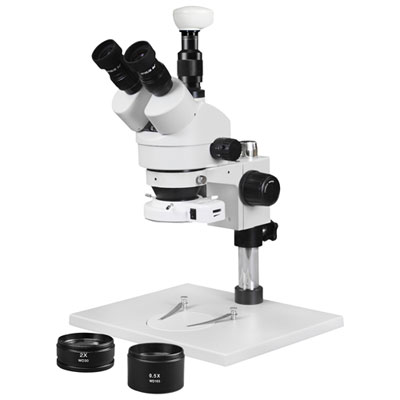
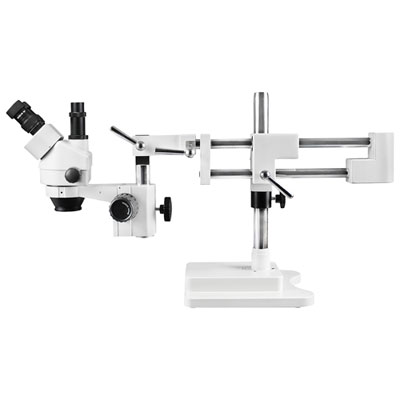
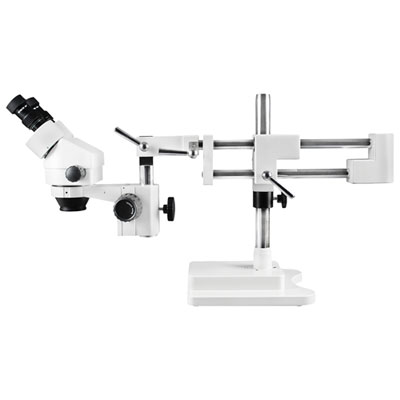
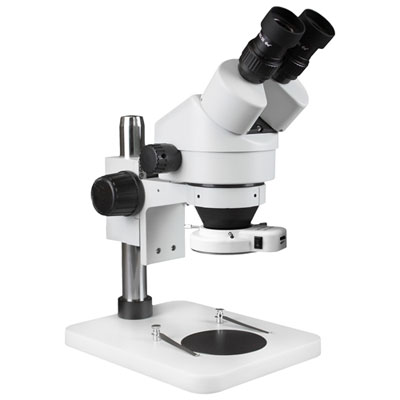
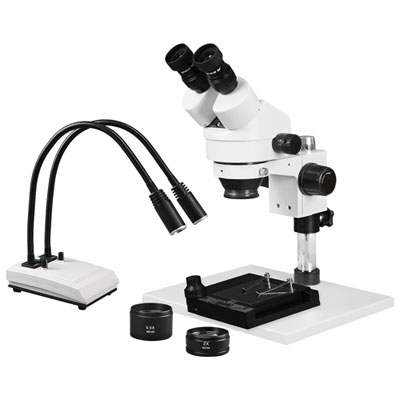
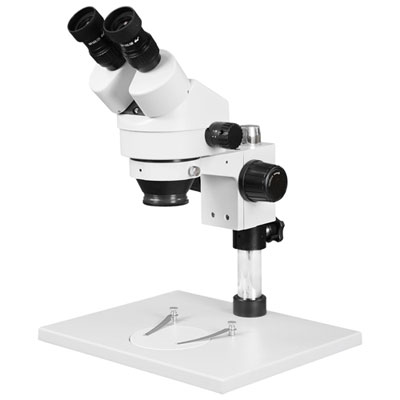
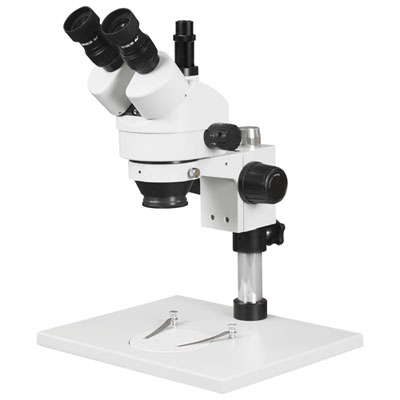
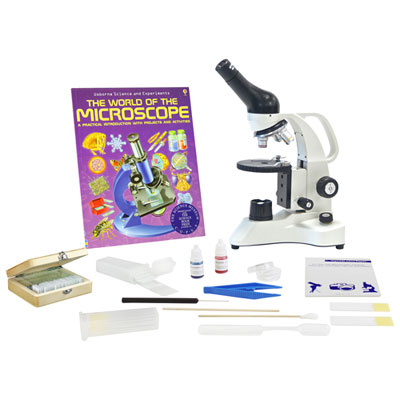
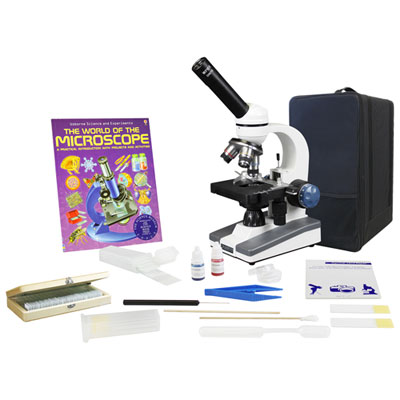

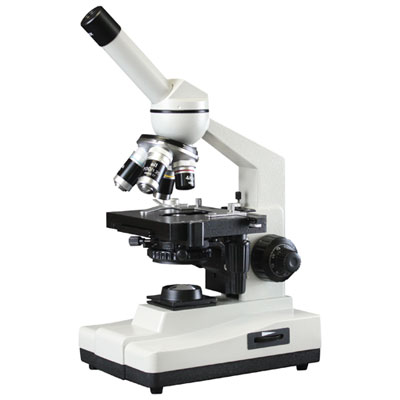
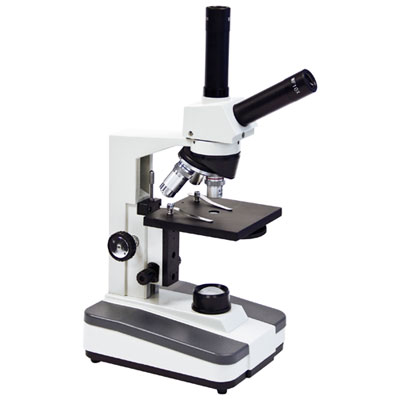
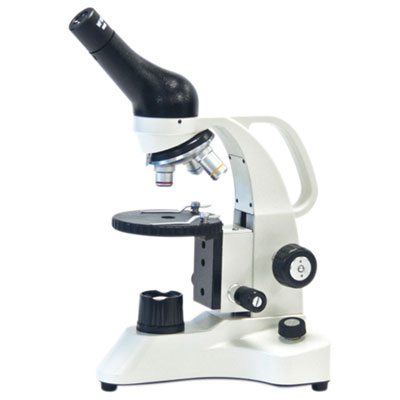
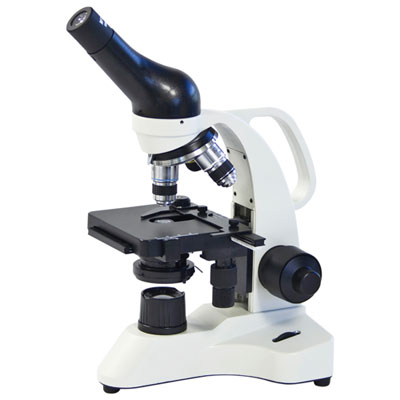
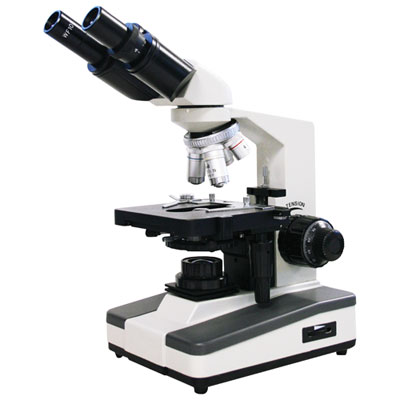
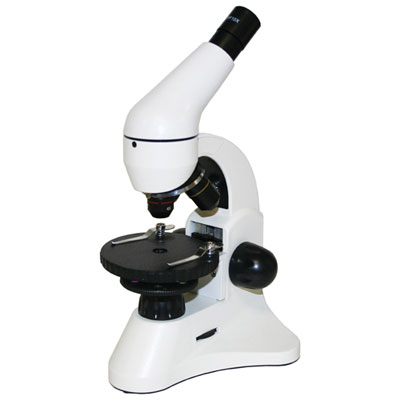
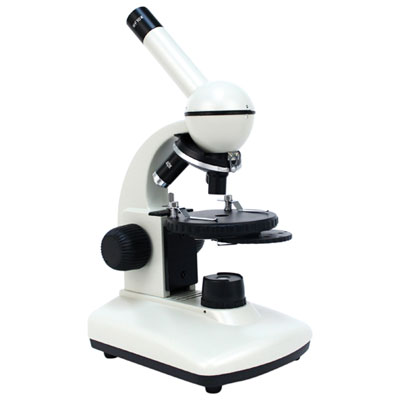
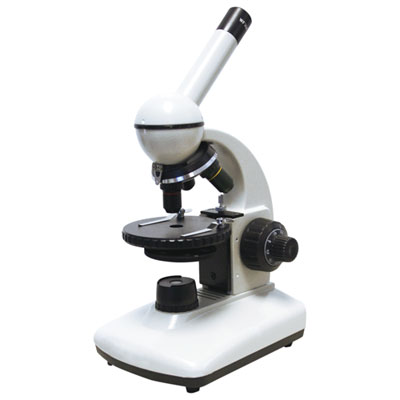
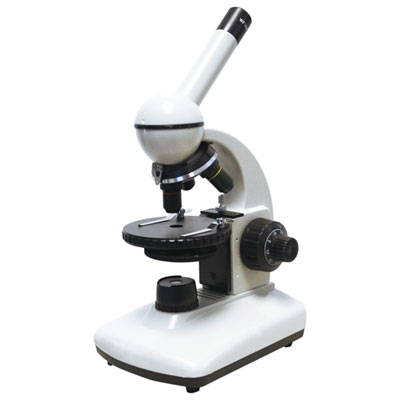
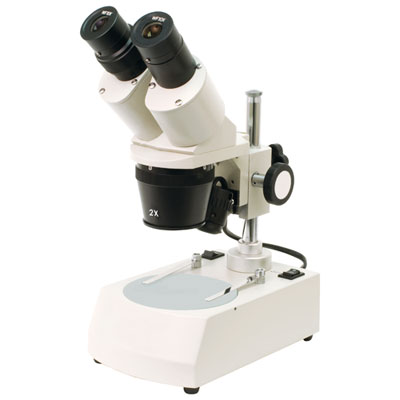
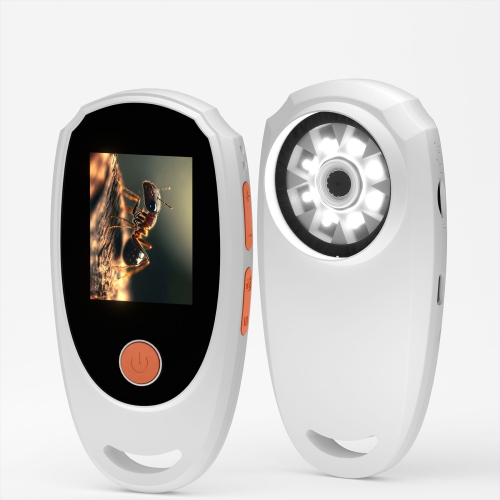
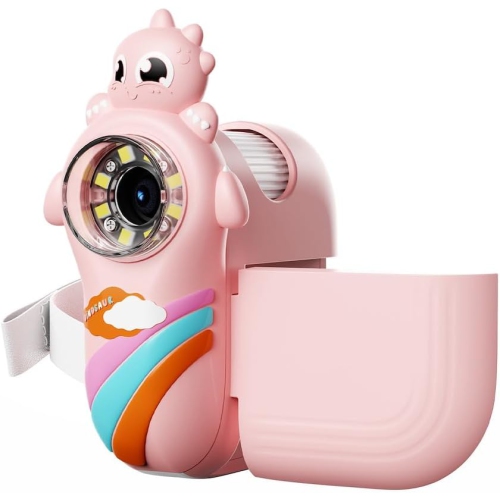
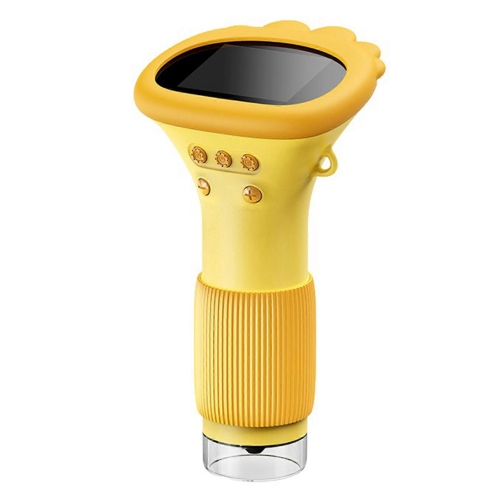
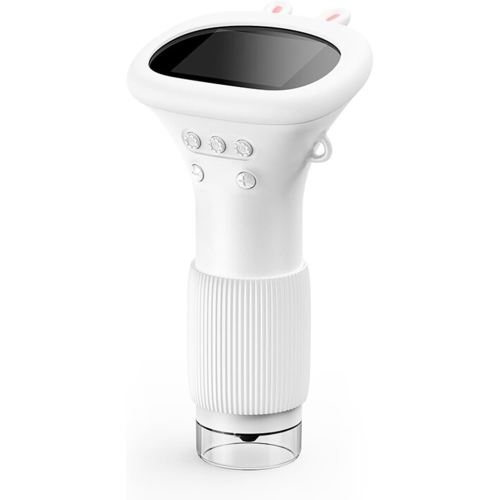
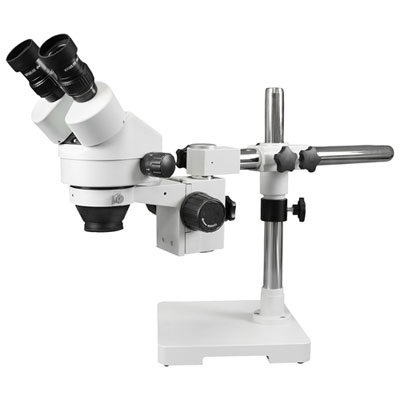
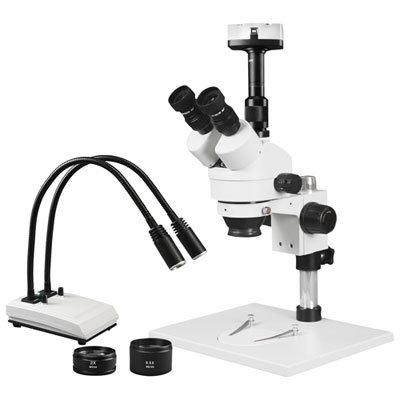
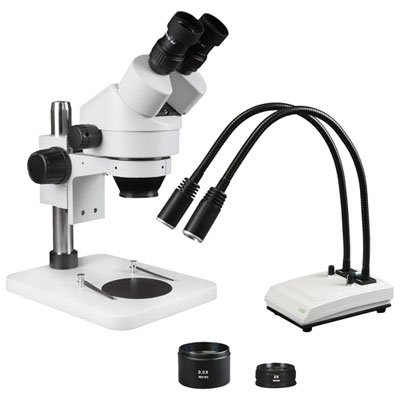
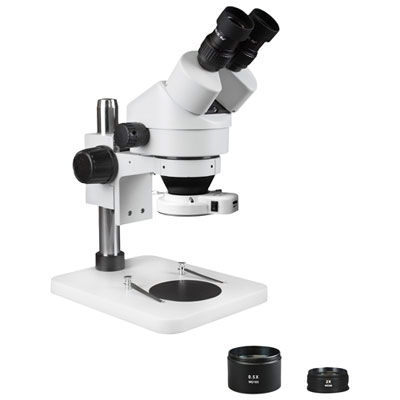
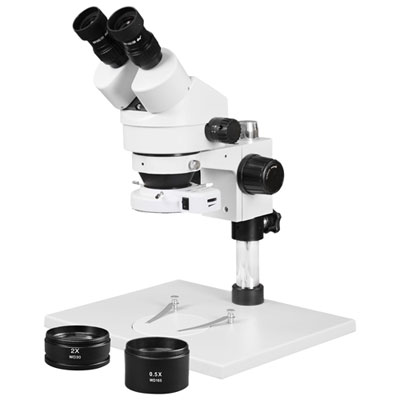
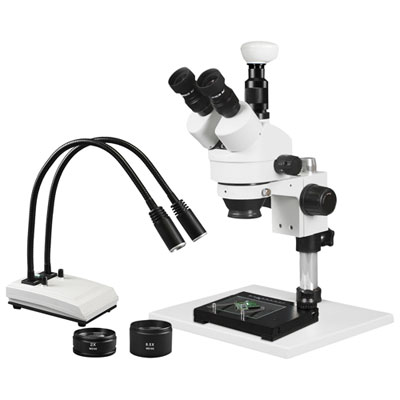
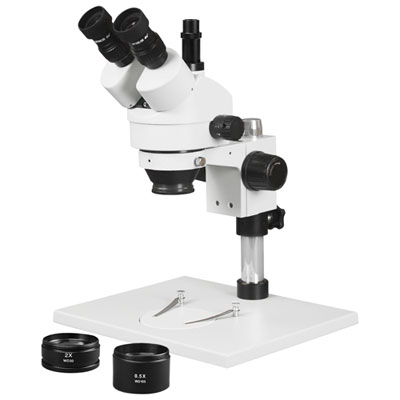
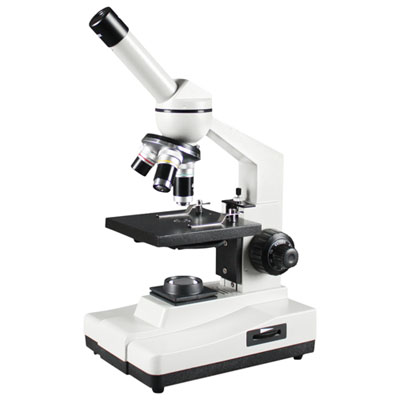
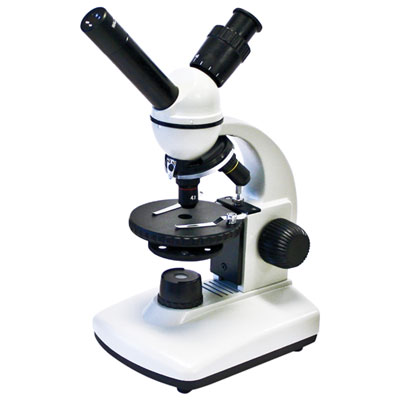
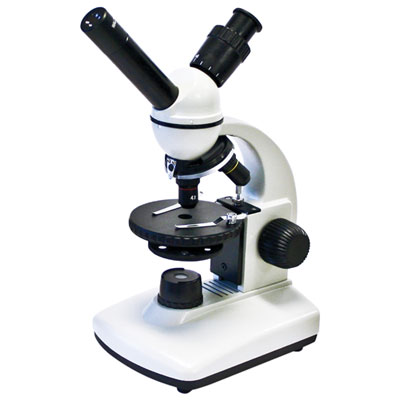
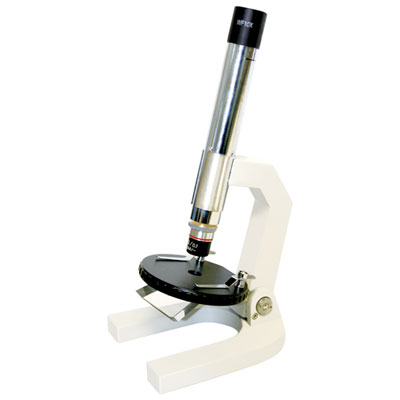
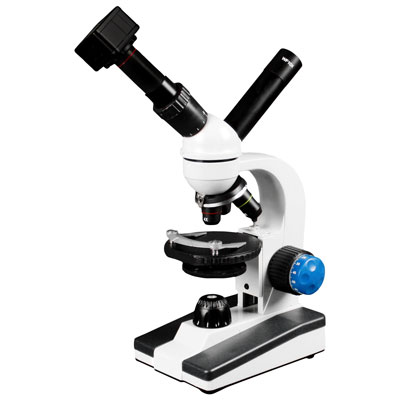
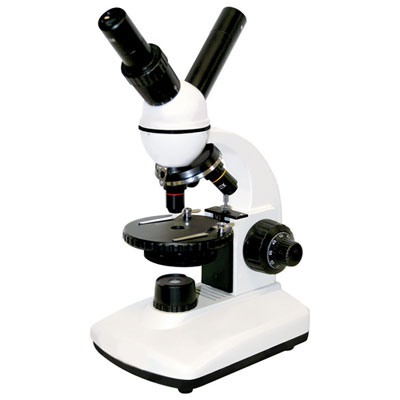
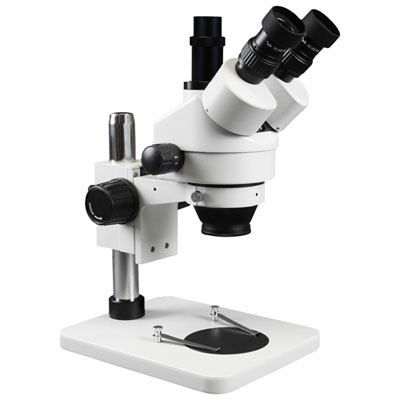
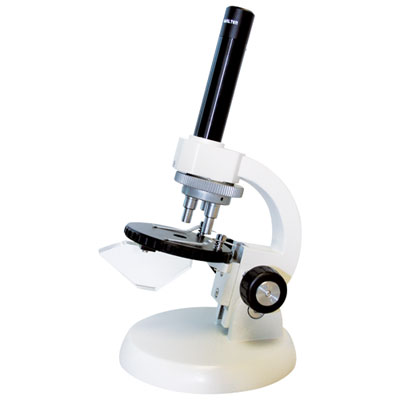

Illumination and magnification for clearer close-up observations
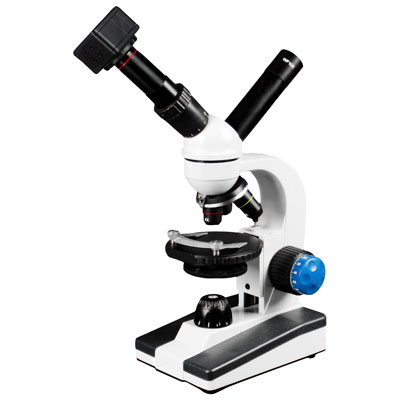
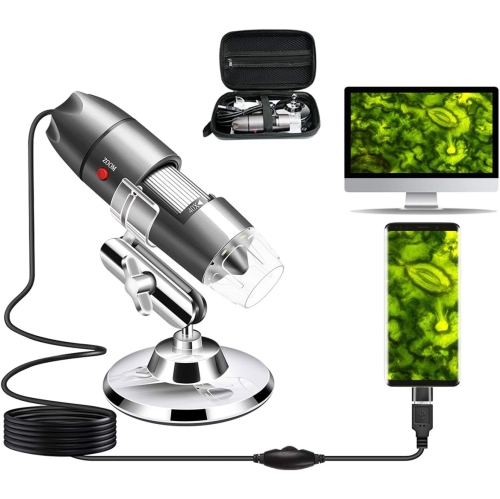
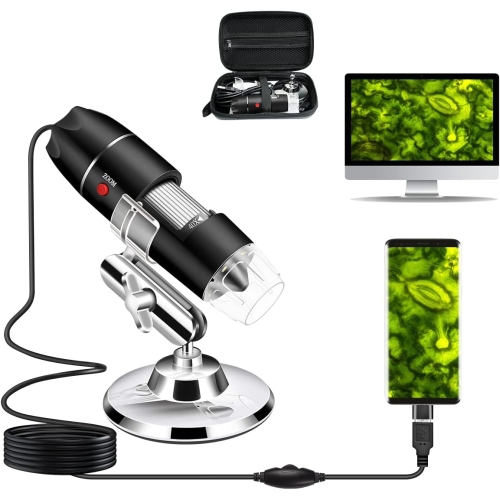
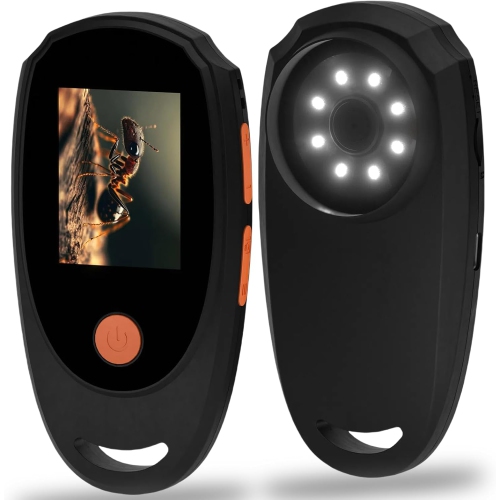
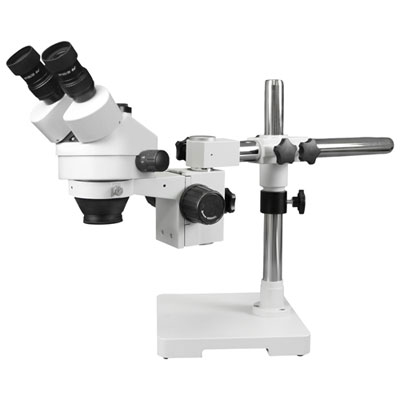
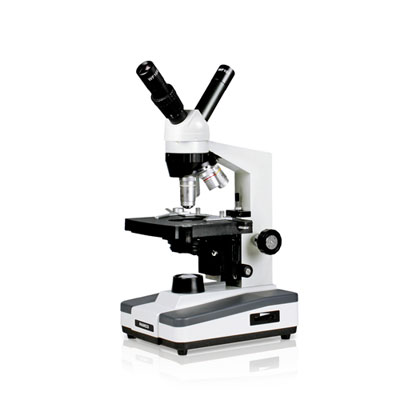
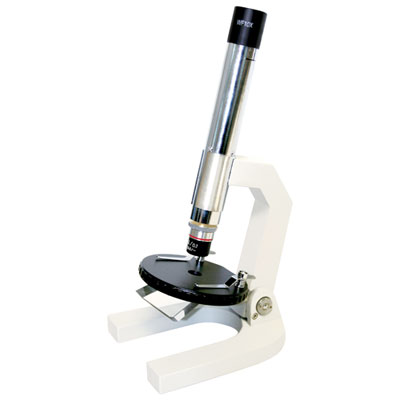
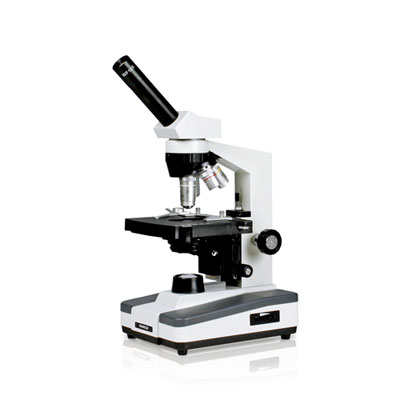
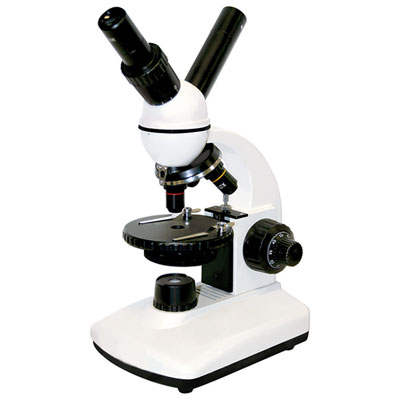
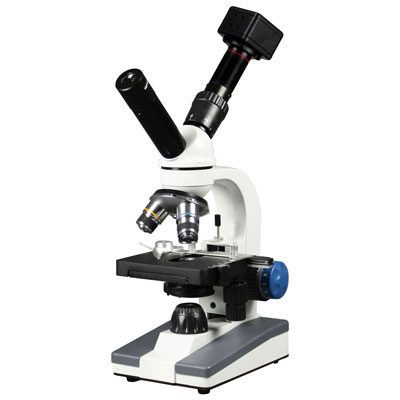
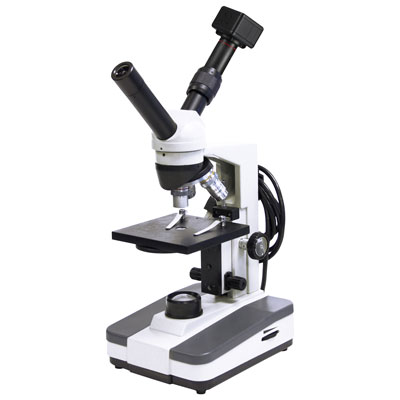
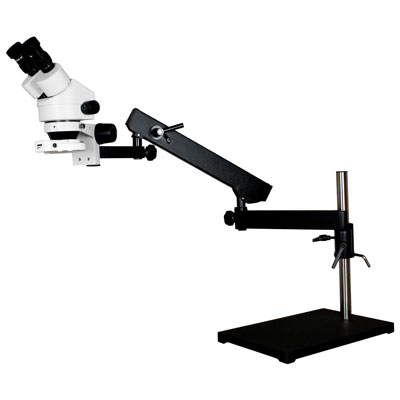
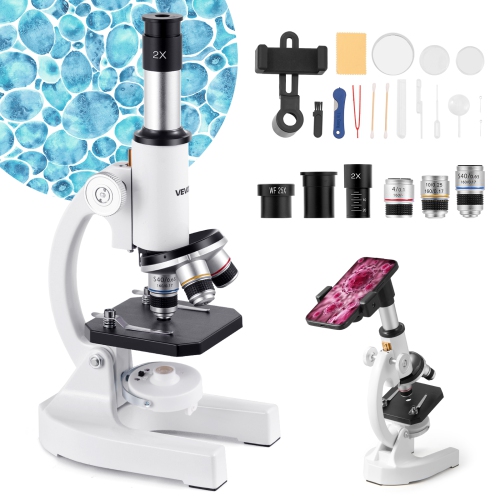
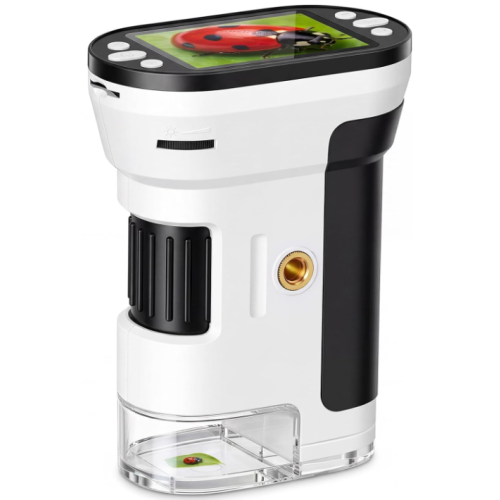
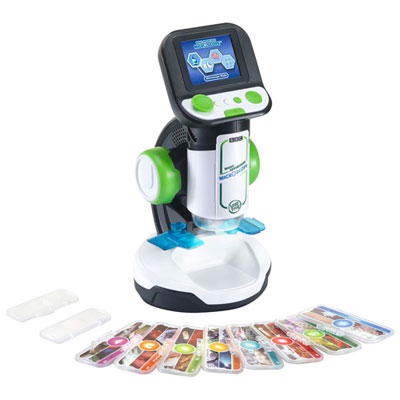
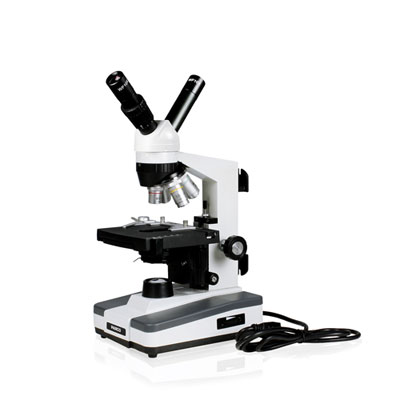
Microscopes with light make the hidden details of everyday objects easier to see, from the delicate structure of a leaf to the fibres in a piece of fabric. A built-in LED is the most common light source because it provides bright, steady illumination beneath the stage and usually uses little power. Some traditional models use a mirror to reflect room light, while others combine transmitted light from below with a top light that shines onto the surface of a solid object. This distinction matters when choosing a microscope: transmitted light is well suited to thin, transparent samples prepared on glass slides, while reflected light is useful for examining coins, insects, rocks, circuit boards, plant parts, and other objects that do not allow light to pass through them. Many models have adjustable brightness, which helps bring out detail without creating glare. When comparing options, look at the magnification range, illumination style, focusing system, stage design, and overall size. A compound microscope typically uses an eyepiece with a 10x magnification and interchangeable objective lenses such as 4x, 10x, and 40x. The total magnification is calculated by multiplying the eyepiece power by the objective power, so a 10x eyepiece paired with a 40x objective provides 400x magnification. Higher magnification can reveal individual cells and fine structures, but it also requires a carefully prepared, thin sample, a steady stage, and precise focusing. A stereo, or dissecting, microscope generally offers lower magnification but a three-dimensional view, making it easier to inspect larger solid objects. Pocket microscopes are compact and convenient for field observations, school projects, and quick examinations away from a desk. If the microscope will be shared by children or used in a classroom, a sturdy base, simple controls, and built-in illumination can make the experience more enjoyable. For an older student, hobbyist, or aspiring science professional, a wider range of objectives, a mechanical stage, fine focus controls, and compatibility with prepared slides may be more important. Families looking for a hands-on gift can also explore Scientific Microscopes alongside accessories such as blank slides, coverslips, droppers, specimen containers, and lens-cleaning paper.
A lighted microscope can turn a quiet afternoon into a small investigation. A child might place a thin piece of onion skin on a slide and adjust the focus until the regular pattern of cells comes into view. A student may compare the veins in a fresh leaf with the branching lines in a dried one, while a hobbyist examines the edge of a feather, the surface of a mineral, or the weave of a favourite fabric. During the warmer part of the year, a portable model can accompany nature observations outdoors, where a fallen leaf, flower petal, or small piece of bark offers a new subject for close inspection. During the cooler months, a tabletop microscope provides an inviting way to continue exploring science indoors, especially when paired with a notebook for sketches, observations, and magnification settings. The best results usually come from starting with the lowest-power objective. Place the slide or object securely on the stage, centre the area of interest, and use the coarse focus knob only at low power. Once the image is nearly clear, switch to the fine focus knob for a sharper view. At higher magnification, even a small movement can shift the subject out of frame, so a stable table and a gentle touch are helpful. A built-in stage clip or mechanical stage can keep slides from drifting, while a rotating nosepiece allows the user to change objective lenses smoothly. Transparent samples often look best when the light beneath the stage is adjusted gradually; too much brightness can wash out subtle details, while too little can make the image appear dull. When examining opaque objects under top illumination, angle and brightness can reveal texture, ridges, and surface variation. For beginners, easy-to-prepare samples are often more rewarding than complicated specimens. Prepared slides offer an immediate view of familiar biological structures, while clear tape, a drop of water, and a clean slide can create simple experiments using pollen, pond water, salt crystals, or fibres. Some samples may require staining to increase contrast, but stains and glass slides should be handled according to their instructions and kept away from young children.
Good microscope habits help protect both the equipment and the person using it. Carry a full-size microscope with two hands: one hand should support the base while the other holds the arm. Set it down on a level surface with enough room to adjust the stage and focus without knocking nearby objects. Before raising the magnification, check that the objective lens will not touch the slide; the coarse focus knob should not be used at high power because it can drive the lens into the glass and cause damage. Keep fingers away from the viewing surfaces of the eyepiece and objective lenses, as fingerprints can blur the image and attract dust. Lens paper or a product-approved optical cloth is preferable to household paper towels, which can leave fibres or create fine scratches. Turn off the illumination when the session is finished, remove slides, lower the stage if appropriate, and store the microscope where it will not be exposed to moisture, heat, or accidental knocks. If batteries are used, check the manufacturer’s storage recommendations when the microscope will be set aside for an extended period. For a first microscope, prioritise comfortable viewing, straightforward controls, dependable lighting, and a magnification range that matches the intended subjects rather than choosing the highest number on the box. A student studying prepared biological slides may benefit from a compound model with several objectives, whereas a child exploring insects, leaves, and household textures may find a stereo or pocket design easier to use. With the right combination of light, lenses, focus controls, and samples, a microscope becomes more than a magnifying tool: it is a practical way to slow down, observe carefully, and discover the intricate patterns hidden in ordinary surroundings.
A lighted microscope can turn a quiet afternoon into a small investigation. A child might place a thin piece of onion skin on a slide and adjust the focus until the regular pattern of cells comes into view. A student may compare the veins in a fresh leaf with the branching lines in a dried one, while a hobbyist examines the edge of a feather, the surface of a mineral, or the weave of a favourite fabric. During the warmer part of the year, a portable model can accompany nature observations outdoors, where a fallen leaf, flower petal, or small piece of bark offers a new subject for close inspection. During the cooler months, a tabletop microscope provides an inviting way to continue exploring science indoors, especially when paired with a notebook for sketches, observations, and magnification settings. The best results usually come from starting with the lowest-power objective. Place the slide or object securely on the stage, centre the area of interest, and use the coarse focus knob only at low power. Once the image is nearly clear, switch to the fine focus knob for a sharper view. At higher magnification, even a small movement can shift the subject out of frame, so a stable table and a gentle touch are helpful. A built-in stage clip or mechanical stage can keep slides from drifting, while a rotating nosepiece allows the user to change objective lenses smoothly. Transparent samples often look best when the light beneath the stage is adjusted gradually; too much brightness can wash out subtle details, while too little can make the image appear dull. When examining opaque objects under top illumination, angle and brightness can reveal texture, ridges, and surface variation. For beginners, easy-to-prepare samples are often more rewarding than complicated specimens. Prepared slides offer an immediate view of familiar biological structures, while clear tape, a drop of water, and a clean slide can create simple experiments using pollen, pond water, salt crystals, or fibres. Some samples may require staining to increase contrast, but stains and glass slides should be handled according to their instructions and kept away from young children.
Good microscope habits help protect both the equipment and the person using it. Carry a full-size microscope with two hands: one hand should support the base while the other holds the arm. Set it down on a level surface with enough room to adjust the stage and focus without knocking nearby objects. Before raising the magnification, check that the objective lens will not touch the slide; the coarse focus knob should not be used at high power because it can drive the lens into the glass and cause damage. Keep fingers away from the viewing surfaces of the eyepiece and objective lenses, as fingerprints can blur the image and attract dust. Lens paper or a product-approved optical cloth is preferable to household paper towels, which can leave fibres or create fine scratches. Turn off the illumination when the session is finished, remove slides, lower the stage if appropriate, and store the microscope where it will not be exposed to moisture, heat, or accidental knocks. If batteries are used, check the manufacturer’s storage recommendations when the microscope will be set aside for an extended period. For a first microscope, prioritise comfortable viewing, straightforward controls, dependable lighting, and a magnification range that matches the intended subjects rather than choosing the highest number on the box. A student studying prepared biological slides may benefit from a compound model with several objectives, whereas a child exploring insects, leaves, and household textures may find a stereo or pocket design easier to use. With the right combination of light, lenses, focus controls, and samples, a microscope becomes more than a magnifying tool: it is a practical way to slow down, observe carefully, and discover the intricate patterns hidden in ordinary surroundings.
Top selling and popular products
-
 Your price for this item is $328.99
 -
 Your price for this item is $250
 -
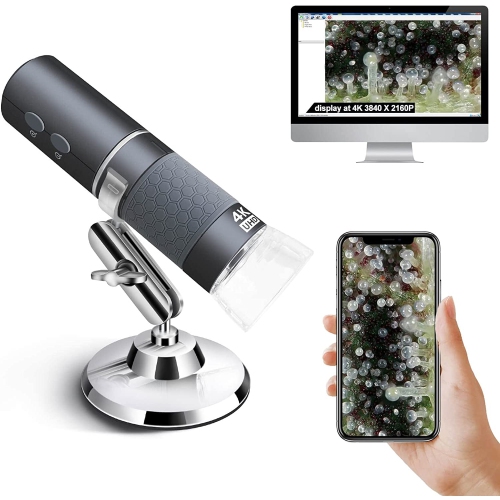 Your price for this item is $74.99
 -
 Your price for this item is $19.99
 -
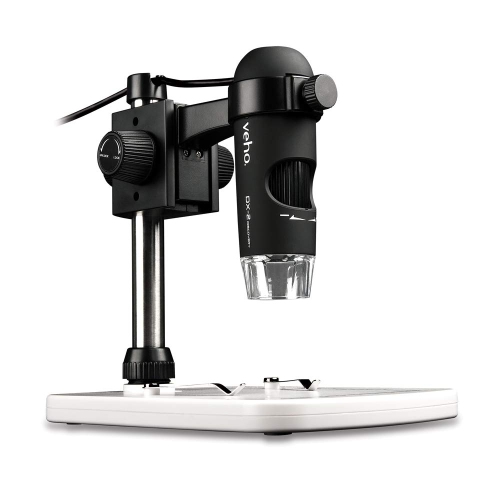 Your price for this item is $189.97
 -
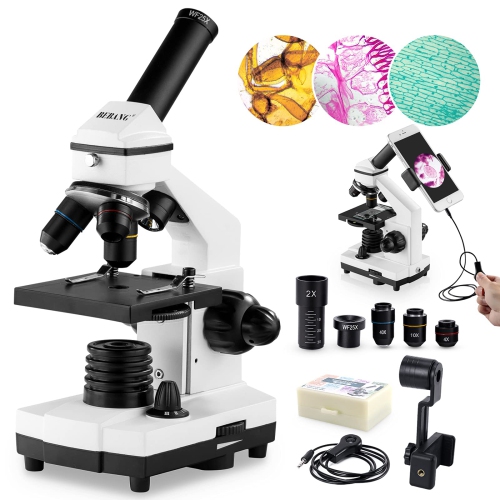 Your price for this item is $150.55
 -
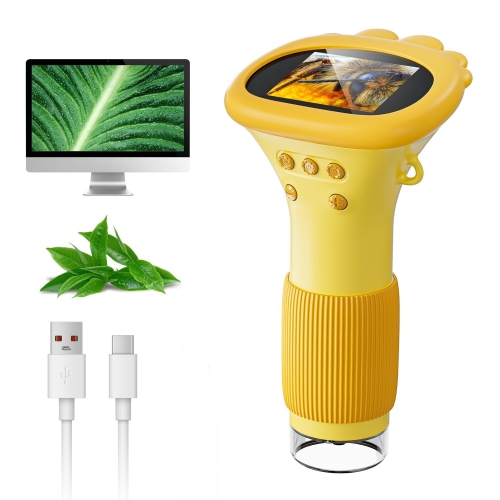 Your price for this item is $58.99
 -
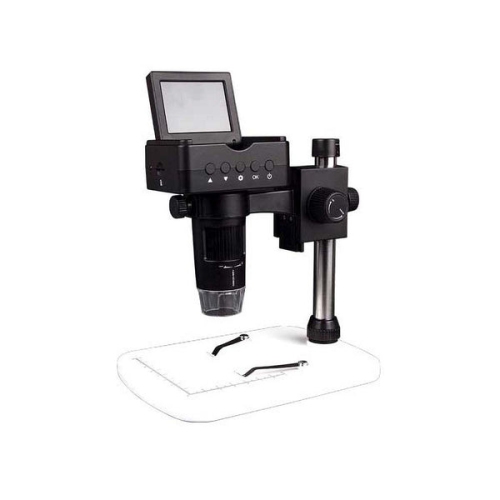 Your price for this item is $399.99
Discover more categories related to Microscopes With Light
Top Collections:
Pokemon Centers, Kindle Devices, Best Budget Office Chairs, Apple iPhones 16, Best Laptops for Writers, iPhone 15 Apple, Canon G7X Cameras, Refurbished Apple Laptops, Alarm Clock, Motorola Razr Phones
Some products may be subject to Environmental Handling Fees
(EHF) depending on your province.
Learn more about EHFs.