Scientific Microscopes
Explore the fascinating world of scientific discovery with our collection of quality microscopes. Whether you're a student, a hobbyist, or a professional researcher, these powerful instruments will unlock a whole new realm of exploration. From studying cells and bacteria to examining intricate structures and specimens, our range of scientific microscopes offers exceptional clarity and precision. With advanced features and durable construction, these microscopes are designed to deliver exceptional performance and reliability.
Sort

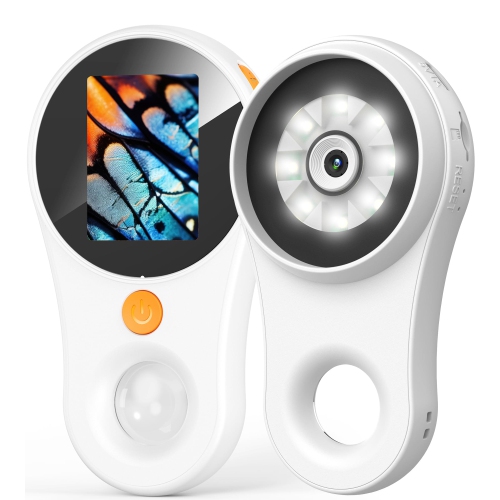
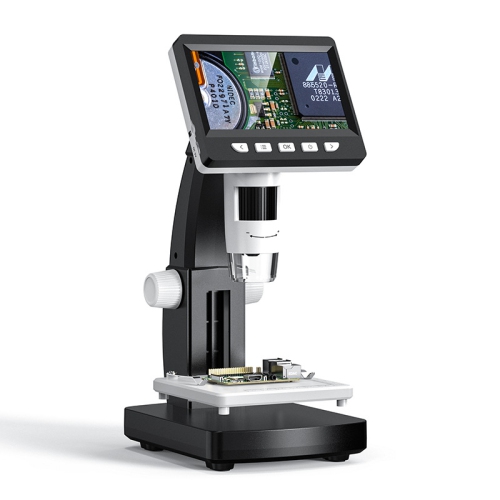
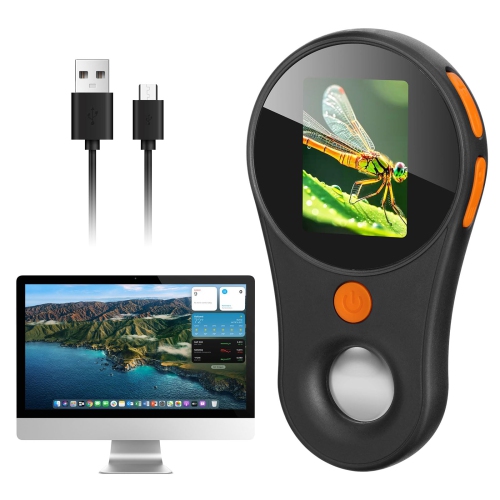
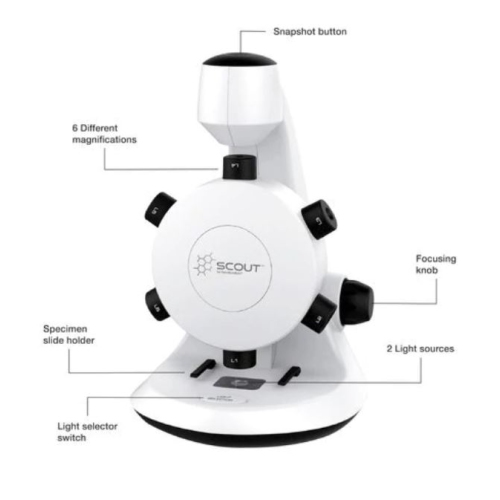


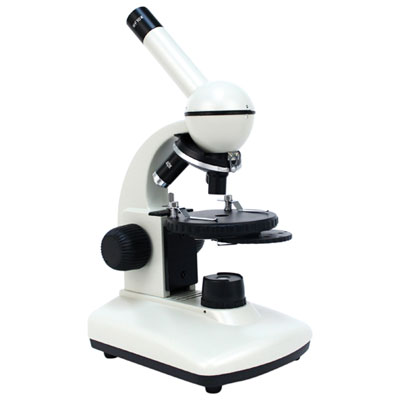
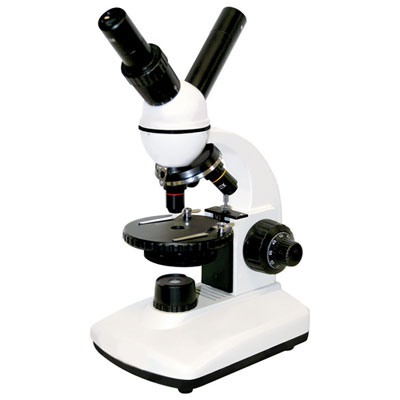
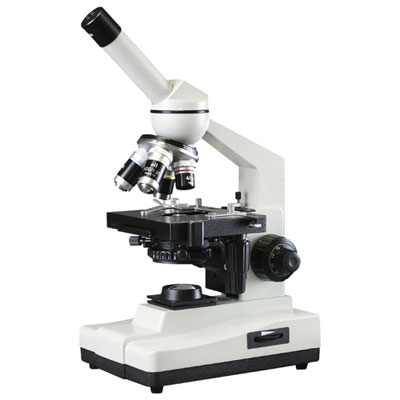
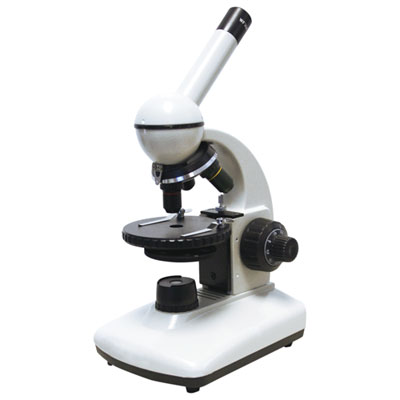


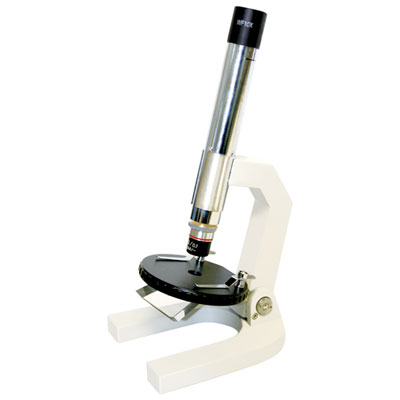
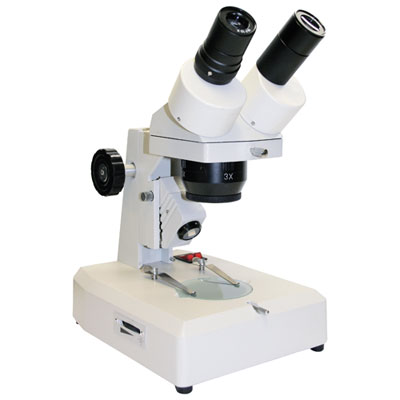
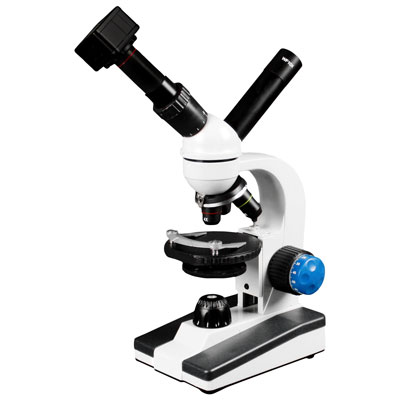
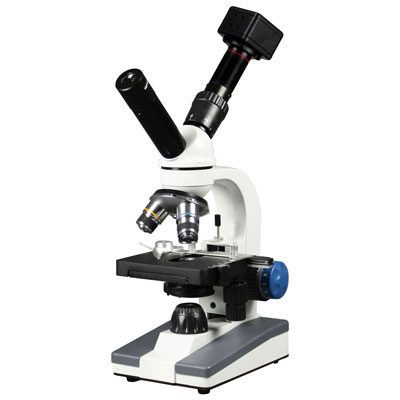
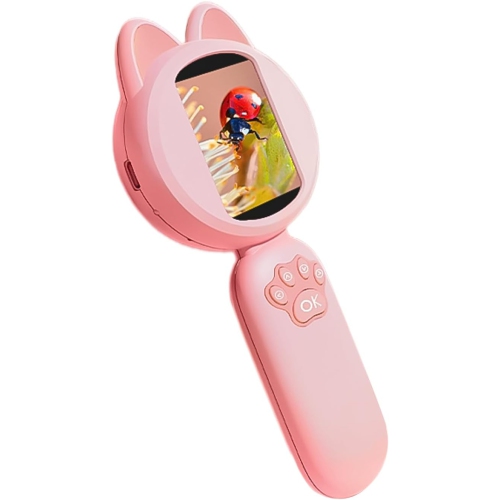
What to know about magnification, optics and microscope use
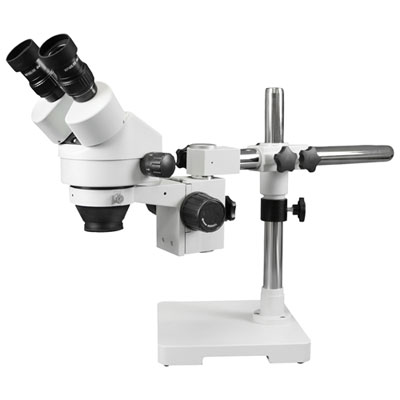
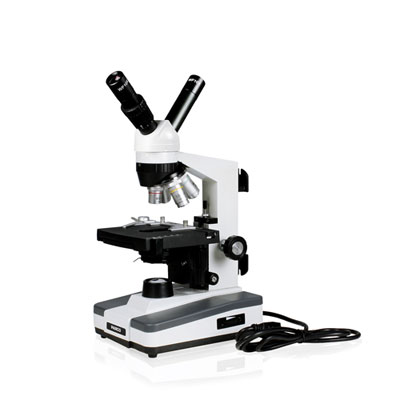
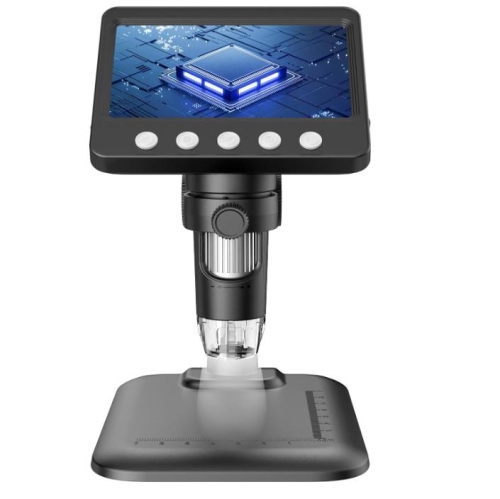
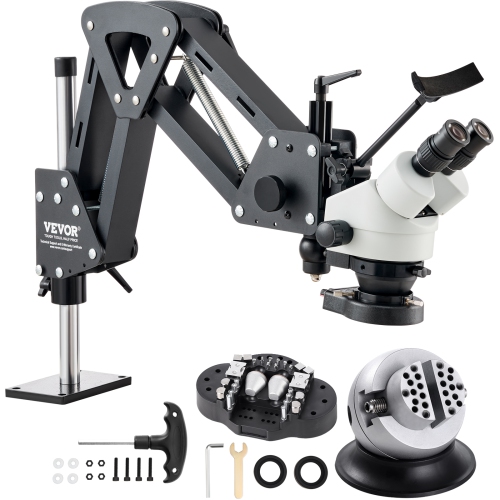
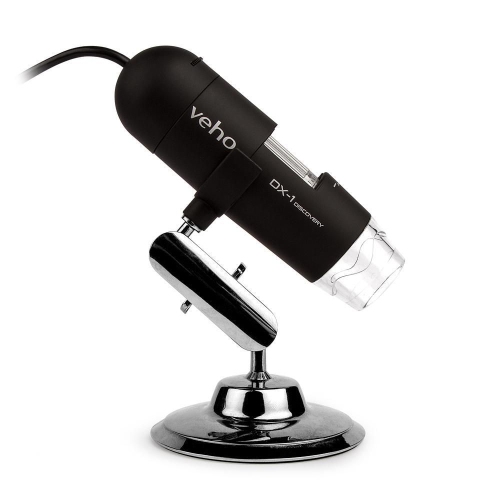
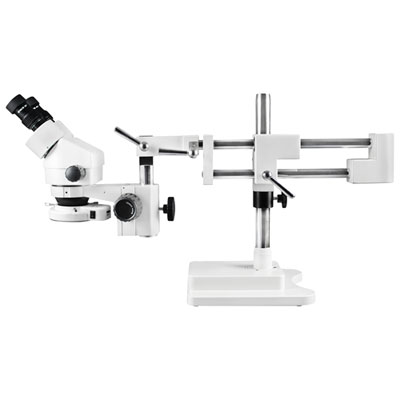
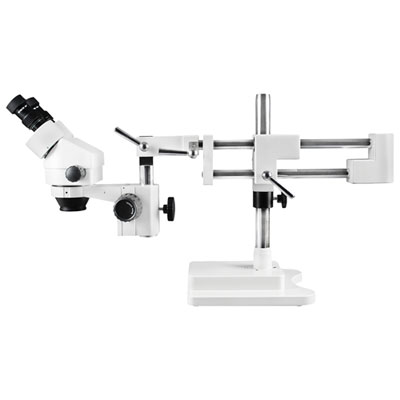
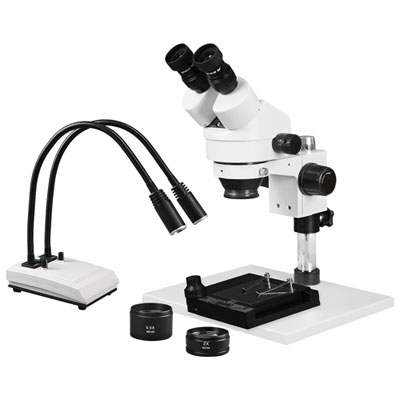
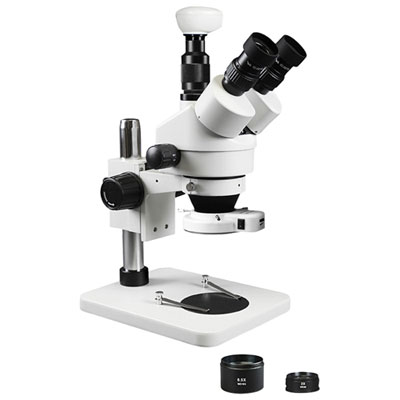
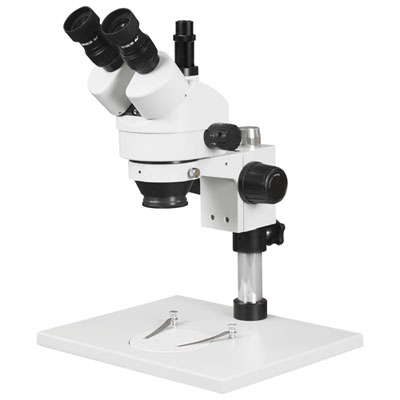
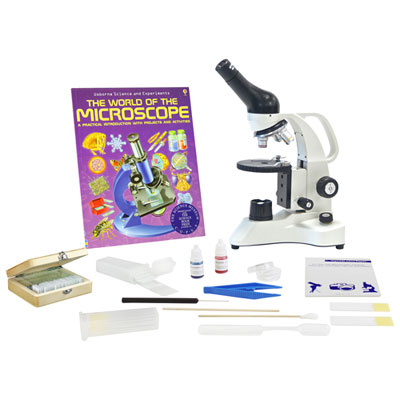
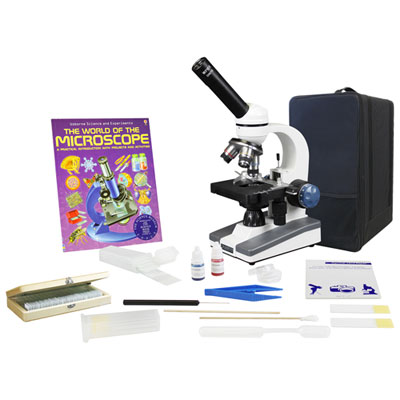
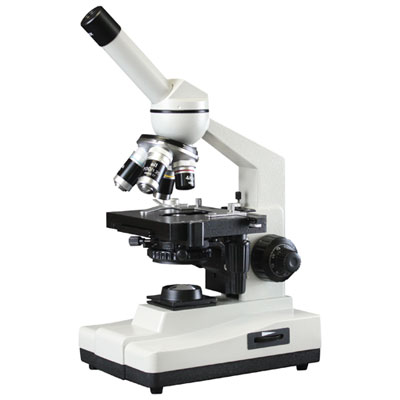
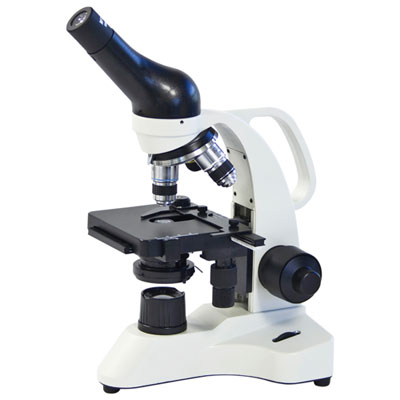
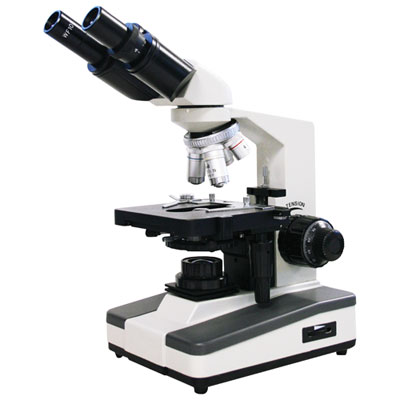
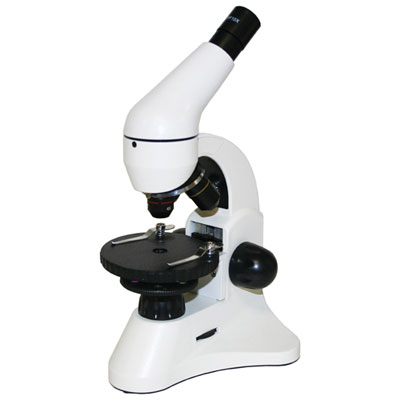
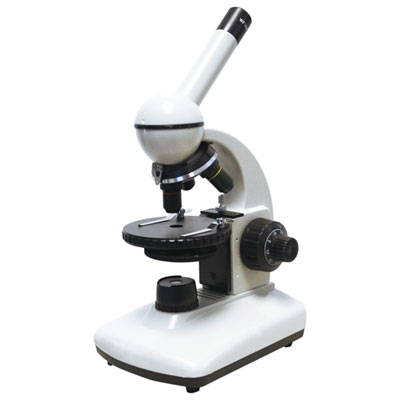
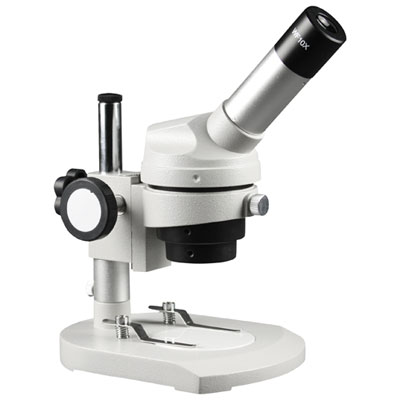
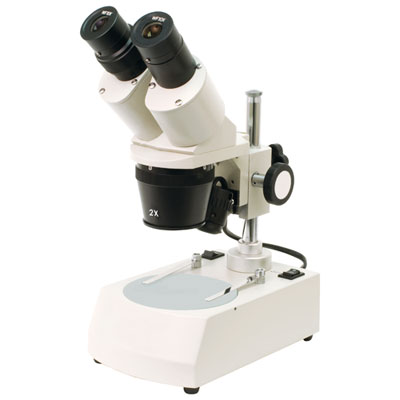
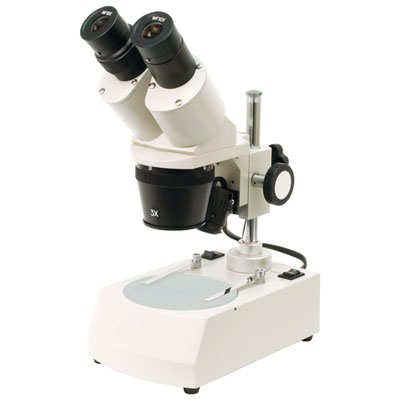
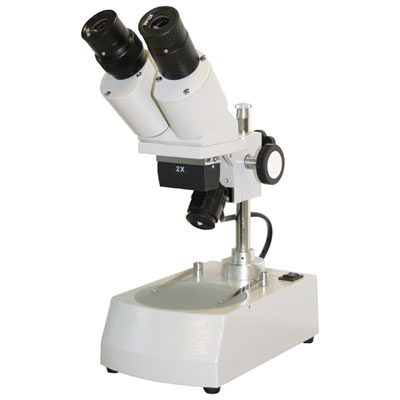
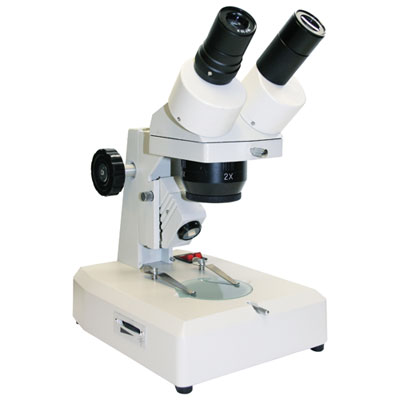
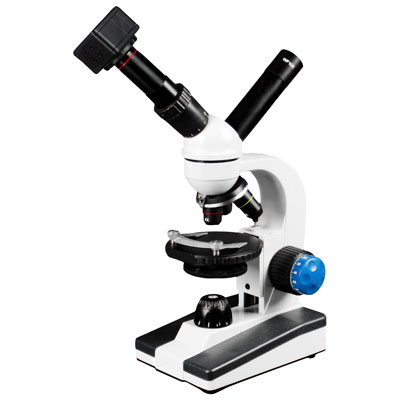
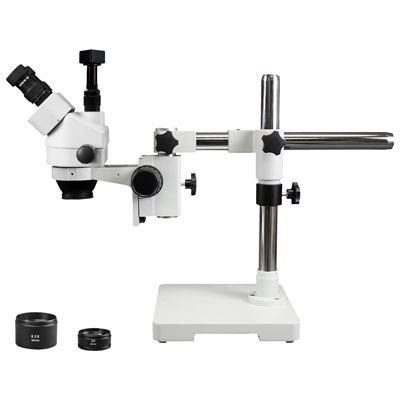
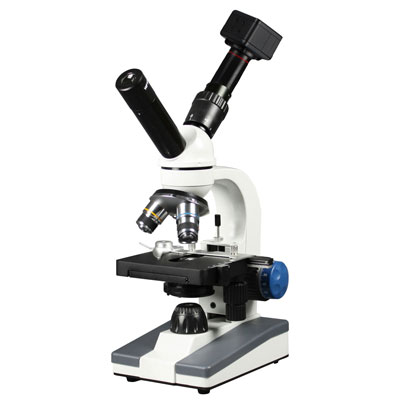
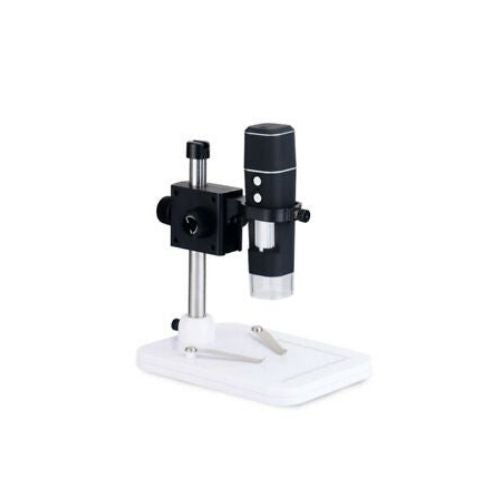
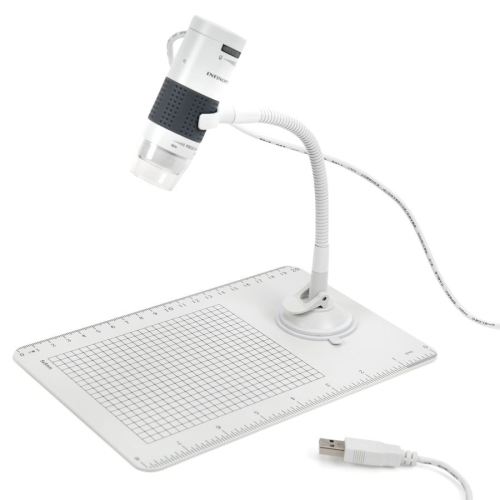
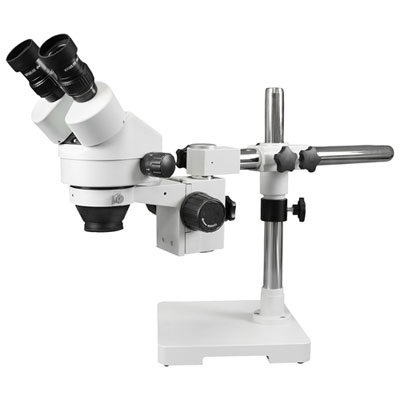
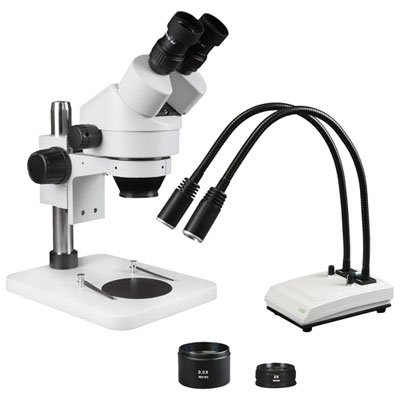
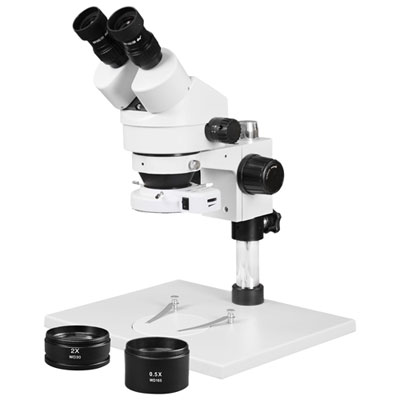
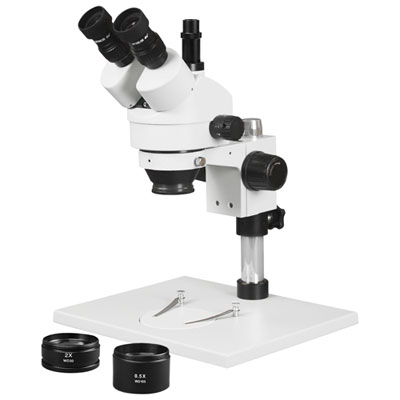
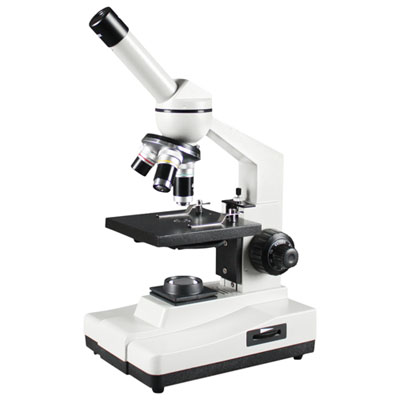
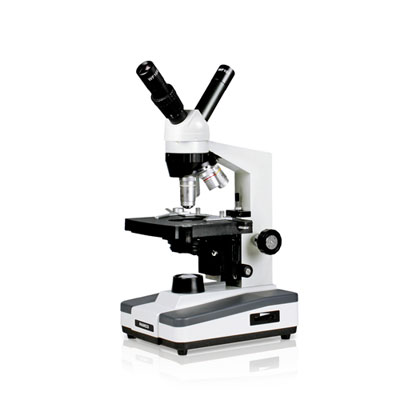
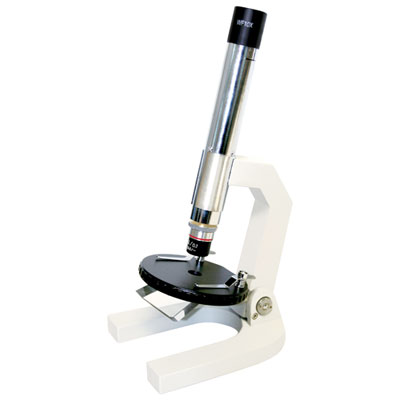
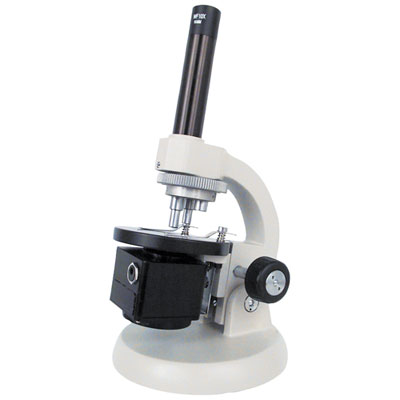
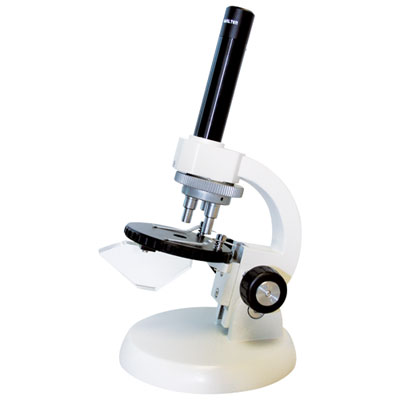
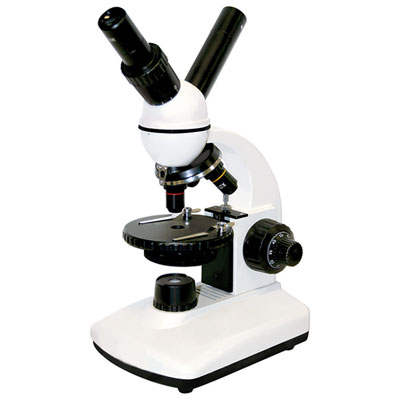
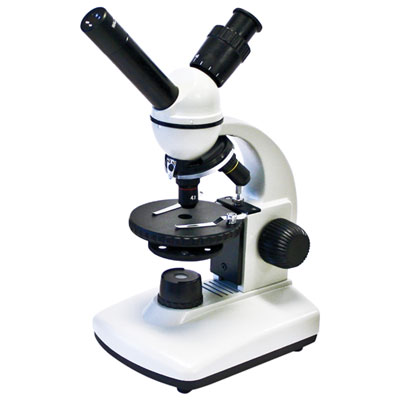
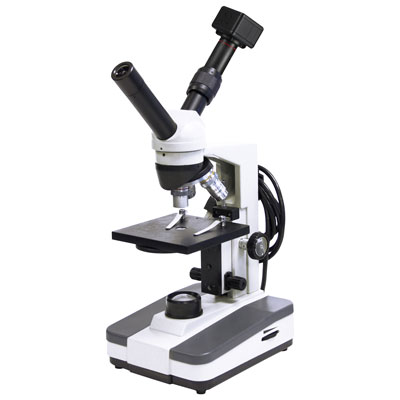
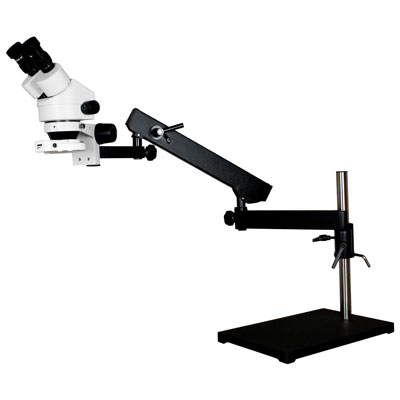
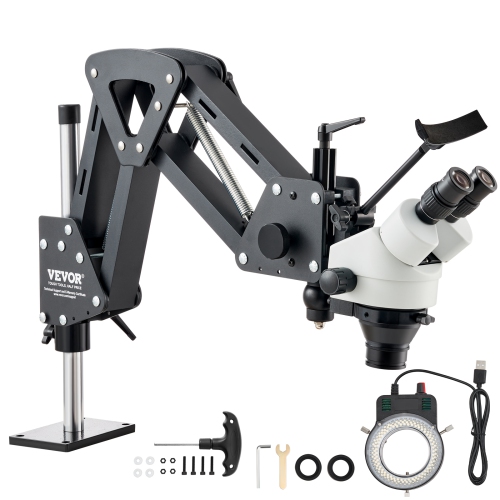
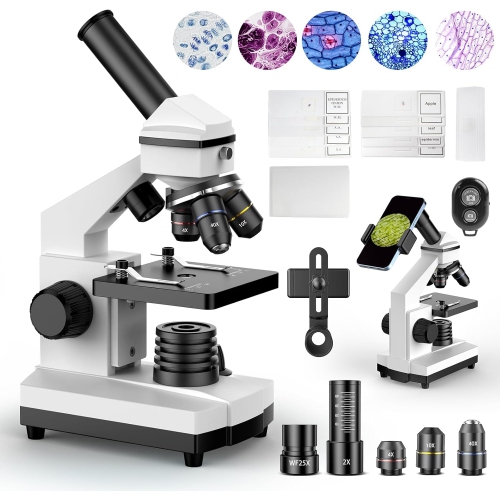
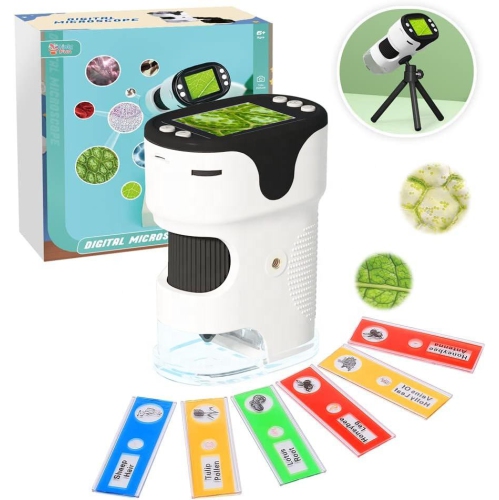
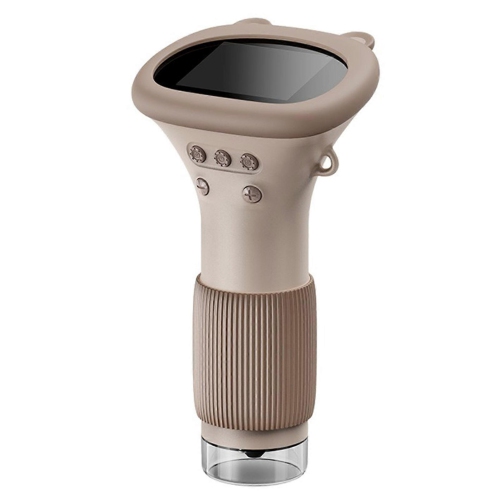
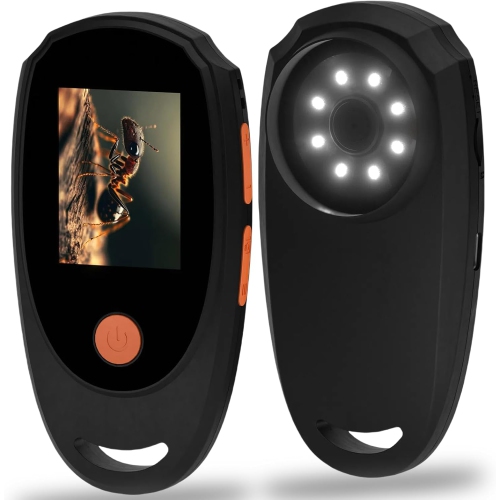
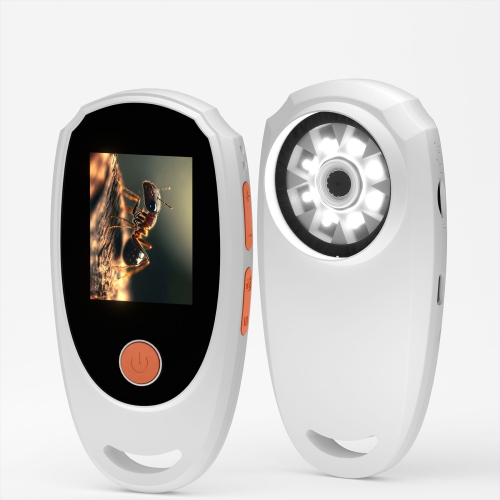
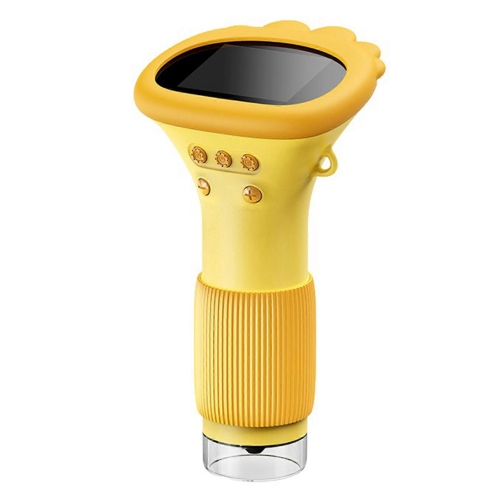
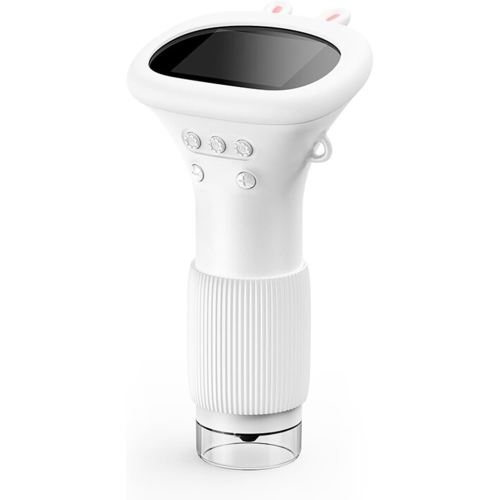
Scientific microscopes are precision instruments designed to reveal details that cannot be seen clearly with the naked eye. They can support classroom demonstrations, home experiments, biology projects, model-making, electronics work, field observations and more advanced laboratory applications. The right microscope depends on what will be viewed, how often it will be used and how images need to be recorded or shared. A compound light microscope is a familiar choice for examining prepared slides, plant cells, animal tissue and other thin specimens. It uses visible light and a series of glass lenses, typically offering magnification from about 40x to 1000x. A stereo, or dissecting, microscope usually works at lower magnification, often around 10x to 50x, but provides a three-dimensional view of larger, solid objects. This makes it useful for looking closely at leaves, insects, rocks, small mechanical components, circuit boards and detailed craft work. Digital microscopes add a camera, display or computer connection, allowing an image to be viewed by more than one person, captured for later reference or used in a presentation. When comparing options, consider whether the intended user needs eyepieces, a built-in screen, a USB connection or software for saving and measuring images. A classroom may benefit from a model that makes it easy for several students to observe the same specimen, while a hobbyist may prefer a compact setup that fits comfortably on a desk and can be moved when needed. Anyone looking for a broader selection of equipment for educational and laboratory-style projects can also explore Lab Microscopes.
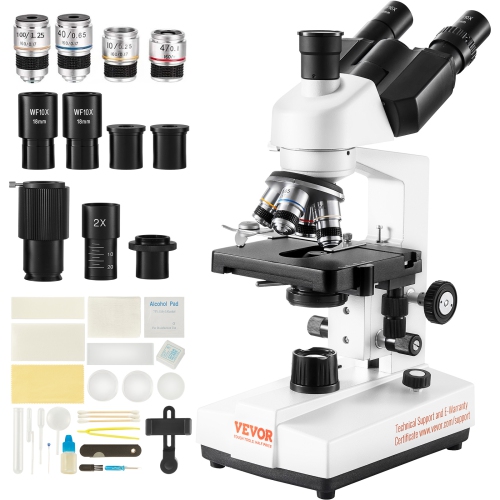
Magnification is important, but it should not be the only specification guiding a purchase. Total magnification is calculated by multiplying the eyepiece power by the active objective lens power. For example, a 10x eyepiece paired with a 40x objective produces 400x total magnification. Higher magnification does not automatically produce a clearer image; resolution, illumination and lens quality determine how much fine detail can actually be distinguished. Resolution refers to the shortest distance between two points that can still be seen as separate, so a well-balanced optical system can be more useful than one that simply advertises an exceptionally high number. Objective lenses are commonly arranged on a revolving nosepiece and may include scanning, low-power, high-power and oil-immersion options. A scanning objective helps locate a specimen, a low-power objective provides an overview, and a high-power objective can reveal finer structures after the sample is centred and focused. Oil-immersion objectives are intended for specific procedures and require compatible immersion oil and careful cleaning, making them more suitable for experienced users or supervised instruction. A stable stage with slide clips keeps specimens in position, while coarse and fine focus knobs help bring the image into view and sharpen small details. Mechanical stage controls can make it easier to move a slide gradually rather than touching it directly. Even illumination across the field of view is also valuable, particularly when working with transparent samples or spending time comparing several areas of one slide. Before choosing, check the available light source, focus controls, objective range, stage size, eyepiece comfort and compatibility with the slides, accessories or viewing software that will be used.
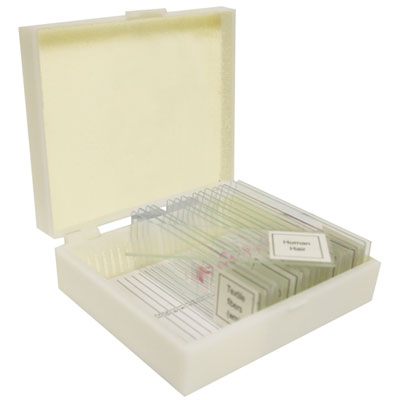
Scientific microscopes can be useful for learners who enjoy asking how ordinary things are made, structured or changed. A student might compare the veining on a leaf, examine fibres in fabric, observe crystals as they form or study prepared biological slides as part of a science project. During the warmer part of the year, a microscope can bring outdoor observations indoors, turning a fallen leaf, a feather or a small piece of bark into the starting point for careful investigation. During the cooler months, it can provide a hands-on activity at a desk, where notes, drawings and captured images can be organized into a project or shared with family members. A microscope can also be a thoughtful gift for a curious child, a secondary-school student, an aspiring biologist, an educator or an adult who enjoys model building, watch repair, jewellery work or electronics. For younger users, ease of setup, sturdy construction, simple controls and adult guidance may matter more than maximum magnification. More experienced users may prioritize interchangeable objectives, fine focusing, adjustable illumination, a larger stage or digital imaging. Good technique makes a noticeable difference: prepare a clean, thin sample when using transmitted light, begin with the lowest objective, centre the subject before increasing magnification and use the fine focus control for the final adjustment. Keep lenses free of fingerprints, use only appropriate lens-cleaning materials and store slides and accessories where they will remain dry and protected. With the right combination of optical performance, comfortable handling and suitable accessories, a scientific microscope can make tiny structures easier to understand and turn close observation into a rewarding, repeatable part of learning or creative work.
Magnification is important, but it should not be the only specification guiding a purchase. Total magnification is calculated by multiplying the eyepiece power by the active objective lens power. For example, a 10x eyepiece paired with a 40x objective produces 400x total magnification. Higher magnification does not automatically produce a clearer image; resolution, illumination and lens quality determine how much fine detail can actually be distinguished. Resolution refers to the shortest distance between two points that can still be seen as separate, so a well-balanced optical system can be more useful than one that simply advertises an exceptionally high number. Objective lenses are commonly arranged on a revolving nosepiece and may include scanning, low-power, high-power and oil-immersion options. A scanning objective helps locate a specimen, a low-power objective provides an overview, and a high-power objective can reveal finer structures after the sample is centred and focused. Oil-immersion objectives are intended for specific procedures and require compatible immersion oil and careful cleaning, making them more suitable for experienced users or supervised instruction. A stable stage with slide clips keeps specimens in position, while coarse and fine focus knobs help bring the image into view and sharpen small details. Mechanical stage controls can make it easier to move a slide gradually rather than touching it directly. Even illumination across the field of view is also valuable, particularly when working with transparent samples or spending time comparing several areas of one slide. Before choosing, check the available light source, focus controls, objective range, stage size, eyepiece comfort and compatibility with the slides, accessories or viewing software that will be used.
Scientific microscopes can be useful for learners who enjoy asking how ordinary things are made, structured or changed. A student might compare the veining on a leaf, examine fibres in fabric, observe crystals as they form or study prepared biological slides as part of a science project. During the warmer part of the year, a microscope can bring outdoor observations indoors, turning a fallen leaf, a feather or a small piece of bark into the starting point for careful investigation. During the cooler months, it can provide a hands-on activity at a desk, where notes, drawings and captured images can be organized into a project or shared with family members. A microscope can also be a thoughtful gift for a curious child, a secondary-school student, an aspiring biologist, an educator or an adult who enjoys model building, watch repair, jewellery work or electronics. For younger users, ease of setup, sturdy construction, simple controls and adult guidance may matter more than maximum magnification. More experienced users may prioritize interchangeable objectives, fine focusing, adjustable illumination, a larger stage or digital imaging. Good technique makes a noticeable difference: prepare a clean, thin sample when using transmitted light, begin with the lowest objective, centre the subject before increasing magnification and use the fine focus control for the final adjustment. Keep lenses free of fingerprints, use only appropriate lens-cleaning materials and store slides and accessories where they will remain dry and protected. With the right combination of optical performance, comfortable handling and suitable accessories, a scientific microscope can make tiny structures easier to understand and turn close observation into a rewarding, repeatable part of learning or creative work.
Top selling and popular products
-
 Your price for this item is $328.99
 -
 Your price for this item is $250
 -
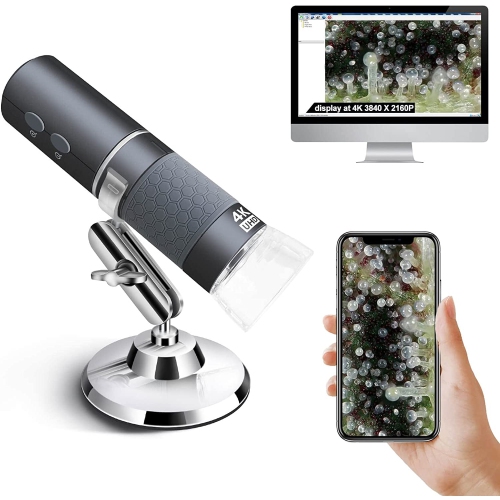 Your price for this item is $74.99
 -
 Your price for this item is $19.99
 -
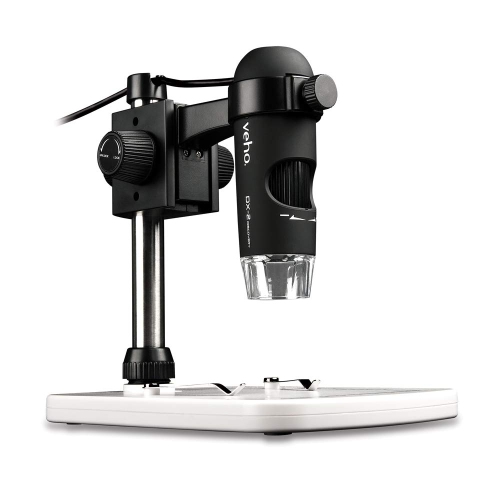 Your price for this item is $189.97
 -
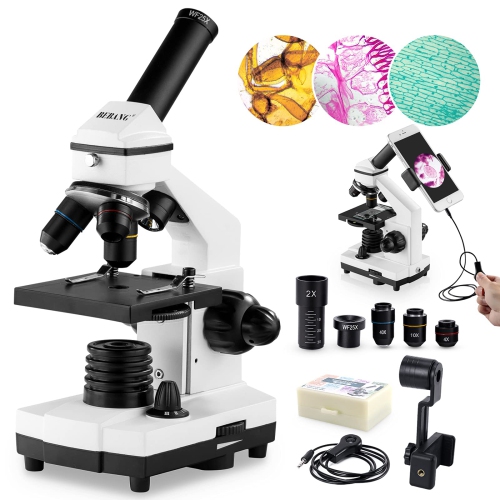 Your price for this item is $150.55
 -
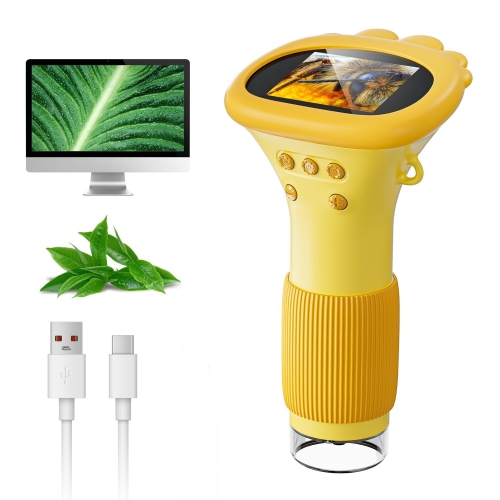 Your price for this item is $58.99
 -
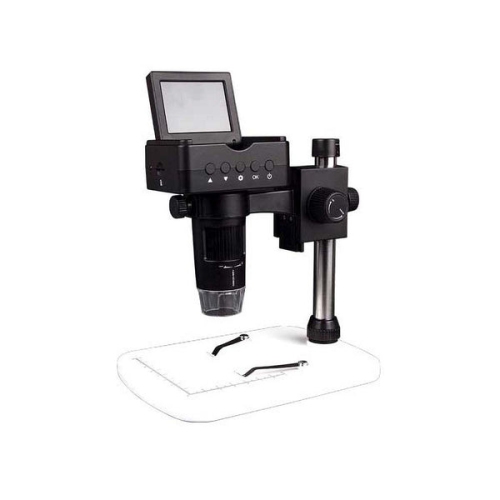 Your price for this item is $399.99
Discover more categories related to Scientific Microscopes
Top Collections:
Pokemon Centers, Kindle Devices, Best Budget Office Chairs, Apple iPhones 16, Best Laptops for Writers, iPhone 15 Apple, Canon G7X Cameras, Refurbished Apple Laptops, Alarm Clock, Motorola Razr Phones
Some products may be subject to Environmental Handling Fees
(EHF) depending on your province.
Learn more about EHFs.