Military Action Figures
Ready to embark on an epic battle? Look no further than our collection of military action figures. Whether you're a history buff, an avid collector, or simply seeking an action-packed adventure, these figures will transport you into the heart of the action. From highly detailed uniforms and weapons to lifelike poses, these military action figures are perfect for recreating iconic battles or creating thrilling scenarios. Get ready to command your troops and unleash your imagination with our impressive selection of military action figures.
Sort
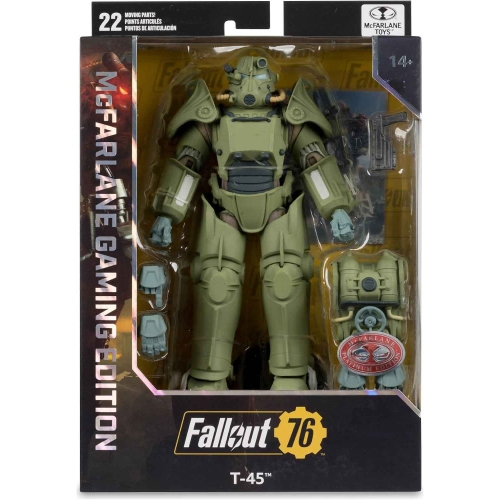
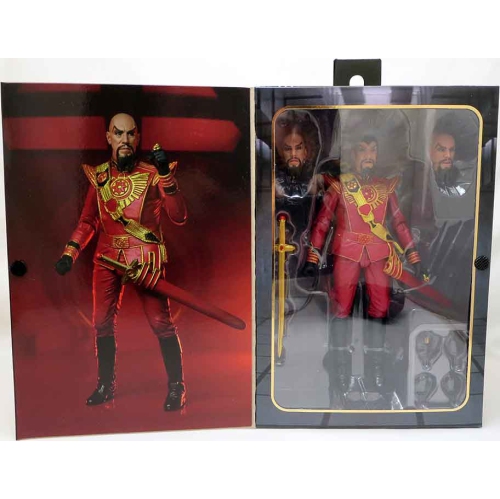
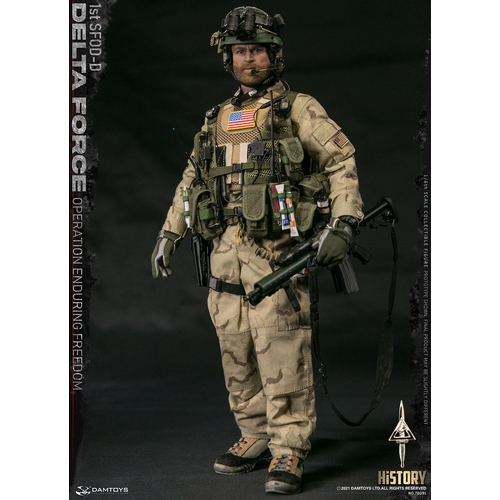
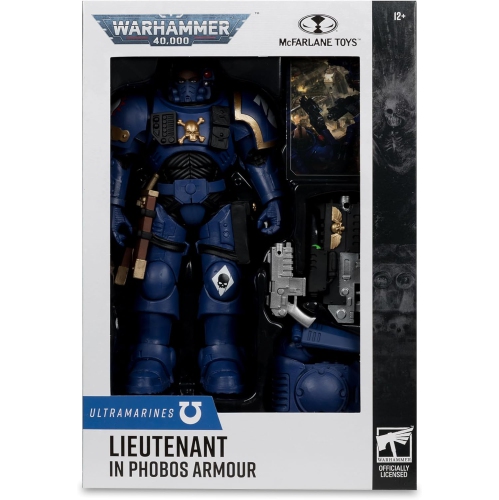
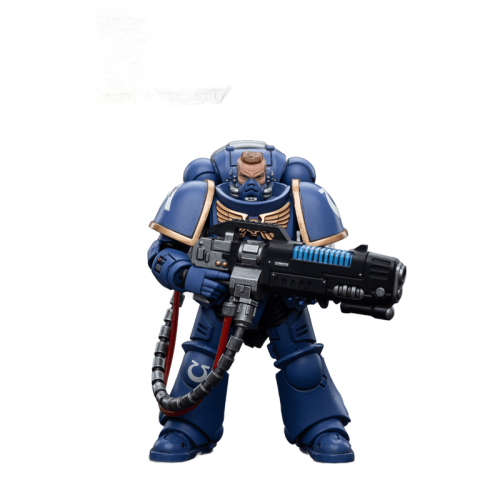
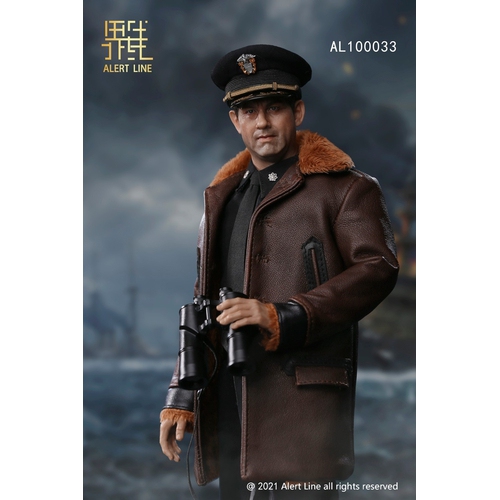
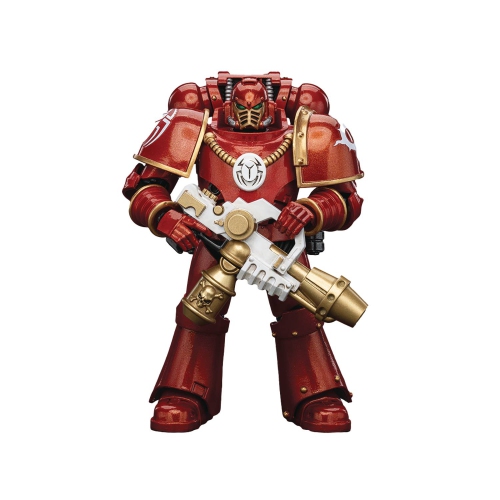
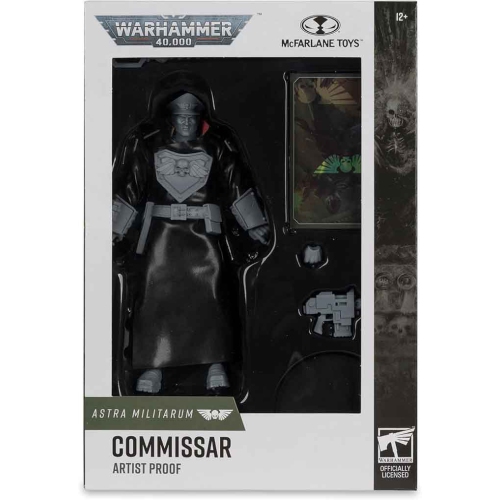
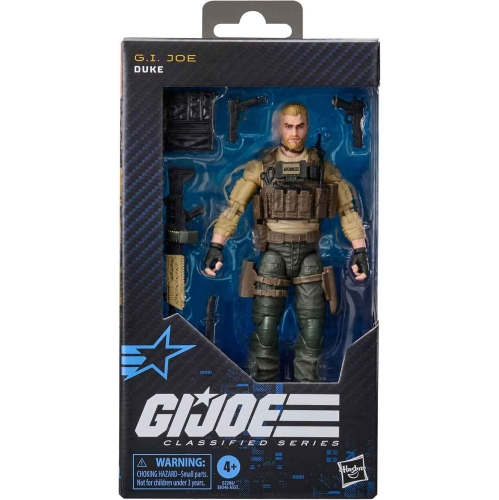
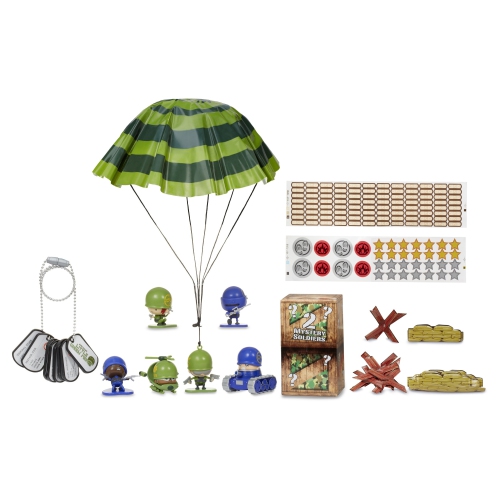
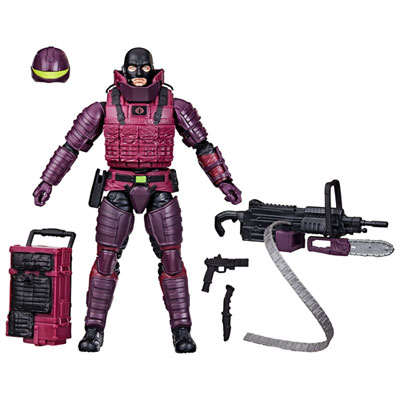
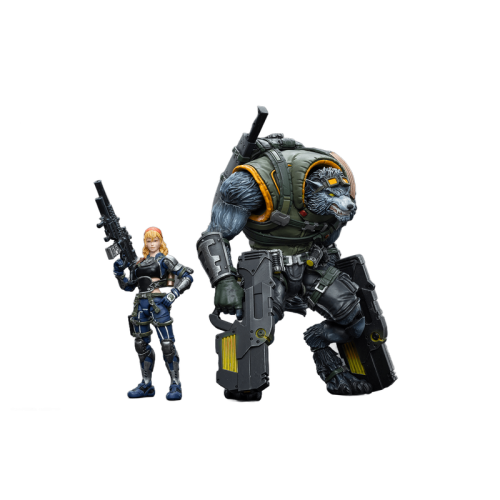
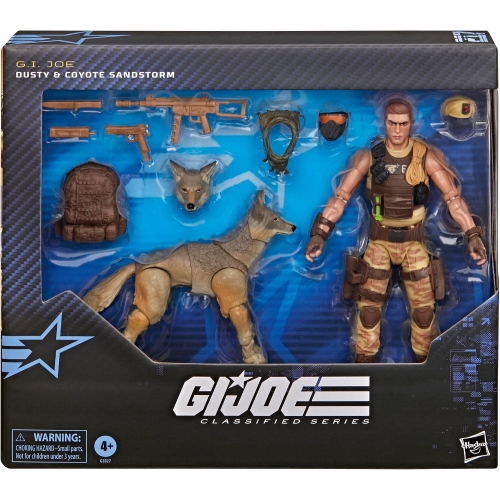
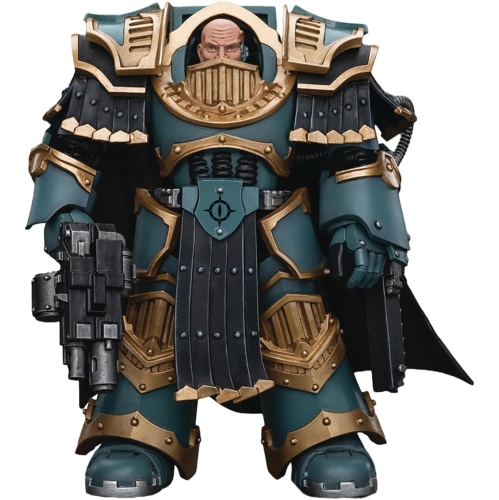
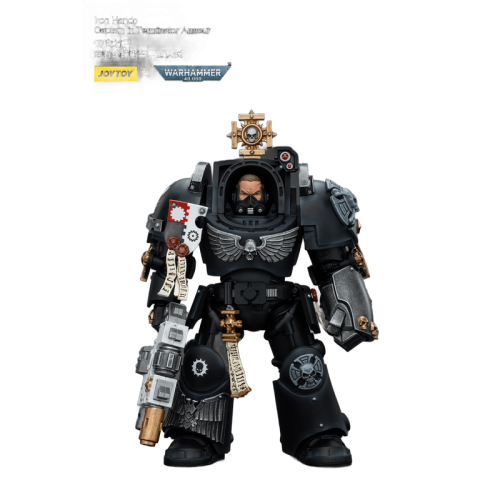
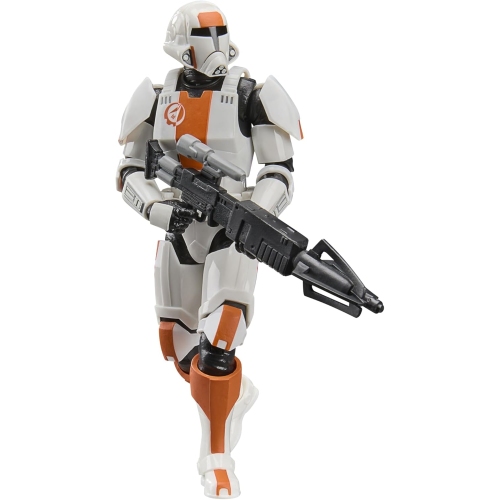
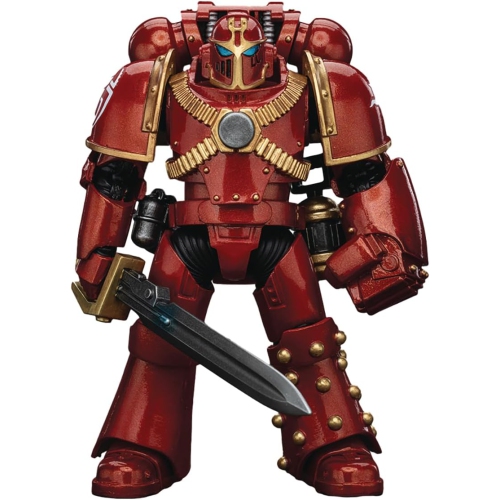
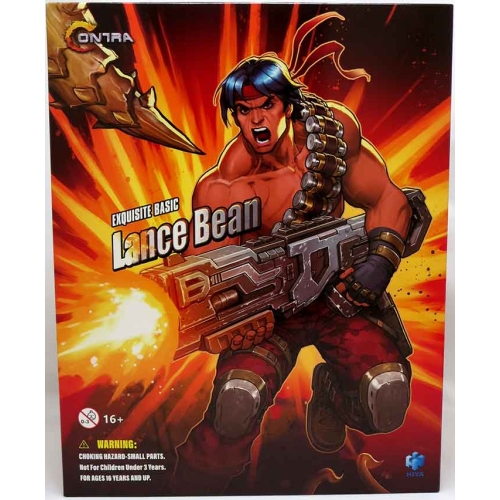
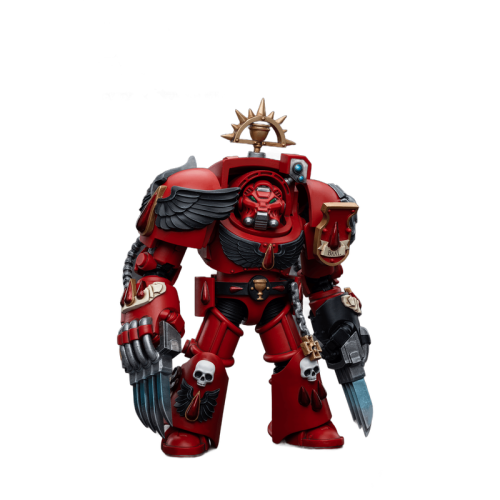
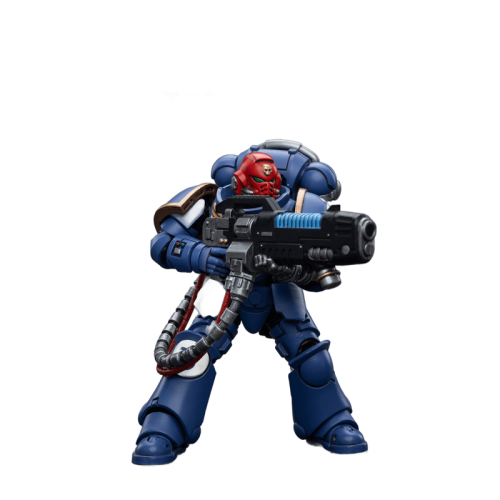
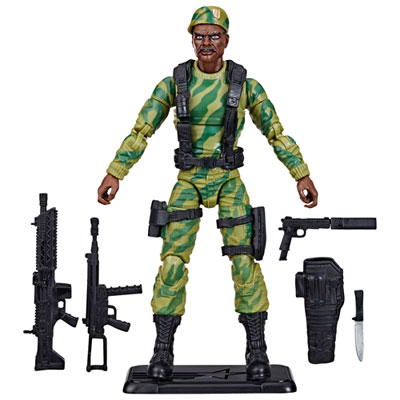
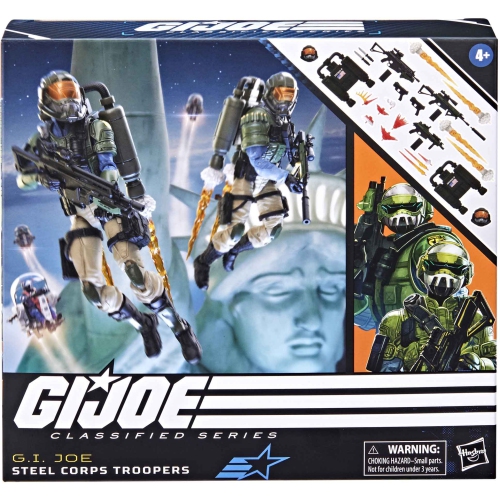
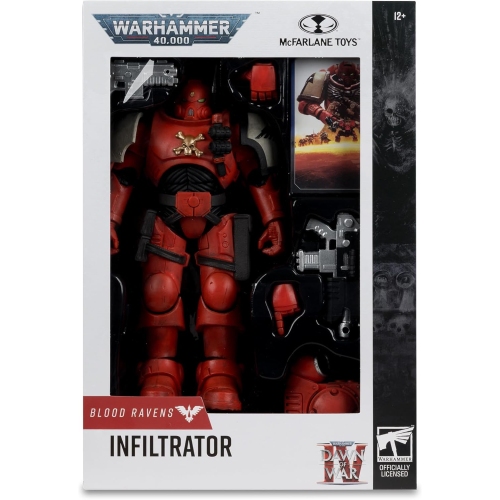
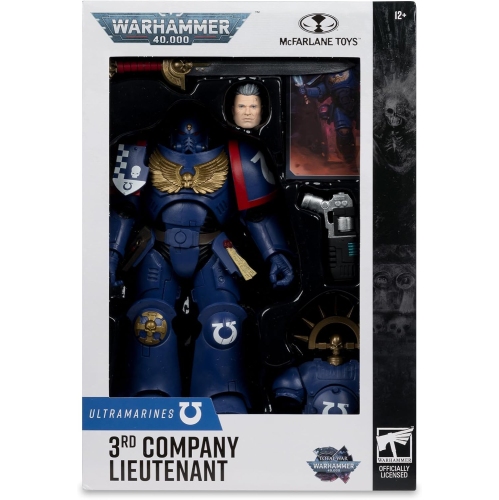
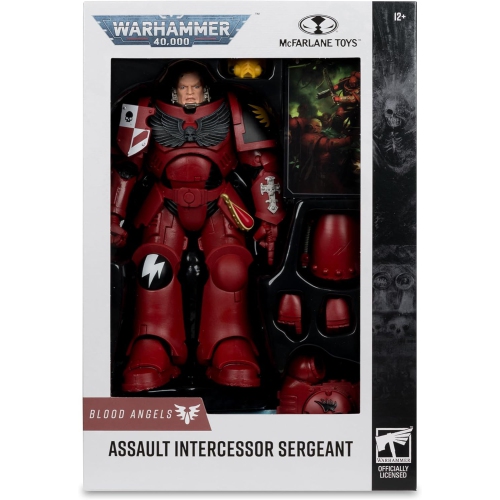
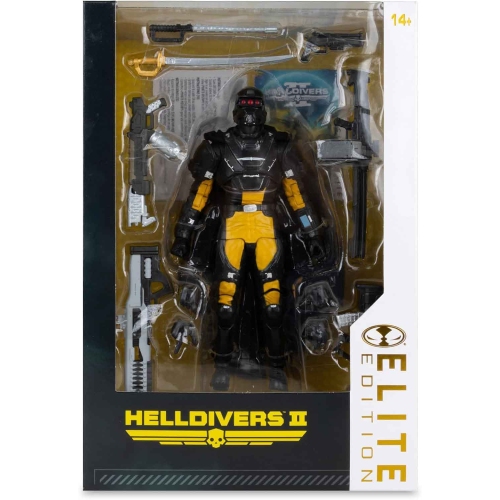
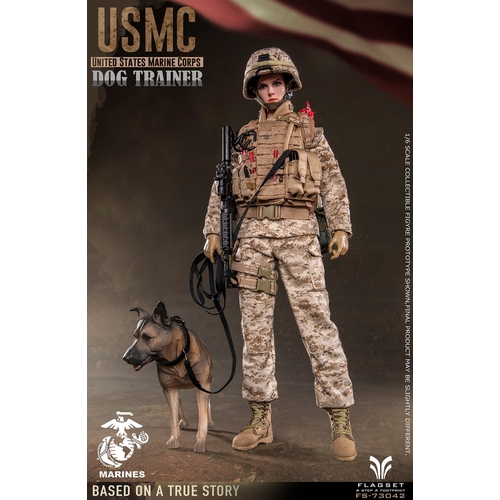
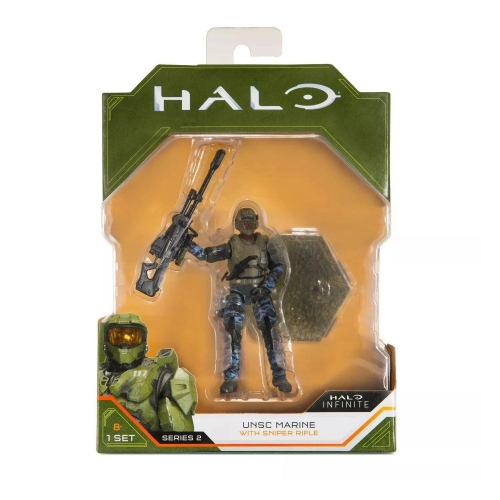
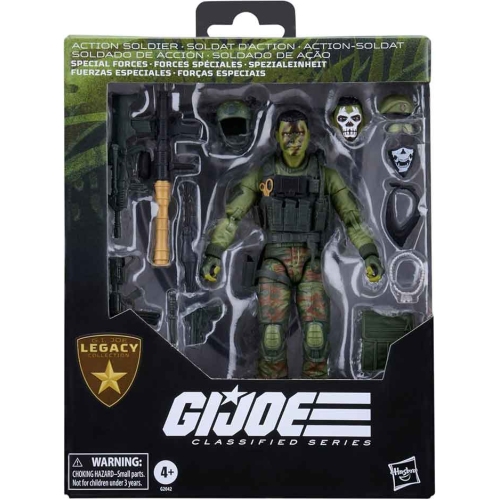
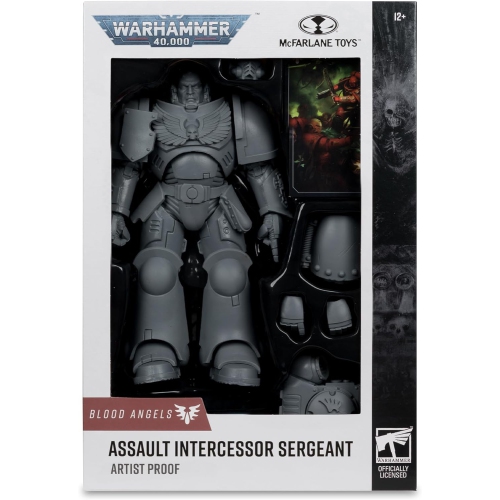
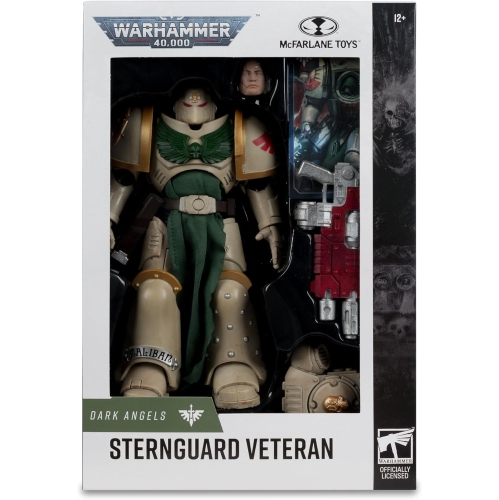
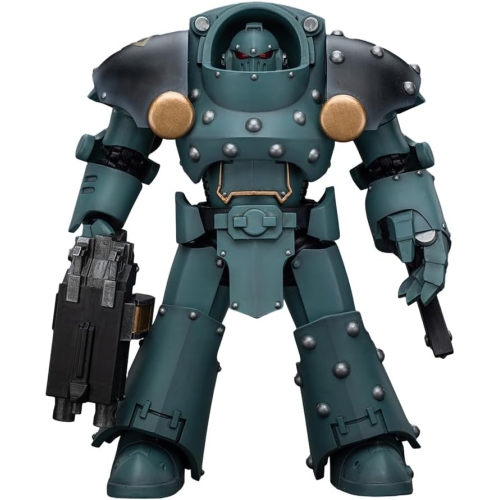
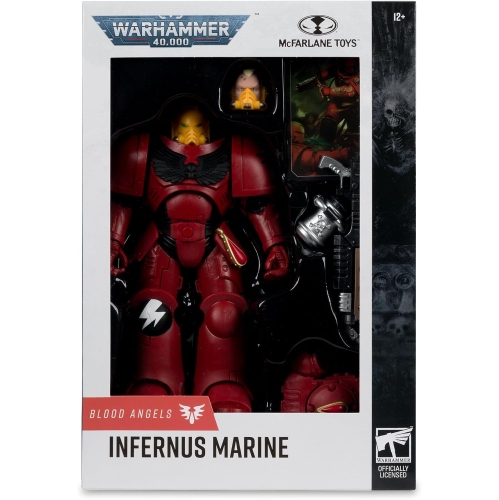
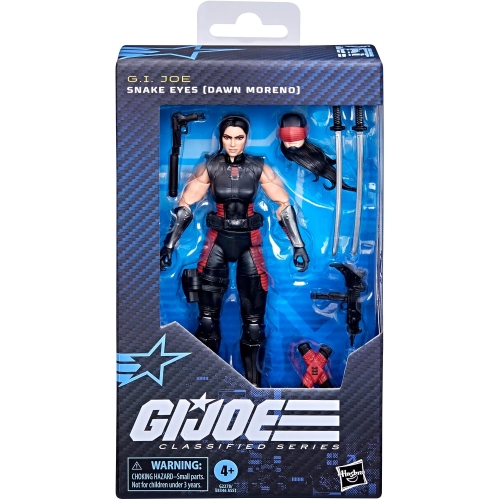
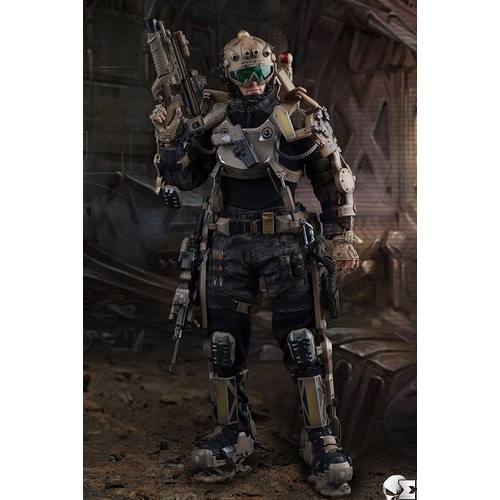
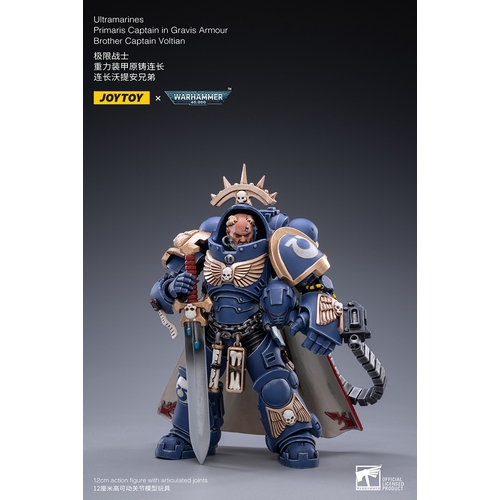
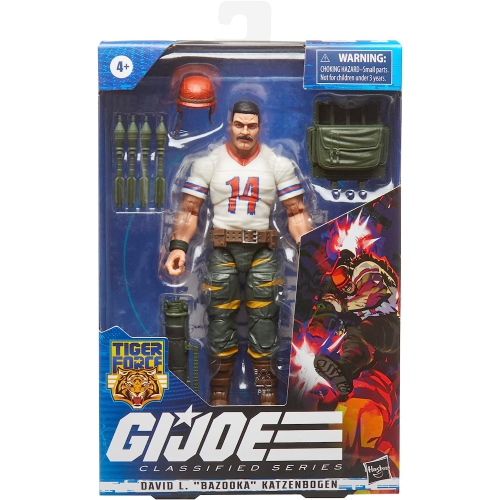
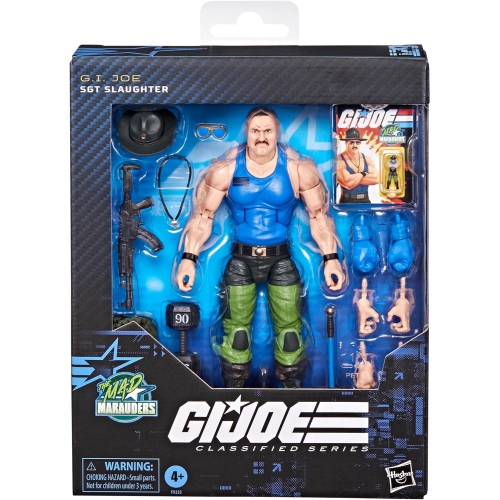
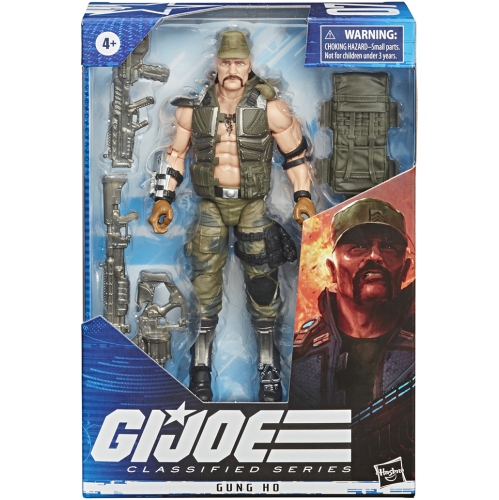
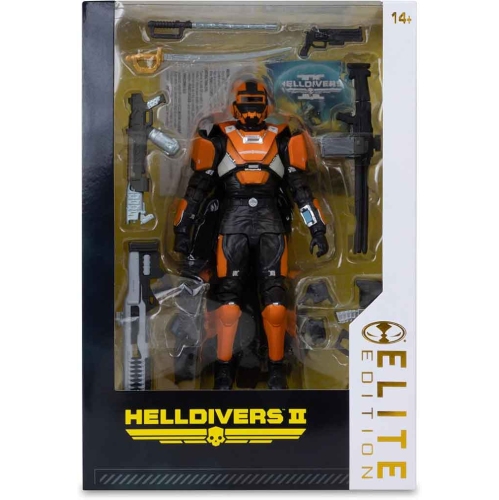
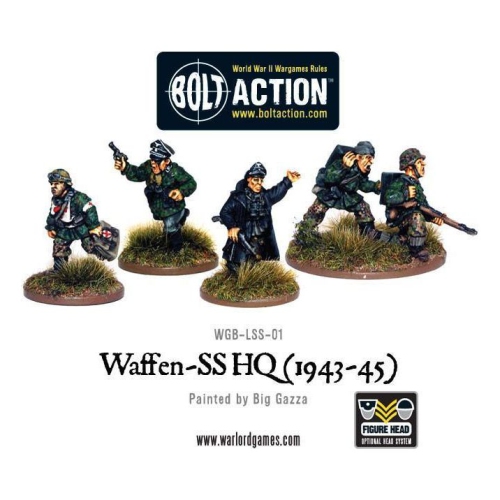
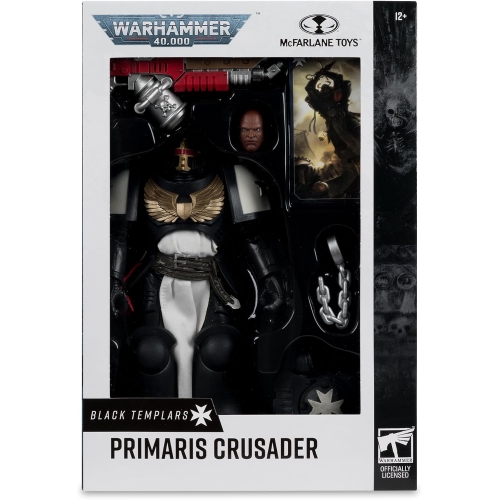
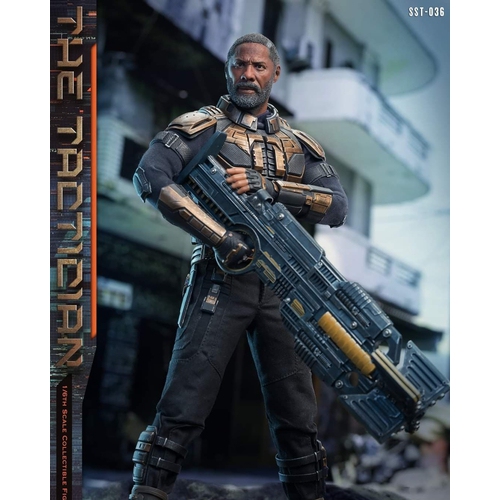
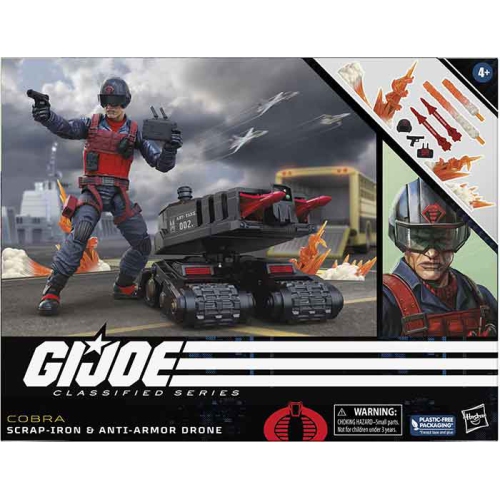

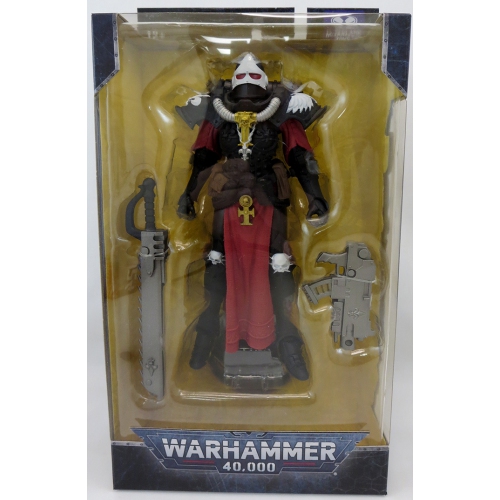
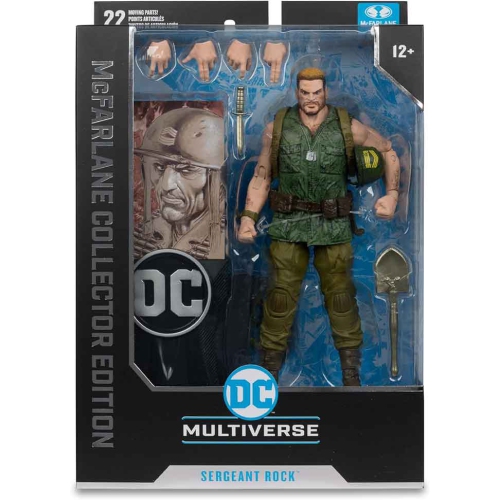
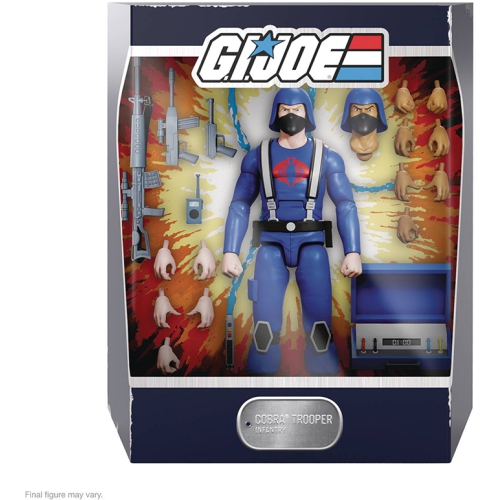
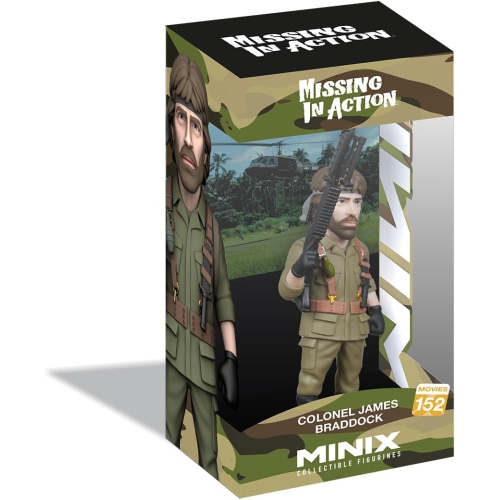
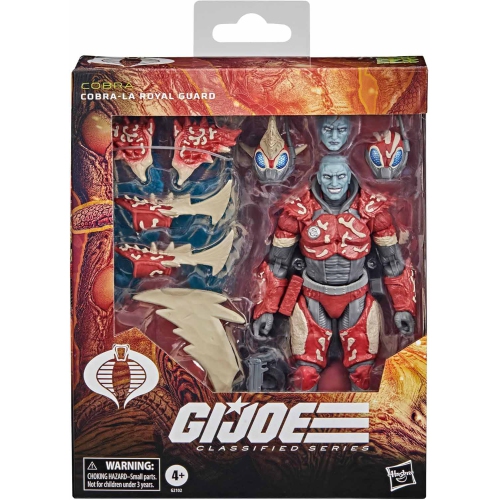
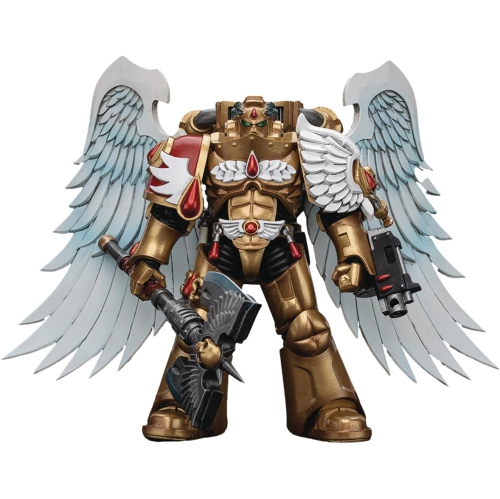
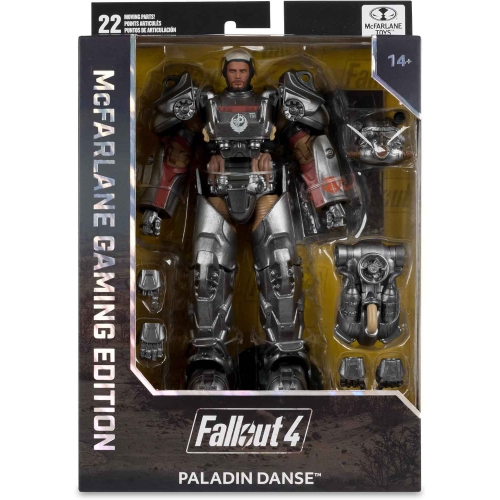
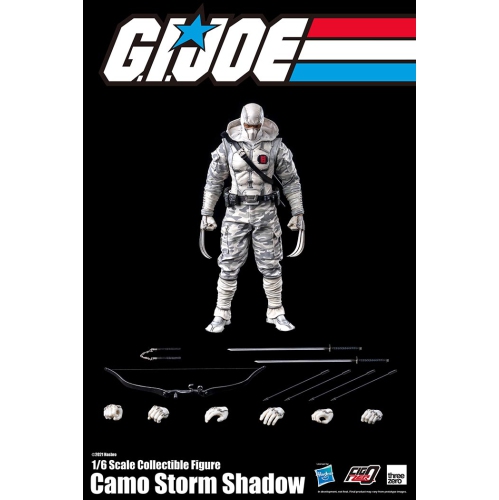
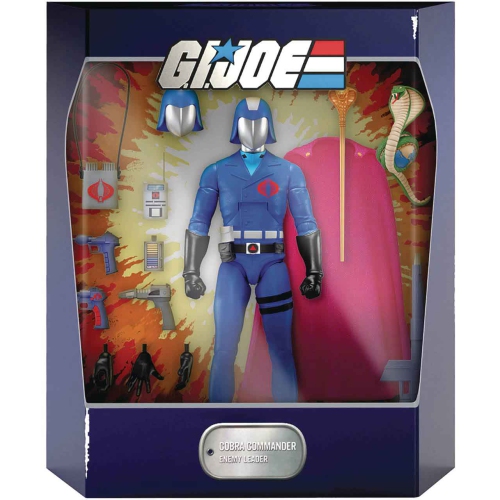
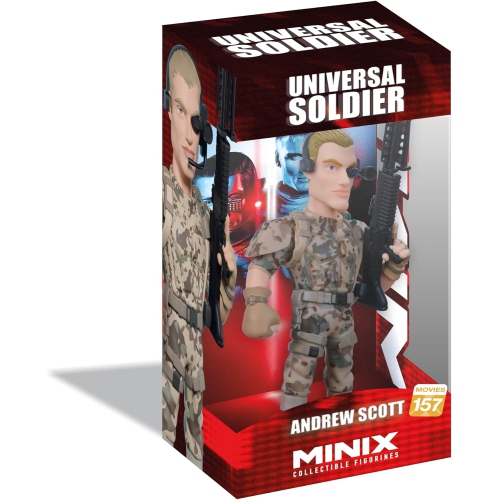
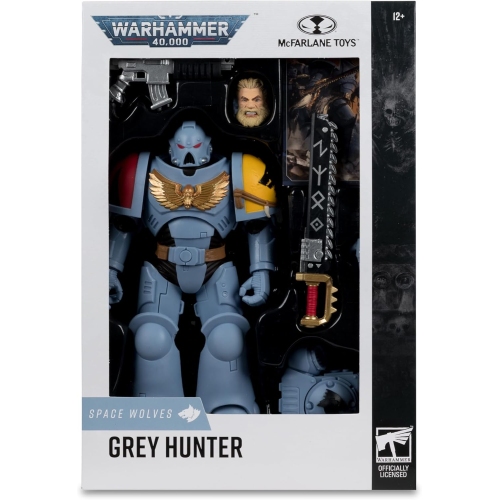
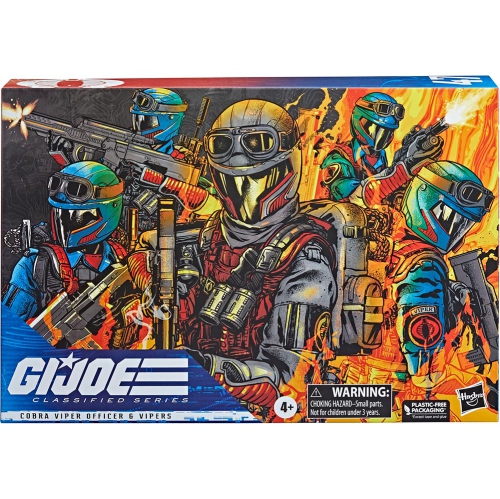
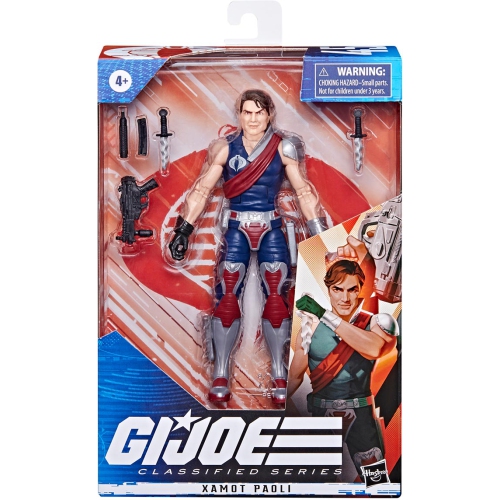
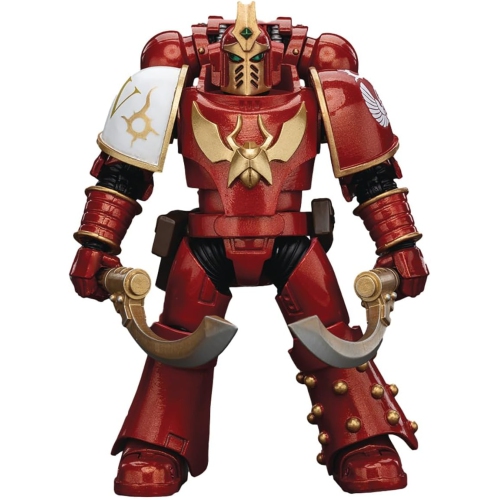
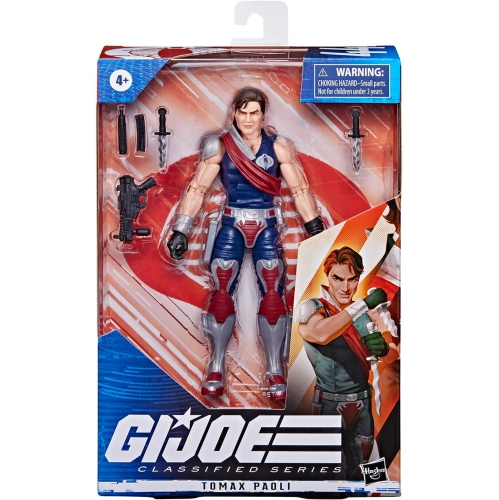
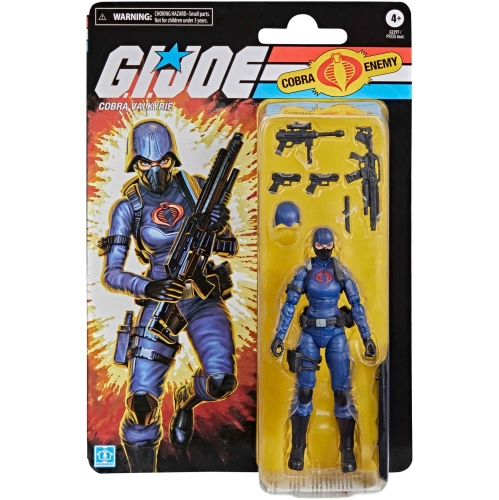
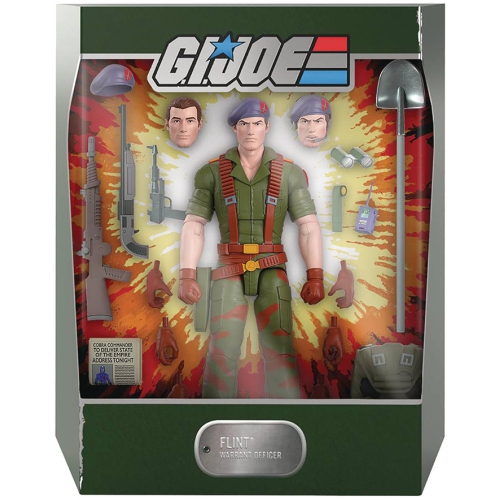
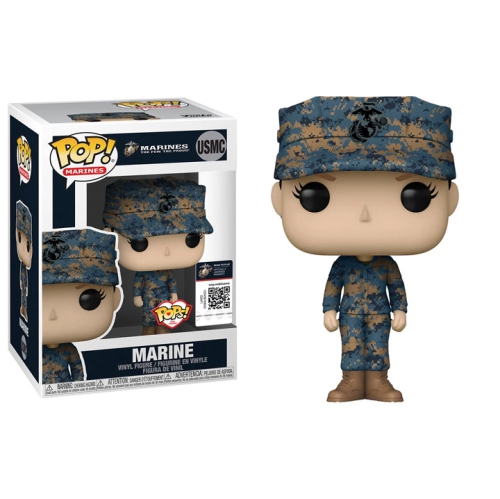
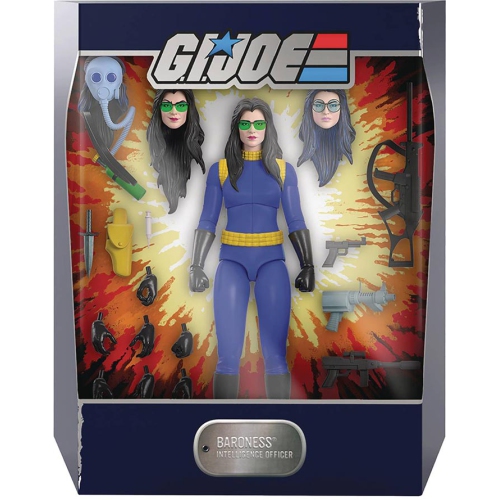
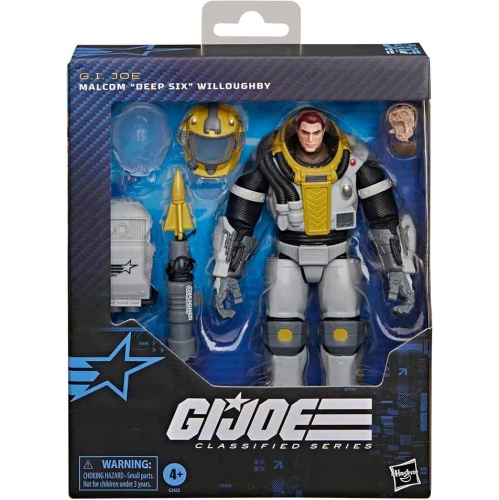
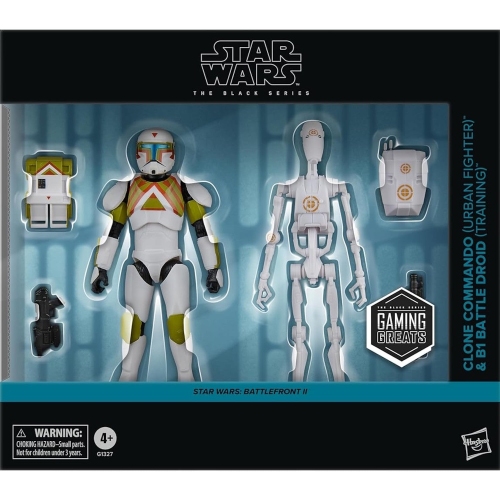

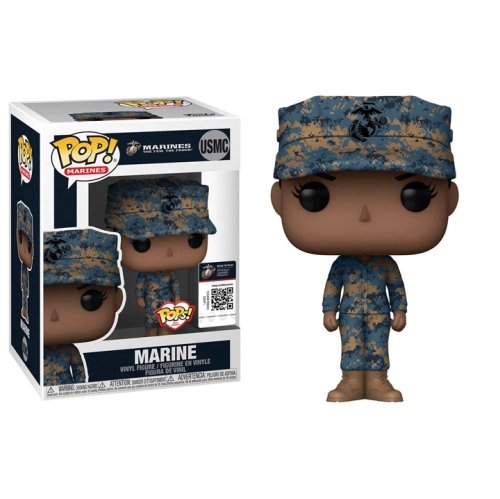
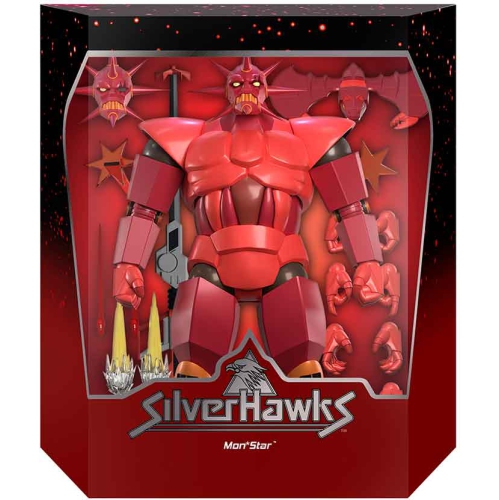
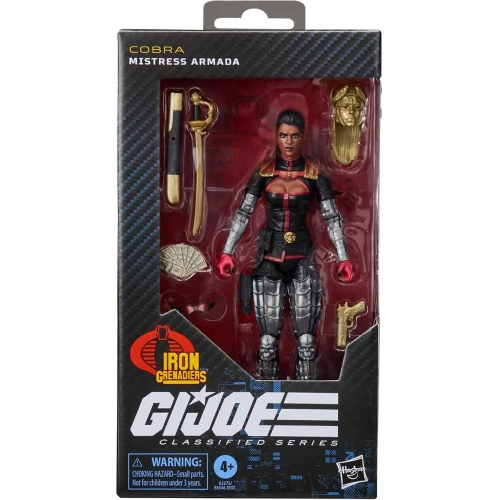
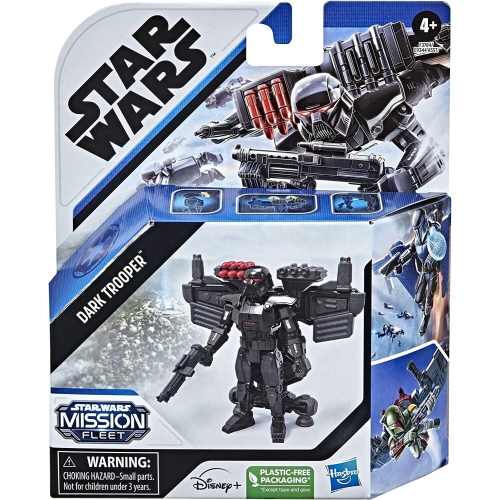
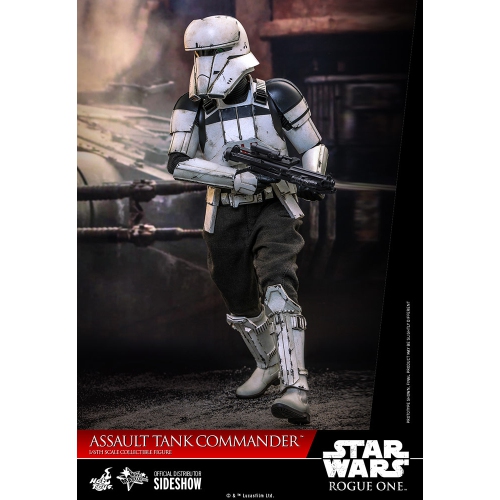
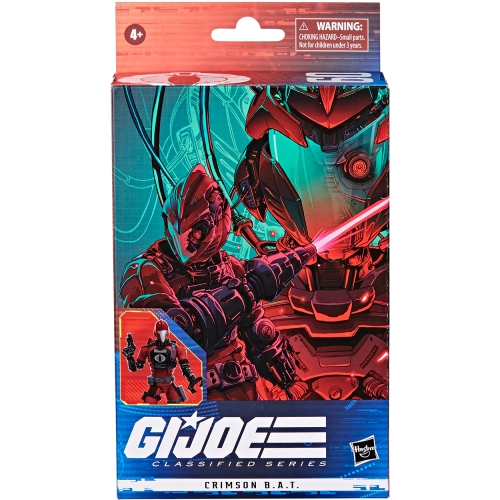
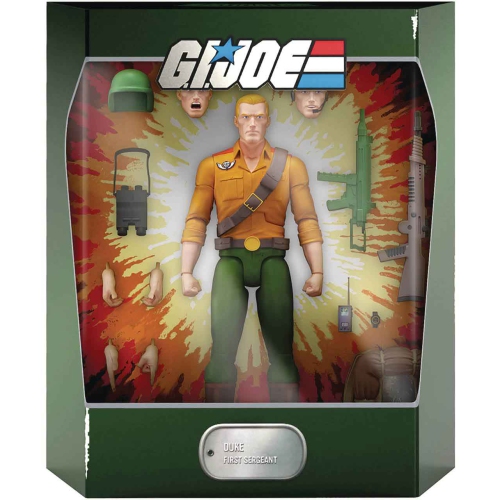
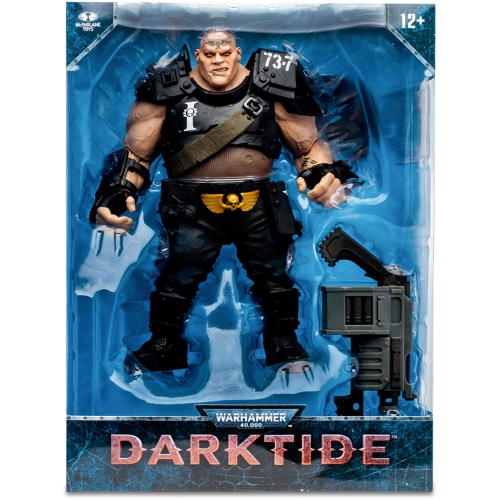

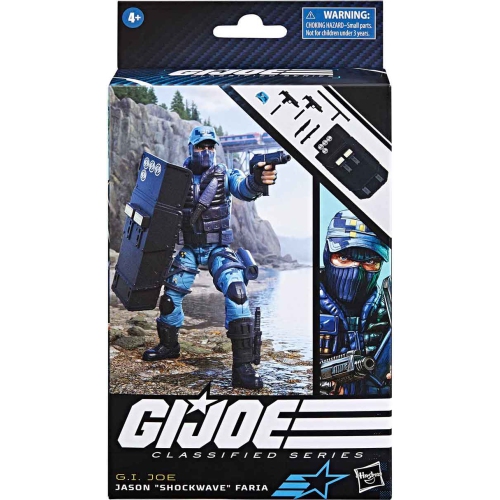

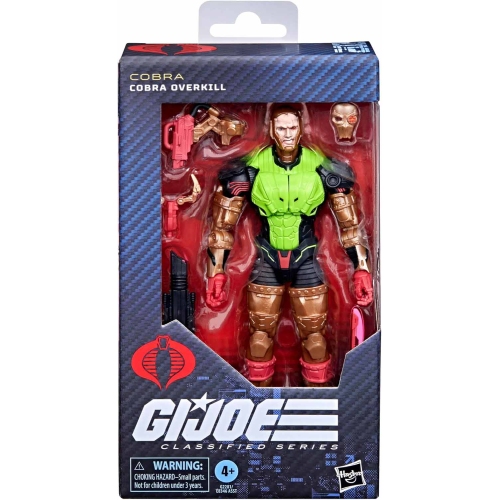
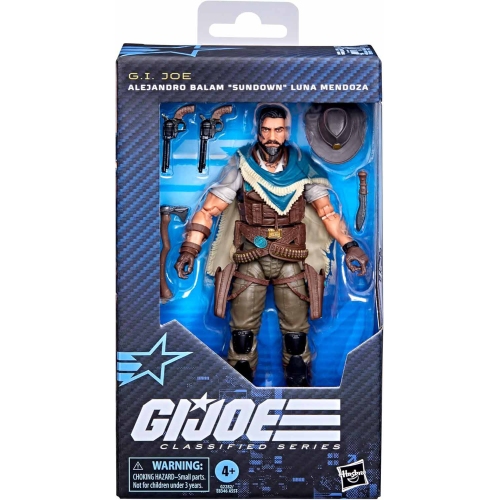
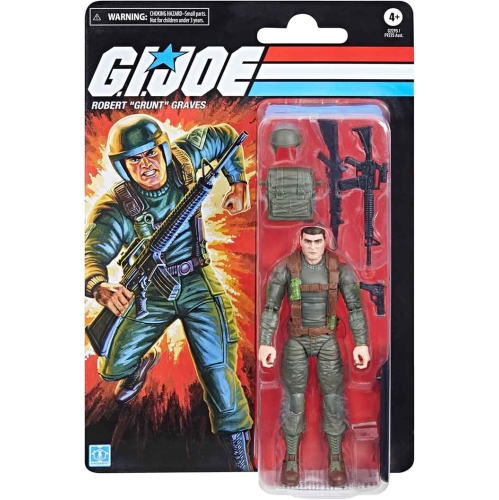
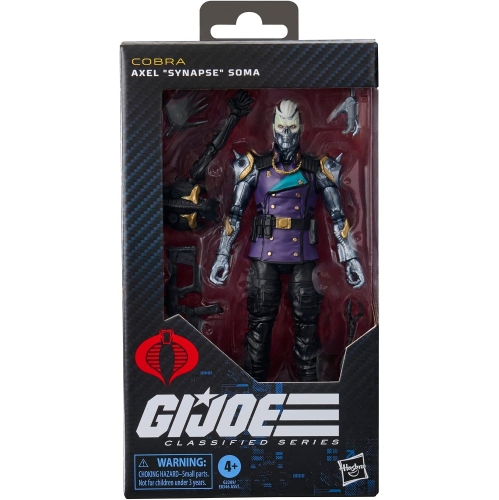
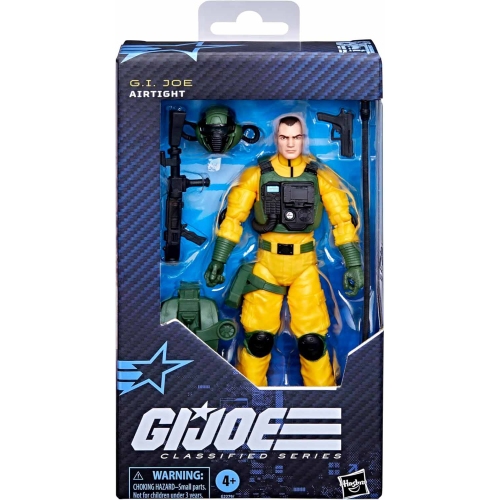
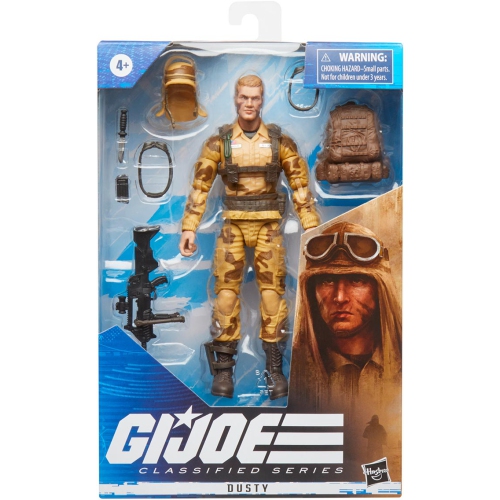


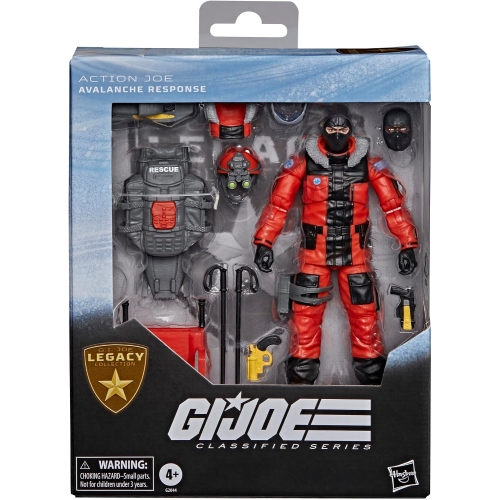
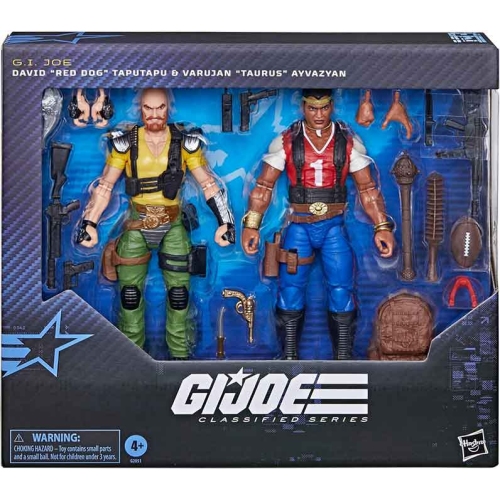
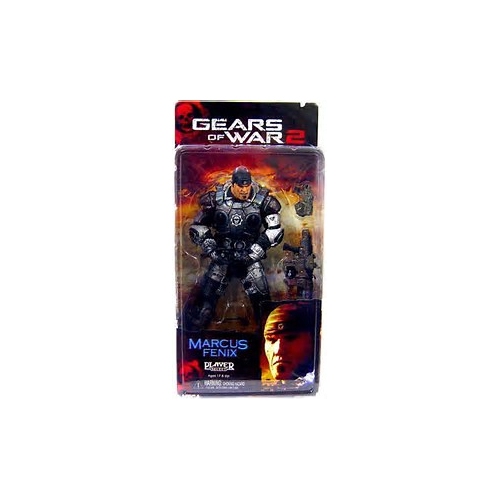
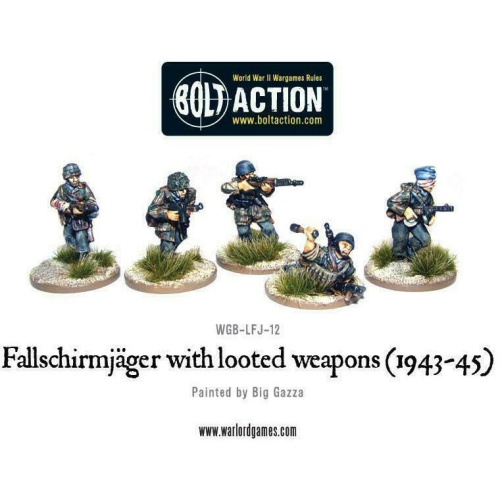

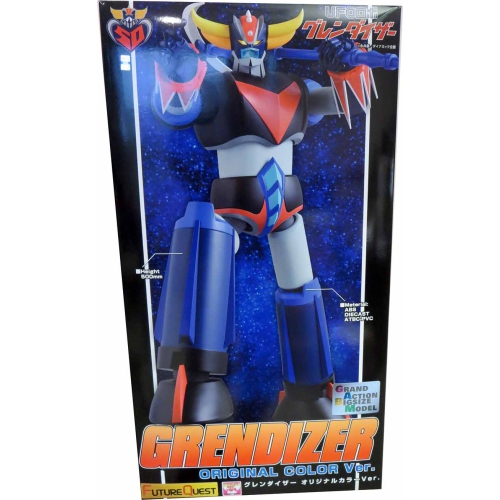


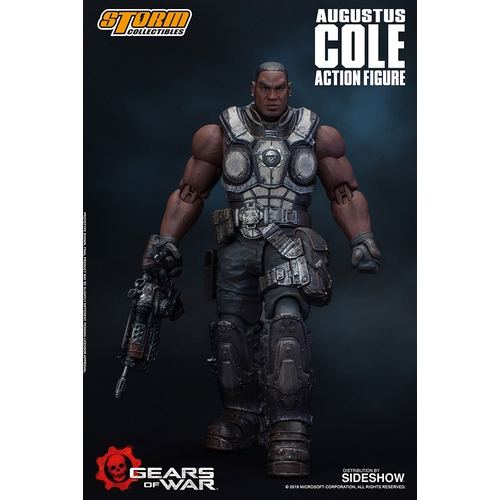
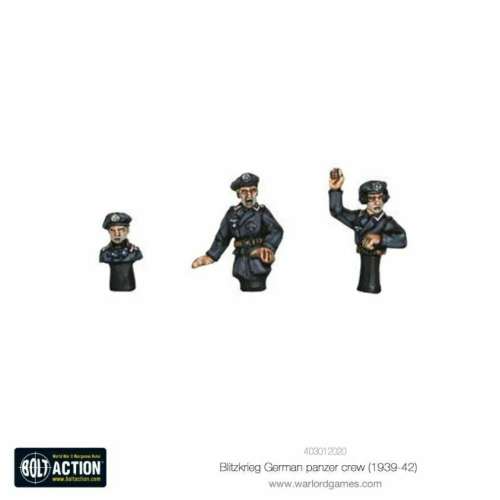
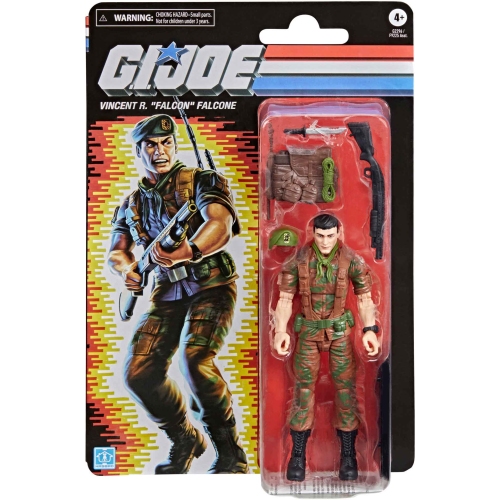
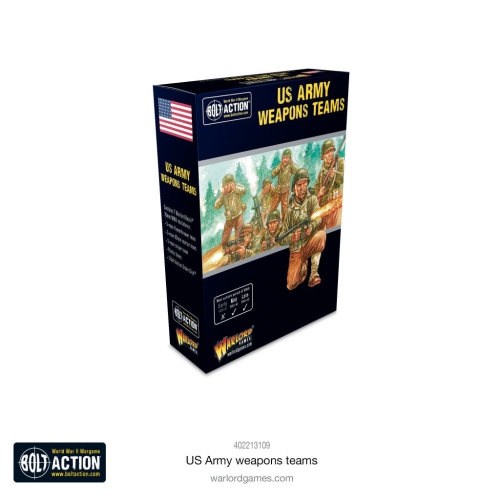

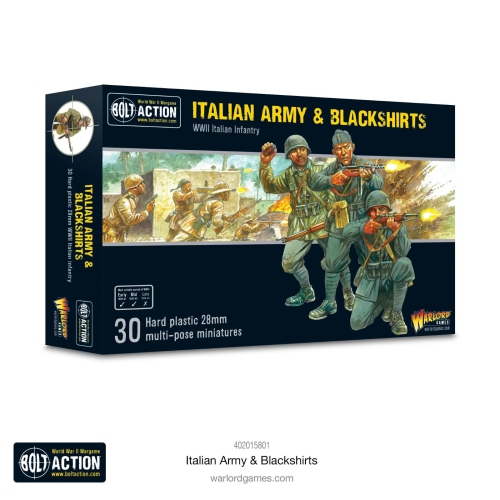
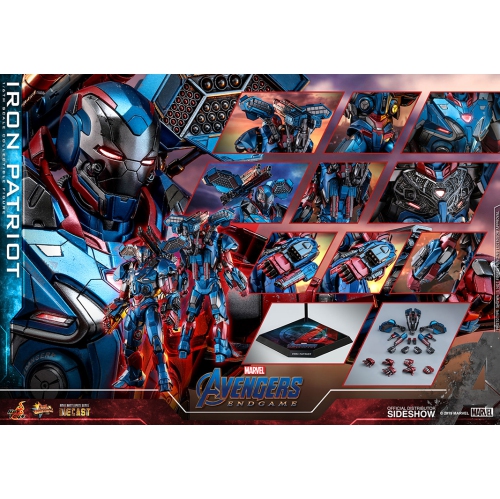
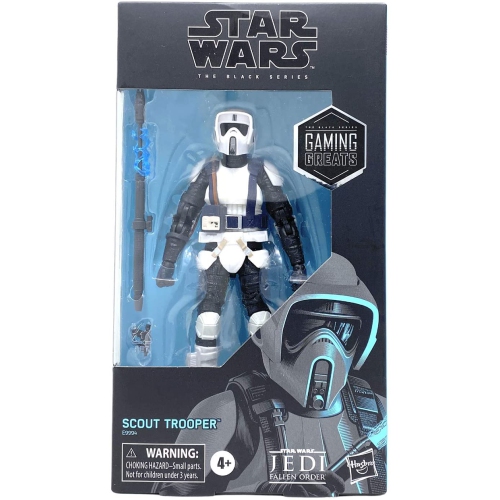
How scale and articulation shape play and display
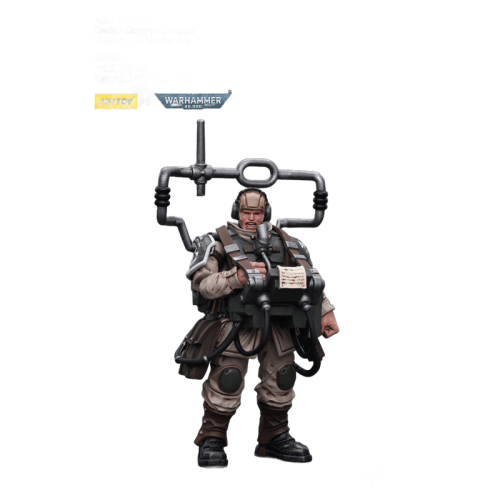
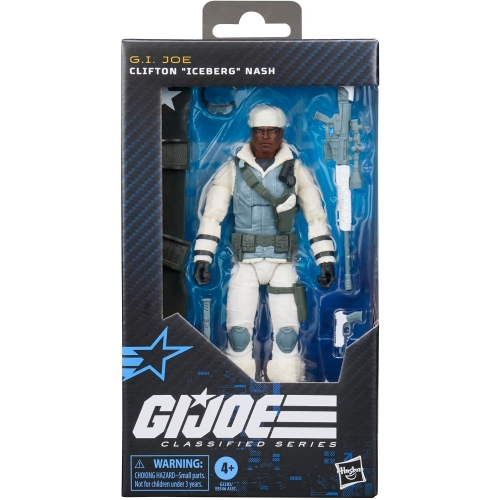
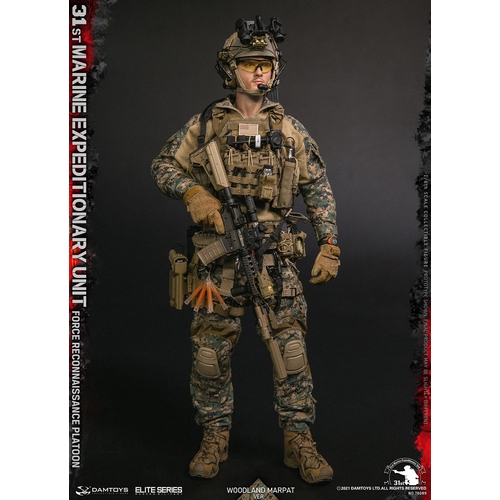
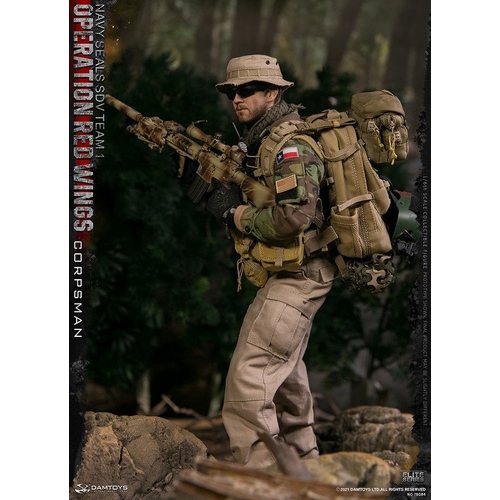
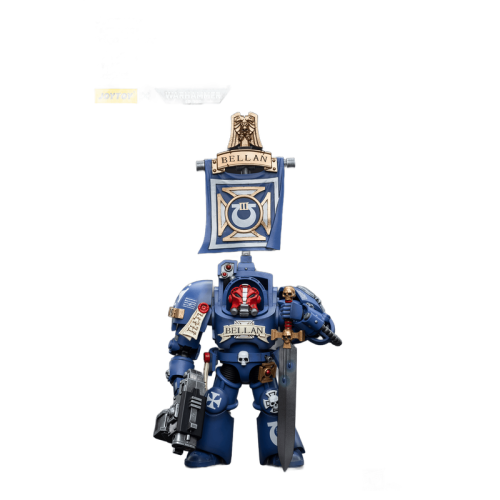
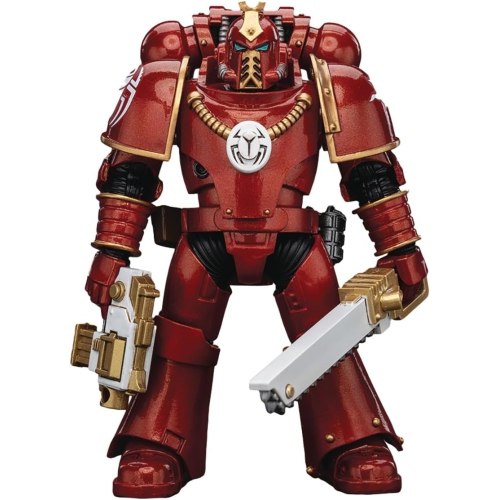
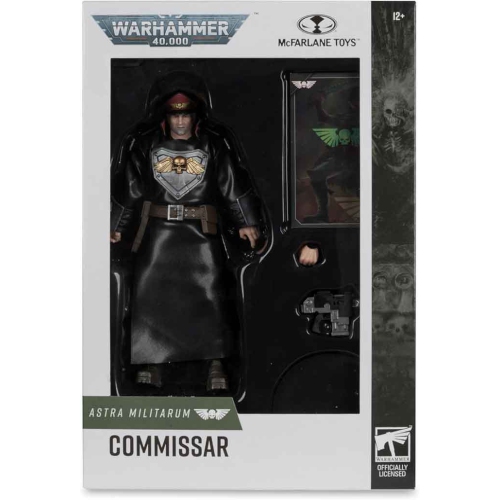
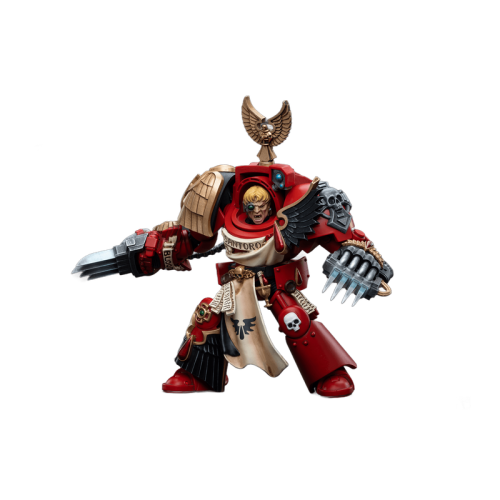
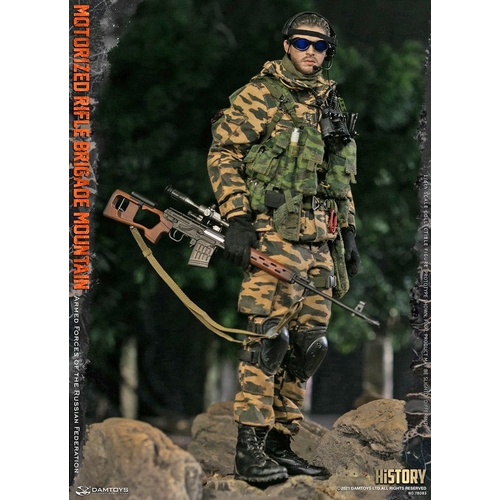
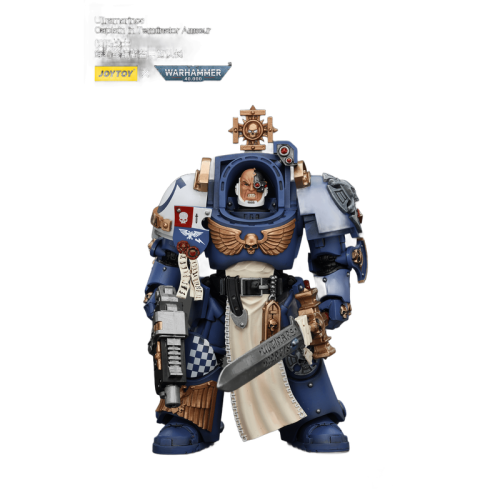
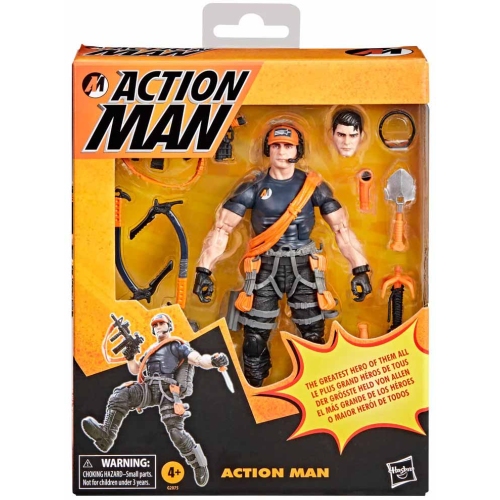
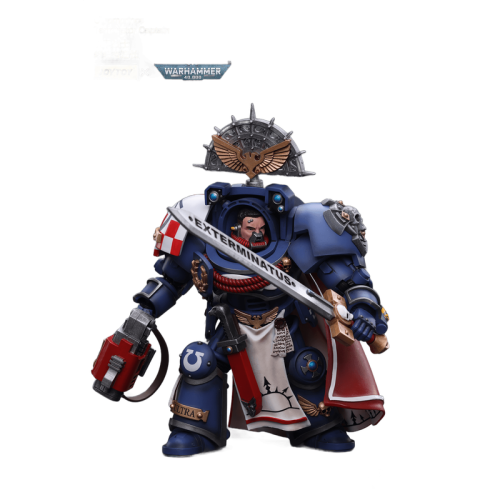
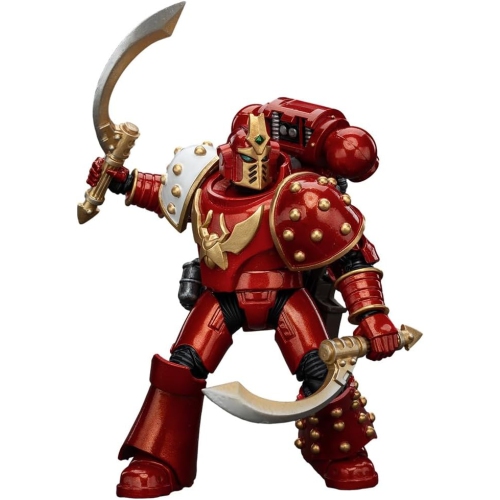
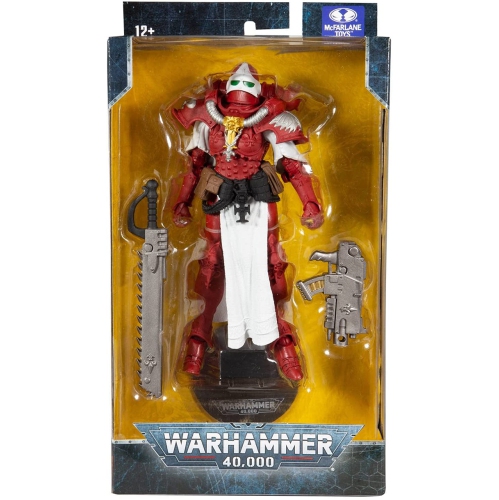
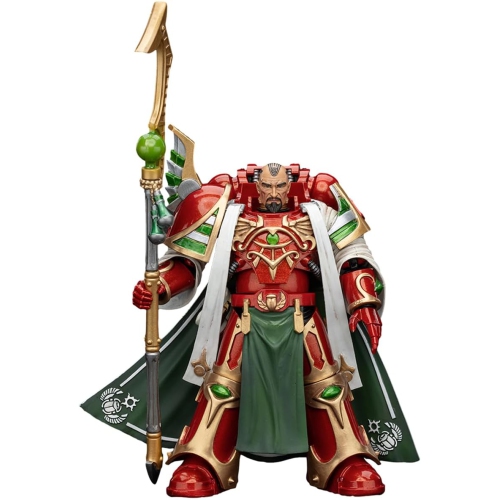
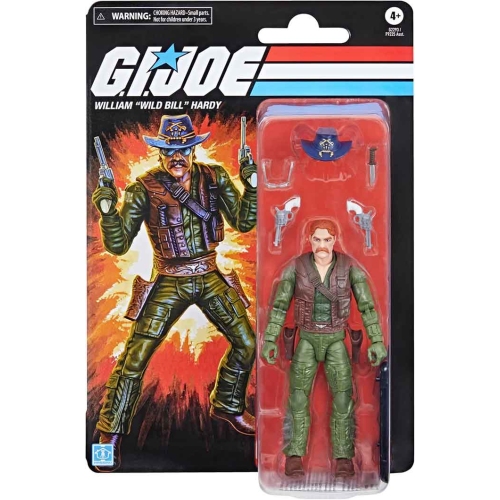
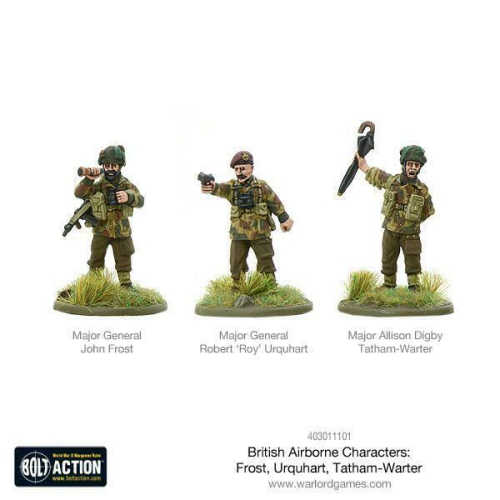
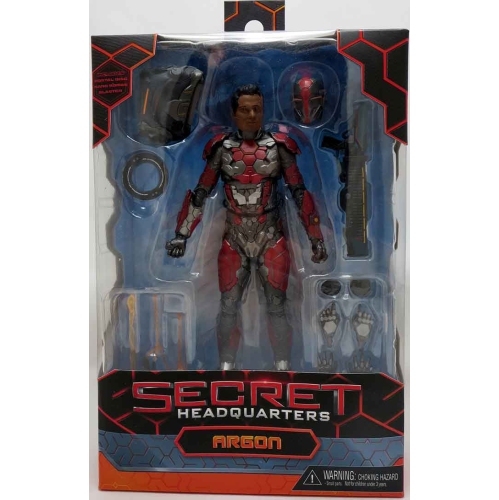
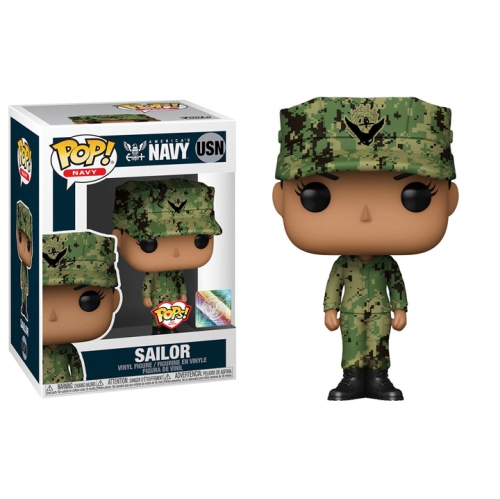
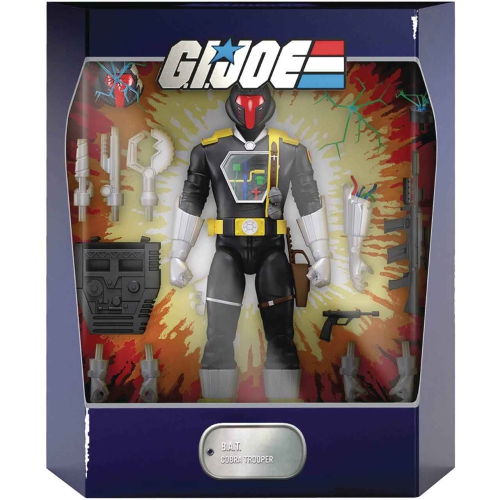
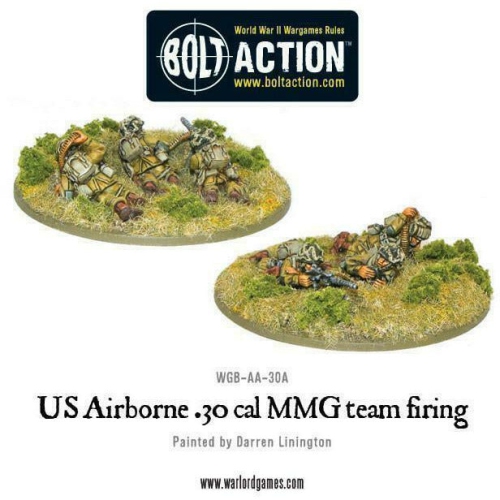
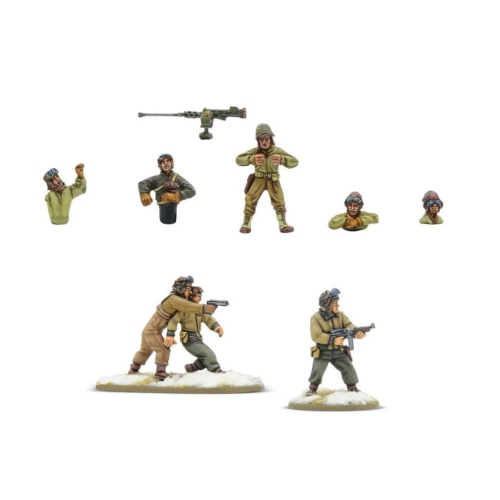
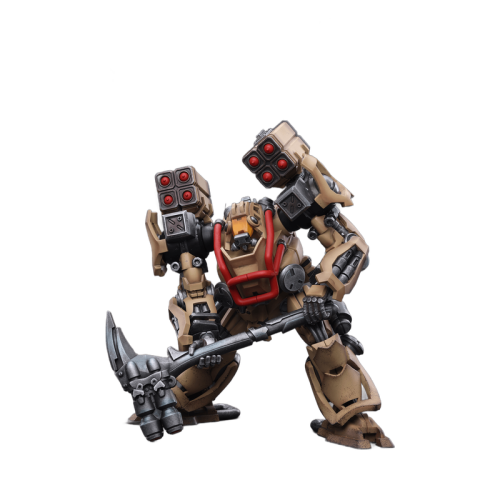
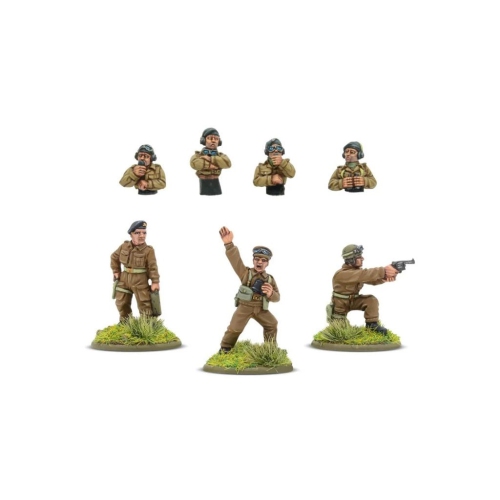
Military action figures range from simple soldier figures made for imaginative play to detailed collectibles designed for posing and display. They depict military personnel and tactical characters from historical, modern, and fictional settings, with differences in uniforms, equipment, articulation, and scale. Some have fixed poses that suit grouped scenes, while others have movable joints for changing a stance, holding accessories, or sitting inside a compatible vehicle. Scale describes a figure’s size relative to the person it represents: common examples include 1:18, 1:12, and 1:6, often associated with figures approximately 4, 6, and 12 inches tall. Those heights are approximate rather than universal, since character proportions and design choices vary. Scale matters most when figures share a display with vehicles, buildings, or other characters. A doorway that looks convincing beside one figure can appear much too small beside another, even when their packaging suggests similar heights. Smaller formats lend themselves to group arrangements and compact scenes, while larger formats leave more room for facial detail, fabric clothing, and individually fitted equipment. Neither size alone nor the number of accessories determines how suitable a figure is for its intended use. A straightforward design with sturdy limbs can suit frequent handling, whereas a finely detailed figure with delicate attachments may be better suited to a display shelf. Historical styling adds another distinction: the shape of a helmet, the cut of a jacket, and the placement of pouches can establish a particular period. Modern and fictional designs may instead emphasize specialized gear or a distinctive character silhouette. For anyone interested in historical representation, clear photographs and descriptive specifications are more useful than assuming that every uniform or accessory is an exact replica. Articulation also deserves attention beyond a simple joint count. Shoulder movement, wrist rotation, and the ability to bend at the hips can affect whether a figure holds a natural pose. Feet that sit flat and joints that support the figure’s weight are particularly useful for a balanced standing display.
Materials influence how military action figures feel, move, and stand up to handling. Moulded plastics are common, with rigid sections helping retain crisp detail and more flexible sections allowing some movement around clothing or equipment. Fabric uniforms can add texture and make larger figures look more lifelike, although seams, fasteners, and narrow sleeves require gentler handling than a solid moulded torso. Resin components can hold fine surface detail but may be less forgiving of drops or bending. Painted finishes bring out features such as stitching, buckles, and facial expressions, yet repeated rubbing between closely fitted parts can leave marks over time. Removable helmets, belts, and packs introduce another practical consideration: their fit needs to be secure enough for the intended use without requiring force during attachment. A tight accessory should not be pushed into place simply because it appears compatible, and a stiff joint is best handled according to the manufacturer’s directions rather than twisted past its natural range. These details matter differently for a child who repeatedly changes a figure’s pose and a collector who leaves it in one arrangement. Age recommendations and safety warnings remain the clearest starting point for play suitability. Small detachable pieces can pose a choking hazard, and a collectible intended for older users should not be treated as a young child’s toy just because it resembles one. Care is generally straightforward but should follow the materials and finish. A soft brush can lift dust from folds and textured surfaces, while a clean, dry cloth suits many smooth areas. Fabric clothing and painted parts may have different cleaning requirements, so washing or soaking an entire figure can cause avoidable damage. Strong cleaning products, abrasive tools, prolonged direct sunlight, and heat sources can also affect finishes or materials. Keeping loose accessories together in a labelled container makes it easier to maintain a complete set without repeatedly searching through unrelated pieces. Separate compartments are especially useful for small hands, straps, and interchangeable parts that could otherwise rub against painted surfaces.
The appeal of military action figures often lies in the way a few carefully matched details bring a scene together. A figure beside a communications station, seated in a compatible vehicle, or positioned near a model building can suggest a story without needing a crowded arrangement. For imaginative play, the same characters might take part in a rescue mission, a training exercise, or a story centred on teamwork. For collectors, the emphasis may be uniform design, character sculpting, historical interest, or the challenge of creating a convincing pose. These interests can overlap, but the most satisfying format usually matches how the figures will actually be handled and displayed. A desk display benefits from a stable base and a modest footprint; a larger cabinet offers room for a group with varied poses and clear sightlines. Display stands can help support dynamic positions, provided their pegs or clamps suit the figure and do not press against delicate details. Shelves also need enough clearance for headgear and raised accessories, not just the figure’s stated height. A simple backdrop can keep attention on sculpted features, while too many surrounding elements can hide the details that make a collection distinctive. Collectors whose interests extend beyond military characters may also explore Adult Action Figures for other display-focused themes. As gifts, military figures are most personal when they reflect the recipient’s interests rather than an assumption based on age alone. A fascination with model building, a favourite fictional setting, or an existing collection’s scale can provide a useful point of reference. Someone who enjoys posing characters may appreciate a different construction style from someone who keeps figures boxed. Packaging dimensions matter for boxed displays, while loose displays depend more on balance, accessory storage, and protection from accidental knocks. Across these uses, the defining considerations remain scale, construction, detail, and suitability for play or display, with each contributing to how comfortably a figure fits into its owner’s collection.
Top selling and popular products
-
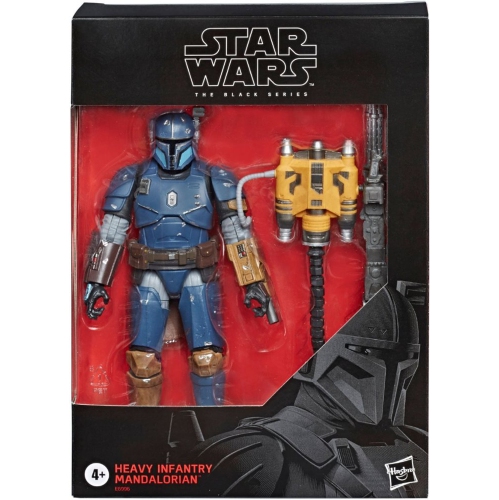 Your price for this item is $35.64
-
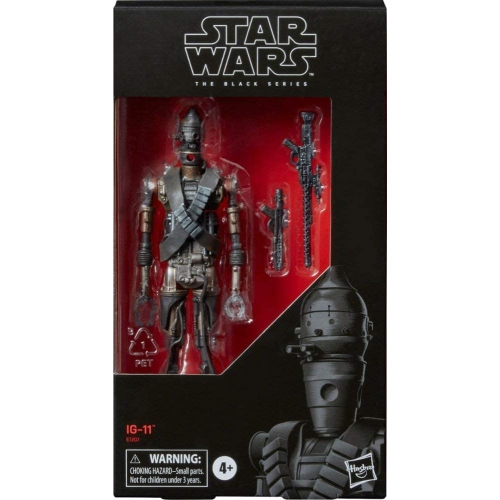 Your price for this item is $42
-
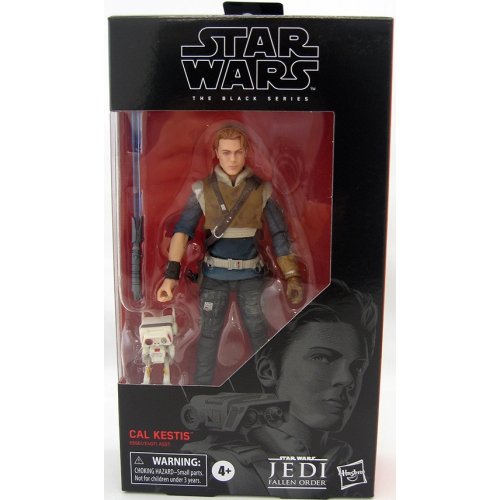 Your price for this item is $41.39
-
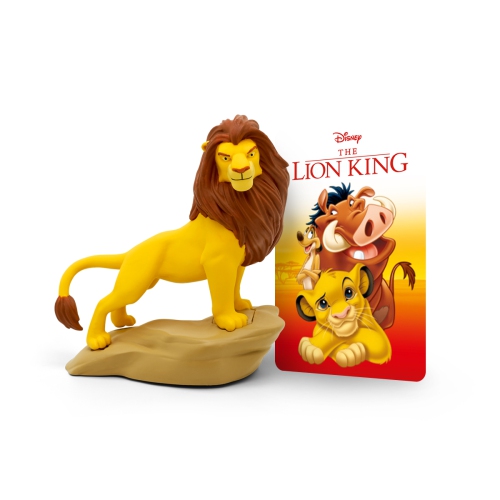 Your price for this item is $29.99
-
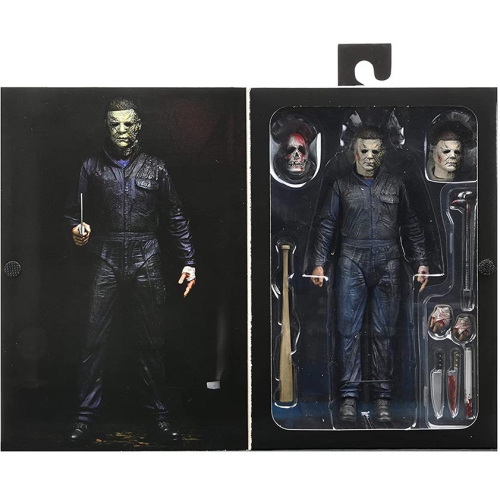 Your price for this item is $81
-
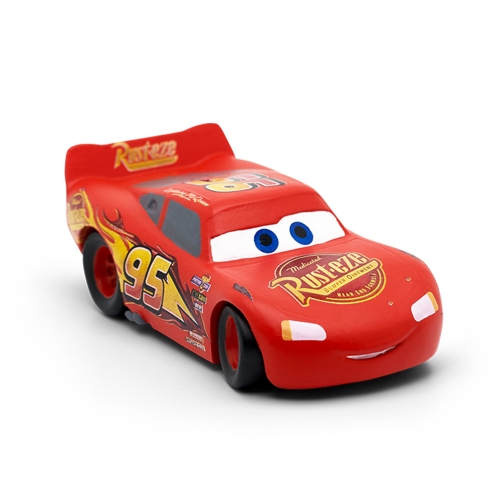 Your price for this item is $29.99
-
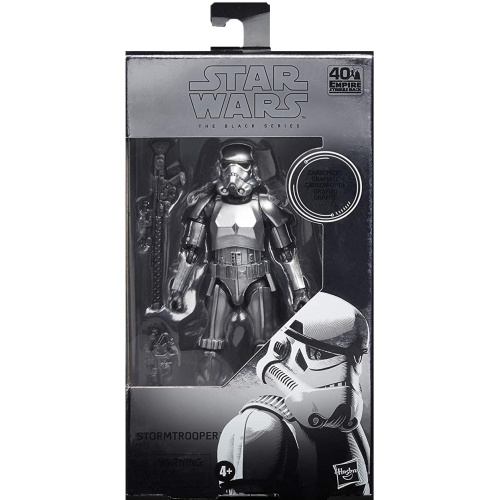 Your price for this item is $46
-
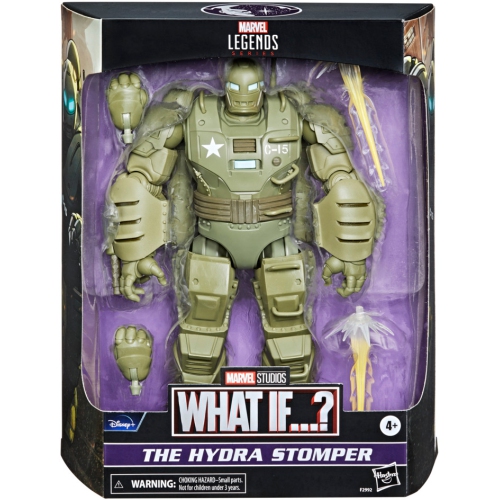 Your price for this item is $73.59
Discover more categories related to Military Action Figures

Top Collections:
Best Black Friday Deals This Year, Best Black Friday Deals On Electronics, Kindle Devices, Dyson Airwrap, Best Cameras for Sports Photography, Best Budget Office Chairs, Canon G7X Cameras, PS5 Pro Consoles, Best Black Friday Deals On Apple Products, XBOX One S Consoles
Some products may be subject to Environmental Handling Fees
(EHF) depending on your province.
Learn more about EHFs.