Military Aircraft Model Kits
Military Aircraft Model Kits offer an exciting way to explore the world of aviation history and engineering. Perfect for hobbyists and collectors alike, these kits provide a rewarding hands-on experience, allowing you to recreate iconic aircraft from various eras. Whether you’re expanding your collection or searching for a thoughtful gift, Military Aircraft Model Kits are a great choice for anyone passionate about aviation and model building. Discover a wide selection to suit every skill level and interest.
Sort
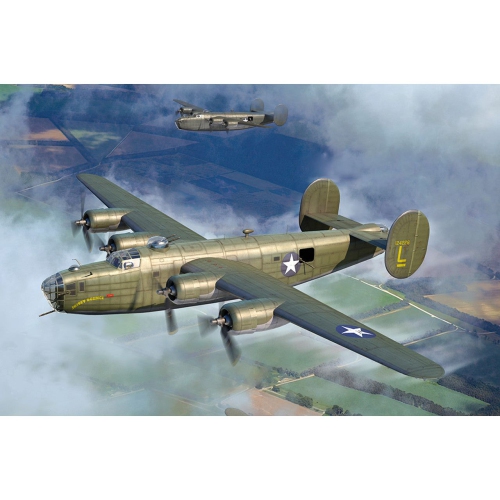
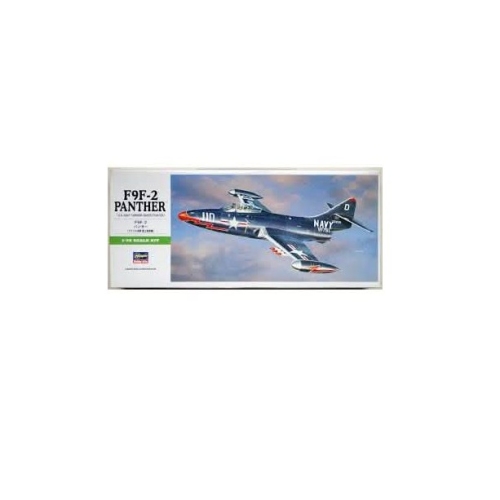
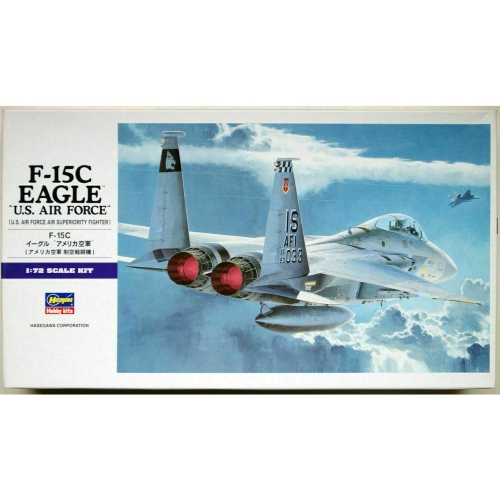
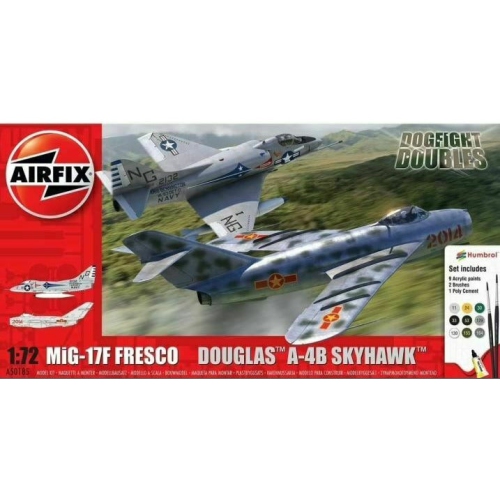
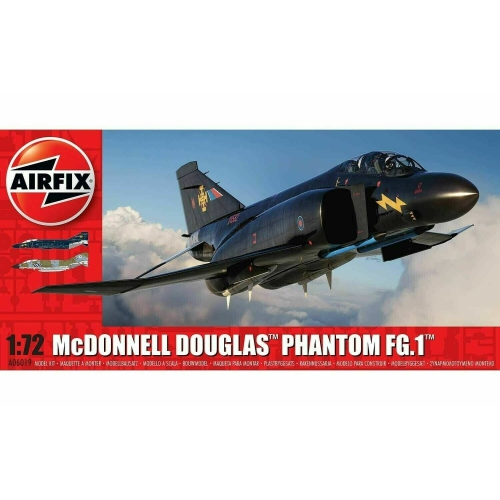
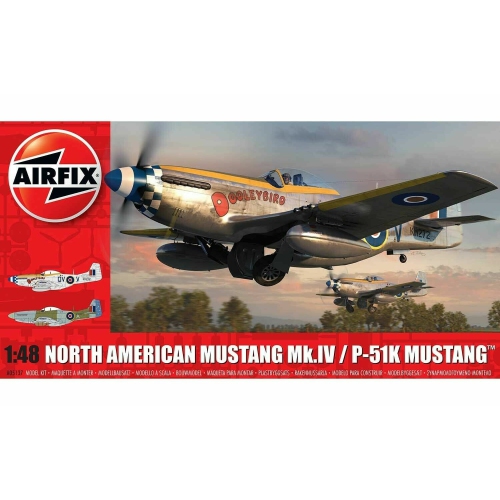
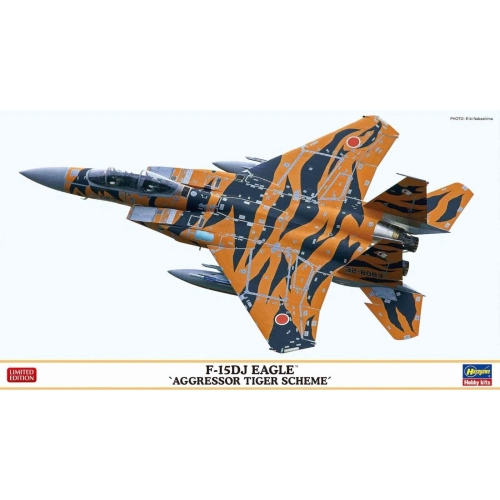
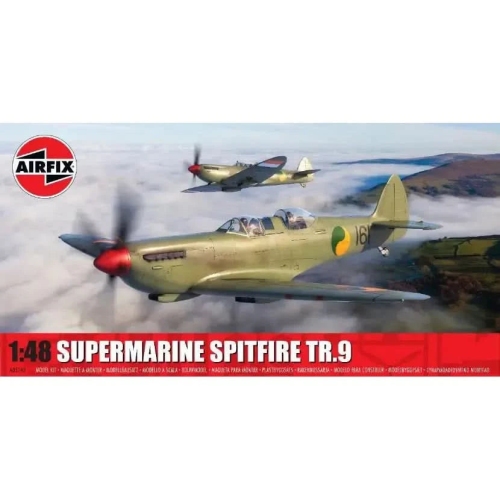
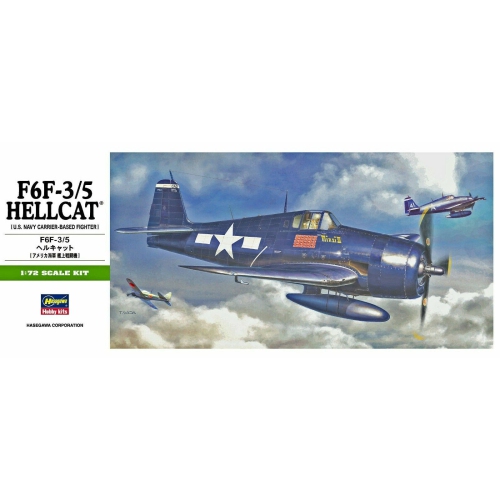
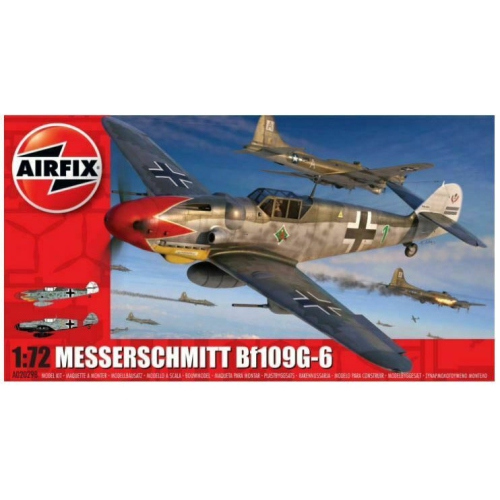
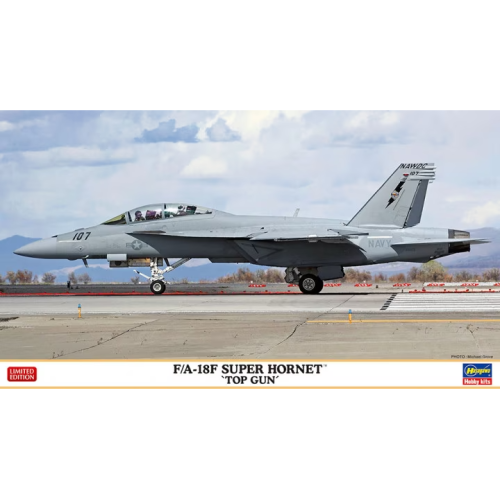
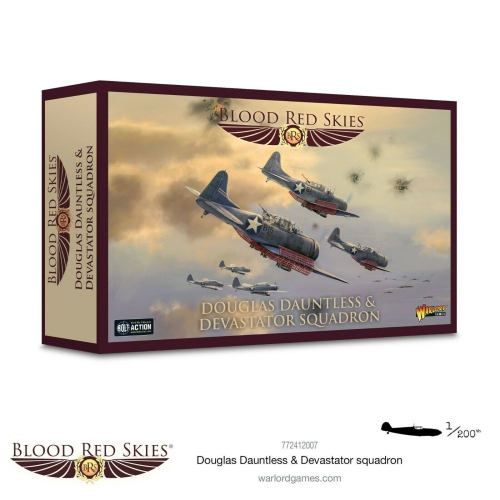
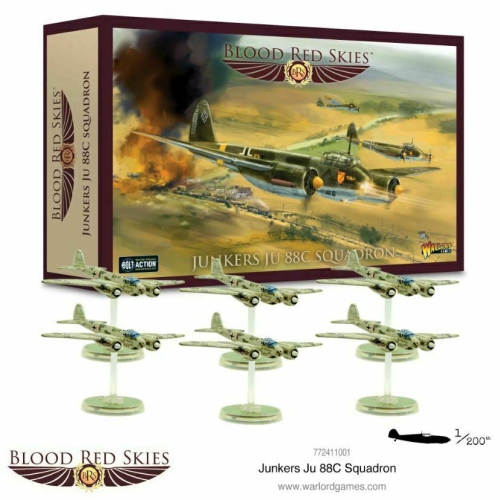
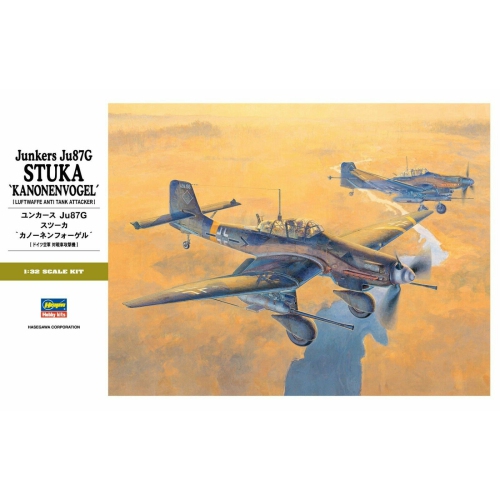
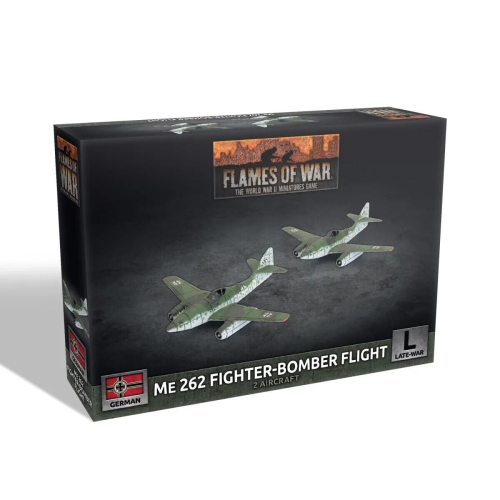
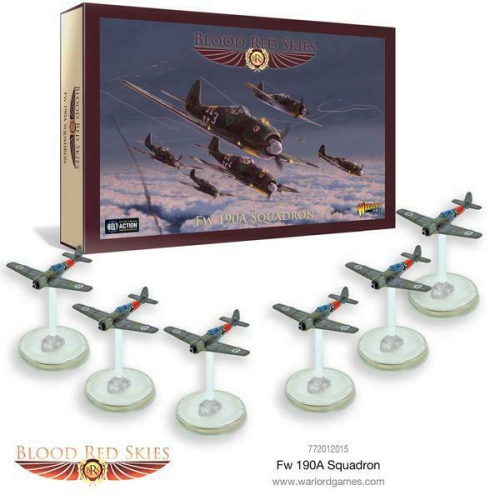
How scale and detail shape your aircraft build
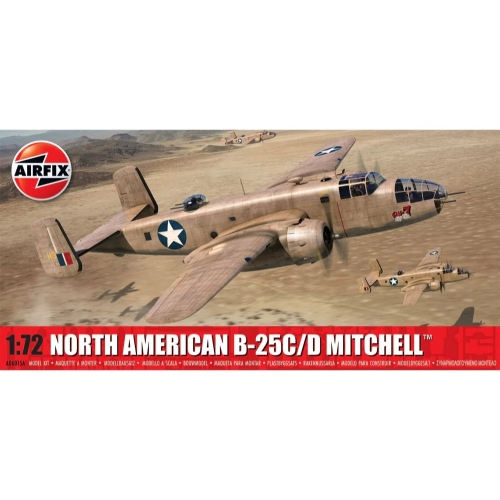
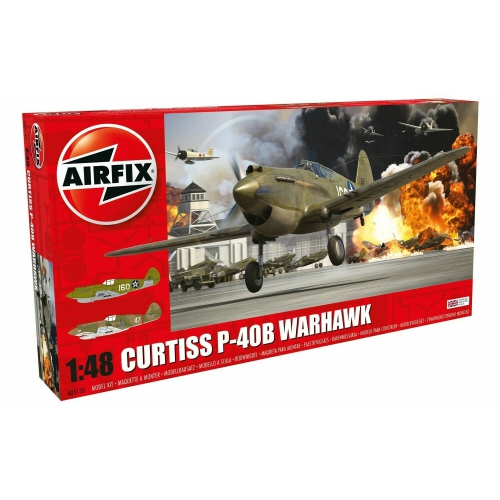
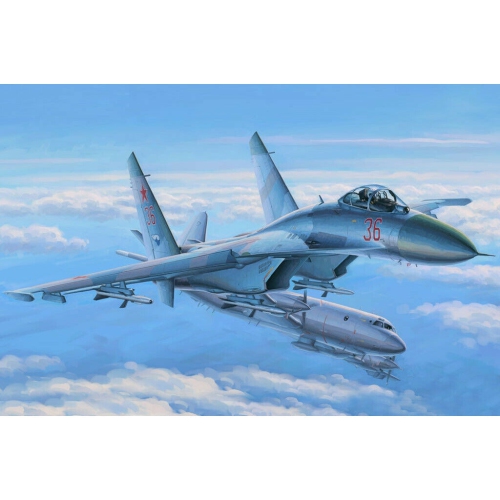
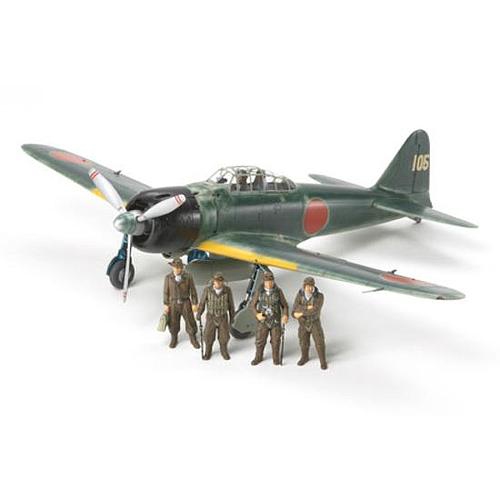
Military aircraft model kits contain parts for building scale replicas of military aeroplanes and, in some collections, helicopters. They combine the appeal of aviation history with hands-on assembly, painting, and display, turning a collection of components into a recognisable aircraft with its own silhouette, markings, and character. Subjects range from propeller-driven fighters and heavy bombers to jet interceptors, transport aircraft, and maritime patrol aircraft. Each type offers a different building experience: a compact fighter may put the focus on cockpit detail and wing alignment, while a large bomber can introduce multiple engines, defensive positions, and a much wider wingspan. Scale is one of the clearest ways to compare these models. At 1/72 scale, one unit on the model represents 72 units on the original aircraft, making this a practical option for collections where shelf space matters. The same aircraft in 1/48 scale is larger, with more room for visible cockpit features, landing gear detail, and painted markings. A 1/32-scale replica has a stronger display presence and can provide considerable scope for interior detail, although its dimensions deserve careful attention before assembly begins. For the same aircraft, a larger number after the slash means a smaller model. Scale alone does not establish difficulty, however; a small model with numerous delicate parts can demand more patience than a larger kit with simpler construction. Finished length and wingspan are useful considerations alongside scale, especially when comparing a single-engine aircraft with a multi-engine transport. Consistent scale can give a collection visual coherence and make differences between aircraft easier to appreciate. Mixed scales can work equally well when the intention is to highlight individual subjects rather than reproduce their relative sizes. Aircraft also fit naturally within the broader Military Model Kits category, particularly for displays connected by a shared historical period or aviation theme.
Materials, parts fit, and construction style shape how a military aircraft model kit comes together. Injection-moulded polystyrene is common because it can reproduce panel lines, structural shapes, and small surface details while remaining suitable for cutting, sanding, and bonding with compatible model cement. Some kits include clear plastic for canopies and windows, while more involved builds may incorporate resin components or thin photo-etched metal parts. These materials can add refinement, but they may also call for different adhesives, extra preparation, or more precise handling. Snap-fit construction can reduce the need for glue, whereas traditional glue-together kits usually allow more attention to seams and individual subassemblies. Neither construction style guarantees a particular level of accuracy or detail, so the stated age range, part count, assembly requirements, and included materials all help set expectations. Good parts fit is particularly noticeable where the fuselage halves meet and where the wings join the body. Checking how pieces sit together before bonding can reveal a small obstruction or alignment issue before it becomes difficult to correct. A canopy that sits neatly against the fuselage and landing gear that supports the aircraft evenly contribute as much to the finished impression as finely engraved surface detail. Paint and markings bring another layer of choice. Camouflage patterns, squadron insignia, identification numbers, and national markings can establish a particular period or role without changing the underlying aircraft shape. Waterslide decals often supply details that would be difficult to paint by hand, although their size and complexity vary. Adhesives, paints, brushes, and tools are not necessarily included, and finishing materials need to suit both the plastic and any additional components. Clear parts benefit from an adhesive intended for transparent plastic, since unsuitable glue can leave visible marks. A manageable first project generally leaves room to practise clean assembly and a straightforward finish; a more intricate build may reward someone who enjoys working through cockpit interiors, landing gear bays, and carefully aligned external details over several sessions.
The intended use of a finished model helps determine which features matter most. For a shelf display viewed from across a room, an accurate outline, balanced stance, and clean paint finish can be more noticeable than tiny details hidden inside the fuselage. In a glass-fronted cabinet, an open cockpit, carefully finished instrument panel, or detailed engine area may invite closer inspection. A flying pose on a compatible stand can emphasize the aircraft’s shape, while a wheels-down display draws attention to landing gear, access panels, and ground-level details. Stands and alternative assembly options vary by kit, so they should not be assumed to be included. Military aircraft model kits can appeal to aviation enthusiasts, history-minded collectors, experienced hobbyists, and newcomers who enjoy patient, hands-on projects. As gifts, they are most satisfying when the subject and construction demands match the recipient’s interests rather than simply offering the highest part count. Someone fascinated by early aviation may value a propeller-driven subject, while a jet enthusiast may be more engaged by swept wings, intake shapes, and a detailed cockpit. Younger builders need an age-appropriate kit and adult supervision where small parts, sharp tools, adhesives, or paints are involved. These replicas are generally intended for assembly and display rather than repeated handling as play aircraft. Even a well-built model can have vulnerable antennas, propellers, undercarriage legs, and other projecting parts. A stable display surface, adequate clearance around the wings, and protection from direct sunlight help preserve the finished appearance. Dust is best removed gently with a soft brush, avoiding pressure on decals and delicate fittings. Keeping spare parts, unused markings, and assembly instructions together can also be useful if a repair is needed later. With a suitable level of complexity and enough display space, a military aircraft model can become both an absorbing building project and a lasting expression of interest in aviation.
Top selling and popular products
-
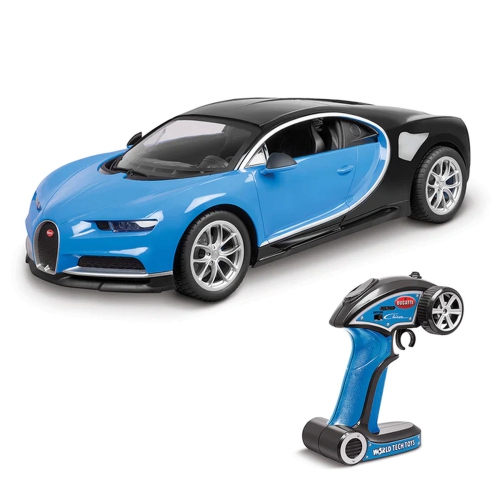 Your price for this item is $119.99
-
 Your price for this item is $69.99
-
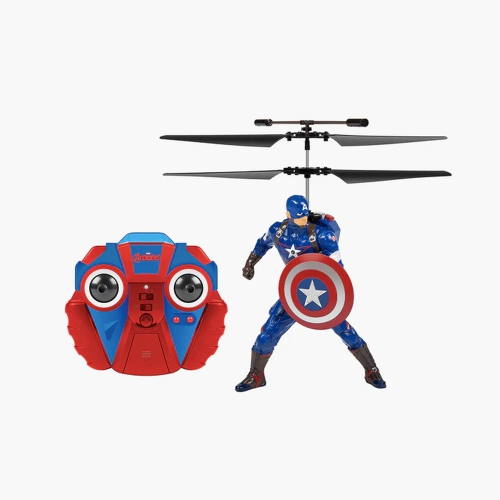 Your price for this item is $59.99
-
 Your price for this item is $6
-
 Your price for this item is $18
-
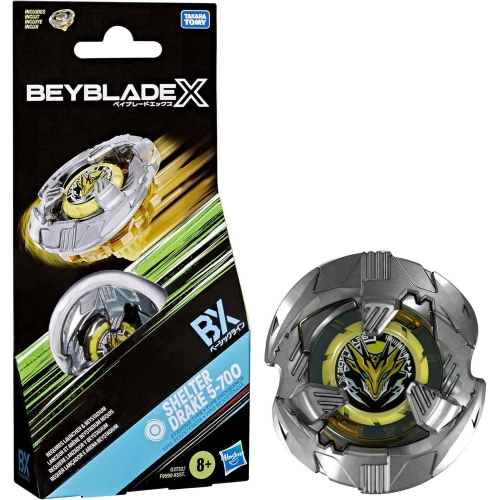 Your price for this item is $13.79
-
 Your price for this item is $16
-
 Your price for this item is $59.99
Discover more categories related to Military Aircraft Model Kits
Top Collections:
Best Black Friday Deals This Year, Best Black Friday Deals On Electronics, Kindle Devices, Best Black Friday Deals On Apple Products, Best Budget Office Chairs, Best Cameras for Sports Photography, Dyson Airwrap, Canon G7X Cameras, Best Laptops for Writers, Samsung Galaxy Phones
Some products may be subject to Environmental Handling Fees
(EHF) depending on your province.
Learn more about EHFs.