Modern Board Games
Dive into the exciting world of modern board games, where creativity and strategy come together to offer endless entertainment for family and friends. These innovative games are perfect for game nights, bringing people together with unique themes and engaging mechanics. Whether you're a seasoned player or just starting out, there's a modern board game that will challenge your mind and spark your imagination. From cooperative adventures to competitive showdowns, explore a diverse range of options that cater to all ages and preferences. Let the fun begin as you discover new favorites and create lasting memories around the table.
Sort
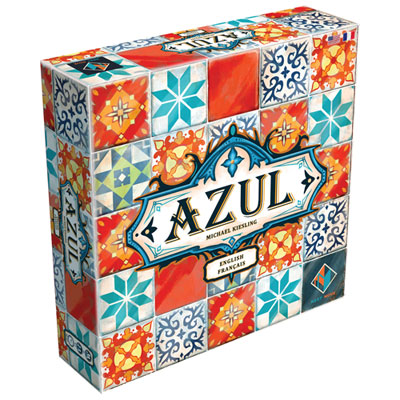
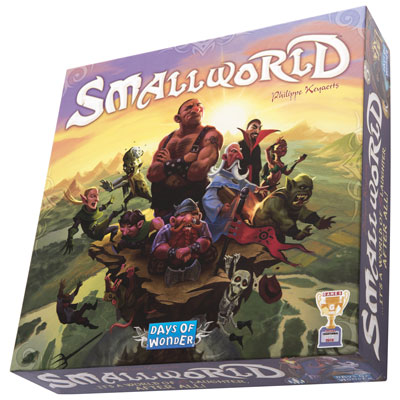
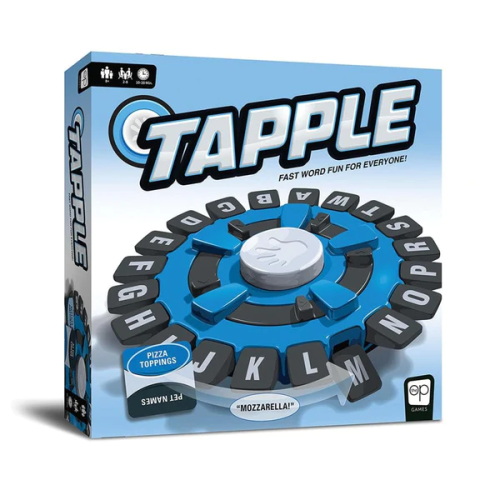
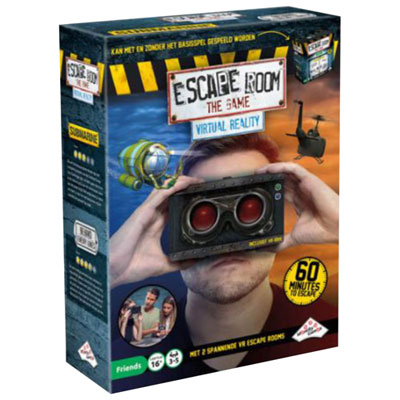
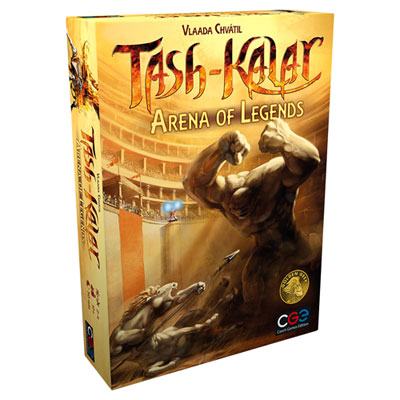
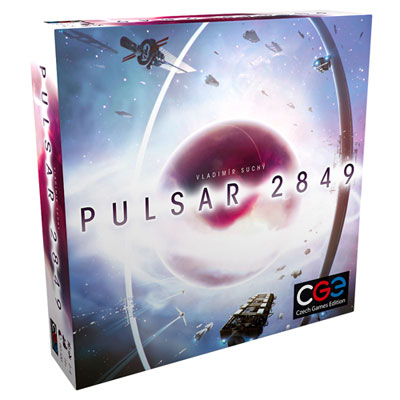
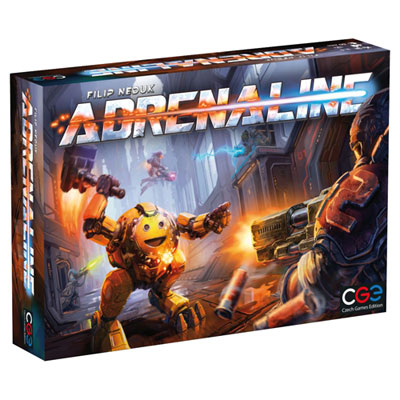
![ZOCH VERLAG Nitro Glyxerol [Board Game, 2-4 Players]](https://multimedia.bbycastatic.ca/multimedia/products/500x500/151/15158/15158818.jpeg)
![SAS CREATIVE Carthage - The Deckbuilding Board Game [Board Game, 1-5 Players]](https://multimedia.bbycastatic.ca/multimedia/products/500x500/151/15158/15158860.jpeg)
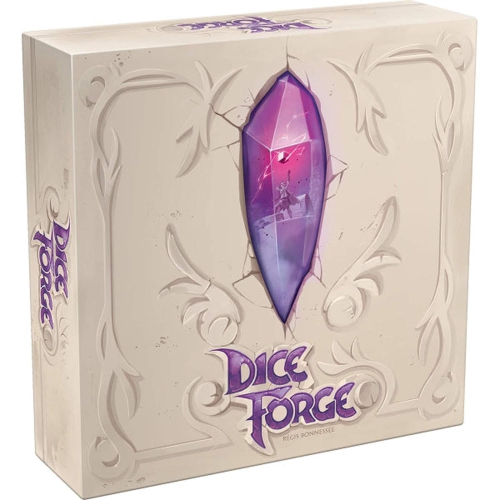
![STEAMFORGED GAMES Dark Souls: The Board Game - Characters Expansion [Board Game, 1-4 Players]](https://multimedia.bbycastatic.ca/multimedia/products/500x500/193/19383/19383501.jpeg)
![STEAMFORGED GAMES Dark Souls: The Board Game - Iron Keep Expansion [Board Game, 1-4 Players]](https://multimedia.bbycastatic.ca/multimedia/products/500x500/193/19383/19383504.jpeg)
![STEAMFORGED GAMES Dark Souls: The Board Game - Explorers Expansion [Board Game, 1-4 Players]](https://multimedia.bbycastatic.ca/multimedia/products/500x500/193/19383/19383503.jpeg)
![PLAID HAT GAMES Gen7: A Crossroads Game [Board Game, 3-4 Players]](https://multimedia.bbycastatic.ca/multimedia/products/500x500/153/15332/15332353.jpeg)
![REPOS PRODUCTIONS 7 Wonders [Board Game, 2-7 Players]](https://multimedia.bbycastatic.ca/multimedia/products/500x500/153/15341/15341427.jpeg)
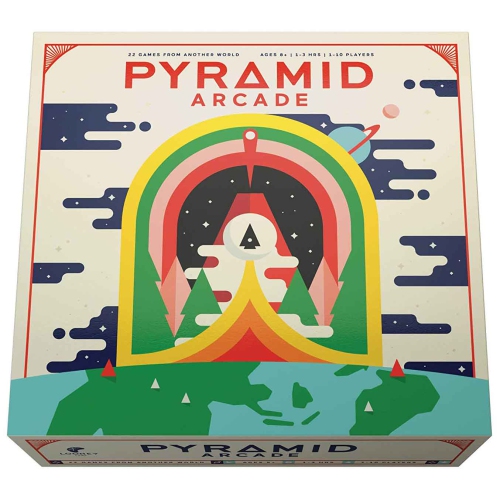
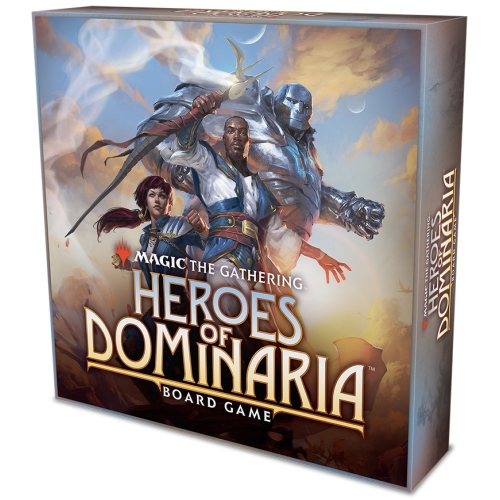
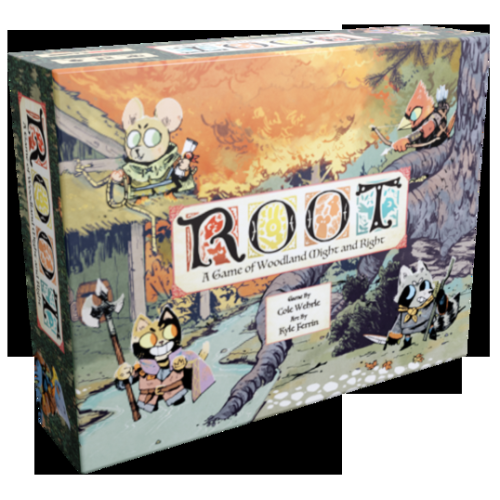
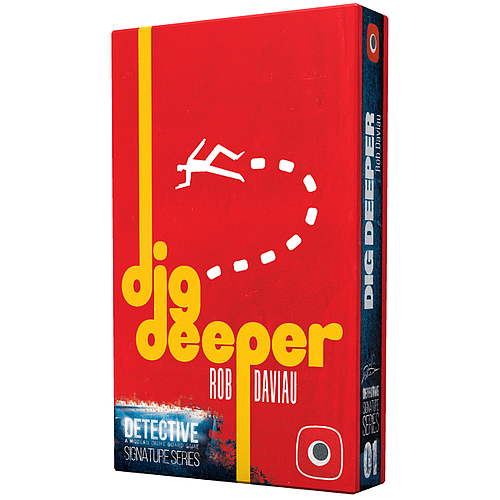
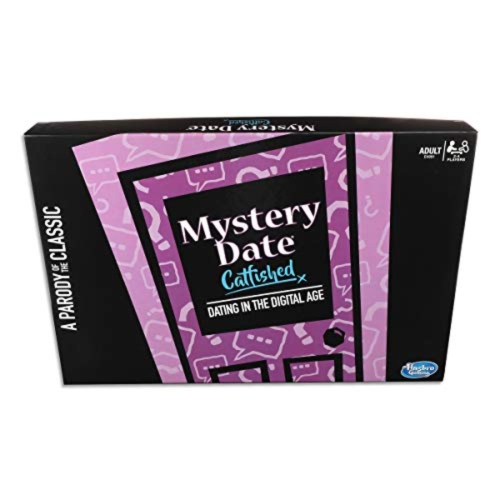
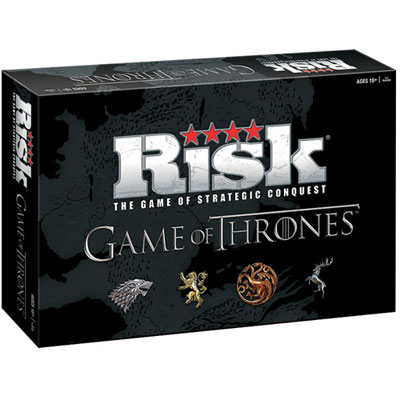
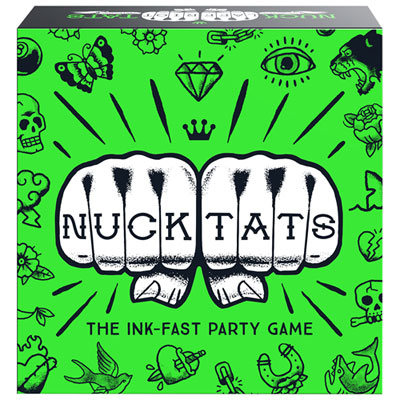
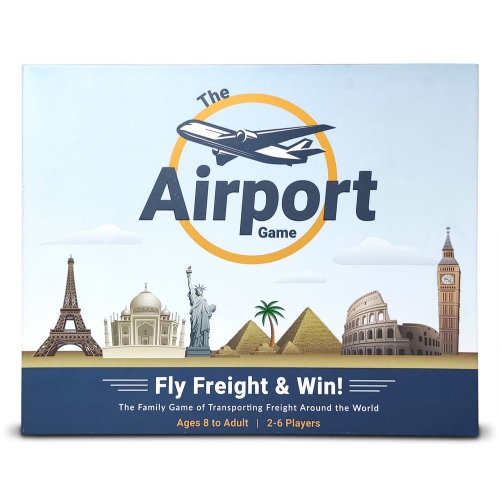
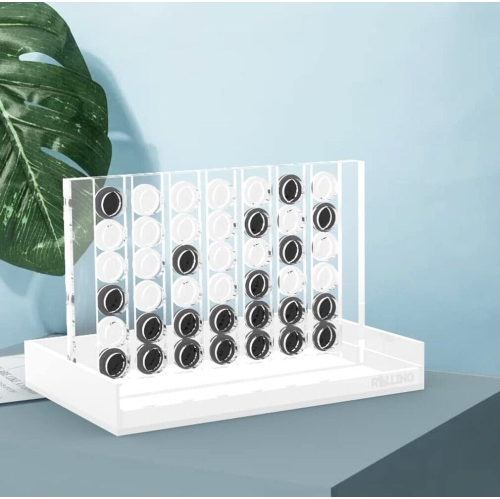
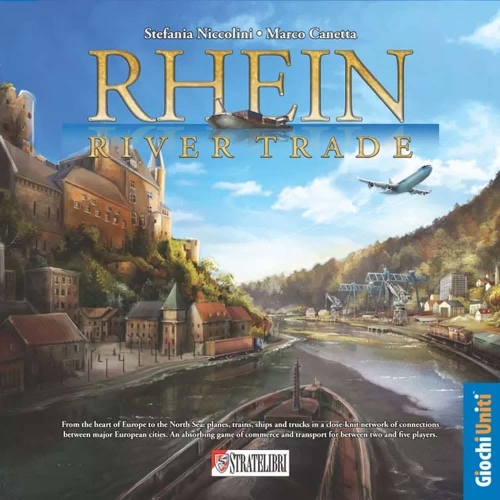
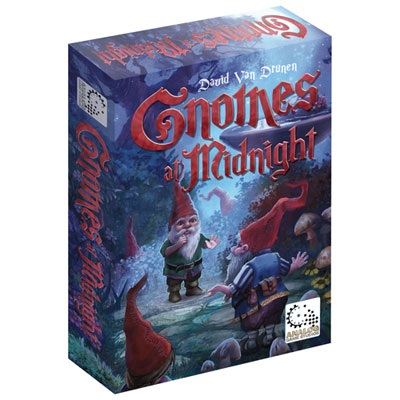
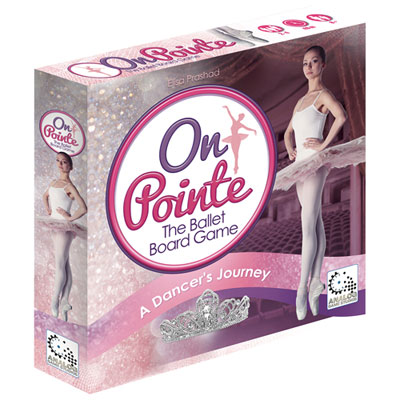


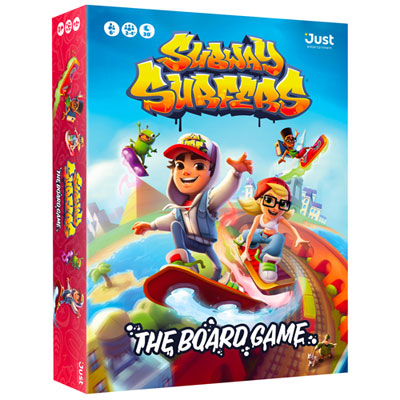
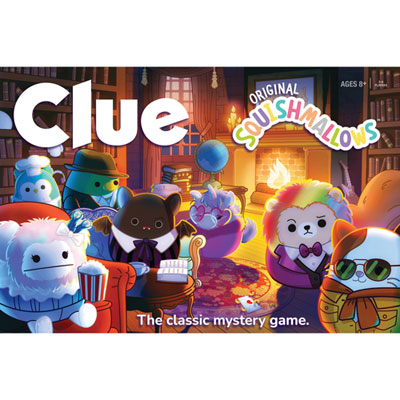
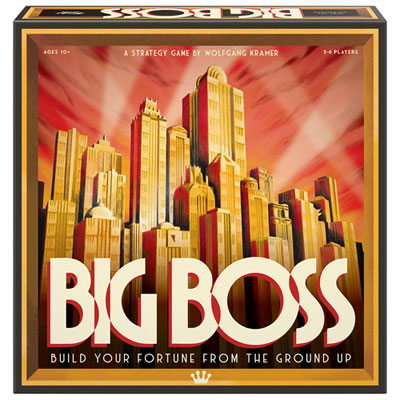
Meaningful choices matter more than complicated rules
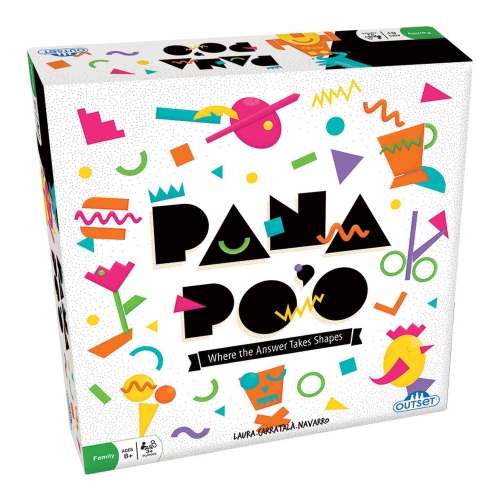
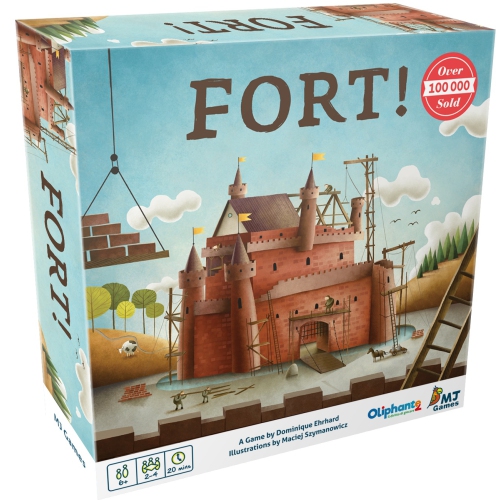
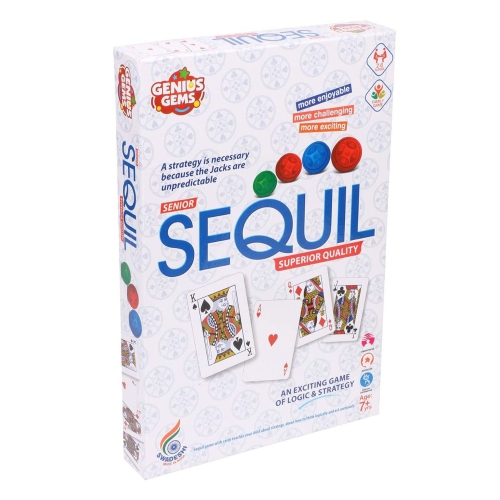
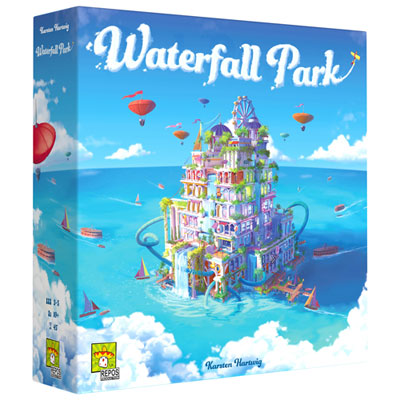
Modern board games are tabletop games that bring together purposeful rules, meaningful choices, and physical components such as cards, tiles, dice, and playing pieces. Many emphasize player involvement throughout a session, with several ways to score points or contribute to a shared objective. The appeal is not simply greater complexity: a compact tile-placement game can offer satisfying decisions with only a few rules, while a longer strategy game might build an entire evening around planning, negotiation, and discovery. Common styles include worker placement, where players assign pieces to action spaces; deck building, where a personal set of cards develops during play; and engine building, where early choices create combinations that become more powerful over time. In drafting games, players select cards or components from a shared selection, balancing what helps their own position against what an opponent might need. Cooperative board games give the group a common challenge, encouraging players to compare ideas and coordinate their next moves. Competitive games can range from gentle races for points to direct contests over territory or limited resources. Abstract strategy games focus on patterns and positioning, while themed games give those decisions a setting, such as a bustling city, an imagined kingdom, or a journey through space. Not every modern game uses every feature, and a richly illustrated box does not necessarily mean a difficult rulebook. The strongest fit comes from matching the style of interaction to the people around the table. A group that enjoys conversation may appreciate trading and negotiation, while players who like quiet concentration may prefer building individual arrangements of tiles or cards. For a broader look at tabletop play, Best Board Games offers another starting point alongside this modern board game collection. Across these styles, the shared attraction is the same: tangible pieces, a common focus, and decisions that make each session feel a little different.
Player count, playing time, and reading demands help determine how comfortably a modern board game fits into everyday life. A game labelled for two to five players may feel quite different at either end of that range: two players can create a focused back-and-forth contest, while a larger group may introduce more negotiation and longer pauses between turns. Dedicated two-player games suit couples, friends, and smaller households, whereas games with simultaneous choices can keep a fuller table involved without making everyone wait through lengthy individual turns. Solo modes provide a different experience, often asking one player to solve a changing puzzle or compete against an automated opponent. The time printed on a box is a useful reference, but a first session generally needs additional room for unpacking pieces, explaining rules, and checking unfamiliar situations. A short game can fill the gap between dinner and another activity; a deeper strategy game benefits from an uninterrupted stretch and a table that can stay occupied. Age recommendations are a starting point rather than a complete measure of suitability. Reading level, small components, arithmetic, attention span, and comfort with competition all matter, particularly for family board games. Clear symbols and limited text can make shared play easier, although language editions and any reading required on cards still deserve attention. Accessibility also extends to colour contrast, the size of printed text, and whether information is conveyed through shapes or symbols as well as colour. A player who finds small pieces difficult to handle may be more comfortable with larger tiles and uncluttered boards. For gifts, familiarity with the recipient’s habits is more useful than choosing the most elaborate box. A welcoming, self-contained game suits someone hosting casual gatherings, while an experienced player may enjoy layered decisions or a campaign that unfolds over repeated sessions. Campaign games can reward a regular group with a continuing story, though some require notes, saved progress, or permanent changes to components. Expansions deserve a separate check because many need a matching base game and cannot be played independently.
Materials and component design shape how modern board games feel in use and how well they withstand repeated play. Sturdy cardboard boards and punchboard tiles should sit flat and have clearly printed edges, making routes, spaces, and connections easy to read across the table. Wooden pieces offer a tactile feel, while moulded plastic components can provide detailed shapes that help distinguish different roles or functions. Cards benefit from readable layouts and a finish that allows comfortable handling; repeated shuffling and frequent movement between players make card protection worth considering for heavily played games. Properly sized sleeves can reduce wear, though they add thickness and may change how neatly a deck fits inside its original compartment. Miniatures and elaborate accessories can contribute atmosphere, but clear information and manageable setup often matter more during actual play. A striking board still needs enough room for hands, cards, and player areas without crowding the table. The footprint shown on the box may not account for every personal board or row of cards, so a game with a modest central board can still spread out considerably. Storage is another practical part of ownership. Compartments, small bags, and removable trays help keep tokens separated and make missing pieces easier to notice before the next session. Packing components by setup order can turn a pile of loose counters into a game that reaches the table more often. Care is generally straightforward: handle cards with clean, dry hands, keep drinks away from paper components, and follow the maker’s directions before cleaning any surface. Cardboard and printed pieces should not be soaked, and gentle dusting is usually preferable to household cleaners. Store boxes away from moisture and direct sunlight to help protect their shape and artwork. Beyond physical durability, lasting enjoyment often comes from varied starting conditions, different scoring objectives, or enough room to explore new approaches. A familiar game can remain engaging when players discover a fresh combination or adjust their plans to the group, giving modern board games a place in both relaxed family time and regular game-night routines.
Player count, playing time, and reading demands help determine how comfortably a modern board game fits into everyday life. A game labelled for two to five players may feel quite different at either end of that range: two players can create a focused back-and-forth contest, while a larger group may introduce more negotiation and longer pauses between turns. Dedicated two-player games suit couples, friends, and smaller households, whereas games with simultaneous choices can keep a fuller table involved without making everyone wait through lengthy individual turns. Solo modes provide a different experience, often asking one player to solve a changing puzzle or compete against an automated opponent. The time printed on a box is a useful reference, but a first session generally needs additional room for unpacking pieces, explaining rules, and checking unfamiliar situations. A short game can fill the gap between dinner and another activity; a deeper strategy game benefits from an uninterrupted stretch and a table that can stay occupied. Age recommendations are a starting point rather than a complete measure of suitability. Reading level, small components, arithmetic, attention span, and comfort with competition all matter, particularly for family board games. Clear symbols and limited text can make shared play easier, although language editions and any reading required on cards still deserve attention. Accessibility also extends to colour contrast, the size of printed text, and whether information is conveyed through shapes or symbols as well as colour. A player who finds small pieces difficult to handle may be more comfortable with larger tiles and uncluttered boards. For gifts, familiarity with the recipient’s habits is more useful than choosing the most elaborate box. A welcoming, self-contained game suits someone hosting casual gatherings, while an experienced player may enjoy layered decisions or a campaign that unfolds over repeated sessions. Campaign games can reward a regular group with a continuing story, though some require notes, saved progress, or permanent changes to components. Expansions deserve a separate check because many need a matching base game and cannot be played independently.
Materials and component design shape how modern board games feel in use and how well they withstand repeated play. Sturdy cardboard boards and punchboard tiles should sit flat and have clearly printed edges, making routes, spaces, and connections easy to read across the table. Wooden pieces offer a tactile feel, while moulded plastic components can provide detailed shapes that help distinguish different roles or functions. Cards benefit from readable layouts and a finish that allows comfortable handling; repeated shuffling and frequent movement between players make card protection worth considering for heavily played games. Properly sized sleeves can reduce wear, though they add thickness and may change how neatly a deck fits inside its original compartment. Miniatures and elaborate accessories can contribute atmosphere, but clear information and manageable setup often matter more during actual play. A striking board still needs enough room for hands, cards, and player areas without crowding the table. The footprint shown on the box may not account for every personal board or row of cards, so a game with a modest central board can still spread out considerably. Storage is another practical part of ownership. Compartments, small bags, and removable trays help keep tokens separated and make missing pieces easier to notice before the next session. Packing components by setup order can turn a pile of loose counters into a game that reaches the table more often. Care is generally straightforward: handle cards with clean, dry hands, keep drinks away from paper components, and follow the maker’s directions before cleaning any surface. Cardboard and printed pieces should not be soaked, and gentle dusting is usually preferable to household cleaners. Store boxes away from moisture and direct sunlight to help protect their shape and artwork. Beyond physical durability, lasting enjoyment often comes from varied starting conditions, different scoring objectives, or enough room to explore new approaches. A familiar game can remain engaging when players discover a fresh combination or adjust their plans to the group, giving modern board games a place in both relaxed family time and regular game-night routines.
Top selling and popular products
-
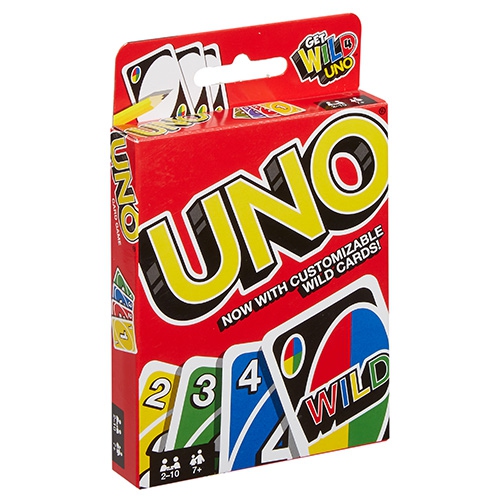 Your price for this item is $14.99
 -
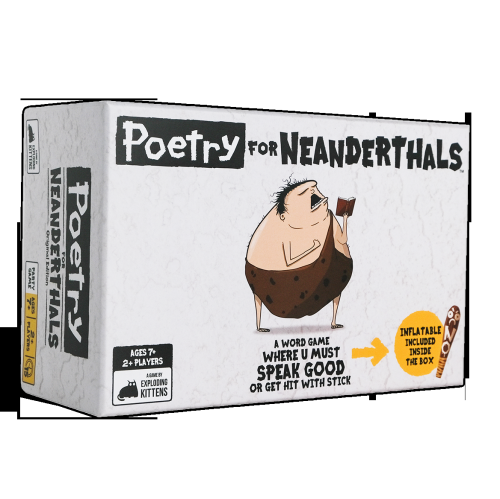 Your price for this item is $34.99
 -
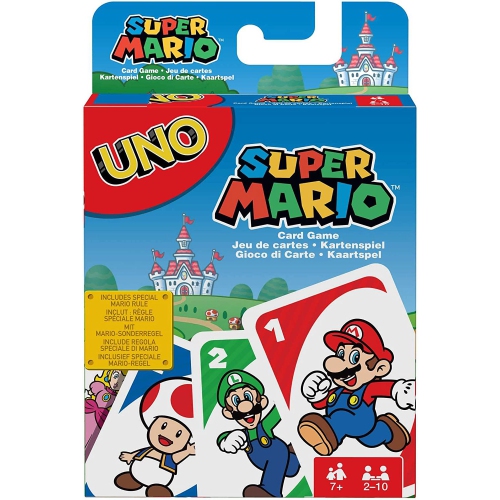 Your price for this item is $15
 -
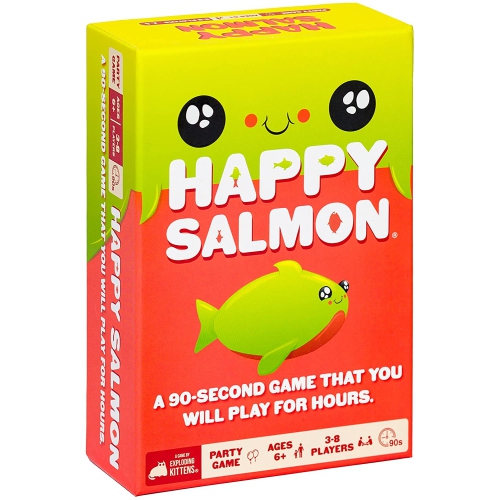 Your price for this item is $21.99
 -
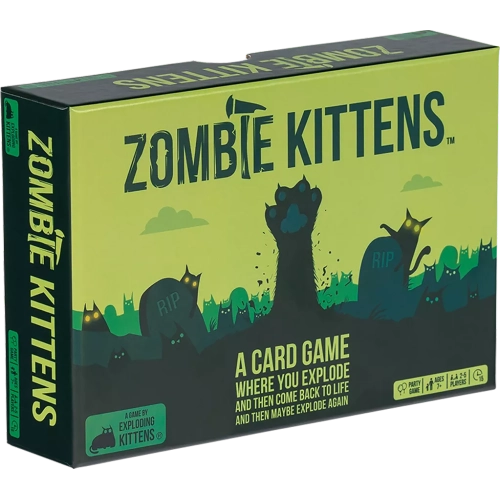 Your price for this item is $34.99
 -
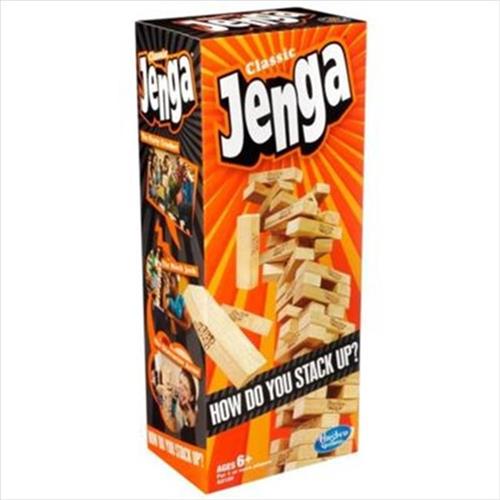 Your price for this item is $35.59
 -
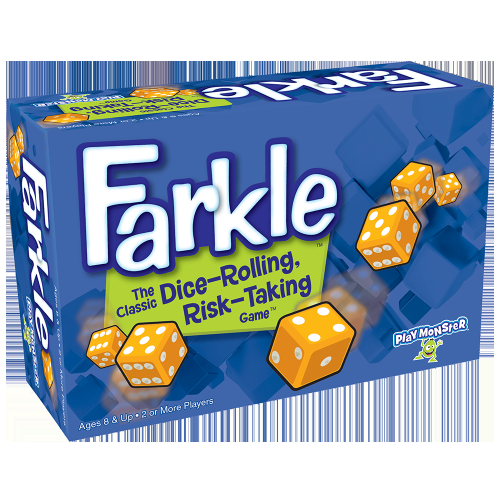 Your price for this item is $20.93
 -
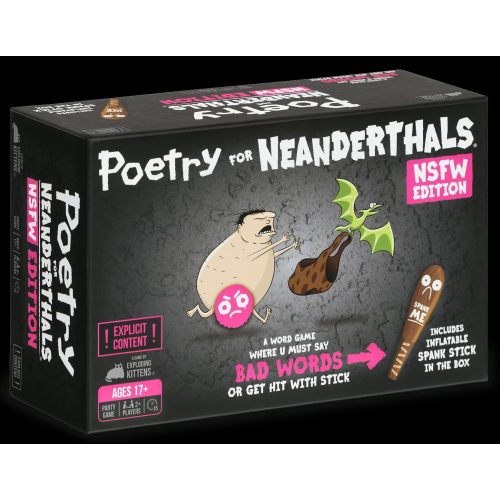 Your price for this item is $31.99
Discover more categories related to Modern Board Games
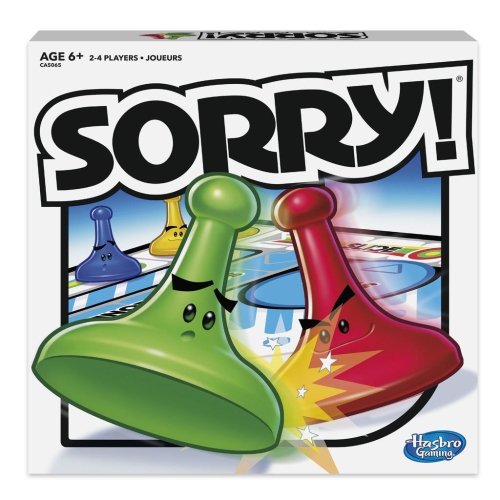
Top Collections:
Pokemon Centers, Kindle Devices, Best Budget Office Chairs, Apple iPhones 16, Best Laptops for Writers, iPhone 15 Apple, Canon G7X Cameras, Refurbished Apple Laptops, Alarm Clock, Motorola Razr Phones
Some products may be subject to Environmental Handling Fees
(EHF) depending on your province.
Learn more about EHFs.