Cool Board Games
Cool board games are a great way to get your family and friends together for a fun night of entertainment. These games are not only fun but also educational and can help you improve your skills.
Sort









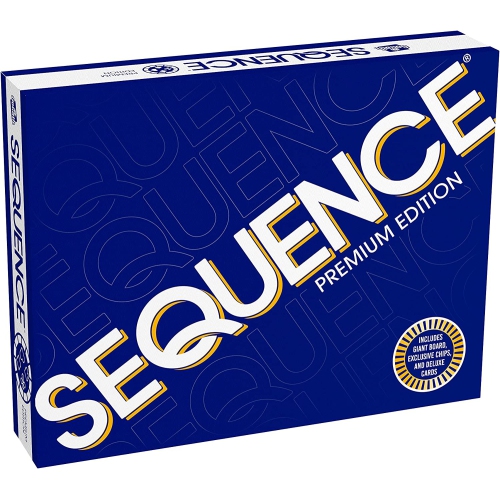


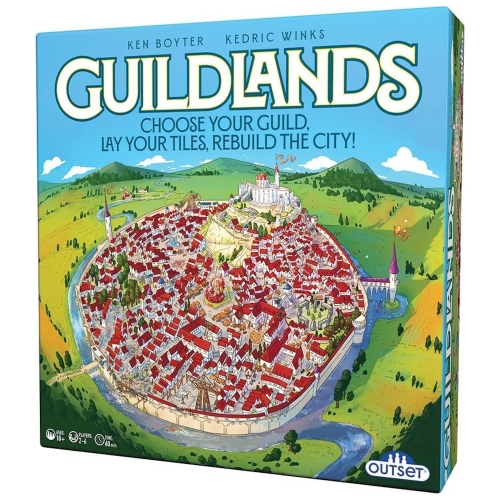


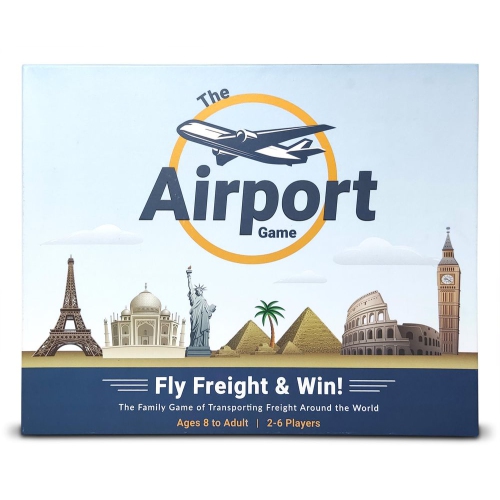


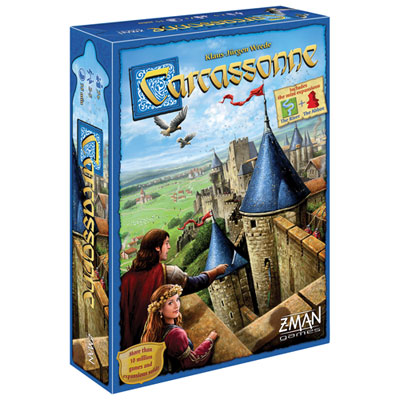
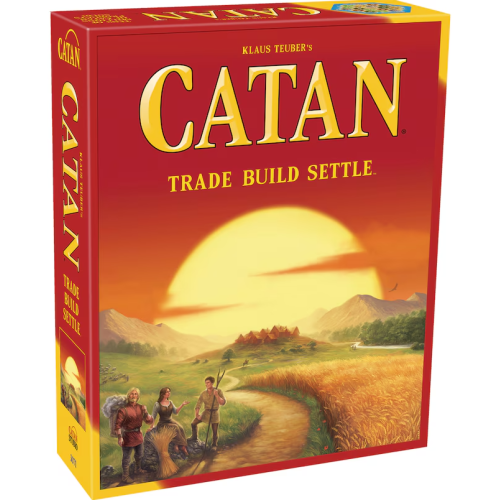


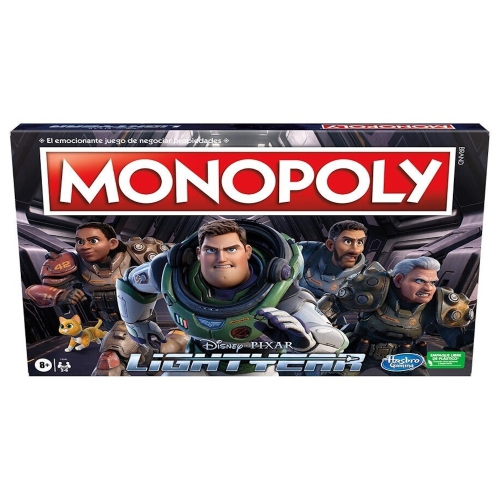
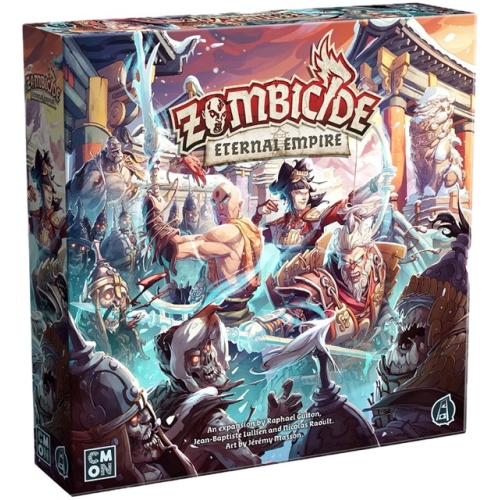
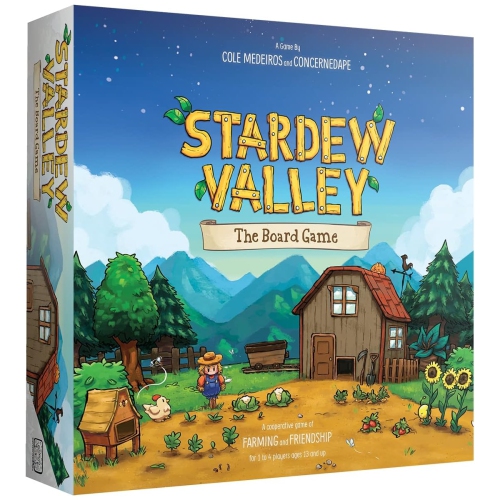

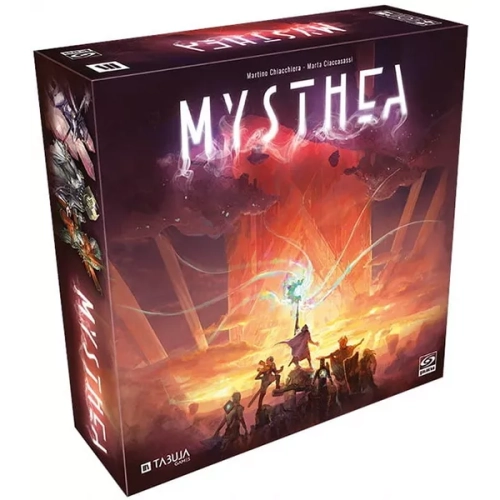


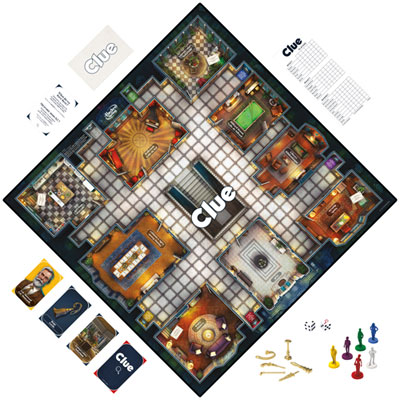


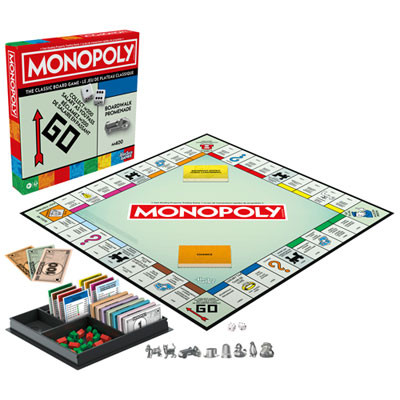

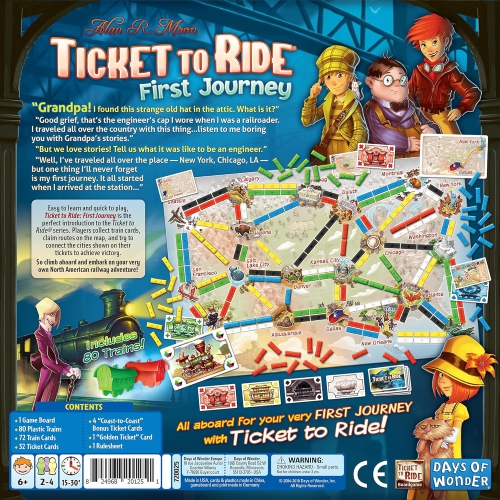

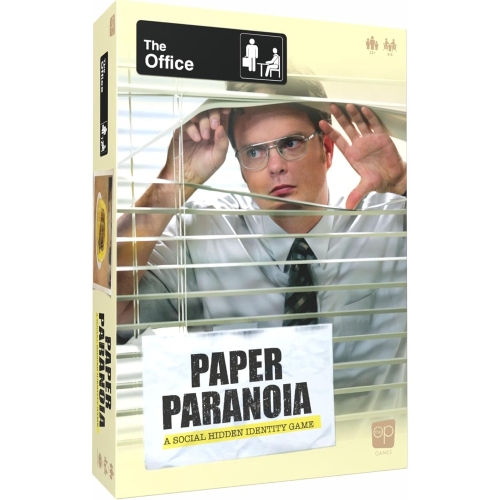


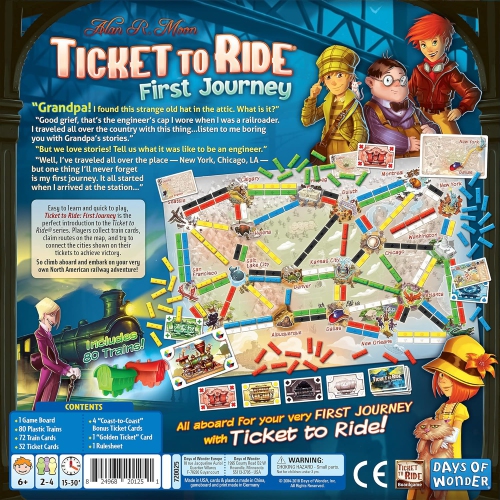


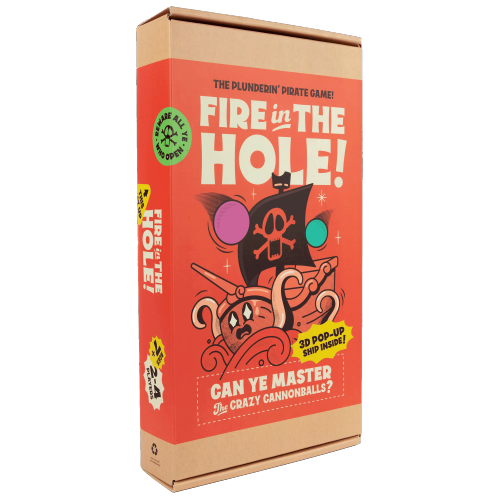
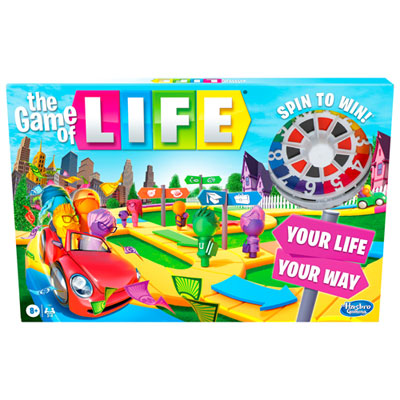




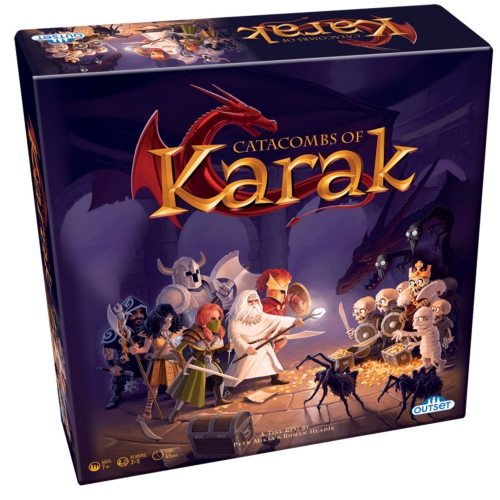


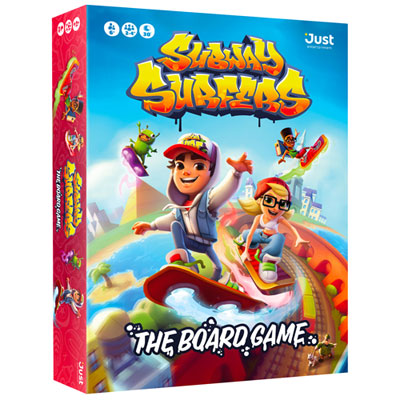
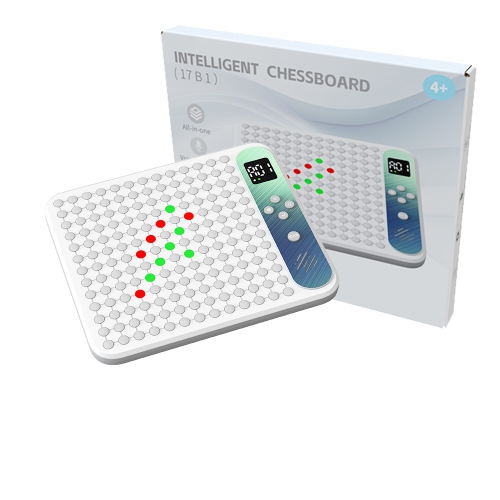

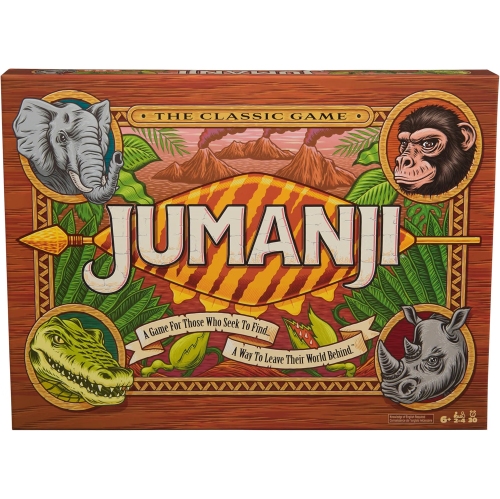


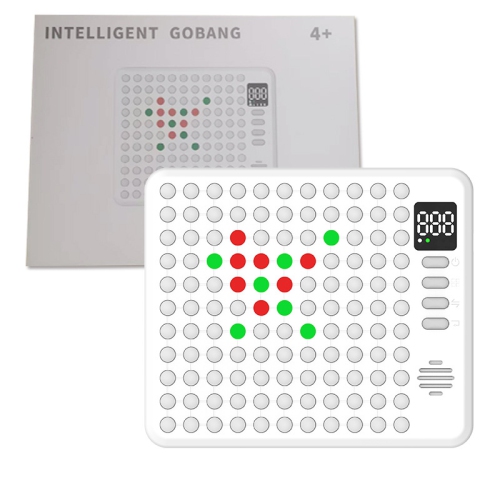
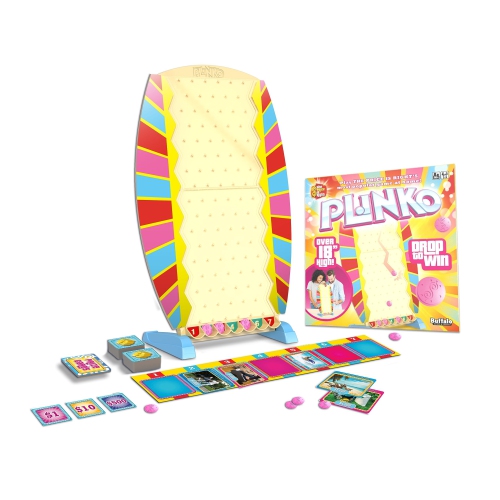
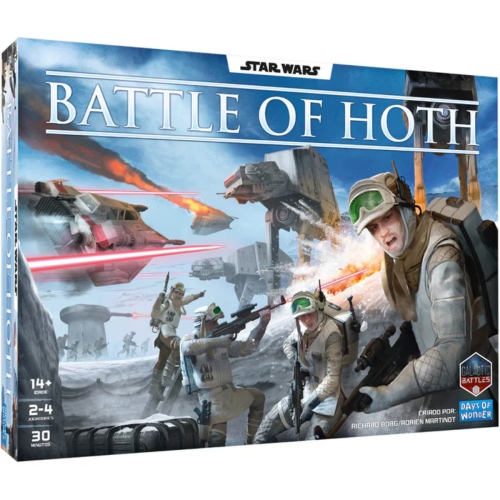


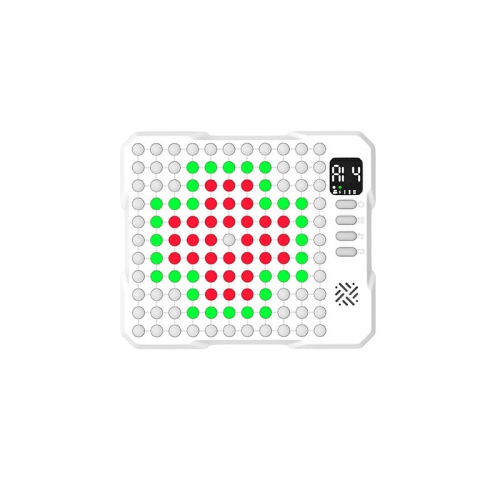
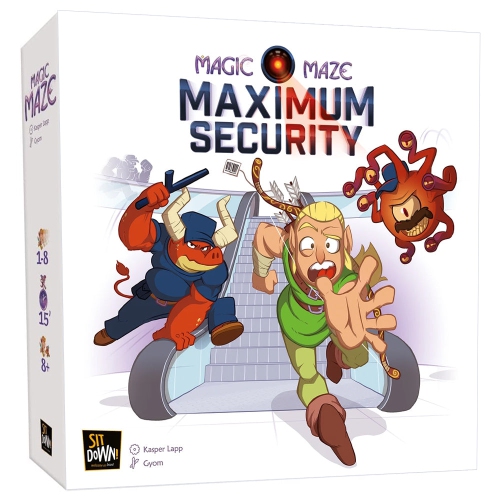


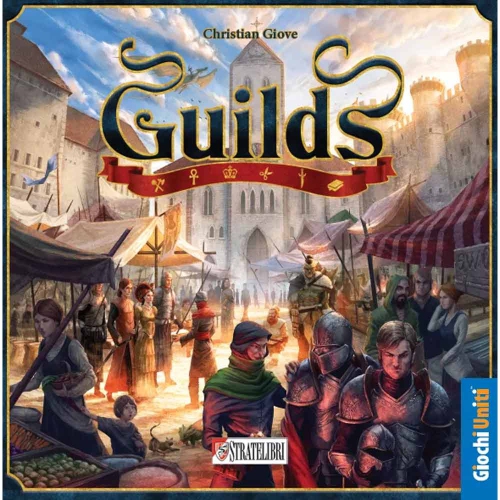
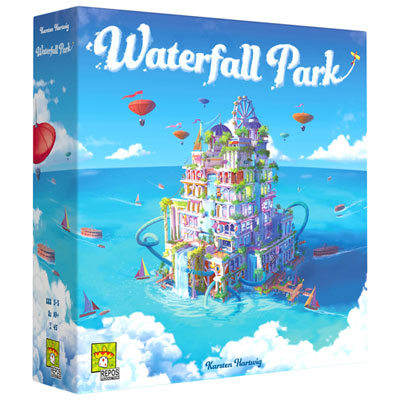


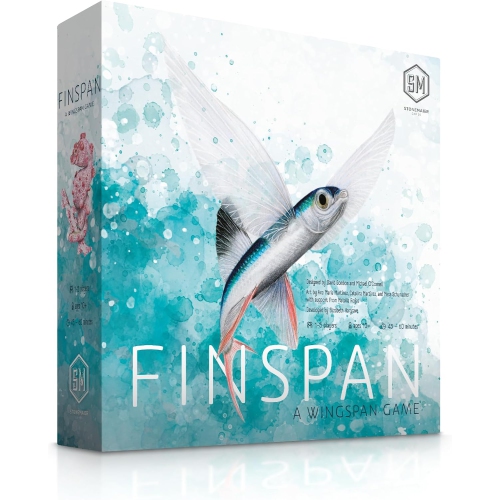



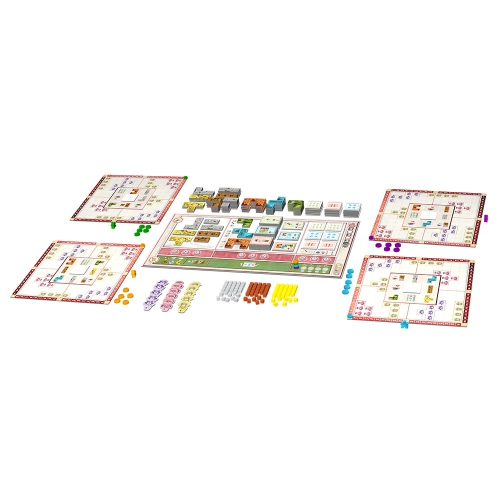
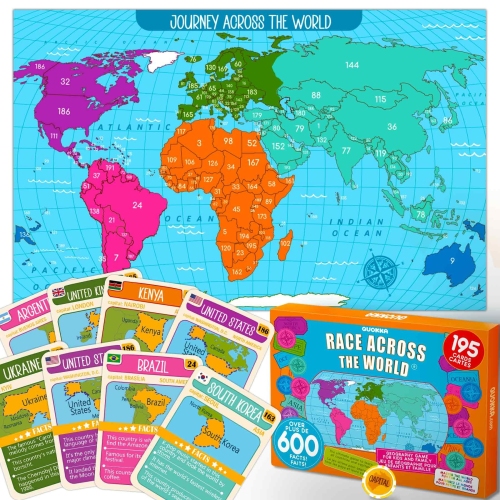
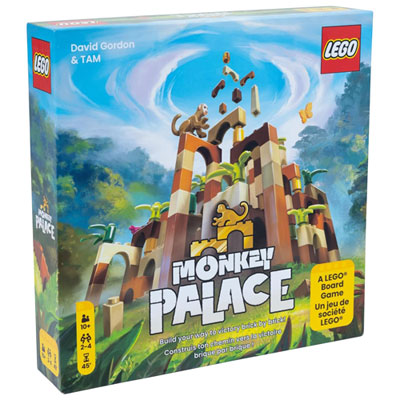
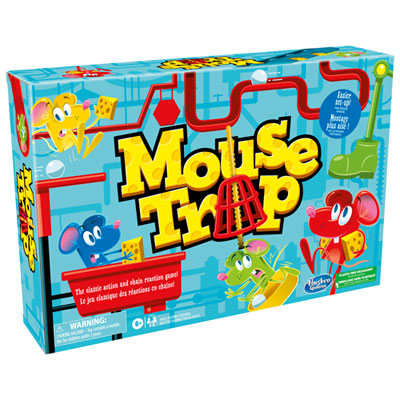
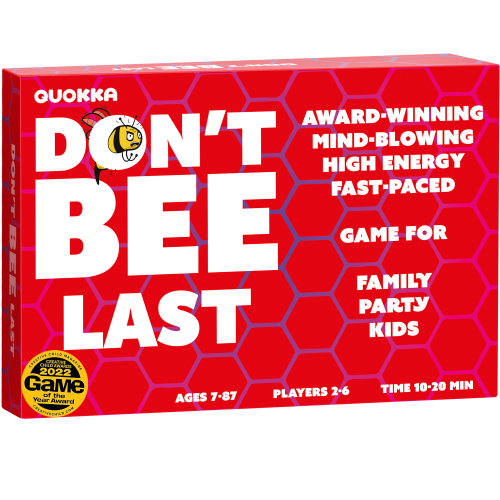
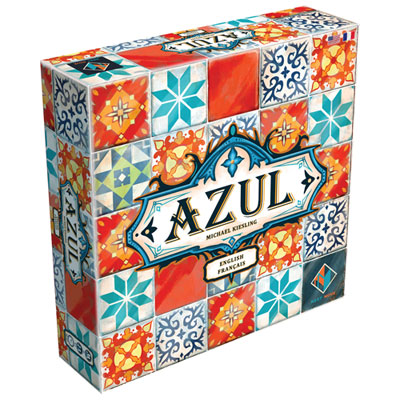
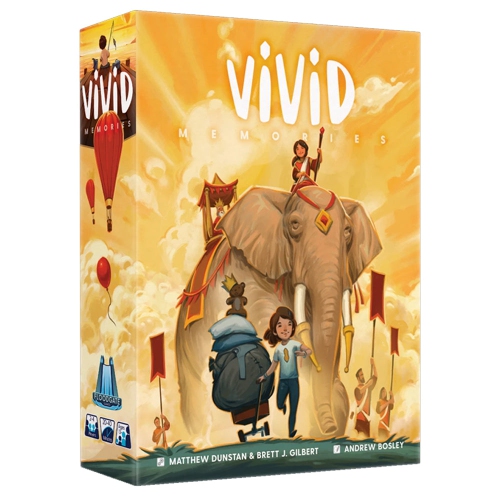

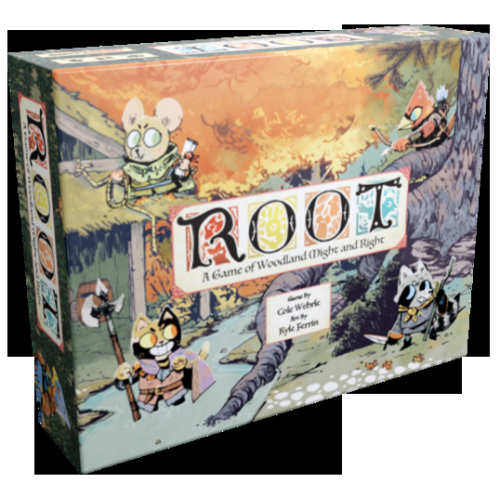
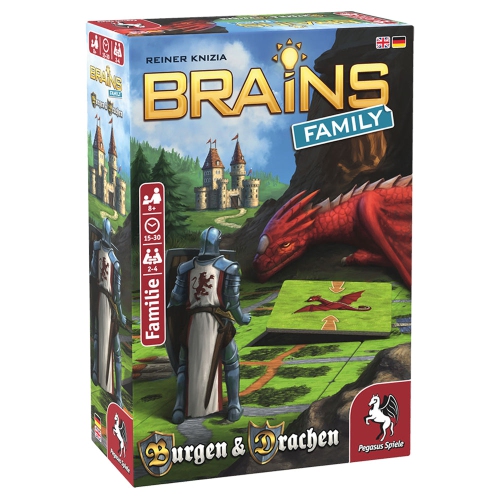
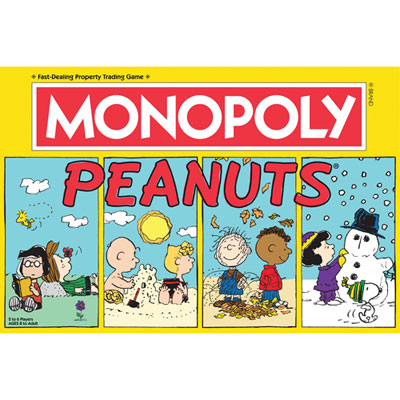
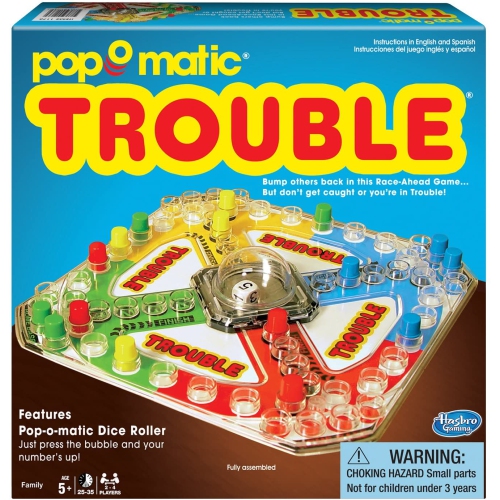
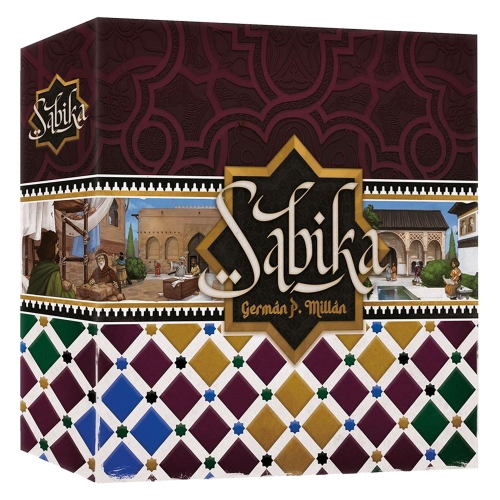
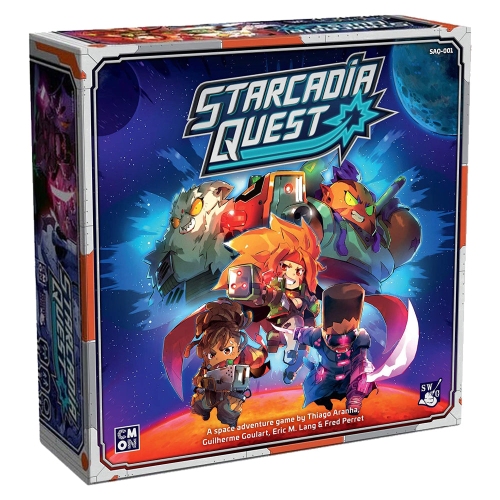

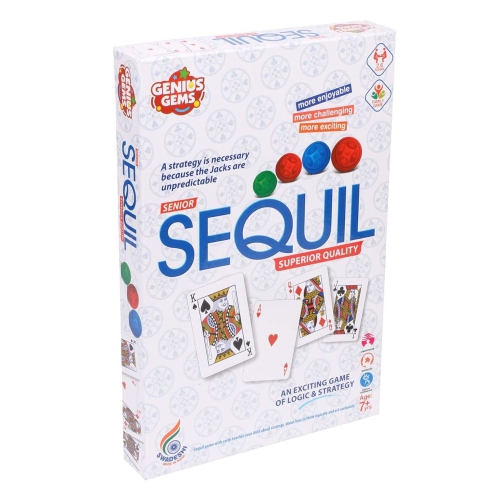
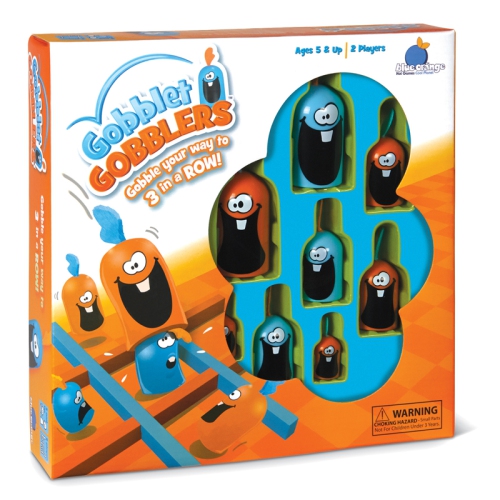
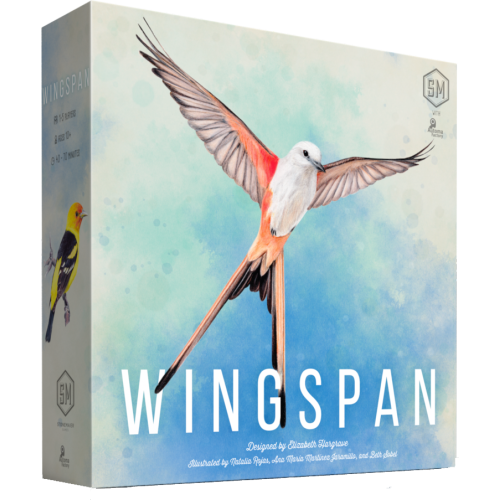
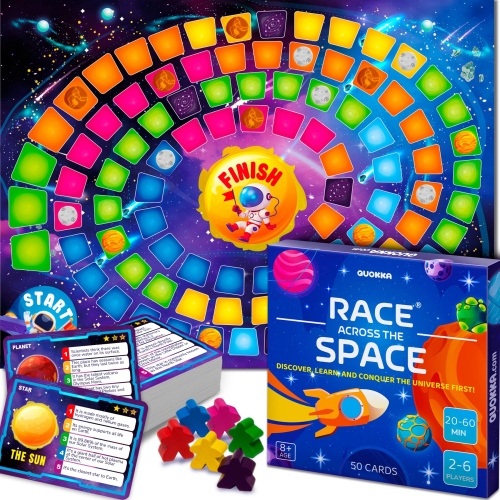
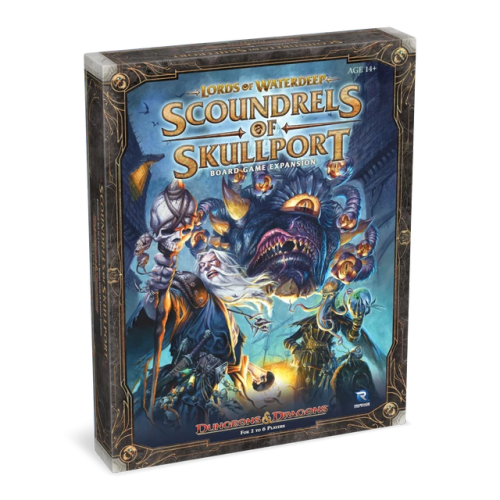
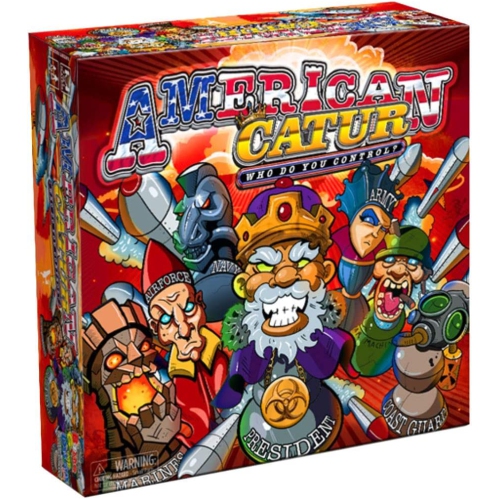
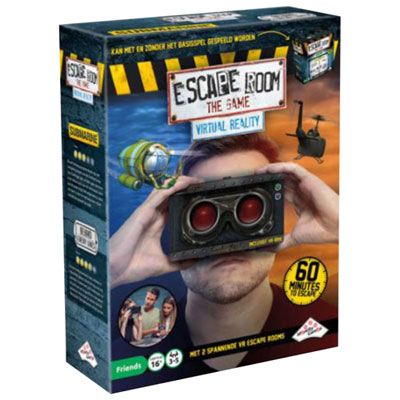
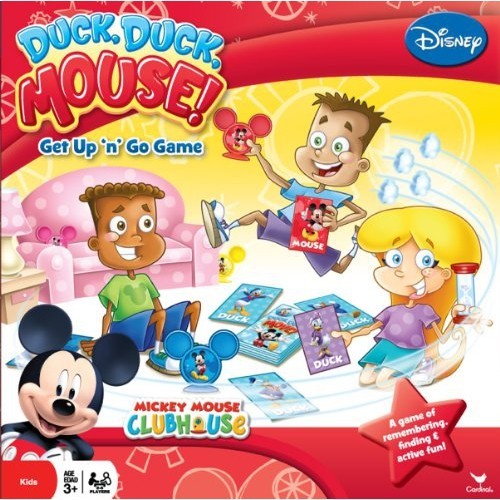
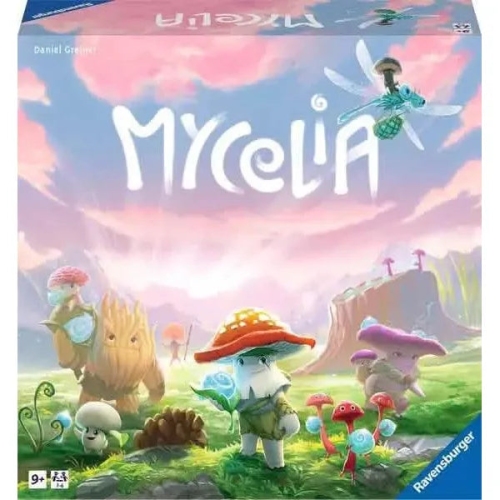
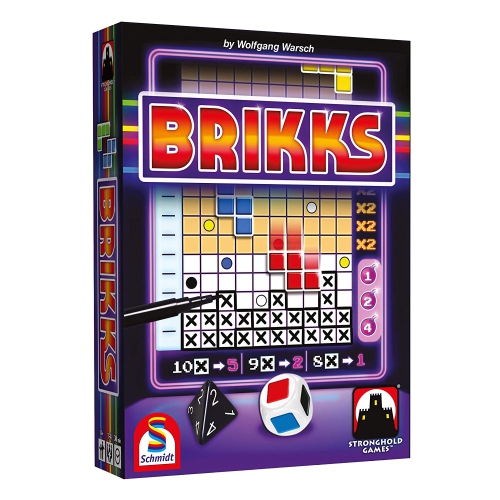
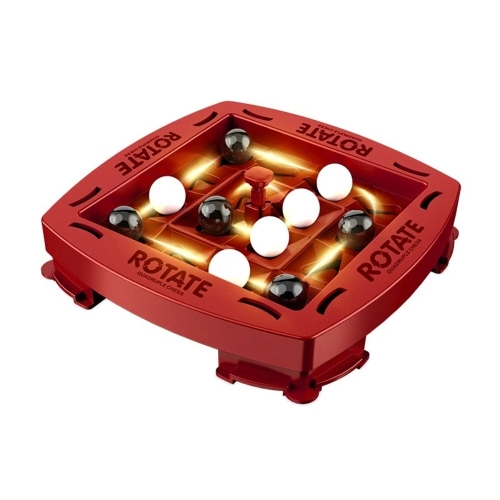
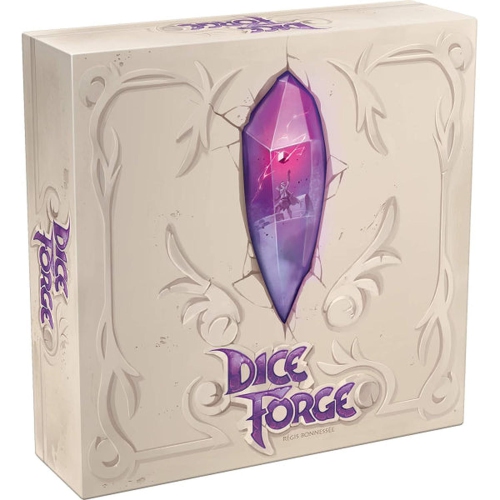

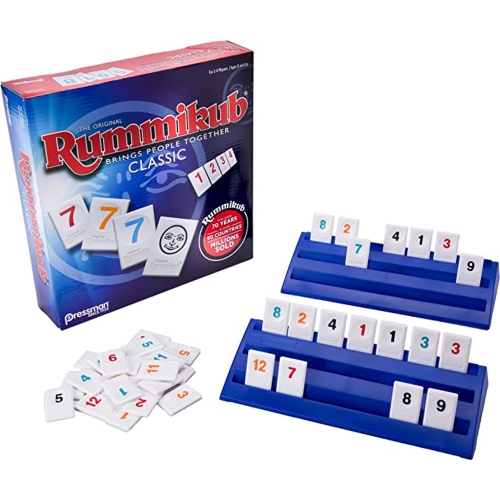


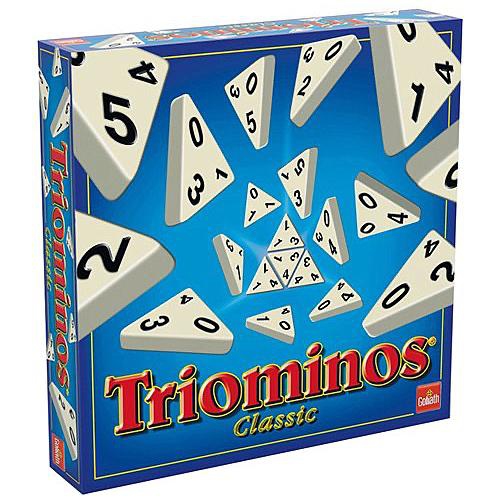
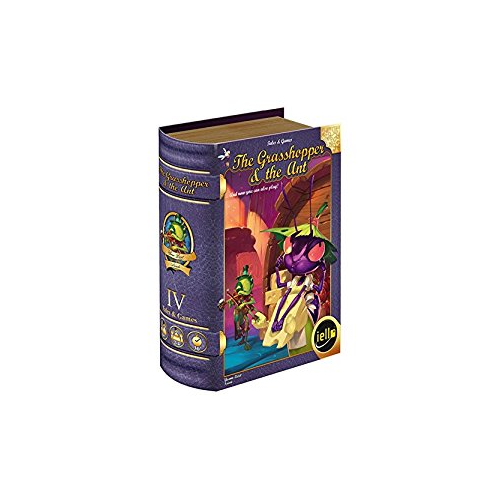


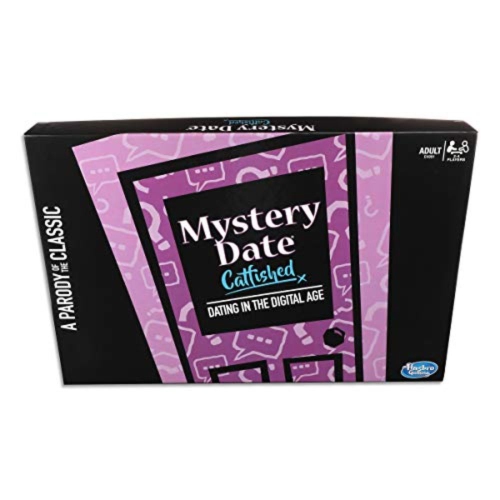
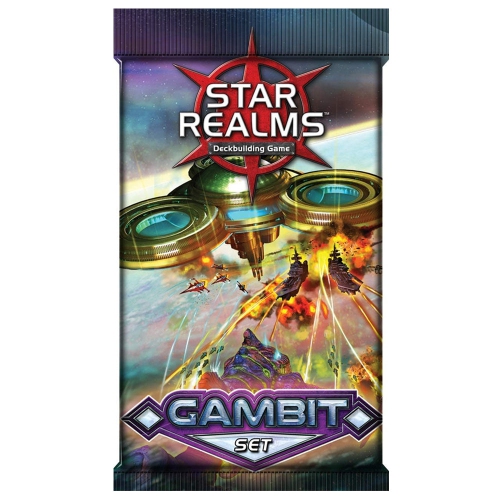
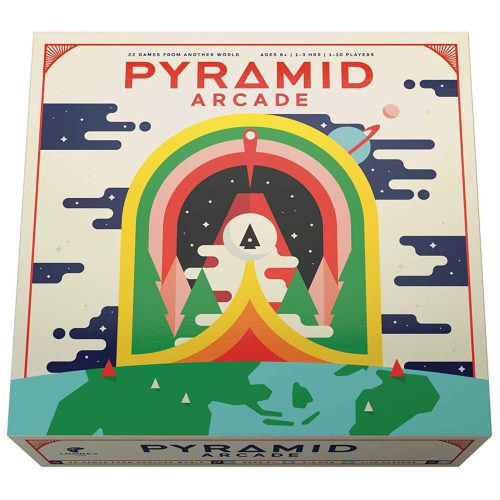
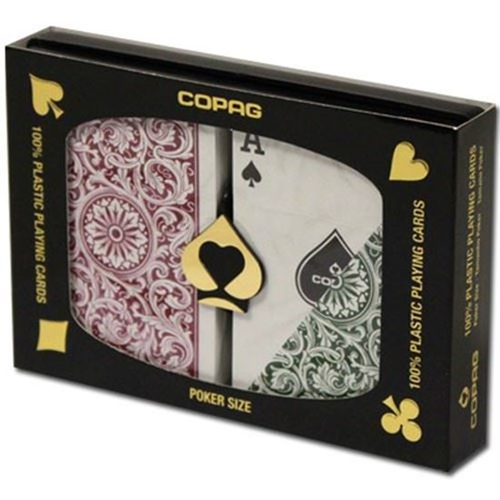







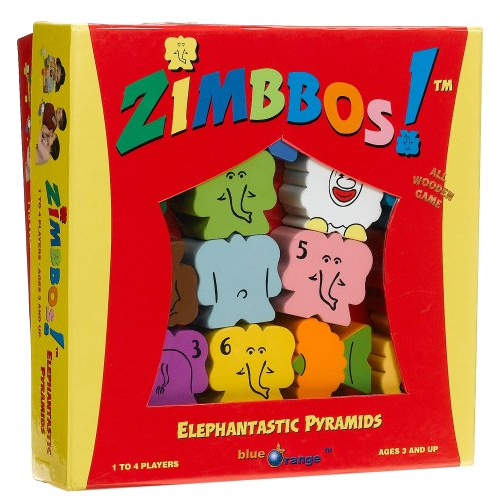
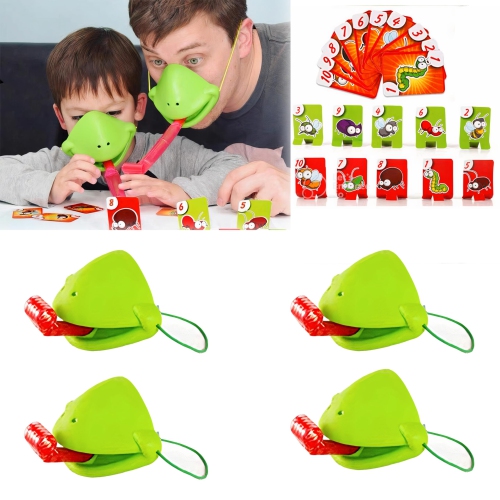

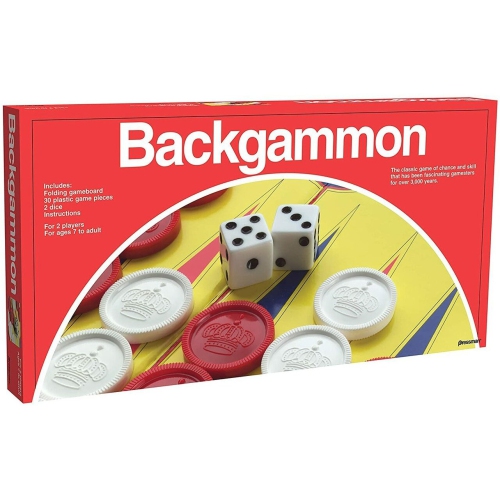

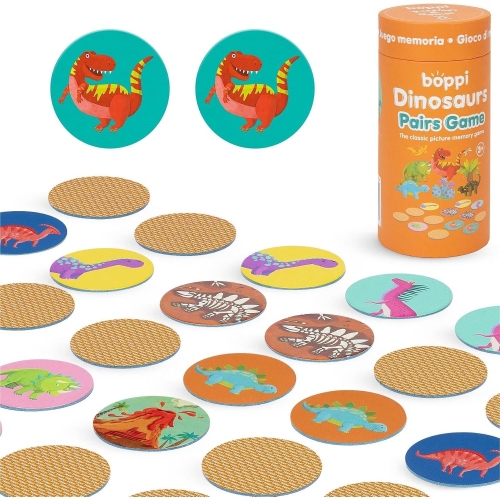
How clever rules turn ordinary moves into memorable moments
Cool board games bring something memorable to the table, whether that means a clever puzzle, a dramatic team victory, or a round of suspicious glances between friends. The category spans approachable family games, deeper strategy games, cooperative challenges, and party games built around deduction and conversation. What makes a game feel distinctive is often the connection between its rules and the experience they create. A simple tile placement can change an entire shared landscape, while a hidden objective can make an otherwise ordinary move seem suddenly suspicious. Strategy-focused designs tend to reward planning, timing, and adapting to other players; lighter games often create their best moments through quick decisions, surprising combinations, or a well-timed reveal. Neither approach needs to be complicated to be engaging. Some games offer just a few possible actions each turn but leave plenty of room for interesting choices. Others build gradually, giving players more abilities or resources as the session unfolds. Theme adds another layer, from exploring imagined places to solving mysteries or building interconnected systems, but the amount of reading and rules matters as much as the artwork. A richly illustrated game may still be straightforward, while a small box can hold a demanding strategic challenge. The most suitable level of complexity depends on who is sitting down to play and how much explanation fits the occasion. A casual gathering benefits from a clear opening turn and enough interaction to keep everyone involved. A dedicated game night can make room for longer planning, layered scoring, and strategies that become clearer with repeat plays. Playing-time estimates are useful context, though a first session often takes longer because players are learning the rules and checking unfamiliar symbols. For groups that prefer a shorter explanation and a faster start, Easy Board Games offers a related theme centred on approachable play. Coolness is ultimately less about a crowded rulebook than about giving people a reason to stay interested between turns.
The physical design of a board game shapes that experience as much as its central idea. Cardboard boards and tiles, paper cards, wooden pieces, plastic miniatures, and moulded trays each serve different purposes, and their construction affects how comfortably a game handles repeated play. Thicker tiles are generally easier to lift from a flat surface, while clearly printed cards make frequently checked information easier to find. Wooden pieces can provide a satisfying tactile feel; detailed miniatures can make characters and locations easier to distinguish when their shapes are noticeably different. Artwork deserves attention beyond its visual appeal. Readable text, strong contrast, and symbols that do not rely on colour alone can make a busy board easier to understand. A game with large illustrations may still have small scoring details, so the size of the information players need during a turn matters. Table fit is another practical consideration. The board is only part of the footprint: personal play areas, card rows, token supplies, and room to roll dice can extend well beyond it. A compact box does not necessarily mean a compact setup, particularly when cards spread outward as play progresses. For households with younger players, age recommendations, reading demands, and small-component warnings all deserve attention. Suggested ages can reflect both complexity and safety, rather than simply the appeal of the theme. Dexterity-based play also asks something different of participants than planning or deduction, especially when pieces must be stacked or moved precisely. Everyday care helps components remain pleasant to use. Clean, dry hands, drinks kept away from the play area, and careful packing reduce the chance of sticky cards, warped boards, and missing tokens. Cards that are shuffled frequently may benefit from correctly sized sleeves, provided the sleeved cards still fit their storage spaces. Dividers, labelled bags, and fitted inserts can keep different components organized, while small parts need secure storage away from young children. Boards generally fare best when folded along their intended creases and kept dry.
Who plays together often determines which features will matter most over time. For families with mixed experience levels, a balance of choice and chance can give newer players meaningful opportunities without removing the satisfaction of good decisions. Cooperative games put the group on the same side, creating moments when one player's action sets up another player's success. They work especially well when everyone has room to contribute rather than having one experienced person direct every turn. Competitive games offer a different kind of energy, from friendly races towards a shared goal to more direct contests over limited spaces or resources. Some groups enjoy blocking an opponent at exactly the right moment; others prefer building their own plans with less interference. Deduction games reward careful listening and noticing inconsistencies, while social deduction may also involve bluffing, hidden roles, and comfort with playful suspicion. Those distinctions matter for a gift recipient who enjoys puzzles but would rather not perform or deceive in front of a group. Two-player sessions can offer focused back-and-forth decisions, while larger gatherings need enough involvement to prevent long waits. The stated player range is a useful starting point, although turn length and interaction can feel quite different at its lower and upper limits. Replay value comes from more than having lots of pieces. Variable setups, different objectives, changing combinations, and opponents with contrasting approaches can all make familiar rules produce fresh situations. Campaign-style play offers continuity across sessions, but it also asks for a group willing to return and sometimes preserve a setup or track progress. Standalone play is easier to fit around changing schedules. As gifts for birthdays, housewarmings, or a host who enjoys bringing people together, board games can suit both established enthusiasts and people building a small collection. A recipient's usual group size, preferred pace, available table space, and appetite for learning are more useful clues than an elaborate box. The lasting appeal lies in what happens once that box is open: an unexpected comeback, a shared solution, or a move that becomes part of the group's stories.
Top selling and popular products
-
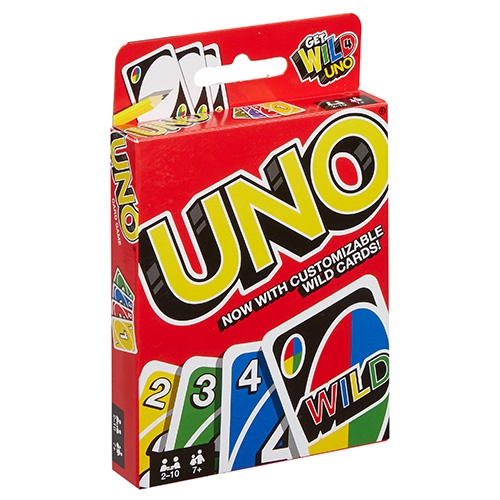 Your price for this item is $14.99
-
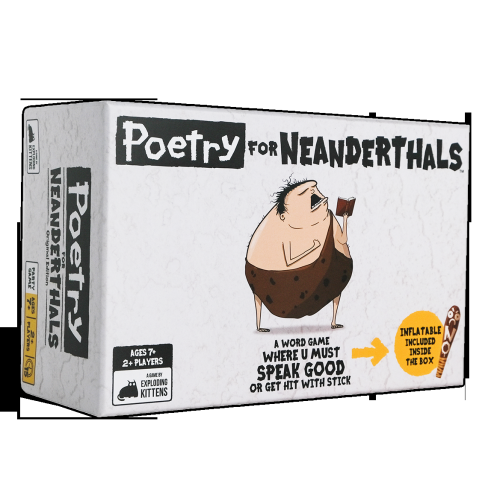 Your price for this item is $34.99
-
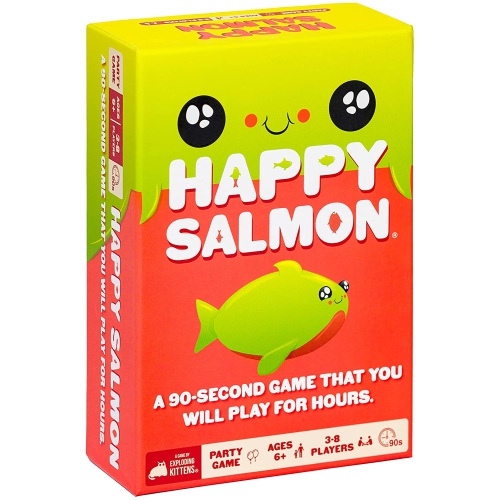 Your price for this item is $21.99
-
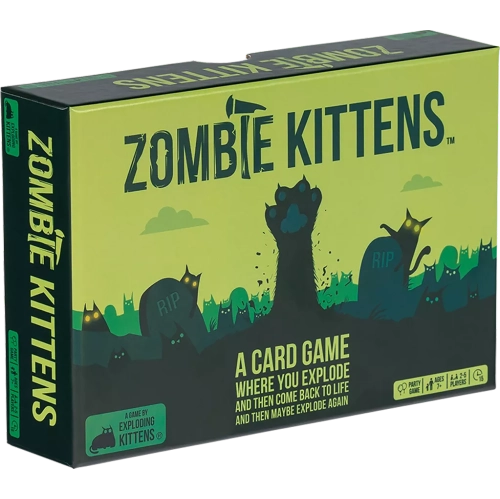 Your price for this item is $34.99
-
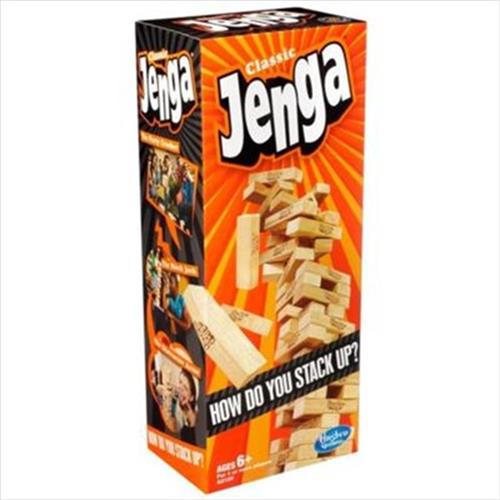 Your price for this item is $24.99
-
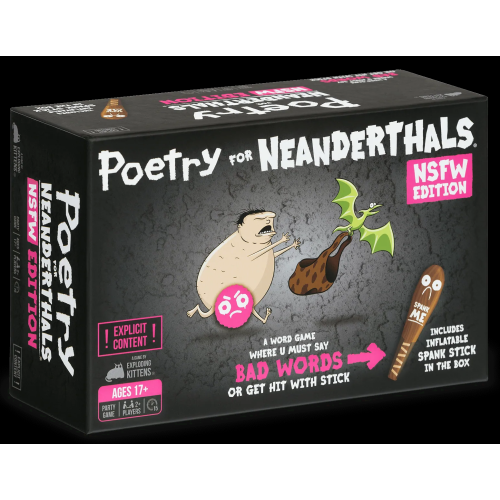 Your price for this item is $31.99
-
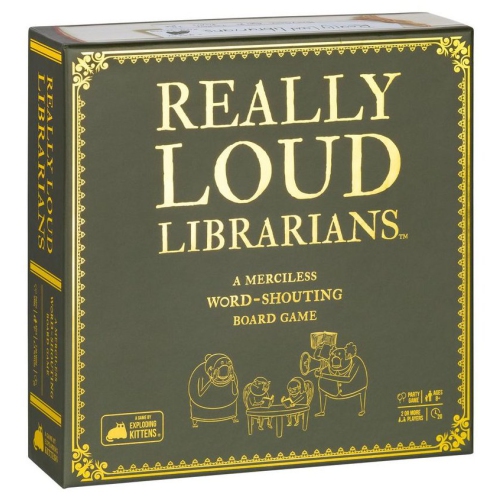 Your price for this item is $29.99
-
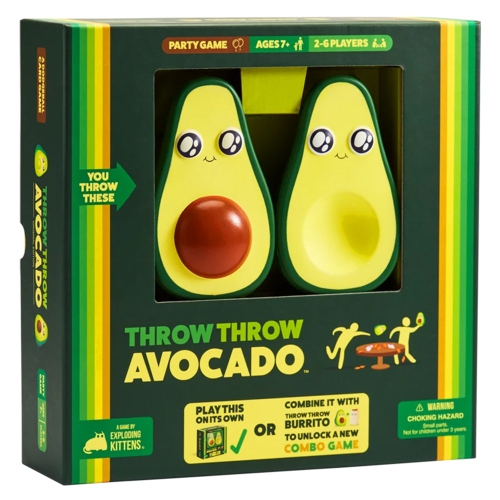 Your price for this item is $44.99
Discover more categories related to Cool Board Games
Top Collections:
Pokemon Centers, Kindle Devices, Best Black Friday Deals This Year, Pokémon 30th Celebration Cards, Best Black Friday Deals On Electronics, Best Cameras for Sports Photography, Best Black Friday Deals On Apple Products, Canon G7X Cameras, iPhone 15 Apple, Candle Warmer Lights
Some products may be subject to Environmental Handling Fees
(EHF) depending on your province.
Learn more about EHFs.