Motor Toys
Rev up the excitement with our diverse selection of motor toys, designed to fuel the imagination and thrill of both young and old enthusiasts. Whether you're searching for the perfect gift or looking to add to your own collection, these dynamic toys promise endless hours of entertainment and adventure. From sleek models that capture the essence of speed to rugged vehicles ready to tackle any terrain, our range offers something for every taste and preference. Explore a world where creativity meets motion, and let the fun accelerate with every twist and turn.
Sort
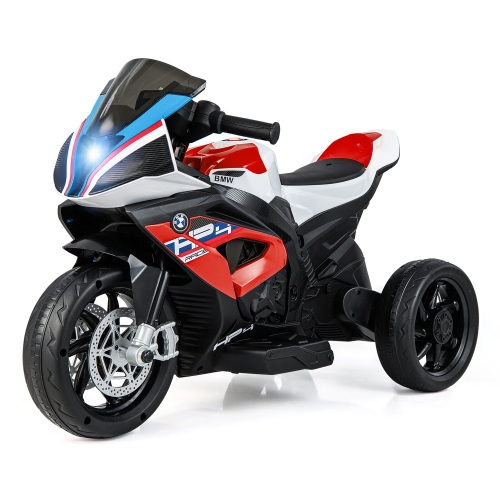
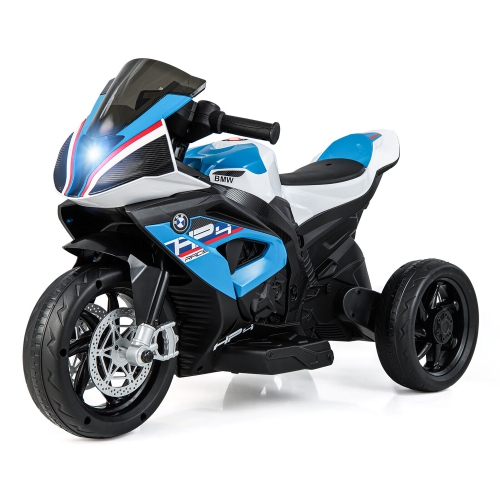


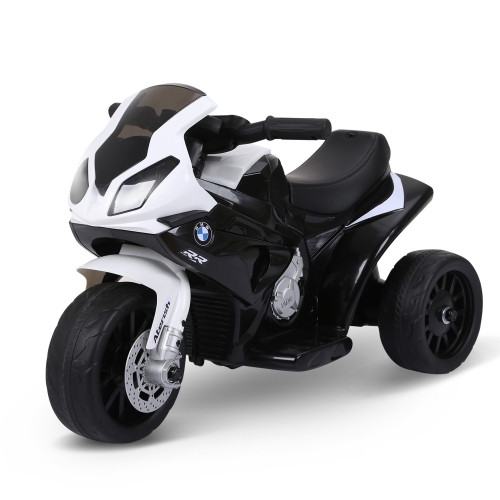
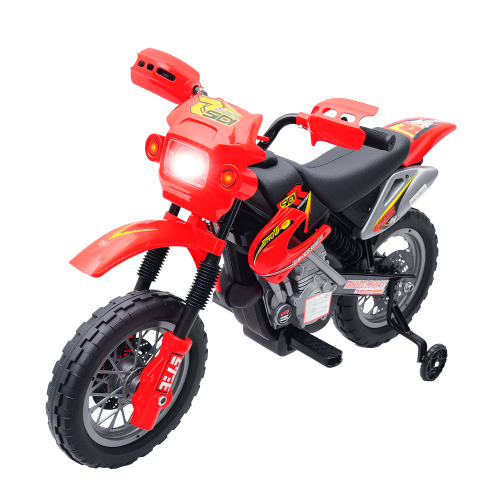
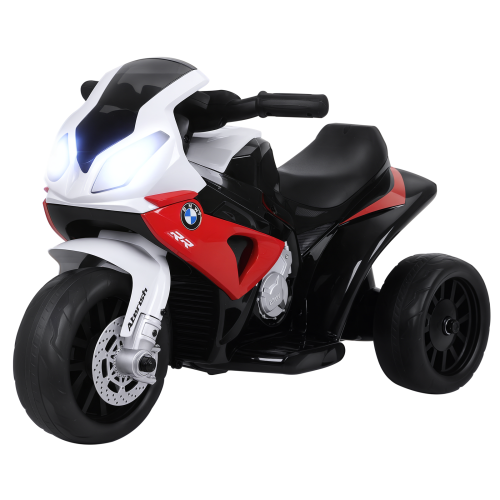

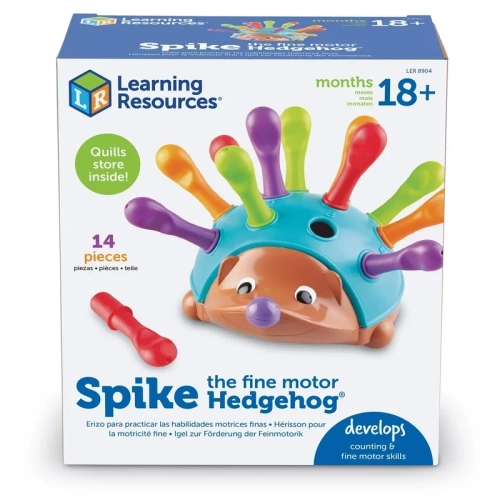
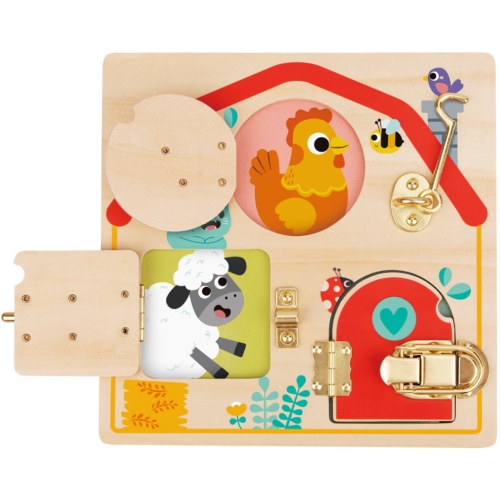
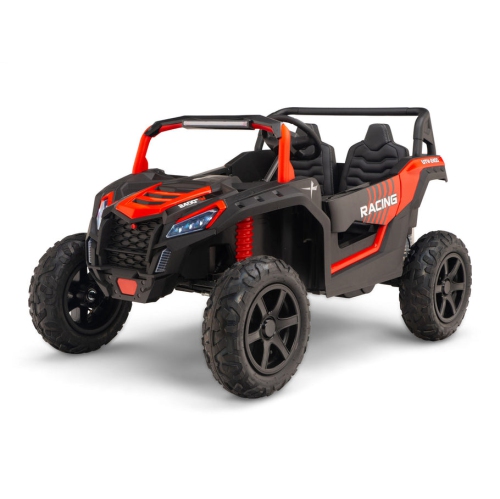









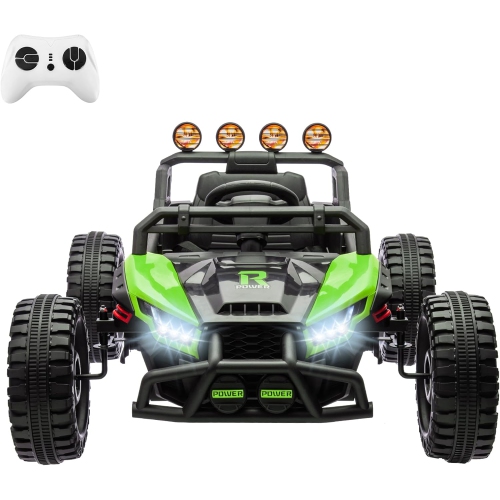

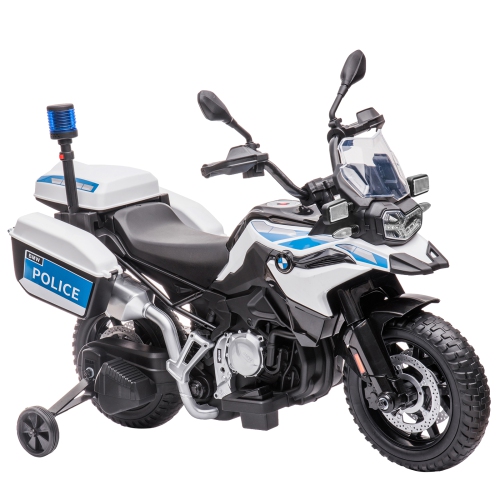
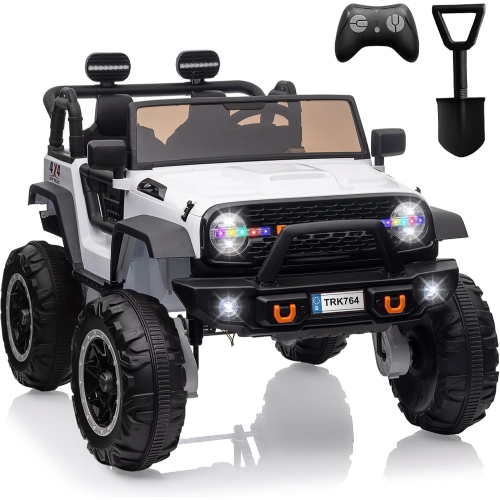
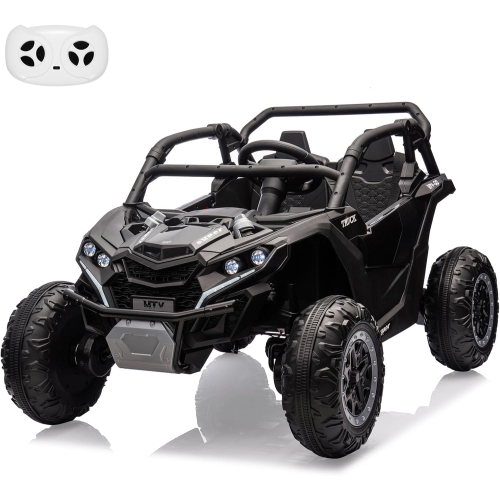

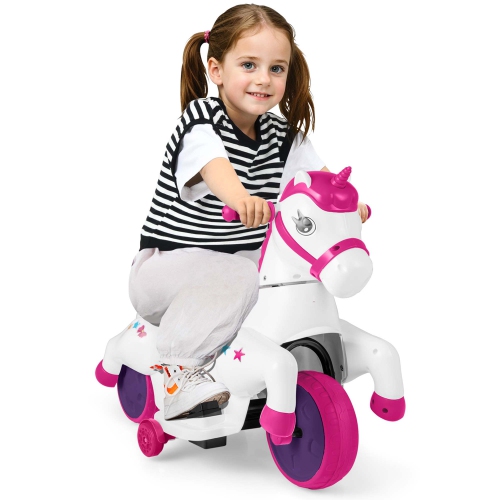
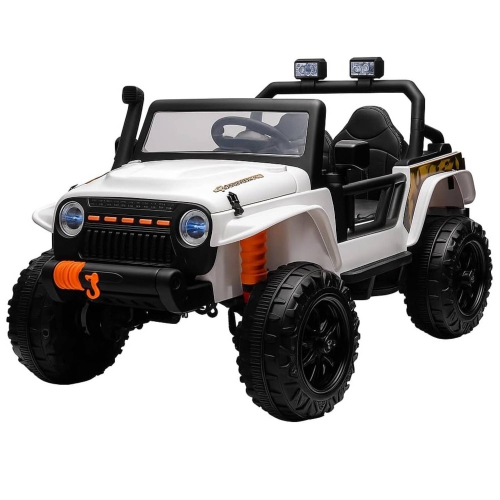
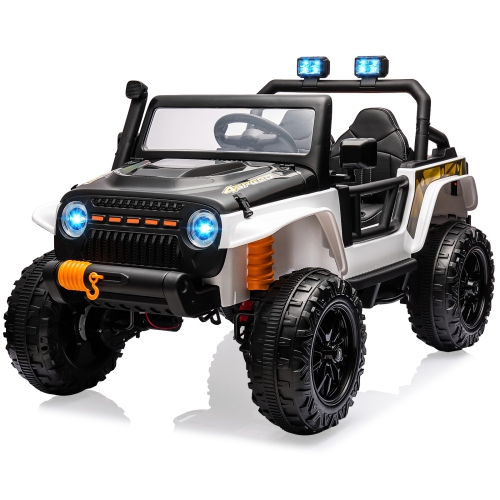

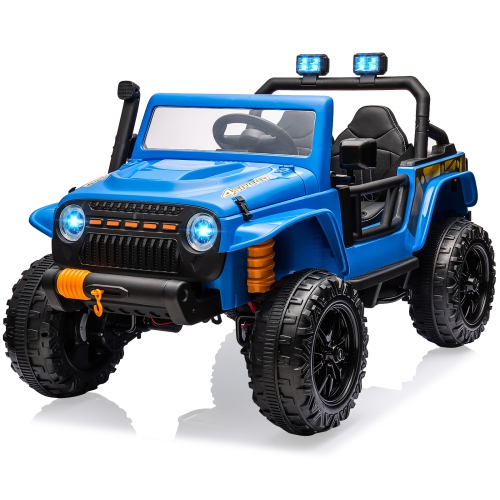


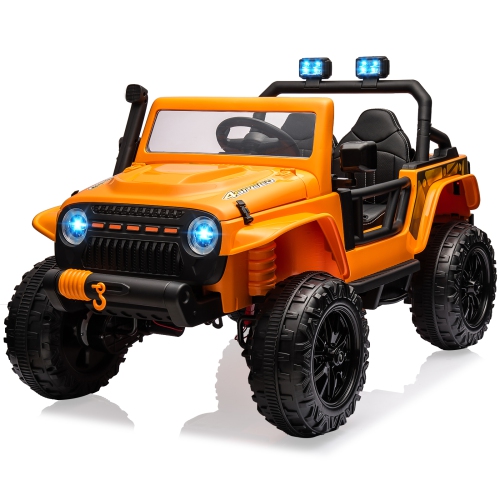
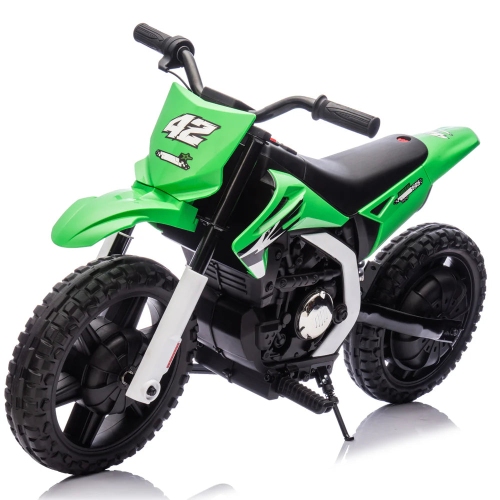
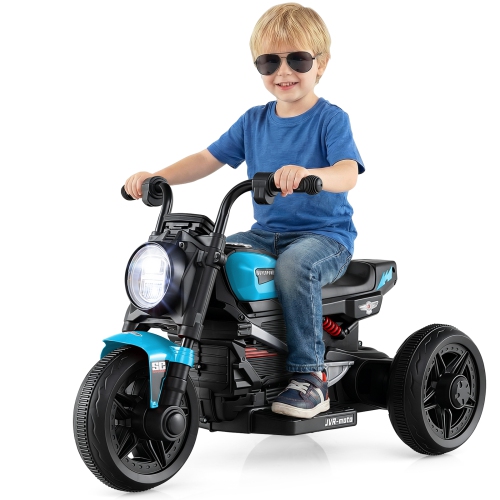
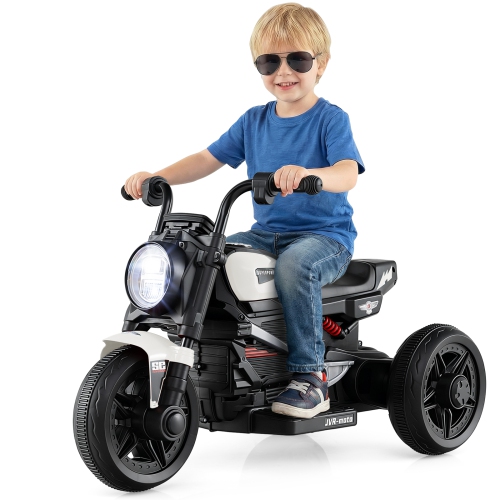



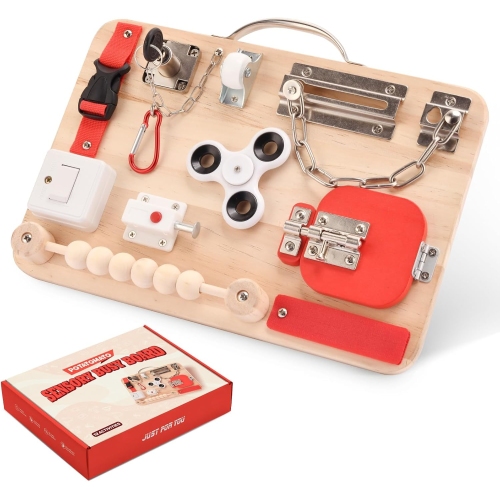
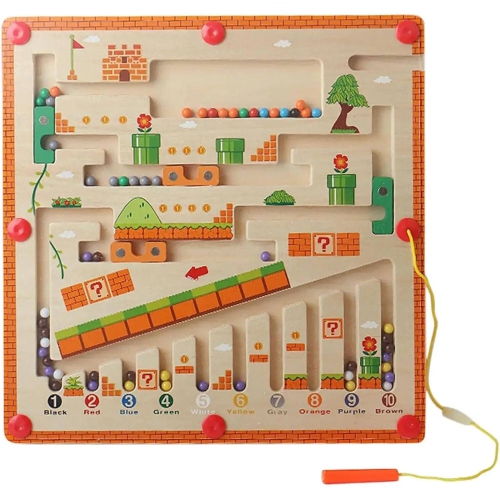
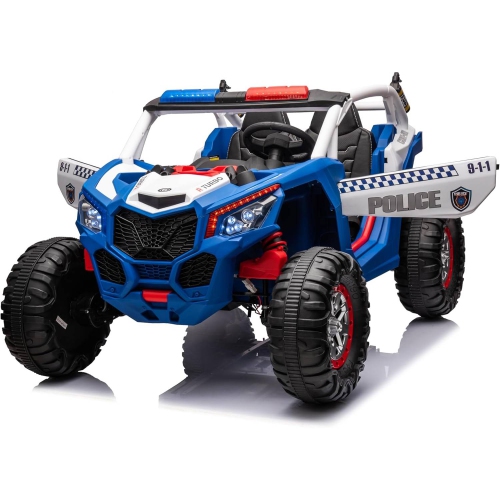

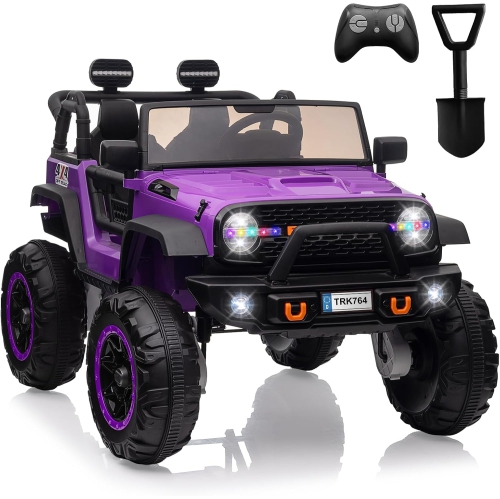
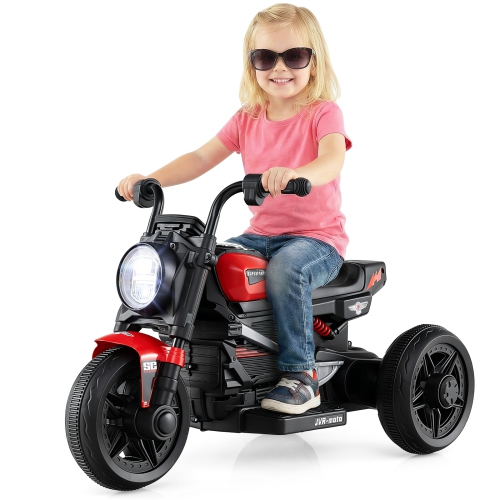
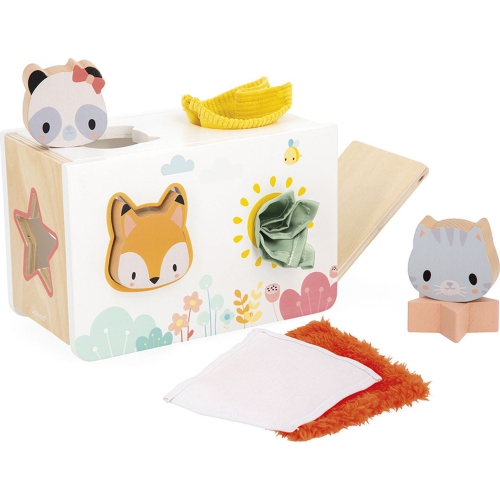

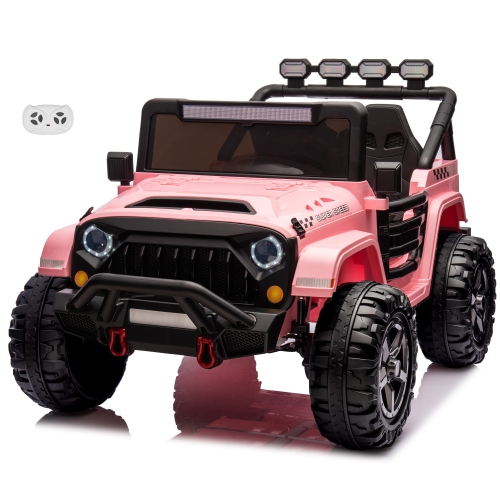
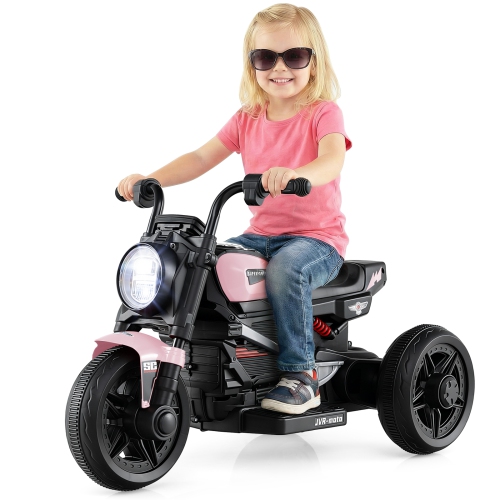

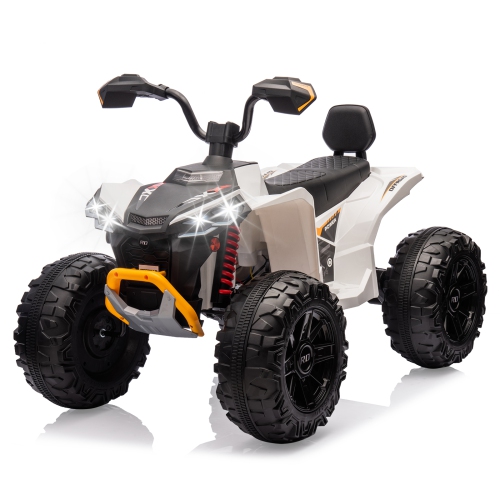
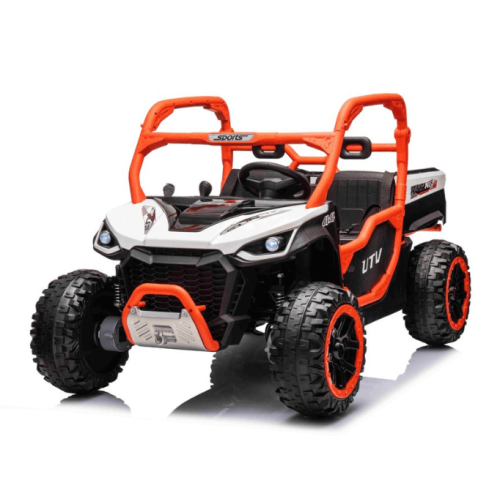

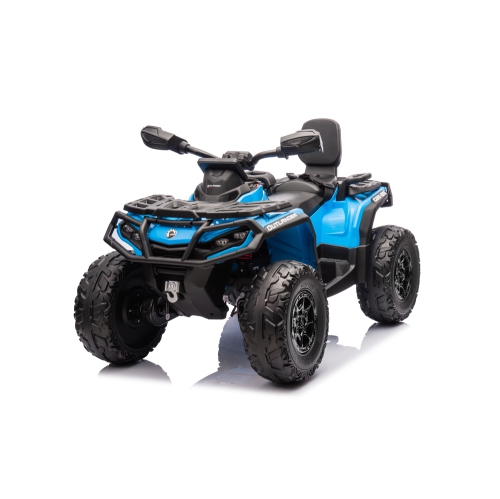

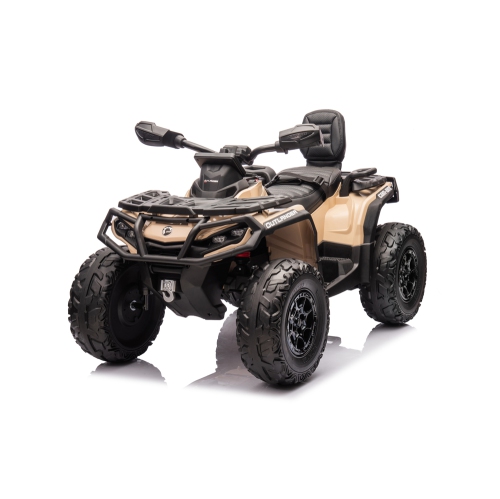


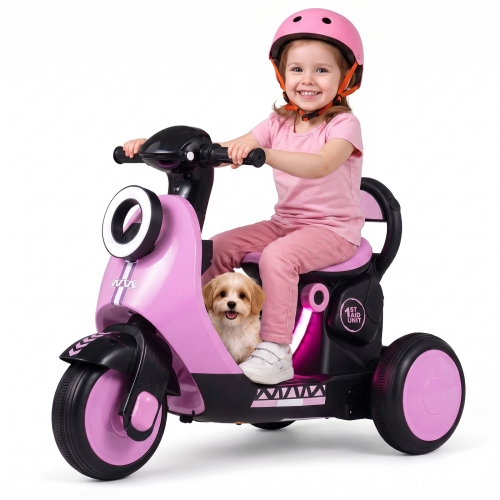
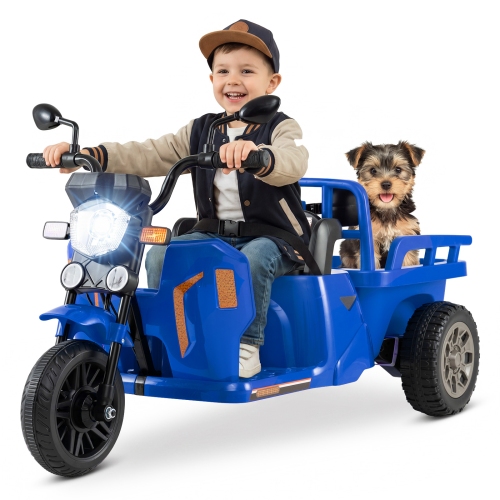
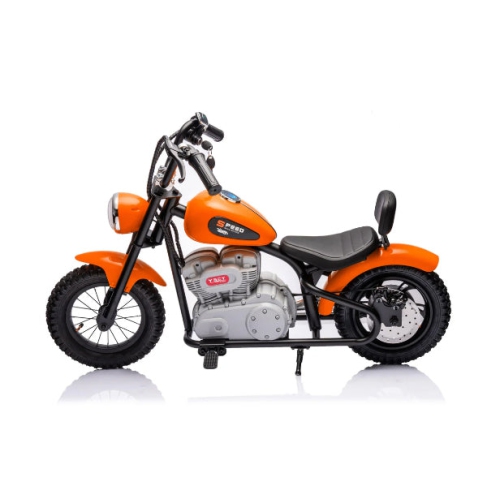
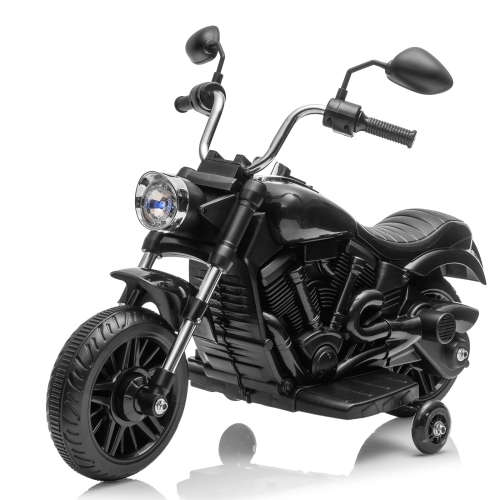


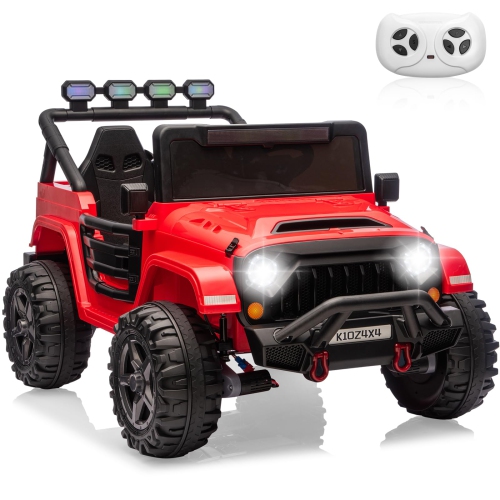
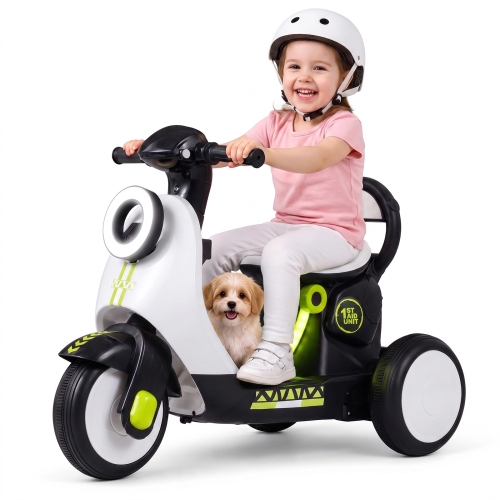
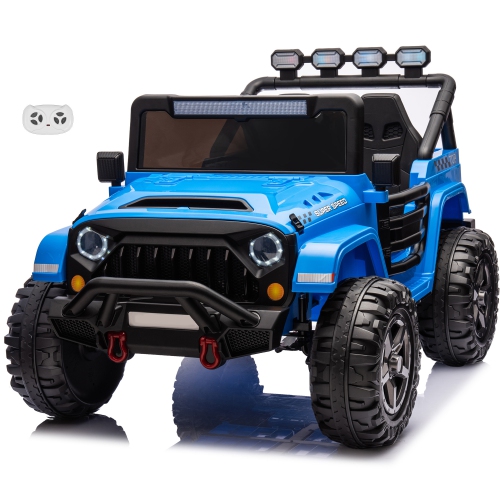
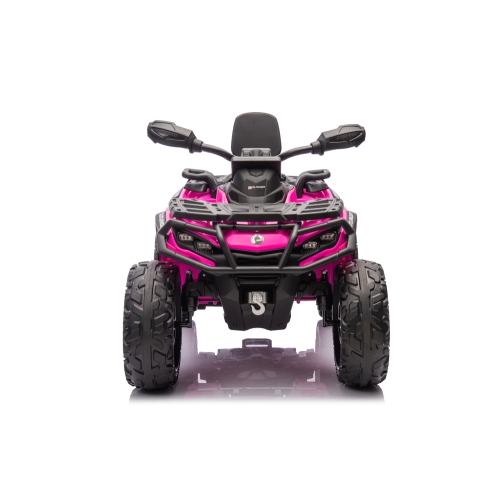
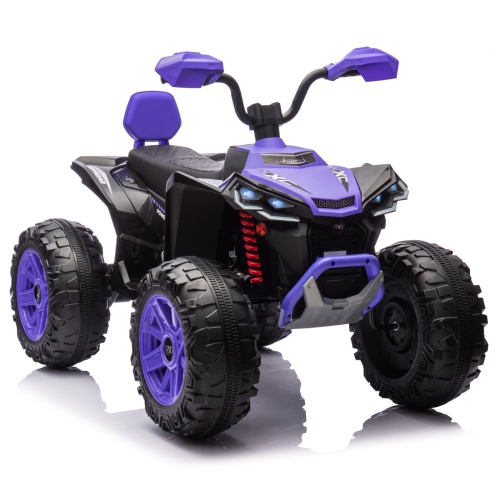


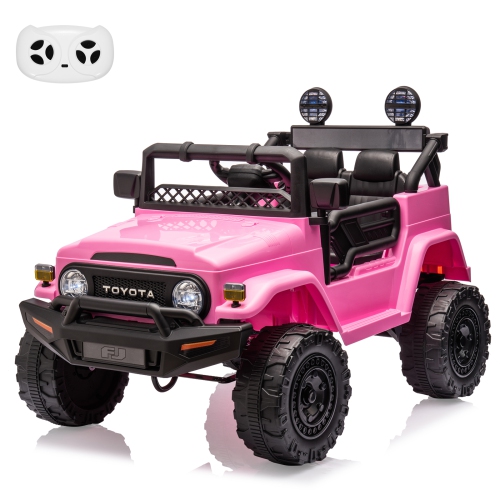


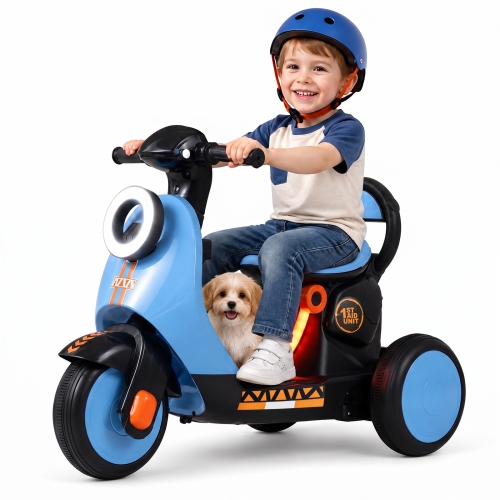


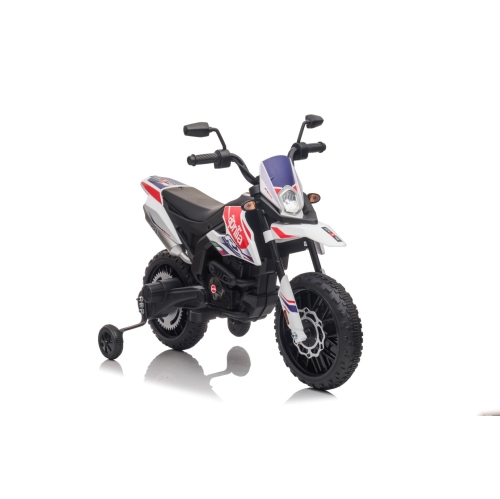
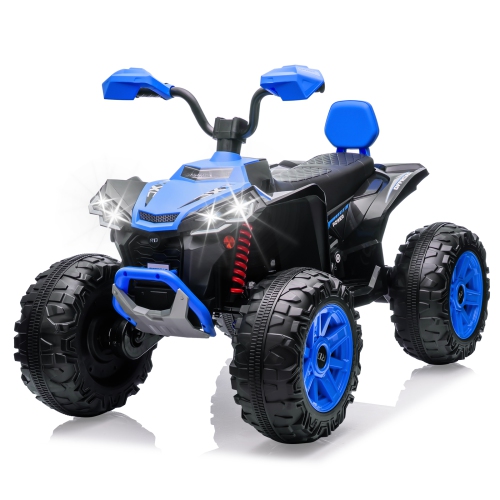
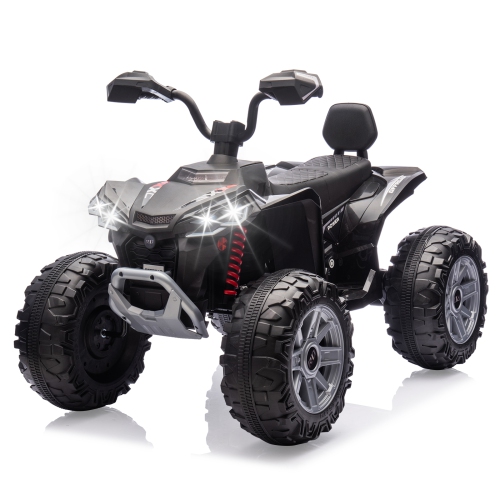
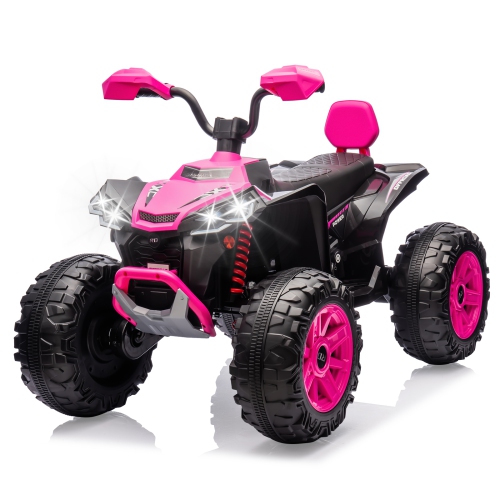
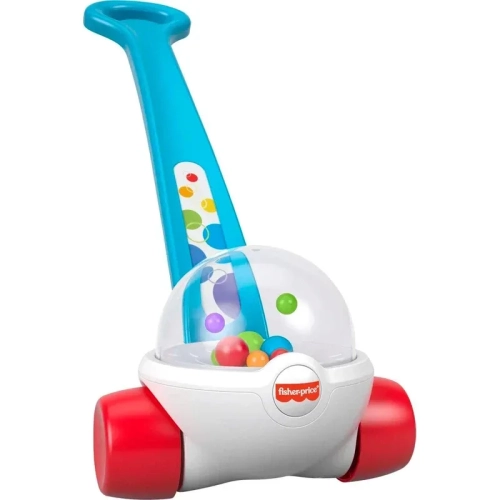
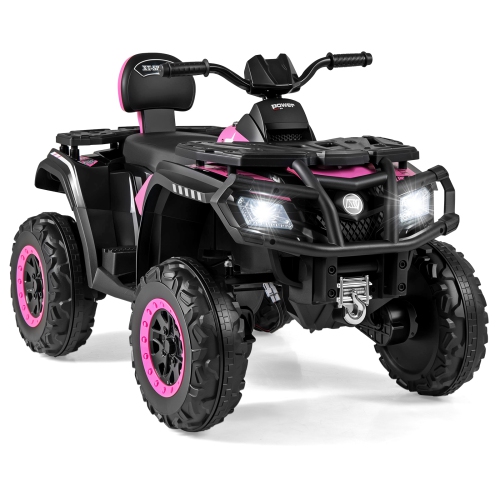

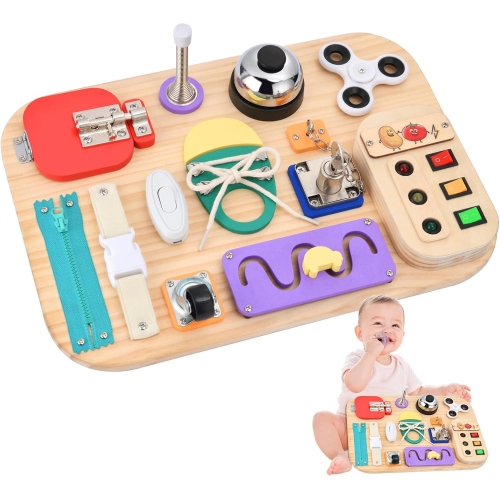
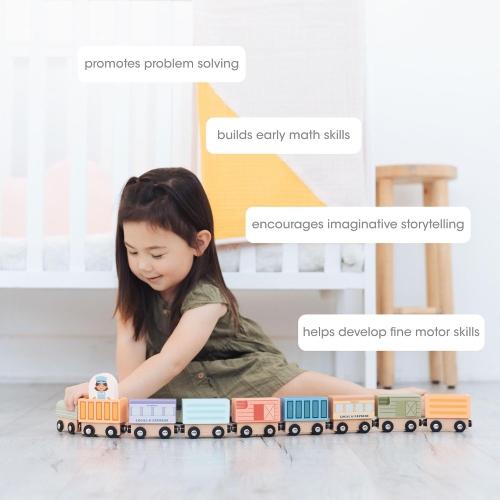

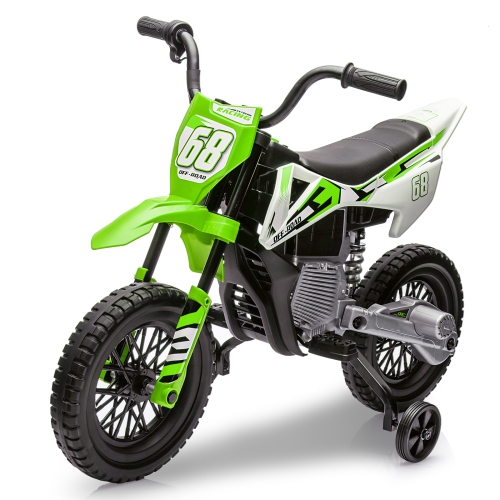



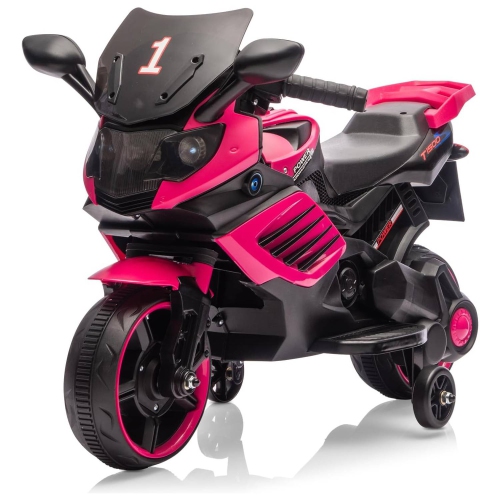
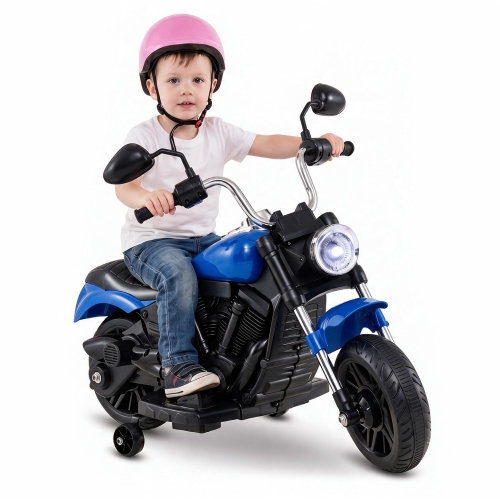

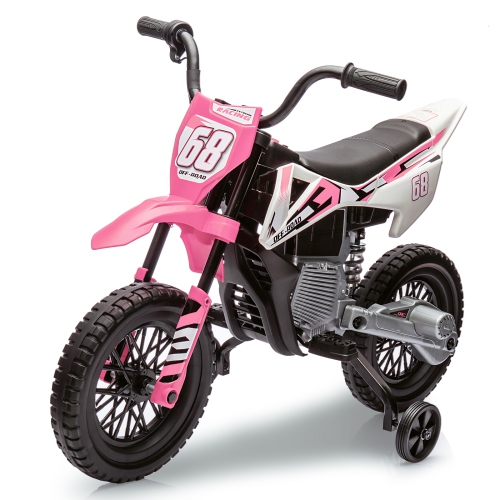
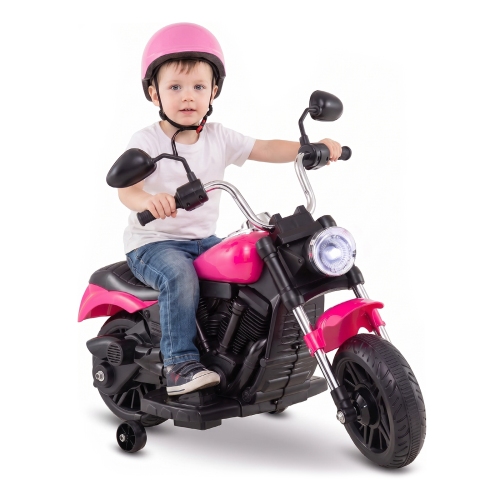
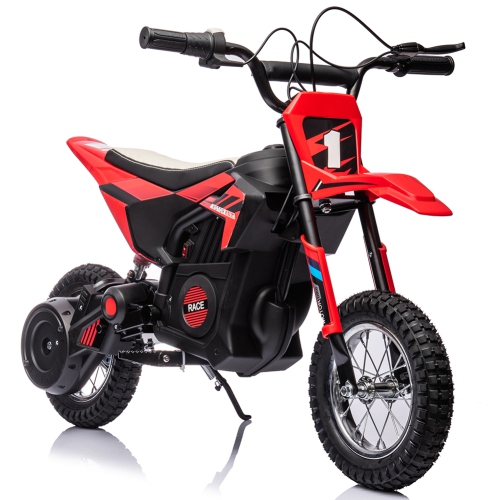
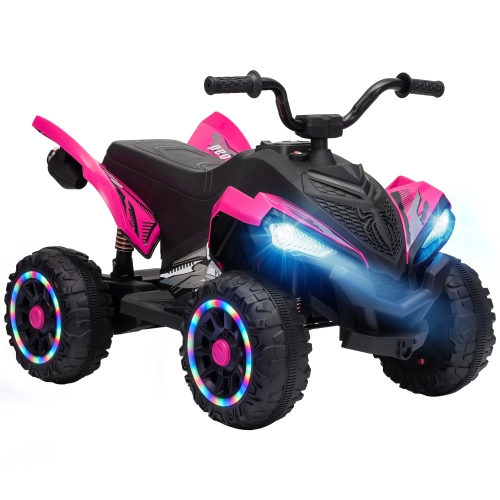
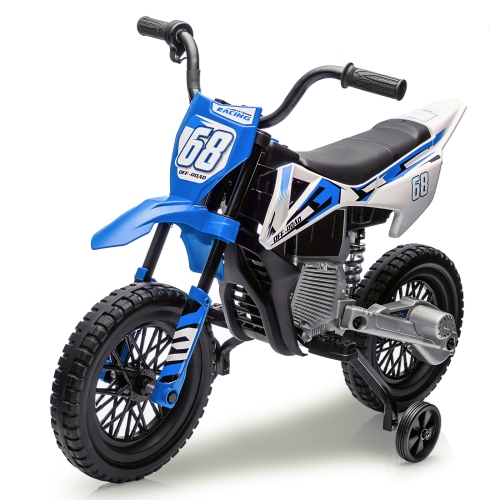
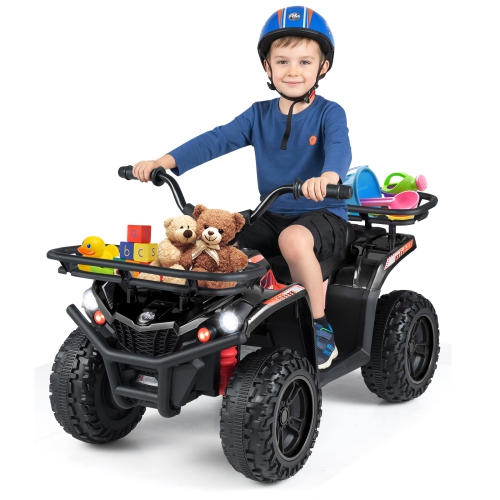

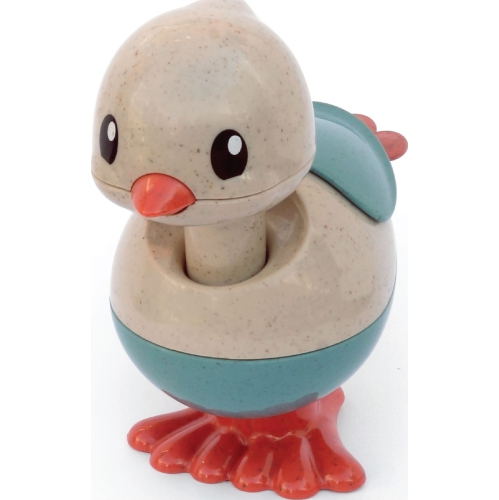

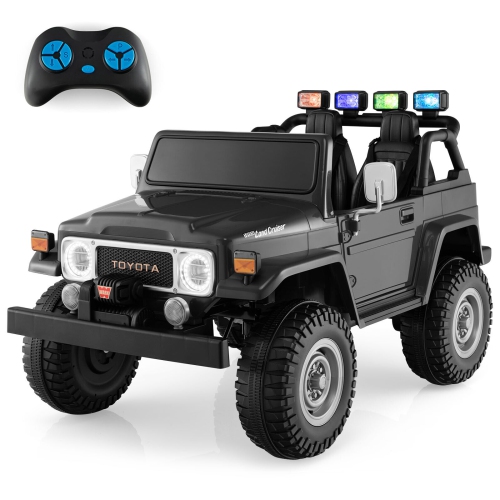


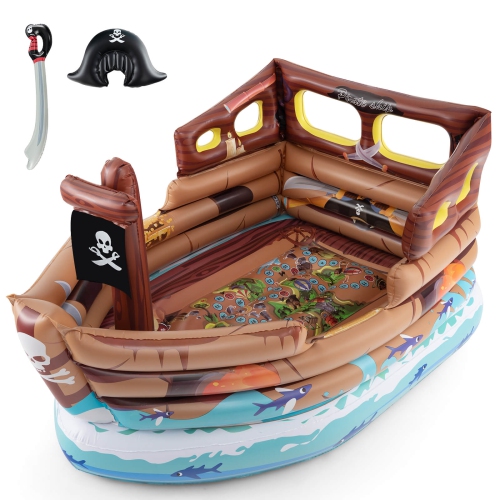

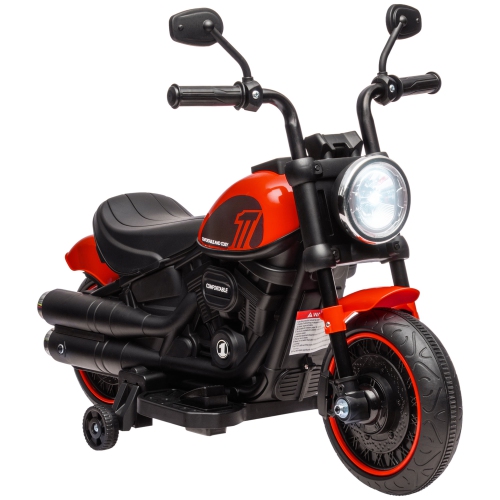



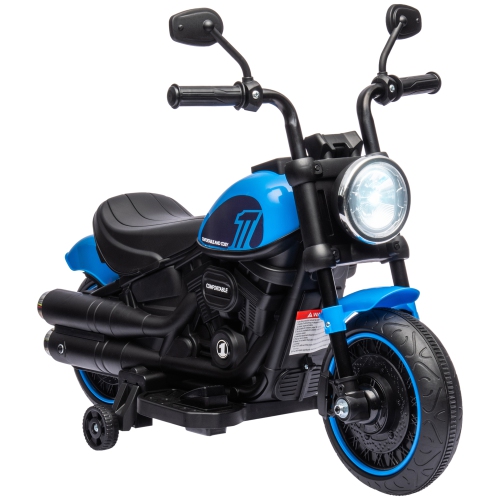

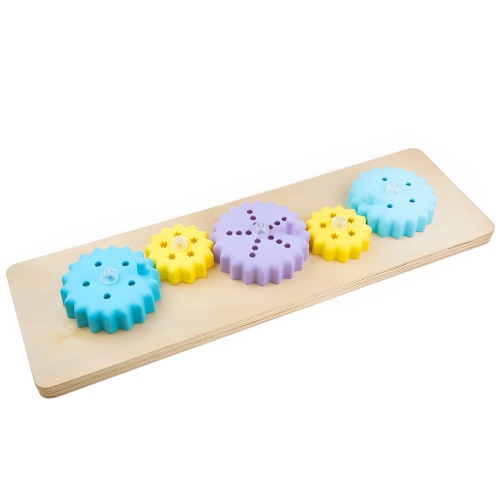
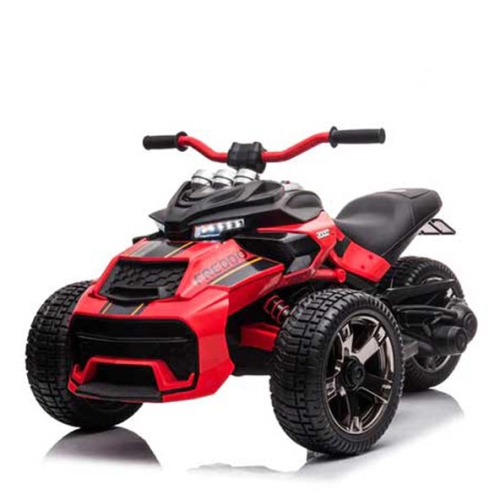
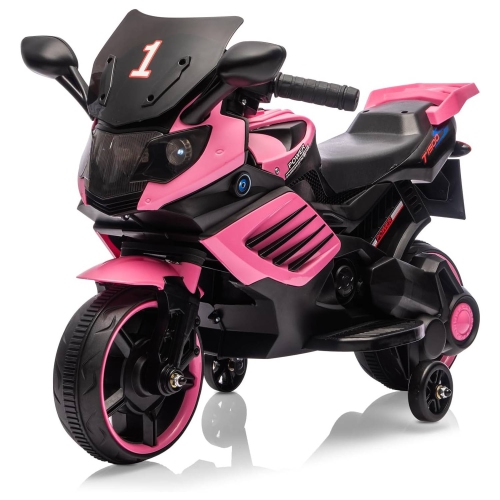
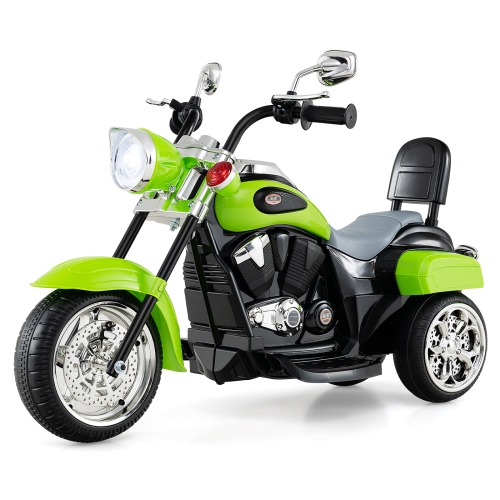
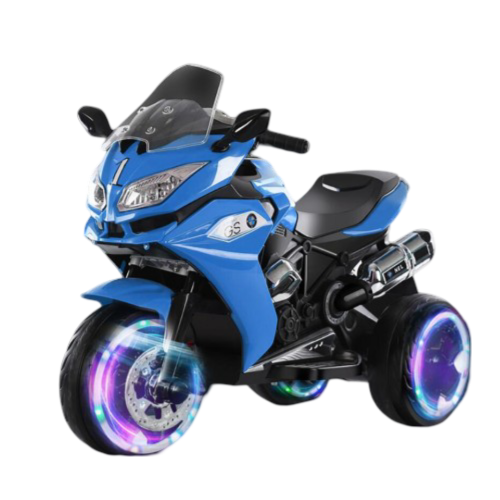
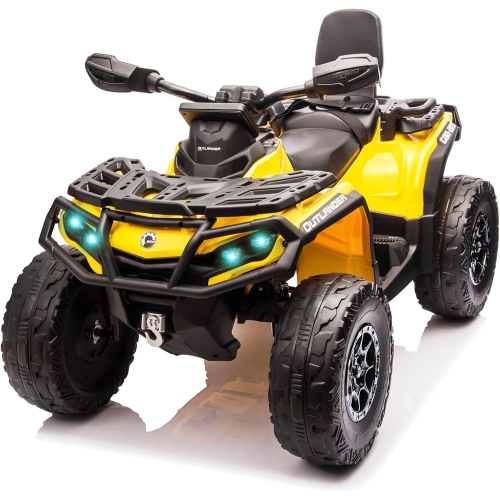


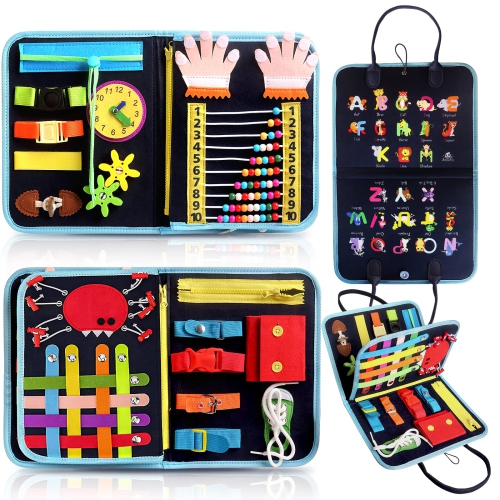
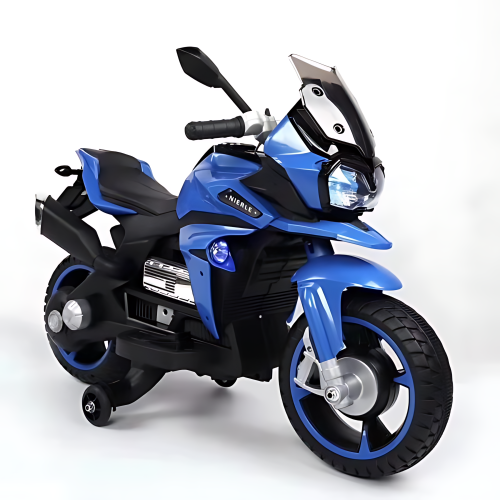
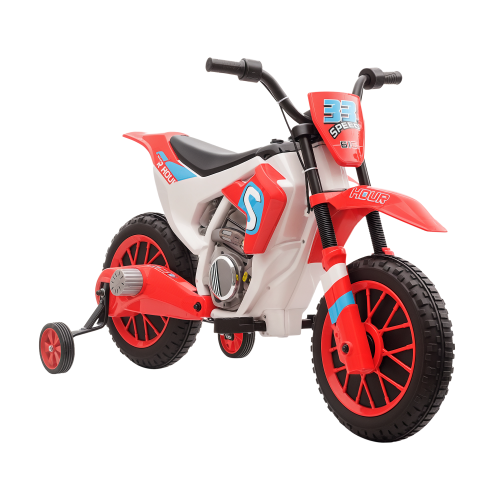

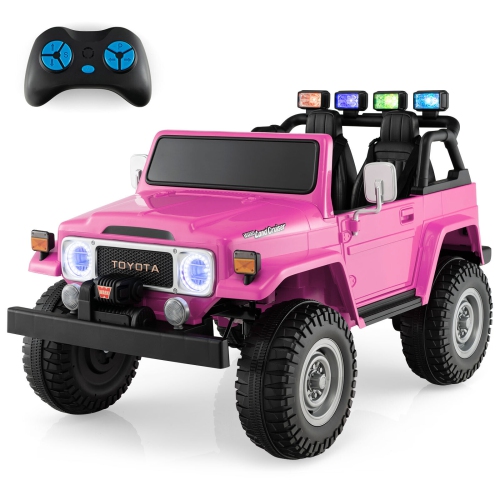
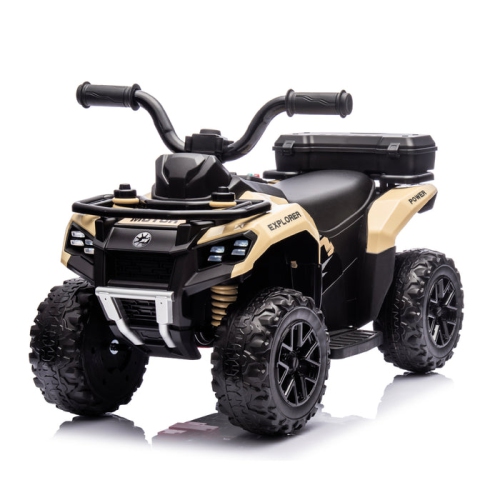
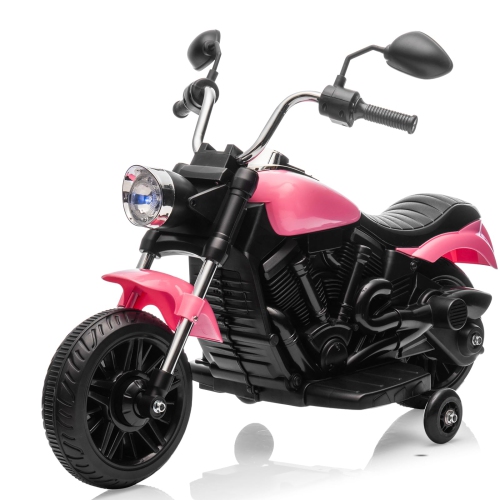
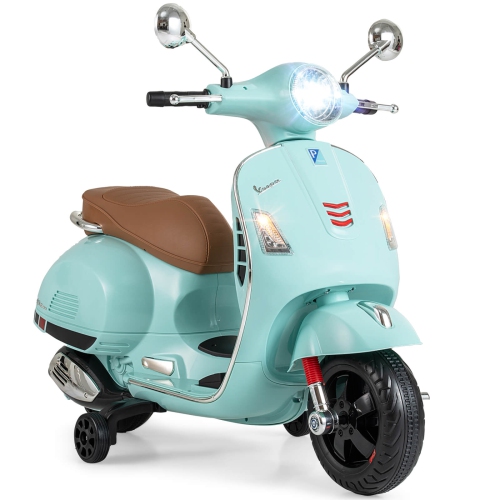
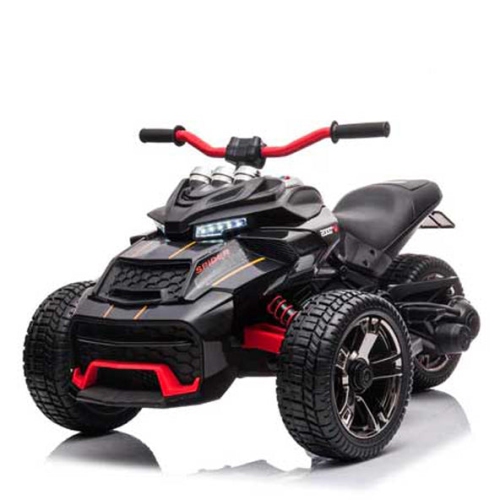
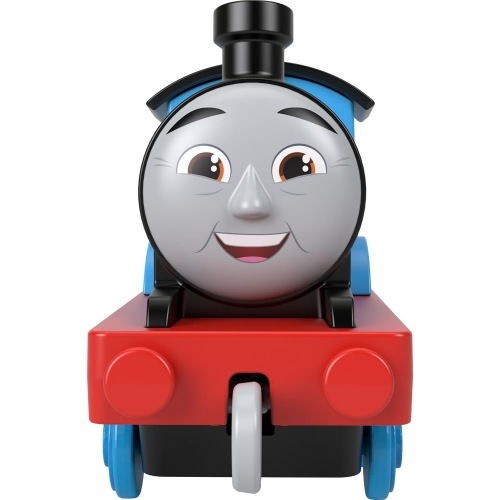
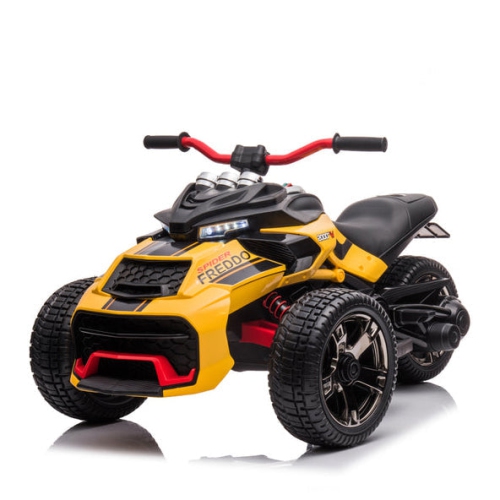
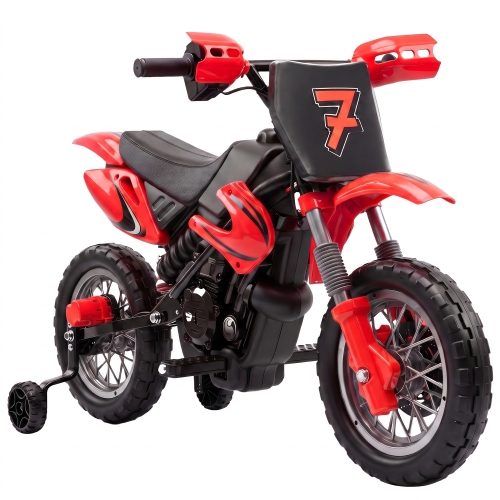
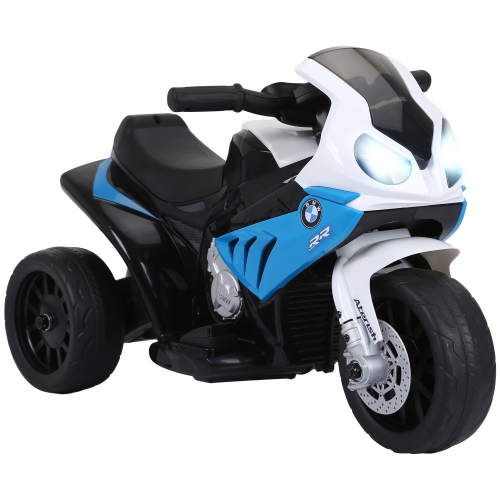
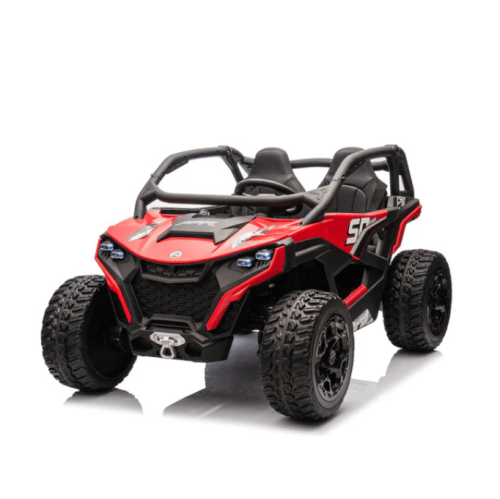
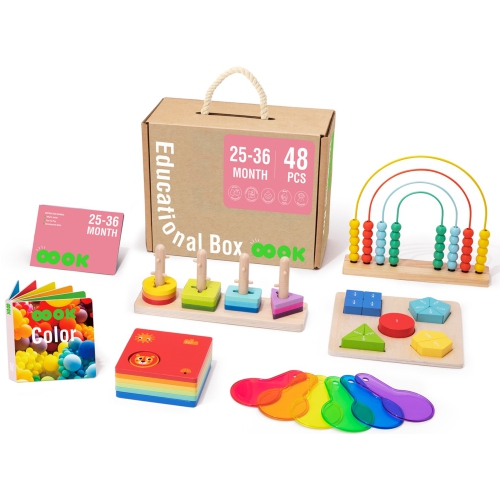

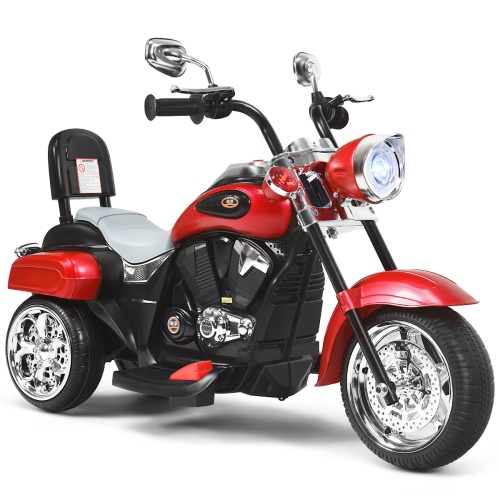
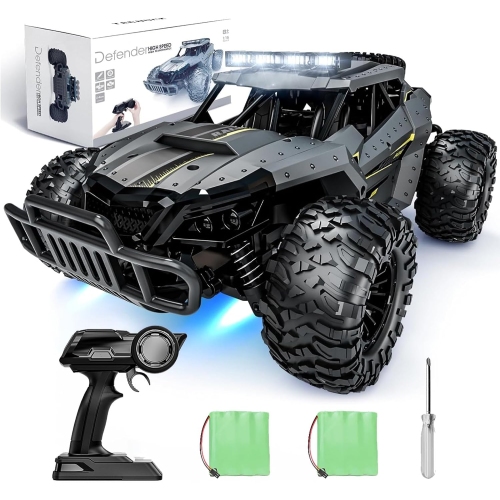
From button presses to builds with moving parts
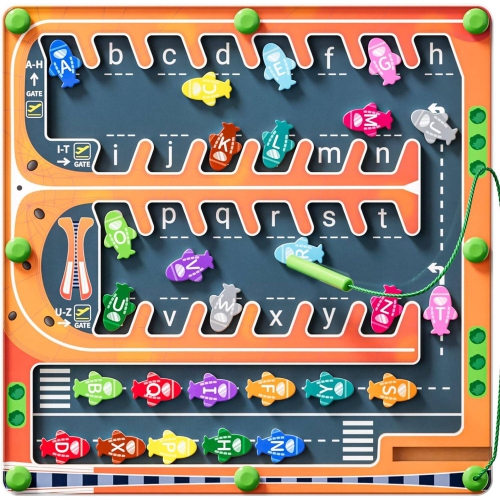
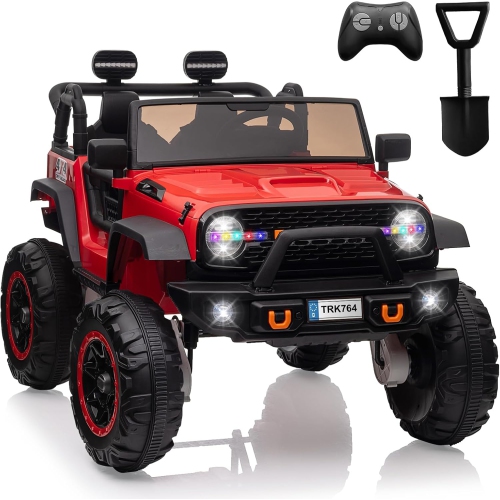
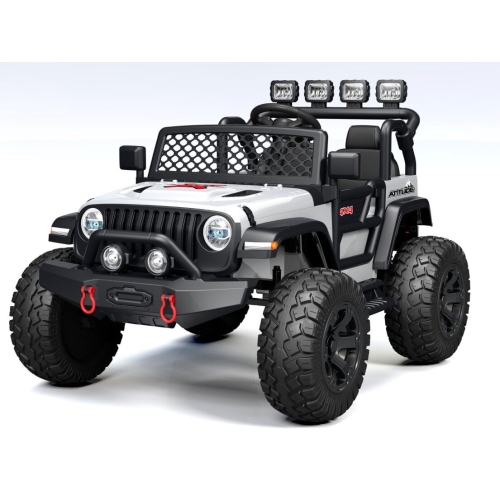
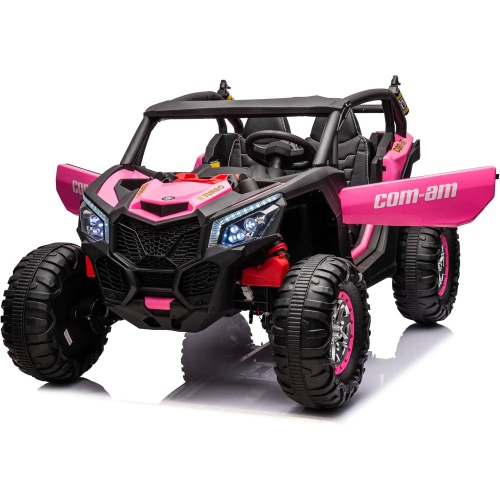
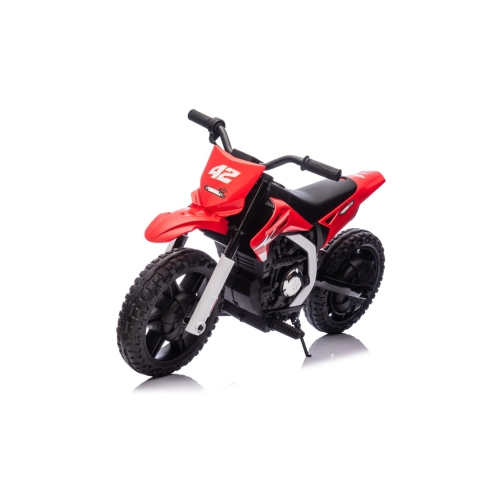
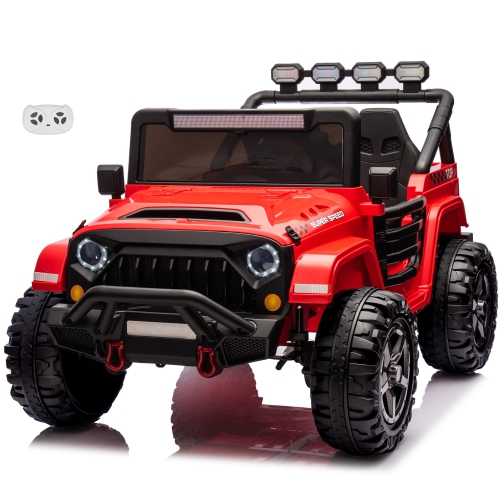
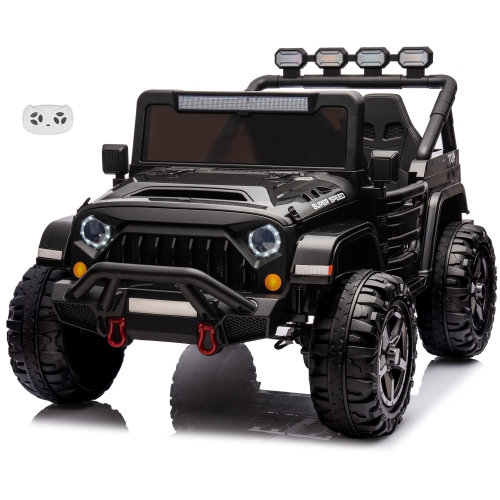
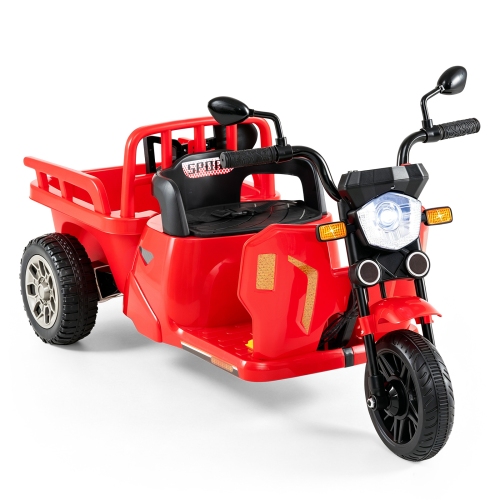
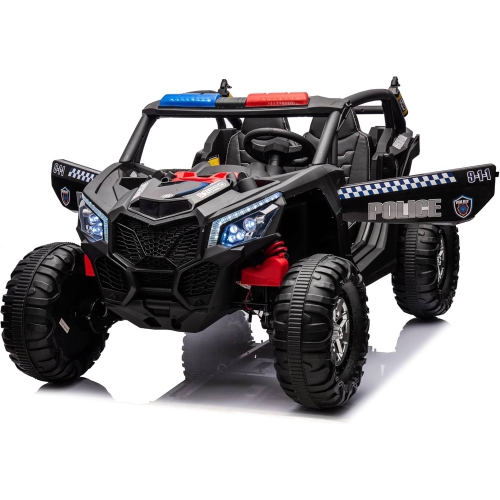
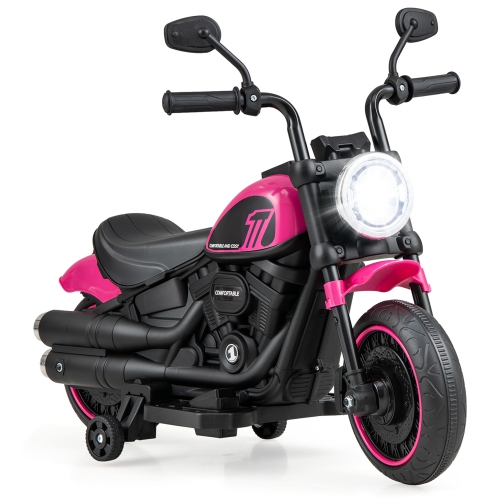
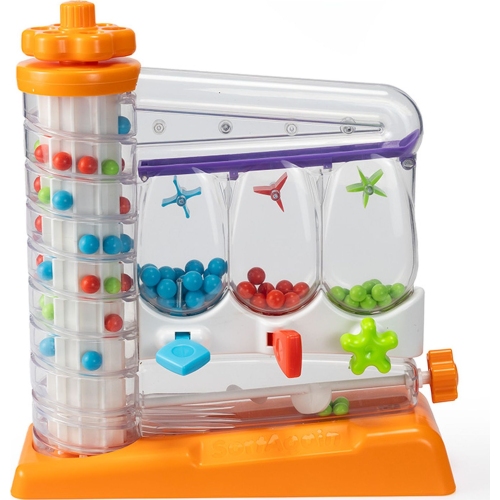
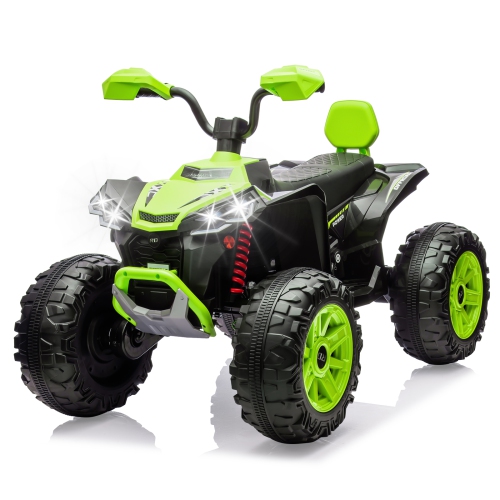
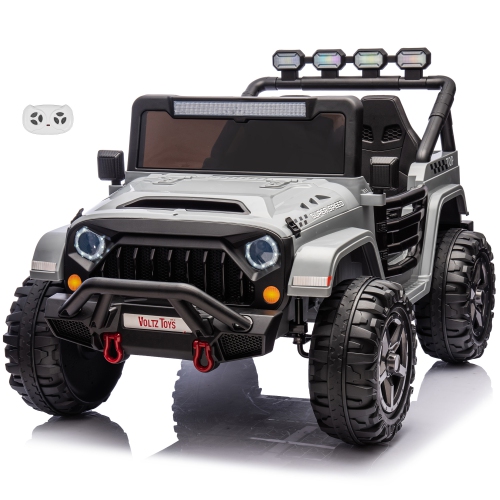
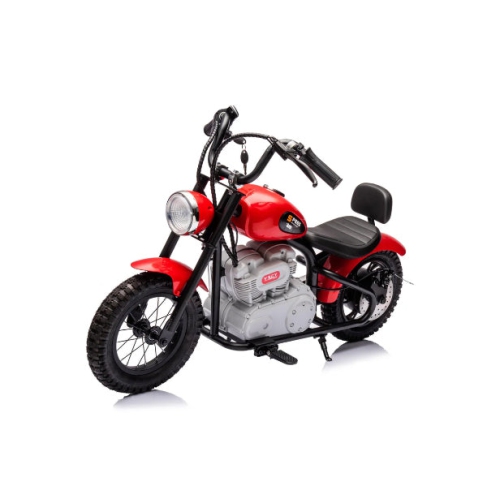
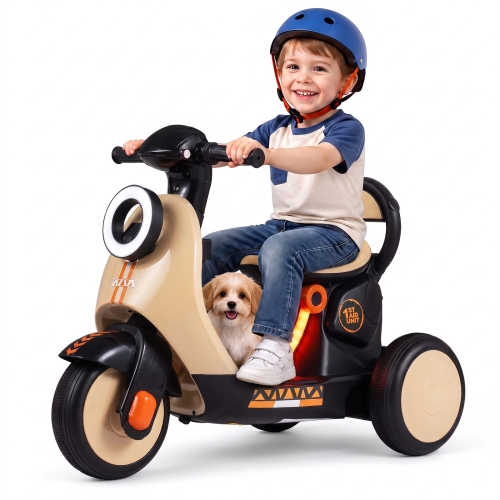
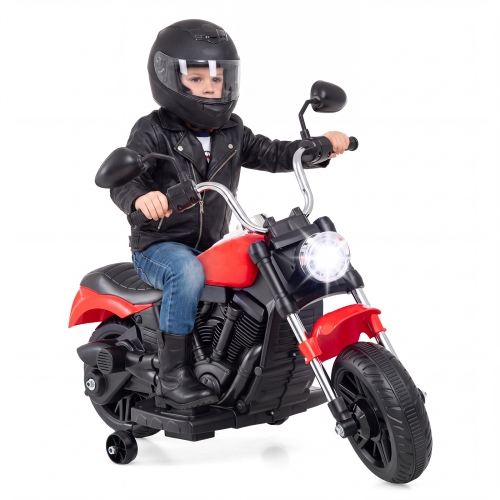
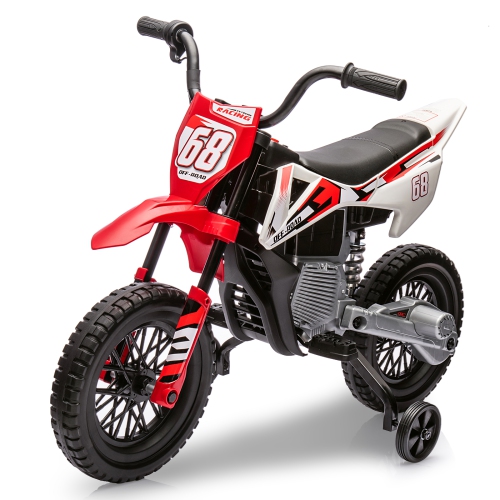
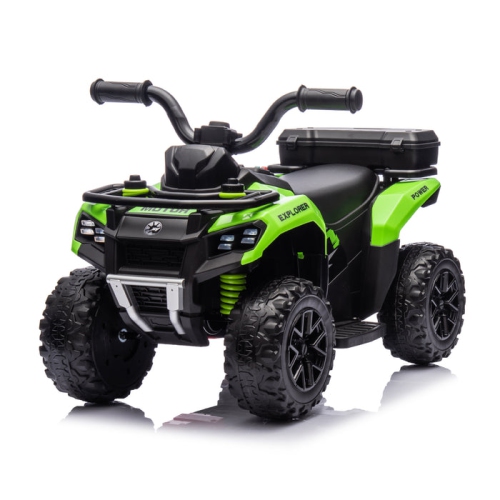
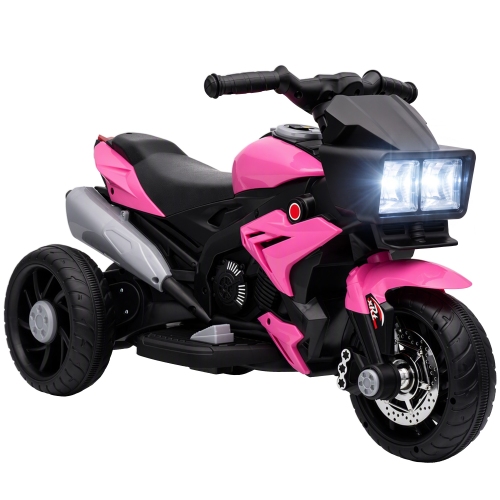
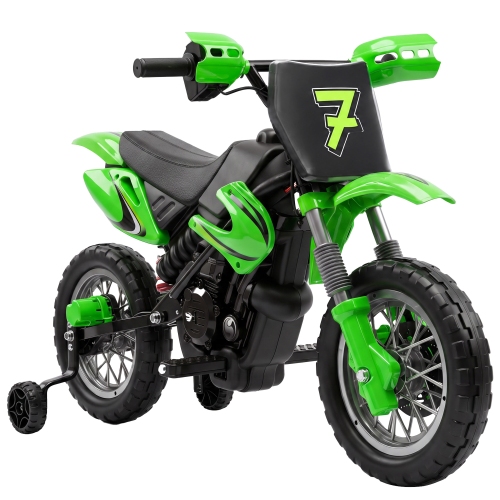
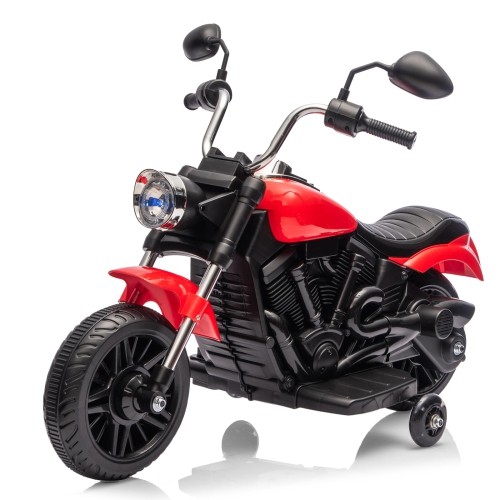
Motor toys put movement at the centre of vehicle play, from powered cars and motorcycles to buildable models with moving mechanical parts. The category can include ready-to-play motorized vehicles, remote-controlled toys, and construction sets that let children assemble a vehicle before exploring how it works. These formats offer different experiences: a simple vehicle may move at the press of a button, while a remote-controlled model gives the player a more active role in steering, stopping, and changing direction. A building set adds another layer, turning the wheels, axles, gears, and bodywork into a hands-on project. Not every vehicle with moving parts has an electric motor, however. Pull-back mechanisms, free-rolling wheels, and model engines operated by hand provide different kinds of movement, so the power source and operating features are useful distinctions. For younger children, straightforward controls and easy-to-hold shapes can make the connection between an action and a response easier to follow. Pressing a large button and watching a vehicle cross an open patch of floor creates a different play experience from carefully guiding a model between two blocks. Older children and hobbyists may be more interested in assembly, working steering, or mechanisms that remain visible after the build is complete. The manufacturer's age rating matters alongside these interests, particularly when a toy includes small components, a handheld controller, or several steps to operate it. Age recommendations also reflect safety considerations, not just how difficult a toy looks. Within an appropriate age range, the recipient's patience, dexterity, and preferred style of play help distinguish a satisfying choice from one that needs constant adult assistance. Some children enjoy repeating a familiar movement and inventing stories around it; others would rather spend an afternoon connecting parts, checking a mechanism, and making small adjustments. Motor toys can suit either approach, with the most engaging format often being the one that leaves room for the child's own ideas.
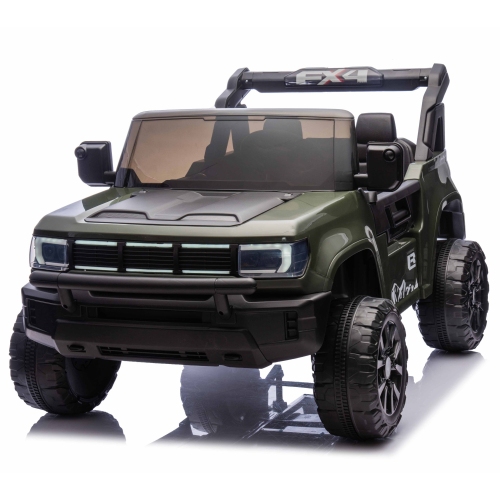
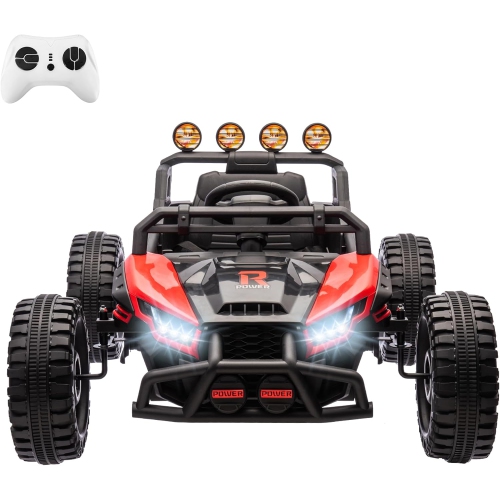
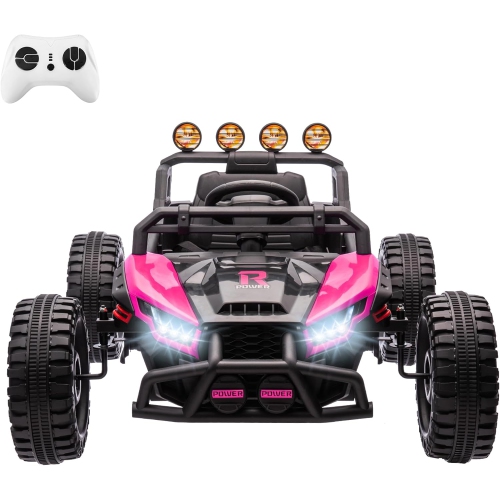
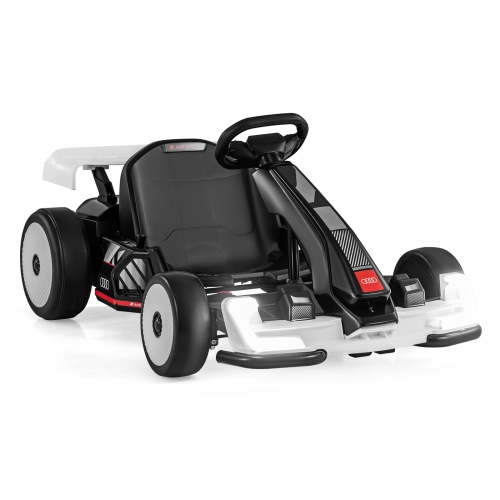
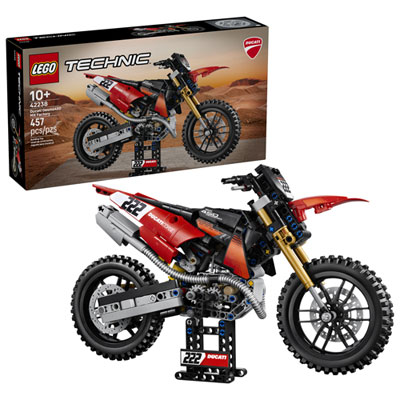
Construction-based motor toys give movement a visible explanation. A wheel turning on an axle, a gear driving another gear, or a steering linkage changing the direction of the front wheels can make mechanical relationships easier to observe. Some sets represent engine movement without actually powering the vehicle, while others use a motor to drive a completed assembly; those functions should not be assumed to be interchangeable. Building complexity depends on more than the number of pieces. Small connectors, closely spaced parts, detailed instructions, and mechanisms that need careful alignment can all affect the amount of time and assistance involved. A model intended for display also has different demands from a vehicle designed to be handled repeatedly during pretend play. Materials and construction help shape that distinction. Moulded plastic can support rounded bodywork and lightweight handling, while metal components may add weight and a different feel in the hand. Neither material alone establishes durability: secure wheel attachments, well-fitted body panels, protected mechanisms, and sturdy connection points matter too. Rubber or rubber-like tyres can affect grip and rolling noise, although performance still depends on the surface and the toy's design. A vehicle that moves freely across a smooth floor may struggle on a thick rug, and a larger turning circle needs more clear space than straight-line movement. Size is therefore about more than appearance. Overall dimensions help indicate whether a toy will fit comfortably on a play mat, through a pretend garage, or inside a storage bin. Scale markings describe proportions relative to a full-size vehicle, but the finished measurements are more useful when comparing different vehicle types. For toys children sit on or ride, the manufacturer's height, weight, and supervision requirements are especially important; a ride-on vehicle has very different space and safety needs from a handheld model. Intended use should remain the deciding factor, including whether the toy is designed for floor play, tabletop building, display, or supervised riding.
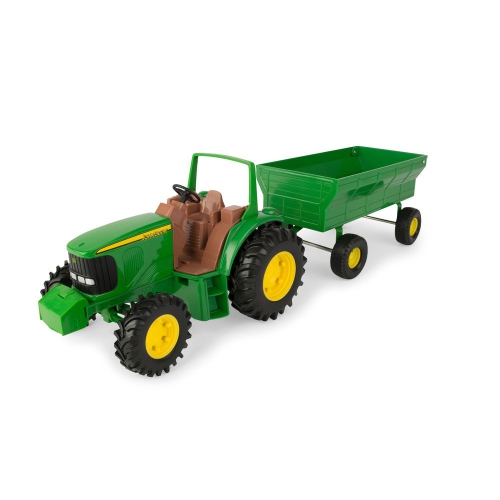
Power, care, and storage also shape the everyday experience of motor toys. Battery-operated models may use replaceable batteries or a rechargeable pack, and the charging method, required battery type, and expected operating time depend on the design. Lights, music, and sound effects can add character to pretend play, but they may also use the same power source as the motor. Independent sound controls, where provided, can make a toy easier to share in a room used for other activities. Remote-controlled models introduce another consideration: the controller may need its own batteries, and multiple vehicles may require compatible control arrangements to operate together without interference. Battery compartments should remain securely closed, with charging and battery changes handled according to the manufacturer's directions. Everyday care is usually less about polishing bodywork than keeping moving parts clear. Hair, thread, and fluff can gather around axles, while loose building pieces can obstruct gears or prevent panels from sitting correctly. Cleaning methods need to suit the materials and electronics; a motorized toy should not be immersed in water unless it is expressly designed for that use. Switching toys off before storage, keeping controllers with their matching vehicles, and separating small construction parts into labelled containers can make the next play session easier to begin. A shallow tray can also keep connectors from disappearing beneath furniture during a longer build. As gifts, motor toys can reflect an interest in racing, machinery, repair play, or the pleasure of putting something together. A child who invents delivery routes across the floor may enjoy a different format from someone who likes studying a working gearbox. Farm-themed storytelling can extend to Tractor Toys, where familiar vehicle shapes lend themselves to loading, hauling, and make-believe jobs. Whether play centres on movement, construction, or storytelling, appropriate controls, manageable dimensions, and a design suited to repeated use help a motor toy remain enjoyable beyond its first outing.
Top selling and popular products
-
 Your price for this item is $150.99
-
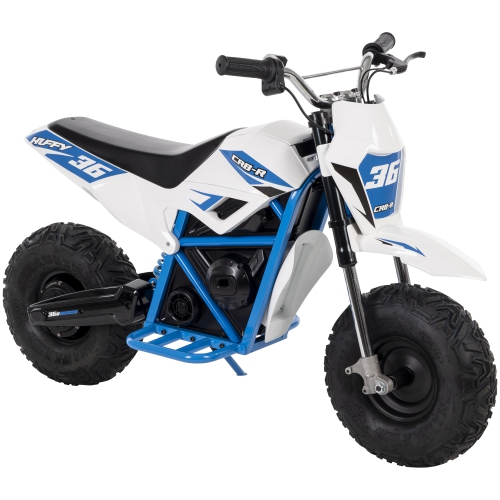 Your price for this item is $799.99
-
 Your price for this item is $141.99
-
 Your price for this item is $199.99
-
 Your price for this item is $205.99
-
 Your price for this item is $199.99
-
 Your price for this item is $82.95
-
 Your price for this item is $449.99
Discover more categories related to Motor Toys

Top Collections:
Pokemon Centers, Kindle Devices, Best Budget Office Chairs, Canon G7X Cameras, Apple iPhones 16, Samsung Galaxy Phones, Refurbished Apple Laptops, Laptops for Students, iPhone 15 Apple, Budget Smartphones
Some products may be subject to Environmental Handling Fees
(EHF) depending on your province.
Learn more about EHFs.