Movie Board Games
Get ready for a fun-filled game night with our collection of movie-inspired board games! Immerse yourself in the world of cinema as you test your knowledge of popular films, challenge your friends to movie trivia, and race to victory on the game board. Whether you're a casual movie buff or a dedicated film enthusiast, these board games offer entertainment for all ages and are perfect for family gatherings, parties, or cozy nights. Add some excitement to your game collection and bring the magic of the movies into your living room with our selection of movie-themed board games.
Sort

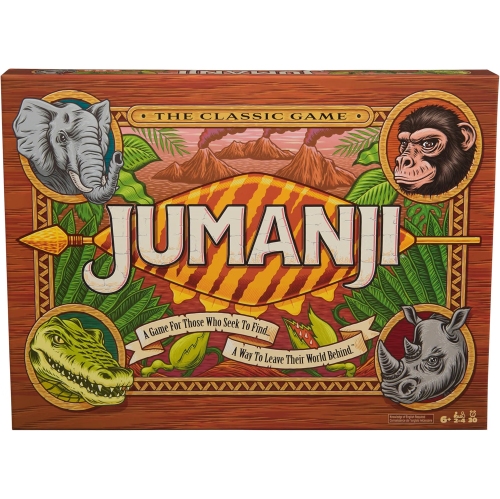

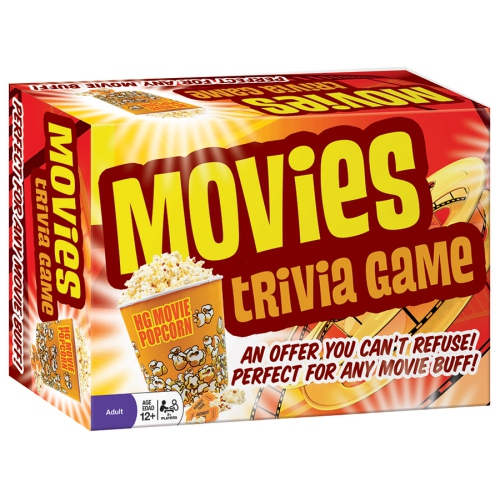

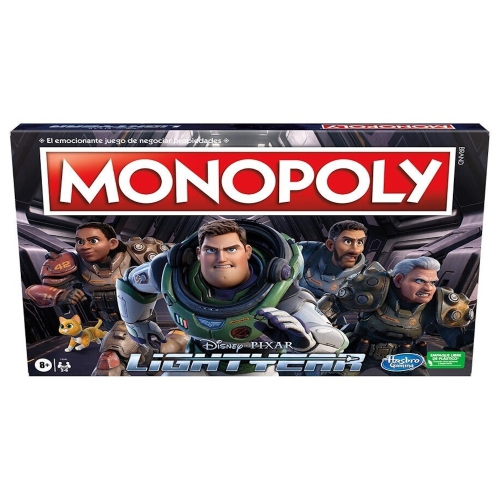

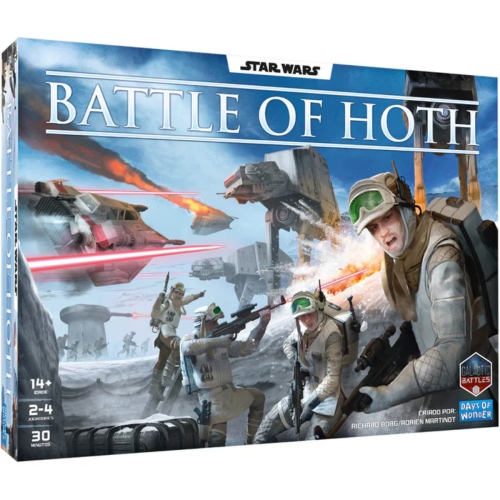




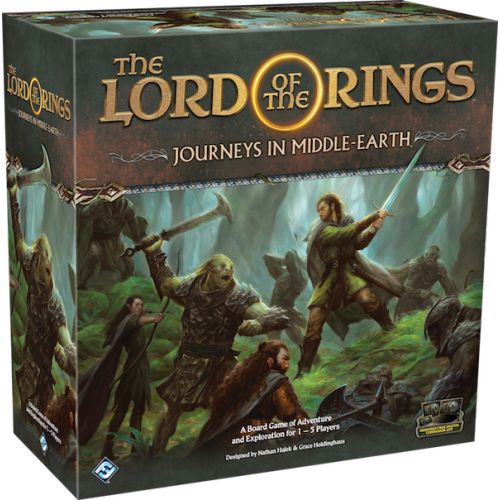

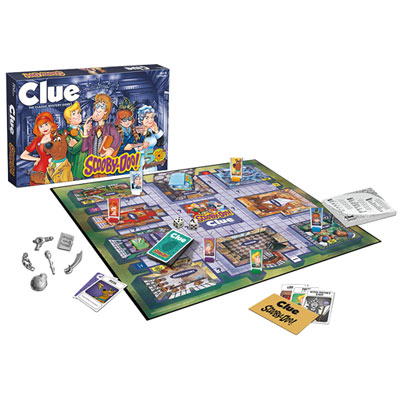


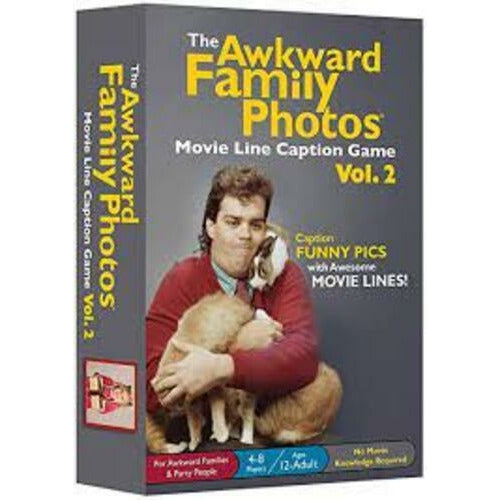
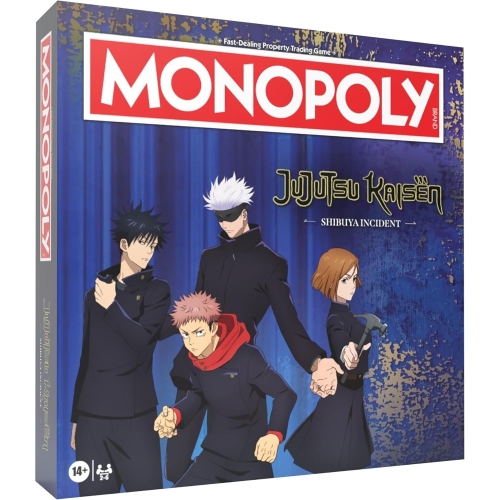
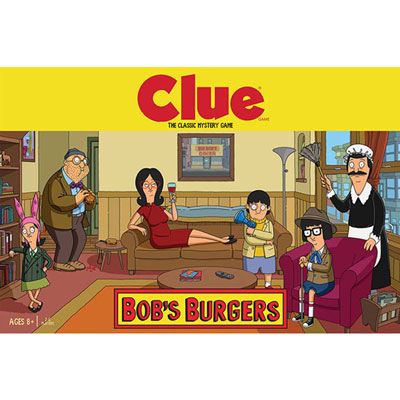
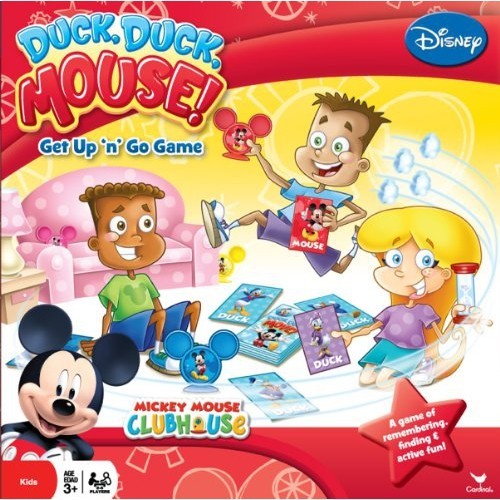


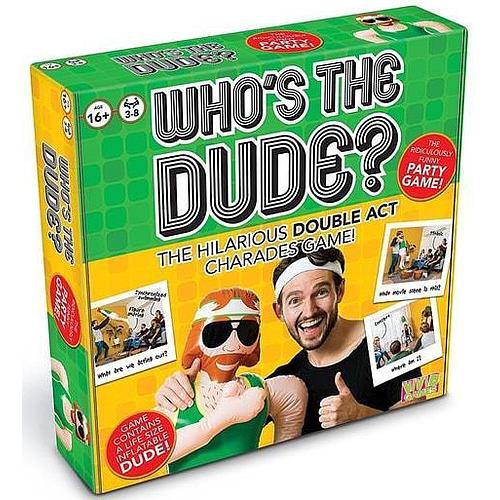




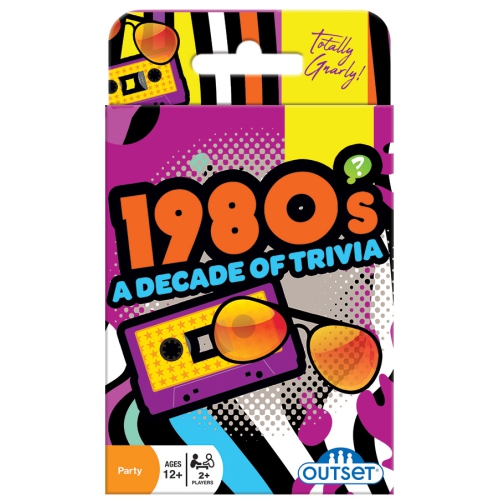
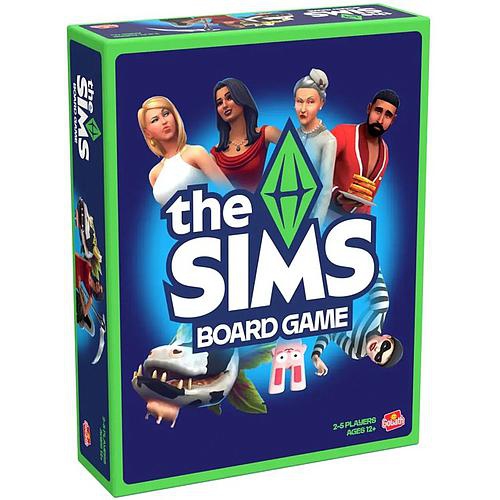
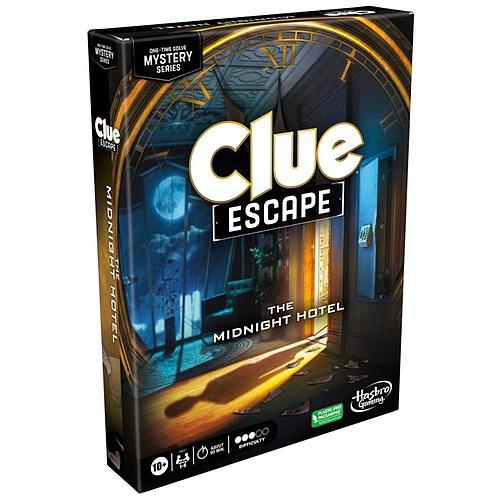

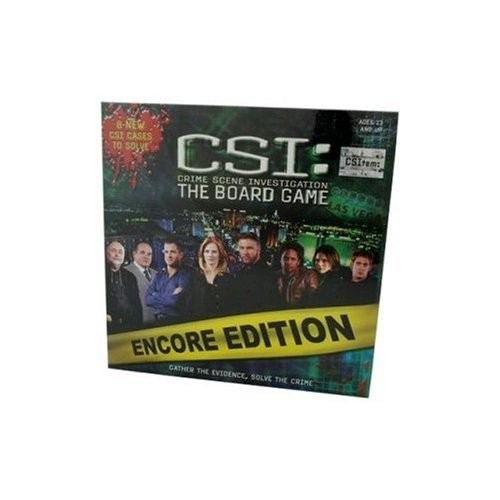
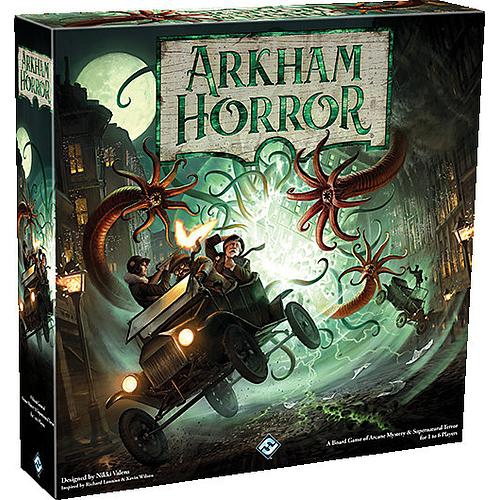



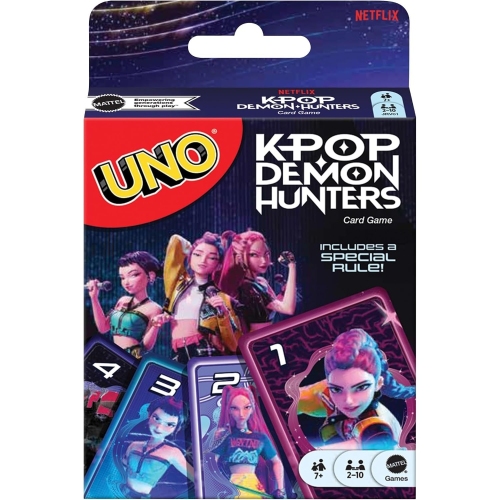


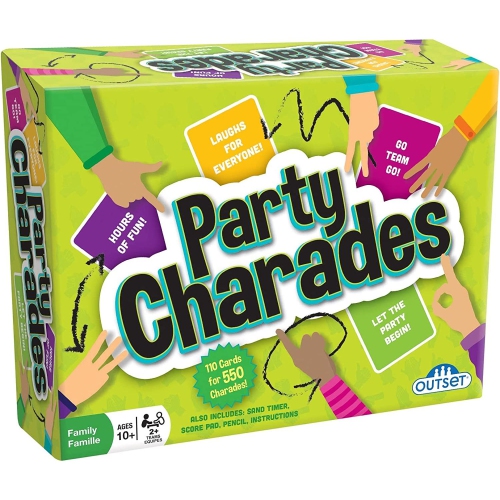


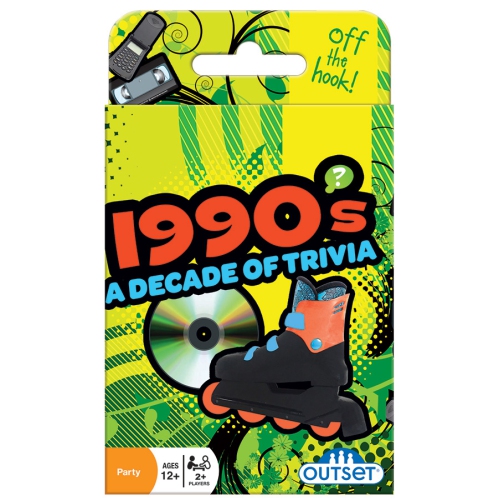


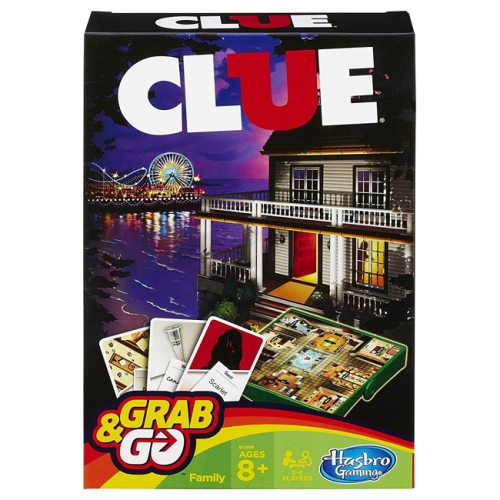

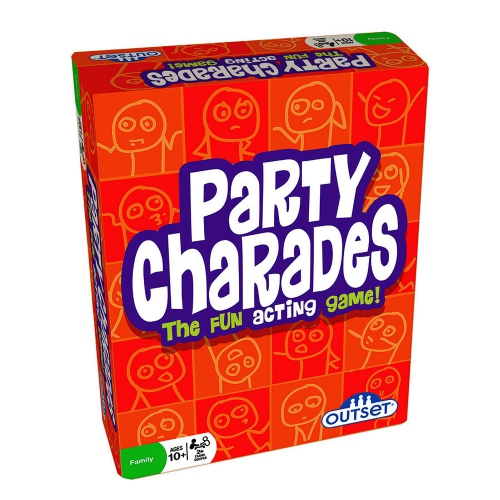


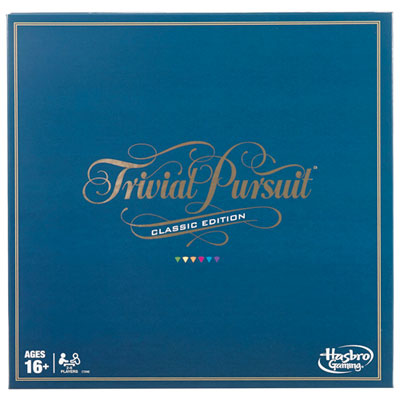

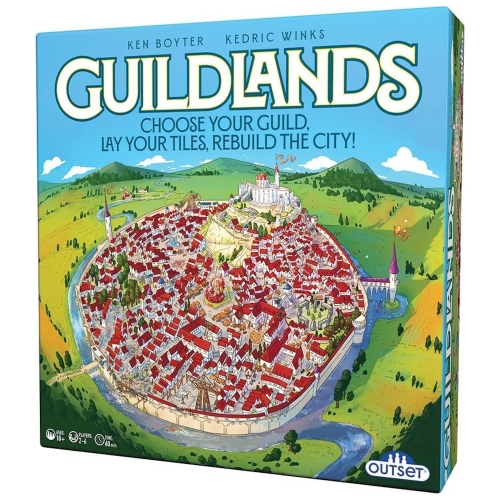
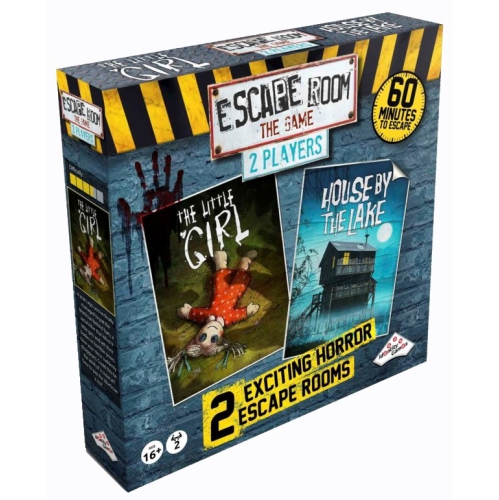
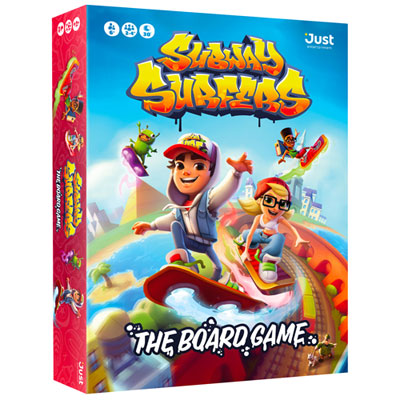
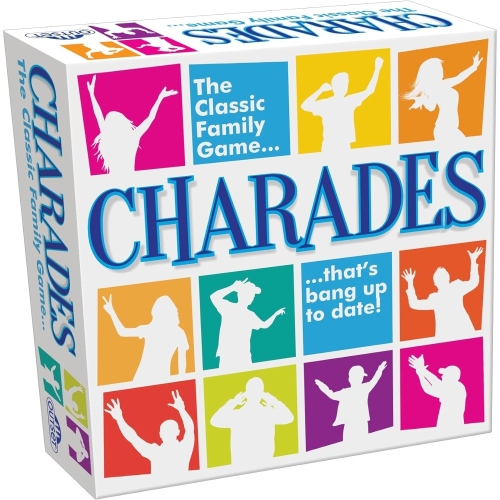
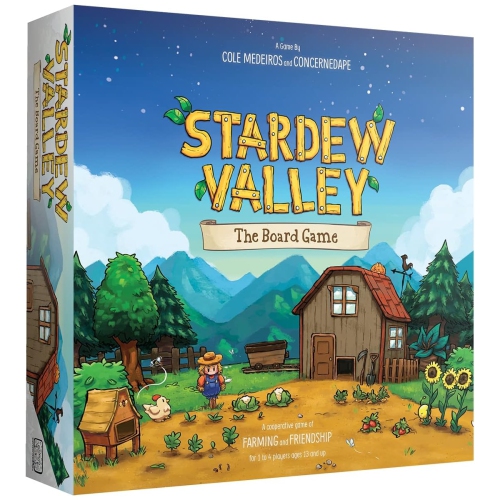
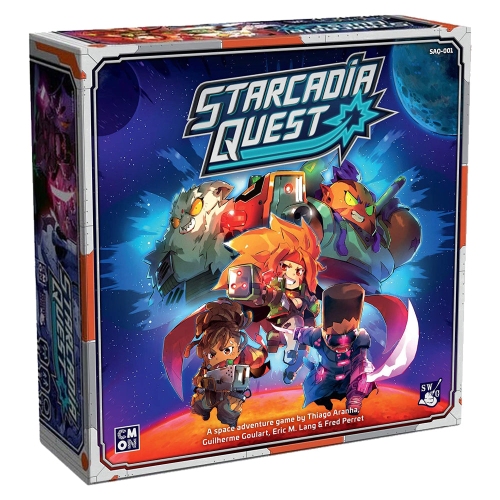

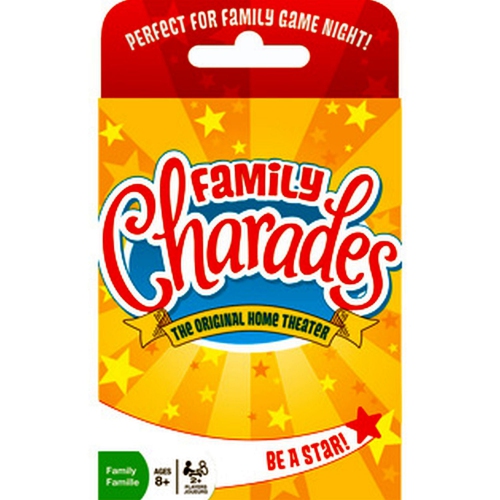


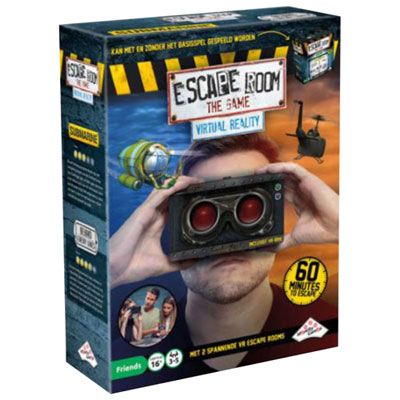

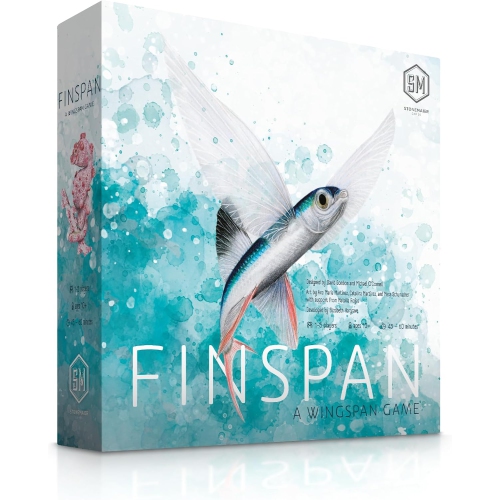
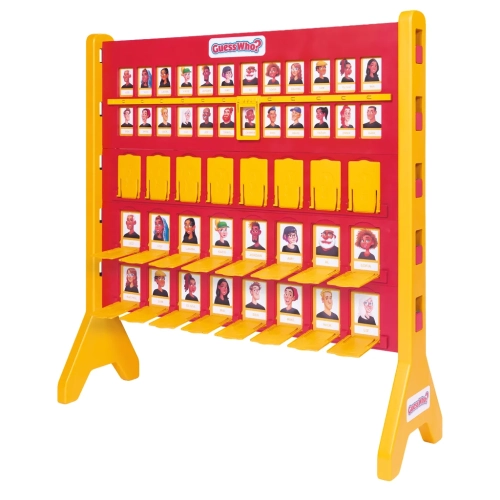
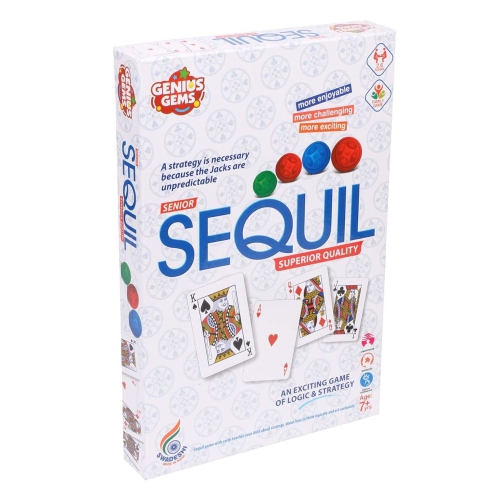
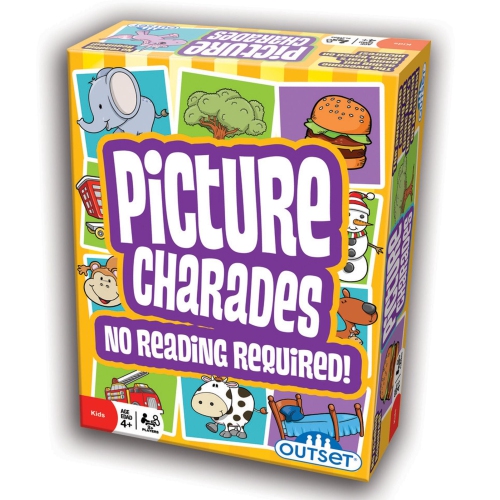
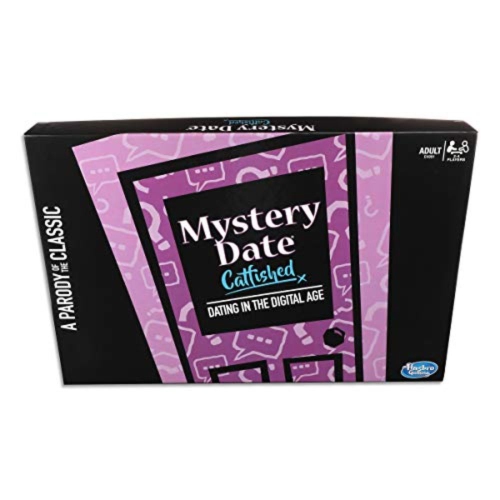







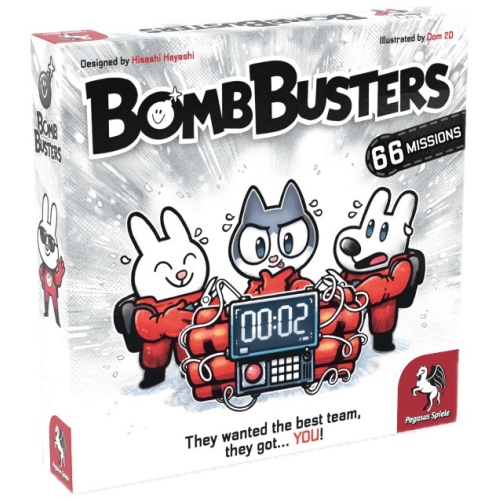
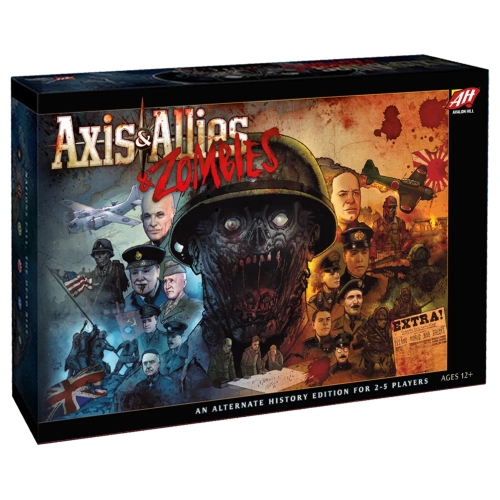

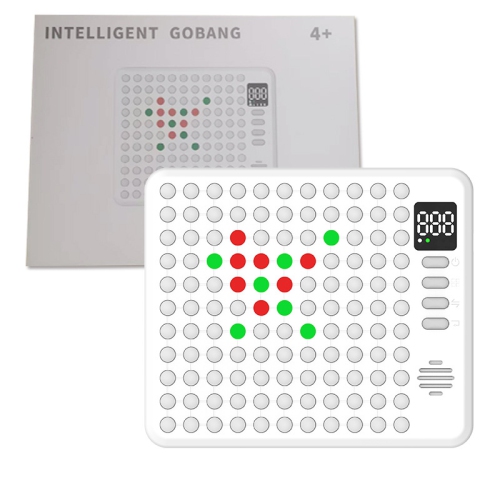
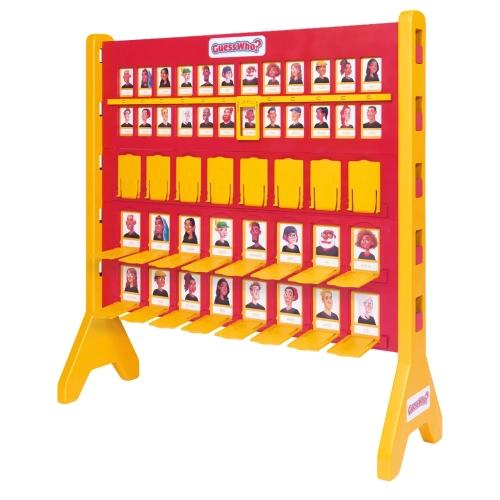


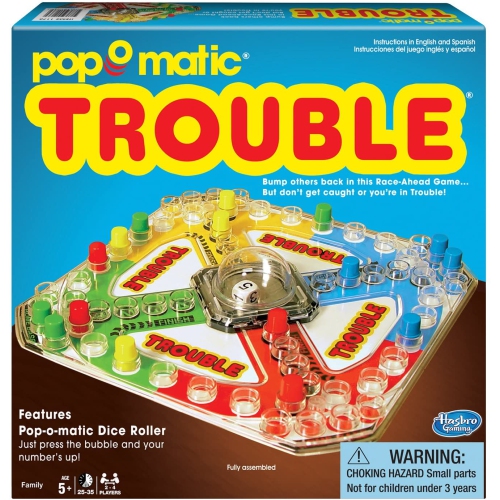

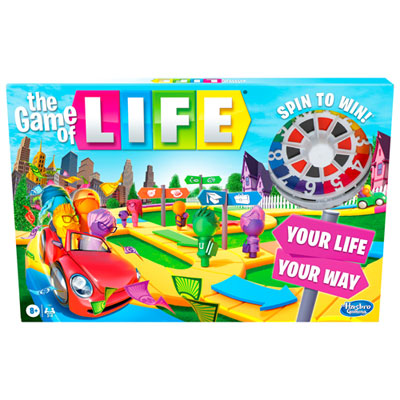

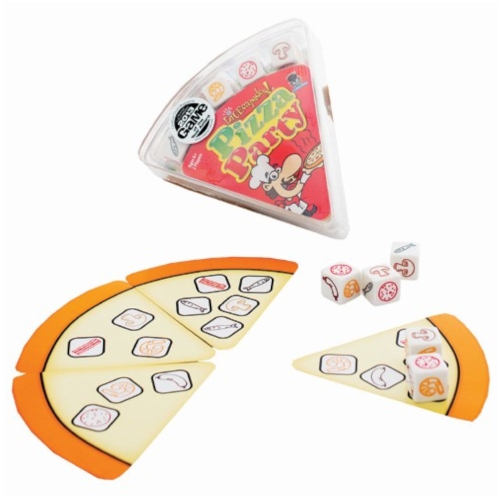
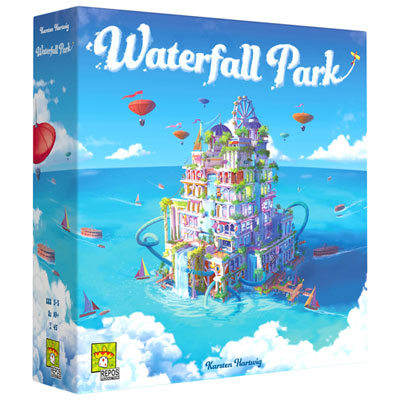
Film knowledge is only one way to play
Movie board games bring the characters, stories, and shared memories of cinema to the tabletop through trivia, cooperative challenges, competitive strategy, and party play. Some centre on a particular film or fictional world, while others celebrate movies more broadly with questions, clues, drawing, or acting. The difference matters: a story-driven game might ask players to work together towards a shared objective, whereas a movie trivia game rewards knowledge of casts, memorable scenes, and filmmaking details. In a cooperative format, everyone might pool resources, discuss the next move, and try to complete a mission before a turn limit runs out. Competitive formats can put players in charge of opposing sides, with different abilities or paths to victory creating tension around the table. Hidden-role games add another layer by giving some players information or objectives that others cannot see. Lighter party formats often focus on recognizing a scene from a clue or helping teammates guess a title without saying certain words. These approaches offer different ways to enjoy a film connection, from recalling a familiar line to making a decision that changes how a story unfolds. A strong connection between the theme and the rules can make that experience especially satisfying: an urgent rescue feels more convincing when players have limited actions, and a mystery becomes more involving when information is revealed gradually. Film knowledge is not always a requirement, though. Some games explain everything needed through their rules and components, making them approachable for someone who has never seen the source material. Others depend heavily on recognition and recall, so a dedicated film fan may have a noticeable advantage. Movie-themed board games can therefore suit both people who enjoy revisiting favourite stories and groups that simply want a lively shared activity. Their appeal lies in giving everyone something to do with a familiar screen experience rather than only watching it again.
The best fit for a particular gathering depends as much on how the group likes to play as on which movies everyone enjoys. Player count is a useful starting point because a game designed around two opposing players can feel very different from a team-based activity for a larger group. The stated range also does not tell the whole story: some games give each person a separate turn, while others keep everyone involved through simultaneous guesses, shared planning, or open discussion. For a family game night with mixed ages, clear turn structure and straightforward objectives can make participation easier, especially when younger players are still building reading skills. Age recommendations, reading demands, and the tone of the source material all deserve attention; a recognizable film theme does not automatically mean the rules or content suit children. Language matters, too, particularly for trivia questions, wordplay, and clue-giving activities where a translated phrase may change the challenge. For friends who enjoy learning a system and developing tactics, a longer game with character abilities and several possible strategies can become a regular tabletop choice. For a casual gathering, brief rounds and easy entry between rounds may work better than a continuous story that requires everyone to stay for the full session. Playing time should allow room for explaining the rules and learning the first few turns, not just completing a familiar playthrough. Table space is another practical consideration: a central board, individual player areas, decks, and shared tokens can spread farther than expected. Clear text, distinguishable symbols, and information that does not rely on colour alone can also make play more comfortable. A cooperative format may appeal to groups that enjoy talking through decisions, while direct competition suits players who welcome tactical rivalry. Games without early player elimination help keep everyone involved until the end, rather than leaving someone waiting through the final stretch.
Materials and component design affect how movie board games feel in use and how well they stand up to repeated sessions. Boards and punch-out tokens are commonly made from printed cardboard, cards may have smooth or textured finishes, and playing pieces can be made from wood or plastic. Illustrations, readable layouts, and clearly differentiated pieces often matter more during play than elaborate decoration. A detailed miniature can add atmosphere, but a token that is easy to identify across the table may be just as useful. Card-heavy games benefit from careful shuffling and a clean, dry playing surface, particularly when the same deck passes through several hands each round. Appropriately sized card sleeves can help protect frequently handled cards, provided the sleeved deck still fits its storage space. Keeping drinks away from boards and rulebooks reduces the chance of spills damaging printed surfaces. After play, sorting tokens into suitable compartments or small containers makes setup easier and helps prevent a missing piece from interrupting the next session. Follow any included care directions, and avoid soaking cardboard components or applying cleaning products to printed pieces unless the manufacturer permits it. Small parts also need to be kept away from children below the recommended age. For gifting, shared interests offer a more useful starting point than film enthusiasm alone: a keen movie watcher who enjoys quick social activities may prefer a guessing format, while someone who already hosts strategy nights may appreciate a more involved system. Replay value can come from varied questions, changing objectives, different character combinations, or decisions that lead to new outcomes, although story-based mysteries may lose some surprise once their answers are known. Households whose viewing interests extend beyond films may also enjoy browsing TV Show Themed Board Games for another tabletop connection to favourite screen stories. Whether intended for a birthday gift, a regular game night, or an afternoon with family, a movie board game is most rewarding when its pace, challenge, and style of interaction suit the people around the table.
Top selling and popular products
-
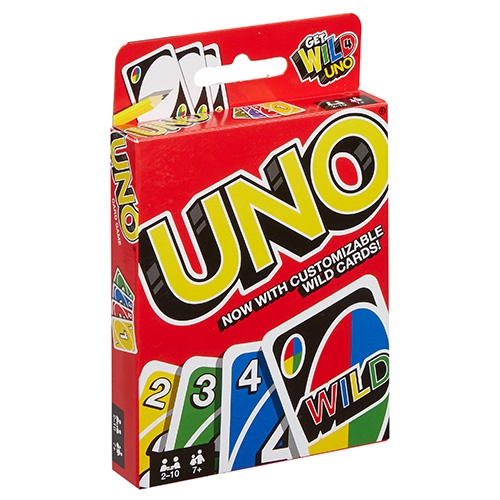 Your price for this item is $14.99
-
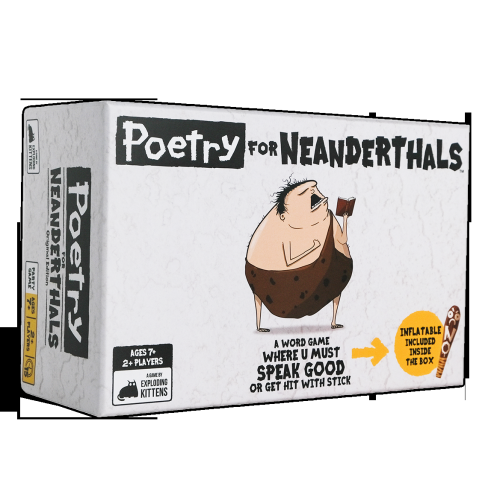 Your price for this item is $34.99
-
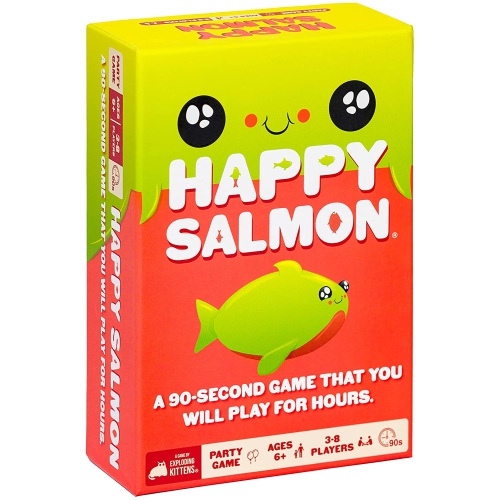 Your price for this item is $21.99
-
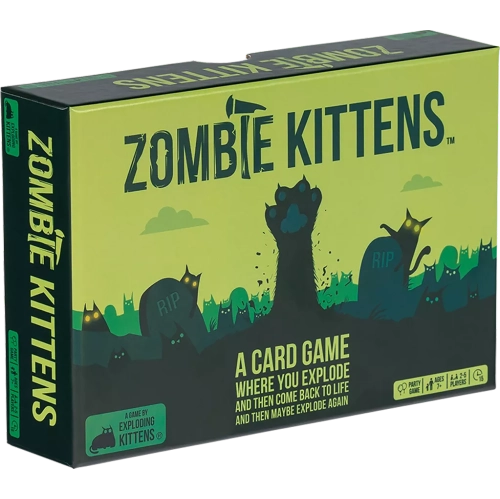 Your price for this item is $34.99
-
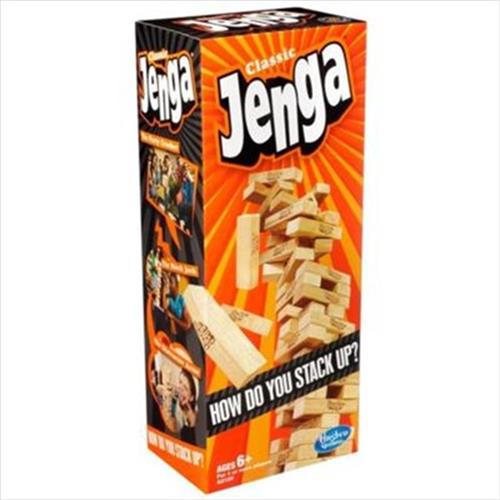 Your price for this item is $24.99
-
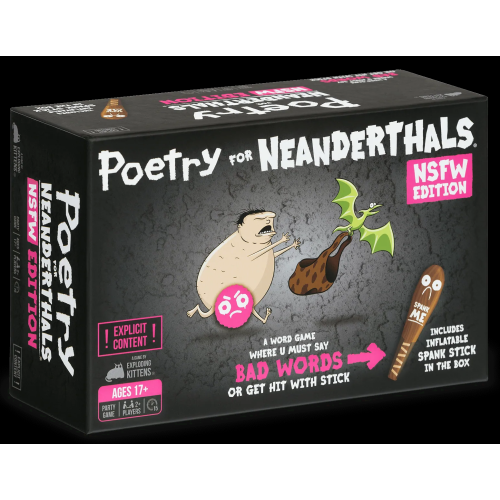 Your price for this item is $31.99
-
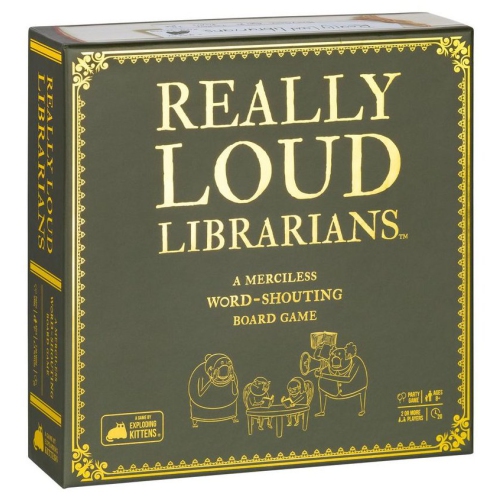 Your price for this item is $29.99
-
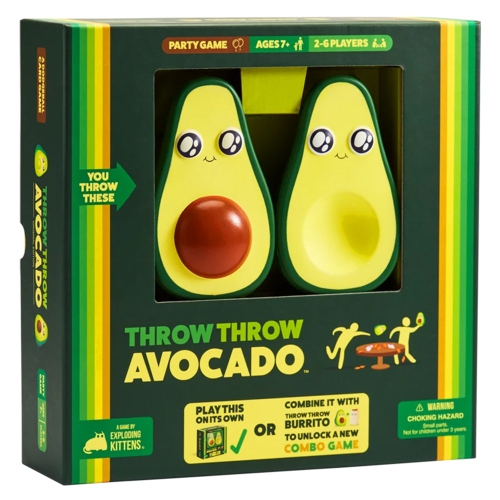 Your price for this item is $44.99
Discover more categories related to Movie Board Games


Top Collections:
Pokemon Centers, Kindle Devices, Best Black Friday Deals This Year, Pokémon 30th Celebration Cards, Best Black Friday Deals On Electronics, Best Cameras for Sports Photography, Best Black Friday Deals On Apple Products, Canon G7X Cameras, iPhone 15 Apple, Candle Warmer Lights
Some products may be subject to Environmental Handling Fees
(EHF) depending on your province.
Learn more about EHFs.