Off Road Electric Vehicles
Explore the thrilling world of off-road adventures with our collection of electric vehicles. Designed to tackle any terrain with ease, these powerful machines are perfect for adrenaline junkies and outdoor enthusiasts alike. Whether you're looking to conquer rugged trails, navigate sandy dunes, or simply embark on exciting off-road journeys, our range of electric vehicles offers the perfect blend of power, performance, and eco-friendly technology. Get ready to experience the thrill of off-roading like never before with our selection of top-notch electric vehicles.
Sort


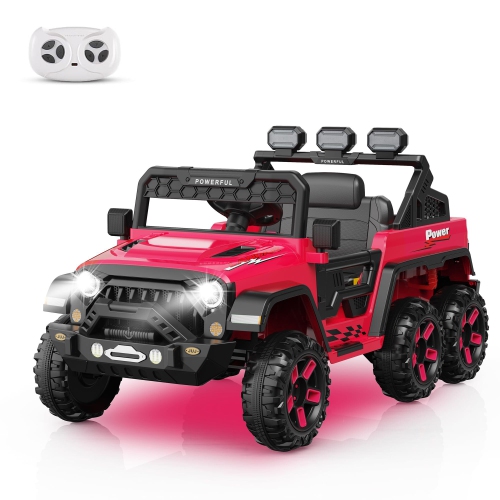


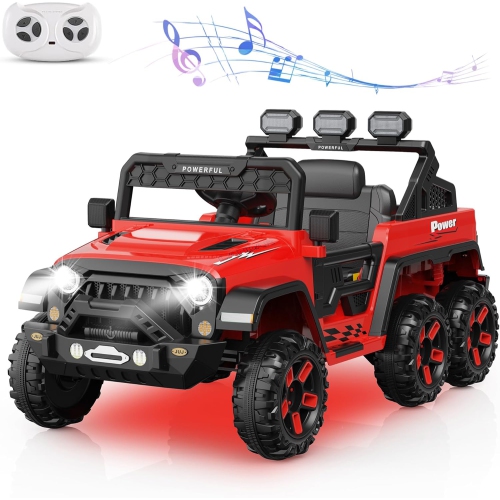

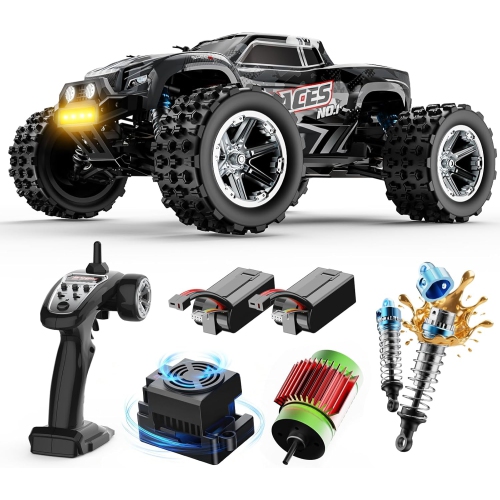
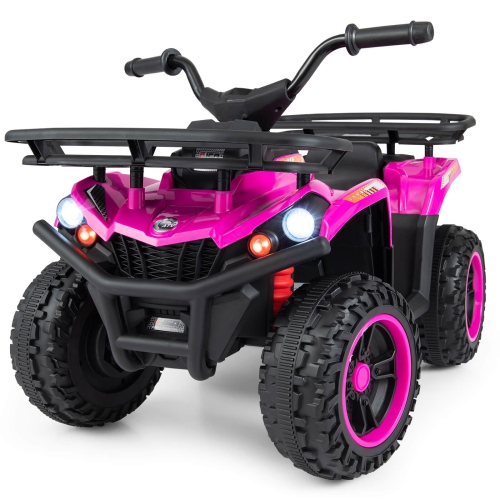

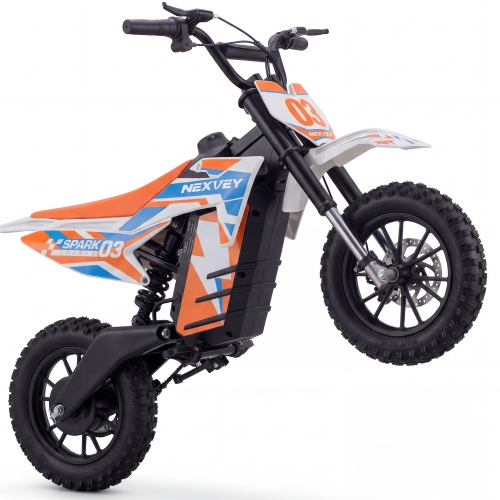


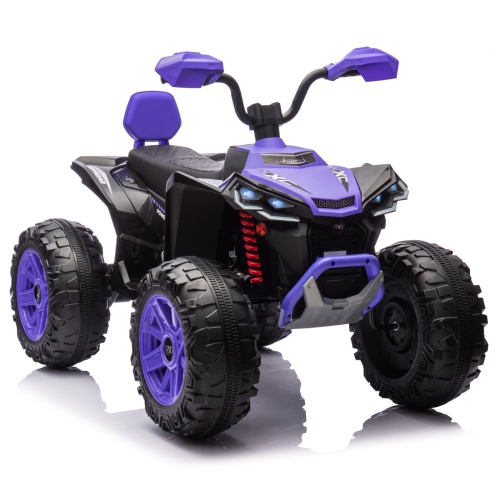


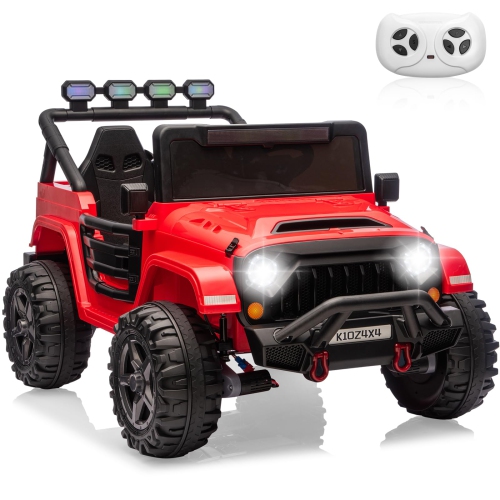
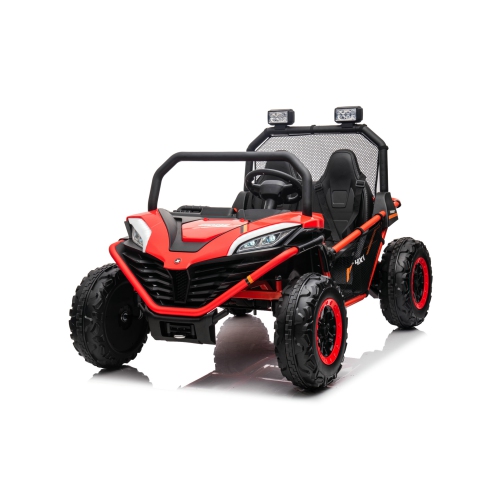
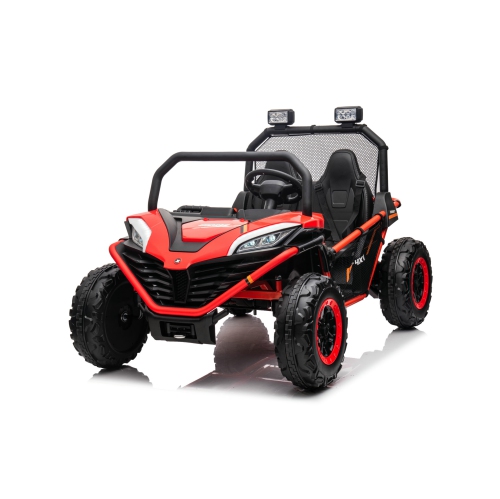




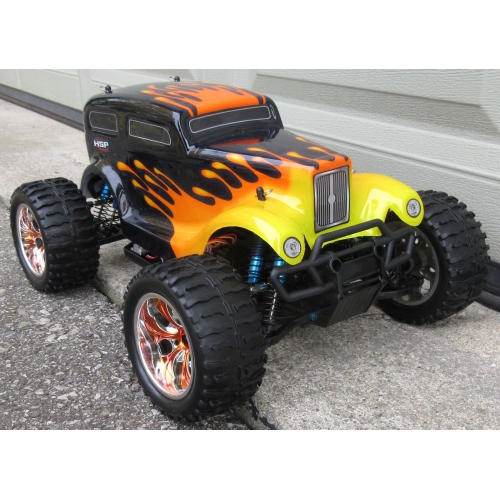


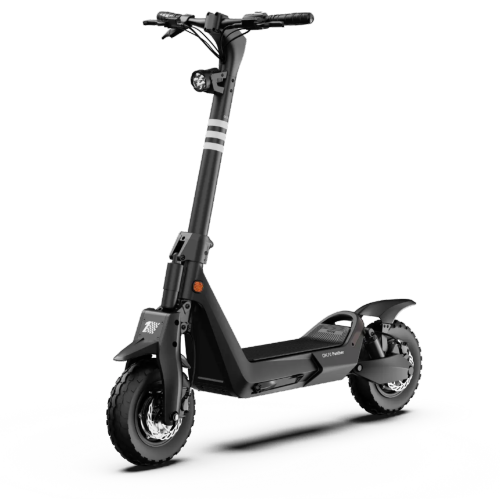

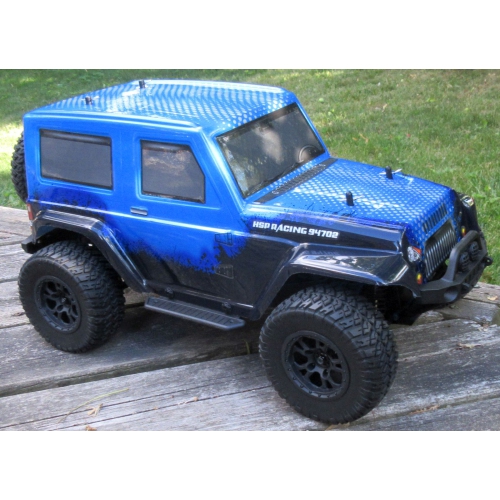

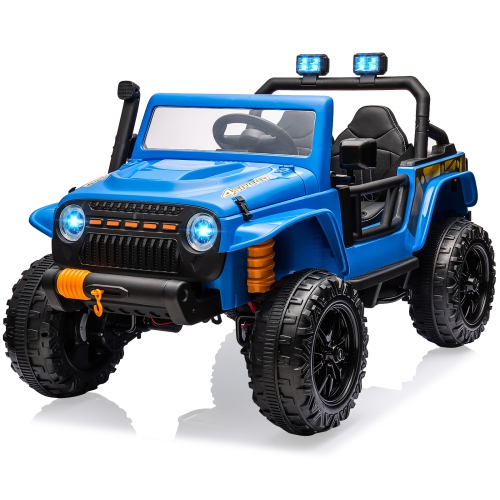
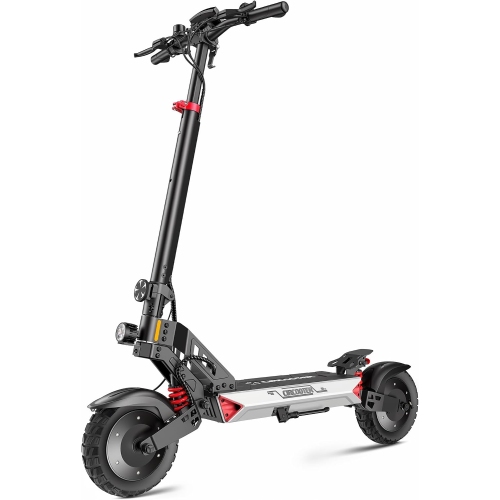
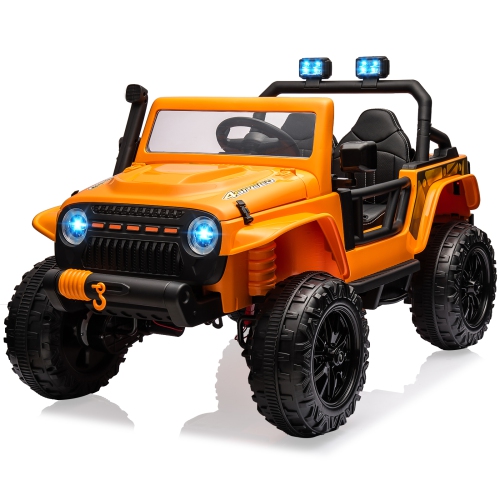
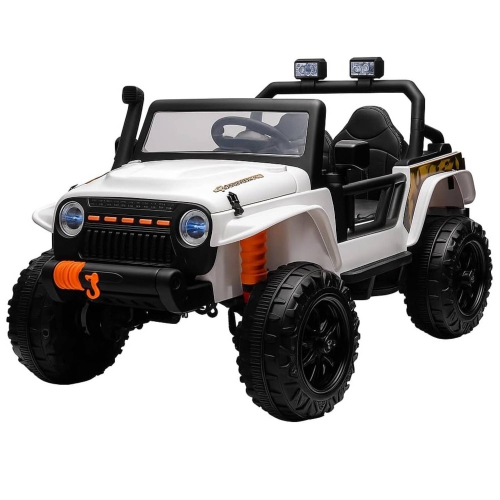
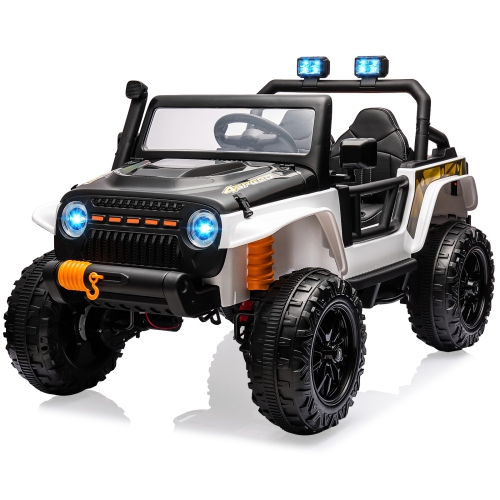
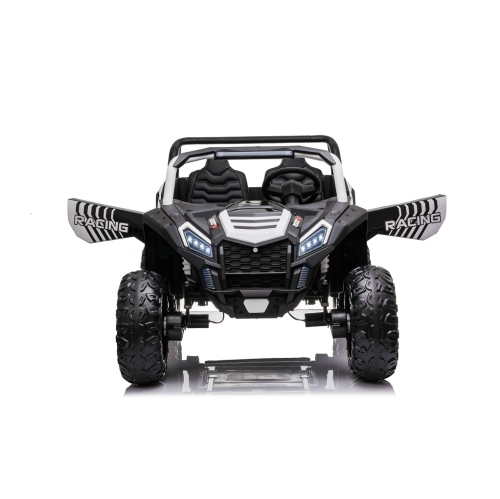

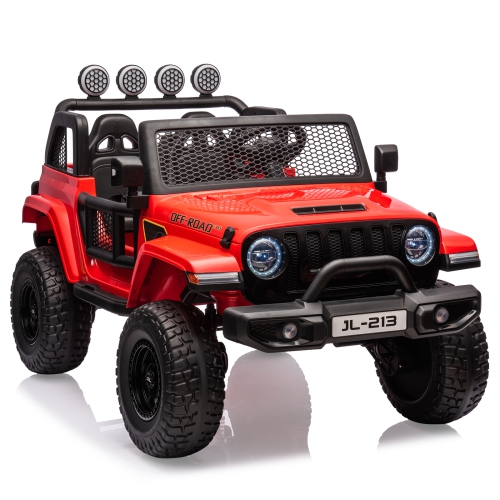
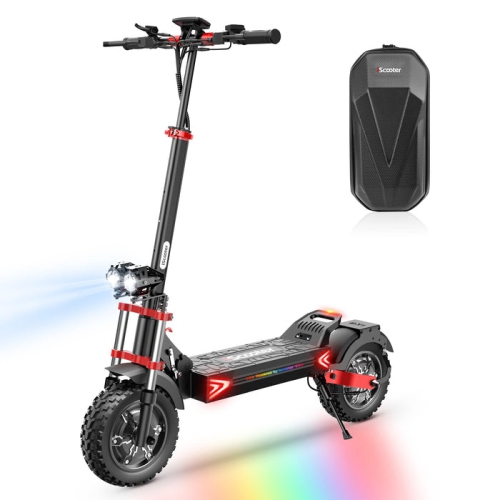

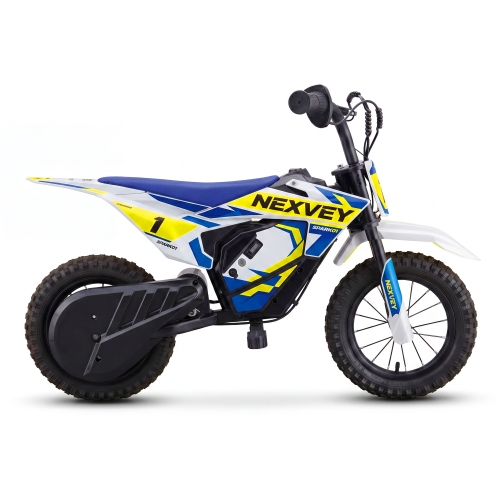
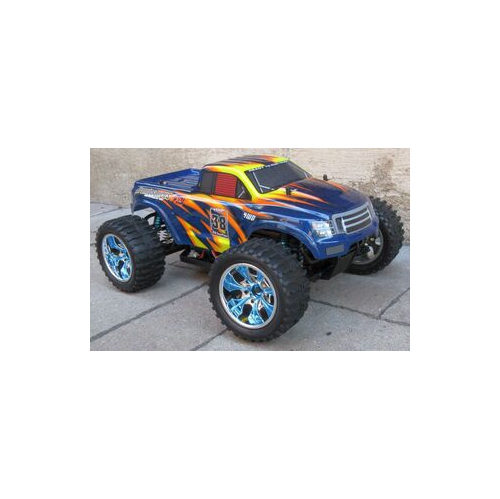

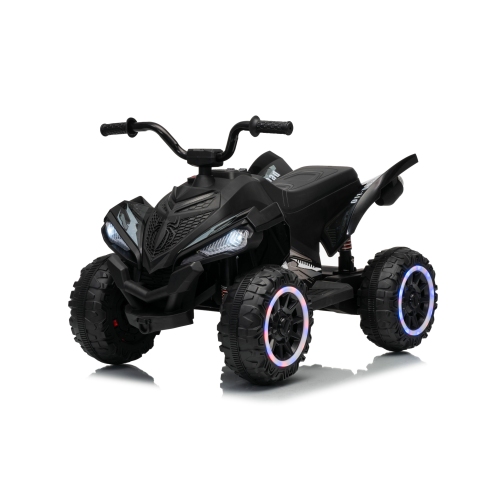
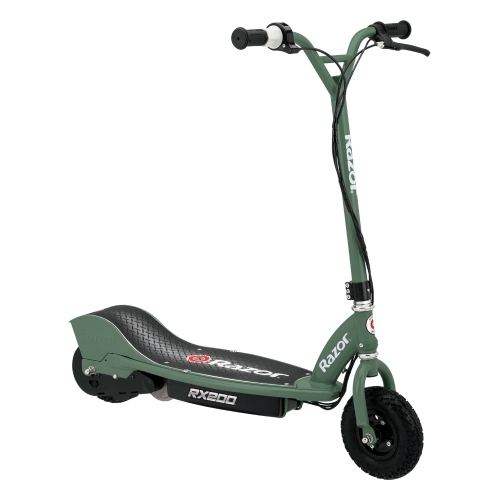













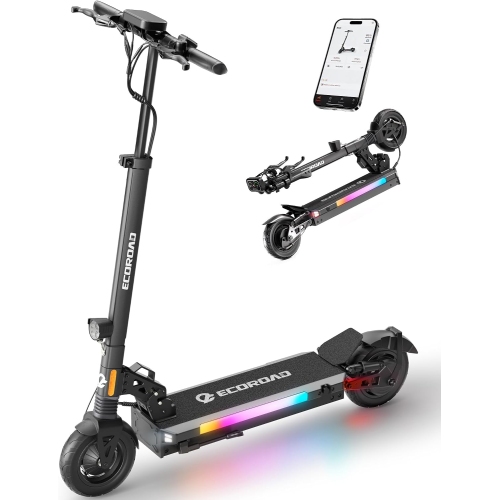
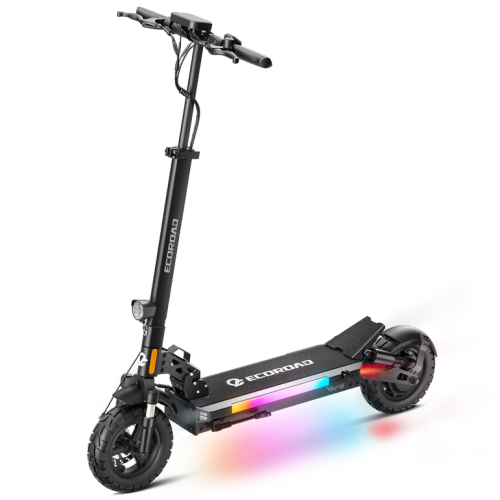
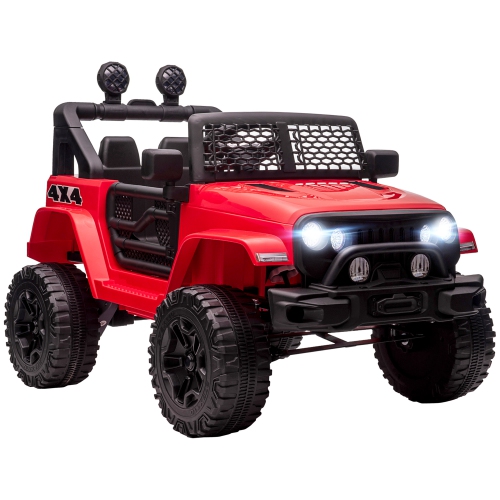


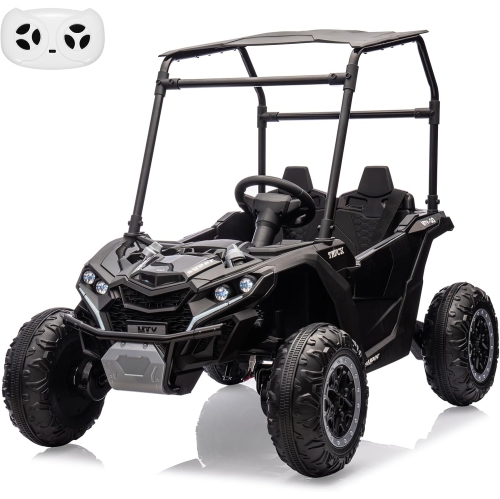



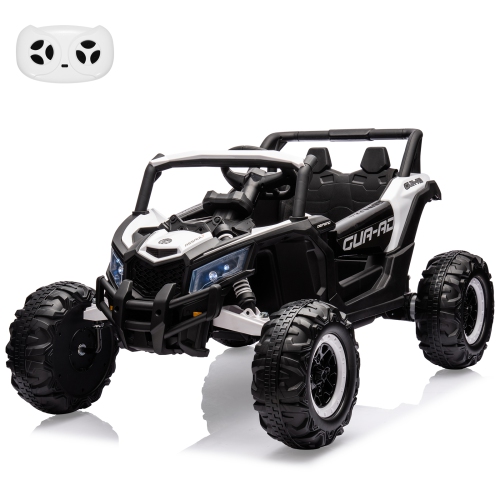

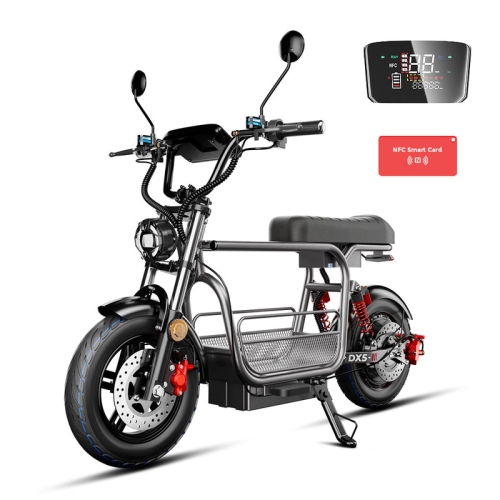
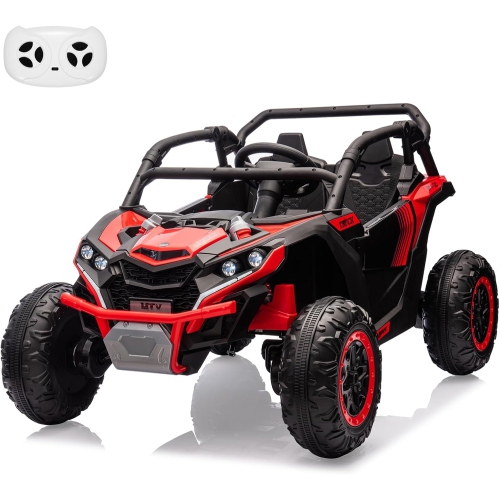
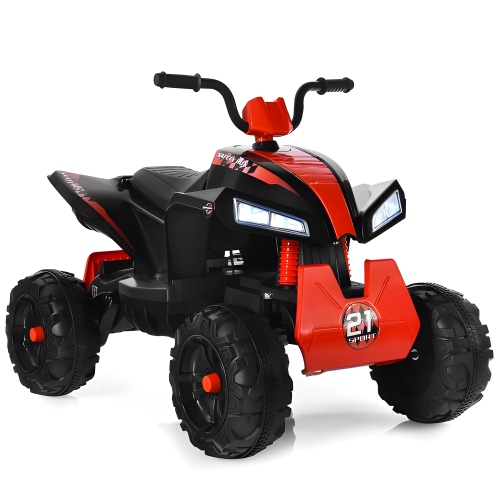
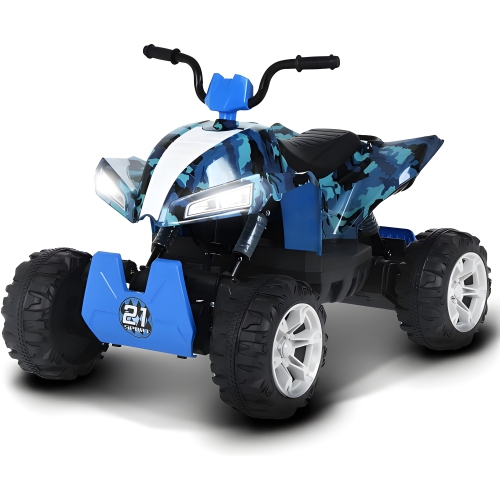
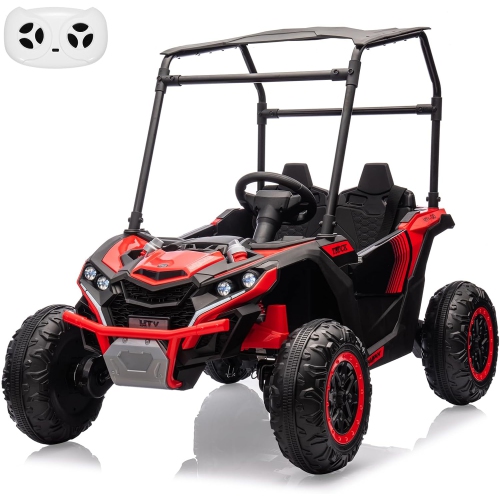


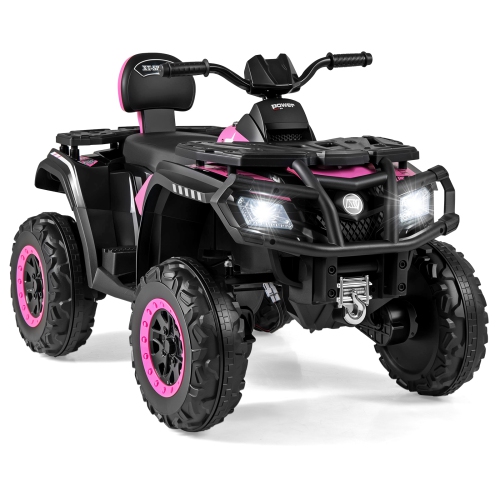
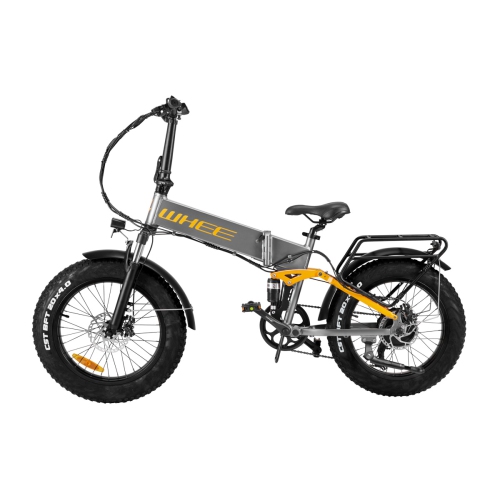


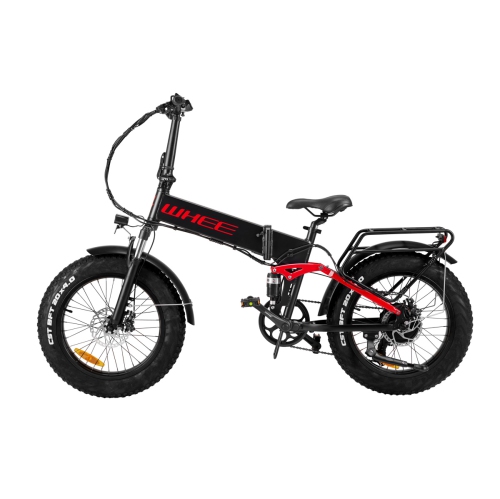


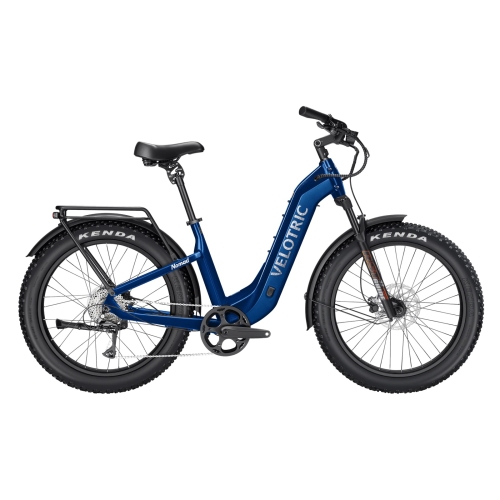


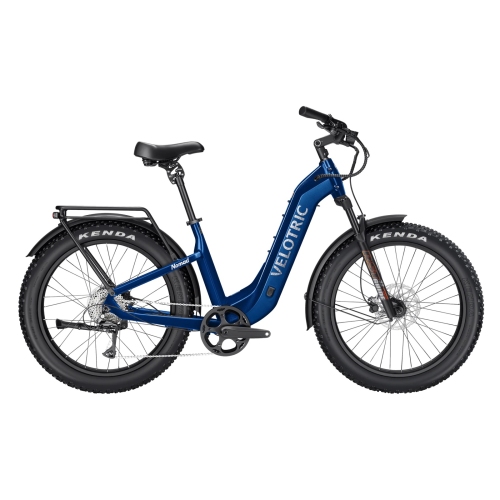
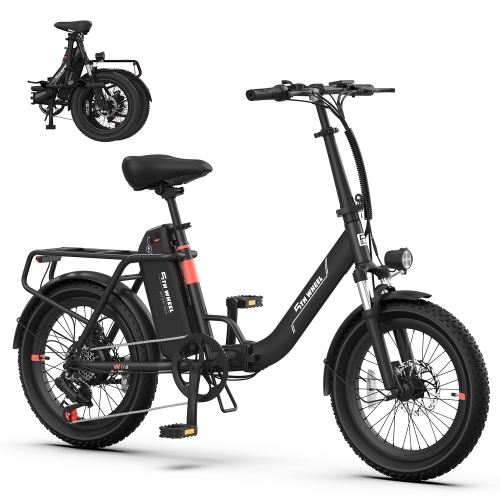







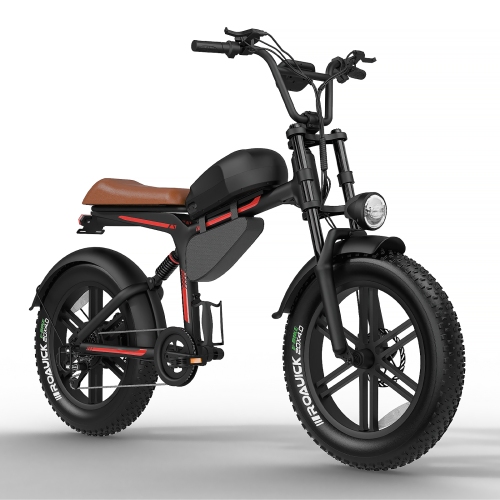
How terrain and range shape confident trail travel
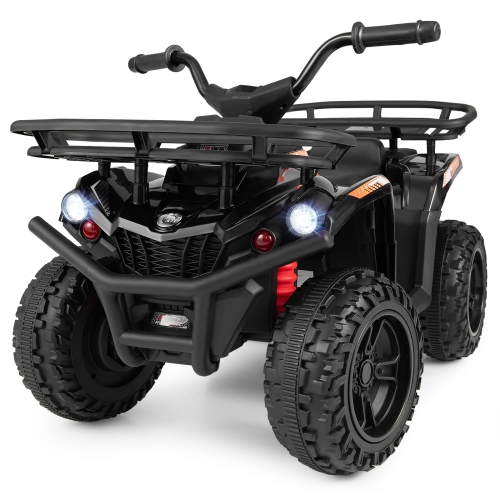
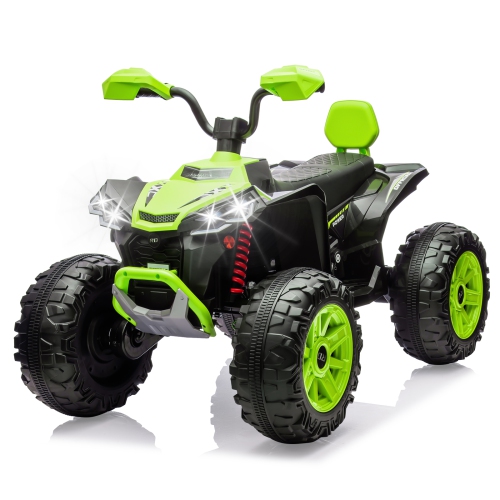
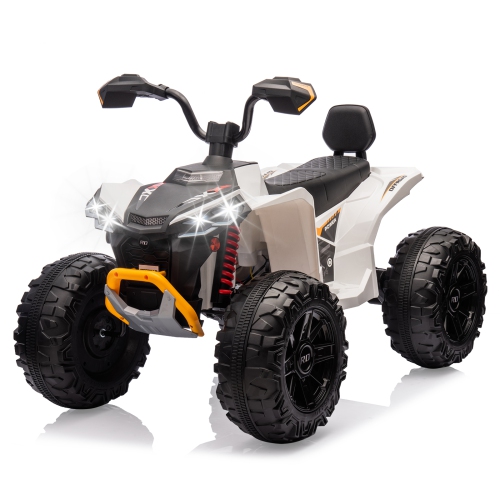
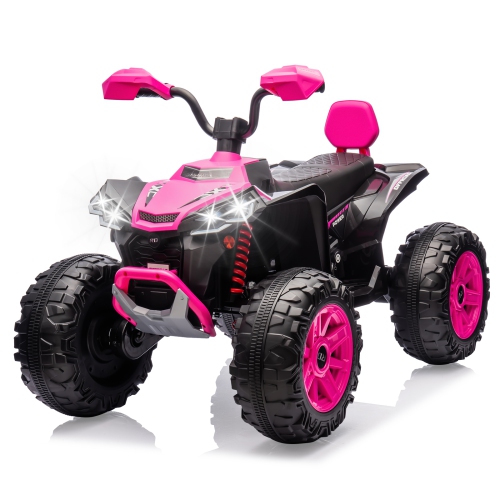
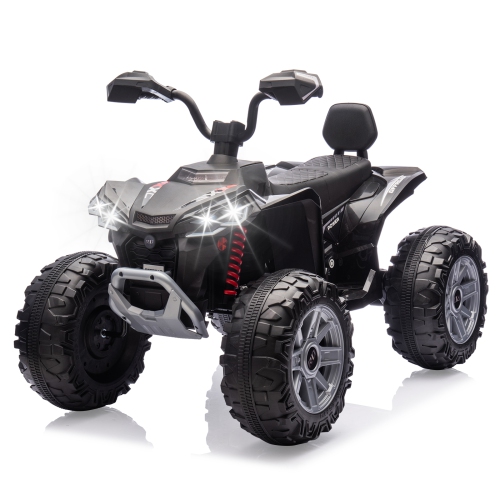
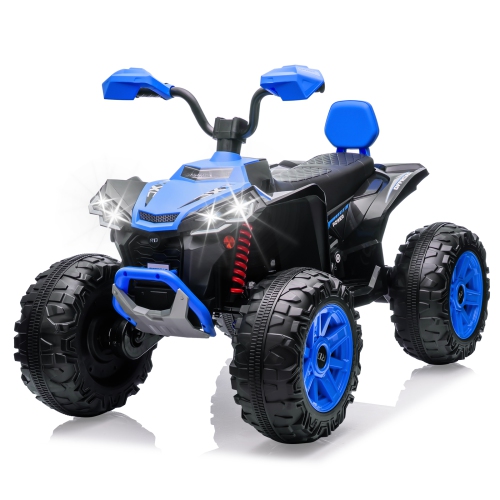
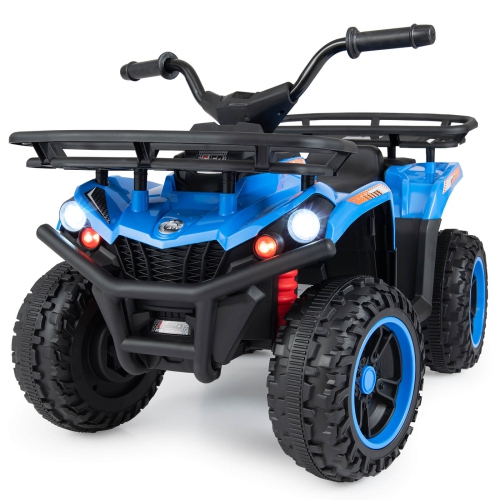
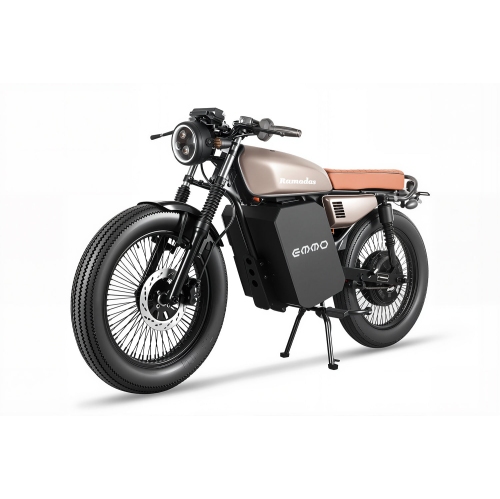
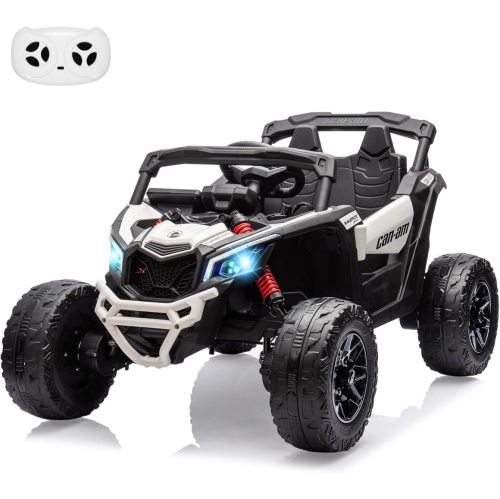
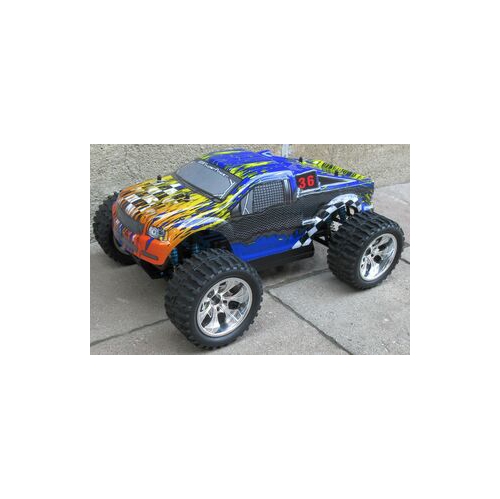
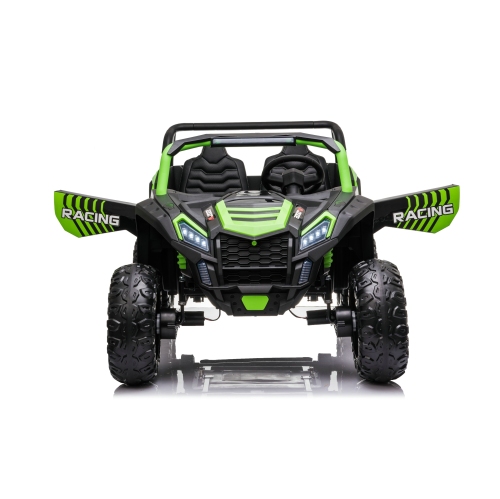
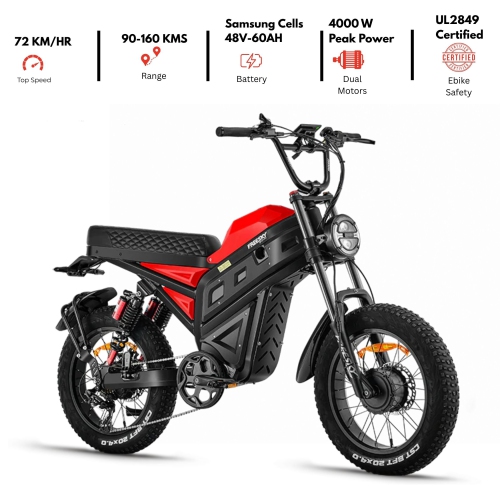
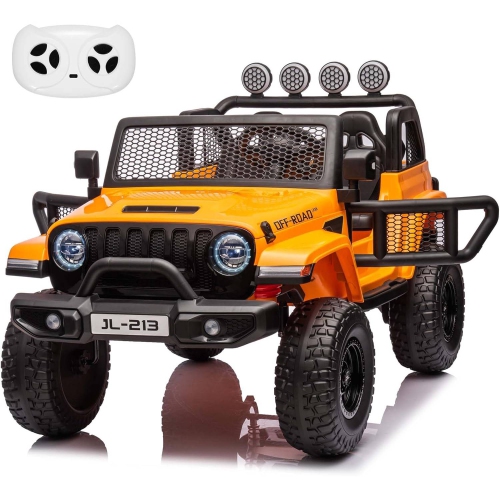
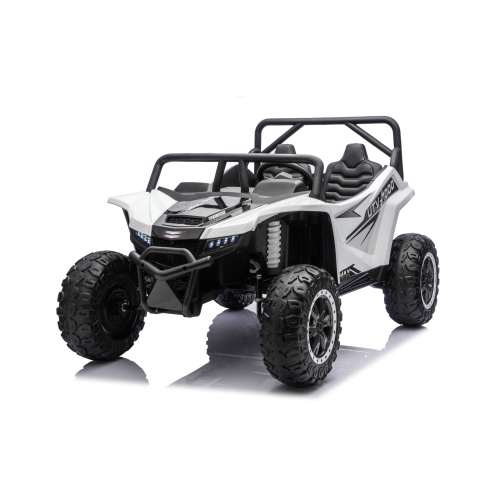
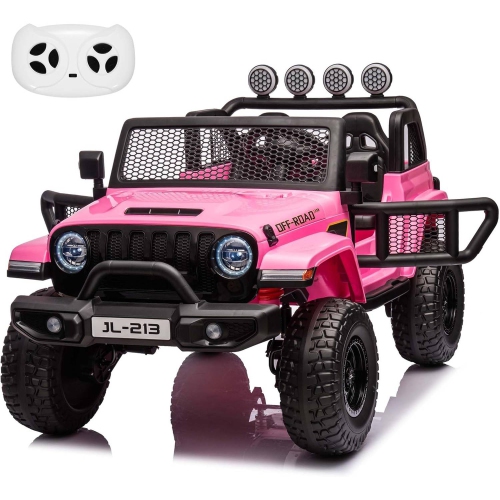
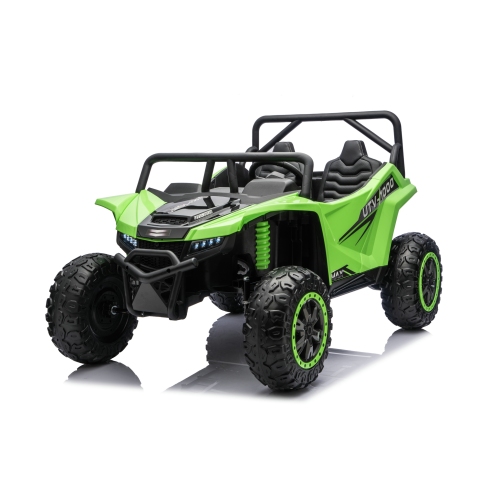
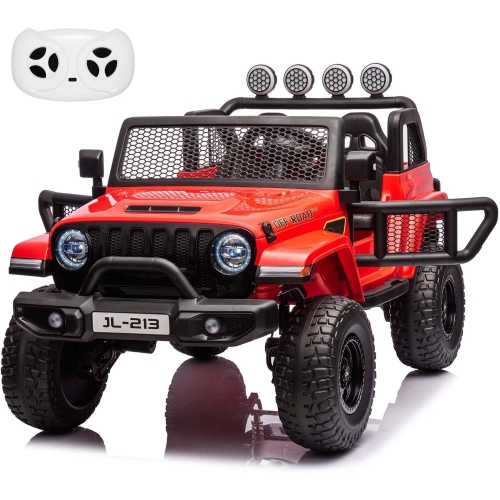
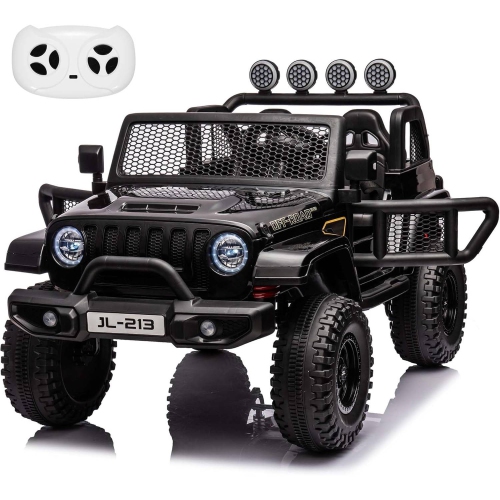
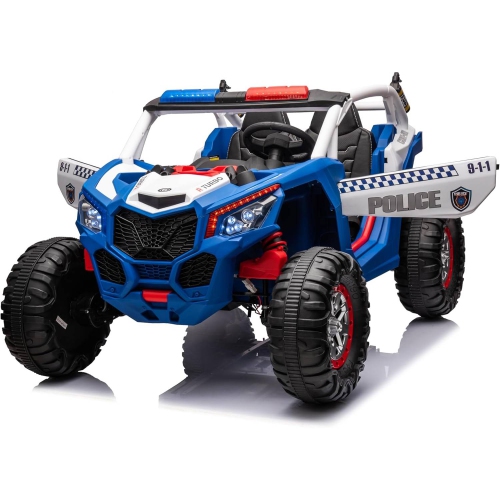
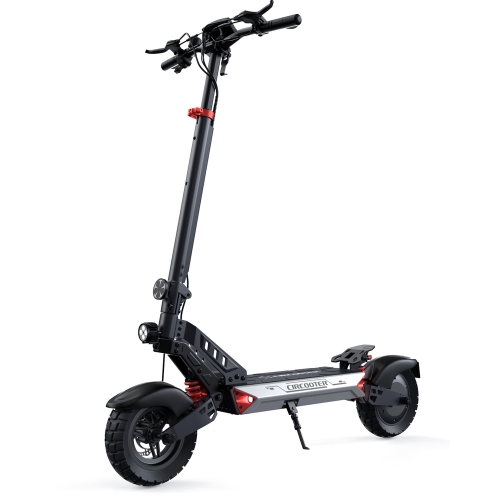
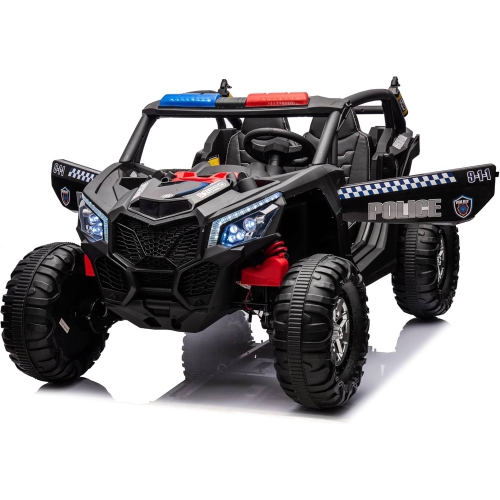
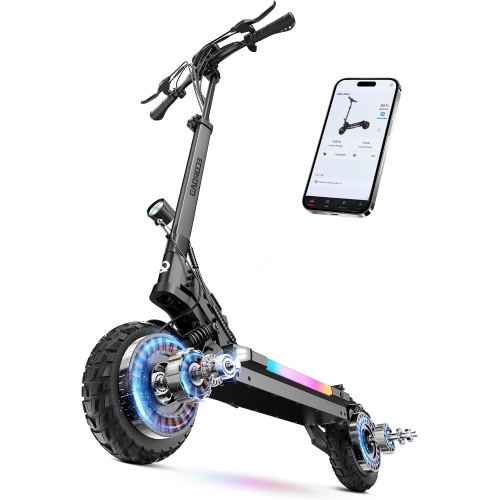
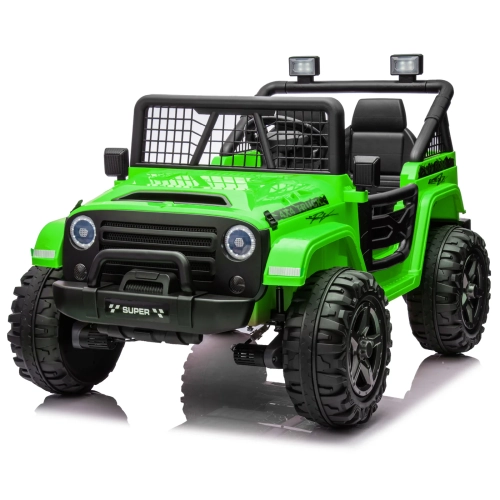
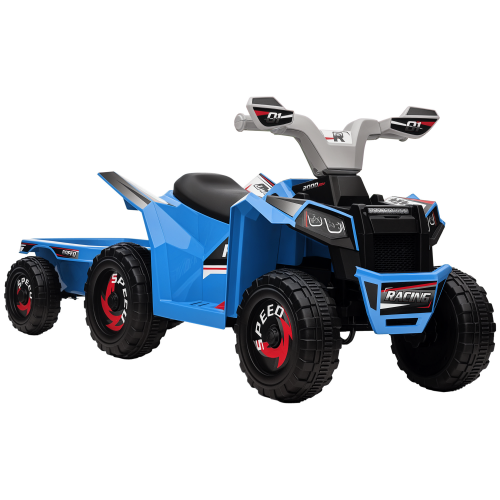
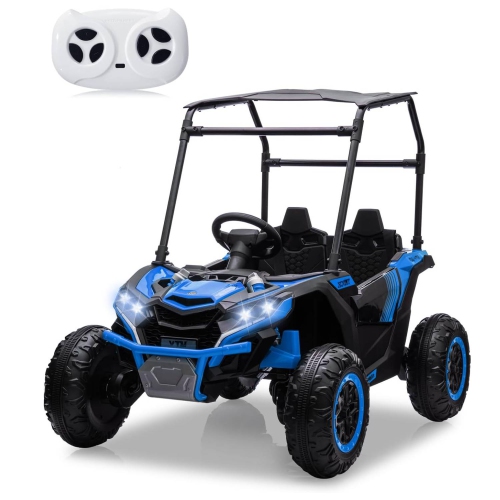
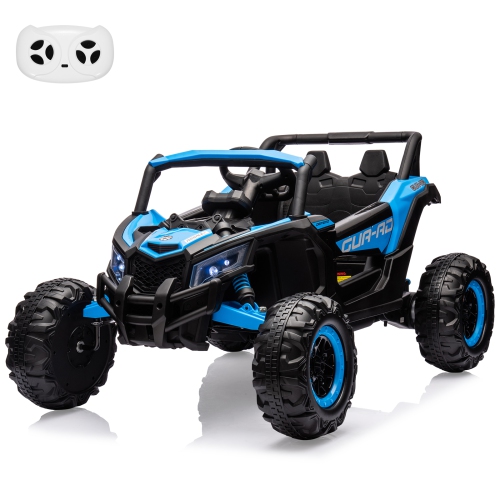
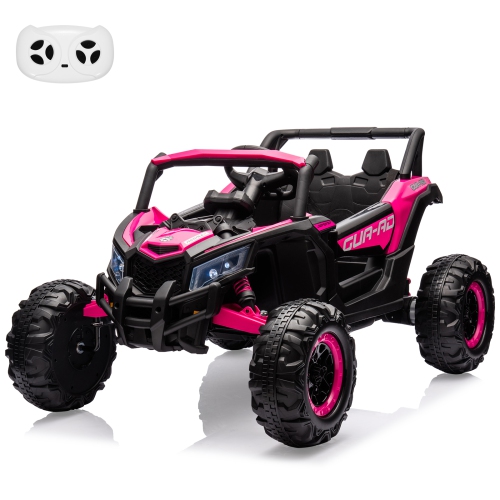
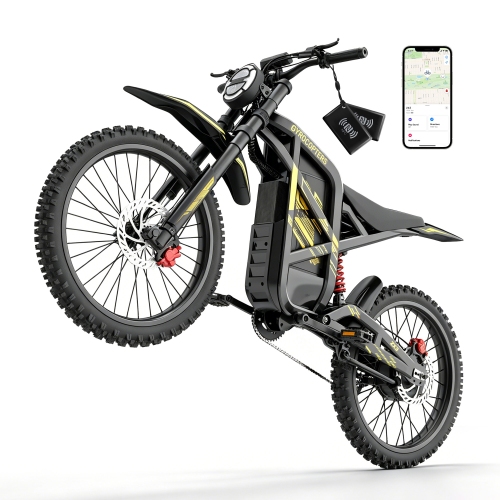
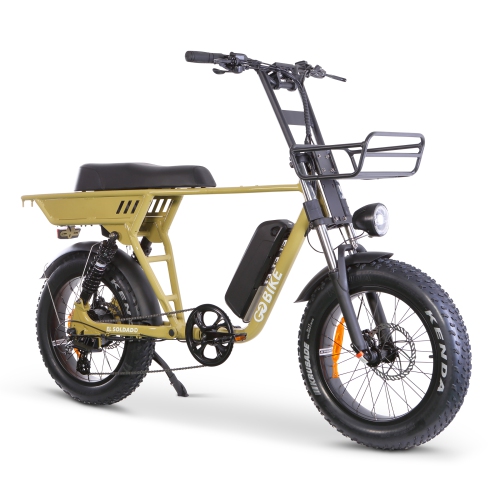
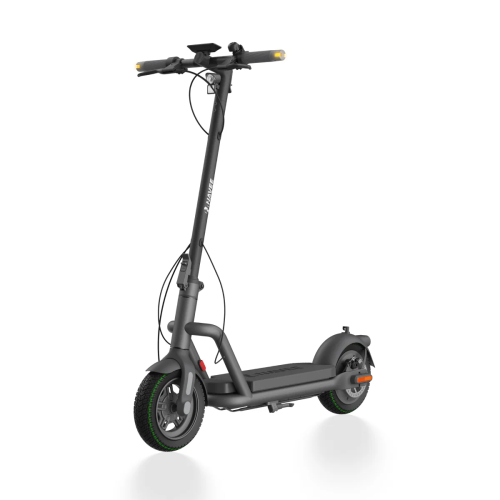
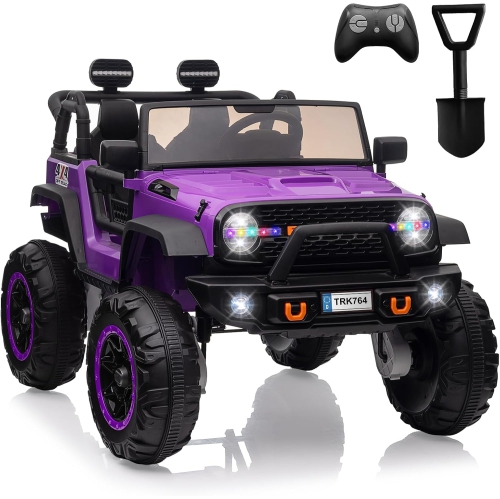
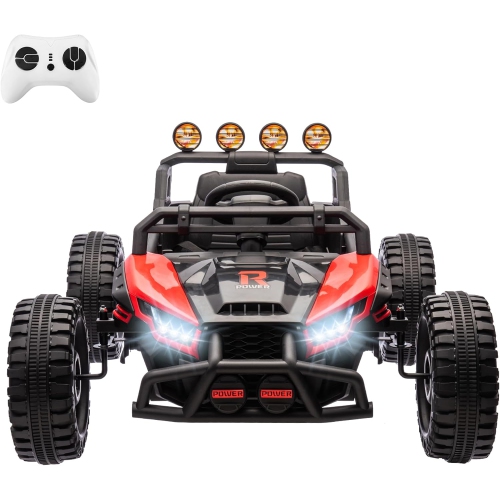
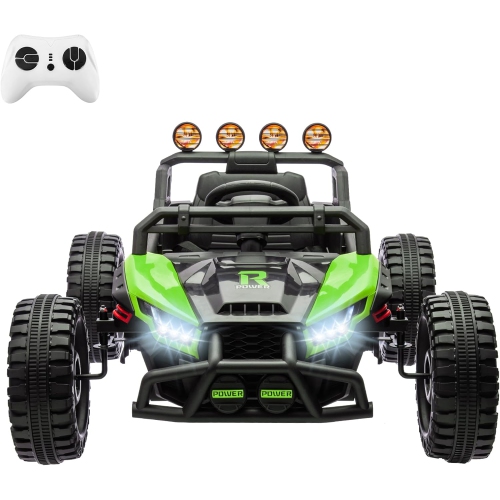
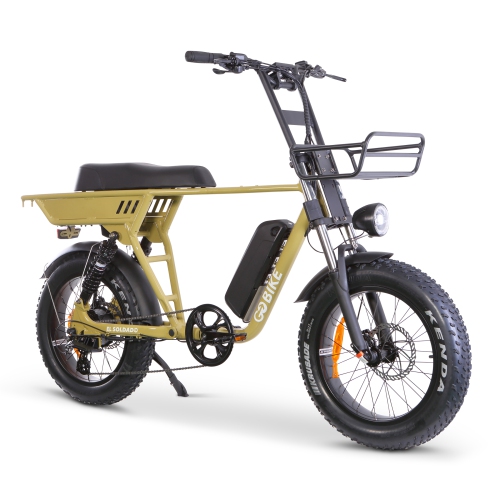
Off road electric vehicles are designed for drivers who want to travel beyond paved streets, whether that means exploring gravel roads, crossing uneven fields, navigating forest trails, reaching a remote campsite, or handling work around a large rural property. Their electric powertrains deliver immediate torque, which can make it easier to move steadily over loose gravel, mud, sand, roots, and steep inclines without waiting for an engine to build revs. Many models also place heavy battery components low in the chassis, helping create a lower centre of gravity and a planted feel on uneven ground. Quiet operation can be useful when travelling through the outdoors, although it also means hikers, cyclists, pets, and other trail users may not hear an approaching vehicle, so careful speed control and added awareness are essential. When comparing off road electric vehicles, start with the type of terrain and distances you expect to cover. A compact recreational vehicle may be well suited to short rides on maintained trails, while a larger utility-focused vehicle may offer more ground clearance, suspension travel, seating, cargo space, towing capability, and protection for demanding routes. Four-wheel drive or all-wheel drive can improve traction when the surface becomes slippery, and selectable drive modes may help adjust power delivery for rocks, sand, mud, snow, or loose hills. Independent motor control, where available, can provide precise torque management at each wheel, while locking differentials or similar traction systems may help maintain forward movement when a wheel begins to lift or spin. Look closely at approach, breakover, and departure angles, as well as the lowest point beneath the vehicle. These measurements indicate how confidently a vehicle can climb over a ridge, pass across a sharp change in slope, or descend a ledge without scraping the underbody. Larger all-terrain tires, sturdy wheels, skid plates, tow points, and reinforced bumpers can also be valuable for regular trail use.
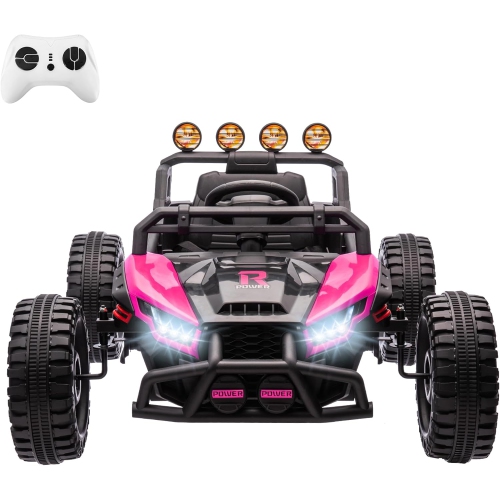
Range is another important part of the buying decision, and advertised figures should be treated as a starting point rather than a promise for every outing. Cold temperatures, steep terrain, deep mud, soft sand, heavy loads, higher speeds, and frequent stops can all use more energy. During the cooler months, battery performance and charging speed may also be affected, so consider where the vehicle will be stored and whether a suitable electrical connection is available nearby. Think about the full route, including the return trip, rather than planning around the distance to a destination alone. A removable battery may be convenient for smaller vehicles, while a larger integrated battery pack may support greater range and power but require a dedicated charging setup. Review charging time, charger compatibility, cable length, weather protection, and the availability of service support before making a choice. Seating and storage deserve equal attention. Families or groups may prefer multiple seats with secure belts, grab handles, easy-to-clean surfaces, and enough legroom for helmets and outdoor clothing. A vehicle intended for solo recreation may prioritize a smaller turning radius and lighter handling. For property maintenance, camping, hunting, fishing, or hauling equipment, compare the cargo-bed dimensions, storage compartments, payload rating, hitch capacity, and compatibility with racks or accessories. If you are shopping for a young rider, confirm the recommended age, speed settings, rider weight limits, supervision requirements, and included safety features rather than choosing by appearance alone. Recreational off road vehicles can be exciting gifts for an experienced outdoor enthusiast, but the most thoughtful choice is one that matches the rider’s size, skill level, intended terrain, and access to a safe place to operate it.
Before riding, check local rules for registration, insurance, helmets, roadway use, trail access, and age restrictions, as requirements can vary by province, municipality, and property type. Some off road electric vehicles are built primarily for private land or designated trails and may not be legal on public roads. Confirm that the intended route permits the vehicle’s width, weight, tires, and power class, and ask about seasonal closures or surface restrictions that protect trails from damage. A full-face helmet or approved off-road helmet, eye protection, gloves, sturdy footwear, and clothing suited to changing conditions can improve comfort and protection. Riders should keep both hands available for steering, maintain extra space on blind corners, and slow down before crests, descents, water crossings, and loose surfaces. Never assume that quiet operation makes a vehicle safe around pedestrians or wildlife. Inspect tire pressure, battery charge, brakes, steering, lights, fasteners, and underbody components before each outing, particularly after travelling through mud, rocks, or standing water. Water resistance does not necessarily mean a vehicle can be submerged, and manufacturer guidance should determine the safe depth and procedure for crossings. After a wet or dusty ride, clean the vehicle as recommended, allow charging connections to dry fully, and store the battery and vehicle within the specified temperature range. For shoppers comparing a full-size electric truck or SUV with a smaller recreational machine, the best fit depends on whether the priority is daily transportation, trail capability, utility, or a combination of those needs. Those seeking a more compact, purpose-built option for private trails and outdoor recreation can also browse Off Road UTVs. By considering terrain, range, charging, passenger capacity, cargo needs, safety equipment, and local operating rules together, you can choose an off road electric vehicle that feels capable on the trail and practical for the way you spend time outdoors.
Top selling and popular products
-
 Your price for this item is $150.99
-
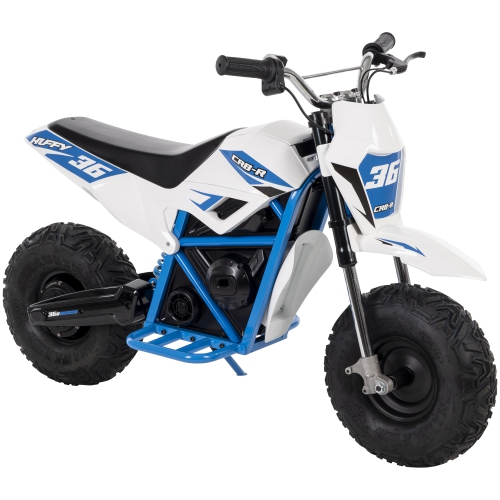 Your price for this item is $799.99
-
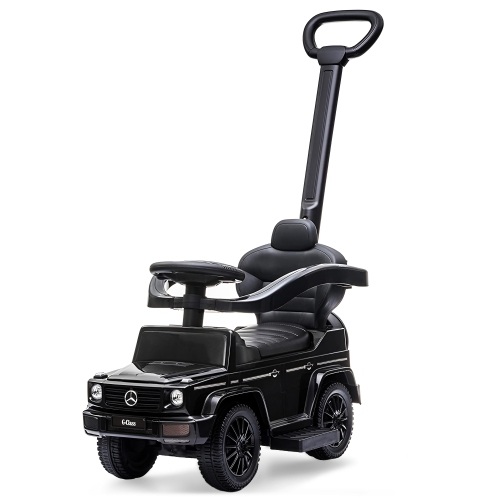 Your price for this item is $142.99
-
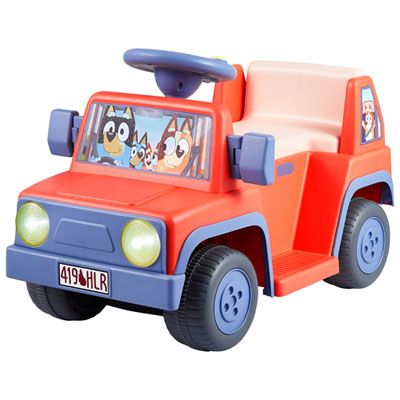 Your price for this item is $199.99
-
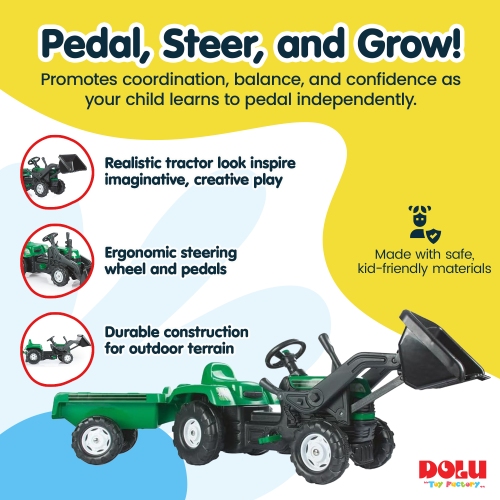 Your price for this item is $204.99
-
 Your price for this item is $199.99
-
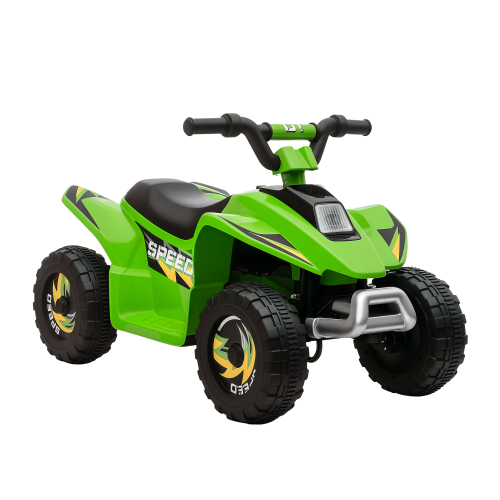 Your price for this item is $82.95
-
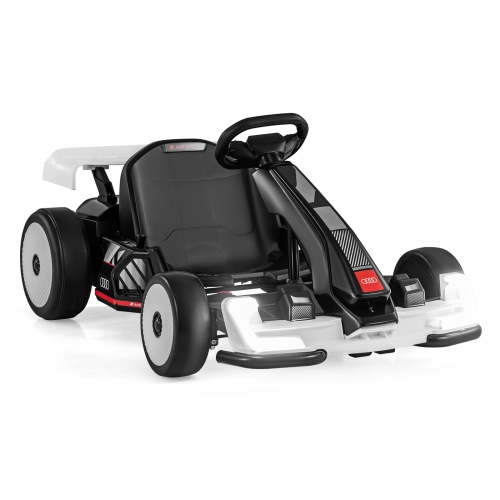 Your price for this item is $449.99
Discover more categories related to Off Road Electric Vehicles
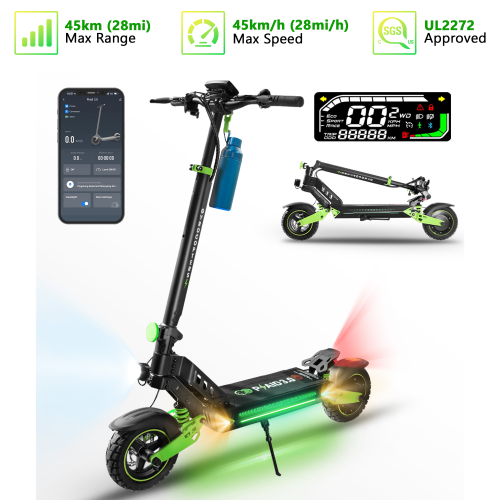


Top Collections:
Pokemon Centers, Best Cameras for Sports Photography, Kindle Devices, Samsung Galaxy Phones, Canon G7X Cameras, Pokémon 30th Celebration Cards, Refurbished Apple Laptops, iPhone 15 Apple, Laptops for Students, Budget Smartphones
Some products may be subject to Environmental Handling Fees
(EHF) depending on your province.
Learn more about EHFs.