Plastic Model Car Kits
Dive into the world of plastic model car kits and unleash your creativity with our wide selection of options. Whether you're a beginner or a seasoned model builder, these kits offer a rewarding and enjoyable experience for hobbyists of all skill levels. From classic cars to modern sports cars, there's something for everyone to enjoy crafting their very own miniature automotive masterpiece. Explore our range of plastic model car kits and get ready to embark on your next building adventure.
Sort
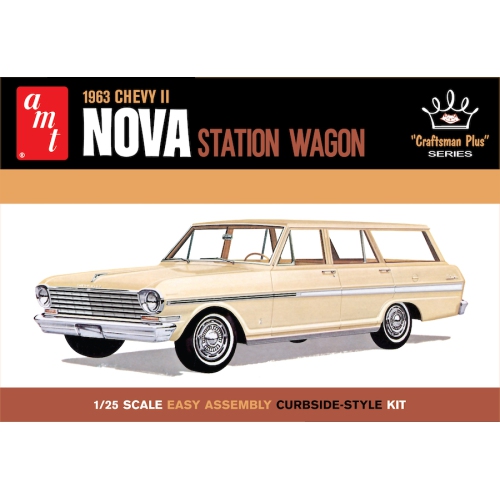
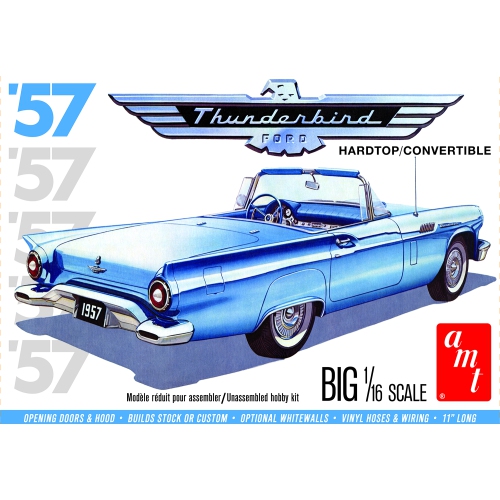
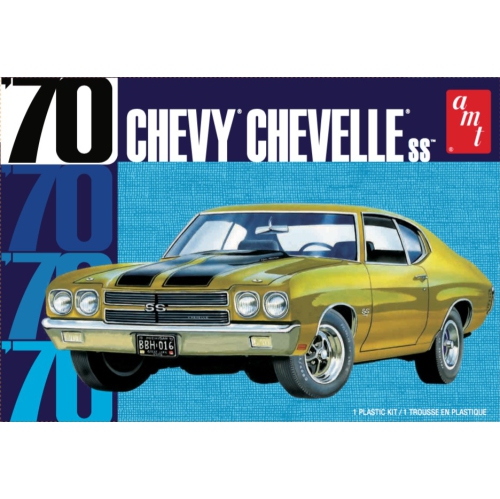
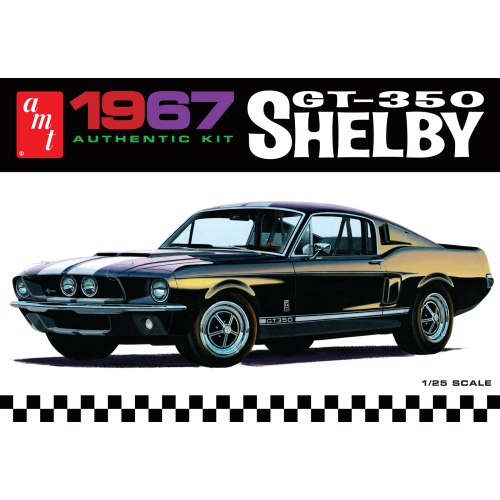
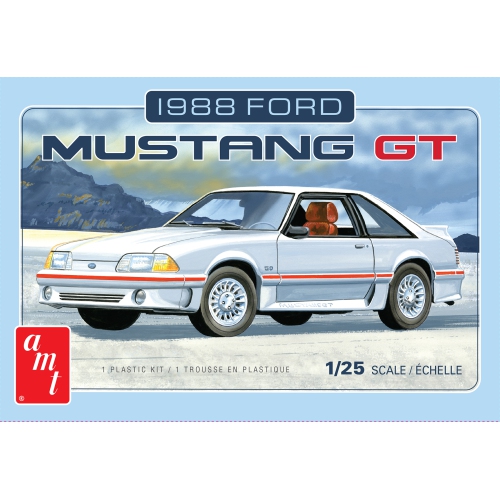
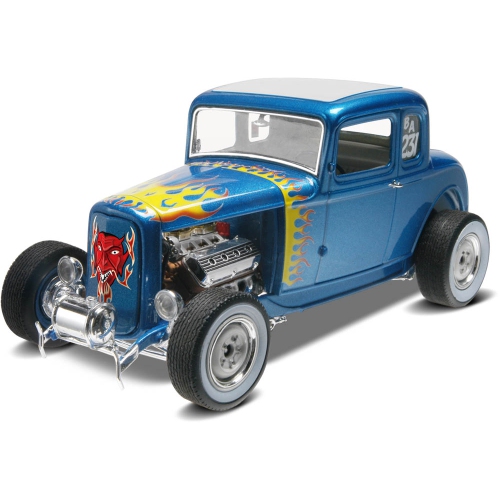
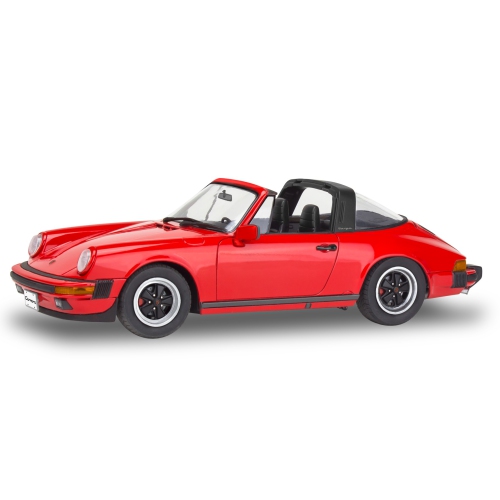
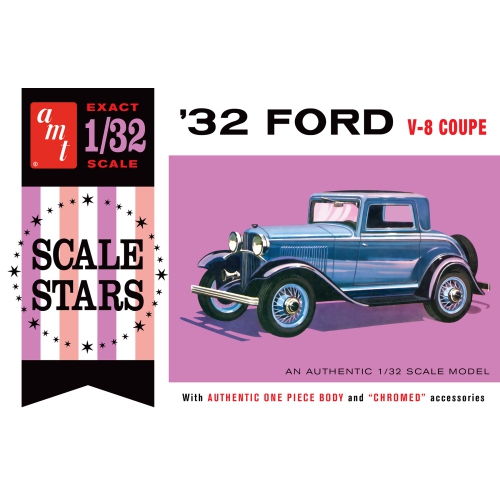
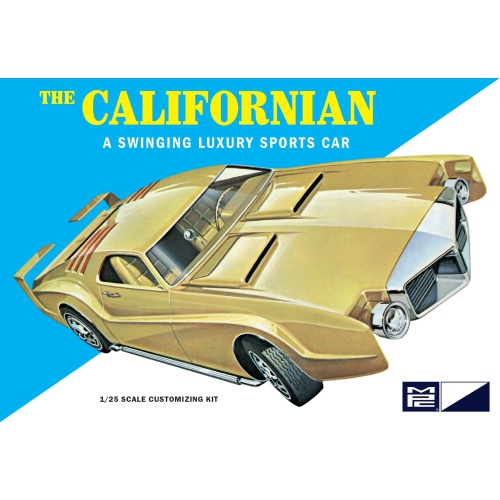
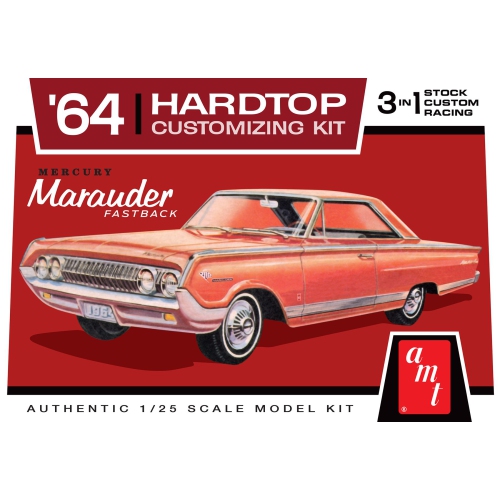

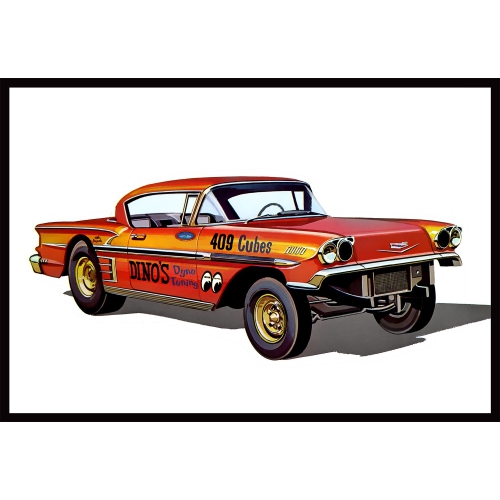
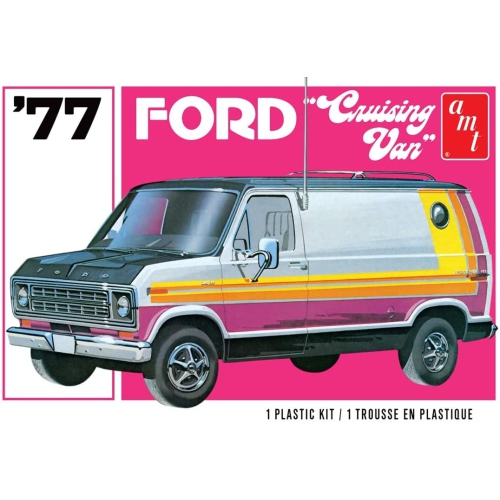
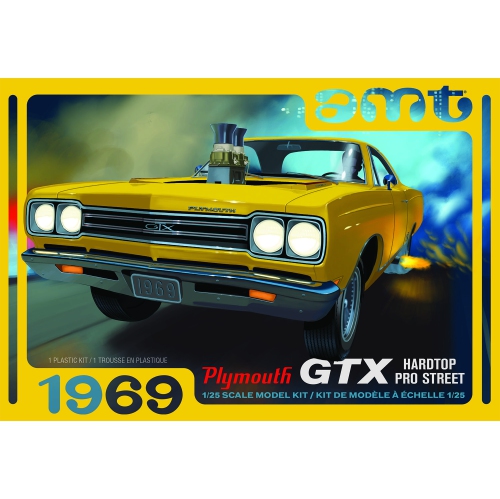
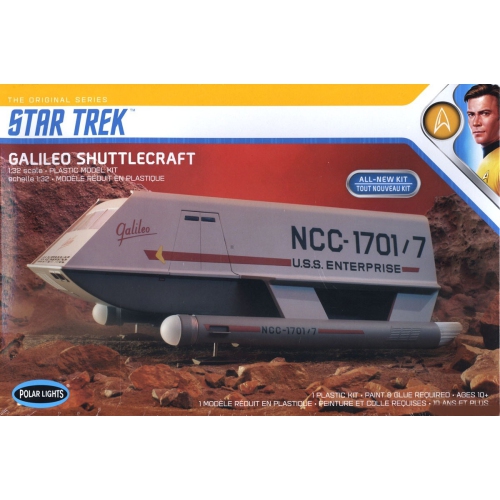
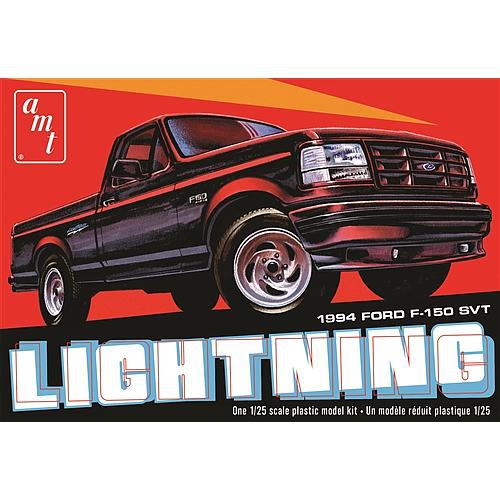
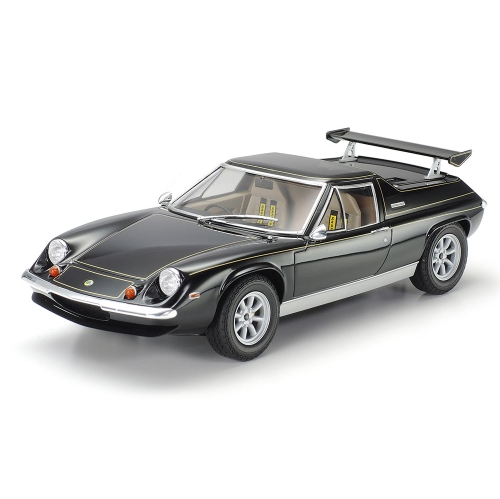
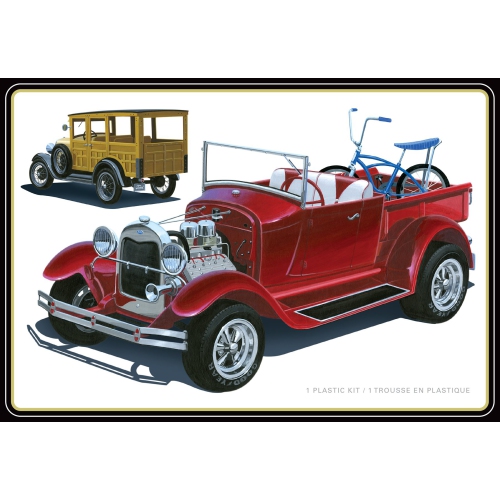
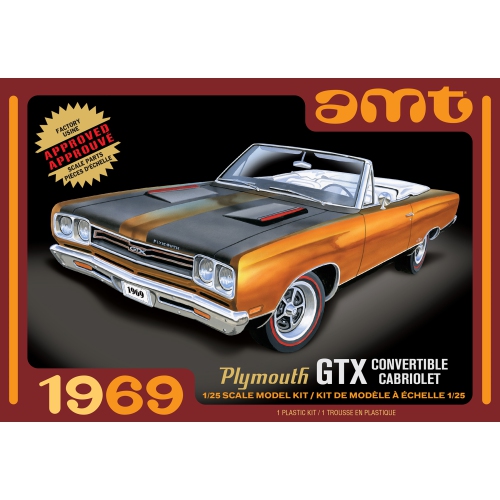
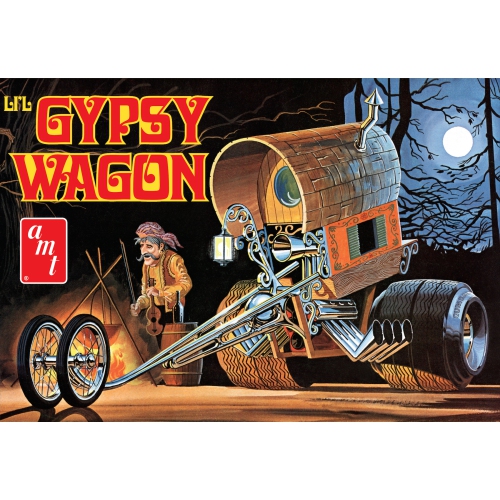
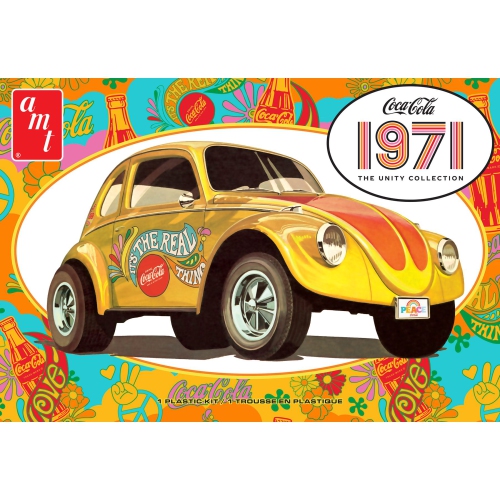
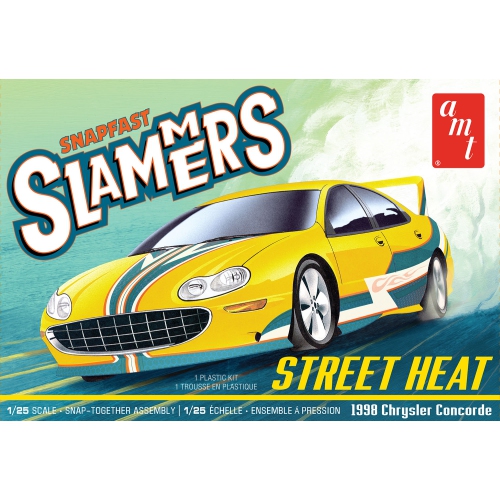
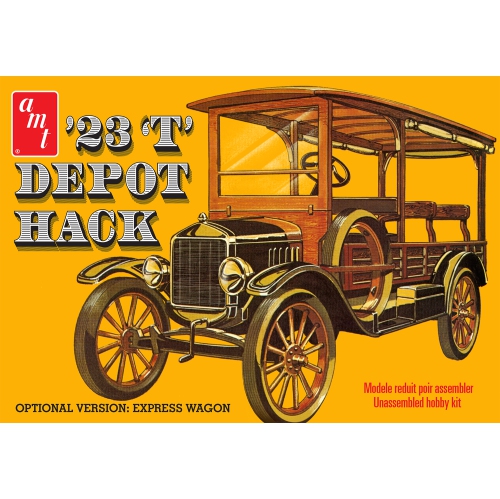
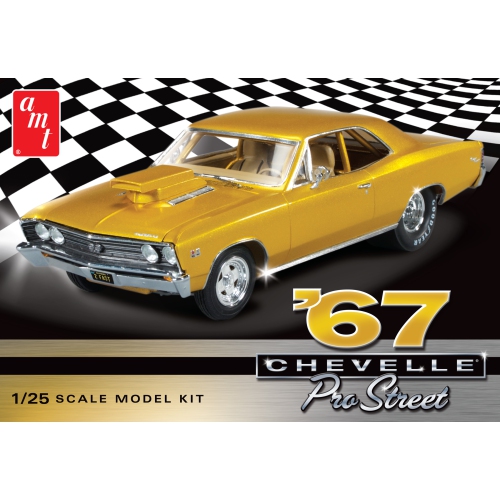
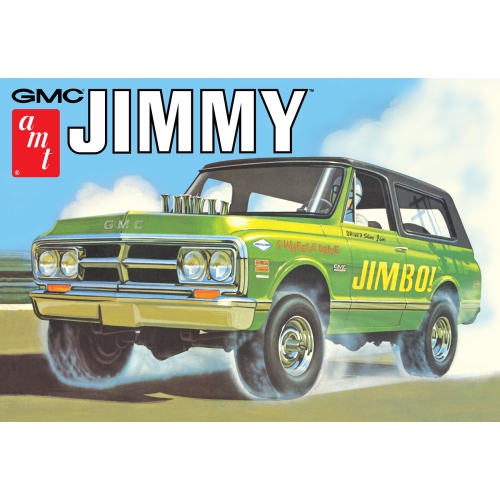
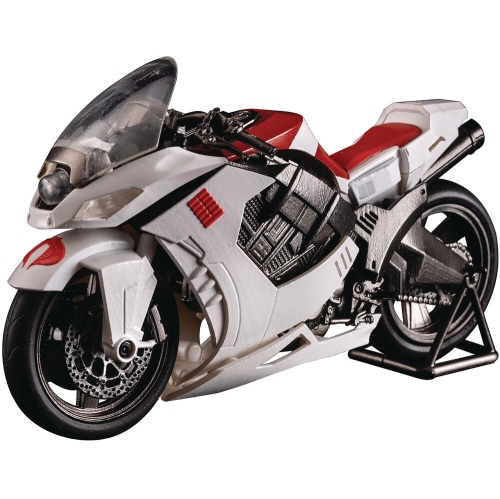
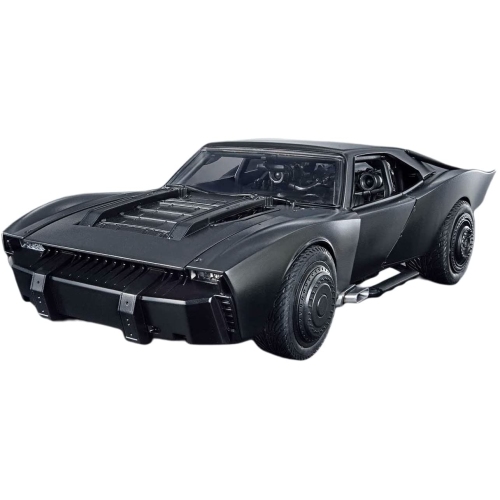
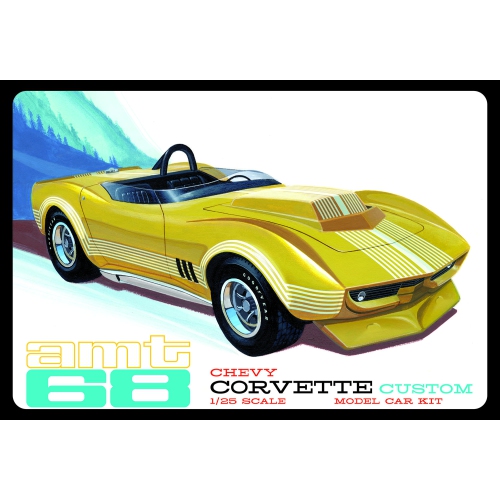
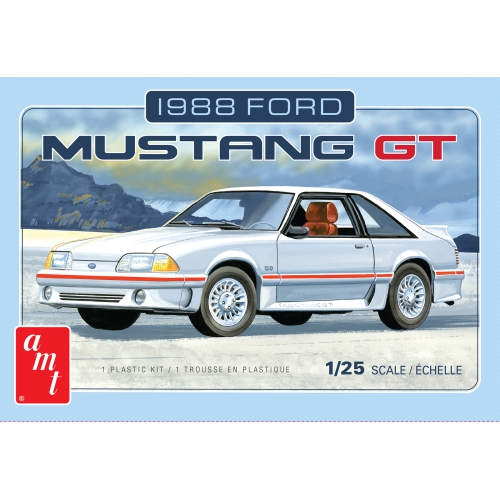
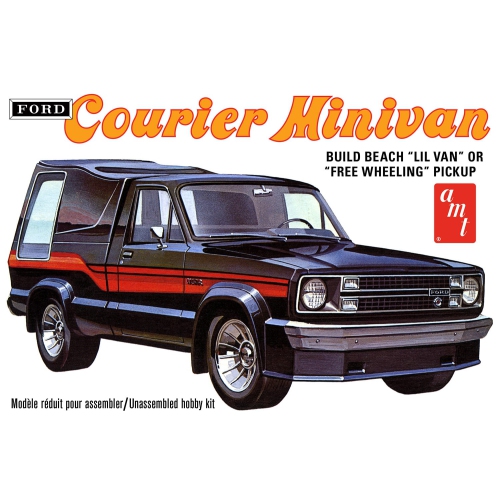
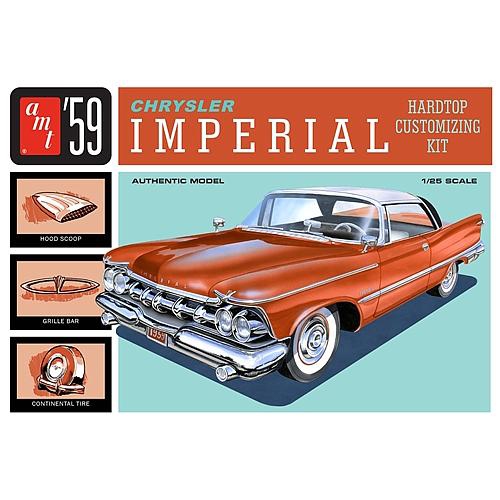
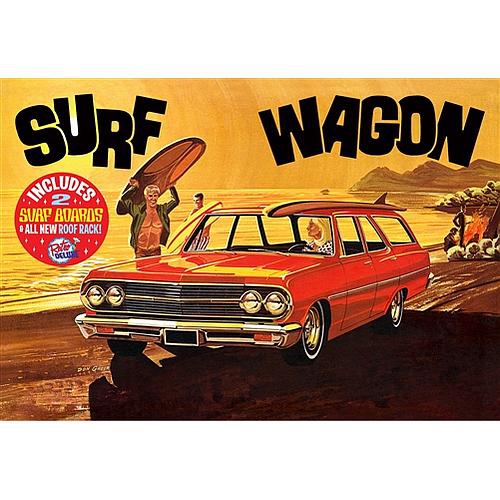
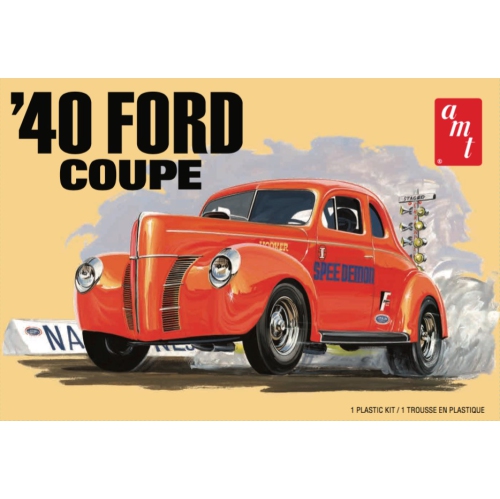
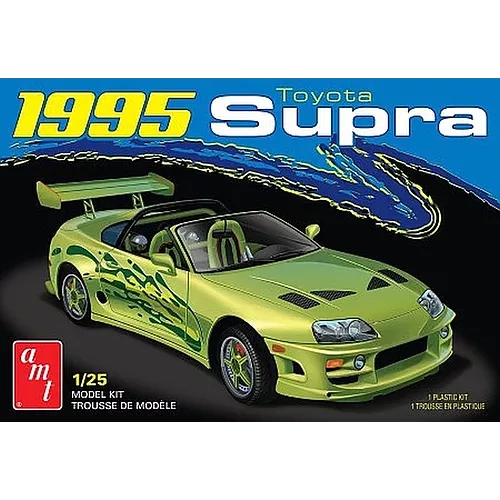
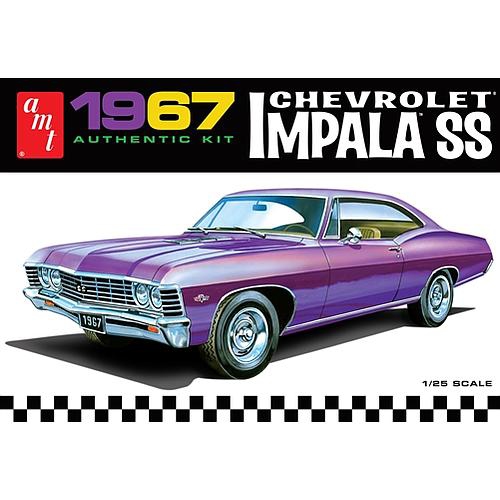
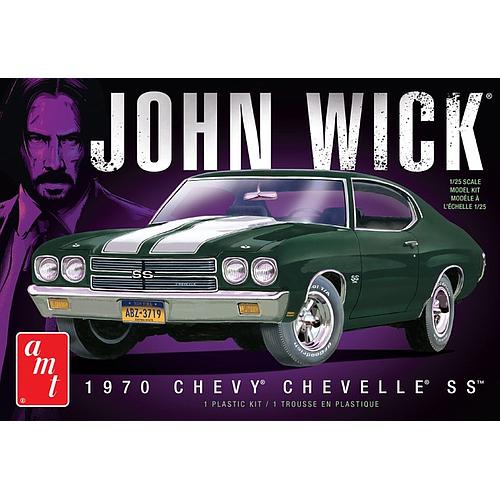
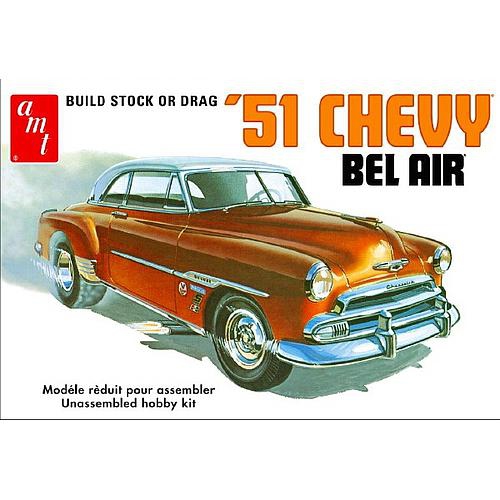
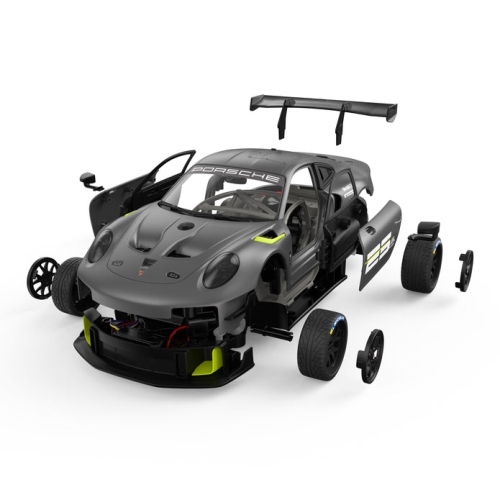
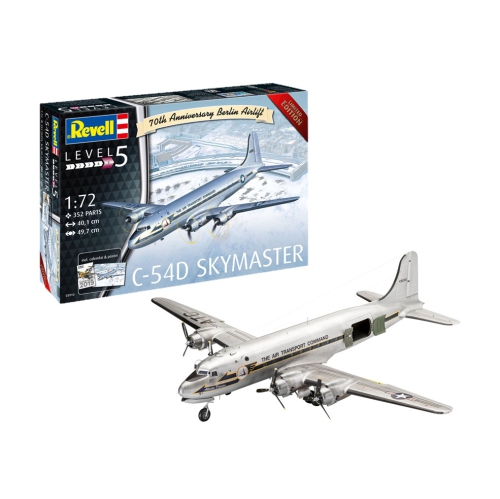
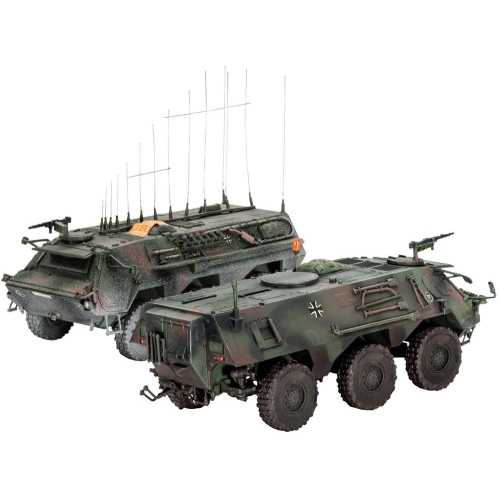
Detailed parts become display-worthy automotive replicas through patient craftsmanship
Plastic Model Car Kits offer a hands-on way to recreate the shape, character, and fine details of memorable vehicles in a compact scale. Most kits are made from moulded polystyrene plastic and are commonly produced in 1:24 or 1:25 scale, making them detailed enough to display while remaining manageable on a desk, shelf, or hobby table. Depending on the design, a kit may include a body shell, chassis, wheels, interior components, windows, engine parts, trim, decals, and other small pieces that come together to form a replica with plenty of visual personality. The selection can include classic coupes, vintage sedans, muscle cars, hot rods, race-inspired builds, pickup trucks, modern sports cars, and other automotive styles. Some builders enjoy recreating a vehicle that reminds them of a family car, a favourite film, or a memorable road trip, while others simply appreciate the challenge of turning a collection of moulded parts into a finished display piece. Plastic model car kits can be a rewarding gift for automotive enthusiasts, creative hobbyists, older children with suitable supervision, and anyone who enjoys activities that combine patience, precision, and design. They also make an engaging project during cooler months, when a quiet afternoon spent sorting parts, reading instructions, and adding details can be just as satisfying as the finished model. For a wider selection of buildable vehicle subjects, explore Model Vehicle Kits.
Choosing the right plastic model car kit begins with matching the project to the builder’s experience, available time, and preferred level of detail. Beginner-friendly kits typically have straightforward instructions, fewer intricate components, and parts designed to fit together with less adjustment. Some may include pre-coloured pieces or simplified construction, which can help a new builder focus on assembly before taking on advanced painting and detailing. Intermediate and advanced kits may feature multi-piece engines, separate suspension components, detailed dashboards, opening hoods, custom wheels, realistic interiors, and more demanding bodywork. The number of parts and the recommended skill level are useful starting points, but the subject itself matters just as much. A builder who loves vintage cars may be more motivated by a classic shape, while someone fascinated by motorsport may prefer a low-slung performance design with decals and aerodynamic details. Scale affects both appearance and workspace requirements: 1:24 and 1:25 models are popular because they offer a good balance between detail and display size, while larger or smaller formats create a different building experience. It is also worth considering whether the finished model will be painted, left in its moulded colours, or customized with a particular finish. Paint can bring out door lines, grilles, badges, upholstery, dashboards, and engine components, but it also adds preparation and drying time. Builders should check which paints, cement, decals, and tools are recommended for the kit, since plastic parts and clear components may require different handling. A clean, well-lit work surface with small containers for loose parts can make the process easier, especially when working with tiny mirrors, steering wheels, lights, or dashboard controls that can disappear beneath a sheet of paper in an instant.
A practical model-building setup usually includes hobby nippers or sprue cutters for removing parts from their plastic frames, a hobby knife or fine file for smoothing attachment points, and plastic cement made for model construction. Cement creates a strong bond by slightly softening the mating surfaces, so it should be applied sparingly and carefully rather than spread over the entire joint. Model paints, fine brushes, masking tape, and decal-setting supplies can help create a more polished result, while tweezers are useful for placing small details and transferring decals without creasing them. Beginners often get the best results by following the instruction sequence closely, dry-fitting parts before applying adhesive, and allowing each stage to set before moving on. Patience is especially helpful when joining the body to the chassis or fitting transparent windows, as forcing parts into place can leave marks or cause delicate pieces to bend. Experienced builders may modify interiors, change wheel designs, add wiring to an engine bay, weather a vintage finish, or create a custom colour scheme that reflects their own style. Children and younger hobbyists should use sharp tools, adhesives, and paints with appropriate adult guidance, and every builder benefits from working in a well-ventilated area and keeping supplies organized. Whether the goal is a first build, a thoughtful gift, a weekend project, or a growing display of automotive history, Plastic Model Car Kits turn careful assembly into a tangible piece of craftsmanship that can be enjoyed long after the final decal and polished detail have been added.
Choosing the right plastic model car kit begins with matching the project to the builder’s experience, available time, and preferred level of detail. Beginner-friendly kits typically have straightforward instructions, fewer intricate components, and parts designed to fit together with less adjustment. Some may include pre-coloured pieces or simplified construction, which can help a new builder focus on assembly before taking on advanced painting and detailing. Intermediate and advanced kits may feature multi-piece engines, separate suspension components, detailed dashboards, opening hoods, custom wheels, realistic interiors, and more demanding bodywork. The number of parts and the recommended skill level are useful starting points, but the subject itself matters just as much. A builder who loves vintage cars may be more motivated by a classic shape, while someone fascinated by motorsport may prefer a low-slung performance design with decals and aerodynamic details. Scale affects both appearance and workspace requirements: 1:24 and 1:25 models are popular because they offer a good balance between detail and display size, while larger or smaller formats create a different building experience. It is also worth considering whether the finished model will be painted, left in its moulded colours, or customized with a particular finish. Paint can bring out door lines, grilles, badges, upholstery, dashboards, and engine components, but it also adds preparation and drying time. Builders should check which paints, cement, decals, and tools are recommended for the kit, since plastic parts and clear components may require different handling. A clean, well-lit work surface with small containers for loose parts can make the process easier, especially when working with tiny mirrors, steering wheels, lights, or dashboard controls that can disappear beneath a sheet of paper in an instant.
A practical model-building setup usually includes hobby nippers or sprue cutters for removing parts from their plastic frames, a hobby knife or fine file for smoothing attachment points, and plastic cement made for model construction. Cement creates a strong bond by slightly softening the mating surfaces, so it should be applied sparingly and carefully rather than spread over the entire joint. Model paints, fine brushes, masking tape, and decal-setting supplies can help create a more polished result, while tweezers are useful for placing small details and transferring decals without creasing them. Beginners often get the best results by following the instruction sequence closely, dry-fitting parts before applying adhesive, and allowing each stage to set before moving on. Patience is especially helpful when joining the body to the chassis or fitting transparent windows, as forcing parts into place can leave marks or cause delicate pieces to bend. Experienced builders may modify interiors, change wheel designs, add wiring to an engine bay, weather a vintage finish, or create a custom colour scheme that reflects their own style. Children and younger hobbyists should use sharp tools, adhesives, and paints with appropriate adult guidance, and every builder benefits from working in a well-ventilated area and keeping supplies organized. Whether the goal is a first build, a thoughtful gift, a weekend project, or a growing display of automotive history, Plastic Model Car Kits turn careful assembly into a tangible piece of craftsmanship that can be enjoyed long after the final decal and polished detail have been added.
Top selling and popular products
-
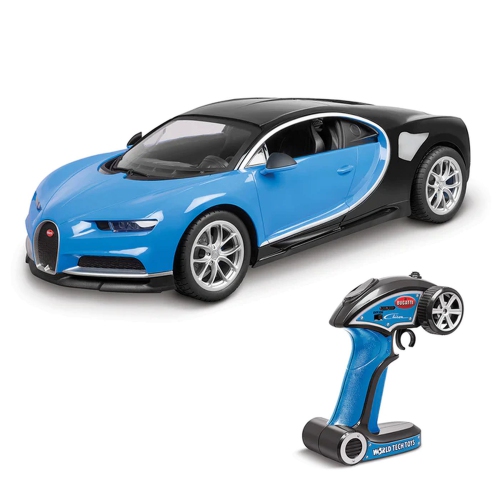 Your price for this item is $119.99
 -
 Your price for this item is $103.49
 -
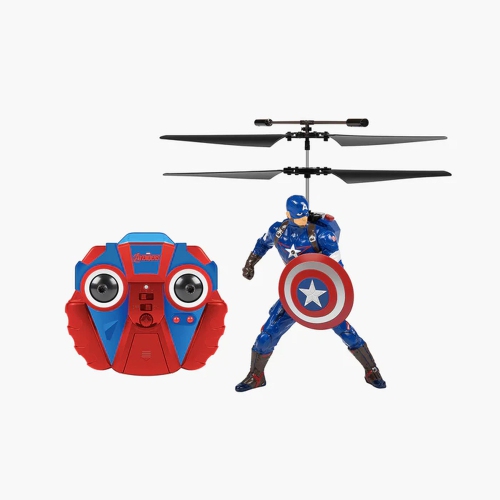 Your price for this item is $59.99
 -
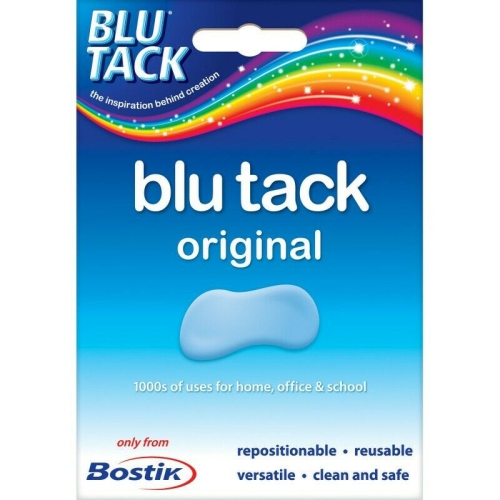 Your price for this item is $6
 -
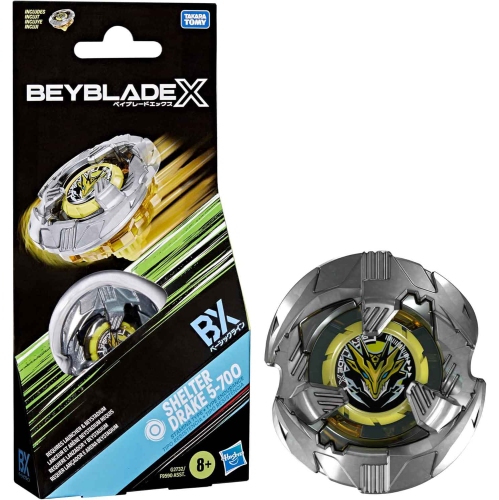 Your price for this item is $13.79
 -
 Your price for this item is $16
 -
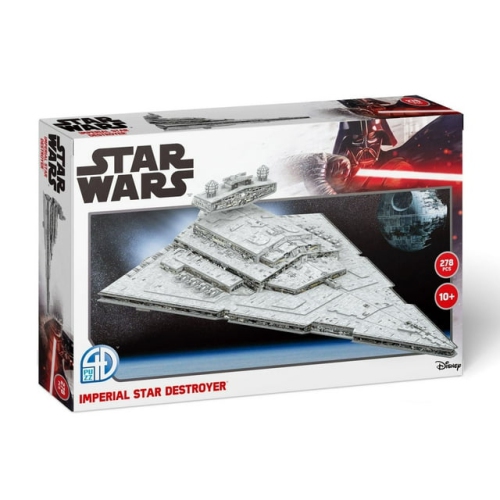 Your price for this item is $69.99
 -
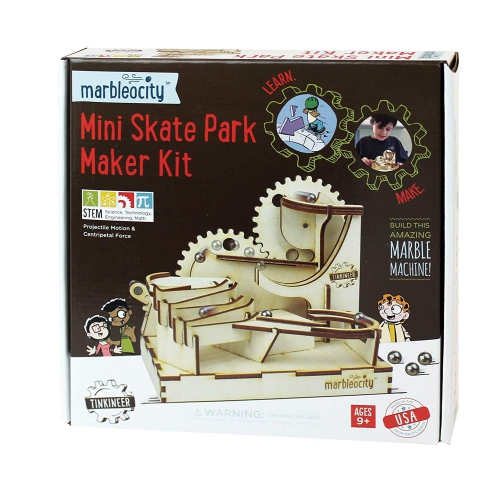 Your price for this item is $38.21
Discover more categories related to Plastic Model Car Kits

Top Collections:
Pokemon Centers, Kindle Devices, Best Budget Office Chairs, Apple iPhones 16, Best Laptops for Writers, iPhone 15 Apple, Canon G7X Cameras, Refurbished Apple Laptops, Alarm Clock, Motorola Razr Phones
Some products may be subject to Environmental Handling Fees
(EHF) depending on your province.
Learn more about EHFs.