Platform Swings
Transform your backyard into a hub of fun and relaxation with a platform swing. Perfect for outdoor enthusiasts of all ages, these swings offer a spacious and comfortable area to lounge, play, or simply enjoy the gentle sway in the breeze. Whether you're looking to create a serene escape for reading or an exciting playground for kids, platform swings provide endless possibilities for enjoyment. Crafted with durable materials, they are designed to withstand the elements while adding a touch of charm to any outdoor setting. Dive into the world of platform swings and discover how they can elevate your outdoor experience.
Sort

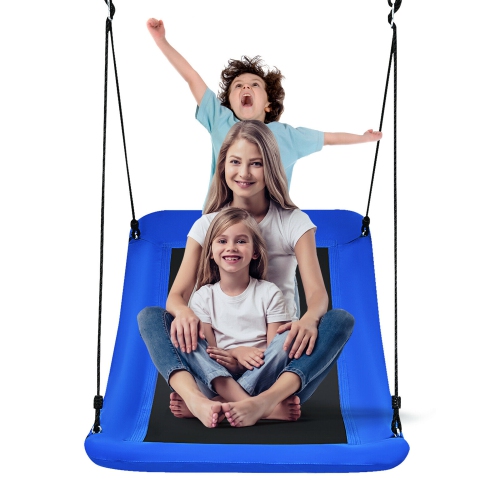
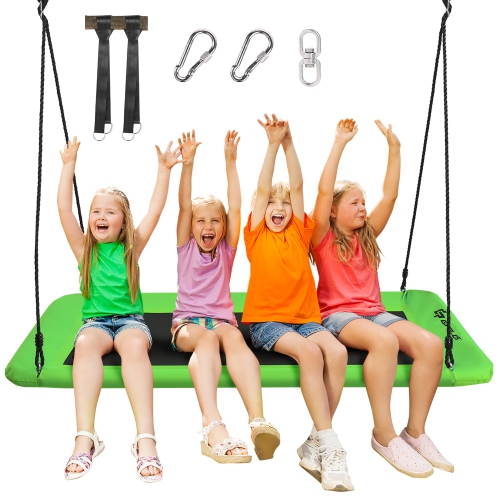
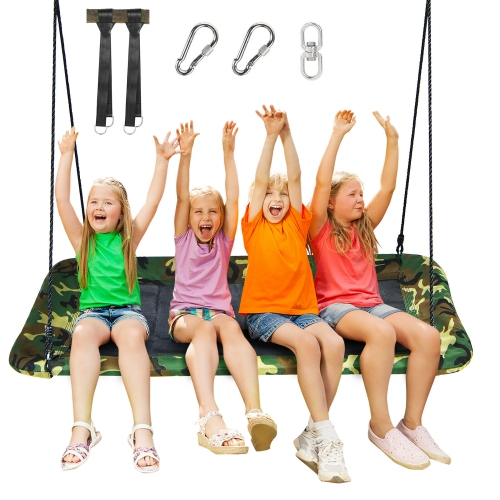

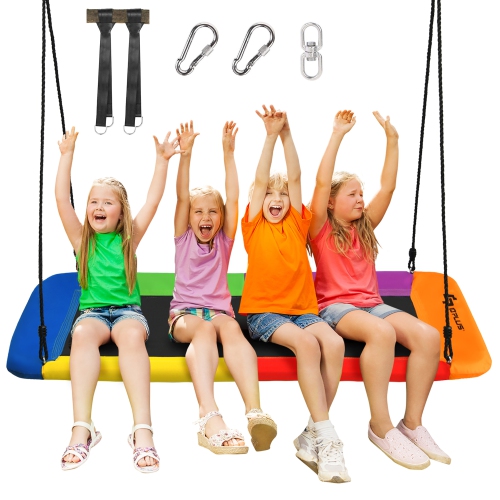











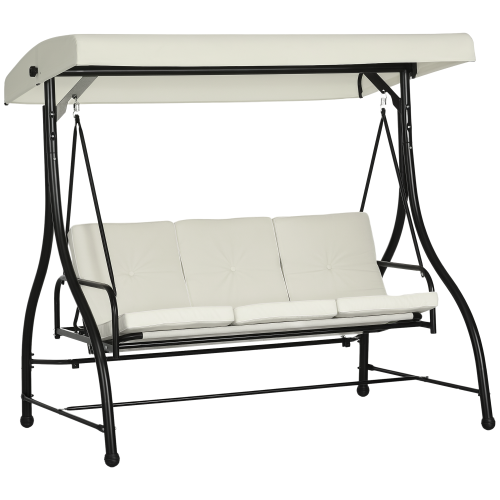


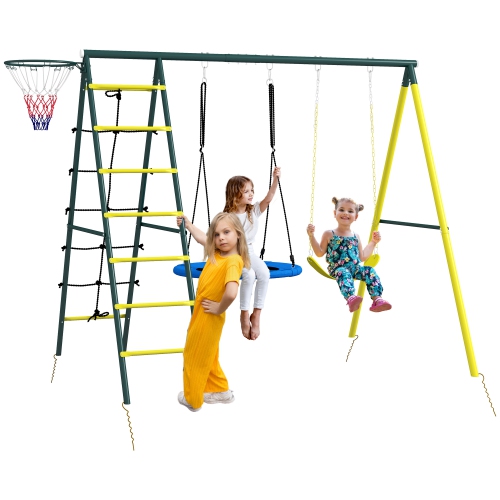
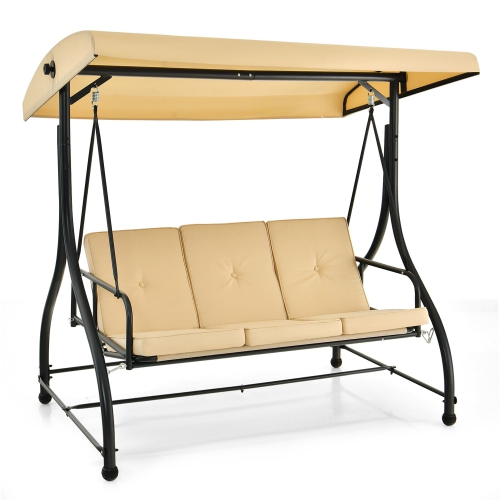
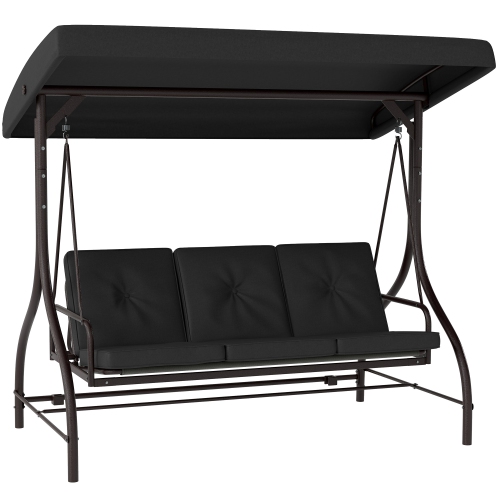
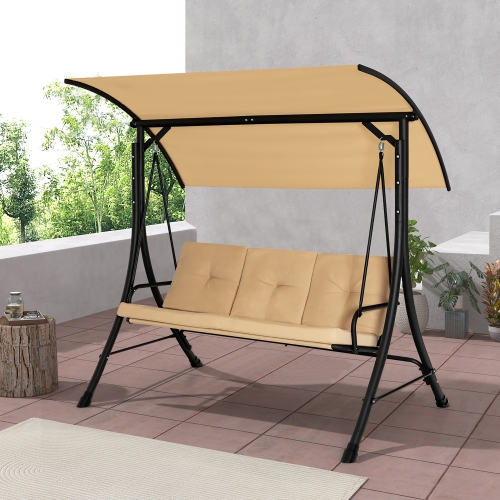

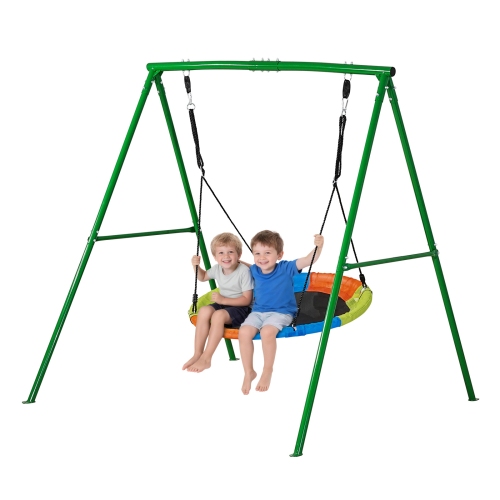

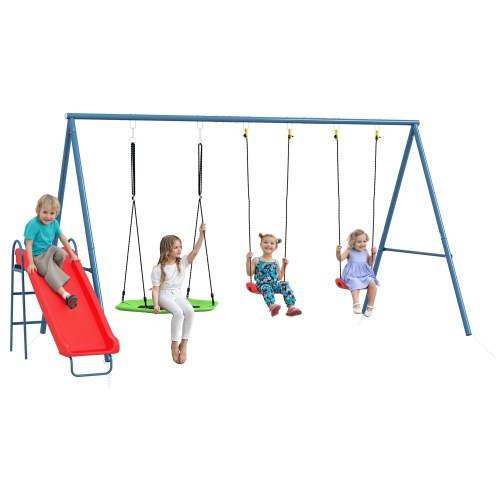
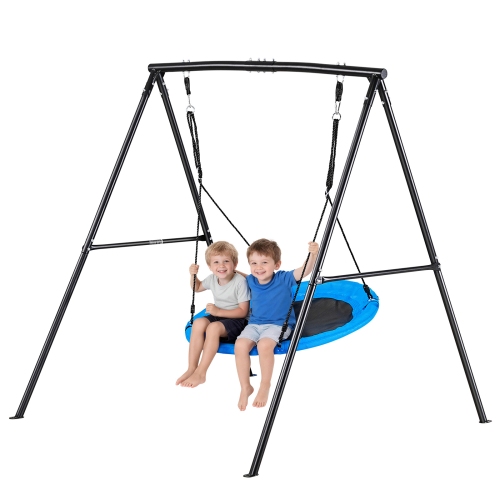
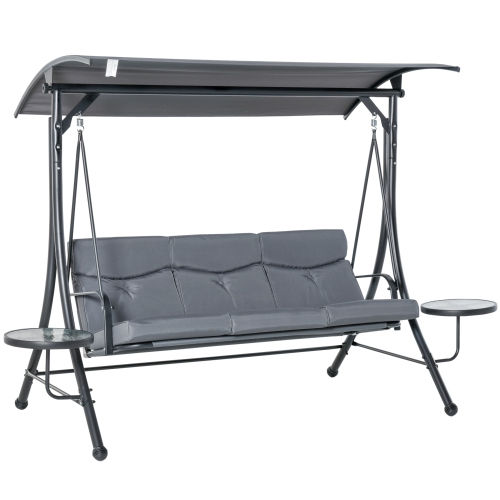


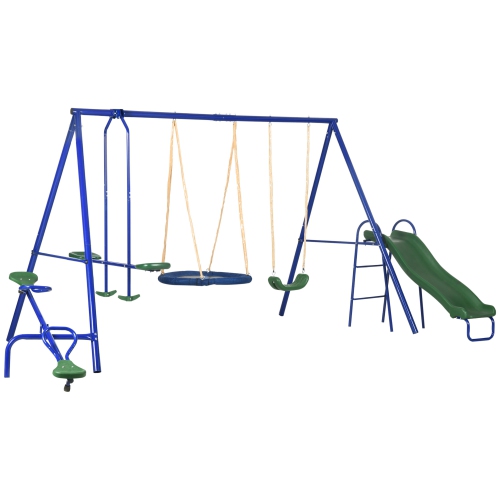

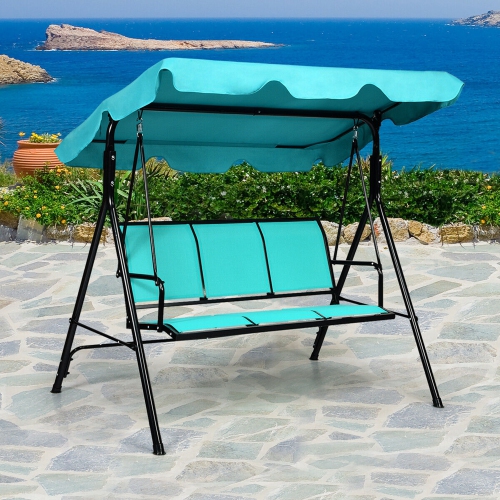


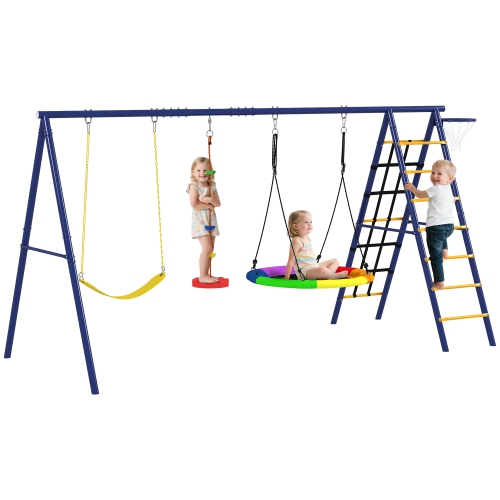
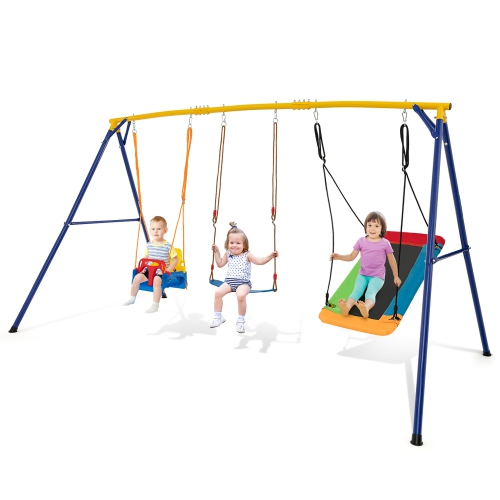

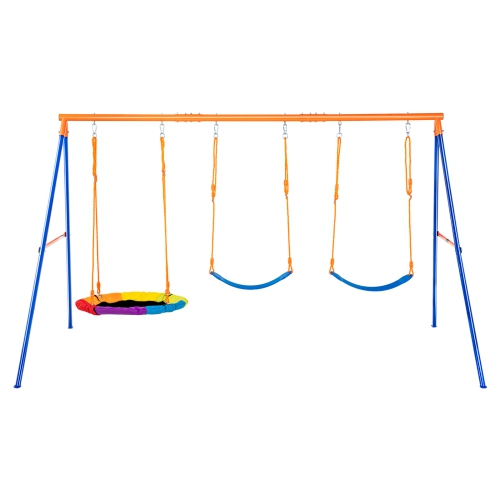

How seat shape and support affect the ride
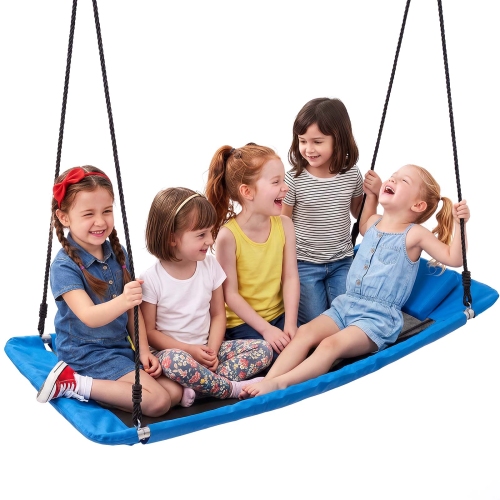
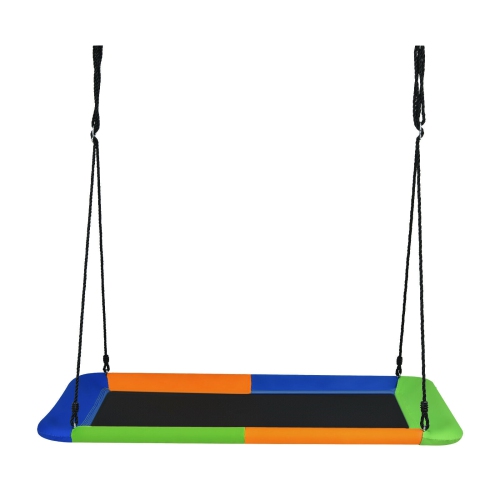
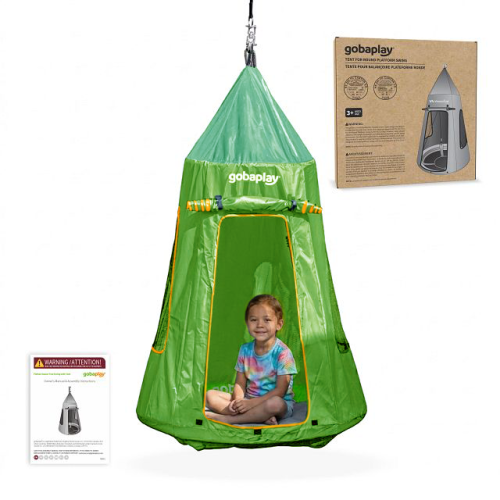
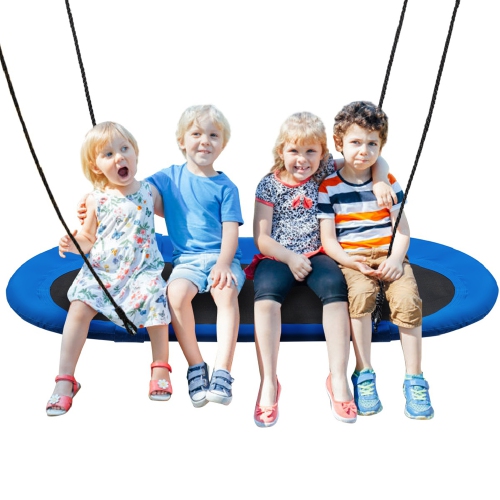
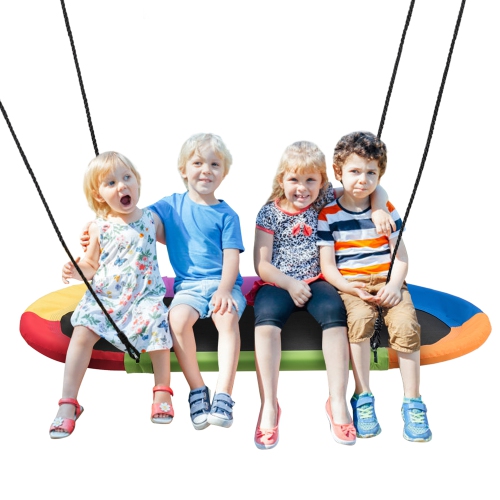
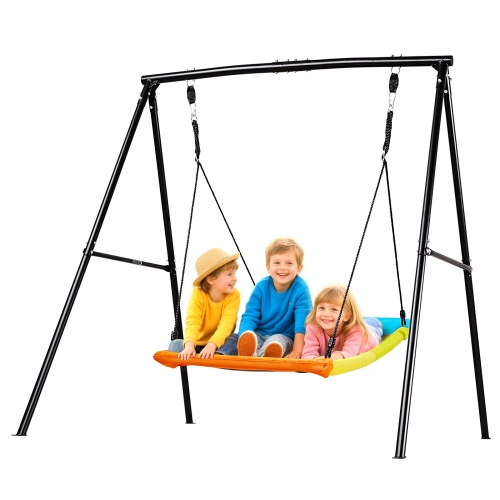
A platform swing is a flat, suspended play surface, often made from a solid board, stretched fabric, or woven mesh, that hangs from an overhead support. Unlike a traditional narrow swing seat, it provides a broader area for sitting or, where the design permits, reclining. Platform swings are used for backyard play, indoor sensory activities, and supervised activities in occupational therapy settings. Round designs are often described as saucer or nest swings, while rectangular platforms offer a different shape for positioning and movement. The surface may feel firm and supportive or slightly flexible, depending on its construction. That difference matters when choosing between a swing for active play and one intended for gentle, controlled movement. A child who prefers sitting cross-legged may appreciate a wide, stable-feeling surface, while another may enjoy the more open feel of a woven seat. The platform’s dimensions, suspension arrangement, and intended riding positions all influence how it feels in use. A single suspension point may allow turning as well as swinging, whereas a two-point arrangement generally creates a more defined back-and-forth path; the actual movement depends on the design and installation. Consider the rider’s size and abilities alongside the manufacturer’s age guidance and weight limit. A wide seat does not necessarily mean that multiple children can use it together, and any shared use must be expressly permitted within the swing’s total load rating. Riders also need enough usable surface to stay comfortably positioned without crowding the edges. For families, a platform swing can add a distinct kind of play to a backyard or suitable indoor space: somewhere to enjoy a gentle arc, practise coordinated movement, or take turns choosing a comfortable seated position. The best match depends less on how large the swing looks in a photo and more on how its shape, support, and permitted uses suit the people who will ride it.
Materials and construction affect comfort, upkeep, and the kind of setting a platform swing can suit. Woven rope and mesh surfaces have an open structure, while tightly stretched fabric provides a more continuous seat. Solid platforms feel different again and may include padding or a fitted cover. Padding can soften contact with the frame, but its thickness alone does not establish the swing’s quality or suitability. Look at how the seat joins the frame, how the suspension ropes connect, and whether exposed edges or fittings could rub against a rider’s hands or legs. Steel frames, synthetic ropes, fabric panels, and wooden components each have their own care requirements, so the complete construction matters more than any single material. For outdoor use, the swing and all associated fittings must be rated for that setting; an indoor sensory swing should not be treated as a backyard swing unless its instructions specifically allow it. Installation is just as important as the seat itself. A platform swing needs a load-bearing support capable of handling the forces of movement, not merely the rider’s stationary weight. A purpose-built swing frame, a structurally suitable overhead beam, or an assessed tree attachment may be appropriate, depending on the swing and mounting system. An ordinary ceiling hook, decorative beam, deck railing, or unverified branch is not an adequate substitute. Where the support structure is uncertain, a qualified installer or other appropriate professional can assess it before use. Check whether mounting hardware, connectors, and any swivel are included, compatible, and rated for the intended setup. The area around the swing must accommodate its full permitted movement, with clearance from walls, fences, furniture, and other play equipment. Mounting height, ground clearance, and impact-absorbing surfacing should follow the manufacturer’s instructions and applicable playground safety guidance. For example, a broad round platform may fit neatly beneath a support yet still need considerably more unobstructed space once it begins moving. Planning for that moving footprint helps keep the swing from feeling squeezed into a space that only accommodates it at rest.
Care and everyday routines help keep a platform swing comfortable and ready for its intended use. Before each session, check the suspension ropes, attachment points, frame, and seating surface for changes such as fraying, loose stitching, bent connectors, cracks, or exposed metal. Stop using the swing if a component is damaged, and follow the manufacturer’s replacement guidance rather than improvising a repair. Cleaning should suit the material: some surfaces can be wiped with mild soap and water, while removable covers may have separate washing instructions. Let cleaned components dry fully before storage, and avoid assuming that padded sections or fabric seats are machine washable. When a swing will be unused for an extended period, store removable parts as directed and keep the instructions with the mounting information for future reference. In a shared family space, simple habits make a difference: wait until the swing has stopped before getting on or off, keep other children outside its travel path, and avoid wrapping or twisting suspension ropes around the body. Children need supervision appropriate to their age, abilities, and the activity. For sensory use, preferences vary considerably. Some riders enjoy a slow, predictable motion; others find movement uncomfortable or overwhelming. Begin with the movement and positioning allowed by the design, respect the rider’s response, and seek an occupational therapist’s guidance when the swing forms part of a therapy plan. A platform swing can also be a thoughtful gift for a family with a suitable play area, but confirming the installation space, age suitability, and caregiver preferences beforehand is more useful than choosing by appearance alone. For someone seeking suspended seating primarily for relaxed conversation rather than an open play surface, Deck Swings are a different category to consider. Matching the swing to its real purpose—active play, gentle sensory movement, or seated leisure—helps create a setup that feels comfortable, practical, and appropriate for its users.
Top selling and popular products
-
 Your price for this item is $132.99
-
 Your price for this item is $300.99
-
 Your price for this item is $44.99
-
 Your price for this item is $359.99
-
 Your price for this item is $34.99
-
 Your price for this item is $429.99
-
 Your price for this item is $349.99
-
 Your price for this item is $14.99
Discover more categories related to Platform Swings

Top Collections:
Pokemon Centers, Best Black Friday Deals This Year, Best Black Friday Deals On Electronics, Kindle Devices, Best Budget Office Chairs, Best Black Friday Deals On Apple Products, Best Cameras for Sports Photography, Pokémon 30th Celebration Cards, Dyson Airwrap, Canon G7X Cameras
Some products may be subject to Environmental Handling Fees
(EHF) depending on your province.
Learn more about EHFs.