Play Doll for Toddler
Looking for the perfect play doll to engage and entertain your toddler? Look no further! At Best Buy, we understand the importance of finding toys that not only capture your child's imagination but also promote their development. Our wide selection of play dolls for toddlers offers endless possibilities for fun and learning. Whether your little one wants a cuddly companion or a doll that can talk and interact, we have just what you're looking for. With our high-quality and diverse range of options, you can find the ideal play doll that will bring joy and laughter to your child's playtime.
Sort
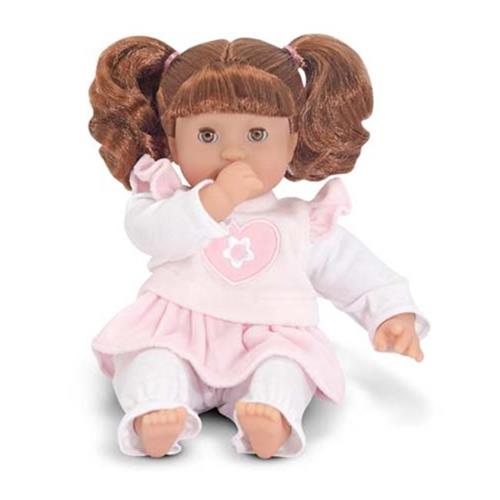
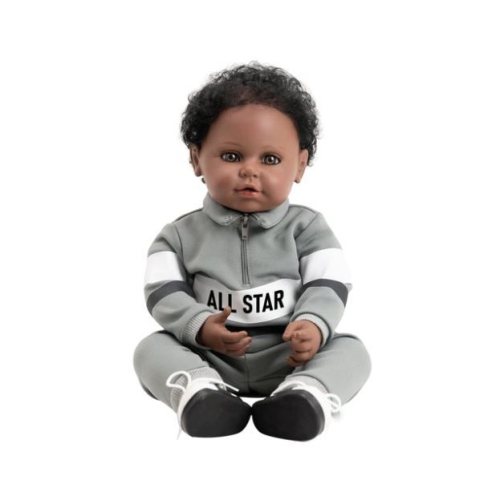
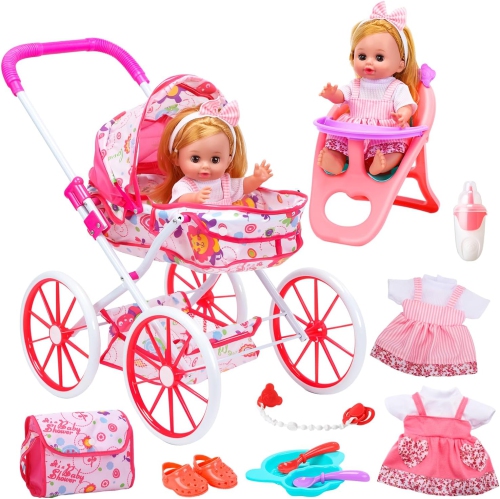
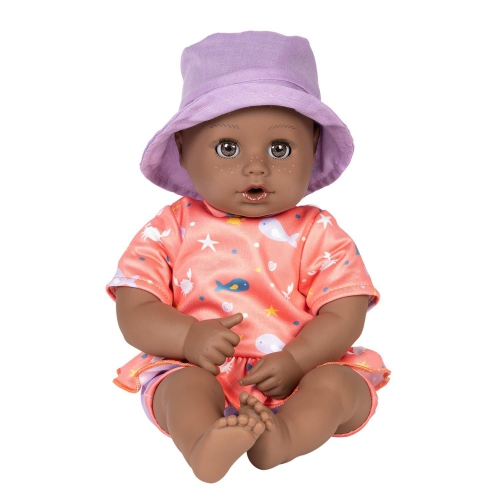
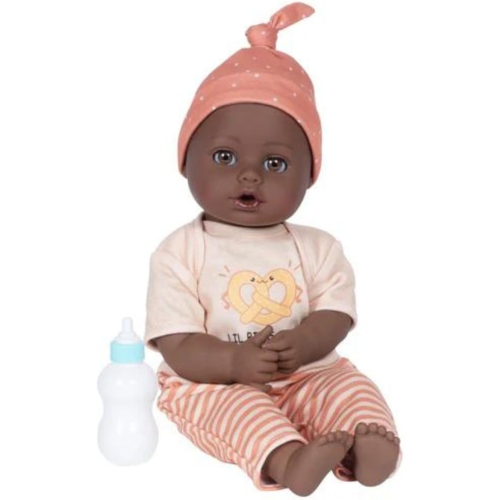
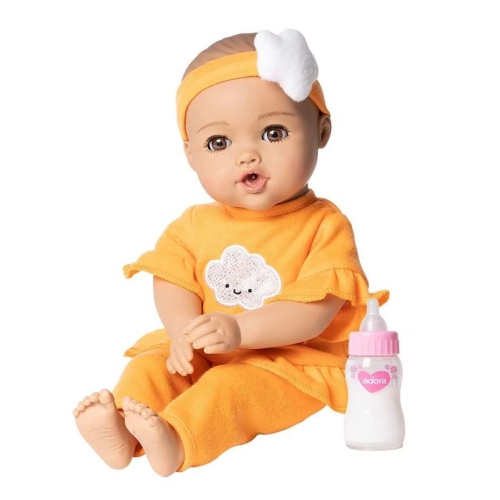
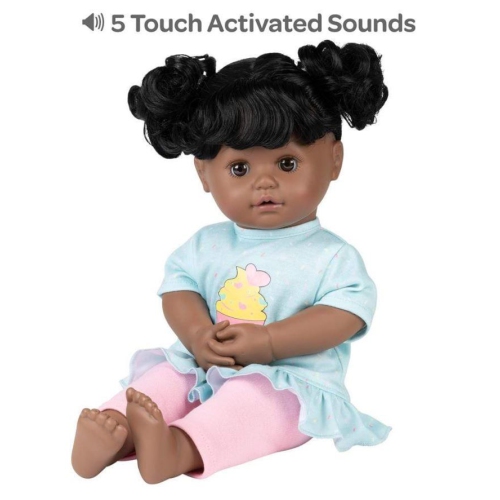

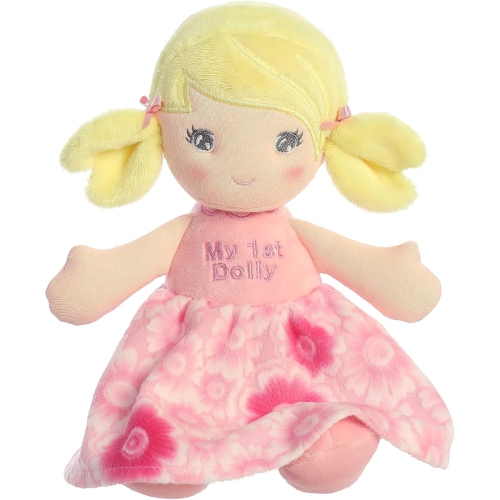
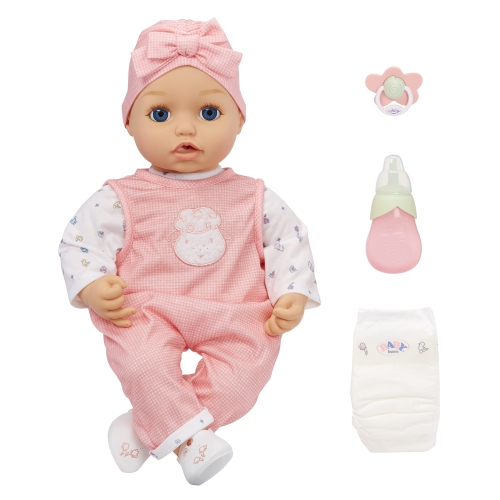
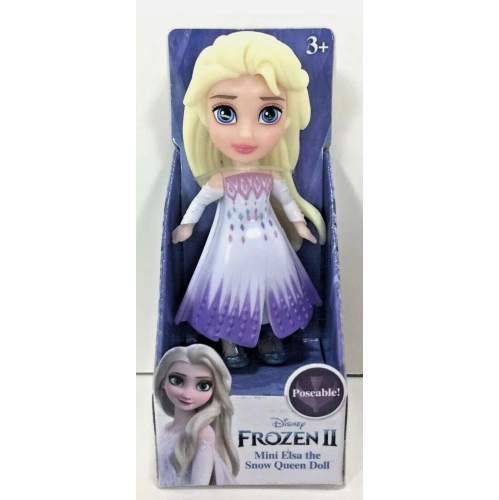
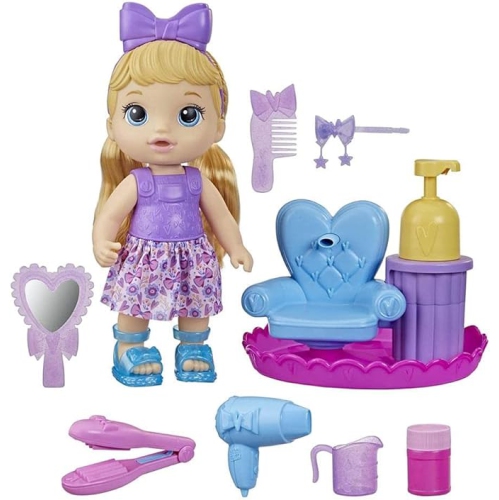
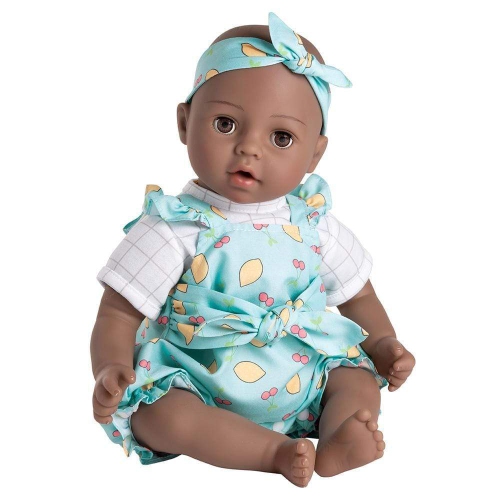
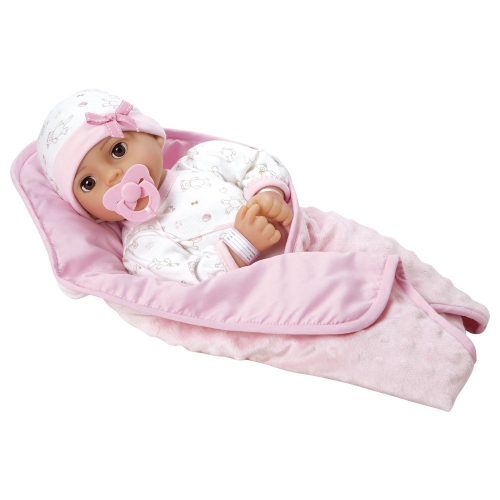
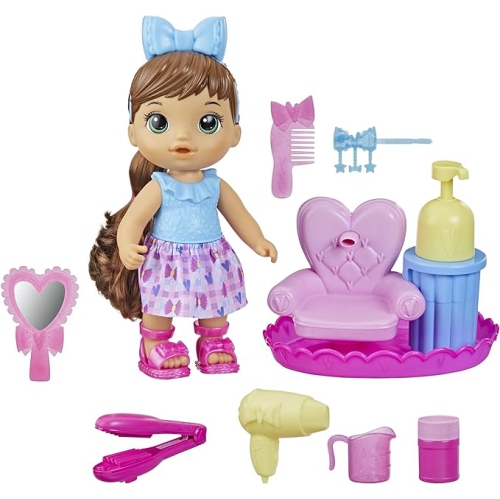

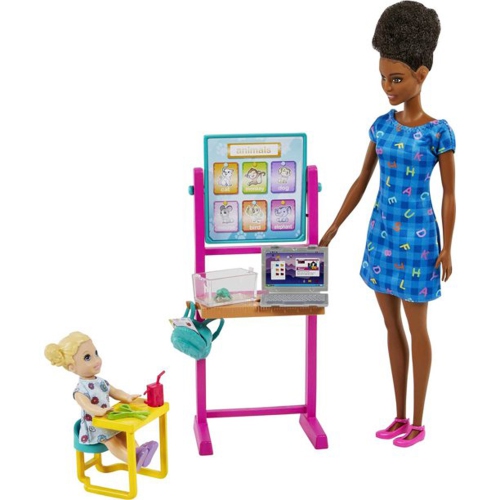
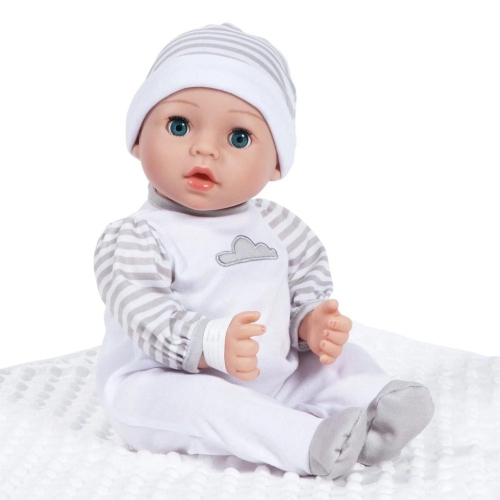
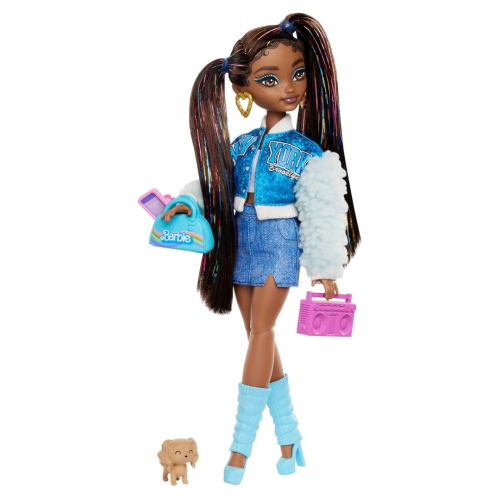
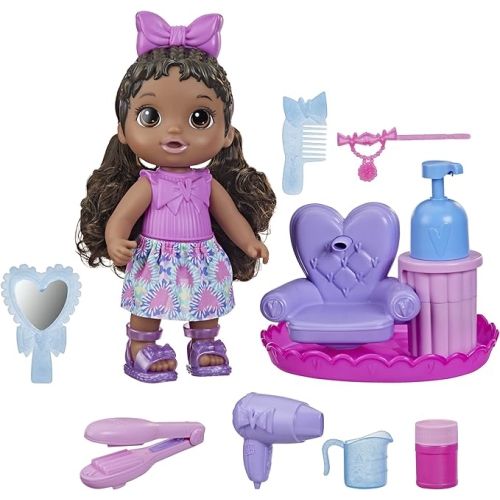
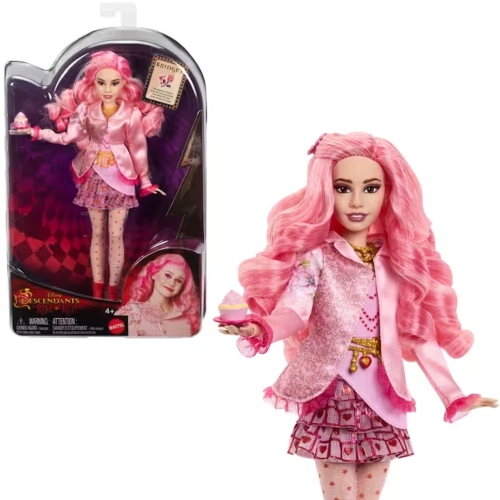
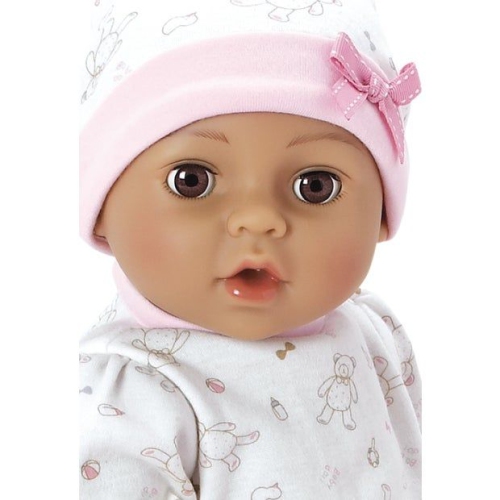

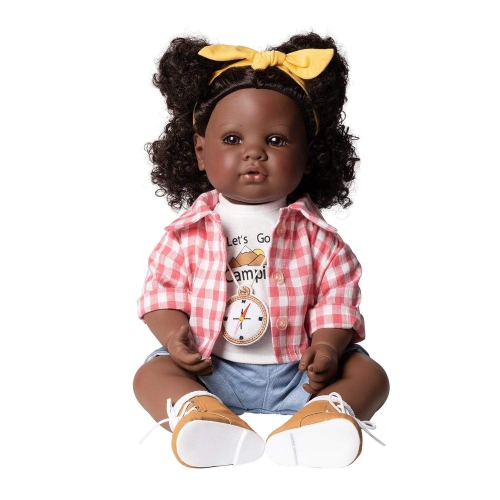
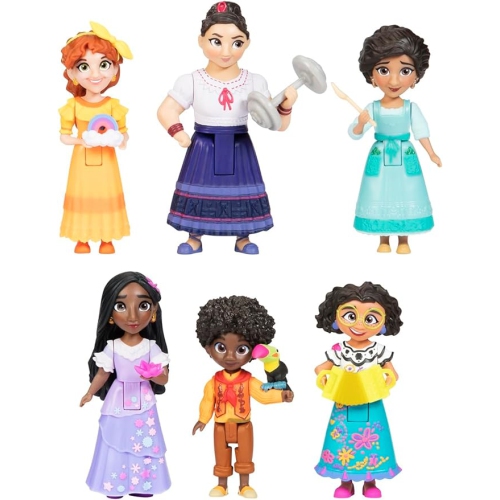

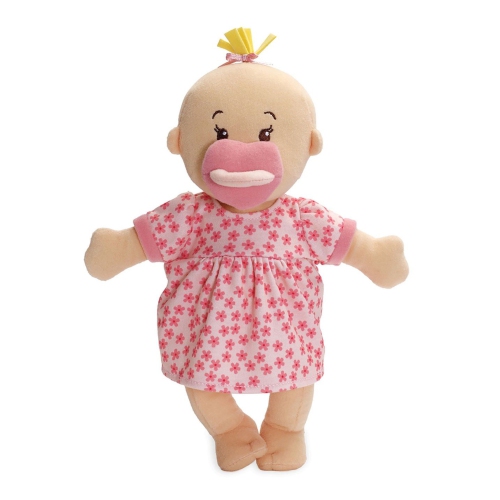


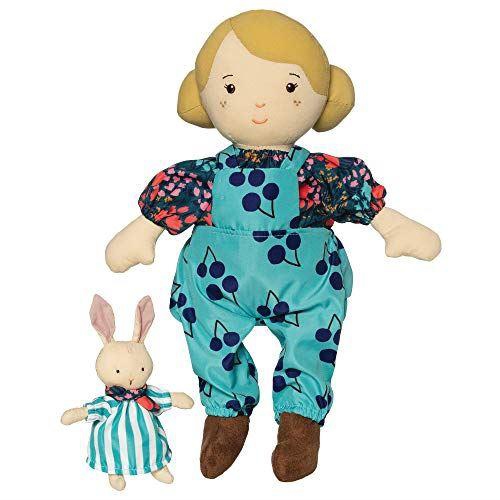


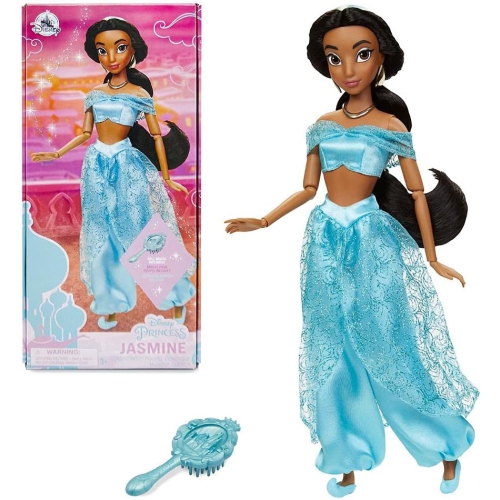
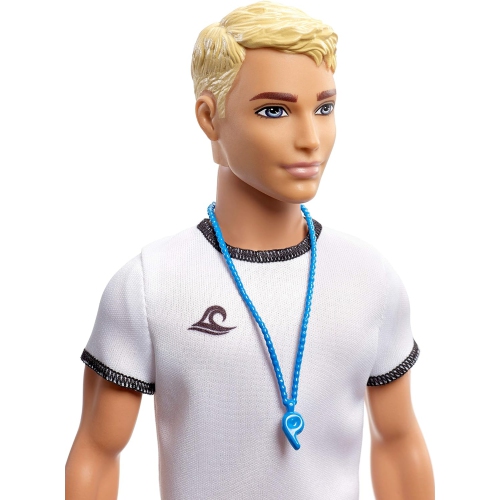
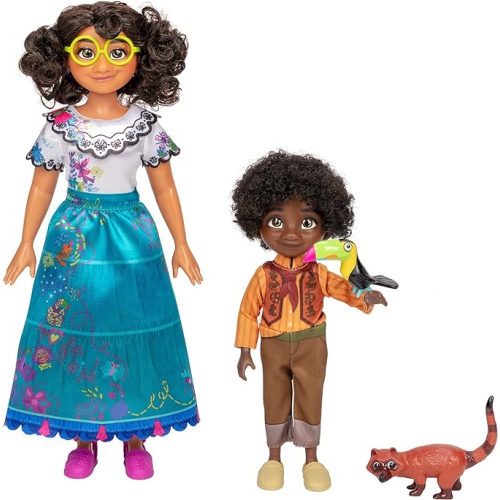
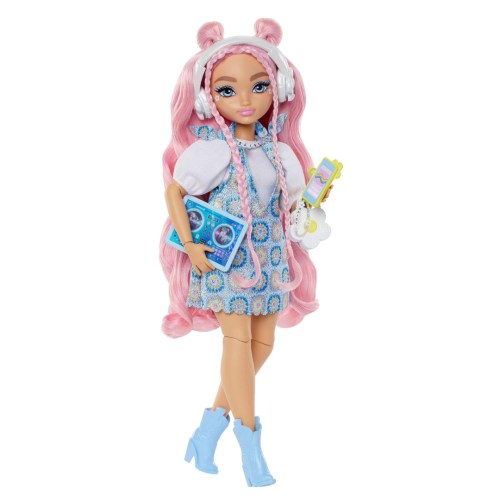

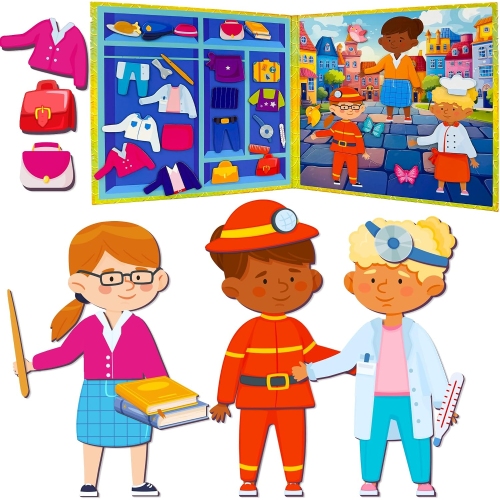

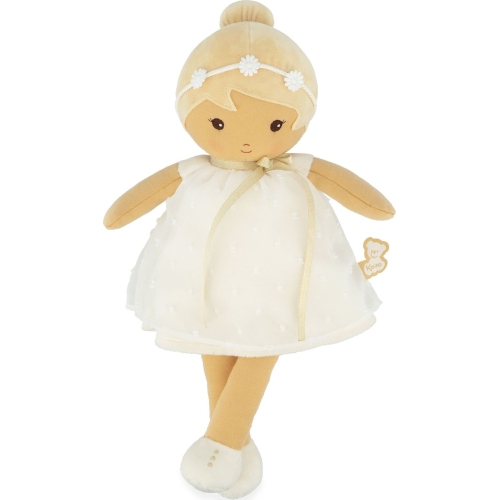
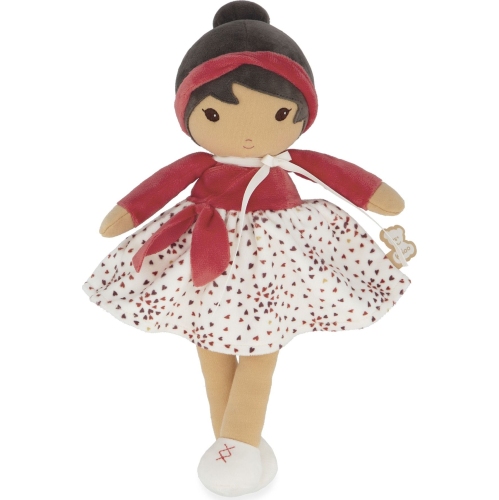
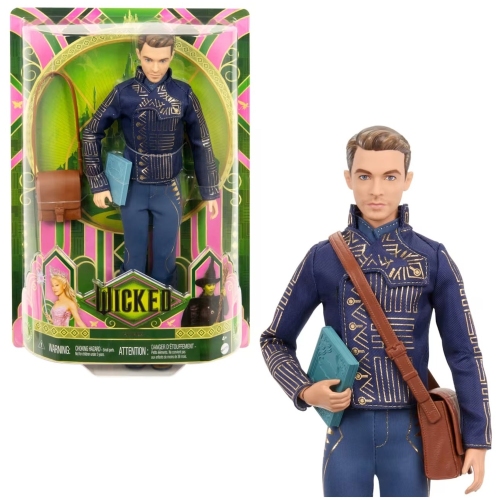

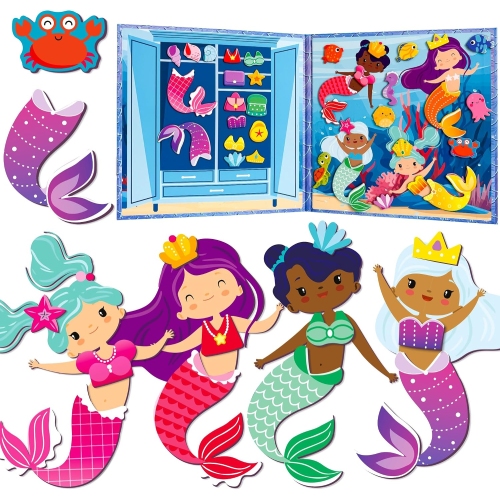


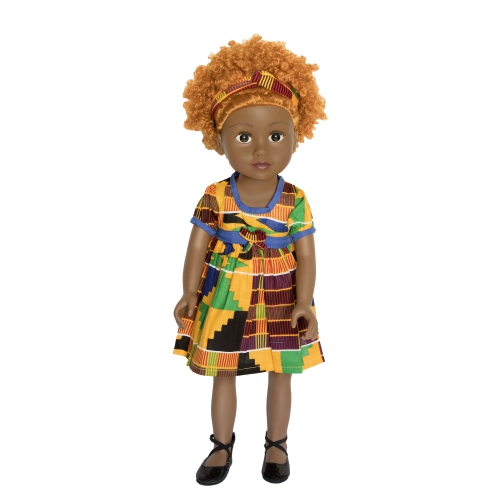

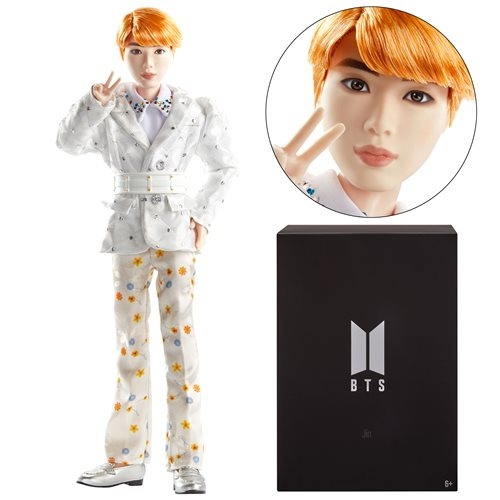
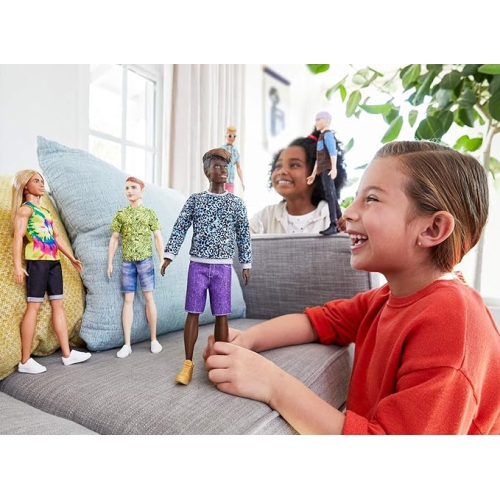
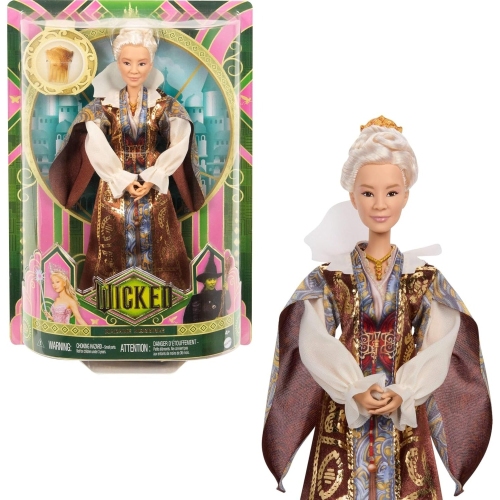
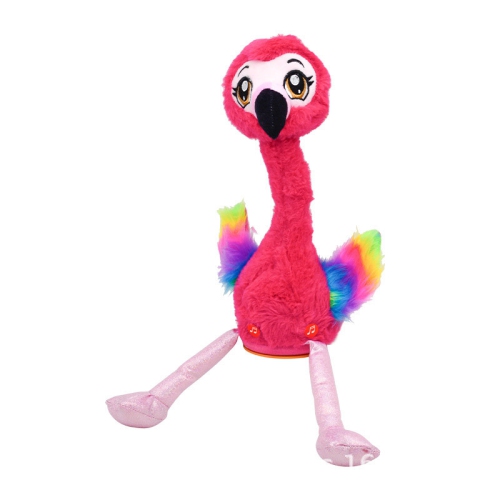
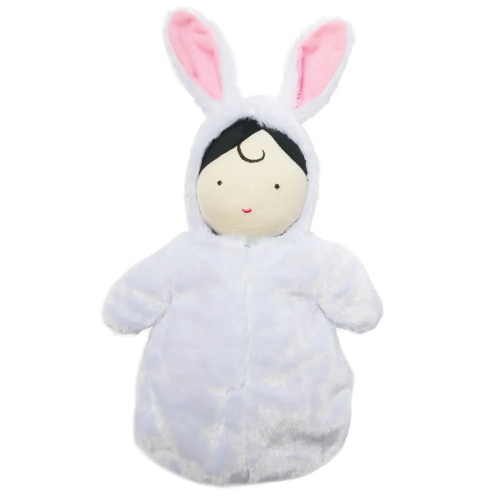
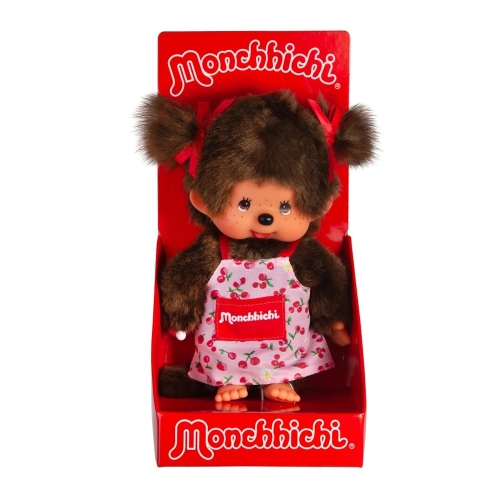




Little caregiving routines start with a cuddly companion
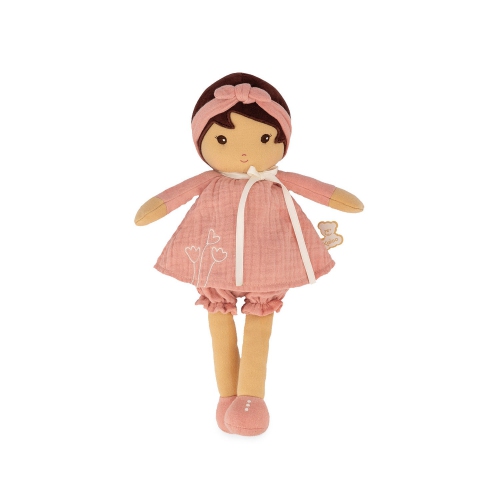
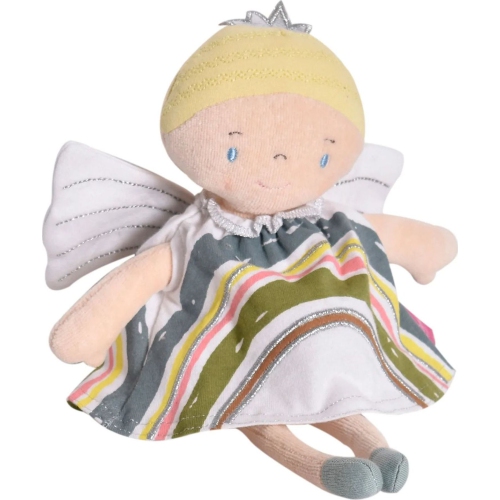
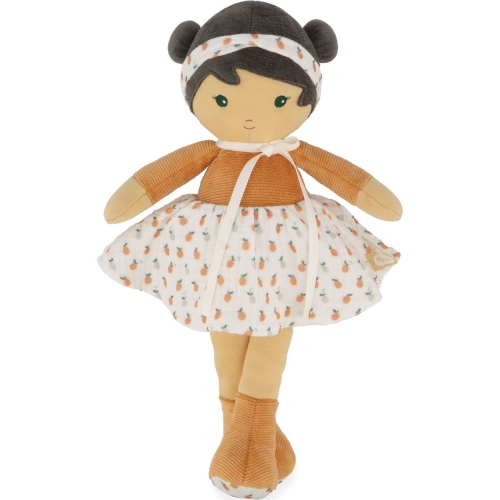
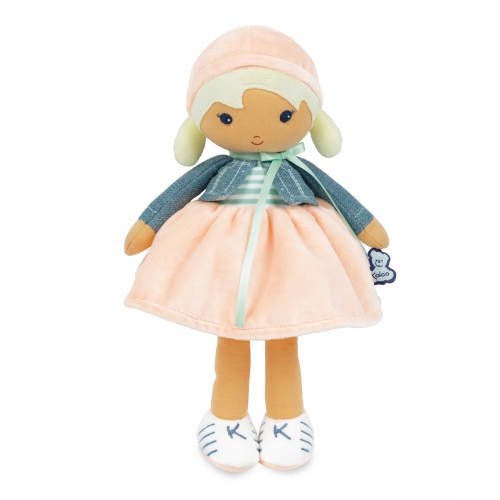
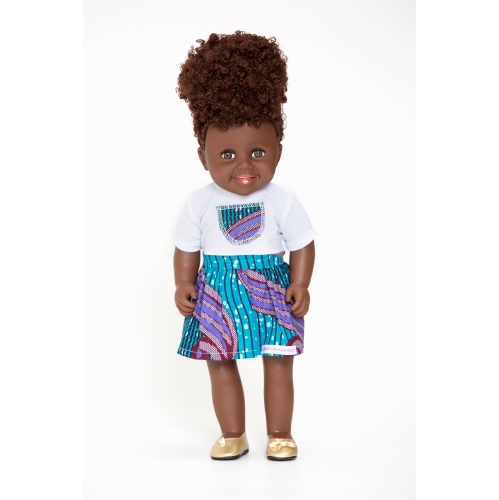
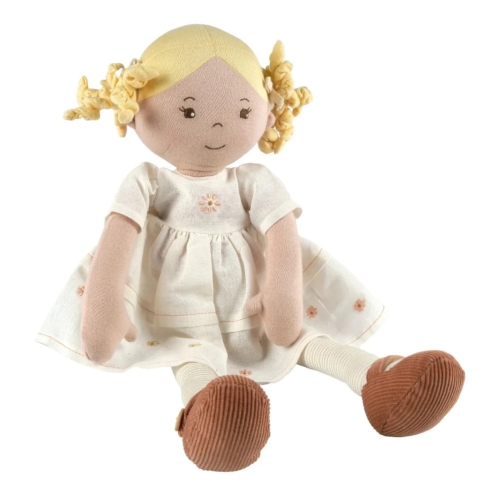
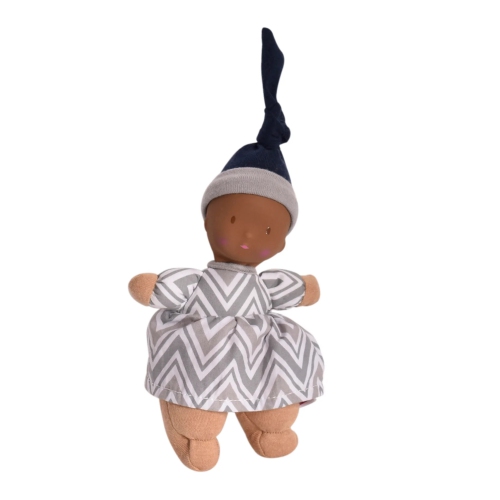
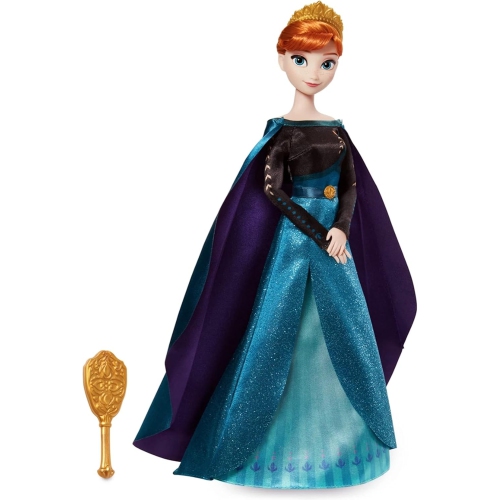
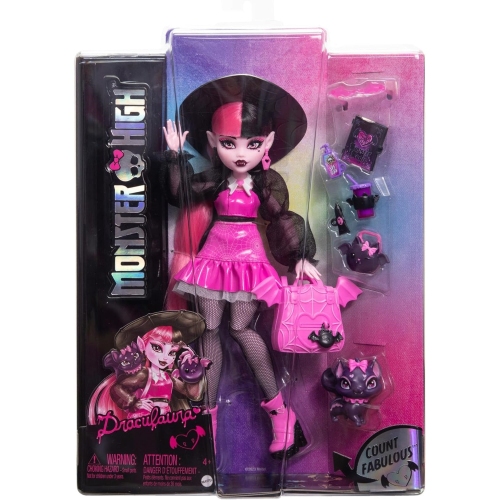
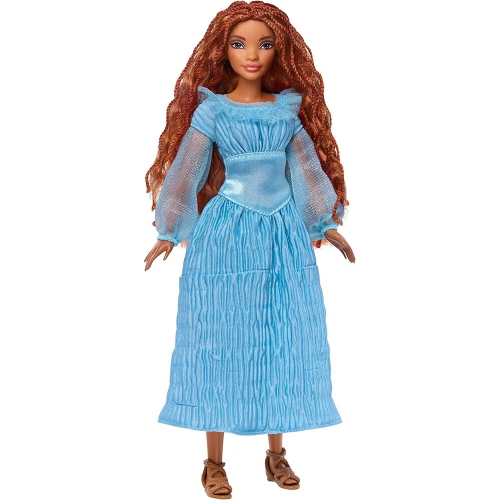
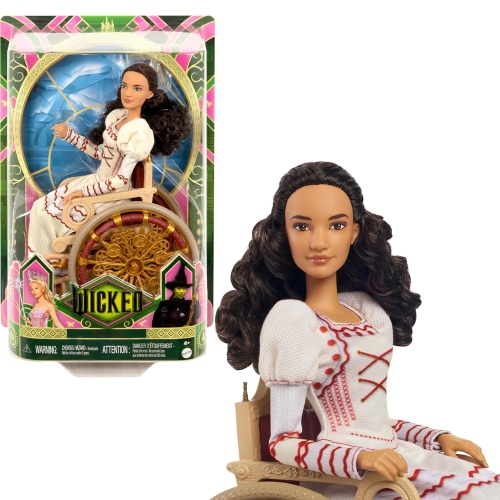
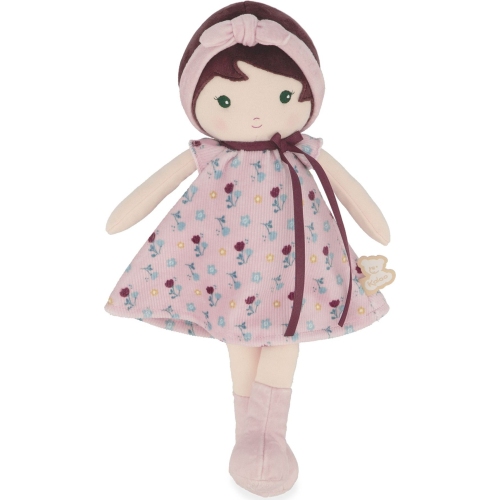
Play dolls for toddlers bring familiar routines into pretend play, giving young children a companion to carry, cuddle, dress, and care for. A toddler might offer a doll a pretend breakfast, tuck it beneath a small blanket, or hold it close while listening to a story. These simple scenes let children explore everyday experiences at their own pace, whether they are copying a caregiver or inventing a routine of their own. Soft-bodied dolls are often a practical choice for early toddler play because their flexible fabric bodies can be comfortable to hug and easier for small arms to hold. All-cloth dolls offer a soft feel throughout, while dolls with fabric bodies and moulded heads, hands, or feet combine a cuddly centre with more defined features. The best fit depends on the child’s age, interests, and ability to handle the doll, rather than appearance alone. A lightweight design that a toddler can lift from the floor, carry across a room, and settle on their lap leaves more room for independent play. Large dolls can feel awkward for smaller children, even when their size looks appealing to an adult. Clearly defined faces, simple clothing, and uncomplicated features can hold a toddler’s attention without requiring help at every step. For children drawn to feeding, rocking, and bedtime routines, Baby Doll Toys offer a familiar focus for this kind of make-believe. Some toddlers prefer a doll that resembles them, while others are interested in a different hair texture, skin tone, or facial expression. A range of appearances can give families more ways to reflect the people in a child’s life. Dolls can be enjoyed by children of any gender, and their appeal often comes from the role a child gives them: a baby to comfort, a passenger on a pretend bus, or a friend who needs a seat at the table.
Materials, construction, and age suitability matter when a doll is likely to be hugged tightly, dragged by an arm, or taken along on daily outings. The manufacturer’s age recommendation is the starting point, especially for children under three, who may still explore toys with their mouths. A doll’s gentle expression or soft body does not establish whether it is suitable for that age group. Small detachable accessories, loose decorations, and clothing fasteners need particular attention; supervision does not make a toy with unsuitable small parts appropriate for a younger child. Sewn or embroidered facial details can simplify a cloth doll’s construction, though seams and attached features still need regular checks. Secure stitching around the neck, shoulders, and limbs is useful for a toy that will be carried and repositioned repeatedly. For dolls with moulded surfaces, smooth edges and firmly attached components help support everyday handling. Hair adds another consideration: moulded or sewn fabric hair needs little grooming, while rooted hair may require detangling and care according to the manufacturer’s directions. Clothing should suit the child’s level of dexterity. Wide openings and simple closures can make dressing play more manageable, while snug sleeves and complicated outfits may call for adult help. Removable clothing also needs to fit the doll properly, without long trailing ties or loose trim. Cleaning requirements vary considerably, so a fabric body should not be assumed to be machine washable. Some dolls can be washed as directed, while others need surface cleaning, particularly when they contain sound mechanisms or other internal components. Moulded surfaces may be wipe-clean, but that does not mean the whole doll can be submerged. After cleaning, following the drying instructions and allowing washable parts to dry thoroughly helps keep the doll ready for use. A doll intended for bath play should be specifically labelled for that purpose; an ordinary soft-bodied doll may retain water in its filling. Regular checks for split seams, exposed stuffing, damaged components, or loose parts help caregivers recognize when a well-loved doll needs repair or replacement.
The way a toddler uses a play doll often changes as their pretend play grows. Early play may involve little more than carrying the doll, pointing to its nose, or laying it beside a cushion. Later, a child might announce that the baby is hungry, ask someone to be quiet while it sleeps, or arrange a whole sequence of feeding, dressing, and going out. These moments can create opportunities to practise words for body parts, clothing, actions, and feelings without turning playtime into a lesson. An adult can follow the child’s lead with a short observation such as “The baby looks sleepy,” then leave space for the child to decide what happens next. Pulling a sleeve over a doll’s hand, wrapping it in a blanket, or placing it carefully in a seated position also gives small hands opportunities to practise coordination. Caring play can introduce conversations about gentleness and other people’s needs, although children will not always treat dolls tenderly. A toddler may carry a doll upside down one moment and carefully pat its back the next; sturdy construction and calm reminders are more useful than expecting a perfect caregiving routine. Simple dolls leave plenty of room for children to supply the voices and actions themselves. Interactive features such as sounds or moving eyes may appeal to some children, but they are not necessary for engaging pretend play. Where batteries are involved, the compartment should remain securely closed, and battery replacement belongs with an adult. As a birthday gift or a welcome for a soon-to-be older sibling, a play doll can offer a familiar starting point for shared time with family. It can also belong in a childcare pretend-play area, provided its age rating and cleaning needs suit the children using it. A manageable size, comfortable feel, durable construction, and straightforward care routine help make a toddler doll an easy companion for the many stories a child is ready to tell.
Top selling and popular products
-
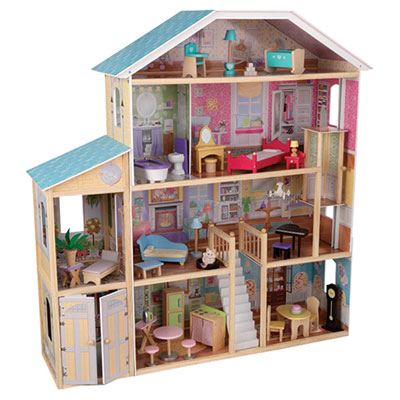 Your price for this item is $289.99
-
 Your price for this item is $84.33
-
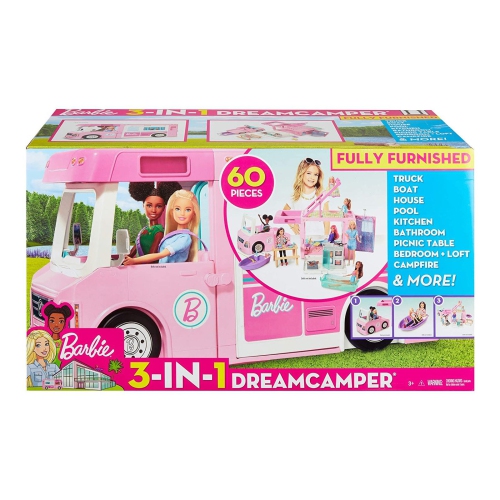 Your price for this item is $229
-
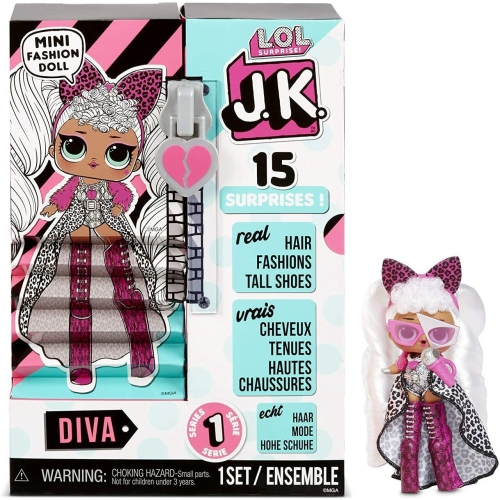 Your price for this item is $42.99
-
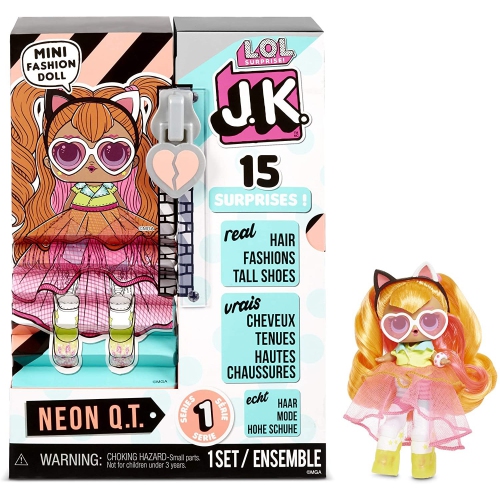 Your price for this item is $42.97
-
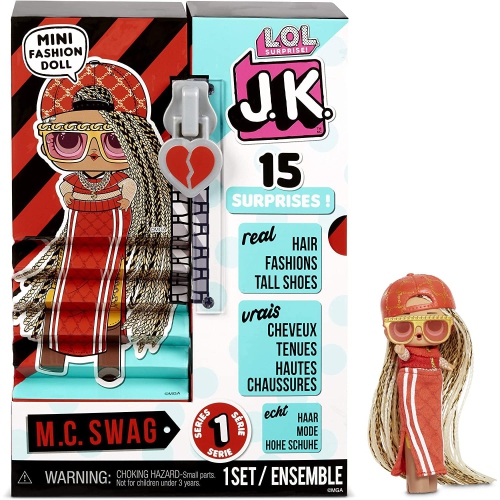 Your price for this item is $42.02
-
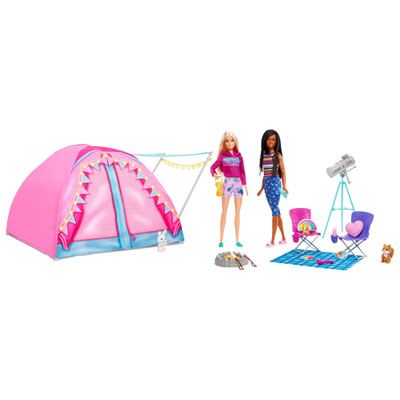 Your price for this item is $74.98
-
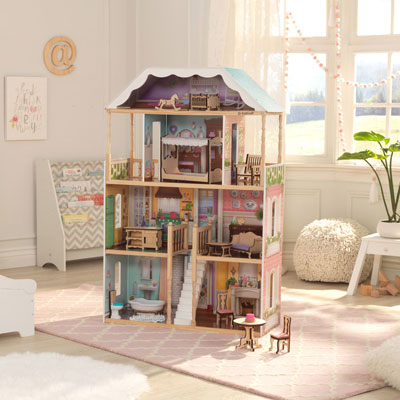 Your price for this item is $179.99
Discover more categories related to Play Doll for Toddler
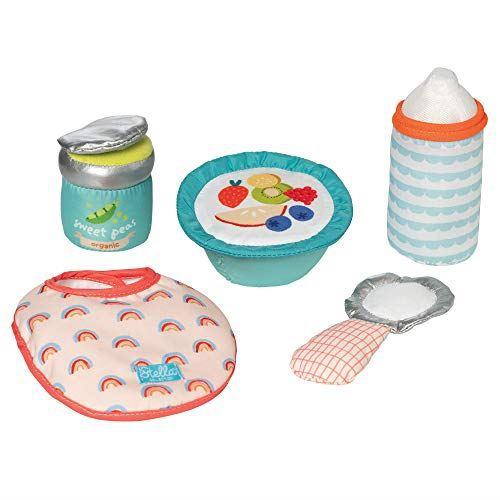
Top Collections:
Pokemon Centers, Kindle Devices, Best Budget Office Chairs, Canon G7X Cameras, Apple iPhones 16, Samsung Galaxy Phones, Refurbished Apple Laptops, Laptops for Students, iPhone 15 Apple, Budget Smartphones
Some products may be subject to Environmental Handling Fees
(EHF) depending on your province.
Learn more about EHFs.