Toddler Toys
Explore a world of fun and learning with our collection of engaging toddler toys. From interactive playsets to educational games, these toys are designed to stimulate your little one's imagination and development. Whether your child loves building, role-playing, or solving puzzles, there's something here to keep them entertained for hours on end. Discover a wide range of options that are not only entertaining but also safe and durable for your precious toddler to enjoy.
Sort
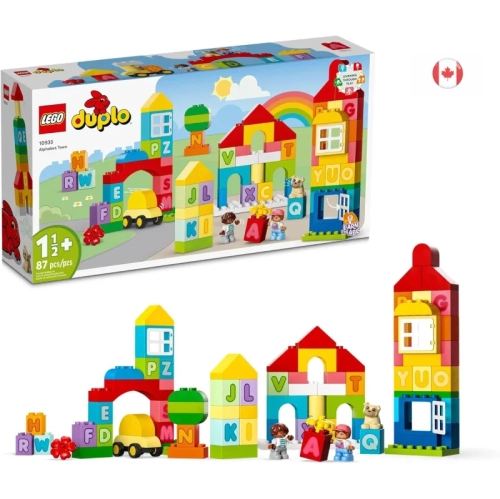
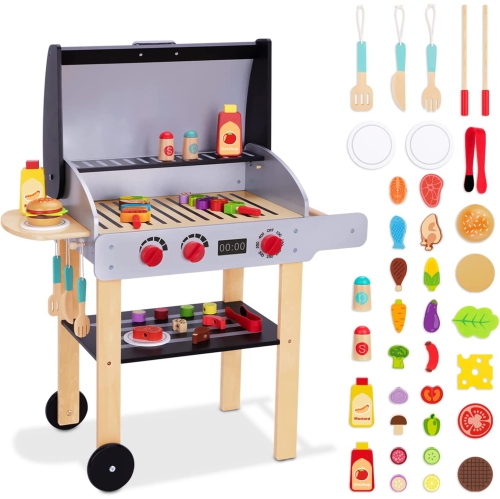
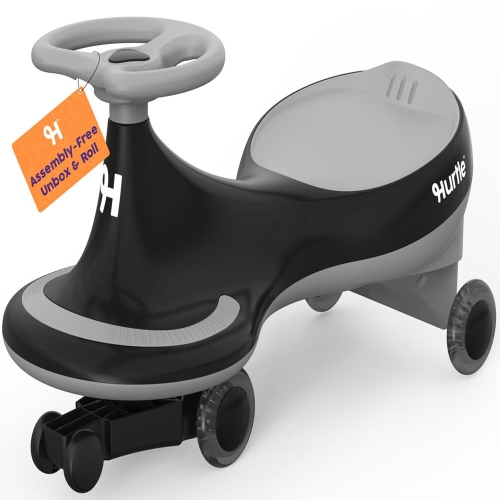

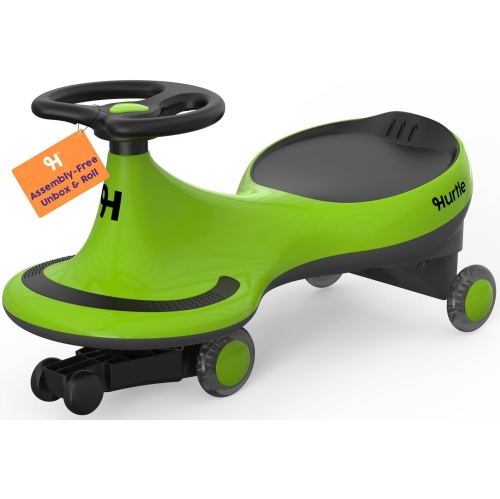
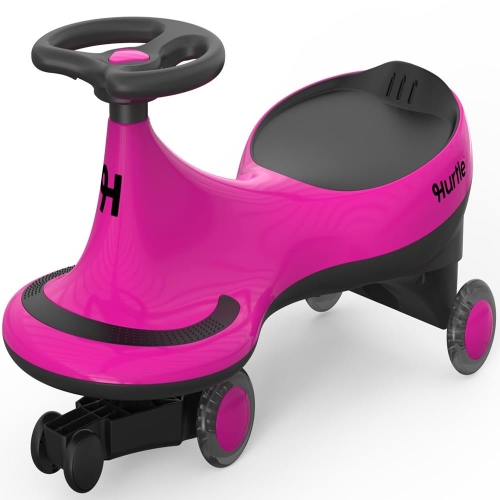


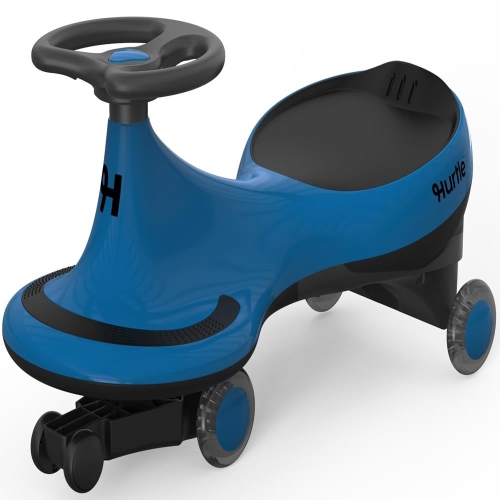

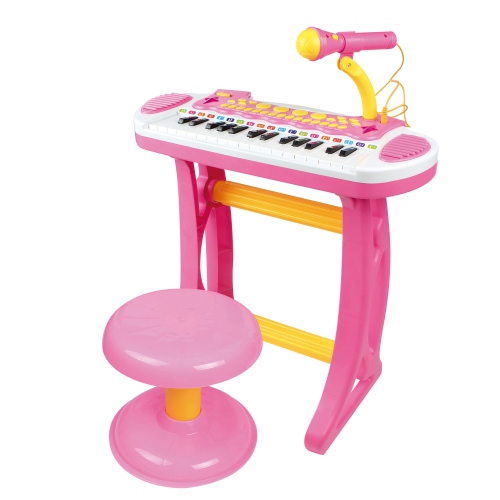
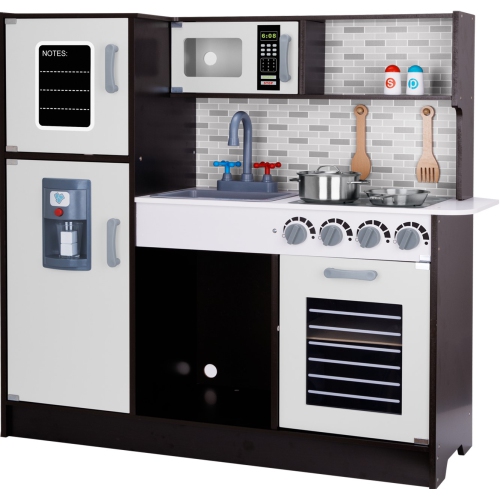
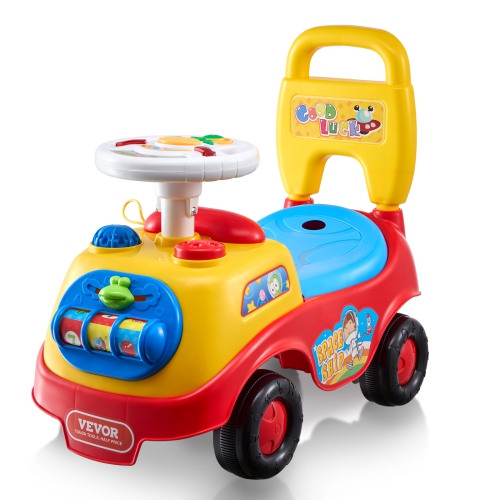
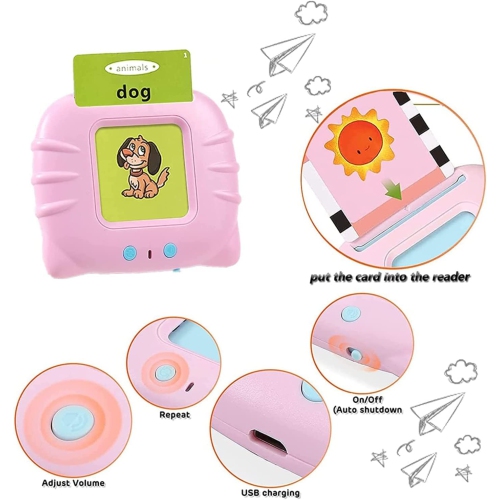
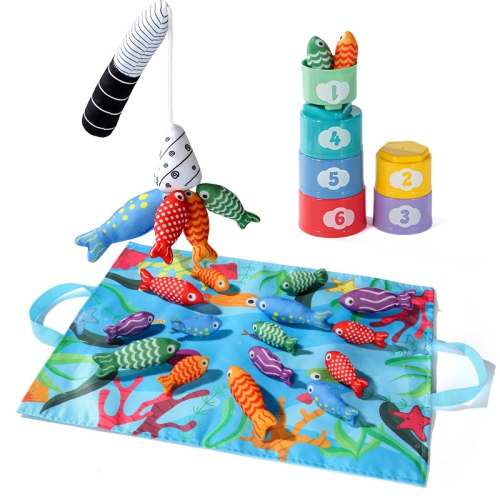
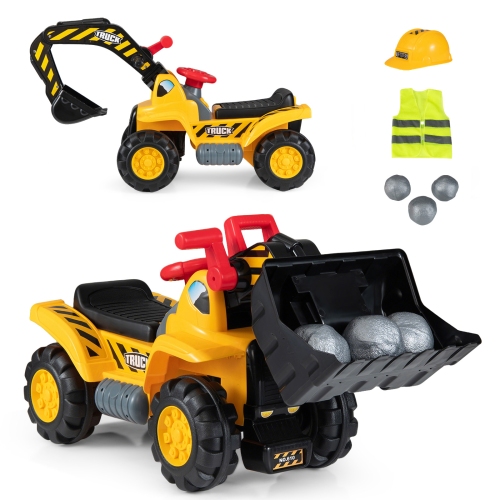
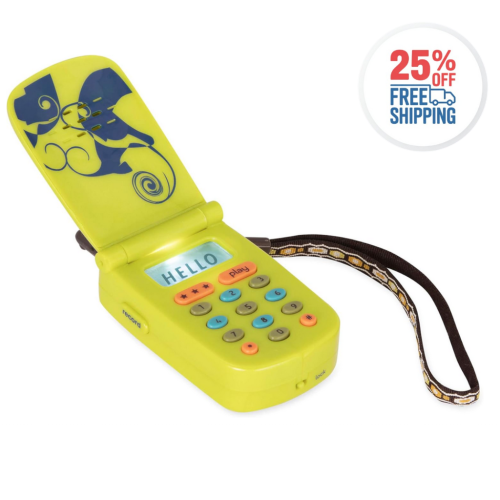

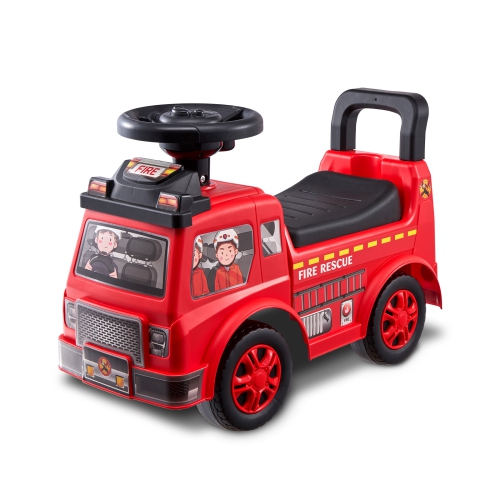

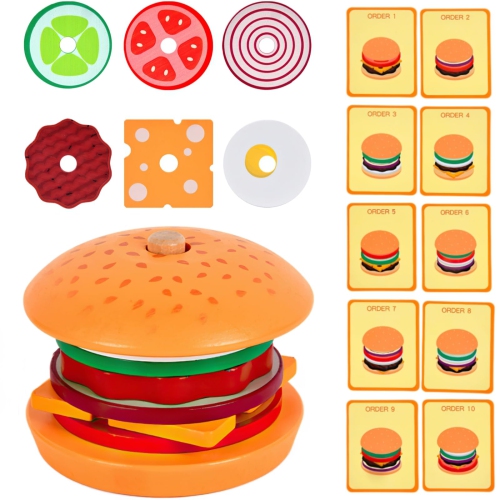

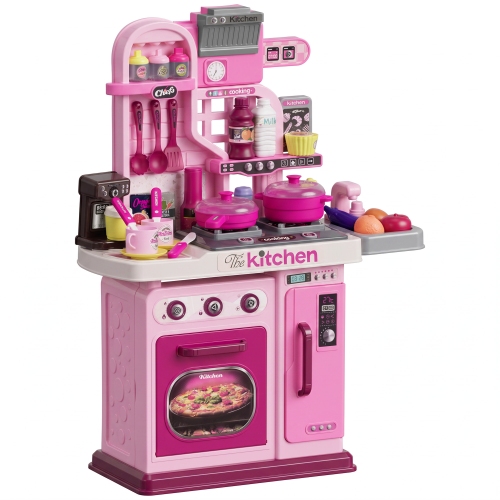
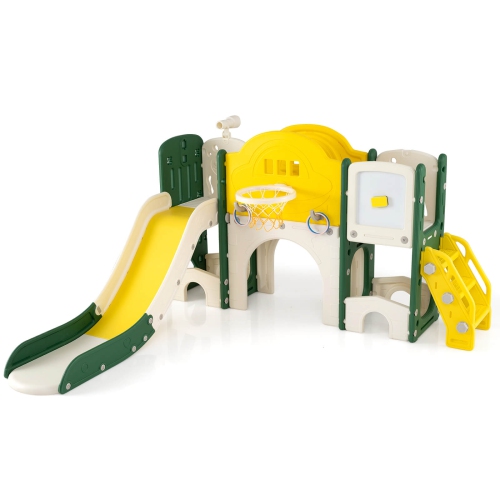
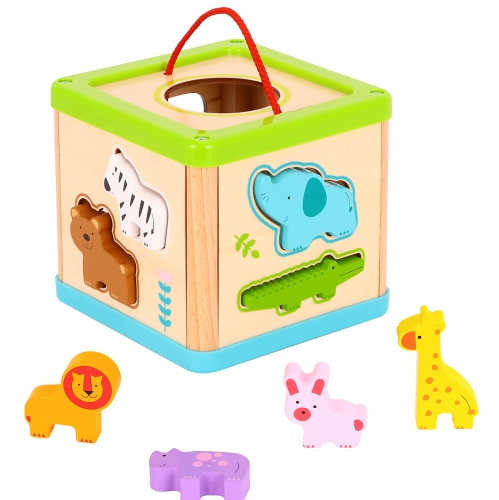
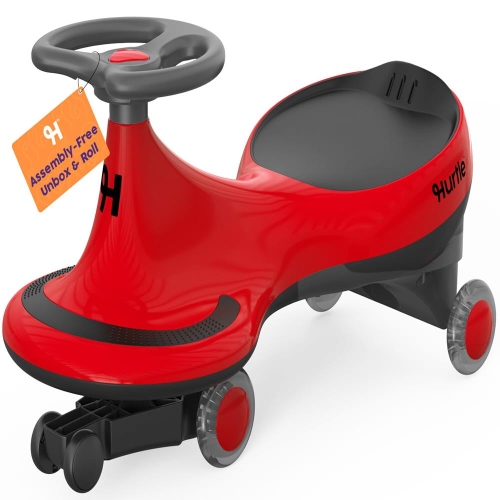
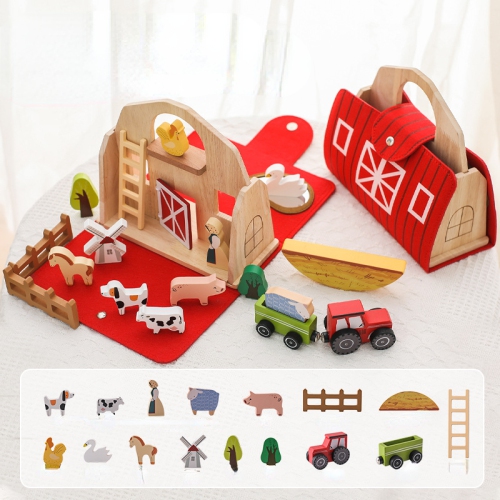
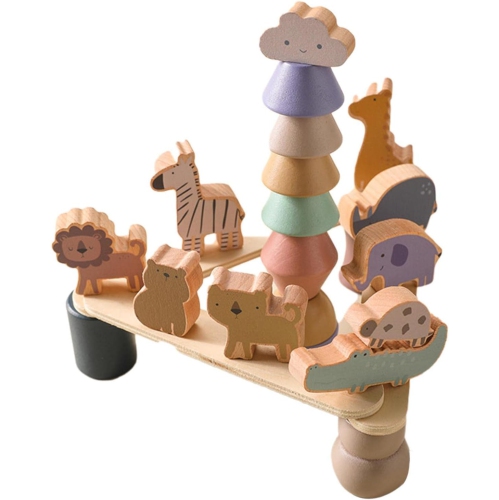
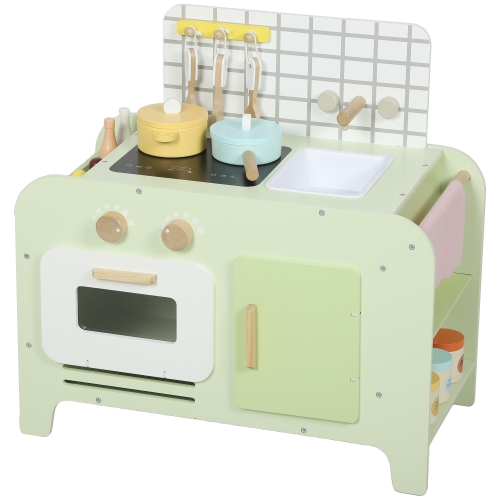
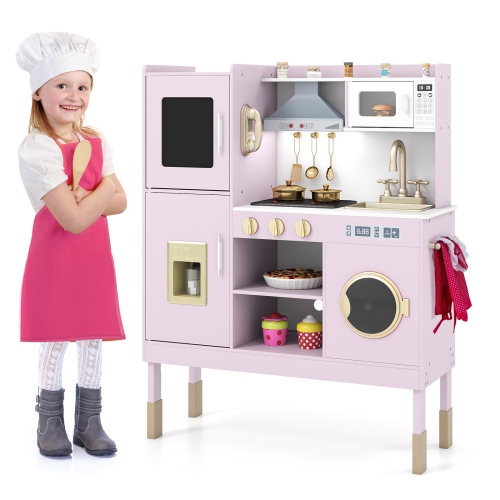
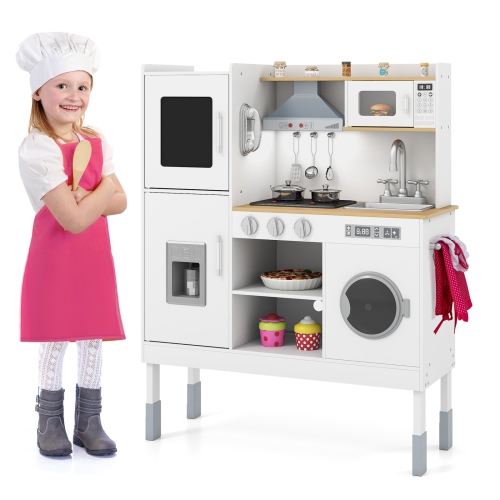
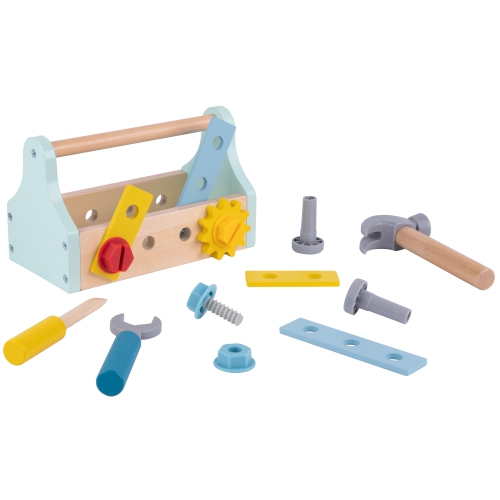
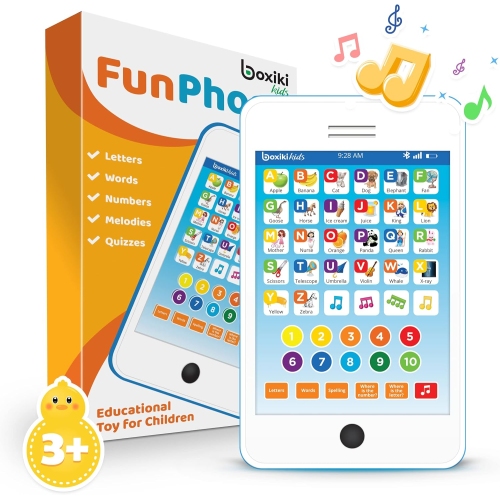
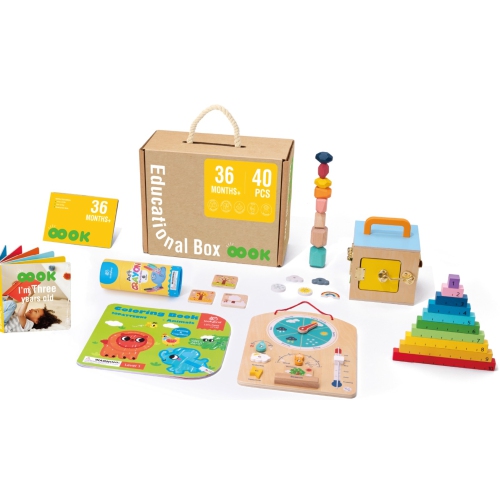
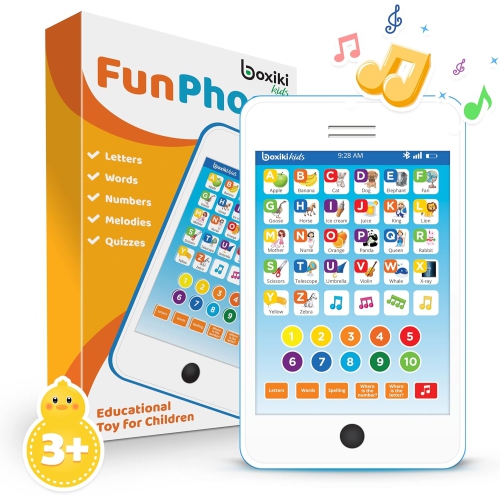
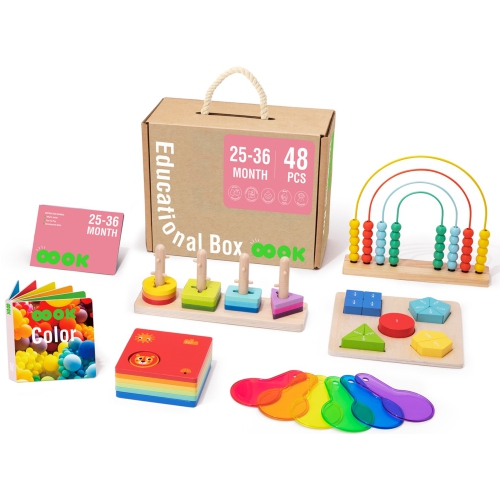
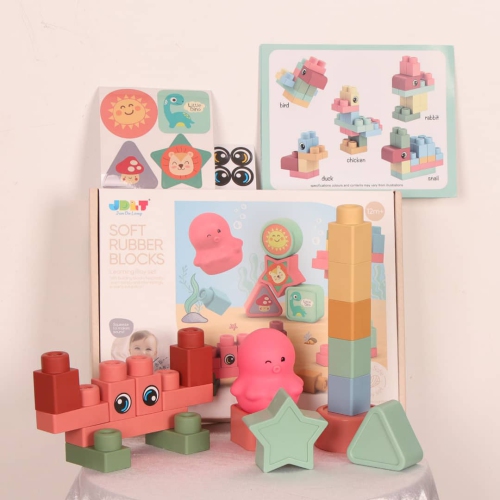
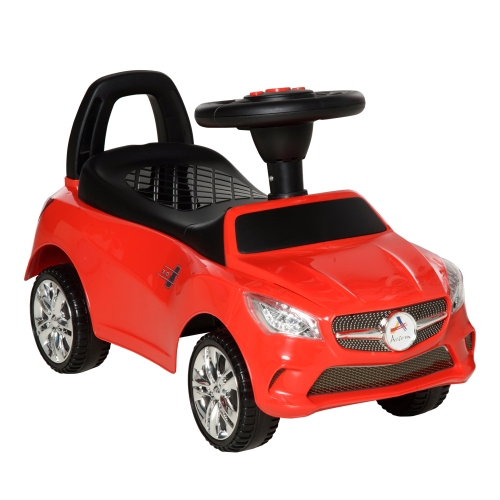
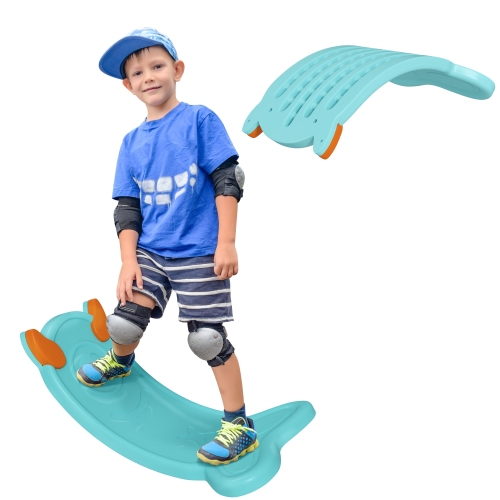
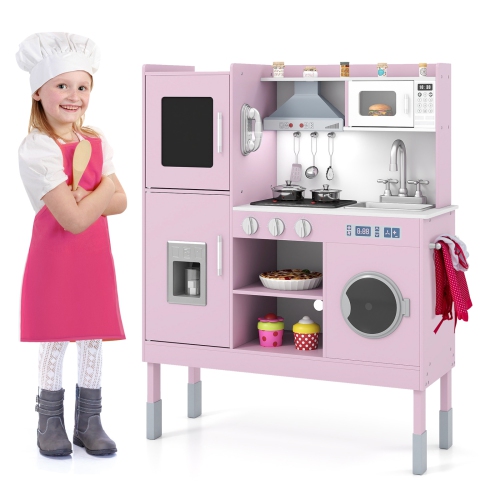
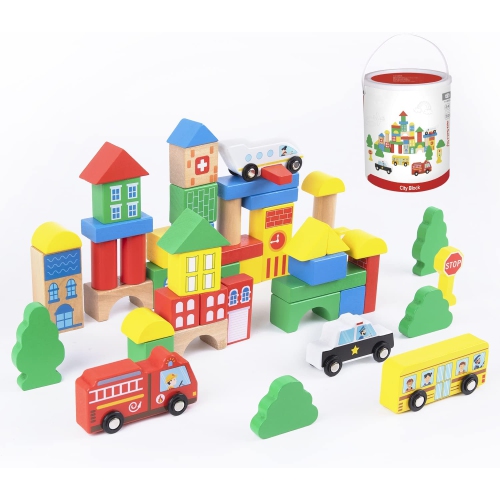

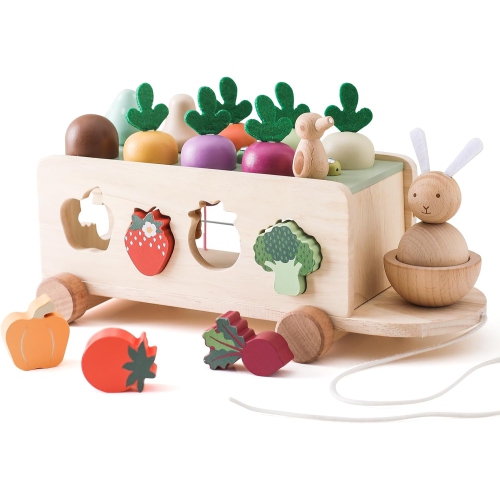

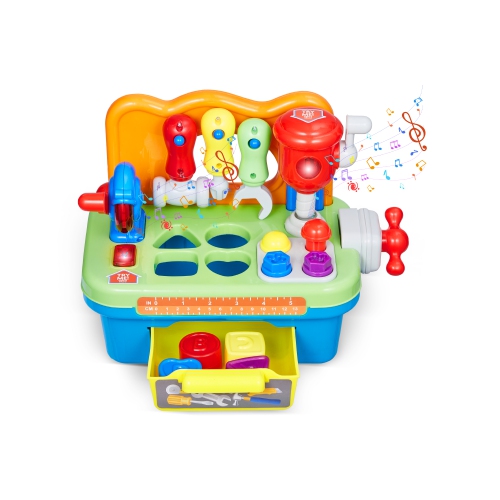
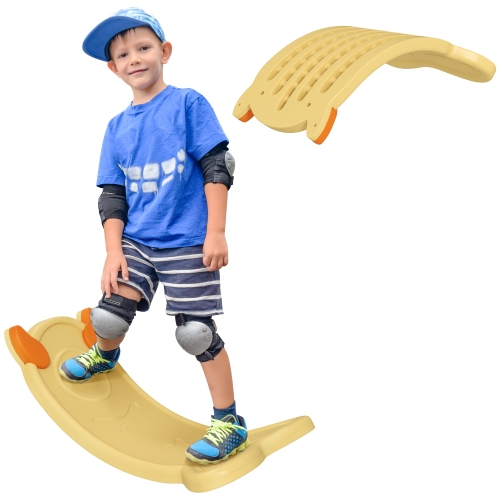

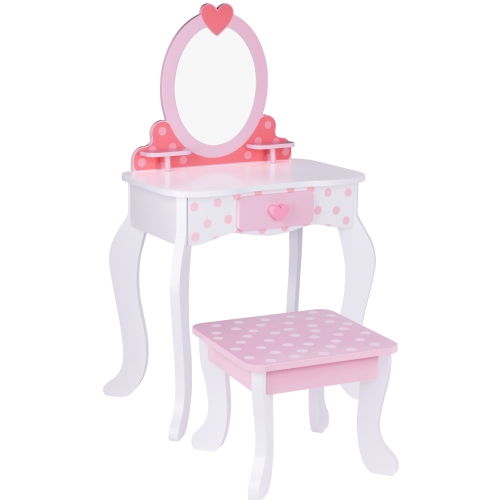
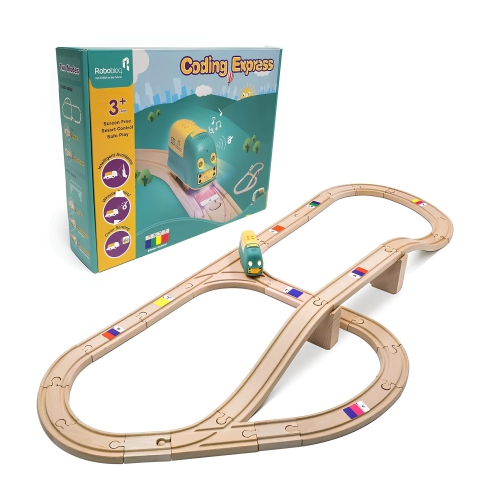
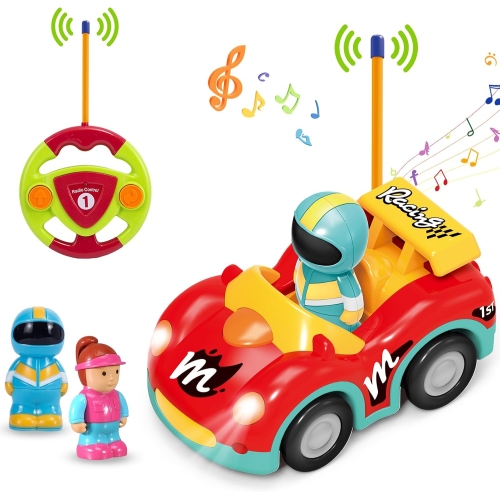
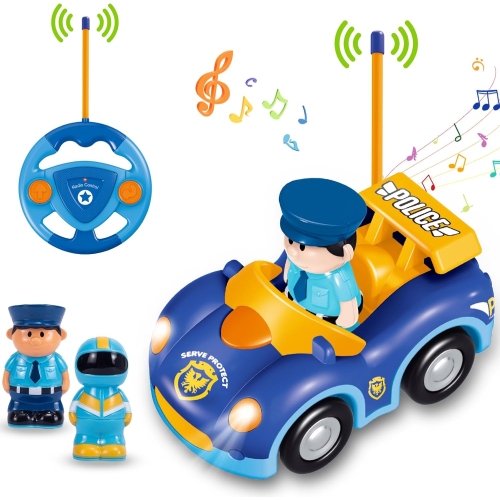

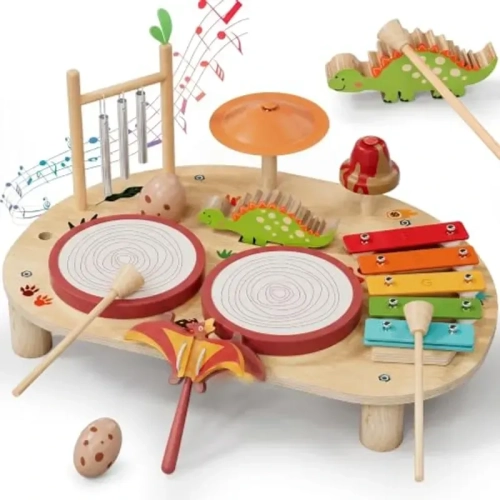

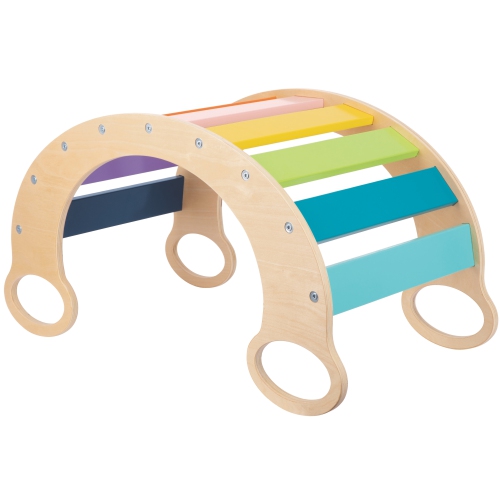
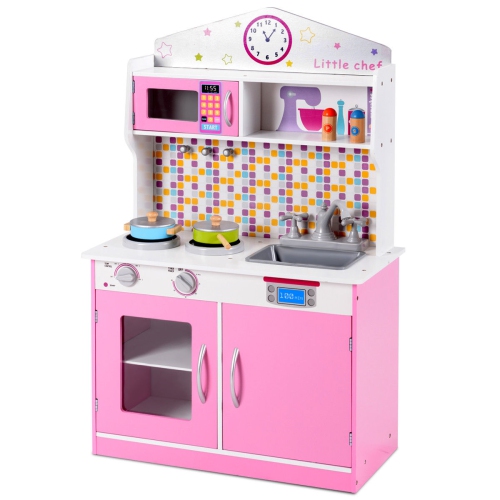


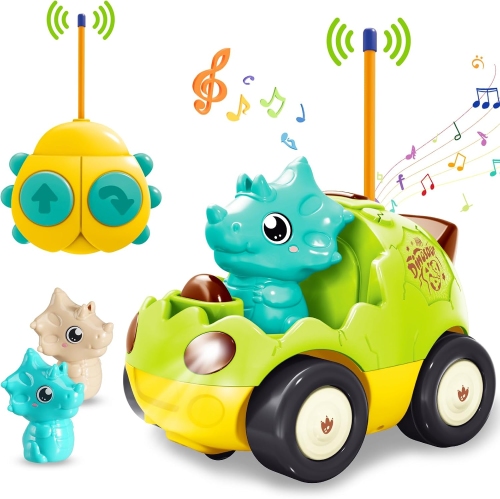
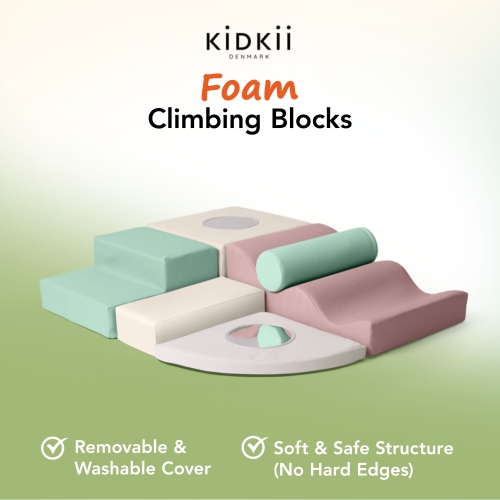
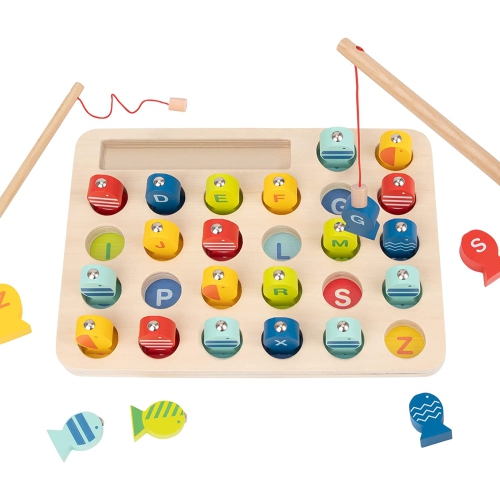
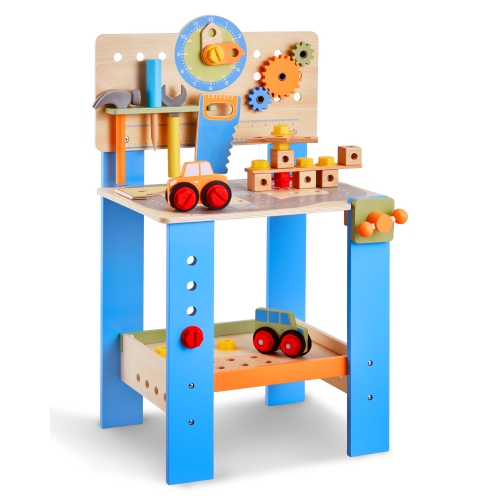

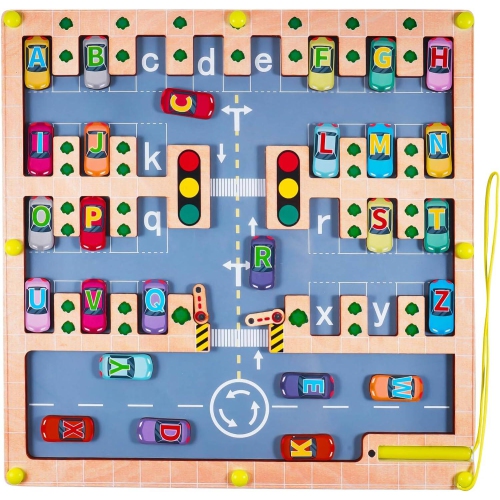
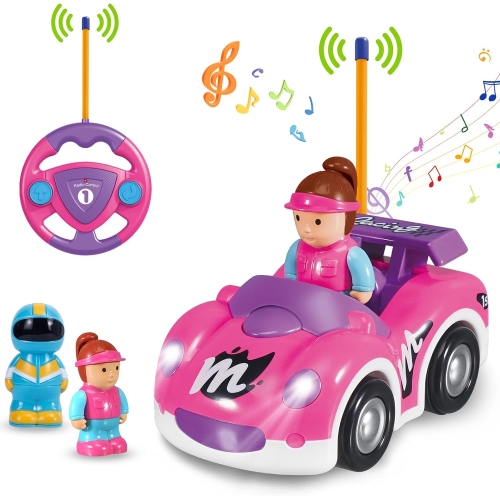
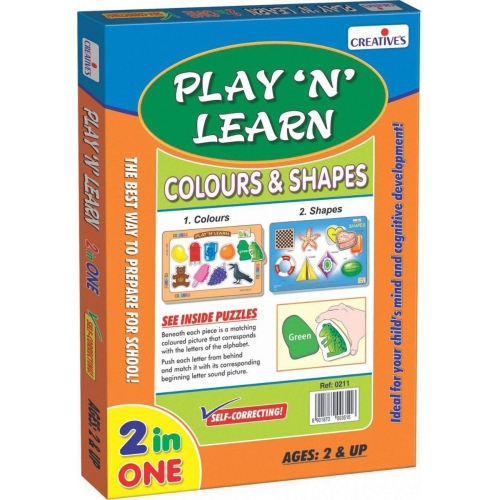
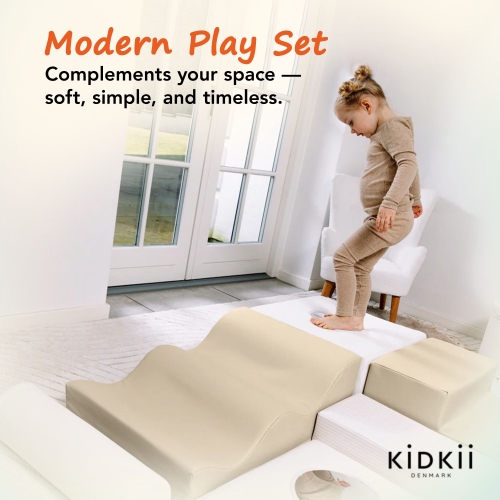
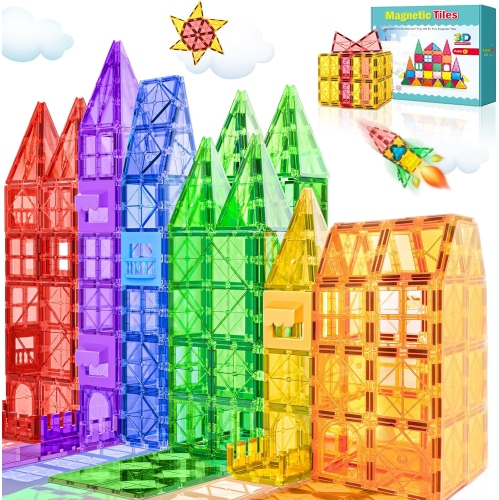
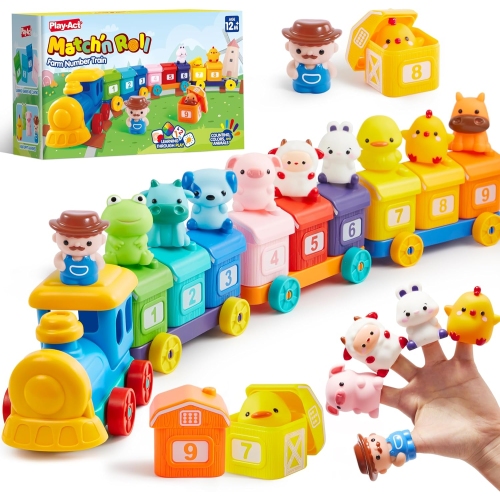
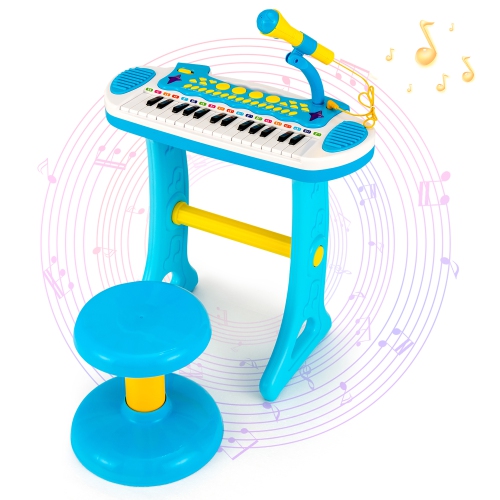
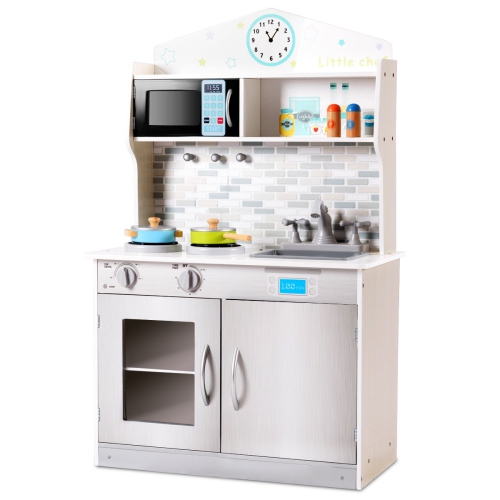
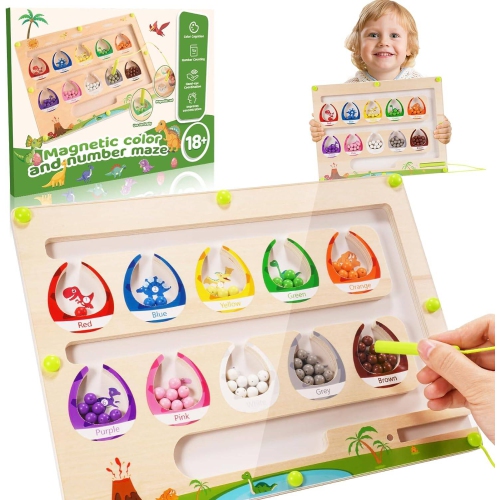


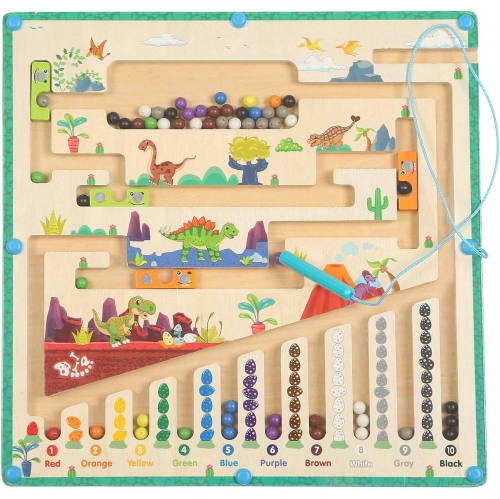
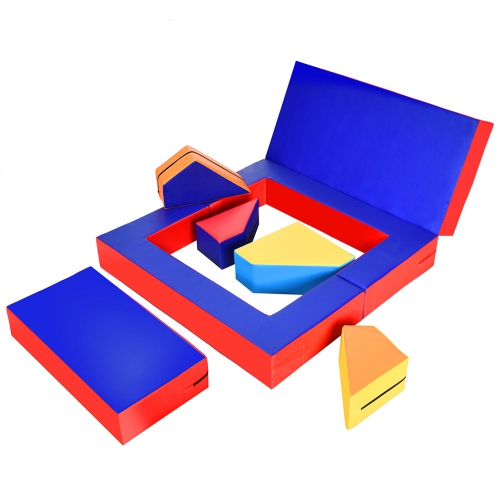
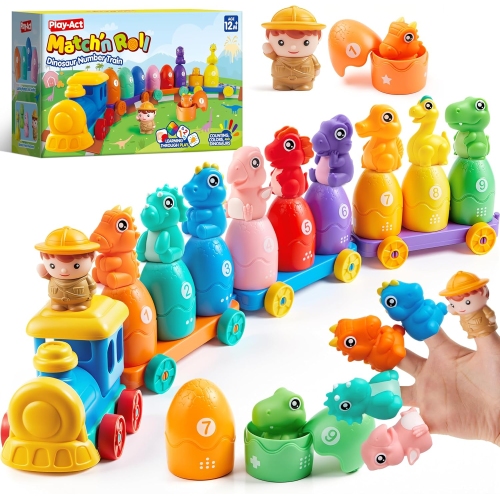
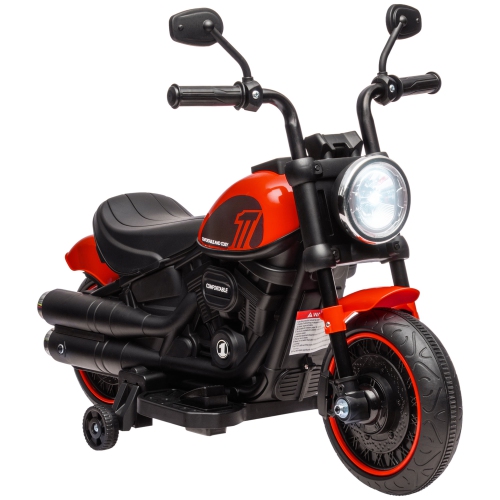
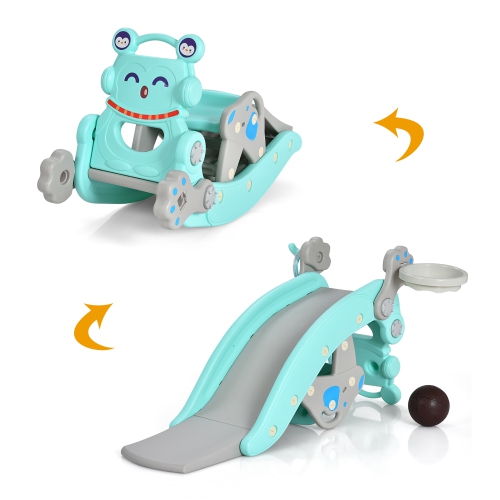

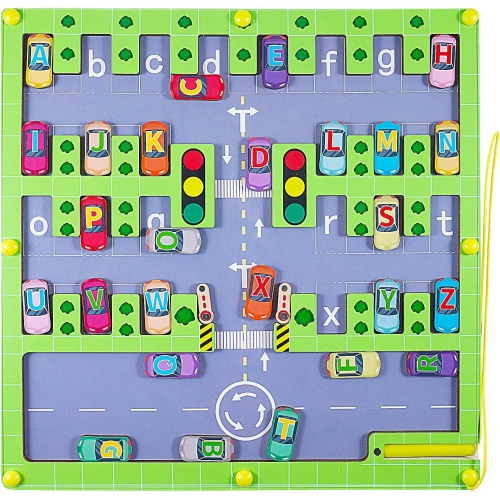
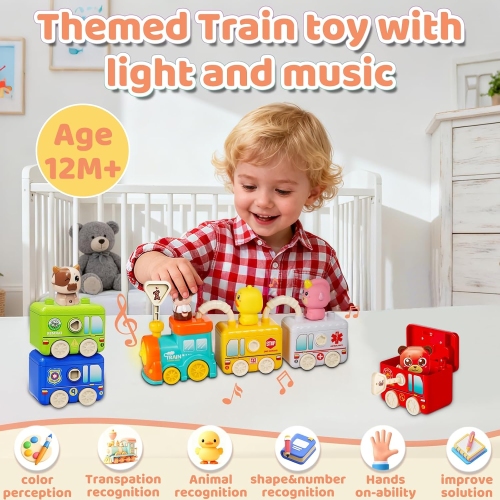

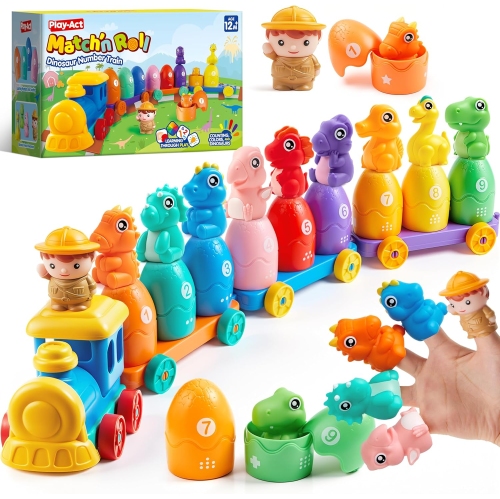
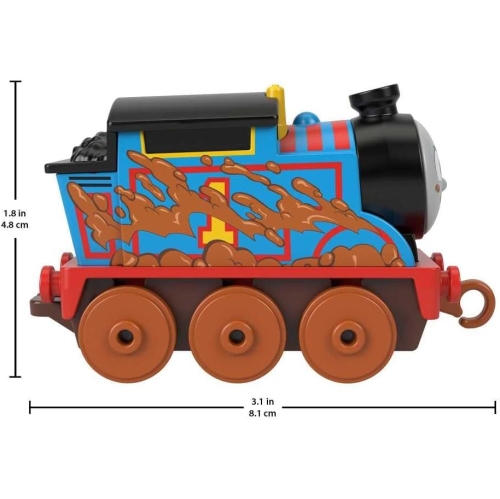
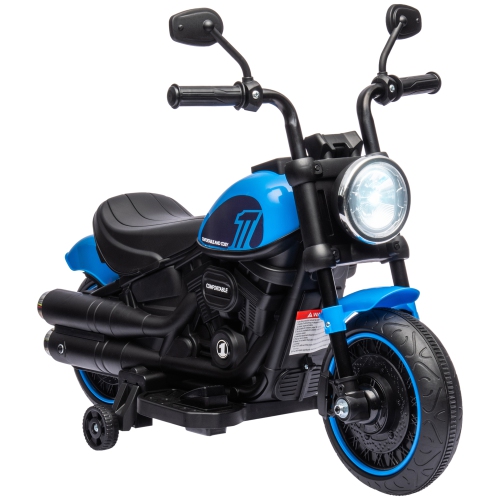
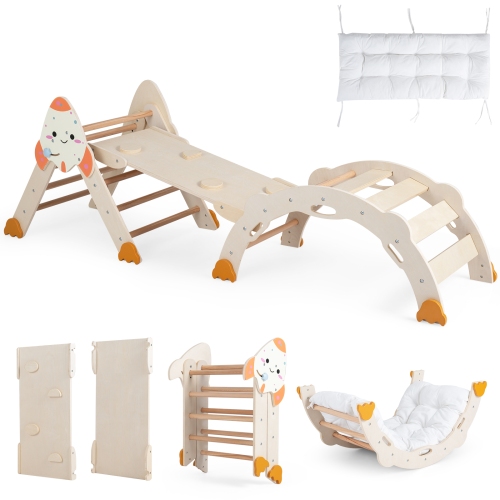

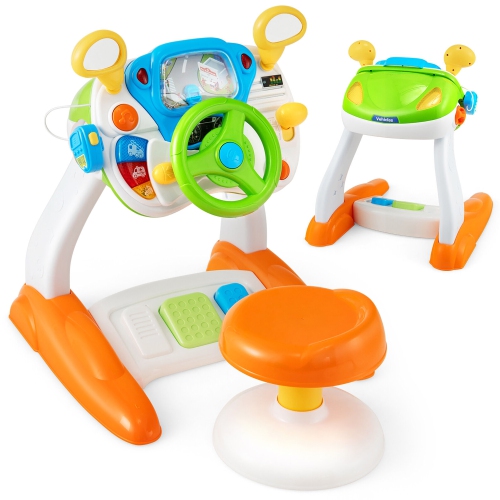


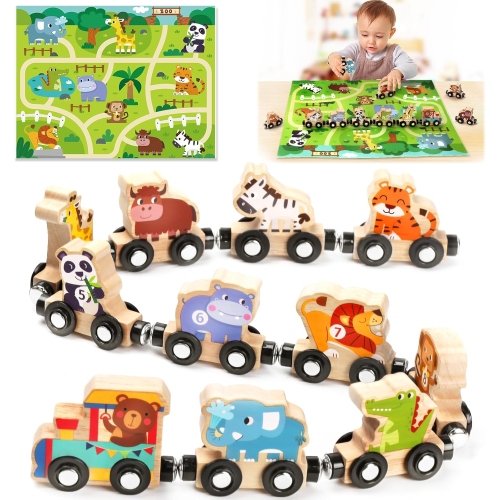
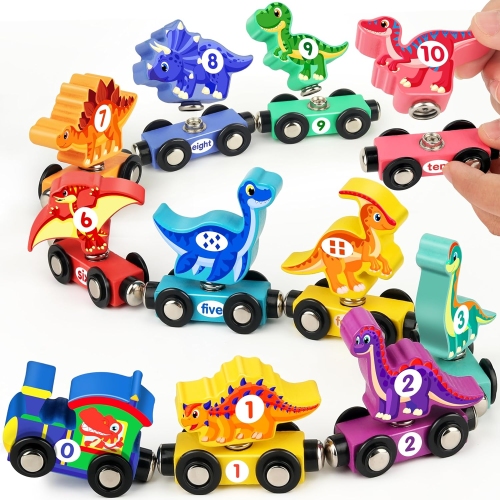
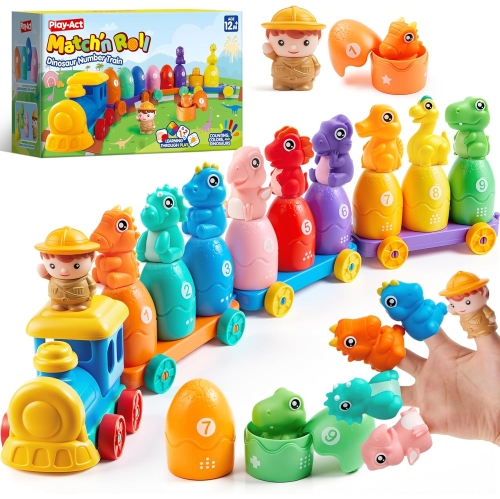
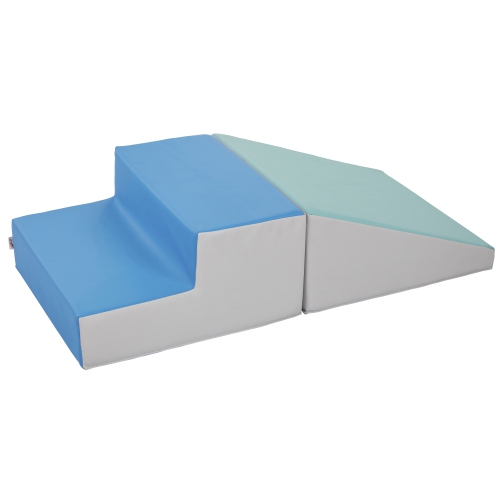

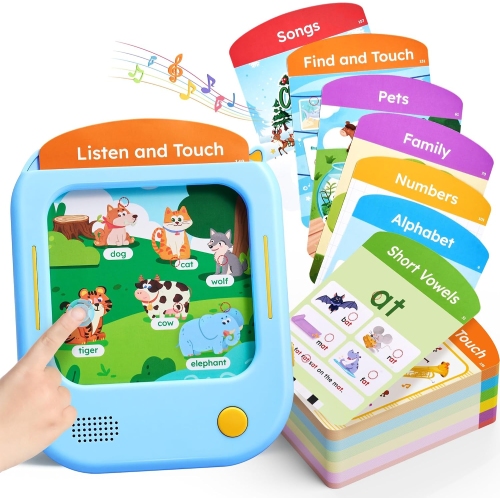
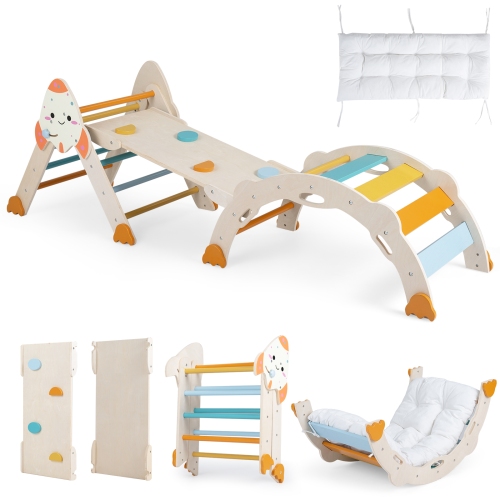

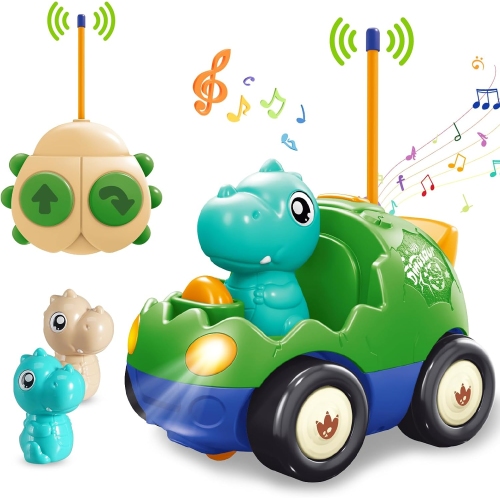

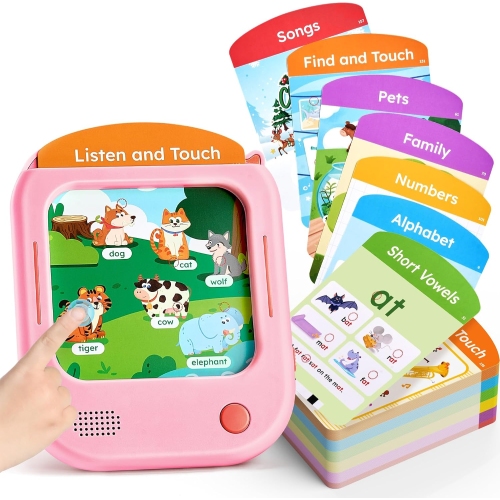
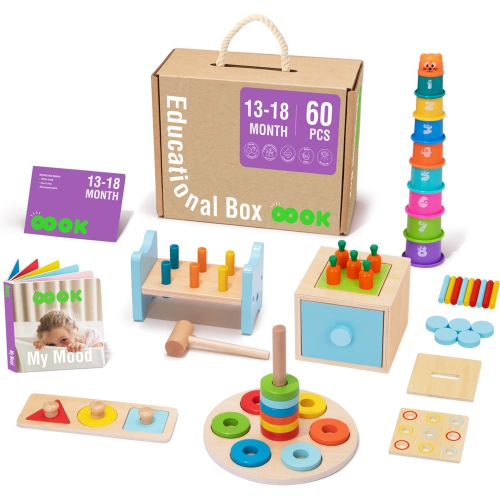
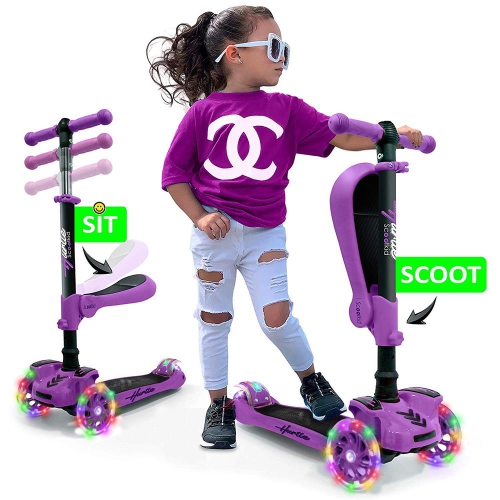
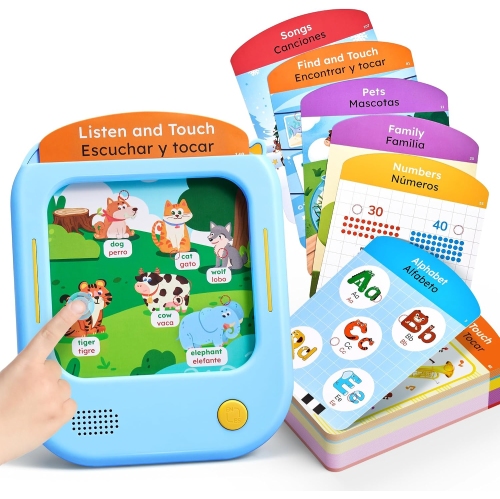

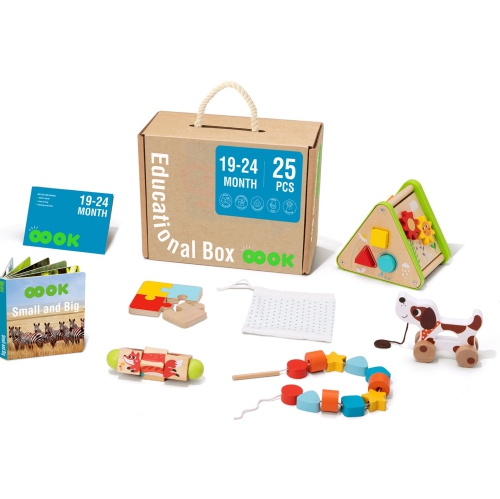
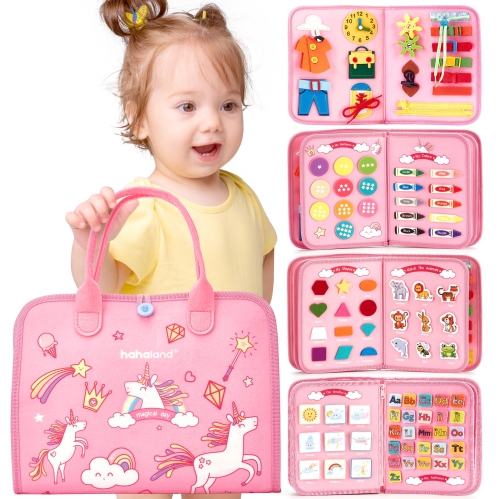
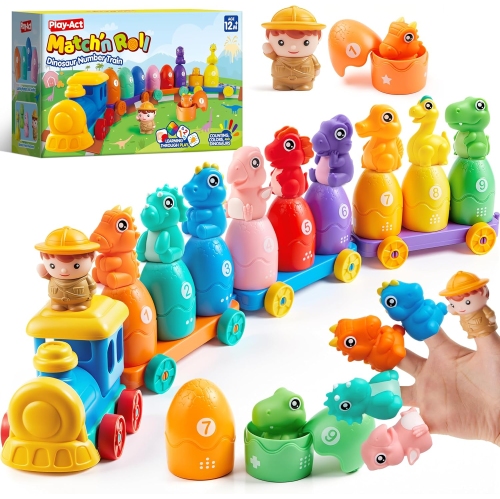
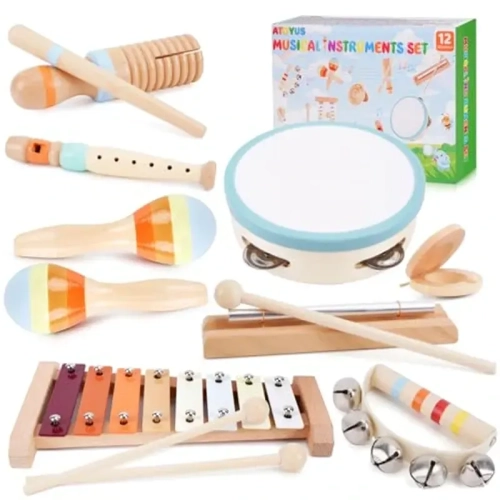
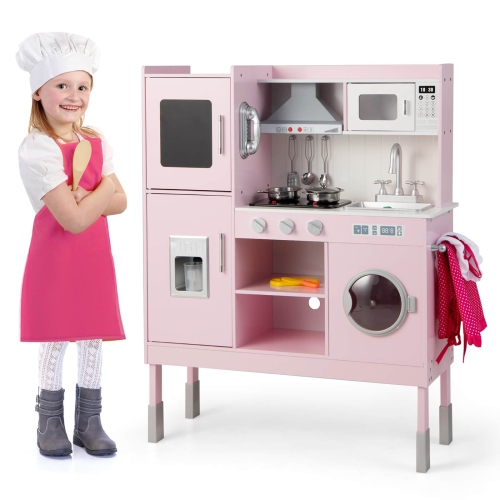
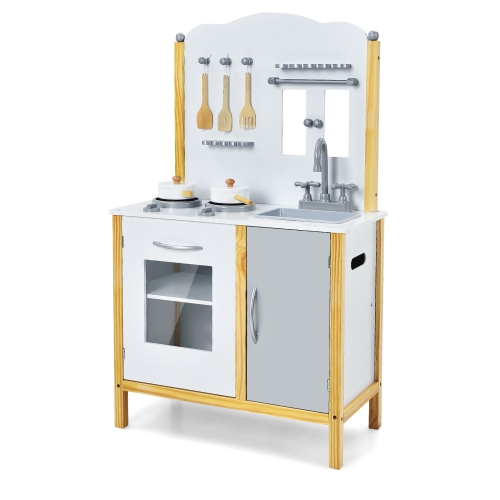
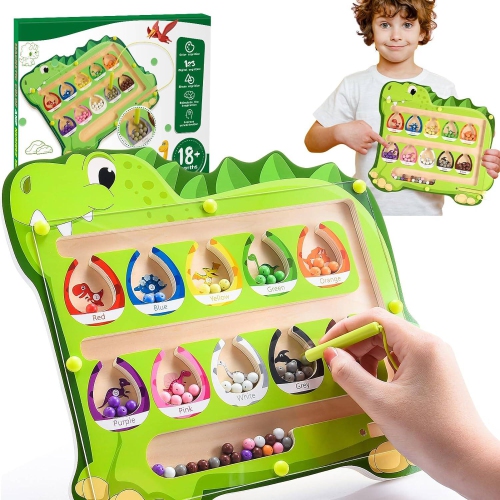

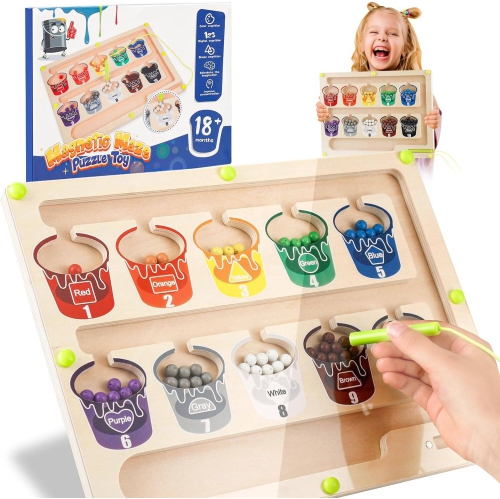
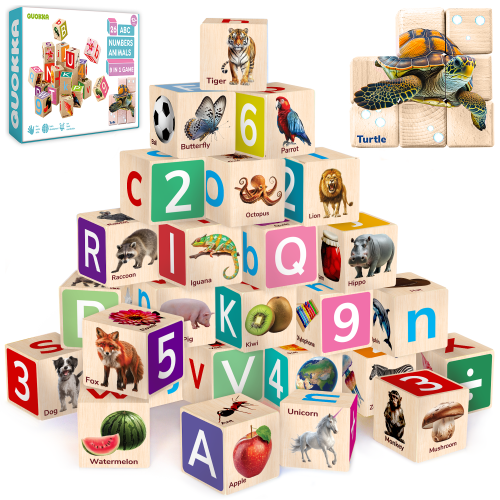
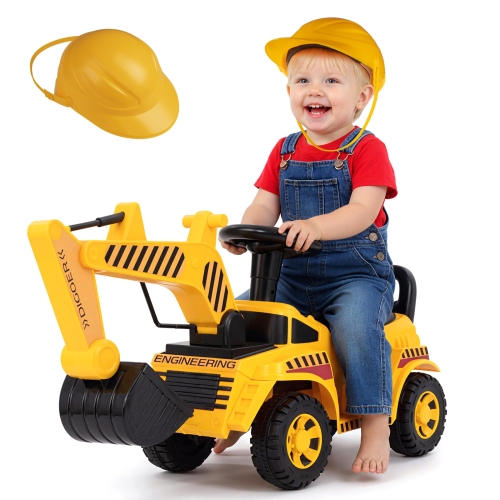
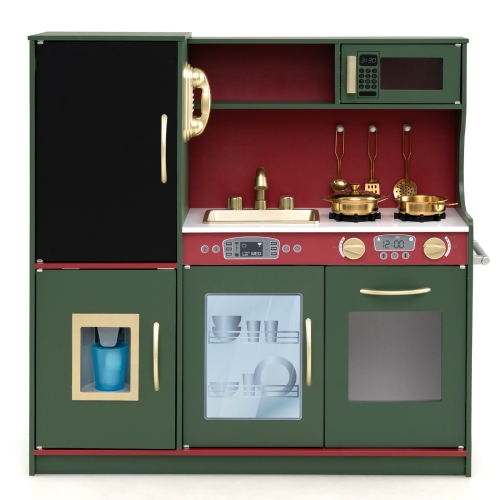
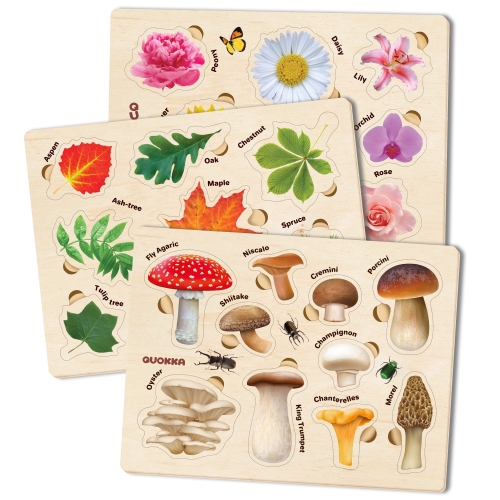
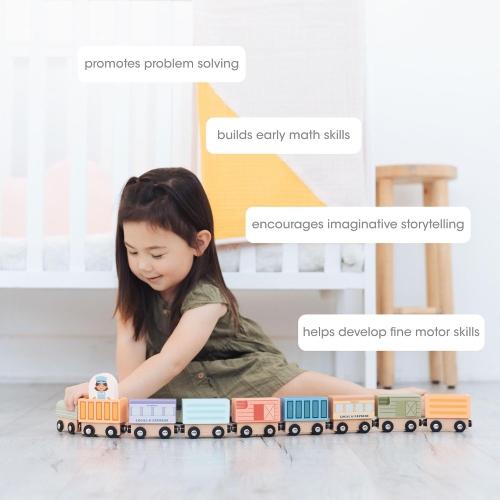
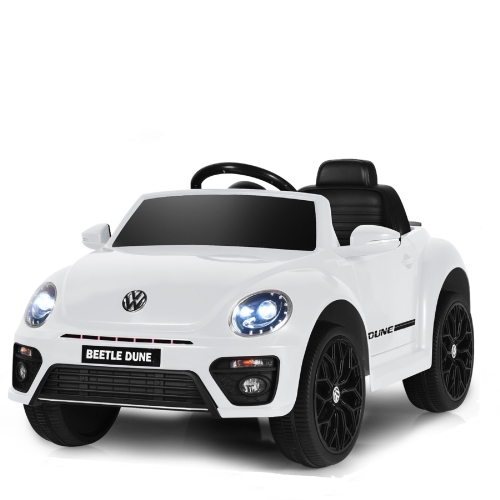
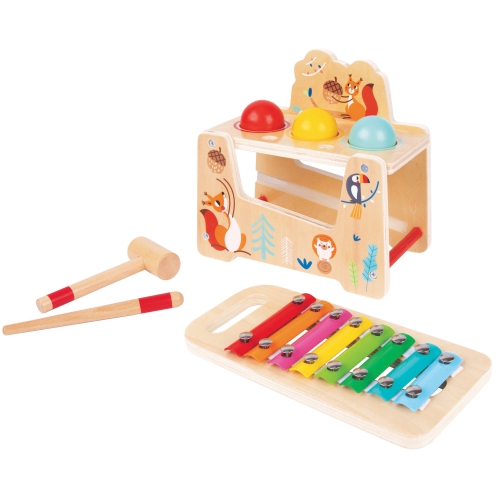
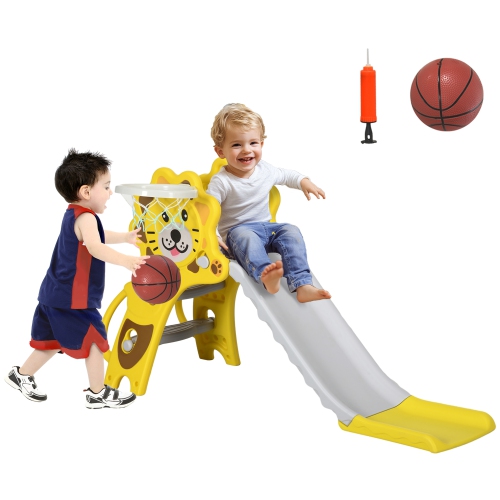
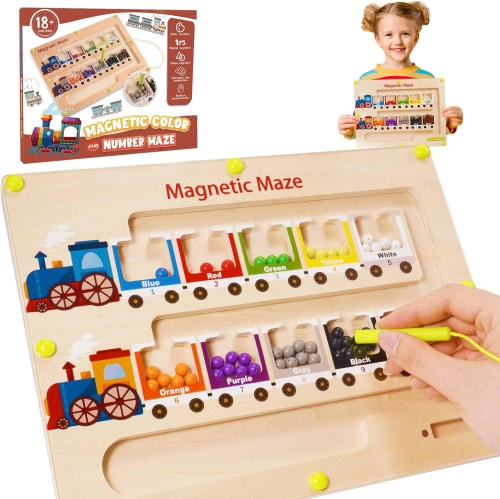
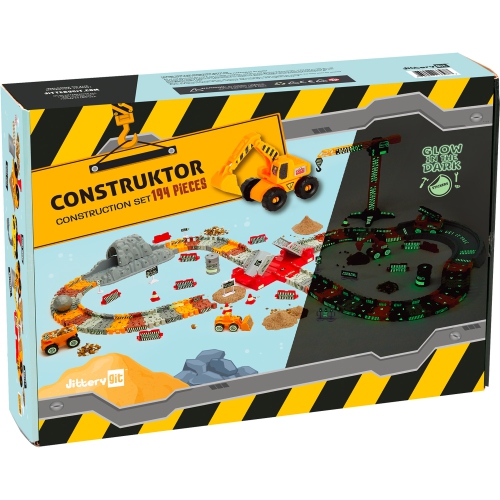
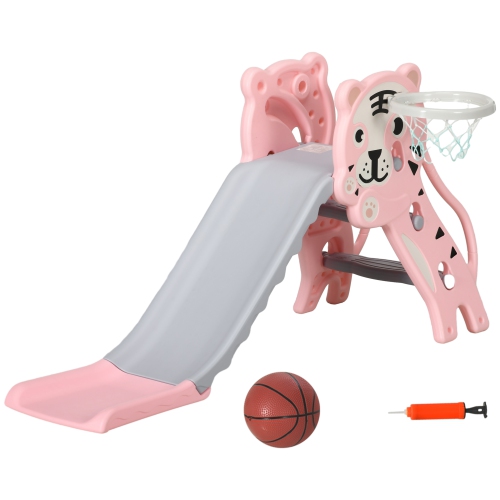
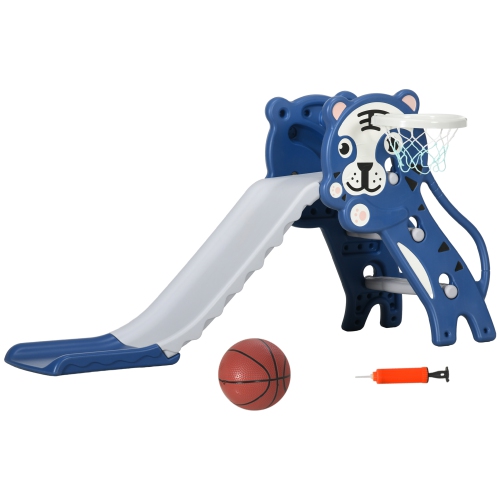
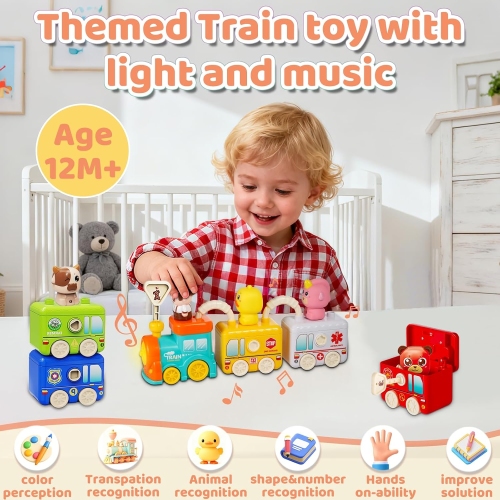
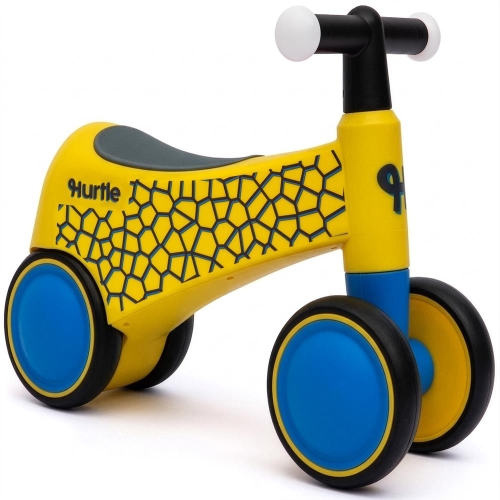
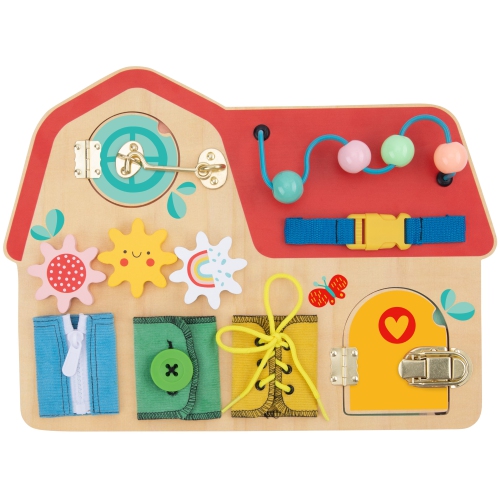
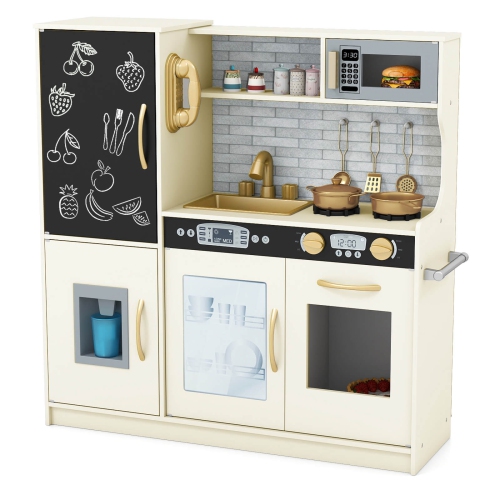
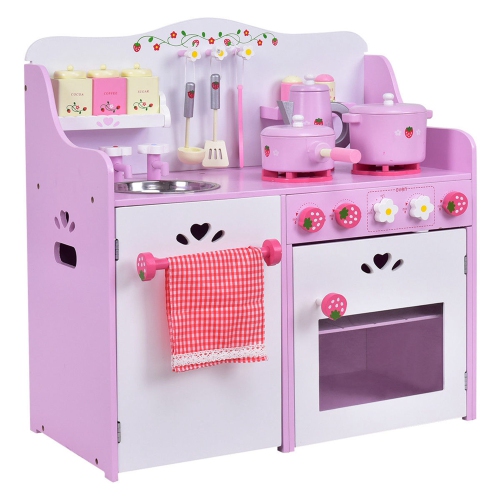
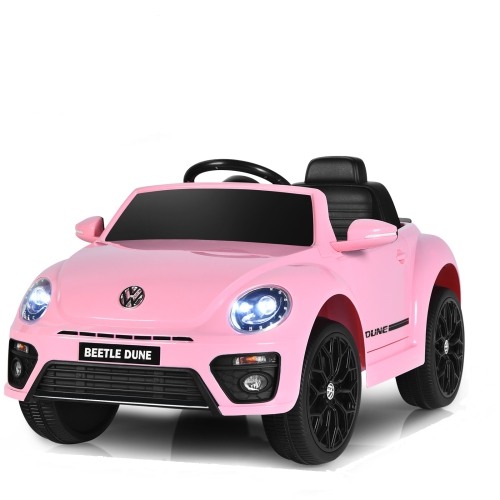
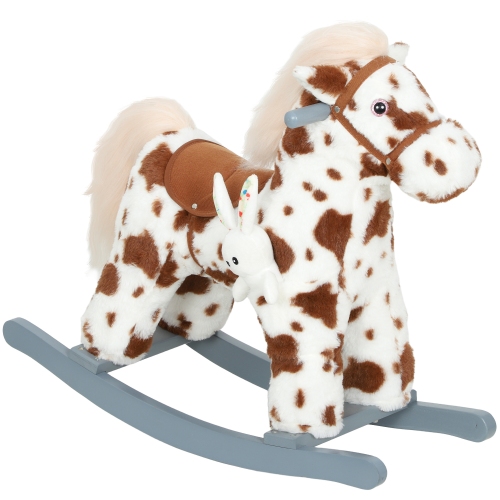
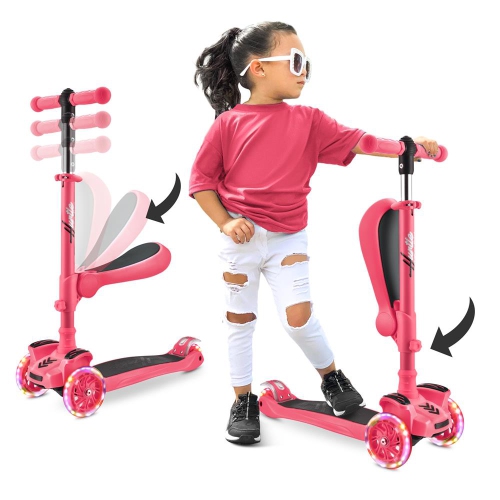
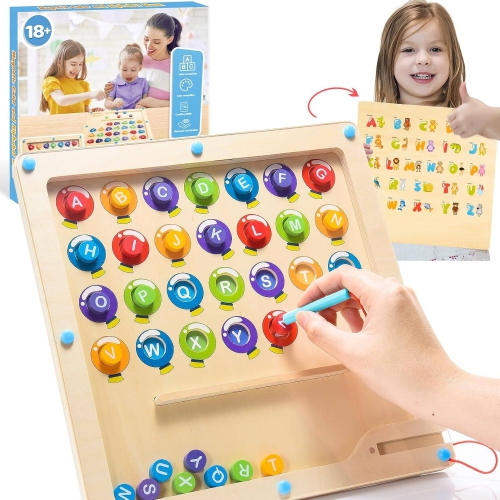
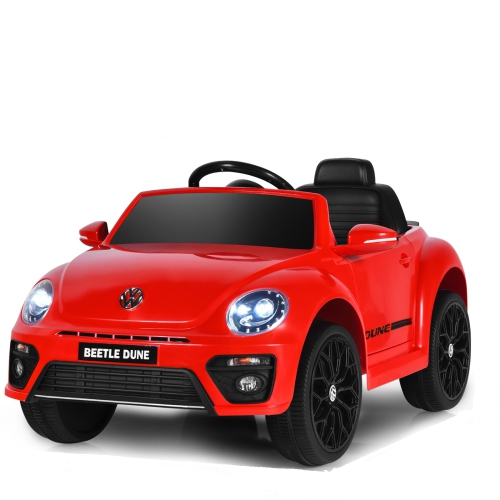
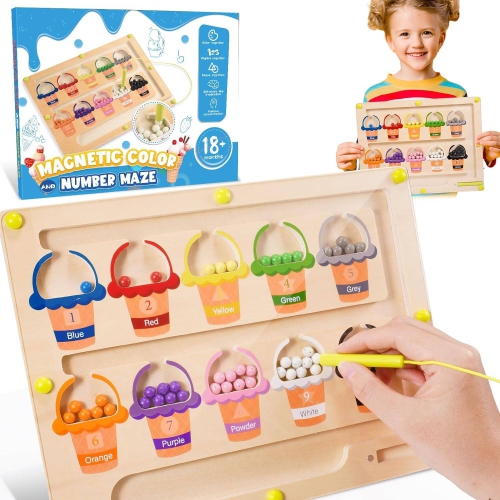
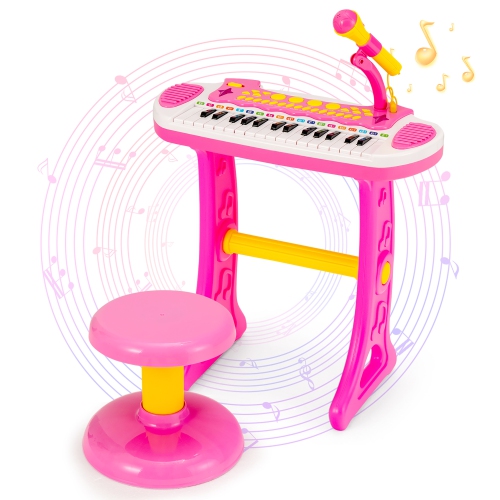
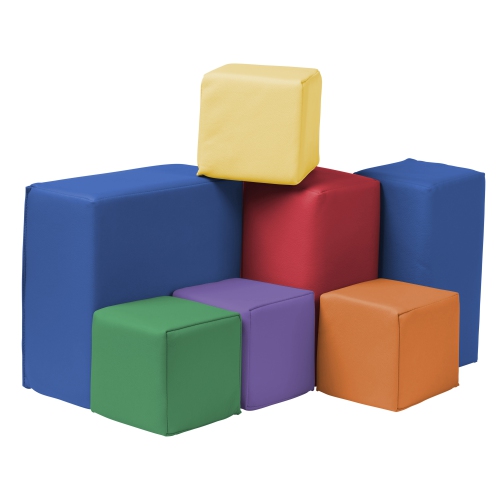
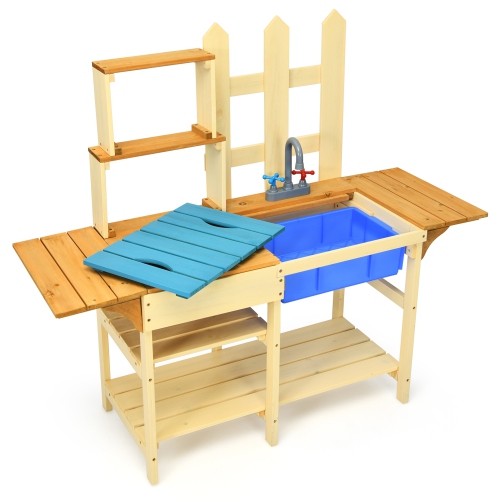
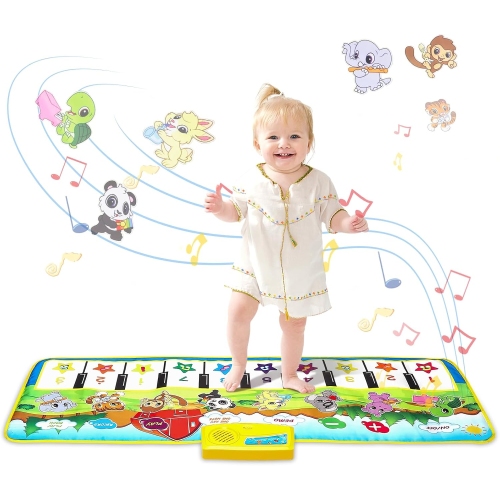
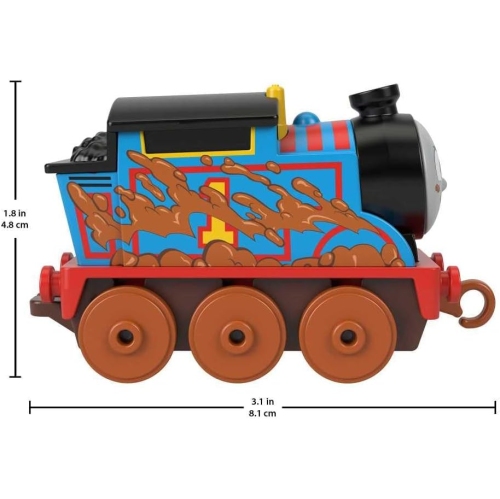

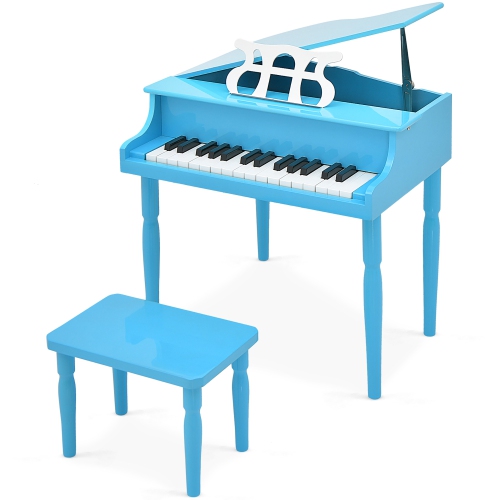
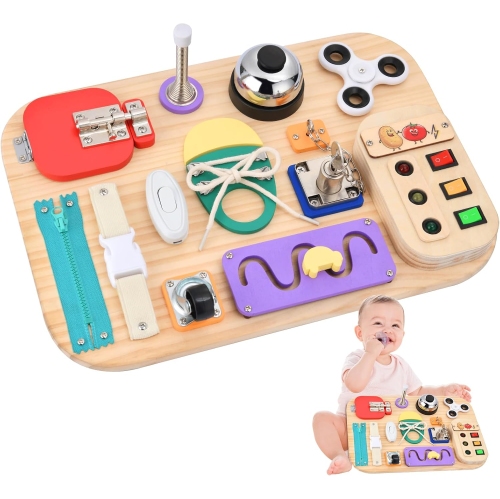
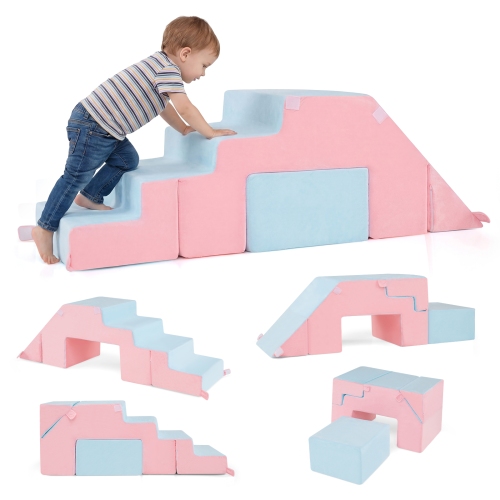

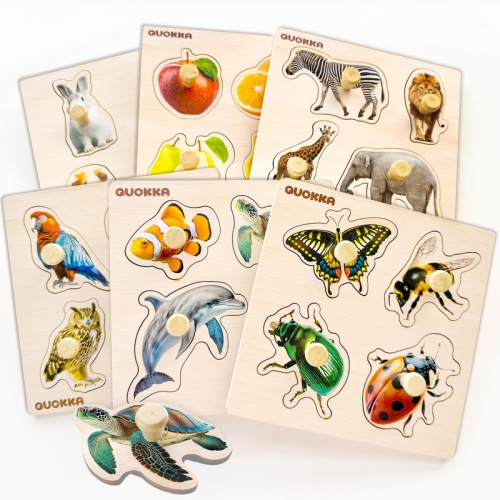
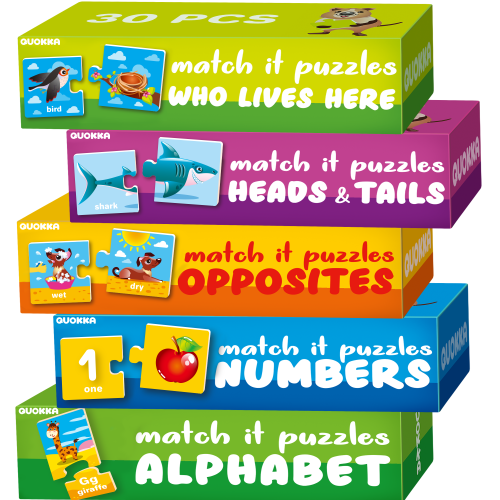
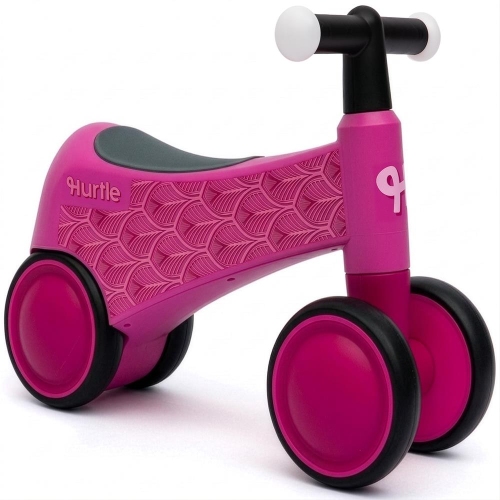
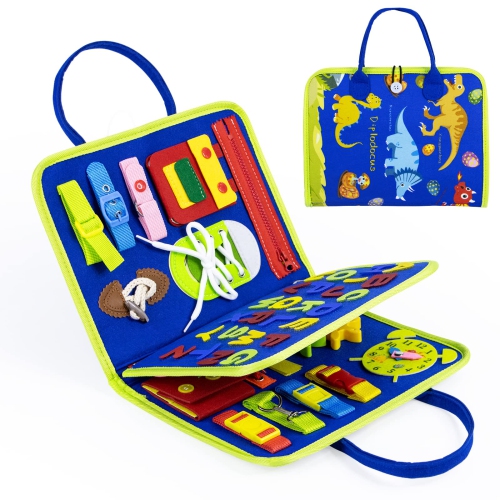
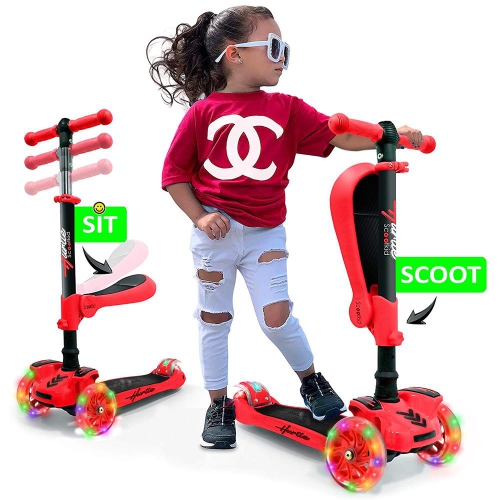
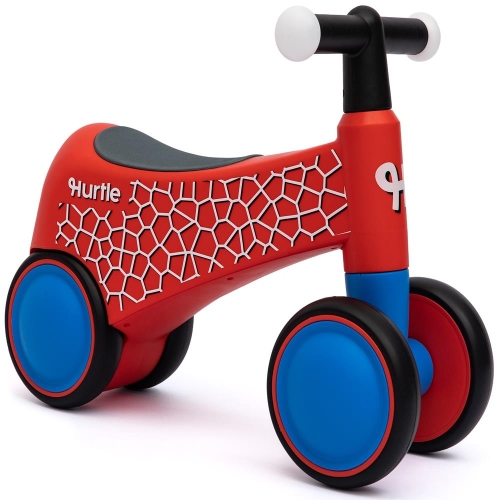
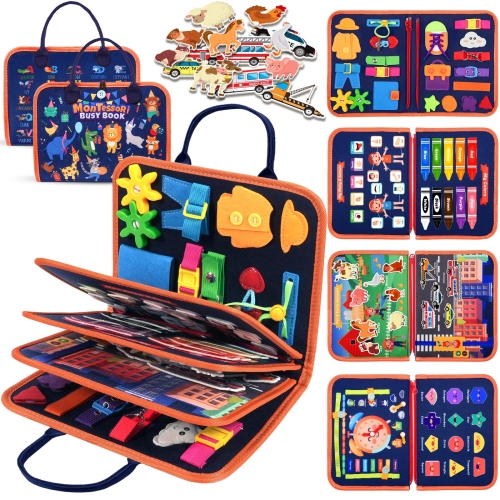
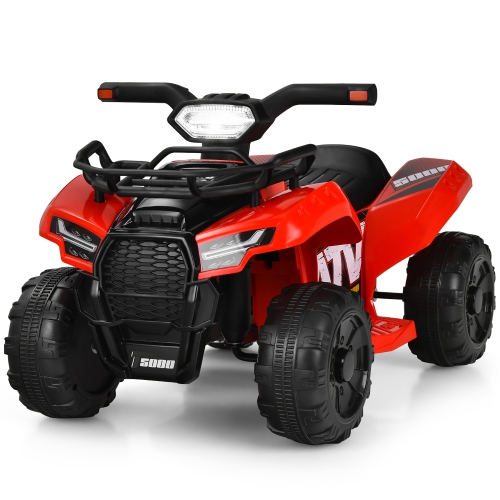
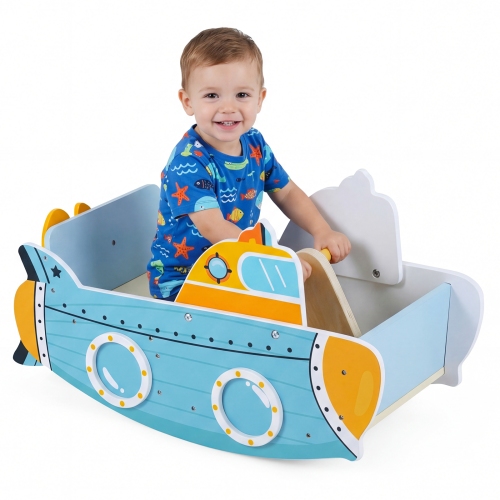
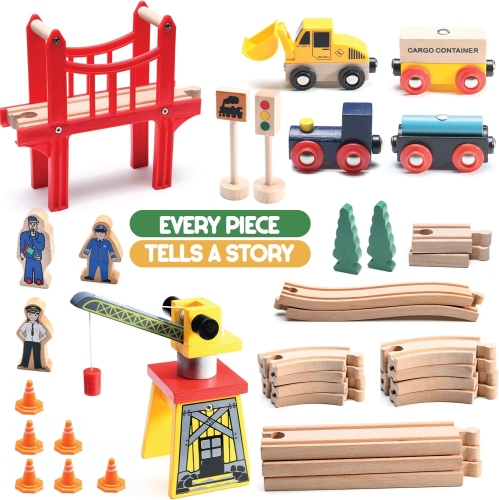
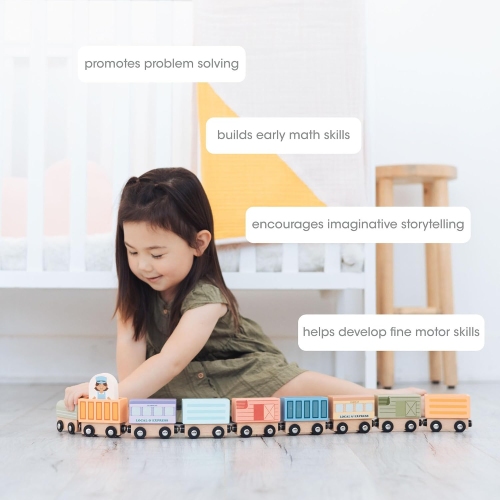
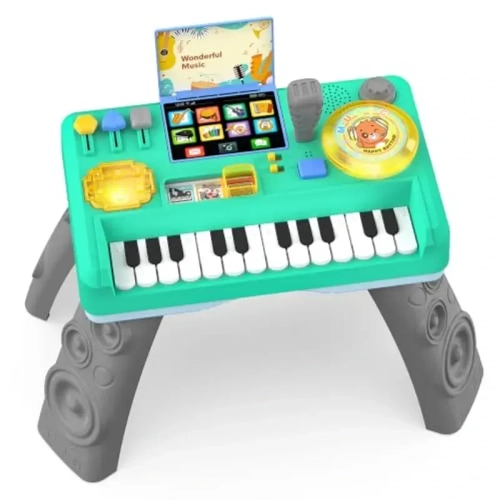
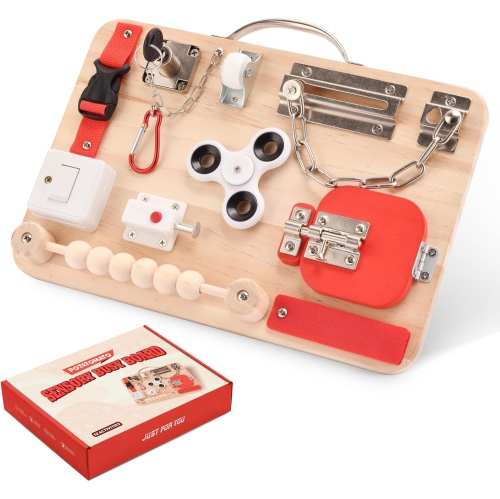
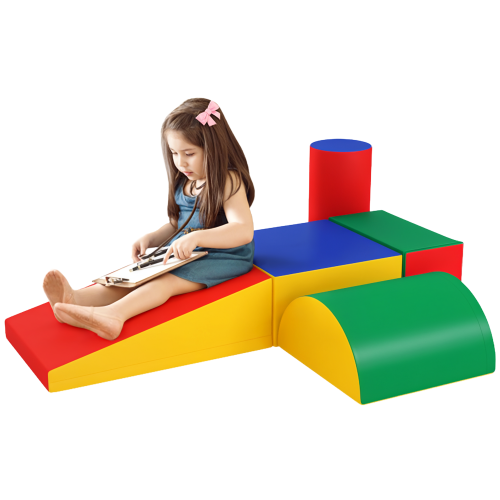
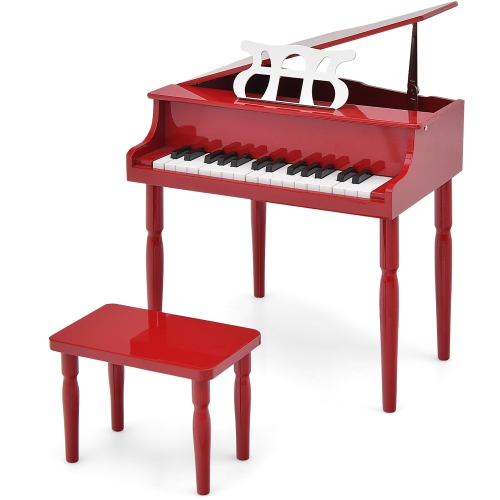
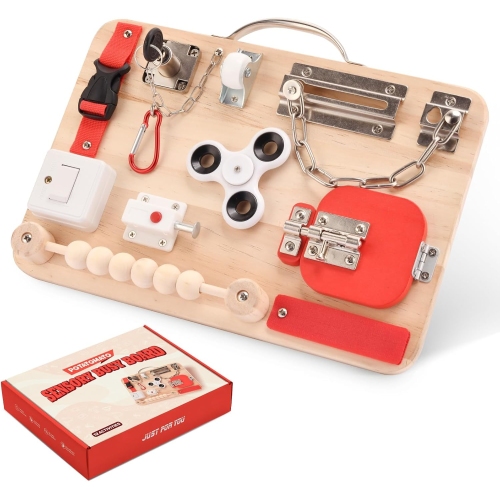

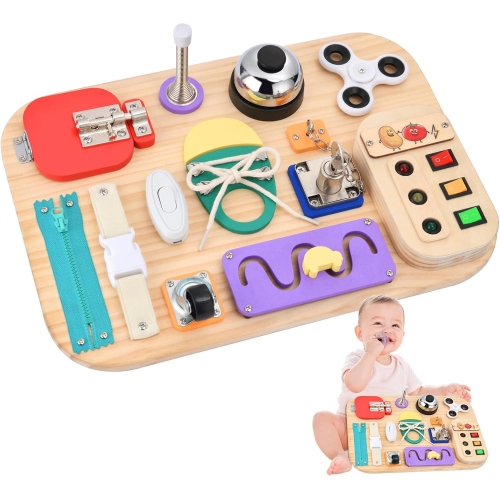


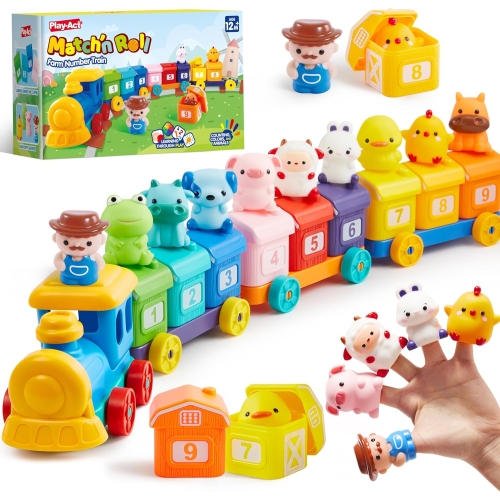
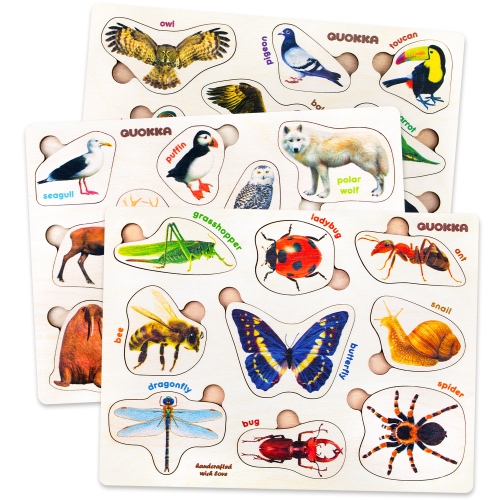
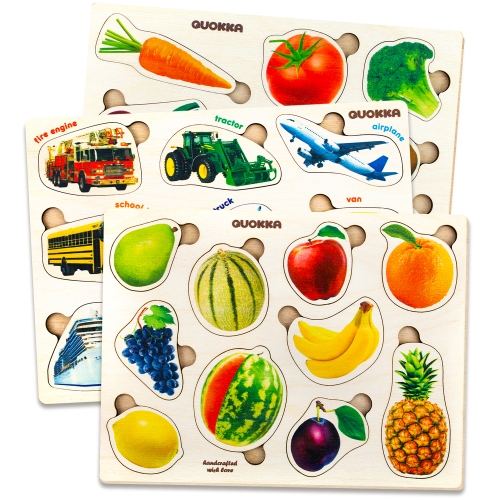
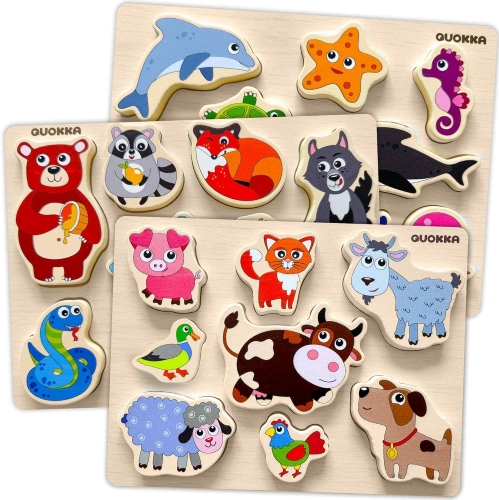
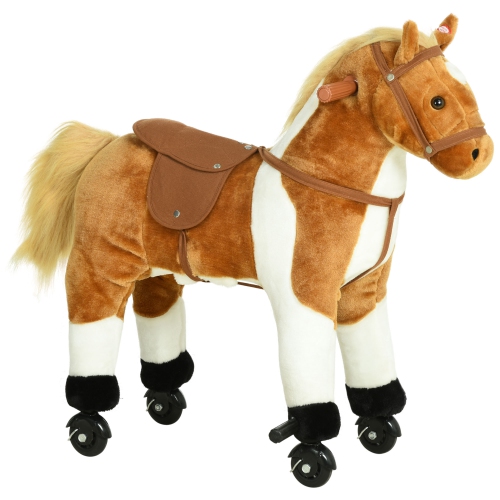
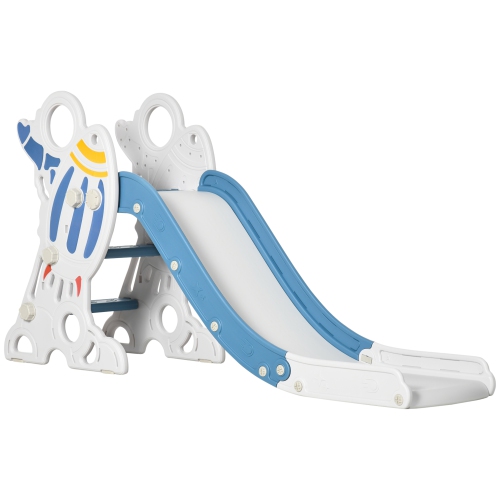
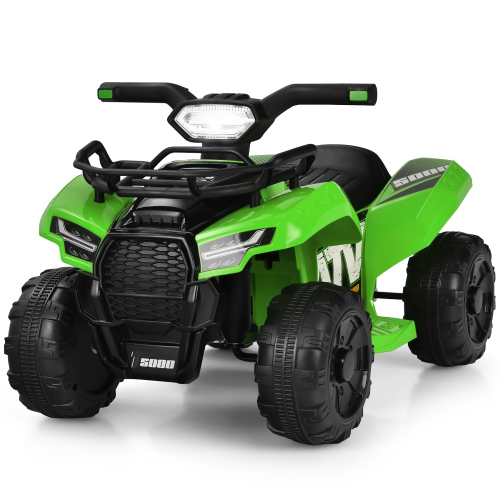
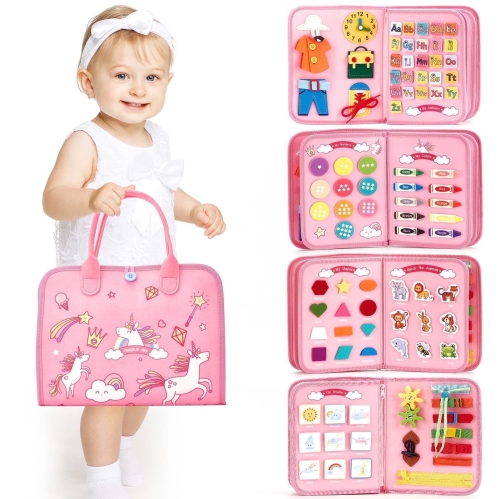
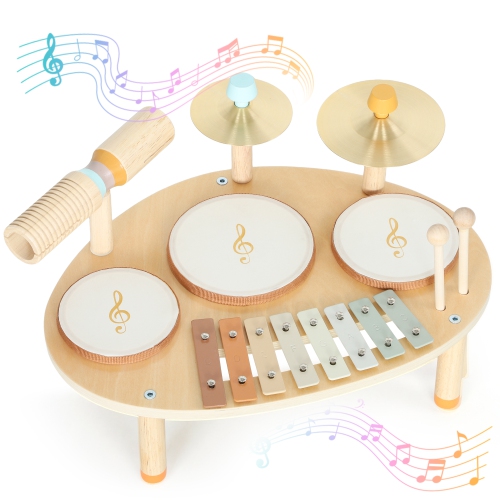
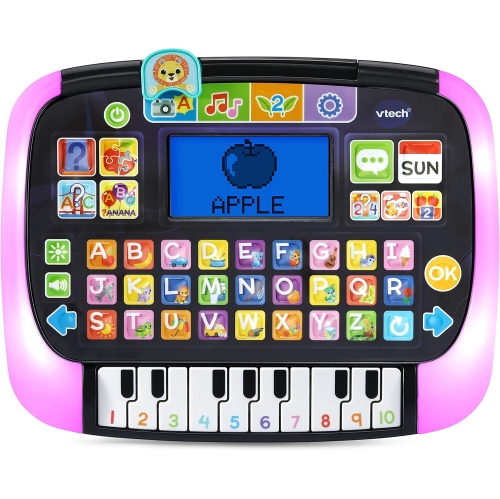
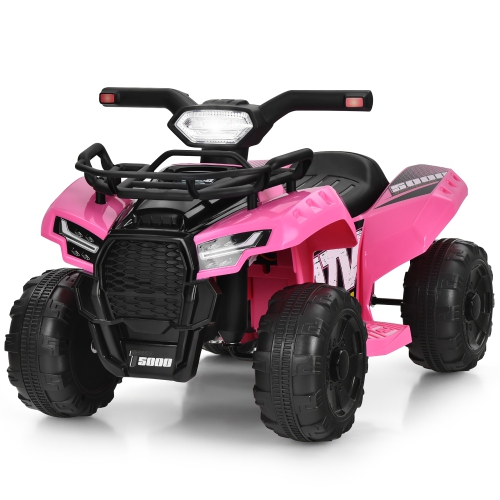
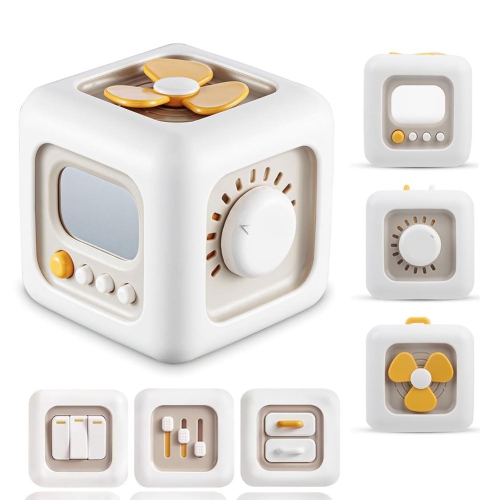
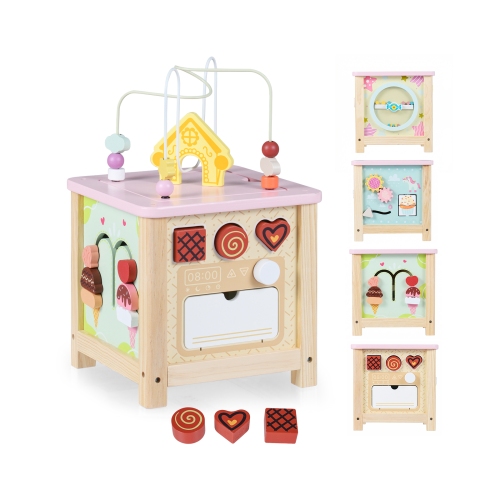
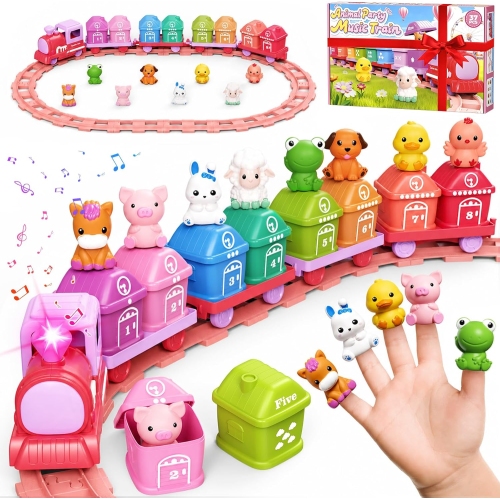
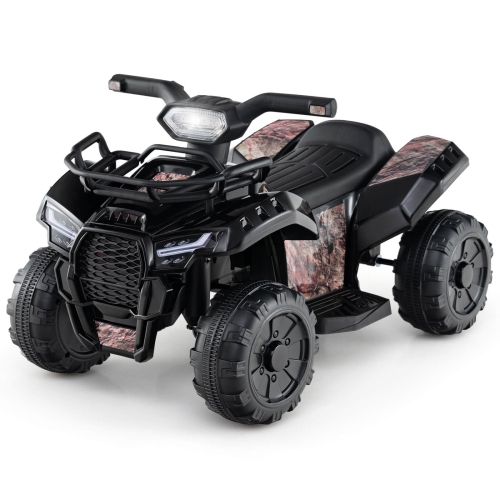
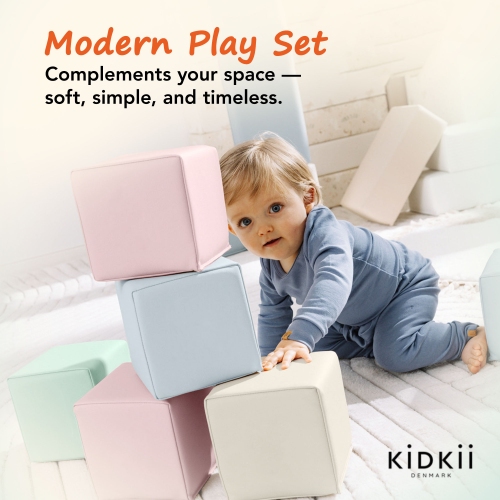
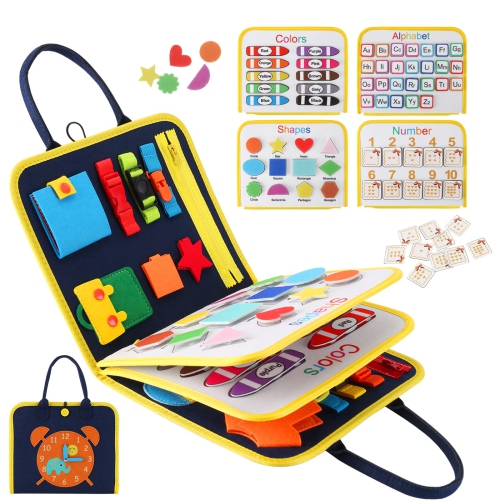
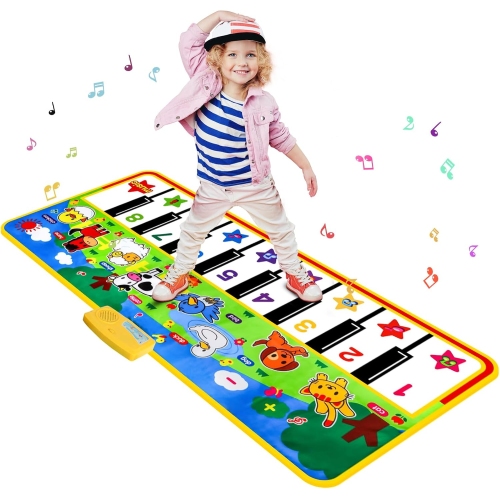
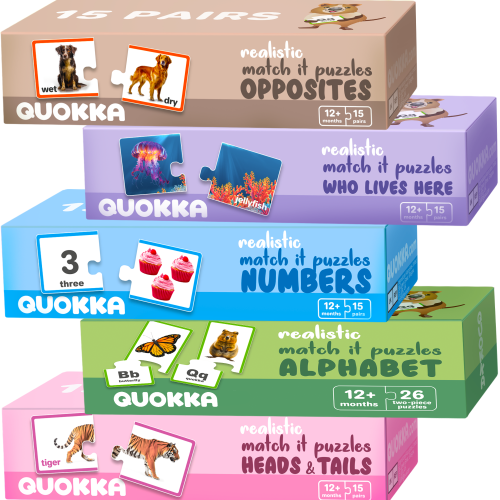
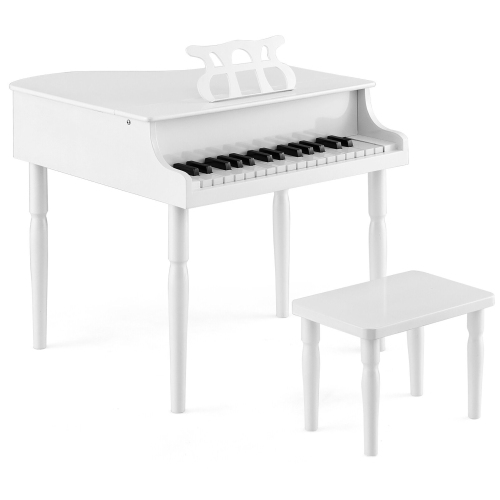
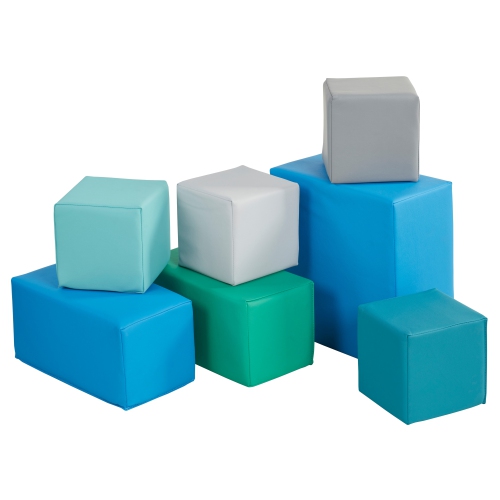
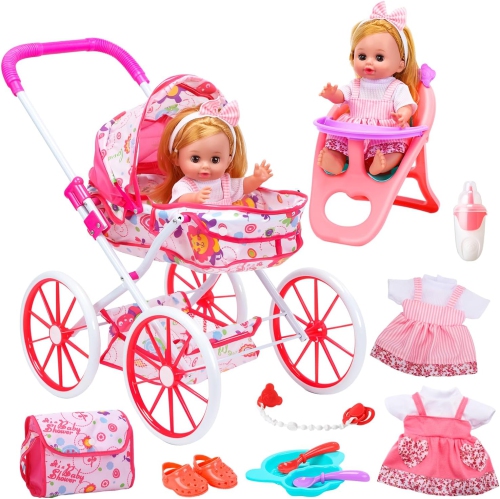
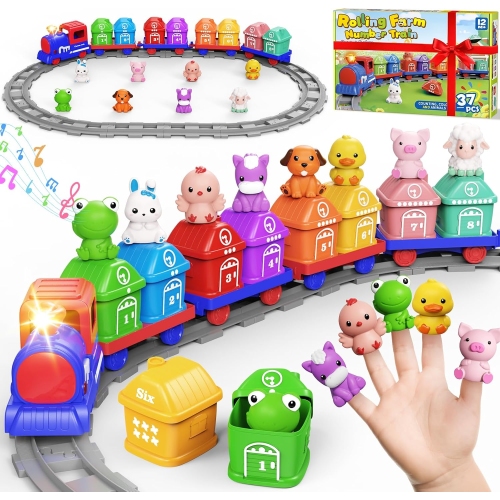

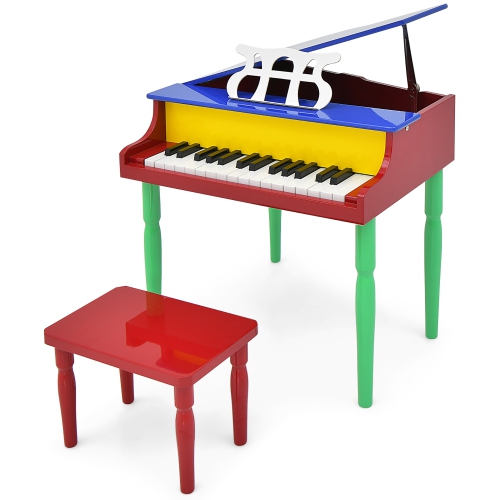

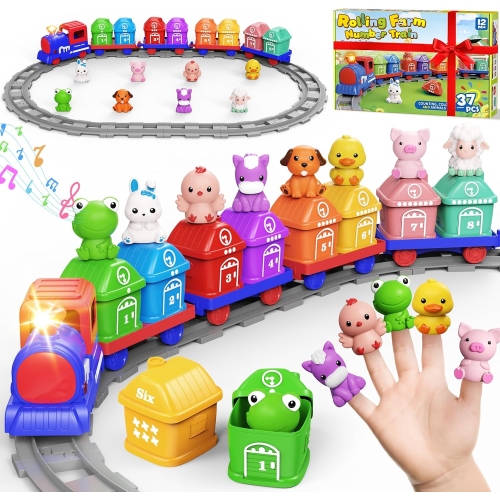
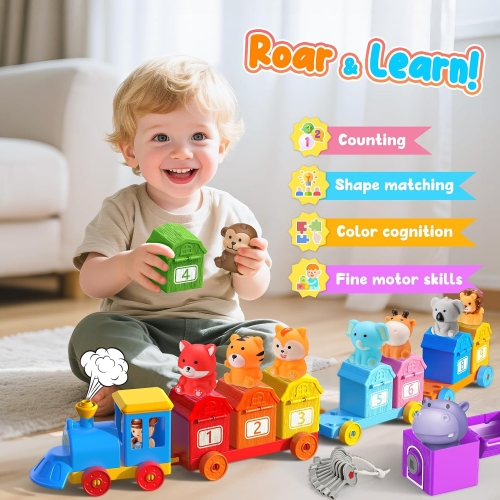


Hands-on play that grows with your child’s interests
Toddler toys give young children ways to explore movement, sounds, shapes, language, and imaginative play through hands-on activities. Common categories include stacking and sorting toys, simple puzzles, pretend-play sets, musical toys, and toys for pushing, pulling, or riding. Each offers a different kind of play: fitting a shape through an opening involves hand-eye coordination, tapping a drum introduces rhythm, and pretending to prepare a meal creates opportunities for conversation. The most suitable choice depends on a child’s age, interests, and abilities, along with the manufacturer’s age rating and safety information. A toddler who enjoys filling and emptying containers may spend longer exploring chunky pieces than following a structured activity, while a child beginning to imitate daily routines may enjoy familiar pretend-play themes. Simple designs can leave plenty of room for discovery. A tower can be built, knocked over, and rebuilt; a pretend conversation can change every time an adult joins in. These repeated actions let children practise at their own pace without needing to reach a particular milestone during play. Educational toddler toys can introduce colours, counting, animal sounds, and everyday words, but learning also happens through quieter activities such as matching, carrying, nesting, and arranging. Electronic features are one option rather than a requirement. Clear sounds, easy-to-press controls, and an adjustable volume can make interactive toys more comfortable to use, especially in shared living spaces. For toys without electronic features, easy-to-grip shapes and a satisfying response to a child’s actions can hold attention just as well. Look for activities that offer an achievable starting point and more than one way to participate. A child might initially explore the feel of large puzzle pieces, then begin matching them with help, and later complete the puzzle independently. That flexibility helps a toy remain engaging as interests and confidence develop.
Materials, construction, and everyday care matter because toddler toys are handled closely, carried from room to room, and often explored with the mouth. Wood, plastic, fabric, and silicone each have practical qualities, although suitability depends on the individual design and its intended use. Wooden toys should have smooth surfaces and intact finishes, plastic parts should be free of cracks or sharp edges, and fabric toys need secure seams that keep filling contained. Material alone does not establish safety; age suitability, sound construction, and proper maintenance all matter. For children under three, avoid small parts that could present a choking hazard, including detachable accessories intended for older children. Check toys regularly for loose components, splinters, torn stitching, or damage around moving parts, and stop using anything that has become unsafe. Battery compartments should remain securely closed, with any fastening screws in place, and loose batteries must be kept out of reach. Toys with accessible button batteries or loose, high-powered magnets are not suitable for toddler play. Size and fit also affect how comfortably a child can participate. Handles need to suit small hands, puzzle pieces should be manageable to grasp, and seated play surfaces should allow a stable position without awkward reaching. For ride-on and movement toys, follow the stated age, weight, and height limits rather than assuming a child will grow into an oversized design. Care requirements are worth considering before a toy becomes part of a daily routine. Follow the manufacturer’s cleaning directions, particularly for toys with electronic components or materials that cannot be immersed in water. Washable covers and accessible surfaces can make cleaning easier, while enclosed crevices may take more attention. Allow cleaned pieces to dry fully before storing them. Durability also includes how well a toy tolerates its intended handling: repeated stacking, gentle tumbling, frequent wiping, or being packed away after play. A design that is straightforward to inspect and maintain can be especially practical in a busy household.
The space and setting for play help determine which toddler toys make sense for a family. In a smaller room, compact activities and pieces that nest together can be easier to store without taking over shared floor space. Larger movement toys need enough clearance for their intended use, away from stairs, furniture edges, and other hazards. Children who enjoy whole-body movement may be interested in toddler climbing toys, with an emphasis on age-appropriate designs, correct assembly, manufacturer-specified placement, and close adult supervision. Active play and quieter activities serve different purposes, so a mix can suit the natural rhythm of a day. A short period of movement might be followed by fitting pieces into a puzzle or acting out a familiar routine with a caregiver. Shared play offers chances to name actions, take turns, and add simple language without turning every activity into a lesson. Saying “the big piece goes on the bottom” while building together gives words a clear connection to what a child is doing. Toddlers are still learning to share, so activities that allow side-by-side participation can make playdates less demanding than games with lengthy rules or waiting periods. Individual preferences matter, too. Some children enjoy lights and lively sounds, while others settle more comfortably into predictable, quieter play. Simple controls, large gripping surfaces, and activities that work from a seated position may help accommodate different ways of participating. For gifting, a toddler’s age and interests are useful starting points, followed by the household’s storage space, noise preferences, and willingness to manage assembly or batteries. Parents and caregivers can often identify a favourite activity, such as matching shapes or copying household tasks, that makes a gift feel thoughtfully chosen. Keeping a few toys within easy reach and storing the rest neatly can make it simpler for a child to choose an activity and help with tidying afterward. Whether used at home, with grandparents, or in a childcare setting, well-chosen toddler toys invite exploration while fitting the practical routines of the adults who care for them.
Top selling and popular products
-
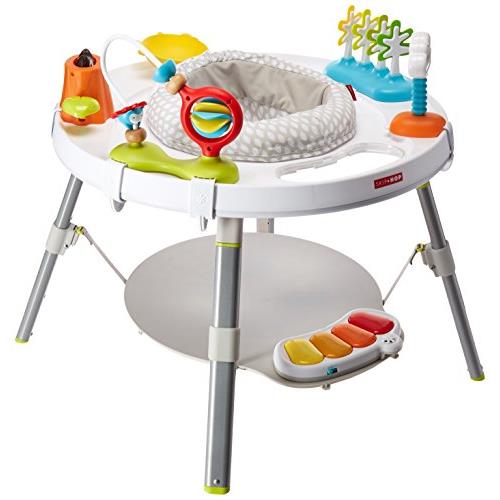 Your price for this item is $299.13
-
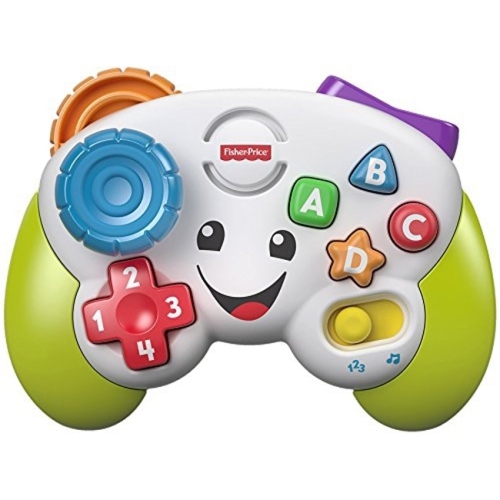 Your price for this item is $24.28
-
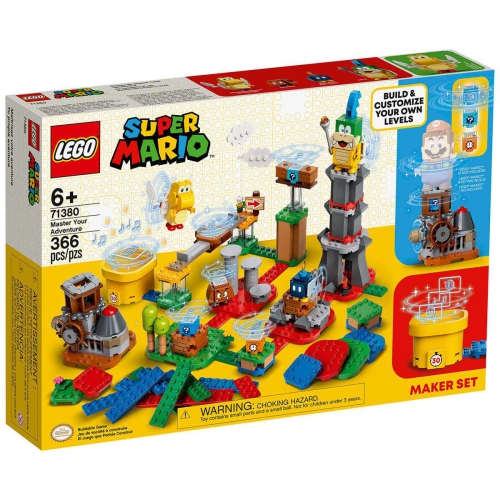 Your price for this item is $103.27
-
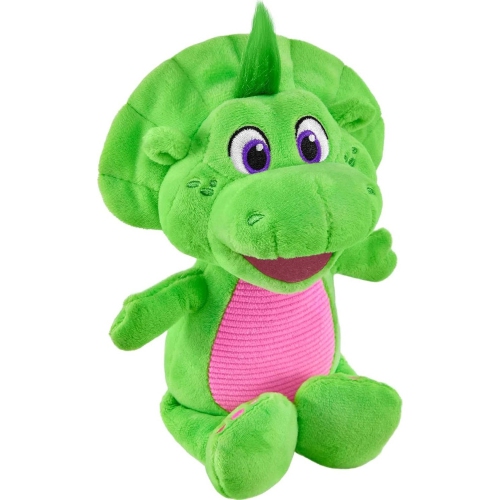 Your price for this item is $17.24
-
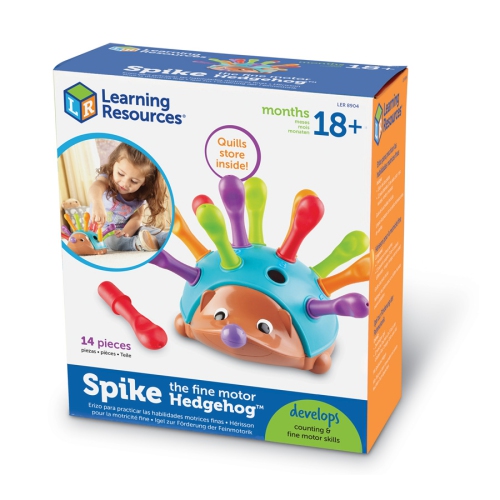 Your price for this item is $56.13
-
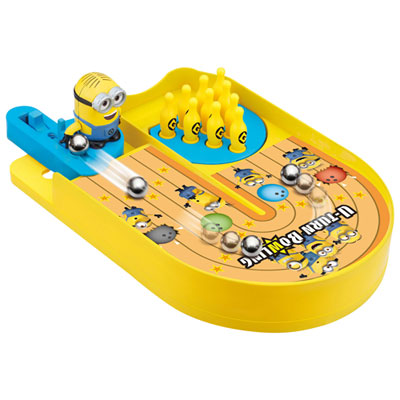 Your price for this item is $19.99
-
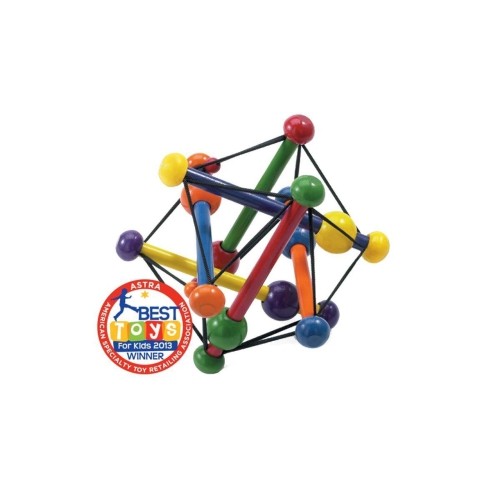 Your price for this item is $29.99
-
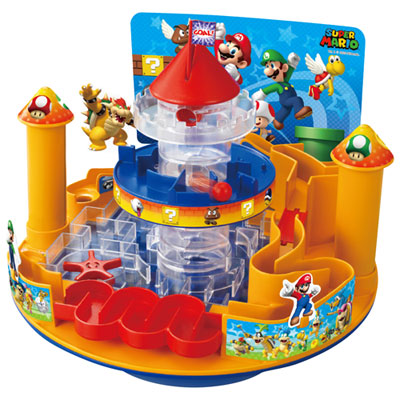 Your price for this item is $39.99
Discover more categories related to Toddler Toys


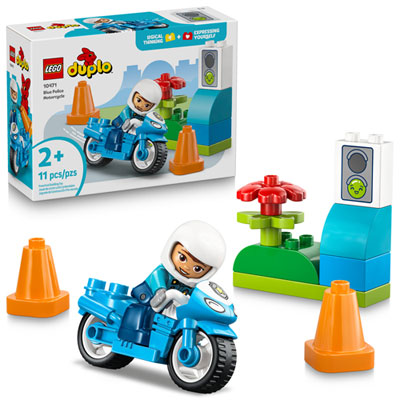
Top Collections:
Pokemon Centers, Kindle Devices, Best Budget Office Chairs, Canon G7X Cameras, Apple iPhones 16, Samsung Galaxy Phones, Refurbished Apple Laptops, Laptops for Students, iPhone 15 Apple, Budget Smartphones
Some products may be subject to Environmental Handling Fees
(EHF) depending on your province.
Learn more about EHFs.