Play Mats
Looking to create a safe and engaging play area for your little ones? Explore our collection of play mats that are designed to provide a soft and cushioned surface for hours of fun and playtime. Whether you need a versatile foam mat for tummy time, a colorful interlocking mat for playrooms, or a durable outdoor mat for picnics and outdoor adventures, we have a variety of options to suit your needs. From vibrant patterns to neutral tones, these play mats offer both comfort and functionality, making them a must-have addition to any child-friendly space.
Sort
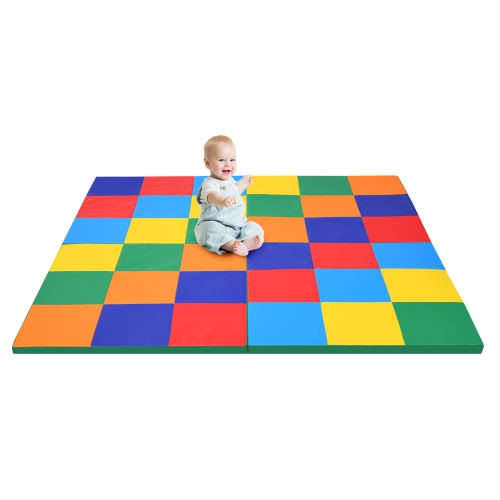
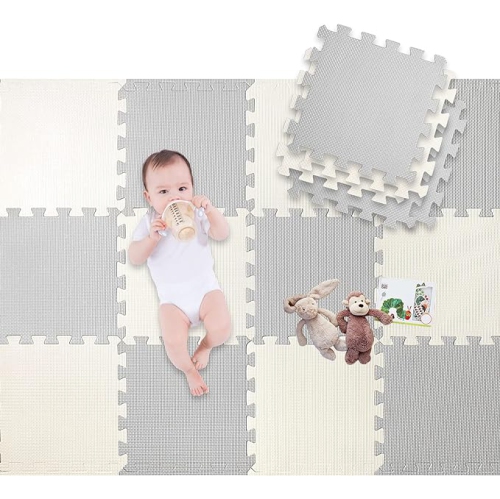

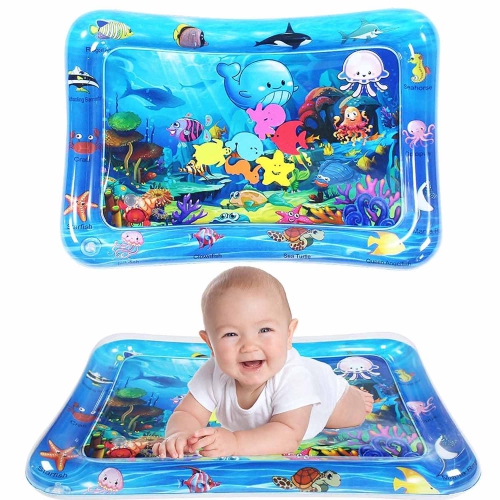

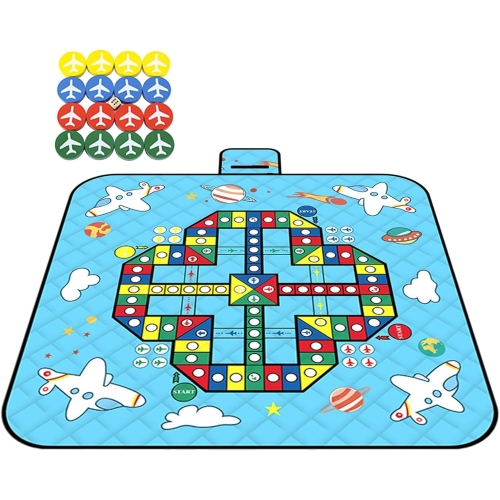
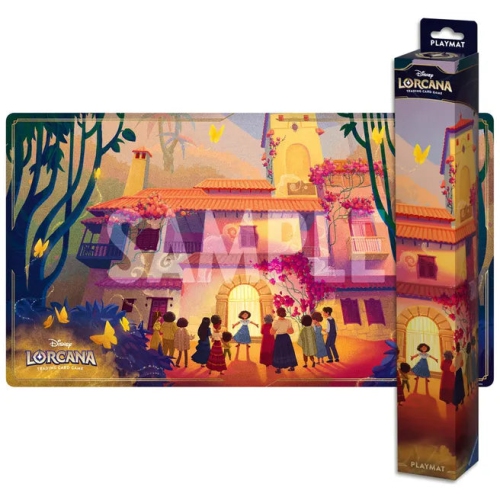
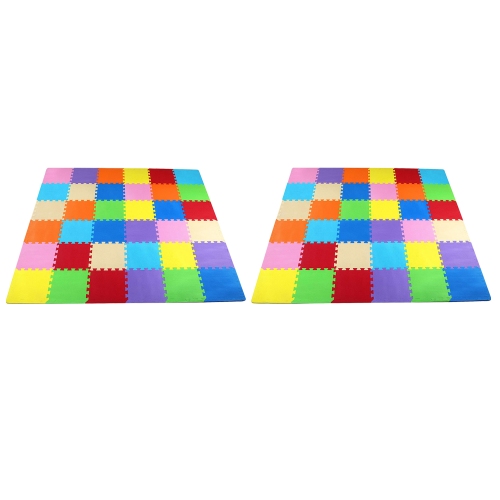
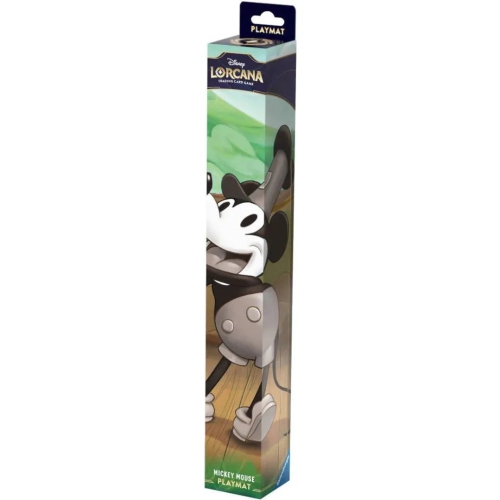
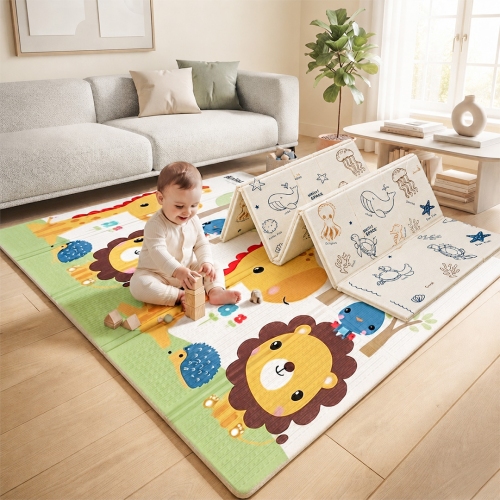

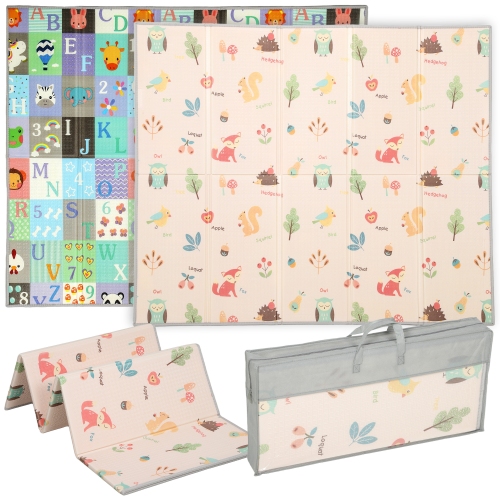
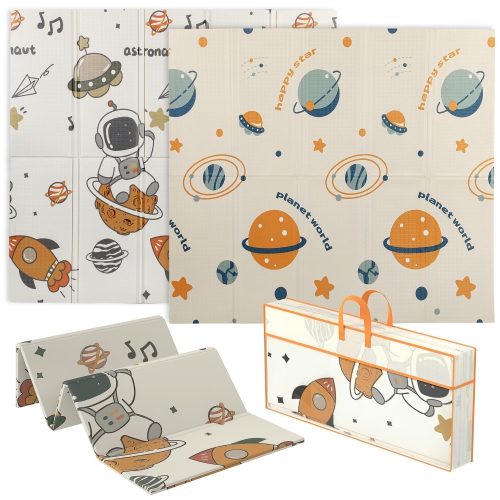
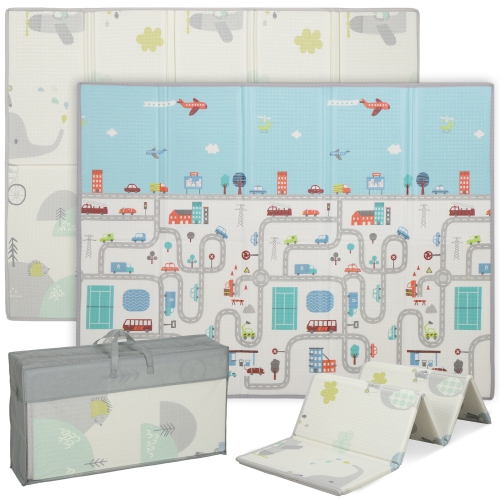
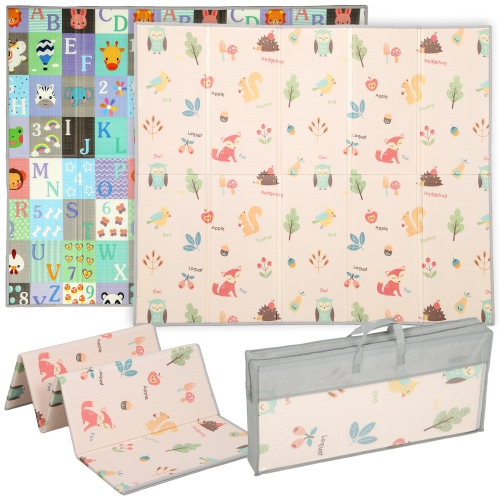


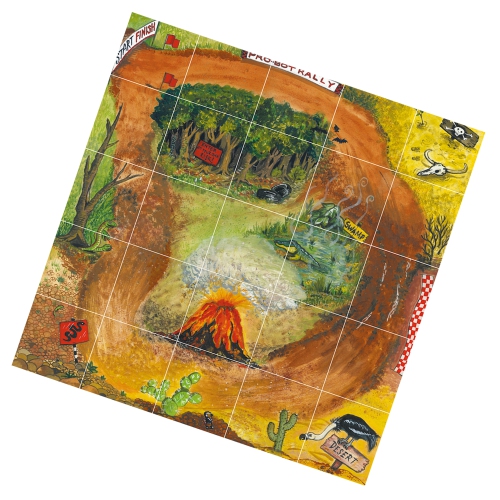
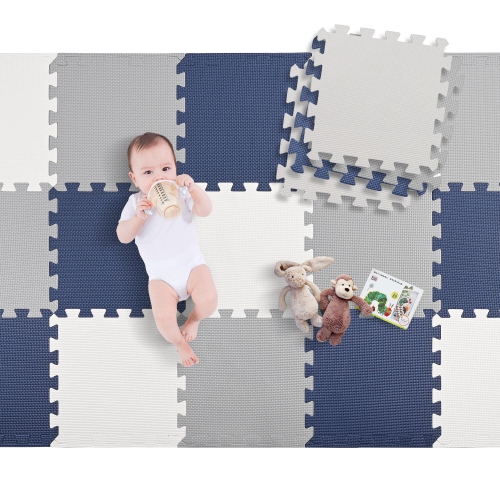


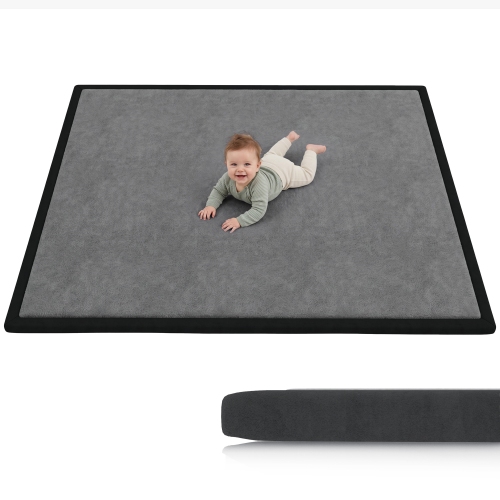
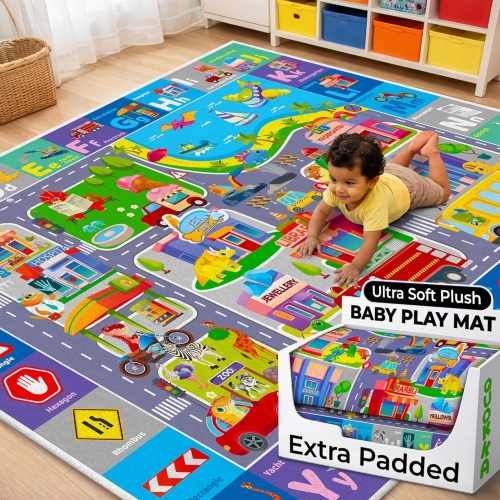

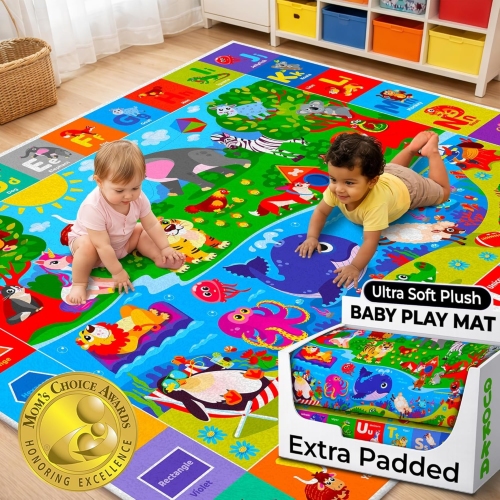

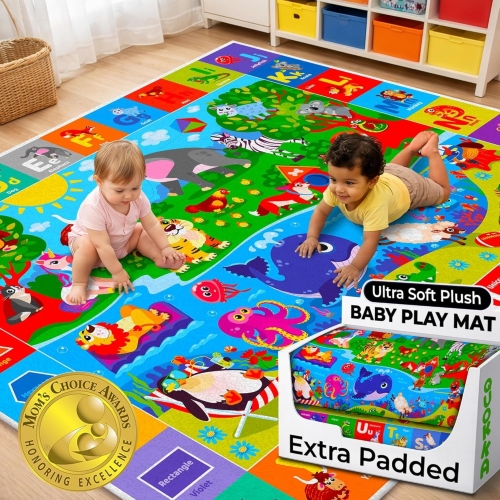
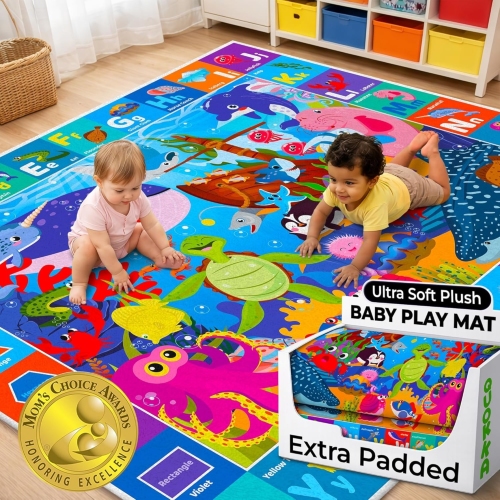
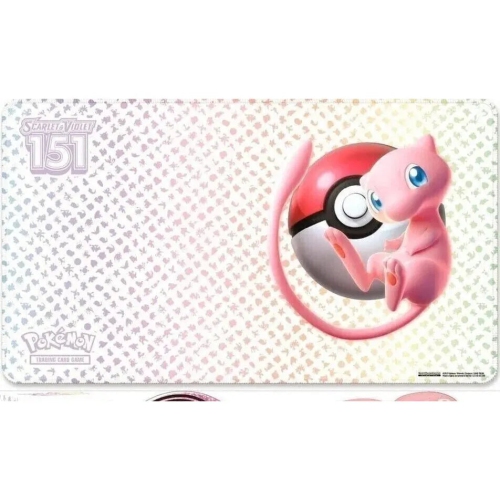
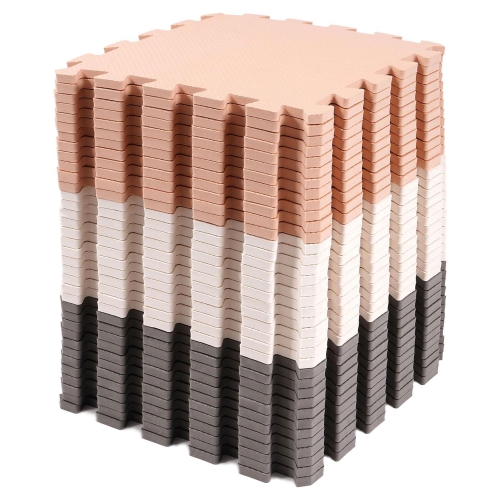
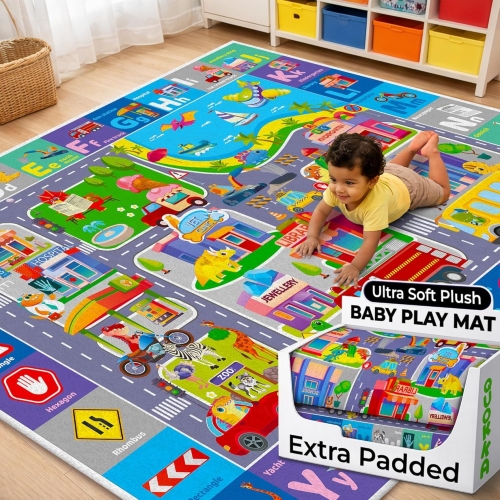
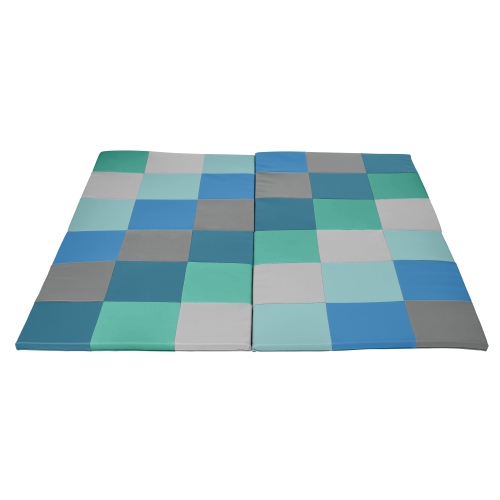

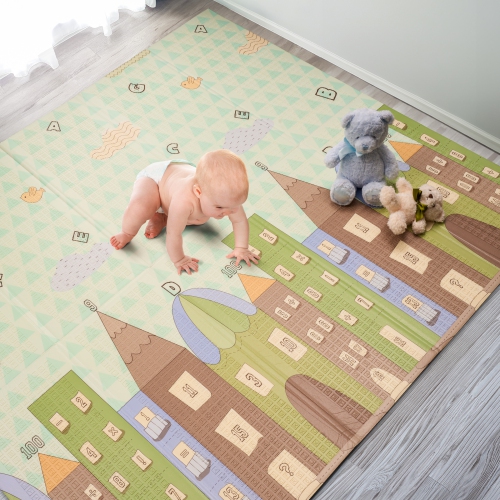






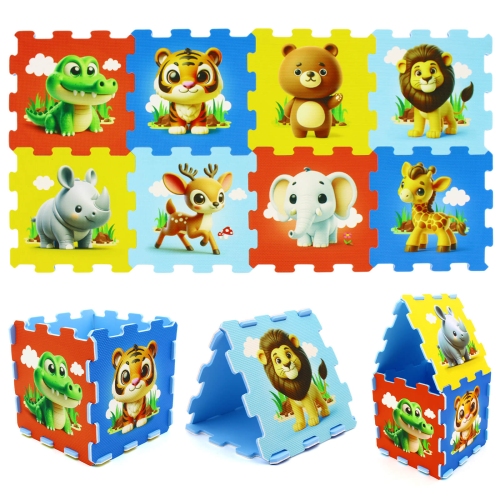


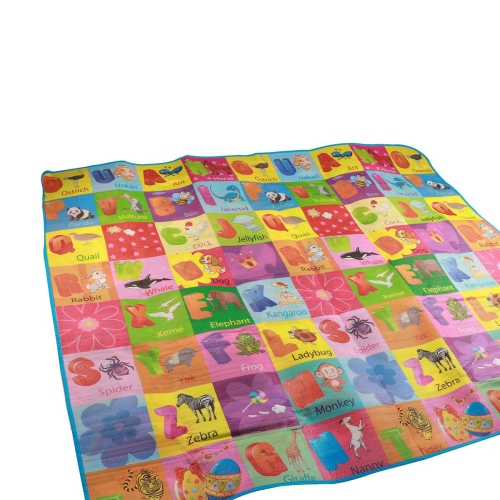

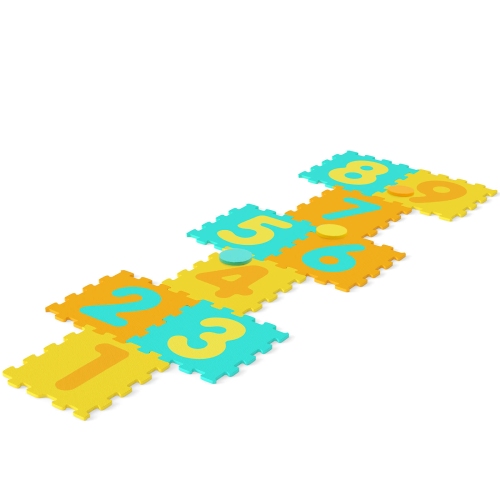
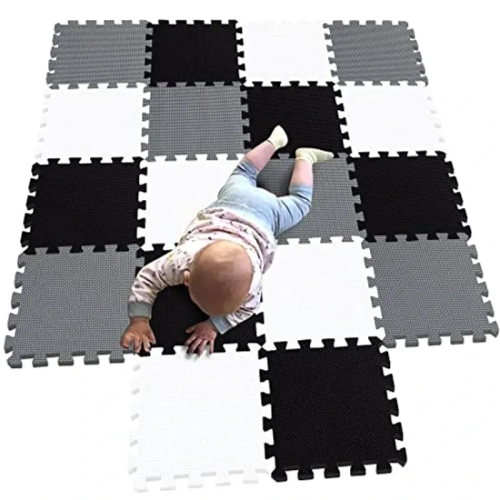

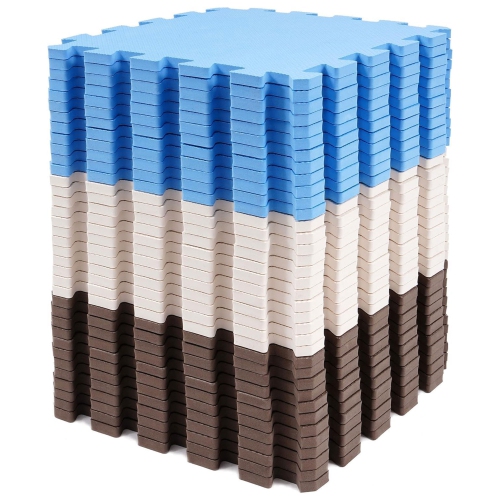

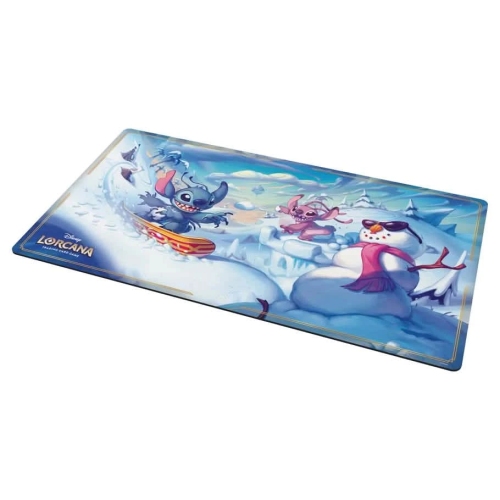

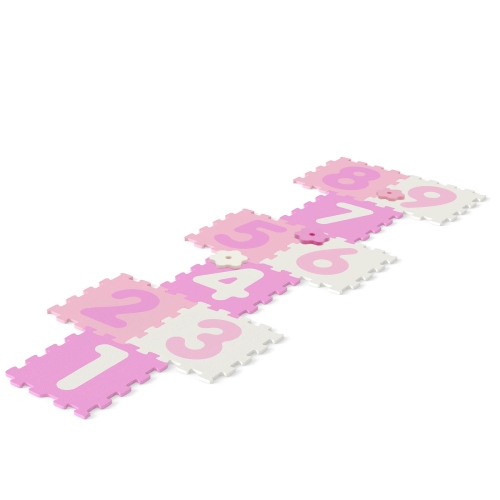

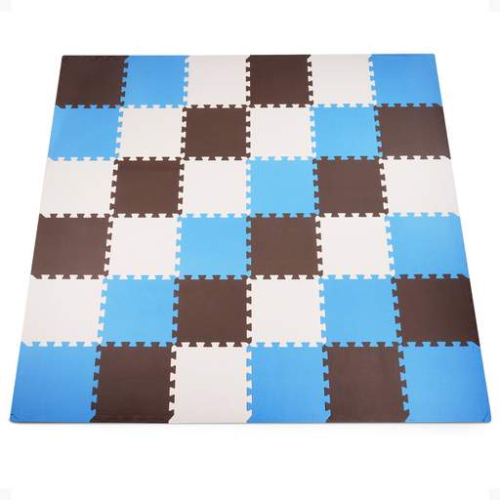




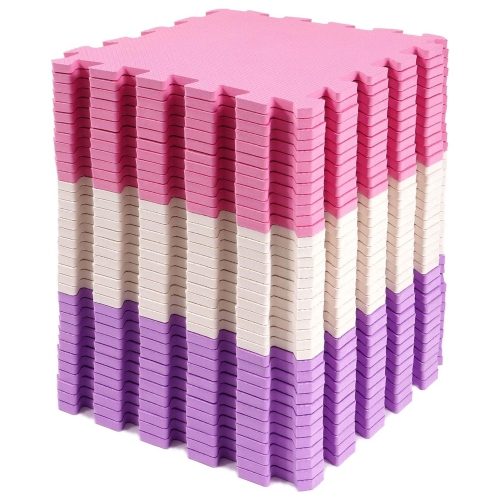
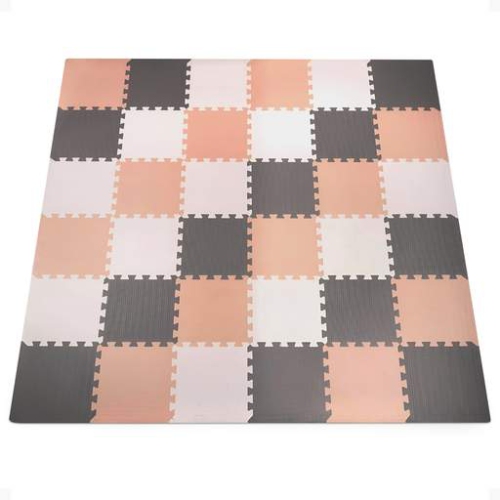

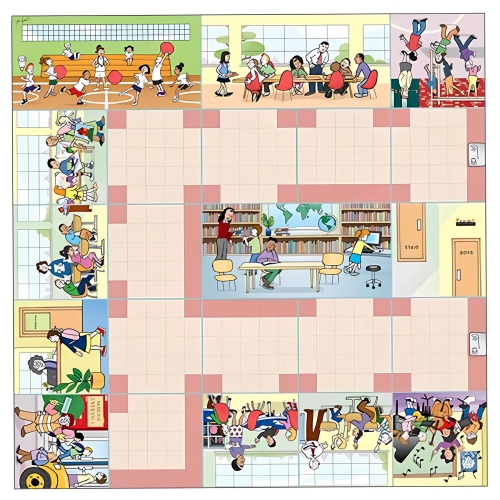


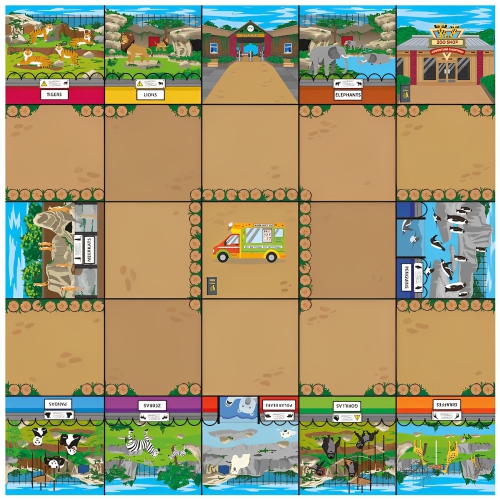

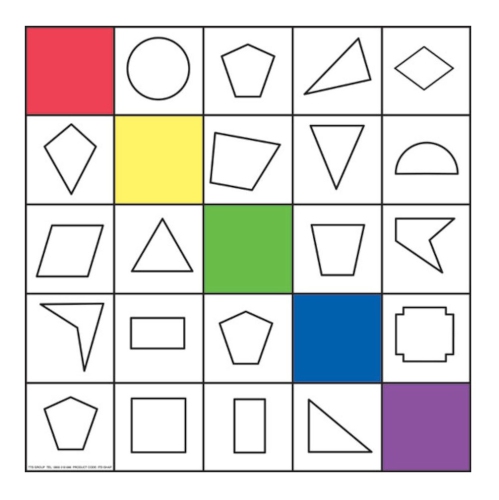
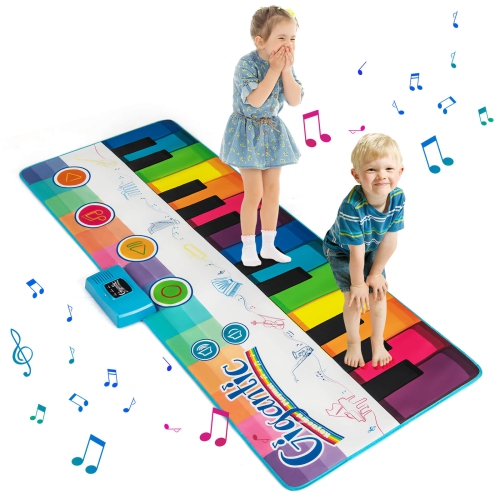

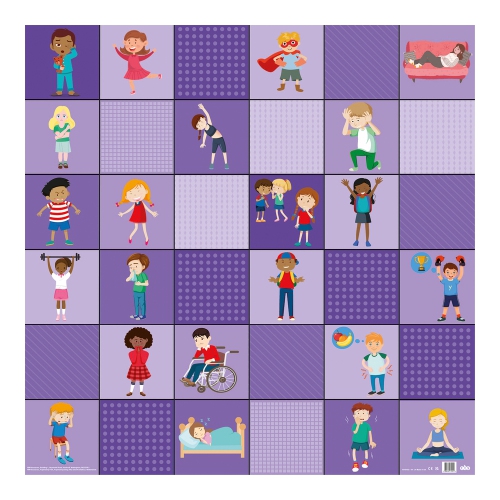


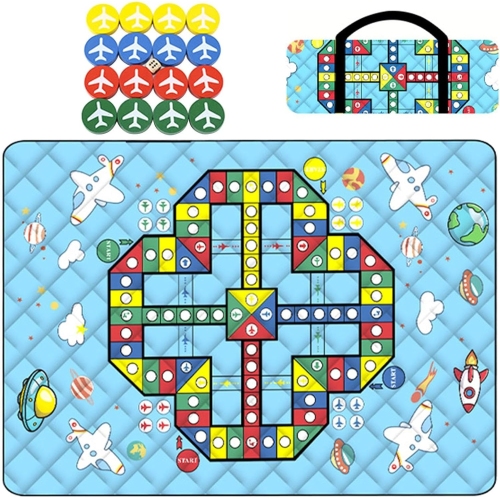




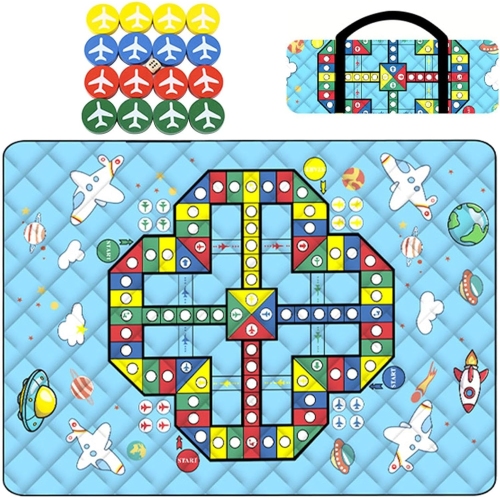

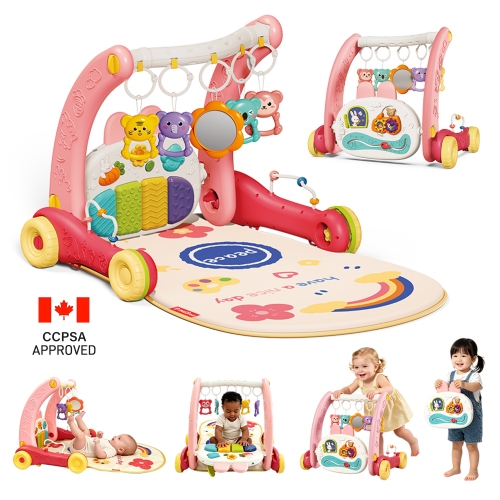

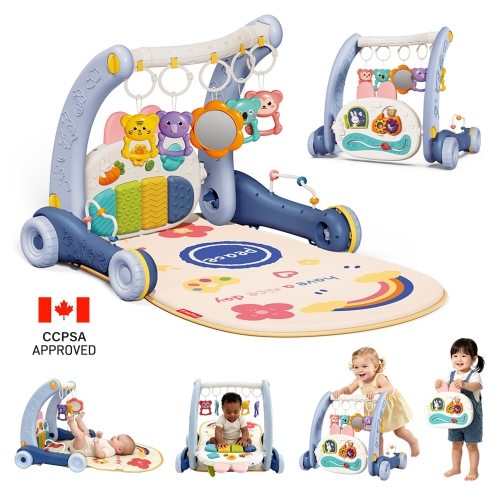
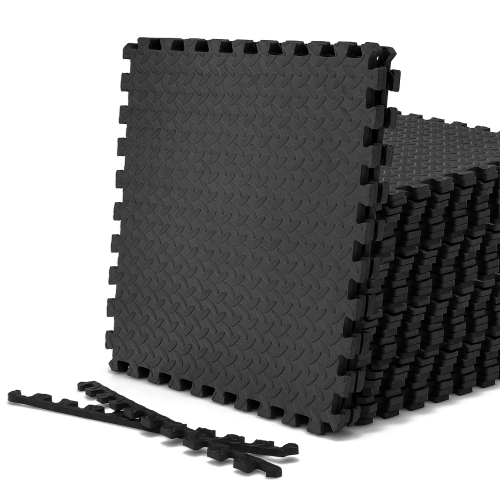
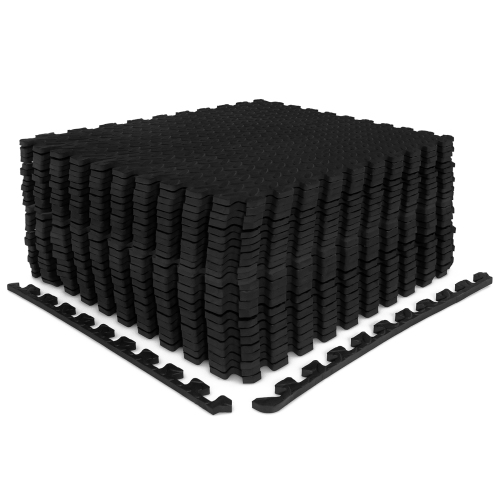
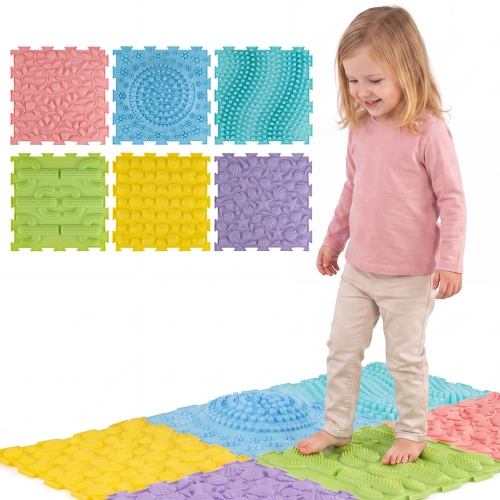
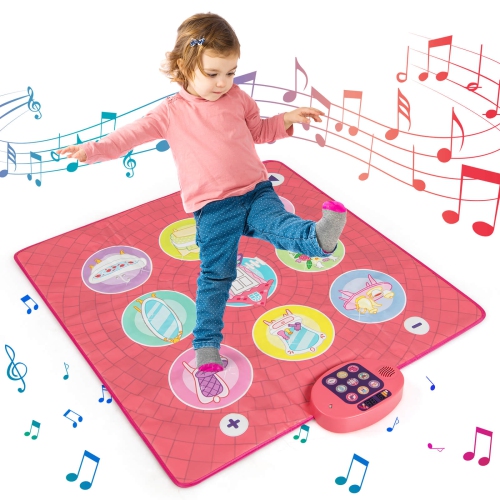
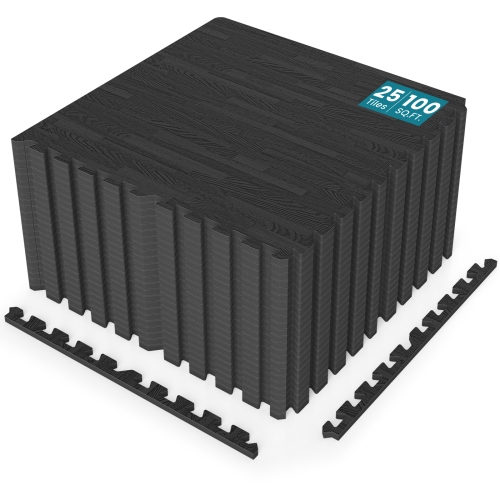
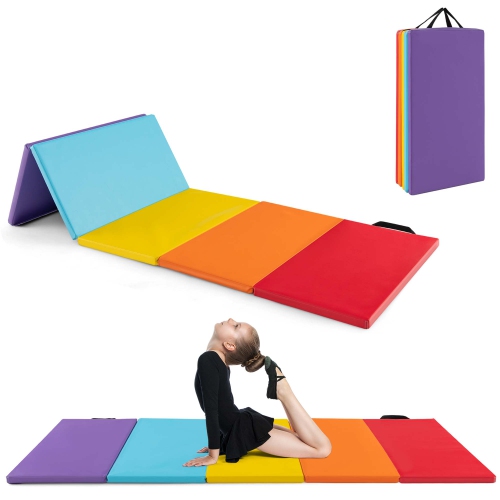

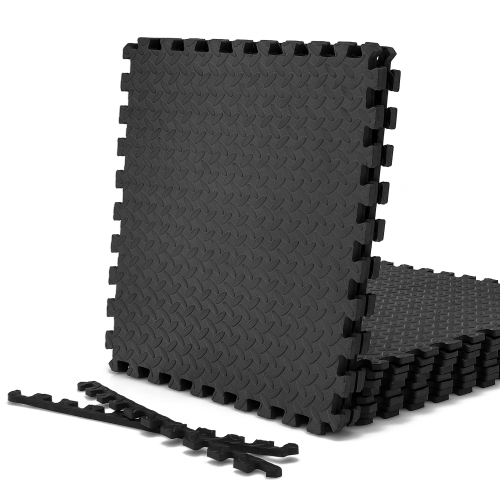


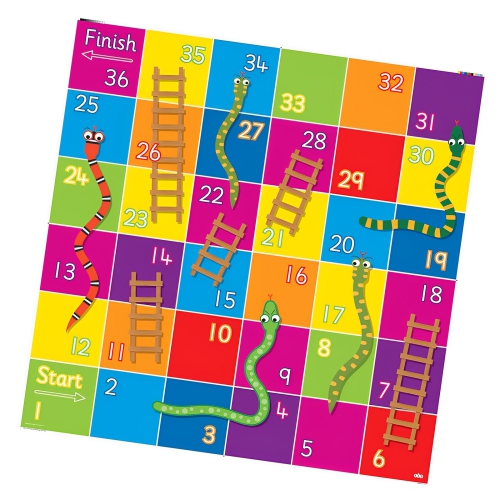

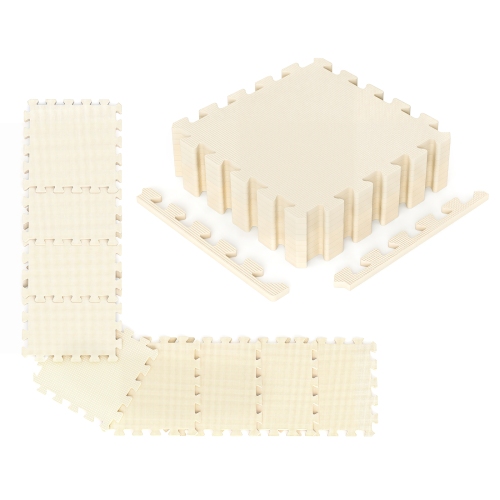

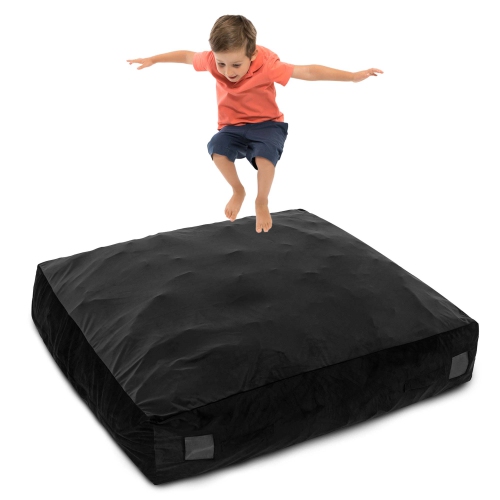


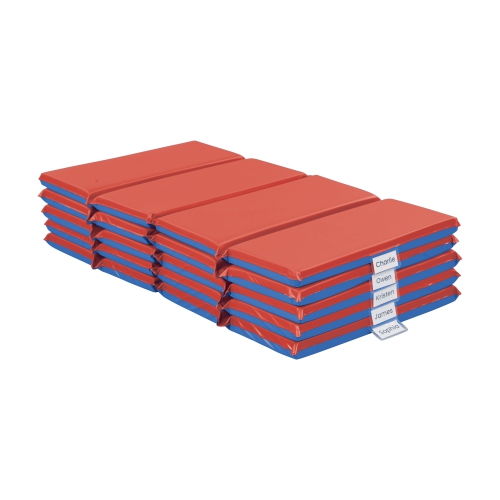


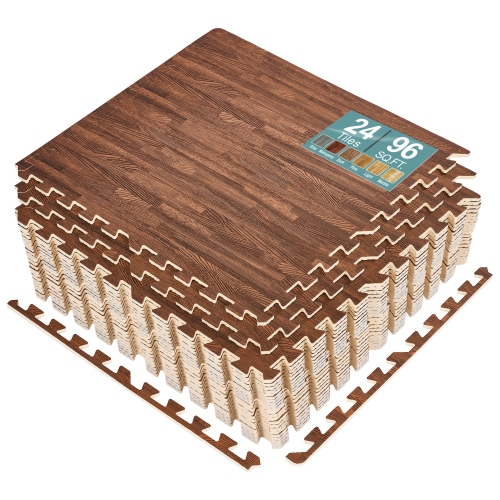
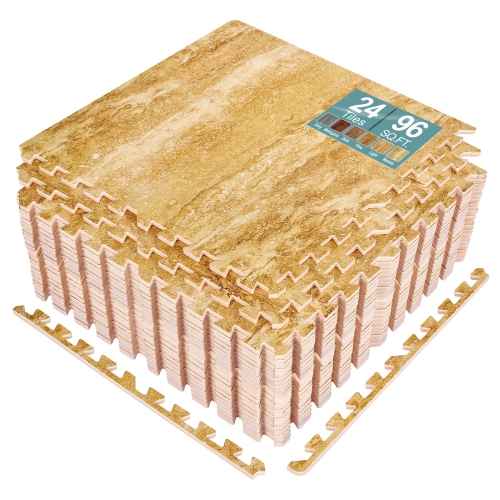

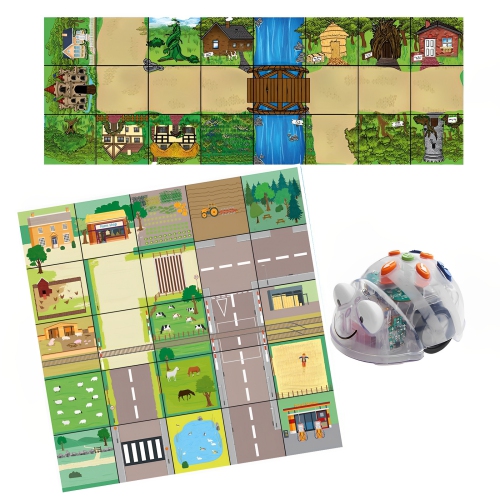

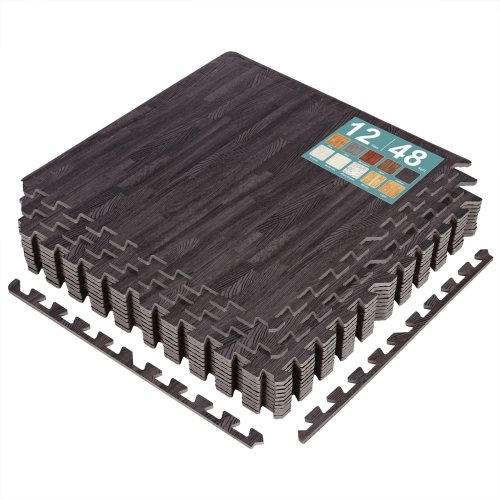


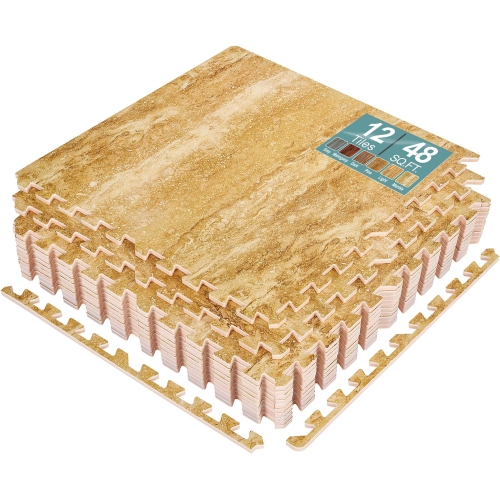


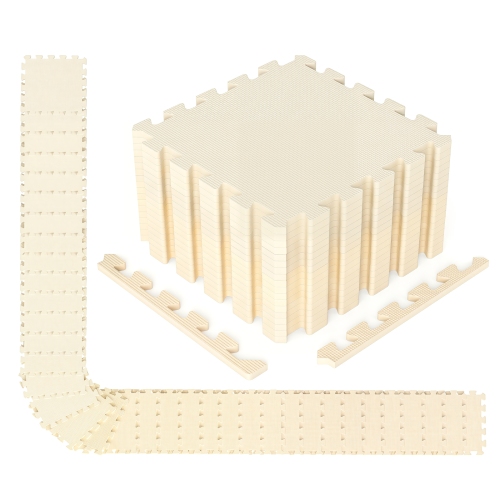

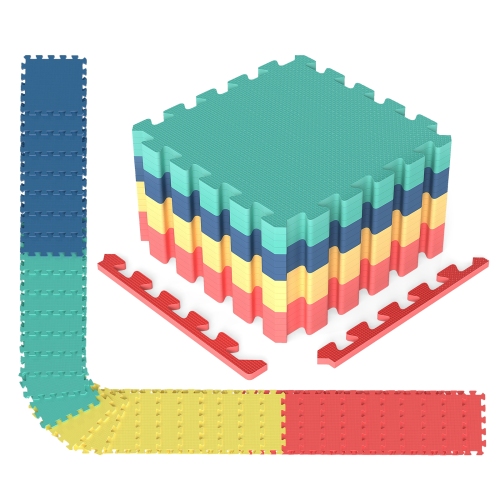
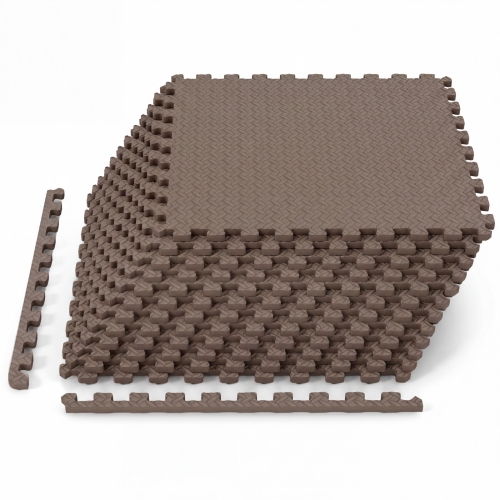
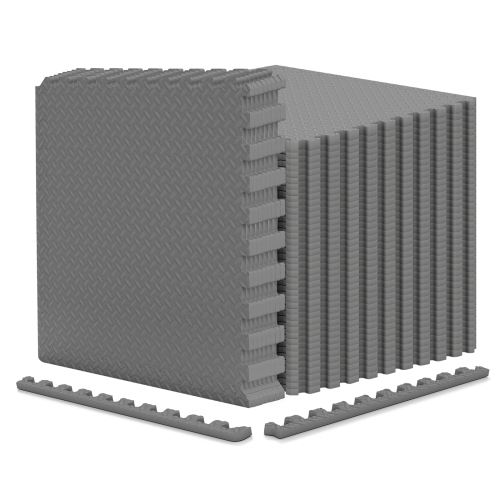


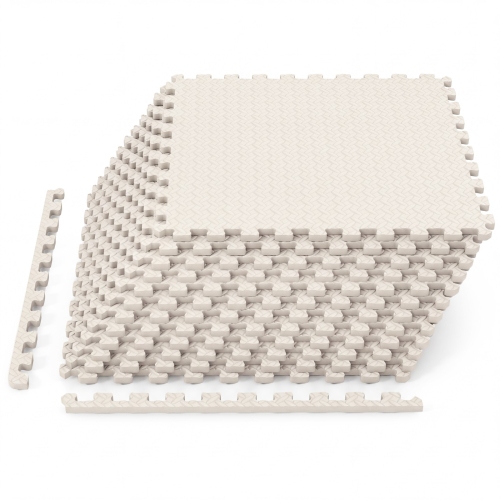
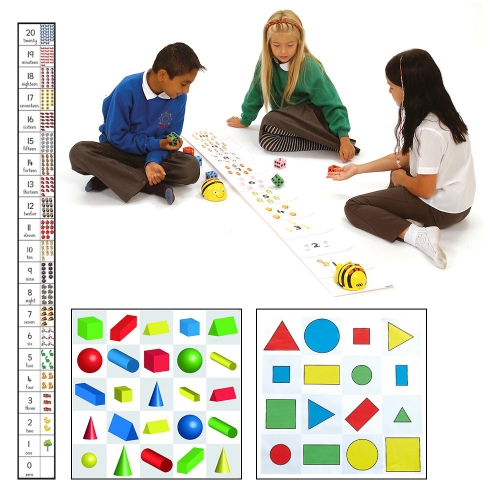
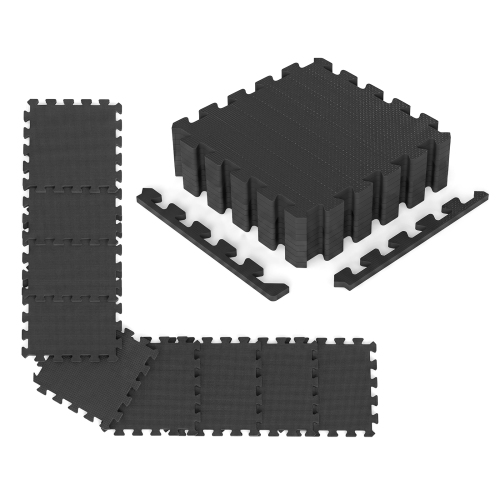
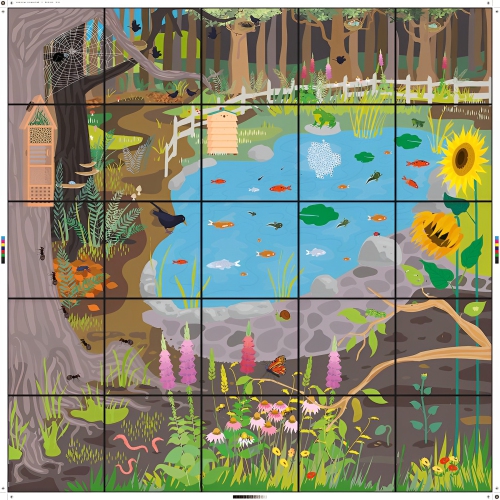

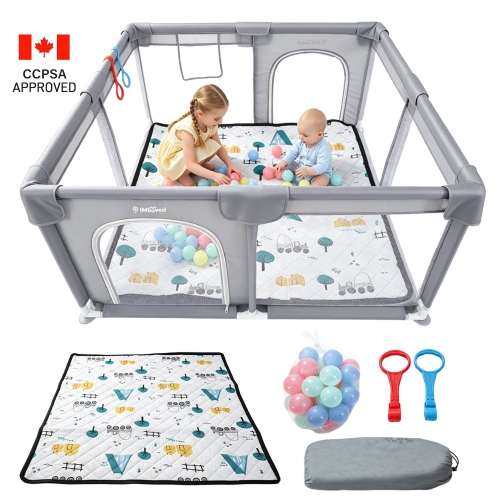
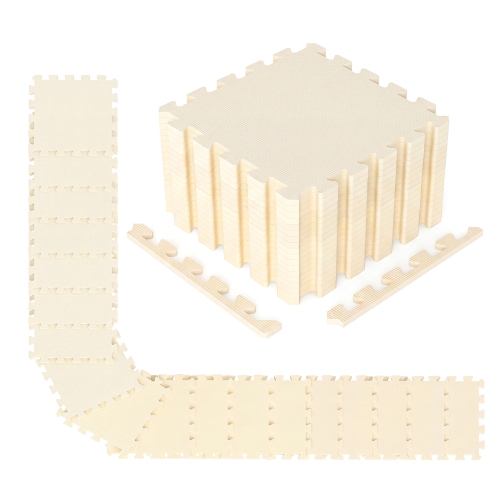
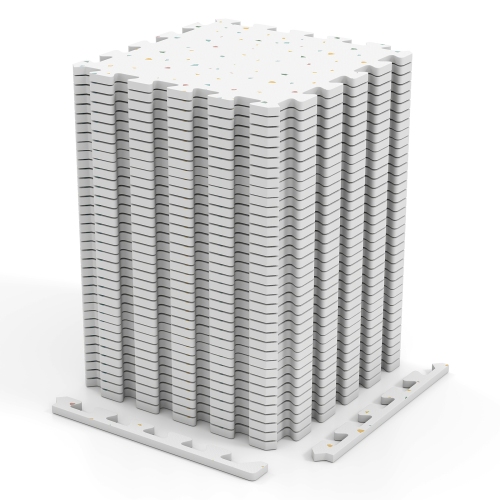

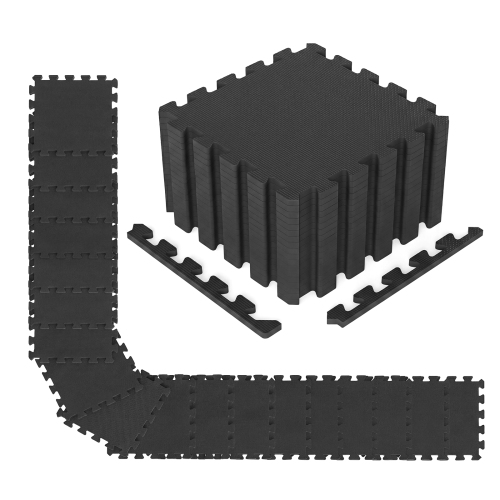
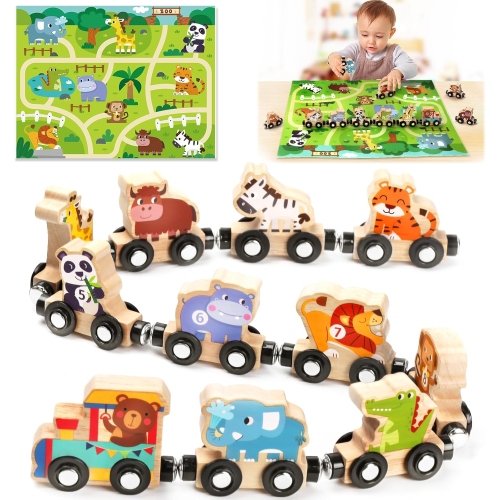
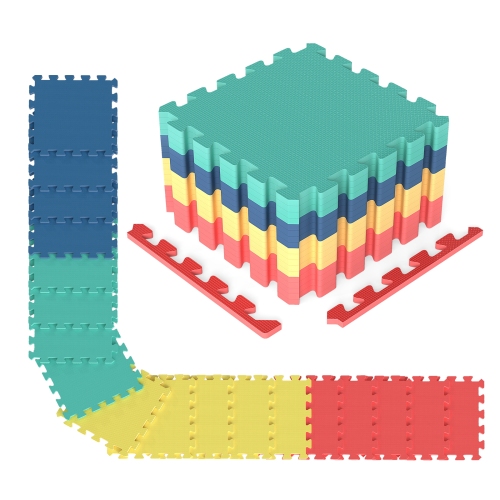
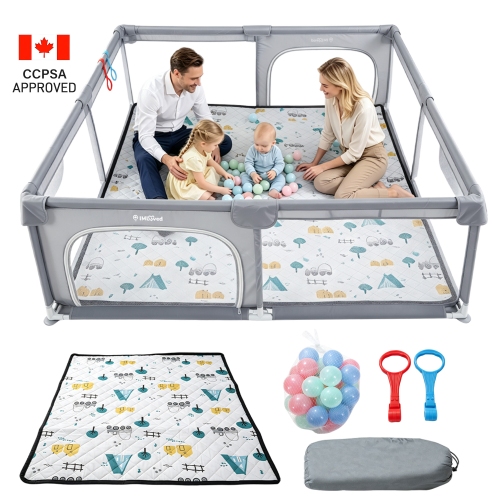
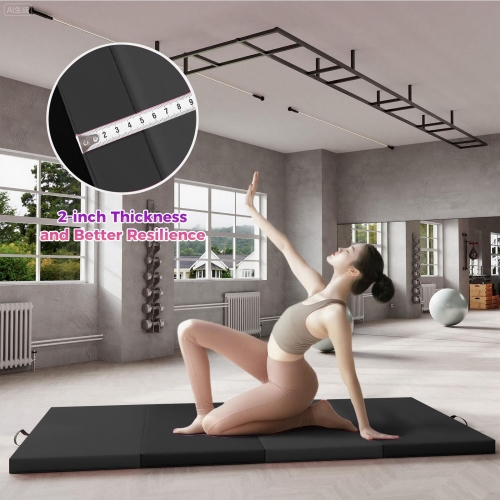

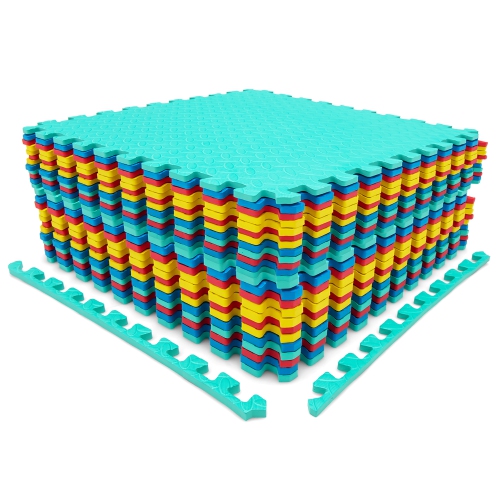

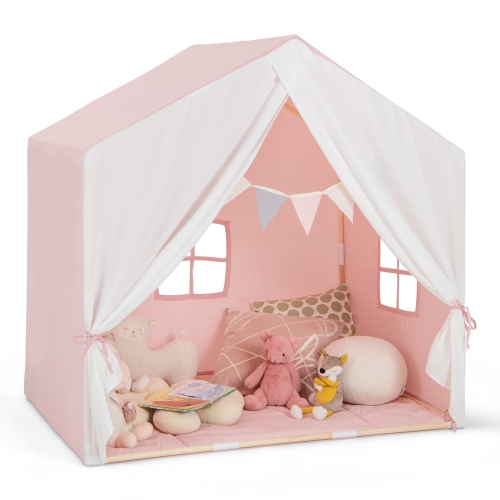
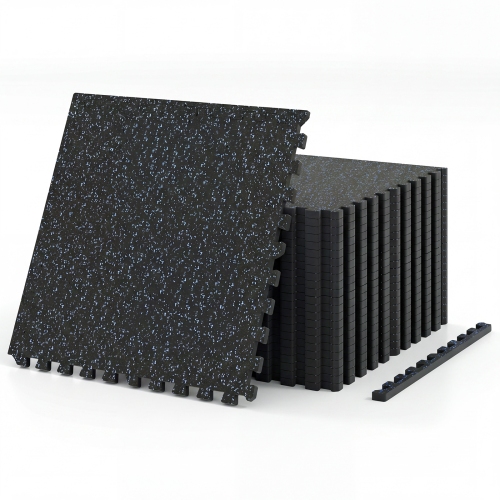
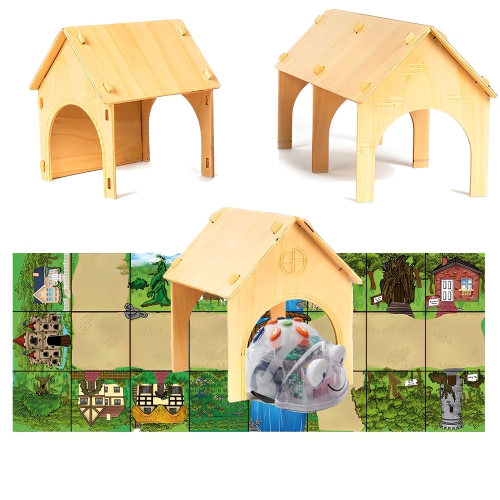
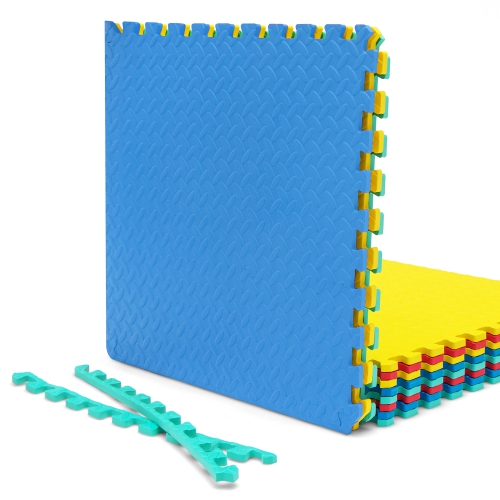
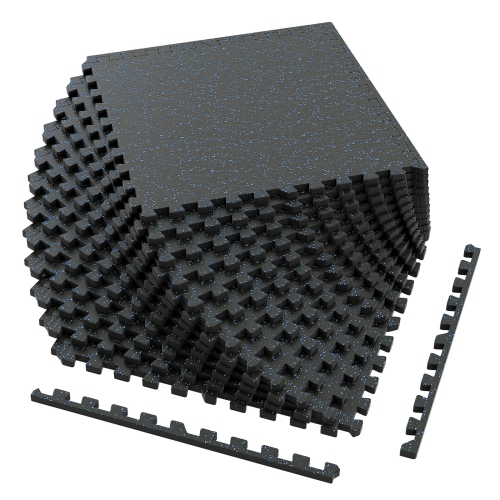
A cushioned space for tummy time and beyond
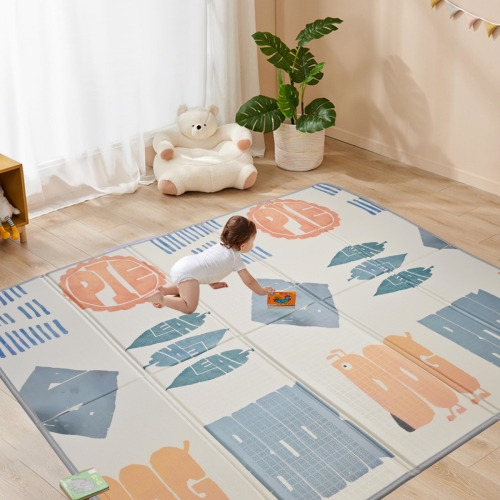
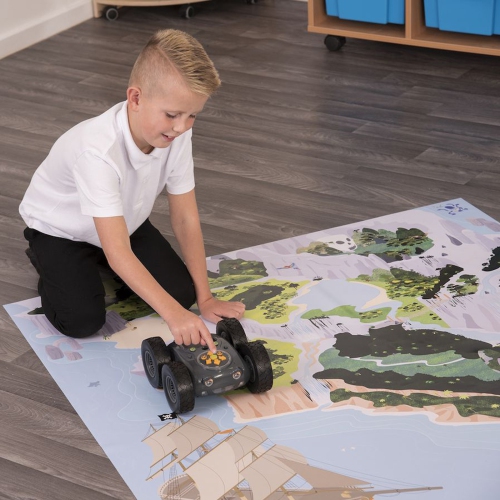
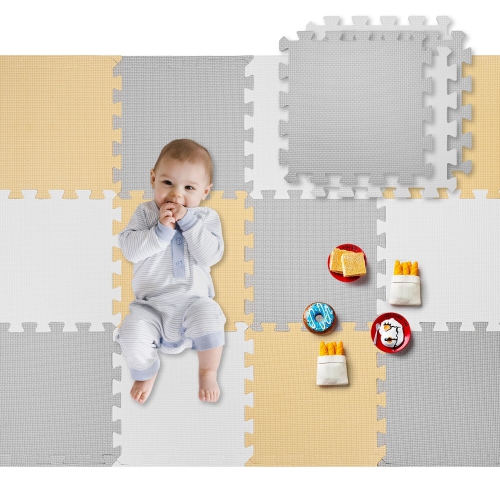
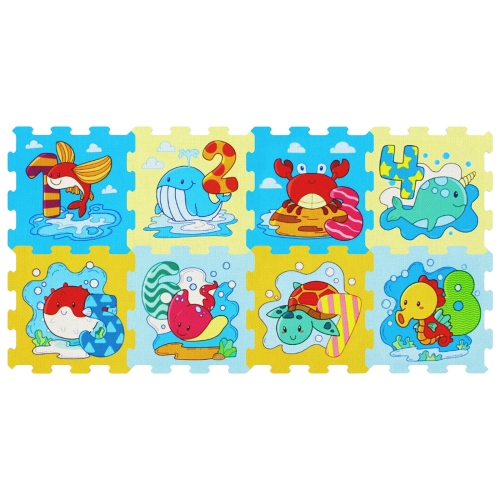
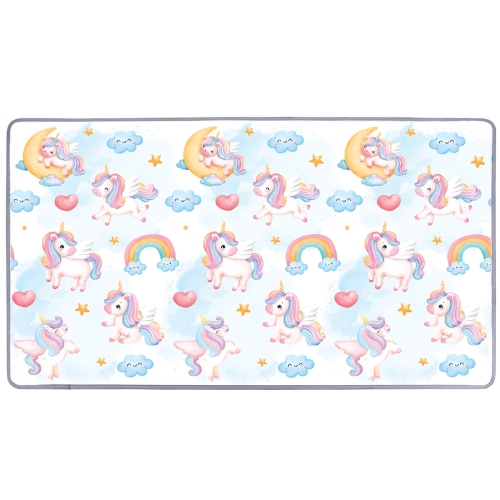
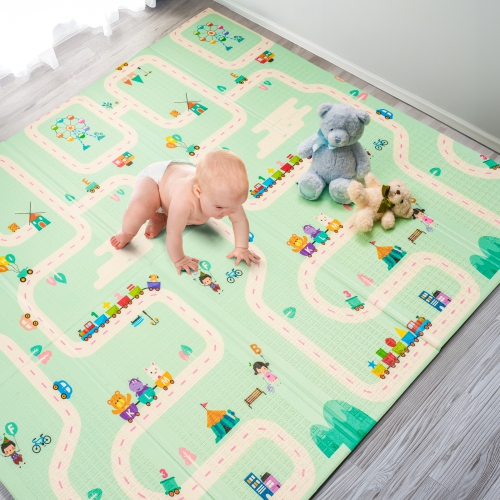
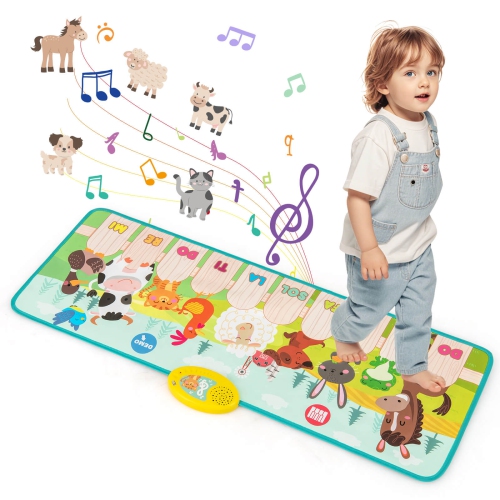
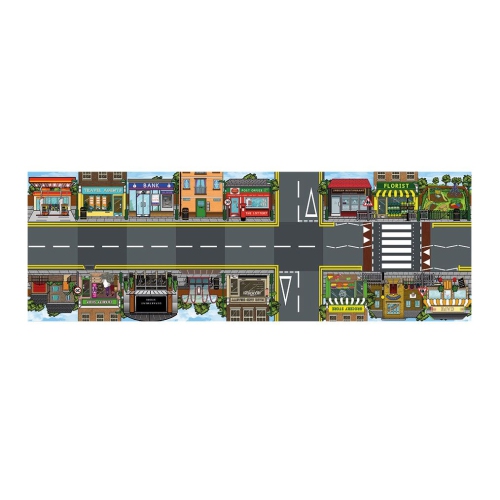
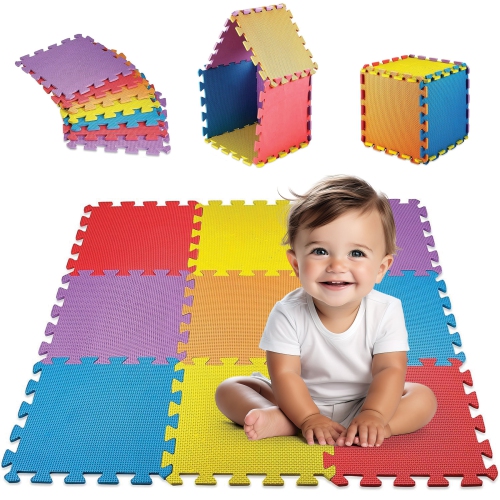
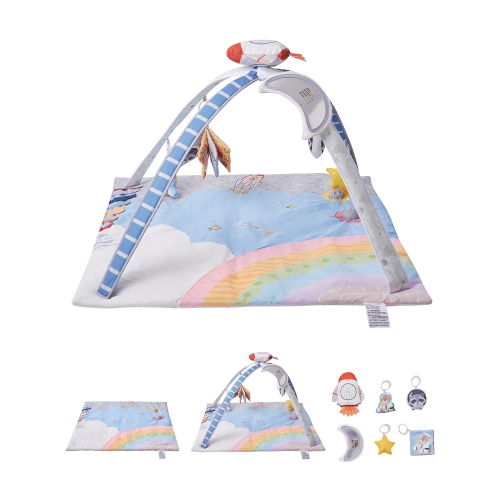
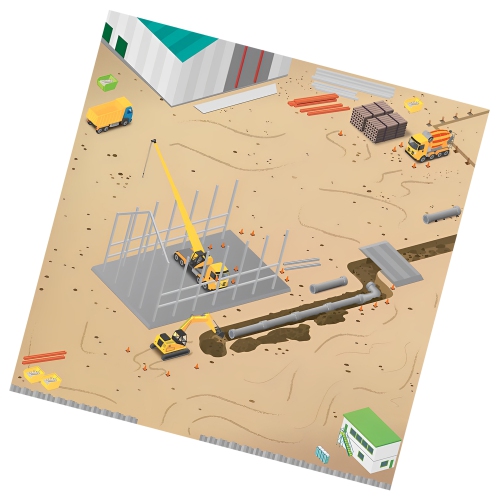
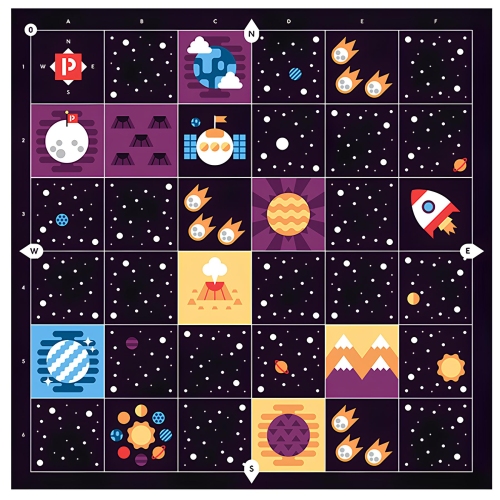
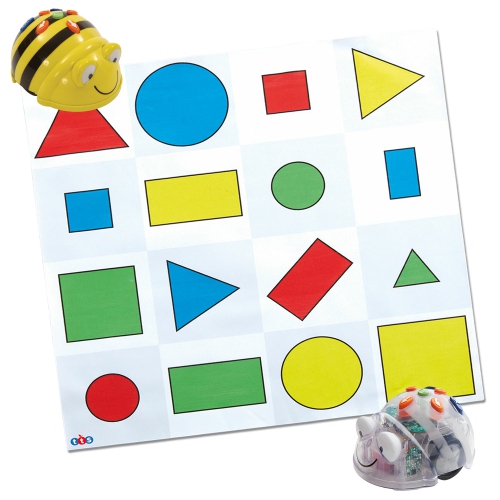
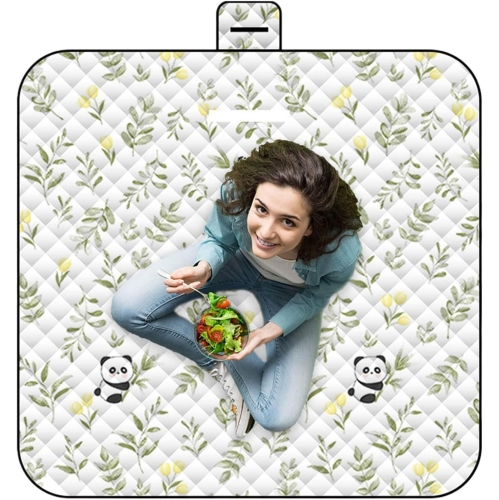
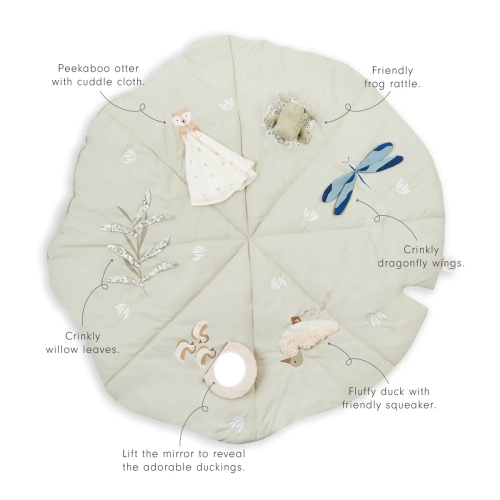
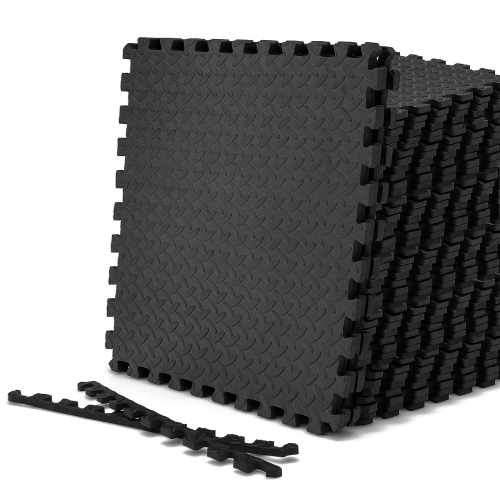
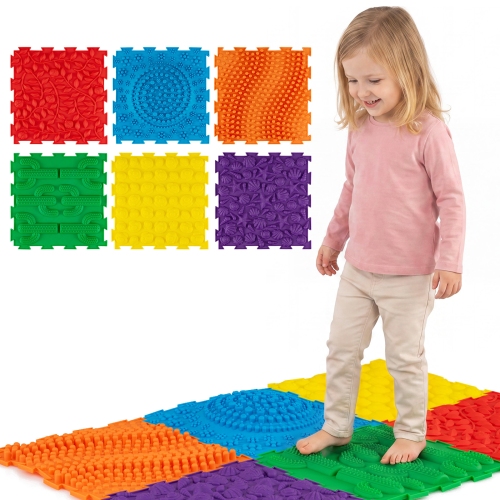
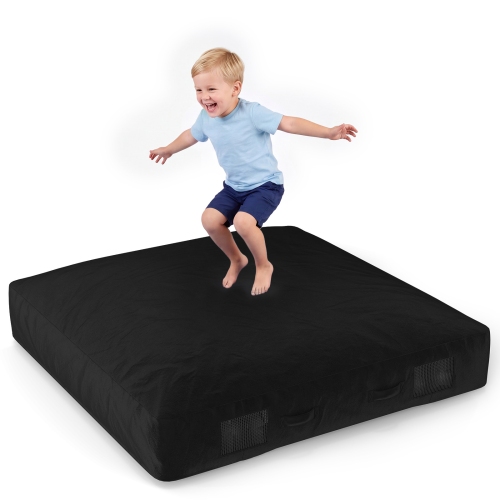
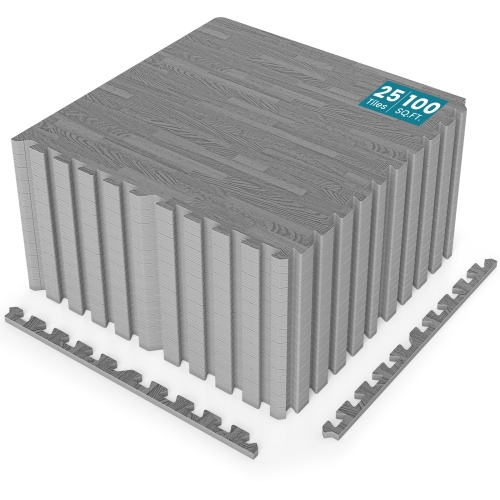
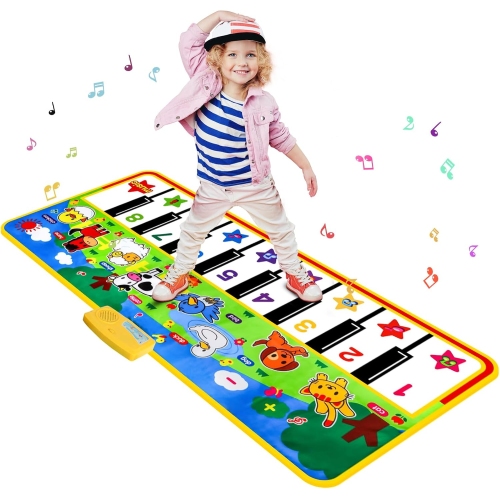
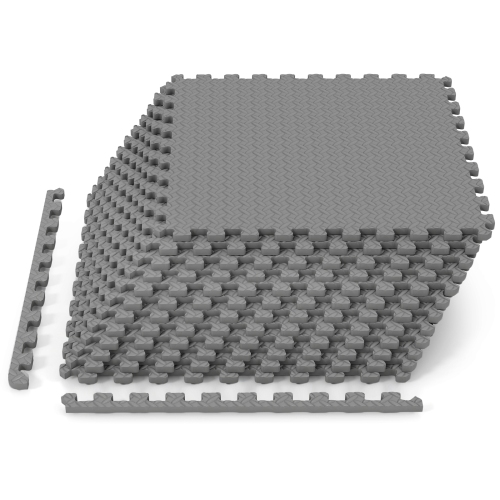
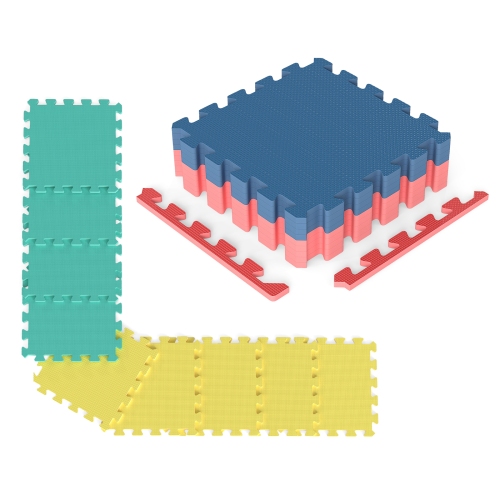
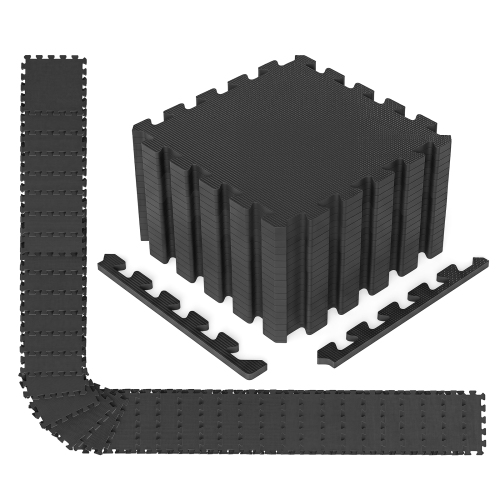
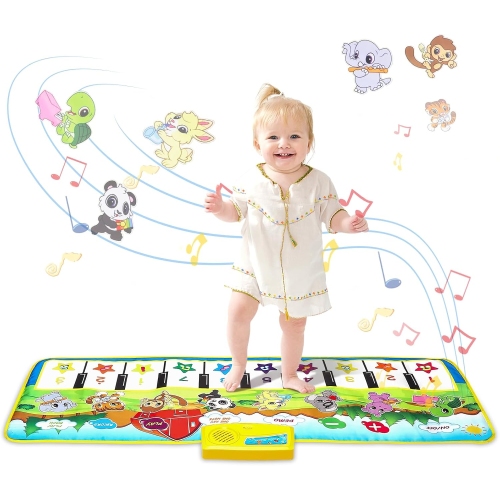
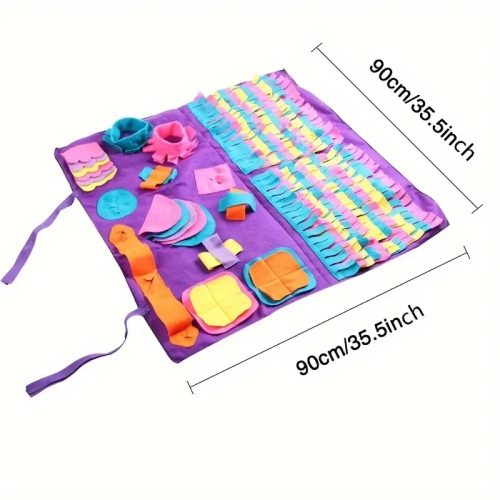
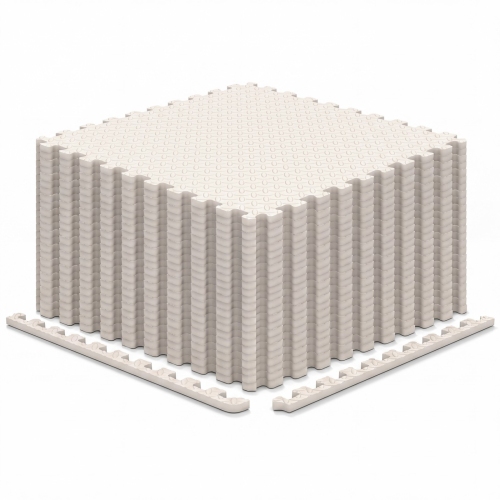
Play mats are padded floor coverings that give babies, toddlers, and young children a defined place for supervised play, tummy time, crawling, and floor-based activities. They add a cushioning layer between a child and the floor, while providing room to reach for a toy, roll over, or spread out a set of building blocks. The main types include interlocking foam tiles, foldable or roll-up mats, and fabric activity mats, each suited to different spaces and routines. Interlocking tiles join together like puzzle pieces, allowing the layout to suit a corner of a living room or a larger play area. A one-piece mat provides a continuous play surface without tile joins, while folding designs tuck away more easily when the floor needs to be cleared. Fabric mats often feature stitched textures, crinkly sections, or attached activity arches that give young babies things to look at and reach towards. For a newborn, a mat can serve as a spot for brief periods of supervised tummy time while awake; for an older baby, open floor space leaves room to practise rolling and crawling. Toddlers may use the same area for stacking cups, sorting shapes, or looking through board books with a caregiver. Printed roads, animals, letters, and shapes can become part of imaginative games, although a simple surface works just as well for many activities. High-contrast patterns may attract a young infant’s attention, while quieter colours can help a play space blend into a shared room. Age suitability matters more than appearance alone: activity features, detachable pieces, and the mat’s construction should match the child’s stage and the manufacturer’s age guidance. Play mats are intended for awake play rather than sleep and do not replace adult supervision. If a baby falls asleep during play, move them to an appropriate infant sleep space with a firm, flat sleep surface.
Materials and construction affect how a play mat feels under small hands and knees, how it holds up to daily use, and how easily it can be cleaned. Foam designs may use materials such as ethylene-vinyl acetate, commonly called EVA, or cross-linked polyethylene, known as XPE. The material name alone does not establish the finished mat’s firmness, durability, or suitability for a particular age, so the product’s stated specifications and care directions remain important. Some foam mats have a sealed, wipe-clean surface, while others have textured finishes or joins where crumbs and moisture can collect. Fabric mats may combine cotton or polyester covers with padded filling, offering a soft textile surface for floor play. Check whether the whole mat can be washed or whether only a removable cover is machine washable, especially when the mat will be used for daily tummy time. Thickness is another consideration, but a thicker mat is not automatically a better match. Cushioning, firmness, surface grip, and stability all work together: a baby beginning to push up needs a supportive surface, while a toddler carrying toys across the mat needs secure footing. No mat can prevent every bump or fall. On hardwood, laminate, or tile, the underside should sit securely without sliding; on carpet, check that the mat lies flat rather than bunching or shifting. Raised edges, curled corners, and loose tile connections can interrupt play or create a tripping point. For everyday cleaning, follow the maker’s directions for suitable cloths, detergents, and drying methods rather than assuming every mat tolerates soaking or disinfectants. Wipe up spills promptly, clean beneath the mat as well as on top, and let all surfaces dry before putting it back down. Regular checks for torn coverings, exposed filling, peeling finishes, or damaged connectors help identify when a mat needs repair or replacement according to its instructions. Any small pieces that loosen should be kept away from young children.
The right play mat also needs to fit the room and the way the family uses it. Measure the usable floor area rather than the room’s full dimensions, allowing for furniture, door swings, and the paths people take through the space. A compact mat may suit a baby’s supervised play beside a seated caregiver, but a child who is rolling or crawling can quickly travel beyond its edges. Families creating a shared area for siblings or making room for floor puzzles can explore Large Playmats for broader coverage, while still checking the exact dimensions against their space. Keep the play area away from stairs, accessible cords, heaters, and furniture that could tip, and place the mat directly on the floor rather than on a bed, table, or other raised surface. If it will sit inside a play yard, confirm that the manufacturer permits an added mat and that the fit does not leave gaps or interfere with the enclosure’s intended use. Storage can be just as important as the open size in a multipurpose room. A folding mat can slide into a suitable cupboard, a roll-up design needs space for its rolled diameter, and foam tiles require a place to keep the pieces together when taken apart. For visits to grandparents or time with another caregiver, consider the mat’s weight, carrying method, and ease of cleaning before packing it away. Activity arches and attached toys may need to be removed or adjusted as a baby gains mobility, following the manufacturer’s directions. Play mats can also make practical baby shower or first-birthday gifts when chosen for the recipient’s space, the child’s age, and the family’s care preferences. A washable fabric surface may suit someone who prefers laundering, while a wipe-clean mat may fit a household where snacks and craft activities happen at floor level. A well-matched mat supports these ordinary routines without demanding a permanent playroom: a place for a caregiver to sit close, a baby to reach a little farther, or a toddler to build and start again.
Top selling and popular products
-
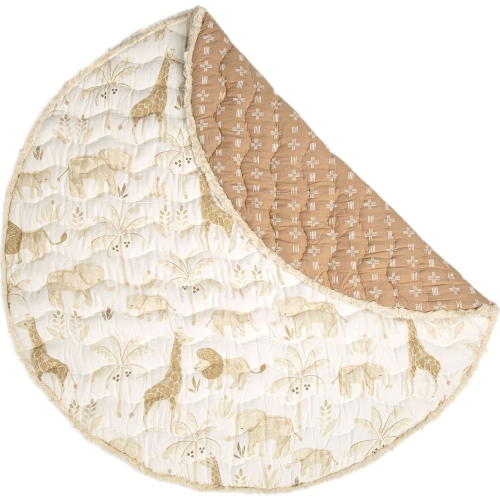 Your price for this item is $118
-
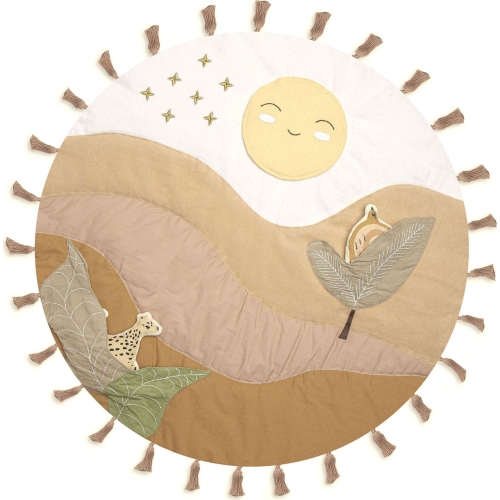 Your price for this item is $152
-
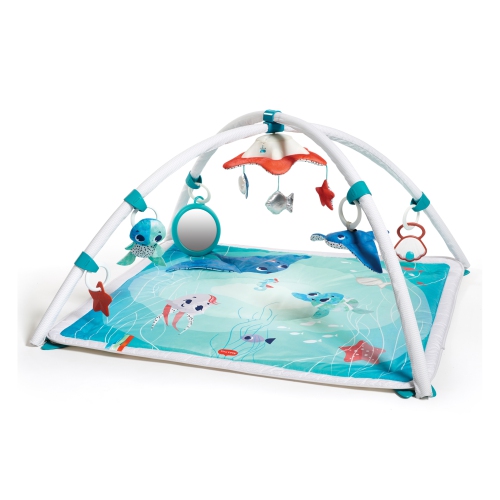 Your price for this item is $109.99
-
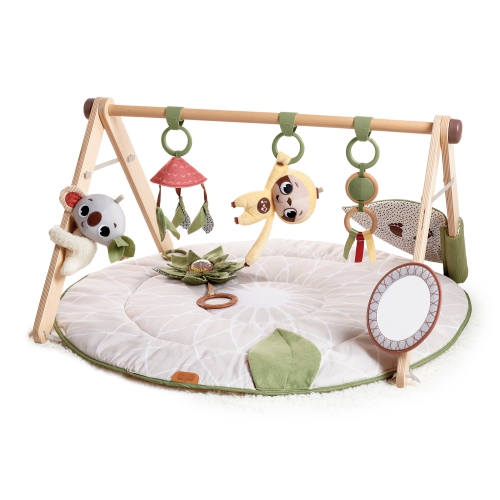 Your price for this item is $139.99
-
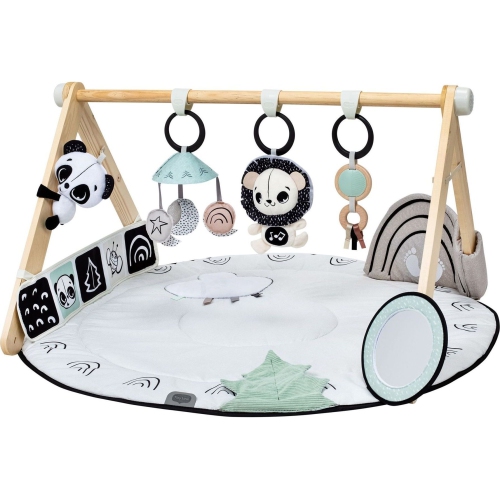 Your price for this item is $149.99
-
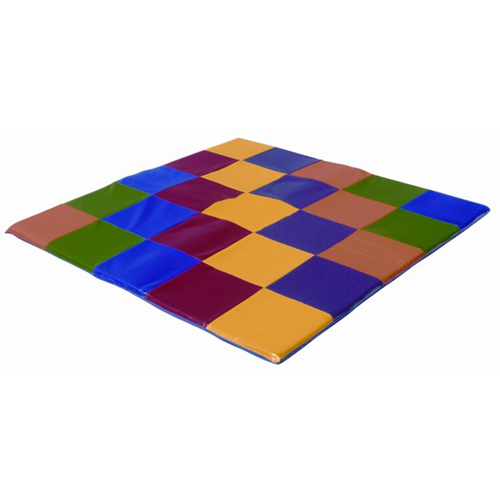 Your price for this item is $199.99
-
 Your price for this item is $27.99
-
 Your price for this item is $199.95
Discover more categories related to Play Mats
Top Collections:
Best Black Friday Deals This Year, Best Black Friday Deals On Electronics, Kindle Devices, Pokemon Centers, Best Black Friday Deals On Apple Products, Best Cameras for Sports Photography, Dyson Airwrap, Pokémon 30th Celebration Cards, Apple iPhone 17 Pro, Canon G7X Cameras
Some products may be subject to Environmental Handling Fees
(EHF) depending on your province.
Learn more about EHFs.