Pokemon Card Storage Solutions
Keep your collection organized and protected with a wide selection of Pokémon card storage solutions. Whether you’re a dedicated collector or just starting out, finding the right way to store your cards can make all the difference in maintaining their condition and showcasing your favorites. Explore options designed to help you keep track of rare finds, complete sets, and everyday cards with ease. Discover Pokémon card storage solutions that fit your needs and enjoy peace of mind knowing your cards are neatly arranged and ready for your next trading or gaming session.
Sort
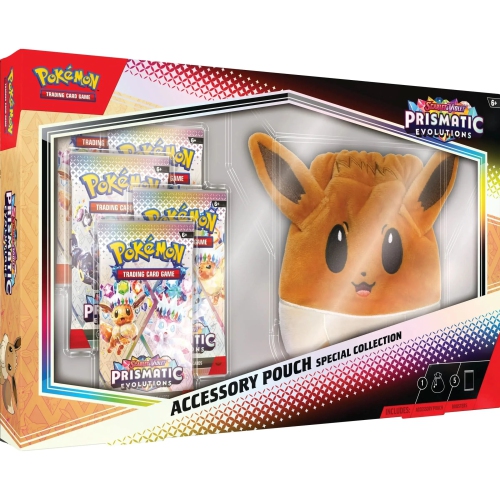
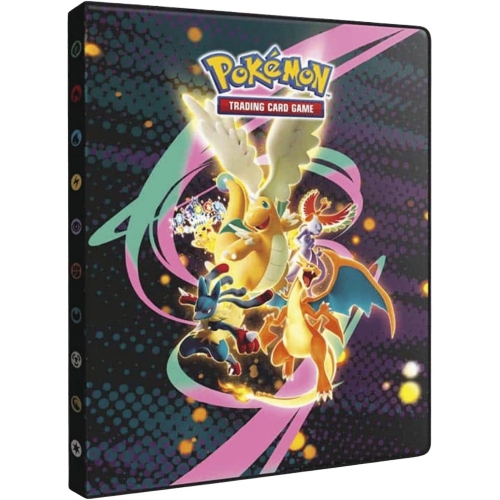
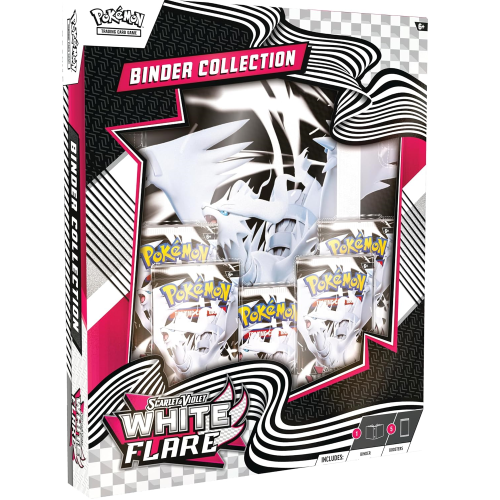
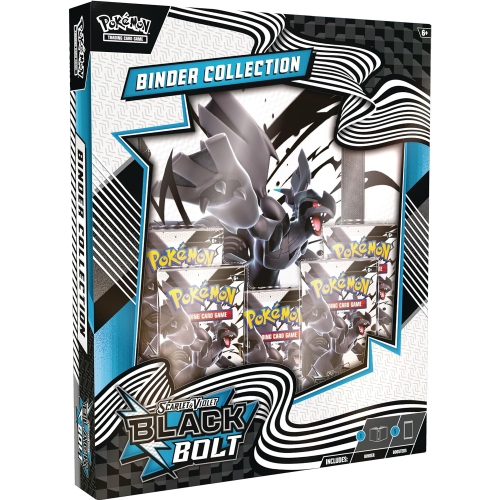


Favourite cards deserve better than a crowded drawer
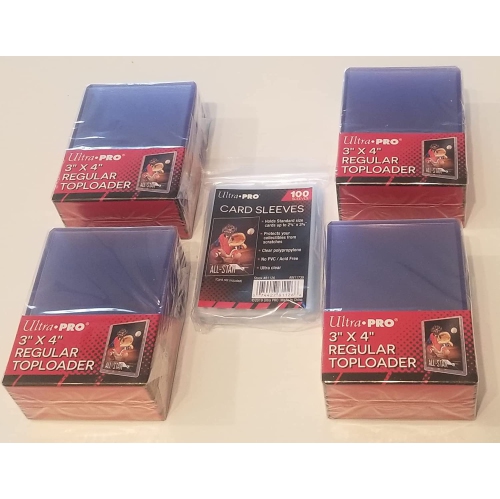
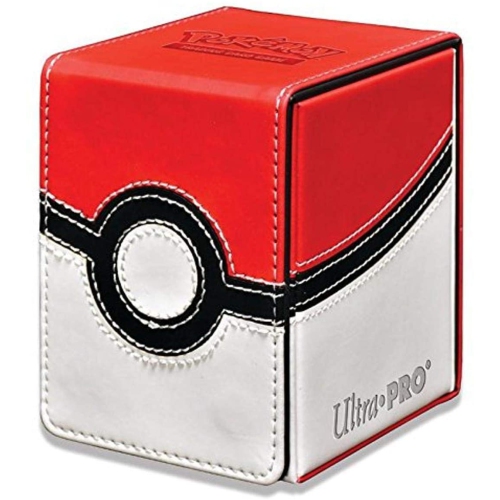
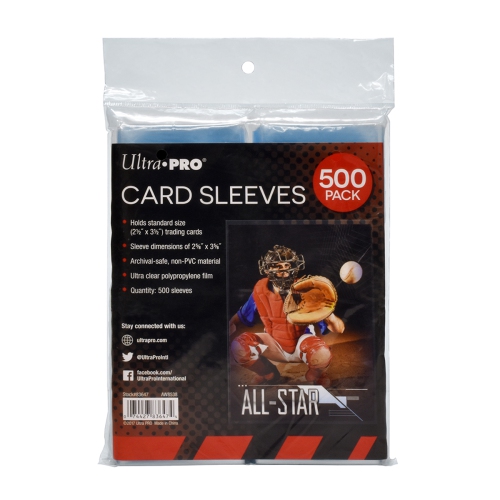
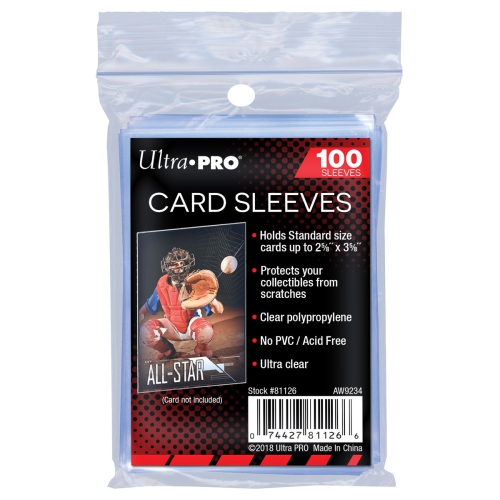
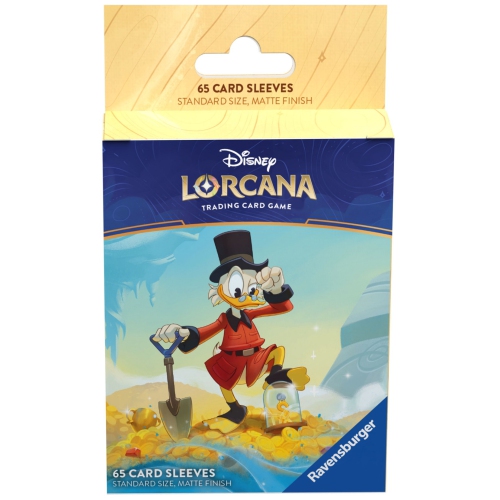
Pokémon card storage solutions give collections a place to grow without leaving favourite cards loose in drawers, stacked on a desk, or tucked between book pages. Sleeves, binders, rigid holders, deck boxes, and larger sorting boxes serve different purposes, from keeping a playable deck together to preserving the appearance of a carefully assembled set. A practical storage setup combines protection against surface rubbing with enough structure to limit bent corners and accidental creases. Soft sleeves provide a close-fitting first layer, while rigid holders add support for individual cards that need more protection during handling. Pokemon Card Sleeves are especially relevant when cards move regularly between a binder, a deck box, and a play surface, although sleeve dimensions and holder compatibility matter as much as the protective material. Standard Pokémon trading cards measure approximately 63 × 88 mm; sleeves should be designed for that card size, and outer holders need enough room for the sleeved card without forcing it into place. Oversized cards require separate storage with suitable dimensions rather than a tight squeeze into standard pockets. For materials that touch card surfaces, acid-free, PVC-free sleeves and pocket pages are useful features to look for, particularly when cards will remain stored for extended periods. Clear fronts make artwork and card details easy to see, while opaque sleeve backs can give a playable deck a uniform appearance. A single card in each sleeve avoids the friction and tightness that can result from doubling up. For collectors who enjoy browsing illustrations, comparing different printings, or showing a favourite page to a friend, storage is also part of the experience. A well-spaced layout keeps cards visible and accessible, turning a growing assortment into something that can be enjoyed without repeatedly handling bare card surfaces. The right balance depends on whether those cards are headed to a game night, displayed in an album, or set aside as part of a long-term collection.
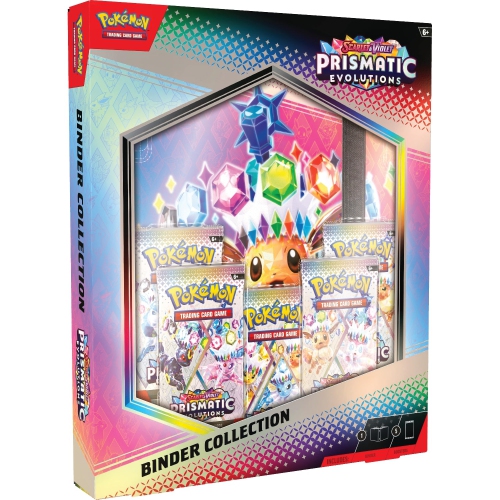
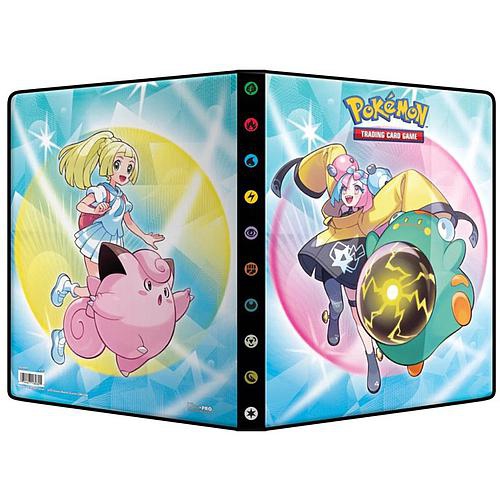
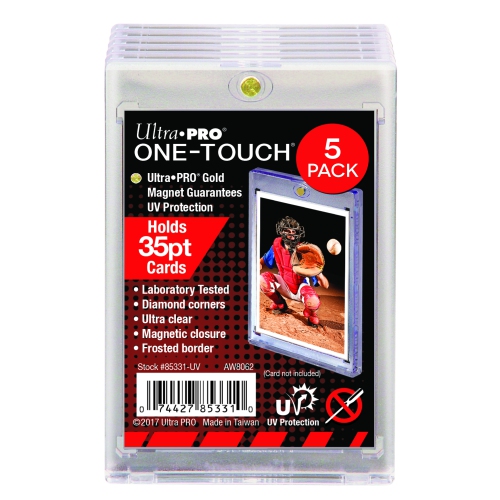
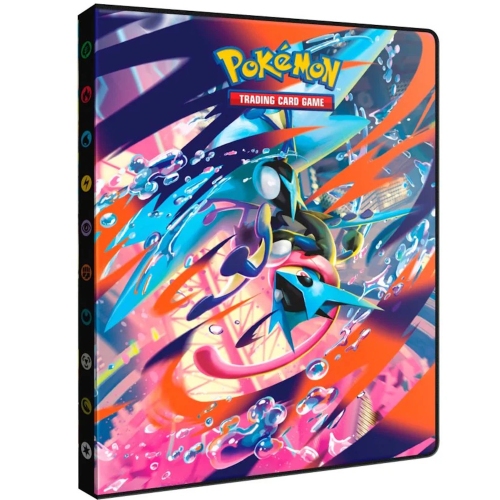
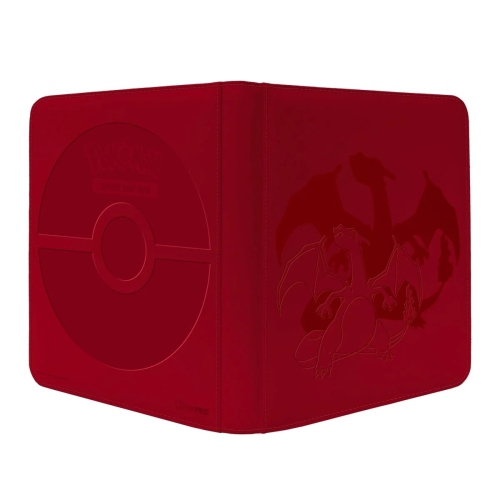
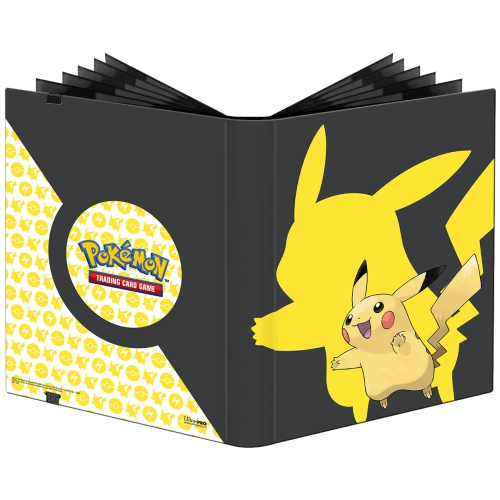
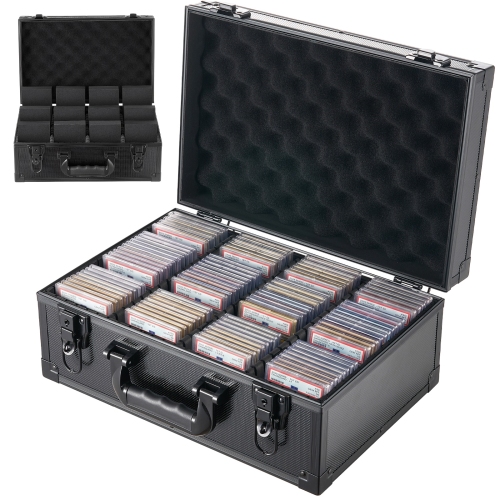
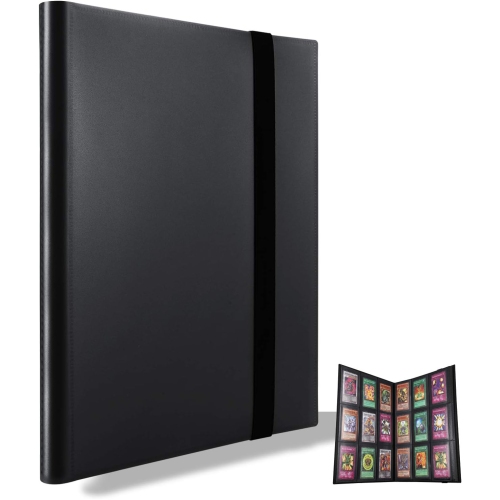
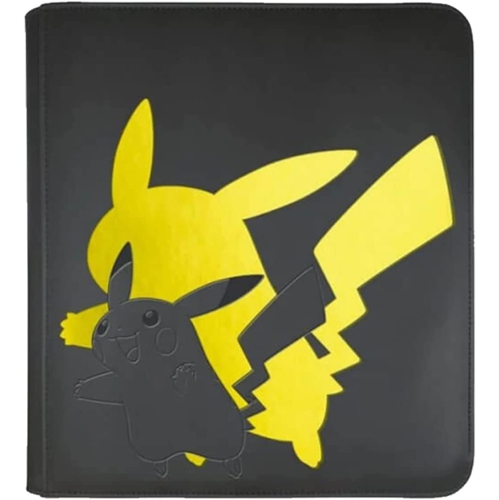
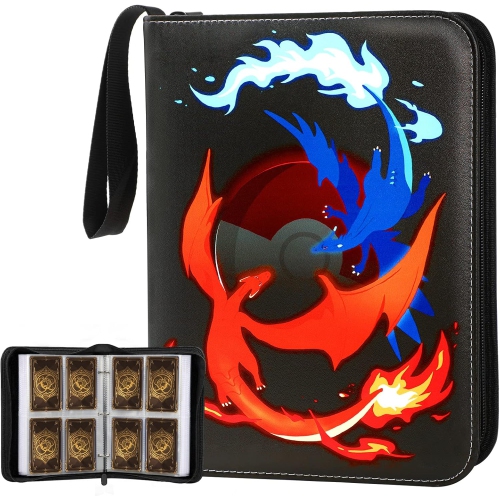
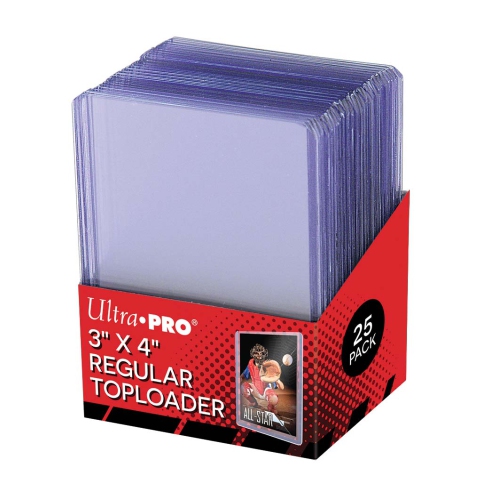
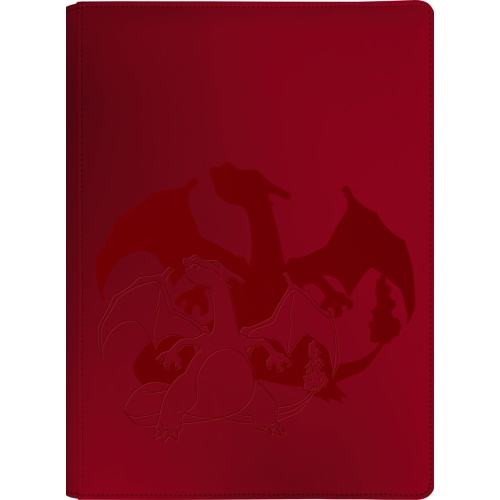
Binders suit collections that benefit from a clear visual order, whether arranged by set number, character, card type, or personal favourites. Side-loading pockets help keep cards from slipping out through the top during ordinary browsing, and a zippered cover helps limit dust entry and keeps the binder closed during transport. Neither feature makes a binder waterproof, so a dry shelf and a separate space away from drinks still matter. Pocket dimensions should accommodate the intended sleeves without bowing the page, catching a card edge, or requiring pressure to insert and remove cards. Binders with fixed pages avoid contact with metal rings, while ring-style albums need enough clearance for pages to turn freely without pressing cards against the hardware. Capacity figures deserve a close look: a stated card count may depend on how pockets are filled, and the most comfortable fit is not necessarily the fullest possible binder. Empty spaces can be useful for missing cards in a numbered set, making it easier to add new finds without rearranging every page. Rigid toploaders and semi-rigid holders serve a different role, supporting individual sleeved cards rather than presenting many cards together in a flexible album. Their fit varies, and thicker holders usually need purpose-made boxes or binder pockets rather than standard pages. For larger quantities, divided storage boxes make duplicate cards, Energy cards, and Trainer cards easier to separate and retrieve. Sturdy cardboard offers a lightweight structure for shelf storage, while moulded plastic cases can provide a wipe-clean exterior and firmer walls for frequent handling. Interior dimensions, divider placement, and lid clearance all affect whether sleeved cards sit comfortably. Cards stored upright need enough support to prevent leaning, without being packed so tightly that removal scuffs edges. Smooth dividers and clearly marked sections reduce unnecessary searching, particularly when a collector wants to find one missing card rather than sift through an entire box. A little unused space also leaves room for additions without compressing an established arrangement.
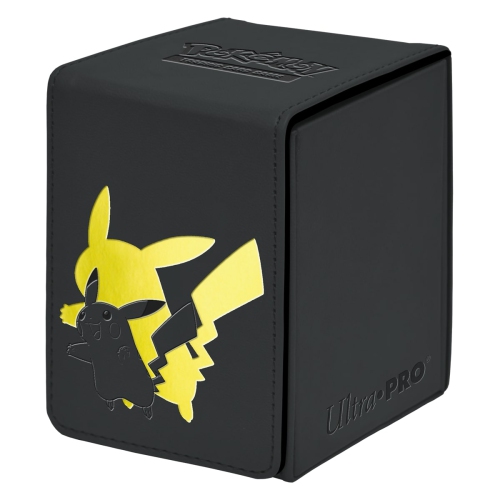
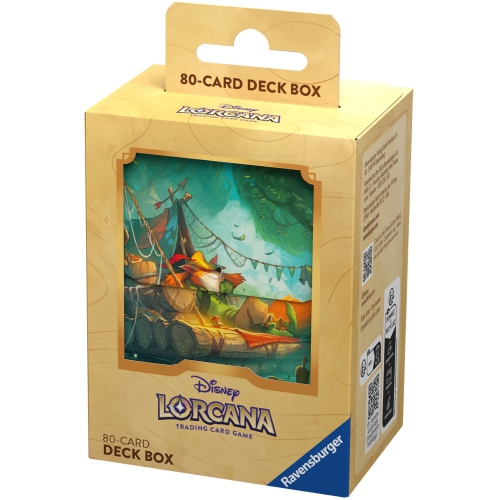
Everyday use often determines which storage details matter most. A player carrying a deck to a friend's house needs a box that accommodates the full sleeved deck, closes securely, and fits comfortably in a bag. Double-sleeved decks take up more room than decks with one sleeve per card, so a capacity stated for unsleeved cards may not reflect that use. Separate compartments for dice, counters, and other small accessories help prevent loose pieces from pressing against card faces or edges. Younger collectors may find simple closures, manageable binder sizes, and easy-to-read labels more useful than a large case that becomes heavy when full. For a family sharing a hobby, individual deck boxes and divided sections can keep everyone's cards distinct while leaving a shared binder for favourites. Storage accessories can also make thoughtful gifts for someone building a first collection or returning to cards saved from childhood, especially when the format matches how that person plays, sorts, or displays them. Durability depends on both construction and care: reinforced seams, securely attached pages, smooth pocket openings, and closures that work without force all contribute to comfortable repeated use. Clean, dry hands reduce residue during handling, and keeping food and drinks away from open binders helps prevent avoidable stains. Dust on a case exterior can usually be removed with a soft cloth, with any cleaning method checked against the material's care instructions; moisture and cleaning sprays should stay away from cards and pocket interiors. For longer-term storage, a cool, dry room with reasonably stable temperature and humidity is preferable to a garage, attic, or damp basement. Direct sunlight can fade printed colours, and heavy objects stacked on binders or boxes can place uneven pressure on the contents. Sleeves and cases reduce particular risks, but they cannot compensate for prolonged heat, moisture, or crushing. With suitable sizing, supportive storage, and an accessible place indoors, Pokémon cards can remain neatly organized for regular play, relaxed browsing, and the satisfaction of seeing a collection take shape.
Binders suit collections that benefit from a clear visual order, whether arranged by set number, character, card type, or personal favourites. Side-loading pockets help keep cards from slipping out through the top during ordinary browsing, and a zippered cover helps limit dust entry and keeps the binder closed during transport. Neither feature makes a binder waterproof, so a dry shelf and a separate space away from drinks still matter. Pocket dimensions should accommodate the intended sleeves without bowing the page, catching a card edge, or requiring pressure to insert and remove cards. Binders with fixed pages avoid contact with metal rings, while ring-style albums need enough clearance for pages to turn freely without pressing cards against the hardware. Capacity figures deserve a close look: a stated card count may depend on how pockets are filled, and the most comfortable fit is not necessarily the fullest possible binder. Empty spaces can be useful for missing cards in a numbered set, making it easier to add new finds without rearranging every page. Rigid toploaders and semi-rigid holders serve a different role, supporting individual sleeved cards rather than presenting many cards together in a flexible album. Their fit varies, and thicker holders usually need purpose-made boxes or binder pockets rather than standard pages. For larger quantities, divided storage boxes make duplicate cards, Energy cards, and Trainer cards easier to separate and retrieve. Sturdy cardboard offers a lightweight structure for shelf storage, while moulded plastic cases can provide a wipe-clean exterior and firmer walls for frequent handling. Interior dimensions, divider placement, and lid clearance all affect whether sleeved cards sit comfortably. Cards stored upright need enough support to prevent leaning, without being packed so tightly that removal scuffs edges. Smooth dividers and clearly marked sections reduce unnecessary searching, particularly when a collector wants to find one missing card rather than sift through an entire box. A little unused space also leaves room for additions without compressing an established arrangement.
Everyday use often determines which storage details matter most. A player carrying a deck to a friend's house needs a box that accommodates the full sleeved deck, closes securely, and fits comfortably in a bag. Double-sleeved decks take up more room than decks with one sleeve per card, so a capacity stated for unsleeved cards may not reflect that use. Separate compartments for dice, counters, and other small accessories help prevent loose pieces from pressing against card faces or edges. Younger collectors may find simple closures, manageable binder sizes, and easy-to-read labels more useful than a large case that becomes heavy when full. For a family sharing a hobby, individual deck boxes and divided sections can keep everyone's cards distinct while leaving a shared binder for favourites. Storage accessories can also make thoughtful gifts for someone building a first collection or returning to cards saved from childhood, especially when the format matches how that person plays, sorts, or displays them. Durability depends on both construction and care: reinforced seams, securely attached pages, smooth pocket openings, and closures that work without force all contribute to comfortable repeated use. Clean, dry hands reduce residue during handling, and keeping food and drinks away from open binders helps prevent avoidable stains. Dust on a case exterior can usually be removed with a soft cloth, with any cleaning method checked against the material's care instructions; moisture and cleaning sprays should stay away from cards and pocket interiors. For longer-term storage, a cool, dry room with reasonably stable temperature and humidity is preferable to a garage, attic, or damp basement. Direct sunlight can fade printed colours, and heavy objects stacked on binders or boxes can place uneven pressure on the contents. Sleeves and cases reduce particular risks, but they cannot compensate for prolonged heat, moisture, or crushing. With suitable sizing, supportive storage, and an accessible place indoors, Pokémon cards can remain neatly organized for regular play, relaxed browsing, and the satisfaction of seeing a collection take shape.
Top selling and popular products
-
 Your price for this item is $18
 -
 Your price for this item is $7.99
 -
 Your price for this item is $55
 -
 Your price for this item is $2
 -
 Your price for this item is $199.99
 -
 Your price for this item is $35
 -
 Your price for this item is $18.4
 -
 Your price for this item is $13.8
Discover more categories related to Pokemon Card Storage Solutions
Top Collections:
Pokemon Centers, Kindle Devices, Best Budget Office Chairs, Apple iPhones 16, Canon G7X Cameras, iPhone 15 Apple, Alarm Clock, Refurbished Apple Laptops, Flip Phones, Best Laptops for Writers
Some products may be subject to Environmental Handling Fees
(EHF) depending on your province.
Learn more about EHFs.