Post Apocalyptic Action Figures
Step into a world of adventure and survival with Post Apocalyptic Action Figures, designed to ignite your imagination and bring epic stories to life. Whether you're expanding your collection or searching for the perfect gift, these figures capture the thrill of a dystopian universe filled with heroes, villains, and unforgettable moments. Discover an array of detailed designs that make every scene more dynamic, perfect for display or interactive play. Elevate your collection with Post Apocalyptic Action Figures and experience the excitement of a world beyond the ordinary.
Sort
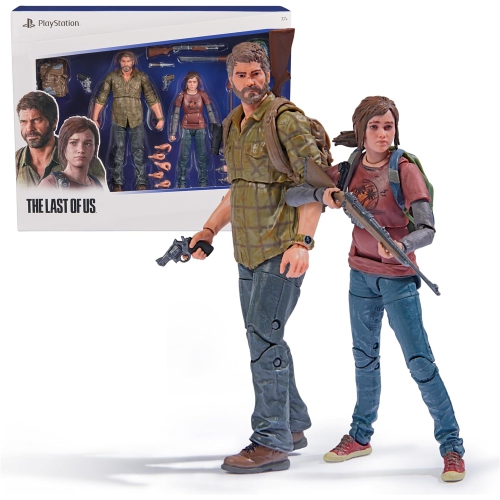
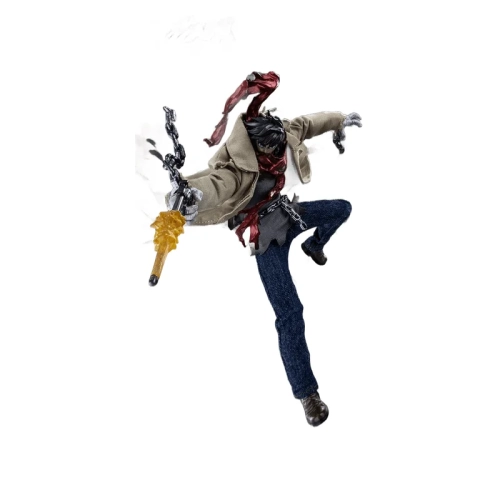


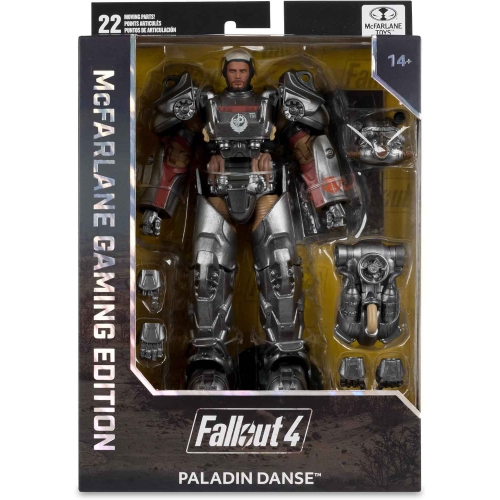


Weathered armour and sculpted details tell each character’s story
Post-apocalyptic action figures bring the imagined worlds of wasteland survivors, scavengers, armoured fighters, mutants, and science-fiction machines into a collection built around character and detail. Their distinctive look comes from the contrast between advanced technology and improvised equipment: a mechanical suit with mismatched armour plates, a traveller carrying a patched pack, or a helmet marked with painted scratches. These details suggest a story without needing an elaborate backdrop. Some designs draw on fictional worlds from film, television, video games, and comics, while others create original characters with their own visual identities. The theme covers several collecting styles, from realistic human proportions and finely textured clothing to exaggerated silhouettes and stylized faces. Earthy colours, faded markings, sculpted fabric folds, and simulated rust can give a figure a worn appearance, although the finish is decorative rather than evidence of actual wear. For a cohesive display, scale matters as much as subject. A 1:12-scale human figure is often around 6 inches tall, while a 1:18-scale figure is commonly closer to 3.75 inches; actual height varies with the character and design. Larger machines and creatures may belong to the same scale as a smaller human figure, so matching height alone does not guarantee matching proportions. Listed dimensions are useful when fitting a collection into a bookcase or display cabinet, especially when a character has a tall antenna, broad shoulder armour, or a projecting backpack. Smaller figures can suit compact group scenes, while larger formats leave more room for facial sculpting, layered accessories, and subtle paint effects. Articulated action figures also differ from fixed-pose collectibles and tabletop miniatures. Moving joints allow a character’s stance to change, whereas a fixed pose emphasizes a particular silhouette or moment. That distinction helps separate figures intended for frequent handling from pieces better suited to a settled display. Across these formats, the appeal is much the same: carefully chosen visual details make each character look as though they have a history, whether standing alone on a shelf or forming part of a larger fictional setting.
Materials and construction shape how post-apocalyptic action figures feel, move, and hold up to use. Depending on the design, a figure may combine rigid plastics for the torso and armour, more flexible plastic for straps or clothing details, and fabric for capes, coats, or other garments. Some collectible formats use resin, which can capture fine sculpting but may be less forgiving of drops or pressure on thin parts. Material descriptions and the manufacturer’s age recommendation are therefore more useful than appearance alone when deciding whether a figure suits play, posing, or display. A detailed collectible is not automatically a children’s toy, and small accessories, detachable hands, or pointed sculpted elements can make certain designs unsuitable for younger children. For figures intended to be posed, joint placement matters more than a high articulation count by itself. Shoulder movement determines whether a character can reach across the body, hip clearance affects a seated stance, and ankle movement helps both feet sit flat on a shelf. Bulky armour, rigid coats, and equipment belts can limit those movements even when joints are present underneath. A convincing crouch or walking pose depends on several joints working together, not just flexible knees. Accessories add another practical consideration: an interchangeable hand should fit its intended wrist connection, a backpack should attach without forcing the peg, and a held accessory should sit securely without stretching the fingers beyond their intended shape. Compatibility should not be assumed between different figure lines, even when the figures share a nominal scale. Display stands can help with top-heavy characters, but their pegs or supports need to match the figure’s design. For regular handling, secure connections and manageable accessories may matter more than delicate finishing touches. For close-up display or toy photography, expressive hands, convincing textures, and paint details that remain clear at short viewing distances may carry more weight. Neither approach is inherently better; the right balance depends on whether the figure will be repositioned often, used for age-appropriate imaginative play, or left in a carefully arranged scene.
Displaying and caring for post-apocalyptic action figures is largely about protecting the details that give them their character. A plain shelf can work particularly well for intricate armour and equipment, allowing silhouettes and paintwork to stand out without visual clutter. A simple scenic base can suggest broken pavement or an abandoned outpost, while leaving enough space around each figure to appreciate its pose. When arranging a group, placing taller characters toward the back and keeping smaller accessories within the shelf edge makes the scene easier to read and less vulnerable to accidental knocks. Collectors who enjoy comparing toy design across different eras may also find Retro Style Action Figures a useful companion theme, with a different approach to proportions, sculpting, and visual storytelling. Whatever the display style, prolonged direct sunlight can fade colours, and excessive heat can affect some plastics. A stable location away from direct light and heat sources helps preserve the finish. Dust is usually best lifted gently with a clean, soft brush; any further cleaning should follow the manufacturer’s directions, particularly around fabric, printed markings, and painted surfaces. Harsh cleaners, abrasive cloths, and soaking can damage finishes or leave moisture inside joints. When changing a pose, support the figure close to the joint being moved rather than pulling on a hand, antenna, or attached accessory. Resistance is a reason to stop and check the intended movement, not to apply more force. Spare hands, small gear, and alternate heads are easier to keep track of in labelled compartments, separated so painted surfaces do not rub together. These practical details also matter when choosing a gift for a collector, a science-fiction fan, or someone who enjoys miniature photography and model scenes. Familiarity with the recipient’s preferred scale, visual style, and display space helps make the choice more personal. A figure with a strong standalone silhouette can suit a small desk display, while a character that matches an established scale may fit naturally into an existing collection. The lasting appeal comes from that combination of expressive design, thoughtful construction, and room for the owner to create a story through arrangement and pose.
Top selling and popular products
-
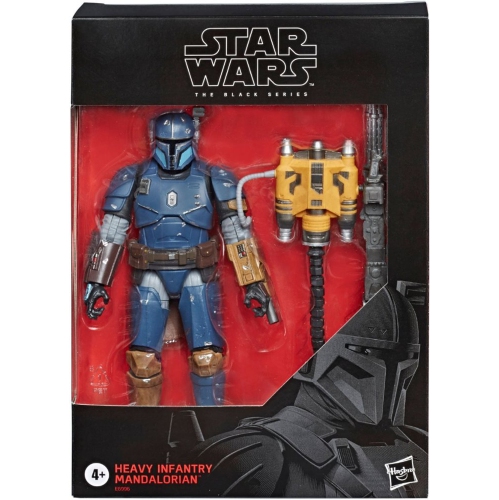 Your price for this item is $35.64
-
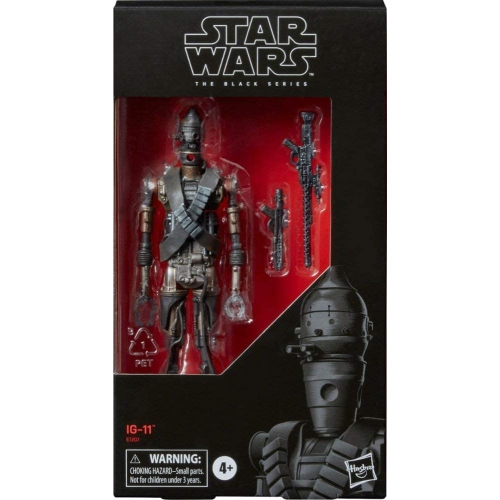 Your price for this item is $42
-
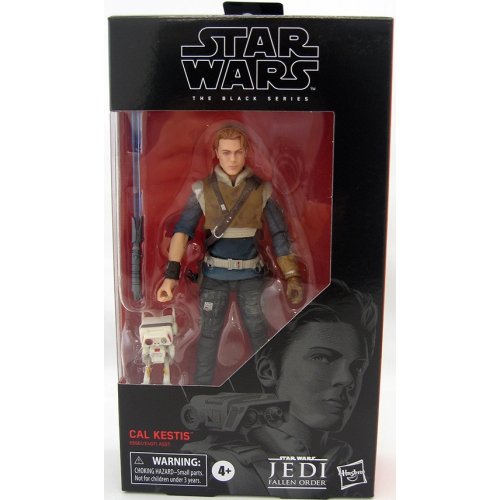 Your price for this item is $41.39
-
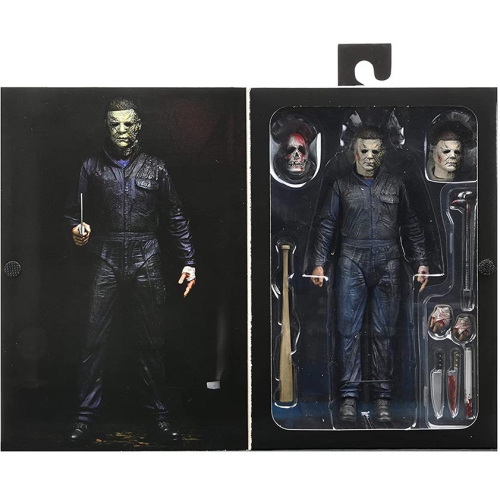 Your price for this item is $81
-
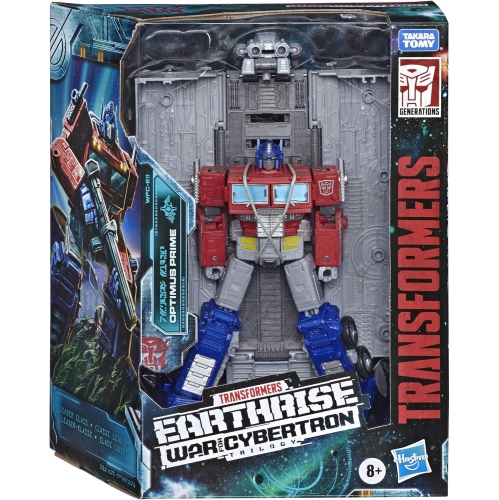 Your price for this item is $79.97
-
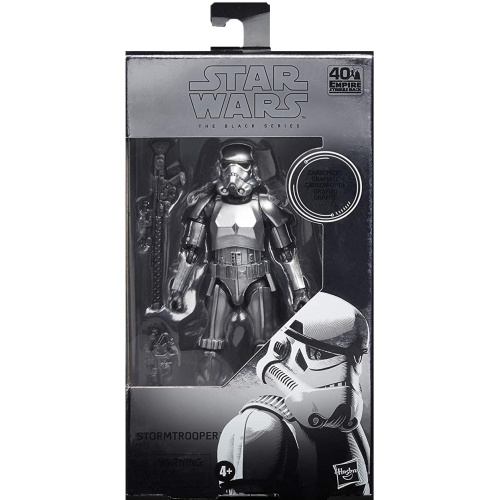 Your price for this item is $46
-
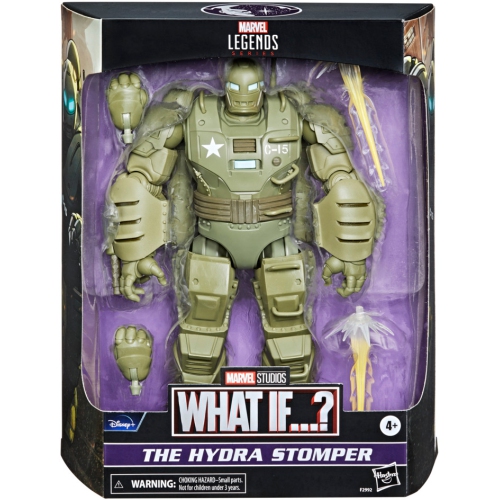 Your price for this item is $73.59
-
 Your price for this item is $36.79
Discover more categories related to Post Apocalyptic Action Figures


Top Collections:
Pokemon Centers, Kindle Devices, Best Budget Office Chairs, Canon G7X Cameras, Apple iPhones 16, Samsung Galaxy Phones, Refurbished Apple Laptops, Laptops for Students, iPhone 15 Apple, Budget Smartphones
Some products may be subject to Environmental Handling Fees
(EHF) depending on your province.
Learn more about EHFs.