Science Fiction Action Figures
Science Fiction Action Figures bring the excitement of futuristic worlds and epic adventures right into your collection. Whether you're a lifelong fan or just starting to explore the universe of sci-fi, these action figures capture the imagination with detailed designs inspired by iconic characters and stories. Perfect for display, play, or gifting, Science Fiction Action Figures let you relive legendary moments and create new adventures at home. Explore a wide selection and find the perfect addition to your collection today.
Sort


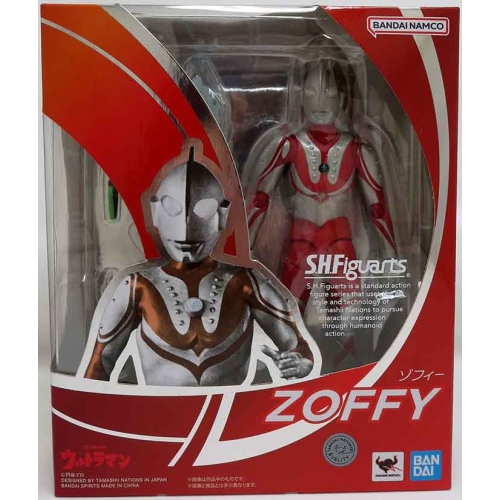

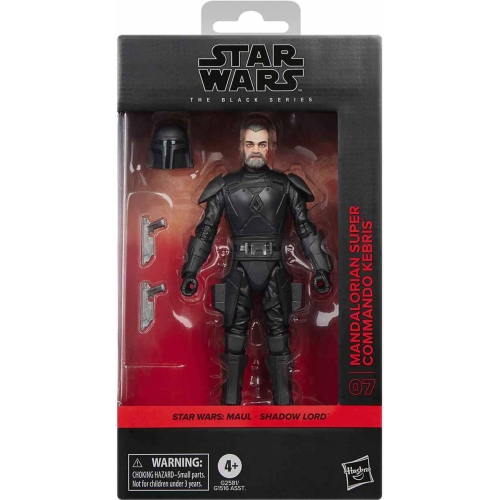


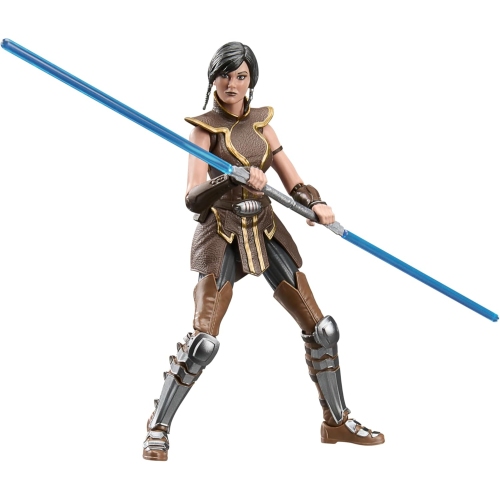

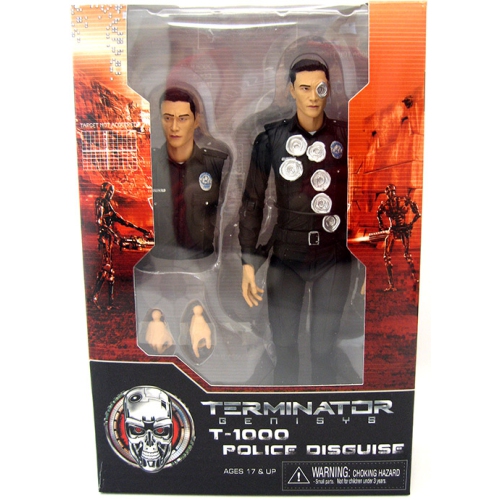

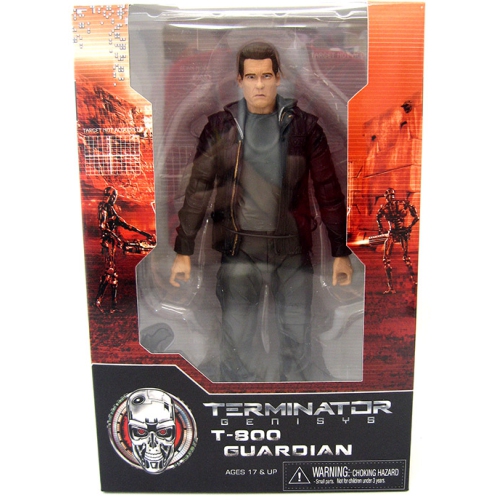


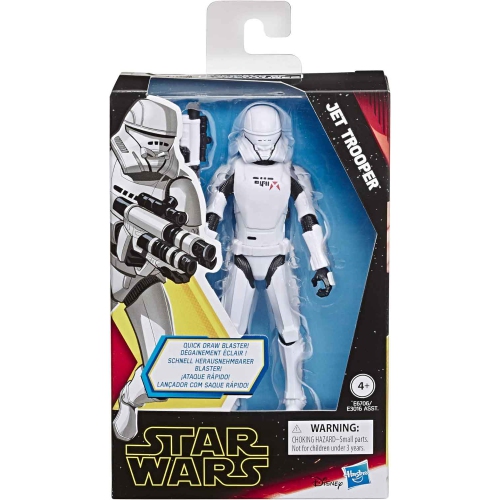

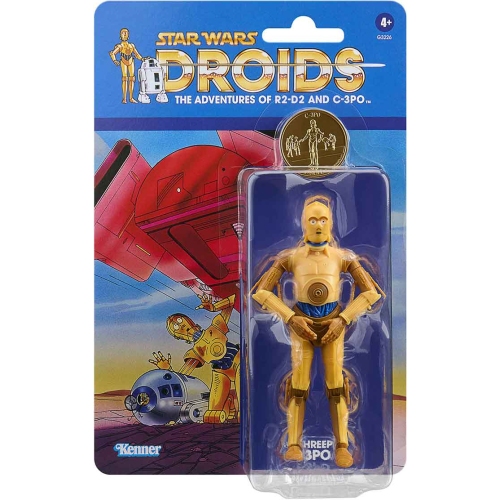
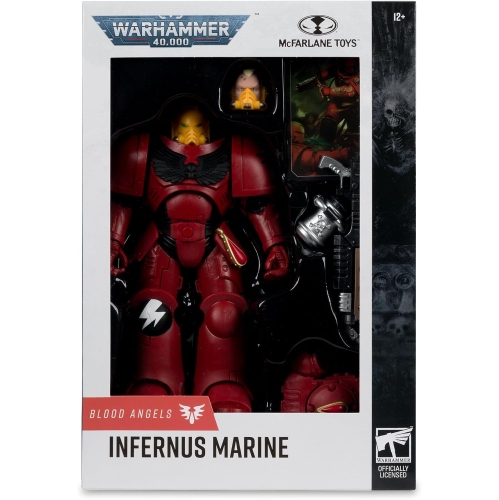
Small details and movable joints bring characters to life
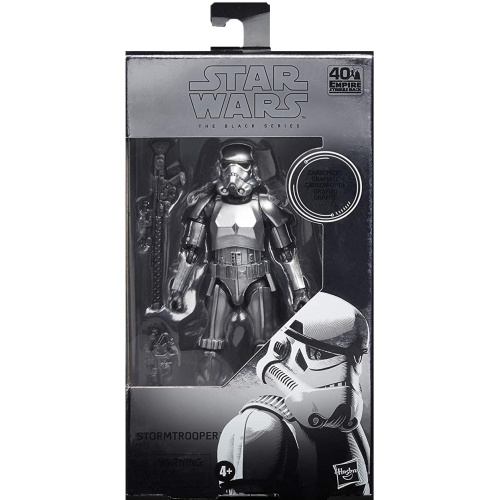
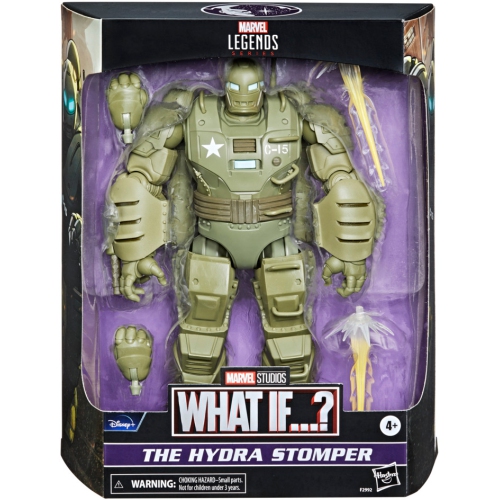
Science fiction action figures are poseable character collectibles inspired by imagined futures, space exploration, advanced technology, and life beyond Earth. Their appeal stretches across film, television, comics, animation, and video games, bringing familiar storytelling details into a form that can be held, arranged, and displayed. A distinctive helmet, a carefully sculpted suit of armour, or an expressive mechanical face can make a character recognizable even at a small scale. Some designs emphasize screen-inspired proportions and finely painted surfaces, while others use simplified shapes, bold colours, or a retro style reminiscent of earlier toy collections. Articulation is an important distinction: an action figure typically has movable joints, whereas a statue or fixed-pose figurine is designed around a single position. The number and placement of those joints affect how naturally a figure can stand, sit, reach, or interact with its accessories. A head that tilts, elbows that bend deeply, and ankles that adjust can make the difference between a stiff stance and a convincing scene on a shelf. Science fiction figures also cover a wide range of subjects, from space explorers and futuristic pilots to robots, armoured characters, and imaginative creatures. Fans drawn to distinctive creature designs may also be interested in Alien Action Figures, particularly when unusual anatomy, textured surfaces, and striking silhouettes are part of the appeal. A collection can follow one fictional universe, bring together a favourite character in different interpretations, or focus on a visual theme such as robotic engineering or space travel. These different approaches give a display its own identity without requiring every figure to look alike. For someone who enjoys arranging scenes, even a small group can suggest a busy spacecraft corridor or a meeting on an unfamiliar world. For someone more interested in character design, a single well-positioned figure can draw attention to costume details, sculpting, and the contrast between painted metal effects and softer fabric elements.
Size, scale, materials, and joint construction all shape how science fiction action figures fit into everyday use. Height describes the physical measurement of a figure, while scale describes its proportions relative to the character being represented. A 6-inch figure and a 1:12-scale figure may be similar in size when depicting a human character, but a larger creature or robot at that same scale can occupy considerably more space. Figures of equal height are therefore not necessarily in scale with one another. This matters when building a scene in which characters, seats, doorways, and accessories need to look proportionate. Shelf depth is just as relevant as height: an extended arm, a broad stance, or a projecting accessory may need more clearance than the standing figure suggests. Most action figures use moulded plastics, with harder components providing structure and more flexible materials sometimes used for clothing details or other parts that need to bend. Some designs include fabric garments, metal components, or interchangeable pieces, each with different handling needs. Painted finishes can reproduce worn armour, illuminated controls, or subtle facial features, but raised edges and tight contact points may show rubbing with repeated movement. For frequent play, straightforward construction and accessories that attach securely can be more practical than delicate detail. For display, a wider range of motion and additional hands or faces can offer more ways to express a character’s personality. More joints do not automatically mean better movement, since sculpted clothing or armour can limit how far a limb travels. When a joint resists, checking its intended direction is safer than forcing it. Accessories should fit their intended hands or attachment points without excessive pressure. A balanced pose with both feet supported is often more stable than an exaggerated stance, while a compatible stand can help support positions that shift the figure’s weight away from its base.
Science fiction action figures can suit imaginative play, focused collecting, photography, and gift-giving, but the intended use should match the age recommendation and construction of the figure. A younger fan may enjoy inventing missions and moving characters between homemade settings, while a collector may spend more time adjusting a pose or comparing costume details. Small detachable parts, narrow connectors, and intricate accessories need particular attention when children are involved; packaging guidance and age ratings remain more useful than assuming every action figure is made for the same kind of play. As a birthday present or a gift marking a personal milestone, a figure connected to someone’s favourite type of science fiction can feel thoughtful without requiring a large collection. Knowing whether the recipient prefers hands-on play, an unopened package, or an open-shelf display helps determine what will suit them. For open displays, ordinary care makes a noticeable difference. Dust can settle into panel lines, textured clothing, and joint gaps, so gentle cleaning with a soft, dry brush or microfibre cloth is a sensible starting point, subject to the manufacturer’s care directions. Harsh cleaners, soaking, and vigorous scrubbing can damage paint, adhesives, or fabric details. Direct sunlight and prolonged heat exposure may affect colours and plastic parts, making a stable indoor display location away from strong light and heat sources preferable. Spare hands, small accessories, and removable pieces are easier to keep track of in labelled compartments, with painted surfaces protected from rubbing against one another. Original packaging can also help organize the parts associated with each figure, especially when several characters share similar-looking components. A display does not need elaborate scenery to feel considered: a little space between silhouettes, a consistent viewing angle, and a secure surface can make individual details easier to appreciate. Whether the result is a compact desktop arrangement, a shelf of carefully matched characters, or a changing scene used for photographs, the lasting appeal lies in how these figures turn imagined worlds into something tangible and personal.
Top selling and popular products
-
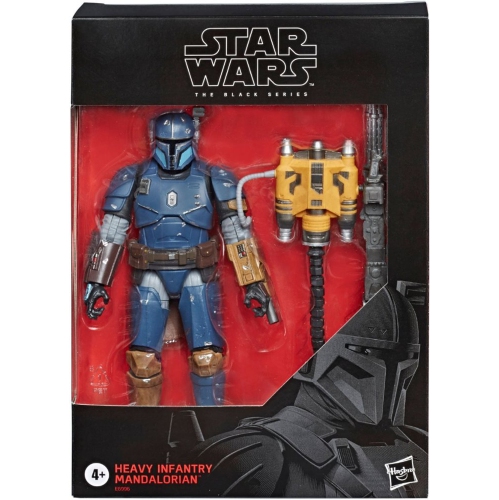 Your price for this item is $35.64
-
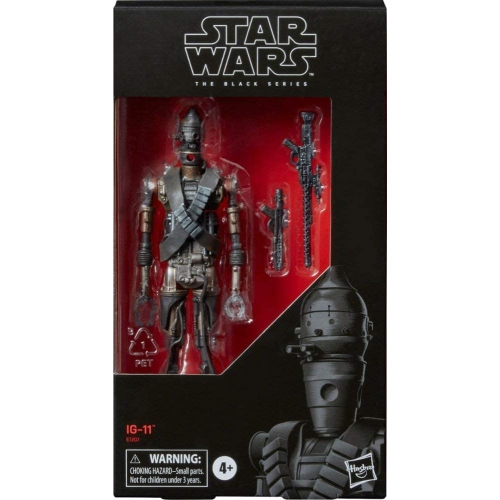 Your price for this item is $42
-
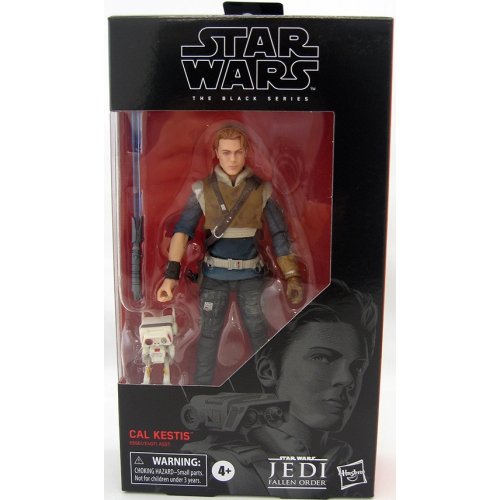 Your price for this item is $41.39
-
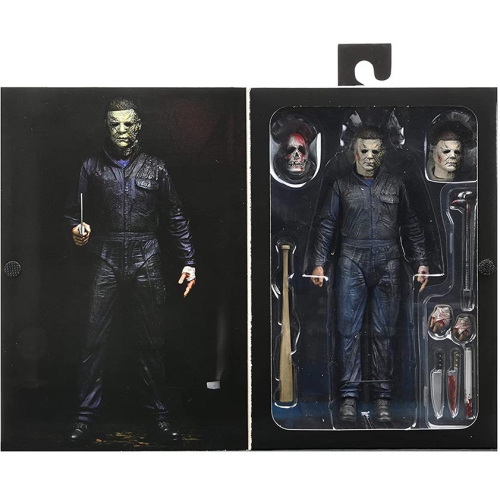 Your price for this item is $81
-
 Your price for this item is $46
-
 Your price for this item is $73.59
-
 Your price for this item is $46
-
 Your price for this item is $36.79
Discover more categories related to Science Fiction Action Figures


Top Collections:
Pokemon Centers, Kindle Devices, Best Black Friday Deals This Year, Pokémon 30th Celebration Cards, Best Black Friday Deals On Electronics, Best Cameras for Sports Photography, Best Black Friday Deals On Apple Products, Canon G7X Cameras, iPhone 15 Apple, Candle Warmer Lights
Some products may be subject to Environmental Handling Fees
(EHF) depending on your province.
Learn more about EHFs.