Preschool Activities
Unleash the joy of learning and creativity with a diverse range of preschool activities designed to spark young imaginations. Whether it's hands-on arts and crafts, interactive games, or educational toys, these activities are perfect for nurturing early development in a fun and engaging way. Encourage your little ones to explore new skills, enhance their problem-solving abilities, and build social connections through play. With endless possibilities for discovery, preschool activities offer an exciting opportunity to support your child's growth during these formative years. Explore a world where learning meets play and watch as curiosity leads the way to new adventures.
Sort
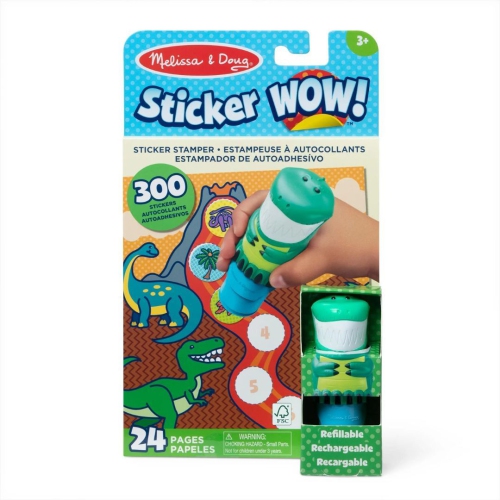
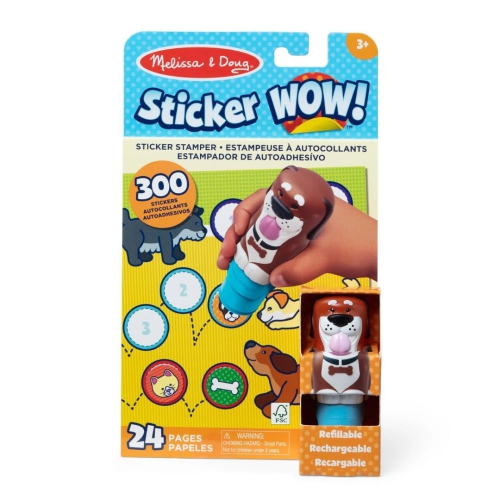
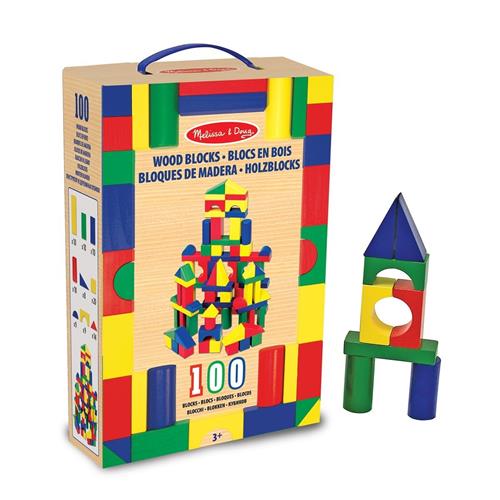
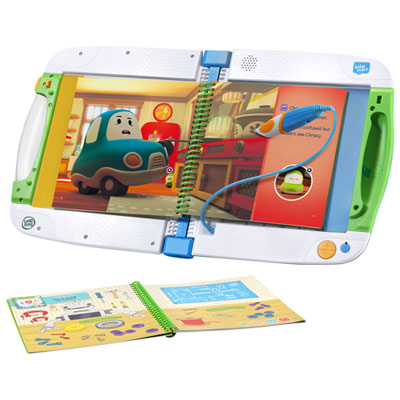
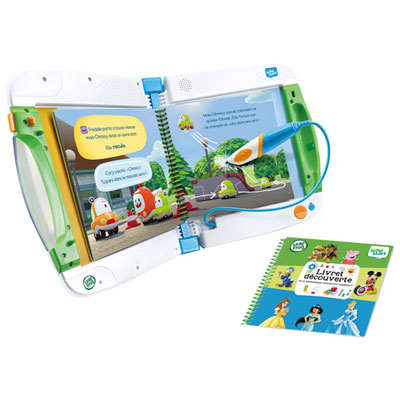
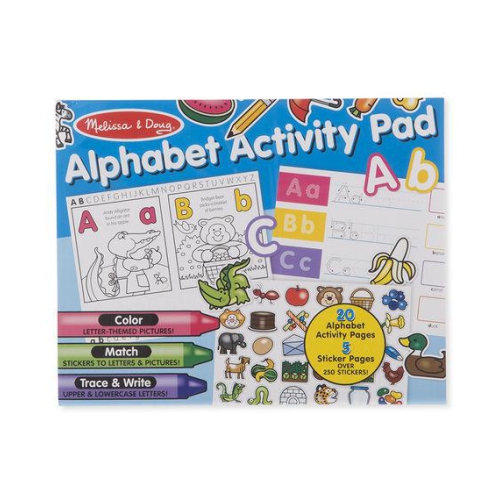
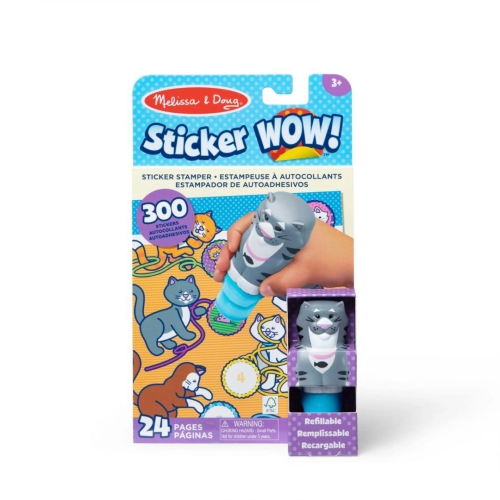
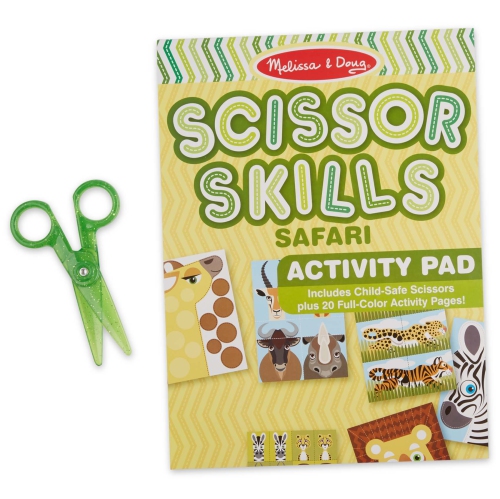
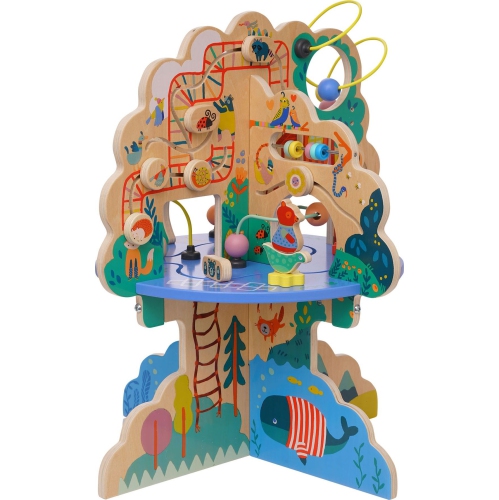
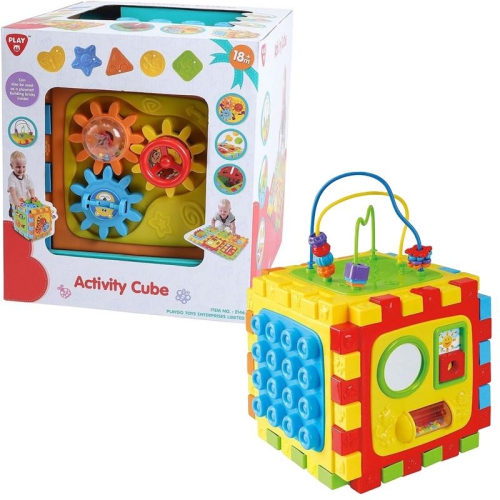
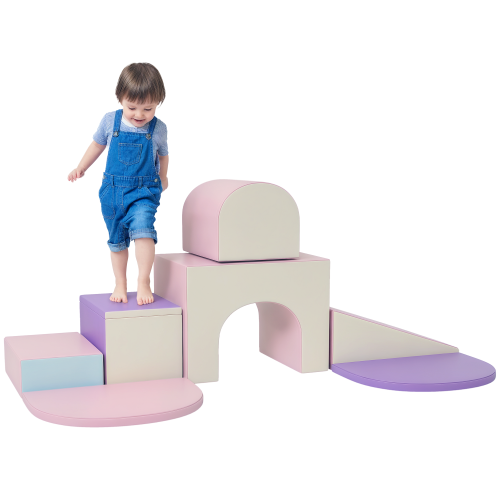
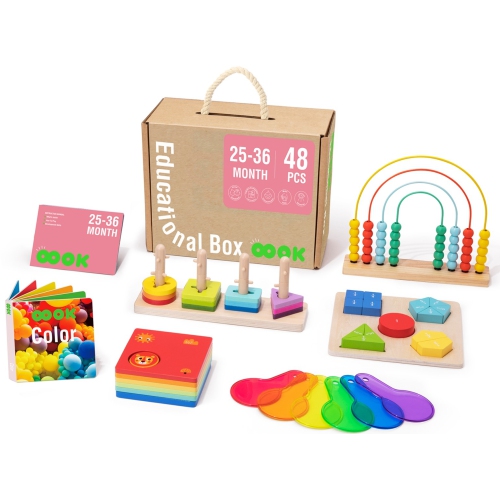
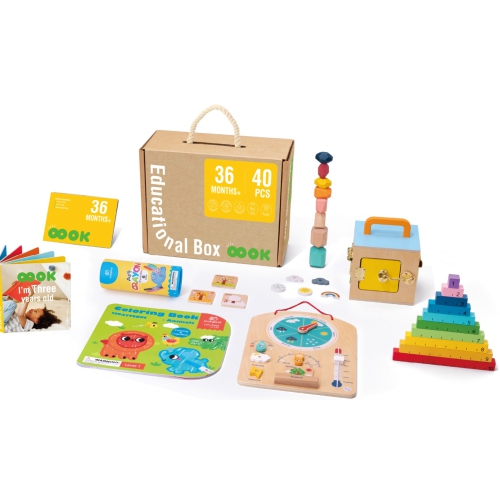
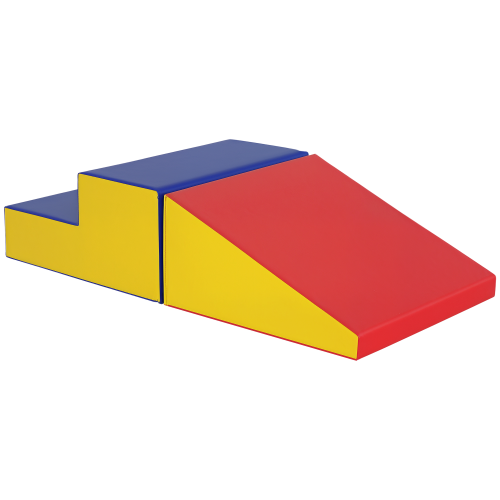
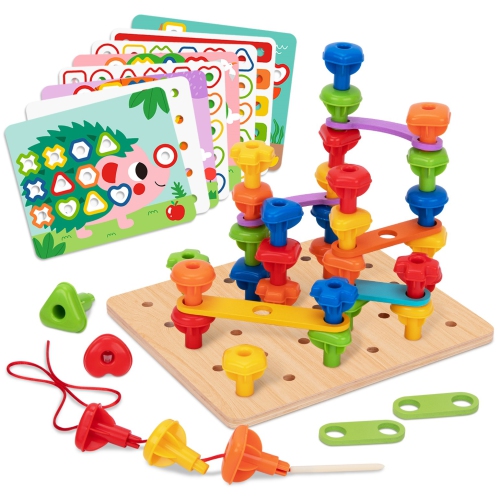
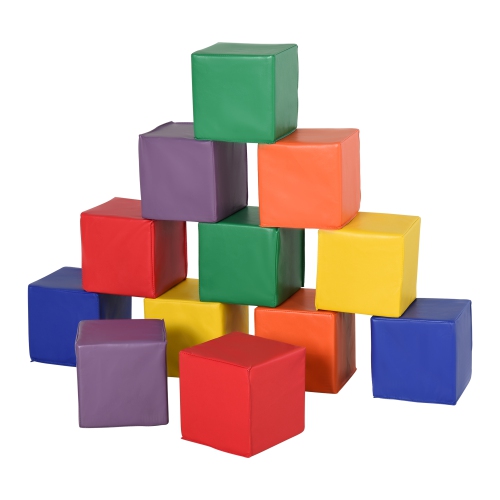
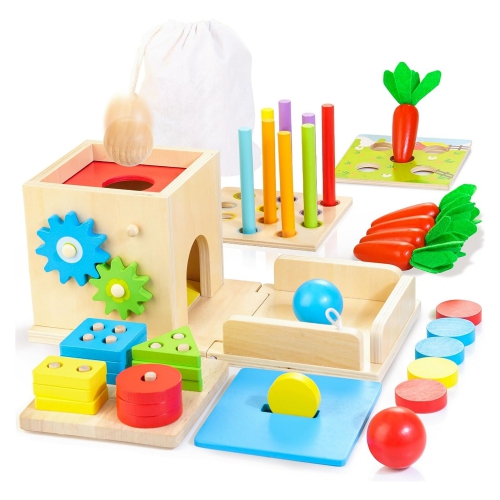
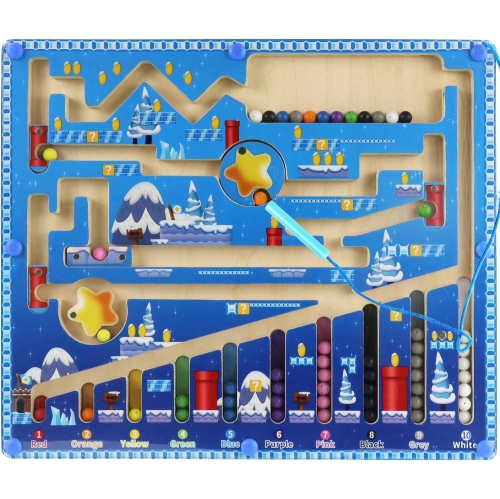
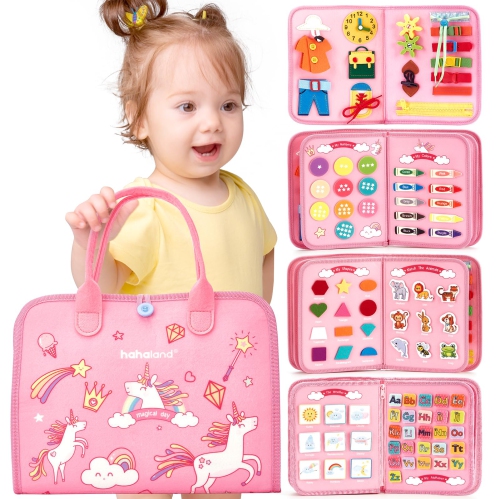
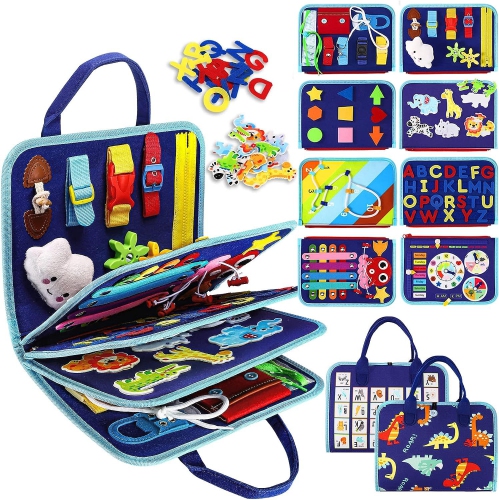
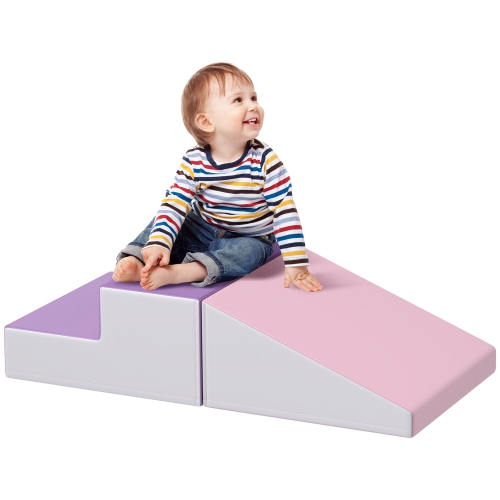
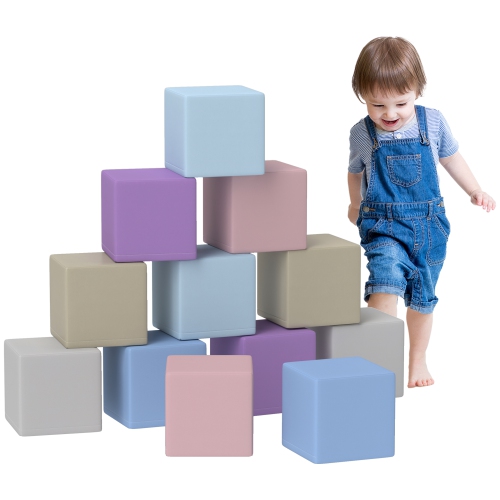


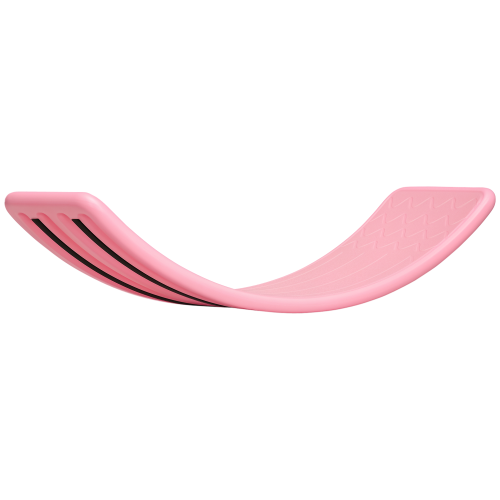

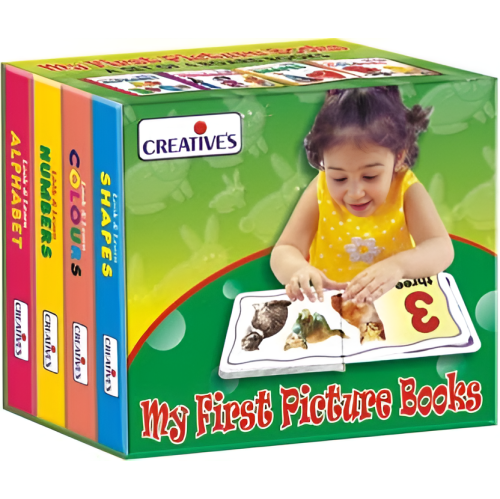
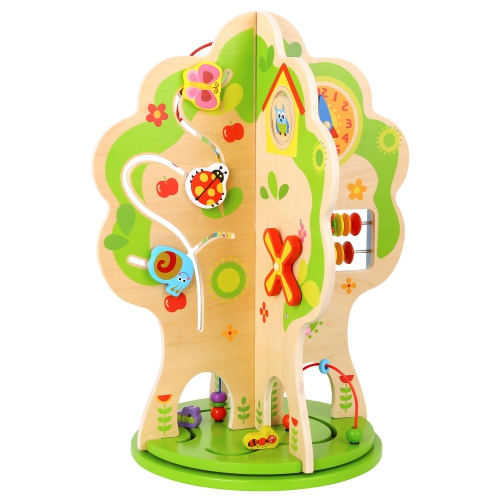
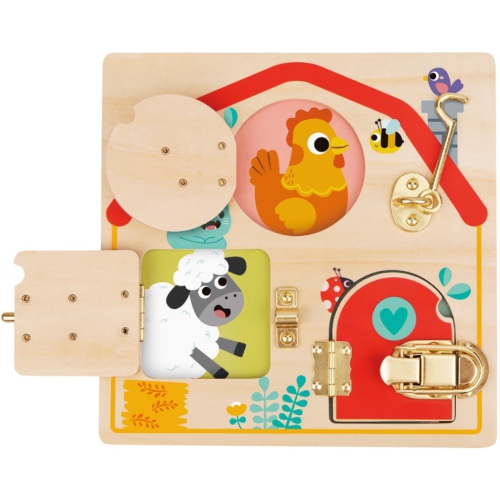
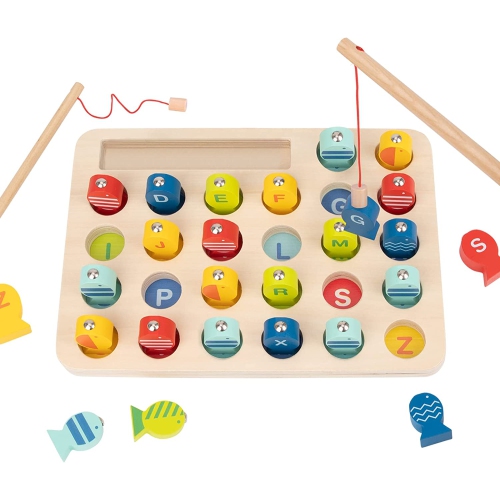
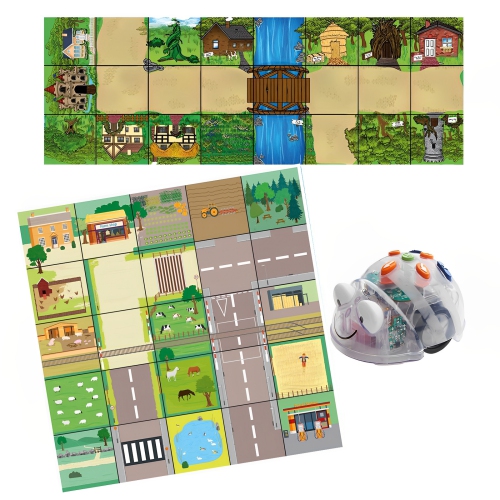
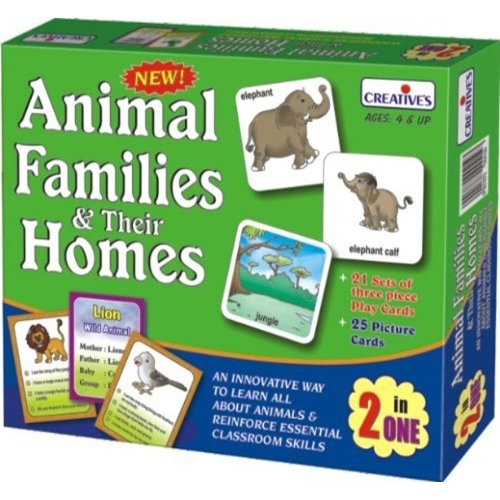
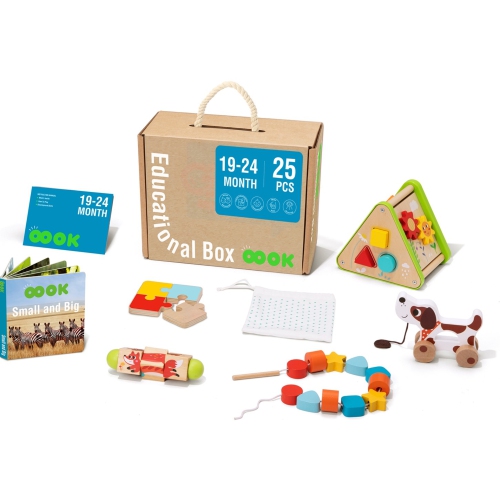
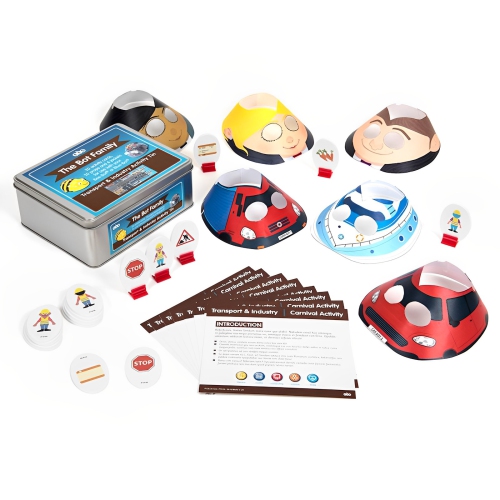
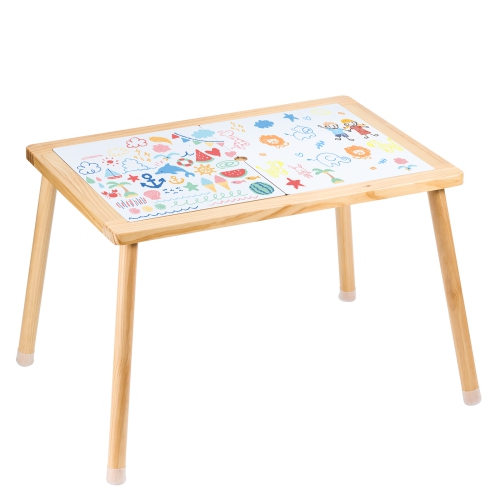
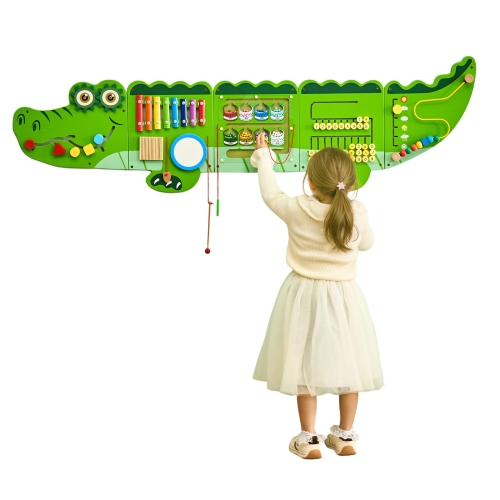
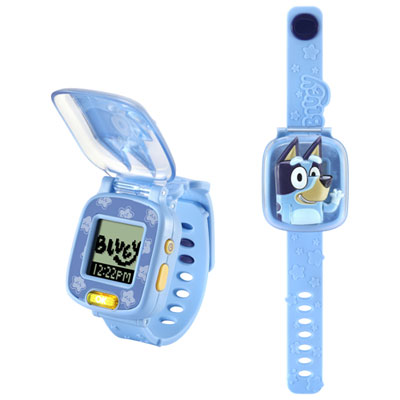
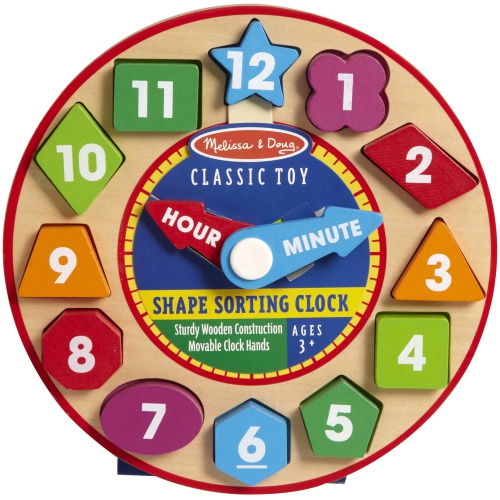
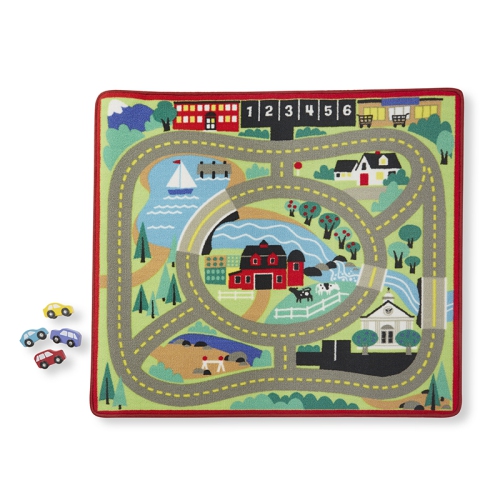
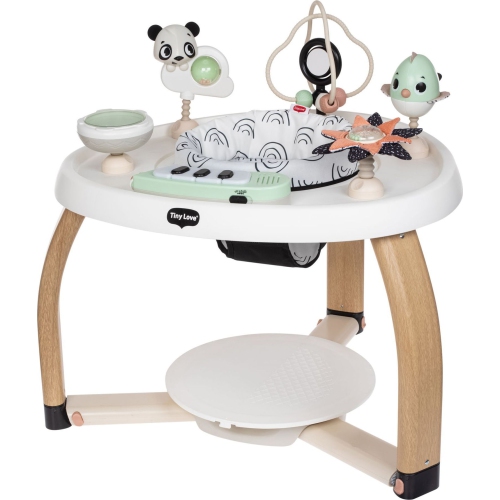
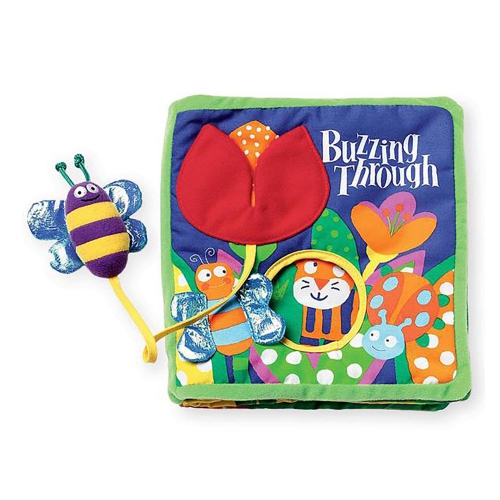
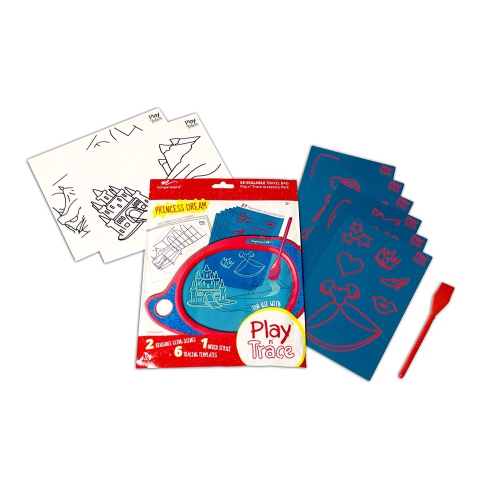
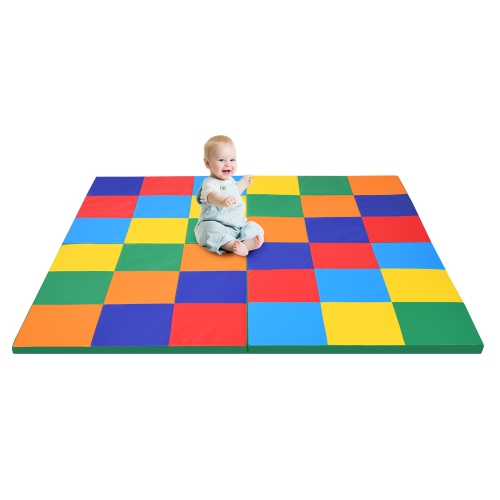
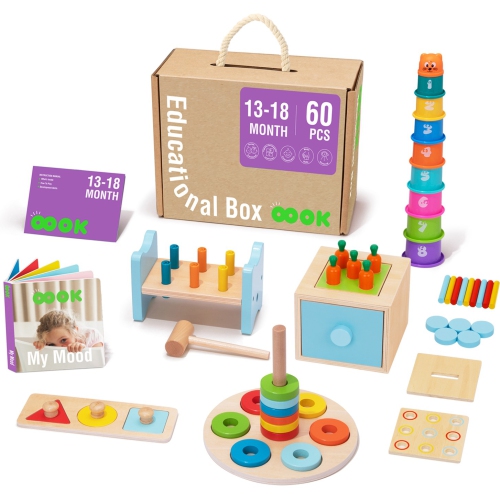
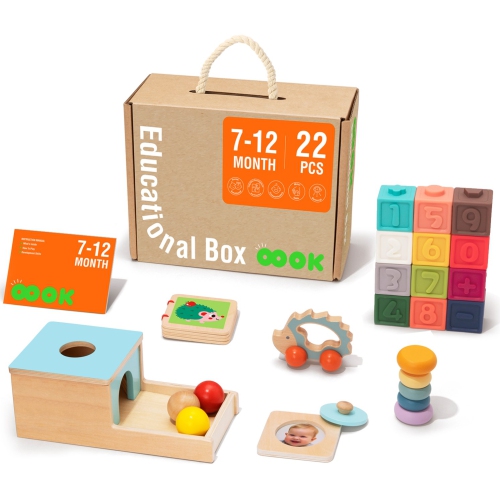
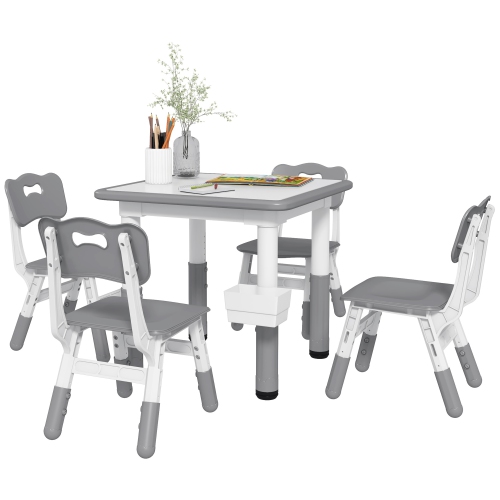
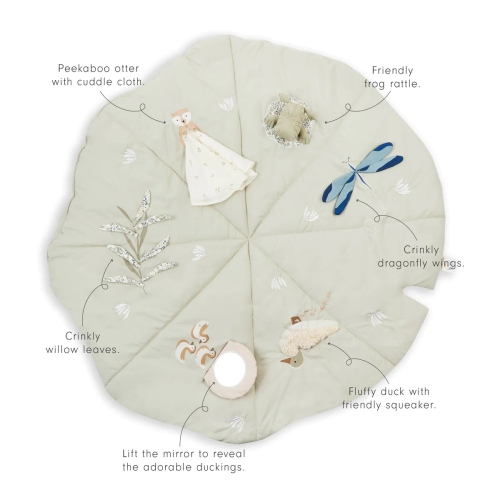
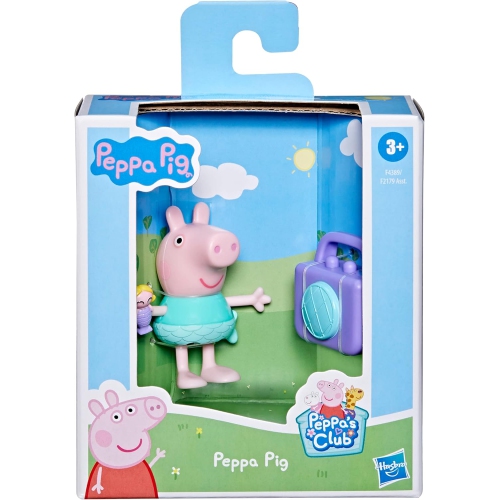
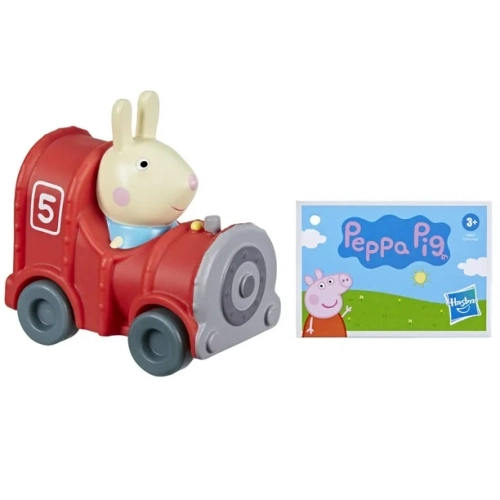
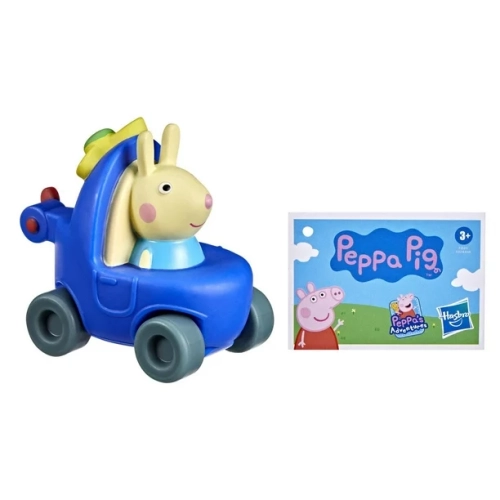

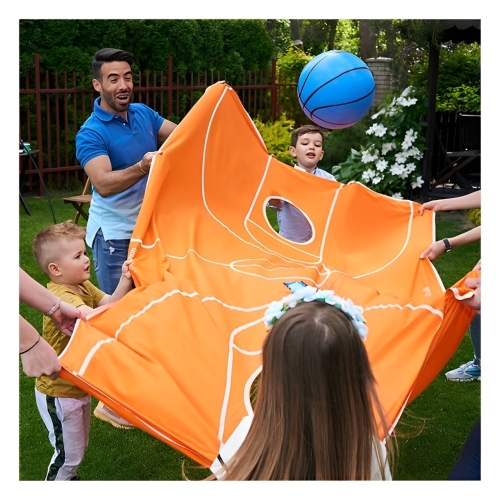
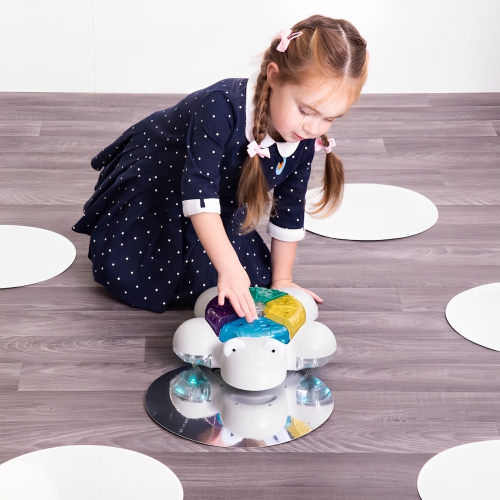
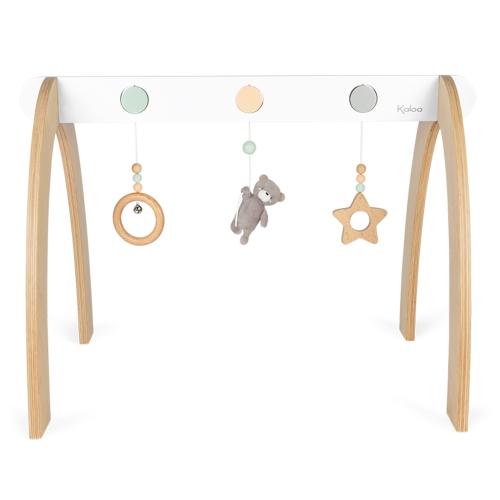
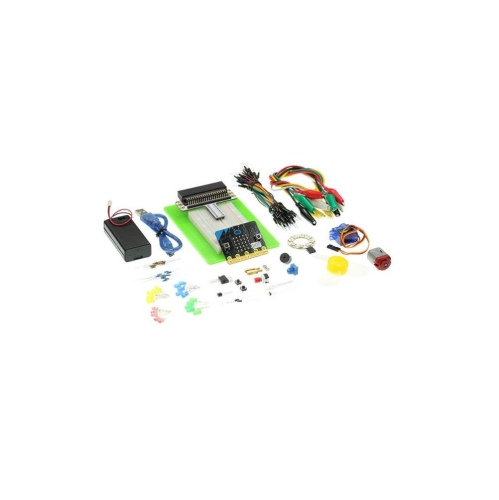
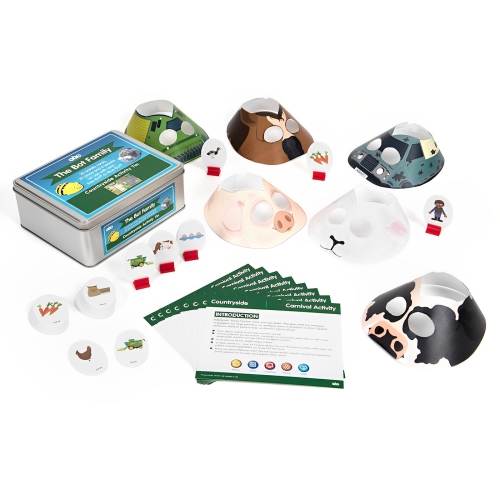
Hands-on play that supports early learning and growing skills
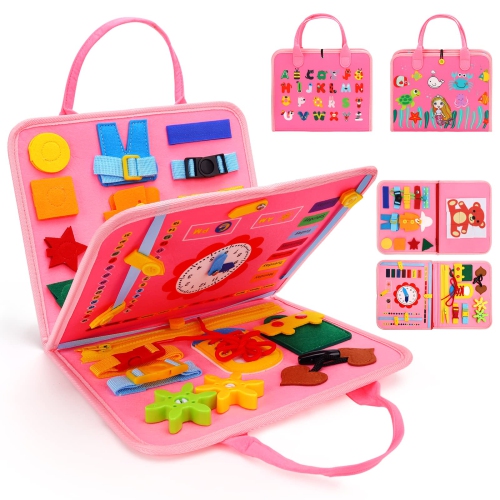
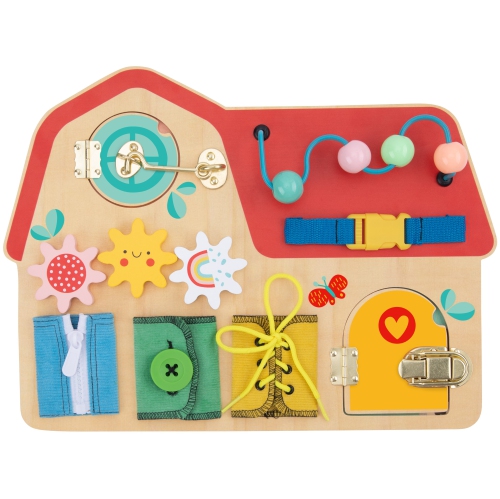
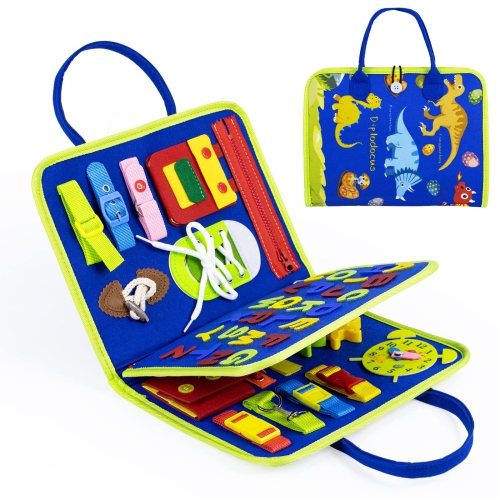
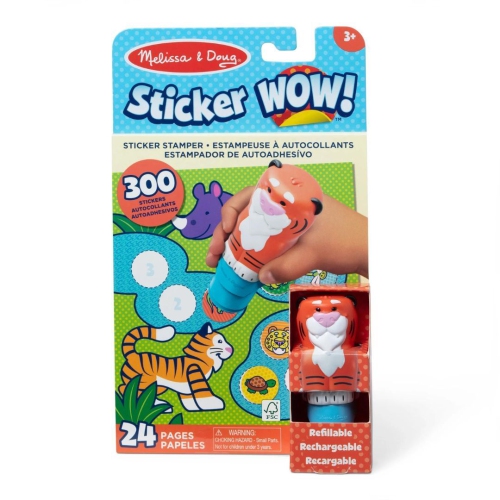
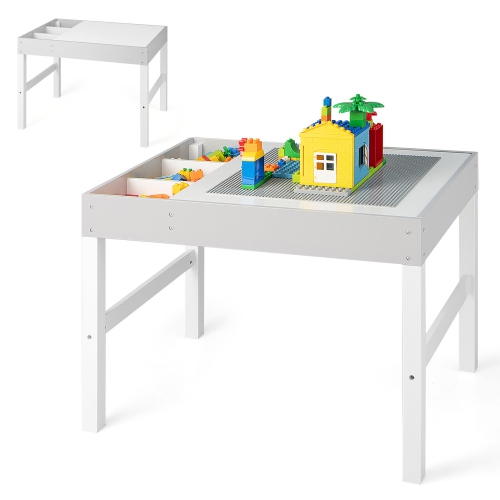
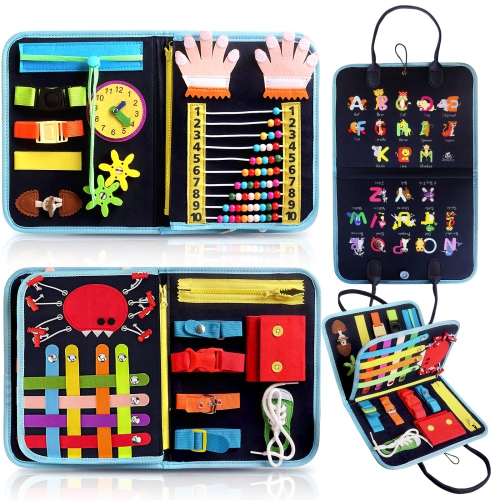
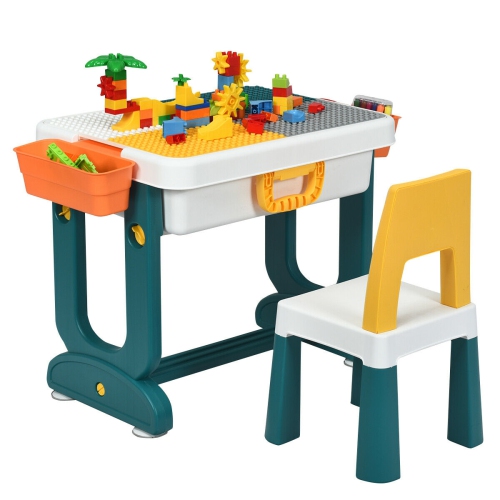
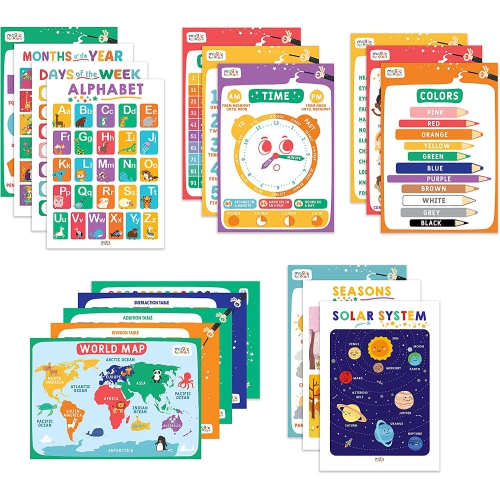
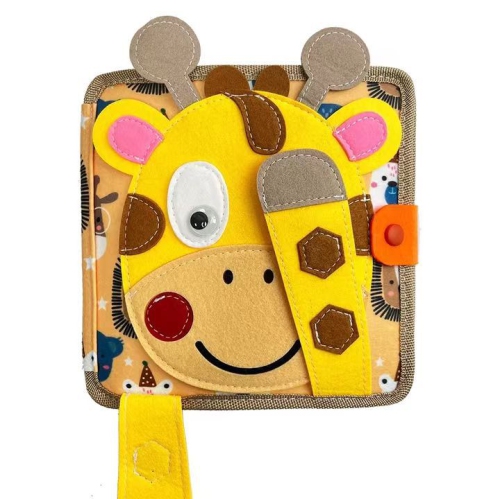
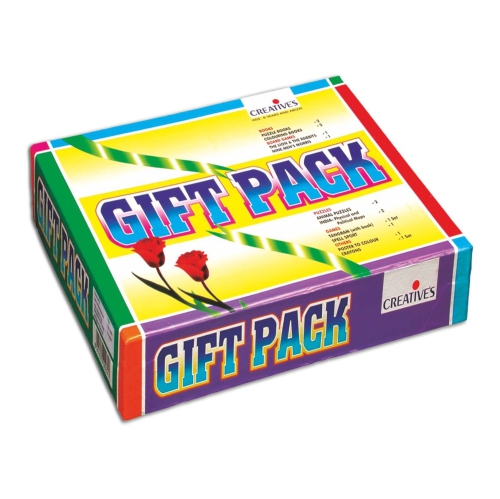
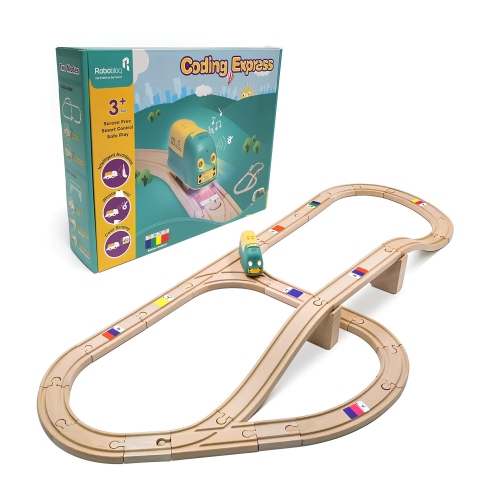
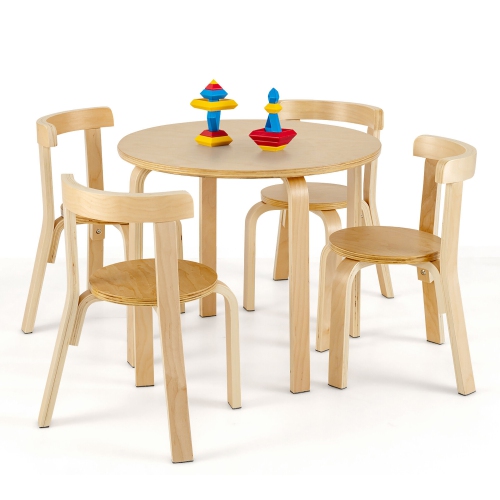
Preschool activities are designed to make early learning feel like play, with hands-on experiences that encourage children to explore, create, sort, count, move and communicate. The products on this page can help families build a flexible activity collection for everyday play at home, in a classroom, at a daycare or while visiting grandparents. Look for options that match a child’s age, interests and developing abilities, including sensory activities, craft sets, matching games, early learning workbooks, building activities and play-based tools for practising letters, numbers, colours and shapes. Preschoolers often learn best when they can touch and manipulate materials, repeat an activity in their own way and see an immediate result. A simple fine motor activity, for example, may involve transferring soft pieces with a spoon, tongs or a scoop, while a sorting game can introduce colours, sizes and patterns through repeated practice. Activity products that involve peeling, placing, threading, stacking, connecting or arranging can also help strengthen hand control and coordination needed for drawing, dressing and using classroom supplies. For children who enjoy imaginative play, open-ended materials can become a pretend shop, a construction site, a kitchen or a story setting, allowing them to practise language and social skills as they play. Products with clear, manageable steps may be helpful for children who enjoy structure, while versatile activity sets give more independent and creative preschoolers room to invent their own games. When choosing items, consider whether the activity can be used at a table, on the floor or outdoors, how much adult preparation it requires and whether the pieces can be stored neatly between sessions. Washable or reusable components can be practical for frequent play, particularly when activities involve water, paint, modelling materials or sensory fillers. Always check the recommended age range and supervise young children closely, especially when an activity includes small pieces, scissors, detachable parts or materials that should not be placed in the mouth. Children develop at different rates, so an activity does not need to be completed perfectly to be worthwhile. A preschooler may spend several minutes matching only a few pieces, then return later to finish the set, or turn a counting exercise into a pretend picnic for stuffed animals. That kind of flexibility can make activity time feel relaxed while still supporting early cognitive and motor development.
A well-rounded selection of preschool activities can support both quiet concentration and active movement throughout the day. Puzzles and matching games encourage visual recognition, problem-solving and persistence; browse Preschool Puzzles for options that introduce these skills through age-appropriate play. Early math activities can include counting objects, comparing quantities, completing patterns and arranging pieces from smallest to largest. Everyday items such as snacks, building pieces or toy animals can make counting feel natural, while structured games provide a clear way to practise the same concept again. Letter and phonics activities may help children recognize familiar letters, connect sounds with symbols and begin forming an interest in early reading. Look for products that combine pictures, sounds, tracing or matching so children can approach language learning in more than one way. Workbooks and sticker-based activities may suit children who enjoy sitting down with a clear task, while craft and art activities offer more freedom to experiment with lines, textures and colour. Sensory play can be especially engaging during cooler months when families spend more time indoors. A supervised sensory bin, water activity or moulding activity gives children a chance to scoop, pour, press, find hidden objects and describe what they feel. These experiences can support vocabulary as adults talk about smooth and rough textures, full and empty containers, heavy and light objects or wet and dry materials. For active learners, movement-based games can bring learning away from the table. Indoor stepping games, dance prompts and simple target activities can help practise balance, coordination, numbers and listening, while outdoor play can include chalk shapes, letter-sound games or a search for familiar colours and forms on a walk. Preschool activities can also make thoughtful gifts for birthdays, family visits or seasonal celebrations because they offer an experience rather than a single-use distraction. A gift for a preschooler might be chosen around a favourite interest, such as animals, vehicles, music, stories, drawing or construction, or selected to support a particular skill without feeling like formal schoolwork. Caregivers may appreciate compact activities for travel, quiet time or restaurant visits, while educators and childcare providers may look for durable sets that invite several children to participate together. Whether an activity takes five minutes before dinner or becomes an afternoon project spread across the kitchen table, the best choice is one that fits naturally into the child’s routine, encourages participation and leaves room for discovery. During the cooler months, a dependable mix of puzzles, creative materials, sensory play and early learning games can help keep young children engaged indoors while giving families many ways to learn, play and spend time together.
A well-rounded selection of preschool activities can support both quiet concentration and active movement throughout the day. Puzzles and matching games encourage visual recognition, problem-solving and persistence; browse Preschool Puzzles for options that introduce these skills through age-appropriate play. Early math activities can include counting objects, comparing quantities, completing patterns and arranging pieces from smallest to largest. Everyday items such as snacks, building pieces or toy animals can make counting feel natural, while structured games provide a clear way to practise the same concept again. Letter and phonics activities may help children recognize familiar letters, connect sounds with symbols and begin forming an interest in early reading. Look for products that combine pictures, sounds, tracing or matching so children can approach language learning in more than one way. Workbooks and sticker-based activities may suit children who enjoy sitting down with a clear task, while craft and art activities offer more freedom to experiment with lines, textures and colour. Sensory play can be especially engaging during cooler months when families spend more time indoors. A supervised sensory bin, water activity or moulding activity gives children a chance to scoop, pour, press, find hidden objects and describe what they feel. These experiences can support vocabulary as adults talk about smooth and rough textures, full and empty containers, heavy and light objects or wet and dry materials. For active learners, movement-based games can bring learning away from the table. Indoor stepping games, dance prompts and simple target activities can help practise balance, coordination, numbers and listening, while outdoor play can include chalk shapes, letter-sound games or a search for familiar colours and forms on a walk. Preschool activities can also make thoughtful gifts for birthdays, family visits or seasonal celebrations because they offer an experience rather than a single-use distraction. A gift for a preschooler might be chosen around a favourite interest, such as animals, vehicles, music, stories, drawing or construction, or selected to support a particular skill without feeling like formal schoolwork. Caregivers may appreciate compact activities for travel, quiet time or restaurant visits, while educators and childcare providers may look for durable sets that invite several children to participate together. Whether an activity takes five minutes before dinner or becomes an afternoon project spread across the kitchen table, the best choice is one that fits naturally into the child’s routine, encourages participation and leaves room for discovery. During the cooler months, a dependable mix of puzzles, creative materials, sensory play and early learning games can help keep young children engaged indoors while giving families many ways to learn, play and spend time together.
Top selling and popular products
-
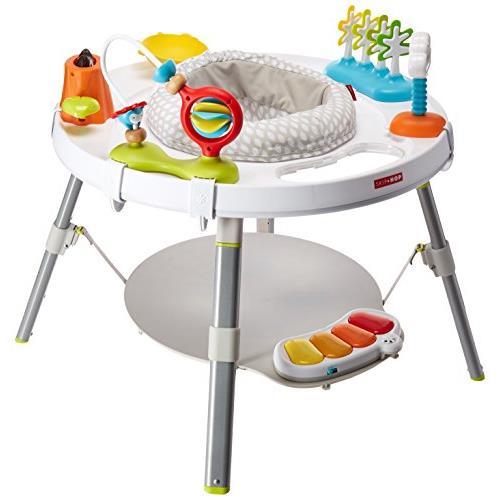 Your price for this item is $299.13
 -
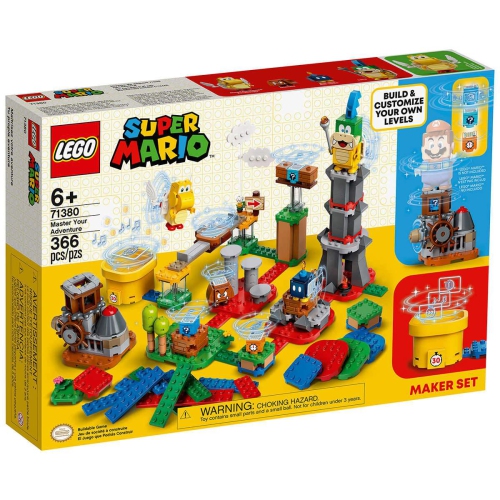 Your price for this item is $103.27
 -
 Your price for this item is $17.24
 -
 Your price for this item is $56.13
 -
 Your price for this item is $39.99
 -
 Your price for this item is $19.99
 -
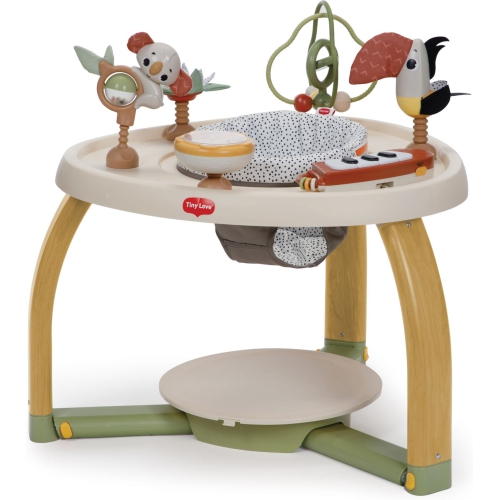 Your price for this item is $229.99
 -
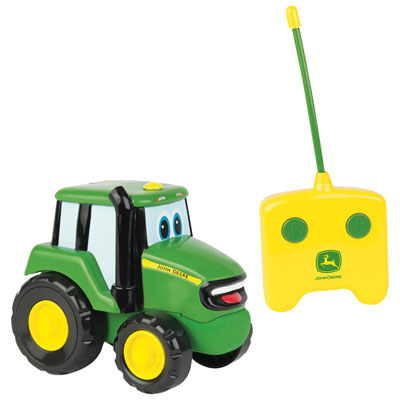 Your price for this item is $49.99
Discover more categories related to Preschool Activities
Top Collections:
Pokemon Centers, Budget 4K TVs, Best Budget Office Chairs, Kindle Devices, Canon G7X Cameras, Apple iPhones 16, iPhone 15 Apple, Laptops for Business Work, Xiaomi Phones, Flip Phones
Some products may be subject to Environmental Handling Fees
(EHF) depending on your province.
Learn more about EHFs.