Preschool Toys
Explore a world of imaginative play and learning with our diverse selection of preschool toys. From interactive games that promote cognitive development to creative arts and crafts kits that inspire little ones to unleash their creativity, our curated collection offers something for every young explorer. Foster early childhood skills, encourage social interaction, and spark endless hours of entertainment with our range of engaging and educational preschool toys.
Sort
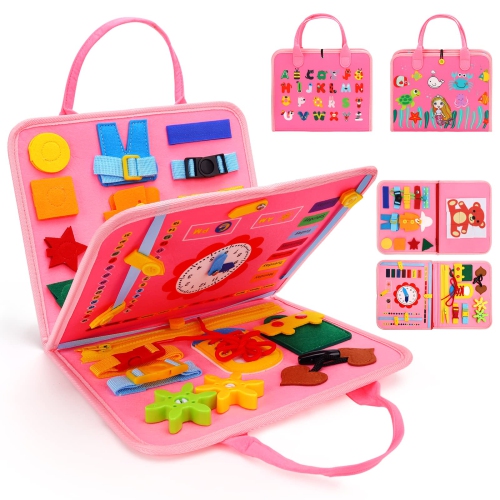
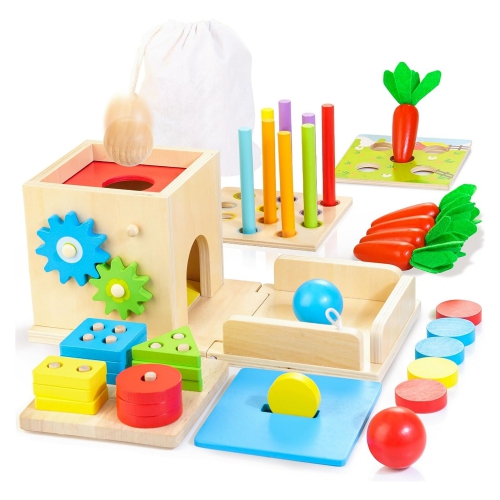
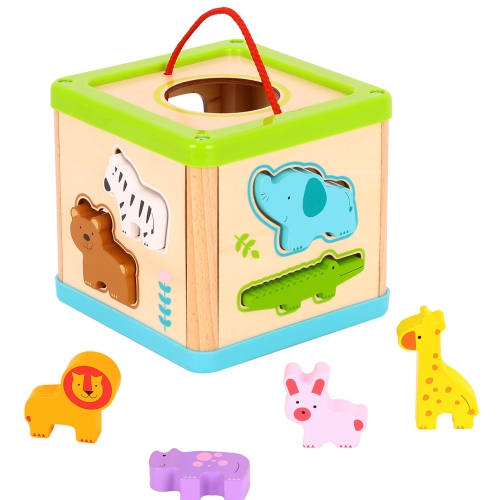
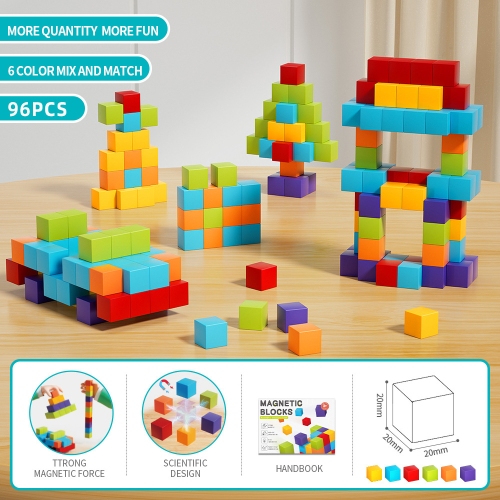

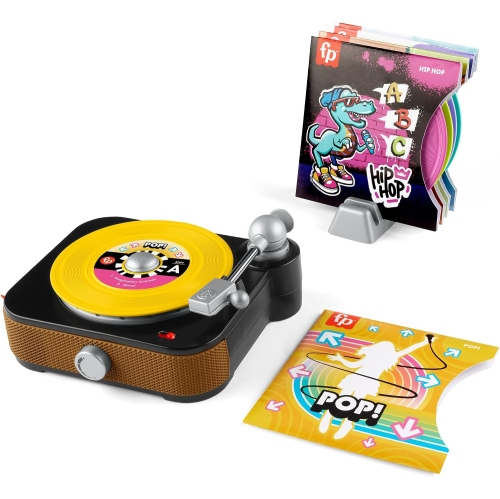
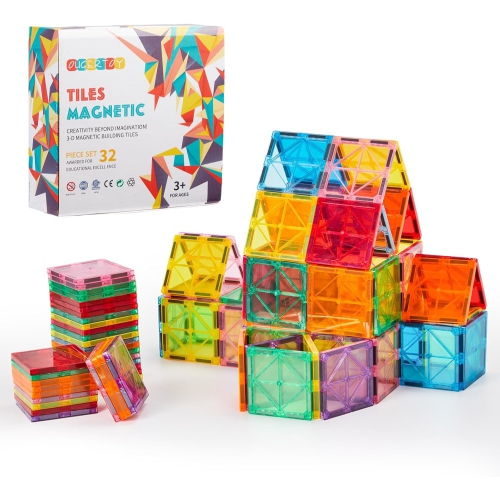
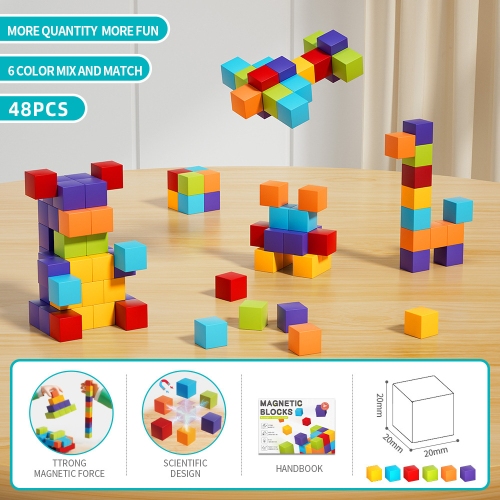
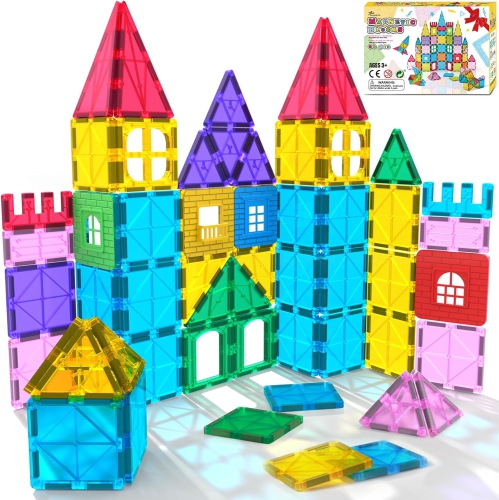
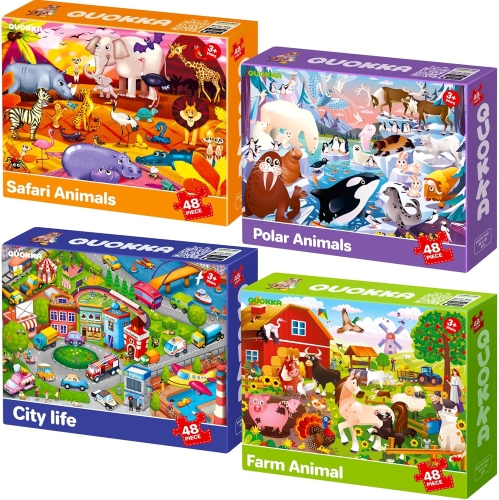
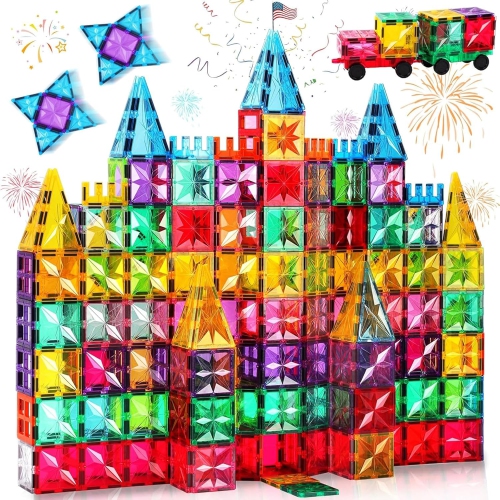
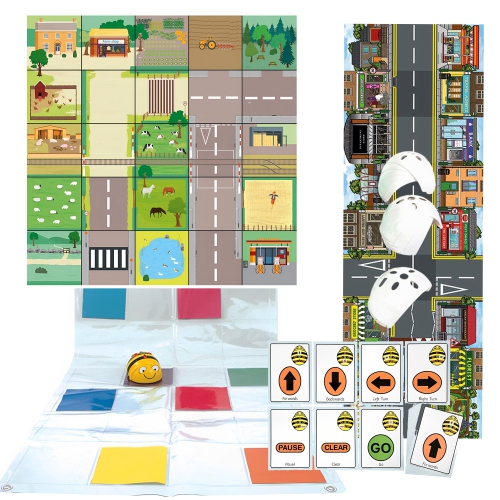
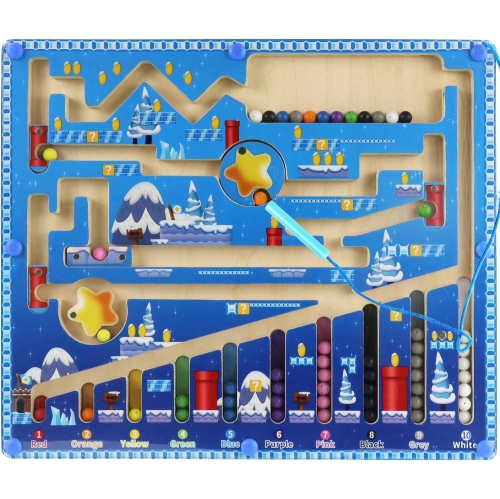
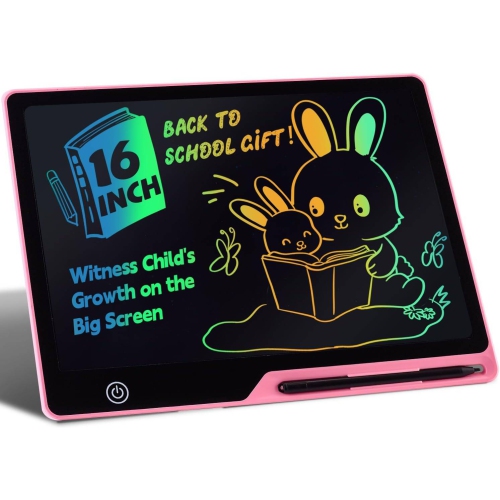
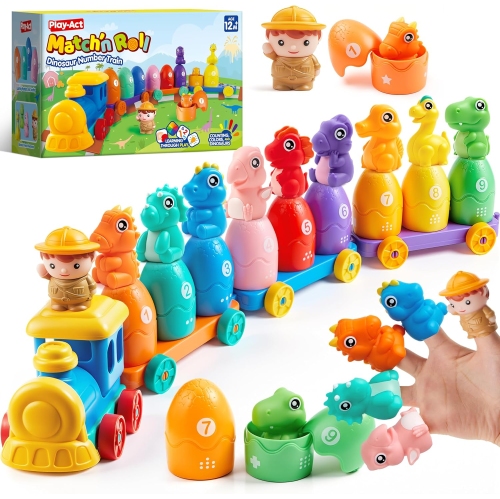
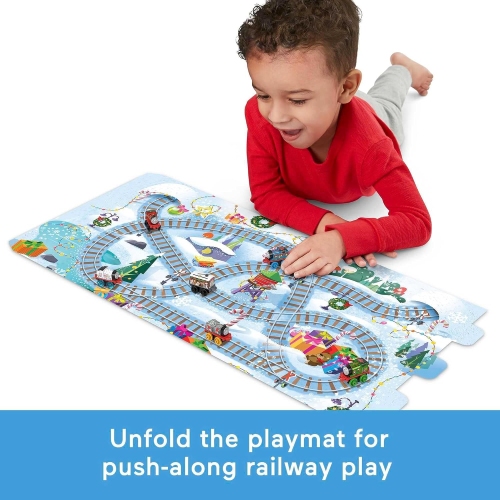
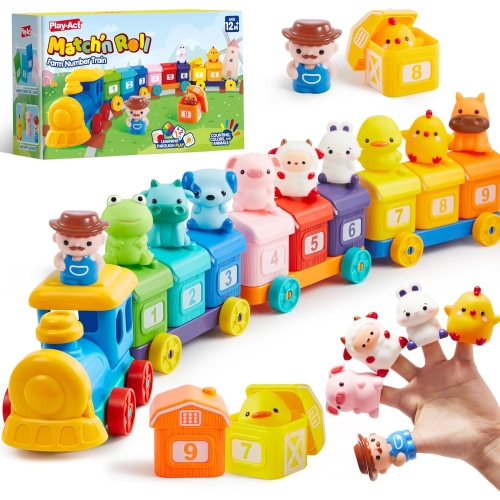







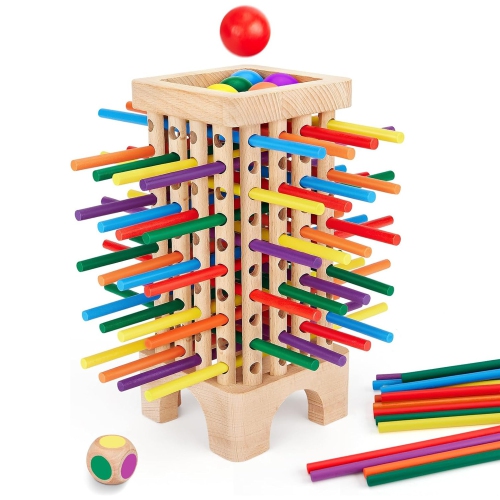
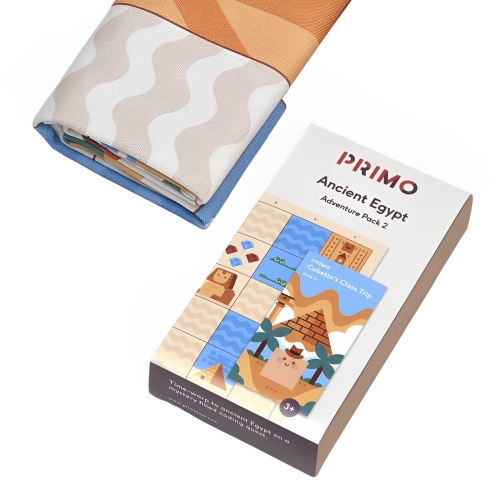
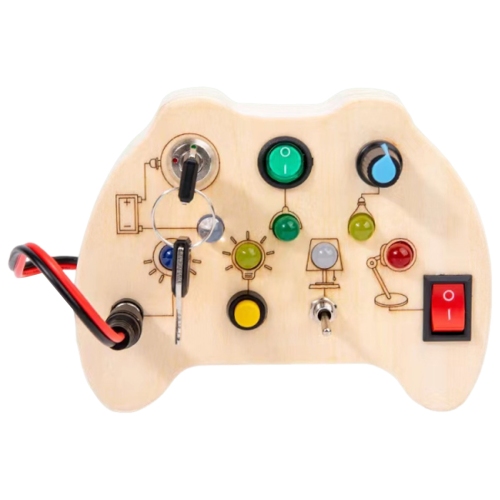
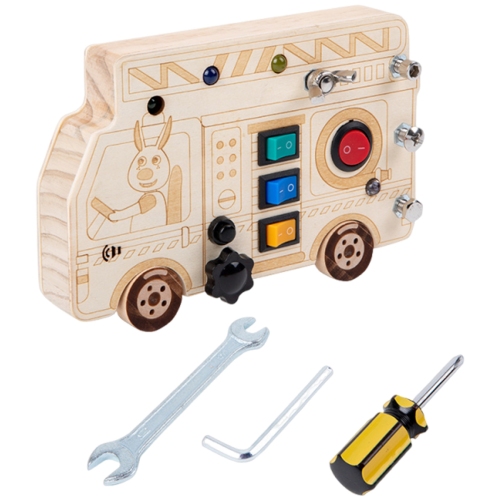

Open-ended play supports creativity, learning and social skills
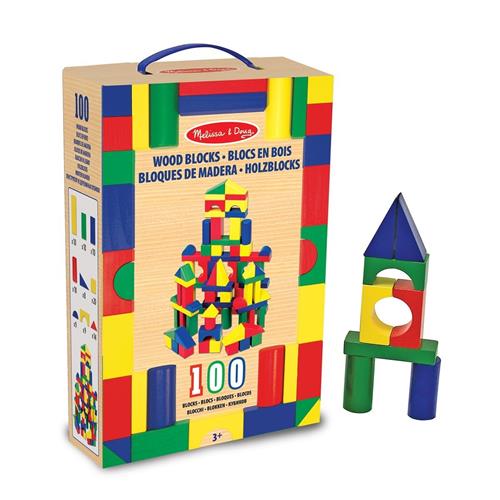
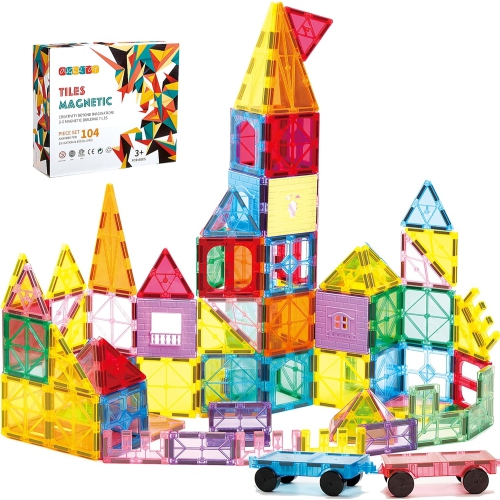
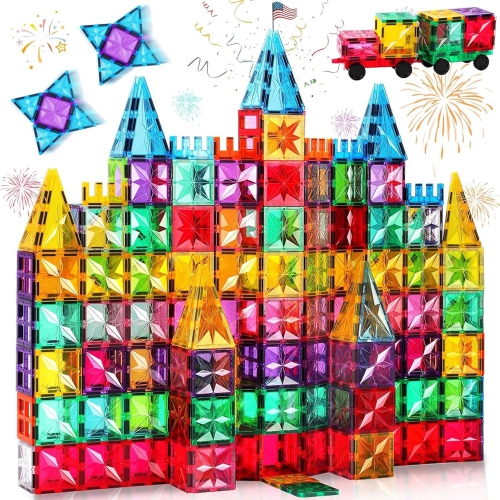
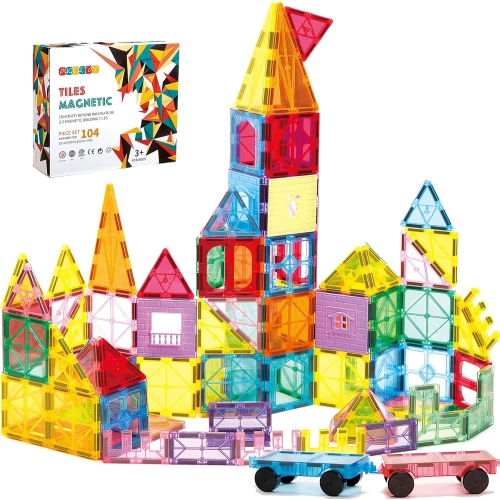
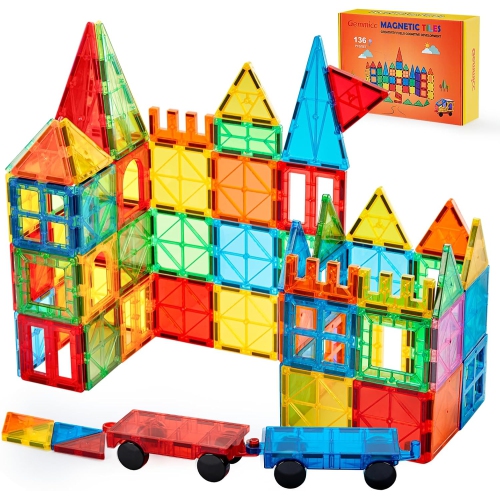
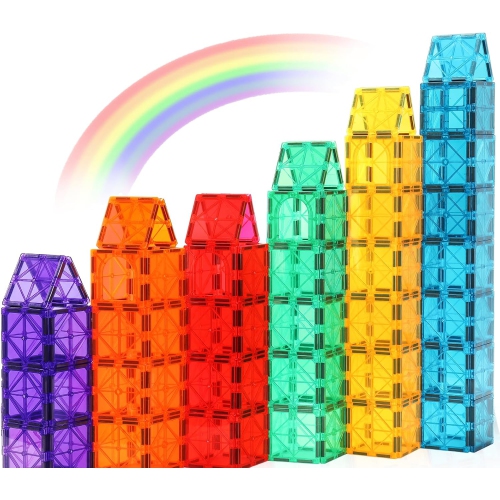
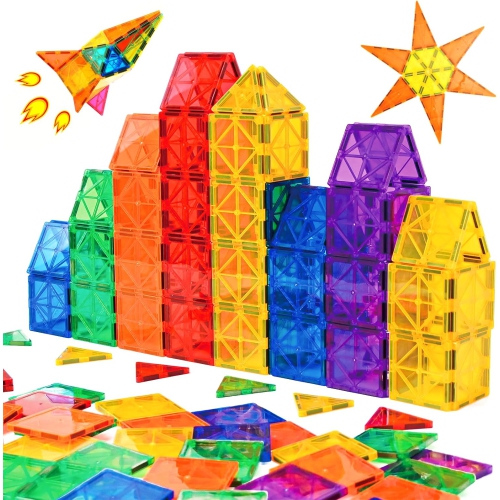
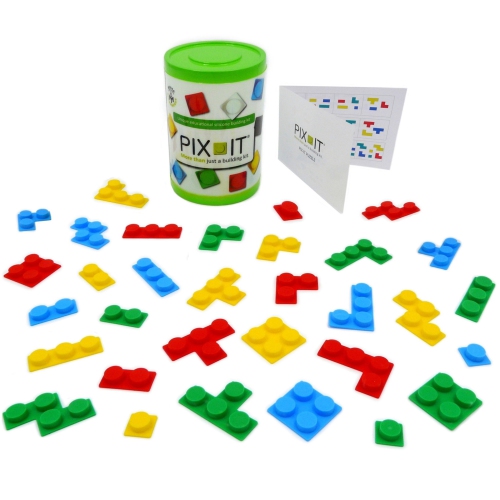
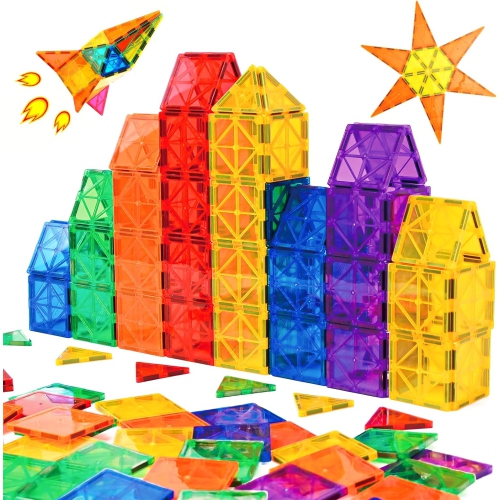
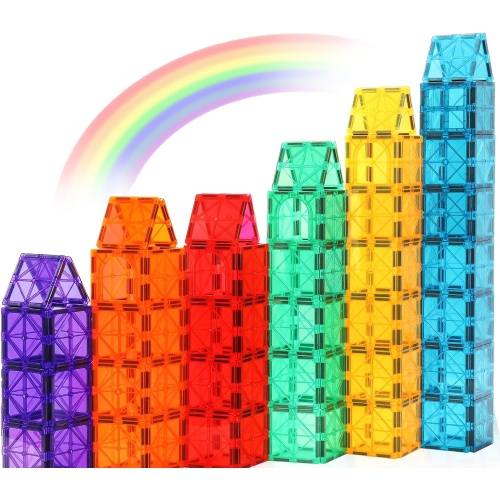
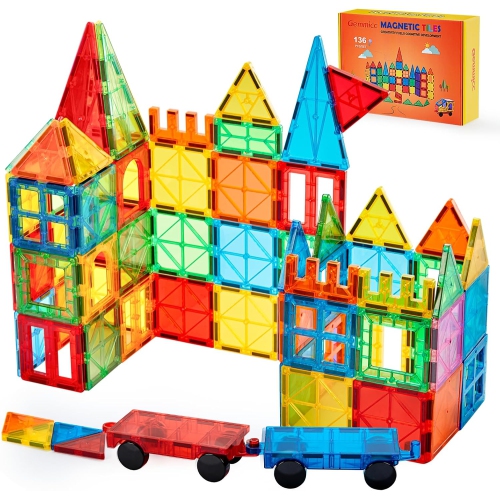
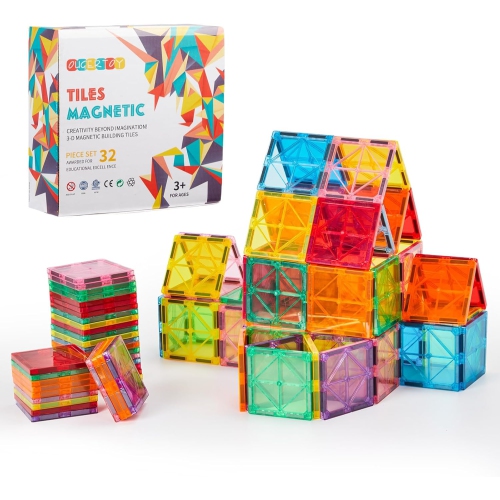
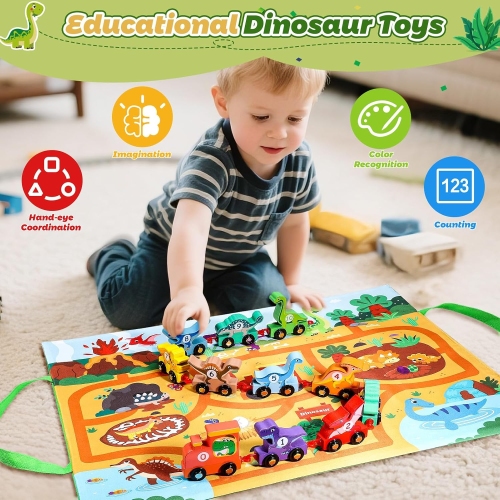
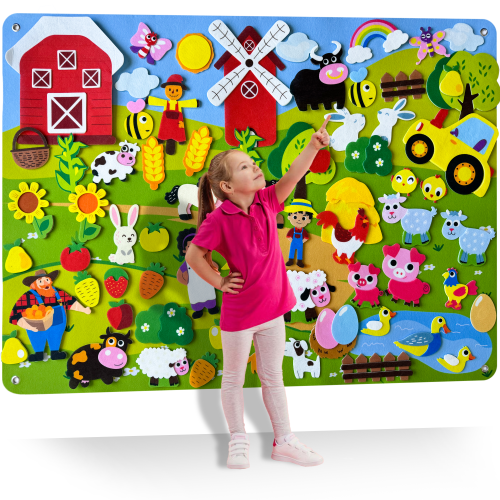
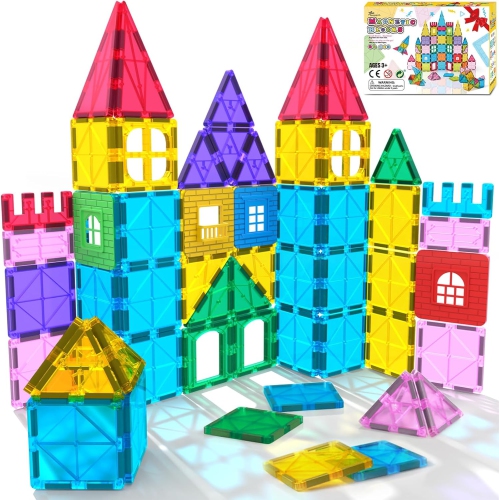
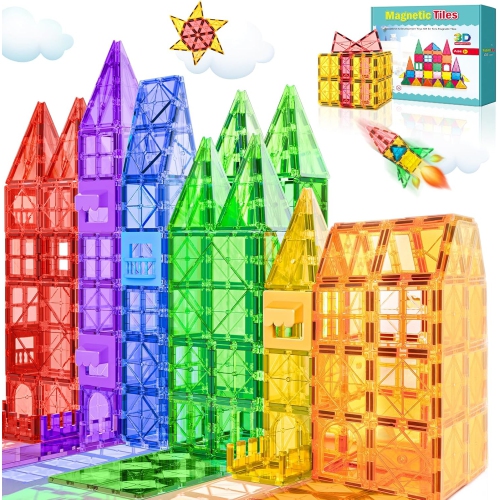
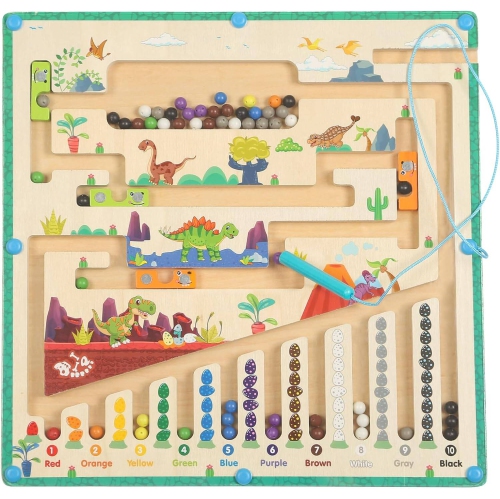
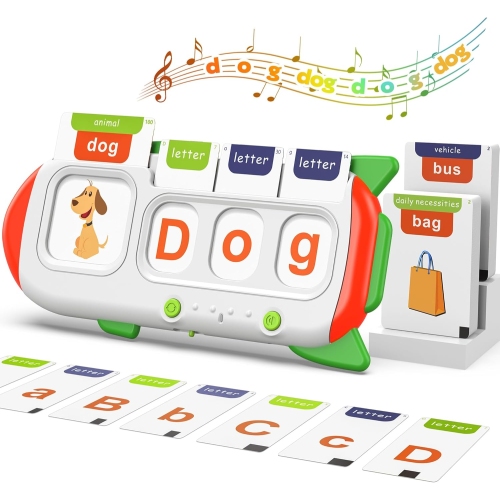
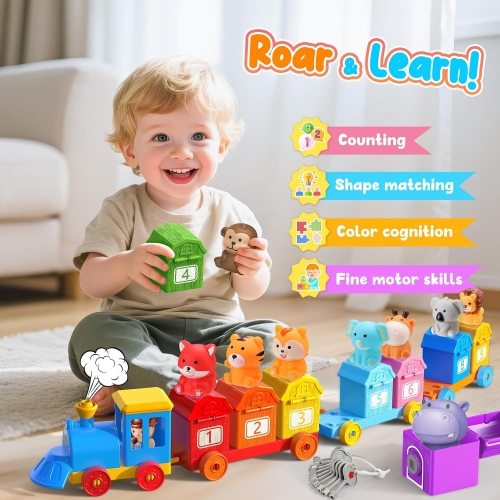
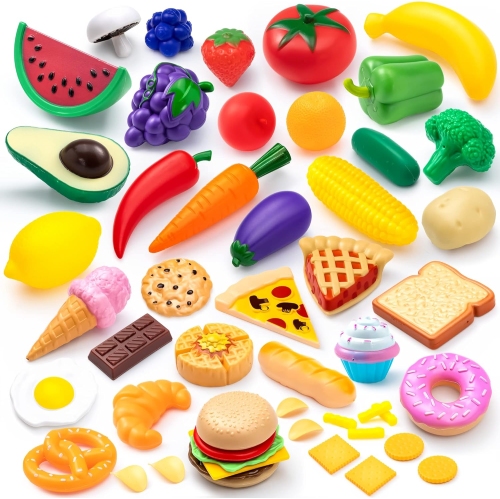
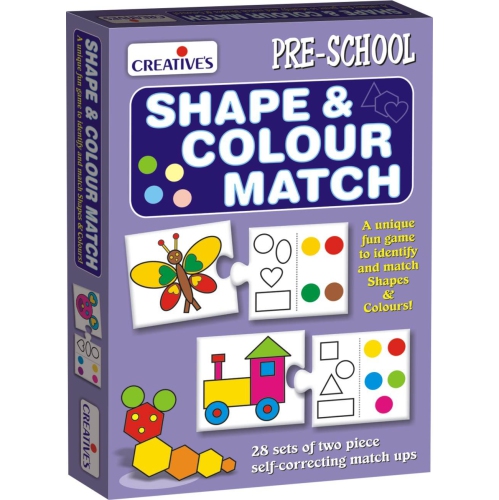
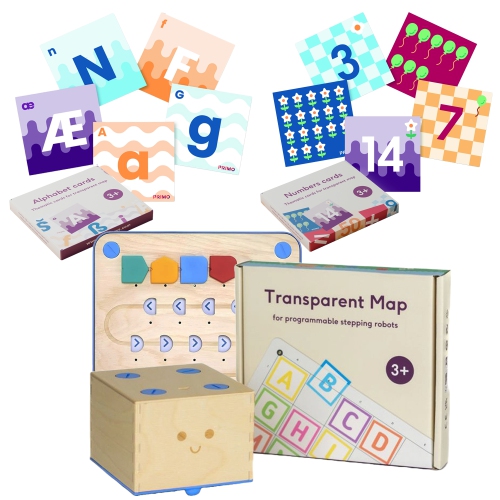
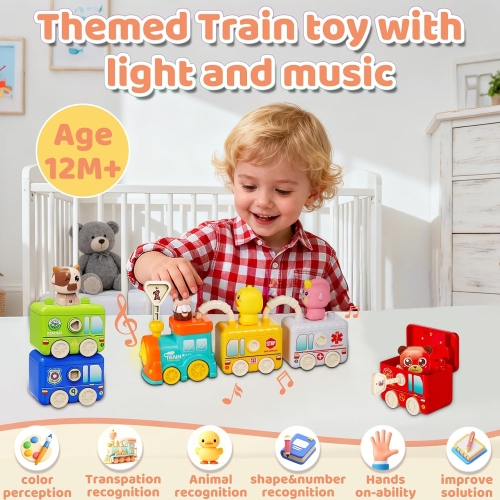
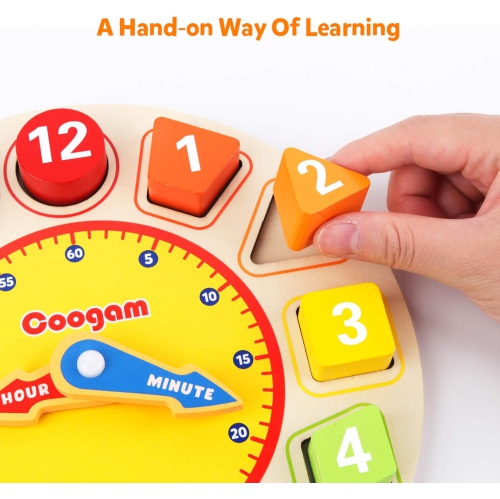
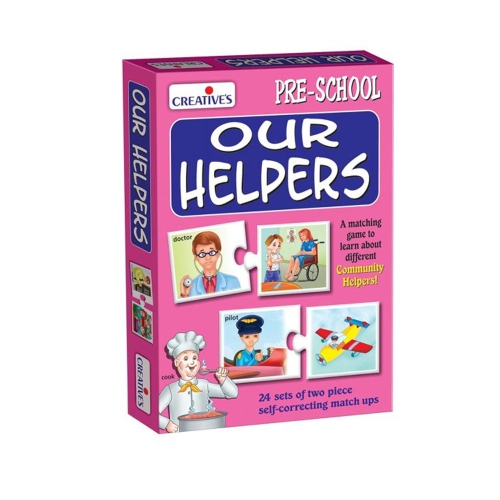
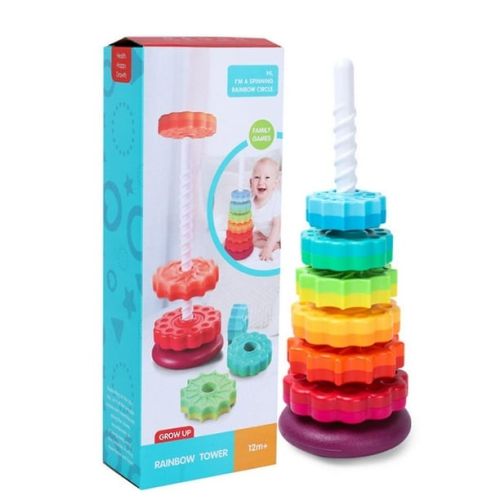
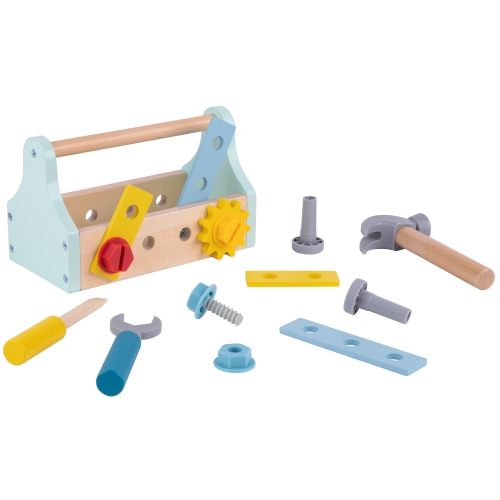
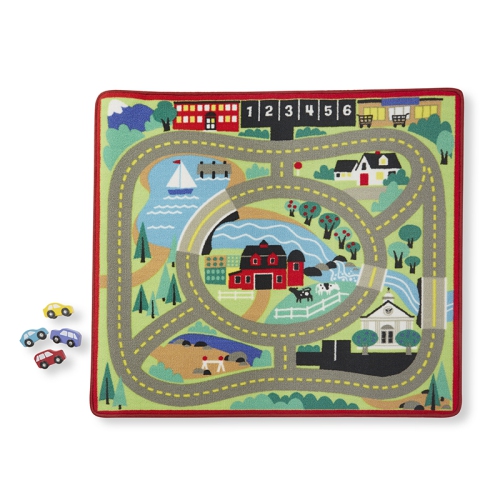
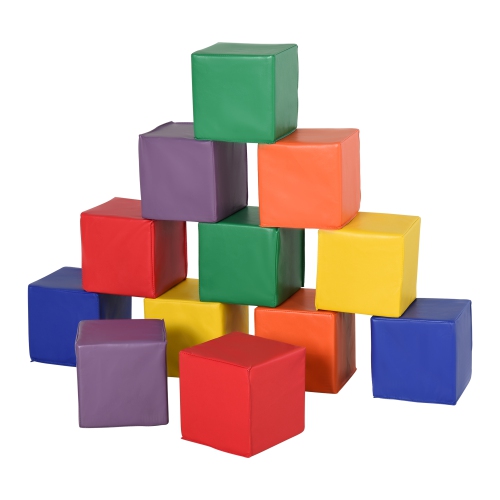
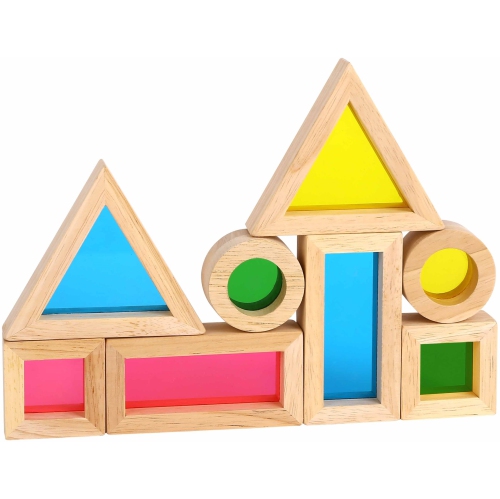
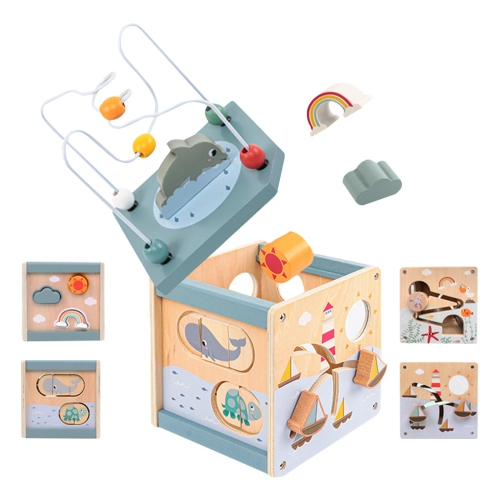
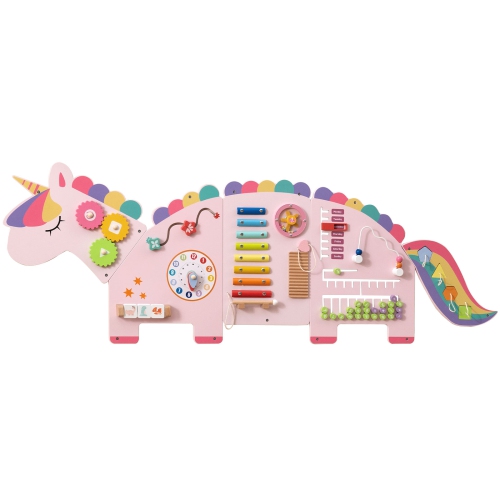
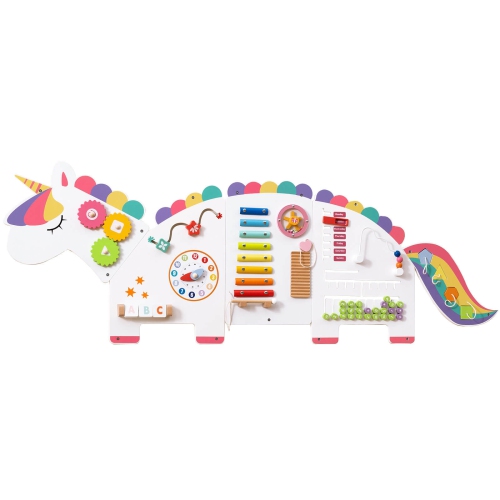
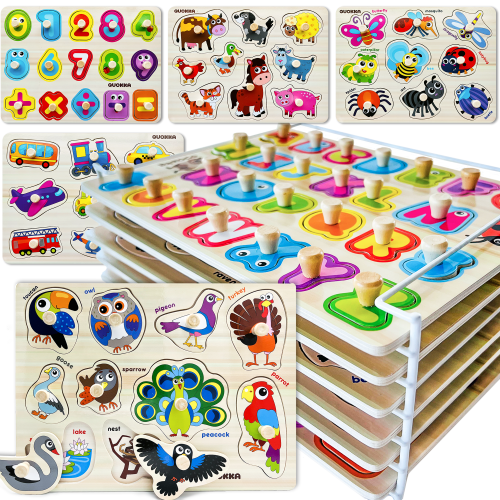
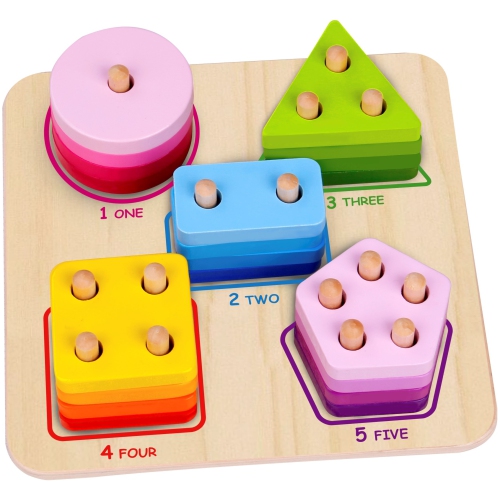
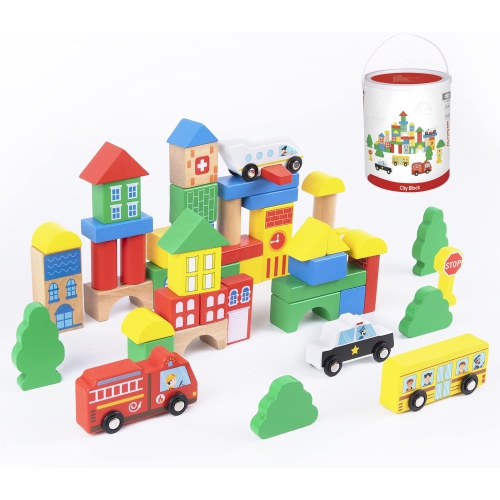
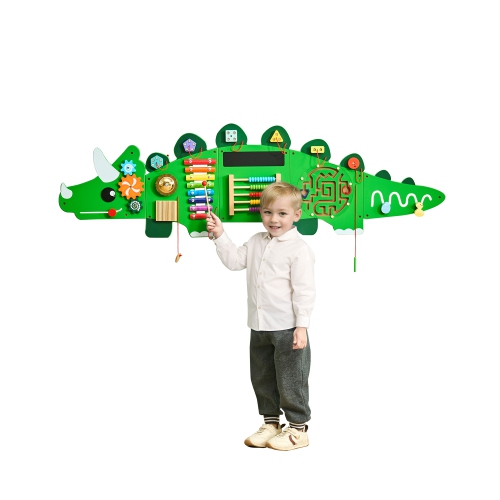
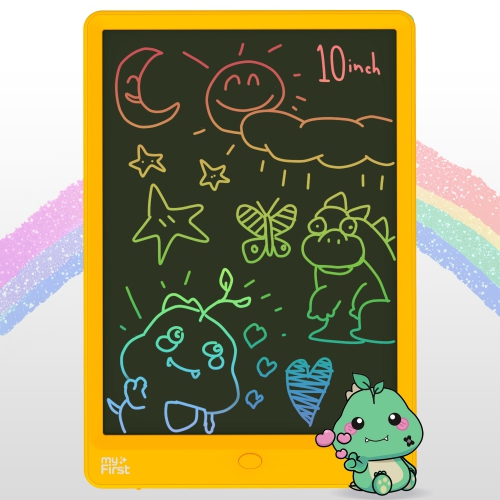
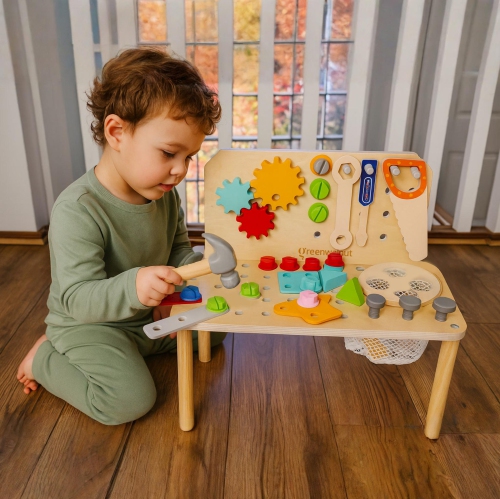
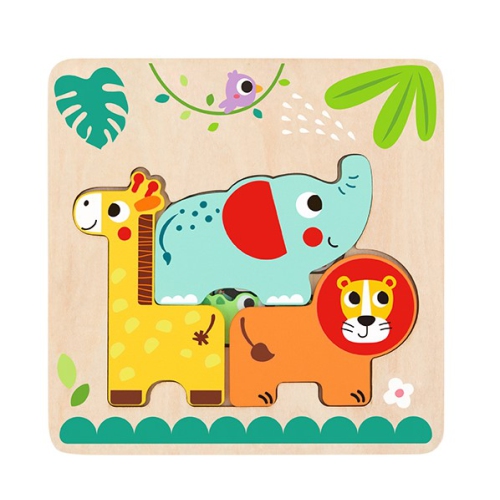
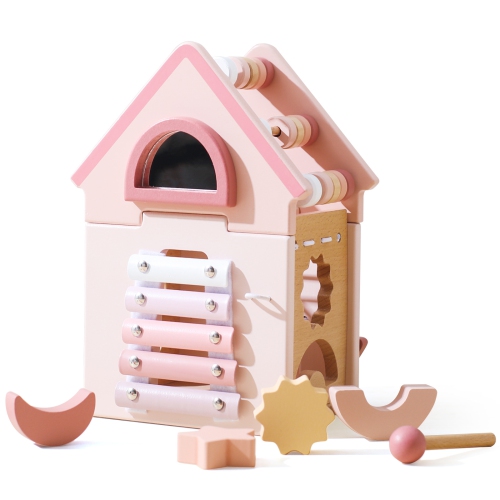
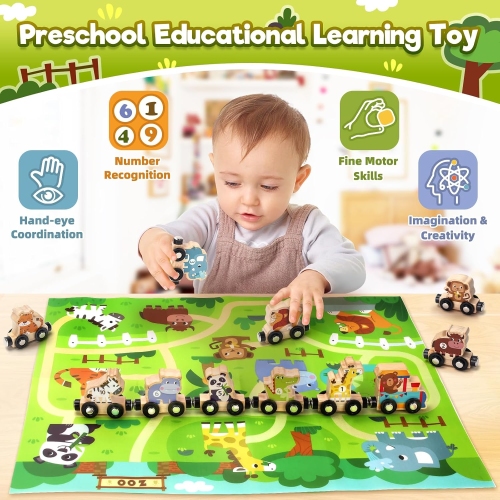
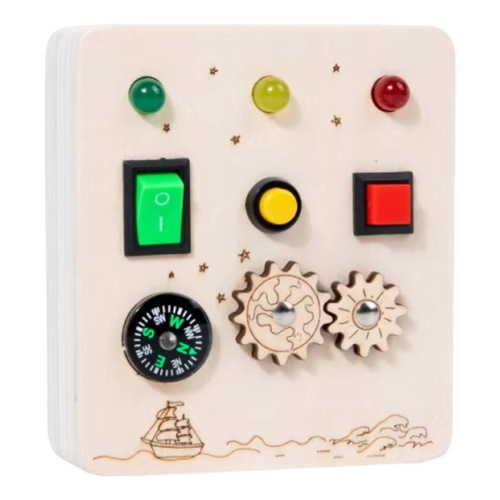
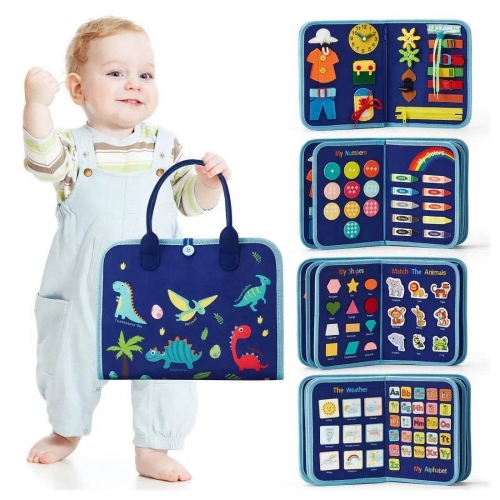
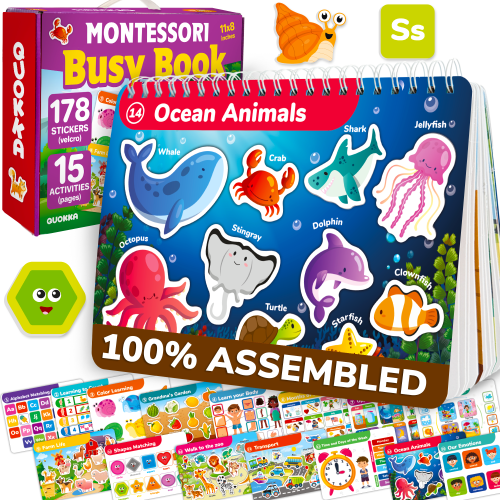
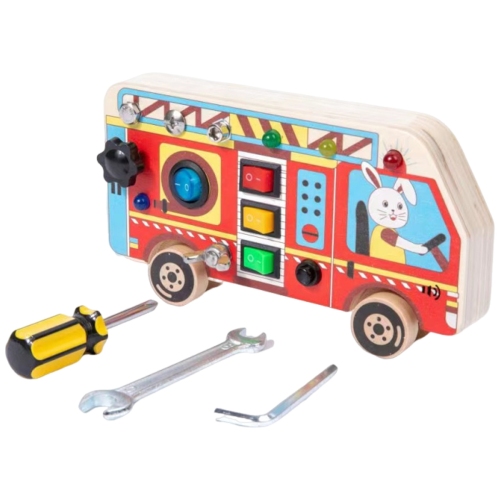
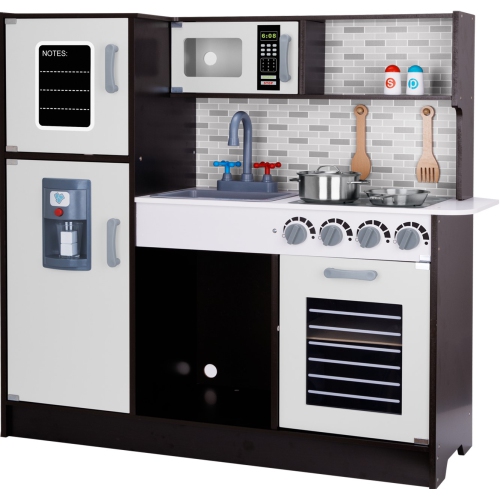
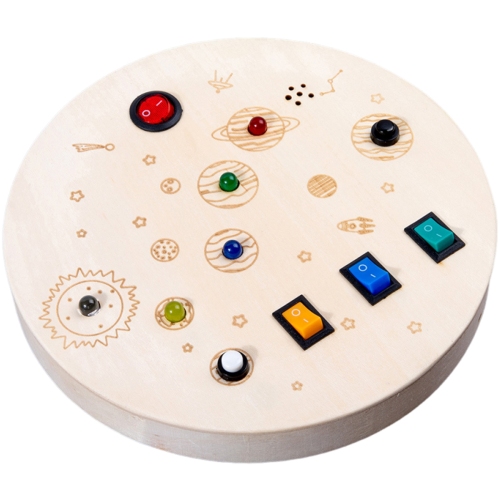
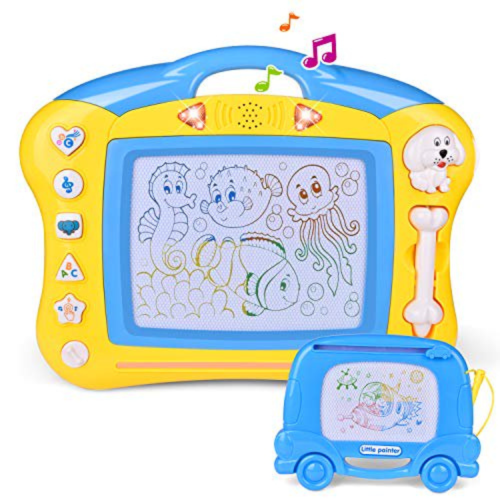
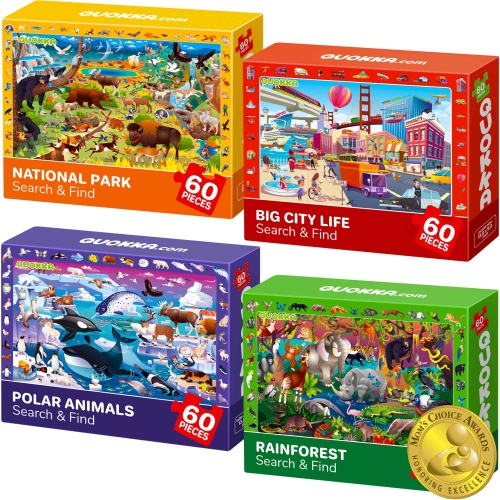
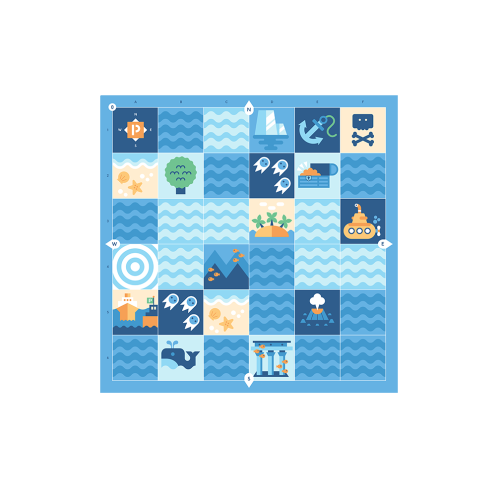
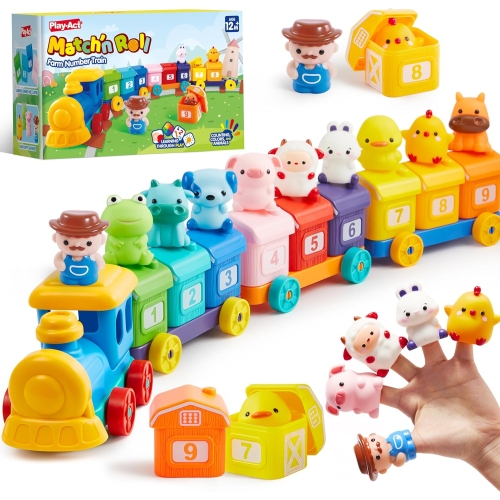
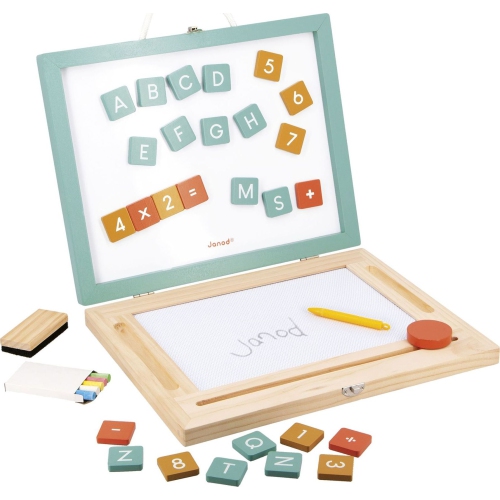
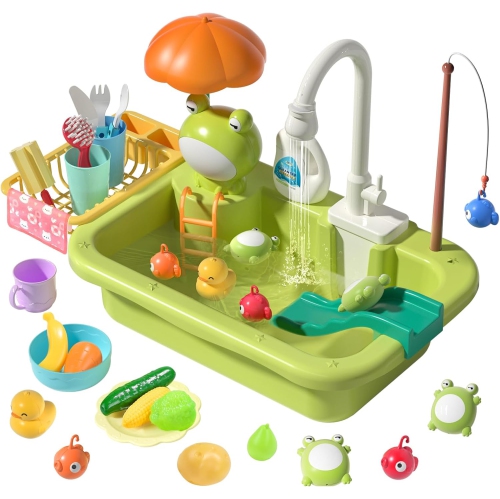
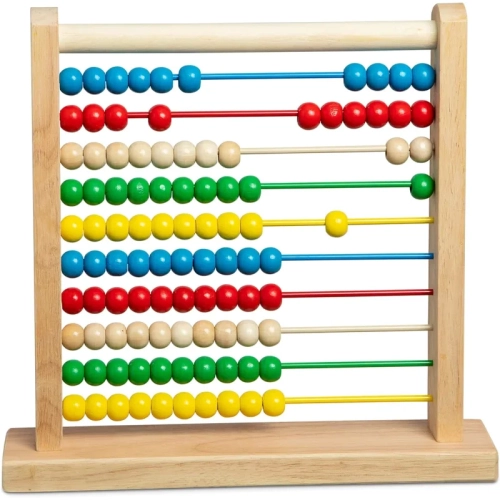
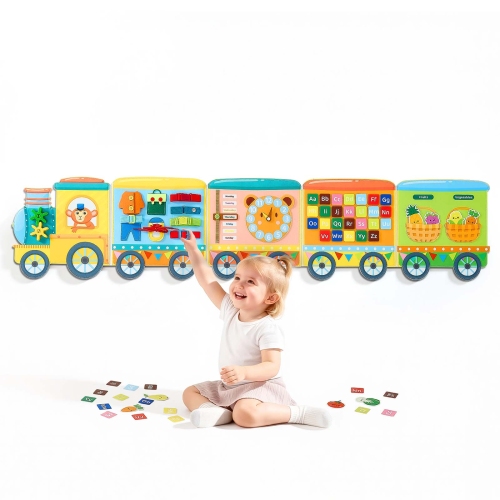
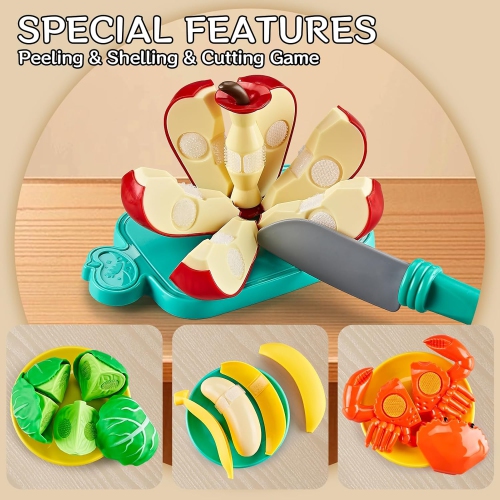
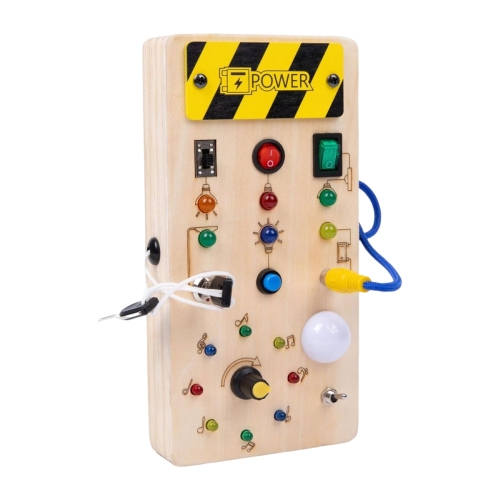
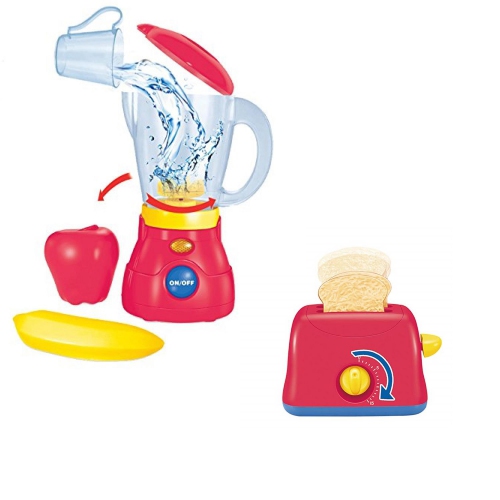
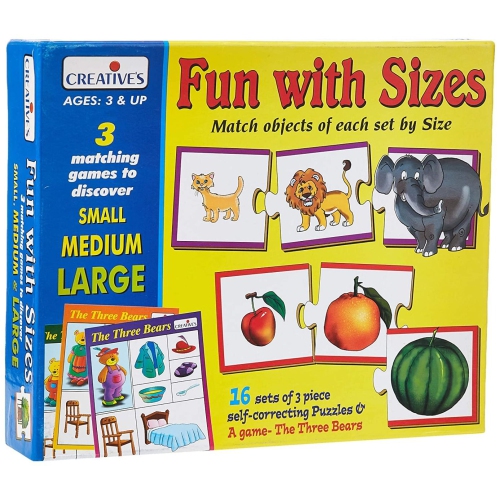
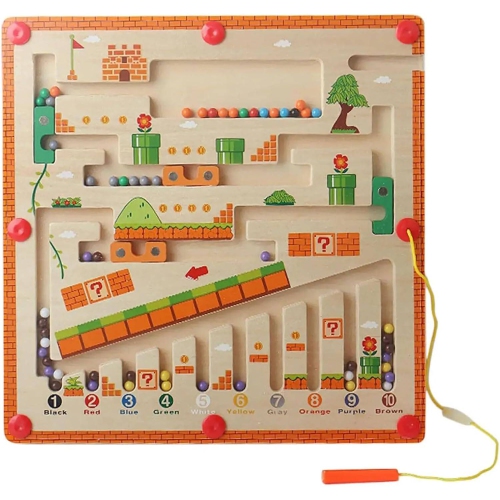
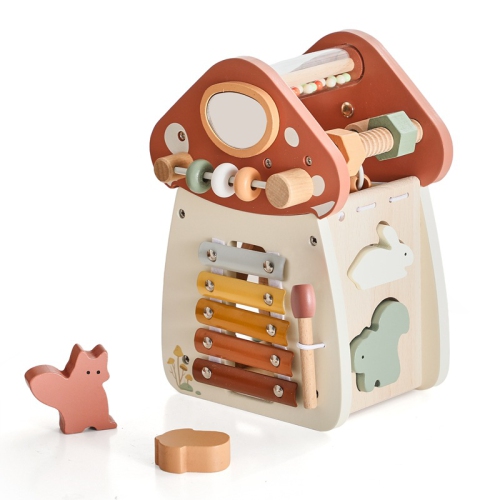
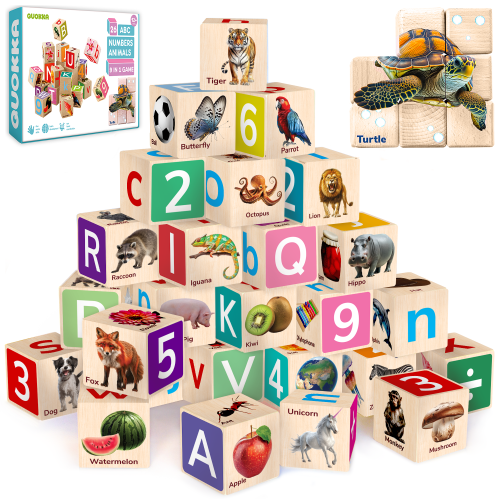
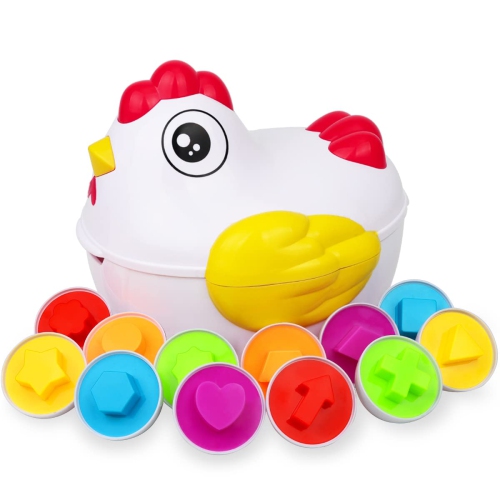
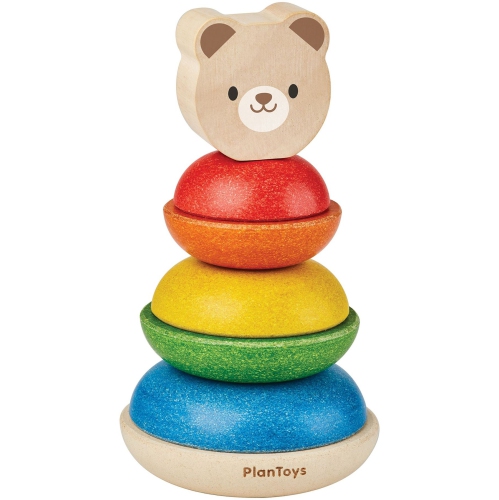
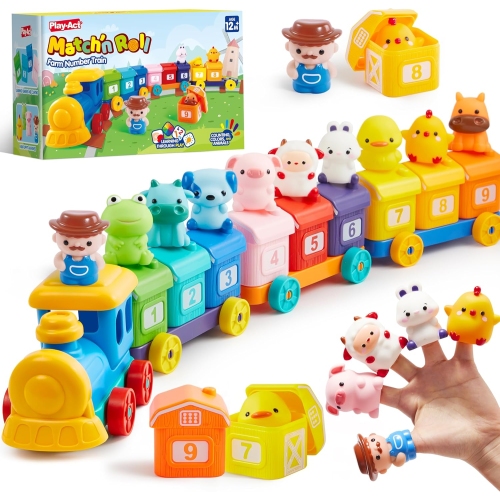
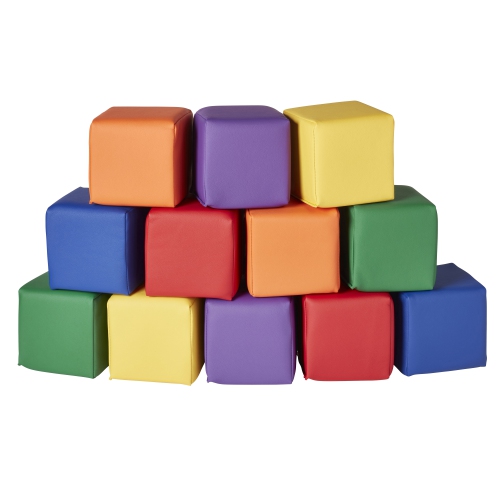
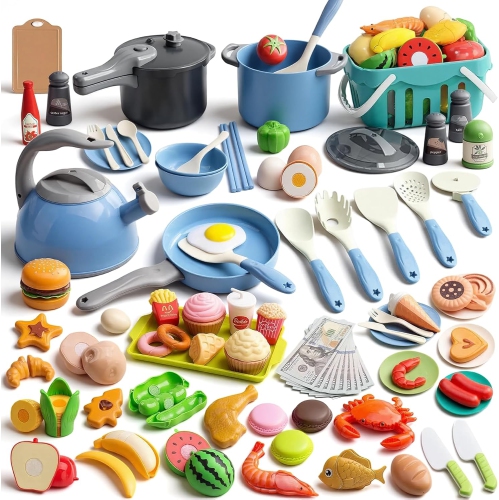
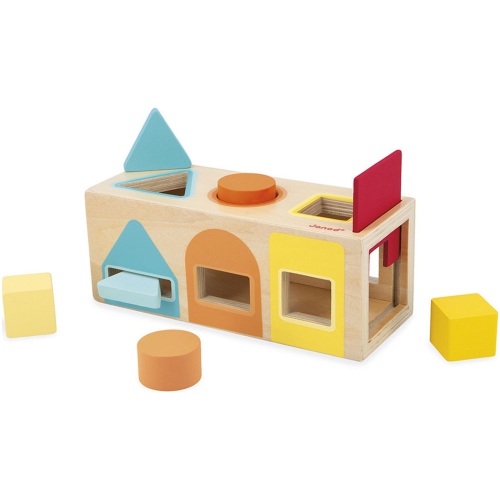
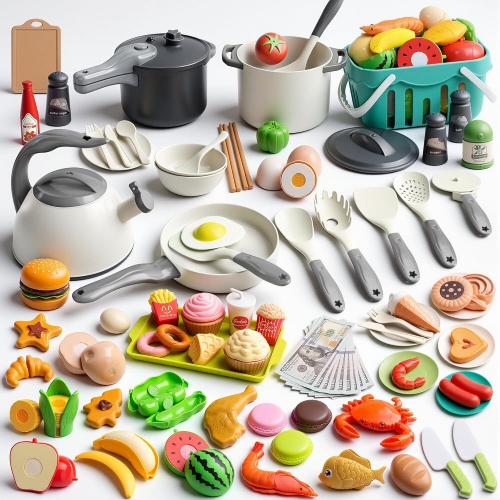
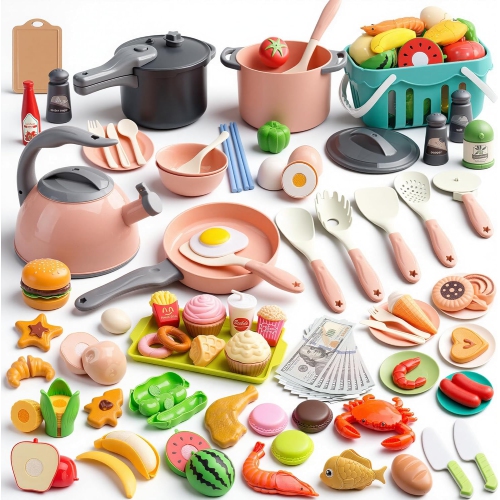
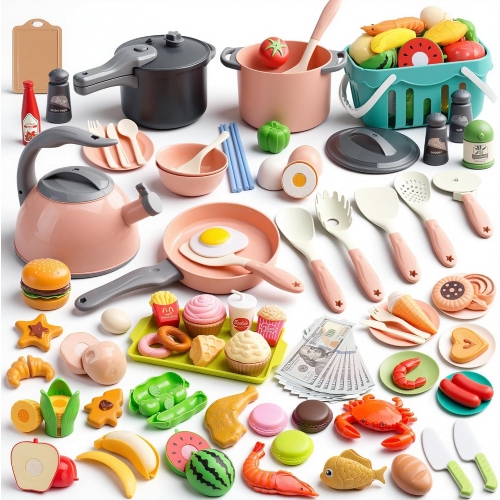
Preschool toys are designed to make learning feel like play, giving children opportunities to explore, create, move and communicate at their own pace. For many children between the ages of three and five, the most engaging toys are open-ended items that can be used in more than one way. Magnetic building tiles, classic wooden blocks and construction sets can become towers, bridges, houses, animal habitats or imaginative vehicles, helping children practise balance, geometry, spatial reasoning and early problem-solving as they build and rebuild. Pretend-play toys such as play kitchens, dress-up accessories, play food and cash registers encourage children to act out familiar routines, experiment with language and practise taking turns with siblings or friends. Interactive learning toys can introduce letters, numbers, animal names, music and simple instructions through buttons, switches, spinning parts or other hands-on activities. Fine motor toys, including colour-sorting games, shape sorters, lacing beads and chunky puzzles, support hand-eye coordination and concentration while helping children recognize patterns, colours, shapes and relationships. The best choice often depends on the child’s interests: a child who enjoys vehicles may spend hours creating roads and garages, while a child fascinated by animals may prefer figurines, matching games or a pretend veterinary set. Choosing a few different types of preschool toys can create a balanced play collection that supports quiet concentration, imaginative storytelling and active social play.
When selecting preschool toys, start with the recommended age range and look for designs that match the child’s current abilities without making the activity feel too difficult. Toys with larger pieces and easy-to-grasp handles can be more comfortable for younger preschoolers, while children approaching kindergarten may enjoy more detailed puzzles, building challenges, counting activities and games with simple rules. Check that construction pieces, beads, puzzle parts and other components are appropriate for the child, especially in homes with younger siblings who may put objects in their mouths. Durable materials, sturdy construction and parts that are easy to wipe clean can be helpful for toys that are used frequently or shared by several children. It is also worth considering where and how the toy will be used. Compact sorting games, magnetic drawing activities and small building sets are convenient for a playroom, bedroom or travel bag, while larger pretend-play sets may be better suited to an open area where children can move around and invite others into the story. Look for toys that offer a little challenge while still allowing children to succeed, since preschool play is often at its richest when a child can make choices, test an idea and try again. A tower that tumbles across the floor, a puzzle piece that finally finds its place or a pretend shop filled with enthusiastic customers can all become meaningful moments of discovery. Adults can support this play by describing what the child is doing, adding new words, counting objects together or joining the story without taking over. For caregivers choosing a present, matching the toy to a child’s favourite activities usually creates a more personal gift than choosing solely by appearance. More ideas for birthdays, special occasions and thoughtful playtime gifts can be found among Gifts for Preschoolers.
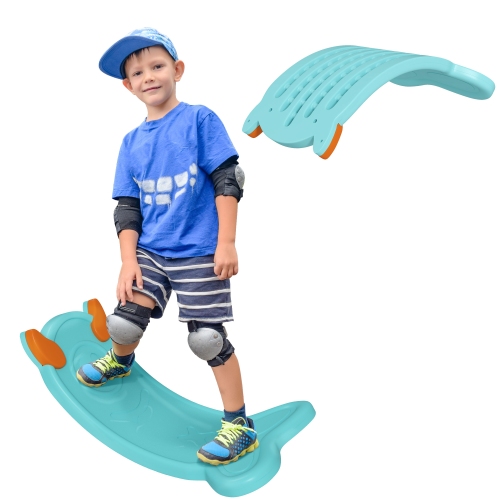
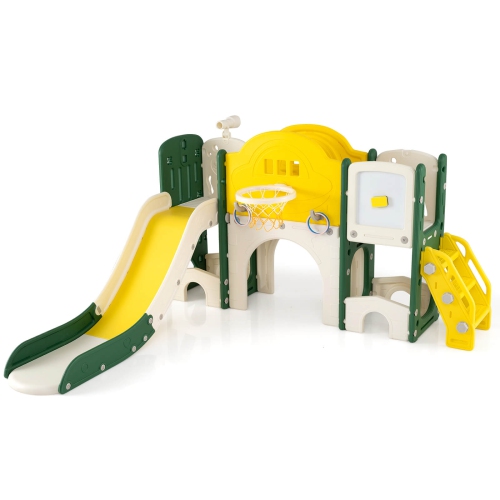
Preschool toys also make practical gifts for grandchildren, nieces and nephews, family friends and children starting preschool or preparing for kindergarten. Open-ended building toys can be enjoyed alone or with a parent, and they often grow with a child as designs become more elaborate. Pretend-play toys are especially useful for siblings or playdates because they naturally encourage cooperation, conversation and role-playing; one child can prepare a meal while another takes an order, cares for a toy animal or joins the game as a customer. Alphabet and counting toys can add a gentle learning element to everyday play without turning it into a formal lesson, while matching, sorting and threading activities give children a chance to strengthen dexterity through repetition. Active toys may help children use their energy during indoor play, particularly during cooler months or on rainy days, while puzzles, building sets and story-based toys can provide a calmer activity after outdoor time. During the warmer part of the year, portable toys can accompany family visits, cottage trips or backyard play, provided small pieces are kept together and used under suitable supervision. As the seasons change, a familiar toy can take on a new role: blocks can become a pretend harvest stand, animal figures can star in an indoor story and a play kitchen can host an imaginary family gathering. The most memorable preschool toys are not always the most complicated. A simple set of blocks, a sorting activity or a few pretend-play pieces can inspire elaborate stories when children have room to make choices and follow their imagination. By considering age suitability, interests, motor skills, social play, available space and the level of challenge, families can choose preschool toys that feel exciting on the first day and continue to offer fresh ways to play over time.
When selecting preschool toys, start with the recommended age range and look for designs that match the child’s current abilities without making the activity feel too difficult. Toys with larger pieces and easy-to-grasp handles can be more comfortable for younger preschoolers, while children approaching kindergarten may enjoy more detailed puzzles, building challenges, counting activities and games with simple rules. Check that construction pieces, beads, puzzle parts and other components are appropriate for the child, especially in homes with younger siblings who may put objects in their mouths. Durable materials, sturdy construction and parts that are easy to wipe clean can be helpful for toys that are used frequently or shared by several children. It is also worth considering where and how the toy will be used. Compact sorting games, magnetic drawing activities and small building sets are convenient for a playroom, bedroom or travel bag, while larger pretend-play sets may be better suited to an open area where children can move around and invite others into the story. Look for toys that offer a little challenge while still allowing children to succeed, since preschool play is often at its richest when a child can make choices, test an idea and try again. A tower that tumbles across the floor, a puzzle piece that finally finds its place or a pretend shop filled with enthusiastic customers can all become meaningful moments of discovery. Adults can support this play by describing what the child is doing, adding new words, counting objects together or joining the story without taking over. For caregivers choosing a present, matching the toy to a child’s favourite activities usually creates a more personal gift than choosing solely by appearance. More ideas for birthdays, special occasions and thoughtful playtime gifts can be found among Gifts for Preschoolers.
Preschool toys also make practical gifts for grandchildren, nieces and nephews, family friends and children starting preschool or preparing for kindergarten. Open-ended building toys can be enjoyed alone or with a parent, and they often grow with a child as designs become more elaborate. Pretend-play toys are especially useful for siblings or playdates because they naturally encourage cooperation, conversation and role-playing; one child can prepare a meal while another takes an order, cares for a toy animal or joins the game as a customer. Alphabet and counting toys can add a gentle learning element to everyday play without turning it into a formal lesson, while matching, sorting and threading activities give children a chance to strengthen dexterity through repetition. Active toys may help children use their energy during indoor play, particularly during cooler months or on rainy days, while puzzles, building sets and story-based toys can provide a calmer activity after outdoor time. During the warmer part of the year, portable toys can accompany family visits, cottage trips or backyard play, provided small pieces are kept together and used under suitable supervision. As the seasons change, a familiar toy can take on a new role: blocks can become a pretend harvest stand, animal figures can star in an indoor story and a play kitchen can host an imaginary family gathering. The most memorable preschool toys are not always the most complicated. A simple set of blocks, a sorting activity or a few pretend-play pieces can inspire elaborate stories when children have room to make choices and follow their imagination. By considering age suitability, interests, motor skills, social play, available space and the level of challenge, families can choose preschool toys that feel exciting on the first day and continue to offer fresh ways to play over time.
Top selling and popular products
-
 Your price for this item is $38.98
 -
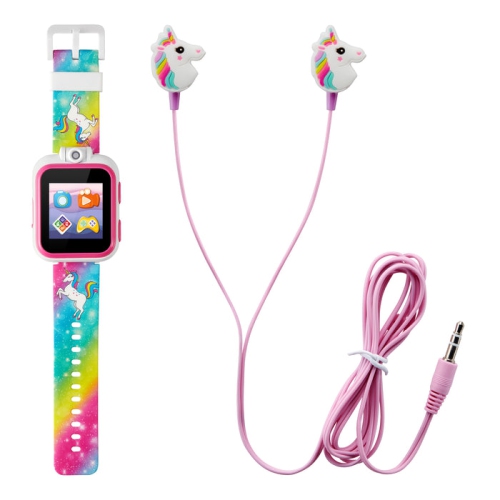 Your price for this item is $19.99
 -
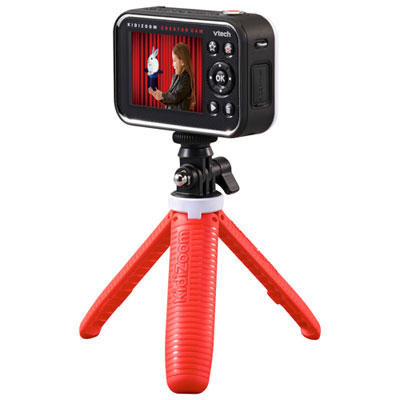 Your price for this item is $89.99
 -
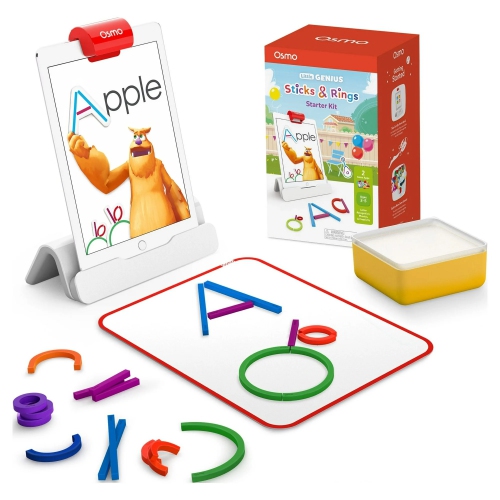
![OSMO - Genius Starter Kit - for Ipad [Electronics]](https://multimedia.bbycastatic.ca/multimedia/products/500x500/188/18884/18884576.jpeg) Your price for this item is $49.99
Your price for this item is $49.99 -
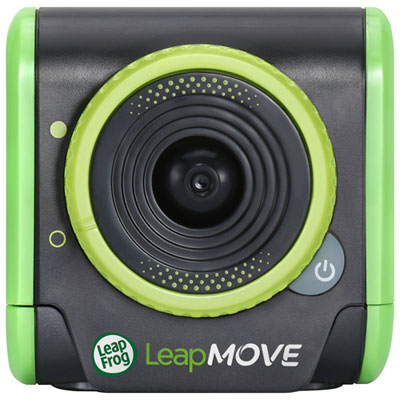 Your price for this item is $79.99
 -
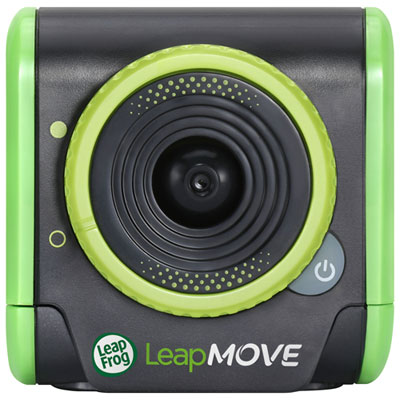 Your price for this item is $79.99
 -
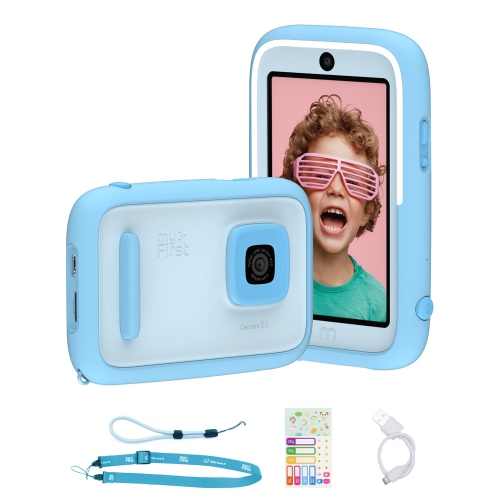 Your price for this item is $149
 -
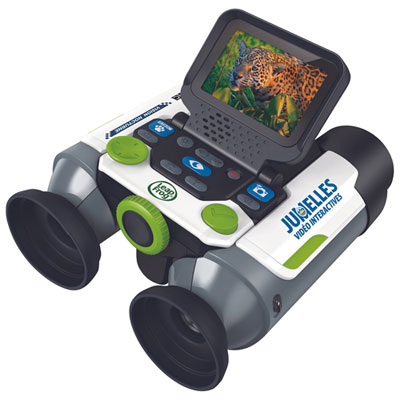 Your price for this item is $79.99
Discover more categories related to Preschool Toys
Top Collections:
Pokemon Centers, Kindle Devices, Best Budget Office Chairs, Canon G7X Cameras, Apple iPhones 16, Samsung Galaxy Phones, Refurbished Apple Laptops, Laptops for Students, iPhone 15 Apple, Budget Smartphones
Some products may be subject to Environmental Handling Fees
(EHF) depending on your province.
Learn more about EHFs.