Protective Card Sleeves
When it comes to keeping your important cards safe and secure, protective card sleeves are a must-have accessory. Whether you're looking to safeguard your credit cards, IDs, or business cards, these durable sleeves provide an extra layer of protection against scratches, bending, and other damage. With various sizes and materials available, finding the perfect fit for your cards has never been easier. Browse our selection of protective card sleeves to find the ideal solution for preserving your valuable cards in top condition.
Sort
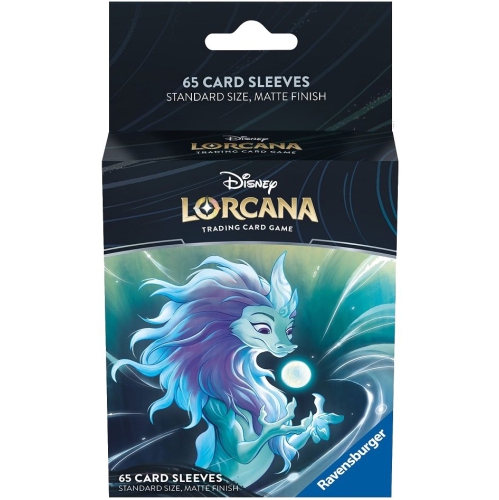


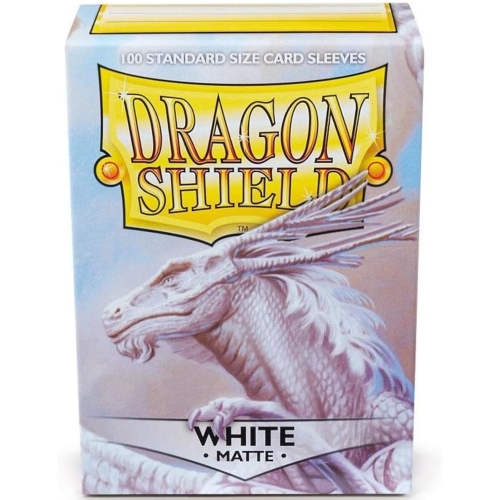


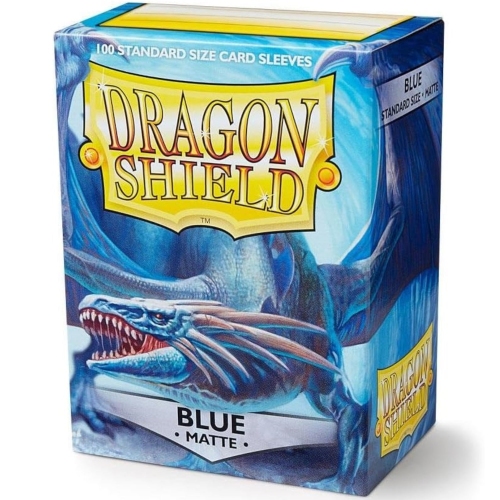


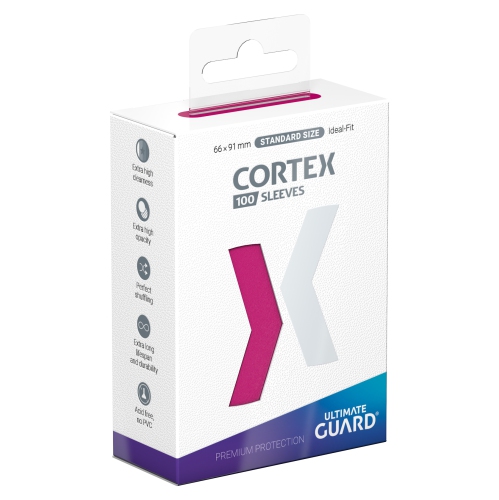

































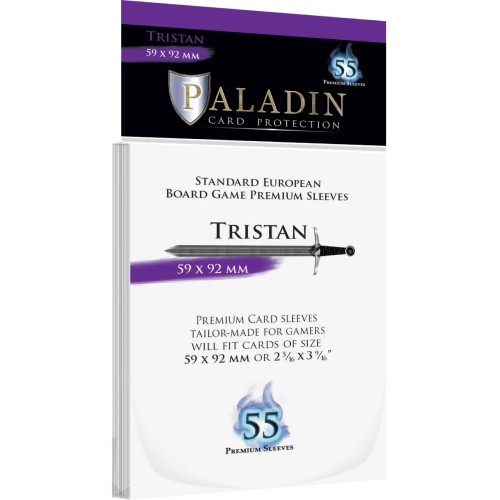


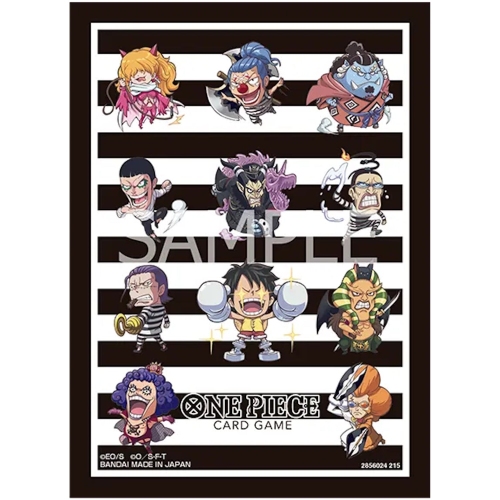


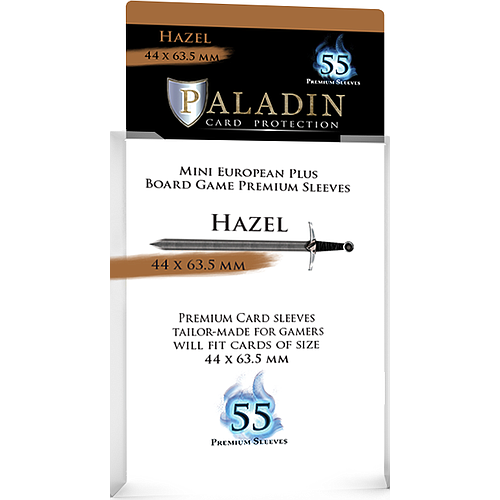


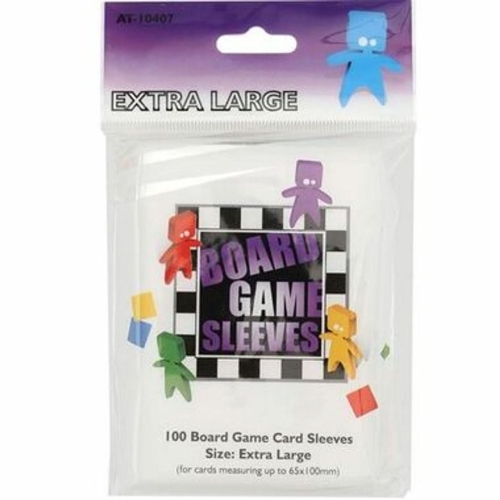














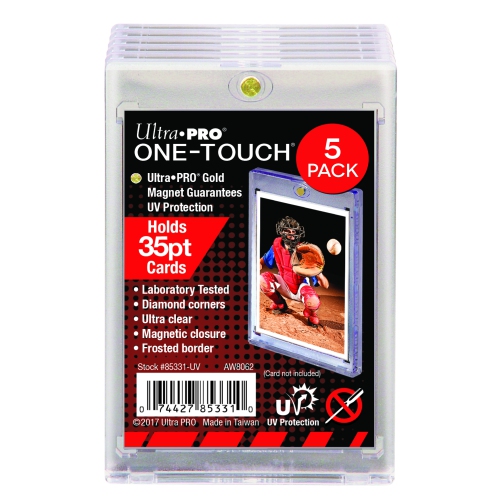


How sleeve fit affects card protection and play
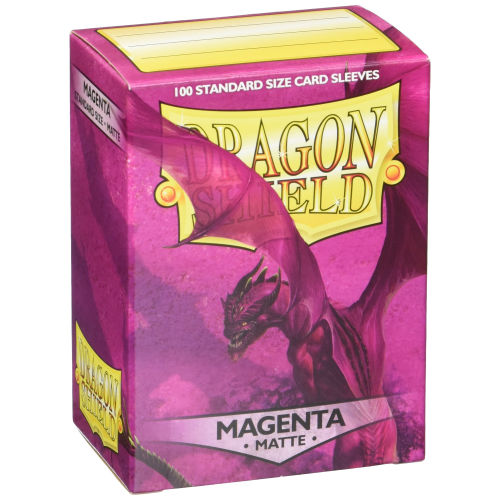
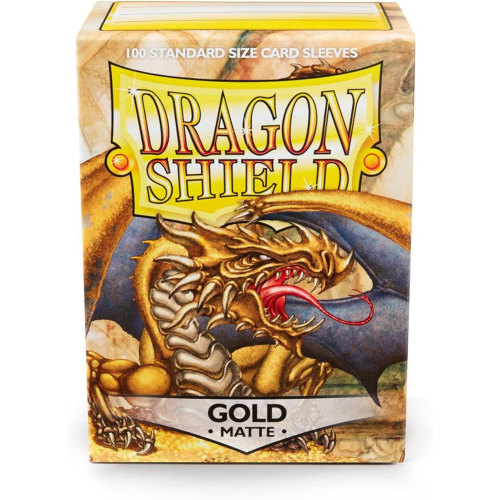
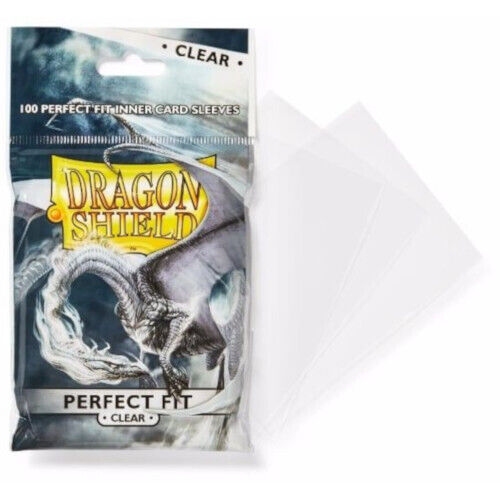
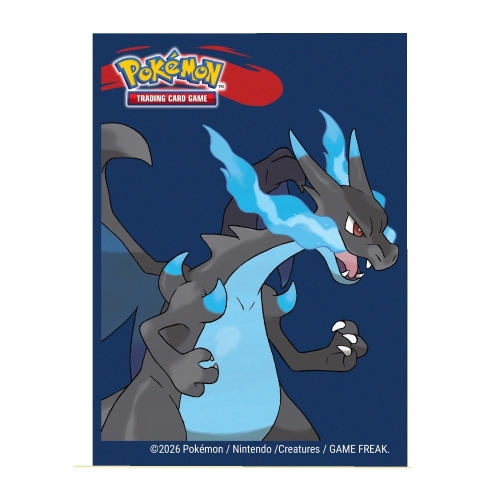
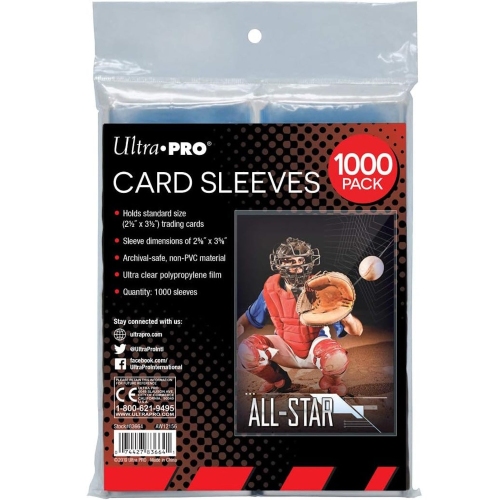
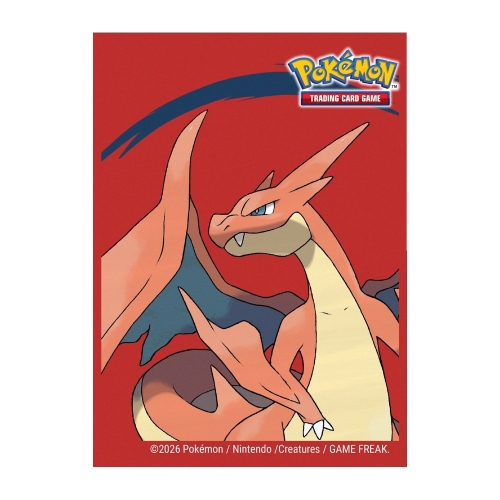
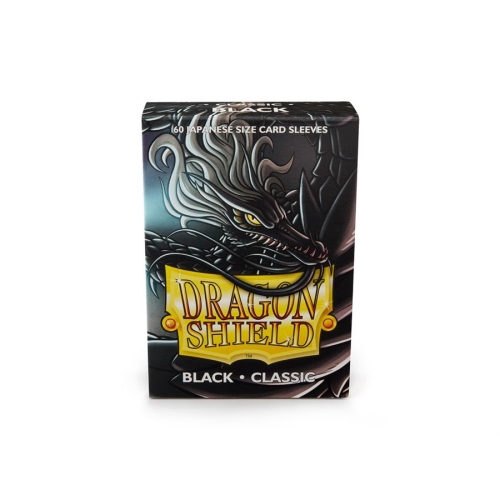
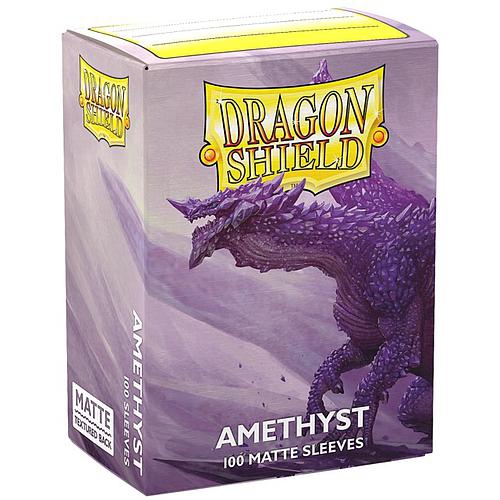
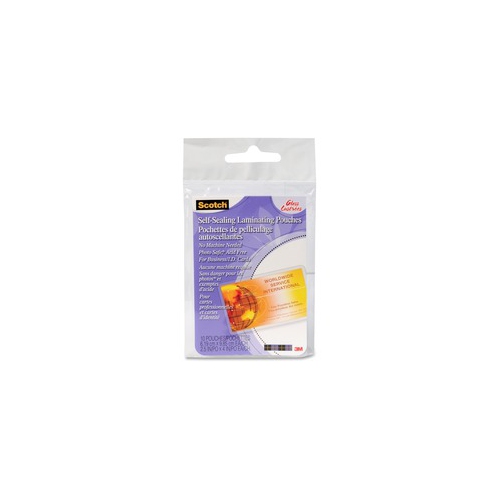
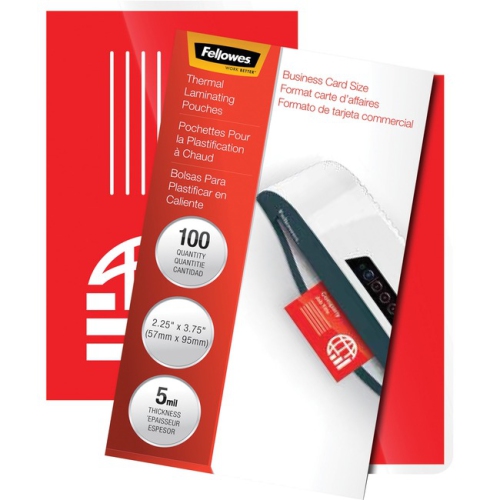
Protective card sleeves are thin covers that help shield trading cards, sports cards, and gaming cards from surface scratches, fingerprints, dust, and wear caused by handling. They place a barrier between a card’s printed surface and the fingers, tabletops, or neighbouring cards it touches during play and storage. For collectors, that protection helps preserve the appearance of artwork, foil finishes, edges, and corners. For players, sleeves also provide a consistent surface for shuffling and drawing from a deck. Different sleeve styles serve different purposes. Soft sleeves, often called penny sleeves, are lightweight, flexible covers commonly used for general storage or as a first layer inside a compatible rigid holder. Deck protector sleeves are designed for repeated handling and usually have a clear front with a clear, coloured, or illustrated back. Close-fitting inner sleeves sit beneath compatible outer sleeves to add another layer of coverage. Graded card sleeves serve a separate purpose: they fit around a grading slab rather than directly around the card, helping keep the slab’s exterior free from scuffs. Across these formats, material and construction matter as much as appearance. Polypropylene is a common sleeve material, while PVC-free and acid-free descriptions can help identify options intended for prolonged contact with paper collectibles. Those labels are useful material details, but they do not guarantee that a card will remain unchanged indefinitely. Clear fronts make small text, fine artwork, and surface details easier to inspect without removing the card. Glossy surfaces can emphasize the shine of a foil card, while a textured finish may reduce reflections or change how the sleeve feels in the hand. Some sleeves combine a clear glossy front with a matte back, so the finish description is worth reading closely. The selection of trading card sleeves covers the same everyday needs, from keeping a small collection tidy to protecting cards that see regular tabletop play.
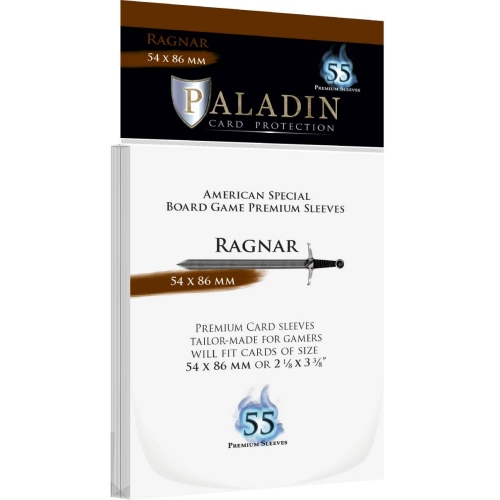
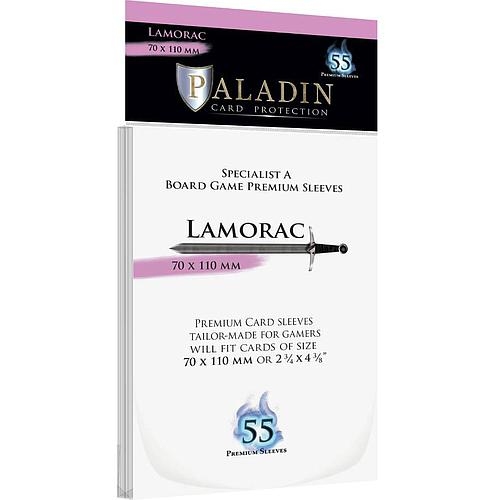
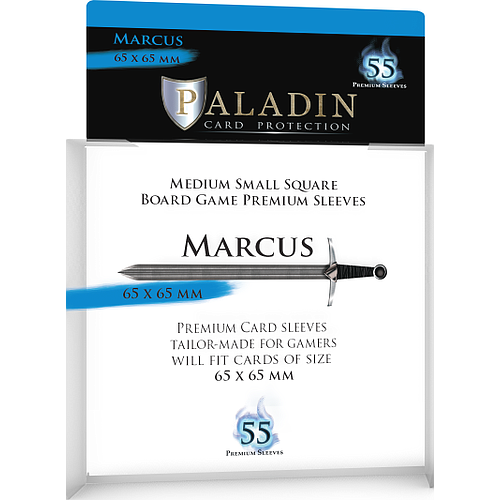
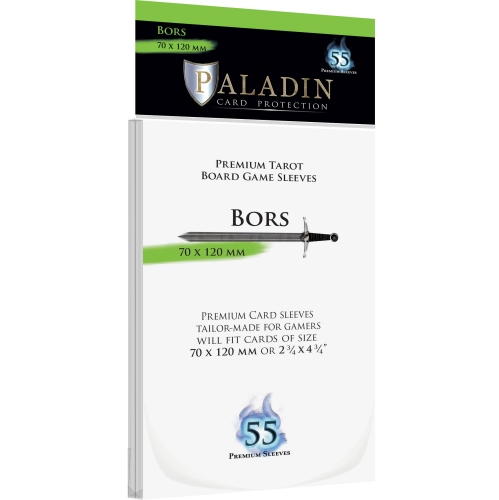
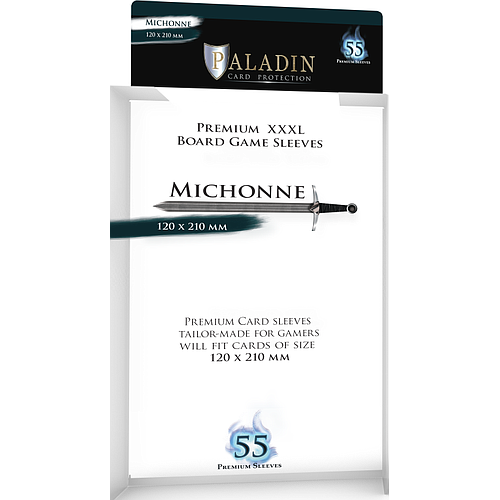
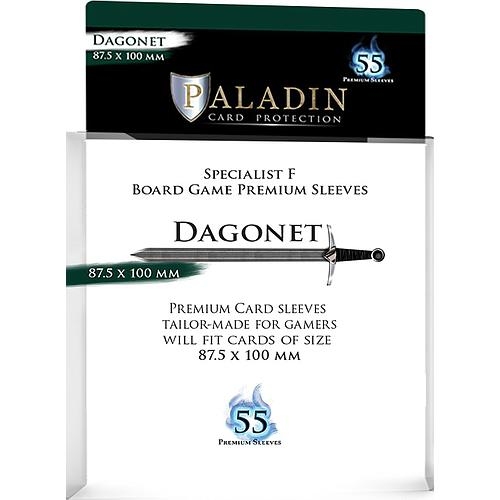
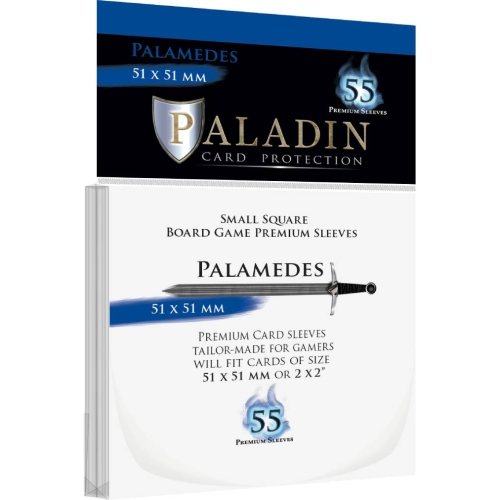
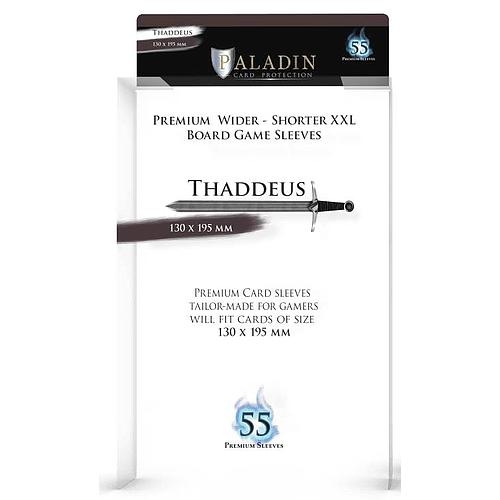
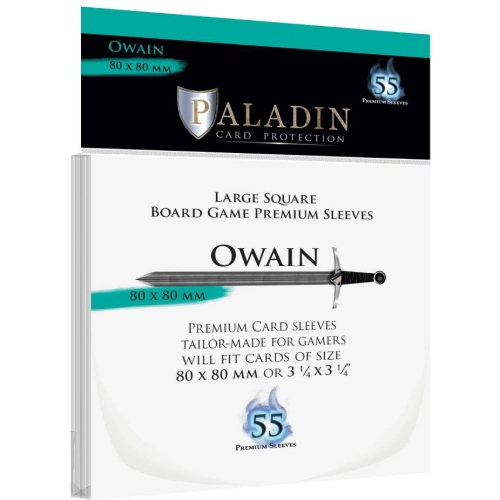
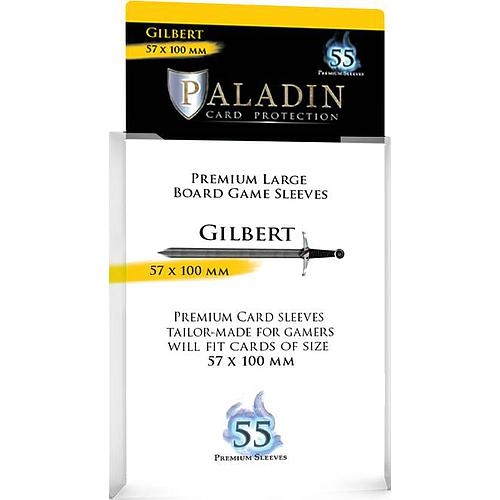
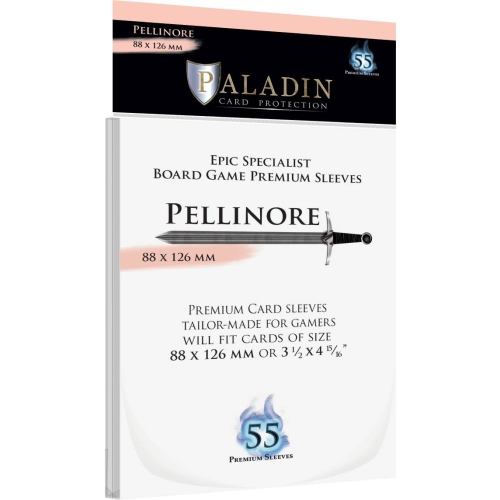
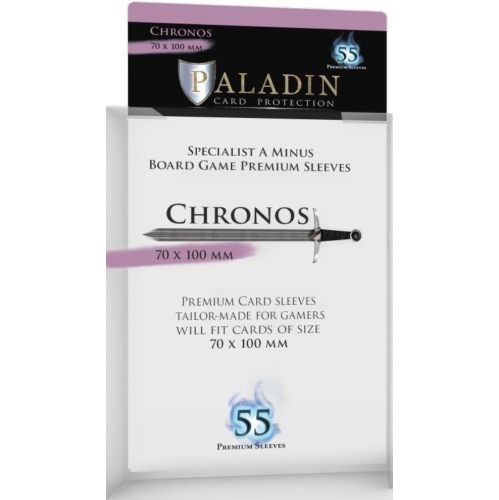
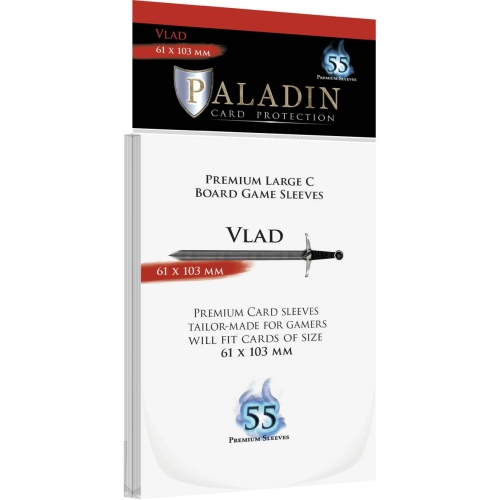
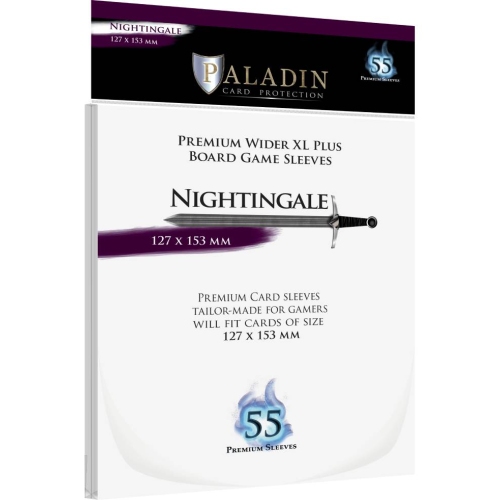
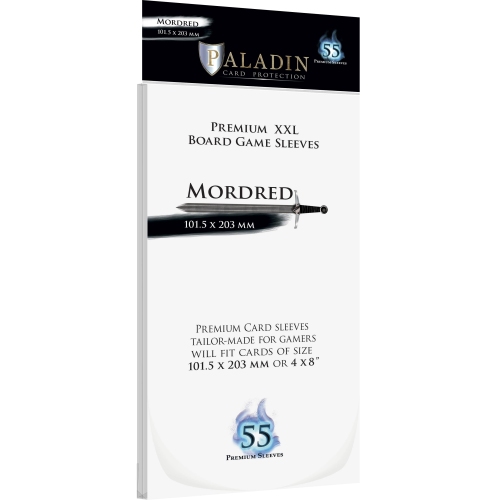
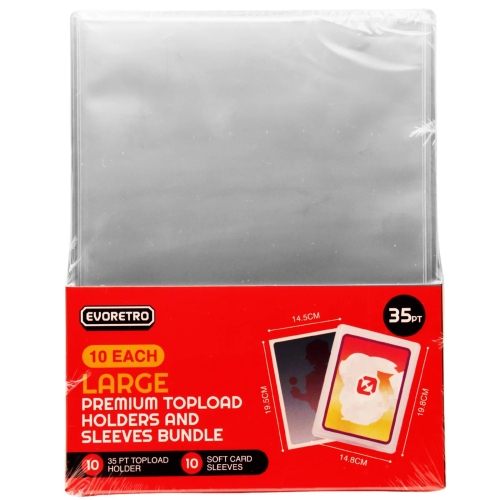
Fit is one of the most important differences between protective card sleeves. Standard trading cards commonly measure approximately 63 × 88 mm, but smaller gaming cards, oversized cards, and thicker memorabilia cards need different dimensions or formats. A sleeve labelled for standard cards is not automatically suitable for every card in a collection. The stated measurements may describe the sleeve itself or the card size it is intended to hold, so checking that distinction helps avoid a cover that pinches the corners or leaves too much room for movement. A suitable fit allows the card to slide in gently, sit flat, and remain covered along its edges without bowing. Forcing a thick card into a narrow opening can damage both the sleeve seams and the card. With double-sleeving, a close-fitting inner sleeve sits inside a larger outer sleeve; positioning their openings at opposite ends adds coverage around the card’s exposed opening. This arrangement is not waterproof, and the combined layers must fit without pressing or bending the card. Double-sleeving also increases deck thickness, which affects how comfortably a deck fits into a storage box or rests in the hand. For frequent gameplay, handling characteristics become particularly noticeable. A textured back can provide a different grip from a smooth surface, while sleeve thickness and seam quality influence how the deck behaves during repeated shuffling. Uniform opaque backs help conceal differences between card backs, although organized play may have its own requirements for sleeve condition and appearance. A split seam, bent sleeve corner, or distinct scratch can make one card identifiable within a deck, making consistent condition important as well as consistent colour. Clear-backed sleeves can be useful when both sides of a card need to remain visible. Board game cards introduce another consideration: one game may contain several card sizes, and sleeved decks may no longer fit the original tray. Matching dimensions, intended use, and storage space keeps protection practical rather than adding frustration to every setup.
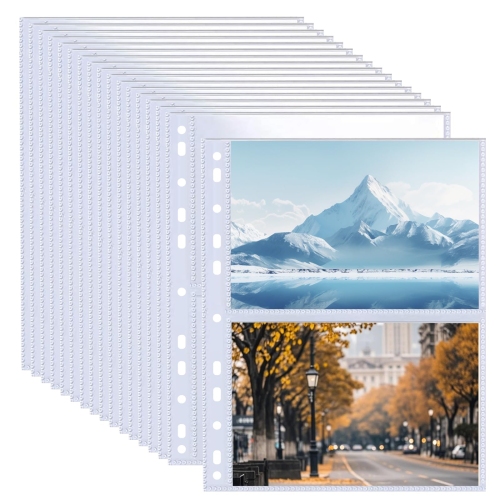
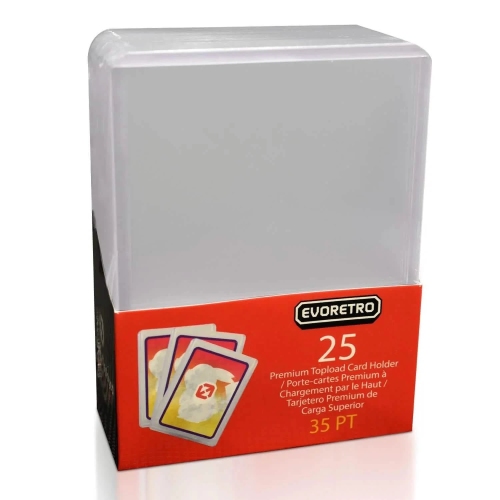
Day-to-day care helps sleeves do their job without becoming another source of wear. Cards are best inserted on a clean, dry surface with clean, dry hands, holding each card gently by its edges where practical. Dust or grit trapped inside a sleeve can rub against the card, so a cover with visible debris, a cloudy surface, or damaged seams is better replaced than reused. Wiping a sleeve’s exterior with a soft, dry cloth can remove light marks, but cleaning sprays and abrasive cloths can leave residue or scratch the plastic. Removing and reinserting a card unnecessarily adds handling, especially around vulnerable corners. For collections that are viewed often, clear sleeves paired with compatible binder pockets let the artwork remain visible without repeated direct contact. For cards carried to a game night or trading session, a properly sized deck box keeps the sleeved stack together and reduces movement in a bag. Flexible sleeves alone offer little resistance to bending or crushing; a compatible rigid holder or sturdy storage case provides structural support that a thin cover cannot. Soft-sleeved cards placed in rigid holders should slide in without force, and thicker cards require holders designed for their thickness. Sleeve openings also leave a path for liquids, so drinks belong away from the play surface even when cards have more than one protective layer. Keeping stored cards away from direct sunlight helps limit light exposure that ordinary sleeves are not necessarily designed to block. These details matter to a wide range of users: sports collectors organizing cards by team, players carrying a well-used deck, families protecting frequently shuffled game cards, and hobbyists keeping a favourite illustrated card easy to view. Sleeves can also make a thoughtful gift for a card enthusiast when the recipient’s card dimensions and preferred finish are known. A collector focused on display may value unobstructed clarity, while a regular player may prefer a familiar texture and matching backs. The most useful protection fits the cards and the way they are handled, displayed, and stored.
Top selling and popular products
-
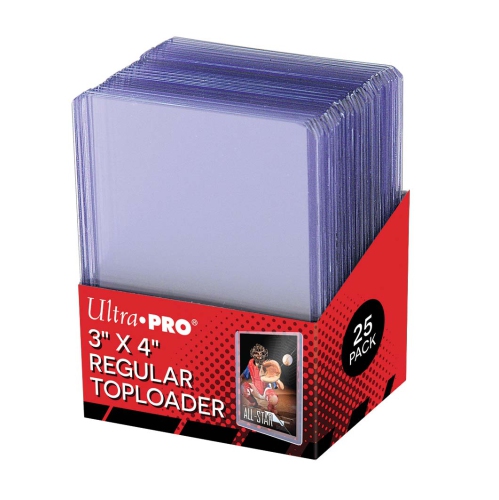 Your price for this item is $18
-
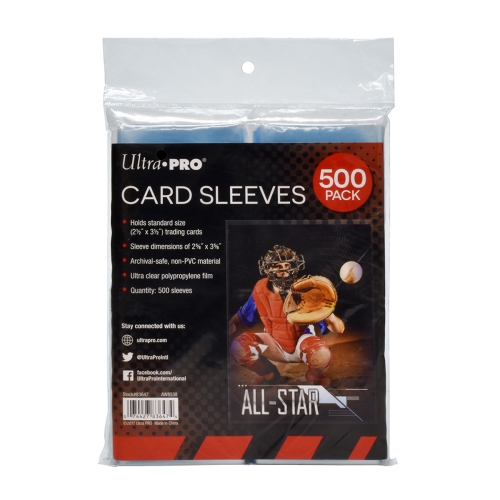 Your price for this item is $7.99
-
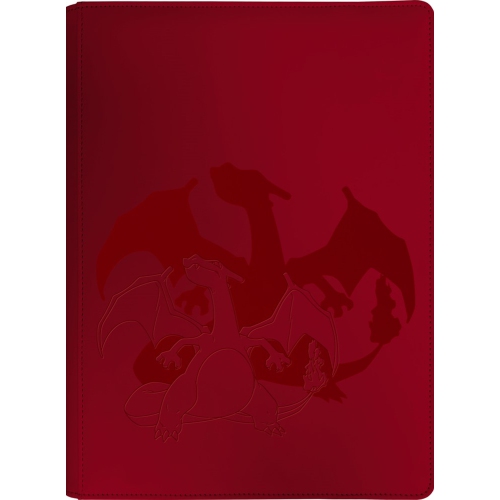 Your price for this item is $55
-
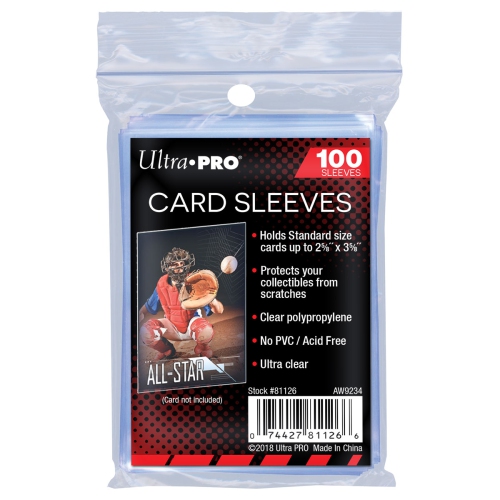 Your price for this item is $3.39
-
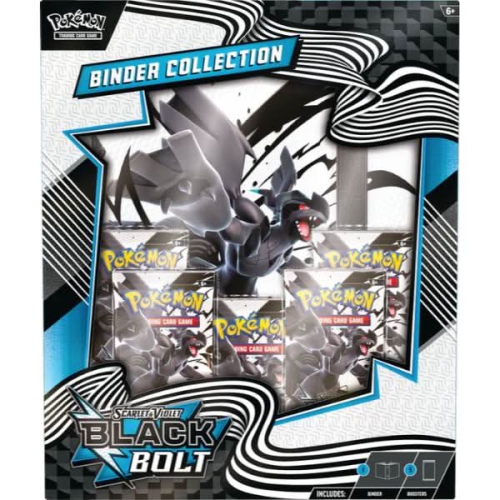 Your price for this item is $199.99
-
 Your price for this item is $35
-
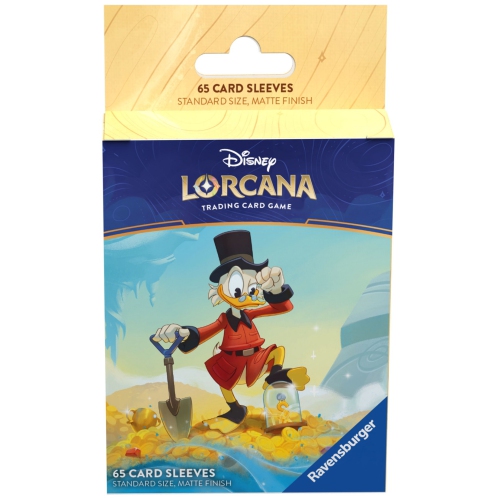 Your price for this item is $18.4
-
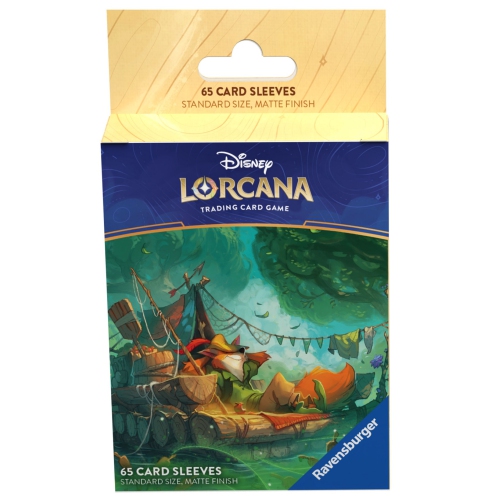 Your price for this item is $13.8
Discover more categories related to Protective Card Sleeves
Top Collections:
Pokemon Centers, Best Cameras for Sports Photography, Kindle Devices, Samsung Galaxy Phones, Canon G7X Cameras, Pokémon 30th Celebration Cards, Refurbished Apple Laptops, iPhone 15 Apple, Laptops for Students, Budget Smartphones
Some products may be subject to Environmental Handling Fees
(EHF) depending on your province.
Learn more about EHFs.