Purple Paints
Add a vibrant touch to any project with purple paints, perfect for unleashing your creativity and expressing your unique style. Whether you’re working on home décor, crafts, or artistic masterpieces, these rich hues offer endless possibilities for bold and beautiful results. Explore a wide selection of shades and finishes to find the ideal purple paint to bring your vision to life.
Sort
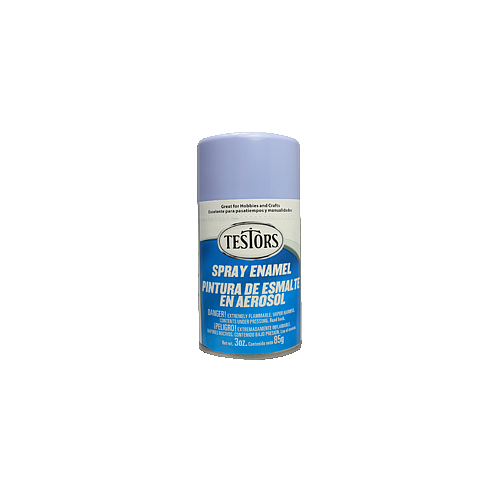
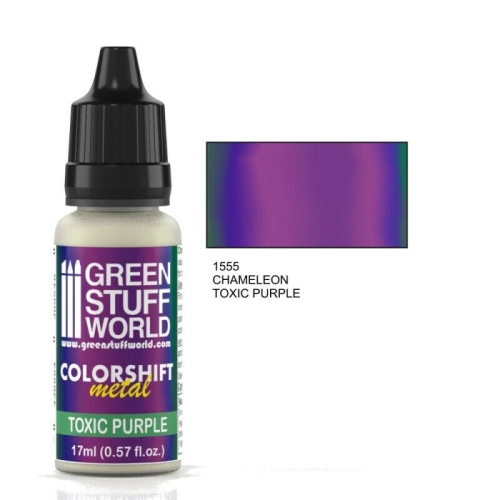
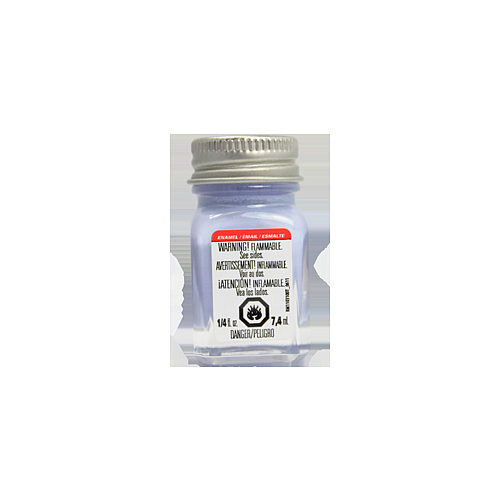
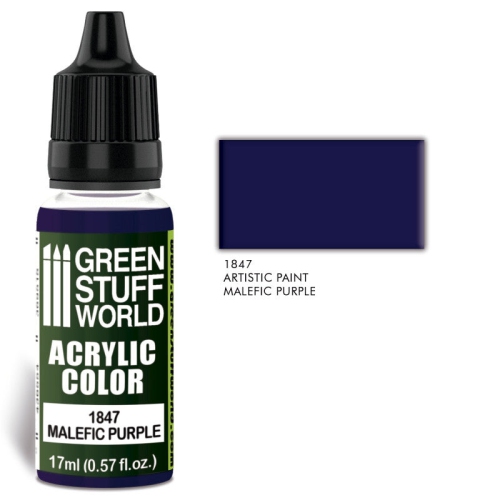
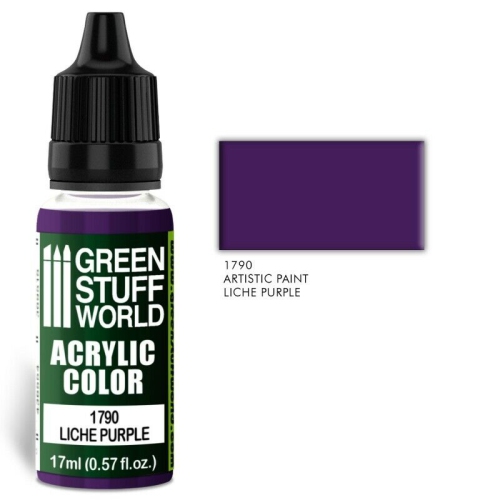
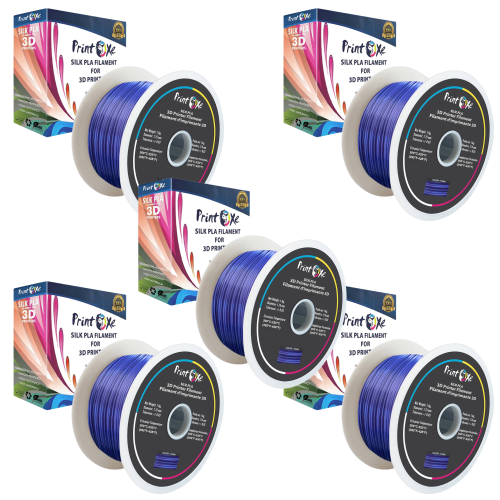
A versatile spectrum spans airy lavender to rich plum
Purple paints bring together a surprisingly broad range of colour, finish, and intended uses. The family includes soft lavender, dusty lilac, muted mauve, blue-leaning violet, vivid magenta-purple, and deep plum-inspired shades, making it useful for everything from small creative projects to expressive artwork and decorative updates. A pale purple with a touch of grey can create a quiet, airy impression, while a saturated violet adds energy and visual depth. Colours with more blue in the mix often feel cooler and more tranquil; red-leaning purples can look warmer, richer, and more dramatic. Lighting has a noticeable effect as well. A shade that appears delicate beside a sunny window may seem deeper under evening lamps, while a glossy surface can make colour look more intense than a matte finish. When choosing from a selection of purple paints, consider the surface, the project size, the desired finish, and the way the colour will appear beside existing furnishings, paper, canvas, trim, or other craft materials. Paint intended for artwork may be formulated differently from paint made for decorative surfaces, so checking the recommended application and drying characteristics can help prevent uneven coverage or disappointing results. For a broad selection of creative colour options, explore Art Paints, where purple shades can suit sketching, canvas work, school assignments, model-making, and hands-on craft activities.
Purple paint can be a practical choice for artists and makers who want a colour that ranges from understated to theatrical without losing its distinctive character. Beginners may appreciate ready-to-use purple because it offers an easy way to add colour to a project, while more experienced painters may select several purple tones to build shadows, highlights, and layered transitions. Acrylic formulas are often valued for their versatility and relatively quick drying time, making them suitable for canvas, card, wood, decorative objects, and many craft surfaces when used according to the label directions. Matte finishes can give artwork a soft, understated appearance and help reduce reflections; gloss finishes can make decorative pieces look brighter and emphasize the richness of a jewel-toned purple. For detailed work, look for a consistency that responds well to brushes, sponges, palette knives, or other tools being used. Coverage also matters: opaque paint can provide a strong block of colour in fewer coats, while more transparent formulas can be layered to create luminous washes. Purple is also useful for colour-mixing practice. A clean, vibrant result often comes from combining a blue without strong yellow undertones with a red or magenta that does not contain excessive yellow. Small test mixtures are worthwhile because different pigments can produce anything from a clear violet to a muted, earthy mauve. Adding white creates tints such as lavender and lilac, while a small amount of black or a complementary yellow-green can deepen the colour, although too much may make the mixture look dull. Keeping a separate mixing area and allowing a sample to dry before judging it can make colour selection more predictable.
These paints can suit many kinds of shoppers, including hobbyists refreshing their supplies, students preparing presentations or art projects, families planning an afternoon of creative activities, and experienced creators building a more complete colour palette. Purple is especially effective for imaginative themes, floral studies, twilight scenes, fantasy-inspired artwork, lettering, seasonal decorations, and room accents. During the warmer part of the year, a light lavender or lilac can complement bright fabrics and open, sunlit spaces; during the cooler months, deeper violet and plum shades can add warmth and a cosy sense of contrast. They can also make thoughtful gifts for someone who enjoys journaling, painting, decorating ornaments, or trying new craft techniques, particularly when paired with suitable brushes, palettes, paper, canvas, or protective coverings. Before buying, review the volume of paint and consider whether the project calls for a small squeeze bottle, a larger container, or several coordinating shades. Check the surface compatibility, finish, drying time, clean-up method, and whether multiple coats are likely to be needed. It is also helpful to think about storage, since tightly sealed containers and clean lids help preserve the paint between projects. For wall or furniture applications, confirm that the formula is intended for that material and test the colour in an inconspicuous area first. For artwork and crafts, try a small swatch on the same material that will be used for the finished piece. This simple step reveals how the purple behaves after drying and how it interacts with texture, light, and nearby colours, helping each selection feel considered from the first brushstroke to the final detail.
Purple paint can be a practical choice for artists and makers who want a colour that ranges from understated to theatrical without losing its distinctive character. Beginners may appreciate ready-to-use purple because it offers an easy way to add colour to a project, while more experienced painters may select several purple tones to build shadows, highlights, and layered transitions. Acrylic formulas are often valued for their versatility and relatively quick drying time, making them suitable for canvas, card, wood, decorative objects, and many craft surfaces when used according to the label directions. Matte finishes can give artwork a soft, understated appearance and help reduce reflections; gloss finishes can make decorative pieces look brighter and emphasize the richness of a jewel-toned purple. For detailed work, look for a consistency that responds well to brushes, sponges, palette knives, or other tools being used. Coverage also matters: opaque paint can provide a strong block of colour in fewer coats, while more transparent formulas can be layered to create luminous washes. Purple is also useful for colour-mixing practice. A clean, vibrant result often comes from combining a blue without strong yellow undertones with a red or magenta that does not contain excessive yellow. Small test mixtures are worthwhile because different pigments can produce anything from a clear violet to a muted, earthy mauve. Adding white creates tints such as lavender and lilac, while a small amount of black or a complementary yellow-green can deepen the colour, although too much may make the mixture look dull. Keeping a separate mixing area and allowing a sample to dry before judging it can make colour selection more predictable.
These paints can suit many kinds of shoppers, including hobbyists refreshing their supplies, students preparing presentations or art projects, families planning an afternoon of creative activities, and experienced creators building a more complete colour palette. Purple is especially effective for imaginative themes, floral studies, twilight scenes, fantasy-inspired artwork, lettering, seasonal decorations, and room accents. During the warmer part of the year, a light lavender or lilac can complement bright fabrics and open, sunlit spaces; during the cooler months, deeper violet and plum shades can add warmth and a cosy sense of contrast. They can also make thoughtful gifts for someone who enjoys journaling, painting, decorating ornaments, or trying new craft techniques, particularly when paired with suitable brushes, palettes, paper, canvas, or protective coverings. Before buying, review the volume of paint and consider whether the project calls for a small squeeze bottle, a larger container, or several coordinating shades. Check the surface compatibility, finish, drying time, clean-up method, and whether multiple coats are likely to be needed. It is also helpful to think about storage, since tightly sealed containers and clean lids help preserve the paint between projects. For wall or furniture applications, confirm that the formula is intended for that material and test the colour in an inconspicuous area first. For artwork and crafts, try a small swatch on the same material that will be used for the finished piece. This simple step reveals how the purple behaves after drying and how it interacts with texture, light, and nearby colours, helping each selection feel considered from the first brushstroke to the final detail.
Top selling and popular products
-
 Your price for this item is $119.99
 -
 Your price for this item is $103.49
 -
 Your price for this item is $59.99
 -
 Your price for this item is $6
 -
 Your price for this item is $13.79
 -
 Your price for this item is $16
 -
 Your price for this item is $69.99
 -
 Your price for this item is $38.21
Discover more categories related to Purple Paints
Top Collections:
Pokemon Centers, Kindle Devices, Best Budget Office Chairs, Apple iPhones 16, Best Laptops for Writers, iPhone 15 Apple, Canon G7X Cameras, Refurbished Apple Laptops, Alarm Clock, Motorola Razr Phones
Some products may be subject to Environmental Handling Fees
(EHF) depending on your province.
Learn more about EHFs.